Types of Flowers

Types of Flowers

Types of Flowers: The beauty and diversity of colorful flowers, scents and textures, and intriguing scientific properties can feel like a world beyond our own. However, it is not just the beauty of flowers that captivates us but also the science behind it.

In botany, there are four different types of plants, and one of them is angiosperms (aka flowering plants).

The APG (Angiosperm Phylogeny Group) is an international group of systematic botanists dedicated to discovering new angiosperms, including all types of flowers, that reveal new data about plant relationships identified through phylogenetic studies.

Jump to:

Types of Flowers

Here is a collection of different types of flowers in the plant world, featuring a wide range of flower species, flower types and names, and some of the most common flowers found across regions.

Acacia

Acacia

Acacia flowers are one of the most incredible treats of Australia, eye-opening and sensual as they bathe the savannah in color.
Acanthus

Acanthus

Acanthus flowers are well-known for their stylized leaves, which have been used in architectural decorations for millennia.
Achillea

Achillea

Achillea is a legendary herb and a treasured part of any arid landscape due to its popularity with pollinators.
Aconite

Aconite

Aconite is a poisonous flower that is not as popular as some others.
Adam's Needle

Adam's Needle

Adam’s needle is commonly known as needle palm, yucca, and Spanish bayonet, is an evergreen broad-leaved shrub that is practically stemless that originates from sand dunes beaches
Adder's Tongue

Adder's Tongue

Erythronium americanum is a perennial herb that belongs to the family Liliaceae.
African Boxwood

African Boxwood

African Boxwood is a dioecious plant and native to the Himalayas, Africa, the Azores, and China.
Agapanthus

Agapanthus

Commonly known as the African lily (or the lily of the Nile in Britain) and the flower of love, the Agapanthus is native to southern Africa.
Ageratum

Ageratum

Ageratum (Ageratum houstonianum) is a soft, fluffy-looking flower native to Mexico and Central America.
Alfalfa

Alfalfa

Learn about alfalfa (Medicago sativa), its flower characteristics, cultivation practices, environmental benefits, and economic importance in this comprehensive guide
Allium

Allium

Allium flowers are also valued for their culinary potential and beauty.
Almond Blossom

Almond Blossom

Almond Blossoms are closely linked to peaches and are also known for the oil obtained from the fruits.
Aloe Succotrina

Aloe Succotrina

Aloe succotrina grows high on the cliffs and ledges of the mountains of the Western Cape and southwestern South Africa.
Alstroemeria

Alstroemeria

Alstroemeria resembles a miniature lily and is often referred to as the lily of the Incas or Peruvian lily.
Alyssum

Alyssum

Alyssum is a constant companion to gardeners worldwide and a cheerful specimen that offers the florist or botanist a wide variety of colors
Amaranthus hypochondriacus

Amaranthus hypochondriacus

Known commonly as Prince’s Feather or simply Amaranth, Amaranthus hypochondriacus is a striking ornamental and edible plant native to Mexico.
Amarnath

Amarnath

The beautiful Amaranth is a common sight along the park boundaries and in home gardens.
Amaryllis

Amaryllis

The pretty amaryllis flower, often given away at Christmas, is often seen as a sign of festive joy.
Ambrosia

Ambrosia

Ambrosia flowers were well-known in both Victorian floral language and ancient Greek myth.
American Ash

American Ash

Ash trees are spectacular trees with great cultural significance and mystical beliefs in various aspects of human life.
Ammi majus

Ammi majus

Ammi majus may not be an actual “royal”, but the royal appeal of this flower is undeniable.
Amur Adonis

Amur Adonis

Adonis ramose is an herbaceous Japanese plant with a height of 15-40 cm.
Anemone

Anemone

With around 200 species, Anemone is a flower that belongs to the buttercup family (Ranunculaceae).
Angelica

Angelica

Angelica is a short-lived perennial or hardy biennial herb in the carrot family.
Angelonia

Angelonia

Angelonia angustifolia is native to the West Indies and Mexico.
Apache Plume

Apache Plume

Apache Plume (Fallugia paradoxa) is a hardy shrub native to the deserts of northern Mexico and the southwestern U.S.
Apple Blossom

Apple Blossom

For many nature lovers, apple blossoms (Malus coronaria) are the highlight of the year.
Arbutus

Arbutus

Arbutus is a genus of 12 species of recognized flowering plants in the Ericaceae family, native to the temperate regions of North America, Western Europe, the Mediterranean, and the Canary Islands.
Ardisia

Ardisia

Ardisia (marlberry or coralberry) is a genus of plants in the Primulaceae family.
Aromatic Aster

Aromatic Aster

Symphyotricum oblongifolium is a perennial plant of the Asteraceae family.
Artemisia

Artemisia

Artemisia is a large and diverse genus of aromatic, mostly perennial shrubs and herbs of the Asteraceae (daisy) family, characterized by alternating leaves and small inflorescence.
Artichoke thistle

Artichoke thistle

Cynara cardunculus, also known as Artichoke thistle or cardoon, is a delicate, erect, columnar, and vigorous perennial with spiny, sharp, serrated, deeply lobed, silvery-gray leaves and thistle-like blooms.
Astilbes

Astilbes

Discover the vibrant world of Astilbes, perennial flowering plants that thrive in the shade.
Astragalus

Astragalus

Astragalus is a genus of more than 3,000 species of small shrubs and herbs that belong to the Fabaceae (pea) family and the Faboideae subfamily.
August Lily

August Lily

Discover the August Lily (Hosta plantaginea): a perennial with fragrant white flowers, medicinal properties, and ecological benefits, perfect for shaded gardens and borders
Azalea

Azalea

Discover the vibrant world of Azaleas in our comprehensive guide.
Baby's Breath

Baby's Breath

Baby’s Breath, also known as Gypsophilia, is a bushy, branching plant with small, delicate flowers on long, thin stems.
Bachelor's Button

Bachelor's Button

Bachelor’s button is quite large, reaching up to 35 inches, and can sometimes be seen adorning grassy alleys and medians.
Balloon Flower

Balloon Flower

Commonly known as the blue balloon flower, Japanese snowdrop, Chinese snowdrop, Chinese bellflower, and Korean snowdrop, the Balloon Flower is a flowering perennial in the Campanulaceae family, including lobelia and wood hyacinth, and is the only member of the
Balsam

Balsam

Balsam flowers were introduced to western Asia in the early 20th century.
Baneberry

Baneberry

Baneberry flowers are ideal for cool, shady places; the thread-like Baneberry flowers bring a vacation-inspired look to your backyard.
Banksia

Banksia

Banksia is a genus of about 100 species in the Proteaceae plant family and is native to Australia and South Africa.
Barberry

Barberry

If you find a dicotyledonous plant with holly-like evergreen leaves and flower parts in multiples of three, it is possibly one of the Barberry family.
Basil

Basil

Among the numerous Basil varieties, sweet basil or Ocimum basilicum is the most frequently grown.
Basket-of-Gold

Basket-of-Gold

Basket-of-Gold is nicknamed because of its beautiful yellow flowers.
Beach Rose

Beach Rose

The beach rose is a deciduous Japanese shrub with a multi-stem.
Bee Balm

Bee Balm

Bee Balm is the ideal plant for pollinators.
Begonia

Begonia

Begonia is a beautiful flowering plant that is steeped in exciting and rich history.
Bells of Ireland

Bells of Ireland

Despite their namesake, these majestic bell-shaped greens are native to the Turkey, Syria, and Caucasus regions.
Bergénia

Bergénia

Bergenia is a flowering plant belonging to a genus of around 10 species.
Big Flax

Big Flax

When people think of Big Flax, they generally do not think of it as a flower; they see it more as a seed.
Bighead Knapweed

Bighead Knapweed

Bighead Knapweed flower features a beautiful, showy yellow thread-like bloom, but make no mistake – the Bighead Knapweed is very invasive.
Billy Button

Billy Button

Billy buttons, a perennial herb native to New Zealand and Australia, have many names, including drumsticks, woolly heads, Billy balls, and Craspedia, all of which refer to the plant’s original appearance.
Bindweed

Bindweed

Bindweed (Convolvulus arvensis) is a perennial herbaceous climber from Eurasia.
Bird of Paradise

Bird of Paradise

The Bird of Paradise is also known as a crane flower because it looks like a graceful bird with a long neck.
Bittersweet

Bittersweet

The Bittersweet plant is a staff vine and belongs to the genus Celastrus, which belongs to 30 species of shrubs and vines.
Black Bryony

Black Bryony

Black Bryony is a climbing plant that reaches around 2 to 4 meters in height.
Black-eyed Susan

Black-eyed Susan

Black-eyed Susan flowers (Rudbeckia hirta) originate from North America and are the most well-known wildflowers cultivated today.
Bleeding Heart

Bleeding Heart

As a classic cottage garden staple, the bleeding-heart plant (Lamprocapnos spectabilis) has been a favorite in many perennial gardens for a long.
Blood Root

Blood Root

Blood Root (Sanguinaria canadensis), a member of the Papaveraceae (poppy) family, is more tender and beautiful than its general name suggests.
Blood-Red Iris

Blood-Red Iris

Iris sanguinea is a rhizomatous angiosperm that can grow to a height of 0.5 to 1 meter and a spread of 0.1-0.5 meters.
Bluebell Flower

Bluebell Flower

Explore the enchanting Bluebell flower (Hyacinthoides non-scripta), its vibrant violet-blue blooms, ecological significance, different types of bluebells and fun facts in this comprehensive guide
Boronia

Boronia

The star-shaped flowers of Boronia plants have long enchanted bushwalkers in different parts of Australia, from the east coast to the west coast.
Bouvardia

Bouvardia

Bouvardia (Bouvardia ternifolia) is a genus of vibrant, tubular flowers native to Mexico, with species like B.
Brittlebush

Brittlebush

Brittlebush is a common desert shrub under the family Asteraceae.
Broomrape

Broomrape

Broomrape, commonly called Orobanche, is a genus of more than 200 species of herbaceous plants native to the temperate northern hemisphere.
Browallia

Browallia

Browallia earns its common names sapphire flower and amethyst flower for its bright, star-shaped blue flowers that stand out like jewels against the bright green leaves of the plant.
Bryony

Bryony

Bryonia dioica, commonly known as White Bryony and Black Bryony, also ladies’ seal or English mandrake, is a perennial climber from Southern and Central Europe.
Buckbean

Buckbean

Buckbean (Menyanthes trifoliate), commonly known as marsh trefoil or bogbean, is an emergent rhizomatous perennial that generally grows in shallow water at the edge of lakes/ponds in swamps.
Buddleia

Buddleia

Commonly referred to as a butterfly bush, Buddleia davidii is a deciduous shrub native to forest clearings, limestone outcrops, mountain slopes, and Rocky River banks in America, Africa, and Asia.
Bugleweed

Bugleweed

Ajuga reptans, commonly known as Bugleweed, are perennial, broad-leaved, evergreen to semi-evergreen herbaceous groundcover of the mint family (Lamiaceae).
Bugloss

Bugloss

The magnificent bugloss (Echium vulgare) is indeed an insect magnet with its imposing size of about 40 inches (one meter).
Bulbophyllum

Bulbophyllum

The Bulbophyllum genus consists of mainly lithophytic and epiphytic orchids in the Orchidaceae family.
Bupleurum

Bupleurum

A well-known flowering plant native to southern Europe and central Asia, Bupleurum is a short-lived perennial or annual herbaceous plant closely related to dill, fennel, and other umbel-forming plants.
Burdock

Burdock

Burdock (Arctium minus) is the common name for one of the thistles that make up the Arctium genus in the Asteraceae plant family.
Butterfly Orchid

Butterfly Orchid

Butterfly orchid is a common name for numerous species of orchid, including the genera Platanthera and Psychopsis.
Cactus

Cactus

Cactus is a flowering plant from South and North America.
Caladium

Caladium

Caladium, with its heart-shaped leaves in different colors of white, pink, and red, are affectionately known as Angel Wings and Heart of Jesus.
Calendula

Calendula

Also known as Gold bloom, Bull’s Eyes, Holligold, and the pot of Marigold, Calendula is a radiant face among flower spirits that bloom all summer.
Calibrachoa

Calibrachoa

Calibrachoa is sometimes seen adorning cascading planters or hanging baskets and other containers, a hardy, and delicate flower.
California Pepper Berry

California Pepper Berry

Although its name can be confusing as to its origins, the California Pepper Berry surprisingly originates from Peru.
California Poppy

California Poppy

The California Poppy (Eschscholtzia californica) became California’s official state flower on March 2, 1903.
Calla Lily

Calla Lily

Calla Lily flowers are unprecedented and recognizable, featuring a single petal that wraps around to make a charming statement.
Campanula

Campanula

As a roadside flower that is now spreading in many regions of the world, the Campanula flower is a striking purple or blue addition to your meadow.
Canaigre Dock

Canaigre Dock

Rumex hymenosepalus is a perennial flowering desert plant belonging to the order Caryophyllales.
Candytuft

Candytuft

Candytuft, also known as Iberis, is a genus of around 50 species in the Brassicaceae family native to Europe and Asia.
Canterbury Bells

Canterbury Bells

With their large, bell-shaped flowers, Canterbury Bells are a pleasant addition to cottage gardens and natural plantations.
Cardinal

Cardinal

Cardinal flowers grow well as solitary plants in natural landscaping, mixed flower beds, and borders.
Carex

Carex

Carex is a large genus of over 2,000 species of herbaceous plants in the Cyperaceae family.
Carnation

Carnation

Carnations were originally peach and pale pink in color.
Carthamus

Carthamus

In shades of orange and yellow, Carthamus flowers last up to 7 days.
Casa Blanca

Casa Blanca

Casa Blanca flowers are predominantly whiteto pinkto purple-red, and some are golden yellow in color.
Caspia

Caspia

Caspia (Limonium sinuatum) is a perennial or annual herbaceous plant that originates from Central Asia and the Mediterranean meadows.
Castor Bean

Castor Bean

Castor flowers are generally available in yellow, pink, and red.
Catmint

Catmint

As one of the exotic perennials of the flower world, catmint (Nepeta cataria) is very versatile and easy to grow.
Cattleya

Cattleya

Cattleya orchids display a fantastic look that several plant lovers could not resist.
Celosia

Celosia

The great diversity of Celosia in tropical Africa indicates an origin in this region.
Centaurea cyanus

Centaurea cyanus

Centaurea cyanus is an annual flower native to Europe that escaped gardens and became naturalized across southern Canada and the United States.
Chamelaucium

Chamelaucium

Also known as Geraldton Wax, Chamelaucium uncinatum is a dense but sprawling shrub that can grow from 2 to 6 feet in height and width.
Chamomile

Chamomile

Chamomile is a common name for many daisy-like plants in the Asteraceae (sunflower) family.
China Aster

China Aster

Callistephus chinensis, commonly known as the China aster and annual aster, is a popular annual plant that produces conspicuous, 3 to 5 inches diameter flowers from early summer through fall.
Chinese Peony

Chinese Peony

Paeonia lactiflora is a flowering plant that can grow 20-28 inches tall.
Chives

Chives

Chives are a small perennial plant from the Amaryllidaceae family and are related to the onion.
Cinquefoil

Cinquefoil

The Cinquefoil, also known as widdy, golden hardhack, FiveFingers, and yellow rose, is among the most widely cultivated landscape shrubs.
Clarkia

Clarkia

Clarkia amoena, also known as the satin flower, is native to western North America from central California to British Columbia.
Clary sage

Clary sage

Clary sage originates from the Mediterranean region (North Africa, Central Asia, and southern Europe).
Clematis

Clematis

Clematis is an easy-care perennial covered in large, vigorous flowers in spring and summer (there are also some autumn blooms).
Clianthus

Clianthus

Also known as a lobster claw, Clianthus is a bushy, small, evergreen shrub native to New Zealand’s North Island from the Fabaceae (legume) family.
Coltsfoot

Coltsfoot

Coltsfoot (Tussilago farfara) is a perennial herb in the Asteraceae (sunflower) family native to North Africa, Europe, and parts of Asia.
Columbine

Columbine

Columbine, also known as Aquilegia and Grandmother’s Cape, is a genus of around 60 to 70 species of grassland perennial plants native to temperate climates in North America, Europe, and Asia.
Comfrey

Comfrey

Symphytum officinale, commonly known as comfrey, boneset, or knitbone, is a large, bulbous, thick, tufted perennial (up to 3′ tall and 2.5′ wide).
Common Peony

Common Peony

Paeonia officinalis is a perennial herb native to the mountainous regions of Southern Europe.
Convallaria

Convallaria

Convallaria majalis (Lily of the valley) is a fragrant perennial herbaceous plant.
Copao

Copao

Eulychnia iquiquensis is treelike cactus of the Order Caryophyllales.
Coral bells

Coral bells

Coral bells (Heuchera Americana) are the world’s perennial coleus.
Cosmos

Cosmos

Cosmos are annual flowering plants native to Mexico, characterized by brightly colored, daisy-like blooms borne on long, slender stems.
Cosmos Flower beggarticks

Cosmos Flower beggarticks

Bidens cosmoides, commonly called Cosmosflower beggarticks, is a species of flowering plant in the Asteraceae (sunflower) family.
Cowberry

Cowberry

Cowberries are harvested wild and used in various Alaska, Canada, Russia, and the Northern Baltic dishes.
Crocus

Crocus

Crocus is a genus of plants in the Iridaceae (Iris) family that includes 90 species of perennial plants.
Croton

Croton

Croton (Codiaeum variegatum) is a common houseplant cultivated for its eye-catching foliage.
Cyclamen

Cyclamen

The Cyclamen genus includes about 23 species of perennial plants in the Primulaceae family.
Cymbidium

Cymbidium

Cymbidium, commonly called boat orchid, is a genus of about 70 species of tropical and subtropical orchids in the Orchidaceae (orchid) family.
Cyperus

Cyperus

Cyperus is a large genus of around 700 sedge species distributed across continents in temperate and tropical regions.
Daffodil

Daffodil

Daffodils herald spring and the awakening of nature with their trumpet-shaped blooms.
Dahlia

Dahlia

Dahlia is available in various shapes, colors, and sizes, which makes it popular with florists and gardeners.
Daisy

Daisy

Daisies exude innocence, joy, and freshness.
Dame's Rocket

Dame's Rocket

The Dame’s Rocket (Hesperis matronalis) is worth growing just for its delightful aroma.
Dandelion

Dandelion

Although Dandelion (Taraxacum offinale) is native to Asia and Europe, it is so hardy that it grows in all 50 states of the United States and most provinces of Canada and Mexico.
Daylily

Daylily

Known for its flowers that bloom in a single day, Daylily (Hemerocallis spp.) has always been a favorite of many flower growers and gardeners worldwide.
Dead Nettle

Dead Nettle

Dead Nettle is among the most famous wild herbaceous plants and is known for its sweet flowers.
Delphinium

Delphinium

Delphinium is a famous ornamental plant that adds height and a pop of color to commercial and home gardens.
Dendrobium

Dendrobium

Dendrobium orchids (Dendrobium spp.) are among the most popular orchid species among hobbyist growers and orchid lovers.
Desert Rose

Desert Rose

The Desert rose plant is an evergreen, deciduous shrub of the Gentianales order.
Desert Sand Verbena

Desert Sand Verbena

The Desert Sand Verbena is a native species of the southwestern United States and Northern Mexico, growing in the sandy areas of the desert.
Dianthus

Dianthus

Native to Africa, Asia, and Europe, Dianthus, also known as pinks, is prized for its bluish-green, grass-like foliage and lush, star-clear, and often pungent flowers.
Diascia

Diascia

Diascia sometimes referred to as Twinspur, is loved for its luscious spring blooms in a range of cute colors, including white, orange, coral, lavender, and pink.
Dock

Dock

Dock is a perennial herb with a hard, reddish, unbranched stem that reaches 1 to 3 feet in height.
Dodder

Dodder

Dodder (Cuscuta cephalanthi) belongs to a genus of over 200 species of obligate air-parasitic plants in the Convolvulaceae family.Dodder flowers appear in greenish-yellow or white clusters
Dog Rose

Dog Rose

Dog rose (Rosa canina) is a species of wild rose that belongs to the Rosaceae family.
Dogwood

Dogwood

Dogwood (Cornus florida) shrubs and trees offer a spectacle of incomparable beauty in all four seasons.
Dragon Root

Dragon Root

Dragon Root (Arisaema dracontium) is native to eastern North America and belongs to the Arum family.
Dragon's Tongue

Dragon's Tongue

The dragon tongue, also known as Hemigraphis repanda, Ruellia repanda, Waffle plant, and Dragon’s breath, belongs to the family Acanthaceae and is native to India and Malaysia.
Drummond's Phlox

Drummond's Phlox

Phlox drummondii is a showy annual flowering plant under the order Ericales.
Drumstick

Drumstick

The drumstick tree (Moringa oleifera) is so named because of its long pods that look like drumsticks.
Dusty Miller

Dusty Miller

Dusty Miller (Jacobaea maritima) is a garden staple and will possibly never go outdated.
Dutchman's Breeches

Dutchman's Breeches

Dutchman’s Breeches (Dicentra cucullaria) is a graceful and easily recognizable wildflower in spring often found on gorges, valleys, ledges, slopes, rock forests, forest floors, and streams throughout most of the United States.
Edelweiss

Edelweiss

As a plant that symbolizes high mountains, the edelweiss has many admirers.
Edulis Tulip

Edulis Tulip

Amana edulis (formerly Tulipa edulis) is a bulb-forming perennial with a flower that resembles a tulip.
Eglantine

Eglantine

Eglantine is a species of rose, Rosa rubiginosa, commonly referred to as Sweet Briar.
Elastic Momordica

Elastic Momordica

Elastic Momordica is an annual, climbing, or extensive perennial, monoecious herbaceous plant, 2 to 3 meters tall.
Elderflower

Elderflower

The Elderflower (also known as an elderberry tree and an elderflower tree) is a slightly arid and messy tree that rarely has a central trunk.
Elephant Trunks

Elephant Trunks

Pachypodium namaquanum is a sought-after popular succulent of the Apocynaceae family.
Enchanter's Nightshade

Enchanter's Nightshade

The lovely Enchanter’s Nightshade (Circaea lutetiana) is a plant native to the United Kingdom that appears weak and tender but can be a pesky weed once it establishes itself in the garden.
Epigaea

Epigaea

Epigaea is a native forest shrub in the Ericaceae family that develops as an evergreen carpet in forests and peaty clearings.
Epimedium

Epimedium

A delightful woody addition, the Epimedium plant is part of a constantly growing family of highly-valued perennials.
Eucalyptus

Eucalyptus

Known for their minty scent and as a filler in cut flower bouquets, eucalyptus plants can make showy annuals and stunning potted plants as well.
​​Eupatorium

​​Eupatorium

Eupatorium perfoliatum is a perennial herbaceous shrub that forms clumps of small white blooms in late fall and summer.
Euphorbia

Euphorbia

Euphorbia, commonly known as the crown of thorns, is a succulent, woody shrub with light green fleshy leaves, discrete flowers in racemes that are pointed by striking bracts in the shape of yellow or red petals.
Eustoma grandiflorum

Eustoma grandiflorum

Often preferred by flower designers when a classy flower is required for an arrangement, Eustoma grandiflorum is the epitome of a versatile and glamorous flower.
Everlasting

Everlasting

Valued for the beauty of its cheerful blooms, everlasting flower (Xerochrysum bracteatum or Helichrysum bracteatum) is a delicate, short-lived, annual or perennial herb with daisy-like blooms up to 1 to 3 inches wide and covered with a central yellow disc enve
Everlasting Daisy

Everlasting Daisy

Rhodanthe chlorocephala is a species of daisy native to Australia and belongs to the Asteraceae family.
False Bird of Paradise

False Bird of Paradise

The False Bird of Paradise (Heliconia rostrata) is a gorgeous, highly-prized plant with brightly colored bracts and small, hidden flowers.
False Indigo

False Indigo

False Indigo mainly occurs along river banks, as well as in thickets and rich forests.
False Spirea

False Spirea

This suckering shrub, native to Korea, Japan, China, and Eastern Siberia, is known as the False Spiraea (Sorbaria sorbifolia) because of the similarity of its white pyramidal flower panicles to those of Spiraea (steeplebush).
Fan Flower

Fan Flower

The fan flower (Scaevola aemula) is an excellent annual summer plant that can be grown as a bedding plant or in containers, window boxes, hanging baskets.
Farewell-To-Spring

Farewell-To-Spring

Appropriately named, Farewell-To-Spring (Clarkia bottae) signals that the end of the spring bloom’s peak.
Fennel

Fennel

Fennel (Foeniculum vulgare) is a culinary herb that is widely used around the world.
Fernleaf Yarrow

Fernleaf Yarrow

Fernleaf Yarrow is an especially richly decorated, tiny, bright, long-lived golden flowering plant which is a representative of the yarrow genus (Achillea).
Feverfew

Feverfew

With its yellow tubular and white ligulate blooms, Feverfew is evocative of chamomile, which also belongs to the Asteraceae family.
Field Wood-rush

Field Wood-rush

The Field Wood-rush (Luzula campestris) is a common plant in green areas like meadows, grassy areas, and plains.
Fig Marigold

Fig Marigold

The Fig Marigold (Carpobrotus edulis), native to South Africa, is a semi-hardy perennial from the Aizoaceae family, one of 30 species in the Carpobrotus genus.
Filaree

Filaree

Erodium cicutarium, commonly known as filaree, pinweed, common stork’s-bill, redstem stork’s bill, or redstem filaree, is an annual herb – or biennial in warm climates.
Flamingo

Flamingo

The Flamingo Flower (Anthurium andraeanum) is another gift from the tropical forests of Latin America to humanity.
Flowering Fern

Flowering Fern

The term flowering fern refers to the hardy gloxinia fern (Incarvillea delavayi), which is actually not a fern, but earned the nickname because of its fern-like, deeply divided leaves.
Flowering Reed

Flowering Reed

Reed (Phragmites australis) is a cosmopolitan herb found on every continent except Antarctica and is considered the most common angiosperm.
Forget-Me-Not

Forget-Me-Not

Forget-Me-Not (Myosotis sylvatica – State Flower of Alaska) is a perennial plant native to the provinces and northwestern states of Canada and the United States.
Forsythia

Forsythia

Often called the harbinger of spring, forsythia blooms in bright yellow flowers before its leaves emerge.
Fountain Grass

Fountain Grass

Like many herbs, Fountain Grass (Pennisetum setaceum) looks spectacular when lit by the setting or rising sun.
Four O' Clock

Four O' Clock

Four O’clock will delight both your eyes and your nose, with fragrant tubular flowers that come in a variety of patterns and colors.
Foxglove

Foxglove

Foxglove (Digitalis purpurea) is a short-lived perennial or biennial Western European plant from the Plantaginaceae family (plantain).
Foxtail Fern

Foxtail Fern

Foxtail fern is a hardy and easily recognizable perennial herb that grows in many indoor containers and gardens.
Fuji Mums

Fuji Mums

Accent your home garden with the stunning beauty of Fuji Mums (spider chrysanthemums).
Gaillardia

Gaillardia

The hearty, heat-tolerant hedge flower is an excellent addition to the casual garden with vibrantly patterned, daisy-like blooms in yellow, orange, and red shades.
Galax

Galax

Galax (Galax urceolata), also known as wandflower or beetleweed, is a slow-growing conifer native to the United States.
Gardenia

Gardenia

Gardenia jasminoides, commonly known as cape jasmine or Common Gardenia, are native to Japan and southern China.
Gas Plant

Gas Plant

The gas plant is an old-school classic; the gas plant is an erect, clumping perennial that blooms with small pink or white flowers from late spring to early summer.
Gaura

Gaura

Attract butterflies and other pollinators to your garden with Gaura’s long stems, which are made of delicate flowers.
Gayfeather

Gayfeather

Gayfeather (Liatris spicata), commonly known as the Blazing Star, Marsh Blazing Star, or Dense Blazing Star, is a tall, erect, lumpy perennial native to low-lying wetlands, grasslands, and marsh edges.
Gazania

Gazania

Gazania is an annual and perennial plant known for its extreme tolerance to heat and drought.
Genista

Genista

Genista spp., also known as Cape broom, Montpellier broom, or French broom, is a perennial woody shrub.
Geranium

Geranium

A classic garden plant indeed, Geraniums have been a favorite of many gardeners for over a century.
Gerbera

Gerbera

The Gerbera flower, native to South Africa, belongs to the Asteraceae family along with the sunflower.
Geum

Geum

Geum, sometimes referred to as Avens, is certainly not one of the most popular perennials.
Gilliflower

Gilliflower

Mahon’s Gilliflower has a beautiful appearance and an alluring scent that will turn heads.
Ginger

Ginger

Ginger is the popular name for the perennial herb Zingiber officinale, an upright plant in the family Zingiberaceae that is widespread for its edible underground horizontal stem (rhizome).
Gladiolus

Gladiolus

Gladiolus (plural Gladioli) belongs to a genus of around 260 bulbous plants primarily native to South Africa but found in East Africa, Northwest Africa, the Arabian Peninsula, and the Mediterranean.
Globe Amaranth

Globe Amaranth

Globe Amaranth (Gomphrena globosa), is an annual tropical plant native to Central America from Panama to Guatemala.
Globeflower

Globeflower

Globeflowers (Trollius europaeus) look awesome next to streams, ponds, and lakes like ranunculus on steroids.
Glory-of-the-Snow

Glory-of-the-Snow

Chionodoxa forbesii is commonly referred to as the Glory-of-the-Snow because it flowers early enough that its flowers often protrude directly from the snow.
Gloxinia

Gloxinia

Sinningia speciosa, commonly known as gloxinia, comes from Brazil and belongs to the Gesneriaceae family.
Goat's Beard

Goat's Beard

Goat’s Beard (Aruncus dioicus), also called bride’s feathers, is a perennial plant in the Rosaceae family.
Goat's rue

Goat's rue

Galega officinalis, also known as Goat’s rue or galega, professor weed, Italian fitch, or French lilac, is an herbaceous plant of the Fabaceae (legume) family.
Godetia

Godetia

As soon as the temperatures rise again in early summer, the flowers of Godetia grandiflora peak.
Golden Marguerite

Golden Marguerite

Also known as yellow chamomile, the Golden Marguerite (Anthemis tinctoria) is a species of field chamomile (Anthemis) in the Asteraceae (sunflower) family.
Goosefoot

Goosefoot

Easily recognizable but often called the lambs quarter, the grape-leaved goosefoot (Chenopodium album) is a plant found in several countries worldwide.
Hardy Geranium

Hardy Geranium

Perennial Geraniums make beautiful garden plants as they come in a wide range of sizes, colors, and shapes.
Hazelnut

Hazelnut

Hazelnut (Corylus avellana), commonly referred to as cobnut or European filbert, is a deciduous, multi-stem, brush-like sucker shrub that usually reaches a height of 12 to 20 feet.
Heather

Heather

Heathers are easily over 500 varieties available.
Hedysarum

Hedysarum

Hedysarum coronarium, commonly known as sulla clover, sulla, or French honeysuckle, is a perennial or biennial herbaceous plant that generally grows up to 3 feet tall is equal in width.
Helenium

Helenium

Give your landscape a glorious late-season color with Helenium, a light-demanding perennial that offers long-lasting blooms from mid to late summer to fall every year.
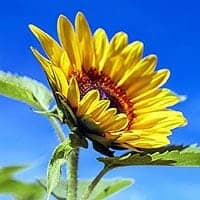
Helianthus annuus

Helianthus annuus

Sunflower is the common name of one of the plants in the Helianthus genus in the flowering Asteraceae family (known as the asters, daisies, or sunflower family).
Heliotrope

Heliotrope

Also known as Monkey Tail and cherry pie plant, Heliotrope has been a well-known flower in the cottage garden since Victorian times.
Hellebore

Hellebore

Hellebore is so pretty and straightforward that it has a place in almost any landscape.
Hepatica

Hepatica

Hepatica is a genus of the Ranunculaceae family indigenous to regions in the Northern Hemisphere.
Hogbean

Hogbean

Hogbean (Hyoscyamus niger), also known as stinking nightshade, henbane, or black henbane, is a highly poisonous plant from the Solanaceae (nightshade) family.
Hollowroot

Hollowroot

The hollowroot plant enchants with delicate carpets of leaves, on which fragrant blooms in white and deep purple-pink open.
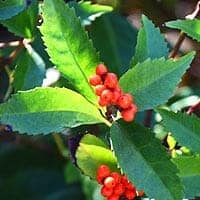
Holly

Holly

Holly (Ilex aquifolium) has established itself as a staple in holiday décor for several reasons.
Hollyhock

Hollyhock

An epitome of cottage gardens, Hollyhocks (Alcea rosea) are towering flowers that bloom in a wide range of colors for an extended period in summer.
Honesty

Honesty

Honesty is a large, hairy biennial plant native to western Asia and southeastern Europe.
Honeyflower

Honeyflower

Honeyflower (Melianthus major) is a strikingly large subshrub in the Melianthaceae family.
Hoodia Cactus

Hoodia Cactus

The Hoodia cactus is a flowering plant of the family Apocynaceae.
Hornbeam

Hornbeam

Carpinus caroliniana, commonly known as Hornbeam, is a slow-growing, trimmed medium-sized deciduous tree with an eye-catching spherical shape.
Hortensia

Hortensia

Known for its lush foliage and beautiful flowers, Hortensia is the epitome of the summer months.
Hypericum Berry

Hypericum Berry

Hypericum Berries are very variable and occur as shrubs, trees, perennials, and annuals.
Iberis amara

Iberis amara

Iberis amara is sometimes a wild ornamental annual plant that belongs to the Brassicaceae (mustard) family.
Ice plant

Ice plant

Perfect for rock gardens or sunny slopes, the ice plant (Mesembryanthemum crystallinum) quickly forms a low mat of lush foliage that adds interest and texture even when these succulent perennials aren’t blooming.
Impatiens

Impatiens

As a classic annual shade garden, Impatiens have been a popular choice for a long due to their flowering power and a great variety of colors.
Indian cane

Indian cane

Indian cane (Saccharum officinarum) is a fast-growing species in the Poaceae (grass) of the genus Saccharum.
Indian cress

Indian cress

Indian cress (Tropaeolum majus), also known as monks cress, nasturtium, or garden nasturtium, is a flowering plant species from the Tropaeolaceae family native to the Andes from Bolivia to Colombia.
Ipomoea

Ipomoea

Ipomoea belongs to a family of flowering plants known as Morning Glory, which are unruly vines, deeply rooted in Mexico’s flora.
Iris

Iris

The beautiful and tall iris, named after the Greek goddess who rode the rainbow, is available in several magical colors.
Ivy

Ivy

Hedera helix, commonly known as English ivy, is an aggressive, vigorous, fast-growing enduring perennial primarily cultivated as a trailing ground cover or climbing plant.
Jack-in-the-Pulpit

Jack-in-the-Pulpit

Jack-in-the-Pulpit (Arisaema triphyllum) is a charming wildflower native to midwestern and eastern North America but easily grown in shady gardens elsewhere.
Jamaica plum

Jamaica plum

Jamaica Plum (Spondias mombin), also known as hog plum or yellow mombin, is a tree and flowering plant in the Anacardiaceae family.
Japan Rose

Japan Rose

Kerria japonica, also known as Japan rose or Japanese kerria, is a small ornamental shrub in the Rosaceae family native to Korea, Japan, and China.
Japanese Camellia

Japanese Camellia

While many flowering shrubs (Camellia japonica) peak in Summer, the Camellia flower is endemic to Japan and it is unique because it mainly blooms in early spring and late winter.
Japanese Canopy

Japanese Canopy

Paris japonica is a slow-growing perennial plant native to Japan with a height of 6-12 inches.
Japanese Iris

Japanese Iris

Iris japonica is a rhizomatous plant with a height of 0.75 to 1 foot and a spread of 1 to 1.5 feet that can grow in forest margins and wet grasslands.
Japanese Orange Osmanthus

Japanese Orange Osmanthus

Japanese Orange Osmanthus is an evergreen shrub or tree that produces clusters of flowers with a powerful apricot fragrance.
Japanese Primrose

Japanese Primrose

Japanese Primrose is called sakurasou in Japan because it resembles Sakura, the flowering cherry tree.
Japheth Orchid

Japheth Orchid

Cattleya orchids have a fantastic appearance that many plant lovers could not resist.
Jasmine

Jasmine

Jasmine (Jasminum polyanthum) is a genus of vines and shrubs in the Oleaceae (olive) family.
Jerusalem Oak

Jerusalem Oak

Jerusalem oak (Dysphania botrys) was previously classified in the Ambrosia genus, with the botanical name Ambrosia mexicana.
Jessamine

Jessamine

Native to the Southeastern United States, Jessamine (Gelsemium sempervirens) is a large vine for the landscapes.
Jupiter's Beard

Jupiter's Beard

Jupiter’s Beard (Centranthus ruber) is well-known for its nearly uninterrupted flowering ability and extreme drought tolerance.
Kaffir Lily

Kaffir Lily

The Kaffir Lily (Clivia miniata) really knows how to put on a show – the display of its vivid buds is a spectacular precursor of spring.
Kalanchoe

Kalanchoe

The Kalanchoe blossfeldiana, commonly known as Kalanchoe, is among the most versatile succulents and is loved for its pretty leaves and colorful blooms.
Kalmia

Kalmia

Kalmia flowers can only grow wild in a few selected habitats worldwide and are perhaps better known as mountain laurel.
Kanawao

Kanawao

Broussaisia ​​arguta, also known as the Kanawao, is a perennial in the Hydrangeaceae (hydrangea) family, native to Hawaii.
Kangaroo Paw

Kangaroo Paw

Unlike any other flower, the Kangaroo Paw (Anigozanthos flavidus) has long club-shaped buds covered with thick hairs of a deeper hue than the flowers.
Kennedia

Kennedia

Kennedia is a genus of about 13 species of flowering perennials in the Fabaceae (pea) family and is native to Australia.
King's Spear

King's Spear

The King’s Spear (Asphodeline lutea) is a real asset in the garden with its long, fragrant yellow inflorescences.
Krantz Aloe

Krantz Aloe

Aloe arboresens is a perennial succulent of the order Asparagales.
Laburnum

Laburnum

Laburnum is a deciduous plant that belongs to the Fabaceae (pea) family.
Lace Fern

Lace Fern

Lace Fern (Asparagus setaceus), commonly known as ferny asparagus, climbing asparagus, or asparagus grass, is a climber in the genus Asparagus.
Lady's Bedstraw

Lady's Bedstraw

Lady’s Bedstraw (Galium verum), also known as the yellow bedstraw and cheese rennet, is a somewhat herbaceous rhizomatous perennial in the Rubiaceae family.
Lady's Mantle

Lady's Mantle

lchemilla mollis, also known as Lady’s Mantle, is a simple way to add beauty to your garden.
Lady's Slipper

Lady's Slipper

The Lady’s Slipper (Cypripedium species) is a perennial wildflower of the Orchidaceae (orchid) family indigenous to North America.
Lady's-eardrop

Lady's-eardrop

Lady’s-eardrop (Fuchsia magellanica) is an eye-catching hedge in milder regions where it remains semi-evergreen.
Lantana

Lantana

Lantana camara, also known as common Lantana, is a species of the Verbenaceae (verbena) family indigenous to the American tropics.
Larch

Larch

If you like the effect of a coniferous plant and a deciduous tree’s bright color, you can have both with the Larch tree (Larix spp.).
Lathyrus odoratus

Lathyrus odoratus

Also known as the sweet pea flower, Lathyrus odoratus is an annual flowering plant cultivated for its attractive and fragrant flowers.
Laurel

Laurel

The laurel (Laurus nobilis) is one of the most emblematic trees in history.
Laurestine

Laurestine

Laurustine (Viburnum tinus) is a vigorous evergreen shrub known for its showy clusters of flowers, brightly colored berries, and leathery leaves.
Lavandula

Lavandula

Lavandula angustifolia is undoubtedly amongst the most popular herbaceous plants.
Leadwort

Leadwort

The name Leadwort may not sound flattering, but this beautiful, hardworking perennial always deserves a place in a home garden.
Lemon Balm

Lemon Balm

Lemon Balm (Melissa officinalis) is a classic culinary and medicinal herbaceous plant that shouldn’t be missing in any balcony or garden.
Lemon Blossom

Lemon Blossom

Lemon (Citrus × limon) is a hybrid of the genus Citrus and the common name for the popular edible fruit of this small, sprawling tree or shrub.
Lilac

Lilac

Known as “Queen of the Shrubs”, lilac is one of the most challenging and most fragrant flowering shrubs in many gardens today.
Lily

Lily

The beautiful flower of the lily plant makes it among the most well-known flowering plants in horticulture.
Little Larkspur

Little Larkspur

Delphinium bicolor is a perennial plant of the Buttercup (Ranunculaceae) family.
Lobelia

Lobelia

Colorful lobelias are an excellent choice for garden design around streams and ponds, anywhere the soil is constantly moist.
Loosestrife

Loosestrife

Purple loosestrife (Lythrum salicaria) is a flowering plant in the Lythraceae family.
Lotus Flower

Lotus Flower

The lotus (Nelumbo nucifera) is an emergent aquatic plant that grows with its roots at the bottom of the water source and its flowers and leaves on its surface.
Love-in-a-Mist

Love-in-a-Mist

With a popular name like Love-in-a-Mist, one could guess that Nigella damascena would have a romantic story.
Lupine

Lupine

If you are looking for an eye-catching perennial with summer flowers that will stand out from the crowd, lupine (Lupinus polyphyllus) is a favorite.
Madder

Madder

Madder (Rubia tinctorum) is a perennial herbaceous plant that belongs to the Rubiaceae family of coffee and bedstraw.
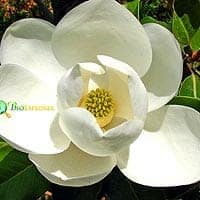
Magnolia

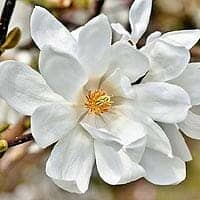
Magnolia

Magnolia is an eye-catching flowering plant that belongs to the Magnoliaceae (magnolia) family.
Maiden Pink

Maiden Pink

With its natural beauty, the Maiden Pink (Dianthus deltoides) conquers heather and stone gardens.
Mallow

Mallow

Mallow belongs to the large family of Malvaceae plants, which includes hibiscus, okra, and cotton.
Mamane

Mamane

Sophora chrysophylla, also known as mamane, is a species of flowering plant in the Fabaceae (bean and pea) family native to Hawaii.
Manchineel

Manchineel

The Manchineel tree (Hippomane mancinella) is a species of the family of the Euphorbiaceae family.
Mandevilla

Mandevilla

As a classic tropical vine, the mandevilla (Mandevilla sanderi) is an excellent way to add a touch of color to a sunny vertical space in any garden.
Mandrake

Mandrake

Also known as Satan’s apple, long missing from American pleasure gardens, mandrake (Mandragora officinarum) is staging a comeback, thanks to Harry Potter films and books.
Maple

Maple

Maple is the common name for all members of the Acer flower genus, a group of around 132 primarily deciduous tree and shrub species.
Marguerite Daisy

Marguerite Daisy

For an eye-catching show in cooler weather, plant the Marguerite daisy (Argyranthemum frutescens).
Marigold

Marigold

Marigold (Tagetes erecta), known in Mexico as Cempasúchil, holds immense cultural significance.
Marjoram

Marjoram

Also known as sweet marjoram, Marjoram (Origanum majorana), is a perennial plant from the Lamiaceae (mint) family that is cultivated as a culinary herb.
Marsh Gladiolus

Marsh Gladiolus

Gladiolus palustris is a perennial herb of the Iridaceae family and is native to Central and NW Europe.
Marshmallow

Marshmallow

Althaea officinalis, the marshmallow or marsh mallow, is a flowering species of plant native to North Africa, Western Asia, and Europe.
Matsumoto

Matsumoto

The Matsumoto aster (aka Japanese Aster), part of the Chinese aster series, is native to East Asia and is a much sought-after and admired flower.
Mazus

Mazus

Mazus, a slow-growing perennial with delicate blue-violet flowers, is an excellent ground cover thanks to the creeping stalks.
Meadowsweet

Meadowsweet

Meadowsweet (Filipendula ulmaria) was well-known to druids and healers in ancient times.
Melaleuca

Melaleuca

Melaleuca is a genus of almost 300 plant species in the myrtle (Myrtaceae) family, commonly known as tea tree, honey myrtle, or paper bark.
Mezereon

Mezereon

Mezereon (Daphne mezereum), commonly known as the February Daphne for its late winter flowering, is a small, semi-evergreen, deciduous shrub with an upright, bushy growth habit that usually grows 3 to 5 feet tall and wide.
Miconia

Miconia

Miconia calvescens, also known as miconia, bush currant, or the velvet tree, is a plant species in the Melastomataceae family.
Milfoil

Milfoil

The watermilfoil is an aquatic plant native to North Africa, Asia, and Europe.
Milkwort

Milkwort

Milkwort (Polygala vulgaris) might not have the most endearing name.
Ming fern

Ming fern

Ming fern (Asparagus retrofractus), also known as a zigzag shrub, pom-pom asparagus fern, and Ming asparagus fern, is an evergreen herbaceous perennial shrub that generally grows 6 to 8 feet tall.
Mistletoe

Mistletoe

A mistletoe is a large group of plants that parasitize the above-ground parts of shrubs and trees.
Misty Blue Limonium

Misty Blue Limonium

As a member of the family Plumbaginaceae, Limonium has more than 120 species of flowering plants.
Mock Orange

Mock Orange

One of the most beautiful but notably underused natives of early summer/late spring is the Mock Orange, Philadelphus lewisii.
Montbretia

Montbretia

Extremely attractive and exotic in appearance, Montbretia produces decorative clusters of upright, sword-shaped leaves and glowing sticks of yellow, orange, red, and scarlet tubular flowers that bloom for 5 to 8 weeks from mid-summer to mid-fall.
Monte Cassino

Monte Cassino

Loved by butterflies, gardening enthusiasts, and florists, this remarkable flower Monte Cassino spotlights delicate clear white clouds of dainty daisies with a yellow center that hovers over neatly trimmed small green leaves that form a sturdy, bushy clump.
Motherwort

Motherwort

Motherwort (Leonurus cariaca) quickly attracts attention with its characteristic leaves and flowers.
Mugwort

Mugwort

Common mugwort, Artemisia vulgaris, is a species in the Asteraceae (sunflower) family.
Mulberry

Mulberry

Mulberry is the name given to various types of deciduous trees or shrubs of the Morus genus in the Moraceae family cultivated for their palatable fruits.
Mulla Mulla

Mulla Mulla

Ptilotus exaltatus is an annual herb endemic to Australia.
Mums

Mums

Mums are available in various flower colors, including red, orange, pink, yellow, white, salmon, cream, burgundy, and bi-colors.
Myrsine

Myrsine

Myrsine is a genus of plants in the Primulaceae family.
Myrtle

Myrtle

Myrtles belong to the flower family Myrtaceae and the genus Myrtus.
Nemesia

Nemesia

Nemesia is delicate subshrubs, annuals, and perennials primarily native to South Africa.
Nerine

Nerine

Nerine, also known as spider lily, Jersey lily, and Guernsey lily, is a genus of plants in the Amaryllidaceae family.
Nettle

Nettle

Urtica dioica, often referred to as nettle, nettle leaf, stinging nettle, or stinger, is an herbaceous perennial plant in the Urticaceae family.
Nicotiana

Nicotiana

Discover the rich history and stunning beauty of Nicotiana species in Mexico, featuring night-blooming flowers, ancient rituals, and their enduring cultural significance
Nierembergia

Nierembergia

Nierembergia’s adorable cup-shaped flowers and neat growing habits make them a valuable annual bloom for borders and containers.
Nigella

Nigella

Nigella sativa, also known as kalonji, nigella, or black cumin, is an annual plant in the Ranunculaceae family native to western Asia (Iraq, Iran, and Turkey) and Eastern Europe (Romania, Bulgaria, and Cyprus).
Night-flowering Catchfly

Night-flowering Catchfly

Night-flowering Catchfly (Silene noctiflora) is a species of plant in the Caryophyllaceae family, known by the common names clammy cockle and night flowering silene.
Oahu River Hemp

Oahu River Hemp

Sesbania tomentosa, also known as Oahu Riverhemp, is a species of flowering plant in the Fabaceae (pea) family, native to the Hawaiian Islands and the Necker and Nihoa Islands.
Old-Man's Beard

Old-Man's Beard

Clematis ligusticifolia is woody or semi-woody climber from the Ranunculaceae family.
Orange Blossom

Orange Blossom

When we think of oranges, we often think of their refreshing citrus flavor, vitamin C, and juice.
Ornithogalum

Ornithogalum

Ornithogalum, often known as Star of Bethlehem or Wonder Flowers, are beautiful spring flowers that are easy to love and even easier to please.
Osteospermum

Osteospermum

Osteospermum is a relatively new addition to the world of gardening as it became only available in the early 1990s.
Painted Tongue

Painted Tongue

The relative of the petunia, the painted tongue (Salpiglossis sinuata), catches the eye with its spectacular trumpet-shaped blooms in shades of deep violet, gold, and magenta
Pansy

Pansy

Pansy is one of the first heralds of spring in gardens, but its ability to thrive in cold climates makes it a staple for fall planting and garden beds.
Paper Reed

Paper Reed

Cyperus papyrus, also called paper reed or Egyptian reed, is an African tufted species native to the southern Mediterranean, the wettest parts of Africa, and Madagascar.
Pasque flower

Pasque flower

As a harbinger of spring, the pasque flowers (Pulsatilla vulgaris) begin to appear before the plant’s fern-like, feathery foliage has fully developed.
Passionflower

Passionflower

Passionflowers are a genus of around 500 species characterized by a characteristic pattern of radiant filaments and tiered structures.
Peach blossom

Peach blossom

The common peach blossom (Prunus persica) is the genus Prunus fruit plant, which belongs to the Rosaceae family.
Pearly Everlasting

Pearly Everlasting

Anaphalis margaritacea, commonly known as Pearly Everlasting, is a native North American plant that grows up to 3 feet tall and is usually found in sandy, dry, or gravelly locations.
Peony

Peony

Peony is a Japanese easy-care flowering plant in the genus Paeonia of the Paeoniaceae family.
Peperomia

Peperomia

Peperomia is one of the two main genera of the Piperaceae family.
Peppermint

Peppermint

Peppermint (Mentha × piperita, also called Mentha balsamea) is a hybrid mint, a cross of spearmint and watermint.
Perennial Flax

Perennial Flax

Linum perenne, commonly known as perennial flax, is a short-lived perennial shrub native to Europe that generally grows 1 to 2 feet tall.
Periwinkle

Periwinkle

Vinca minor, commonly called periwinkle or Vinca, is among the most popular and primarily used groundcovers.
Persian Candytuft

Persian Candytuft

Commonly known as Persian candytuft or Persian watercress, Aethionema is a genus of around 60 Brassicaceae (mustard) family species.
Phalaenopsis

Phalaenopsis

Phalaenopsis is a genus of approximately 45 species of primarily epiphytic orchids native to Southeast Asia, southern China, and India.
Pheasant's eye

Pheasant's eye

Adonis vernalis, commonly known as pheasant’s eye features upright, columnar, branching, leafy stems that average 8 to 24 inches tall.
Philodendron

Philodendron

The philodendron isn’t a plant per se, as widely believed, but a plant genus botanically known as Araceae.
Phlox

Phlox

As the mainstay of the cottage garden, Phlox owes its continued popularity to its puffy flower clouds and simple nature.
Pink mink

Pink mink

Pink Mink has lots of beautiful, flattened bud flowers with shell pink undertones and pink centers at the tips of the stems.
Pink Musk

Pink Musk

Malva moschata, the pink musk mallow, is a plant species in the Malvaceae family native to Southwest Asia and Europe.
Piper

Piper

Piper is an ecologically and economically important genus of the Piperaceae family.
Pittosporum

Pittosporum

Pittosporum is one of many evergreen trees or shrubs primarily native to New Zealand and Australia, making up the Pittosporaceae family’s Pittosporum genus.
Pleurothallis

Pleurothallis

Pleurothallis is a genus in the family Orchidaceae (orchids) native to America’s temperate and tropical regions.
Plum Blossom

Plum Blossom

Plum blossom is a deciduous, rounded tree from Japan with great ornamental value.
Polemonium

Polemonium

Jacob’s ladder (Polemonium caeruleum) is a perennial species of the Polemoniaceae family.
Polka Dot Plant

Polka Dot Plant

Polka Dot Plants (Hypoestes phyllostachya) are common houseplants with brightly colored leaves.
Pomegranate

Pomegranate

The pomegranate (Punica granatum) is a fruity, deciduous shrub from the Lythraceae family, a subfamily of the Punicoideae.
Poppy

Poppy

The Poppy is a flowering herbaceous plant of the Papaveroideae subfamily in the Papaveraceae family.
Prickly pear

Prickly pear

The prickly pear, Opuntia ficus-indica, has established itself in different parts of the world where it is not native.
Primrose

Primrose

With over 400 species to select from, these cheerful spring plants are available in a rainbow of colors.
Privet

Privet

Privet (Ligustrum vulgare), with its glossy dark green foliage, forms a dense living fence or privacy hedge.
Protea

Protea

Proteas are found throughout the mountain ranges of Australia and South Africa, appearing in all their glory in various regions.
Pua Kala

Pua Kala

Anyone with a sunny and dry spot on their property could consider planting the native Hawaiian plant known as Pua Kala (Argemone glauca).
Purslane

Purslane

Purslane (Portulaca grandiflora) is a heat and drought tolerant annual plant native to the hot, arid plains of Uruguay, Argentina, and southern Brazil.
Pussy Willow

Pussy Willow

Pussy Willow (Salix discolor) is a name for many smaller species in the Salix genus (sallows and willows) when their hairy catkins are young at the beginning of spring.
Qantuta

Qantuta

Cantua buxifolia is an evergreen shrub of the order Ericales.
Quaking Grass

Quaking Grass

The quaking grass (Briza media) attracts attention in every garden with its dainty inflorescences.
Queen Anne's Lace

Queen Anne's Lace

Queen Anne’s lace flower looks like lace, and the flower often has a single purple dot in the center.
Queens Cup

Queens Cup

Queen’s Cup (Clintonia uniflora) is a perennial plant of the liliaceae (lily) family native to western North America’s mountainous regions.
Quesnelia

Quesnelia

Quesnelia is a genus of flowering plants in the Bromeliaceae family, a subfamily of the Bromelioideae.
Quince

Quince

The quince (Cydonia oblonga) is the only member of the genus Cydonia in the Rosaceae family (including pears and apples).
Ranunculus

Ranunculus

Ranunculus japonicas is a perennial herb of the family Ranunculaceae.
Rattlesnake

Rattlesnake

Commonly known as the rattlesnake or Calathea insignis, Calathea lancifolia is a tropical rhizomatous evergreen perennial native to Brazilian rainforests.
Red Cranesbill

Red Cranesbill

Geranium sanguineum, commonly known as bloody geranium or Red Cranesbill, is a hardy flowering perennial herb from the Geraniaceae family.
Red Ribbons

Red Ribbons

Red Ribbons (Clarkia concinna) are a species of flowering plants in the Onagraceae (evening primrose) family.
Red Rover

Red Rover

The Red Rover Mum is a beautiful large-flowered mum flower that dramatically affects any flower arrangement.
Restharrow

Restharrow

Restharrow (Ononis repens) is a perennial woody plant in the family Fabaceae.
Rhododendron

Rhododendron

Rhododendron is the genus and common name for a diverse and large group of small trees and woody shrubs in the flowering Ericaceae family.
Rice flower

Rice flower

The Rice flower (Ozothamnus diosmifolius) is an upright, woody shrub in the Asteraceae (daisy) family native to Eastern Australia.
Rock Soapwort

Rock Soapwort

Saponaria ocymoides, commonly referred to as rock soapwort, is a semi-perennial herbaceous perennial plant native to the rocky slopes of the mountains of south-central and southwest Europe
Rose

Rose

Loved by many, the rose (Rosa spp.) is a popular garden flower.
Rosemary

Rosemary

Rosemary (Rosemarinus officinalis) is an evergreen perennial aromatic shrub in the Lamiaceae (mint) family native to the Mediterranean, northwestern Spain, and Portugal.
Round-leaved Sundew

Round-leaved Sundew

Drosera rotundifolia, common sundew or round-leaved sundew, is a carnivorous plant that grows in fens, marshes, and swamps.
Royal Bluebell

Royal Bluebell

Wahlenbergia gloriosa is a perennial herb from the Family Campanulaceae.
Rue

Rue

Rue (Ruta graveolens), also known as herb-of-grace, is a type of Ruta cultivated as an herbaceous and ornamental plant.
Safari Sunset

Safari Sunset

The Leucadendron ‘Safari Sunset’ is a favorite of gardeners and florists is an evergreen multi-stemmed shrub with vivid, deep red bracts forming exceptionally long stalks (over 1m or 3 feet) at the tips.
Saffron

Saffron

The saffron flower is single and terminal, purple, and comprises 6 petals, 3 stamens, and a style that ends with 3 orange-red stigmas.
Sage

Sage

From culinary to medicinal uses, sage has long been an herb garden staple.
Salix

Salix

The Salix genus’s trees, shrubs, and willows in the Salicaceae family are mainly native to northern temperate zones.
Salt Tree

Salt Tree

The Salt tree is a drought-tolerant shrub of the Order Sapindales.
Saltwort

Saltwort

Saltwort is an annual herb from the Amaranth family.
Sanvitalia

Sanvitalia

Sanvitalia procumbens is a cheery Mexican annual with blossoms like miniature zinnias.
Sasanqua

Sasanqua

Camellia sasanqua is a shrub that can grow to 60 cm-3.6 m.
Scabiosis

Scabiosis

Native to Africa, Asia, Europe, and the Caucasus, Scabiosa includes around 70 species of small annual and perennial herbaceous plants that belong to the Caprifoliaceae (honeysuckle) family.
Scille

Scille

The Scilla genus includes around 80 species of bulbous herbaceous perennial plants in the Asparagaceae family, a subfamily of the Scilloideae.
Sea Thrift

Sea Thrift

Armeria maritima, the sea thrift, sea pink, or common thrift, is a plant species in the family Plumbaginaceae.
Sedum

Sedum

In botanical gardens or gardening stores, you may have found plants named “Sedum” that are so different that you wonder if they are related to one another.
Senecio

Senecio

Senecio is a genus of Asteraceae (sunflower) plants, including groundsels and ragwort.
Shasta Daisy

Shasta Daisy

The cheery Shasta daisy (Leucanthemum x superbum) is a perennial classic.
Shirley Poppy

Shirley Poppy

The Shirley poppy is the name of a group of annual ornamental varieties from the Papaver rhoeas (European wild poppy).
Shooting Star

Shooting Star

Dodecatheon media, a shooting star, is a very popular native North American wildflower, commonly found in open woods, prairies, meadows, rocky wooded slopes, and bluff ledges.
Silver Lace Vine

Silver Lace Vine

Silver Lace Vine (Polygonum aubertii) is a popular but controversial climbing plant because of its vigorous growth habit.
Silverweed

Silverweed

Potentilla anserine, also known as silverweed, goosegrass, or silverweed cinquefoil, is a prostrate perennial herb in the Rosaceae (rose) family.
Skunk Cabbage

Skunk Cabbage

Skunk cabbage flower is not a real cabbage but rather belongs to a primarily tropical family of plants in the Araceae (Arum) family.
Snapdragon

Snapdragon

Snapdragons (Antirrhinum majus) are an annual classic cultivated for generations.
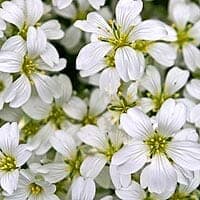
Snow in Summer

Snow in Summer

Snow-in-summer (Cerastium tomentosum) offers a solid option for adding botanical beauty to retaining wall crevices and stones in a rock garden.
Snowberry

Snowberry

Symphoricarpos, commonly called snowberry, ghost berry, or waxberry is a genus of around 15 species of deciduous shrubs in the Caprifoliaceae (honeysuckle) family.
Solanum

Solanum

Solanum is a diverse and large flowering plant genus that includes 3 food crops of great economic importance: eggplant, tomato, and potato.
Solidago

Solidago

Solidago, commonly known as goldenrod, is a genus of approximately 100 to 120 species of flowering plants in the Asteraceae family.
Solomon's Seal

Solomon's Seal

Polygonatum biflorum, commonly known as Solomon’s seal, is a classic garden shade plant that gives garden beds an architectural component thanks to its arched stems.
Southernwood

Southernwood

Southernwood may seem like a minimal spread plant, but it has toured the world in the past few centuries.
Speedwell

Speedwell

Veronica, also known as Speedwell, is an easy-to-grow, carefree perennial with long spikes of tiny white, pink, blue, or purple petals.
Spider Lily

Spider Lily

Hymenocallis littoralis or spider lily is a species of the Hymenocallis genus native to the temperate coastal areas of Latin America.
Spring Beauty

Spring Beauty

Claytonia virginica is a perennial herb under the order Caryophyllales.
Squirrel Corn

Squirrel Corn

Dicentra canadensis is a perennial herb with blue-gray and fernlike foliage.
Star Magnolia

Star Magnolia

Native to Japan, Star Magnolia is a small tree that can grow to 5 to 8 feet and spread 15 ft in maturity.
Starwort

Starwort

Stellaria longipes, a species of plant in the Caryophyllaceae family, are known by Goldie’s starwort and long stalk starwort.
Stephanotis

Stephanotis

Stephanotis is a genus of the Apocynaceae (dogbane milkweed) that contains around 15 species of climbing plants native to Madagascar and Southeast Asia.
Strawberry Banksia

Strawberry Banksia

Banksia menziesii, also known as Strawberry Banksia or firewood Banksia, is a flowering plant of the genus Banksia.
Succory

Succory

Common chicory (Cichorium intybus), known as radicchio or witloof, is a slightly woody perennial plant from the Asteraceae (daisy) family.
Sweet William

Sweet William

Sweet William (Dianthus barbatus) is a species of flowering plant in the family Caryophyllaceae native to parts of Asia and southern Europe.
Sweet Woodruff

Sweet Woodruff

Sweet Woodruff (Galium odoratum) is a great statement plant in the shade garden.
Syringa

Syringa

Syringa is a genus of about 12 known species of woody flowering plants in the Oleaceae (olive) family native to forests and scrublands from eastern Asia to southeastern Europe.
Tamarix Shrubs

Tamarix Shrubs

Tamarix arceuthoides is a shrub or Tree belonging to the Tamaricaceae family.
Tansy

Tansy

The tansy (Tanacetum vulgare) is a perennial herbaceous plant of the Tanacetum genus in the Asteraceae family, native to temperate areas of Asia and Europe.
Tares

Tares

Tares (Lolium temulentum), commonly known as Darnel, cockle, Darnel ryegrass, or Poison Darnel, is an annual flowering plant of the genus Lolium Poaceae family.
Tassel flower

Tassel flower

The Tassel flower is a small, intriguing plant on the front edge, producing tiny scarlet-orange pompoms that appear to float in mid-air when viewed from a distance.
Teasel

Teasel

Teasel (Dipsacus spp.) is a genus of plants from the Caprifoliaceae (honeysuckle) family.
Thornapple

Thornapple

Datura stramonium, commonly known as thornapple, Jimson weed, devil’s trumpet, or devil’s snare, is a flowering plant that belongs to the Solanaceae (nightshade) family.
Throatwort

Throatwort

Intricate and delicate, Throatwort (Trachelium caeruleum) dazzles with its thick cushions of blue-violet flowers and gives any garden or flower arrangement an elegant, lace-like charm.
Thunbergia

Thunbergia

Thunbergie has been called “the most gorgeous vine in the world” by some.
Tiger Lily

Tiger Lily

Tiger Lily is a perennial Japanese bulb plant that can grow 60 cm to 150 cm.
Toad Lily

Toad Lily

Tricyrtis affinis is a perennial Japanese plant of the Liliaceae.
Trientalis

Trientalis

Trientalis borealis is a star-shaped perennial wild-flowering plant native to the North American forests that bloom from May to June.
Vernonia

Vernonia

The Vernonia genus includes 350 species of shrubs and forbs in the Asteraceae (sunflower) family.
Viburnum

Viburnum

The Viburnum (aka snowball) is an old-fashioned shrub known for its many beautiful clusters of white snowball-shaped flowers.
Waling-Waling

Waling-Waling

Vanda sanderiana is an endemic orchid growing wild only in the rainforests of the Philippines.
White Saxaul

White Saxaul

White Saxual is a tap-rooted shrub or small tree that belongs to the pigweed family.
White Trillium

White Trillium

White Trillium is a perennial herb that belongs to the family Melanthiaceae.
Wild Dagga

Wild Dagga

Leonatis ocymifolia is a flowering shrub of the family Lamiaceae.
Wild Foxglove

Wild Foxglove

Ceratotheca triloba is an annual plant that belongs to the family Pedaliaceae.
Wisteria

Wisteria

The Japanese Wisteria is a beautiful, deciduous climber with a height of 10 to 30 feet and a spread of 10-20 feet.

Flower Types By Life Cycle

There are three primary flower types: Annuals, Perennials, and Biennials. In addition, the fourth type of flower behaves in annuals and perennials like a hybrid. Also there are two more kinds of flowers namely shrub flowers and tree flowers.

Let’s explore what each of these means:

Annuals

These flowering plants complete their entire life cycle from seed to flower and back to see within a single growing season. Essentially, roots, stems, leaves, and flowers all die at the end of the year. The seeds stay dormant until the following season. A few annual examples are Marigold, Geranium, Cornflower, and Impatiens.

Biennials

Biennials will take two full years from germination to seed to complete an entire biological life cycle. A rosette of leaves appears near the soil surface during the first year (essentially the primary growth of stems and roots). In the second year, the stem would elongate, and flowers and seed formation would occur before the plant eventually died out. Sweet William Dwarf, leek, cabbage, parsley, foxglove, and hollyhocks are good examples of Biennials. Some biennial plants in the wild will take longer than two years to mature and complete their cycle fully.
Explore more Biennial Flowers here.

Flowering Shrubs

The flowering shrubs are small to medium-sized perennial woody plants with woody stems from the ground. There are two kinds of flowering shrubs, namely deciduous and evergreen. Deciduous shrubs (often also called bushes) shed their leaves and floral parts at the end of each growing season in winter or dry seasons (e.g., Hawthorn). The other types of shrubs are called evergreen, where foliage remains green for many seasons (e.g., Ilex/Holly). Unlike flowering trees, they are shorter in height, usually 6 to 10m. The shrub flowers usually appear in clusters on the stems. Some flowering shrubs are Hydrangea, Azalea, Camellia, Lilac, Forsythia, Quince, and Deutzia.

Perennials

These plants persist for many growing seasons. The root remains the same; however, the top sections of the plant die out in winter and then regrow in the spring. It is observed that many perennial plants tend to keep their leaves year-round. Perennial examples include Coneflower, Columbine, Coreopsis, Daylily, and more.
Explore all types of perennial flowers here. Also, check out the top colorful orchids!

Annual/Perennial Hybrid

Certain flowering plants exhibit annual or perennial characteristics depending upon where it is grown. For instance, the Black-eyed Susan flower would grow faster in Texas due to warm weather – thus, it would behave as annuals. On the other hand, the same Black-eyed Susan in Minnesota would grow slower due to cold weather – thus, it would behave as a biennial.

Flowering Trees

Trees are perennial plants with elongated trunks, supporting branches, leaves, flowers, or fruits. Like flowering shrubs, trees can also be deciduous and evergreen. It has been documented that trees have existed for 370 million years. Flowering trees help to form a backbone for your garden with lovely flowers. Magnolia, Cherry blossom, Eastern redbud, Trumpet trees, Dogwood, Banksia, and Acacia are good examples of flowering trees.

Types of Flowers By Names

Flowering Orders

Here are the 65 different flower orders in the plant world.

Types of Flowers By Regions

Mexican Flowers

Mexican Flowers

Discover the top Mexican flowers, from marigolds to dahlias, and explore their beauty, meanings, and rich cultural ties to Mexico's heritage
Read More

Types of Flowers By Attributes

Flower Types By Shapes

The following pages show various kinds of flowers categorized by their geometrical shapes.

Cone-Shaped Flowers

Cone-Shaped Flowers

Cone-shaped flowers are three-dimensional blooms that narrow evenly from the bottom to the apex of the flower to form a cone-shaped appearance.
Read More

Flower Types By Species

The following pages showcase various flowers categorized by species.

Flowers By Colors

Types of Birth Flowers

Birth flowers, each unique to a specific month, offer a beautiful and symbolic way to celebrate life’s milestones, capturing the essence of each season and the personalities born within it. Explore all birth month flowers below:

April Birth Flowers

April Birth Flowers

Discover the hidden symbolism behind April’s birth flowers – daisies and sweet peas.
July Birth Flowers

July Birth Flowers

Dive into the captivating meanings behind July birth flowers: Larkspur and Water Lily.

Classification of Flowers

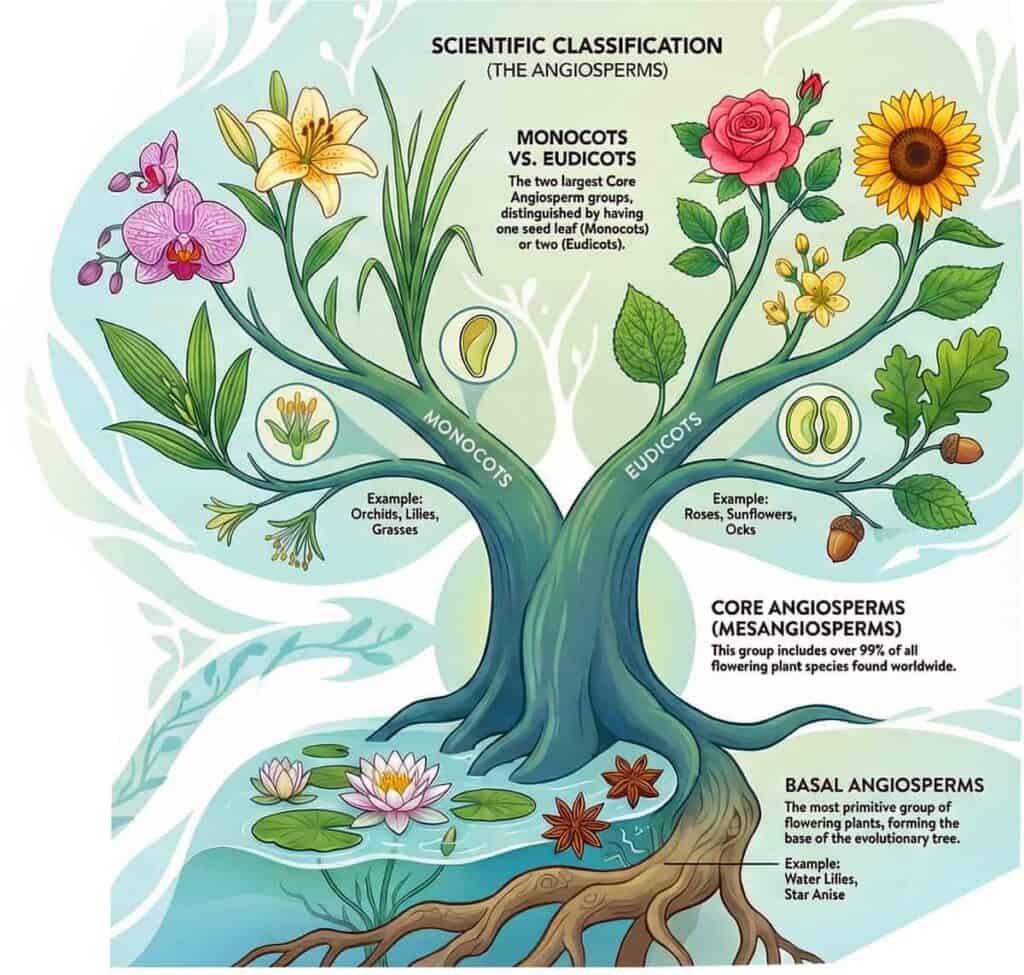
According to APG IV (2016) molecular-based flowering plants classification, there are currently two major categories – basal angiosperms and core angiosperms.

Classifications of Flowers

Basal Angiosperms

Basal Angiosperms

The basal angiosperm is a large group of the most primitive flowering plants in the plant kingdom. These flowering plants have many flattened stamens with broad filaments, diverse tepals, separate carpels, fragrant oils, and spirally organized leaves.
The most basal angiosperms are called the ANITA grade, an acronym of three sub-groups: Amborellales, Nymphaeales, Illiciaceaes, Trimeniaceae, and Austrobaileyales. However, some botanists recently abbreviated it further to ANA-grade since Illiciaceaes and Trimeniaceae orders are considered sub-orders of Austrobaileyales.
Amborellales

Amborellales

The Amborellales order has just one species (Amborella), a shrub or small tree growing up to 8m endemic to New Caledonia. The leaves of Amroerall are evergreen in all seasons without stipules and grow beautiful yellow flowers. Being dioecious produces both male and female flowers for a mixed pollination system. Wind and insect pollinators are two main contributors to the reproduction of this species.
Nymphaeales

Nymphaeales

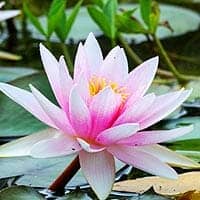
The Nymphaeales order consists of 3 subfamilies of aquatic plants, namely Nymphaeaceae (water lilies), Hydatellaceae (aquatic grass/sedges), and Cabombaceae (aquatic herbaceous flowering plants). About 85+ flowering plants have been classified under Nymphaeales.
Austrobaileyales

Austrobaileyales

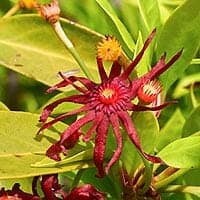
The Austrobaileyales plant order consists of 100+ woody flowering plants growing as shrubs, small trees, or lianas (woody climbing vines) worldwide. The most famous Austrobaileyales plant is the star anise (Illicium verum).
There are three subfamilies under this order, namely Austrobaileyaceae (1 species only – Austrobaileya scandens – endemic to rainforests of northeastern Queensland, Australia), Schisandraceae (90+ essential oil-producing shrubs, trees, and lianas), and Trimeniaceae (6+ essential oil-generating lianas).
Core Angiosperms

Core Angiosperms

The core angiosperms are another group of flowering plants known as mesangiosperms. About 99% of all types of flowers worldwide are classified under mesangiosperms.
Mesangiospermae includes five clades, namely Ceratophyllales, Chloranthales, Eudicots, Magnoliidae, and Monocots.
Chloranthales

Chloranthales

Chloranthales has only one family called Chloranthaceae. There are 77+ species in these woody fragrant, herbaceous flowering plants, endemic to Asia, Central & South America, and the West Indies. Being void of petals, the flowers of Chloranthaceae are tiny and seated on the inflorescence axis. These plants produce drupes and berries with just one carpel. Cigarbush is an excellent example of this plant order.
Magnoliids

Magnoliids

Magnoliids are another core angiosperm characterized by trimerous flowers with branching-veined leaves. About 9000+ flower species are classified in this plant order, including avocado, cinnamon, black pepper, nutmeg, and tulip trees. Magnoliid flowering plants play an essential role in our economy as food, drugs, perfumes, species, timber, and many other applications.
Monocots

Monocots

It is short for Monocotyledons order. Monocots are grass-like parallel-veined, trimerous, flowering plants whose seeds contain only one embryonic leaf (cotyledon) and pollen with a single pore. There are about 70,000+ flowering species in this plant order. Monocot diversity includes ornamental flowers, including orchids, colorful tulips, lilies, cereal grains, woody tree-like palm trees, bamboo, reeds, bromeliads, bananas, and ginger. Two-thirds of monocots are zoophilous pollinated by insects.
Ceratophyllales

Ceratophyllales

Ceratophyllum includes flowering plants commonly found in ponds, marshes, and streams in tropical regions. These aquatic angiosperms typically grow partially submerged in water and mostly float on the surface. These flowering plants have no roots, but sometimes they develop modified leaves with a rootlike structure, which anchor the plant to the bottom. Examples include hornwort species such as spiny hornworts, rigid hornworts, prickly hornworts, soft hornworts, and coontails. There are about 6 extant species of Ceratophyllum in the world.
Eudicots

Eudicots

These core angiosperms have two seed leaves upon germination, also known as Dicotyledons. The most popular eudicots include sunflower, dandelion, cabbage, apple, maple, macadamia, forget-me-not, petunia, and oaks. Eudicots are the largest flowering order in the world. About 175,000+ flower species of eudicots are currently characterized by 4 or 5 flowers, pollen with three pores, and branching-veined leaves.

Cite this page

Bio Explorer. (2026, January 7). Types of Flowers. https://www.bioexplorer.net/plants/flowers/

References

Key References
  • “The earliest angiosperms: evidence from mitochondrial, plastid and nuclear genomes – PubMed”. Accessed October 09, 2021. Link.
  • “American Journal of Botany”. Accessed October 09, 2021. Link.
  • “AMBORELLA TRICHOPODA – the cultivation of the most ancestral angiosperm in botanic gardens”. Accessed October 09, 2021. Link.
  • “American Journal of Botany”. Accessed October 09, 2021. Link.
  • “Update of the Angiosperm Phylogeny Group classification for the orders and families of flowering plants: APG III | Botanical Journal of the Linnean Society | Oxford Academic”. Accessed October 09, 2021. Link.
  • “Phylogenetic classification of the land plants to accompany APG III | Botanical Journal of the Linnean Society | Oxford Academic”. Accessed October 09, 2021. Link.
  • “Plants of the World: An Illustrated Encyclopedia of Vascular Plants – Maarten J. M. Christenhusz, Michael F. Fay, Mark W. Chase – Google Bøker”. Accessed October 09, 2021. Link.
  • “Pollen aperture evolution – a crucial factor for eudicot success?: Trends in Plant Science”. Accessed October 09, 2021. Link.

Leave a Reply

Your email address will not be published. Required fields are marked *