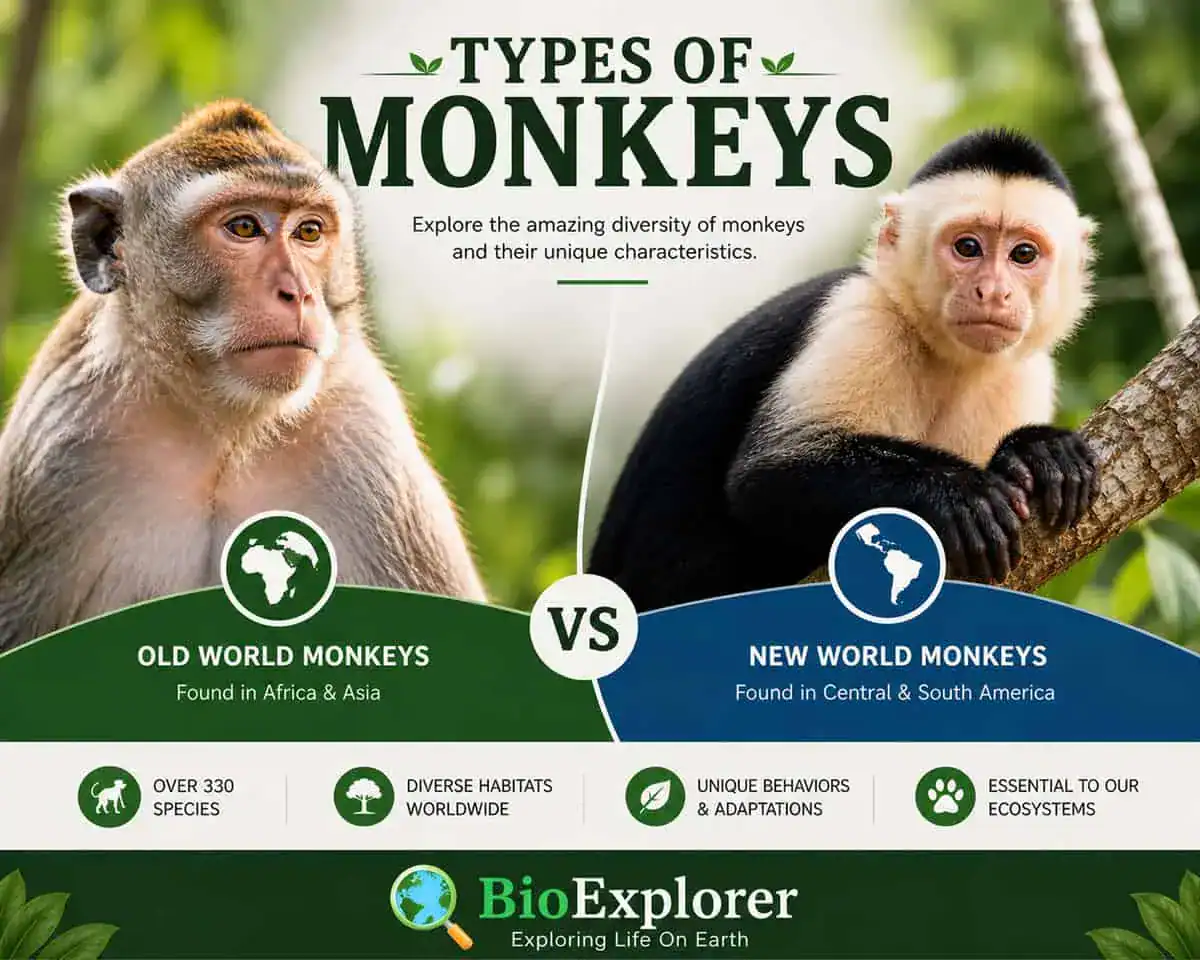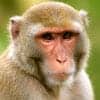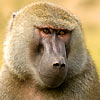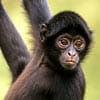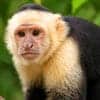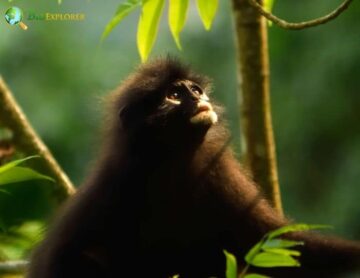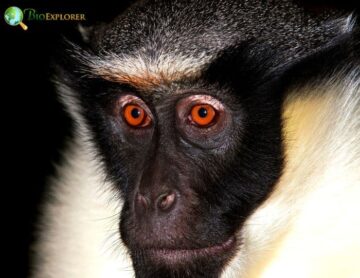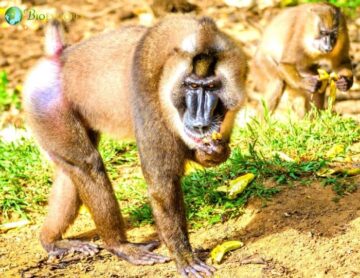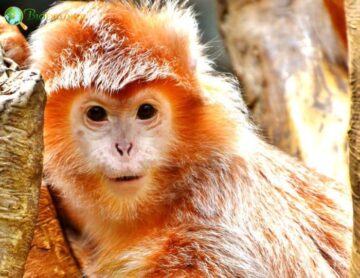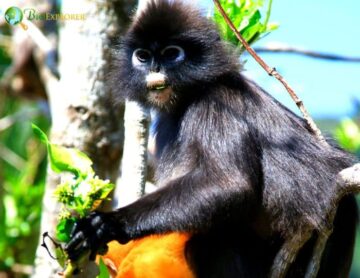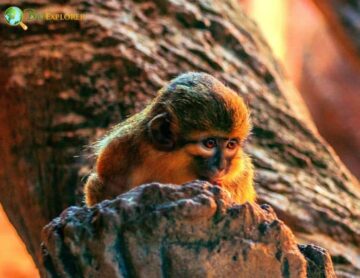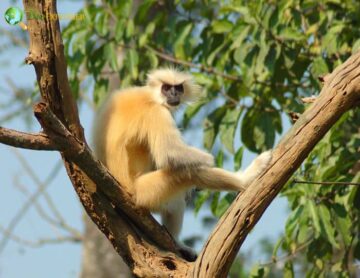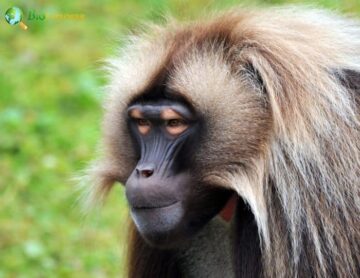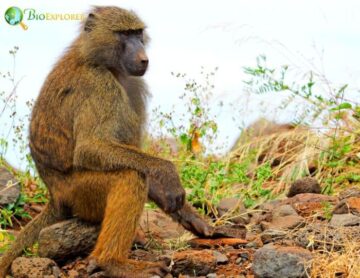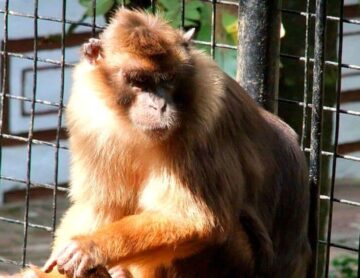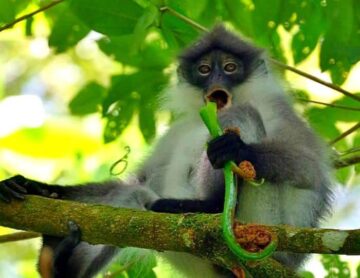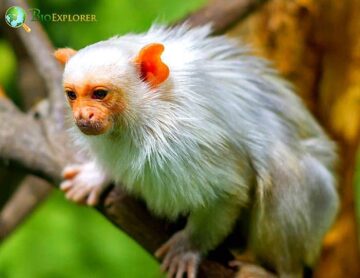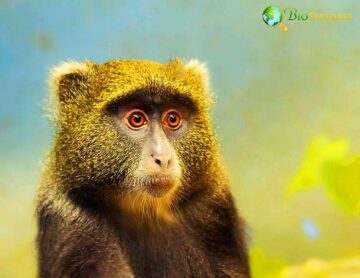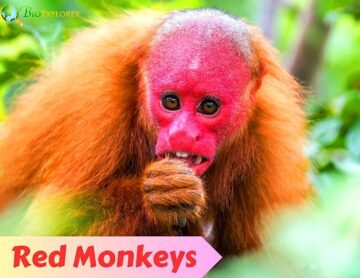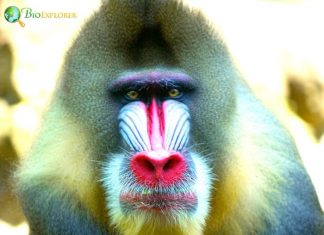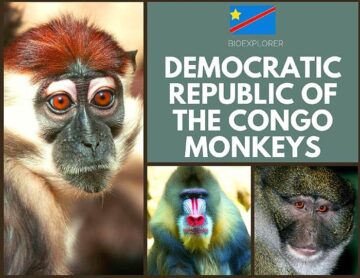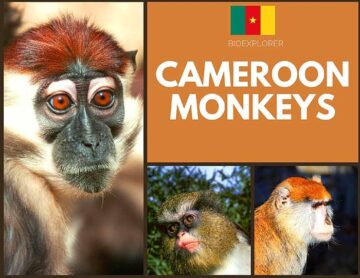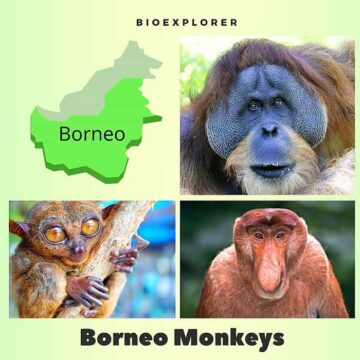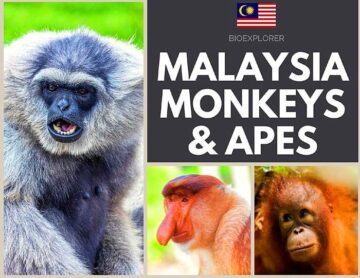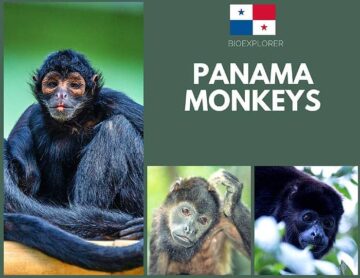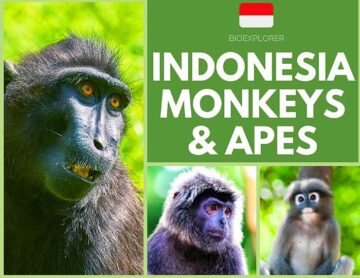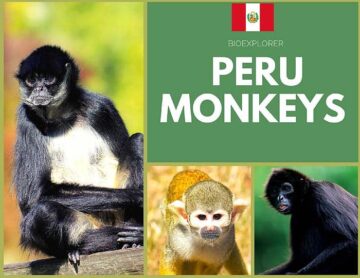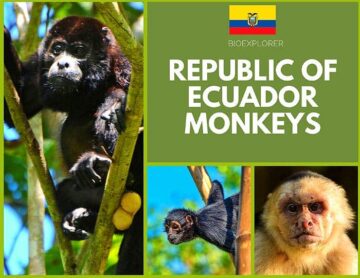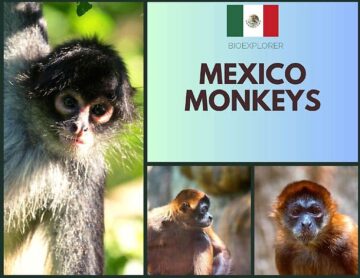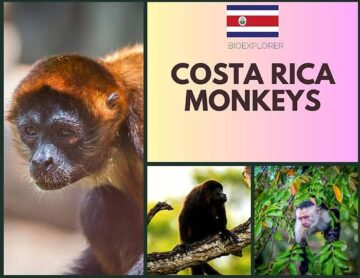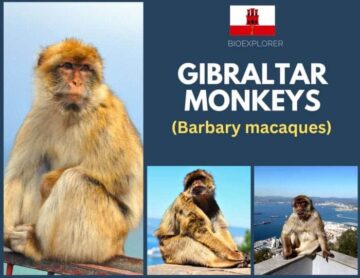
Types of Monkeys: Many things come to mind when you think monkeys. They are often considered to be cute and very intelligent animals. Many species have their characteristics regarding location, size, color, and even abilities.
Monkeys are very vocal animals, which is how they communicate. They emit different tones to protect themselves from danger, call a mate, and communicate with their young.
Monkeys consist of many species throughout the world. On this page, the BioExplorer team explores all types of monkeys in the mammalian world.
Gorillas are NOT monkeys!
It’s crucial to note that while all monkeys are primates, not all primates are monkeys. Prosimians (including lemurs, lorises, and tarsiers) and apes (both great and lesser) are distinct groups within the primate order and are not classified as monkeys. This common misconception often leads to confusion, but understanding these distinctions is key to appreciating the diversity of the primate family tree.
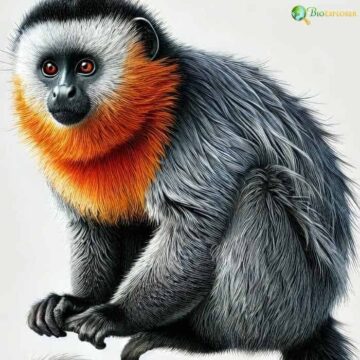
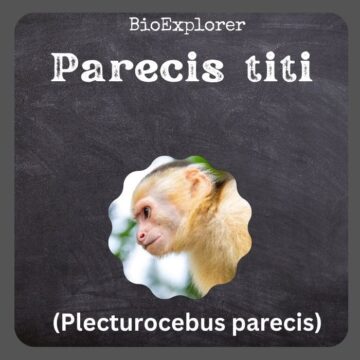
The Alta Floresta titi is a distinct but unnamed form of titi (Plecturocebus) rediscovered in 2019 in Chapada dos Parecis, a plateau in the far south of the Brazilian state of Rondônia.
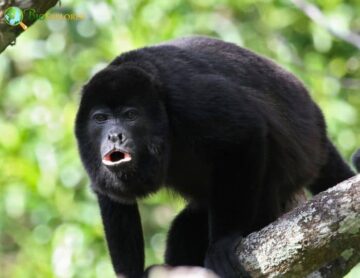
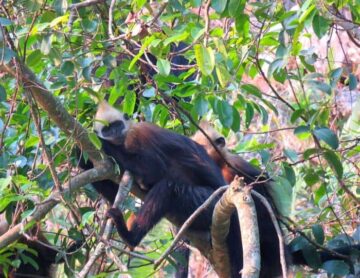
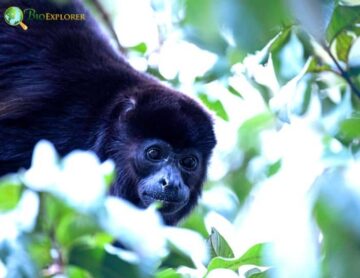
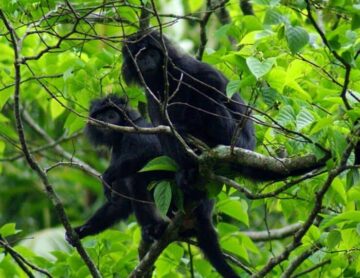
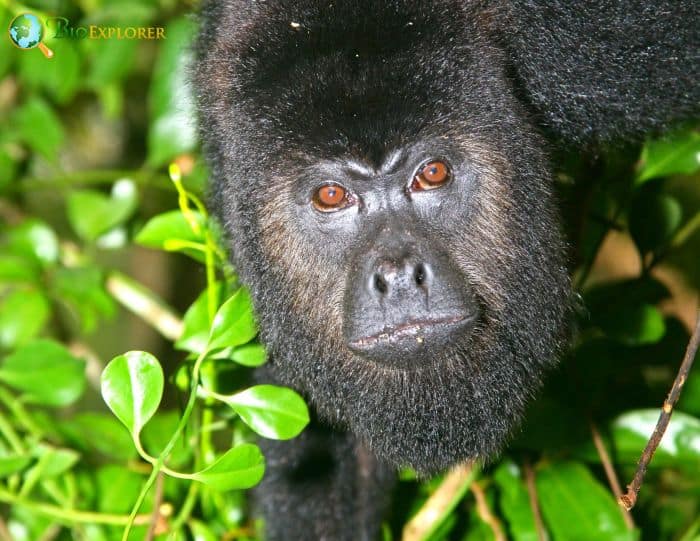
Amazon Black Howler is a New World tropical arboreal characterized by densely furry, prehensile tails, all-black faces, a stocky build, relatively large size, and loud howls.
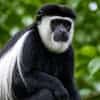
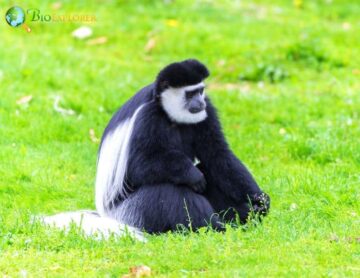
The Angolan Colobus is a conspicuously-patterned monkey with a very long tail that helps it maintain its balance as it moves quickly through the trees.
The Atlantic titi, also known as the masked titi, inhabits the rainforests of the Atlantic coast of Brazil east of the Andes in the states of Bahia, Espírito Santo, northwest of Minas Gerais, north of Rio de Janeiro, and São Paulo.
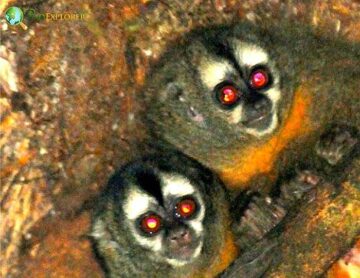
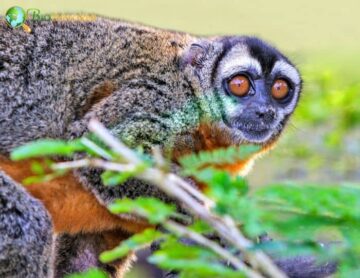
Azara’s night monkeys, also known as southern night monkeys and Azara’s owl monkeys, are native to the Gran Chaco region of South America, a vast area with many different ecosystems, from savannas to grasslands to dry spiny forests and gallery forests.
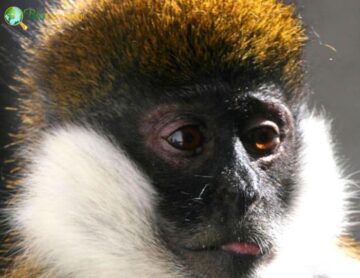
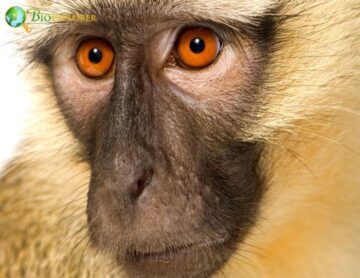
The Bale monkey, also called the Bale Mountain Vervet, is an endangered, forest-dwelling arboreal primate restricted to a small range in the southern highlands of Ethiopia.
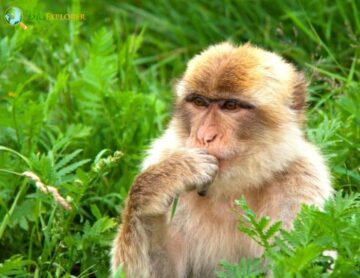
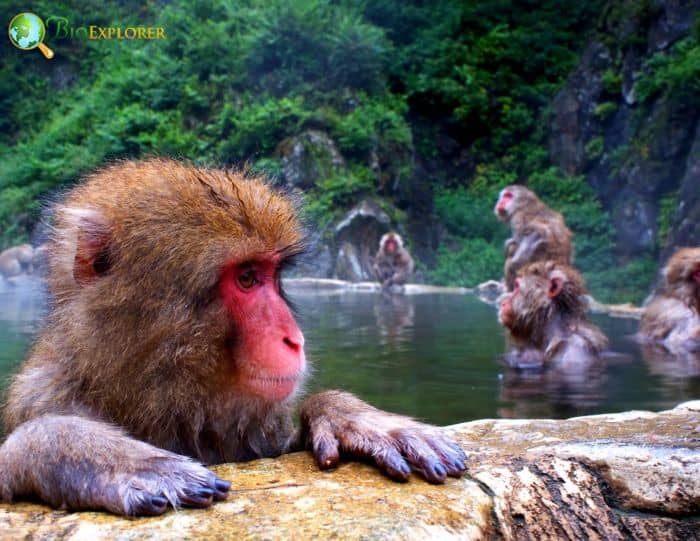
The Barbary macaque, also called the Magot macaque, is a macaque endemic to the Atlas Mountains in Morocco and Algeria and a small introduced population in Gibraltar.
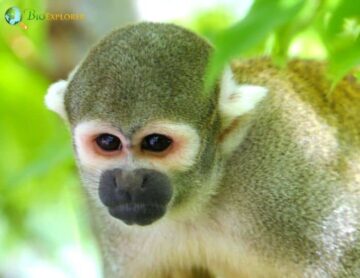
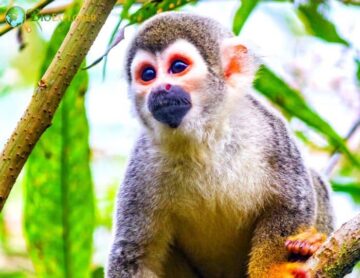
The bare-eared squirrel monkey also called the golden-backed squirrel monkey, is a subspecies of the Saimiri sciureus group native to the tropical forests and jungles of South and Central America.
The black capuchin, also called the black-horned capuchin, is a capuchin monkey native to the Atlantic rainforest of southeastern Brazil and extreme northeastern Argentina.
Alouatta caraya is found in the tropical rain forests of central South America, extending through eastern Bolivia, Paraguay, southern Brazil, and northern Argentina.
The black lion tamarin, also called the golden-rumped lion tamarin, is a lion tamarin native to the Brazilian state of Sao Paulo, almost exclusively in Morro do Diabo State Park.
The black-and-white snub-nosed monkey, also called the Yunnan snub-nosed monkey, is a large black-and-white primate living only in Yunnan Province in southern China, where it is known to the local population as the Yunnan golden-haired monkey.
The black squirrel monkey, also called the black-headed squirrel monkey or the blackish squirrel monkey is a small New-World monkey native to the central Amazonian region of Brazil.
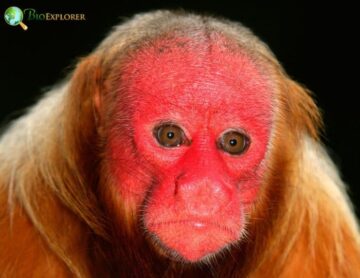
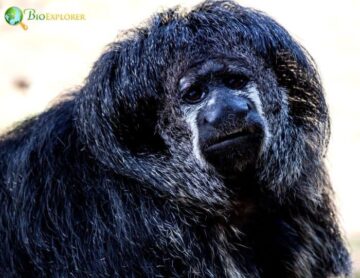
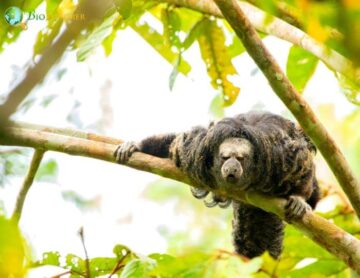
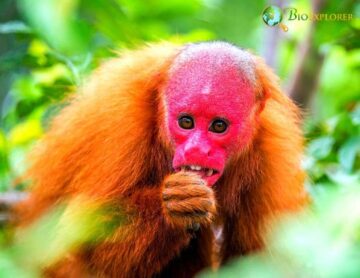
Also called the golden-backed black uakari, golden-backed uakari, and Homboldt’s black-headed uakari, the black uakari, is a species native to southwestern Venezuela, southeastern Colombia, and northwestern Brazil.
Black-crested mangabeys, also known as black mangabeys, are endemic to central Africa, occupying the Democratic Republic of the Congo, south of the Congo River (formerly known as the Zaire River), and likely extinct in Angola.
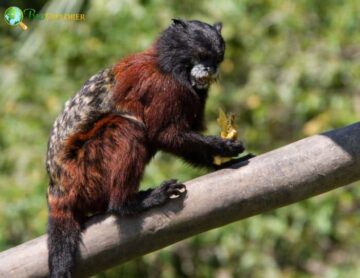
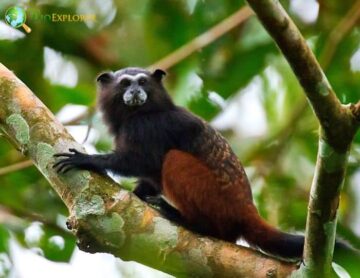
The black-mantled tamarin is a saddleback tamarin native to northwestern Amazonia in far western Brazil, eastern Ecuador, southeastern Colombia, and northeastern Peru.
One of three species of Douc langur (the gray-footed and the red-footed are the other two), the black-shanked douc langur is only found in southwestern Vietnam and eastern Cambodia, inhabiting primary monsoon forests as well as secondary and tropical forests
The blue monkey is a species of Old-World monkey endemic to east and central Africa, ranging from the upper Congo Basin east to the East African Rift Valley and south to Zambia and northern Angola
The Blue Nile patas monkey, also known as Heuglin’s patas monkey, is an Old-World monkey endemic to Africa along the Blue Nile Valley in Sudan, Ethiopia, and possibly South Sudan.
The pied tamarin, also known as the pied bare-faced tamarin or Brazilian bare-faced tamarin, has one of the smallest home ranges of any primate in the world, located in and around the port city of Manaus
The brown howler monkey, also called the brown howler monkey, is a species of New World monkey that lives in the forests of southeastern Brazil and northeastern Argentina.
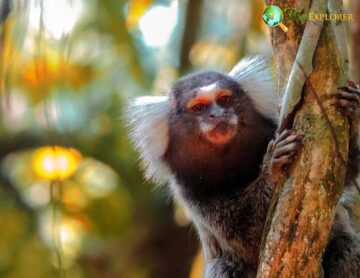
The buffy-tufted marmoset, also called the white-eared marmoset or buffy-tufted-ear marmoset is a New World monkey living in the forests of the Atlantic coast of southeastern Brazil.
The Central American squirrel monkey also called the red-backed squirrel monkey, is a squirrel monkey type native to the Pacific coast of Panama and Costa Rica.
The collared mangabey, also called the white-collared mangabey or red-capped mangabey, is an Old-World monkey endemic to the Atlantic coast of central and west Africa.
The collared titi, also called the widow monkey, or yellow-handed monkey inhabits the lush rainforests of the Amazon and is typically found south of Río Negro and north of Río Solimões.
The crab-eating macaque also called the long-tailed macaque and known in laboratories as the cynomolgus monkey, is a primate monkey endemic to Southeast Asia.
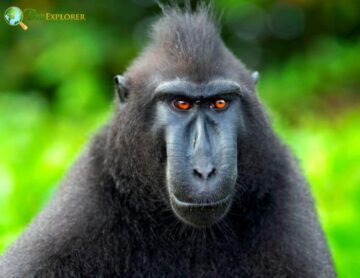
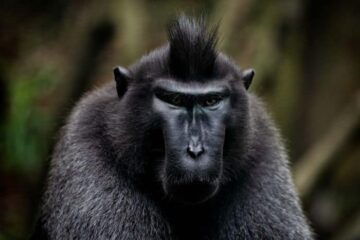
The Crested Black Macaque, also called the Sulawesi Crested Macaque or Celebes Crested Macaque is an Old World monkey native to the Tangkoko Game Reserve in the extreme northeast of the Indonesian island of Celebes (Sulawesi) and neighboring islets
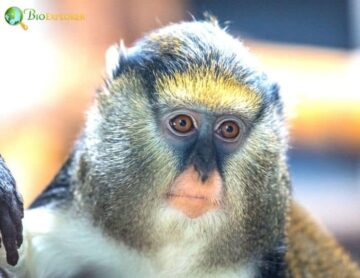
The crested mona monkey, also called the golden-bellied monkey, golden-bellied guenon, or crowned guenon, is a species of African primate in the Cercopithecidae family in west-central Africa.
The Dryas monkey, also called the Salonga monkey, Inoko, or Ekele is a little-known Old World primate only found in the Congo Basin and restricted to the Congo River’s left bank.
The East Sumatran banded langur also called the East Sumatran banded surili are primarily found in the fragmented landscape of pulp and rubber plantations.
The François langur, also called the white side-burned black langur, François leaf monkey, or Tonkin leaf monkey is a species of Lutung and the type species of its species group.
The Gabon talapoin, also called the northern talapoin, is a small species of African primate endemic to riverine habitats in Gabon, Equatorial Guinea, Cameroon, the far western Democratic Republic of the Congo, and the western Republic of the Congo
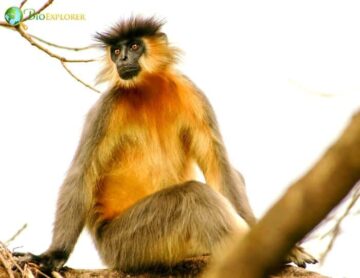
Gee’s golden langur, also known simply as the golden langur, is an Old-World primate found in a small area of western Assam, India, and in the nearby foothills of the Black Mountains of Bhutan.
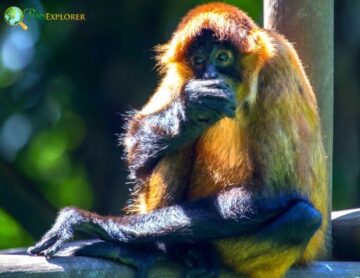
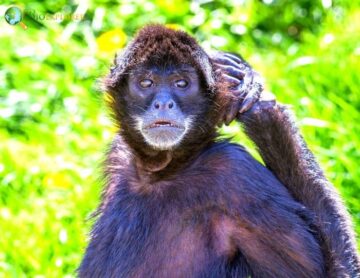
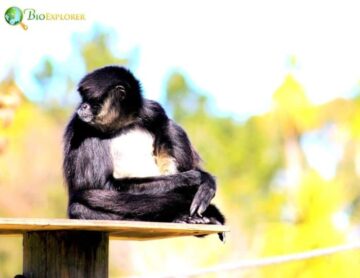
Geoffroy’s spider monkey (Ateles geoffroyi) also called the Central American spider monkey or black-handed spider monkey, is a species of spider monkey.
Geoffroy’s tamarin, also called the Panamanian tamarin, red-crested tamarin, or rufous-naped marmoset tamarin, is a tamarin, a small monkey found in Colombia and Panama.
Goeldi marmoset or Goeldi monkey is a small South American New-World monkey living in the upper Amazon basin region of Brazil, Bolivia, Ecuador, Colombia, and Peru.
The gold-and-white marmoset, also called the golden-white tassel-ear marmoset, is a species of marmoset, a tiny monkey native to the Amazon rainforest in the eastern Amazonas state of Brazil
The golden-faced saki (Pithecia chrysocephala) is a New World monkey found on the northern side of the Amazon on both sides of the Rio Negro in Brazil.
The gray snub-nosed monkey (Rhinopithecus brelichi), also called Guizhou golden monkey, Brelich’s snub-nosed monkey, and Guizhou snub-nosed monkey is a species of primate in the Cercopithecidae family.
The gray-cheeked mangabey (Lophocebus albigena), also called the white-cheeked mangabey, is an Old World monkey found in the forests of central Africa.
The gray-shanked douc langur (Pygathrix cinerea) is a species of douc endemic to the Vietnamese provinces of Gia Lai, Quảng Ngãi, Kon Tum, Bình Định, and Quảng Nam.
The greater spot-nosed monkey (Cercopithecus nictitans), also called the greater white-nosed monkey, putty-nosed monkey, and white-nosed guenons, is among the smallest Old-World monkeys.
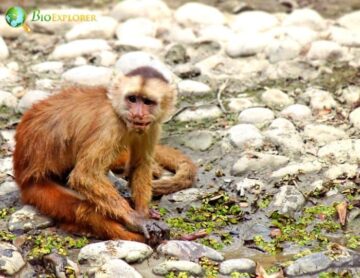
The tufted capuchin (Sapajus apella), also called the pin monkey, Guianan brown capuchin, or black-headed capuchin is a New World monkey native to South America and the Caribbean islands of Margarita and Trinidad
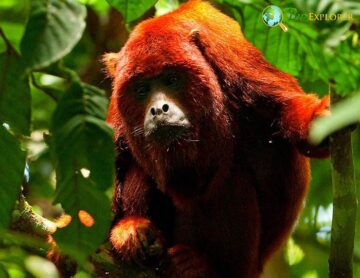
The Guyanan red howler monkey (Alouatta macconnelli) also known as Guianan Red Howler, is a New World monkey native to Guyana, Suriname, Trinidad, Venezuela, and Brazil.
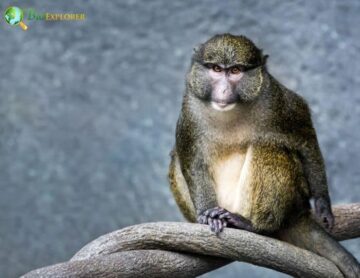
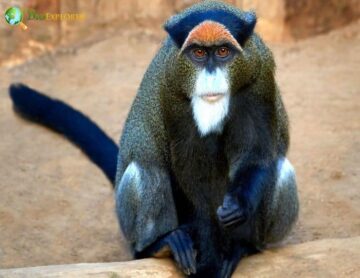
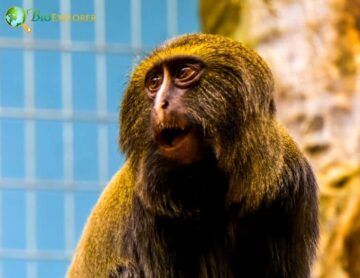
The Hamlyn’s monkey (Cercopithecus hamlyni), also called the owl-faced monkey, is an Old World monkey inhabiting the Congo’s bamboo and primary rain forests.
The Hatinh langur (Trachypithecus hatinhensis) is a critically endangered Old World monkey found in the limestone forests of Vietnam, particularly in Quảng Bình province.
The Hose’s langur (Presbytis hosei) is a primate species in the Cercopithecidae family native to the island of Borneo, which includes Brunei, Kalimantan (Indonesia), and eastern Malaysia.
The three-striped night monkey (Aotus trivirgatus), also known as the northern owl monkey, Humboldt’s Night Monkey, or northern night monkey, is one of several currently recognized species of owl monkeys
Humboldt’s squirrel monkey (Saimiri cassiquiarensis) is a species of squirrel monkey found in South America’s tropical rainforests, except for the coastal forests of southeastern Brazil
The grizzled surili (Presbytis comata) is a threatened species of Old World monkey native to the western half of Java, Indonesia, a biodiversity hotspot.
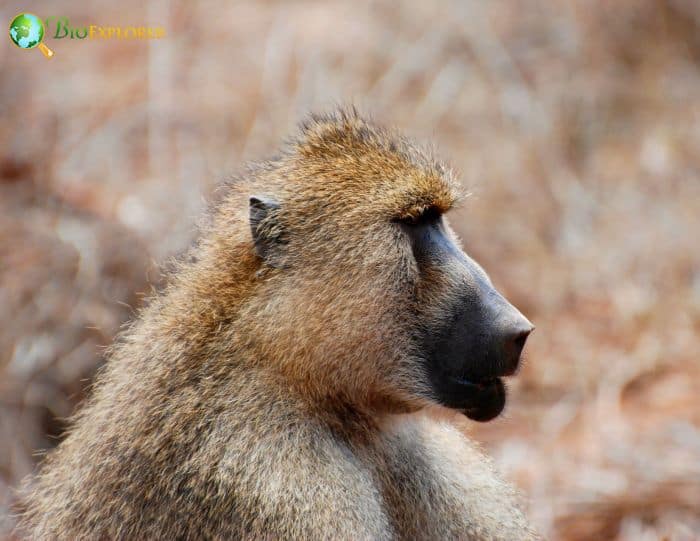
The Kinda baboon (Papio kindae) is a species of baboon found in the Miombo forests of Angola, Zambia, the Democratic Republic of the Congo, and possibly western Tanzania.
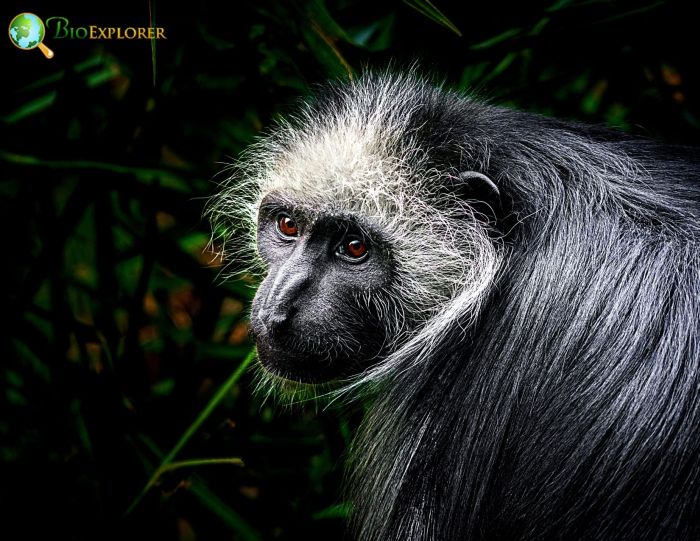
The king colobus (Colobus polykomos), also called the western black and white colobus is a species of Old World monkey found in lowland and montane rainforests
The Laotian langur (Trachypithecus laotum), also known as white-browed black langur, is another primate species that nest in small limestone caves and holes that shelter from predators, rain, and cold
The lesser spotted-nosed monkey, lesser spotted monkey, or lesser white-nosed monkey (Cercopithecus petaurista) is a primate species in the Cercopithecidae family.
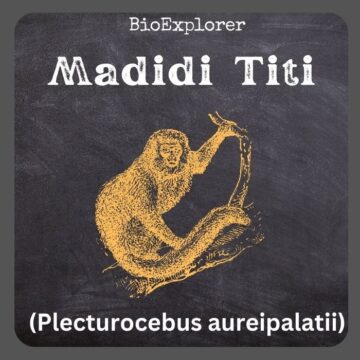
The Madidi titi also called the Golden Palace monkey, is a titi, a New World species of monkey discovered in 2004 in Madidi National Park in western Bolivia.
The mantled guereza (Colobus guereza), also known as the guereza, Abyssinian black-and-white colobus, or eastern black-and-white colobus, is a black-and-white colobus, a species of Old World monkey.
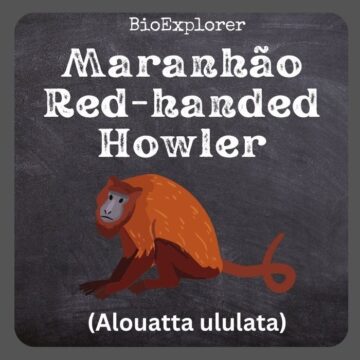
The Maranhão red-handed howler (Alouatta ululata) is native to forests (e.g., Babaçu forests) in the northeastern Brazilian states of Piauí, Maranhão, and Ceará.
Miller’s Langur (Presbytis canicrus), also called the Kutai Gray Langur, is the rarest of the four Hosei subspecies, all of which are native to the island of Borneo.
Milton’s titi (Plecturocebus miltoni) also called the fire-tailed titi monkey, is a species of titi, a type of New World monkey from the Amazon rainforest of southern Brazil
The Myanmar snub-nosed monkey or black snub-nosed monkey (Rhinopithecus strykeri) is an endangered Colobino monkey species discovered in northern Burma (Myanmar) in 2010.
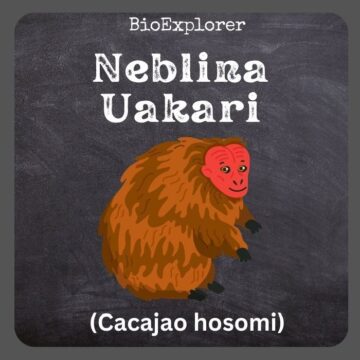
The Neblina uakari (Cacajao hosomi), black-headed uakari, is a recently described monkey species from the extreme northwest of the Brazilian Amazon and adjacent southern Venezuela.
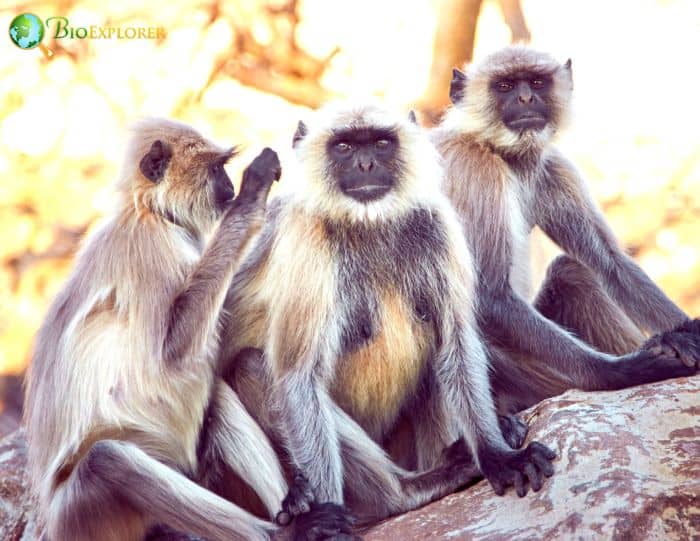
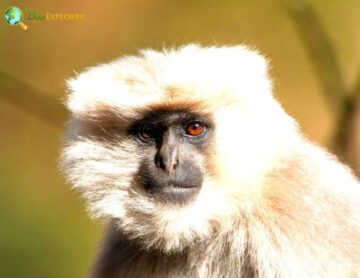
The Nepal gray langur (Semnopithecus schistaceus) is a gray langur native to the Himalayas of Nepal, extreme southwestern Tibet, northern Pakistan, northern India, Bhutan, and possibly Afghanistan.
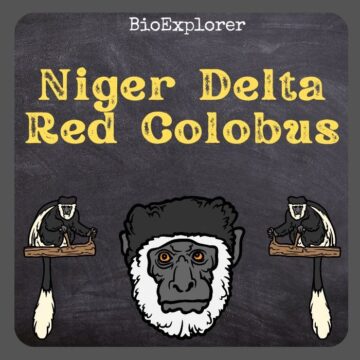
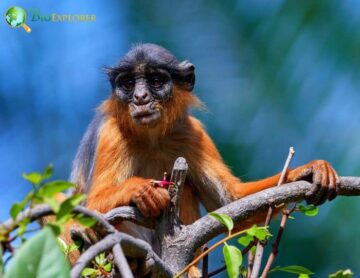
The Niger Delta red colobus (Piliocolobus epieni) is a critically endangered colobus native to the western part of the Niger Delta in southern Nigeria.
The Nilgiri langur (Semnopithecus johnii), also called the black-leaf monkey, John’s langur, and Indian hooded leaf monkey is a langur (a species of Old-World monkey) found in the Nilgiri foothills of the Western Ghats in southern India
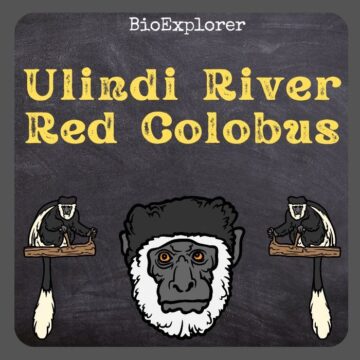
(Piliocolobus oustaleti) is another species of red colobus that lives in various forest types in the southern Central African Republic, southern South Sudan, northern Democratic Republic of the Congo, and northeastern Congo
The Pagai island macaque (Macaca pagensis), also called the Pagai or Bokkoi macaque is an Old-World monkey native to the Mentawai Islands on the west coast of Sumatra.
The pale-thighed surili (Presbytis siamensis), also called the white-thighed langur, is a primate species in the Old World monkey family (Cercopithecidae).
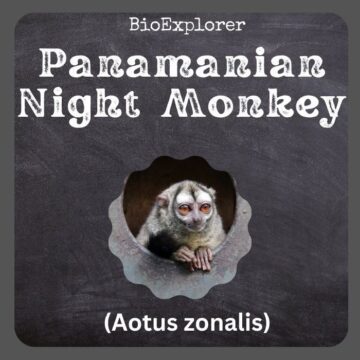
The Panamanian night monkey or Chocoan night monkey (Aotus zonalis) is a species of night monkey formerly considered a subspecies of the grey-bellied night monkey in the Aotidae family.
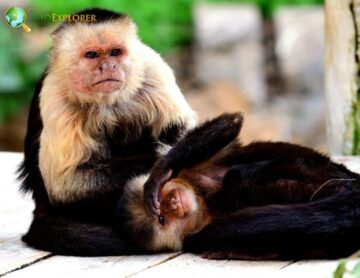
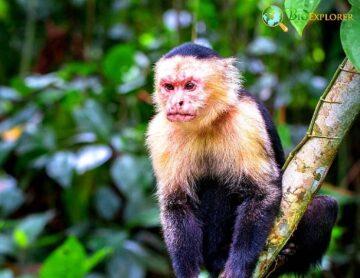
The Panamanian white-faced capuchin (Cebus mimic), also called the Panamanian white-headed capuchin or the Central American white-faced capuchin is a mid-sized New World monkey in the Cebidae family.
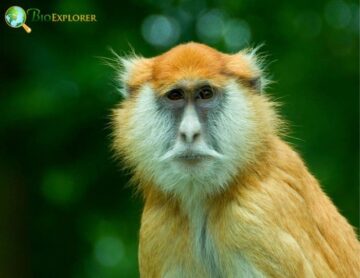
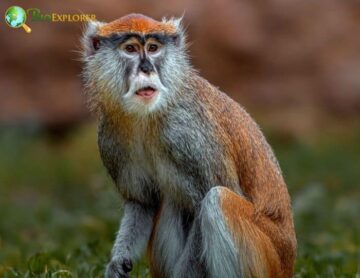
The Patas Monkey (Erythrocebus patas), also called the Hussar Monkey or Wadi Monkey is a terrestrial monkey distributed in semi-arid areas of West and East Africa.
The Peruvian white-fronted capuchin or Marañón white-fronted capuchin (Cebus yuracus) is a species of gracile capuchin monkey native to the upper Amazon basin.
The pig-tailed langur (Simias concolor), monotypic in the Simias genus, is a great Old-World monkey native to several small islands off Sumatra, Indonesia.
The Preuss’s monkey (Allochrocebus preussi) also called the Preuss’s guenon is a diurnal primate that inhabits terrestrial montane forests (up to 2,500 meters) in eastern Nigeria, western Cameroon, and Bioko in Equatorial Guinea
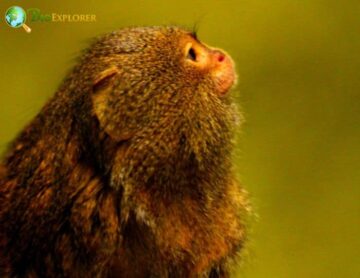
The pygmy marmoset (smallest monkey), genus Cebuella (also known as Finger Monkey), is a small genus of New-World monkeys endemic to the tropical rainforests of the western Amazon Basin in South America.
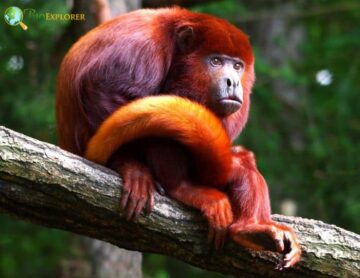
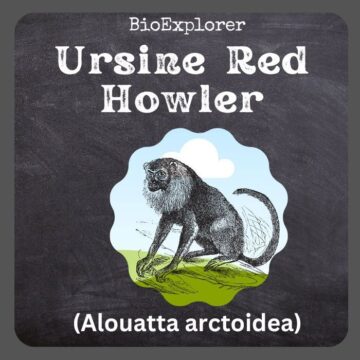
The Colombian red howler or Venezuelan red howler is a South American species of howler monkey, a New World species of monkey found in the western Amazon basin.
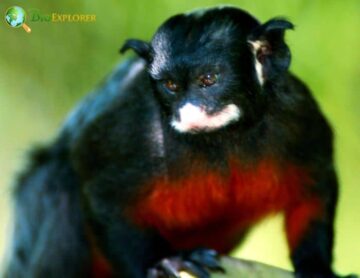
The red-bellied monkey (Cercopithecus erythrogaster), also called the red-bellied guenon or white-throated guenon is a diurnal primate living in the trees of tropical rainforests or tropical areas in Benin and Nigeria.
The Red-chested mustached tamarin (Saguinus labiatus), also known as Red-bellied Tamarin, is a tamarin that lives in the Amazon region of Brazil, Peru, and Bolivia.
The red-eared guenon (Cercopithecus erythrotis), also called the russet-eared guenon or red-eared monkey is endemic to the tropical and subtropical lowland rainforests of Nigeria, Equatorial Guinea, and Cameroon
The Río Mayo titi (Plecturocebus oenanthe), also known as the San Martín titi, is native to the San Martín region of Peru and is considered Peru’s most endangered primate.
Rondon’s Marmoset (Mico rondoni), also called the Rondônia marmoset, is a small species of monkey in the Callitrichidae family found in the southwestern Amazon of Brazil.
The Roosmalens dwarf marmoset, also called the black-crowned pygmy marmoset or black-crowned dwarf marmoset, is a New-World monkey endemic to the Amazon rainforest
Sanje mangabey, also called the Sanje crested mangabey and Sanje River mangabey, are Old World monkeys endemic to Tanzania, a sovereign state in East Africa.
The Santarem marmoset (Mico humeralifer), also called the black-and-white tassel marmoset, is a marmoset native to the Amazon and Pará states of Brazil.
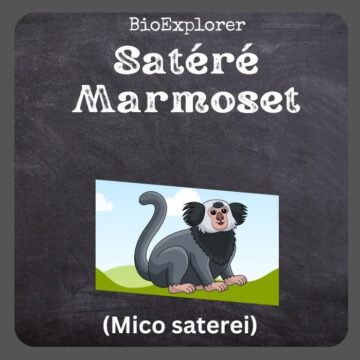
The Satéré marmoset (Mico saterei) is native to Brazil and its genus is characterized by claw-like nails rather than the flat nails of other primates, long lower incisors, a specialized caecum, and squirrel-like movements in trees
The Schmidt’s red-tailed monkey, also called the red-tailed guenon, Schmidt’s guenon, or black-cheeked white-nosed monkey is a primate species in the Cercopithecidae family.
The Shortridge’s capped langur (Trachypithecus shortridgei) is a colobine primate inhabiting low to medium evergreen and semi-evergreen forests east of the Chindwin River in northeastern Myanmar and southwestern Myanmar, China, in the Nu and Dulong valleys
The Southern Patas Monkey (Erythrocebus baumstarki), native to Tanzania, is a critically endangered primate known for its speed, elusive nature, and striking coloration.
The Spix’s night monkey (Aotus vociferans), also called the Spix’s owl monkey, Colombian gray nocturnal monkey, and noisy night monkey is a species of night monkey native to South America
The stump-tailed macaque, also known as the bear macaque, is an Old World monkey endemic to Cambodia, northeastern India, southwestern China, Myanmar, and Laos, from northwestern Peninsular Malaysia, Vietnam, and Thailand
The pig-tailed macaque (Macaca nemestrina), also called the Sundaland pig-tailed macaque and Sunda pig-tailed macaque is a medium-sized macaque native to southern Thailand, Indonesia, and Malaysia.
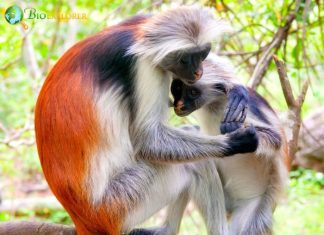
The Tana River red colobus (Piliocolobus rufomitratus), also called the eastern red colobus, is a critically endangered primate species in the Cercopithecidae family.
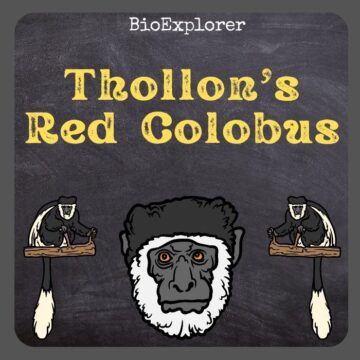
The Thollon’s red colobus (Piliocolobus tholloni), also called the Tshuapa red colobus, is native to the Democratic Republic of the Congo and the Lower Republic of the Congo.
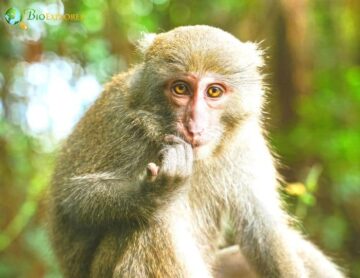
The Tibetan macaque (Macaca thibetana), also called the Chinese stump-tailed macaque is a macaque native to eastern Tibet, eastern Guangdong, and northern Shaanxi in China.
Tonkean macaques also known as Tonkean black macaques, are endemic to the central part of the island of Sulawesi and the neighboring Togian Islands in Indonesia.
The Tonkin snub-nosed monkey, also known as the Dollman’s snub-nosed monkey (Rhinopithecus avunculus), is a slender-bodied Old World arboreal monkey native to northern Vietnam
The tufted gray langur (Semnopithecus priam), also called the Coromandel sacred langur and the Madras gray langur, is an Old-World monkey, one of the langur species.
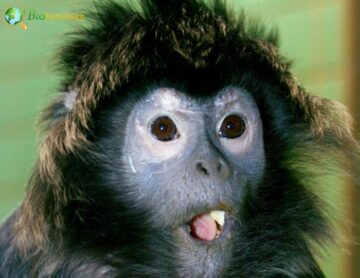
The white-thighed colobus (Colobus vellerosus), also known as ursine colobus, white-thighed black-and-white colobus, and Geoffroy’s black-and-white colobus, is a species of primate in the Cercopithecidae family
The Variegated spider monkey or brown spider monkey (Ateles hybridus) is an endangered species of spider monkey, a species of New World monkey endemic to the forests of northwestern Venezuela and northern Colombia
The Weeping capuchin, also known as the chestnut capuchin and chestnut weeper capuchin (Cebus castaneus), is a capuchin monkey endemic to northeastern Brazil, southern Guyana, French Guiana, and Suriname.
The western red colobus (Piliocolobus badius), also called the Upper Guinean red colobus, rust red colobus, or bay red colobus is a species of Old-World monkey found in the forests of West Africa, from Senegal to Ghana
The white marmoset (Mico leucippe), also called the golden-white bare-eared marmoset, is an endangered marmoset native to the Amazon rainforest of Pará, Brazil
The white-bellied spider monkey (Ateles belzebuth), also called the long-haired or white-fronted spider monkey, is an endangered species of spider monkey, a species of New-World monkey.
The white-cheeked spider monkey (Ateles marginatus), also known as the white-whiskered spider monkey, is a New World monkey native to the Amazon Basin of central Brazil
The white-eared Titi, Plecturocebus donacophilus, also known as the Bolivian gray Titi or Bolivian Titi, is a marmoset species, a New World monkey endemic to eastern Bolivia and a region of western Brazil
The Geoffroy’s marmoset, also called Geoffrey’s marmoset, white-headed marmoset, or tufted-ear marmoset is a marmoset native to the forests of eastern Brazil, where it is native to Minas Gerais, Espírito Santo, and Bahia.
Cercocebus atys lunulatus now Cercocebus lunulatus, is commonly known as the white-naped, white-headed, or white-necked mangabey (confusing with the collared mangabey).
White-tailed titi monkeys, also called red titi monkeys or red-crowned titis and not to be confused with coppery titi (Callicebus cupreus), also commonly known as red titi, are endemic to the dense rainforest and gallery forests of Peru and Ecuador
White-throated capuchins, also called the white-headed capuchins, Colombian white-throated capuchins, and white-faced capuchins, are New World monkeys native to the tropical rainforests of western Colombia, Ecuador, and Panama
The Wied’s marmoset (Callithrix kuhlii), also called the Wied’s black-tufted-ear marmoset, is a New World monkey that lives in the tropical and subtropical forests of eastern Brazil.
The earliest primates that roamed the earth about 25 million years before monkeys evolved were Prosimians, meaning “pre-monkeys” or “proto-primates”. These prosimian species live today, including lemurs, lorises, tarsiers, aye-aye, and bush babies. The prosimians were classified into order Primates mainly because their hands with flexible fingers and opposable thumbs made it possible to fetch things up. Most prosimians rely heavily on a sense of smell for communication and finding food. With the tarsier, eyesight has become more critical as it can swivel its head 180 degrees in each direction. On the other hand, the apes and monkeys rely primarily on their sight. Today, Prosimians live in some parts of Asia and Africa, especially Madagascar. No prosimian species are found in the Americas or Australia.
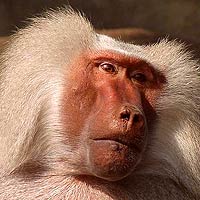
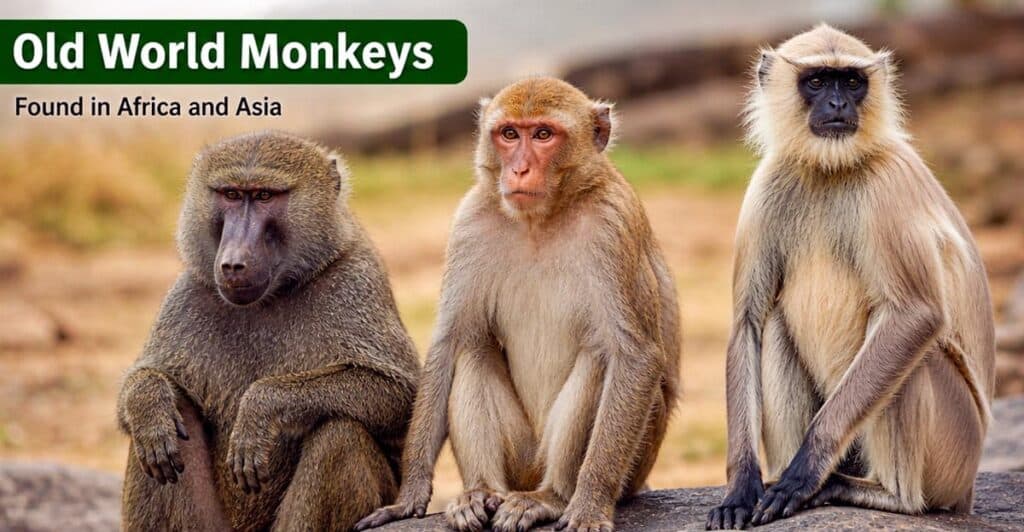
Old World Monkeys are a mixed group of primates with varied body sizes (medium to large-sized), habitats, diets, social behaviors, and anatomical differences. All Old-World monkeys are classified under two families: Cercopithecinae and Colobinae. Unique characteristics-wise, Old-World monkeys have downward-pointing nostrils, tend to stay mainly on the ground than trees (non-arboreal), and have a simple digestive system with cheek pouches for plant matters. Also, these primates have a tail which makes them different from apes. The Old-World monkeys hail from various countries in South and East Asia, the Middle East, and Africa, except for Madagascar.
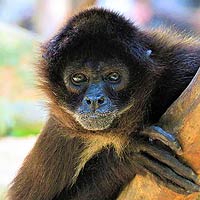
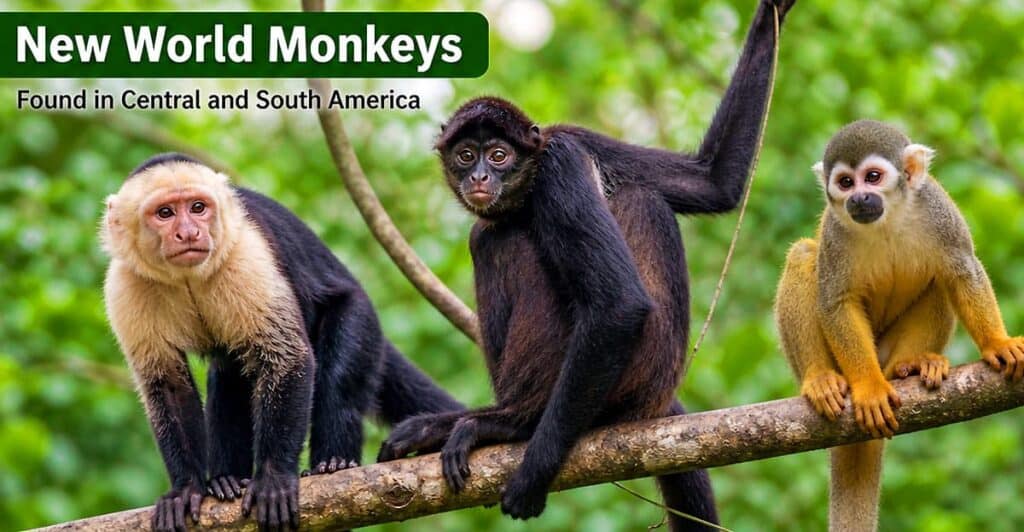
New World monkeys are a varied group of small to medium-sized arboreal (i.e., living on trees) primates. These primates are restricted to the tropical forests of Southern Mexico and Central and Latin America. Taxonomically, New World monkeys are classified into two prominent families Cebidae and Callitricidae. Exclusive attributes-wise, these kinds of monkeys are primarily herbivores, twin births, and no-cheek-pouches unlike Old-World counterparts, and some have a prehensile tail (Spider monkeys).
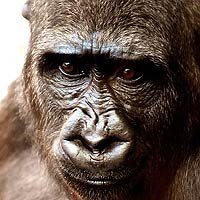
Apes are another clade of old-world monkeys collectively called Hominoidea, native to Africa and Southeast Asian countries. Apes do not have tails (except L’Hoest monkey – a great ape) due to the mutation of the TXBT[4] gene cell. Also, apes cannot perform brachiation (arm swinging in the arboreal movements on tree tops, unlike the other three kinds listed above). There are two main branches of apes: gibbons (“lesser apes”) and hominids (“great apes”). Orangutans, gorillas, chimpanzees, and bonobos are examples of greater apes, whereas the lesser apes contain all types of gibbons, including Lar gibbon, Agile gibbon, Silvery gibbon, and more. Hominoids are swift tree climbers except for gorillas and humans. Apes feed on various plants such as fruits, leaves, stalks, seeds, roots, and small animals.
Monkeys vs. Monkies

Let’s get one of the fundamental confusion out of the way first. Is it monkeys or monkies? When a noun word ends with “y”, there is always confusion as to whether the plural form ends with “ies” or “ys”. Many English dictionary sources say the grammar rule is simple. When a noun ends with a vowel followed by y, the plural form gets an “s”; otherwise, it would end with “ies”. For instance, the plural form of “Dictionary” is “Dictionaries”. Based on that principle, the plural form of monkey is indeed monkeys.
An English biologist, St. George Jackson Mivart first published the classification of primates in his book ‘Man and Apes’ in 1873[1]. His categorization of monkeys was based purely on anatomical differences, habits, and geographical distribution. According to this book, the early classification of order Primates contained two sub-groups, namely:
Group-1: Man, and all the apes, which were first called Anthropoidea.
Group-2: All Lemurs and the animals most like them were called Lemuroidea; the creatures contained in it when spoken of being generally also termed “Half-apes” or “Lemuroids“.
Modern Grouping of Primates
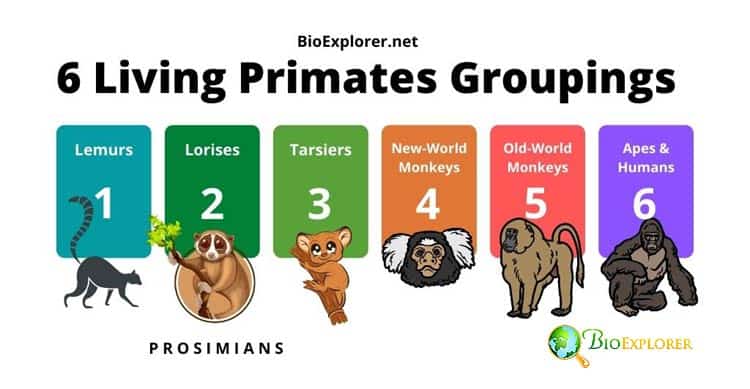
After so many debates and further data collection and analyses and discoveries of new monkey species over a century, another British-born biological anthropologist, Robert D. Martin, currently a curator at Chicago Natural Museum, has published an excellent book called “Primate Origins and Evolution: A Phylogenetic Reconstruction” in 1994[2]. This research attempted to classify living primates into 6 different sub-groups based on geographical importance.
This primate grouping is based on grade or level of organization, and in no way does it implies any superiority or inferiority between them.
According to the fossil study in Tanzania by paleontologists in 2013[3], it became evident that the old-world monkeys (baboons, macaques) and apes (humans & chimpanzees) were already separated 25 million years ago!
Frequently Asked Questions
What are the most common monkey?
The Rhesus macaque is one of the most common monkeys, especially in Asia. Found in diverse habitats, from grasslands to urban areas, they have a wide distribution. Another prevalent species is the Vervet monkey, native to Africa and known for its adaptability to various environments.
What is the most friendliest monkey?
The capuchin monkey is often considered the friendliest among monkey species. Renowned for its sociable behavior, intelligence, and playful nature, it frequently interacts positively with humans, making it a popular choice in the pet trade and entertainment industries. However, like all primates, they have complex needs and can be challenging to care for.
What is a monkey that starts with G?
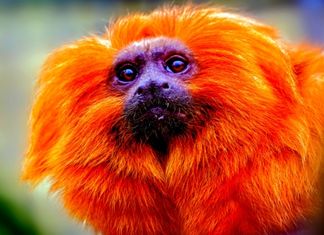
A monkey that starts with “G” is the “Golden lion tamarin“. It’s a small New World monkey known for its bright reddish-orange fur and mane, resembling a lion’s. They are native to the Atlantic coastal forests of Brazil.
What are the two main types of monkeys?
The two types of monkeys are: Old World Monkeys: Native to Africa and Asia, they include species like baboons, macaques, and colobus monkeys.
New World Monkeys: Found in Central and South America, they include capuchins, howler monkeys, and tamarins.
How many types of monkeys are there in the world?
As of 2026, there are over 330 different species of monkeys in the world, classified into two main groups: Old World Monkeys and New World Monkeys.
Which is the smallest monkey?
The smallest monkey is the pygmy marmoset (Cebuella pygmaea). It weighs around 100 grams (3.5 ounces) and measures about 4.6 to 6.2 inches (11.7 to 15.8 cm) in length, excluding its tail. Native to the rainforests of the western Amazon Basin in South America, pygmy marmosets are known for their tiny size and distinctive vocalizations.
From the lush Amazon rainforests to the arid caatinga scrubs of northeastern Brazil, miniature marmoset monkeys swing through diverse New World landscapes.
Spider monkeys comprise 7 New World primate species adept at brachiating through Central and South American rainforest canopies, endangered due to habitat destruction.
Red monkeys include over 50 species of primates from Asia, Africa and the Americas that exhibit signature red coloration on their fur, skin or body parts adapted for forest camouflage and heat regulation while also communicating social moods
Yellow Monkeys: Monkeys exhibit a dazzling array of fur colors and patterns, but a select group stands out for their unique yellowish hues blending into tropical forest backdrops.
Explore types of rainforest monkeys that are found in different rainforest regions of the world. Rainforests are biomes that have a rich flora and fauna. Animal species diversity is highest in the rainforests than anywhere else on earth.
Bio Explorer. (2026, January 27). 334 Types of Monkeys. https://www.bioexplorer.net/animals/mammals/monkeys/
Key References
[1] – “Man and apes; an exposition of structural resemblances and … – Full View | HathiTrust Digital Library”. Accessed July 03, 2022. Link.
[2] – “Scientific Publications | how-we-do-it”. Accessed July 03, 2022. Link.
[3] – “Scientists Discover Oldest Evidence of Split Between Old World Monkeys and Apes | NSF – National Science Foundation”. Accessed July 03, 2022. Link.
[4] – “The genetic basis of tail-loss evolution in humans and apes | bioRxiv”. Accessed July 05, 2022. Link.