
Monkeys Starting with P
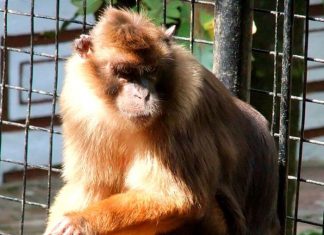
Pagai Island Macaque
The Pagai island macaque (Macaca pagensis), also called the Pagai or Bokkoi macaque is an Old-World monkey native to the Mentawai Islands on the west coast of Sumatra. Groups of Pagai Island macaques consist of approximately 5 to 25 individuals.
Read more
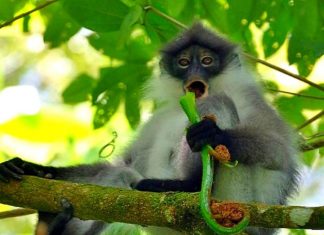
Pale-Thighed Langur
The pale-thighed surili (Presbytis siamensis), also called the white-thighed langur, is a primate species in the Old World monkey family (Cercopithecidae). Pale-thighed langurs are savvy herbivores; it’s fun to say they only eat plants and have a fussy palate, with a preference for young leaves, seeds, and fruits.
Read more
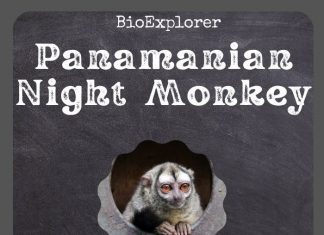
Panamanian Night Monkey
The Panamanian night monkey or Chocoan night monkey (Aotus zonalis) is a species of night monkey formerly considered a subspecies of the grey-bellied night monkey in the Aotidae family. Panamanian night monkeys are sympatric with other species. They do not compete for resources with other animals in their range due to their alternate schedules.
Read more
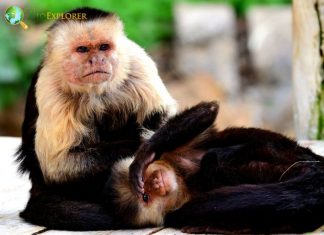
Panamanian White-faced Capuchin
The Panamanian white-faced capuchin (Cebus mimic), also called the Panamanian white-headed capuchin or the Central American white-faced capuchin is a mid-sized New World monkey in the Cebidae family. Native to Central American forests, the Panamanian white-faced capuchin is vital to rainforest ecology for its role in seed and pollen dispersal.
Read more
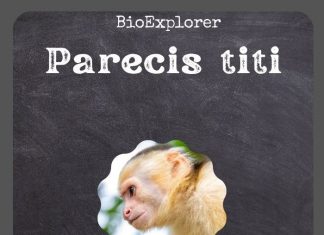
Parecis Titi
The Parecis titi (Plecturocebus parecis) is a species of titi, a New World monkey native to Brazil. The range of the new species is in the deforestation arc of the Amazon, where large tracts of forest are being destroyed for timber, settlements, and industrial agriculture.
Read more
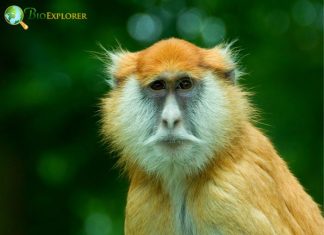
Patas Monkey
Patas monkeys are the fastest primates on the African savanna. Learn their size, diet of gum and insects, female-led groups of 10 to 40, and where they live.
Read more
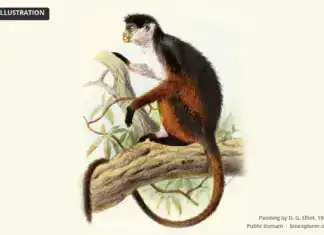
Pennant’s Red Colobus
Pennant's red colobus lives only on Bioko Island, Equatorial Guinea. It is Critically Endangered. The 2021 action plan estimated fewer than 1,200 remain. Shotgun hunting for the bushmeat trade is the main threat.
Read more
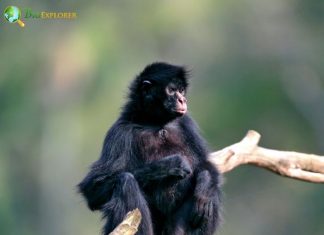
Peruvian Spider Monkey
Peruvian spider monkeys, like other Ateles species, have a prehensile tail that can be used to facilitate brachiation. Typically, Peruvian spider monkeys have completely black fur and complexions, unlike the lighter red-faced black spider monkey.
Read more
Peruvian White-fronted Capuchin
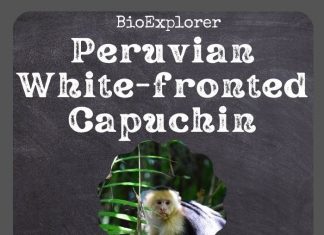
The Peruvian white-fronted capuchin or Marañón white-fronted capuchin (Cebus yuracus) is a species of gracile capuchin monkey native to the upper Amazon basin. Peruvian white-fronted capuchin monkeys live in multi-male, multi-female groups of 5 to 18 individuals, with approximately equal numbers of males and females.
Read more
Peruvian Yellow-tailed Woolly Monkey
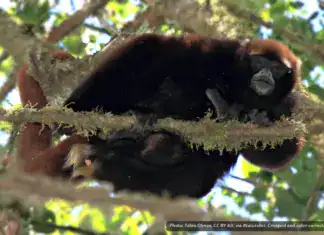
The Peruvian yellow-tailed woolly monkey is a Critically Endangered primate found only in the Andean cloud forests of northern Peru.
Read more
Phayre’s Langur
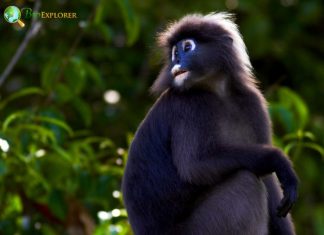
Phayre’s leaf monkey (Trachypithecus phayrei), also called the Phayre’s langur, is a species of Lutung endemic to South and Southeast Asia. The name commemorates the late Sir Arthur Purves Phayre, a lieutenant general in the British Indian Army and commissioner of the entire province of former British Burma.
Read more
Pig-tailed Langur
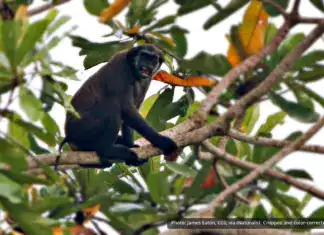
The pig-tailed langur is a Critically Endangered, short-tailed monkey found only on Indonesia's Mentawai Islands. Hunting is the main threat.
Read more
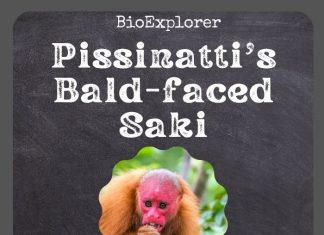
Pissinatti’s Bald-faced Saki
Pissinatti’s Sakior or Pissinatti’s bald-faced saki (Pithecia pissinattii), is a controversial species of saki monkey, a New World monkey. This species is named after Alcides Pissinatti, a Brazilian veterinarian who pioneered the breeding of endangered Brazilian primates.
Read more
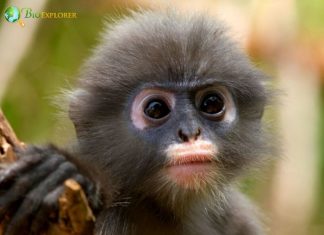
Popa Langur
Popa langur (Trachypithecus popa) is a primate species in the Cercopithecidae family. It occurs exclusively in Myanmar. The species is named after Mount Popa, where a population of 100 monkeys lives.
Read more

Preuss’s Monkey
The Preuss’s monkey (Allochrocebus preussi) also called the Preuss’s guenon is a diurnal primate that inhabits terrestrial montane forests (up to 2,500 meters) in eastern Nigeria, western Cameroon, and Bioko in Equatorial Guinea.
Read more
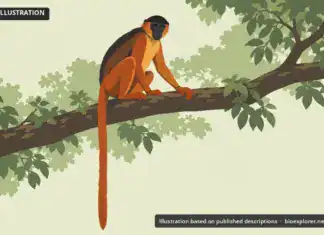
Preuss’s Red Colobus
Preuss's red colobus lives only in the border forests of western Cameroon and southeastern Nigeria. It is Critically Endangered. The 2021 action plan put its main population at 3,200 to 4,500. Hunting for bushmeat is the main cause of its decline.
Read more
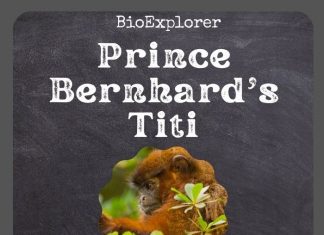
Prince Bernhard’s Titi
Prince Bernhard’s Titi (Plecturocebus bernhardi) is a species of titi in the subfamily Callicebinae. It is a species of New World monkey native to Brazil. The species is named after Prince Bernhard of the Netherlands, a naturalist who established the Order of the Golden Ark to honor conservationists worldwide.
Read more
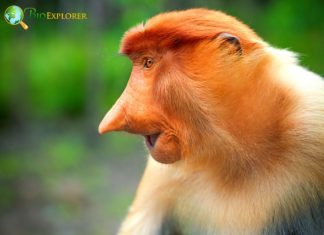
Proboscis Monkey
The proboscis monkey (Nasalis larvatus) is an Old World arboreal species with an unusually large nose, reddish-brown skin color, and a long tail. The proboscis monkey is a large species and one of the largest old-world monkey species native to Asia.
Read more
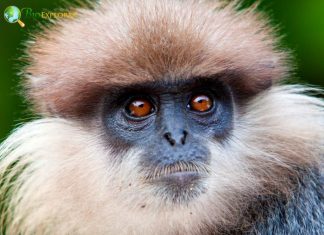
Purple-faced Langur
The purple-faced langur (Semnopithecus vetulus), also called the purple-faced leaf monkey, is an Old World species native to Sri Lanka. The purple-faced langur is found in the closed forests of Sri Lanka’s mountains and in the southwestern part of the country known as the ‘wetland’.
Read more
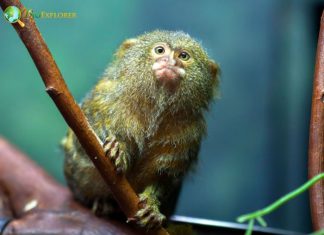
Pygmy Marmoset (Finger Monkey)
The pygmy marmoset (smallest monkey), genus Cebuella (also known as Finger Monkey), is a small genus of New-World monkeys endemic to the tropical rainforests of the western Amazon Basin in South America. Pygmy marmosets are also highly territorial, using scent glands to mark territories of up to 100 hectares.
Read more
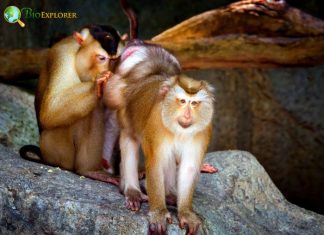
Sunda Pig-Tailed Macaque
The pig-tailed macaque (Macaca nemestrina), also called the Sundaland pig-tailed macaque and Sunda pig-tailed macaque is a medium-sized macaque native to southern Thailand, Indonesia, and Malaysia. Pig-tailed macaques also have long legs and hairless snouts.
Read more
Cite this page
BioExplorer. (2026, November 2). Monkeys Starting with P. https://www.bioexplorer.net/animals/mammals/monkeys/p/