
Formosan Rock Macaque
Primate Profile
Formosan Rock Macaque
Macaca Macaca cyclopis · Native to the Island of Taiwan
Kingdom
Animalia
Phylum
Chordata
Class
Mammalia
Order
Primates
Family
Cercopithecidae
Genus
Macaca
Species
cyclopis
Authority
(Swinhoe, 1863)
Photo
LC
IUCN STATUSLeast Concern
- Common NameFormosan Rock Macaque
- Taxonomy Classification Year1863
- Monkey Size36 to 45 cm (14.17 to 17.72 in)
- Skin Color(s)Dark gray to brown
- HabitatForest, savanna or grassland
- DietOmnivorous
- Native CountriesTaiwan
Formosan Rock Macaque Distribution
Countries
Taiwan ( )
)
)Formosan Rock Macaque Characteristics
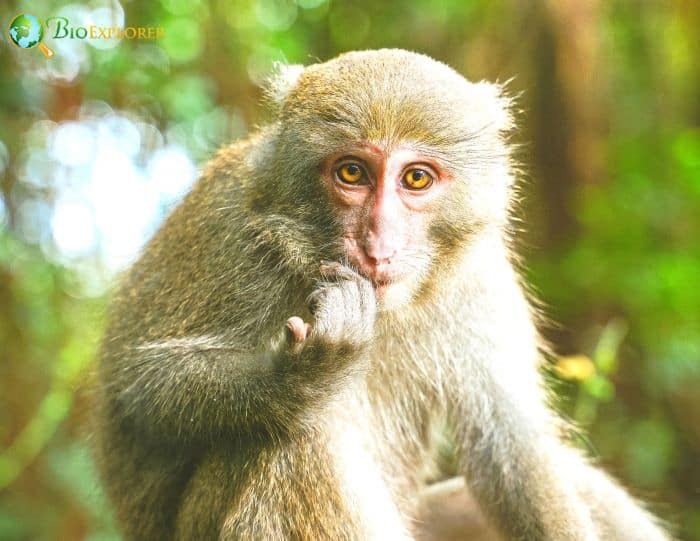
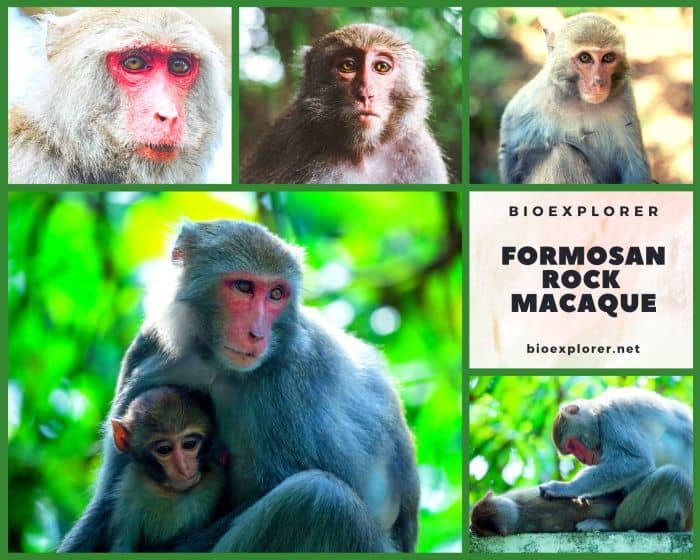
The Formosan rock macaque[1] also called the Taiwanese macaque, or Formosan rock monkey, is a macaque native to the island of Taiwan.
- They have brown fur in the summer and gray fur in the winter. In addition, they have gray or white fur covering their chests.
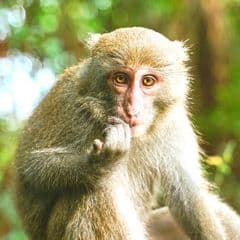
- Their faces are bare and pink with large eyes and long, flat noses. Their jaw is built with 4 large canines and several powerful molars for a varied diet.
- Formosan rock macaques are among the 45 species of monkeys in the Cercopithecinae subfamily. This group of macaques, vervets, and baboons is notable for their cheek pouches.
- These monkeys can quickly grab large amounts of food, store it in their cheeks, and retreat to a safe place to eat without worrying about thieves or predators.
What Do Formosan Rock Macaques Eat?
The Formosan Rock Macaque nourishes on Leptosporangiate Ferns (Polypodiopsida), Koa Haole (Leucaena leucocephala), Twinleaf Nightshade (Solanumum diphyllum), Butterfly Tree (Bauhinia purpurea), Parasol Leaf Tree (Macaranga tanarius) and more[¶].
Formosan Rock Macaque Facts
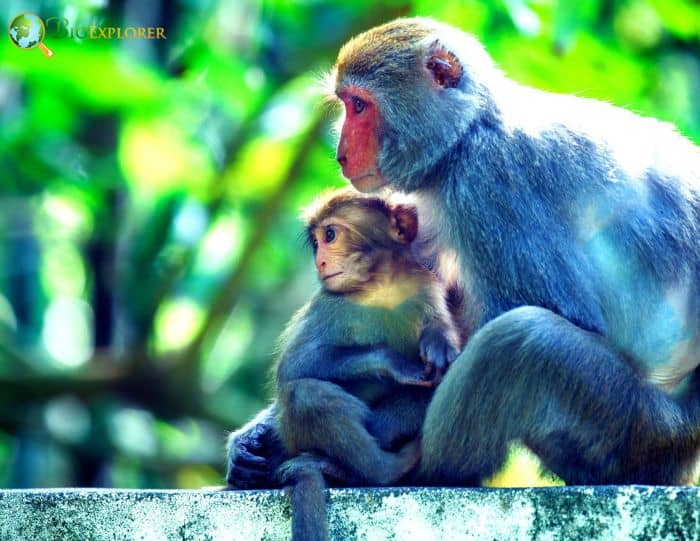
- Aside from humans, Formosan rock macaques are the only native primates living in Taiwan.
- Formosan rock macaques introduced to Japan are known to have interbred with local Japanese macaques (better known as snow monkeys), producing hybrids of the two species.
- Ideally, these species would live in groups of up to 100 individuals living in multiple male and multiple female systems with an average of 25 females and 20 males.
- When multiple males are in a group, one male attempts to establish dominance over all challengers.
- While foraging, the group keeps in touch by shouting “gu“; the others answer with a so-called “kyaw-kyaw“.
Suggested Reading: Monkeys Around The World
Cite this page
BioExplorer. (2026, September 30). Formosan Rock Macaque. https://www.bioexplorer.net/animals/mammals/monkeys/formosan-rock-macaque/