
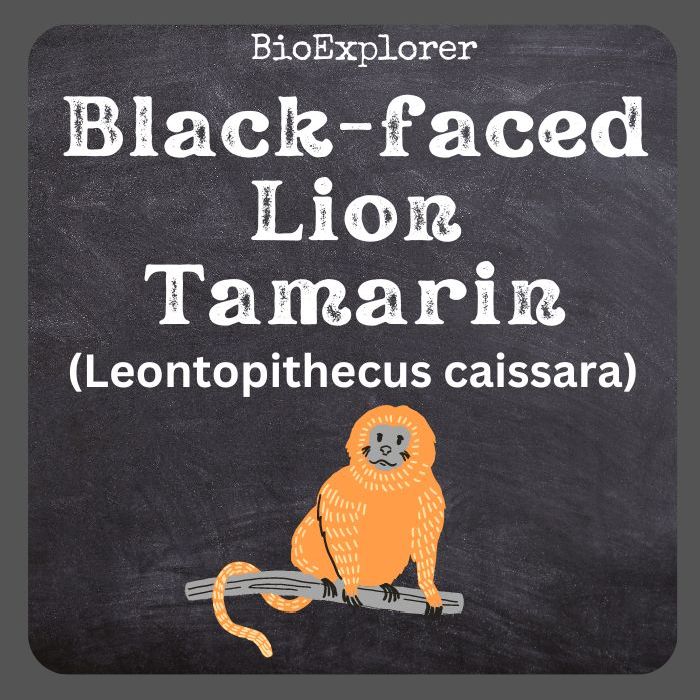
Black-faced Lion Tamarin
| Kingdom | Order | Family | Genus | Species |
|---|---|---|---|---|
| Animalia | Primates | Callitrichidae | Leontopithecus | Leontopithecus caissara |
- Common Name: Black-faced Lion Tamarin
- Taxonomy Classification Year: 1990
- Monkey Size: 30.5 to 30.5 cm (12.01 to 12.01 in)
- Skin Color(s): Golden-orange
- Habitat: Rainforest
- Diet: Herbivorous
- Native Countries: Brazil

Black-faced Lion Tamarin Distribution
Countries
Brazil ( )
)
)Black-faced Lion Tamarin Characteristics
The black-faced lion tamarin[1], also known as Superagüi Lion Tamarin, is a small New-World primate in the Callitrichidae family.
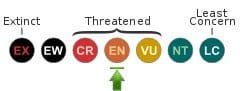
- It is critically endangered and native to the coastal forests of southeastern Brazil.
- The 4 species of lion tamarins, including Leontopithecus caissara, are also called the “kings of the jungle. “.
- Their small, wrinkled faces are surrounded by hair tufts resembling a lion’s mane.
- The tamarins’ arms, mane, and tail are black, while the rest of the body is golden in color.
- The black-faced lion tamarin has non-opposable thumbs, long fingers for catching fruit and insects, and claw-like nails for digging insects from under tree bark.
What Eats Black-faced Lion Tamarins?
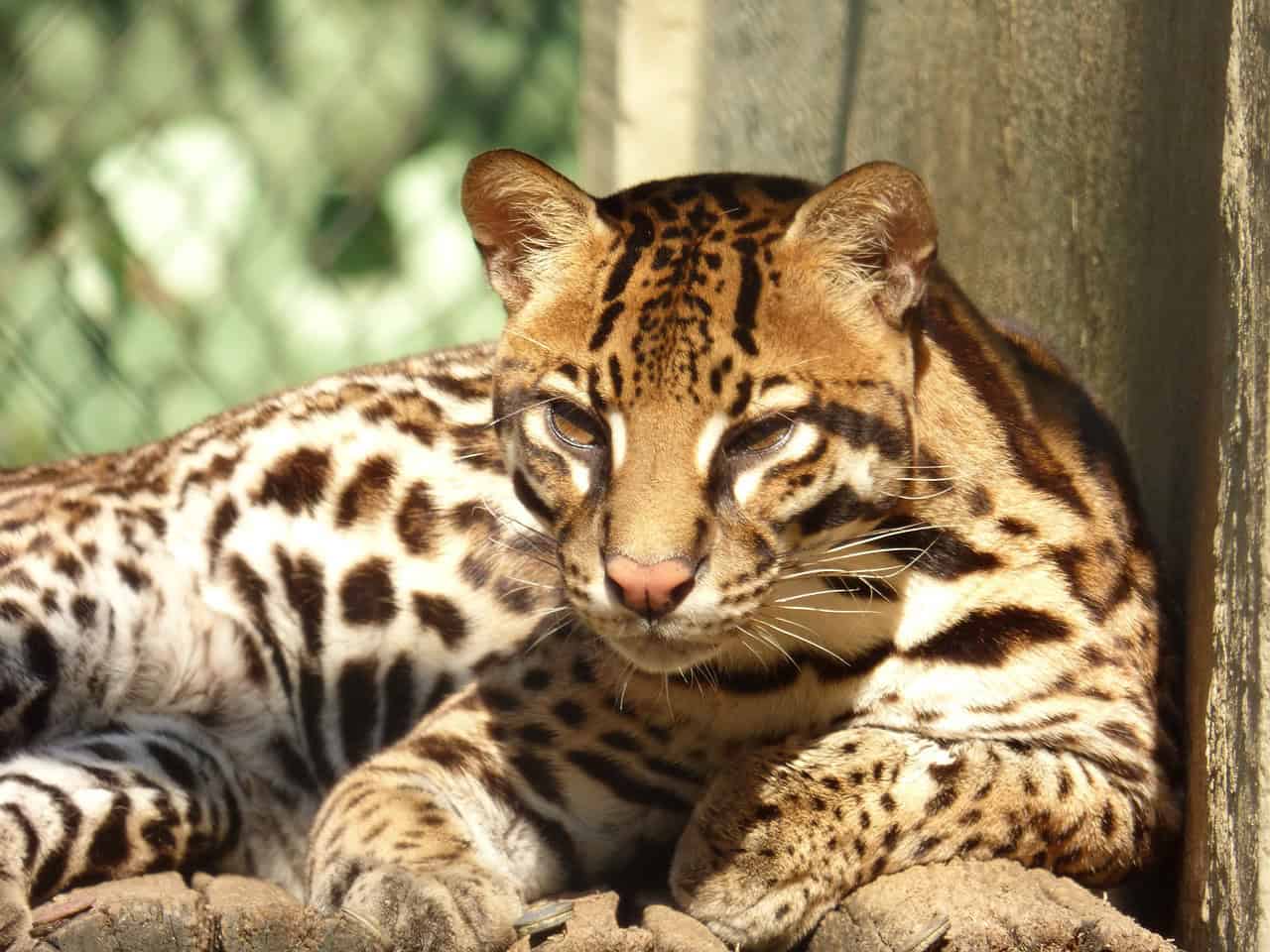
Ocelots (Leopardus pardalis), Tayras (Eira barbara), Jaguar (Panthera onca), Águila Elegante (Spizaetus ornatus), Águila Tiranas (Spizaetus tyrannus) and Jaguarundis (Puma yagouaroundi) consume Black-faced Lion Tamarins.
Black-faced Lion Tamarin Facts
- Black-faced lion tamarins are diurnal and seek refuge in hollows or tree holes at night.
- They live in large family groups of 2 to 8 members. Within these family groups, there is usually only a breeding female per season.
- These tamarins usually vary their resting places to avoid predators.
- Mainland populations prefer flooded and swampy secondary forests as a habitat. However, the island population mainly uses the high-lowland forest and the arboreal restinga as their primary habitat.
- Black-faced lion tamarins are one of the rarest mammals in the world. They are listed as Critically Endangered by the IUCN.
Suggested Reading: All 335 Types of Monkeys | Black Leopard
Cite this page
BioExplorer. (2026, September 30). Black-faced Lion Tamarin. https://www.bioexplorer.net/animals/mammals/monkeys/black-faced-lion-tamarin/