
Omnivorous Monkeys
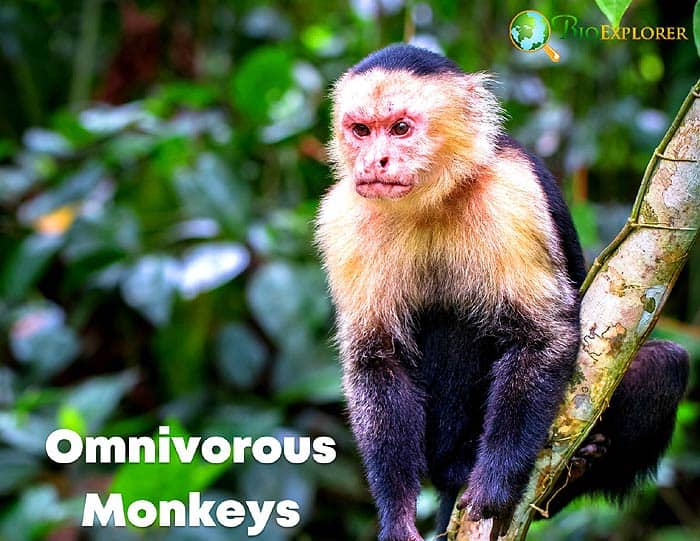
Omnivore monkeys have the ability to feed and survive on plant and animal matters. These monkeys obtain energy and nutrients by extracting carbohydrates, protein, fat, and fiber from these organic matters.
These monkeys are the largest number of species by population (216 monkeys) within the omnivorous diet category.
Omnivorous Monkeys

Agile Mangabey
The Agile Mangabey is another Old-World monkey of the White-Eylid Mangabey group mainly found in swampy forests. Due to habitat loss, mangabeys are now listed as endangered, both male and female.
Read more
Allen’s Swamp Monkey
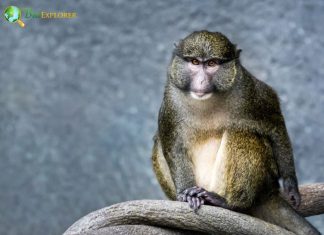
Allen's swamp monkeys are small, stocky monkeys with gray to brown fur and long tails. These highly social primates live in the swamp forests of central Africa, where they mostly spend their time in the trees. It was named after Joel Asaph Allen, an American zoologist.
Read more
Alta Floresta Titi
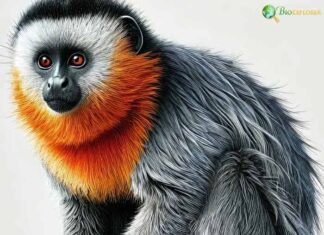
The Alta Floresta titi is a distinct but unnamed form of titi (Plecturocebus) rediscovered in 2019 in Chapada dos Parecis, a plateau in the far south of the Brazilian state of Rondônia. This species lives exclusively between the Teles-Pires and Juruena rivers in Mato Grosso.
Read more
Andean Saddle-back Tamarin
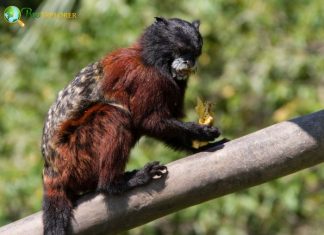
The Andean saddle tamarin, also known as the saddleback tamarin (formerly known as the brown-mantled tamarin), is a New World monkey species. Andean saddleback monkeys are considered "phyletic dwarfs," meaning their small size is related to their evolutionary development.
Read more
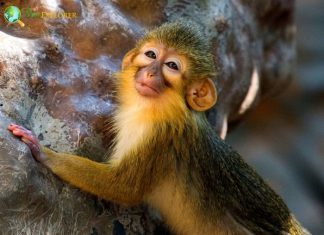
Angolan Talapoin
Also known as the Southern talapoin, Angolan talapoin is a primate species in the Cercopithecidae family. Tail color varies from grayish-black to brownish-black above and is yellow or yellowish-gray below. The Angolan talapoin monkeys are among the smallest species of Old-World monkeys.
Read more
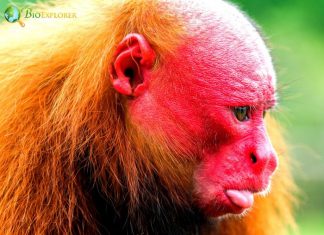
Aracá Uakari
The Aracá uakari, also called the Ayres black uakari, is a newly described monkey species endemic to the northwestern Brazilian Amazon. The species was found by Jean-Philippe Boubli of the University of Auckland after following local Yanomamo Indians on their hunts along the Aracá River, a northern tributary of the Negro River.
Read more
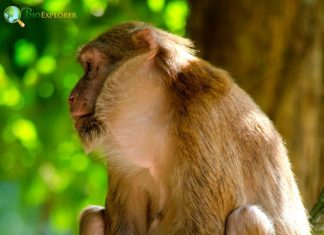
Assam Macaque
The Assam macaque, also known as Assamese macaque, is a macaque of the Old-World monkey family endemic to South and Southeast Asia. Assam is another state in India. Eating everything from fruits to 55 types of flowers, leaves, seeds, and bark, these macaque monkeys adapt their diet to suit their habitat.
Read more

Barbara Brown’s Titi
Barbara Brown's titi also known as the northern Bahian blond titi or blond titi monkey, is a New World monkey species. Barbara Brown's titi is named in honor of Barbara Elaine Russell Brown, a zoologist.
Read more

Barbary Macaque
The Barbary macaque, also called the Magot macaque, is a macaque endemic to the Atlas Mountains in Morocco and Algeria and a small introduced population in Gibraltar. Before the Ice Age, they inhabited the Mediterranean coasts and most of Europe, as far away as the British Isles and Germany.
Read more
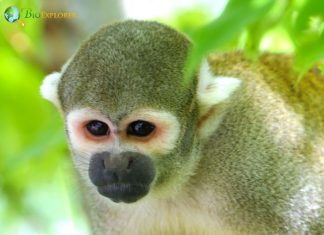
Bare-eared Squirrel Monkey
The bare-eared squirrel monkey also called the golden-backed squirrel monkey, is a subspecies of the Saimiri sciureus group native to the tropical forests and jungles of South and Central America. The bare-eared squirrel monkey differs from other species because it does not have ear tufts.
Read more
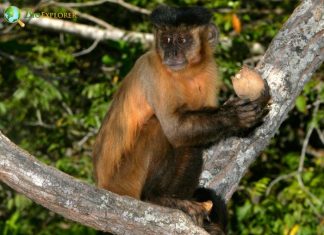
Bearded Capuchin
The bearded capuchin, also called the black-striped capuchin, is a New World monkey in the Cebidae family. They are found in central and northern Brazil. Until recently, the bearded capuchins were considered a subspecies of Tufted Capuchins.
Read more

Bearded Saki
The bearded sakis or cuxiús are five species of New World monkeys classified in the genus Chiropotes. Bearded saki shows slight sexual dimorphism: males are usually taller and have longer, more prominent beards than females.
Read more
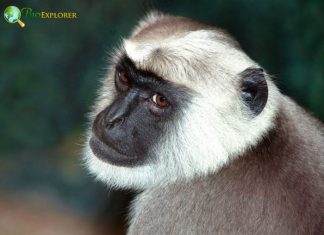
Bengal Sacred Langur
The Bengal sacred langur, also known as Hanuman's langur and the northern plains gray langur, is a primate species in the Cercopithecidae family. The Bengal sacred langurs are often referred to as "Hanuman's langurs", named after Lord Hanuman - the Hindu god.
Read more
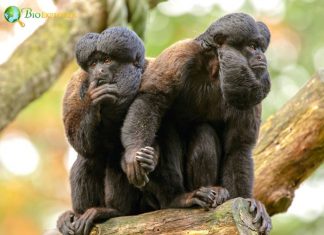
Black Bearded Saki
The black-bearded saki is a species of bearded saki, a species of New World monkey, one of the five remaining monkeys of its kind. Another striking feature is its signature beards. This species prefers primary rainforest, where lush tree canopies provide a relatively safe area out of sight and out of reach of several predators.
Read more
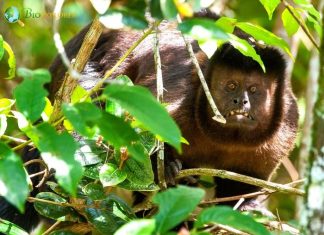
Black Capuchin
The black capuchin, also called the black-horned capuchin, is a capuchin monkey native to the Atlantic rainforest of southeastern Brazil and extreme northeastern Argentina. The black capuchin was originally called Cebus nigritus or Cebus apella nigritus. Although this has changed, many sources still name the black capuchin as part of the Cebus genus.
Read more
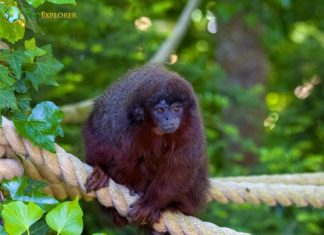
Black Lion Tamarin
The black lion tamarin, also called the golden-rumped lion tamarin, is a lion tamarin native to the Brazilian state of Sao Paulo, almost exclusively in Morro do Diabo State Park. Its limited geographic range makes it the rarest of the New-World monkeys.
Read more
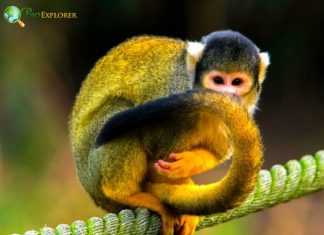
Black Squirrel Monkey
The black squirrel monkey, also called the black-headed squirrel monkey or the blackish squirrel monkey is a small New-World monkey native to the central Amazonian region of Brazil. The black squirrel monkey closely resembles the much more common Bolivian squirrel monkey. However, the latter lacks the central black back.
Read more
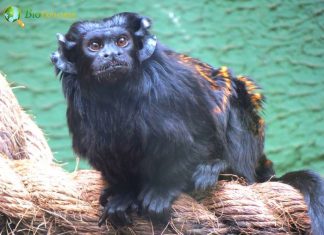
Black Tamarin
Also known as western black-handed tamarind, the black tamarind is a species of tamarin native to Brazil. Black tamarind uses primary and secondary forests during foraging, primarily attaching itself to the canopy and spending little time on the ground.
Read more

Black Titi
The Black Titi (Cheracebus lugens) is a species of Titi, a New World monkey endemic to South America. It is found in Venezuela, Colombia, and Brazil. It is also known as White-chested Titi.
Read more
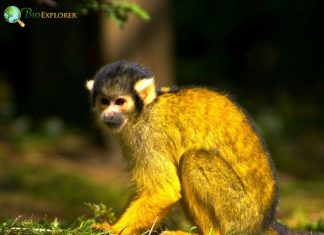
Black-capped Squirrel Monkey
The black-capped squirrel monkey is a New-World primate species endemic to the upper Amazon basin in Bolivia, eastern Peru, and western Brazil. Primarily, black-capped squirrel monkeys are arboreal and found in native and plantation forests and some managed areas close to running water.
Read more

Black-fronted Titi
The black-fronted titi is a New-World monkey native to Brazil. Black-fronted titi monkeys have short faces, fluffy bodies, long legs, and long fluffy tails. The black-fronted titi monkey is listed as Near Threatened by the IUCN due to extensive habitat loss and fragmentation in the remnant Atlantic Forest in southeastern Brazil.
Read more
Black-headed Marmoset
The black-headed marmoset is a species of marmoset native to Brazil. It inhabits tropical rainforests, mainly second growth and fringes. Black-headed marmoset lives in large family groups of 4 to 15 individuals. Typically, only one female per group breeds during any given breeding season.
Read more
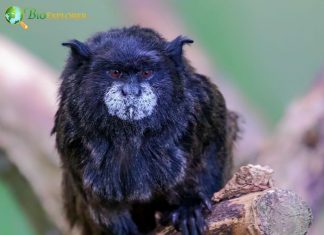
Black-mantled Tamarin
The black-mantled tamarin is a saddleback tamarin native to northwestern Amazonia in far western Brazil, eastern Ecuador, southeastern Colombia, and northeastern Peru. Leontocebus nigricollis live in small multi-male and multi-female social groups of 4 to 12 and occupy 30 to 50 hectares.
Read more
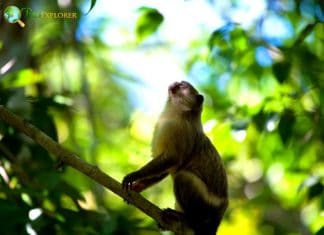
Black-Tailed Marmoset
The black-tailed marmoset is a New-World monkey species native to central South America. It is distributed from south-central Amazonia in Brazil to the Chaco far north of Paraguay. Black-tailed marmosets are arboreal and diurnal, using their claws for tree climbing.
Read more
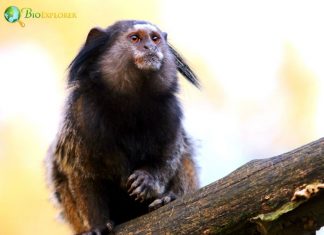
Black-Tufted Marmoset
The black-tufted marmoset, also called the Black-pencilled marmosets or Mico-estrela in Portuguese is a type of New-World monkey. They live mainly in the neotropical gallery forests of the central Brazilian plateau.
Read more
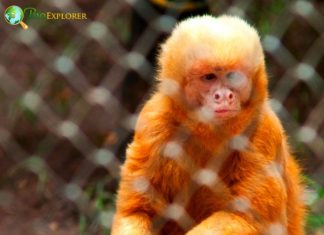
Blond Capuchin
The blond capuchin monkey is one of the capuchin monkeys native to northeastern Brazil. These Blonde monkeys get their name from the distinctive golden-blond fur on their bodies. Like other primate species, the blond capuchin is threatened by poaching and trapping for the illegal pet trade.
Read more
Blue Nile Patas Monkey
The Blue Nile patas monkey, also known as Heuglin's patas monkey, is an Old-World monkey endemic to Africa along the Blue Nile Valley in Sudan, Ethiopia, and possibly South Sudan. Blue Nile patas monkeys are one of the fastest land monkeys, reaching speeds of around 34 miles per hour.
Read more

Bonnet Macaque
The Bonnet Macaque, also called Zati, is a species of macaque native to southern India. Bonnet macaques get their common name from a unique feature: a hood-like tuft of hair that extends from the top of their head, much like a tuft of dry grass. Their marble-round eyes look out into the world with a very expressive forehead.
Read more
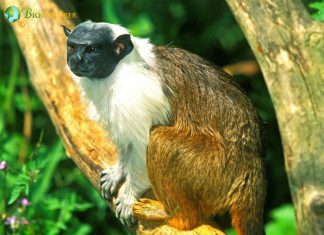
Brazilian Bare-Faced Tamarin
The pied tamarin, also known as the pied bare-faced tamarin or Brazilian bare-faced tamarin, has one of the smallest home ranges of any primate in the world, located in and around the port city of Manaus.
Read more
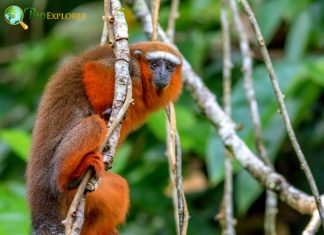
Brown Titi
The brown titi is another species of titi, a New World monkey native to South America. It was initially described in 1842 as Callicebus brunneus and transferred to the new genus Plecturocebus in 2016.
Read more
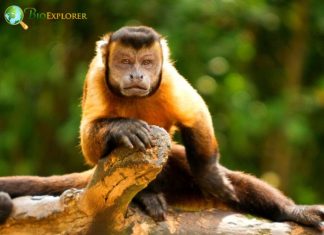
Brown Weeper Capuchin
The brown weeper capuchin, or Venezuelan brown capuchin, is a species of graceful capuchin monkey native to Venezuela. Unlike spider monkeys, brown weeper capuchin monkeys can't hang by their tails because they cannot support their body weight.
Read more

Brown-backed Bearded Saki
The brown-backed bearded Saki is one of 5 species of bearded Saki, a New World monkey species. Bearded sakis have a unique appearance. They are born with prehensile tails, which they retain for the first two months of their life. This allows them to cling to their mother's body. After this time, the tail becomes non-prehensile.
Read more
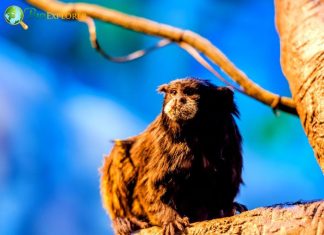
Brown-mantled Tamarin
The brown-mantled tamarin also called the Spix's saddleback tamarin, is a species of saddleback tamarin native to South America. The species are considered "phyletic dwarfs," meaning their small size is linked to their evolutionary development.
Read more

Brumback’s Night Monkey
Brumback's Night Monkey is a nocturnal monkey species found in Colombia. Still, recently, it has been argued that it should be considered a separate species. The species is named in honor of the American naturalist and physician Roger Brumback.
Read more

Buffy-headed Marmoset
The buffy-headed marmoset is a rare species of marmoset native to the tropical rainforests of southeastern Brazil. These miniature and shy monkeys are mostly tree dwellers, crawling on 4 legs (quadrupeds) from tree to tree with jerky, squirrel-like movements.
Read more

Burnished Saki
The Burnished saki is a species of saki monkey, a species of New World monkey. It is located in central Peru and a small part of adjacent Brazil. The species was described by Johann Baptist von Spix in 1823 but was later merged with the monk saki (Pythecia monachus).
Read more
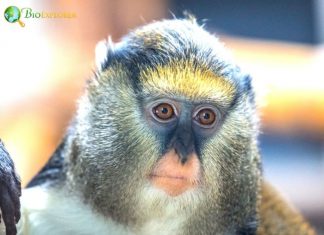
Campbell’s Mona Monkey
Campbell's Mona monkey, also called the Campbell's monkey or Campbell's guenon is a primate species in the Cercopithecidae family. The species was named after Henry Dundas Campbell in 1838.
Read more
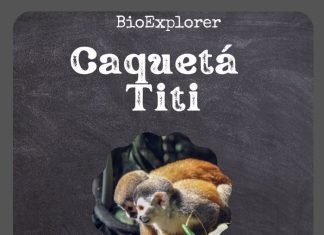
Caquetá Titi
The caquetá titi also called the bushy-bearded titi or red-bearded titi, is a species of titi monkey native to Colombia in the Caquetá region. Dr. Marta Bueno, Thomas Defler, and their student Javier García of the National University of Colombia are credited with the 2008 discovery of the Caquetá-Titi monkey.
Read more

Cazuza’s Saki
Cazuza's Saki is native to northwestern Brazil. Populations of this species were previously classified as Rio Tapajós saki (Pithecia irrorata). Still, a 2014 study found that these populations had a pelage distinct from all other species in the genus and were therefore considered their own species, Pithecia cazuzai.
Read more
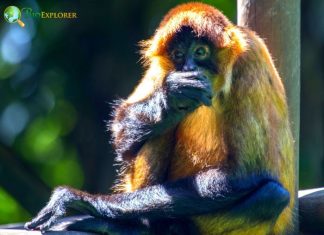
Central American Squirrel Monkey
The Central American squirrel monkey also called the red-backed squirrel monkey, is a squirrel monkey type native to the Pacific coast of Panama and Costa Rica. Central American squirrel monkeys spend most of their lives in the middle and upper layers of the tree canopy.
Read more
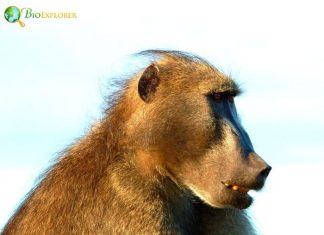
Chacma Baboon
Like all other baboons, the Chacma baboon, the Cape baboon, belongs to the Old-World monkey family. Chacma baboons have a habit of flipping over rocks in search of food. So, it's pretty easy to spot where a group of Chacmas once foraged.
Read more

Chacoan Titi Monkey
The Chacoan Titi Monkey is a species of titi (also called White-coated Titi), a type of New World monkey native to South America. These diurnal monkeys are stealthy and hard to spot as they navigate the canopy. They move between branches and trees by walking or jumping on four limbs.
Read more

Chestnut-bellied Titi
The chestnut-bellied titi monkey is a New World primate species native to Brazil. The Chestnut-bellied Titi monkeys live in family groups consisting of father, mother, and baby monkeys ranging in size from three to seven with other affiliates.
Read more

Coastal Black-handed Titi
The coastal black-handed titi is another species of titi, a New World primate native to the Atlantic Forest of northeastern Brazil. Coastal black-handed Titi monkeys vocalize synchronously early in the morning, possibly to announce their presence in their territory.
Read more
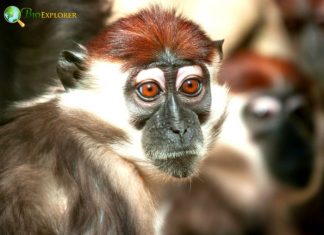
Collared Mangabey
The collared mangabey, also called the white-collared mangabey or red-capped mangabey, is an Old-World monkey endemic to the Atlantic coast of central and west Africa. Its distinctive chestnut-red cap gives the species the name red-capped mangabey, and its white collar gives it the names white-collared and collared mangabey.
Read more

Collared Titi
The collared titi, also called the widow monkey, or yellow-handed monkey inhabits the lush rainforests of the Amazon and is typically found south of Río Negro and north of Río Solimões. Titi monkeys are often known to "duet" with each other, either between an adult female and an adult male, an adult female and her son, or an adult male and his daughter.
Read more

Collins’ Squirrel Monkey
Collins' Squirrel Monkey is a species of squirrel monkey endemic to Brazil. Until a genetic study by Jessica Lynch Alfaro et al. raised them to the species category, Collins' squirrel monkey had been considered a subspecies of the squirrel monkey (Saimiri sciureus).
Read more

Colombian Black-handed Titi
The Colombian Black-handed titi is a species of titi, a New World primate native to Colombia. The Colombian black-handed titi is a diurnal and arboreal monkey that prefers to live in dense forests near water.
Read more

Common Chimpanzee
The chimpanzee, also known simply as the chimp, is a species of great ape native to the forests and savannas of tropical Africa. Chimpanzees and humans are thought to have a common ancestor that lived about eight million years ago.
Read more
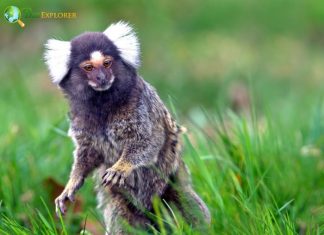
Common Marmoset
The common marmoset, also known as white-tufted-ear marmoset or white-tufted marmoset, is a type of New World monkey. As they have adapted to life at the forest edge of southeastern Brazil, common marmosets have also learned to take advantage of the region's plantations.
Read more
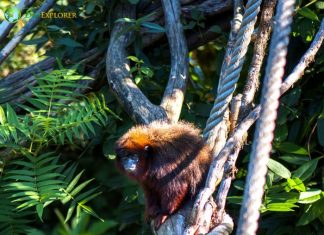
Coppery Titi
The coppery titi, or the red titi, is a species of titi, a type of New-World monkey native to South America. Coppery titi monkeys have dense fur that covers most of the body except for the face.
Read more
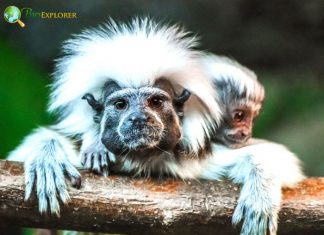
Cotton-Top Tamarin
The cotton-top tamarin is another small New-World primate found at the edge of tropical and secondary forests in northwestern Colombia. The common names "cotton-headed tamarin" and "cotton-top tamarin" are derived from the white hairs that spread across the head and flow down the neck.
Read more
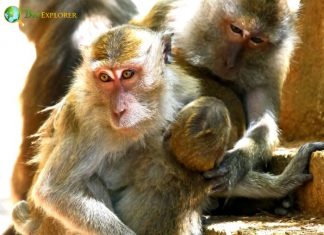
Crab-Eating Macaque
The crab-eating macaque also called the long-tailed macaque and known in laboratories as the cynomolgus monkey, is a primate monkey endemic to Southeast Asia. Crab-eating macaque macaques live in multi-male groups comprising around 30 members.
Read more
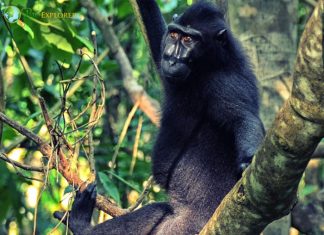
Crested Black Macaque
The Crested Black Macaque, also called the Sulawesi Crested Macaque or Celebes Crested Macaque is an Old World monkey native to the Tangkoko Game Reserve in the extreme northeast of the Indonesian island of Celebes (Sulawesi) and neighboring islets.
Read more
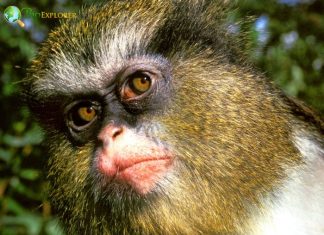
Crested Mona Monkey
The crested mona monkey, also called the golden-bellied monkey, golden-bellied guenon, or crowned guenon, is a species of African primate in the Cercopithecidae family in west-central Africa. Like many species of Cercopithecus, the crested mona monkey has large cheek pouches that it fills with seeds and fruit while foraging for food.
Read more

Cruz Lima’s Saddleback Tamarin
The Cruz Lima saddleback tamarin is a species of saddleback tamarin, a small monkey native to South America. The Cruz Lima saddleback tamarins were formerly thought to be a subspecies of the brown-mantled tamarin (Leontocebus fuscicollis).
Read more
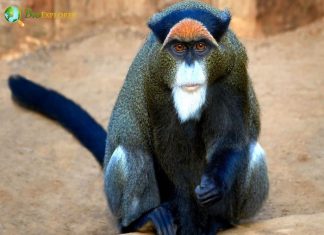
De Brazza’s Monkey
De Brazza's monkey is an Old-World primate native to central Africa's swamp and riverine forests. It is the largest species of the guenon family and one of the most widespread African arboreal primates.
Read more

Dent’s Mona Monkey
The expressive face of Dent's mona monkey is characterized by golden eyes; a flat, long, dark nose; and a pink chin and mouth. Dent mona monkeys are often found in the company of other primate species.
Read more
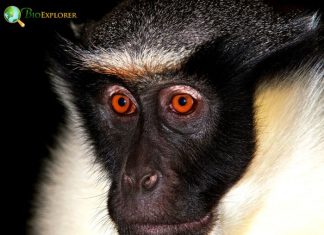
Diana Monkey
The Diana monkey is an Old-World primate found in the high-canopy forests of Liberia, Sierra Leone, and the western Ivory Coast. Diana monkeys get their name from the white crescent-shaped headband that resembles the crescent moon on the forehead of the Roman goddess Diana, protector of woodlands and wildlife.
Read more
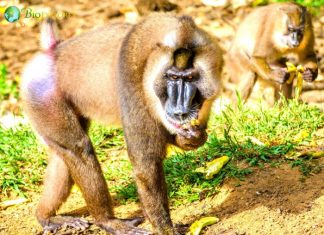
Drill
The Drill is a primate in the Cercopithecidae family (Old-World monkeys), related to baboons and even more closely to mandrills. Like mandrills, drills are highly social animals that live in groups of around 20 individuals with multiple males and females, with one male dominating reproductive decisions.
Read more

Dryas Monkey
The Dryas monkey, also called the Salonga monkey, Inoko, or Ekele is a little-known Old World primate only found in the Congo Basin and restricted to the Congo River's left bank. Unlike guenon monkeys, which make loud leaps and resounding calls, dryas monkeys move silently.
Read more
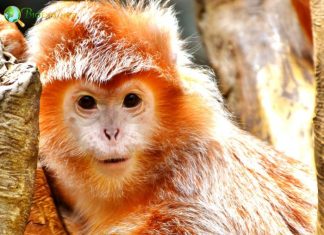
East Javan Langur
The East Javan langur, also called the Javan lutung, Javan langur, or ebony langur is an Old-World primate in the subfamily Colobinae. As with all langurs, the East Javan langur is a social animal, living in groups of about 7 individuals, with 1 or 2 adult males in the group.
Read more
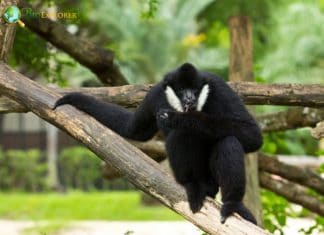
Eastern Black-Crested Gibbon
The eastern black-crested gibbon, also called the Cao-vit crested gibbon or Cao-vit black-crested gibbon, is a gibbon native to northern Vietnam and southeast China. Eastern black-crested gibbons are found in social groups consisting of females, juveniles, infants, and sometimes males.
Read more

Eastern Black-handed Tamarin
The Eastern black-handed marmoset (Saguinus ursulus) is a species of marmoset native to Brazil. These tamarins are mainly covered in jet-black fur, with only a small area around the nose and eyes and most hairless ears.
Read more
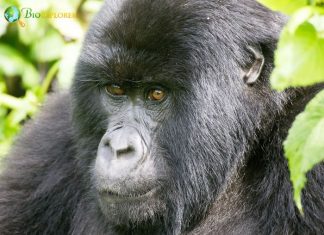
Eastern Gorilla
The eastern gorilla is an endangered species of the Gorilla genus and the largest living primate, with an average length of 150 cm for females and 185 cm for males. Eastern gorillas live in stable and cohesive family groups led by a dominant silverback male.
Read more
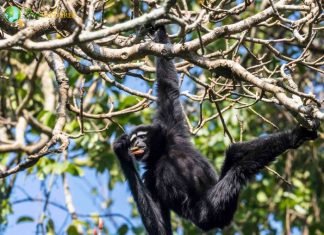
Eastern Hoolock Gibbon
The eastern hoolock gibbon is a primate of the Hylobatidae family. Eastern hoolock gibbons don't have a tail like all other apes but have a patch of hair in the anogenital region.
Read more
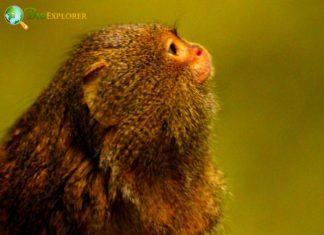
Eastern Pygmy Marmoset
The eastern pygmy marmoset is a species of marmoset, a tiny New World monkey found in the southwestern Amazon rainforest. Notably, at just over 100 grams (3.5 ounces), the eastern pygmy marmoset is the smallest monkey and among the smallest primates in the world.
Read more
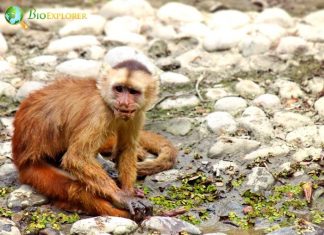
Ecuadorian Capuchin
The Ecuadorian capuchin, also known as the Ecuadorian white-fronted capuchin, is a species of a graceful capuchin monkey in the Cebidae family. The highest-ranking female dominates all group members except the highest-ranking male.
Read more
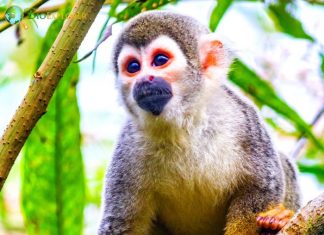
Ecuadorian Squirrel Monkey
The Ecuadorian squirrel monkey is a species of the squirrel monkey. Although it occasionally ventures to the ground to play or feed, the Ecuadorian squirrel monkey is strictly an arboreal primate.
Read more

Emilia’s Marmoset
The Emilia's marmoset also called the Snethlage's marmoset, is a marmoset native to Brazil. The species is named after Emilie Snethlage, a German-born Brazilian ornithologist.
Read more
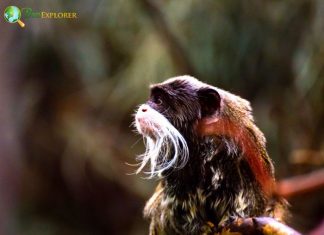
Emperor Tamarin
The Emperor Tamarin is a species of tamarin named for its resemblance to the German Kaiser Wilhelm II. It lives in the states of Acre and Amazonas, western Brazil, and the southwestern Amazon basin.
Read more

Equatorial Saki
The Equatorial Saki, also known as the red-bearded Saki, is a species of saki monkey and New World monkey. They are most common in riparian, seasonally flooded, and swampy forests but have also been seen in terra firme forests.
Read more
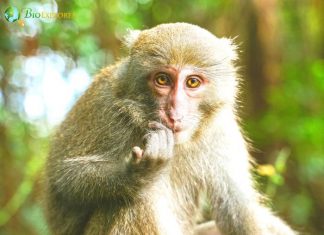
Formosan Rock Macaque
The Formosan rock macaque also called the Taiwanese macaque, or Formosan rock monkey, is a macaque native to the island of Taiwan. Aside from humans, Formosan rock macaques are the only native primates living in Taiwan.
Read more
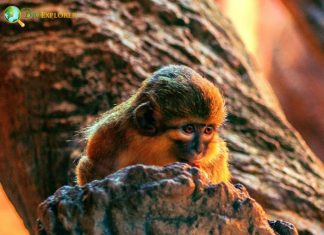
Gabon Talapoin
The Gabon talapoin, also called the northern talapoin, is a small species of African primate endemic to riverine habitats in Gabon, Equatorial Guinea, Cameroon, the far western Democratic Republic of the Congo, and the western Republic of the Congo.
Read more
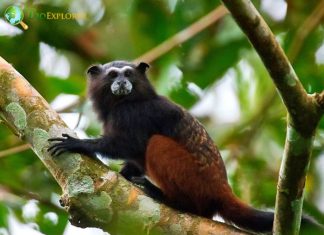
Geoffroy’s Saddleback Tamarin
Geoffroy's Saddleback Tamarin is a saddled tamarin, a species of small monkey native to South America. Geoffroy's saddleback tamarins often associate and form mixed groups with mustached tamarins (Saguinus mystax). Both species often perch in the same tree, responding to each other's alarm calls.
Read more
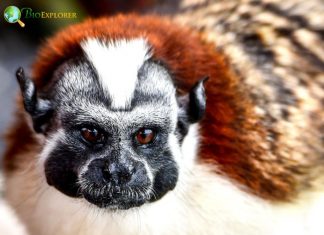
Geoffroy’s Tamarin
Geoffroy's tamarin, also called the Panamanian tamarin, red-crested tamarin, or rufous-naped marmoset tamarin, is a tamarin, a small monkey found in Colombia and Panama. In what may seem like a role reversal in many monkey species, Geoffroy's tamarins are led by the oldest female in a group.
Read more
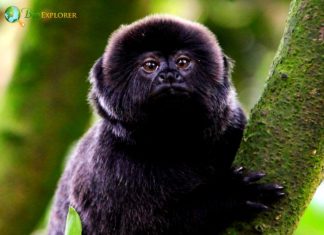
Goeldi’s Marmoset
Goeldi marmoset or Goeldi monkey is a small South American New-World monkey living in the upper Amazon basin region of Brazil, Bolivia, Ecuador, Colombia, and Peru. Goeldi marmosets generally stay less than 5 meters from the forest floor, moving to higher elevations for fruit.
Read more

Gold-And-White Marmoset
The gold-and-white marmoset, also called the golden-white tassel-ear marmoset, is a species of marmoset, a tiny monkey native to the Amazon rainforest in the eastern Amazonas state of Brazil.
Read more
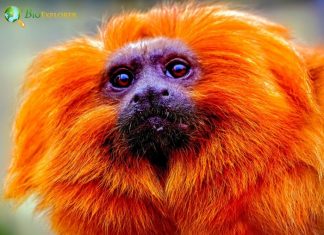
Golden Lion Tamarin
The golden lion tamarin (Leontopithecus rosalia), also called the golden tamarin, is a small New World primate in the Callitrichidae family. The golden lion tamarin derives its name from its vivid reddish-orange coat and extra-long hair around its face and ears, giving it a distinctive mane.
Read more
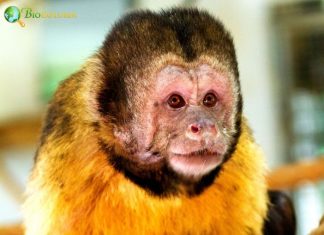
Golden-Bellied Capuchin
The golden-bellied capuchin (Sapajus xanthosternos), also called the buff-headed or yellow-breasted capuchin is a New World monkey species. They spend much time grooming one another for socialization, with the alpha species receiving the most attention.
Read more
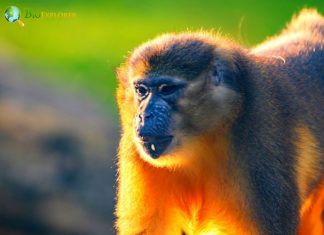
Golden-Bellied Mangabey
The golden-bellied mangabey (Cercocebus chrysogaster) is a gregarious Old-World monkey found in humid, swampy forests south of the Congo River. Golden-bellied mangabeys are a migratory and social species, moving in groups of 8 to 30 members.
Read more
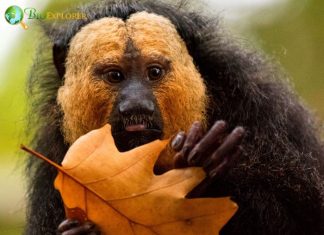
Golden-faced Saki
The golden-faced saki (Pithecia chrysocephala) is a New World monkey found on the northern side of the Amazon on both sides of the Rio Negro in Brazil. This species was previously classified as a subspecies of white-faced saki (Pithecia pithecia) but was upgraded to full species status in 2014.
Read more
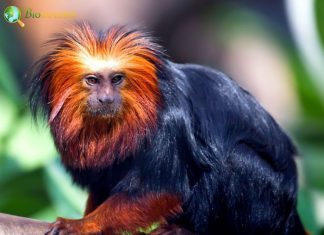
Golden-Headed Lion Tamarin
The golden-headed lion tamarin (Leontopithecus chrysomelas), also known as the golden-headed tamarin, is a lion tamarin native to Brazil. It is only found in fragments of lowland and premontane forests in the state of Bahia and is therefore considered an endangered species.
Read more
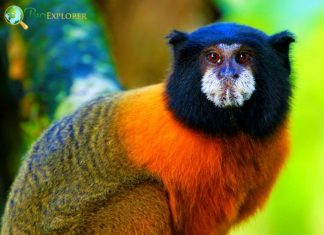
Golden-mantled Tamarin
The golden-mantled tamarin (Leontocebus tripartius) is native to South America. The golden-mantled tamarin is an arboreal, diurnal species that leaps and walks quadrupedally through the undergrowth.
Read more
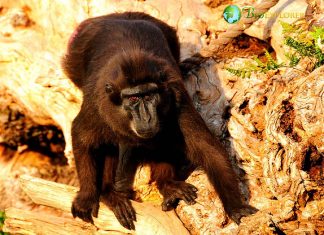
Gorontalo Macaque
The Gorontalo macaque (Macaca nigrescens), also called the Dumoga-bone macaque, is a species of the primate of the Cercopithecidae family. It is native to the Sulawesi Island of Indonesia.
Read more
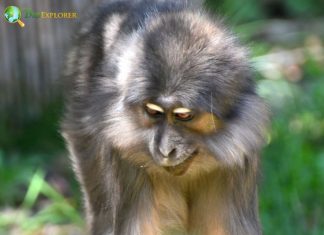
Gray-Cheeked Mangabey
The gray-cheeked mangabey (Lophocebus albigena), also called the white-cheeked mangabey, is an Old World monkey found in the forests of central Africa. Gray-cheeked mangabeys belong to the same family (Cercopithecinae) and phylum (Papionini) as mandrills, macaques, and baboons.
Read more

Greater Spot-Nosed Monkey
The greater spot-nosed monkey (Cercopithecus nictitans), also called the greater white-nosed monkey, putty-nosed monkey, and white-nosed guenons, is among the smallest Old-World monkeys. Great spot-nosed monkeys have a polygamous mating system in which a resident adult male coexists with multiple adult females and their young.
Read more
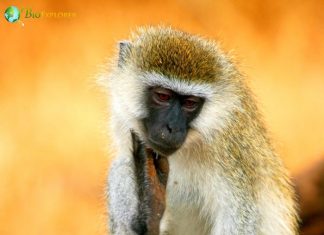
Grivet Monkey
The Grivet monkey (Chlorocebus aethiops) is an Old World monkey with long tufts of white fur on the sides of its face. Grivet monkeys are very social animals. They travel in small groups and are among the few species to have groups with multiple males.
Read more
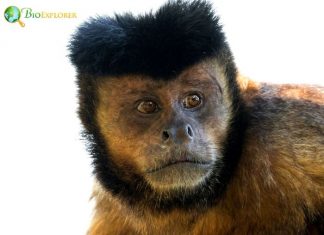
Guianan Brown Capuchin
The tufted capuchin (Sapajus apella), also called the pin monkey, Guianan brown capuchin, or black-headed capuchin is a New World monkey native to South America and the Caribbean islands of Margarita and Trinidad.
Read more
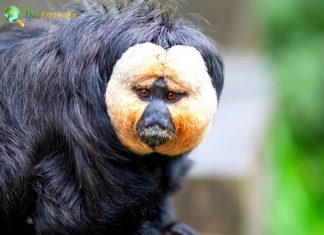
Guianan Saki
The white-faced saki (Pithecia pithecia), also known as the golden-faced saki, Guianan saki, and Guyana saki, is a New World saki monkey species. Typically, they have a lifespan of around 14 years in the wild and have lived up to 36 years in captivity.
Read more
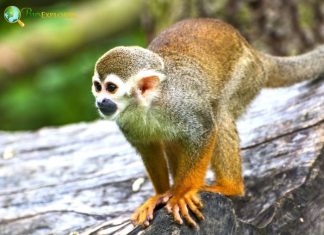
Guianan Squirrel Monkey
The Guianan squirrel monkey, also called the South American squirrel monkey, is a squirrel monkey found in Guiana, Brazil, and Venezuela. Saimiri sciureus was once thought to belong to the Collins' squirrel monkey and the Humboldt's squirrel monkey. Still, genetic research in 2009 and 2015 showed they were different species.
Read more
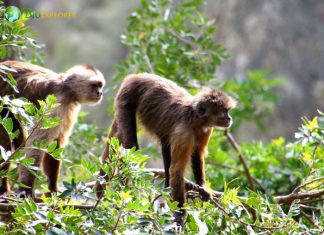
Guianan Weeper Capuchin
The wedge-capped capuchin (Cebus olivaceus), also known as Guianan weeper capuchin, is a capuchin monkey native to South America. Wedge-capped capuchins get their name from a black triangle of dark fur centered on their forehead.
Read more
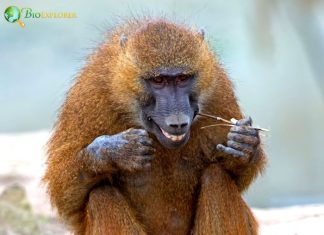
Guinea Baboon
The Guinea baboon (Papio papio) is a baboon of the Old World monkey family. When walking, these baboons support their weight on the bottom of their toes in front and on the entire sole of their feet.
Read more

Guyanan Red Howler Monkey
The Guyanan red howler monkey (Alouatta macconnelli) also known as Guianan Red Howler, is a New World monkey native to Guyana, Suriname, Trinidad, Venezuela, and Brazil. Each troop has a hierarchy consisting of a single dominant alpha male, sometimes with 1 or 2 subadult males. The rests are females and their young.
Read more
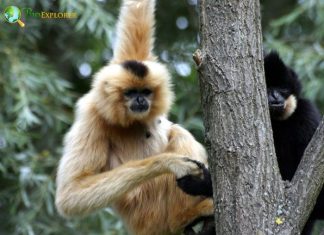
Hainan Black-Crested Gibbon
The Hainan black-crested gibbon (Nomascus hainanus), also known as Hainan gibbon, is an endangered species of gibbon only found on China's Hainan Island. Hainan black-crested gibbons are found in social groups of females, infants, juveniles, and sometimes males.
Read more

Hairy Saki
The hairy saki (Pithecia hirsuta) is a species of saki monkey, a New World primate species. The species was identified by Johann Baptist von Spix in 1823 but later merged with the Mönk saki (P. monachus). Then, a 2014 study revived it as a separate species due to differences in fur coloration.
Read more
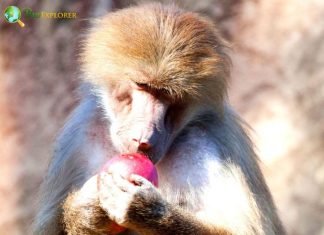
Hamadryas Baboon
The Hamadryas baboon (Papio hamadryas) is a baboon species in the Old World monkey family. The Hamadryas baboon was a sacred animal to the ancient Egyptians. It appeared in various roles in ancient Egyptian religion, hence its alternative common name, "sacred baboon".
Read more
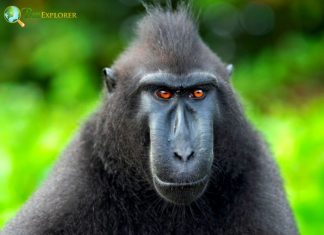
Heck’s Macaque
The Heck's Macaque (Macaca hecki) is a macaque native to Sulawesi, Indonesia. This Old-World monkey is diurnal. Due to their frugivorous diet, Heck's macaques will likely act as seed dispersers throughout their habitat.
Read more

Highland Mangabey
The kipunji (Rungwecebus kipunji), also called the highland mangabey, is an Old World monkey inhabiting the upland forests of Tanzania. Kipunji is active during the day and mostly confine their activity to trees and rarely reach the ground.
Read more

Hoffmann’s Titi
Hoffmann's Titi (Plecturocebus hoffmannsi) is a New World primate native to Brazil. It was described as Callicebus hoffmannsi in 1908. These primates have small to medium-sized bodies. Hoffmann's titis are known to live in small, pair-bonded, and territorial groups and are considered monogamous by most biologists.
Read more
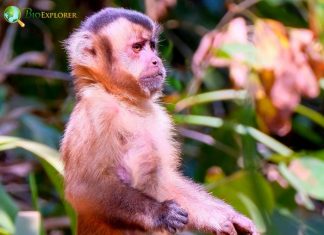
Hooded Capuchin
The Azaras capuchin or hooded capuchin (Sapajus cay) is a robust capuchin species. It is found in northern Argentina, southeastern Bolivia, eastern Paraguay, and Brazil. Its habitat consists of humid, subtropical, semi-deciduous, gallery forests and forests in the Pantanales.
Read more
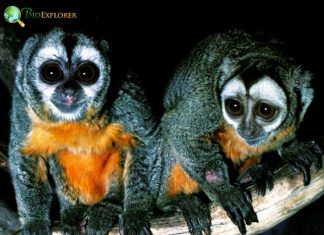
Humboldt’s Night Monkey
The three-striped night monkey (Aotus trivirgatus), also known as the northern owl monkey, Humboldt's Night Monkey, or northern night monkey, is one of several currently recognized species of owl monkeys.
Read more
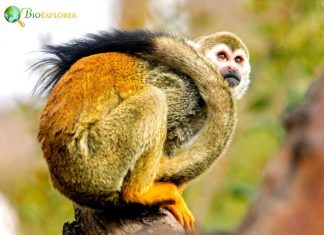
Humboldt’s Squirrel Monkey
Humboldt's squirrel monkey (Saimiri cassiquiarensis) is a species of squirrel monkey found in South America's tropical rainforests, except for the coastal forests of southeastern Brazil.
Read more
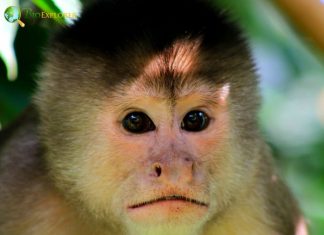
Humboldt’s White Capuchin
Humboldt's white capuchins, also known as white-fronted capuchins, are a species of New-World monkeys and one of the smallest capuchin groups. Humboldt’s squirrel monkeys are usually led by a dominant male and female.
Read more
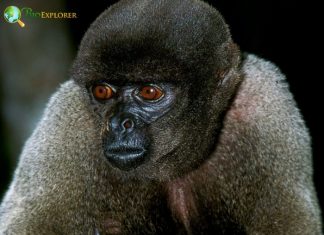
Humboldt’s Woolly Monkey
Humboldt's woolly monkey, common woolly monkey, or brown woolly monkey (Lagothrix lagothricha) is a woolly monkey endemic to South America. Humboldt's woolly monkeys can show subtle mood swings and intentions with various facial expressions.
Read more

Illiger’s Saddle-Back Tamarin
(Leontocebus illigeri) is a species of saddleback tamarin, a type of small monkey native to South America. Illiger's saddleback tamarin is native to the Peruvian Amazon, and its type locality is in Loreto, Peru, on the left bank of the lower Ucayali River.
Read more
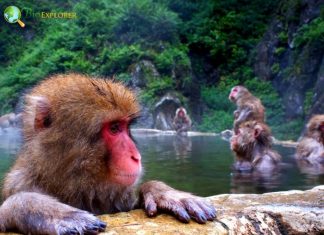
Japanese Macaque
The Japanese macaque (Macaca fuscata), also called the snow monkey, is a terrestrial Old World species of monkeys endemic to Japan. Japanese macaques from southern regions generally weigh less than those in northern regions of higher altitudes, where there is more snow during the winter months.
Read more

Kaapori Capuchin
The Kaapori capuchin (Cebus kaapori) also known as Ka'apor Capuchin, is a capuchin monkey native to Brazil. Previously considered a subspecies of the wedge-capped capuchin monkey (Cebus olivaceus), it was elevated to species status recently.
Read more
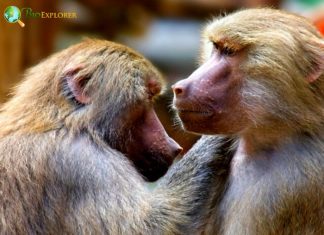
Kinda Baboon
The Kinda baboon (Papio kindae) is a species of baboon found in the Miombo forests of Angola, Zambia, the Democratic Republic of the Congo, and possibly western Tanzania. The species is named after the town in the southern Democratic Republic of the Congo.
Read more
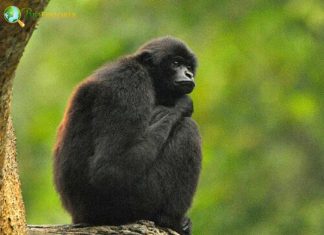
Kloss’s Gibbon
Kloss's gibbon (Hylobates klossii), also called the dwarf siamang, Mentawai gibbon, or Bilou, is an endangered primate in the gibbon family Hylobatidae. Kloss's gibbons are territorial, with semi-adult males and adolescents working with their fathers to protect the group's territory.
Read more
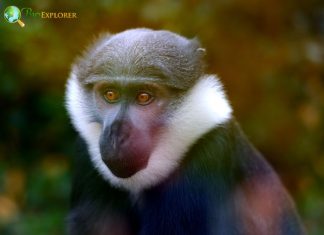
L’hoest Monkey
The L'Hoest monkey (Allocrocebus lhoesti), or mountain monkey, is a vervet monkey found in the upper eastern Congo Basin. L'Hoest monkeys live in relatively small groups, are dominated by females, and have only one male.
Read more
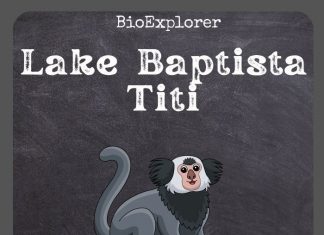
Lake Baptista Titi
The Lake Baptista titi, Plecturocebus baptista, is a species of titi, a New World monkey native to Brazil. Lake Baptista Titi was initially described as Callicebus baptista in 1939.
Read more
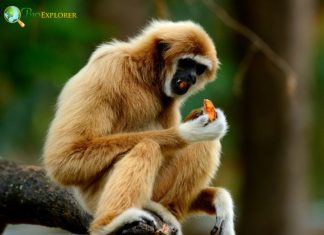
Lar Gibbon
The lar gibbon (Hylobates lar), also called the white-handed gibbon, is another endangered mammal in the gibbon family, Hylobatidae. It is among the best-known gibbons and is occasionally kept in captivity. Lar gibbons have a two-tone coat.
Read more
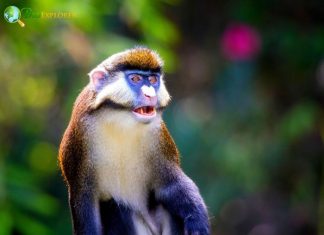
Lesser Spotted-Nosed Monkey
The lesser spotted-nosed monkey, lesser spotted monkey, or lesser white-nosed monkey (Cercopithecus petaurista) is a primate species in the Cercopithecidae family. The lesser spotted-nosed monkey is diurnal, arboreal, and cryptic.
Read more

Lesson’s Saddle-Back Tamarin
Lesson's Saddle-Back Tamarin (Leontocebus fuscus) is a small New-world monkey endemic to South America. Its type locality is in Colombia, on the plains of Mocoa, Putumayo, between the Caquetá River and the Putumayo River.
Read more
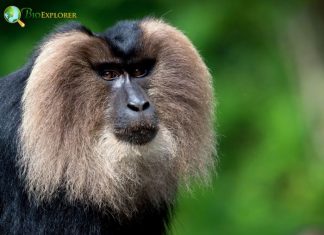
Lion-Tailed Macaque
The lion-tailed macaque (Macaca silenus), also known as the wanderoo, is an Old World monkey native to the Western Ghats of South India. Lion-tailed macaques are diurnal and arboreal.
Read more
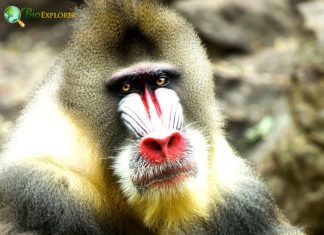

Martins’ Tamarin
Martin's tamarin (Saguinus martinsi) or Martin's ochraceous bare-faced tamarin, is native to Brazil. These tamarins are distinguished from other New World monkeys by their small size and modified claws instead of nails on all digits except the big toe.
Read more
Maués Marmoset
The Maués marmoset (Mico mauesi) is a marmoset native to Brazil. It is only found on the western bank of the Maués Açu River in the state of Amazonas. Maués marmosets are arboreal and diurnal, spending most of their lives in trees.
Read more
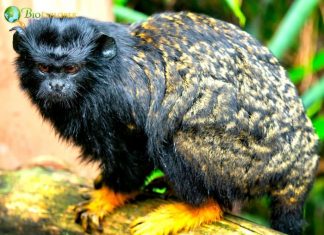
Midas Tamarin
The Midas tamarin (Saguinus midas), also called the red-handed tamarin or golden-handed tamarin is a New-World monkey in the Callitrichidae family. Midas tamarin is also known as golden tamarin or red-handed tamarin. This attests to the remarkably vivid colors of the feet and hands.
Read more

Miller’s Saki
Miller's Saki (Pithecia milleri), also called Miller's monk saki, is a species of the saki family, a type of New World monkey. Miller's sakis are diurnal and quadrupedal leapers. They usually move on all fours but can be seen swinging bipedally on large branches before leaping to another tree.
Read more

Mittermeier’s Tapajós Saki
Mittermeier's Tapajós Saki (Pithecia mittermeieri) is a disputed species of saki monkey, a type of New World monkey. Populations of this species were previously classified as Tapajós River saki (Pithecia irrorata). Still, a 2014 study described these populations as a separate species, Pithecia mittermeieri, based on their distinctive fur.
Read more
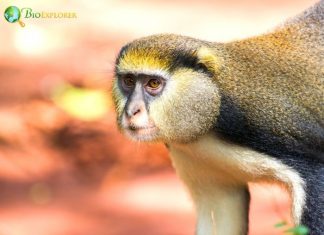
Mona Monkey
The Mona monkey (Cercopithecus mona) is an Old World monkey living between Cameroon and Ghana in West Africa. Mona monkeys live in large groups of 5 to 50 individuals.
Read more

Mottle-faced Tamarin
The Mottle-faced tamarin (Saguinus inustus) is endemic to South America. The Mottle-Faced tamarin monkey gets its name from its mottled face, which means their faces have spots.
Read more
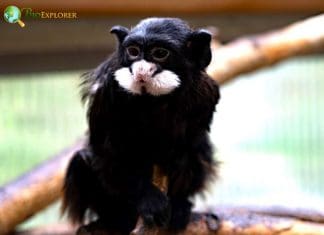
Moustached Tamarin
Moustached tamarins, also known as black-chested moustached tamarins and Spyx's moustached tamarins, are native to Peru and Brazil. These monkeys are found in all strata of the lowland Amazon rainforest. The moustached tamarin gets its name from the lack of coloration in the facial hair around the mouth, which resembles a mustache.
Read more
Munduruku Marmoset
The Munduruku marmoset (Mico munduruku) is a marmoset native to Brazil. It is only found in the southern Amazon over an area of about 120,000 km square, from the right bank of the Jamanxim River below the mouth of the Novo River to the mouth of the Tapajós River.
Read more
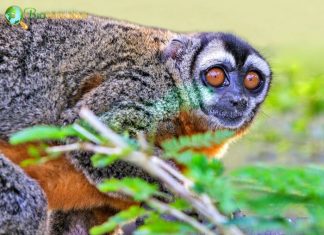
Nancy Ma’s Night Monkey
Nancy Ma's Night Monkey (Aotus nancymaae) is a species of night monkey from South America. Nancy Ma's night monkeys are social. They form small groups of 2 to 5 individuals, all directly related to each other.
Read more
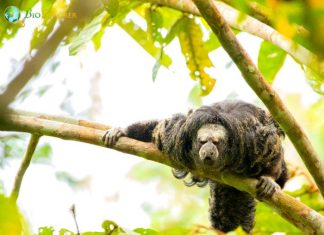
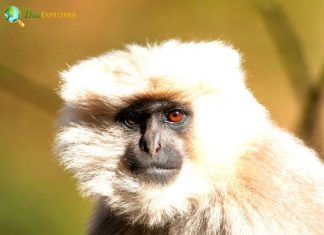
Nepal Gray Langur
The Nepal gray langur (Semnopithecus schistaceus) is a gray langur native to the Himalayas of Nepal, extreme southwestern Tibet, northern Pakistan, northern India, Bhutan, and possibly Afghanistan. The Nepal gray langur is both terrestrial and arboreal.
Read more
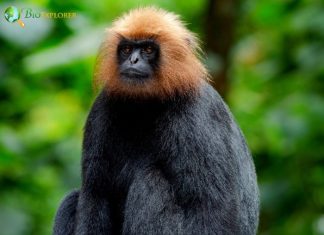
Nilgiri Langur
The Nilgiri langur (Semnopithecus johnii), also called the black-leaf monkey, John's langur, and Indian hooded leaf monkey is a langur (a species of Old-World monkey) found in the Nilgiri foothills of the Western Ghats in southern India.
Read more
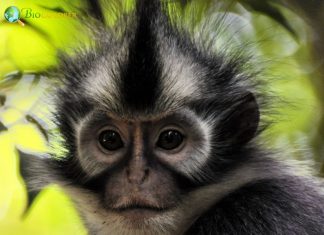
North Sumatran Leaf Monkey
The North Sumatran leaf monkey (Presbytis thomasi), also called Thomas's langur, is a primate species in the Cercopithecidae family. The North Sumatran leaf monkeys spend most of the day in groups resting, moving, or feeding.
Read more
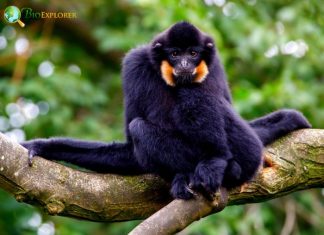
Northern Buffed-Cheeked Gibbon
The northern buffed-cheeked gibbon (Nomascus annamensis) is a species of crested gibbon recently discovered in Vietnam, Laos, and Cambodia. Northern buffed-cheeked gibbons live almost exclusively in trees and rarely leave the canopy's comfort and safety.
Read more
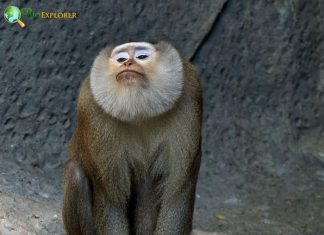
Northern Pig-tailed Macaque
The northern pig-tailed macaque (Macaca leonina) is a macaque species in the Cercopithecidae family. Typical of this group of Old World monkeys, northern pig-tailed monkeys are gregarious, living in social groups of 9-81 individuals.
Read more
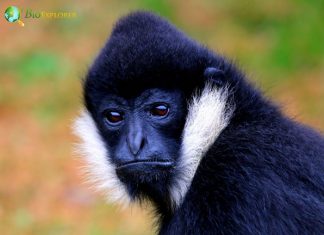
Northern White-Cheeked Gibbon
The northern white-cheeked gibbon (Nomascus leucogenys), also called the white-cheeked gibbon, is an endangered species of gibbon endemic to Southeast Asia. Like other members of its genus, both males and females have unusually long arms, even for gibbons, with arms 1.2 to 1.4 times the length of their legs.
Read more
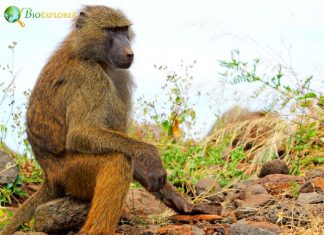
Olive Baboon
The Olive baboon (Papio anubis), also called the Anubis baboon, is a species of the Cercopithecidae family of Old-World monkeys. The name comes from the Egyptian god Anubis.
Read more

Ollala Brothers’ Titi
The Ollala Brothers' titi (Plecturocebus olallae) is a marmoset species of New World monkeys native to Bolivia. Like all Neotropical primates (except Aotus), the Ollala brothers' titi monkeys are highly diurnal.
Read more

Panamanian Night Monkey
The Panamanian night monkey or Chocoan night monkey (Aotus zonalis) is a species of night monkey formerly considered a subspecies of the grey-bellied night monkey in the Aotidae family. Panamanian night monkeys are sympatric with other species. They do not compete for resources with other animals in their range due to their alternate schedules.
Read more
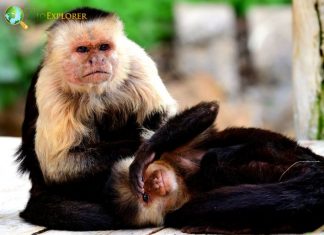
Panamanian White-faced Capuchin
The Panamanian white-faced capuchin (Cebus mimic), also called the Panamanian white-headed capuchin or the Central American white-faced capuchin is a mid-sized New World monkey in the Cebidae family. Native to Central American forests, the Panamanian white-faced capuchin is vital to rainforest ecology for its role in seed and pollen dispersal.
Read more

Peruvian White-fronted Capuchin
The Peruvian white-fronted capuchin or Marañón white-fronted capuchin (Cebus yuracus) is a species of gracile capuchin monkey native to the upper Amazon basin. Peruvian white-fronted capuchin monkeys live in multi-male, multi-female groups of 5 to 18 individuals, with approximately equal numbers of males and females.
Read more
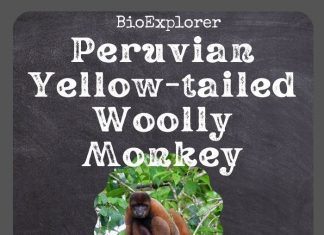
Peruvian Yellow-tailed Woolly Monkey
The Peruvian yellow-tailed woolly monkey (Lagothrix flavicauda), also called the yellow-tailed woolly monkey, is a New World monkey native to Peru. Peruvian yellow-tailed woolly monkey is among the rarest Neotropical primates and one of the largest mammals endemic to Peru.
Read more
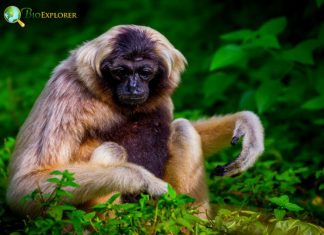
Pileated Gibbon
The pileated gibbon (Hylobates pileatus) is a primate in the gibbon family, Hylobatidae. Pileated gibbons are monogamous and typically found in only around 3 percent of mammals.
Read more

Pissinatti’s Bald-faced Saki
Pissinatti's Sakior or Pissinatti's bald-faced saki (Pithecia pissinattii), is a controversial species of saki monkey, a New World monkey. This species is named after Alcides Pissinatti, a Brazilian veterinarian who pioneered the breeding of endangered Brazilian primates.
Read more

Preuss’s Monkey
The Preuss's monkey (Allochrocebus preussi) also called the Preuss's guenon is a diurnal primate that inhabits terrestrial montane forests (up to 2,500 meters) in eastern Nigeria, western Cameroon, and Bioko in Equatorial Guinea.
Read more

Prince Bernhard’s Titi
Prince Bernhard's Titi (Plecturocebus bernhardi) is a species of titi in the subfamily Callicebinae. It is a species of New World monkey native to Brazil. The species is named after Prince Bernhard of the Netherlands, a naturalist who established the Order of the Golden Ark to honor conservationists worldwide.
Read more
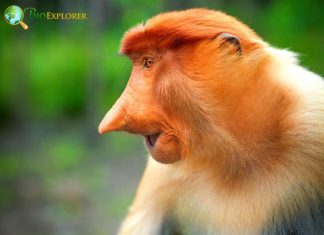
Proboscis Monkey
The proboscis monkey (Nasalis larvatus) is an Old World arboreal species with an unusually large nose, reddish-brown skin color, and a long tail. The proboscis monkey is a large species and one of the largest old-world monkey species native to Asia.
Read more
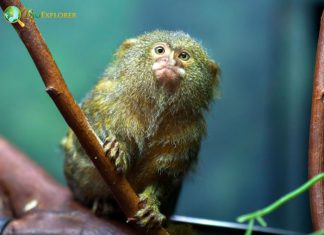
Pygmy Marmoset (Finger Monkey)
The pygmy marmoset (smallest monkey), genus Cebuella (also known as Finger Monkey), is a small genus of New-World monkeys endemic to the tropical rainforests of the western Amazon Basin in South America. Pygmy marmosets are also highly territorial, using scent glands to mark territories of up to 100 hectares.
Read more

Red-backed Bearded Saki
The red-backed bearded saki (Chiropotes chiropotes), also known as Guianan Bearded Saki, is a New World monkey native to South America. They live in groups of about 40 members of both sexes, sometimes separated into groups when traveling or foraging, their primary occupation.
Read more

Red-bellied Monkey
The red-bellied monkey (Cercopithecus erythrogaster), also called the red-bellied guenon or white-throated guenon is a diurnal primate living in the trees of tropical rainforests or tropical areas in Benin and Nigeria. The red-bellied monkey was once considered extinct due to constant hunting for fur on its unique red belly and white front legs.
Read more

Red-bellied Titi
The Red-bellied titi (Plecturocebus moloch) is a marmoset species of New World monkey native to Brazil. It lives in thickets and forests. Like other titis, red-bellied titi is territorial and emits vocal cries to mark its territory and scare other animals.
Read more
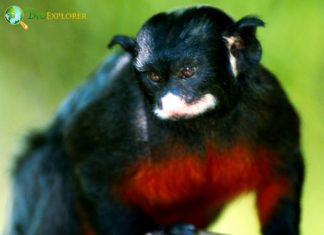
Red-Chested Mustached Tamarin
The Red-chested mustached tamarin (Saguinus labiatus), also known as Red-bellied Tamarin, is a tamarin that lives in the Amazon region of Brazil, Peru, and Bolivia. The red belly of these New World monkeys is their most striking external feature.
Read more
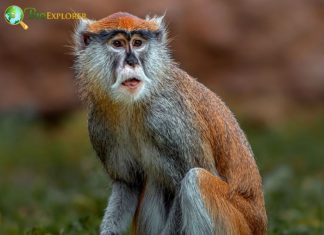
Red-eared Guenon
The red-eared guenon (Cercopithecus erythrotis), also called the russet-eared guenon or red-eared monkey is endemic to the tropical and subtropical lowland rainforests of Nigeria, Equatorial Guinea, and Cameroon.
Read more
Red-headed Titi
The red-headed titi (Cheracebus regulus) (also known as Juruá Collared Titi) is a marmoset species of New World monkey endemic to Brazil. Red-headed titi monkeys are diurnal and arboreal, waking up and sleeping with the sun.
Read more

Red-mantled Saddle-Back Tamarin
The Red-mantled saddleback tamarin (Leontocebus lagonotus) is a species of saddleback tamarin, a species of small South American monkey. The Red-mantled saddle-back tamarin lives in Peru and Ecuador, and its type locality is in Peru, near the confluence of the Amazon and Napo.
Read more
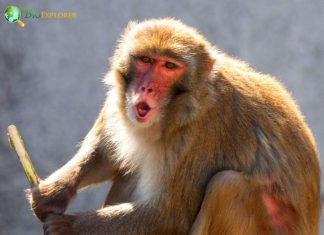
Rhesus Macaque
The rhesus macaque (Macaca mulatta), commonly known as the rhesus monkey, is a species of Old-World monkey. Rhesus monkeys are diurnal animals, both arboreal and terrestrial.
Read more
Rio Acari Marmoset
The Rio Acari marmoset (Mico acariensis) is endemic to Brazil. It was first described in the year 2000. These Brazilian monkeys use their specialized claws to forcefully grip tree trunks and gnaw small holes in the bark with their lower incisors and canines.
Read more

Rio Beni Titi
The Rio Beni tití is a New World monkey species belonging to the genus Callicebus of the family Pitheciidae. It is native to Bolivia and is found mainly in the eastern parts of Bolivia in the upper basins of the Mamoré and Grande rivers.
Read more

Río Cesar White-fronted Capuchin
The Río Cesar white-fronted capuchin (Cebus cesarae) is a gracile capuchin monkey native to the Cesar River Valley in northern Colombia. Like other monkeys of the genus Cebus, the Río Cesar white-fronted capuchin is named after the order of the Friar Capuchins because the crests of these friars closely resemble the coloring of the monkey's head.
Read more

Rio Mayo Titi
The Río Mayo titi (Plecturocebus oenanthe), also known as the San Martín titi, is native to the San Martín region of Peru and is considered Peru's most endangered primate. Río Mayo titis have been described as somewhat temperamental and hesitant and don't tend to be inquisitive.
Read more
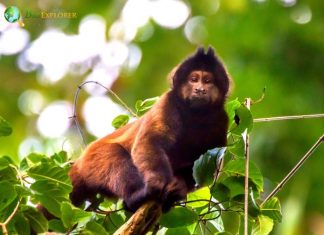
Robust Capuchin Monkey
Robust capuchin monkeys, also called crested capuchin monkeys, are capuchin monkeys of the Sapajus genus. Some crested capuchin species are known to use stone tools in the wild. These are used to crack nuts and other seeds, dried fruits, and even oysters.
Read more
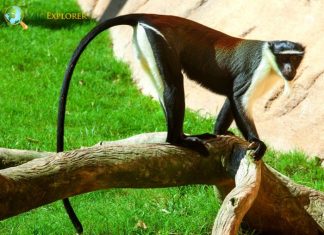
Roloway Monkey
Roloway monkeys (Cercopithecus roloway), also called Roloway guenons, are Old World monkeys native to Ghana and the Ivory Coast. Roloway monkeys resemble Diana monkeys in appearance, a species with which they were once confused.
Read more

Rondon’s Marmoset
Rondon's Marmoset (Mico rondoni), also called the Rondônia marmoset, is a small species of monkey in the Callitrichidae family found in the southwestern Amazon of Brazil. Rondon's marmoset was only described in 2010, and its name refers to the famous Amazon explorer Cândido Rondon.
Read more

Roosmalens’ Dwarf Marmoset
The Roosmalens dwarf marmoset, also called the black-crowned pygmy marmoset or black-crowned dwarf marmoset, is a New-World monkey endemic to the Amazon rainforest.
Read more

Ryland’s Bald-faced Saki
The Ryland's Bald-Faced Saki (Pithecia rylandsi) is a controversial species of saki monkey, a New World monkey species. It is one of the largest sakis. This South American monkey was named after Brazilian primatologist Anthony Rylands, a former professor of vertebrate zoology at the Federal University of Minas Gerais and founding editor of the journal Neotropical Primates.
Read more

Saban Grizzled Langur
Saban Grizzled Langur was once thought to be a subspecies of the Hose's langur, Presbytis hosei (as Presbytis hosei sabana). The Saban grizzled langur is endemic to the island of Borneo in the Malaysian province of Sabah, with part of its range in Indonesia.
Read more

Sanje Mangabey
Sanje mangabey, also called the Sanje crested mangabey and Sanje River mangabey, are Old World monkeys endemic to Tanzania, a sovereign state in East Africa. Some Sanje mangabeys prefer their own company to that of others and live alone.
Read more

Santa Marta White-fronted Capuchin
The Santa Marta white-fronted capuchin (Cebus malitiosus) is a species of gracile capuchin monkey native to Colombia. The Santa Marta white-fronted capuchin range is restricted to forests near northern Colombia's northwestern base of the Sierra de Santa Marta.
Read more

Santarem Marmoset
The Santarem marmoset (Mico humeralifer), also called the black-and-white tassel marmoset, is a marmoset native to the Amazon and Pará states of Brazil. Santarem marmosets make long cries with their rapidly vibrating tongue, designed to sound like a cricket, and shorter chirps.
Read more
Satéré Marmoset
The Satéré marmoset (Mico saterei) is native to Brazil and its genus is characterized by claw-like nails rather than the flat nails of other primates, long lower incisors, a specialized caecum, and squirrel-like movements in trees.
Read more

Sclater’s Guenon
(Cercopithecus sclateri), also called the Sclater monkey and Nigerian monkey is an Old-World monkey. Sclater's guenon is an Old-World monkey first described by Reginald Innes Pocock in 1940 and named for zoologist and ornithologist Philip Sclater.
Read more

Shock-headed Capuchin
The shock-headed capuchin (Cebus cuscinus) is a gracile capuchin monkey native to Peru and Bolivia. This New-world monkey was previously classified as a subspecies of the Humboldt's capuchin (Cebus albifrons), but in 2013 Rylands and Mittermeier raised it to a separate species, following genetic studies done by Boubli et al. in 2012, and Lynch Alfaro et al. in 2010.
Read more
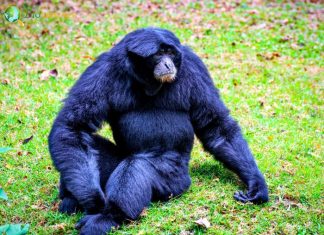
Siamang Gibbon
The siamang gibbon (Symphalangus syndactylus) is a black-coated arboreal gibbon endemic to the forests of Thailand, Malaysia, and Indonesia. It is the only species in the genus Symphalangus. The siamang's body is perfectly adapted to a life of swinging from branch to branch (also called brachiation).
Read more

Silvery Brown Bare-face Tamarin
The white-footed tamarin (Saguinus leucopus), the silvery-brown bare-faced tamarin, is native to Colombia. It is silvery brown with pale stripes and reddish underparts. It closely resembles the cotton-tipped tamarin from which it is separated by the Atrato River.
Read more
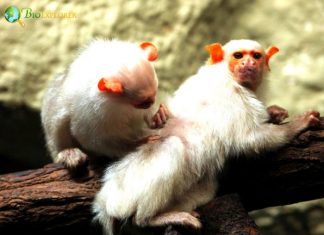
Silvery Marmoset
The Silvery marmoset (Mico argentatus) is a New-World monkey living in the eastern Amazon rainforest of Brazil. True to its name, the silvery marmoset's body is a striking silver-grey color. Silvery marmosets are primarily arboreal species and can spend their entire lives in trees without descending to the ground.
Read more
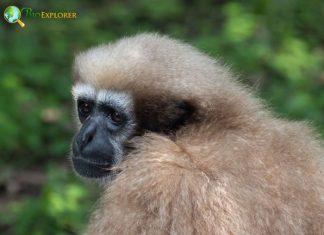
Skywalker Hoolock Gibbon
Skywalker's hoolock gibbon, also known as the Gaoligong hoolock gibbon, is a primate of the Hylobatidae family. The Skywalker hoolock gibbon is one of 3 species of hoolock gibbons and was first described in the American Journal of Primatology in January 2017.
Read more
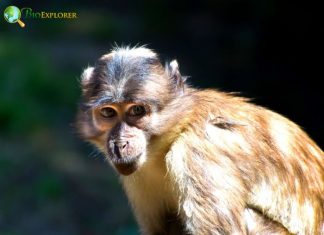
Sooty Mangabey
The sooty mangabey, also called the white-collared or white-crowned mangabey is a predominantly terrestrial Old-World monkey. Sooty mangabeys remember the location of the fallen fruit and can tell whether or not a tree is bearing fruit.
Read more
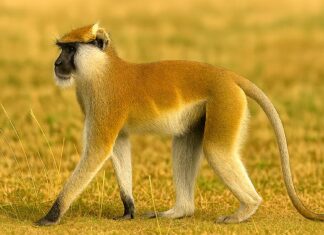
Southern Patas Monkey
The Southern Patas Monkey (Erythrocebus baumstarki), native to Tanzania, is a critically endangered primate known for its speed, elusive nature, and striking coloration. Once widespread, its population now teeters between 100–200 individuals due to habitat loss and human threats. Inhabiting open acacia woodlands, these ground-dwelling monkeys play a vital ecological role in seed dispersal and insect control. Conservation efforts are urgently needed to protect this rare species and restore its shrinking habitat range.
Read more
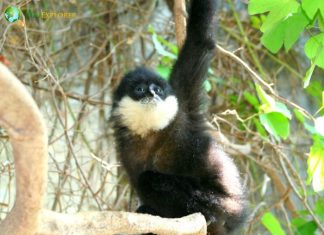
Southern White-Cheeked Gibbon
The southern white-cheeked gibbon (Nomascus siki) is a species of gibbon endemic to Laos and Vietnam. It is closely related to the yellow-cheeked gibbon (Nomascus gabriellae) and northern white-cheeked gibbon (Nomascus leucogenys).
Read more
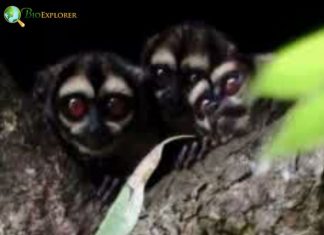
Spix’s Night Monkey
The Spix's night monkey (Aotus vociferans), also called the Spix's owl monkey, Colombian gray nocturnal monkey, and noisy night monkey is a species of night monkey native to South America.
Read more

Spix’s White-fronted Capuchin
Spix's White-fronted Capuchin (Cebus unicolor) is a species of a gracile capuchin monkey. The species is widespread in the upper Amazon basin in Peru and Brazil. It is also present in northern Bolivia. According to the genetic studies by Boubli et al., Ryland and Mittermeier elevated it to a distinct species.
Read more

Stephen Nash’s Titi
Stephen Nash's Titi (Plecturocebus stephennashi), also known as Stephen Nash's monkey or Nash's Titi, is a species of Titi in the family Pitheciidae. This Brazilian monkey was discovered by Marc van Roosmalen in 2001 when local fishermen brought specimens to his breeding center. It was officially described in 2002.
Read more
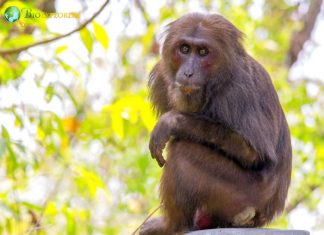
Stump-tailed Macaque
The stump-tailed macaque, also known as the bear macaque, is an Old World monkey endemic to Cambodia, northeastern India, southwestern China, Myanmar, and Laos, from northwestern Peninsular Malaysia, Vietnam, and Thailand.
Read more
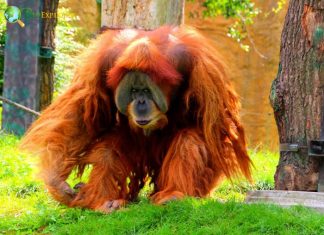
Sumatran Orangutan
The Sumatran orangutan (Pongo abelii) is one of 3 species of orangutan. This Asian primate is critically endangered and found only on the Indonesian island of North Sumatra.
Read more

Sun-Tailed Monkey
The sun-tailed monkey (Allocrocebus solatus) is among the most understudied primates in its habitat. Discovered as a new species in 1988, it is classified as a guenon, a member of the Cercopithecus genus, but later moved to the Allochrocebus genus.
Read more
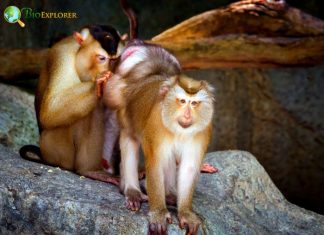
Sunda Pig-Tailed Macaque
The pig-tailed macaque (Macaca nemestrina), also called the Sundaland pig-tailed macaque and Sunda pig-tailed macaque is a medium-sized macaque native to southern Thailand, Indonesia, and Malaysia. Pig-tailed macaques also have long legs and hairless snouts.
Read more

Tana River Mangabey
Tana River Mangabeys are medium-sized monkeys with long, light gray hair covering most of their bodies. Tana River Mangabeys are highly social animals, living in multi-female social groups averaging 27 individuals in size.
Read more
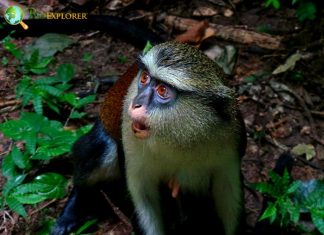
Tantalus Monkey
The tantalus monkey (Chlorocebus tantalus) is an Old World monkey endemic to Africa, ranging from Ghana to Sudan. It was initially described as a subspecies of Grivet (Chlorocebus aethiops). Tantalus monkeys are very similar to vervet monkeys but are smaller in size.
Read more
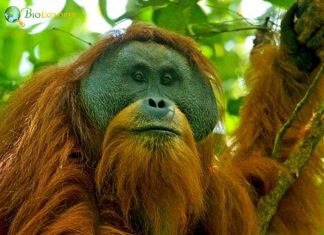
Tapanuli Orangutan
The Tapanuli orangutan (Pongo tapanuliensis) is an orangutan species restricted to the southern Tapanuli on the island of Sumatra in Indonesia. It was described as a distinct species in 2017. The three species of orangutans can be difficult to tell apart.
Read more
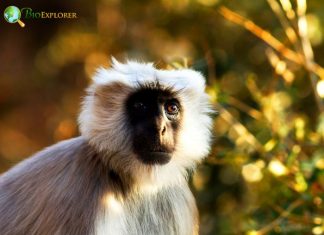
Tarai Gray Langur
The Tarai gray langur (Semnopithecus hector) is an Old-World monkey and was once thought to be a subspecies of the northern plains gray langur. The Latin name for Tarai gray langurs is inspired by Hector, the prince of Troy.
Read more
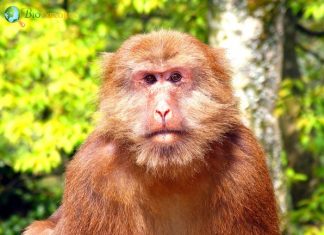
Tibetan Macaque
The Tibetan macaque (Macaca thibetana), also called the Chinese stump-tailed macaque is a macaque native to eastern Tibet, eastern Guangdong, and northern Shaanxi in China. Tibetan macaques are the largest of the macaques and have a strong, muscular build with dense fur that ranges in color from gray to brown.
Read more

Toppin’s Titi
Toppin's Titi (Plecturocebus toppini) is a species of Titi, a species of New World monkey endemic to Bolivia, Peru, and Brazil. It got its name from Captain Toppin, who collected the type specimen of this species near the Tahuamanu River in Peru.
Read more
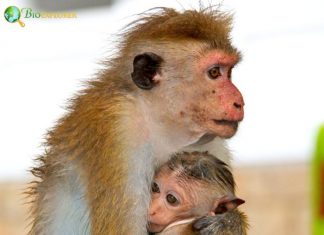
Toque Macaque
The toque macaque (Macaca sinica) is a red-brown Old World monkey endemic to Sri Lanka, known as the rilewa or rilawa. Its common name refers to the strand of hair on its head that resembles a brimless hat.
Read more

Ursine Colobus
The white-thighed colobus (Colobus vellerosus), also known as ursine colobus, white-thighed black-and-white colobus, and Geoffroy's black-and-white colobus, is a species of primate in the Cercopithecidae family.
Read more

Ursine Howler
The Ursine howler (Alouatta arctoidea) is a species of howler monkey endemic to Venezuela and possibly Colombia. These howlers are famous for their "morning chorus".
Read more

Urubamba Brown Titi
The Urubamba brown titi (Plecturocebus urubambensis) is a species of Titi, a New World monkey native to Peru. This species is found east of the Tambo River and west of the Urubamba, Manú, and Madre de Dios rivers.
Read more
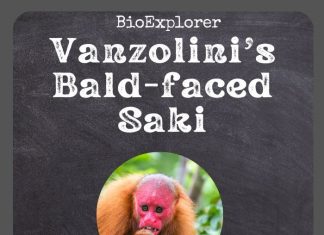
Vanzolini’s Bald-faced Saki
Vanzolini's Bald-Faced Saki (Pithecia vanzolinii) is a species of saki monkey, a species of New World monkey. Vanzolini's bald-faced saki monkey was first cataloged by naturalist Alfonso Ollala in 1936. His account describes a monkey with a long, fluffy tail and golden fur on its limbs.
Read more

Varied White-fronted Capuchin
The Varied white-fronted capuchin (Cebus versicolor) is a species of gracile capuchin monkey endemic to Colombia. The Varied white-fronted capuchin lives in the lowland rainforests and palm swamps of the Magdalena River Valley in northern Colombia.
Read more

Variegated Spider Monkey
The Variegated spider monkey or brown spider monkey (Ateles hybridus) is an endangered species of spider monkey, a species of New World monkey endemic to the forests of northwestern Venezuela and northern Colombia.
Read more
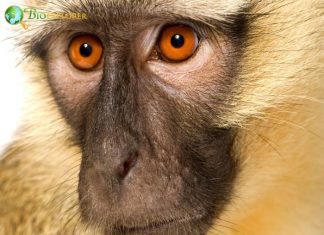
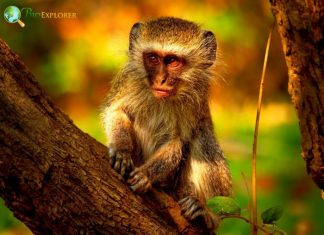
Vervet Monkey
The vervet monkey (Chlorocebus pygerythrus) is an Old World monkey of the Cercopithecidae family endemic to southern and eastern Africa. Not only can vervet monkeys skilfully navigate through the treetops, but they can also swim.
Read more

Vieira’s Titi
The Vieira's titi monkey (Plecturocebus vieirai) is a species of Titi, a New World monkey species native to north-central Brazil. They have bright reddish-brown faces with yellowish cheek hairs.
Read more