
Brown Monkeys
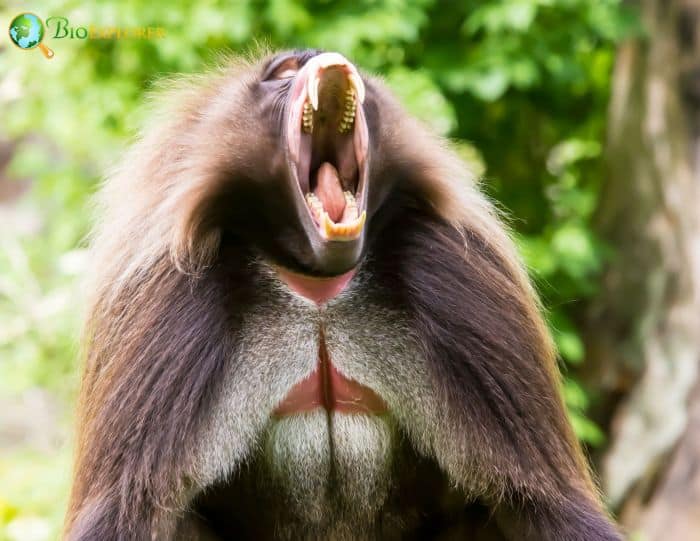
Many brown-colored monkeys are critically endangered by the IUCN. Most of the brown monkeys hail from South America. Brown Howler, Brown-backed Bearded Saki, and Brown-mantled Tamarin are a few examples of different types of brown monkeys.
Brown Monkeys
Explore all brown monkeys in the primates’ order below.
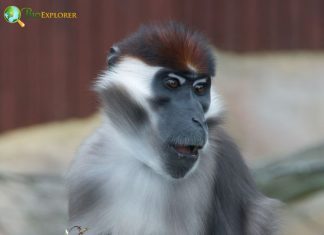
Agile Mangabey
The Agile Mangabey is another Old-World monkey of the White-Eylid Mangabey group mainly found in swampy forests. Due to habitat loss, mangabeys are now listed as endangered, both male and female.
Read more
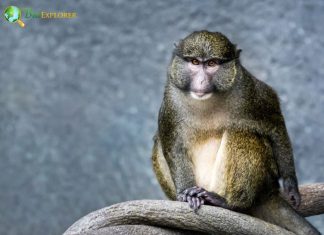
Allen’s Swamp Monkey
Allen's swamp monkeys are small, stocky monkeys with gray to brown fur and long tails. These highly social primates live in the swamp forests of central Africa, where they mostly spend their time in the trees. It was named after Joel Asaph Allen, an American zoologist.
Read more
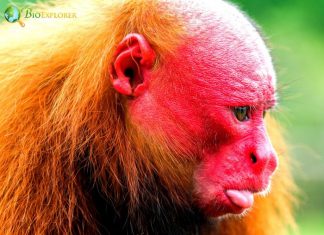
Aracá Uakari
The Aracá uakari, also called the Ayres black uakari, is a newly described monkey species endemic to the northwestern Brazilian Amazon. The species was found by Jean-Philippe Boubli of the University of Auckland after following local Yanomamo Indians on their hunts along the Aracá River, a northern tributary of the Negro River.
Read more
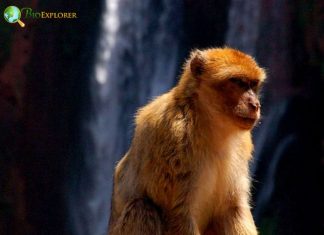
Arunachal Macaque
The Arunachal macaque is a comparatively sizeable brown primate with a relatively short tail. Arunachal macaques were first classified into Cercopithecidae's taxonomy in 2005 by primatologists Madhusudan and Mishra.
Read more
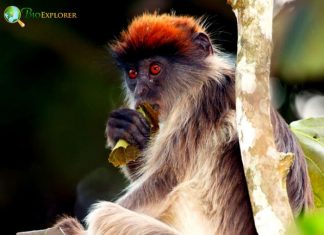
Ashy Red Colobus
The Ashy-red Colobus or Ugandan red Colobus is an endangered species of red Colobus endemic to Eastern Africa. Like other colobus monkeys, Ashy Red has small thumbs that allow it to comfortably grip branches and swing nimbly through the canopy. In 2001, the ashy-red Colobus was recognized as a separate species.
Read more
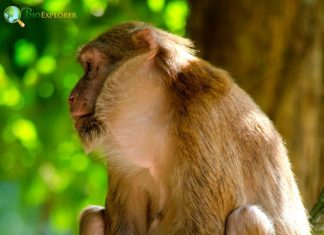
Assam Macaque
The Assam macaque, also known as Assamese macaque, is a macaque of the Old-World monkey family endemic to South and Southeast Asia. Assam is another state in India. Eating everything from fruits to 55 types of flowers, leaves, seeds, and bark, these macaque monkeys adapt their diet to suit their habitat.
Read more
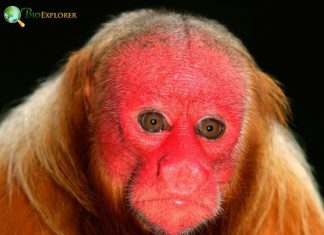
Bald Uakari
The obscure Bald Uakari (Cacajao Calvus) is an acrobatic Amazonian monkey with a flaming red face uniquely adapted to periodically flooded forests. Surprising insights on its taxonomy, specialized seed-based diet, unusual social life, habitat flexibility, and urgent need to conserve diminishing flooded forest habitat across the Amazon Basin.
Read more
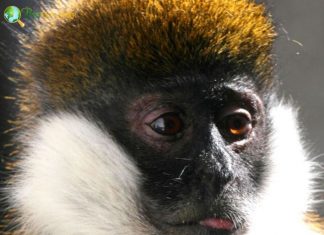
Bale Monkey
The Bale monkey, also called the Bale Mountain Vervet, is an endangered, forest-dwelling arboreal primate restricted to a small range in the southern highlands of Ethiopia. The bale monkey depends primarily on a single species of bamboo (Arundinaria Alpina) and favors a bamboo forest habitat. These African primates feature small round heads, and their bodies are covered with a layer of dark-brown fur.
Read more

Barbara Brown’s Titi
Barbara Brown's titi also known as the northern Bahian blond titi or blond titi monkey, is a New World monkey species. Barbara Brown's titi is named in honor of Barbara Elaine Russell Brown, a zoologist.
Read more
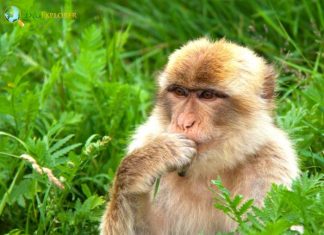
Barbary Macaque
The Barbary macaque, also called the Magot macaque, is a macaque endemic to the Atlas Mountains in Morocco and Algeria and a small introduced population in Gibraltar. Before the Ice Age, they inhabited the Mediterranean coasts and most of Europe, as far away as the British Isles and Germany.
Read more
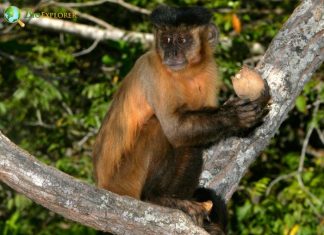
Bearded Capuchin
The bearded capuchin, also called the black-striped capuchin, is a New World monkey in the Cebidae family. They are found in central and northern Brazil. Until recently, the bearded capuchins were considered a subspecies of Tufted Capuchins.
Read more
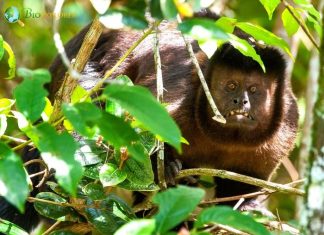
Black Capuchin
The black capuchin, also called the black-horned capuchin, is a capuchin monkey native to the Atlantic rainforest of southeastern Brazil and extreme northeastern Argentina. The black capuchin was originally called Cebus nigritus or Cebus apella nigritus. Although this has changed, many sources still name the black capuchin as part of the Cebus genus.
Read more
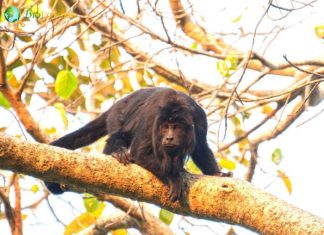
Black Howler monkey
Alouatta caraya is found in the tropical rain forests of central South America, extending through eastern Bolivia, Paraguay, southern Brazil, and northern Argentina. Alouatta Caraya monkeys are sexually dimorphic, with males weighing an average of 6.7 kg and females an average of 4.4 kg.
Read more

Black Sumatran Langur
The black Sumatran langur is a species of monkey in the Cercopithecidae family that is endemic to Indonesia's Sumatra Island. Presbytis sumatrana was once considered a subspecies of Sumatran Surili. Still, genetic analysis has shown it to be a distinct species.
Read more

Black Titi
The Black Titi (Cheracebus lugens) is a species of Titi, a New World monkey endemic to South America. It is found in Venezuela, Colombia, and Brazil. It is also known as White-chested Titi.
Read more

Black Uakari
Also called the golden-backed black uakari, golden-backed uakari, and Homboldt's black-headed uakari, the black uakari, is a species native to southwestern Venezuela, southeastern Colombia, and northwestern Brazil. The face of Cacajao melanocephalus is black and bare, hence the common name "black uakari" or "black-faced uakari". The hands and lower limbs are black too.
Read more
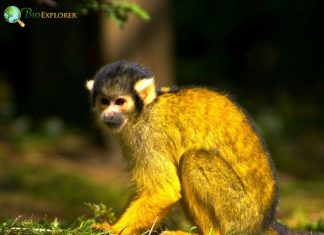
Black-capped Squirrel Monkey
The black-capped squirrel monkey is a New-World primate species endemic to the upper Amazon basin in Bolivia, eastern Peru, and western Brazil. Primarily, black-capped squirrel monkeys are arboreal and found in native and plantation forests and some managed areas close to running water.
Read more
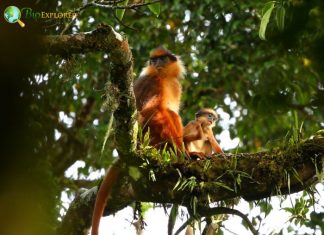
Black-Crested Sumatran Langur
The black-crested Sumatran langur (Presbytis melalophos), also called the Mitred leaf monkey, is a primate species in the Cercopithecidae family. The black-crested Sumatran langur, Raffles' banded langur, Sarawak surili, and black-and-white langur were formerly considered subspecies of Presbytis melalophos.
Read more
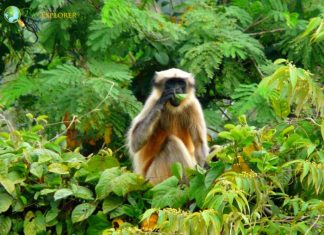
Black-footed Gray Langur
The black-footed gray langur is an Old-World monkey, one of the langur species. Like other gray langurs, this species is a leaf-eating monkey in southern India. The black-footed gray langur is distributed throughout southwestern India (Kerala, Karnataka, and Goa) but is concentrated in the Western Ghats.
Read more
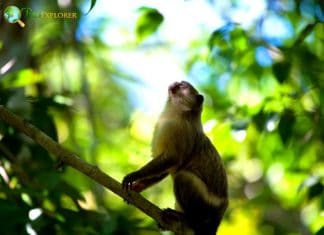
Black-Tailed Marmoset
The black-tailed marmoset is a New-World monkey species native to central South America. It is distributed from south-central Amazonia in Brazil to the Chaco far north of Paraguay. Black-tailed marmosets are arboreal and diurnal, using their claws for tree climbing.
Read more
Blue Nile Patas Monkey
The Blue Nile patas monkey, also known as Heuglin's patas monkey, is an Old-World monkey endemic to Africa along the Blue Nile Valley in Sudan, Ethiopia, and possibly South Sudan. Blue Nile patas monkeys are one of the fastest land monkeys, reaching speeds of around 34 miles per hour.
Read more

Bonnet Macaque
The Bonnet Macaque, also called Zati, is a species of macaque native to southern India. Bonnet macaques get their common name from a unique feature: a hood-like tuft of hair that extends from the top of their head, much like a tuft of dry grass. Their marble-round eyes look out into the world with a very expressive forehead.
Read more

Bouvier’s Red Colobus
Bouvier's Red Colobus was rediscovered in 2015 in the Republic of Congo after four decades without confirmed sightings. These African primates live in the swampy forests surrounding the Congo River, between the mouths of the Oubangui and Alima rivers.
Read more
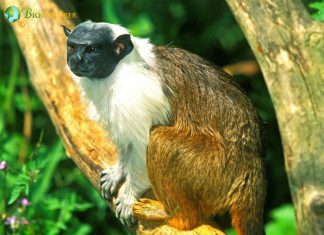
Brazilian Bare-Faced Tamarin
The pied tamarin, also known as the pied bare-faced tamarin or Brazilian bare-faced tamarin, has one of the smallest home ranges of any primate in the world, located in and around the port city of Manaus.
Read more
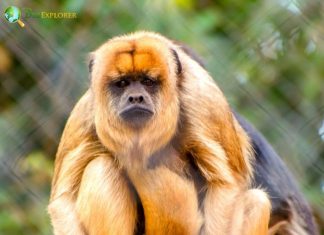
Brown Howler Monkey
The brown howler monkey, also called the brown howler monkey, is a species of New World monkey that lives in the forests of southeastern Brazil and northeastern Argentina. Despite the common name "brown howler", its color is remarkably variable, with some individuals mainly appearing black or reddish-orange.
Read more
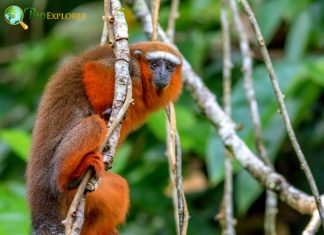
Brown Titi
The brown titi is another species of titi, a New World monkey native to South America. It was initially described in 1842 as Callicebus brunneus and transferred to the new genus Plecturocebus in 2016.
Read more
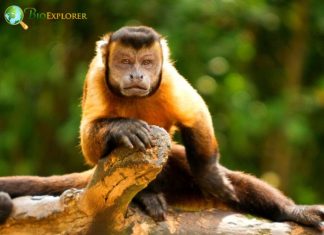
Brown Weeper Capuchin
The brown weeper capuchin, or Venezuelan brown capuchin, is a species of graceful capuchin monkey native to Venezuela. Unlike spider monkeys, brown weeper capuchin monkeys can't hang by their tails because they cannot support their body weight.
Read more
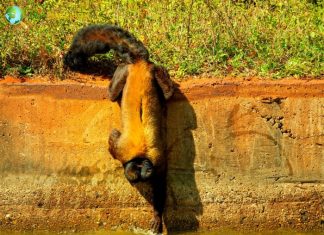
Brown-backed Bearded Saki
The brown-backed bearded Saki is one of 5 species of bearded Saki, a New World monkey species. Bearded sakis have a unique appearance. They are born with prehensile tails, which they retain for the first two months of their life. This allows them to cling to their mother's body. After this time, the tail becomes non-prehensile.
Read more

Buffy-headed Marmoset
The buffy-headed marmoset is a rare species of marmoset native to the tropical rainforests of southeastern Brazil. These miniature and shy monkeys are mostly tree dwellers, crawling on 4 legs (quadrupeds) from tree to tree with jerky, squirrel-like movements.
Read more
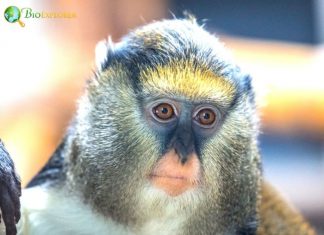
Campbell’s Mona Monkey
Campbell's Mona monkey, also called the Campbell's monkey or Campbell's guenon is a primate species in the Cercopithecidae family. The species was named after Henry Dundas Campbell in 1838.
Read more
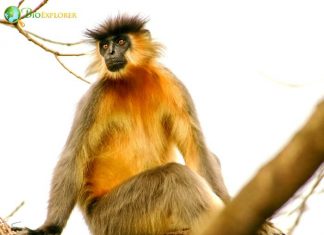
Capped Langur
The capped langur is a type of monkey in the Cercopithecidae family. These langurs can vary in appearance. This Asian primate gets its name from the thick hairs on the top of the head, typically gray or black.
Read more
Caquetá Titi
The caquetá titi also called the bushy-bearded titi or red-bearded titi, is a species of titi monkey native to Colombia in the Caquetá region. Dr. Marta Bueno, Thomas Defler, and their student Javier García of the National University of Colombia are credited with the 2008 discovery of the Caquetá-Titi monkey.
Read more
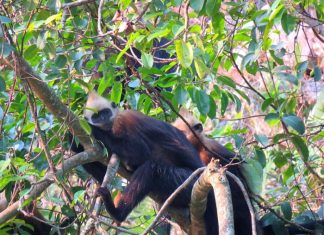
Cat Ba Langur
The white-headed langur, also called the Cat Ba langur, is an endangered species of langur native to Guangxi, China. Cat Ba langurs are comfortable in trees or ground but prefer steep cliffs where humans can't set foot.
Read more
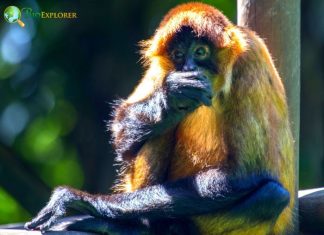
Central American Squirrel Monkey
The Central American squirrel monkey also called the red-backed squirrel monkey, is a squirrel monkey type native to the Pacific coast of Panama and Costa Rica. Central American squirrel monkeys spend most of their lives in the middle and upper layers of the tree canopy.
Read more
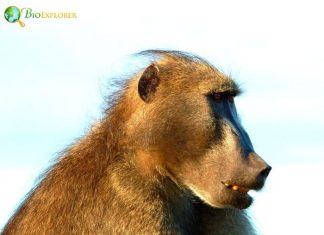
Chacma Baboon
Like all other baboons, the Chacma baboon, the Cape baboon, belongs to the Old-World monkey family. Chacma baboons have a habit of flipping over rocks in search of food. So, it's pretty easy to spot where a group of Chacmas once foraged.
Read more

Coimbra Filho’s Titi
or Coimbra titi is a species of titi, a New World primate native to the forests of the Brazilian states of Sergipe and Bahia. It is named in honor of Adelmar F. Coimbra-Filho, founder and former director of the Rio de Janeiro Primate Center, for his Brazilian biology and primatology work.
Read more

Collared Titi
The collared titi, also called the widow monkey, or yellow-handed monkey inhabits the lush rainforests of the Amazon and is typically found south of Río Negro and north of Río Solimões. Titi monkeys are often known to "duet" with each other, either between an adult female and an adult male, an adult female and her son, or an adult male and his daughter.
Read more

Collins’ Squirrel Monkey
Collins' Squirrel Monkey is a species of squirrel monkey endemic to Brazil. Until a genetic study by Jessica Lynch Alfaro et al. raised them to the species category, Collins' squirrel monkey had been considered a subspecies of the squirrel monkey (Saimiri sciureus).
Read more
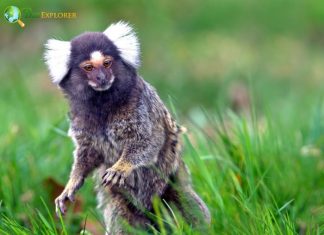
Common Marmoset
The common marmoset, also known as white-tufted-ear marmoset or white-tufted marmoset, is a type of New World monkey. As they have adapted to life at the forest edge of southeastern Brazil, common marmosets have also learned to take advantage of the region's plantations.
Read more
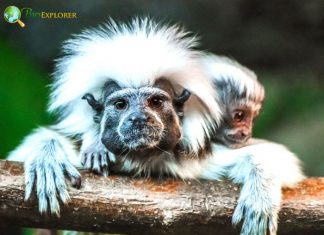
Cotton-Top Tamarin
The cotton-top tamarin is another small New-World primate found at the edge of tropical and secondary forests in northwestern Colombia. The common names "cotton-headed tamarin" and "cotton-top tamarin" are derived from the white hairs that spread across the head and flow down the neck.
Read more
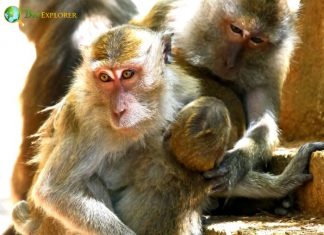
Crab-Eating Macaque
The crab-eating macaque also called the long-tailed macaque and known in laboratories as the cynomolgus monkey, is a primate monkey endemic to Southeast Asia. Crab-eating macaque macaques live in multi-male groups comprising around 30 members.
Read more
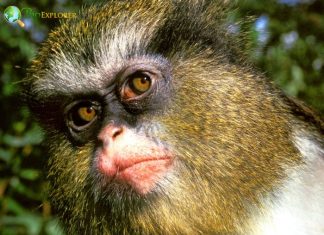
Crested Mona Monkey
The crested mona monkey, also called the golden-bellied monkey, golden-bellied guenon, or crowned guenon, is a species of African primate in the Cercopithecidae family in west-central Africa. Like many species of Cercopithecus, the crested mona monkey has large cheek pouches that it fills with seeds and fruit while foraging for food.
Read more

Cross Marked Langur
The Sarawak surili, also known as Cross-marked Langur, is a monkey species in the Cercopithecidae family. The Sarawak surili was once considered widespread but has declined significantly due to habitat and loss persecution.
Read more
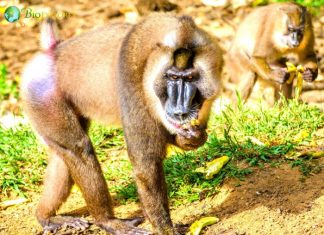
Drill
The Drill is a primate in the Cercopithecidae family (Old-World monkeys), related to baboons and even more closely to mandrills. Like mandrills, drills are highly social animals that live in groups of around 20 individuals with multiple males and females, with one male dominating reproductive decisions.
Read more
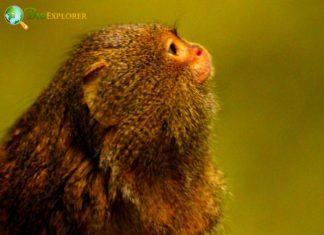
Eastern Pygmy Marmoset
The eastern pygmy marmoset is a species of marmoset, a tiny New World monkey found in the southwestern Amazon rainforest. Notably, at just over 100 grams (3.5 ounces), the eastern pygmy marmoset is the smallest monkey and among the smallest primates in the world.
Read more
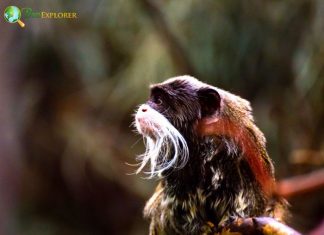
Emperor Tamarin
The Emperor Tamarin is a species of tamarin named for its resemblance to the German Kaiser Wilhelm II. It lives in the states of Acre and Amazonas, western Brazil, and the southwestern Amazon basin.
Read more

Equatorial Saki
The Equatorial Saki, also known as the red-bearded Saki, is a species of saki monkey and New World monkey. They are most common in riparian, seasonally flooded, and swampy forests but have also been seen in terra firme forests.
Read more
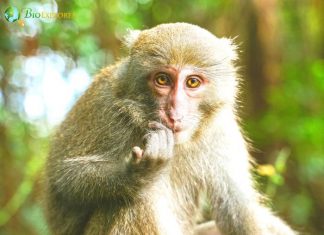
Formosan Rock Macaque
The Formosan rock macaque also called the Taiwanese macaque, or Formosan rock monkey, is a macaque native to the island of Taiwan. Aside from humans, Formosan rock macaques are the only native primates living in Taiwan.
Read more
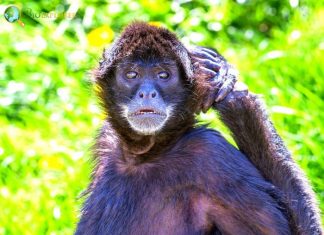
Geoffroy’s Spider Monkey
Geoffroy's spider monkey (Ateles geoffroyi) also called the Central American spider monkey or black-handed spider monkey, is a species of spider monkey. The species name geoffroyi is honored by Étienne Geoffroy Saint-Hilaire, a French naturalist. The Geoffroy's spider monkey consists of five recognized subspecies residing in various parts of Central America and Mexico. These include the Hooded spider monkey (A. g. grisescens) in southern Mexico, the ornately-patterned Ornate spider monkey (A. g. ornatus) in Costa Rica and Panama, the Yucatan spider monkey (A. g. yucatanensis) in the Yucatan Peninsula, the Mexican spider monkey (A. g. vellerosus) in Veracruz, and the nominate Nicaraguan spider monkey subspecies (A. g. geoffroyi) found in Nicaragua, Honduras and northern Costa Rica.
Read more
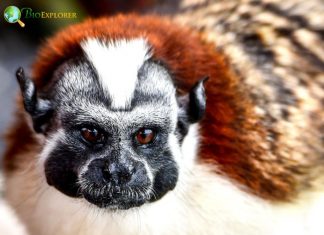
Geoffroy’s Tamarin
Geoffroy's tamarin, also called the Panamanian tamarin, red-crested tamarin, or rufous-naped marmoset tamarin, is a tamarin, a small monkey found in Colombia and Panama. In what may seem like a role reversal in many monkey species, Geoffroy's tamarins are led by the oldest female in a group.
Read more
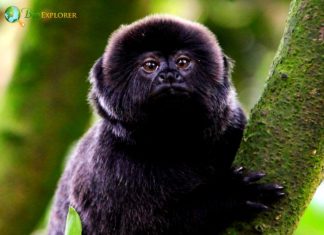
Goeldi’s Marmoset
Goeldi marmoset or Goeldi monkey is a small South American New-World monkey living in the upper Amazon basin region of Brazil, Bolivia, Ecuador, Colombia, and Peru. Goeldi marmosets generally stay less than 5 meters from the forest floor, moving to higher elevations for fruit.
Read more
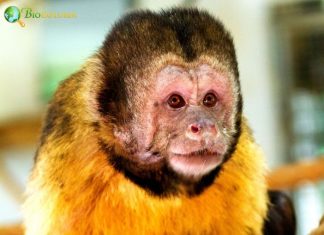
Golden-Bellied Capuchin
The golden-bellied capuchin (Sapajus xanthosternos), also called the buff-headed or yellow-breasted capuchin is a New World monkey species. They spend much time grooming one another for socialization, with the alpha species receiving the most attention.
Read more
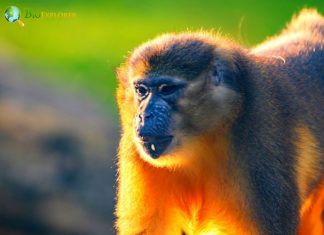
Golden-Bellied Mangabey
The golden-bellied mangabey (Cercocebus chrysogaster) is a gregarious Old-World monkey found in humid, swampy forests south of the Congo River. Golden-bellied mangabeys are a migratory and social species, moving in groups of 8 to 30 members.
Read more

Gray Snub-Nosed Monkey
The gray snub-nosed monkey (Rhinopithecus brelichi), also called Guizhou golden monkey, Brelich's snub-nosed monkey, and Guizhou snub-nosed monkey is a species of primate in the Cercopithecidae family. The confirmed range of the gray snub-nosed monkey is endemic to China (Fanjingshan National Nature Reserve in Wuling Mountains of Guizhou Province).
Read more
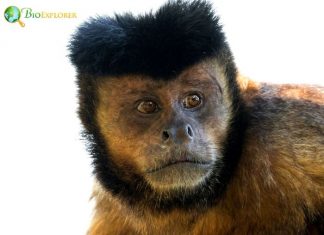
Guianan Brown Capuchin
The tufted capuchin (Sapajus apella), also called the pin monkey, Guianan brown capuchin, or black-headed capuchin is a New World monkey native to South America and the Caribbean islands of Margarita and Trinidad.
Read more
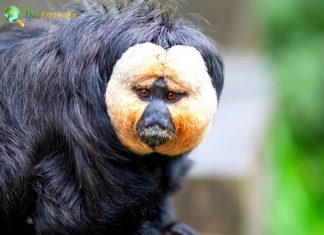
Guianan Saki
The white-faced saki (Pithecia pithecia), also known as the golden-faced saki, Guianan saki, and Guyana saki, is a New World saki monkey species. Typically, they have a lifespan of around 14 years in the wild and have lived up to 36 years in captivity.
Read more
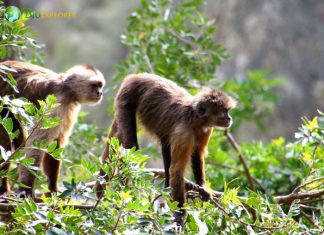
Guianan Weeper Capuchin
The wedge-capped capuchin (Cebus olivaceus), also known as Guianan weeper capuchin, is a capuchin monkey native to South America. Wedge-capped capuchins get their name from a black triangle of dark fur centered on their forehead.
Read more
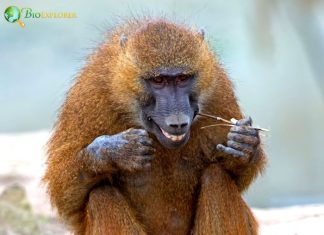
Guinea Baboon
The Guinea baboon (Papio papio) is a baboon of the Old World monkey family. When walking, these baboons support their weight on the bottom of their toes in front and on the entire sole of their feet.
Read more

Guyanan Red Howler Monkey
The Guyanan red howler monkey (Alouatta macconnelli) also known as Guianan Red Howler, is a New World monkey native to Guyana, Suriname, Trinidad, Venezuela, and Brazil. Each troop has a hierarchy consisting of a single dominant alpha male, sometimes with 1 or 2 subadult males. The rests are females and their young.
Read more
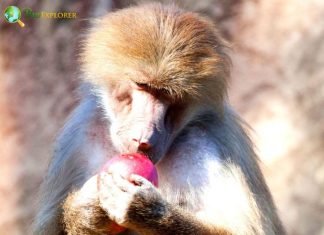
Hamadryas Baboon
The Hamadryas baboon (Papio hamadryas) is a baboon species in the Old World monkey family. The Hamadryas baboon was a sacred animal to the ancient Egyptians. It appeared in various roles in ancient Egyptian religion, hence its alternative common name, "sacred baboon".
Read more
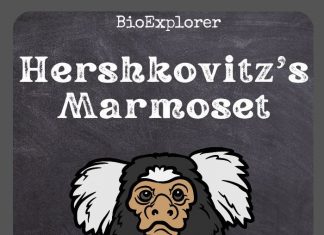
Hershkovitz’s Marmoset
The Hershkovitz marmoset (Mico intermedia), also called the Aripuanã marmoset, is endemic to the Amazon rainforest of south-central Brazil. The common name references Philip Hershkovitz, an American zoologist.
Read more

Highland Mangabey
The kipunji (Rungwecebus kipunji), also called the highland mangabey, is an Old World monkey inhabiting the upland forests of Tanzania. Kipunji is active during the day and mostly confine their activity to trees and rarely reach the ground.
Read more
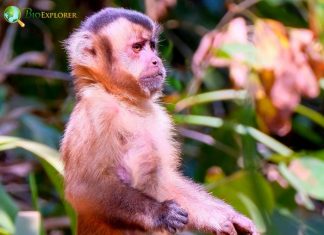
Hooded Capuchin
The Azaras capuchin or hooded capuchin (Sapajus cay) is a robust capuchin species. It is found in northern Argentina, southeastern Bolivia, eastern Paraguay, and Brazil. Its habitat consists of humid, subtropical, semi-deciduous, gallery forests and forests in the Pantanales.
Read more
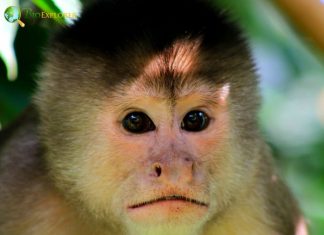
Humboldt’s White Capuchin
Humboldt's white capuchins, also known as white-fronted capuchins, are a species of New-World monkeys and one of the smallest capuchin groups. Humboldt’s squirrel monkeys are usually led by a dominant male and female.
Read more
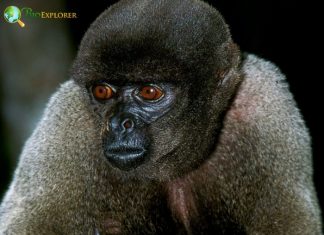
Humboldt’s Woolly Monkey
Humboldt's woolly monkey, common woolly monkey, or brown woolly monkey (Lagothrix lagothricha) is a woolly monkey endemic to South America. Humboldt's woolly monkeys can show subtle mood swings and intentions with various facial expressions.
Read more

Illiger’s Saddle-Back Tamarin
(Leontocebus illigeri) is a species of saddleback tamarin, a type of small monkey native to South America. Illiger's saddleback tamarin is native to the Peruvian Amazon, and its type locality is in Loreto, Peru, on the left bank of the lower Ucayali River.
Read more
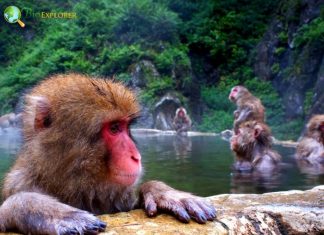
Japanese Macaque
The Japanese macaque (Macaca fuscata), also called the snow monkey, is a terrestrial Old World species of monkeys endemic to Japan. Japanese macaques from southern regions generally weigh less than those in northern regions of higher altitudes, where there is more snow during the winter months.
Read more

Kaapori Capuchin
The Kaapori capuchin (Cebus kaapori) also known as Ka'apor Capuchin, is a capuchin monkey native to Brazil. Previously considered a subspecies of the wedge-capped capuchin monkey (Cebus olivaceus), it was elevated to species status recently.
Read more

Lomami Red Colobus
The Lomami red colobus (Piliocolobus parmentieri) is native to central Africa. The Lomani red colobus monkey has a restricted range in the lowland rainforest between the Lomani River and the Lualaba River in the central Democratic Republic of the Congo.
Read more
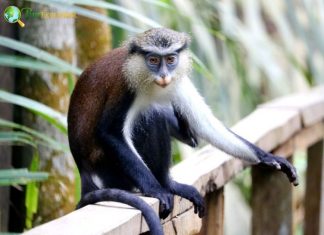
Lowe’s Mona Monkey
Lowe's Mona monkey (Cercopithecus lowei) is an Old-World monkey in the Cercopithecidae family found from Ghana to the Ivory Coast. Lowe's Mona monkeys generally consist of one male and several females.
Read more
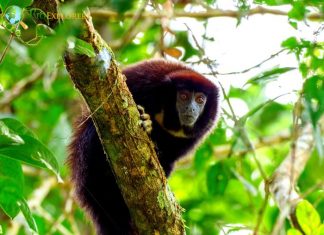
Lucifer Titi
Lucifer Titi (Cheracebus lucifer) is a species of Titi, a New World monkey endemic to South America. It is found in Peru, Ecuador, Colombia, and Brazil. This yellow-handed Titi was described as Callicebus lucifer in 1914.
Read more
Madidi Titi
The Madidi titi also called the Golden Palace monkey, is a titi, a New World species of monkey discovered in 2004 in Madidi National Park in western Bolivia. The species got its name, Golden Palace, from an online casino after an auction.
Read more
Martins’ Tamarin
Martin's tamarin (Saguinus martinsi) or Martin's ochraceous bare-faced tamarin, is native to Brazil. These tamarins are distinguished from other New World monkeys by their small size and modified claws instead of nails on all digits except the big toe.
Read more
Maués Marmoset
The Maués marmoset (Mico mauesi) is a marmoset native to Brazil. It is only found on the western bank of the Maués Açu River in the state of Amazonas. Maués marmosets are arboreal and diurnal, spending most of their lives in trees.
Read more
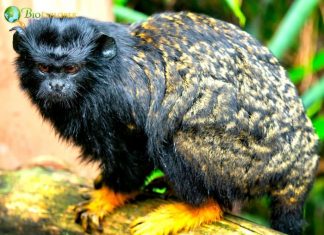
Midas Tamarin
The Midas tamarin (Saguinus midas), also called the red-handed tamarin or golden-handed tamarin is a New-World monkey in the Callitrichidae family. Midas tamarin is also known as golden tamarin or red-handed tamarin. This attests to the remarkably vivid colors of the feet and hands.
Read more

Mitered Langur
The mitered langur has brown or gray fur on its back, darker, while it is even darker on its belly and the arms, legs, and tail. These Indonesian primates live in groups of 1 male with 5 to 17 females.
Read more
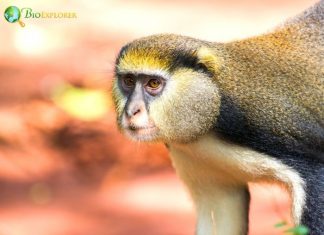
Mona Monkey
The Mona monkey (Cercopithecus mona) is an Old World monkey living between Cameroon and Ghana in West Africa. Mona monkeys live in large groups of 5 to 50 individuals.
Read more
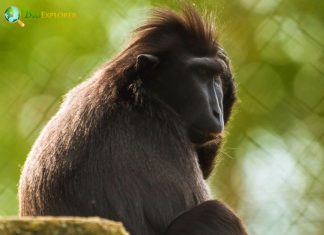
Moor Macaque
The moor macaque (Macaca maura) is a brown/black haired macaque with a pale rump and bare pink rump skin. Moor macaques appear to be a relatively tolerant macaque species, showing low levels of aggression between group members.
Read more
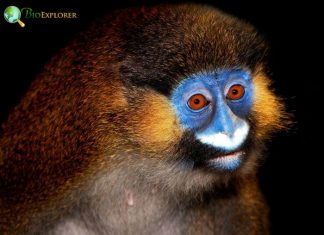
Moustached Guenon
The mustached monkey or moustached guenon (Cercopithecus cephus) is a primate species in the Cercopithecidae family. Moustached monkeys take regular paths through the branches, with each monkey following the next along the same path.
Read more
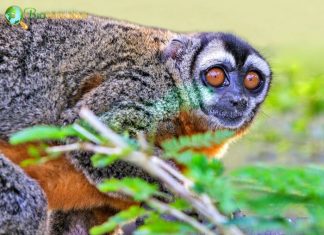
Nancy Ma’s Night Monkey
Nancy Ma's Night Monkey (Aotus nancymaae) is a species of night monkey from South America. Nancy Ma's night monkeys are social. They form small groups of 2 to 5 individuals, all directly related to each other.
Read more

Natuna Island Surili
The Natuna Island Surili (Presbytis natunae) is a primate species in the Cercopithecidae family. The species is native to the Indonesian island of Natuna Besar. The species is native to the Indonesian island of Natuna Besar.
Read more
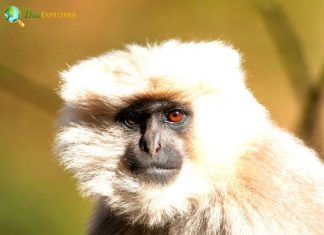
Nepal Gray Langur
The Nepal gray langur (Semnopithecus schistaceus) is a gray langur native to the Himalayas of Nepal, extreme southwestern Tibet, northern Pakistan, northern India, Bhutan, and possibly Afghanistan. The Nepal gray langur is both terrestrial and arboreal.
Read more
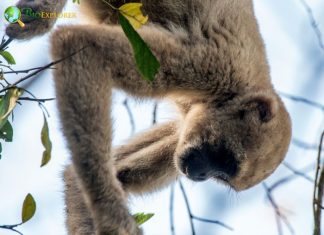
Northern Muriqui
The northern muriquí (Brachyteles hypoxanthus) is an endangered species of woolly spider monkey or muriquí endemic to Brazil. When searching for fruit and leaves in tall trees, these monkeys use their tails for support.
Read more
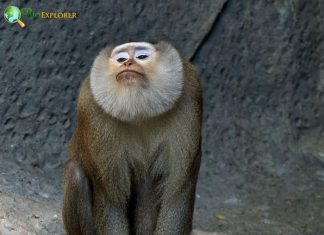
Northern Pig-tailed Macaque
The northern pig-tailed macaque (Macaca leonina) is a macaque species in the Cercopithecidae family. Typical of this group of Old World monkeys, northern pig-tailed monkeys are gregarious, living in social groups of 9-81 individuals.
Read more

Ollala Brothers’ Titi
The Ollala Brothers' titi (Plecturocebus olallae) is a marmoset species of New World monkeys native to Bolivia. Like all Neotropical primates (except Aotus), the Ollala brothers' titi monkeys are highly diurnal.
Read more

Ornate Titi
The ornate titi (Plecturocebus ornatus) is a species of titi and the smallest member of the Pitheciidae family, including the uakari and saki monkeys. Ornate titis have a monogamous mating system. A couple has a strong bond and stays together for years.
Read more

Oustalet’s Red Colobus
(Piliocolobus oustaleti) is another species of red colobus that lives in various forest types in the southern Central African Republic, southern South Sudan, northern Democratic Republic of the Congo, and northeastern Congo.
Read more
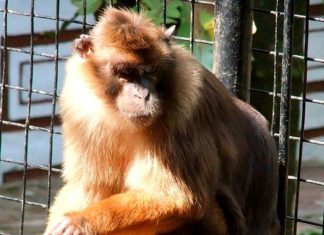
Pagai Island Macaque
The Pagai island macaque (Macaca pagensis), also called the Pagai or Bokkoi macaque is an Old-World monkey native to the Mentawai Islands on the west coast of Sumatra. Groups of Pagai Island macaques consist of approximately 5 to 25 individuals.
Read more
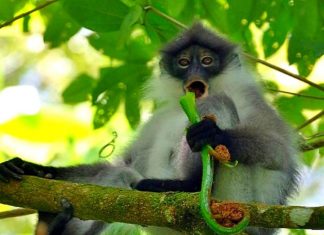
Pale-Thighed Langur
The pale-thighed surili (Presbytis siamensis), also called the white-thighed langur, is a primate species in the Old World monkey family (Cercopithecidae). Pale-thighed langurs are savvy herbivores; it's fun to say they only eat plants and have a fussy palate, with a preference for young leaves, seeds, and fruits.
Read more

Panamanian Night Monkey
The Panamanian night monkey or Chocoan night monkey (Aotus zonalis) is a species of night monkey formerly considered a subspecies of the grey-bellied night monkey in the Aotidae family. Panamanian night monkeys are sympatric with other species. They do not compete for resources with other animals in their range due to their alternate schedules.
Read more
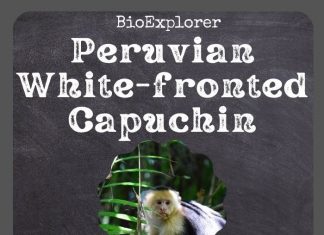
Peruvian White-fronted Capuchin
The Peruvian white-fronted capuchin or Marañón white-fronted capuchin (Cebus yuracus) is a species of gracile capuchin monkey native to the upper Amazon basin. Peruvian white-fronted capuchin monkeys live in multi-male, multi-female groups of 5 to 18 individuals, with approximately equal numbers of males and females.
Read more

Pig-tailed Langur
The pig-tailed langur (Simias concolor), monotypic in the Simias genus, is a great Old-World monkey native to several small islands off Sumatra, Indonesia. Adult pig-tailed langurs have black faces and small, turned-up noses.
Read more
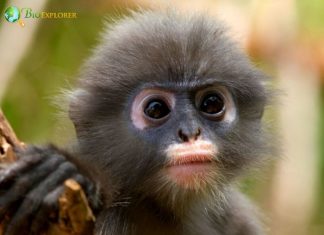
Popa Langur
Popa langur (Trachypithecus popa) is a primate species in the Cercopithecidae family. It occurs exclusively in Myanmar. The species is named after Mount Popa, where a population of 100 monkeys lives.
Read more

Prince Bernhard’s Titi
Prince Bernhard's Titi (Plecturocebus bernhardi) is a species of titi in the subfamily Callicebinae. It is a species of New World monkey native to Brazil. The species is named after Prince Bernhard of the Netherlands, a naturalist who established the Order of the Golden Ark to honor conservationists worldwide.
Read more
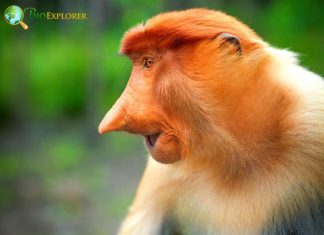
Proboscis Monkey
The proboscis monkey (Nasalis larvatus) is an Old World arboreal species with an unusually large nose, reddish-brown skin color, and a long tail. The proboscis monkey is a large species and one of the largest old-world monkey species native to Asia.
Read more
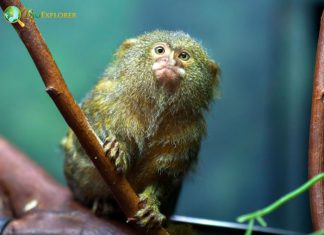
Pygmy Marmoset (Finger Monkey)
The pygmy marmoset (smallest monkey), genus Cebuella (also known as Finger Monkey), is a small genus of New-World monkeys endemic to the tropical rainforests of the western Amazon Basin in South America. Pygmy marmosets are also highly territorial, using scent glands to mark territories of up to 100 hectares.
Read more

Red-bellied Titi
The Red-bellied titi (Plecturocebus moloch) is a marmoset species of New World monkey native to Brazil. It lives in thickets and forests. Like other titis, red-bellied titi is territorial and emits vocal cries to mark its territory and scare other animals.
Read more
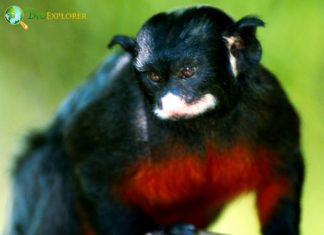
Red-Chested Mustached Tamarin
The Red-chested mustached tamarin (Saguinus labiatus), also known as Red-bellied Tamarin, is a tamarin that lives in the Amazon region of Brazil, Peru, and Bolivia. The red belly of these New World monkeys is their most striking external feature.
Read more
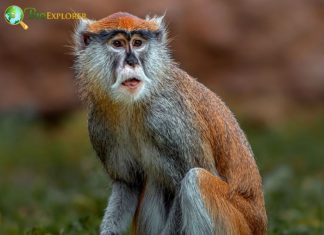
Red-eared Guenon
The red-eared guenon (Cercopithecus erythrotis), also called the russet-eared guenon or red-eared monkey is endemic to the tropical and subtropical lowland rainforests of Nigeria, Equatorial Guinea, and Cameroon.
Read more
Red-headed Titi
The red-headed titi (Cheracebus regulus) (also known as Juruá Collared Titi) is a marmoset species of New World monkey endemic to Brazil. Red-headed titi monkeys are diurnal and arboreal, waking up and sleeping with the sun.
Read more
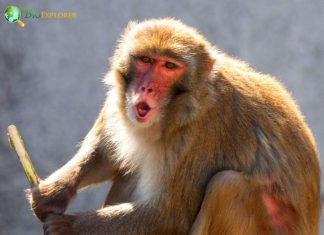
Rhesus Macaque
The rhesus macaque (Macaca mulatta), commonly known as the rhesus monkey, is a species of Old-World monkey. Rhesus monkeys are diurnal animals, both arboreal and terrestrial.
Read more

Rio Mayo Titi
The Río Mayo titi (Plecturocebus oenanthe), also known as the San Martín titi, is native to the San Martín region of Peru and is considered Peru's most endangered primate. Río Mayo titis have been described as somewhat temperamental and hesitant and don't tend to be inquisitive.
Read more
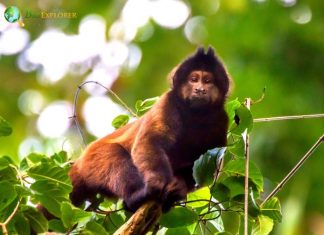
Robust Capuchin Monkey
Robust capuchin monkeys, also called crested capuchin monkeys, are capuchin monkeys of the Sapajus genus. Some crested capuchin species are known to use stone tools in the wild. These are used to crack nuts and other seeds, dried fruits, and even oysters.
Read more

Roosmalens’ Dwarf Marmoset
The Roosmalens dwarf marmoset, also called the black-crowned pygmy marmoset or black-crowned dwarf marmoset, is a New-World monkey endemic to the Amazon rainforest.
Read more

Santa Marta White-fronted Capuchin
The Santa Marta white-fronted capuchin (Cebus malitiosus) is a species of gracile capuchin monkey native to Colombia. The Santa Marta white-fronted capuchin range is restricted to forests near northern Colombia's northwestern base of the Sierra de Santa Marta.
Read more
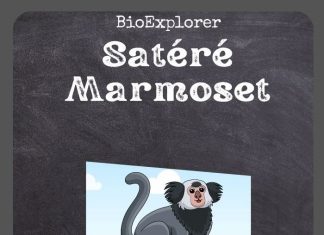
Satéré Marmoset
The Satéré marmoset (Mico saterei) is native to Brazil and its genus is characterized by claw-like nails rather than the flat nails of other primates, long lower incisors, a specialized caecum, and squirrel-like movements in trees.
Read more

Shock-headed Capuchin
The shock-headed capuchin (Cebus cuscinus) is a gracile capuchin monkey native to Peru and Bolivia. This New-world monkey was previously classified as a subspecies of the Humboldt's capuchin (Cebus albifrons), but in 2013 Rylands and Mittermeier raised it to a separate species, following genetic studies done by Boubli et al. in 2012, and Lynch Alfaro et al. in 2010.
Read more
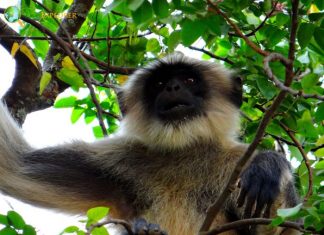
Shortridge’s Capped Langur
The Shortridge's capped langur (Trachypithecus shortridgei) is a colobine primate inhabiting low to medium evergreen and semi-evergreen forests east of the Chindwin River in northeastern Myanmar and southwestern Myanmar, China, in the Nu and Dulong valleys.
Read more
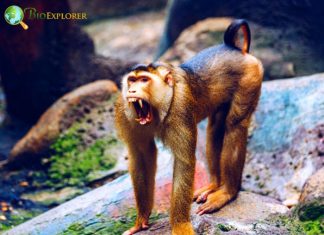
Siberut Macaque
The Siberut macaque (Macaca siberu) is an endangered macaque species native to the island of Siberut in Indonesia. It was previously thought to be conspecific with the Pagai Island macaque (Macaca pagensis), which is paler overall, but this arrangement was polyphyletic.
Read more

Sierra De Perijá White-fronted Capuchin
The Sierra de Perijá white-fronted capuchin monkey (Cebus leucocephalus) is a species of gracile capuchin monkey native to Venezuela and Colombia. The Sierra de Perijá white-fronted capuchin range is restricted to northwestern Venezuela and northern Colombia forests.
Read more
Silvery Brown Bare-face Tamarin
The white-footed tamarin (Saguinus leucopus), the silvery-brown bare-faced tamarin, is native to Colombia. It is silvery brown with pale stripes and reddish underparts. It closely resembles the cotton-tipped tamarin from which it is separated by the Atrato River.
Read more
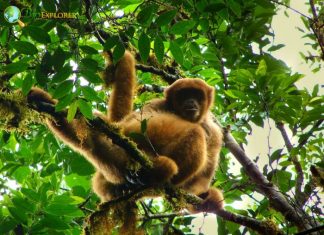
Southern Muriqui
The southern muriqui or woolly spider monkeys (Brachyteles arachnoides) are scattered across southeastern Brazil, from Bahia north to Sao Palo south. The southern muriqui is one of the largest primates in South America, with males weighing around 15 kg and females around 12 kg.
Read more
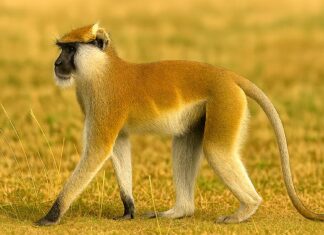
Southern Patas Monkey
The Southern Patas Monkey (Erythrocebus baumstarki), native to Tanzania, is a critically endangered primate known for its speed, elusive nature, and striking coloration. Once widespread, its population now teeters between 100–200 individuals due to habitat loss and human threats. Inhabiting open acacia woodlands, these ground-dwelling monkeys play a vital ecological role in seed dispersal and insect control. Conservation efforts are urgently needed to protect this rare species and restore its shrinking habitat range.
Read more

Spix’s Red-handed Howler
Spix's Red-Handed Howler (Alouatta discolor) is a species of howler monkey endemic to the southeastern Amazon in Brazil. Spix's Red-headed Howler is currently on the International Union for Conservation of Nature's Endangered Species List based on a population decline of more than 30% over the last 3 generations, mainly due to habitat loss.
Read more

Spix’s White-fronted Capuchin
Spix's White-fronted Capuchin (Cebus unicolor) is a species of a gracile capuchin monkey. The species is widespread in the upper Amazon basin in Peru and Brazil. It is also present in northern Bolivia. According to the genetic studies by Boubli et al., Ryland and Mittermeier elevated it to a distinct species.
Read more
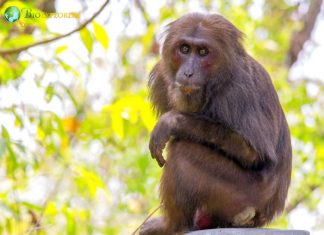
Stump-tailed Macaque
The stump-tailed macaque, also known as the bear macaque, is an Old World monkey endemic to Cambodia, northeastern India, southwestern China, Myanmar, and Laos, from northwestern Peninsular Malaysia, Vietnam, and Thailand.
Read more

Sun-Tailed Monkey
The sun-tailed monkey (Allocrocebus solatus) is among the most understudied primates in its habitat. Discovered as a new species in 1988, it is classified as a guenon, a member of the Cercopithecus genus, but later moved to the Allochrocebus genus.
Read more
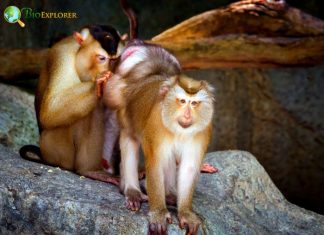
Sunda Pig-Tailed Macaque
The pig-tailed macaque (Macaca nemestrina), also called the Sundaland pig-tailed macaque and Sunda pig-tailed macaque is a medium-sized macaque native to southern Thailand, Indonesia, and Malaysia. Pig-tailed macaques also have long legs and hairless snouts.
Read more
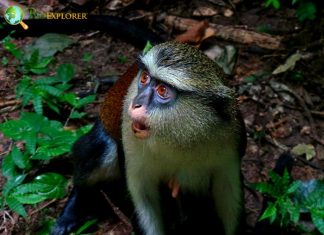
Tantalus Monkey
The tantalus monkey (Chlorocebus tantalus) is an Old World monkey endemic to Africa, ranging from Ghana to Sudan. It was initially described as a subspecies of Grivet (Chlorocebus aethiops). Tantalus monkeys are very similar to vervet monkeys but are smaller in size.
Read more
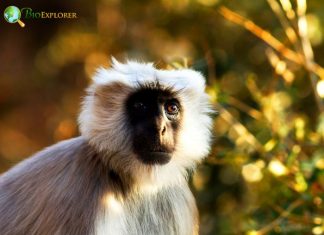
Tarai Gray Langur
The Tarai gray langur (Semnopithecus hector) is an Old-World monkey and was once thought to be a subspecies of the northern plains gray langur. The Latin name for Tarai gray langurs is inspired by Hector, the prince of Troy.
Read more

Thollon’s Red Colobus
The Thollon's red colobus (Piliocolobus tholloni), also called the Tshuapa red colobus, is native to the Democratic Republic of the Congo and the Lower Republic of the Congo. It was recognized as a separate species by Dandelot in 1974, followed by Groves in 2001.
Read more
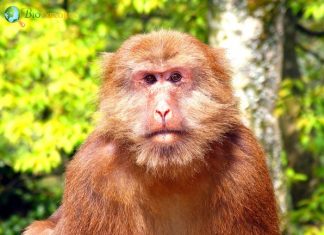
Tibetan Macaque
The Tibetan macaque (Macaca thibetana), also called the Chinese stump-tailed macaque is a macaque native to eastern Tibet, eastern Guangdong, and northern Shaanxi in China. Tibetan macaques are the largest of the macaques and have a strong, muscular build with dense fur that ranges in color from gray to brown.
Read more
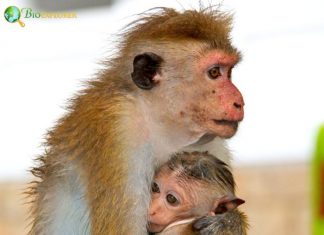
Toque Macaque
The toque macaque (Macaca sinica) is a red-brown Old World monkey endemic to Sri Lanka, known as the rilewa or rilawa. Its common name refers to the strand of hair on its head that resembles a brimless hat.
Read more
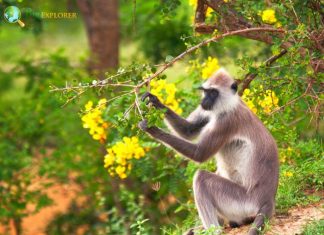
Tufted Gray Langur
The tufted gray langur (Semnopithecus priam), also called the Coromandel sacred langur and the Madras gray langur, is an Old-World monkey, one of the langur species. These langurs are generally shy and only descend when there is no visible danger.
Read more

Ursine Howler
The Ursine howler (Alouatta arctoidea) is a species of howler monkey endemic to Venezuela and possibly Colombia. These howlers are famous for their "morning chorus".
Read more

Urubamba Brown Titi
The Urubamba brown titi (Plecturocebus urubambensis) is a species of Titi, a New World monkey native to Peru. This species is found east of the Tambo River and west of the Urubamba, Manú, and Madre de Dios rivers.
Read more

Uta Hick’s Bearded Saki
Uta Hick's Bearded Saki (Chiropotes utahicki) is an endangered species of bearded saki, a New World monkey species. It was named after Uta Hick, a German primatologist who cared for bearded sakis at Cologne Zoo.
Read more

Variegated Spider Monkey
The Variegated spider monkey or brown spider monkey (Ateles hybridus) is an endangered species of spider monkey, a species of New World monkey endemic to the forests of northwestern Venezuela and northern Colombia.
Read more

Vieira’s Titi
The Vieira's titi monkey (Plecturocebus vieirai) is a species of Titi, a New World monkey species native to north-central Brazil. They have bright reddish-brown faces with yellowish cheek hairs.
Read more
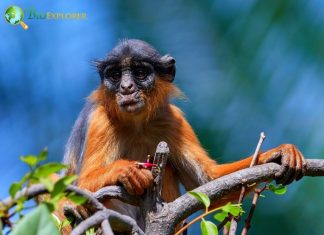
Western Red Colobus
The western red colobus (Piliocolobus badius), also called the Upper Guinean red colobus, rust red colobus, or bay red colobus is a species of Old-World monkey found in the forests of West Africa, from Senegal to Ghana.
Read more
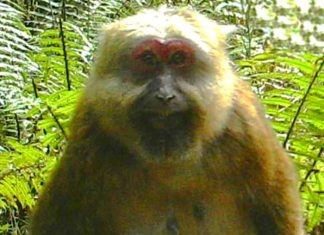
White-Cheeked Macaque
The white-cheeked macaque (Macaca leucogenys) is found only in Medog County in southeastern Tibet and the Arunachal Pradesh state of India. The species was first discovered and described by Chinese primatologists Peng-Fei Fan, Cheng Li, and Chao Zhao in the American Journal of Primatology in 2015.
Read more

White-cheeked Spider Monkey
The white-cheeked spider monkey (Ateles marginatus), also known as the white-whiskered spider monkey, is a New World monkey native to the Amazon Basin of central Brazil.
Read more
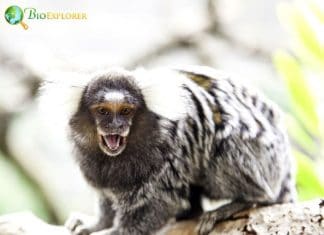
White-eared Titi
The white-eared Titi, Plecturocebus donacophilus, also known as the Bolivian gray Titi or Bolivian Titi, is a marmoset species, a New World monkey endemic to eastern Bolivia and a region of western Brazil.
Read more
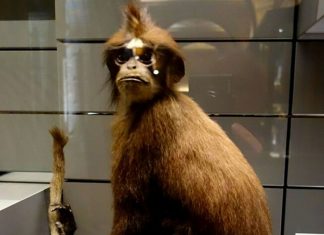
White-fronted Langur
The white-fronted surili (Presbytis frontata) is a primate species in the Cercopithecidae family, the Old World monkeys. This species prefers to eat immature leaves than more mature leaves.
Read more
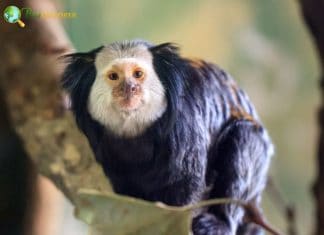
White-Headed Marmoset
The Geoffroy's marmoset, also called Geoffrey's marmoset, white-headed marmoset, or tufted-ear marmoset is a marmoset native to the forests of eastern Brazil, where it is native to Minas Gerais, Espírito Santo, and Bahia. Geoffroy's marmosets are said to follow swarms of army ants to catch insects expelled by the ants.
Read more
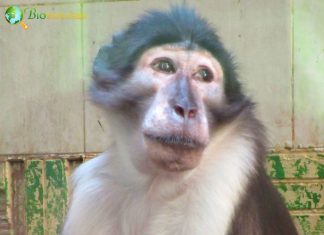
White-naped Mangabey
Cercocebus atys lunulatus now Cercocebus lunulatus, is commonly known as the white-naped, white-headed, or white-necked mangabey (confusing with the collared mangabey). These mangabeys can also distinguish between fruiting and non-fruiting trees and are more likely to approach fruiting trees.
Read more

White-tailed Titi
White-tailed titi monkeys, also called red titi monkeys or red-crowned titis and not to be confused with coppery titi (Callicebus cupreus), also commonly known as red titi, are endemic to the dense rainforest and gallery forests of Peru and Ecuador.
Read more
Recommended Readings:
Black Monkeys | White Monkeys | Green Monkeys | Red Monkeys | Orange Monkeys | Gray Monkeys | Yellow Monkeys
Black Monkeys | White Monkeys | Green Monkeys | Red Monkeys | Orange Monkeys | Gray Monkeys | Yellow Monkeys
Cite this page
Bio Explorer. (2026, March 21). Brown Monkeys. https://www.bioexplorer.net/animals/mammals/monkeys/brown/