
Gray Monkeys
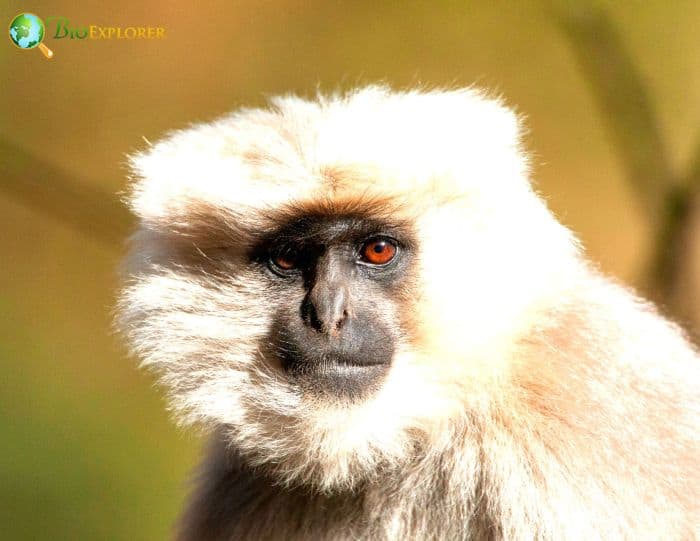
Gray-colored monkeys are one of the commonly found monkeys in primates. Find all types of gray monkeys with gray fur coating here.
Gray Monkeys
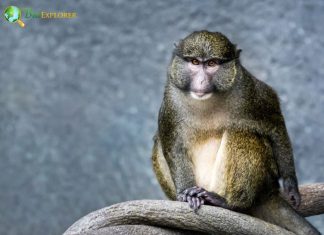
Allen’s Swamp Monkey
Allen's swamp monkeys are small, stocky monkeys with gray to brown fur and long tails. These highly social primates live in the swamp forests of central Africa, where they mostly spend their time in the trees. It was named after Joel Asaph Allen, an American zoologist.
Read more
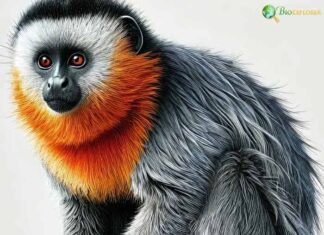
Alta Floresta Titi
The Alta Floresta titi is a distinct but unnamed form of titi (Plecturocebus) rediscovered in 2019 in Chapada dos Parecis, a plateau in the far south of the Brazilian state of Rondônia. This species lives exclusively between the Teles-Pires and Juruena rivers in Mato Grosso.
Read more
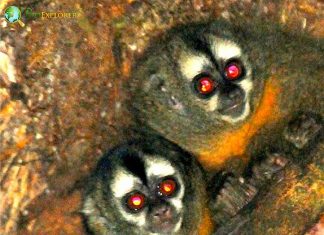
Andean Night Monkey
Andean night monkeys are a genus Aotus, commonly known as nocturnal monkeys or the Peruvian night monkey. Species in this genus are the only truly nocturnal monkeys in the world. Andean night monkeys are not sexually dimorphic as males and females look very similar.
Read more
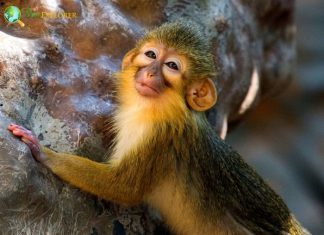
Angolan Talapoin
Also known as the Southern talapoin, Angolan talapoin is a primate species in the Cercopithecidae family. Tail color varies from grayish-black to brownish-black above and is yellow or yellowish-gray below. The Angolan talapoin monkeys are among the smallest species of Old-World monkeys.
Read more
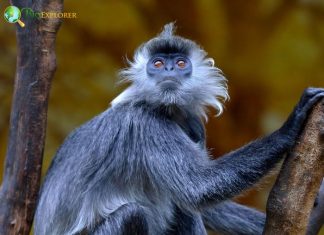
Annamese Silvered Langur
The Annamese langur is another Old-World monkey in the subfamily Colobinae. Annamese langurs are covered in thick, gray fur. They have dark faces, and the space around the eyes is pale and forms a ring, often in the flesh. Trachypithecus margarita is a monotypic species as it has no subspecies.
Read more

Ashy Black Titi
The Ashy black titi is a species initially described in 1823 as Callicebus cinerascens. Ashy black titi monkeys live in small families comprising a monogamous pair and their young. Adult males tend to carry their infants unless the mother is nursing.
Read more
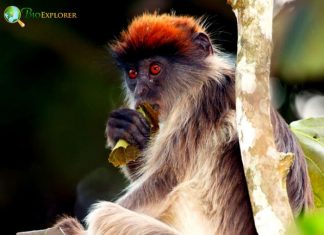
Ashy Red Colobus
The Ashy-red Colobus or Ugandan red Colobus is an endangered species of red Colobus endemic to Eastern Africa. Like other colobus monkeys, Ashy Red has small thumbs that allow it to comfortably grip branches and swing nimbly through the canopy. In 2001, the ashy-red Colobus was recognized as a separate species.
Read more
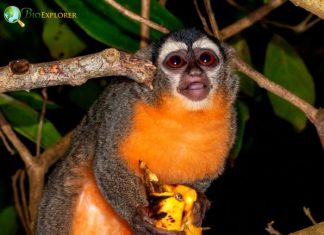
Azara’s Night Monkey
Azara's night monkeys, also known as southern night monkeys and Azara's owl monkeys, are native to the Gran Chaco region of South America, a vast area with many different ecosystems, from savannas to grasslands to dry spiny forests and gallery forests. Genetic testing has shown that the males of this species mated pairs are the fathers of the babies they care for.
Read more
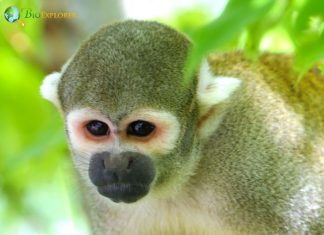
Bare-eared Squirrel Monkey
The bare-eared squirrel monkey also called the golden-backed squirrel monkey, is a subspecies of the Saimiri sciureus group native to the tropical forests and jungles of South and Central America. The bare-eared squirrel monkey differs from other species because it does not have ear tufts.
Read more
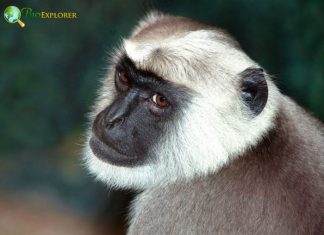
Bengal Sacred Langur
The Bengal sacred langur, also known as Hanuman's langur and the northern plains gray langur, is a primate species in the Cercopithecidae family. The Bengal sacred langurs are often referred to as "Hanuman's langurs", named after Lord Hanuman - the Hindu god.
Read more
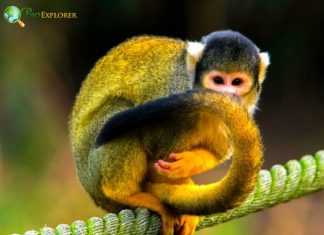
Black Squirrel Monkey
The black squirrel monkey, also called the black-headed squirrel monkey or the blackish squirrel monkey is a small New-World monkey native to the central Amazonian region of Brazil. The black squirrel monkey closely resembles the much more common Bolivian squirrel monkey. However, the latter lacks the central black back.
Read more

Black Sumatran Langur
The black Sumatran langur is a species of monkey in the Cercopithecidae family that is endemic to Indonesia's Sumatra Island. Presbytis sumatrana was once considered a subspecies of Sumatran Surili. Still, genetic analysis has shown it to be a distinct species.
Read more
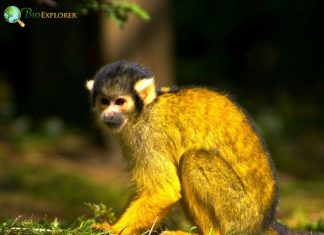
Black-capped Squirrel Monkey
The black-capped squirrel monkey is a New-World primate species endemic to the upper Amazon basin in Bolivia, eastern Peru, and western Brazil. Primarily, black-capped squirrel monkeys are arboreal and found in native and plantation forests and some managed areas close to running water.
Read more
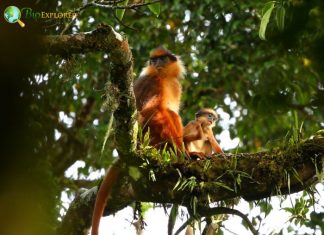
Black-Crested Sumatran Langur
The black-crested Sumatran langur (Presbytis melalophos), also called the Mitred leaf monkey, is a primate species in the Cercopithecidae family. The black-crested Sumatran langur, Raffles' banded langur, Sarawak surili, and black-and-white langur were formerly considered subspecies of Presbytis melalophos.
Read more
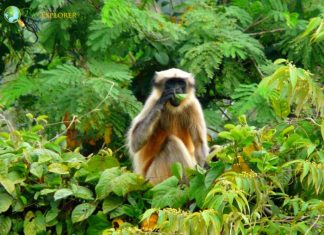
Black-footed Gray Langur
The black-footed gray langur is an Old-World monkey, one of the langur species. Like other gray langurs, this species is a leaf-eating monkey in southern India. The black-footed gray langur is distributed throughout southwestern India (Kerala, Karnataka, and Goa) but is concentrated in the Western Ghats.
Read more
Black-fronted Titi
The black-fronted titi is a New-World monkey native to Brazil. Black-fronted titi monkeys have short faces, fluffy bodies, long legs, and long fluffy tails. The black-fronted titi monkey is listed as Near Threatened by the IUCN due to extensive habitat loss and fragmentation in the remnant Atlantic Forest in southeastern Brazil.
Read more
Black-headed Marmoset
The black-headed marmoset is a species of marmoset native to Brazil. It inhabits tropical rainforests, mainly second growth and fringes. Black-headed marmoset lives in large family groups of 4 to 15 individuals. Typically, only one female per group breeds during any given breeding season.
Read more

Black-shanked Douc Langur
One of three species of Douc langur (the gray-footed and the red-footed are the other two), the black-shanked douc langur is only found in southwestern Vietnam and eastern Cambodia, inhabiting primary monsoon forests as well as secondary and tropical forests.
Read more
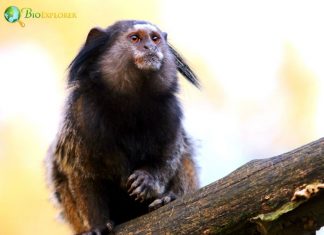
Black-Tufted Marmoset
The black-tufted marmoset, also called the Black-pencilled marmosets or Mico-estrela in Portuguese is a type of New-World monkey. They live mainly in the neotropical gallery forests of the central Brazilian plateau.
Read more
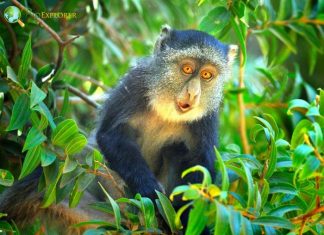
Blue Monkey
The blue monkey is a species of Old-World monkey endemic to east and central Africa, ranging from the upper Congo Basin east to the East African Rift Valley and south to Zambia and northern Angola.
Read more
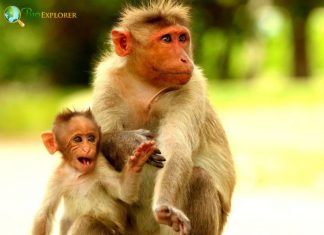
Bonnet Macaque
The Bonnet Macaque, also called Zati, is a species of macaque native to southern India. Bonnet macaques get their common name from a unique feature: a hood-like tuft of hair that extends from the top of their head, much like a tuft of dry grass. Their marble-round eyes look out into the world with a very expressive forehead.
Read more

Brumback’s Night Monkey
Brumback's Night Monkey is a nocturnal monkey species found in Colombia. Still, recently, it has been argued that it should be considered a separate species. The species is named in honor of the American naturalist and physician Roger Brumback.
Read more
Buffy-headed Marmoset
The buffy-headed marmoset is a rare species of marmoset native to the tropical rainforests of southeastern Brazil. These miniature and shy monkeys are mostly tree dwellers, crawling on 4 legs (quadrupeds) from tree to tree with jerky, squirrel-like movements.
Read more
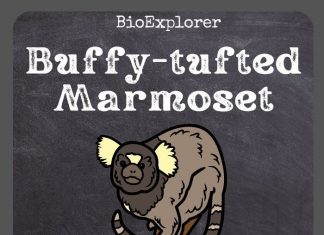
Buffy-tufted Marmoset
The buffy-tufted marmoset, also called the white-eared marmoset or buffy-tufted-ear marmoset is a New World monkey living in the forests of the Atlantic coast of southeastern Brazil. Unlike most marmoset monkeys, buffy-tufted-ear marmosets are mainly insectivorous, although their diet is generally carnivorous.
Read more
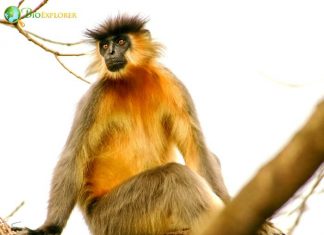
Capped Langur
The capped langur is a type of monkey in the Cercopithecidae family. These langurs can vary in appearance. This Asian primate gets its name from the thick hairs on the top of the head, typically gray or black.
Read more

Cazuza’s Saki
Cazuza's Saki is native to northwestern Brazil. Populations of this species were previously classified as Rio Tapajós saki (Pithecia irrorata). Still, a 2014 study found that these populations had a pelage distinct from all other species in the genus and were therefore considered their own species, Pithecia cazuzai.
Read more
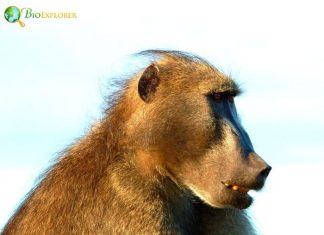
Chacma Baboon
Like all other baboons, the Chacma baboon, the Cape baboon, belongs to the Old-World monkey family. Chacma baboons have a habit of flipping over rocks in search of food. So, it's pretty easy to spot where a group of Chacmas once foraged.
Read more

Coastal Black-handed Titi
The coastal black-handed titi is another species of titi, a New World primate native to the Atlantic Forest of northeastern Brazil. Coastal black-handed Titi monkeys vocalize synchronously early in the morning, possibly to announce their presence in their territory.
Read more

Coimbra Filho’s Titi
or Coimbra titi is a species of titi, a New World primate native to the forests of the Brazilian states of Sergipe and Bahia. It is named in honor of Adelmar F. Coimbra-Filho, founder and former director of the Rio de Janeiro Primate Center, for his Brazilian biology and primatology work.
Read more
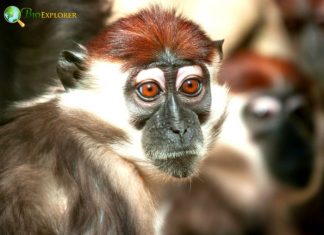
Collared Mangabey
The collared mangabey, also called the white-collared mangabey or red-capped mangabey, is an Old-World monkey endemic to the Atlantic coast of central and west Africa. Its distinctive chestnut-red cap gives the species the name red-capped mangabey, and its white collar gives it the names white-collared and collared mangabey.
Read more

Collins’ Squirrel Monkey
Collins' Squirrel Monkey is a species of squirrel monkey endemic to Brazil. Until a genetic study by Jessica Lynch Alfaro et al. raised them to the species category, Collins' squirrel monkey had been considered a subspecies of the squirrel monkey (Saimiri sciureus).
Read more
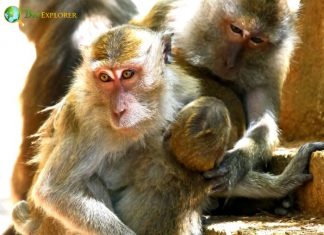
Crab-Eating Macaque
The crab-eating macaque also called the long-tailed macaque and known in laboratories as the cynomolgus monkey, is a primate monkey endemic to Southeast Asia. Crab-eating macaque macaques live in multi-male groups comprising around 30 members.
Read more

Cross Marked Langur
The Sarawak surili, also known as Cross-marked Langur, is a monkey species in the Cercopithecidae family. The Sarawak surili was once considered widespread but has declined significantly due to habitat and loss persecution.
Read more
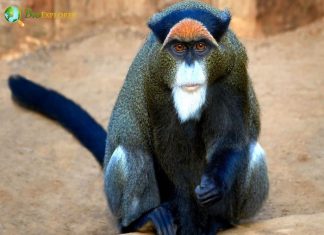
De Brazza’s Monkey
De Brazza's monkey is an Old-World primate native to central Africa's swamp and riverine forests. It is the largest species of the guenon family and one of the most widespread African arboreal primates.
Read more

Dent’s Mona Monkey
The expressive face of Dent's mona monkey is characterized by golden eyes; a flat, long, dark nose; and a pink chin and mouth. Dent mona monkeys are often found in the company of other primate species.
Read more
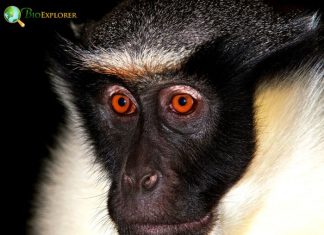
Diana Monkey
The Diana monkey is an Old-World primate found in the high-canopy forests of Liberia, Sierra Leone, and the western Ivory Coast. Diana monkeys get their name from the white crescent-shaped headband that resembles the crescent moon on the forehead of the Roman goddess Diana, protector of woodlands and wildlife.
Read more
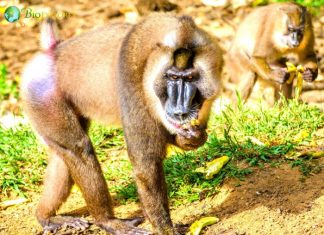
Drill
The Drill is a primate in the Cercopithecidae family (Old-World monkeys), related to baboons and even more closely to mandrills. Like mandrills, drills are highly social animals that live in groups of around 20 individuals with multiple males and females, with one male dominating reproductive decisions.
Read more

Dryas Monkey
The Dryas monkey, also called the Salonga monkey, Inoko, or Ekele is a little-known Old World primate only found in the Congo Basin and restricted to the Congo River's left bank. Unlike guenon monkeys, which make loud leaps and resounding calls, dryas monkeys move silently.
Read more
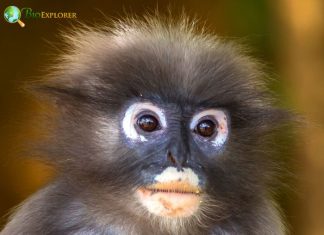
Dusky Langur
Dusky langurs also known as spectacled langurs, spectacled leaf monkeys, and dusky leaf monkeys, are primarily found in the Malay Peninsula in Asia. White rings surrounding the deep, dark eyes give the species its alternative name, the spectacled monkey or spectacled langur, for a "bespectacled" look.
Read more
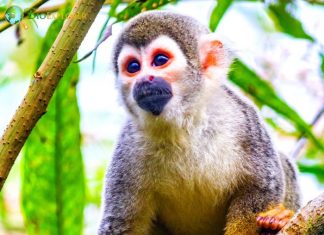
Ecuadorian Squirrel Monkey
The Ecuadorian squirrel monkey is a species of the squirrel monkey. Although it occasionally ventures to the ground to play or feed, the Ecuadorian squirrel monkey is strictly an arboreal primate.
Read more
Emilia’s Marmoset
The Emilia's marmoset also called the Snethlage's marmoset, is a marmoset native to Brazil. The species is named after Emilie Snethlage, a German-born Brazilian ornithologist.
Read more
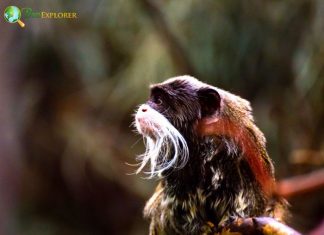
Emperor Tamarin
The Emperor Tamarin is a species of tamarin named for its resemblance to the German Kaiser Wilhelm II. It lives in the states of Acre and Amazonas, western Brazil, and the southwestern Amazon basin.
Read more
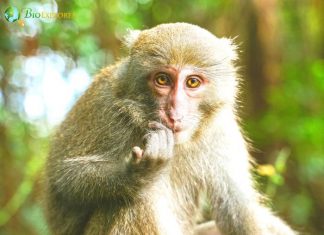
Formosan Rock Macaque
The Formosan rock macaque also called the Taiwanese macaque, or Formosan rock monkey, is a macaque native to the island of Taiwan. Aside from humans, Formosan rock macaques are the only native primates living in Taiwan.
Read more
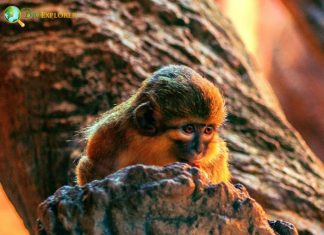
Gabon Talapoin
The Gabon talapoin, also called the northern talapoin, is a small species of African primate endemic to riverine habitats in Gabon, Equatorial Guinea, Cameroon, the far western Democratic Republic of the Congo, and the western Republic of the Congo.
Read more
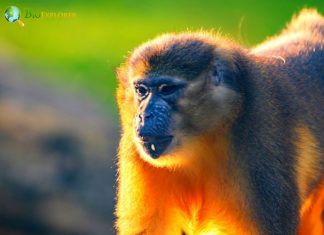
Golden-Bellied Mangabey
The golden-bellied mangabey (Cercocebus chrysogaster) is a gregarious Old-World monkey found in humid, swampy forests south of the Congo River. Golden-bellied mangabeys are a migratory and social species, moving in groups of 8 to 30 members.
Read more

Gray Snub-Nosed Monkey
The gray snub-nosed monkey (Rhinopithecus brelichi), also called Guizhou golden monkey, Brelich's snub-nosed monkey, and Guizhou snub-nosed monkey is a species of primate in the Cercopithecidae family. The confirmed range of the gray snub-nosed monkey is endemic to China (Fanjingshan National Nature Reserve in Wuling Mountains of Guizhou Province).
Read more
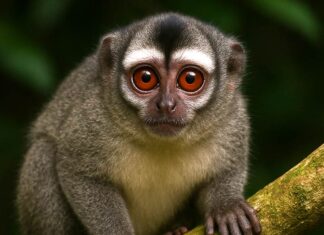
Gray-bellied Night Monkey
The gray-bellied night monkey (Aotus lemurinus) is a rare nocturnal primate found in the cloud forests of Colombia and Ecuador. Recognizable by its red eyes, gray underbelly, and woolly coat, it thrives in dense canopies where it feeds on fruits, insects, and nectar. Its nocturnal habits reduce competition and help it evade predators like owls and snakes. As both seed disperser and prey, it plays a key ecological role—yet habitat loss continues to threaten its survival.
Read more
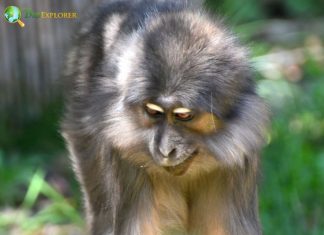
Gray-Cheeked Mangabey
The gray-cheeked mangabey (Lophocebus albigena), also called the white-cheeked mangabey, is an Old World monkey found in the forests of central Africa. Gray-cheeked mangabeys belong to the same family (Cercopithecinae) and phylum (Papionini) as mandrills, macaques, and baboons.
Read more
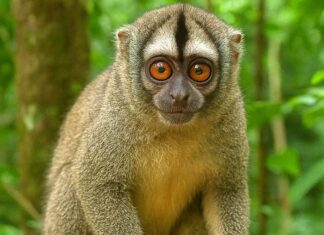
Gray-handed Night Monkey
The gray-handed night monkey (Aotus griseimembra) is a small, nocturnal primate native to Colombia, Venezuela, and Panama. Known for its large owl-like eyes and gray limbs, this tree-dwelling monkey thrives in rainforest canopies and plays a vital role as a seed disperser. Monogamous and family-oriented, it relies on both parents—especially the father—for infant care. Though adaptable, habitat loss, hunting, and the pet trade threaten its survival, earning it a Vulnerable status on the IUCN Red List. Conservation efforts are crucial to preserve this unique night-dweller and its forest ecosystem.
Read more

Gray-Shanked Douc Langur
The gray-shanked douc langur (Pygathrix cinerea) is a species of douc endemic to the Vietnamese provinces of Gia Lai, Quảng Ngãi, Kon Tum, Bình Định, and Quảng Nam. Genetically, Gray-shanked douc langurs are similar to Red-shanked douc langurs (Pygathrix nemaeus).
Read more
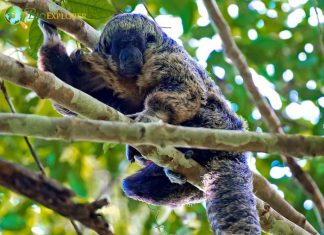
Gray’s Bald-faced Saki
Gray's Bald-faced Saki (Pithecia irrorata), also known as Rio Tapajós saki, is a New World monkey native to South America. These monkeys are renowned for being reclusive because they avoid humans and quiet nature.
Read more
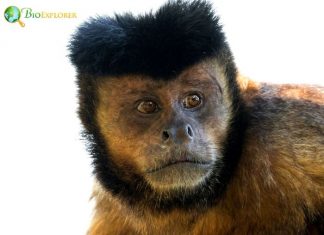
Guianan Brown Capuchin
The tufted capuchin (Sapajus apella), also called the pin monkey, Guianan brown capuchin, or black-headed capuchin is a New World monkey native to South America and the Caribbean islands of Margarita and Trinidad.
Read more
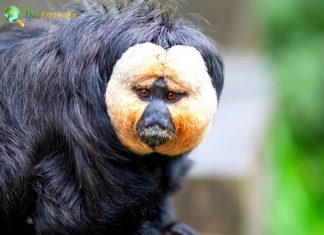
Guianan Saki
The white-faced saki (Pithecia pithecia), also known as the golden-faced saki, Guianan saki, and Guyana saki, is a New World saki monkey species. Typically, they have a lifespan of around 14 years in the wild and have lived up to 36 years in captivity.
Read more
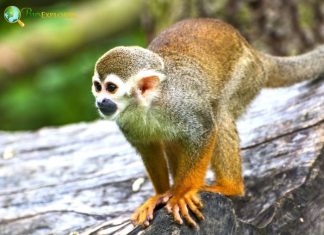
Guianan Squirrel Monkey
The Guianan squirrel monkey, also called the South American squirrel monkey, is a squirrel monkey found in Guiana, Brazil, and Venezuela. Saimiri sciureus was once thought to belong to the Collins' squirrel monkey and the Humboldt's squirrel monkey. Still, genetic research in 2009 and 2015 showed they were different species.
Read more
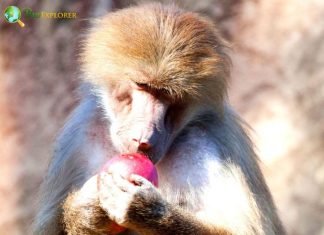
Hamadryas Baboon
The Hamadryas baboon (Papio hamadryas) is a baboon species in the Old World monkey family. The Hamadryas baboon was a sacred animal to the ancient Egyptians. It appeared in various roles in ancient Egyptian religion, hence its alternative common name, "sacred baboon".
Read more
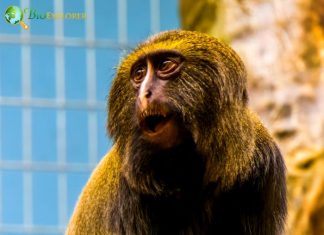
Hamlyn’s Monkey
The Hamlyn's monkey (Cercopithecus hamlyni), also called the owl-faced monkey, is an Old World monkey inhabiting the Congo's bamboo and primary rain forests. Hamlyn's monkeys have unique feet and hands in elongated phalanges.
Read more
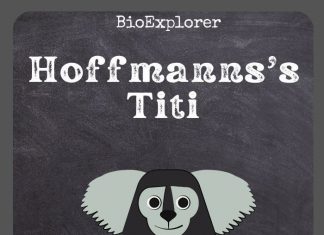
Hoffmann’s Titi
Hoffmann's Titi (Plecturocebus hoffmannsi) is a New World primate native to Brazil. It was described as Callicebus hoffmannsi in 1908. These primates have small to medium-sized bodies. Hoffmann's titis are known to live in small, pair-bonded, and territorial groups and are considered monogamous by most biologists.
Read more

Hose’s Langur
The Hose's langur (Presbytis hosei) is a primate species in the Cercopithecidae family native to the island of Borneo, which includes Brunei, Kalimantan (Indonesia), and eastern Malaysia. The species was first identified in 1985 in Sangkulirang Peninsula and Kutai National Park in East Kalimantan, Indonesia.
Read more
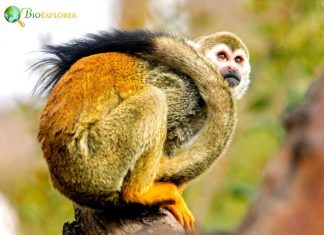
Humboldt’s Squirrel Monkey
Humboldt's squirrel monkey (Saimiri cassiquiarensis) is a species of squirrel monkey found in South America's tropical rainforests, except for the coastal forests of southeastern Brazil.
Read more
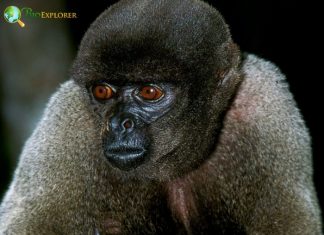
Humboldt’s Woolly Monkey
Humboldt's woolly monkey, common woolly monkey, or brown woolly monkey (Lagothrix lagothricha) is a woolly monkey endemic to South America. Humboldt's woolly monkeys can show subtle mood swings and intentions with various facial expressions.
Read more
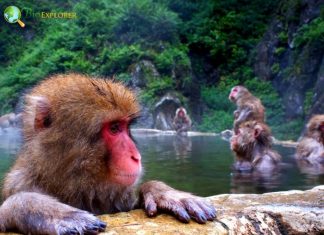
Japanese Macaque
The Japanese macaque (Macaca fuscata), also called the snow monkey, is a terrestrial Old World species of monkeys endemic to Japan. Japanese macaques from southern regions generally weigh less than those in northern regions of higher altitudes, where there is more snow during the winter months.
Read more
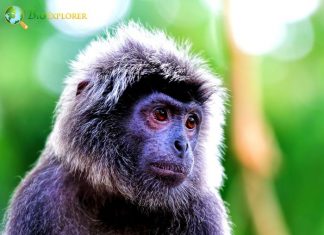
Javan Surili
The grizzled surili (Presbytis comata) is a threatened species of Old World monkey native to the western half of Java, Indonesia, a biodiversity hotspot. The grizzled surili engages in 3 to 4 foraging and feeding fights throughout the day.
Read more
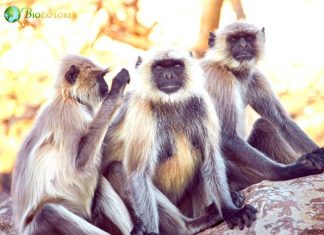
Kashmir Gray Langur
The Kashmir gray langur is an Old-World monkey, one of the species of langurs. The Kashmiri gray langur derives its scientific name, Semnopithecus ajax, from a character in the ancient Greek poem - The Iliad - set during the Trojan War.
Read more
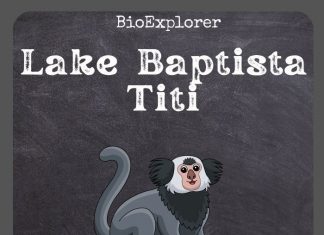
Lake Baptista Titi
The Lake Baptista titi, Plecturocebus baptista, is a species of titi, a New World monkey native to Brazil. Lake Baptista Titi was initially described as Callicebus baptista in 1939.
Read more
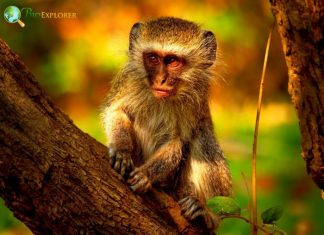
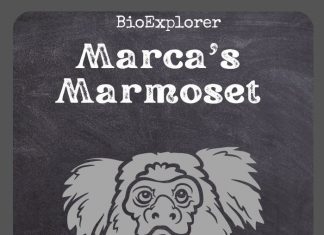
Marca’s Marmoset
The Marca marmoset (Mico marcai) is a native endemic to the Amazon in the Aripuanã-Manicoré interfluvium of Brazil. Marca marmosets that submit to a dominant individual show this by baring their teeth and laying their ears flat.
Read more

Miller’s Langur
Miller's Langur (Presbytis canicrus), also called the Kutai Gray Langur, is the rarest of the four Hosei subspecies, all of which are native to the island of Borneo. One of the world's most endangered primates, Miller's langur, was once considered extinct until it was rediscovered in 2013.
Read more

Miller’s Saki
Miller's Saki (Pithecia milleri), also called Miller's monk saki, is a species of the saki family, a type of New World monkey. Miller's sakis are diurnal and quadrupedal leapers. They usually move on all fours but can be seen swinging bipedally on large branches before leaping to another tree.
Read more

Mitered Langur
The mitered langur has brown or gray fur on its back, darker, while it is even darker on its belly and the arms, legs, and tail. These Indonesian primates live in groups of 1 male with 5 to 17 females.
Read more
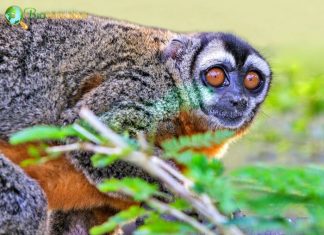
Nancy Ma’s Night Monkey
Nancy Ma's Night Monkey (Aotus nancymaae) is a species of night monkey from South America. Nancy Ma's night monkeys are social. They form small groups of 2 to 5 individuals, all directly related to each other.
Read more
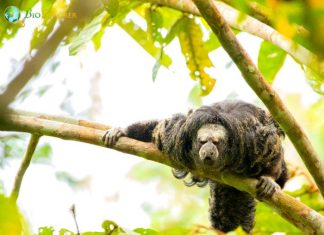

Natuna Island Surili
The Natuna Island Surili (Presbytis natunae) is a primate species in the Cercopithecidae family. The species is native to the Indonesian island of Natuna Besar. The species is native to the Indonesian island of Natuna Besar.
Read more
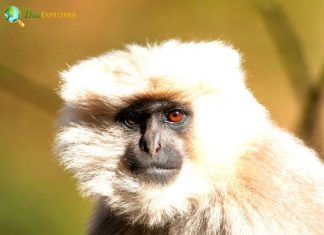
Nepal Gray Langur
The Nepal gray langur (Semnopithecus schistaceus) is a gray langur native to the Himalayas of Nepal, extreme southwestern Tibet, northern Pakistan, northern India, Bhutan, and possibly Afghanistan. The Nepal gray langur is both terrestrial and arboreal.
Read more
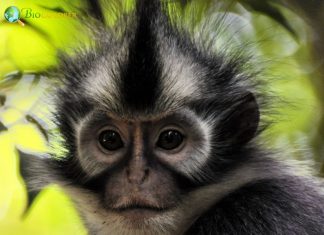
North Sumatran Leaf Monkey
The North Sumatran leaf monkey (Presbytis thomasi), also called Thomas's langur, is a primate species in the Cercopithecidae family. The North Sumatran leaf monkeys spend most of the day in groups resting, moving, or feeding.
Read more

Ornate Titi
The ornate titi (Plecturocebus ornatus) is a species of titi and the smallest member of the Pitheciidae family, including the uakari and saki monkeys. Ornate titis have a monogamous mating system. A couple has a strong bond and stays together for years.
Read more

Oustalet’s Red Colobus
(Piliocolobus oustaleti) is another species of red colobus that lives in various forest types in the southern Central African Republic, southern South Sudan, northern Democratic Republic of the Congo, and northeastern Congo.
Read more
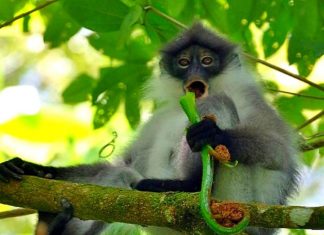
Pale-Thighed Langur
The pale-thighed surili (Presbytis siamensis), also called the white-thighed langur, is a primate species in the Old World monkey family (Cercopithecidae). Pale-thighed langurs are savvy herbivores; it's fun to say they only eat plants and have a fussy palate, with a preference for young leaves, seeds, and fruits.
Read more
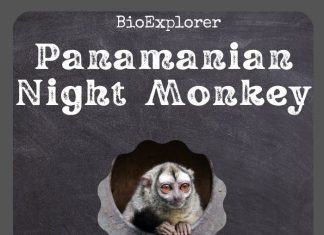
Panamanian Night Monkey
The Panamanian night monkey or Chocoan night monkey (Aotus zonalis) is a species of night monkey formerly considered a subspecies of the grey-bellied night monkey in the Aotidae family. Panamanian night monkeys are sympatric with other species. They do not compete for resources with other animals in their range due to their alternate schedules.
Read more
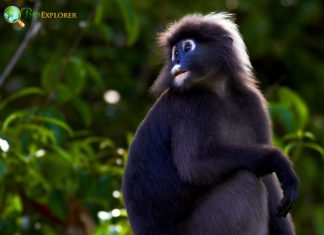
Phayre’s Langur
Phayre's leaf monkey (Trachypithecus phayrei), also called the Phayre's langur, is a species of Lutung endemic to South and Southeast Asia. The name commemorates the late Sir Arthur Purves Phayre, a lieutenant general in the British Indian Army and commissioner of the entire province of former British Burma.
Read more
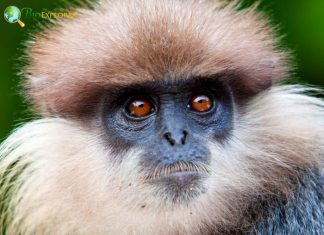
Purple-faced Langur
The purple-faced langur (Semnopithecus vetulus), also called the purple-faced leaf monkey, is an Old World species native to Sri Lanka. The purple-faced langur is found in the closed forests of Sri Lanka's mountains and in the southwestern part of the country known as the 'wetland'.
Read more
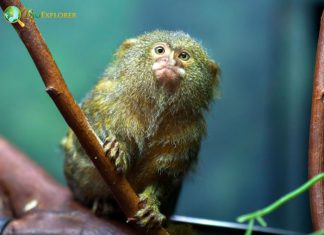
Pygmy Marmoset (Finger Monkey)
The pygmy marmoset (smallest monkey), genus Cebuella (also known as Finger Monkey), is a small genus of New-World monkeys endemic to the tropical rainforests of the western Amazon Basin in South America. Pygmy marmosets are also highly territorial, using scent glands to mark territories of up to 100 hectares.
Read more

Red-bellied Monkey
The red-bellied monkey (Cercopithecus erythrogaster), also called the red-bellied guenon or white-throated guenon is a diurnal primate living in the trees of tropical rainforests or tropical areas in Benin and Nigeria. The red-bellied monkey was once considered extinct due to constant hunting for fur on its unique red belly and white front legs.
Read more
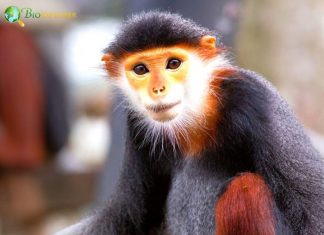
Red-Shanked Douc Langur
The red-shanked douc langur is an Old-World monkey species that is one of the most colorful primates. Red-shanked douc langurs are genetically similar to gray-shanked douc langurs; however, they are considered a different species due to their different biological characteristics.
Read more

Río Cesar White-fronted Capuchin
The Río Cesar white-fronted capuchin (Cebus cesarae) is a gracile capuchin monkey native to the Cesar River Valley in northern Colombia. Like other monkeys of the genus Cebus, the Río Cesar white-fronted capuchin is named after the order of the Friar Capuchins because the crests of these friars closely resemble the coloring of the monkey's head.
Read more
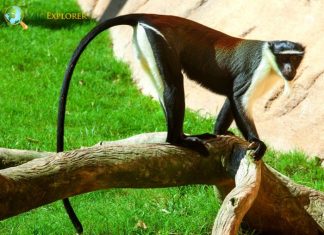
Roloway Monkey
Roloway monkeys (Cercopithecus roloway), also called Roloway guenons, are Old World monkeys native to Ghana and the Ivory Coast. Roloway monkeys resemble Diana monkeys in appearance, a species with which they were once confused.
Read more
Rondon’s Marmoset
Rondon's Marmoset (Mico rondoni), also called the Rondônia marmoset, is a small species of monkey in the Callitrichidae family found in the southwestern Amazon of Brazil. Rondon's marmoset was only described in 2010, and its name refers to the famous Amazon explorer Cândido Rondon.
Read more

Saban Grizzled Langur
Saban Grizzled Langur was once thought to be a subspecies of the Hose's langur, Presbytis hosei (as Presbytis hosei sabana). The Saban grizzled langur is endemic to the island of Borneo in the Malaysian province of Sabah, with part of its range in Indonesia.
Read more
Schmidt’s Red-tailed Monkey
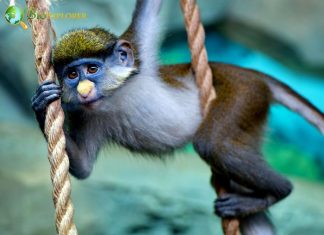
The Schmidt's red-tailed monkey, also called the red-tailed guenon, Schmidt's guenon, or black-cheeked white-nosed monkey is a primate species in the Cercopithecidae family. The Schmidt's red-tailed monkey is named for its red coloration on the underside of its tail, as well as the bicolor coloration of its tail as the reddish color increases from the base to the tip.
Read more

Sclater’s Guenon
(Cercopithecus sclateri), also called the Sclater monkey and Nigerian monkey is an Old-World monkey. Sclater's guenon is an Old-World monkey first described by Reginald Innes Pocock in 1940 and named for zoologist and ornithologist Philip Sclater.
Read more
Selangor Silvered Langur
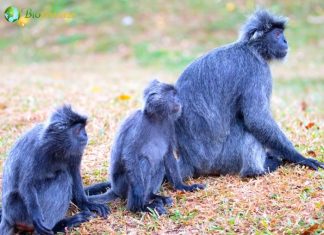
The Selangor silvered langur (Trachypithecus selangorensis) is a leaf monkey living on the west coast of the Malay Peninsula. Like most leaf monkeys, the Selangor silvered langur usually lives in groups of a single adult male and several adult females and their young offspring.
Read more
Shortridge’s Capped Langur
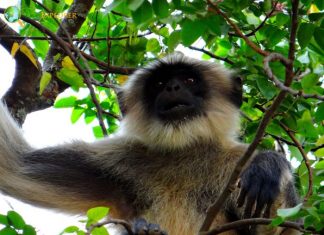
The Shortridge's capped langur (Trachypithecus shortridgei) is a colobine primate inhabiting low to medium evergreen and semi-evergreen forests east of the Chindwin River in northeastern Myanmar and southwestern Myanmar, China, in the Nu and Dulong valleys.
Read more
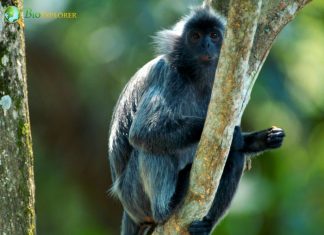
Silvered Langur
The silvery Lutung (Trachypithecus cristatus), also called the silvery langur or silvered leaf monkey is an Old-World monkey. Silvery Lutungs primarily live in trees.
Read more
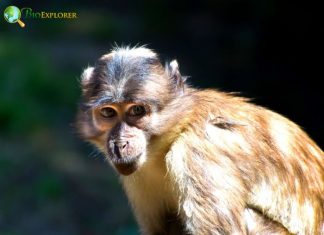
Sooty Mangabey
The sooty mangabey, also called the white-collared or white-crowned mangabey is a predominantly terrestrial Old-World monkey. Sooty mangabeys remember the location of the fallen fruit and can tell whether or not a tree is bearing fruit.
Read more
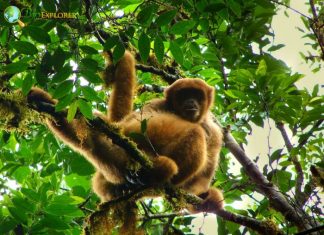
Southern Muriqui
The southern muriqui or woolly spider monkeys (Brachyteles arachnoides) are scattered across southeastern Brazil, from Bahia north to Sao Palo south. The southern muriqui is one of the largest primates in South America, with males weighing around 15 kg and females around 12 kg.
Read more
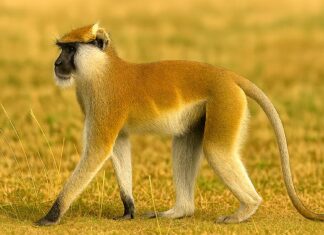
Southern Patas Monkey
The Southern Patas Monkey (Erythrocebus baumstarki), native to Tanzania, is a critically endangered primate known for its speed, elusive nature, and striking coloration. Once widespread, its population now teeters between 100–200 individuals due to habitat loss and human threats. Inhabiting open acacia woodlands, these ground-dwelling monkeys play a vital ecological role in seed dispersal and insect control. Conservation efforts are urgently needed to protect this rare species and restore its shrinking habitat range.
Read more
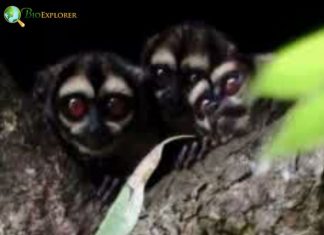
Spix’s Night Monkey
The Spix's night monkey (Aotus vociferans), also called the Spix's owl monkey, Colombian gray nocturnal monkey, and noisy night monkey is a species of night monkey native to South America.
Read more

Spix’s White-fronted Capuchin
Spix's White-fronted Capuchin (Cebus unicolor) is a species of a gracile capuchin monkey. The species is widespread in the upper Amazon basin in Peru and Brazil. It is also present in northern Bolivia. According to the genetic studies by Boubli et al., Ryland and Mittermeier elevated it to a distinct species.
Read more

Sun-Tailed Monkey
The sun-tailed monkey (Allocrocebus solatus) is among the most understudied primates in its habitat. Discovered as a new species in 1988, it is classified as a guenon, a member of the Cercopithecus genus, but later moved to the Allochrocebus genus.
Read more

Tana River Mangabey
Tana River Mangabeys are medium-sized monkeys with long, light gray hair covering most of their bodies. Tana River Mangabeys are highly social animals, living in multi-female social groups averaging 27 individuals in size.
Read more

Tana River Red Colobus
The Tana River red colobus (Piliocolobus rufomitratus), also called the eastern red colobus, is a critically endangered primate species in the Cercopithecidae family. The Tana River red colobus monkeys are the only one of 18 species of red colobus that do not live in the tropical rainforest.
Read more
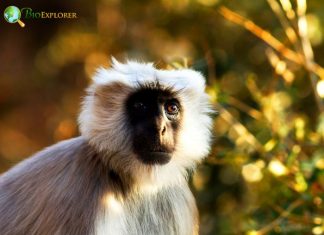
Tarai Gray Langur
The Tarai gray langur (Semnopithecus hector) is an Old-World monkey and was once thought to be a subspecies of the northern plains gray langur. The Latin name for Tarai gray langurs is inspired by Hector, the prince of Troy.
Read more
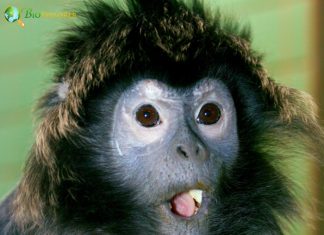
Tenasserim Langur
Tenasserim lutung (Trachypithecus barbei) is a species of lutung. It occurs in Thailand and Myanmar. The species derived its common name from the Tenasserim Hills.
Read more
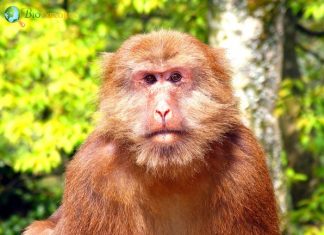
Tibetan Macaque
The Tibetan macaque (Macaca thibetana), also called the Chinese stump-tailed macaque is a macaque native to eastern Tibet, eastern Guangdong, and northern Shaanxi in China. Tibetan macaques are the largest of the macaques and have a strong, muscular build with dense fur that ranges in color from gray to brown.
Read more
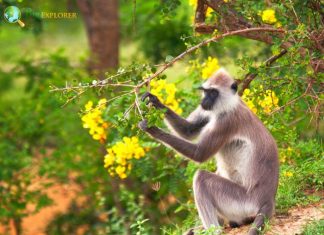
Tufted Gray Langur
The tufted gray langur (Semnopithecus priam), also called the Coromandel sacred langur and the Madras gray langur, is an Old-World monkey, one of the langur species. These langurs are generally shy and only descend when there is no visible danger.
Read more

Urubamba Brown Titi
The Urubamba brown titi (Plecturocebus urubambensis) is a species of Titi, a New World monkey native to Peru. This species is found east of the Tambo River and west of the Urubamba, Manú, and Madre de Dios rivers.
Read more
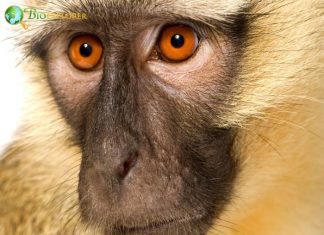
Vervet Monkey
The vervet monkey (Chlorocebus pygerythrus) is an Old World monkey of the Cercopithecidae family endemic to southern and eastern Africa. Not only can vervet monkeys skilfully navigate through the treetops, but they can also swim.
Read more
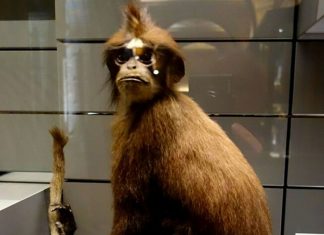
White-fronted Langur
The white-fronted surili (Presbytis frontata) is a primate species in the Cercopithecidae family, the Old World monkeys. This species prefers to eat immature leaves than more mature leaves.
Read more
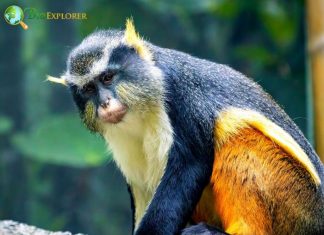
Wolf’s Mona Monkey
The Wolf's mona monkey (Cercopithecus wolfi), also called the wolf monkey, is a colorful Old-World monkey in the Cercopithecidae family. Wolf's mona monkeys have huge cheek pouches.
Read more
Recommended Readings:
Black Monkeys | White Monkeys | Green Monkeys | Red Monkeys | Brown Monkeys | Orange Monkeys | Yellow Monkeys
Black Monkeys | White Monkeys | Green Monkeys | Red Monkeys | Brown Monkeys | Orange Monkeys | Yellow Monkeys