
Top 100 BEST Fragrant Flowers
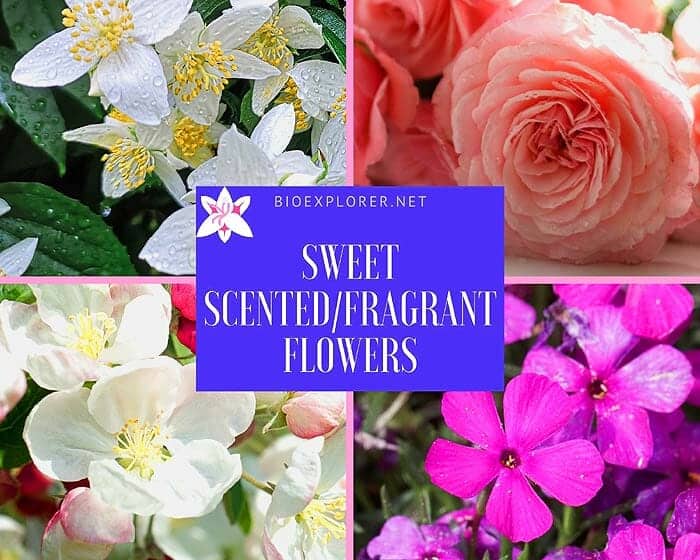
Fragrant Flowers: Imagine wandering through the forest on a crisp spring morning. You can smell the sap oozing from the bark and feel the dew on your feet. Then, suddenly, you notice the unmistakable scent of roses in full bloom beside you.
Love the smell of roses? If so, you’re not alone. The fragrance of flowers can be addictive to humans, drawing us closer and closer to the source with each inhale. The origin of this effect is still up for debate, but we know that it may be one more way flowers are essential for our everyday lives.
Jump to:
How Do Flowers Make Fragrances?
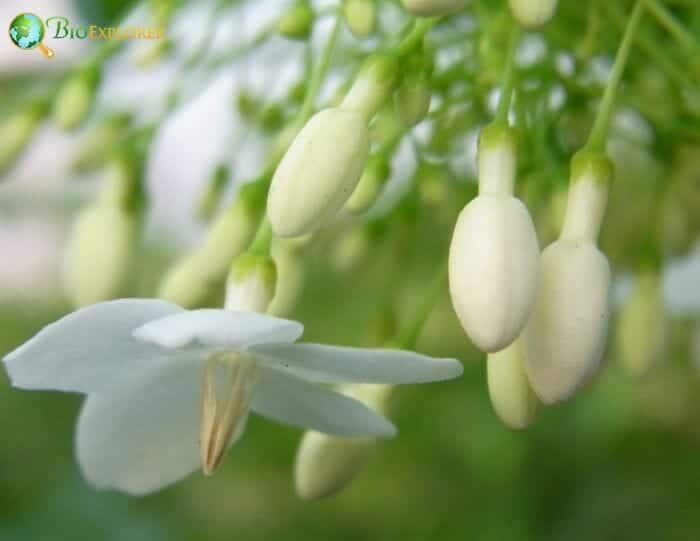
Most fragrant flowers release their scents via Methyl benzoateWhat is Methyl benzoate?Methyl benzoate is an organic compound consisting of a methyl group attached to the benzene ring of benzoic acid, commonly used as a fragrance ingredient in perfumes and as a flavoring agent in foods and beverages.[1] and BenzaldehydeWhat is Benzaldehyde?Benzaldehyde is an organic compound with a characteristic almond-like odor, commonly used in the production of flavors, fragrances, and dyes, as well as in the synthesis of various organic chemicals.. These chemical aromatic volatile compounds give off a sweet odor.
- Methyl benzoate is evaporated from petals and leaves to create a scent after hours of contact with sunlight, while benzaldehyde forms once flowers release their fragrance.
- The chemical compound Eugenol can be found in flowering plants such as basil or thyme, which is responsible for the scent of each flower. Eugenol is also found in cloves extracted from the flower and used as a perfume base.
- Smelling flowers also release these chemicals when crushed in one’s hand, when it rains or when an insect pollinates them. These natural scents[2] vary slightly depending on the flower’s geographic region and age.

Why Do Flowers Give Fragrance?
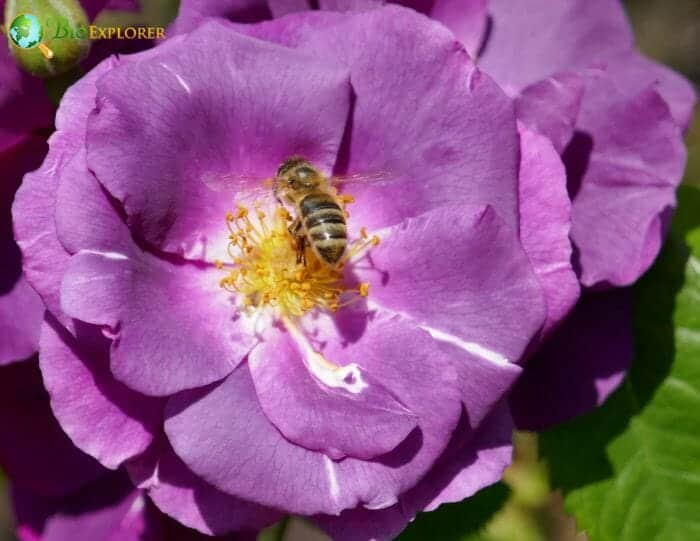
The flower fragrance is a vital part of pollination. Its purpose is to attract insects and birds to the flower so that the plant can reproduce.
- Many best-smelling flowers release a scent in the evening or night, such as star Jasmine, Gardenia, and Moonflower. This helps attract nocturnal insects like moths to pollinate the flowers at night.
- Flowers that smell good release a scent during the daytime attract bees and butterflies more often. For example, Hibiscus plants attract bees with their sweet odor, and sunflowers attract bees with strong colors.
- Bees use their sense of smell and color recognition skills (bee color vision, for example) to find where nectar is. Pollen also has a smell that attracts insects like flies, who spread pollen from one flower’s anthers to another flower’s stigma.
- Besides attracting insects that help reproduction, the scent also serves a vital role in avoiding predators and diseases.
- Compared to animals that use vision, olfaction is a less-sensitive sense. However, the scent is helpful for flowering plants because they cannot move; they must rely on attracting pollinators with their fragrance so the insects can help them reproduce.
Thus, the aroma is a signal that directs pollinators to scented flowers whose nectar and pollens are their rewards.
What Parts of the Flowers Produce Fragrance?
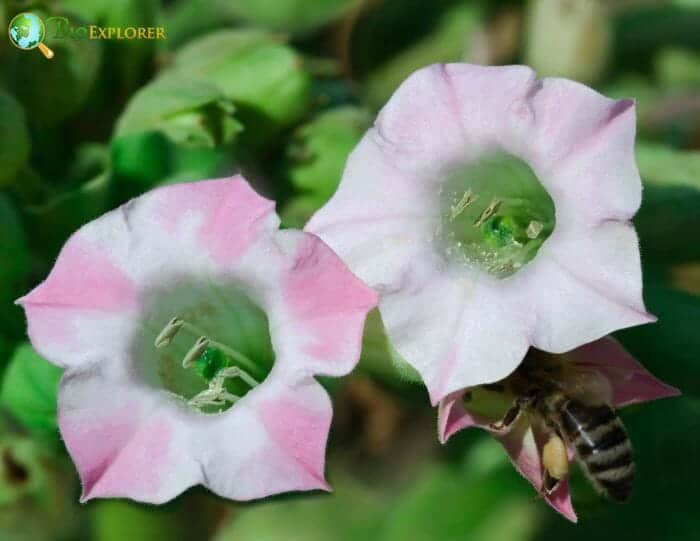
The strongest fragrance comes from the petals, followed by the leaves, then the root.
- The fragrance released results from the essential oils found in the plant. The amount of fragrance released depends on several factors, such as temperature, humidity, and plant growth stage.
- If a flower has no scent whatsoever, it may be because it was damaged during harvesting or no essential oils are present.
- The aroma of a flower can vary greatly depending on what type of plant it is and how long it has been in bloom.
Do all flowers have a fragrance?
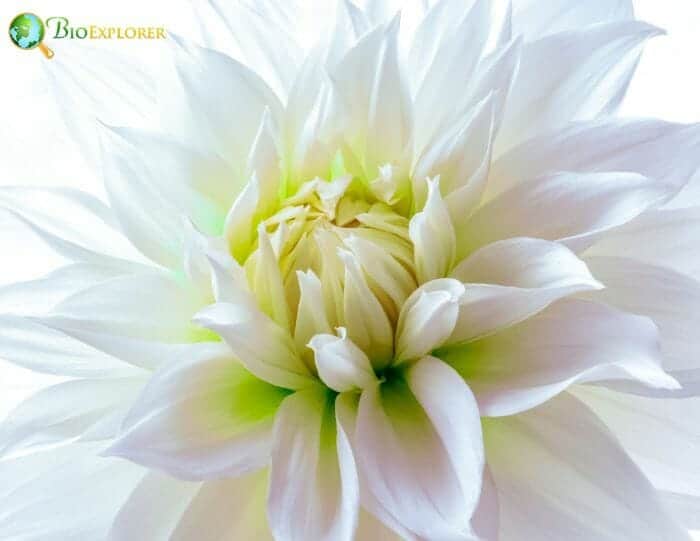
Best Fragrant Flowers
Almond Blossom
Apple Blossom
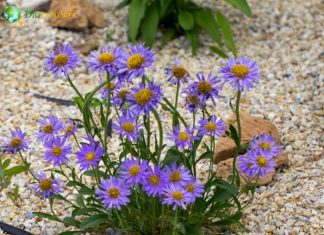
Aromatic Aster
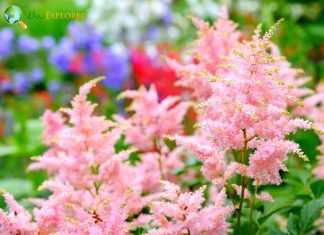
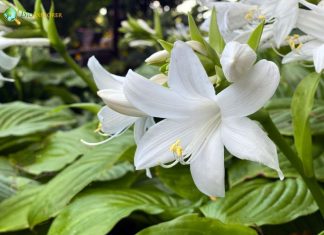
August Lily
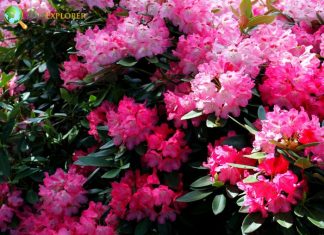
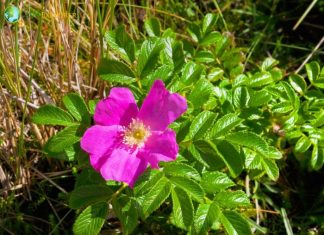
Beach Rose
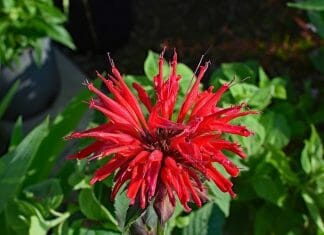
Bee Balm
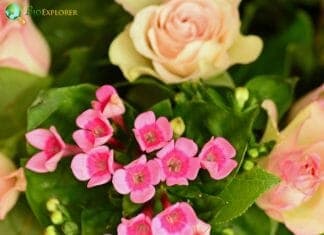
Bouvardia
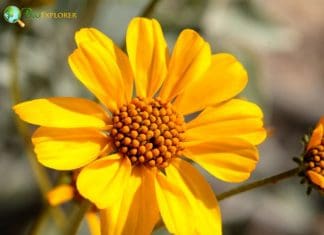
Brittlebush
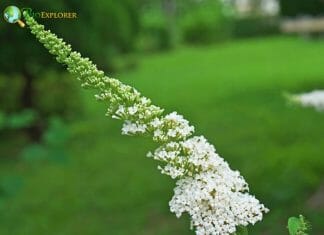
Buddleia
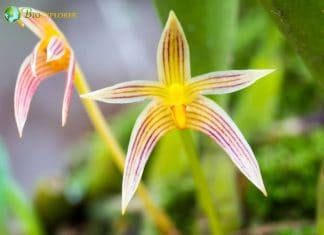
Bulbophyllum
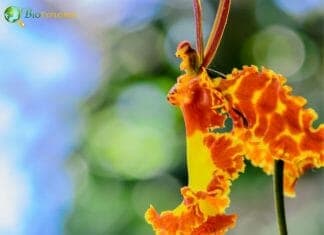
Butterfly Orchid
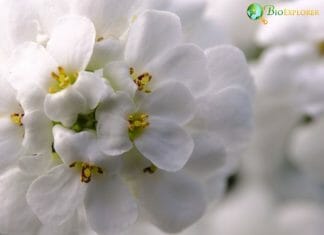
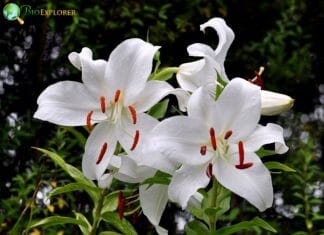
Casa Blanca
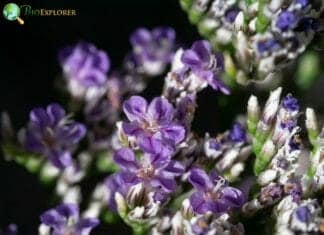
Caspia
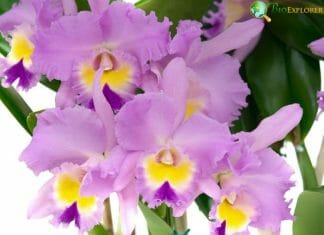
Cattleya
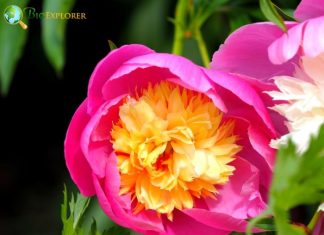
Chinese Peony
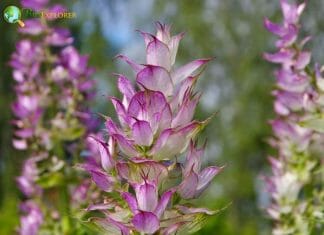
Clary sage
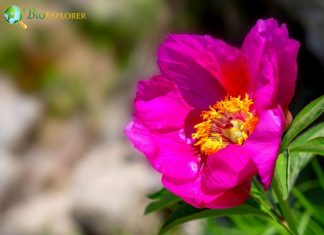
Common Peony
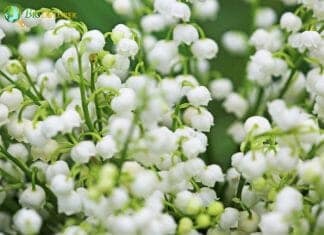
Convallaria
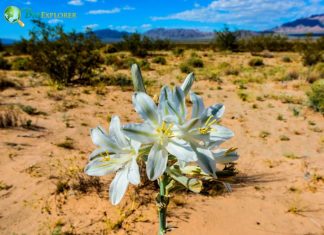
Desert Lily Flower
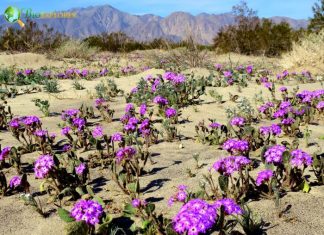
Desert Sand Verbena
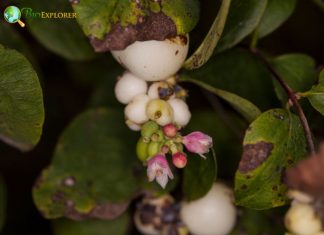
Desert Snowberry
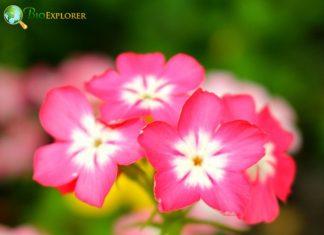
Drummond’s Phlox
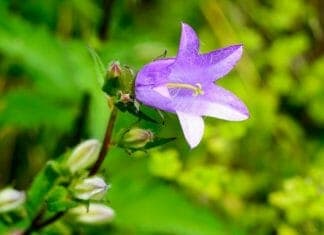
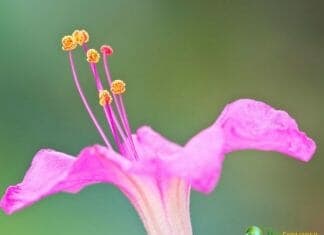
Four O’ Clock
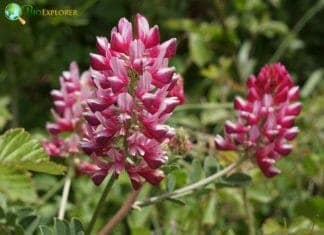
Hedysarum
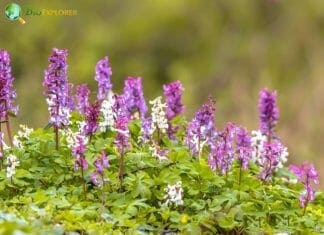
Hollowroot
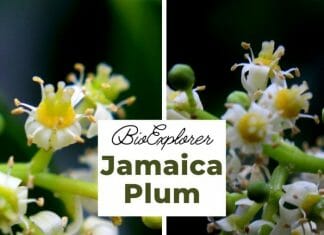
Jamaica plum
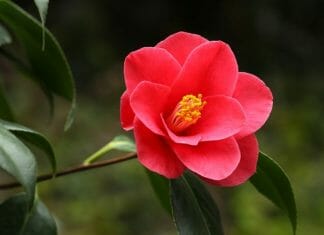
Japanese Camellia
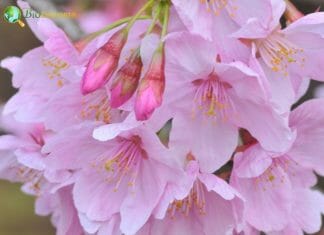
Japanese Cherry Blossom
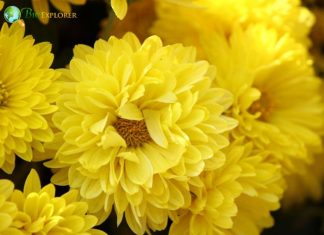
Japanese Chrysanthemum
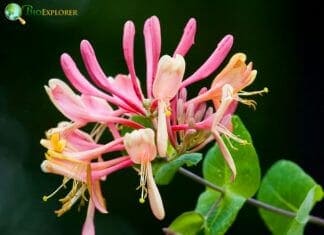
Japanese Honeysuckle
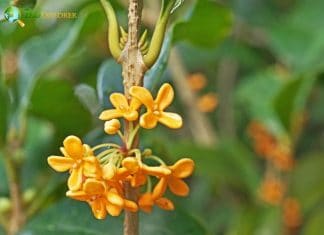
Japanese Orange Osmanthus
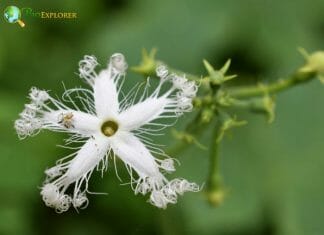
Japanese Snake Gourd
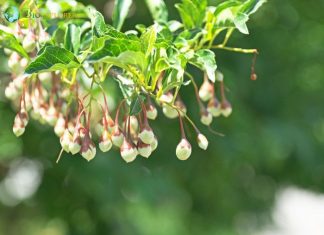
Japanese Snowbell

Japheth Orchid
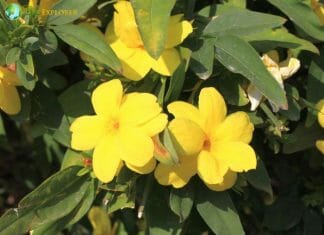
Jessamine
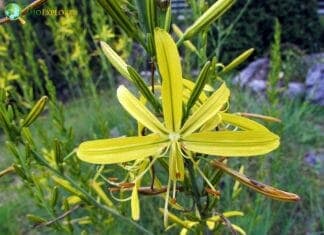
King’s Spear
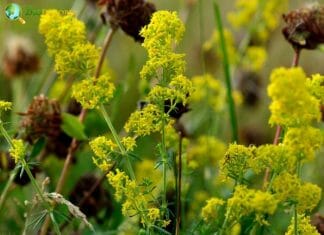
Lady’s Bedstraw
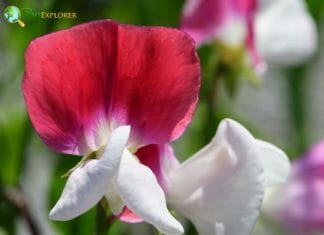
Lathyrus odoratus
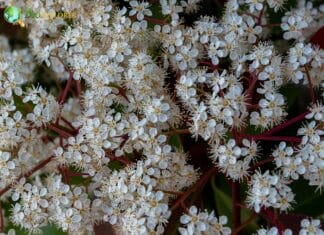
Laurestine
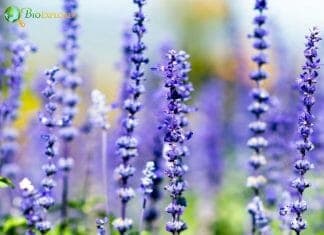
Lavandula
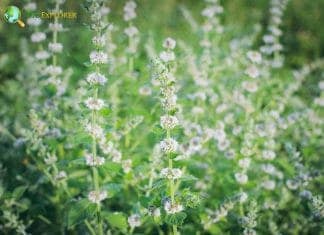
Lemon Balm
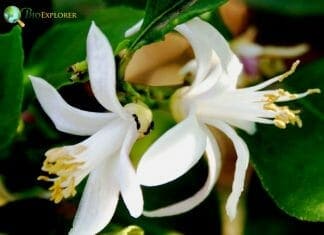
Lemon Blossom
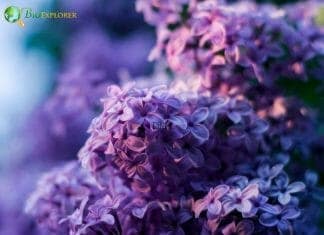
Lilac
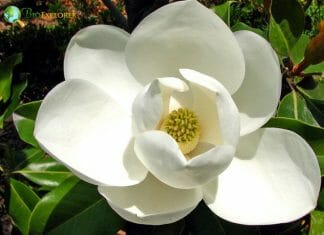
Magnolia
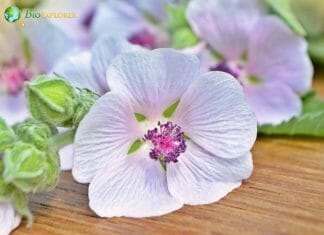
Marshmallow
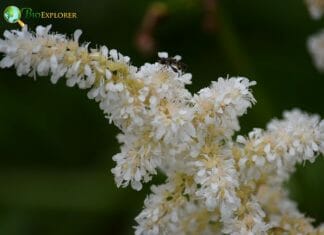
Meadowsweet
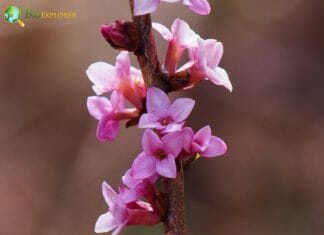
Mezereon
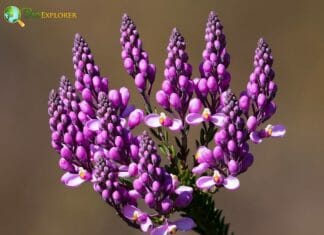
Milkwort
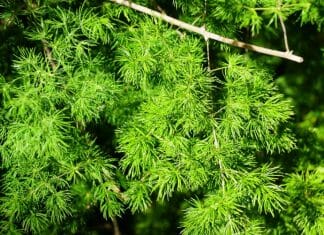
Ming fern
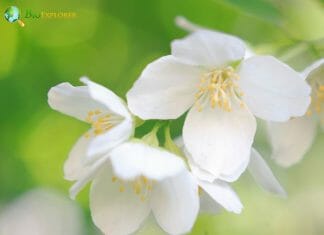
Mock Orange
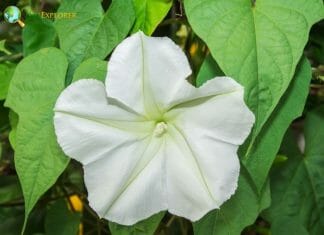
Moonflower
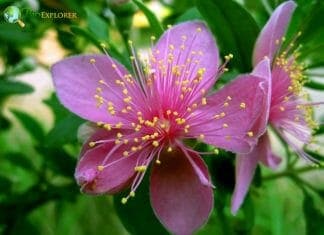
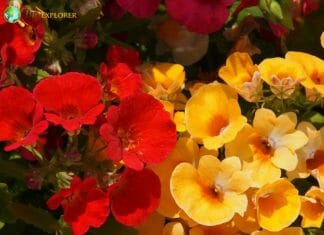
Nemesia
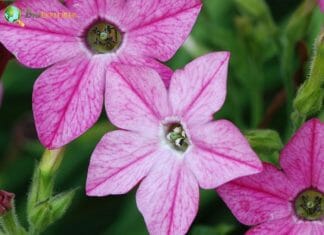
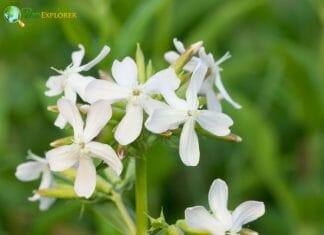
Night-flowering Catchfly
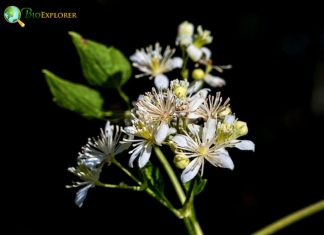
Old-Man’s Beard
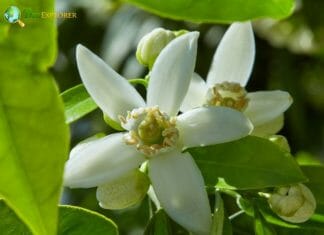
Orange Blossom
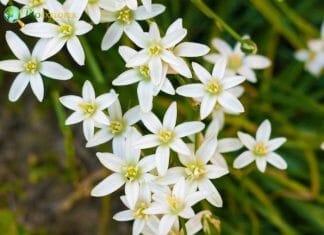
Ornithogalum
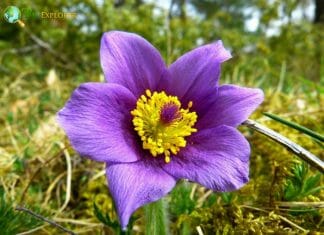
Pasque flower
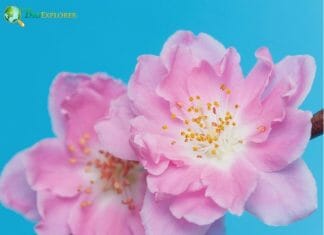
Peach blossom
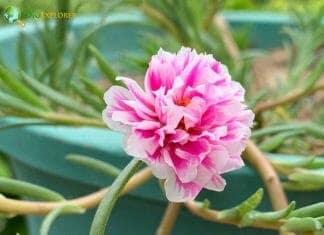
Peony
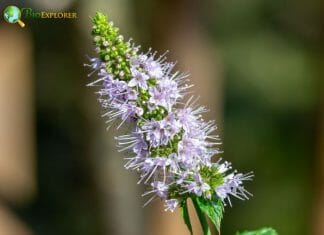
Peppermint
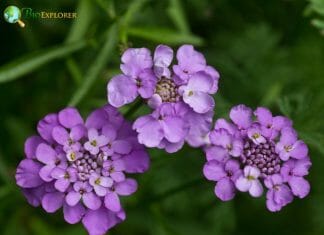
Persian Candytuft
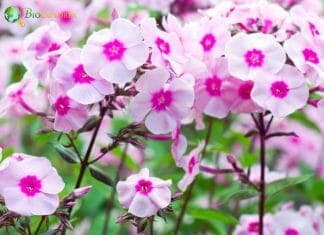
Phlox
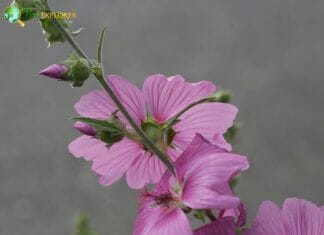
Pink Musk
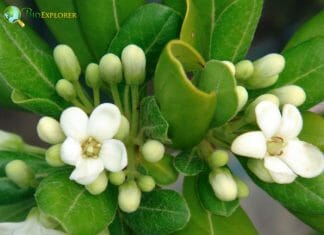
Pittosporum
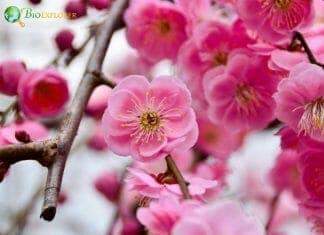
Plum Blossom
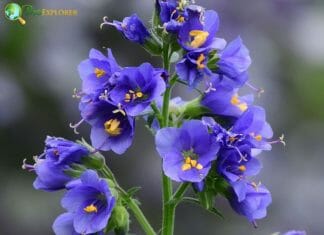
Polemonium
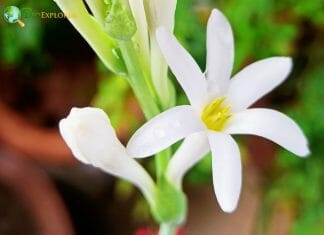
Polianthes tuberosa
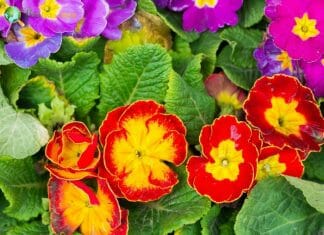
Primrose
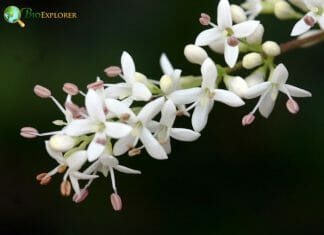
Privet

Restharrow
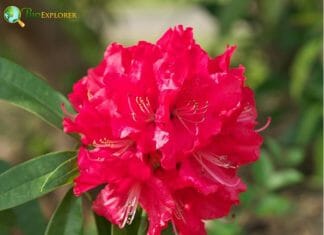
Rhododendron
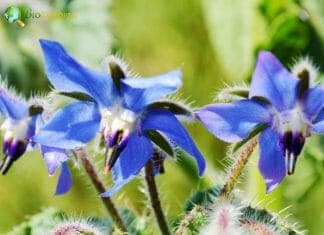
Rosemary
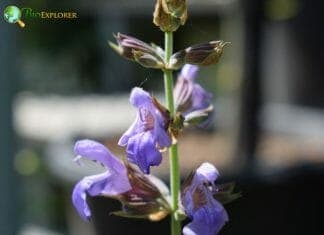
Sage
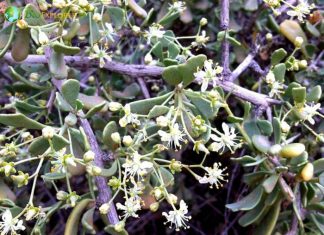
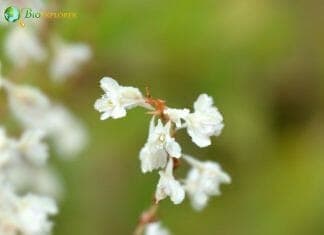
Silver Lace Vine
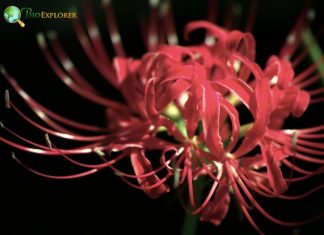
Spider Lily
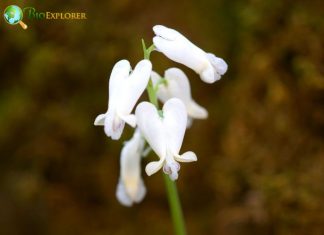
Squirrel Corn
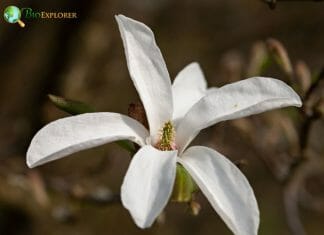
Star Magnolia
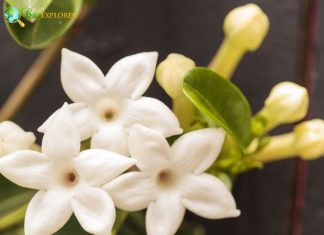
Stephanotis
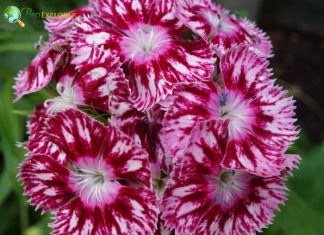
Sweet William
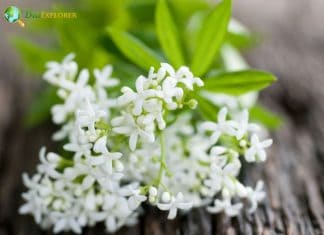
Sweet Woodruff
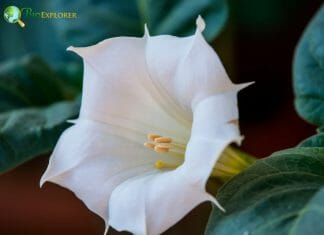
Thornapple
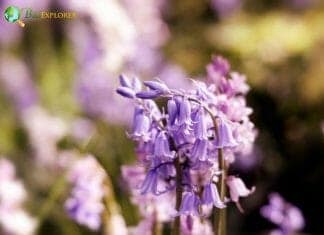
Throatwort
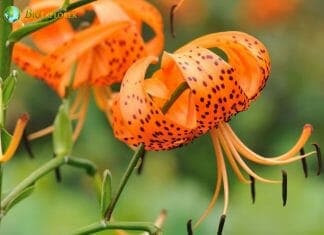
Tiger Lily
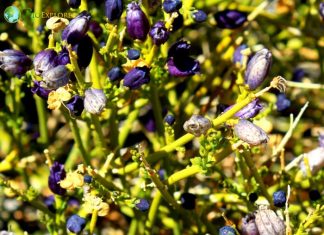
Turpentine Broom
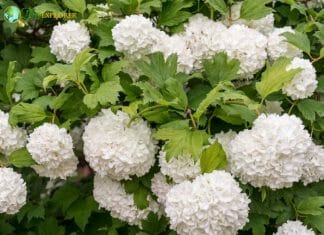
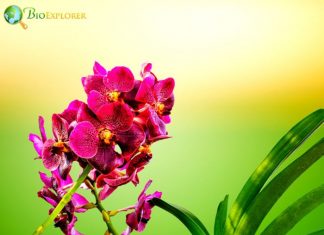
Waling-Waling
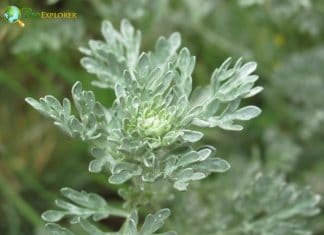
White Wormwood
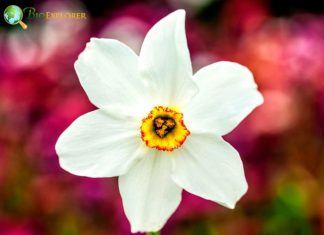
Wild Narcissus
Frequently Asked Questions
What makes gardenia one of the top fragrant flowers for a garden?
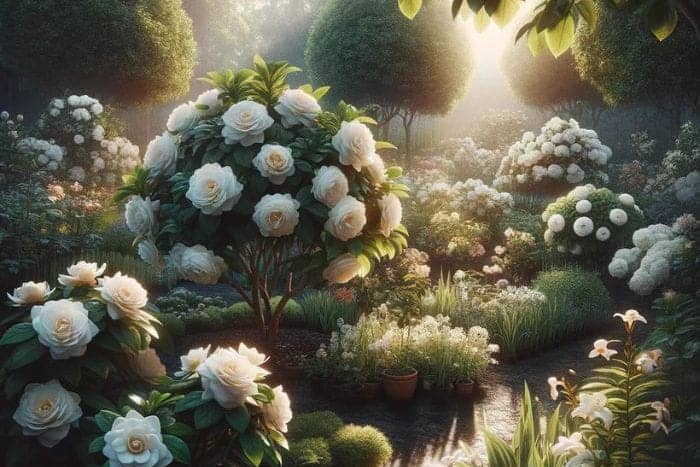
Gardenias are prized for their sweet scent and beautiful white blooms that can intoxicate the senses. Ideal for every garden, these flowers thrive in well-drained soil and full sun to partial shade, making them a stunning addition to both garden beds and as potted Plants. Their blooming ability in late spring and summer adds a romantic touch and a strong fragrance that enhances any outdoor space.
Why should freesia be included in selecting fragrant flowers for planting?
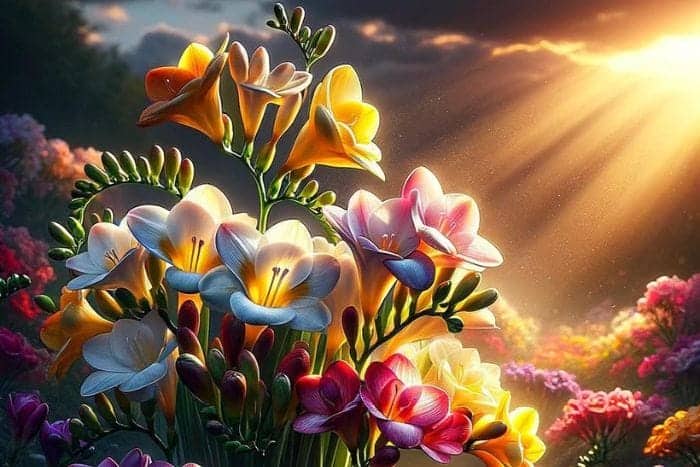
Freesia is known for its zesty, citrusy aroma and flowers that come in various vibrant colors. Its sweet-smelling blooms are ideal for cutting gardens and bring an intoxicating fragrance indoors. Freesias are easy to grow and do best in full sun, requiring well-drained soil to flourish. Their unique spicy scent makes them a must-have flower for any fragrant garden.
How do sweet peas contribute to the aroma of a garden?
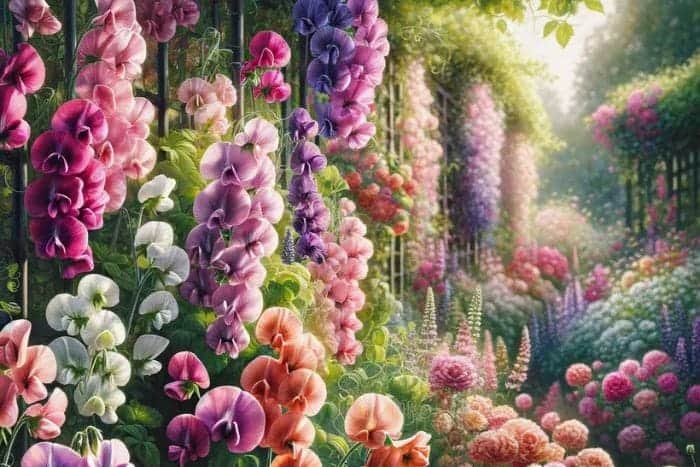
Sweet peas are celebrated for their strongly scented flowers, which come in many delightful shades. These romantic flowers are perfect for climbing over a trellis or fence, adding color and a heady fragrance to outdoor spaces. Sweet peas flourish in cool seasons and bloom profusely, making them an excellent choice for early spring gardens. Their sweet scent is often described as intoxicating and can enhance the fragrance profile of any garden area.
What are the benefits of planting lavender in a garden?

Lavender is famed for its soothing, sweet fragrance and beautiful purple blooms. Easy to grow and drought-resistant, lavender adds a powdery, musky aroma to the garden that can help repel unwanted insects while attracting pollinators like bees and butterflies. Lavender is versatile, thriving in full sun and requiring minimal water once established, making it a low-maintenance option for enhancing your outdoor greenery with color and scent.
How can jasmine enrich the nighttime ambiance of a garden?
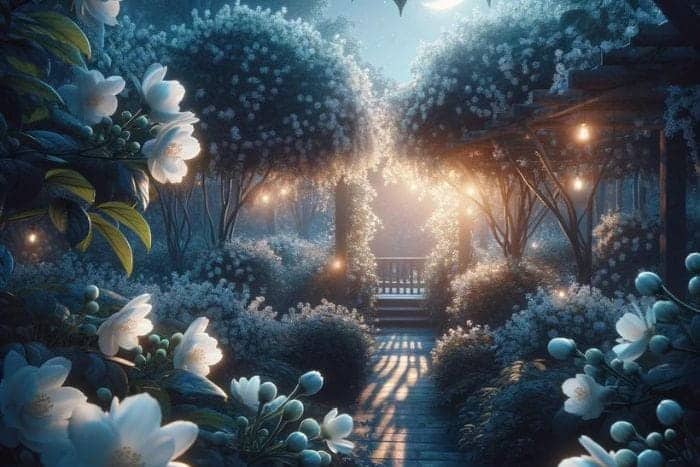
Jasmine flowers are renowned for being fragrant at night, releasing their sweet, heady aroma after sundown. This makes Jasmine an ideal selection for gardeners looking to enjoy their outdoor spaces in the evening. The white blooms and rich fragrance can create a magical atmosphere, perfect for relaxing after a long day. Jasmine is a versatile plant that can grow as a bush or climb over structures, offering beauty and a captivating scent to every garden.
What unique aroma does heliotrope bring to a garden?
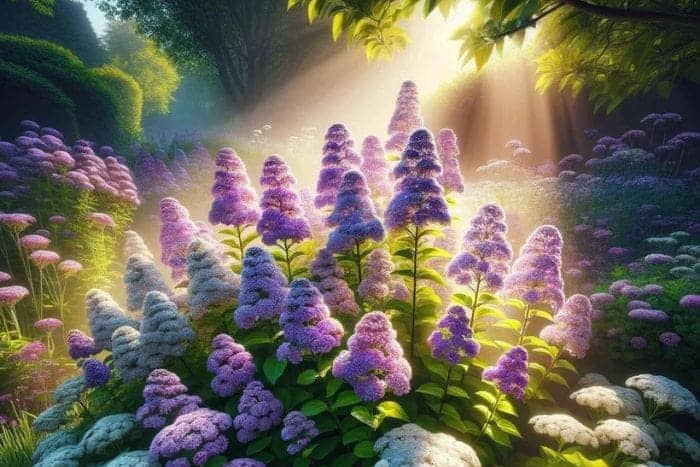
Heliotrope is noted for its sweet vanilla scent, making it one of the best-smelling additions to any garden. Its clusters of purple or white flowers bloom all season long, providing a continuous source of fragrance. Heliotrope thrives in full sun to partial shade and can grow up to eight feet tall, depending on the variety. This plant adds a unique spicy and powdery scent to garden beds and outdoor spaces, delighting gardeners and visitors alike.
Can you recommend flowers that add both greenery and fragrance to a garden?
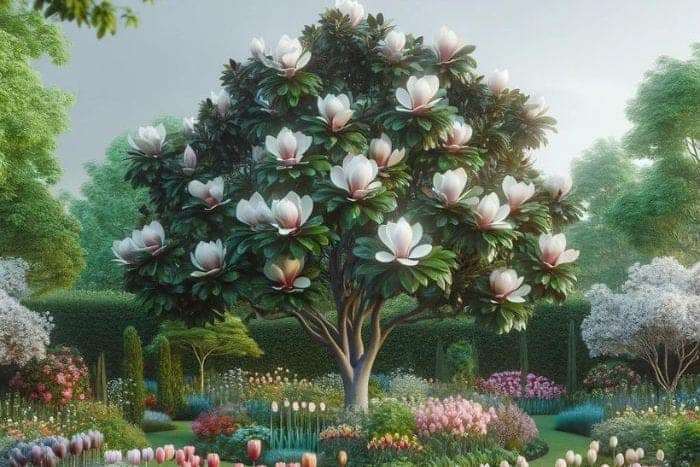
Consider incorporating a Magnolia tree for those looking to enhance their garden with greenery and aroma. The large, glossy foliage and magnificent blooms add a lush visual appeal and emit a sweet, intoxicating fragrance. Magnolias are easy to grow and can become a focal point in any outdoor space, offering shade and a romantic scent. Additionally, planting a variety of tulips can bring a splash of color and a gentle fragrance, adding to the greenery and creating a vibrant, sweet-smelling garden.
Cite this page
BioExplorer. (2026, September 24). Top 100 BEST Fragrant Flowers. https://www.bioexplorer.net/plants/flowers/fragrant/
Try Heliotrope. Lovely smell from purple flowers