Search Results for: insect

  • Geoffroy’s Saddleback Tamarin

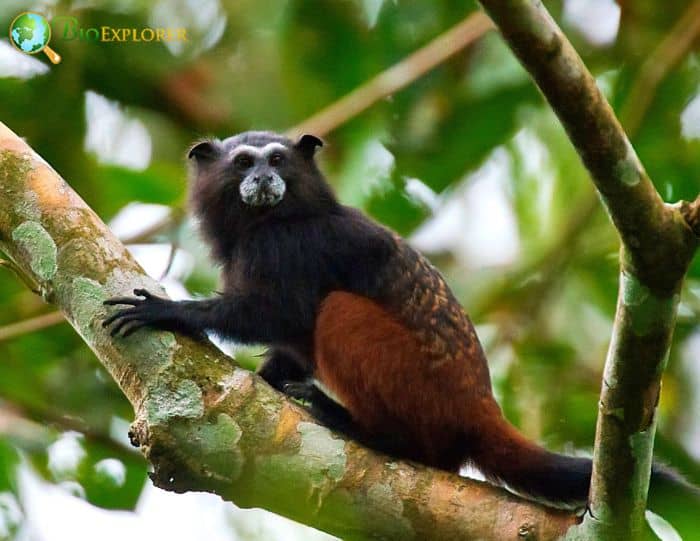
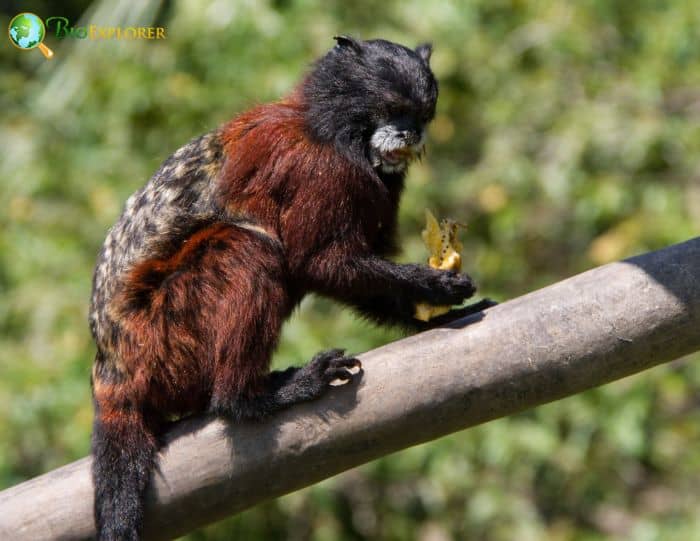
    Geoffroy’s Saddleback Tamarin is a saddled tamarin, a species of small monkey native to South America. Geoffroy’s saddleback tamarins often associate and form mixed groups with mustached tamarins (Saguinus mystax). Both species often perch in the same tree, responding to each other’s alarm calls.

  • Eastern Black-handed Tamarin

    The Eastern black-handed marmoset (Saguinus ursulus) is a species of marmoset native to Brazil. These tamarins are mainly covered in jet-black fur, with only a small area around the nose and eyes and most hairless ears.

  • Cruz Lima’s Saddleback Tamarin

    The Cruz Lima saddleback tamarin is a species of saddleback tamarin, a small monkey native to South America. The Cruz Lima saddleback tamarins were formerly thought to be a subspecies of the brown-mantled tamarin (Leontocebus fuscicollis).

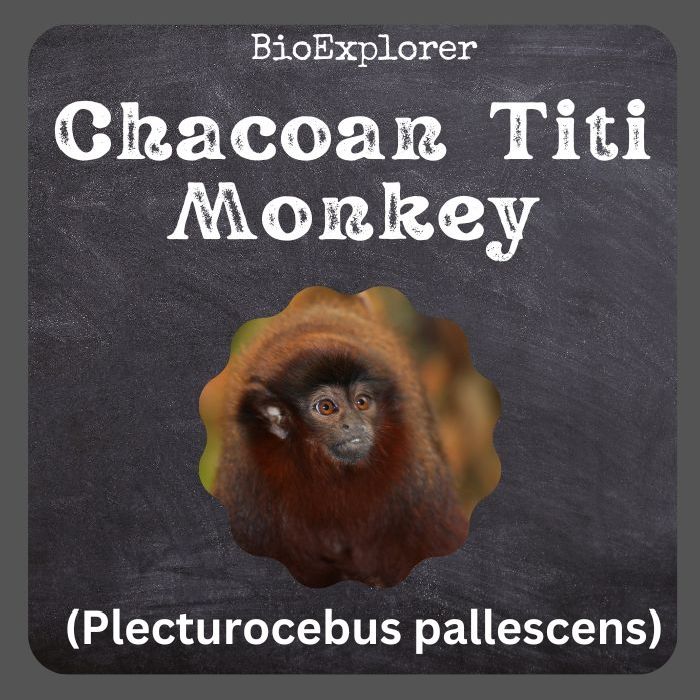
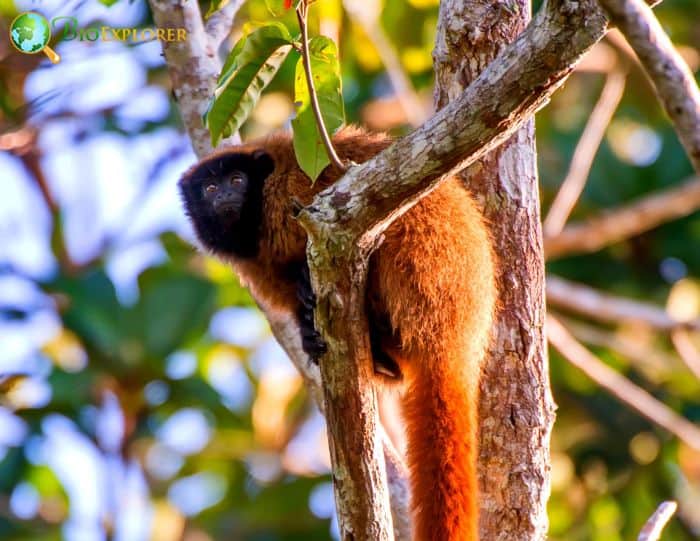
  • Chacoan Titi Monkey

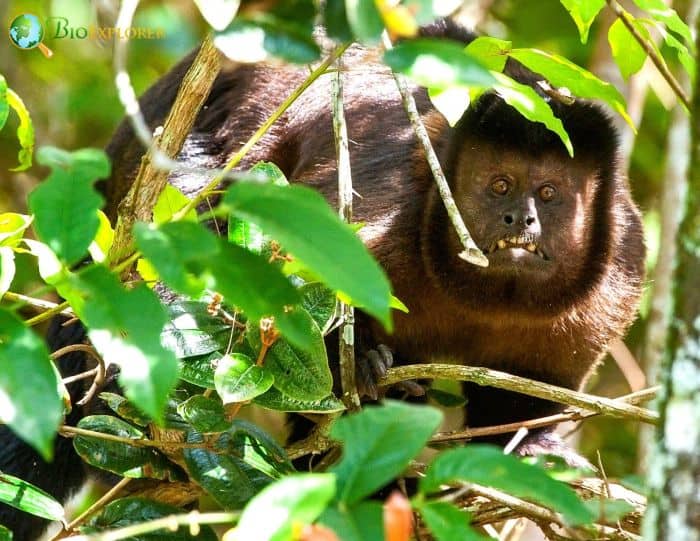
    The Chacoan Titi Monkey is a species of titi (also called White-coated Titi), a type of New World monkey native to South America. These diurnal monkeys are stealthy and hard to spot as they navigate the canopy. They move between branches and trees by walking or jumping on four limbs.

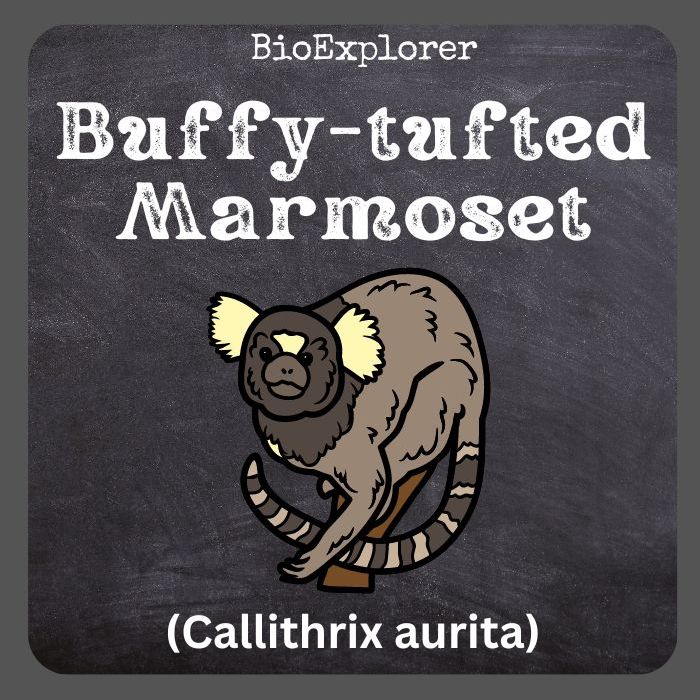
  • Buffy-tufted Marmoset

    The buffy-tufted marmoset, also called the white-eared marmoset or buffy-tufted-ear marmoset is a New World monkey living in the forests of the Atlantic coast of southeastern Brazil. Unlike most marmoset monkeys, buffy-tufted-ear marmosets are mainly insectivorous, although their diet is generally carnivorous.

  • Buffy-headed Marmoset

    The buffy-headed marmoset is a rare species of marmoset native to the tropical rainforests of southeastern Brazil. These miniature and shy monkeys are mostly tree dwellers, crawling on 4 legs (quadrupeds) from tree to tree with jerky, squirrel-like movements.

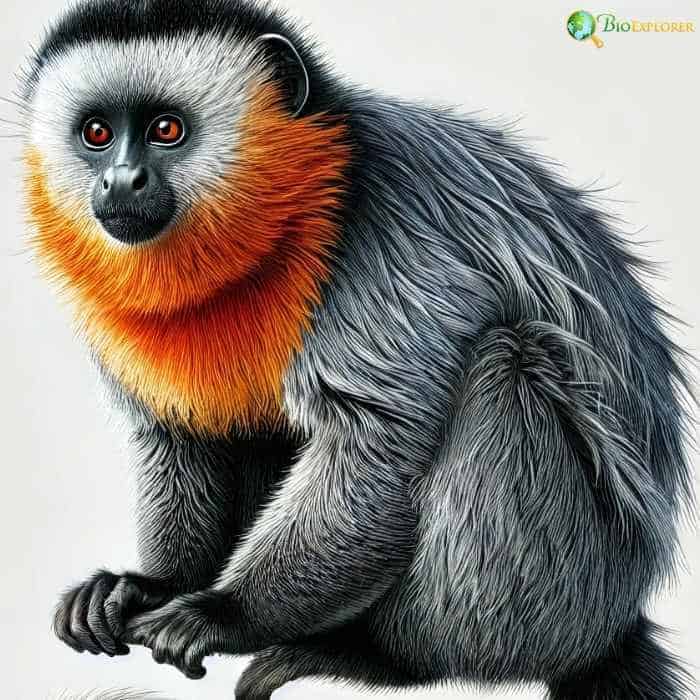
  • Barbara Brown’s Titi

    Barbara Brown’s titi also known as the northern Bahian blond titi or blond titi monkey, is a New World monkey species. Barbara Brown’s titi is named in honor of Barbara Elaine Russell Brown, a zoologist.

  • Atlantic Titi

    The Atlantic titi, also known as the masked titi, inhabits the rainforests of the Atlantic coast of Brazil east of the Andes in the states of Bahia, Espírito Santo, northwest of Minas Gerais, north of Rio de Janeiro, and São Paulo. This species, found nowhere else in the world, inhabit the tropical forests of Brazil’s Atlantic coast east of the Andes.

  • Alta Floresta Titi

    The Alta Floresta titi is a distinct but unnamed form of titi (Plecturocebus) rediscovered in 2019 in Chapada dos Parecis, a plateau in the far south of the Brazilian state of Rondônia. This species lives exclusively between the Teles-Pires and Juruena rivers in Mato Grosso.

  • Dryas Monkey

    The Dryas monkey, also called the Salonga monkey, Inoko, or Ekele is a little-known Old World primate only found in the Congo Basin and restricted to the Congo River’s left bank. Unlike guenon monkeys, which make loud leaps and resounding calls, dryas monkeys move silently.

  • Roloway Monkey

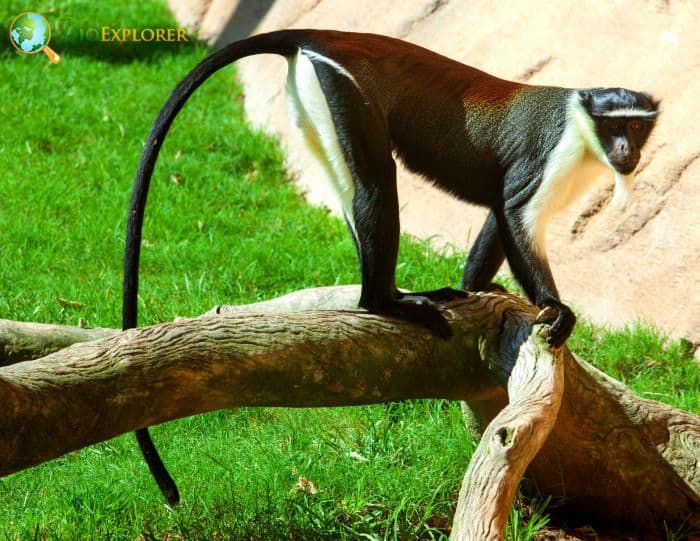
    Roloway monkeys (Cercopithecus roloway), also called Roloway guenons, are Old World monkeys native to Ghana and the Ivory Coast. Roloway monkeys resemble Diana monkeys in appearance, a species with which they were once confused.

  • Saban Grizzled Langur

    Saban Grizzled Langur was once thought to be a subspecies of the Hose’s langur, Presbytis hosei (as Presbytis hosei sabana). The Saban grizzled langur is endemic to the island of Borneo in the Malaysian province of Sabah, with part of its range in Indonesia.

  • Proboscis Monkey

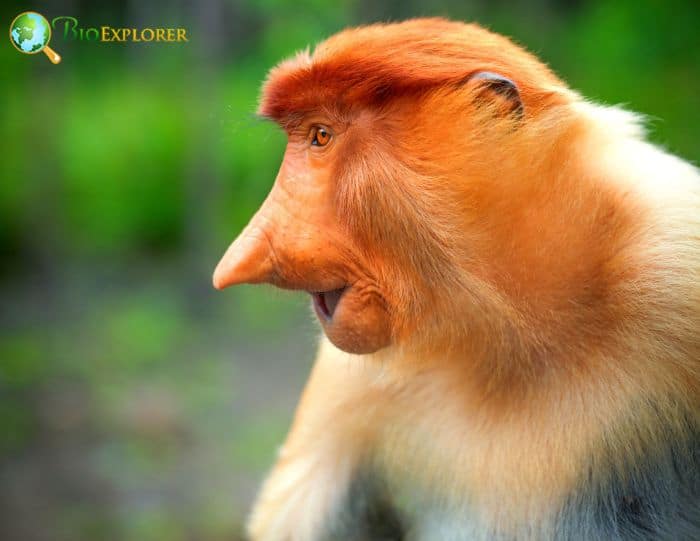
    The proboscis monkey (Nasalis larvatus) is an Old World arboreal species with an unusually large nose, reddish-brown skin color, and a long tail. The proboscis monkey is a large species and one of the largest old-world monkey species native to Asia.

  • Schmidt’s Red-tailed Monkey

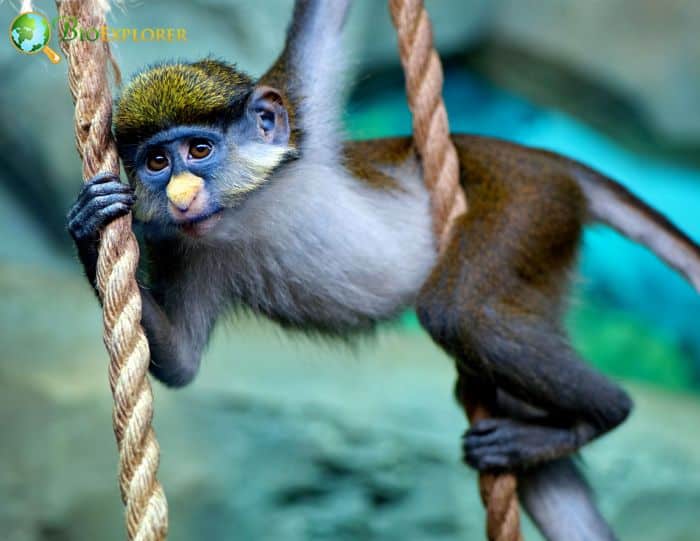
    The Schmidt’s red-tailed monkey, also called the red-tailed guenon, Schmidt’s guenon, or black-cheeked white-nosed monkey is a primate species in the Cercopithecidae family. The Schmidt’s red-tailed monkey is named for its red coloration on the underside of its tail, as well as the bicolor coloration of its tail as the reddish color increases from the base to the tip.

  • Macaques

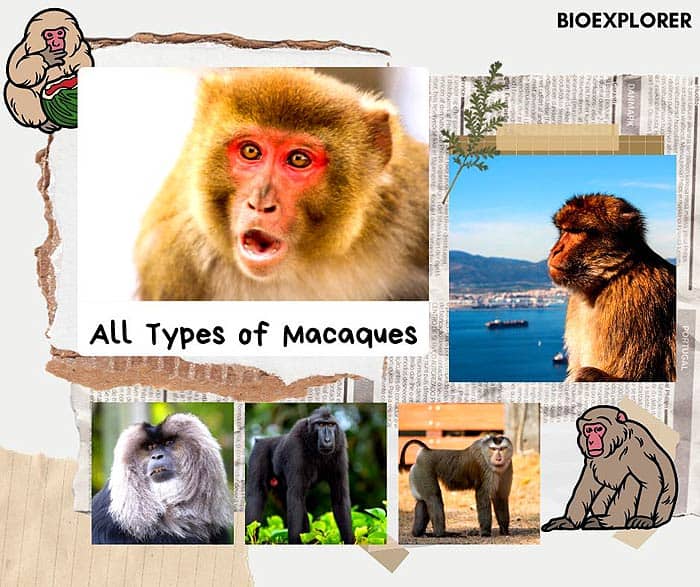
    Macaques are old-world monkeys hailing from the Asian continent, with a few from Africa. Currently, 23 species of living macaques are classified under the genus Macaca in the family Cercopithecinae, and 5 extinct macaques.

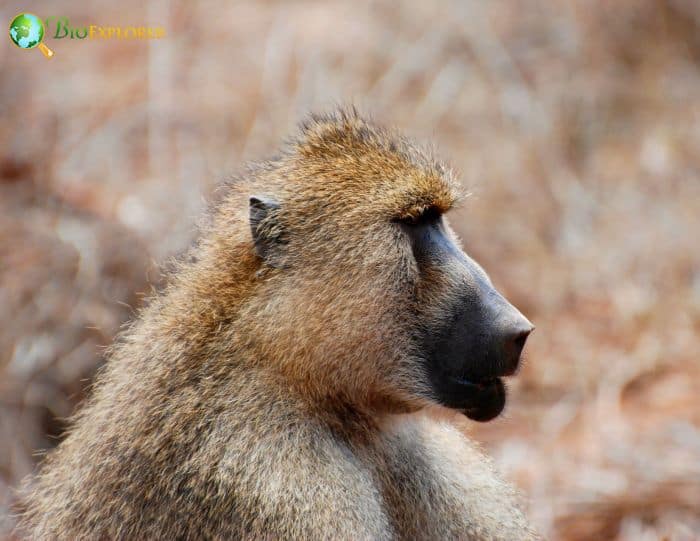
  • Yellow Baboon

    The yellow baboon (Papio cynocephalus) is another baboon species in the group of Old World monkeys. They resemble the Chacma baboon but are slightly smaller and have a less elongated snout. Yellow baboons also have white fur on internal surfaces, such as their cheeks and limbs, similar to the color of the human forearm.

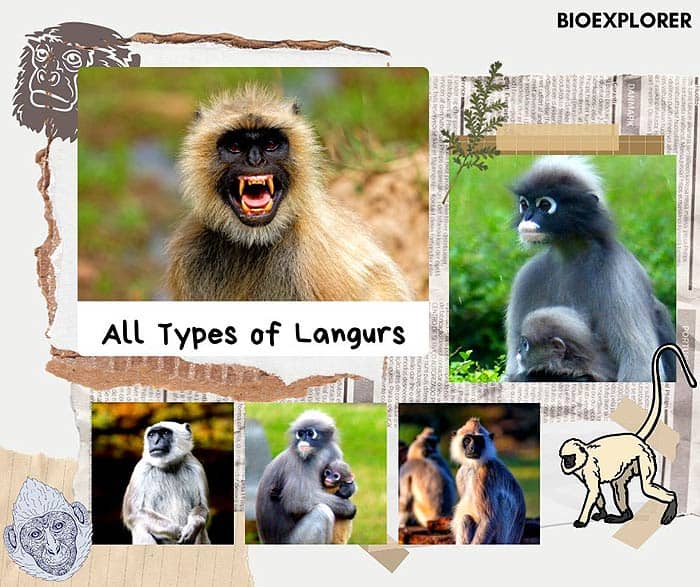
  • Langurs

    Langurs are Old-world monkeys classified under the Colobinae family along with other leaf-eating monkeys, including Colobus and proboscis monkeys. Explore langur characteristics and all types of langur species here.

  • Common Chimpanzee

    The chimpanzee, also known simply as the chimp, is a species of great ape native to the forests and savannas of tropical Africa. Chimpanzees and humans are thought to have a common ancestor that lived about eight million years ago.

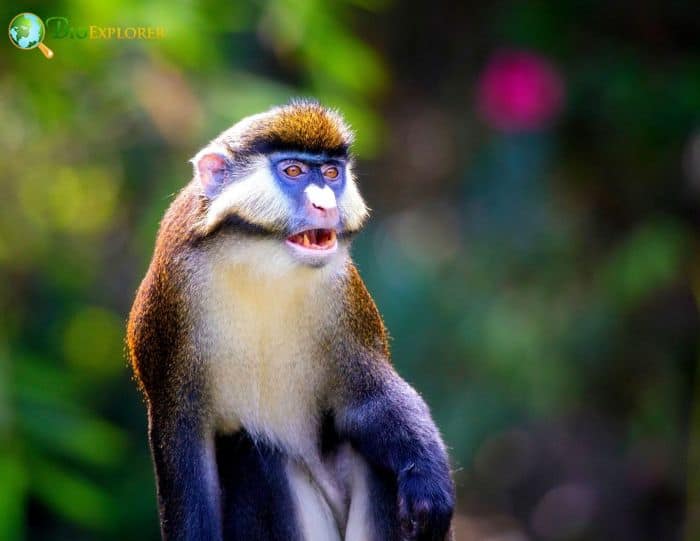
  • Lesser Spotted-Nosed Monkey

    The lesser spotted-nosed monkey, lesser spotted monkey, or lesser white-nosed monkey (Cercopithecus petaurista) is a primate species in the Cercopithecidae family. The lesser spotted-nosed monkey is diurnal, arboreal, and cryptic.

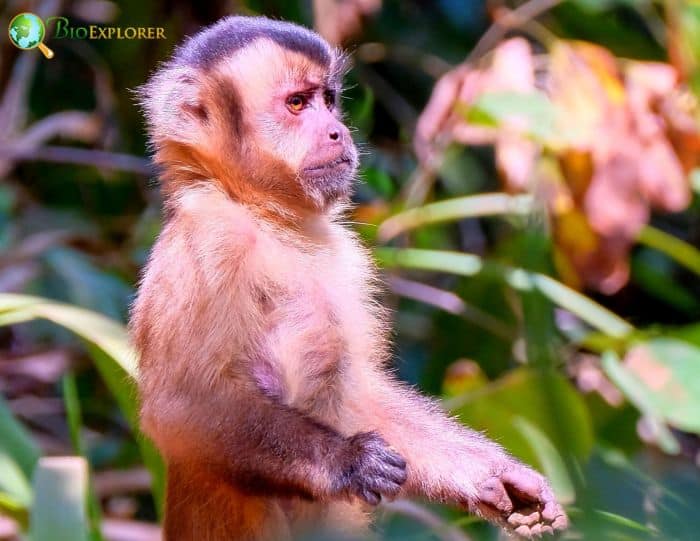
  • Hooded Capuchin

    The Azaras capuchin or hooded capuchin (Sapajus cay) is a robust capuchin species. It is found in northern Argentina, southeastern Bolivia, eastern Paraguay, and Brazil. Its habitat consists of humid, subtropical, semi-deciduous, gallery forests and forests in the Pantanales.

  • Guianan Weeper Capuchin

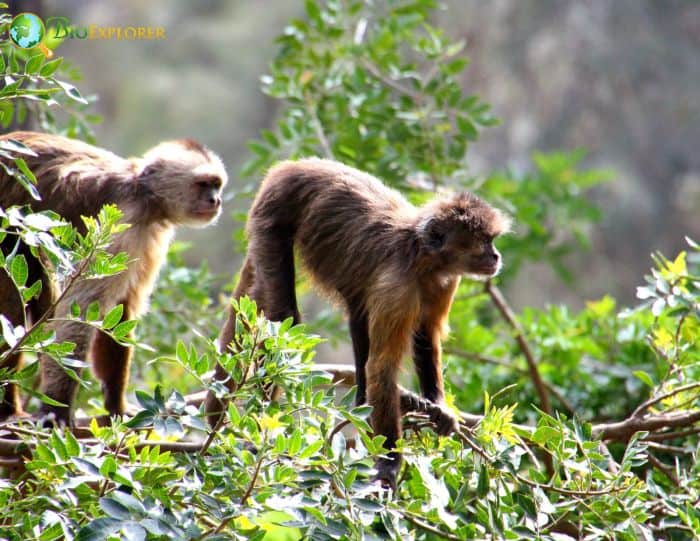
    The wedge-capped capuchin (Cebus olivaceus), also known as Guianan weeper capuchin, is a capuchin monkey native to South America. Wedge-capped capuchins get their name from a black triangle of dark fur centered on their forehead.

  • White-Headed Marmoset

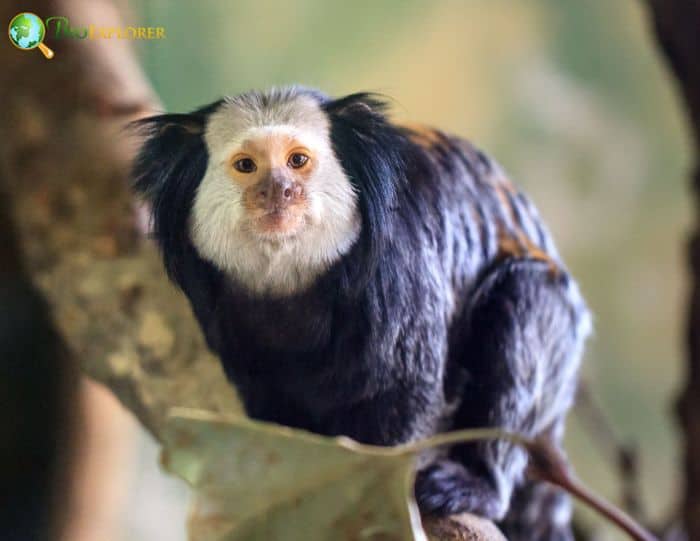
    The Geoffroy’s marmoset, also called Geoffrey’s marmoset, white-headed marmoset, or tufted-ear marmoset is a marmoset native to the forests of eastern Brazil, where it is native to Minas Gerais, Espírito Santo, and Bahia. Geoffroy’s marmosets are said to follow swarms of army ants to catch insects expelled by the ants.

  • Types of New-World Monkeys

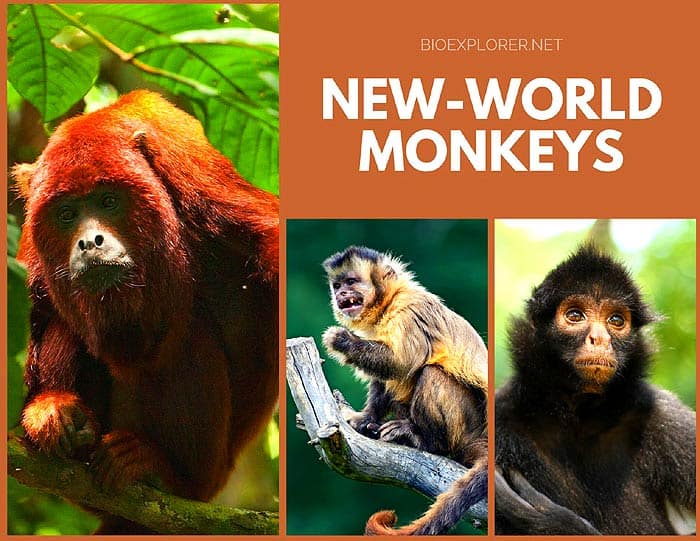
    The term “New World monkey” is a broad label that refers to any species that falls under one of the five taxonomic families of the Ceboidea superfamily: Cebidae, Callitrichidae, Atelidae, Pitheciidae, and Aotidae. Explore all New-World monkeys and their characteristics.

  • Types of Old-World Monkeys

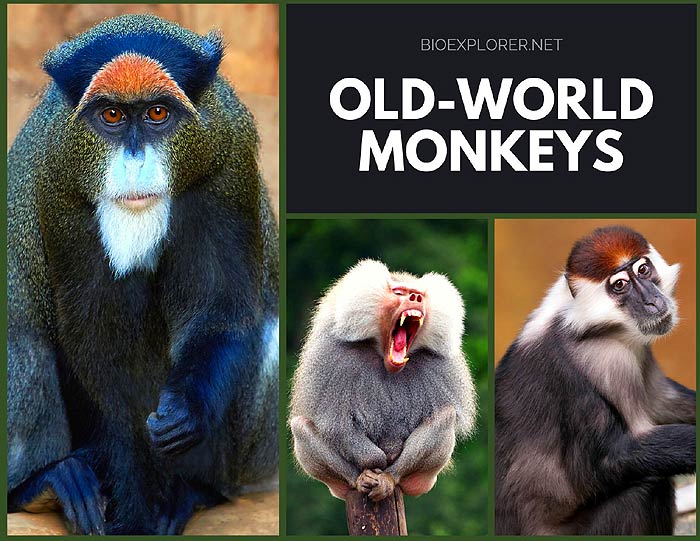
    The term “Old World monkey” refers to the primates that make up the taxonomic family known as “Cercopithecidae”. The family is split into two subfamilies: Cercopithecinae, which has 78 species, and Colobinae, which has 82 species. Explore all about old-world monkeys here.

  • Robust Capuchin Monkey

    Robust capuchin monkeys, also called crested capuchin monkeys, are capuchin monkeys of the Sapajus genus. Some crested capuchin species are known to use stone tools in the wild. These are used to crack nuts and other seeds, dried fruits, and even oysters.

  • Chacma Baboon

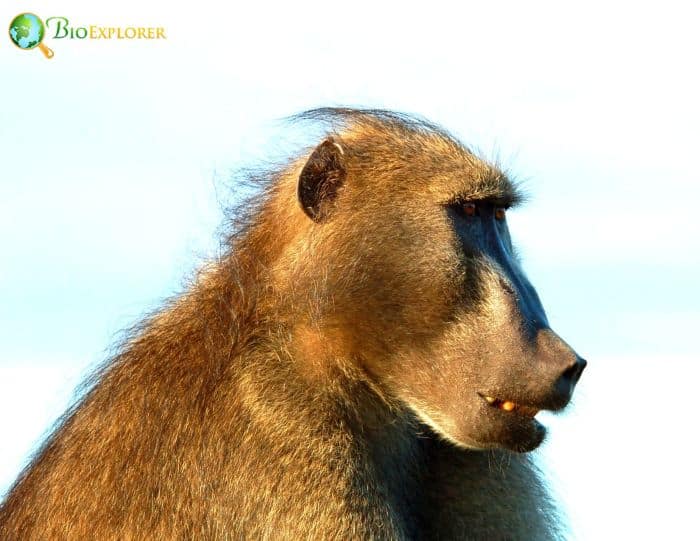
    Like all other baboons, the Chacma baboon, the Cape baboon, belongs to the Old-World monkey family. Chacma baboons have a habit of flipping over rocks in search of food. So, it’s pretty easy to spot where a group of Chacmas once foraged.

  • White-bellied Spider Monkey

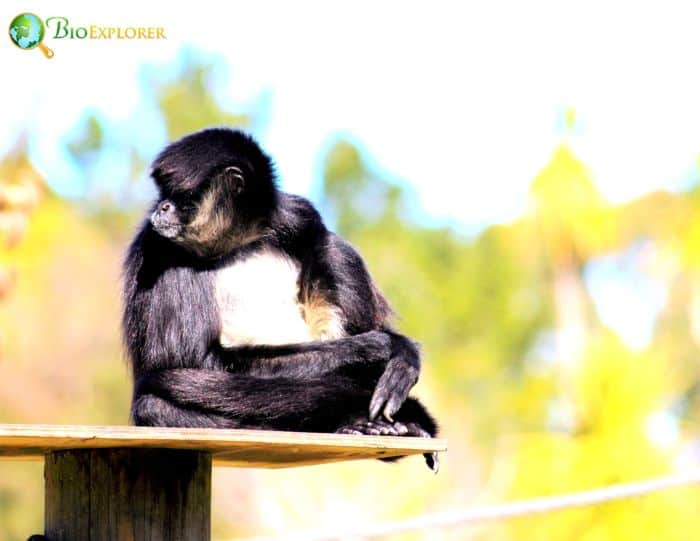
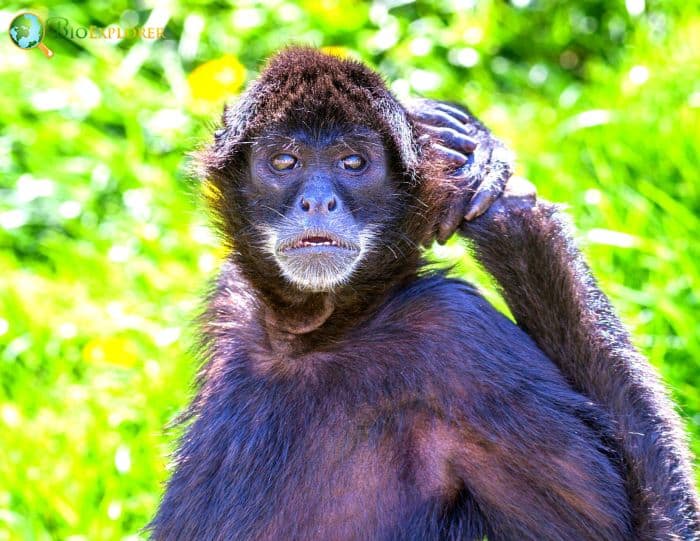
    The white-bellied spider monkey (Ateles belzebuth), also called the long-haired or white-fronted spider monkey, is an endangered species of spider monkey, a species of New-World monkey. These arboreal monkeys spend most of their time in the canopy. They rarely go down. When they do, they drink water, eat dirt, traverse a treeless area, or run away from an aggressive opponent.

  • White-Throated Capuchin

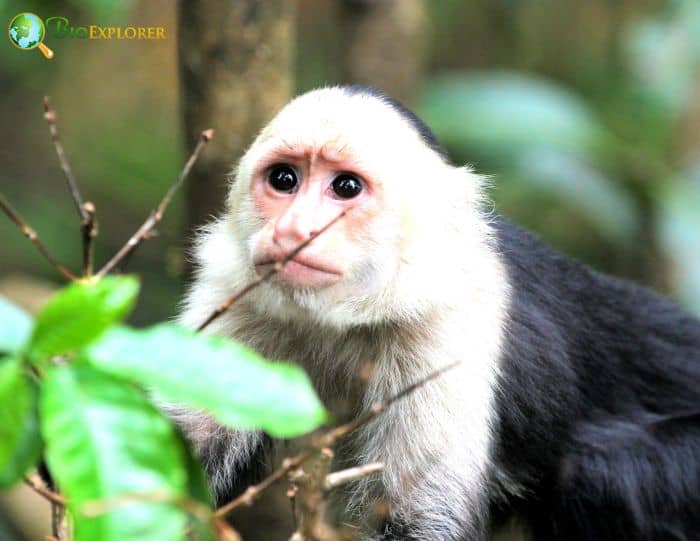
    White-throated capuchins, also called the white-headed capuchins, Colombian white-throated capuchins, and white-faced capuchins, are New World monkeys native to the tropical rainforests of western Colombia, Ecuador, and Panama.

  • Central American Squirrel Monkey

    The Central American squirrel monkey also called the red-backed squirrel monkey, is a squirrel monkey type native to the Pacific coast of Panama and Costa Rica. Central American squirrel monkeys spend most of their lives in the middle and upper layers of the tree canopy.

  • Geoffroy’s Spider Monkey

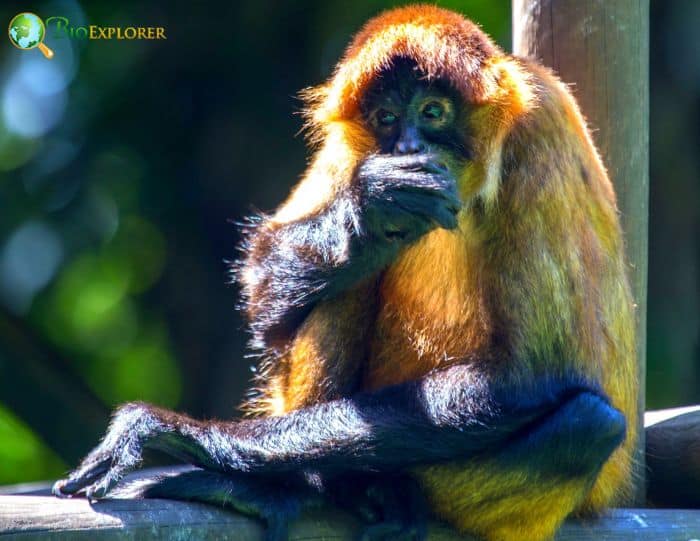
    Geoffroy’s spider monkey (Ateles geoffroyi) also called the Central American spider monkey or black-handed spider monkey, is a species of spider monkey. The species name geoffroyi is honored by Étienne Geoffroy Saint-Hilaire, a French naturalist. The Geoffroy’s spider monkey consists of five recognized subspecies residing in various parts of Central America and Mexico. These include the Hooded spider monkey (A. g. grisescens) in southern Mexico, the ornately-patterned Ornate spider monkey (A. g. ornatus) in Costa Rica and Panama, the Yucatan spider monkey (A. g. yucatanensis) in the Yucatan Peninsula, the Mexican spider monkey (A. g. vellerosus) in Veracruz, and the nominate Nicaraguan spider monkey subspecies (A. g. geoffroyi) found in Nicaragua, Honduras and northern Costa Rica.

  • Brazilian Bare-Faced Tamarin

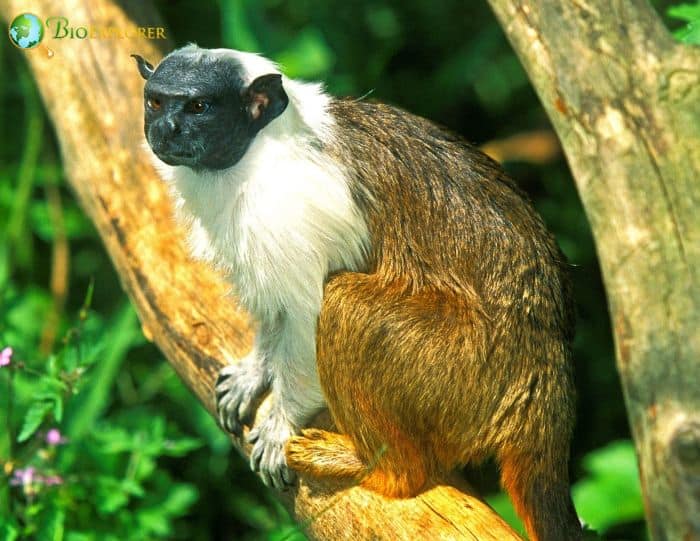
    The pied tamarin, also known as the pied bare-faced tamarin or Brazilian bare-faced tamarin, has one of the smallest home ranges of any primate in the world, located in and around the port city of Manaus.

  • Bonnet Macaque

    The Bonnet Macaque, also called Zati, is a species of macaque native to southern India. Bonnet macaques get their common name from a unique feature: a hood-like tuft of hair that extends from the top of their head, much like a tuft of dry grass. Their marble-round eyes look out into the world with a very expressive forehead.

  • Black-Tailed Marmoset

    The black-tailed marmoset is a New-World monkey species native to central South America. It is distributed from south-central Amazonia in Brazil to the Chaco far north of Paraguay. Black-tailed marmosets are arboreal and diurnal, using their claws for tree climbing.

  • Black Capuchin

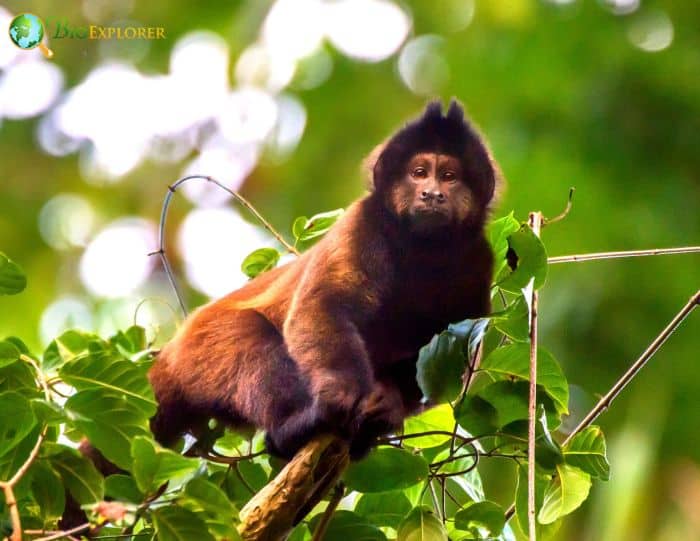
    The black capuchin, also called the black-horned capuchin, is a capuchin monkey native to the Atlantic rainforest of southeastern Brazil and extreme northeastern Argentina. The black capuchin was originally called Cebus nigritus or Cebus apella nigritus. Although this has changed, many sources still name the black capuchin as part of the Cebus genus.

  • Bald Uakari

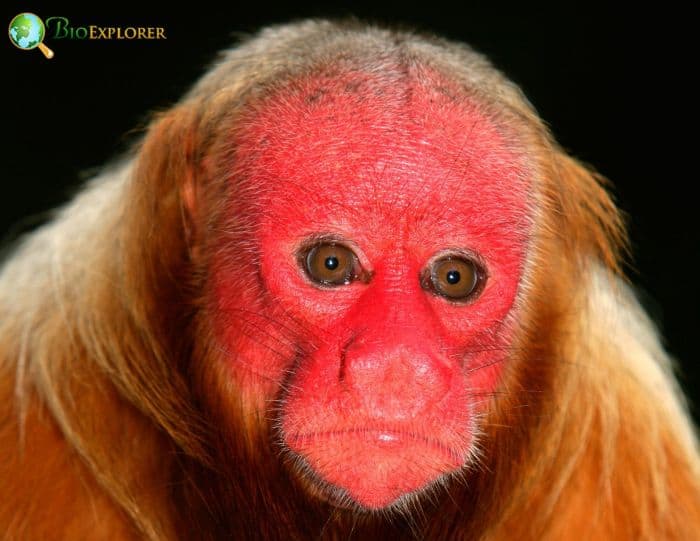
    The obscure Bald Uakari (Cacajao Calvus) is an acrobatic Amazonian monkey with a flaming red face uniquely adapted to periodically flooded forests. Surprising insights on its taxonomy, specialized seed-based diet, unusual social life, habitat flexibility, and urgent need to conserve diminishing flooded forest habitat across the Amazon Basin.

  • Andean Saddle-back Tamarin

    The Andean saddle tamarin, also known as the saddleback tamarin (formerly known as the brown-mantled tamarin), is a New World monkey species. Andean saddleback monkeys are considered “phyletic dwarfs,” meaning their small size is related to their evolutionary development.

  • Prosimians

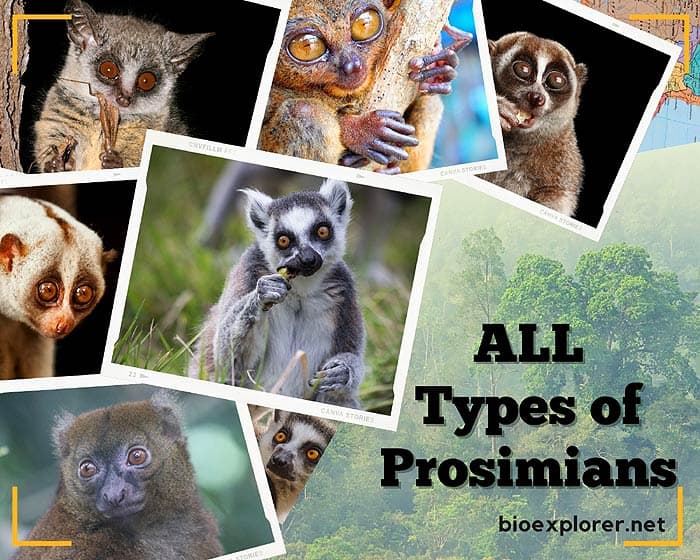
    Prosimians are a grouping of primates currently made up of the species (both living and extinct) of two main taxonomic categories. Explore all types of prosimians here.

  • Japanese Snowbell

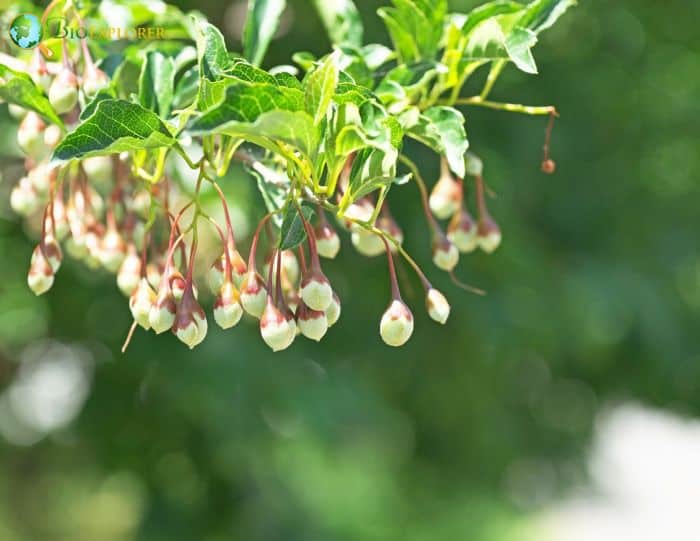
    The Japanese Snowbell is a deciduous tree that can grow to 15-25 feet. The leaves of Styrax japonica are alternate and simple. They are broad-elliptic to elliptic-oblong. These leaves are medium to dark green with a measurement of 2.5-9 cm. long and 1.3 -4 cm wide.

  • Order Oxalidales / Wood Sorrel Flowers

    Oxalidales (Wood sorrel) order of flowering plants is annuals, perennial herbs, lianas, shrubs, and trees distributed in temperate and tropical regions. Oxalidales plants have compound leaves, actinomorphic and bisexual flowers, usually 4-5 sepals and petals.
  • Order Picramniales / Bitterbush Flowers

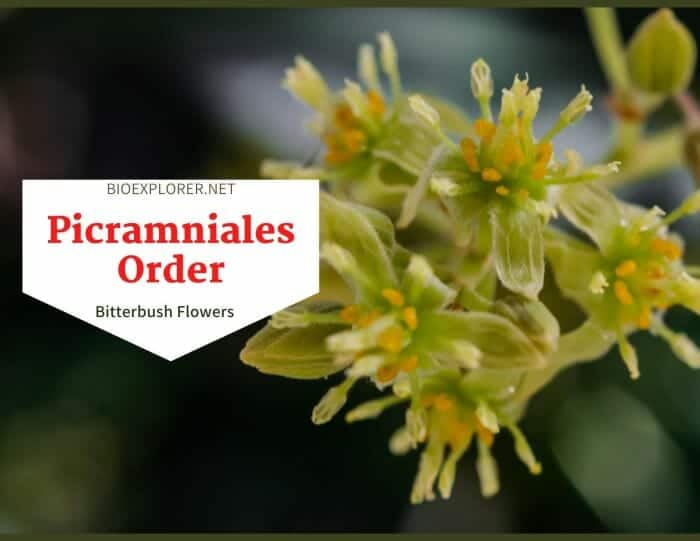
    The Bitterbush order, Picramniales, are trees and shrubs with a neotropical distribution. Members of this order have bitter bark, alternate and compound leaves, alternate or sub-opposite leaflets, unisexual flowers, and non-arillate and non-endospermic seeds.
  • Top 10 Microbiology News of 2020

    Microbiology News 2020: 2020 was the year of the horrific pandemic that influenced all aspects of our lives. Unfortunately, the scientific community was impacted too. Still, though the whole world scrambled to study the new virus, many scientific teams have made breakthroughs in other areas of microbiology and virology.
  • Brassicales / Mustard & Cabbage Flowers

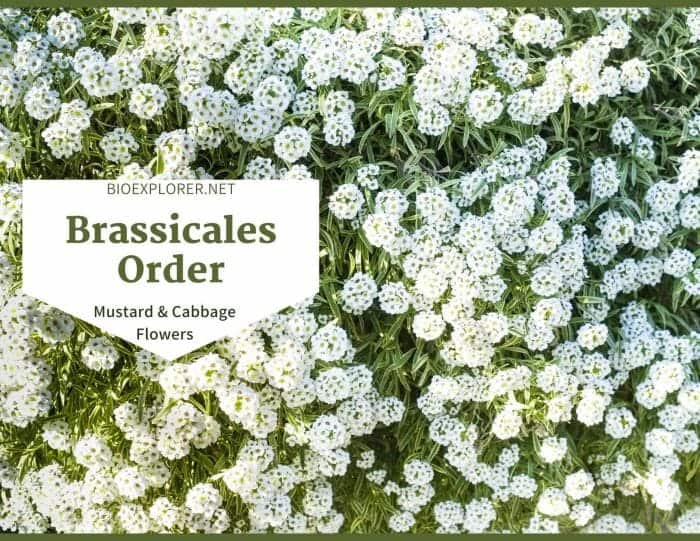
    Brassicales is an order of flowering plants comprising trees, herbs, shrubs, or lianas primarily distributed worldwide. Brassicales have glucosinolates or mustard oils, small stipules, often bisexual flowers, inflorescences in racemose, and nectaries found between the petals and the stamens. The known plants of Brassicales are mustard, cabbage, capers, mignonette, and nasturtiums.

  • Order Geraniales / Geranium Flowers

    Geraniales is an order of flowering plants involving trees, shrubs, and herbs primarily found in the temperate and the tropics. The flowers are bisexual with 5 sepals, 5 petals, 10 stamens, 4-5 carpels, and a superior ovary. The geraniums, bridal wreath, and the common stork’s bill are some of the crucial plants under Geraniales.

  • Protea

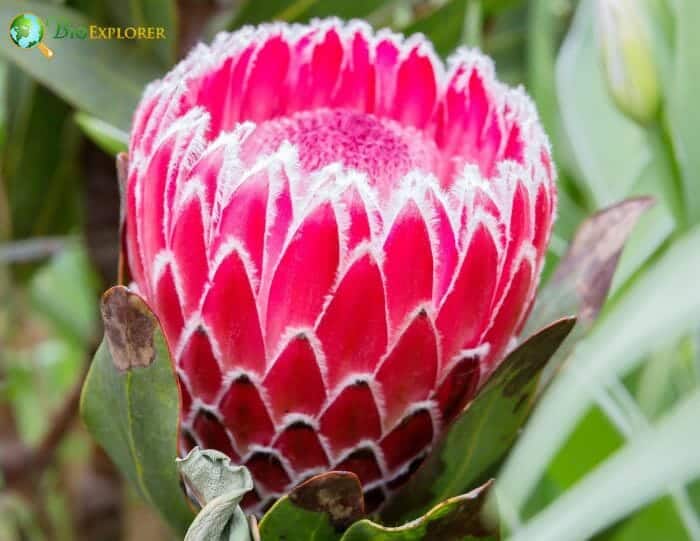
    Proteas are found throughout the mountain ranges of Australia and South Africa, appearing in all their glory in various regions. Protea is a genus of plants also known as maples. Protea leaves are hard and leathery. The inflorescence of the protea flower can be described as cup-shaped, calyx-shaped, or bowl-shaped.

  • Top 15 Evolutionary Biology News of 2021

    This 2021 series of top 15 evolutionary biology news gives us a detailed overview of the recent development in this field. Commencing the evolution of coccolithophores, the adaptability of crocodiles, the creation of new therapeutic targets for treating age-related disorders in people, the epigenetic evolution of the cerebellum, and more.

  • Order Trochodendrales / Wheel Tree Flowers

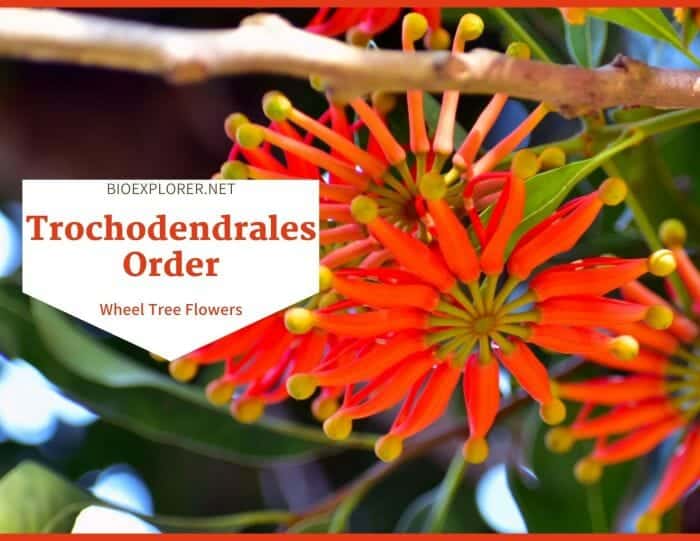
    Trochodendrales, under Division Magnoliophyta, is a small order of flowers with members distributed in Southeast Asia. The Trochodendrales trees are primitive with simple leaves, no vessels, small or no stipules, and reduced perianth. The Trochodendrales flowers are bisexual and pollinated via wind (Tetracentron) or insects (Trochodendron). The wheel tree flowers belong to the order Trochodendrales.

  • Order Poales / Grass, Bamboo and Pineapple

    Poales species are monocots with two-ranked leaves, much reduced flowers, dry and small stigma, and well-developed style. The Poales flowers are unisexual, bisexual, or sterile and pollination of the members is via anemophily or entomophily. The famous bamboo, pineapple, Yellow-eyed grass, Stream Bogmoss, and Palmiet are found under Poales order.

  • Order Petrosaviales / Petrosavia Flowers

    Petrosaviales is a very small order grouped within the lilioid monocots, are found in eastern and southeastern Asia. Plants of Petrosaviales have no laticifers and vessels in the axial system and possess simple, small, reduced (or absent) leaves. Japolinorion osense and Petrosavia sakuraii are example flowers of the Petrosaviales order.

  • Order Pandanales / Pandan & Screw-Pine Plants

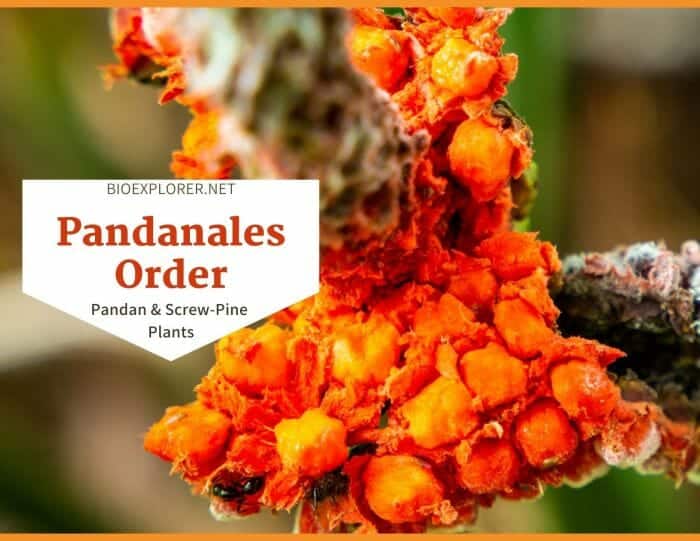
    Panama hat palm or screw-pines order of flowers is called Pandanales, which range from arborescent plants of tropical coastal areas and rainforests to the forest floor’s twining herbs, lianas, and saprophytic herbs. Hala tree, Rainforest Screw Pine, Paca, Purple Vellozia, Creeping vellozia, and Wild Asparagus are examples of Pandanales order flowers.

  • Order Dilleniales / Guinea Flowers

    Dilleniales is a dicotyledonous flowers have a pantropical distribution that extends to all of Australia. The flowers of Dilleniales are often showy and bisexual. Among the species of Dilleniales are the guinea flower and the stone leaf plant. The species of Dilleniales have simple and alternate leaves, rarely present stipules, 5-merous petals and sepals, and numerous stamens united into bundles.

  • Order Buxales / Boxwood Flowers

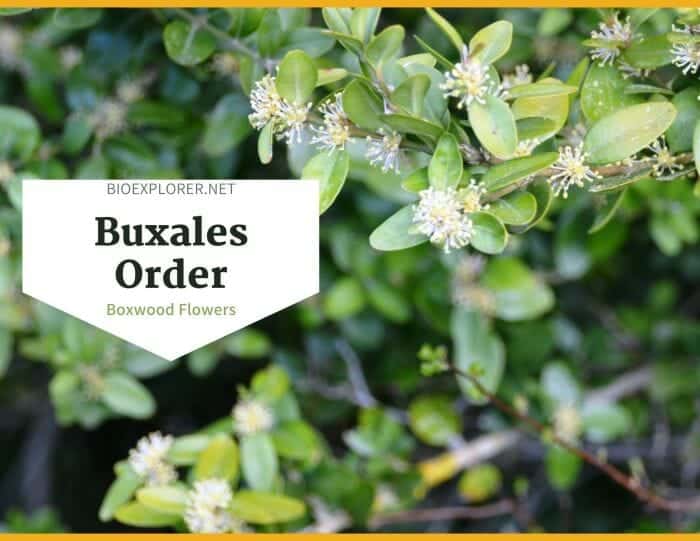
    The whole range of boxwood flowers belong to order Buxales. Order Buxales is the eudicot flowering plant consisting of evergreen shrubs or trees. Members of Buxales are usually monoecious with simple, non-sheathing, and estipulate leaves. Balearic box, Korean boxwood, Japanese Pachysandra, and Allegheny spurge are excellent garden flowers from this order.

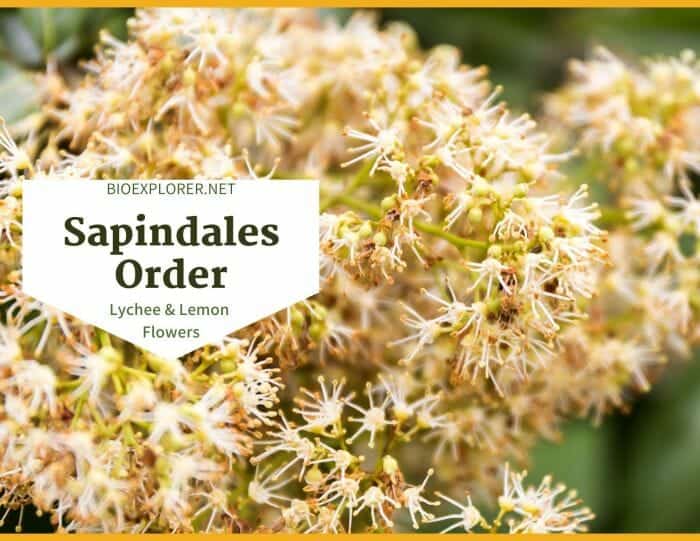
  • Order Sapindales / Lychee and Lemon Flowers

    Order Sapindales belongs to the dicotyledonous flowering species which are distributed in the tropics and the temperate regions. Most plants of Sapindales are woody with resin ducts in their bark or wood, compound or lobed leaves, and polypetalous flowers. They are polygamous, with most bisexual flowers functionally unisexual. Among the critical species involve cashew, mahogany, lemon, and lychee.

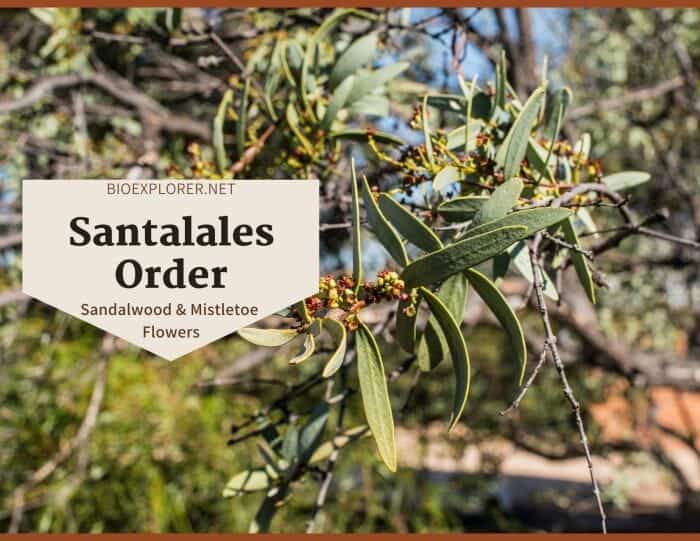
  • Order Santalales / Sandalwood & Mistletoe Flowers

    Santalales is one of the most prominent groups of parasitic flowering plants, with species distributed worldwide. Santalales involve plants that form haustorium to penetrate the host’s barks and roots, plants that undergo photosynthesizing activities in the stem, and members with usually simple and exstipulate leaves. Sandalwood and mistletoes are just two of the known plants under Santalales.

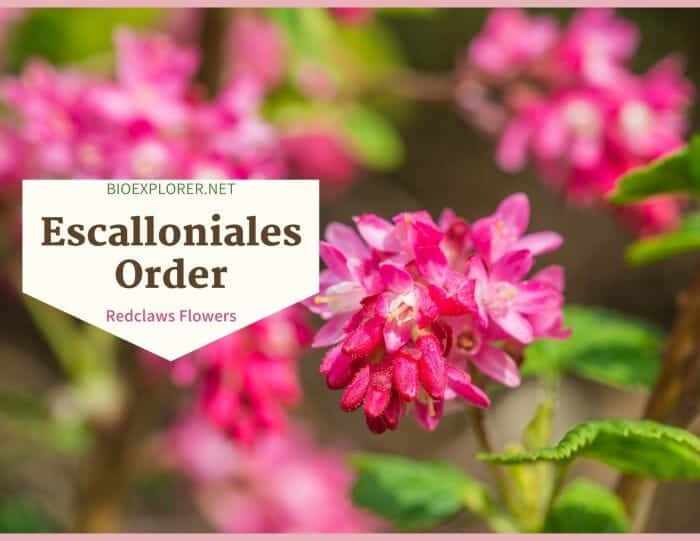
  • Order Escalloniales / Redclaws & Laurel Flowers

    Escalloniales is an order of eudicotyledonous flowers placed under the clade of campanulidas. Being predominantly distributed in the southern hemisphere, Escalloniaceae plants possess simple, petiolate, exstipulate leaves, regular flowers mostly in racemose, and pentamerous floral parts. Redclaws, Chachacoma, Native laurel, Polyosmo leratii and white alder are among the beneficial Escalloniacea species.

  • Order Cornales / Dogwood Flowers

    The dogwood order of flowers, Cornales, is basal among asterids. Cornales is relatively small, but members are morphologically diverse and are cosmopolitan in distribution. Cornales plants are mostly woody with simple or compound leaves, small flowers, floral parts in multiples of four, and generally bisexual. Many of the species of Cornales, like the flowering dogwood and Lindley’s blazing star are of ornamental value.

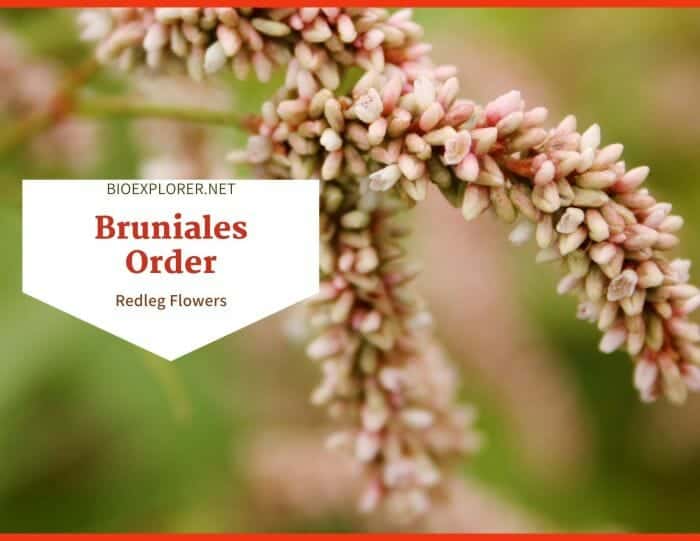
  • Order Bruniales / Redleg & Spiny Desfontainia Flowers

    The Order Bruniales plants typically possess small, persistent, and simple leaves, small to medium-size flowers, mostly 5-merous in the calyx and corolla, and usually clawed petals. The members of Bruniales are hermaphrodites and undergo pollination via insects and hummingbirds. Known example flowering species are redlegs, common cotton bush, Cone stompie and the spiny desfontainia.