
History of Biology
The history of biology traces how humans have studied and understood life on Earth, from ancient Egyptian and Greek natural philosophy through Darwin’s theory of evolution to Watson and Crick’s 1953 discovery of DNA’s structure.
The field is traditionally divided into two wings: the study of medicine, and theories of natural history. Much of early medical knowledge developed independently of biology, taking shape centuries before biology existed as a formal scientific discipline.
History of Biology Guide:
- 3500 BCE to 50 CE
- 11th Century (1000 to 1099)
- 13th Century (1200 to 1299)
- 14th Century (1300 to 1399)
- 15th Century (1400 to 1499)
- 16th Century (1500 to 1599)
- 17th Century (1600 to 1699)
- 18th Century (1700 to 1799)
- 19th Century (1800 to 1899)
- 20th Century (1900 to 1999)
- 21st Century (2000 to Current)
- Additional References
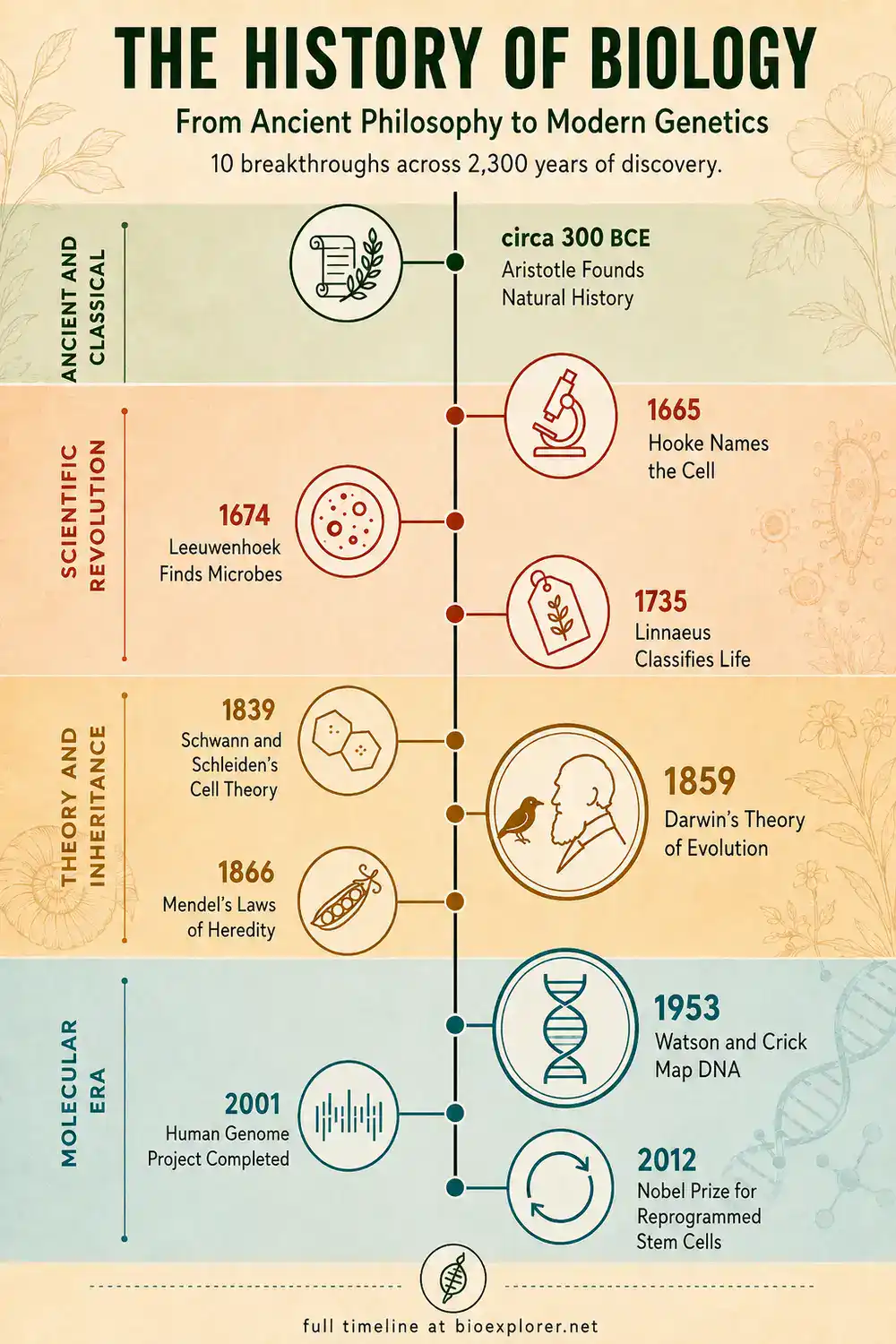
3500 BCE to 50 CE
-
3500 BCE:
 The ancient city of Nekhen in Egypt is credited with establishing one of the earliest known menageries. This collection featured a variety of exotic animals, symbolizing the wealth and power of the Egyptian elite. It served as a display of the diverse species obtained through trade and conquests by the Egyptian civilization.
 -
1500 – 1200 BCE:
 The Atharvana Veda, one of the ancient Hindu scriptures, includes discussions on various diseases and their cures through ritualistic practices. This text illustrates an early integration of medical knowledge with spiritual and religious beliefs in Hindu culture, emphasizing using rituals and chants as therapeutic interventions.
 -
c. 1000 BCE:
 The “Sakikku“, a Babylonian medical text, provides insights into early Babylonian medicine, offering exorcisms to cure various ailments. This work reflects the Babylonian belief in supernatural causes of diseases and the reliance on spiritual rituals for healing.
 -
c. 770 BCE:
 Marks the beginning of the “Hundred Schools of Thought” period in China, a time of significant philosophical and intellectual flourishing. Although specific medical texts from this era are hard to pinpoint, the period laid the groundwork for later developments in understanding bodily functions and physical phenomena, gradually shifting towards naturalistic and holistic explanations in Chinese thought.
 -
c. 550 BCE:
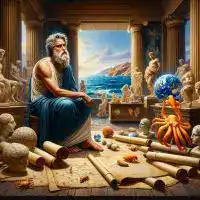 A Greek philosopher, Anaximander, proposed that life originated from the sea. His theory suggested that life began in a marine environment and evolved into its current forms, a revolutionary idea for the time that introduced naturalistic explanations for the origins of life, departing from mythological interpretations.
 -
c. 500 BCE:
 Xenophanes, a Greek philosopher, expressed views on life regenerating after Earth’s disasters. He proposed that after major catastrophes like floods, life could re-emerge and repopulate the Earth. This perspective was part of his broader philosophical inquiries into the nature of the Earth and life, demonstrating early speculative thinking about Earth’s history and the resilience of life.
 -
c. 450 BCE:
 Taoist philosophers in China began exploring early evolutionary ideas, suggesting that species vary and adapt according to their environments. This concept, advanced for its time, indicated a recognition of the dynamic relationship between living organisms and their surroundings, reflecting a foundational understanding of what would much later be known as the principles of adaptation and evolution.
 -
c. 300 BCE:
 Theophrastus, a student of Aristotle, initiates the formal study of plants, laying the foundation for the science of botany. His systematic approach to plant classification and description marks a significant advancement in biological sciences. Concurrently, the Greek philosopher Anaxagoras posits the theory that life on Earth originated from space, carried by meteorites and comets. This idea aligns with the modern concept of panspermia.
 -
c. 100 BCE:
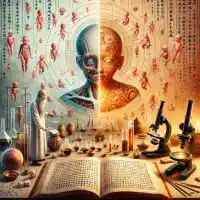 The concept of preformationism gained traction among ancient thinkers, including the physician Hippocrates. This belief held that babies, both human and other animals, are born fully formed but at a minuscule scale, a theory that persisted into the 19th century.
During this time, the oldest Chinese medical compilation, “The Yellow Emperor’s Inner Canon” (“Huangdi Neijing“), is also referenced. This extensive text delves into pathology and explores the intricate relationship between the human body and its environment, laying foundational principles for Traditional Chinese Medicine. -
c. 50 CE:
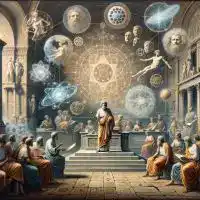 Roman writer Pliny the Elder published “A Natural History“, which is considered one of the earliest comprehensive works in the field of biology. This extensive compilation covers a wide range of topics, including botany, zoology, and human physiology, and serves as a significant reference for natural sciences in the ancient world.
 -
c. 50 CE:
 Lucretius, a Roman philosopher, presents the idea that life is fundamentally based on the interaction of invisible substances, which he terms spirit, reason, and life force. His philosophical perspective, deeply rooted in atomistic theory, suggests a rudimentary understanding of life at a microscopic level, emphasizing the role of unseen particles and forces in the functioning of living organisms.
11th Century (1000 to 1099)
-
1025:
 Avicenna, also known as Ibn Sina, a Persian doctor, publishes “The Canon of Medicine“. This comprehensive medical text, influential in both the Islamic world and Europe, remained the authoritative source of animal anatomy and medical knowledge until the Renaissance. It provided detailed insights into various medical conditions and treatments, significantly shaping the practice of medicine for centuries. (Read More)
 -
1070 CE:
 Chinese scholar Su Song delves into studying environments conducive to animal survival. His works examine the relationship between animals and their habitats, contributing to early ecological understanding in China. Su Song’s observations and writings signify one of the earlier efforts to systematically document how living conditions affect animal life.
13th Century (1200 to 1299)
-
1256:
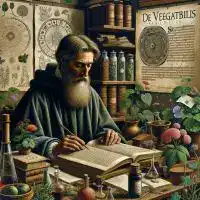 Albertus Magnus, a renowned scholar, and scientist, publishes “De Vegetabilis“. This text emerges as a significant contribution to the botany field, particularly in classifying plants and herbs. It represents one of the early systematic efforts to categorize plant life, combining scientific observation and the knowledge of the medicinal properties of plants of the time.
 -
Late 1200s:
 This period witnesses the proliferation of bestiaries, texts combining descriptions of real animals with mythical creatures. Authored by various writers, these bestiaries often blended factual information with folklore and allegorical interpretation, reflecting the medieval understanding of natural history and the symbolic significance of animals in cultural and religious contexts.
14th Century (1300 to 1399)
-
1300-1399:
15th Century (1400 to 1499)
-
1450:
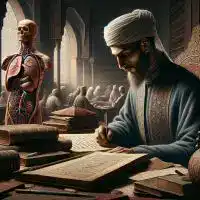 Ibn al-Nafis, a prominent figure in the history of medicine, writes extensively about human anatomy. His works, particularly those on the circulatory system, mark significant advancements in understanding human physiology. He is notably credited with early descriptions of pulmonary circulation, contributing profoundly to anatomy and medical science.
16th Century (1500 to 1599)
-
1550s:
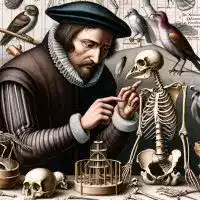 Pierre Belon, a French naturalist, makes groundbreaking comparisons between the skeletons of birds and humans. His work in comparative anatomy, particularly evident in his illustrations, highlights the similarities in skeletal structures, contributing significantly to the field of anatomy and the understanding of vertebrate relationships. This comparative approach was a precursor to later evolutionary studies.
 -
1551:
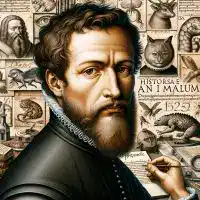 Conrad Gessner, a Swiss naturalist and physician, is credited with founding the discipline of zoology with his extensive work in the field. His publication, “Historiae Animalium“, is considered one of the first comprehensive works on animal life. Gessner’s meticulous documentation of various species, including descriptions and illustrations, laid the groundwork for modern zoological studies.
 -
1580:
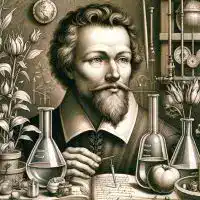 Jan Baptist van Helmont, a notable figure in early scientific thought, suggests that plants grow primarily by converting water. This hypothesis was one of the earliest attempts to understand plant growth and development, focusing on water as a key component. Van Helmont’s experiments and ideas significantly contributed to the evolving understanding of plant physiology and the role of water in plant life.
17th Century (1600 to 1699)
-
1628:
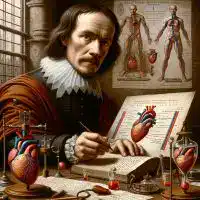 William Harvey makes a groundbreaking discovery in physiology by describing blood circulation. His work, “De Motu Cordis“, details how blood is pumped through the body by the heart, revolutionizing the understanding of the cardiovascular system. Harvey’s discovery laid the foundation for modern cardiology and vascular biology.
 -
1663:
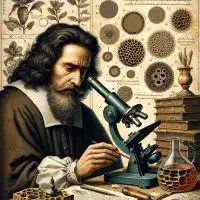 Robert Hooke, a pioneering English scientist, coins the term “cell” while observing plant tissue under a microscope. In his book “Micrographia“, Hooke describes the microscopic, honeycomb-like structures in cork, likening them to the cells inhabited by monks. This discovery is a fundamental moment in the history of biology, laying the groundwork for cell theory.
 -
1666:
 Danish scientist Nicolas Steno lays the foundations for paleontology with his groundbreaking work on fossils and sedimentary layers. His observations and interpretations of fossilized remains and geological strata provided the first systematic framework for understanding the Earth’s history and the evolution of life. Steno’s principles, especially the Law of Superposition, remain fundamental to studying paleontology and geology.
 -
1674:
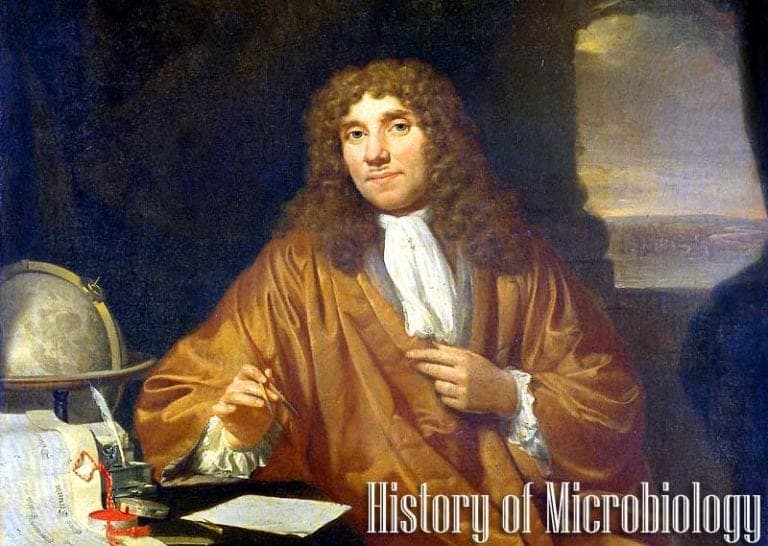
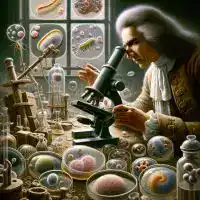 Antonie van Leeuwenhoek, a Dutch scientist, makes a monumental discovery by observing microscopic lifeforms for the first time. He could view and describe various microorganisms called “animalcules” using self-made microscopes. This groundbreaking observation marked the birth of microbiology, significantly expanding the understanding of the diversity of life.
18th Century (1700 to 1799)
-
1701:
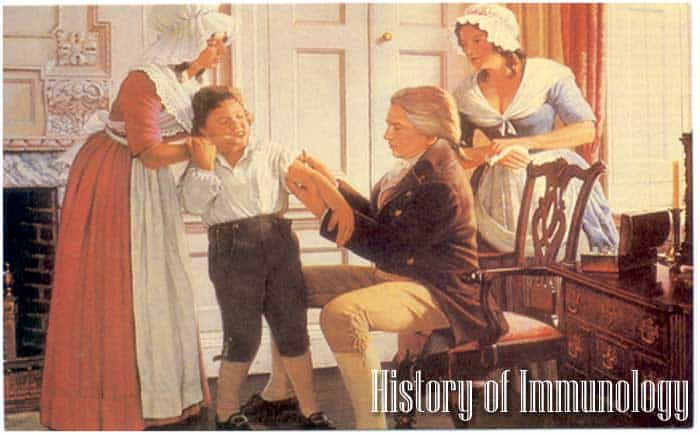
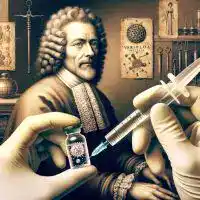 Giacomo Pylarini, an Italian physician, administers the first recorded smallpox vaccination in Europe. This groundbreaking practice involved introducing a small amount of variola virus into healthy individuals to induce immunity against smallpox. Pylarini’s work laid the essential groundwork for developing modern vaccines and the field of immunology.
 -
1702:
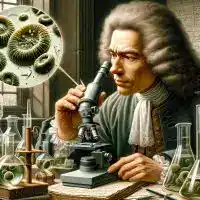 Antonie van Leeuwenhoek, a pioneer in microbiology, describes Vorticella, a genus of protozoan ciliates, for the first time. His observation and detailed description of Vorticella, made possible by his advanced microscopes, further expanded the understanding of microscopic life. Van Leeuwenhoek’s work in this area was crucial in developing protozoology and cell biology.
 -
1723:
 Antonie van Leeuwenhoek’s ongoing advancements in microscopy further revolutionized the study of microorganisms. His continuous refinement of the microscope allowed for more detailed and accurate observations, significantly contributing to the burgeoning field of microbiology. Van Leeuwenhoek’s meticulous work and pioneering techniques laid the foundation for future discoveries in the microscopic world.
 -
1729:
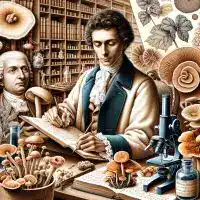 Pier Antonio Micheli, an Italian botanist, significantly contributes to mycology by differentiating fungi from plants. His detailed observations and classifications of fungi, including the establishment of several genera, mark a pivotal moment in studying fungi, laying the groundwork for separating mycology as a distinct field from botany.
 -
1735:
 Carl Linnaeus published Systema Naturae, a seminal work that introduces the binomial system of nomenclature, fundamentally transforming the taxonomy field. This system, which uses genus and species names to classify and name organisms, forms the basis of modern taxonomy and is still the standard method for biological classification today. Linnaeus’ work in ‘Systema Naturae‘ marks a pivotal moment in the standardization and organization of biological nomenclature.
 -
1745:
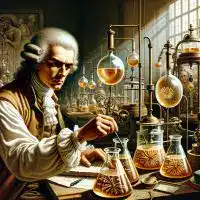 John Needham conducted experiments with broth that appeared to support the theory of spontaneous generation, sparking significant debate and further scientific inquiry into the origin of life. His experiments, which involved heating broth and observing the growth of microorganisms, played a crucial role in the development of microbiology. Needham’s work contributed to the evolving understanding of life processes and the conditions under which life can arise and thrive.
 -
1748:
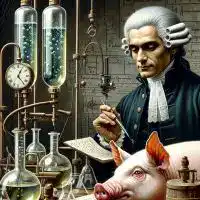 Jean-Antoine Nollet, a French clergyman and physicist, discovers osmosis, a crucial cellular process involving water transfer across semipermeable membranes. His experiments and observations, particularly using pig bladders as semipermeable membranes, significantly advanced the understanding of fluid dynamics in biological systems. Nollet’s work laid the foundation for detailed studies of cellular osmosis and its vital role in physiology and biochemistry.
 -
1750:
 Kew Gardens opens in London, marking a significant development in establishing botanical gardens for plant study. This world-renowned botanical research and education institution is pivotal in studying plant diversity, conservation, and sustainable management. Kew Gardens becomes a hub for botanical knowledge, housing an extensive collection of plants from around the globe and facilitating critical research in botany and ecology.
 -
1751:
 Carl Linnaeus publishes “Philosophia Botanica“, a significant work in botany. This book systematically organizes plant species and establishes the foundations of plant taxonomic classification in plants. Linnaeus’s work in this book forms the cornerstone of botanical nomenclature and taxonomy, setting standards for classifying and naming plants still in use today.
 -
1753:
 Carl Linnaeus publishes “Species Plantarum“, a landmark work in botanical science. This text is particularly notable for formalizing the system of binomial nomenclature, which involves naming species with two terms: the genus and the species identifier. “Species Plantarum” is considered the starting point of modern botanical nomenclature, providing a systematic framework for identifying and classifying plants that continues to be the basis for plant taxonomy in the scientific community.
 -
1758:
 Carl Linnaeus releases the 10th edition of “Systema Naturae“, a significant milestone in zoological nomenclature. This edition is particularly notable for laying down the principles for classifying and naming animals. This system forms the foundation of modern zoological taxonomy. Linnaeus’s work in this publication established a standardized framework for categorizing and naming animal species, which remains integral to zoological studies and classification practices today.
 -
1761:
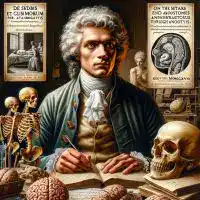 Giovanni Morgagni publishes “De Sedibus et Causis Morborum per Anatomen Indagatis” (On the Seats and Causes of Diseases Investigated through anatomy). This seminal work lays the foundations for modern pathology by establishing a systematic correlation between clinical records and post-mortem findings. Morgagni’s meticulous approach of linking symptoms observed in patients with anatomical observations made during autopsies significantly advanced the understanding of the causes and development of diseases, shaping the future of medical diagnosis and research.
 -
1771:
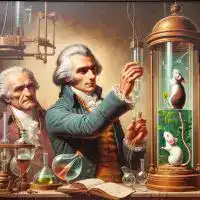 Joseph Priestley, an English chemist, makes a pivotal discovery in exploring photosynthesis by identifying that plants release oxygen. His experiments, which included observing a mouse’s survival in a sealed container with a plant, revealed the essential role plants play in maintaining atmospheric oxygen. Priestley’s work significantly advanced the knowledge of plant physiology and the fundamental processes of photosynthesis, contributing greatly to botany and ecology.
 -
1772:
 Antoine Lavoisier, a French chemist, unveils a crucial aspect of respiration, showing that it involves the intake of oxygen and the output of carbon dioxide. His research significantly advanced the understanding of respiratory physiology, demonstrating the chemical processes involved in breathing. Lavoisier’s work in this area laid the foundation for modern biochemistry and respiratory science, changing how scientists understood life processes’ basic mechanisms.
 -
1774:
 George Louis Leclerc, Comte de Buffon, a prominent French naturalist, makes an innovative attempt to estimate the Earth’s age based on heat loss rates. He conducted experiments to measure the rate of cooling of iron spheres. He extrapolated these findings to estimate the age of the Earth. Although his methods and conclusions were later refined and corrected with modern geology and radiometric dating, Buffon’s work represented an early and significant effort to understand the Earth’s geological timescale.
 -
1776:
 Saverio Manetti publishes “Ornithologia methodice digesta atque iconibus aeneis ad vivum illuminatis ornate“, a significant work in ornithology. This comprehensive ornithological treatise is notable for its systematic approach to classifying and describing birds, accompanied by detailed and vivid illustrations. Manetti’s work contributes substantially to the study of birds, enhancing the scientific understanding of avian anatomy, behavior, and diversity, and stands as a key milestone in ornithological literature.
 -
1785:
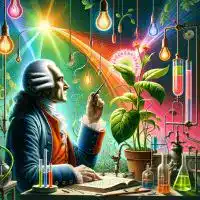 Jan Ingenhousz, building upon Joseph Priestley’s earlier work, makes a crucial discovery in plant physiology by demonstrating that light is essential for plants to produce oxygen. Ingenhousz’s experiments show that plants release oxygen in the presence of light and consume it in the dark, revealing a more complex picture of plant respiration and photosynthesis. This discovery significantly advances the scientific understanding of the photosynthetic process, highlighting the vital role of light in the production of oxygen by plants.
 -
1794:
 Erasmus Darwin, an English physician and natural philosopher, publishes “Zoonomia” a significant work in which he theorizes evolution. In this book, Darwin speculates the possibility of species transformation over time. This concept would later be central to the theory of evolution. While his ideas were not fully developed in terms of natural selection, as later articulated by his grandson, Charles Darwin, Erasmus Darwin’s “Zoonomia” represents an early and influential contribution to evolutionary thought, sparking scientific dialogue and debate on the origins and development of life.
 -
1796:
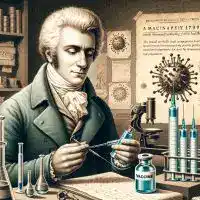 Edward Jenner’s development of the smallpox vaccine revolutionized public health. His innovative use of cowpox material for immunization combated smallpox and established fundamental immunology and vaccine development concepts. Jenner’s work significantly reduced the impact of a deadly disease, marking a major milestone in medical science and the eventual eradication of smallpox.
 -
1796:
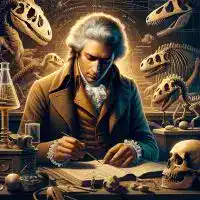 Georges Cuvier conducted groundbreaking research on fossils, leading to the recognition of species extinction. His work in comparative anatomy and paleontology demonstrated that species had disappeared from the fossil record, challenging existing beliefs about the unchangeability of species. Cuvier’s studies significantly advanced the field of paleontology and laid foundational concepts for understanding biodiversity and evolutionary biology.
19th Century (1800 to 1899)
-
1800:
 The discovery of the effectiveness of nitrous vapors in preventing contagion and halting the progression of contagious fevers marked a significant advance in the understanding of disease control. This discovery contributed to the early concepts of antiseptic and anesthetic practices, paving the way for safer medical procedures and improved management of infectious diseases. This finding was a key step in the evolving infection control and public health field.
 -
1801:
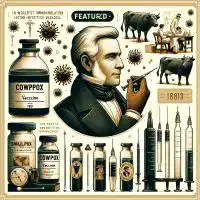 Significant advancements were made in understanding morbid poisons, particularly through Dr.Edward Jenner’s research on cowpox and smallpox. His work was pivotal in developing vaccines, laying the foundation for modern immunology. Jenner’s breakthrough demonstrated that exposure to cowpox provided immunity to smallpox, leading to the creation of the world’s first successful vaccine and transforming medical approaches to infectious diseases.
 -
1804-1806:
 This period marked notable progress in understanding diseases and their treatments. Research focused on various medical conditions, leading to improved management and treatment methods, significantly advancing medical knowledge and practices.
 -
1809:
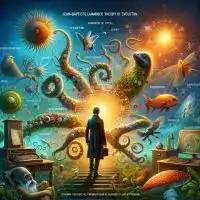 French naturalist Jean-Baptiste Lamarck introduces a transformative theory of evolution, proposing that organisms acquire traits during their lifetimes and pass these adaptations to their offspring. This concept, known as the inheritance of acquired characteristics, played a pivotal role in the early development of evolutionary biology. While parts of Lamarck’s theory were later contested, his ideas significantly influenced the understanding of biological evolution and the adaptive process in organisms.
 -
1812:
 This year marked significant progress in the field of immunology, particularly with insights gained from observations of smallpox occurrences following cowpox vaccination. These observations contributed greatly to understanding the effectiveness and limitations of early vaccines. The data collected from these cases were crucial in evaluating the protective qualities of the cowpox vaccine against smallpox, a major medical concern of the time.
 -
1816:
 The field of electro-biology saw notable progress, particularly in understanding the intricate interplay between mind and matter. This year marked a pivotal moment in the development of psychophysiology, a branch of biology that examines the relationship between psychological processes and physiological responses in the human body. These advances laid foundational knowledge for modern neuroscience and psychophysiological research.
 -
1821:
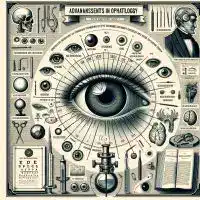 William Mackenzie’s contributions to ophthalmology were groundbreaking. His comprehensive treatise on eye diseases set a new standard in the field, offering detailed insights into various ocular conditions. This work significantly advanced the understanding of eye health and disease and shaped modern ophthalmology practices. Mackenzie’s findings and methodologies in diagnosing and treating eye diseases continue influencing contemporary eye care and research.
 -
1822:
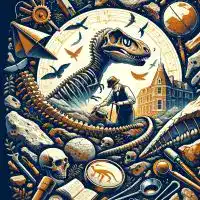 The discovery of dinosaur fossils by Gideon Mantell in England marked a monumental moment in paleontology. This finding captivated the scientific community and significantly expanded the understanding of prehistoric life. Mantell’s work opened new avenues in studying ancient ecosystems, evolution, and extinction, contributing to a deeper comprehension of Earth’s geological and biological history.
 -
1825:
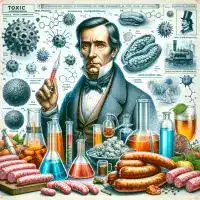 The Berlin Medical Faculty’s proposal on the poison in German sausages led to significant advancements in toxicology. Dr.William Horn’s prize-winning essay on this topic was a critical contribution to understanding foodborne toxins. His research provided insights into the dangers associated with consuming contaminated sausages and laid the groundwork for broader studies in toxicology.
 -
1826:
 This year was pivotal in vaccination history, marked by extensive observations and debates concerning vaccine efficacy and safety. The medical community was deeply engaged in understanding and improving vaccine technologies. These discussions were crucial for advancing the field of immunology, as they highlighted the challenges and potential of vaccines.
 -
1828:
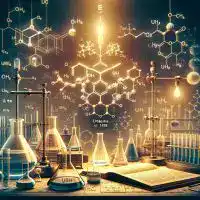 Friedrich Wöhler’s synthesis of urea marked a significant milestone in chemistry and biology, challenging the then-prevailing theory of vitalism. Wöhler’s achievement demonstrated for the first time that an organic compound, previously thought to be producible only by living organisms, could be synthesized from inorganic materials in a laboratory. This breakthrough laid the groundwork for modern organic chemistry and biochemistry, fundamentally altering the understanding of the relationship between living and non-living matter.
 -
1831:
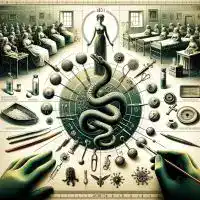 The advances in treating puerperal fever, a major cause of mortality among women in childbirth during the 19th century, represented a crucial development in obstetric medicine. Puerperal fever, also known as childbed fever, poses a significant risk to maternal health, with high mortality rates. These advancements improved maternal survival rates and contributed to the broader understanding of infection control in medical practice.
 -
1833:
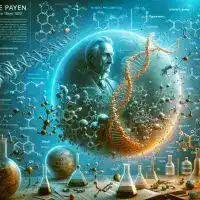 Anselme Payen’s discovery of diastase, the first enzyme, was pivotal in biochemistry. This breakthrough advanced the understanding of digestive processes and ushered in a new era of enzyme research. Payen’s work laid essential groundwork for later studies in metabolism and various industrial applications, marking a significant step in the evolution of modern biochemistry and molecular biology.
 -
1839:
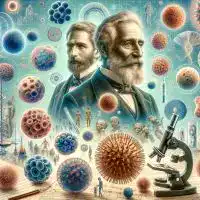 Theodor Schwann and Matthias Schleiden made a landmark contribution to biology by proposing cell theory. This pivotal theory states that all living organisms are composed of cells and that the cell is the fundamental unit of life. Their collaborative work provided a unifying principle for biology, greatly influencing the scientific understanding of the structure and function of living organisms. This theory is a cornerstone of modern biology, fundamentally changing how scientists study life.
 -
1841:
 M. Graetzer and others conducted significant research into the diseases of the fetus, marking a crucial advancement in the understanding of fetal health and prenatal care. This research laid the groundwork for modern obstetrics and gynecology, providing insights into diagnosing and treating fetal conditions.
 -
1841:
 Rudolf Albert von Kölliker contributed significantly to reproductive biology by describing the cellular nature of spermatozoa in the same year. His work provided a deeper understanding of human and animal reproduction at a cellular level, challenging previous beliefs about the origins of life. Kölliker’s research was pivotal in establishing the fundamental role of sperm in fertilization, leading to a better comprehension of reproductive mechanisms and the development of related scientific fields.
 -
1842:
 M. Valleix’s research on neuralgia and painful nerve conditions marked a key advancement in neurology. His detailed work on these disorders significantly enhanced his understanding of the nervous system and its pathologies. Valleix’s contributions were crucial in identifying the symptoms, causes, and potential treatments for various nerve-related conditions, laying the groundwork for future neurology and pain management research.
 -
1844:
 The discovery of the therapeutic powers of potassium iodide represented a major milestone in pharmacology and medicine. This compound’s recognition for its medicinal properties opened new avenues for treating various conditions. It became particularly noted for its effectiveness in treating specific diseases and symptoms, influencing future drug development and therapeutic strategies.
 -
1850:
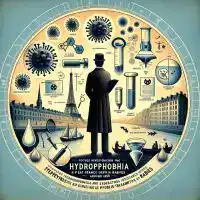 In France, focused investigations into hydrophobia (now known as rabies) began, providing valuable insights into the disease’s prevalence and characteristics. These studies were crucial in understanding the nature of rabies. This disease causes fear of water and other severe symptoms in humans and animals. This research laid the groundwork for future advancements in the diagnosis, prevention, and treatment of rabies, significantly contributing to public health and the field of epidemiology.
 -
1851:
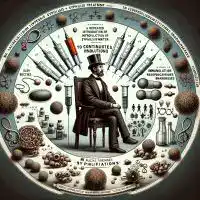 M. Auzias Turenne’s groundbreaking research in syphilis treatment through continuous inoculations, termed “syphilization“, marked a significant advancement in the understanding and management of this sexually transmitted disease. His method involved the repeated introduction of syphilitic matter to induce immunity, a concept that, although controversial and eventually superseded by more effective treatments, played a crucial role in the early exploration of immunological responses to infectious diseases.
 -
1859:
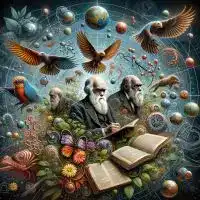 Charles Darwin’s publication of “On the Origin of Species” introduced the groundbreaking theory of evolution by natural selection. This work revolutionized the understanding of biological diversity and the process of evolution. Darwin’s theory proposed that species evolve over time through natural selection, where individuals with advantageous traits are more likely to survive and reproduce. This concept challenged existing views of a static natural world. It provided a scientific explanation for the diversity of life on Earth.
 -
1866:
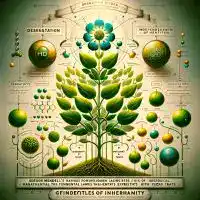 Gregor Mendel formulated the fundamental laws of inheritance through meticulous experiments with pea plants. His work established the principles of heredity, demonstrating how traits are passed from parents to offspring. Mendel’s observations led to the concepts of dominant and recessive traits and the segregation and independent assortment of genes. Though not widely recognized during his lifetime, his findings later became the cornerstone of Genetics and profoundly impacted our understanding of biological inheritance.
 -
1868:
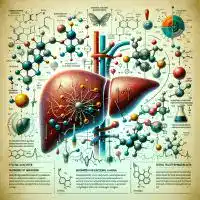 Bernard and Barreswil made a significant discovery by identifying a sugar similar to glucose as a normal constituent of the liver. This finding was crucial in advancing the understanding of liver function and metabolism. Their work shed light on the liver’s role in regulating blood sugar levels and its capacity to store and release glucose as needed.
 -
1869:
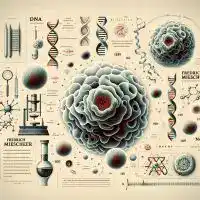 Friedrich Miescher made a groundbreaking discovery in molecular biology by identifying DNA. He isolated a novel substance from the nuclei of white blood cells called “nuclein“. This substance, later known as DNA, was characterized by its high phosphorus content and resistance to protein digestion. Miescher’s work laid the foundation for understanding the molecular basis of heredity. However, the significance of DNA as the carrier of genetic information was not realized until much later.
 -
1870:
 G. Bentham’s comprehensive overview of botany‘s progress highlighted the remarkable advancements in plant biology. His work offered insights into the development of botanical science, showcasing the evolution of knowledge in plant structure, function, and classification. This period marked a significant shift in botanical studies, moving from mere descriptive botany to a more analytical and experimental approach.
 -
1872:
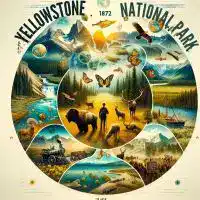 The establishment of Yellowstone National Park marked a significant moment in environmental conservation. It was created to protect diverse wildlife and natural wonders, pioneering the concept of national parks and highlighting the importance of preserving natural habitats for future generations.
 -
1873:
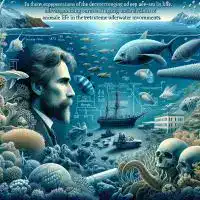 George Ossian Sars’ research on deep-sea life significantly advanced marine biology by challenging existing beliefs about the limits of animal life in the ocean. His findings expanded our understanding of marine biodiversity and the capacity of life to thrive in extreme underwater environments.
 -
1875:
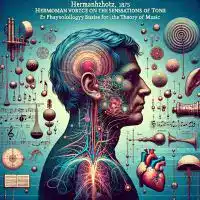 Hermann von Helmholtz’s groundbreaking work on the sensations of tone established a physiological basis for the theory of music. His research created an intersection between physiology and acoustics, enhancing understanding of how sound is perceived and processed by the human body and its implications in music.
 -
1875:
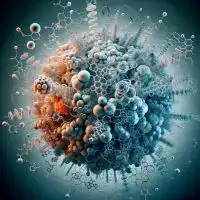 In the same year, Pfliiger proposed a hypothesis about the constitution of organized bodies, suggesting that in an organism, polymerization could progress indefinitely, potentially forming a single giant chemical molecule. This theory was pivotal in advancing the understanding of chemical continuity in biological systems, contributing significantly to comprehending complex biochemical processes and molecular structures within living organisms.
 -
1876:
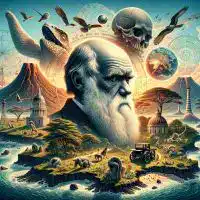 Charles Darwin’s “Geological Observations on the Volcanic Islands and Parts of South America” was published, marking a significant contribution to biology and geology. This work enhanced the understanding of natural selection and geological formations, further solidifying Darwin’s impact on scientific thought. The insights gained from this publication provided crucial evidence supporting the theory of evolution.
 -
1878:
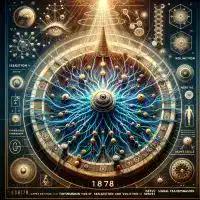 Research focused on transmitting sensation and volition through nerves, advancing our understanding of neurological processes. This work provided crucial insights into the rate at which signals are transmitted through the nervous system, contributing significantly to the field of neurology.
 -
1878:
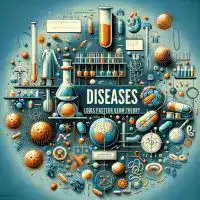 Louis Pasteur established the germ theory of disease, demonstrating that microorganisms cause many diseases. This groundbreaking discovery revolutionized the field of medical microbiology, fundamentally changing the understanding of disease causation and prevention. Pasteur’s work laid the foundation for modern microbiology and had a profound impact on public health, leading to the development of sterilization methods, vaccines, and antibiotics.
 -
1886:
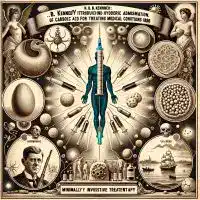 N. B. Kennedy introduced the hypodermic administration of carbolic acid for treating conditions like hemorrhoids, carbuncles, poisonous bites, small tumors, and ulcers. This method marked a significant advancement in medical procedures, particularly in minimally invasive treatment. Carbolic acid, a phenol compound, was an early form of antiseptic therapy, helping to prevent infection and promote healing in various medical conditions.
 -
1886:
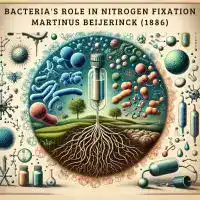 Martinus Beijerinck’s discovery of bacteria’s role in nitrogen fixation marked a major advancement in microbiology. His research revealed the essential part these microorganisms play in converting atmospheric nitrogen into forms usable by plants, fundamentally impacting both ecological studies and agricultural practices.
 -
1888:
 Theodor Boveri’s research suggested the significant role of chromosomes in inheritance. His work provided foundational insights into genetics, emphasizing the importance of chromosomes in transferring hereditary information from one generation to the next, thereby influencing the understanding of genetic principles and cell biology.
 -
1892:
 Dmitri Ivanovsky’s discovery of viruses marked a pivotal moment in microbiology. His research identified these microscopic entities as distinct from bacteria, opening a new field of study. This breakthrough led to a deeper understanding of infectious diseases and the development of virology as a scientific discipline.
 -
1893:
 Theodor Eimer’s work in evolutionary biology contributed significantly to the field. He presented an early theory of evolution, focusing on orthogenesis, suggesting that organisms evolve in a linear, directed manner rather than through natural selection.
 -
1894:
 Alfred M. Mayer’s research in auditory physiology significantly advanced the understanding sound perception. His exploration of the relationship between the pitch of a sound and the duration of its residual sensation provided valuable insights into how the human auditory system processes and retains sound information.
 -
1895:
 The discovery of antitoxins and advancements in bacteriology revolutionized the treatment of diseases such as diphtheria, marking a milestone in medical science and infectious disease management. These developments significantly improved the understanding and control of bacterial infections.
 -
1899:
 Hermann von Helmholtz’s research on the sensations of tone established a physiological basis for the theory of music, bridging the fields of physiology and acoustics. This work significantly contributed to the understanding of how sound is perceived and processed by the human body.
20th Century (1900 to 1999)
-
1900:
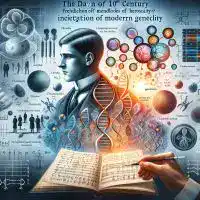 The dawn of the 20th century signified a pivotal era in biology, particularly with the rediscovery of Gregor Mendel’s laws of heredity. This period marked the inception of modern Genetics, integrating Mendel’s principles with chromosomal studies, thereby profoundly influencing the course of modern biological science and understanding of hereditary mechanisms.
 -
1902:
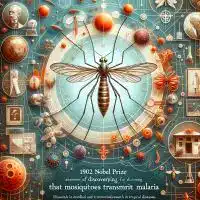 Ronald Ross received the Nobel Prize for discovering that mosquitoes transmit malaria, significantly advancing the understanding of this devastating disease.
 -
1905:
 William Bateson coined the term “Genetics” to describe the science of heredity and the factors underlying organism variation. This marked a significant milestone in biology, formalizing the study of genes and inheritance and shaping the direction of future genetic research.
 -
1906:
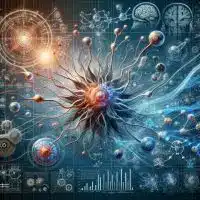 The detailed structure of nerve cells, including the discovery of synapses, was elucidated, significantly advancing our understanding of the nervous system. This breakthrough provided critical insights into how nerve cells communicate with each other, laying the foundation for modern neuroscience.
 -
1907:
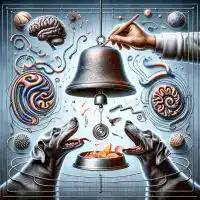 Ivan Pavlov’s studies on conditioned reflexes offered groundbreaking insights into behavior and learning. His work, involving the conditioning of dogs to salivate at the sound of a bell, established the concept of classical conditioning, profoundly influencing both psychology and the understanding of neural pathways in learning and memory.
 -
1907:
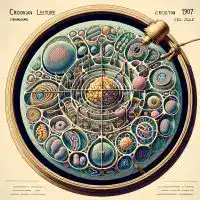 The Croonian Lecture detailed critical insights into the structural components of the nucleus, particularly focusing on their significance in cell division and heredity.
 -
1911:
 Telephone technology advancements played an indirect yet pivotal role in biological research. Improved communication and data-sharing capabilities among scientists facilitated the swift exchange of ideas and findings, significantly boosting the pace of scientific discovery and collaboration in the biological sciences.
 -
1915:
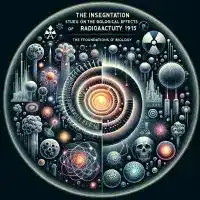 The inception of studies on the biological effects of radioactivity marked a turning point in biology. After discovering X-rays and radium, these investigations shed light on cellular processes and laid crucial foundations for cancer research.
 -
1920:
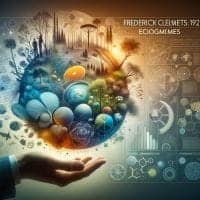 Frederick Clements made a pivotal contribution to ecology by categorizing biomes. This classification significantly enhanced the understanding of different ecological communities based on their distinctive vegetation and environmental conditions.
 -
1922:
 The ongoing advancements in physical chemistry, which gained momentum in the late 19th century, had a profound impact on biology, particularly in the fields of biochemistry and molecular biology. These developments helped bridge the gap between physical sciences and biological systems, fostering a deeper understanding of the molecular basis of life.
 -
1923:
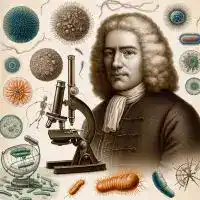 The bicentenary celebration of Antony van Leeuwenhoek, a foundational figure in microbiology, recognized his pivotal role in the field. Leeuwenhoek’s groundbreaking work, which included discovering and studying bacteria, protozoa, and yeasts, set the stage for centuries of microbiological research, profoundly influencing the understanding of microscopic life forms.
 -
1924:
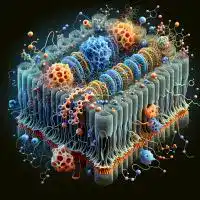 The discovery of cell membrane structure marked a pivotal advancement in cellular biology. This breakthrough provided critical insights into how cells maintain their integrity and interact with their environment, fundamentally changing our understanding of cellular function and laying the groundwork for future cell biology and physiology research.
 -
1924:
 Charles Elton and Alister Hardy introduced the food chain concept, revolutionizing ecology. Their work provided a fundamental understanding of how energy and nutrients flow through ecosystems, highlighting the interconnectedness of different species and their roles within a larger ecological context.
 -
1925:
 Alfred J. Lotka’s publication, “Elements of Physical Biology“, played a pivotal role in biology by applying statistical mechanics to biological systems. This work significantly advanced the understanding of population dynamics and evolutionary processes, marking a critical intersection between physics and biology.
 -
1925:
 The inauguration of the ultraviolet clinic at the Royal London Ophthalmic Hospital was a landmark event in ophthalmology, highlighting the therapeutic application of light in treating eye diseases. This pioneering initiative underscored the growing recognition of ultraviolet light’s medical benefits, particularly in eye care.
 -
1928:
 Charles Nicolle was awarded the Nobel Prize for identifying lice as the transmission vector of typhus, leading to improved public health measures.
 -
1929:
 Walter Bradford Cannon introduced the term “homeostasis“, a fundamental concept in physiology. His work emphasized the body’s ability to maintain stable internal conditions despite external changes. This concept revolutionized our understanding of physiological processes and how organisms adapt to their environment.
 -
1930:
 R. A. Fisher’s publication “Statistical Methods for Research Workers” significantly influenced biological research by introducing advanced statistical techniques. This book provided methods for analyzing large datasets crucial for understanding complex biological phenomena.
 -
1936:
 The discovery of “Bios” growth-stimulating factors for microorganisms marked a major advancement in microbiology. This breakthrough enhanced the understanding of microbial growth and metabolism, paving the way for further research in microbial physiology and biochemistry.
 -
1937:
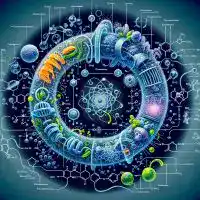 Hans Krebs made a groundbreaking contribution to biochemistry by outlining the citric acid cycle, also known as the Krebs cycle. This cycle is a key metabolic pathway that unifies carbohydrate, fat, and protein metabolism.
 -
1938:
Barbara McClintock, an American cytogeneticist, discovered ring chromosomes, and her research on the gene bm1 in maize was pivotal to genetics and cytogenetics.
-
1941:
Albert Szent-Györgyi, a Hungarian biochemist, suggested applying quantum theory to explain certain biological processes, introducing a groundbreaking idea. This innovative approach bridged the gap between physics and biology, leading to new research methodologies in biochemistry.
-
1942:
Introducing radioactive tracers in biology and medicine marked a significant advancement in studying metabolism across various organisms. This innovative technique enabled scientists to trace the pathways of elements and compounds within living systems, offering a more detailed and nuanced understanding of biological processes.
-
1945:
Alexander Fleming, Howard Florey, and Ernst Boris Chain shared the Nobel Prize for their revolutionary discovery of penicillin, the first true antibiotic.
-
1946:
Rudolf Höber’s “Physical Chemistry of Cells and Tissues” significantly advanced the understanding of the physical chemistry of biological systems. This publication underscored the fundamental role of cells as the primary structural unit in living organisms.
-
1948:
A comprehensive review of cytology’s evolution over approximately 75 years, dating back to 1875, was conducted. This review illuminated substantial advancements in the field, encompassing critical discoveries in mitosis, fertilization, chromosome behavior, and embryological development.
-
1949:
Key advancements were made in understanding cellular biology, particularly regarding the impact of ‘mitotic poisons’ on cell nuclei. This new evidence sheds light on the mechanisms through which certain chemicals interfere with cell division, specifically the mitotic process.
-
1950:
Laboratory experiments focusing on small poikilothermal animals, like insect larvae, offered significant insights into the factors influencing their body temperatures. These studies underscored the intricate interaction between physical and biological elements in determining physiological processes. The research highlighted how environmental factors, such as temperature and humidity, play a crucial role in the physiological regulation of these organisms.
-
1953:
The groundbreaking discovery of DNA’s structure by James Watson and Francis Crick marked a monumental milestone in molecular biology. This achievement laid the fundamental groundwork for modern genetics, revolutionizing the understanding of genetic inheritance. The elucidation of the double helix structure of DNA provided critical insights into the mechanisms of genetic replication and mutation.
-
1953:
Hans Adolf Krebs won the Nobel Prize for elucidating the citric acid cycle, a key process in Cellular Respiration, while Fritz Albert Lipmann was recognized for discovering coenzyme A, fundamental in metabolism.
-
1954:
The work of Francis Crick and Alexander Rich on the structure of collagen, a crucial protein in connective tissue, marked a significant achievement in molecular biology. Utilizing X-ray diffraction methods, they provided critical insights into the molecular structure of proteins.
-
1957:
Szent-Györgyi and Steele’s exploration of proteins’ excited states and optical properties significantly advanced bioenergetics and electronic biology, shedding light on the molecular mechanisms of energy transfer in biological systems.
-
1962:
Francis Crick, James Watson, and Maurice Wilkins were honored with the Nobel Prize for their groundbreaking work on the molecular structure of DNA, a cornerstone of modern genetics.
-
1964:
The field of astrobiology saw significant expansion with advances in molecular evolution and criteria for extraterrestrial life as confidence grew in understanding the origins of life. This marked a pivotal moment in exploring life’s potential beyond Earth.
-
1966:
The transformation in biology education, marked by integrating modern biological knowledge into teaching, reflected the rapid advancements in the field and the need to effectively convey these developments from researchers to students.
-
1966:
Willi Hennig’s introduction of cladistics revolutionized biological classification, establishing a new method for analyzing relationships among species based on shared evolutionary histories.
-
1971:
The identification of mitochondrial DNA in Neurospora and yeast marked a pivotal moment in understanding the genetic apparatus of mitochondria, shedding light on their crucial role in cellular function and inheritance.
-
1972:
Advances in electron microscopy and high-speed centrifugation enabled the separation of subcellular components of brain tissue, significantly enhancing our understanding of cellular structure and metabolism.
-
1974:
Rudolf Jaenisch’s pioneering work in genetic engineering marked a significant milestone, laying the foundation for future advancements in genetics and biotechnology.
-
1974:
The study of Richard Goldschmidt’s theories, which challenged the Mendelian-chromosome theory, significantly contributed to the discourse on evolutionary genetics, fostering a deeper understanding of gene physiology and developmental biology.
-
1975:
Bretscher and Raff’s research on mammalian plasma membranes commemorated 50 years since the lipid bilayer proposal, a cornerstone in understanding cell membrane structure and function in molecular cell biology.
-
1975:
The discovery of monoclonal antibodies and the formation of the first DNA companies marked a pivotal moment, beginning a new era in biology. This period saw the integration of recombinant DNA technology, protein chemistry, and cell biology, significantly advancing the field.
-
1980:
Vigdis L. Torsvik introduced the first procedure for isolating bacterial DNA from soil. This innovation initiated the subdiscipline of soil molecular microbial ecology, leading to significant advancements in genetic tools for analyzing soil microbial communities.
-
1981:
The two decades from 1980 to 2000 were anticipated to witness remarkable breakthroughs in Recombinant DNA (rDNA) research. This period expected major advancements in agriculture, industry, and medicine, including developing novel nitrogen-fixing plants and bacteria for pollution control.
-
1983:
Barbara McClintock received the Nobel Prize for discovering genetic transposition, revealing a dynamic and adaptable aspect of the genome.
-
1990:
Carl Woese introduces the three-domain life classification system, revolutionizing our understanding of biological diversity and evolutionary relationships among organisms. This system classifies life into three domains: Bacteria, Archaea, and eukarya, based on genetic and molecular differences.
-
1990:
The Polymerase Chain Reaction (PCR) technique, pivotal for amplifying DNA, facilitated significant advances in population biology and organismal evolution. It enabled the study of genetic material from small, degraded, or impure samples, revolutionizing research in genetics, forensics, and evolutionary biology.
-
1996:
The cloning of Dolly the sheep represented a groundbreaking moment in biology. It demonstrated the feasibility of cloning a mammal from an adult somatic cell, a milestone in cloning technology and genetics with profound implications for developmental biology and biotechnology.
-
1997:
Stanley B. Prusiner was awarded the Nobel Prize for his pioneering research on prions, infectious proteins that cause neurodegenerative diseases.
-
1999:
The tenth anniversary of the first human gene therapy experiment and the 25th anniversary of the National Academy of Sciences conference “Asilomar” marked significant genetic milestones. These events reflected the remarkable progress in genetic technologies and their transformative impact on health and medicine, emphasizing the potential of genetic interventions in treating various diseases.
21st Century (2000 to Current)
-
2001:
Completing the Human Genome Project marked a monumental achievement in biology. This international scientific research project successfully mapped and sequenced the entire human genome.
-
2006:
The creation of the first synthetic bacteria represented a groundbreaking achievement in synthetic biology. Scientists successfully synthesized an artificial version of the Mycoplasma genitalium bacterium, engineering its genetic material.
This milestone demonstrated the potential to design and construct bacterial cells with specific properties, paving the way for significant advancements in biotechnology, including developing new vaccines, biofuels, and pharmaceuticals and deepening our understanding of genetic engineering and life itself. -
2008:
The importance of epigenetics in the inheritance of chromosome structures became increasingly recognized. This year marked a pivotal moment in understanding how epigenetic mechanisms, such as DNA methylation and histone modification, play a crucial role in regulating gene expression and maintaining chromosome integrity across generations.
-
2012:
John Gurdon and Shinya Yamanaka shared the Nobel Prize for discovering that mature cells can be reprogrammed to a pluripotent state, a breakthrough in regenerative medicine.
-
2018:
The James Webb Space Telescope (JWST) was anticipated to significantly contribute to astrobiology. This advanced space observatory, equipped with powerful infrared capabilities, was designed to explore the universe’s earliest Galaxies, the formation of stars and planetary systems, and the potential for life in other solar systems.
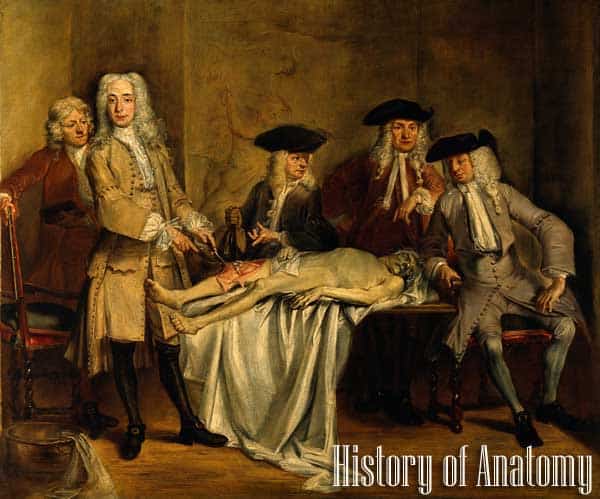
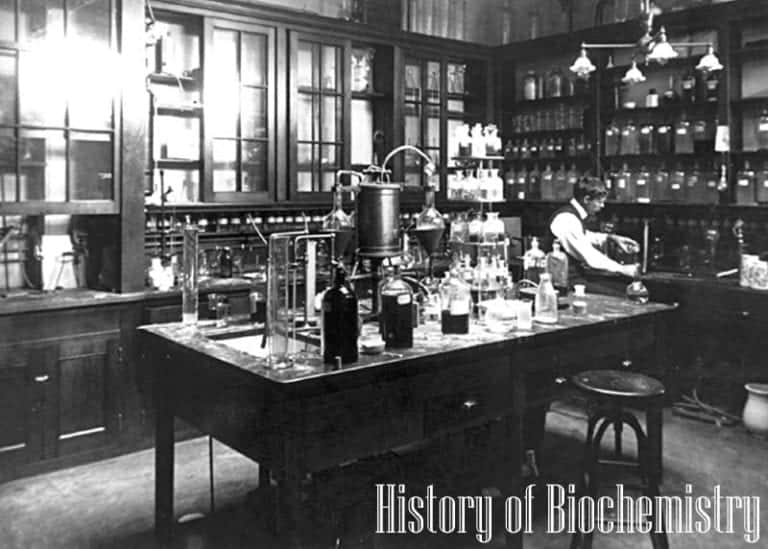
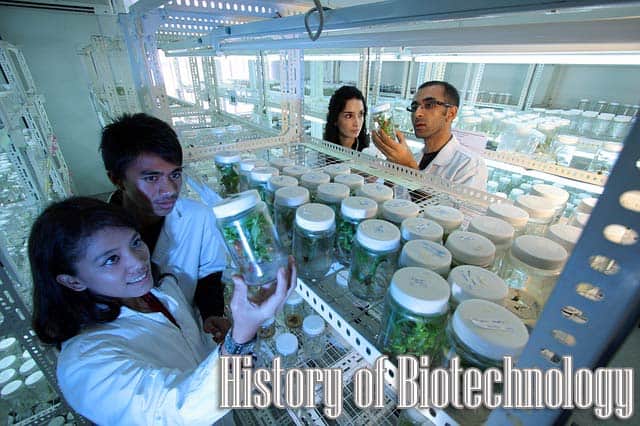
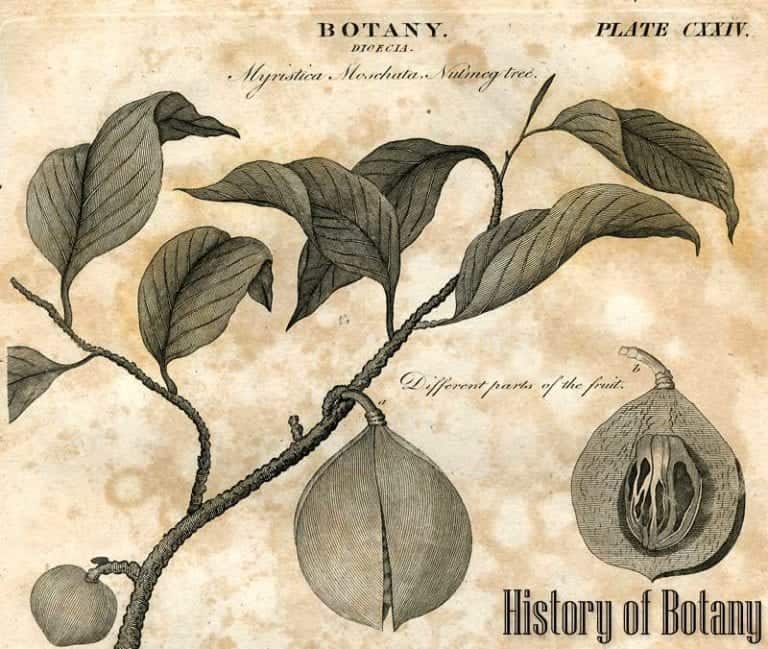
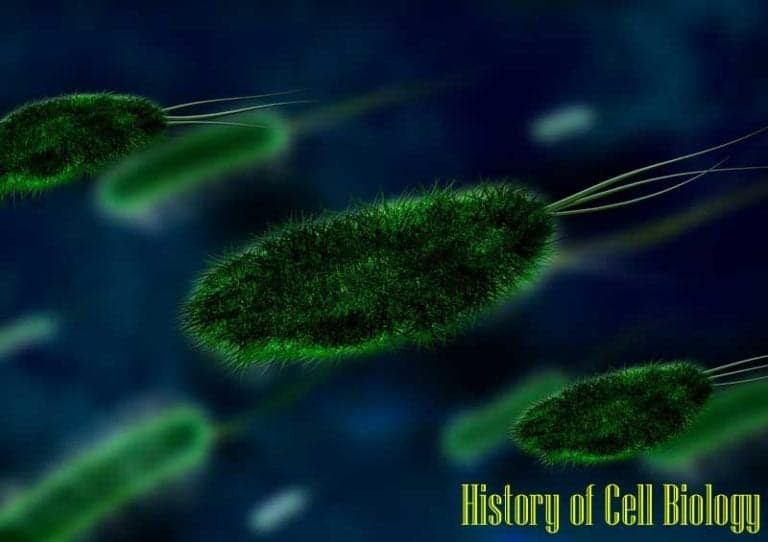
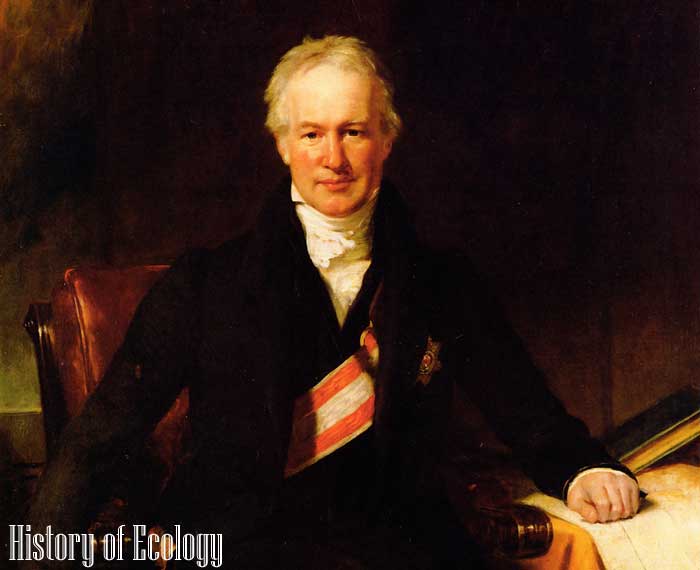
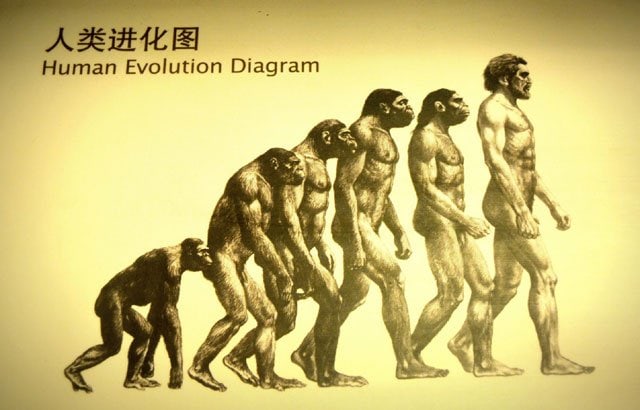
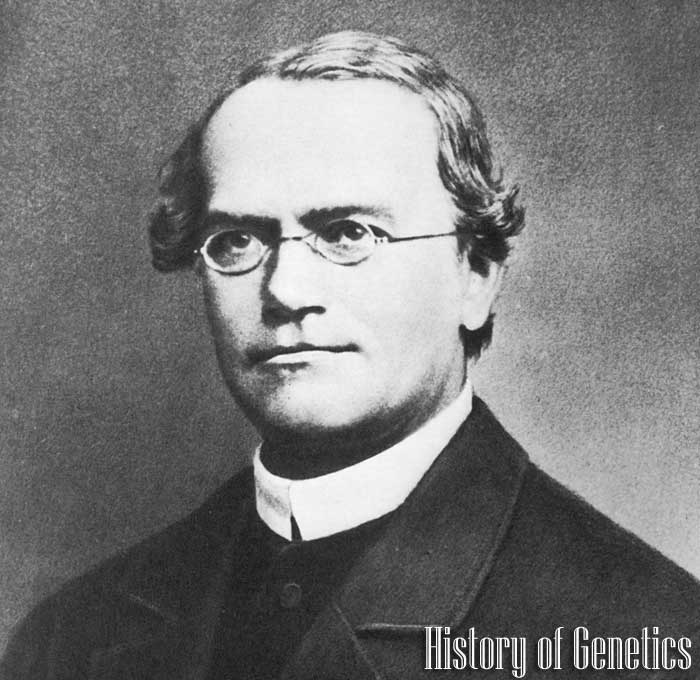
Here is the history of several sub-branches of biology.
Additional References
Here are some excellent resources on various historians and scientists who have contributed to biological studies from the dawn of time:
A Brief History of the Human Genome Project
This chapter summarizes human genetics and its history with simple descriptions of modes of inheritance using commonly-used terms from the genetic literature. It also describes current efforts to create genetic maps and to sequence the 3 billion bases in the human genome.

Biographies – the Scientists
Alphabetical list of scientists, including biologists, each with a precis of the scientist’s life and achievements. Links to deeper and more extensive materials.
Adam Sedgwick (1785-1873)
Adam Sedgwick was born on March 22, 1785, the third of seven children of an Anglican vicar in Dent, Yorkshire, England. His home life was happy; like many geologists, young Adam rambled through the countryside, looking at and collecting rocks and fossils. Despite his family’s modest means, Sedgwick attended nearby Sedbergh School and then entered Trinity College at Cambridge University as a “sizar” — a type of scholarship student.
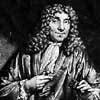
Antony van Leeuwenhoek (1632-1723)
Leeuwenhoek was an unlikely scientist. He came from a family of tradesmen, received no higher education, and knew no languages other than his native Dutch.
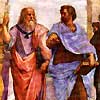
Aristotle (384-322 B.C.E.)
Though Aristotle’s work in zoology was not without errors, it was the grandest biological synthesis of the time and remained the ultimate authority for many centuries after his death. His observations on the anatomy of octopus, cuttlefish, crustaceans, and many other marine invertebrates are remarkably accurate and could only have been made from first-hand experience with dissection.
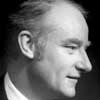
Biography of Francis Harry Compton Crick
Biography of Francis Harry Compton Crick from the Nobel Foundation.

Biography of James Dewey Watson
Biography of James Dewey Watson from the Nobel Foundation.
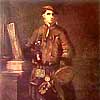
Carl Linnaeus (1707-1778)
Carl Linnaeus, also known as Carl von Linné or Carolus Linnaeus, is often called the Father of Taxonomy. His system for naming, ranking, and classifying organisms is still widely used today (with many changes). His ideas on classification have influenced generations of biologists during and after his own lifetime, even those opposed to his work’s philosophical and theological roots.
DNA from the Beginning
DNA from the Beginning is an animated primer on molecular biology and genetics. It goes through the major discoveries and experiments from Mendel’s peas to the 21st Century’s genetic age of the Human Genome Project.
Early Classics in Biogeography, Distribution, and Diversity Studies: To 1950
The following bibliography and full-text archive is designed to serve advanced students and researchers engaged in biogeography, biodiversity, history of science, and related studies. The subjects involved touch on fields ranging from ecology, conservation, systematics and physical geography to evolutionary biology, cultural biogeography, paleobiology, and bioclimatology, but have in common relevance to the study of geographical distribution and diversity.
Edward Drinker Cope (1840-1897)
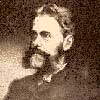
Edward Drinker Cope was an American paleontologist and evolutionist. He was one of the founders of the Neo- Lamarckian school of evolutionary thought. This school believed that developmental (embryonic) timing changes, not natural selection, were the driving force of evolution. In 1867, Cope suggested that most changes in species occurred by coordinated additions to the ontogeny of all the individuals in a species.
Erasmus Darwin (1731-1802)
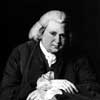
As a naturalist, Darwin formulated one of the first formal theories on evolution in Zoonomia, or, The Laws of Organic Life (1794-1796). He also presented his evolutionary ideas in verse, particularly in the posthumously published poem The Temple of Nature. Although he did not come up with a natural selection, he did discuss ideas that his grandson elaborated on sixty years later, such as how life evolved from a single common ancestor, forming “one living filament”.
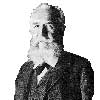
Ernst Haeckel (1834-1919)
Much like Herbert Spencer, Ernst Haeckel was always quotable, even when wrong. Although best known for the famous statement “ontogeny recapitulates phylogeny”, he also coined many words commonly used by biologists today, such as phylum, phylogeny, and ecology. On the other hand, Haeckel also stated that “politics is applied biology”, a quote by Nazi propagandists.
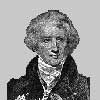
Georges Cuvier (1769-1832)
Undoubtedly, Georges Cuvier possessed one of the finest minds in history. He almost single-handedly founded vertebrate paleontology as a scientific discipline and created the comparative method of organismal biology, an incredibly powerful tool. It was Cuvier who firmly established the fact of the extinction of past lifeforms. He contributed an immense amount of research in vertebrate and invertebrate zoology and paleontology and also wrote and lectured on the history of science.
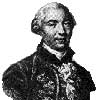
Georges-Louis Leclerc, Comte de Buffon (1707-1788)
One hundred years before Darwin, Buffon, in his Historie Naturelle, a 44-volume encyclopedia describing everything known about the natural world, wrestled with the similarities of humans and apes and even talked about the common ancestry of Man and apes. Although Buffon believed in organic change, he did not provide a coherent mechanism for such changes. He thought that the environment acted directly on organisms through what he called “organic particles“.
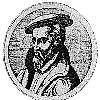
Georgius Agricola (1494-1555)
Georg Bauer, better known by the Latin version of his name Georgius Agricola, is considered the founder of geology as a discipline. His work paved the way for further systematic study of the Earth and its rocks, minerals, and fossils. He made fundamental contributions to mining geology, metallurgy, mineralogy, structural geology, and paleontology.
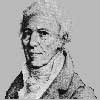
Jean-Baptiste Lamarck (1744-1829)
Lamarck’s scientific theories were largely ignored or attacked during his lifetime; Lamarck never won the acceptance and esteem of his colleagues Buffon and Cuvier, and he died in poverty and obscurity. Today, Lamarck is associated with a discredited theory of heredity, the “inheritance of acquired traits.” However, Charles Darwin, Lyell, Haeckel, and other early evolutionists acknowledged him as a great zoologist and forerunner of evolution.
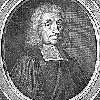
John Ray (1628-1705)
One of the most eminent naturalists of his time, John Ray, was also an influential philosopher and theologian. Ray is often referred to as the father of natural history in Britain.
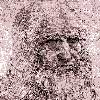
Leonardo da Vinci (1452-1519)
Including Leonardo da Vinci in a list of paleontologists and evolutionary biologists may seem unusual. Leonardo was and is best known as an artist. Yet he was far more than a great artist: he had one of the best scientific minds of his time. He researched fields ranging from architecture and civil engineering to astronomy, anatomy and zoology, geography, geology, and paleontology.
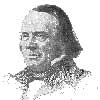
Louis Agassiz (1807-1873)
One of the great scientists of his day, and one of the “founding fathers” of the modern American scientific tradition, Louis Agassiz, remains a historical enigma. A great systematist and paleontologist, a renowned teacher, and a tireless promoter of science in America, he was also a lifelong opponent of Darwin’s theory of evolution. Yet even his most critical attacks on evolution have provided evolutionary biologists with insights.
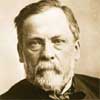
Louis Pasteur
Louis Pasteur was born on December 27, 1822, in Dole, Jura, France. His discovery that most infectious diseases are caused by germs, known as the “germ theory of disease”, is one of the most important in medical history. His work became the foundation for the science of microbiology and a cornerstone of modern medicine.
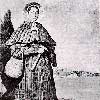
Mary Anning (1799-1847)
Even though Mary Anning’s life has been made the subject of several books and articles, comparatively little is known about her life, and many people are unaware of her contributions to paleontology in its early days as a scientific discipline. How can someone describe as ‘the greatest fossilist the world ever knew’ be so obscure that even many paleontologists are not aware of her contribution? She was a woman in a man’s England.
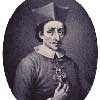
Nicholas Steno (1638-1686)
Despite a relatively brief scientific career, Nicholas Steno’s work on the formation of rock layers and the fossils they contain was crucial to the development of modern geology. The principles he stated continue to be used today by geologists and paleontologists.
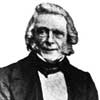
Patrick Matthew (1790-1874)
He was not a trained scientist, and his evolutionary insights lie buried in his books and articles on agriculture and politics. Yet he developed a theory of natural selection nearly thirty years before the publication of Darwin’s Origin of Species, with both big differences and remarkable similarities to Darwin’s theory.
Richard Owen (1804-1892)
With German transcendental anatomy, Owen synthesized French anatomical work, especially from Cuvier and Geoffroy. He gave us many terms still used today in anatomy and evolutionary biology, including “homology”. Owen famously defined homology in 1843 as “the same organ in different animals under every variety of form and function.”
Robert Hooke (1635-1703)
His name is somewhat obscure today due in part to the enmity of his famous, influential, and extremely vindictive colleague, Sir Isaac Newton. Yet Hooke was perhaps the single greatest experimental scientist of the seventeenth Century. His interests knew no bounds, ranging from physics and astronomy to chemistry, biology, geology, architecture, and naval technology.
The Alfred Russel Wallace Page
My site on Alfred Russel Wallace contains the full text of over 100 of his writings, extensive bibliographies, and various kinds of commentary. It is one of the largest history of science-oriented sites on the Web.
The History of Cell Biology
Too many colleagues forget what is already known in scientific literature. Acting as independent researchers, they have ignored the findings of their predecessors. I discovered by searching the Internet that websites often include contradictory descriptions of the same facts or events. If the study of scientific history were adequately funded, we would be compelled to write it anew.
The Works of Charles Darwin Online
Links to full-length, online versions of Charles Darwin’s most important books: The Voyage of the Beagle, The Origin of Species, and The Descent of Man.

The World of Richard Dawkins
Richard Dawkins was educated at Oxford University and has taught zoology at the Universities of California and Oxford. He is the Charles Simonyi Professor of the Public Understanding of Science at Oxford University. His books about evolution and science include The Selfish Gene, The Extended Phenotype, The Blind Watchmaker, River Out of Eden, Climbing Mount Improbable, and most recently, Unweaving the Rainbow.
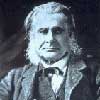
Thomas Henry Huxley (1825-1895)
Thomas Henry Huxley was one of the first adherents to Darwin’s theory of evolution by natural selection. He did more than anyone else to advance its acceptance among scientists and the public.
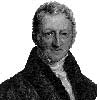
Thomas Malthus (1766-1834)
Malthus was a political economist concerned about what he saw as the decline of living conditions in nineteenth-century England. He blamed this decline on three elements: The overproduction of the young, the inability of resources to keep up with the rising human population, and the irresponsibility of the lower classes. To combat this, Malthus suggested that the lower class’s family size should be regulated so that low-income families do not produce more children than they can support.
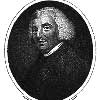
William Paley (1743-1805)
His most influential contribution to biological thought was his book Natural Theology: or, Evidence of the Existence and Attributes of the Deity, Collected from the Appearances of Nature, first published in 1802. In this book, Paley laid out a full exposition of natural theology, the belief that the nature of God could be understood by reference to His creation, the natural world.
Étienne Geoffroy St. Hilaire (1772-1844)
Étienne Geoffroy St. Hilaire was born on April 15, 1772, in Étampes, near Paris, France. Receiving a law degree in 1790, he studied medicine and science in Paris at the College du Cardinal Lemoine. When the Reign of Terror struck, Geoffroy risked his life to save some of his teachers and colleagues from the guillotine. Managing to keep his head, Geoffroy was appointed a professor of vertebrate zoology at the Jardin des Plantes.
About the author

Cite this page
BioExplorer. (2026, July 23). History of Biology. https://www.bioexplorer.net/history_of_biology/
History of sciences is of great importance