History of Microbiology:Microbiology is the study of organisms too small to see with the naked eye. That includes bacteria, archaea, fungi, protists and algae, along with the acellular agents that behave like them: viruses, viroids and prions.
The word comes from three Greek roots, mikros (small), bios (life) and -logia (study of). Microbiologists ask how these organisms are built, how they feed and reproduce, how they evolve, how they interact with each other and with larger hosts, and how we can use or control them.
The field divides two ways. By organism, it splits into bacteriology, virology, mycology, phycology, protozoology and parasitology. By question, it splits into medical and clinical microbiology, immunology, microbial genetics and genomics, microbial ecology, and the industrial, food, agricultural and environmental branches.
For the complete biology timeline, refer to the history of biology page.
The idea that invisible agents cause disease is much older than the ability to see one. Girolamo Fracastoro proposed transmissible “seeds of contagion” in 1546, more than a century before anyone laid eyes on a microorganism.
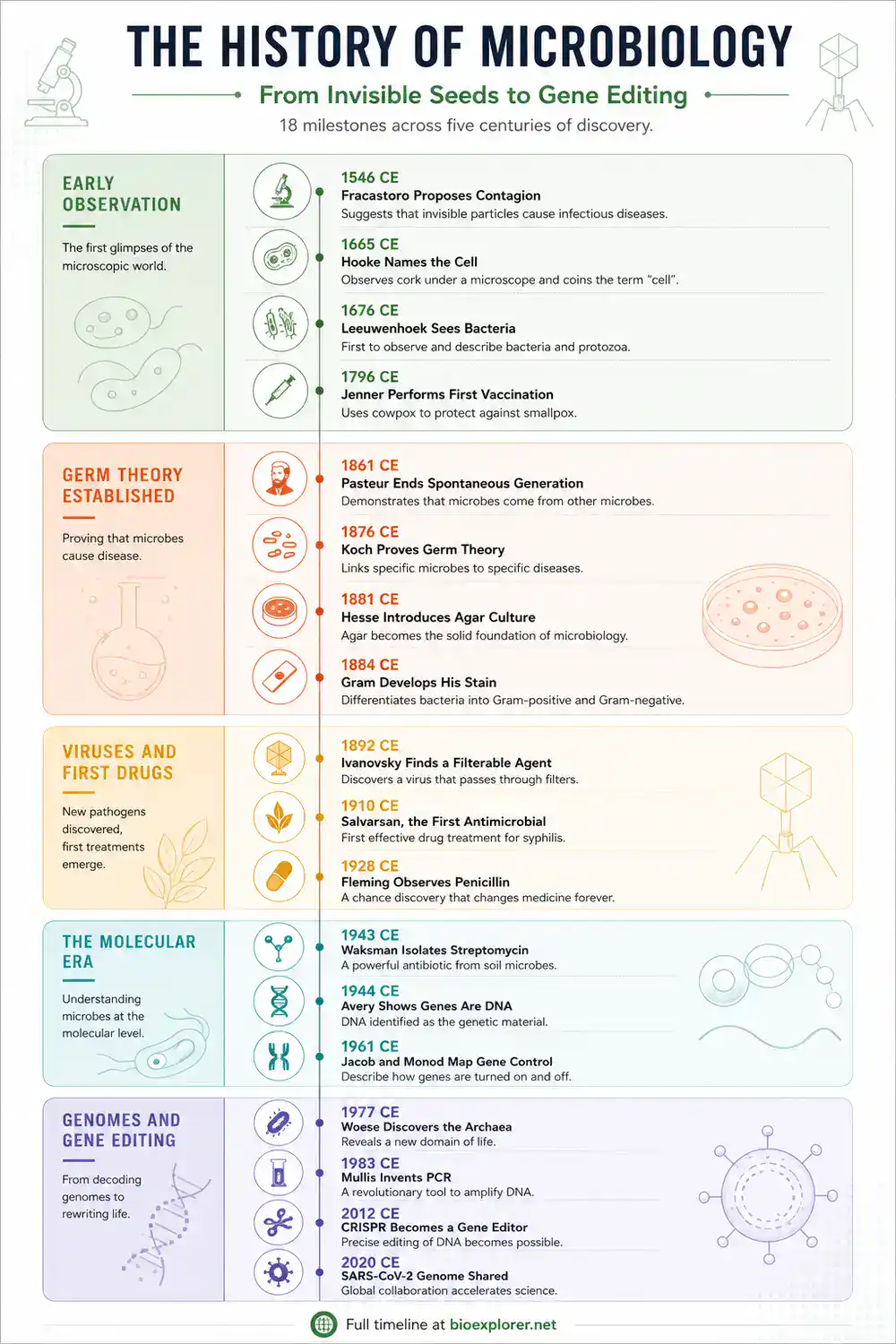
History of microbiology infographic showing 18 major milestones from Fracastoro's contagion theory in 1546 to CRISPR gene editing and the SARS CoV 2 genome in 2020.
Microbiology as an observational science starts in the 1670s, when Antonie van Leeuwenhoek pointed his single-lens microscopes at pond water, saliva and the scrapings from his own teeth, and reported living things nobody had known existed. Germ theory, vaccines, antibiotics, molecular biology, genomics and the microbiome all descend from that moment.
What follows is that descent in order, arranged into seven eras and running from 1546 to the present day.
How to read this timeline
Each entry records a dated, verifiable turning point: a first observation, a first isolation, a published proof, a method that changed what was possible, or a public health milestone of global scale.
Where a discovery and its publication or its Nobel recognition fall in different years, we date the entry to the work itself and give the later date in the text. That distinction matters more than it looks. Several errors that circulate widely in published microbiology timelines come from filing a discovery under the year its author collected a prize.
Every entry cites a primary or institutional source: a university, a government health agency, a research institute, a scientific society or a Nobel Prize record.
Full citations appear in the Key References section below.
Before the Microscope (1546 to 1668)
1546:
Fracastoro proposes transmissible “seeds of contagion”
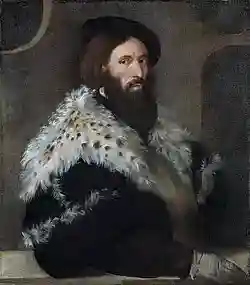
Portrait of Girolamo Fracastoro by Titian In De Contagione et Contagiosis Morbis et Eorum Curatione, the Veronese physician Girolamo Fracastoro argues that disease spreads through tiny self-propagating particles he calls seminaria contagionum, seeds of contagion. He sets out three routes: direct contact, contaminated objects (fomites, in modern terms), and transmission across a distance through the air. Nobody had yet seen a microorganism, and Fracastoro had no way to test any of it. What he wrote is a hypothesis, not a discovery. But its structure, with specific invisible agents causing specific diseases by specific routes, sits surprisingly close to what germ theory would establish three centuries later.[1]
Francesco Redi, founder of experimental biologyFrancesco Redi puts meat into a series of jars. Some he leaves open, some he seals, and some he covers with gauze that lets air through but keeps flies out. Maggots appear only in the jars flies can reach. His account, Esperienze intorno alla generazione degl’insetti, is among the earliest properly controlled experiments in biology. Redi settled the question for visible organisms, though whether microorganisms arise spontaneously in broth stayed open for another 193 years.[2]
The Microbial World Revealed (1665 to 1798)
1665:
Hooke publishes Micrographia and names the cell
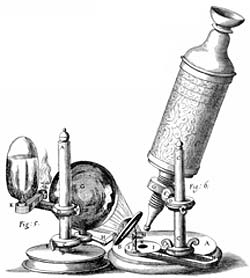
Robert Hooke’s illustrated folio, published by the Royal Society, did more than any other book to make the microscope popular. Examining a sliver of cork, he saw rows of small chambers and called them cells, after the rooms in a monastery. The book also carries the first published picture of a microorganism, a microfungus growing on leather. A stubborn misconception credits Hooke with inventing the microscope. He did not. Compound microscopes were being made by the 1590s and early 1600s, and Hooke’s own instrument was built for him by the London optician Christopher Cock. His contribution was observational and rhetorical, and that was contribution enough. There is also no sense in faulting him for missing nuclei and organelles, as some accounts do. The cork he drew was dead tissue, nothing but empty cell walls.[3]
1674:
Leeuwenhoek sees the first microorganisms
Antonie van Leeuwenhoek, a Delft draper with no university training, ground single lenses of exceptional quality, some of them magnifying more than 200 times. Examining water from a nearby lake, the Berkelse Mere, he described small moving bodies he called animalcules. We would call them protists and algae. This is the first human observation of microbial life. Over the next fifty years Leeuwenhoek found organisms in rainwater, pepper infusions, blood, semen and the plaque between his own teeth, and reported each of them in letters to the Royal Society in London.[4]
1676:
Leeuwenhoek observes bacteria
Two years later, working with pepper steeped in water, Leeuwenhoek described organisms much smaller than anything he had seen before. These were bacteria. His letter reached the Royal Society late in 1676 and was met with open scepticism, for the simple reason that nobody else owned lenses good enough to check. The Society eventually sent independent observers, Robert Hooke among them, who confirmed the sightings in 1677. Leeuwenhoek is generally called the father of microbiology on the strength of this work.[5]
1745-1768:
Needham and Spallanzani take opposite sides
The English naturalist John Needham heated mutton broth, sealed it in flasks, and found it swarming with microorganisms days later. Published between 1745 and 1748, his results were read as strong support for spontaneous generation. Lazzaro Spallanzani, an Italian priest and physiologist, repeated the work in 1765 with one change that mattered. He boiled his flasks for far longer and sealed them by melting the glass shut rather than stoppering them with cork. Nothing grew. His conclusion, published in 1767 and 1768, was that Needham had underheated his broth and that his corks had let organisms in. Defenders of spontaneous generation had a comeback ready: prolonged boiling, they said, destroyed some vital force in the air that living things needed. Pasteur would take almost a century to answer that objection.[6]
1796 & 1798:
Jenner performs and publishes the first vaccination
On 14 May 1796, the Gloucestershire physician Edward Jenner inoculated eight-year-old James Phipps with material from a cowpox lesion on the hand of a dairymaid named Sarah Nelmes. He then challenged the boy with smallpox matter, repeatedly, and nothing happened. Jenner published An Inquiry into the Causes and Effects of the Variolae Vaccinae in 1798. The word vaccination comes from vacca, Latin for cow. His achievement is worth stating plainly: he established the principle of immunisation eighty-two years before anyone knew viruses existed, and one hundred and eighty-four years before the disease he targeted was wiped out.[7]
The Germ Theory Era (1837 to 1890)
1837:
Schwann shows fermentation is the work of a living organism
Theodor Schwann demonstrated that alcoholic fermentation is caused by living yeast rather than by chemical decomposition. Charles Cagniard-Latour and Friedrich Kützing reached the same conclusion independently in the same period. The leading chemists of the day, Liebig and Wöhler among them, published anonymous satire ridiculing the idea. Schwann went on to publish the cell theory with Matthias Schleiden in 1839. Timelines frequently merge the two, but they are separate pieces of work two years apart.[8]
1847:
Semmelweis proves handwashing saves lives
In the obstetric clinics of the Vienna General Hospital, Ignaz Semmelweis noticed that the ward staffed by physicians, who came to deliveries straight from performing autopsies, had a maternal death rate several times higher than the ward staffed by midwives. He made handwashing in chlorinated lime solution compulsory, and mortality on the physicians’ ward dropped sharply. This is the first infection-control measure ever shown to work, arrived at two decades before germ theory could explain why. Semmelweis had no mechanism to offer, only his numbers, and his colleagues rejected the finding. He died in an asylum in 1865.[9]
1854:
Snow traces cholera to the Broad Street pump
During a severe cholera outbreak in Soho, London, the physician John Snow plotted deaths on a street map and found them clustered around one public water pump on Broad Street. He persuaded the parish to take the handle off. Snow’s investigation founded modern epidemiology and made a strong case that cholera travelled in contaminated water rather than in bad air, which was the prevailing explanation at the time. Robert Koch isolated the organism responsible, Vibrio cholerae, thirty years afterwards.[10]
1857:
Pasteur establishes that microbes drive fermentation
Louis Pasteur’s memoir on lactic fermentation showed that particular microorganisms produce particular fermentations, and that unwanted organisms cause the spoilage that had plagued brewers and winemakers for centuries. This is the foundation of industrial microbiology, and it is also the bridge to germ theory. If microbes could turn sugar into acid, they could plausibly turn healthy tissue into diseased tissue. Note that this work, not any later study of milk, is where the science of lactic fermentation begins. Many published timelines get the attribution wrong.[11]
1861:
The swan-neck flasks end the spontaneous generation debate
Pasteur boiled nutrient broth in flasks whose necks had been drawn out into long S-shaped curves. Air moved freely into the flask, but airborne dust and the organisms riding on it settled in the bend and never reached the liquid. The broth stayed sterile indefinitely. Tip the flask so the broth touches the bend, or snap the neck off, and it clouded within days. That design answered the last objection to Spallanzani, because the air inside Pasteur’s flasks was never heated at all. During the same period Pasteur introduced the terms aerobic and anaerobic, and described what we now call the Pasteur effect, the suppression of fermentation by oxygen.[12]
1867:
Lister applies germ theory to surgery
Joseph Lister, professor of surgery at Glasgow, read Pasteur on fermentation and reasoned that the suppuration of surgical wounds must have the same cause. His paper “On the Antiseptic Principle in the Practice of Surgery” describes treating wounds, instruments, dressings and the operating field with carbolic acid. Mortality after operations on his wards fell sharply. Antisepsis is what gave germ theory clinical teeth. It turned an interesting laboratory result into a reason for surgeons to change what they did with their hands.[13]
1872:
Cohn founds bacterial taxonomy
The botanist Ferdinand Cohn published the first volume of Untersuchungen über Bacterien, giving bacteria their first systematic classification and establishing the genus Bacillus. His central argument was that bacteria fall into stable species with consistent characteristics, against the widely held pleomorphic view that all bacteria were one organism capable of taking any form. Cohn described bacterial endospores and their extraordinary heat resistance in 1876, settling a long-running dispute about why some boiled cultures still grew. He also spotted the significance of an unknown district physician’s work on anthrax and arranged for it to be published. That physician was Robert Koch.[14]
1876:
Koch proves a specific microbe causes a specific disease
Working from a makeshift laboratory in his consulting room in Wollstein, Robert Koch traced the full life cycle of Bacillus anthracis, spore stage included, and reproduced anthrax in healthy animals by inoculating them with pure material. He could grow the organism outside the host, show it caused disease when put back in, and recover it again from the newly infected animal. This is the first rigorous proof of germ theory. Not a correlation between a microbe and a disease, but a demonstration of cause. Koch received the Nobel Prize in Physiology or Medicine in 1905.[15]
1877:
Tyndall develops fractional sterilization
The physicist John Tyndall showed that one round of boiling will not reliably sterilise material containing heat-resistant spores, but that repeated heating separated by intervals of incubation will. Each interval lets surviving spores germinate into vulnerable vegetative cells, which the next round of heat destroys. The method is still called tyndallization. Together with Cohn’s account of endospores the year before, it removed the last technical support for spontaneous generation, namely the awkward cases in which properly boiled infusions did in fact grow.[16]
1878:
Lister obtains the first pure culture of a bacterium
By successive dilution, diluting a sample until a given volume was statistically likely to hold a single organism, Joseph Lister isolated Bacterium lactis from soured milk and grew it free of every other species. No one had grown a single bacterial species in isolation before, and everything Koch’s laboratory did over the following decade depended on being able to. Some timelines credit Lister with discovering lactic acid fermentation itself. That was Pasteur, twenty-one years earlier. Lister’s real contribution here is the more important of the two.[17]
1881:
Solid media, plate culture, and Fanny Hesse’s agar
Koch introduced gelatin-solidified media poured onto flat glass plates, so individual bacterial colonies grew as discrete spots that could be picked apart. Pure-culture isolation became routine rather than heroic. Gelatin had two serious faults. It melts near body temperature, and plenty of bacteria digest it. In the summer of 1881, Fanny Angelina Hesse, an American-born illustrator working alongside her husband Walther in Koch’s laboratory, suggested agar, a seaweed extract she had used to set fruit jellies in a hot climate. Agar melts at 85 degrees Celsius, sets at 40, and almost no bacteria can digest it. Koch first published its use in 1882. Hesse’s contribution is routinely left out of timelines. Agar is still the standard solidifying agent in every microbiology laboratory in the world.[18]
1881:
Pasteur demonstrates attenuation publicly at Pouilly-le-Fort
In 1879 one of Pasteur’s assistants left a chicken cholera culture on the bench over the summer. Injected into hens on his return, it failed to kill them, and those same hens then survived a dose of fresh virulent culture. Pasteur understood what had happened. Ageing had weakened the organism, or attenuated it, without destroying its ability to provoke immunity. In May 1881 he staged a public trial at Pouilly-le-Fort, near Melun, vaccinating twenty-four sheep, one goat and six cows against anthrax alongside an unvaccinated control group. Both groups then received a lethal dose. The vaccinated animals lived and the controls died, in front of an audience of farmers, officials and journalists.[19]
1882:
Koch identifies the tuberculosis bacillus
On 24 March 1882 Koch told the Berlin Physiological Society that he had identified Mycobacterium tuberculosis as the cause of a disease then responsible for roughly one death in seven across Europe. The organism is very hard to stain and painfully slow to grow. Koch got there on the back of a new staining protocol and agar-solidified media, which appear in print here for the first time. Historians often call this the most important lecture ever given in medical microbiology. It is also the only claim that popular timelines correctly assign to 1882. Phagocytosis, the Gram stain and antibodies all belong to other years.[20]
1883:
Metchnikoff discovers phagocytosis
Élie Metchnikoff pushed a rose thorn into a transparent starfish larva and watched motile cells gather around it and try to engulf it. From this he proposed that similar wandering cells defend animals against invading microorganisms, which is the theory of cellular immunity. His idea sat in direct opposition to the humoral theory then gaining ground, and the two camps argued for twenty years before it became clear that both were right. Metchnikoff shared the 1908 Nobel Prize with Paul Ehrlich, a leading figure of the opposing school.[21]
1884:
Gram develops the differential stain
The Danish bacteriologist Hans Christian Gram, working in Berlin, put together a staining sequence of crystal violet, an iodine mordant, an alcohol decolouriser and a counterstain. It sorts bacteria into two groups according to whether they hold on to the primary dye. Gram was trying to make bacteria visible in lung tissue and thought his method imperfect. The split he found reflects a real difference in cell wall architecture. Gram-positive organisms carry a thick peptidoglycan layer that traps the dye complex; Gram-negative organisms have a thin one sitting behind an outer membrane. Gram staining is still the first test run in clinical microbiology laboratories worldwide, and it predicts antibiotic susceptibility. The date is 1884, not 1882.[22]
1884:
Koch’s postulates and the Chamberland filter
Koch and Friedrich Loeffler set out formal criteria for establishing that a given microorganism causes a given disease. The organism must be present in every case, isolated in pure culture, capable of producing the disease when introduced into a healthy host, and recoverable from that host afterwards. Koch’s postulates remain the reference standard, with acknowledged exceptions for organisms that cannot be cultured and for those that cause disease in only some carriers. In Paris the same year, Charles Chamberland built an unglazed porcelain filter with pores fine enough to hold back every bacterium then known. He designed it as a sterilisation device. Within a decade it would reveal that something smaller existed.[23][24]
1885:
The first human rabies vaccination
On 6 July 1885 a nine-year-old called Joseph Meister was brought to Pasteur’s laboratory after being bitten fourteen times by a rabid dog. Pasteur, who was not a physician and knew exactly what he was risking, gave the boy a graded series of preparations made from the dried spinal cords of infected rabbits, working from the least virulent to the most. Meister lived. Within fifteen months more than two thousand people had been treated. The rabies vaccine proved that immunisation could work against an agent nobody could see, culture or identify.[25]
1887:
Petri’s dish
Julius Richard Petri, an assistant in Koch’s laboratory, described a shallow flat-bottomed glass dish with a slightly larger lid resting over it. Gas passes in and out, airborne contamination stays out, and cultures can be inspected without lifting the cover. It replaced bell jars and covered plates, and the design has barely changed since.[26]
1887-1890:
Winogradsky and Beijerinck found environmental microbiology
Sergei Winogradsky demonstrated chemolithotrophy: sulphur and nitrifying bacteria that pull energy out of inorganic chemical reactions and build their biomass from carbon dioxide, living with no organic matter at all. He also developed the enrichment culture technique and the layered sediment column that carries his name. At Delft, Martinus Beijerinck isolated the root-nodule symbiont Rhizobium and free-living nitrogen-fixing bacteria, and turned enrichment culture into a general method for pulling out organisms with particular metabolic abilities. Their work founded microbial ecology and made clear that microorganisms run the planet’s biogeochemical cycles. Microbiology stopped being purely a branch of medicine.[27]
1890:
Von Behring and Kitasato discover antitoxins
Emil von Behring and Kitasato Shibasaburō, both in Koch’s institute, showed that serum taken from an animal immunised against diphtheria or tetanus toxin will protect a second, unimmunised animal. Something in the blood, later named an antibody, neutralises the toxin specifically. Serum therapy followed within a few years and cut diphtheria mortality substantially at a time when diphtheria was a leading cause of childhood death. Von Behring received the very first Nobel Prize in Physiology or Medicine, in 1901.[28]
Viruses, Immunity and the First Antimicrobial Drugs (1892 to 1929)
1892:
Ivanovsky finds an infectious agent that passes a bacterial filter
The Russian botanist Dmitri Ivanovsky showed that sap from tobacco plants with mosaic disease stayed fully infectious after passing through a Chamberland filter that retained every known bacterium. He reported the result but read it conservatively, suggesting a bacterial toxin or an unusually small bacterium. Virology opens here, even though its author drew back from the conclusion.[29]
1898:
The virus concept arrives
Martinus Beijerinck repeated the filtration experiments independently and pushed further. He showed the agent diffused through agar gels, could not be cultured on any medium, and multiplied only inside living, dividing plant tissue. His conclusion was that it was a contagium vivum fluidum, a contagious living fluid, different in kind from bacteria. In the same year Friedrich Loeffler and Paul Frosch demonstrated that foot-and-mouth disease is caused by a filterable agent, the first animal virus identified. Taken together, 1898 is the year the concept of a virus entered science, as opposed to an odd filtration result nobody could explain.[29]
1900:
Reed’s commission identifies the first human virus
The United States Army Yellow Fever Commission in Cuba, led by Walter Reed, established through controlled human experiments that yellow fever travels by way of the Aedes aegypti mosquito and is caused by an agent that passes bacterial filters. No human disease had been shown to be viral before. The commission worked with written, informed and compensated consent from its volunteers, which was unusual for the period. Reed’s colleague Jesse Lazear died of the disease he was studying.[30]
1906:
Söhngen describes methane-cycling bacteria
N. L. Söhngen’s doctoral dissertation at Delft identified bacteria that oxidise methane as their only source of carbon and energy, along with others that produce it. The work founded the study of methanotrophy and methanogenesis, and its importance has grown a great deal since. These organisms govern methane flux from wetlands, rice paddies, landfills, ruminant digestion and thawing permafrost, which puts them at the centre of the global carbon budget.[31]
1909 & 1910:
Salvarsan, the first antimicrobial drug
Paul Ehrlich had argued that it should be possible to find chemicals that bind selectively to pathogens and kill them without harming the patient, an idea he called the magic bullet. Testing arsenical compounds one after another against Treponema pallidum, the spirochete responsible for syphilis, his Japanese collaborator Sahachiro Hata found in 1909 that compound number 606 cured infected rabbits. Sold as Salvarsan from 1910, it was the first chemical agent deliberately designed and screened to kill a specific pathogen, and the start of chemotherapy as a discipline. Hata’s part in the discovery drops out of most accounts.[32]
1915 & 1917:
Bacteriophages discovered twice
Frederick Twort, working in London, reported in 1915 a transmissible agent that turned bacterial colonies glassy and dissolved them. He guessed it might be a virus of bacteria, but the war interrupted his research and he never followed it up. Félix d’Hérelle, at the Institut Pasteur, hit on the same phenomenon in 1917 in the stools of dysentery patients who were recovering. He named it bacteriophage, eater of bacteria, and saw at once both its therapeutic promise and its value as an experimental system. Phages went on to become the workhorse organisms of molecular biology, and a century later a serious clinical option against multidrug-resistant infection.[33][34]
1918 & 1919:
The influenza pandemic
An H1N1 influenza pandemic infected roughly a third of the world’s population and killed an estimated 50 million people, with unusually heavy mortality among healthy young adults. A large share of those deaths came from secondary bacterial pneumonia rather than from the virus directly. Nobody could isolate the agent with the tools of 1918. Most investigators suspected a bacterium, Haemophilus influenzae, which is how that organism ended up with its misleading name. The failure pushed fifteen years of investment into virological technique.[35]
1928:
Griffith discovers bacterial transformation
The British bacteriologist Frederick Griffith found that harmless rough-colony pneumococci turned into virulent smooth-colony pneumococci when injected into mice together with heat-killed virulent bacteria, and that the change passed down to later generations. Something released by the dead cells was carrying genetic information into living ones. Griffith called it the transforming principle and had no idea what it was made of. He was killed in the London Blitz in 1941, three years before anyone found out.[36]
1928 & 1929:
Fleming observes penicillin
Returning to his laboratory at St Mary’s Hospital in September 1928 after a holiday, Alexander Fleming found a discarded staphylococcus plate contaminated with a mould, Penicillium notatum, ringed by a clear zone where the bacteria had dissolved. He published in 1929, named the active substance penicillin, and identified its activity against Gram-positive organisms. Fleming could not purify the compound in any useful quantity, and he largely dropped the work. Penicillin sat as a laboratory curiosity for the next ten years.[37]
Antibiotics and the Molecular Revolution (1933 to 1961)
1933:
Influenza A virus isolated
Wilson Smith, Christopher Andrewes and Patrick Laidlaw at the National Institute for Medical Research in London passed influenza from human throat washings into ferrets, an animal that proved susceptible where the mice and guinea pigs tried previously had not, and recovered the virus. This was the first human influenza virus isolated, fifteen years after the pandemic that prompted the search, and the beginning of influenza vaccine work.[38]
1935:
Domagk’s Prontosil opens the sulfonamide era
Gerhard Domagk, working at Bayer, published evidence that a red azo dye called Prontosil cured otherwise fatal streptococcal infections in mice. French researchers showed shortly afterwards that the body breaks the dye down into sulfanilamide, the actual active agent, a compound that was already off patent. Sulfonamides were the first broadly effective synthetic antibacterials, and they carried medicine through the late 1930s and the early war years until penicillin could be made at scale. Domagk won the 1939 Nobel Prize but was forced by the Nazi government to refuse it. He collected the medal in 1947.[39]
1935:
Stanley crystallises tobacco mosaic virus
Wendell Stanley isolated tobacco mosaic virus as needle-shaped crystals which, once redissolved, were still fully infectious. By every convention of the day, anything you could crystallise was a chemical rather than an organism. His result forced a genuine rethink of where the line between living and non-living matter sits, and it opened the structural study of viruses. Stanley shared the 1946 Nobel Prize in Chemistry.[40]
1940 & 1941:
Florey and Chain turn penicillin into a drug
At the Sir William Dunn School of Pathology in Oxford, Howard Florey, Ernst Chain and Norman Heatley worked out how to extract and concentrate penicillin, showed it protected infected mice, and in February 1941 treated their first patient, a policeman with septicaemia. He improved markedly and then died when supplies ran out. Unable to scale production in wartime Britain, Florey and Heatley took the work to the United States, where deep-tank fermentation lifted yields by orders of magnitude in time for the Normandy landings. Fleming, Florey and Chain shared the 1945 Nobel Prize. Penicillin is Fleming’s discovery and Florey and Chain’s medicine.[41]
1941:
Beadle and Tatum link genes to enzymes
George Beadle and Edward Tatum irradiated the bread mould Neurospora crassa, isolated mutants that could no longer make particular nutrients, and showed that each mutation knocked out one specific enzymatic step in a biochemical pathway. Their one gene, one enzyme hypothesis connected genetics to biochemistry for the first time. It also settled microorganisms into their role as the standard experimental material of genetics, since they grow fast, cost little and can be produced in enormous numbers. Beadle and Tatum shared the 1958 Nobel Prize with Joshua Lederberg.[42]
1943:
Waksman and Schatz isolate streptomycin
Albert Schatz, a graduate student in Selman Waksman’s soil microbiology laboratory at Rutgers, isolated streptomycin from the actinomycete Streptomyces griseus. It was the first antibiotic that worked against Mycobacterium tuberculosis, and the first effective against many Gram-negative organisms that penicillin could not touch. Waksman coined the word antibiotic, and his systematic soil-screening programme produced a large share of the antibiotic classes still in clinical use. He took the 1952 Nobel Prize alone. Schatz’s contribution became the subject of a long and bitter dispute, and Rutgers formally recognised him in 1994.[43]
1943:
Luria and Delbrück show bacterial mutations are spontaneous
Salvador Luria and Max Delbrück designed the fluctuation test. If resistance to a bacteriophage arose in response to exposure, independent cultures would produce similar numbers of resistant colonies. If it arose spontaneously beforehand, the numbers would swing wildly depending on how early in each culture’s history the mutation happened to appear. The variance was enormous. Bacteria were shown to have genetics in the ordinary Darwinian sense. Antibiotic resistance was shown to exist before the antibiotic arrives, a finding whose clinical implications the field is still working through. Luria, Delbrück and Alfred Hershey shared the 1969 Nobel Prize.[44]
1944:
Avery, MacLeod and McCarty identify DNA as the transforming principle
Sixteen years after Griffith, Oswald Avery, Colin MacLeod and Maclyn McCarty at the Rockefeller Institute purified the substance responsible for transformation and put it through every test available. Proteases did not destroy its activity. Ribonuclease did not destroy it. Deoxyribonuclease did. The transforming principle was DNA. Almost nobody expected this. DNA was thought too monotonous a molecule to carry heredity, and protein was the obvious candidate. Many historians rate it the most important single experiment in the history of molecular biology, and it was done on bacteria. Avery never received a Nobel Prize.[45]
1946:
Lederberg and Tatum discover bacterial conjugation
Joshua Lederberg and Edward Tatum mixed two strains of Escherichia coli K-12, each unable to make a different set of nutrients, and plated the mixture on a medium that would support neither parent. Colonies grew, made up of cells that had picked up the working genes of both. Bacteria exchange genetic material directly, through cell-to-cell contact. Bacterial genetics became possible, and E. coli became the model organism of molecular biology. Lederberg shared the 1958 Nobel Prize at the age of 33.[46]
1949:
Enders, Weller and Robbins grow poliovirus in non-neural tissue
John Enders, Thomas Weller and Frederick Robbins cultured poliovirus in ordinary human embryonic tissue rather than in nervous tissue, which everyone had assumed was necessary. Their finding removed the main obstacle to producing virus in quantity and handed virology a general-purpose cell culture method that worked for many other agents. Every polio vaccine rests on it. They shared the 1954 Nobel Prize.[47]
1952:
Hershey and Chase settle it, genes are DNA
Alfred Hershey and Martha Chase labelled bacteriophage protein with radioactive sulphur and phage DNA with radioactive phosphorus, let the phages infect bacteria, then stripped the empty phage coats off the cell surface in a kitchen blender. The phosphorus label was inside the cells. The sulphur label was not. Phage DNA enters the bacterium and directs the assembly of complete new virus particles. Coming eight years after Avery’s work, which had met heavy resistance, the experiment finally made the conclusion impossible to avoid. Watson and Crick published the structure of the molecule in question the following year.[48]
1952:
Zinder and Lederberg discover transduction
Norton Zinder and Joshua Lederberg found that genes can move between Salmonella cells with no direct contact, carried inside bacteriophage particles that occasionally package host DNA by mistake. Transduction is the third mechanism of horizontal gene transfer, alongside transformation and conjugation. All three together explain how antibiotic resistance genes move between species, and even between genera, far faster than mutation alone could manage.[49]
1955:
The Salk polio vaccine is declared safe and effective
On 12 April 1955 the results of the Francis field trial were announced. It had enrolled 1.8 million schoolchildren, the largest clinical trial ever run. Jonas Salk’s inactivated poliovirus vaccine worked, and American towns rang church bells. Albert Sabin’s oral attenuated vaccine followed in 1961. Paralytic polio, which had closed swimming pools and frightened a generation of parents, has since been cleared from all but a handful of countries.[50]
1961:
Jacob and Monod describe the operon
François Jacob and Jacques Monod explained how E. coli turns its lactose-metabolising genes on only when lactose is around. Their model introduced the operon, a cluster of genes under shared control, along with the repressor protein that blocks transcription, the operator site it binds to, and an unstable intermediate carrying information from gene to ribosome, which they named messenger RNA. Gene regulation became a subject in its own right. The mechanisms they worked out in a bacterium proved to underlie development and differentiation across all organisms. Jacob and Monod shared the 1965 Nobel Prize with André Lwoff.[51]
Genes, Genomes and a Third Domain of Life (1969 to 1995)
1969:
Brock isolates Thermus aquaticus from a Yellowstone hot spring
Thomas Brock and his student Hudson Freeze isolated a bacterium growing at 70 degrees Celsius in Mushroom Spring, Yellowstone National Park, well above the temperature at which life was assumed to stop. Extremophiles vastly widened the known habitable range of the biosphere and reshaped thinking about the origin of life and the odds of finding it elsewhere. The organism’s heat-stable DNA polymerase, Taq, later made the polymerase chain reaction workable. Nobody sampling a hot spring in 1969 was looking for a way to amplify DNA, which is why this case gets cited so often in arguments for funding untargeted basic research.[52]
1970:
Restriction enzymes are isolated
Werner Arber had predicted that bacteria must carry enzymes that cut foreign DNA at specific sequences as a defence against phage. In 1970 Hamilton Smith purified such an enzyme and showed it cleaves at a defined recognition site. Daniel Nathans then used it to cut a viral genome into defined fragments and build the first restriction map. A bacterial immune mechanism became the cutting tool of genetic engineering. Arber, Smith and Nathans shared the 1978 Nobel Prize.[53]
1973:
Cohen and Boyer build the first recombinant organism
Stanley Cohen at Stanford and Herbert Boyer at UCSF combined Boyer’s restriction enzyme EcoRI with Cohen’s plasmid transformation methods. They cut DNA from two sources, joined the fragments, put the construct into E. coli, and showed that the recipient bacteria copied the foreign DNA and expressed its genes. Recombinant DNA technology starts here, and so does the biotechnology industry. So does the argument about how to govern it. The 1975 Asilomar conference, where the scientists involved proposed their own containment guidelines, is still the standard reference point for scientific self-regulation.[54]
1977:
Woese and Fox discover the Archaea, a third domain of life
Carl Woese and George Fox compared 16S ribosomal RNA sequences across organisms and found that a group of methane-producing microbes, long filed as unusual bacteria, are as genetically distant from bacteria as bacteria are from plants and animals. They proposed a third domain of life, and the tree was redrawn as Bacteria, Archaea and Eukarya. The proposal met years of resistance, including from Salvador Luria and Ernst Mayr, before it became standard. Woese’s method matters as much as his result. Sequencing ribosomal RNA made it possible to identify and place organisms nobody had ever cultured, which covers the overwhelming majority of them.[55]
1977:
Sanger sequences the first complete genome
Frederick Sanger’s dideoxy chain-termination method produced the complete 5,386-base sequence of bacteriophage φX174, the first organism of any kind to have its full genome read. The sequence also turned up overlapping genes, where one stretch of DNA is read in two different frames to make two different proteins. Sanger sequencing dominated for the next twenty-five years and produced the first draft of the human genome. Sanger collected a second Nobel Prize in Chemistry in 1980.[56]
1980:
Smallpox is declared eradicated
On 8 May 1980, resolution WHA33.3 of the Thirty-third World Health Assembly declared smallpox eradicated worldwide. The last naturally occurring case had been recorded in Somalia in October 1977. This is the only human disease we have ever deliberately wiped out. Smallpox killed an estimated 300 million people in the twentieth century alone. The campaign that finished it off ran on ring vaccination and relentless surveillance, and nothing else in applied microbiology comes close.[57]
1982:
Prusiner names the prion
Stanley Prusiner proposed that scrapie in sheep is caused by a proteinaceous infectious particle, a prion, carrying no nucleic acid at all and spreading by inducing normal host proteins to misfold into the pathogenic shape. His idea contradicted the assumption that every infectious agent carries genetic material, and most of the field dismissed it until it explained bovine spongiform encephalopathy, variant Creutzfeldt-Jakob disease and kuru. Prusiner received the 1997 Nobel Prize.[58]
1982:
Marshall and Warren culture Helicobacter pylori
The pathologist Robin Warren had been noting spiral bacteria in inflamed gastric biopsies. With the trainee physician Barry Marshall he finally cultured the organism, by accident, when plates were left over an Easter weekend for five days instead of the usual two. Their claim that a bacterium causes peptic ulcers ran against an entrenched consensus that ulcers came from stress and acid, and against a very large market in acid-suppressing drugs. Marshall eventually drank a culture, developed gastritis, and cured himself with antibiotics. He and Warren shared the 2005 Nobel Prize, and peptic ulcer disease became curable.[59]
1983:
Mullis conceives the polymerase chain reaction
Kary Mullis worked out that repeated cycles of heating to separate DNA strands, cooling to let short primers bind, and extension by a polymerase would double a chosen sequence with every cycle, amplifying it exponentially from a vanishingly small starting sample. The method appeared in print in 1985 and in full in 1987, and it became practical once heat-stable Taq polymerase from Thermus aquaticus removed the need to add fresh enzyme after every round. PCR is the most widely used technique in molecular biology and the basis of most modern diagnostic testing. Mullis received the 1993 Nobel Prize in Chemistry, a decade after the invention. That prize year is frequently and wrongly published as the year PCR was created.[60]
1983:
HIV is isolated
Françoise Barré-Sinoussi and Luc Montagnier at the Institut Pasteur isolated a retrovirus from a lymph node biopsy taken from a patient with persistent lymphadenopathy. Identified on 20 May 1983 and named LAV at first, it was later shown to cause AIDS and renamed HIV. Barré-Sinoussi and Montagnier shared the 2008 Nobel Prize. Effective antiretroviral therapy arrived in 1996 and turned a uniformly fatal disease into a manageable chronic condition.[61]
1995:
The first complete genome of a free-living organism
A team led by Craig Venter, Hamilton Smith and Claire Fraser sequenced the 1.83-million-base genome of Haemophilus influenzae Rd by whole-genome shotgun assembly, breaking the entire genome into random fragments and reassembling it computationally. Most of the field thought the approach unworkable at that scale. Mycoplasma genitalium followed within months. Microbial genomics starts here, and with it comparative genomics, the identification of drug targets straight from sequence, and eventually the shotgun approach that sped up the Human Genome Project.[62]
Microbiomes, Gene Editing and Modern Pandemics (2004 to 2025)
2004:
Metagenomics goes to sea
Shotgun sequencing of microbial DNA filtered out of Sargasso Sea water recovered more than 1.2 million previously unknown genes and evidence of around 1,800 microbial species, the great majority of which had never been cultured and most of which still have not been. Metagenomics freed microbiology from its oldest constraint, that you could only study what would grow in a dish, and estimates of microbial diversity rose by orders of magnitude.[63]
2007:
The Human Microbiome Project launches
The US National Institutes of Health committed to characterising the microbial communities of the human gut, skin, mouth, airways and urogenital tract, and their relationship to health and disease. The project established that a healthy human body carries microbial cells on roughly the same order as its own, that those communities encode far more genes than the human genome does, and that disturbances in them track with conditions ranging from inflammatory bowel disease to obesity and drug response. Faecal microbiota transplantation for recurrent Clostridioides difficile infection is the clearest clinical result so far.[64]
2007:
CRISPR is recognised as bacterial adaptive immunity
Rodolphe Barrangou and colleagues, working at a yoghurt company on Streptococcus thermophilus strains that resisted phage infection, showed that the bacteria capture short fragments of phage DNA, store them in genomic arrays called CRISPR, and use the resulting RNA to recognise and cut that same DNA when it comes back. Bacteria have an acquired, heritable immune system with a memory of past infections. The discovery came out of an entirely practical dairy-industry problem: phage infections were ruining yoghurt cultures, and somebody wanted to know why some strains survived.[65]
2010:
The first cell controlled by a synthetic genome
The J. Craig Venter Institute chemically synthesised the 1.08-million-base genome of Mycoplasma mycoides, assembling it from ordered oligonucleotides complete with watermarked identifying sequences, and transplanted it into a recipient cell of a related species whose own DNA was then lost. The resulting organism, JCVI-syn1.0, replicates itself under the direction of DNA written from scratch. Synthetic genomics dates from here.[66]
2012:
CRISPR-Cas9 becomes a programmable editing tool
Martin Jinek, Emmanuelle Charpentier and Jennifer Doudna showed that the Cas9 nuclease can be aimed at any chosen DNA sequence by supplying a single engineered guide RNA, and that the two natural RNA components can be fused into one. A bacterial defence system became the most consequential laboratory tool of the century so far, cheap, precise and usable in almost any organism. Charpentier and Doudna received the 2020 Nobel Prize in Chemistry, and the first CRISPR-based therapy was approved for sickle cell disease in 2023.[67]
2014-2016:
The West Africa Ebola epidemic
The largest Ebola outbreak on record, with more than 28,600 cases and 11,300 deaths across Guinea, Liberia and Sierra Leone, overwhelmed health systems and forced an emergency international response. It drove the accelerated development and ring-vaccination trial of the rVSV-ZEBOV vaccine, and exposed weaknesses in outbreak detection and response that shaped preparedness planning for the pandemic four years later.[68]
2016:
JCVI-syn3.0, the minimal bacterial genome
Deleting genes one at a time from the synthetic Mycoplasma genome produced a viable, self-replicating cell with just 473 genes, fewer than any organism known to replicate on its own in nature. The finding is humbling rather than triumphant. Roughly a third of those 473 essential genes have no known function. A minimal cell we built ourselves still contains a good deal of biology we cannot explain.[69]
2019 & 2020:
SARS-CoV-2 and the COVID-19 pandemic A novel coronavirus was identified in Wuhan, China, late in 2019. Its genome sequence was published openly on 11 January 2020, and the World Health Organization declared a pandemic on 11 March. Vaccine candidates were designed from that sequence within days of its release, and the first mRNA vaccines received emergency authorisation in December 2020. The pandemic killed millions and changed the field permanently. Genomic surveillance of pathogens became routine public health infrastructure, and the gap between identifying a new agent and holding a candidate vaccine collapsed from years to days.[70]
2021:
The first malaria vaccine is recommended for children On 6 October 2021 the World Health Organization recommended the RTS,S/AS01 vaccine for children in regions of moderate to high Plasmodium falciparum transmission, after pilot programmes in Ghana, Kenya and Malawi. No vaccine had ever been recommended against a human parasitic disease before. It took more than three decades of development against an organism with a far more complicated life cycle than any viral or bacterial target. A second vaccine, R21/Matrix-M, was recommended in 2023.[71]
2022:
Antimicrobial resistance is quantified globally The Global Research on Antimicrobial Resistance study estimated that 1.27 million deaths in 2019 were directly attributable to bacterial antimicrobial resistance, with 4.95 million deaths associated with it. That puts drug-resistant bacterial infection among the leading causes of death worldwide, ahead of HIV and malaria. The figures recast AMR as a present emergency rather than a projected future one, and sharpened the search for new antibiotic classes after four decades in which almost none had been found.[72]
2023:
Nobel Prize for the mRNA vaccine platform Katalin Karikó and Drew Weissman received the Nobel Prize in Physiology or Medicine for work published in 2005, showing that substituting modified nucleosides such as pseudouridine into messenger RNA stops it triggering a destructive innate immune response. That finding is what made mRNA usable as a therapeutic platform, and therefore what made the COVID-19 mRNA vaccines possible. Karikó spent years unable to secure funding for the research and was demoted while doing it.[73]
2024:
H5N1 avian influenza crosses into dairy cattle Highly pathogenic avian influenza A(H5N1) was detected in United States dairy herds for the first time, with high viral loads in milk and onward transmission to farm workers, most of whom developed mild conjunctivitis. Cattle had not been thought a significant host for influenza A. The event became an unplanned test of the genomic surveillance and response systems built after COVID-19, and a reminder that host range is an empirical question rather than a settled one.[74]
2025:
Generative AI designs new antibiotic candidates Researchers at MIT used generative machine learning models to design entirely novel antibacterial compounds, proposing molecules that had never been made rather than screening existing libraries, and demonstrated activity against drug-resistant Neisseria gonorrhoeae and MRSA in laboratory and animal tests. The structures bear no relation to existing antibiotic classes. After roughly forty years in which almost no new antibiotic classes reached the clinic, computational design has become a credible route to discovery. Whether these particular candidates survive clinical development is an open question. What matters is that the pipeline now has a new source.[75]
FAQs
Who is considered the father of microbiology?
Antonie van Leeuwenhoek is generally called the father of microbiology, because he was the first person to see and describe microorganisms, starting in 1674. Louis Pasteur and Robert Koch are often called the fathers of modern microbiology and of medical bacteriology, for putting germ theory on an experimental footing in the 1860s and 1870s.
When did microbiology begin as a science?
The idea of invisible disease agents goes back to Fracastoro in 1546, but microbiology as an observational science begins in the 1670s with Leeuwenhoek’s descriptions of protists and bacteria. It becomes an experimental science with Pasteur’s fermentation and spontaneous generation work between 1857 and 1861, and a rigorous causal science with Koch’s anthrax proof in 1876.
Who discovered bacteria?
Antonie van Leeuwenhoek, in 1676, using single-lens microscopes he built himself. He had seen larger microorganisms, protists and algae, two years earlier in 1674. Robert Hooke published the first image of a microorganism, a microfungus, in 1665, but he never saw bacteria.
Who invented the microscope?
Not Robert Hooke, despite a widespread misattribution. Compound microscopes were being made in the Netherlands by the 1590s, usually credited to the spectacle-makers Hans and Zacharias Janssen. Hooke’s Micrographia of 1665 made the instrument famous and gave us the word cell. Leeuwenhoek’s superior single-lens instruments are what actually revealed the microbial world.
What are the main branches of microbiology?
Grouped by organism: bacteriology, virology, mycology (fungi), phycology (algae), protozoology and parasitology. Grouped by question: medical and clinical microbiology, immunology, microbial genetics and genomics, microbial ecology, and the industrial, food, agricultural and environmental branches.
What is the most important discovery in the history of microbiology?
Three have the strongest claim. Germ theory, established by Pasteur and Koch between 1857 and 1876, made infectious disease preventable. The identification of DNA as the genetic material by Avery, MacLeod and McCarty in 1944, work done entirely on bacteria, founded molecular biology. And the eradication of smallpox, completed in 1980, is the only time we have deliberately removed a disease from the world.
Microbiology is the branch of biology that studies microorganisms (e.g.,bacteria) which includes unicellular (single cell), multi-cellular (cell colony), and acellular (lacking cells). In this article, we’ll glance over all top microbiology news in 2017, which includes current news, events, and advances in microbiology.
Bacteria & viruses influence all areas of our life, from causing diseases to contributing to climate change. Here are the top 15 microbiology news in 2018.
Research performed in 2019 has uncovered a lot of new evidence in several areas of microbiology &virology. Here are top 10 discoveries in microbiology 2019.
Microbiology News 2020: 2020 was the year of the horrific pandemic that influenced all aspects of our lives. Unfortunately, the scientific community was impacted too. Still, though the whole world scrambled to study the new virus, many scientific teams have made breakthroughs in other areas of microbiology and virology.
These topics focus on the discoveries and developments in Microbiology in 2021. Research and developments on various topics, such as engineered bacteria, oil-degrading bacteria, and symbiotic relationship between root colonizing bacteria and host plants, have been included here.
BioExplorer. (2026, August 30). The History of Microbiology: A Complete Timeline from 1546 to Today. https://www.bioexplorer.net/history_of_biology/microbiology/
Key References
All sources come from universities, government health agencies, research institutes, scientific societies and Nobel Prize records. Last verified 28 August 2026.
This article was last reviewed and fact-checked on 28 August 2026. Entries are included where a specific year, a named investigator or institution, and an institutional source could all be verified. Where a discovery and its recognition fall in different years, the entry is dated to the work.
Anastasiia Nesterenko holds an MSc in Genetics and Cytology and spent sixteen years as a research assistant at the Mechnikov Institute for Microbiology and Immunology. She has written for BioExplorer since 2016, from genetics and immunology to primates, insects, plants and flowers.
Microbiology essentially began with the development of the microscope. Although others may have seen microbes before him, it was Antony Van Leeuwenhoek, a Dutch draper whose hobby was lens grinding and making microscopes, who was the first to provide proper documentation of his observations. Antonie van Leeuwenhoek is considered a father of microbiology as he observed and experimented with microscopic organisms in 1676, using simple microscopes of his own design. Scientific microbiology developed in the 19th century through the work of Louis Pasteur and in medical microbiology Robert Koch.

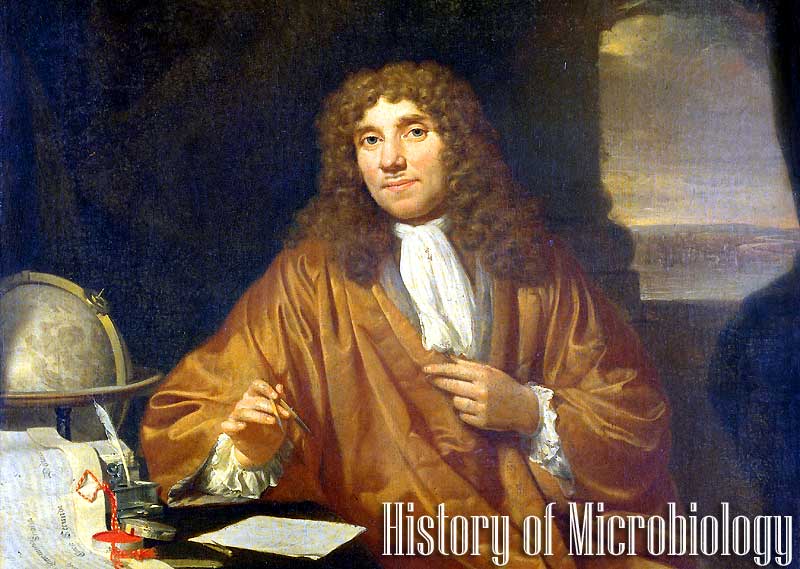
Microbiology essentially began with the development of the microscope. Although others may have seen microbes before him, it was Antony Van Leeuwenhoek, a Dutch draper whose hobby was lens grinding and making microscopes, who was the first to provide proper documentation of his observations. Antonie van Leeuwenhoek is considered a father of microbiology as he observed and experimented with microscopic organisms in 1676, using simple microscopes of his own design. Scientific microbiology developed in the 19th century through the work of Louis Pasteur and in medical microbiology Robert Koch.