
Langurs
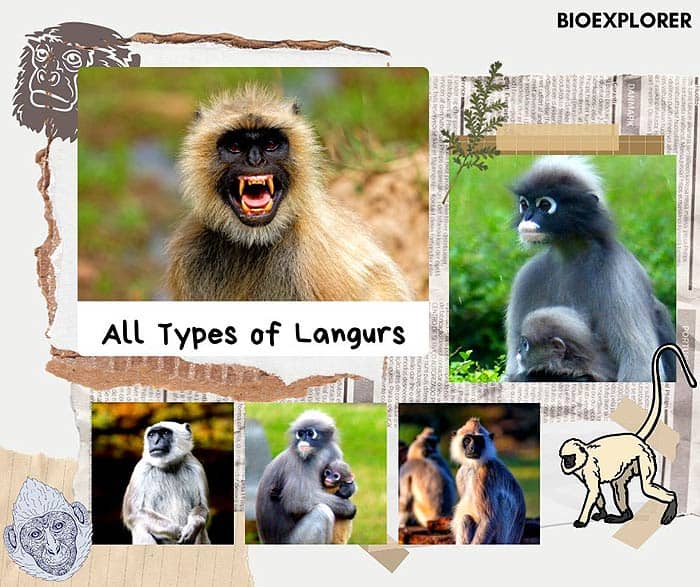
Langurs, part of the Colobinae subfamily, represent Old World monkeys recognized for their elongated bodies, extended tails, and remarkable facial features. They are primarily tree-dwelling, spending most of their lives amid the canopy of diverse forest environments. Langurs are notable for their intricate social structures, unique means of communication, and crucial ecological roles, especially in seed dispersion and forest rejuvenation.
Numerous langur species exist, each boasting distinct traits and behaviors. However, a common characteristic they share is an herbivorous diet (folivorous) consisting mainly of leaves, fruits, and blossoms. This preference in food consumption significantly shapes their habitat, affecting plant communities and the overall structure of the forest.
Primarily, all langur species are grouped under the tribe Presbytini with 3 genera, namely Trachypithecus (Lutungs), Presbytis (Surilis), and Semnopithecus (Gray Langurs). Langurs inhabit an extensive geographic range, mainly in Asia.
Their habitats stretch from Southeast Asia’s lush rainforests to the Himalayas’ lofty altitudes. Some species have also adapted to landscapes dominated by humans, living near urban zones and places of religious significance.
Despite their adaptability and ecological importance, langurs face multiple threats. The loss of habitat, hunting, and conflicts with humans have decreased populations in many regions. Therefore, efforts for conservation are vital to ensure the survival of these intriguing creatures.
On this page, we dive into the world of langurs, exploring their physical attributes, their classifications, eating habits, different types of langurs, and the challenges they encounter today. By understanding these facets, we can more fully appreciate their role in our ecosystems and the pressing need for their preservation.

Langur Physical Characteristics
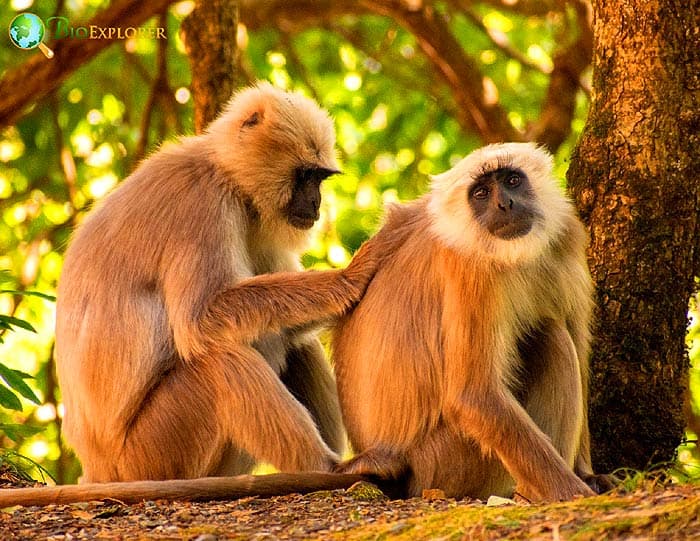
- Langurs are primates of medium to large size, sporting body lengths that span from 40 to 80 centimeters, not including their tails, which can stretch to an impressive 1 meter. They are characterized by a slender physique, long limbs, and a tail that assists in maintaining balance. These physical features make them skilled climbers and leapers – a vital adaptation for their tree-dwelling way of life.
- The fur coloration of langurs varies greatly among different species, spanning shades from silvery grey and golden to black and brown. Some species, like the Silvered Langur, are recognized for their eye-catching silvery-grey coat, while others, such as the Golden Langur, are notable for their bright golden fur. Certain species also have distinctive facial markings. For example, the Black-faced Langur presents a striking contrast between its black face and light-colored body.
- Langurs possess several adaptations to excel in tree canopies. Their elongated, robust tails offer balance and stability when navigating the branches. Their hands and feet are built for gripping, with opposable thumbs that enable them to hold onto branches securely. They also have a specialized stomach, akin to a cow, facilitating the efficient digestion of leaves and other tough plant materials.
- Unlike other Old-world monkeys, langurs do not have cheek pouches.
- The average lifespan of langurs is about 20 years, and the gestation period is about 6 to 7 months for langurs.
- Generally, male langurs are larger and weightier than their female counterparts, a phenomenon known as sexual dimorphism. They also sport more pronounced canine teeth, which come in handy during fights for dominance within the troop. In certain species, males also have distinctive fur colorations or markings that differentiate them from females.
Langur Feeding Habits and Diet
Langurs are primarily herbivores, with a diet that consists largely of leaves, fruits, flowers, and occasionally, insects and tree bark. Their food preferences and foraging behavior are closely tied to their environment and the availability of food sources.
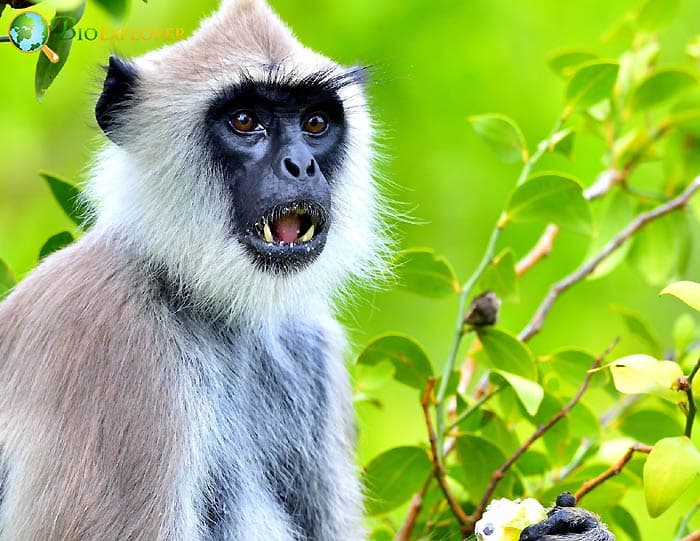
- Leaves, particularly young leaves, form the staple of a langur’s diet due to their availability throughout the year. However, langurs consume many fruits and flowers, especially during their seasons. This varied diet provides essential nutrients and plays a crucial role in seed dispersal, contributing to the biodiversity and health of their habitats.
- Langurs exhibit a unique foraging behavior known as ‘browse line‘, where they feed on leaves and fruits at a particular height on a tree before moving to another. This behavior is thought to minimize competition for food resources within the troop and promote efficient foraging.
- The impact of langurs’ feeding habits extends beyond their immediate survival needs. By feeding on various plant species, they help control the growth of certain plants, thereby influencing the composition and structure of plant communities. Their role as seed dispersers also aids in the propagation of many tree species, contributing to forest regeneration and diversity.
- Interestingly, langurs have a specialized digestive system, similar to ruminants, that allows them to break down leaf cellulose. This multi-chambered stomach hosts a community of microorganisms that ferment the plant material, enabling the extraction of nutrients that would otherwise be inaccessible.
- Despite their adaptability, changes in food availability due to habitat loss and human encroachment pose significant challenges to langurs. These changes can impact their feeding habits, nutritional intake, and ultimately, their survival and reproductive success. As such, understanding and preserving the natural habitats of langurs is crucial for their continued survival.
- Anatomically, their digestion system is more sophisticated to digest complex wild leaves using a foregut fermentation process that detoxifies the complex plant compounds by bacteria before entering into the intestine. A similar digestion system can be witnessed in other herbivores such as deer, antelopes, and sloths.
Types of Langurs
Note: Although some odd-nosed monkeys are called langurs, such as Doucs langurs (Pygathrix) or Pig-tailed langurs (Simias), they are also listed under langurs here.
Annamese Silvered Langur
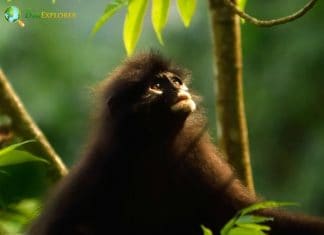
Banded Langur
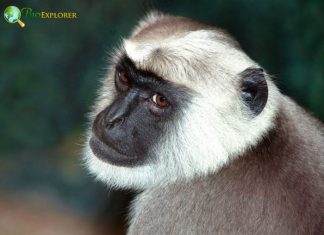
Bengal Sacred Langur

Black and White Langur

Black Sumatran Langur
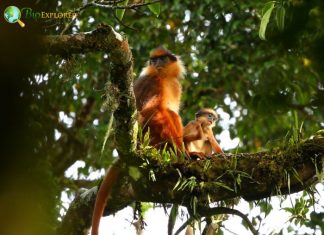
Black-Crested Sumatran Langur
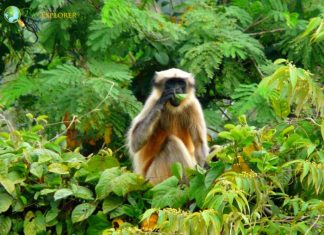
Black-footed Gray Langur
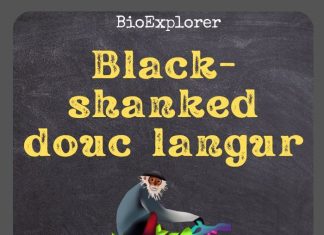
Black-shanked Douc Langur
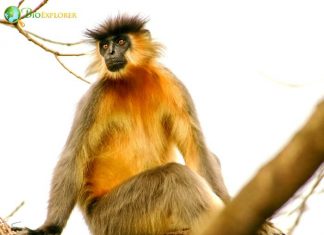
Capped Langur
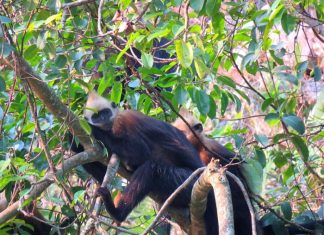
Cat Ba Langur

Cross Marked Langur
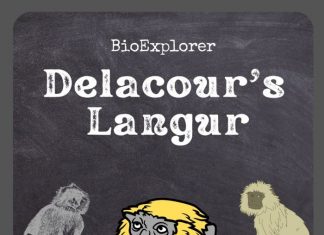
Delacour’s Langur
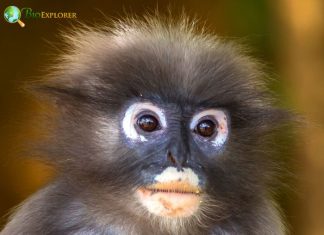
Dusky Langur
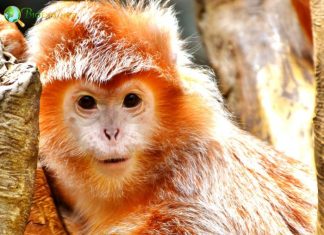
East Javan Langur

East Sumatran Banded Langur
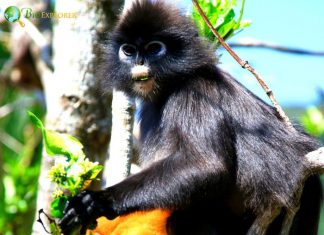
François’ Langur
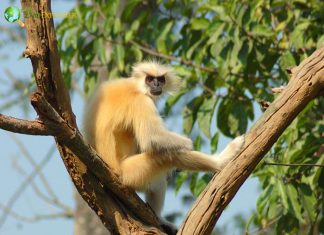
Gee’s Golden Langur
Germain’s Langur
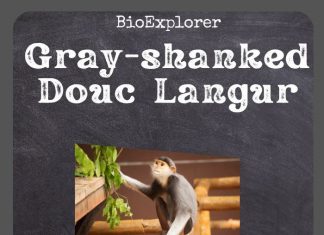
Gray-Shanked Douc Langur
Hatinh Langur
Hose’s Langur
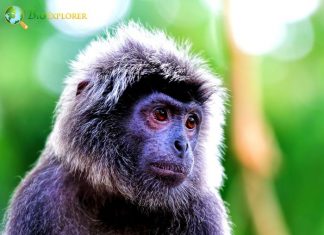
Indochinese Black Langur
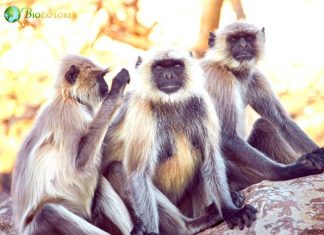
Indochinese Grey Langur
Javan Surili
Kashmir Gray Langur
Laotian Langur
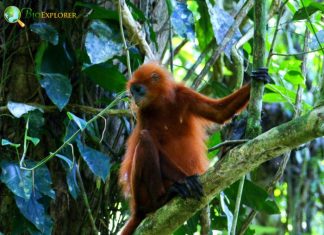
Maroon Langur
Mentawai Langur

Miller’s Langur

Mitered Langur
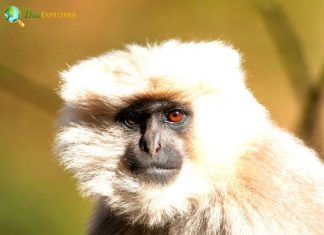
Nepal Gray Langur
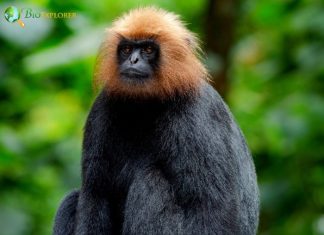
Nilgiri Langur
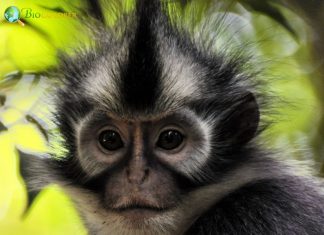
North Sumatran Leaf Monkey
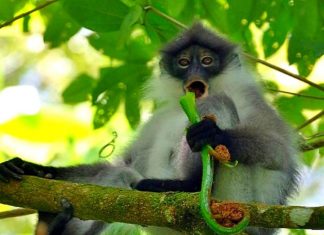
Pale-Thighed Langur
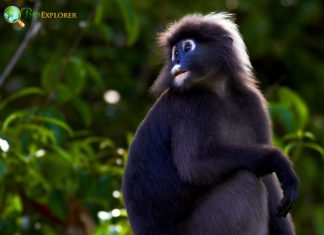
Phayre’s Langur
Pig-tailed Langur
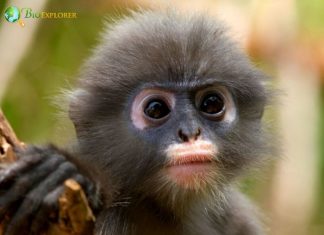
Popa Langur
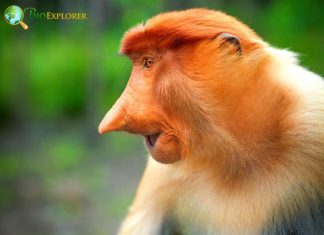
Proboscis Monkey
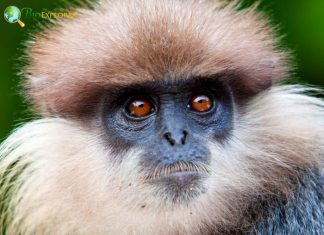
Purple-faced Langur
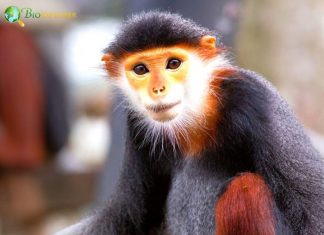
Red-Shanked Douc Langur
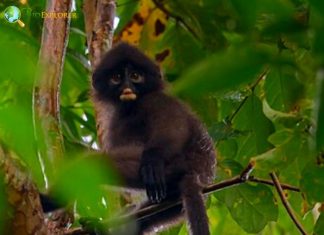
Robinson’s Banded Langur
Saban Grizzled Langur
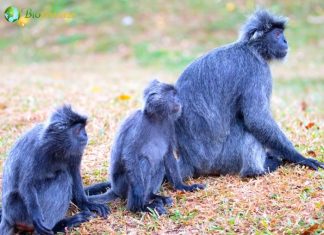
Selangor Silvered Langur

Shan State Langur
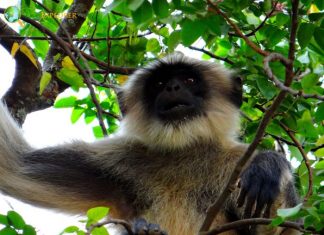
Shortridge’s Capped Langur
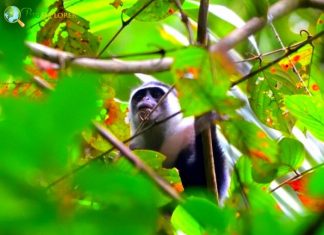
Siberut Langur
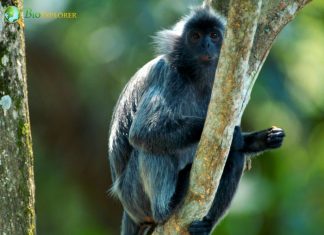
Silvered Langur
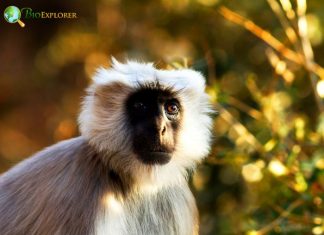
Tarai Gray Langur
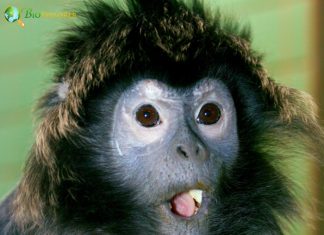
Tenasserim Langur
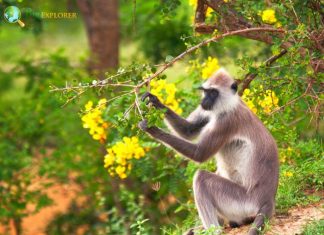
Tufted Gray Langur
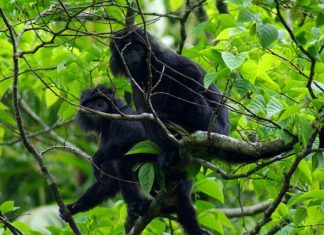
West Javan Langur
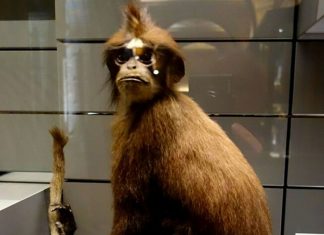
White-fronted Langur
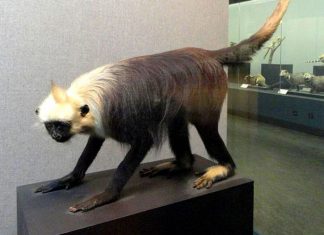
White-headed Langur
Langur Conservation Status and Threats
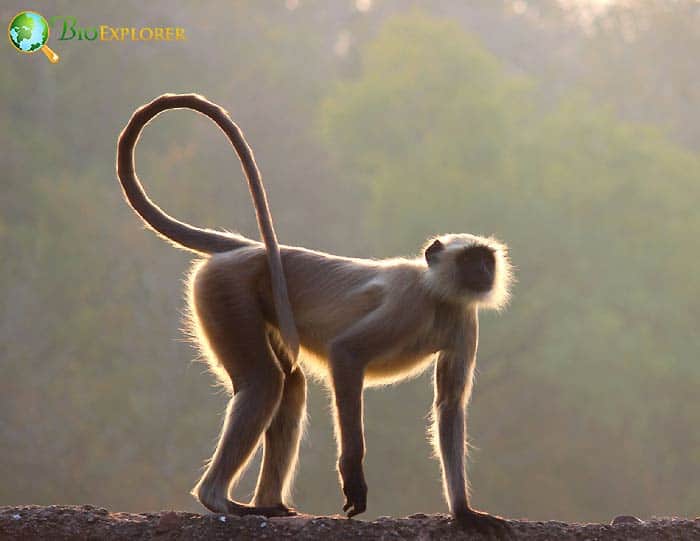
Langurs, like many wildlife species, face a range of threats that have led to declining populations and, in some cases, pushed them toward the brink of extinction. The conservation status of langurs varies among species, with some listed as ‘Least Concern’ while others are classified as ‘Endangered’ or ‘Critically Endangered’ on the International Union for Conservation of Nature (IUCN) Red List.
- Habitat loss is one of the most significant threats to langurs. Rapid deforestation and land conversion for agriculture, infrastructure development, and urbanization have resulted in the fragmentation and loss of their natural habitats. This reduces the availability of food and shelter and increases their vulnerability to predators and human-wildlife conflict.
- Hunting and poaching pose another major threat to langurs. They are hunted for their meat and fur, and in some regions, for traditional medicine. The pet trade has also contributed to the decline in langur populations, with young langurs often being captured and sold as pets.
- Human-wildlife conflict is an increasing concern, particularly for langur species that have adapted to live near human settlements. These conflicts often arise when langurs raid crops or venture into residential areas for food, leading to retaliatory killings.
- Despite these challenges, various conservation efforts and initiatives are underway to protect and conserve langur populations. These include habitat protection and restoration, anti-poaching measures, and community-based conservation programs. Additionally, several captive breeding programs and reintroduction initiatives have successfully bolstered populations of critically endangered langur species.
However, the long-term survival of langurs hinges on integrating conservation efforts with sustainable development practices. It is crucial to balance the needs of human communities with the preservation of natural habitats to ensure a future where both people and langurs can thrive.
Cite this page
BioExplorer. (2026, August 26). Langurs. https://www.bioexplorer.net/animals/mammals/monkeys/langurs/