
Search Results for: Lace

  • Top 15 Immunology News of 2021

    The 2021 discoveries in Immunology showcase the recent developments and their relevance during the upsurge of COVID-19 cases. This treatise describes the development of immunology as a scientific discipline focused on its foundation. Let us glance at these 2021 research outcomes from a broader perspective.


  • Top Biotechnology News of 2021

    These 2021 biotechnological events provide us with a thorough understanding of our most recent developments in the fields of Synthetic Biology, Stem cell and Tissue engineering research, Genome editing and decoding the entire human transcriptomics, Construction of cell-free vaccine, and various other wonders.

  • Top 15 Cell Biology News of 2021

    This news series in cell biology 2021 gives us a detailed overview of the recent advancements. Let’s explore the top 15 cell biology news of 2021.

  • Top 15 Ecology News of 2021

    This series of 2021 ecology news gives us a detailed overview of the recent development in this field. Commencing with climate change, global warming, alternative ways for renewable energy resources, the role played by scavengers in our society, and other global aspects of management and nature-dependent climate solutions.

  • Top 15 Microbiology News of 2021

    These topics focus on the discoveries and developments in Microbiology in 2021. Research and developments on various topics, such as engineered bacteria, oil-degrading bacteria, and symbiotic relationship between root colonizing bacteria and host plants, have been included here.

  • Rondon’s Marmoset

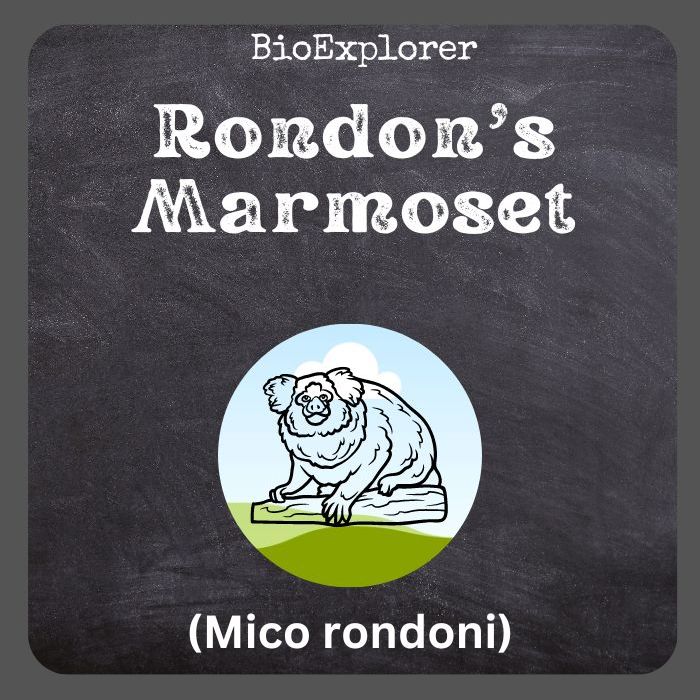
    Rondon’s Marmoset (Mico rondoni), also called the Rondônia marmoset, is a small species of monkey in the Callitrichidae family found in the southwestern Amazon of Brazil. Rondon’s marmoset was only described in 2010, and its name refers to the famous Amazon explorer Cândido Rondon.

  • Madidi Titi

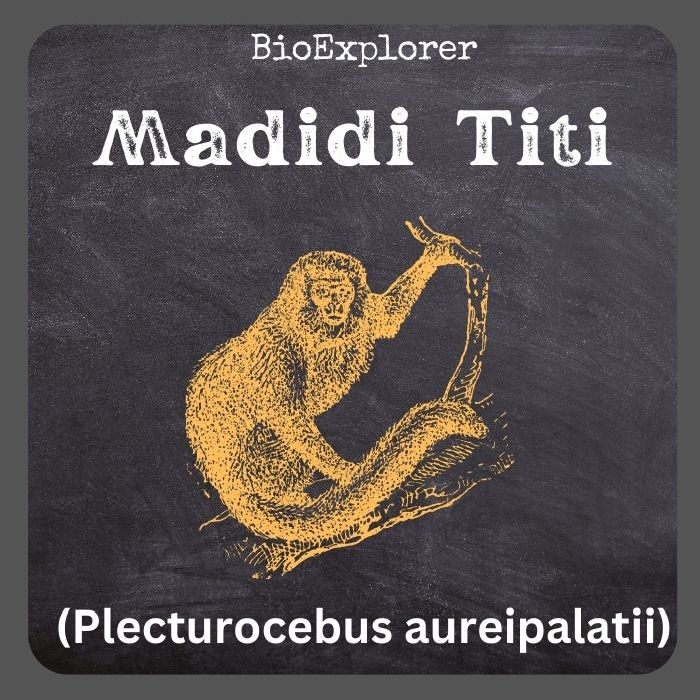
    The Madidi titi also called the Golden Palace monkey, is a titi, a New World species of monkey discovered in 2004 in Madidi National Park in western Bolivia. The species got its name, Golden Palace, from an online casino after an auction.

  • Lesson’s Saddle-Back Tamarin

    Lesson’s Saddle-Back Tamarin (Leontocebus fuscus) is a small New-world monkey endemic to South America. Its type locality is in Colombia, on the plains of Mocoa, Putumayo, between the Caquetá River and the Putumayo River.

  • Gold-And-White Marmoset

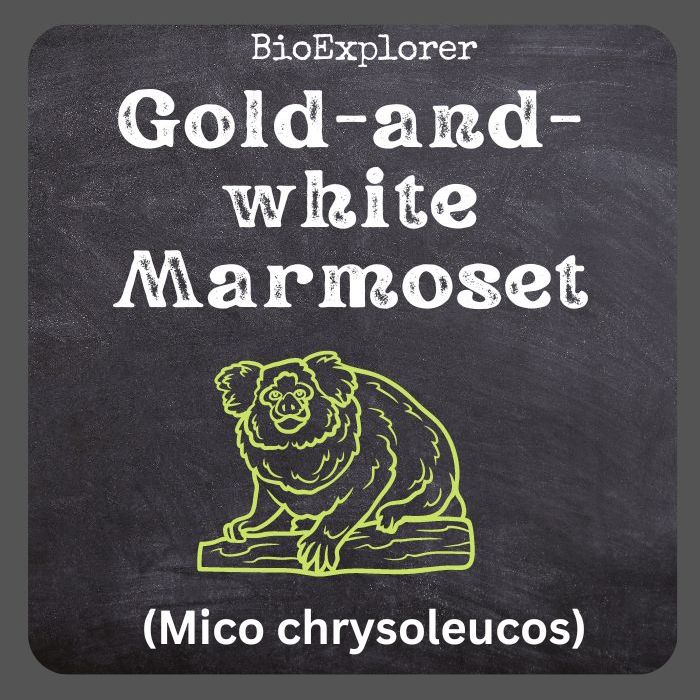
    The gold-and-white marmoset, also called the golden-white tassel-ear marmoset, is a species of marmoset, a tiny monkey native to the Amazon rainforest in the eastern Amazonas state of Brazil.

  • Collared Titi

    The collared titi, also called the widow monkey, or yellow-handed monkey inhabits the lush rainforests of the Amazon and is typically found south of Río Negro and north of Río Solimões. Titi monkeys are often known to “duet” with each other, either between an adult female and an adult male, an adult female and her son, or an adult male and his daughter.

  • Buffy-headed Marmoset

    The buffy-headed marmoset is a rare species of marmoset native to the tropical rainforests of southeastern Brazil. These miniature and shy monkeys are mostly tree dwellers, crawling on 4 legs (quadrupeds) from tree to tree with jerky, squirrel-like movements.

  • Roosmalens’ Dwarf Marmoset

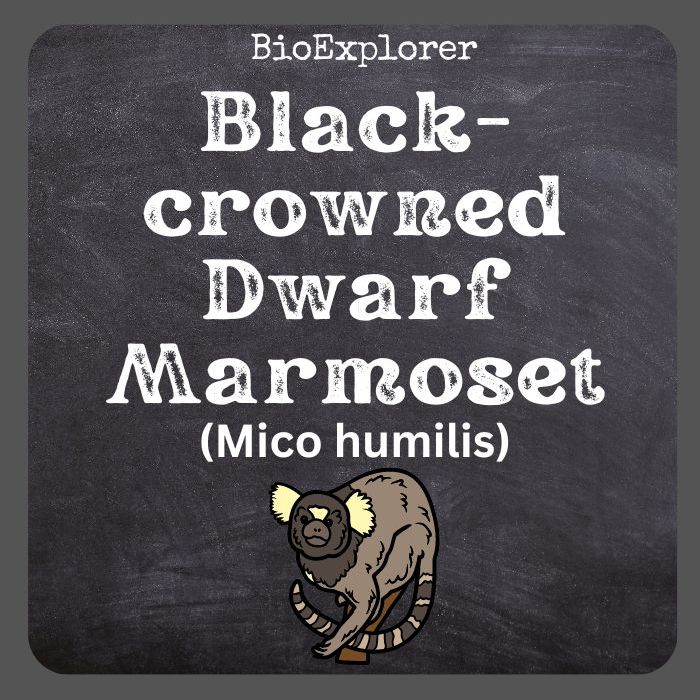
    The Roosmalens dwarf marmoset, also called the black-crowned pygmy marmoset or black-crowned dwarf marmoset, is a New-World monkey endemic to the Amazon rainforest.

  • Red-bellied Monkey

    The red-bellied monkey (Cercopithecus erythrogaster), also called the red-bellied guenon or white-throated guenon is a diurnal primate living in the trees of tropical rainforests or tropical areas in Benin and Nigeria. The red-bellied monkey was once considered extinct due to constant hunting for fur on its unique red belly and white front legs.

  • Shan State Langur

    Shan State Langur was generally considered a subspecies or a synonym of Phayre’s leaf monkey (Trachypithecus phayrei) until Roos et al. elevated it to species status in 2020.

  • Western Red Colobus

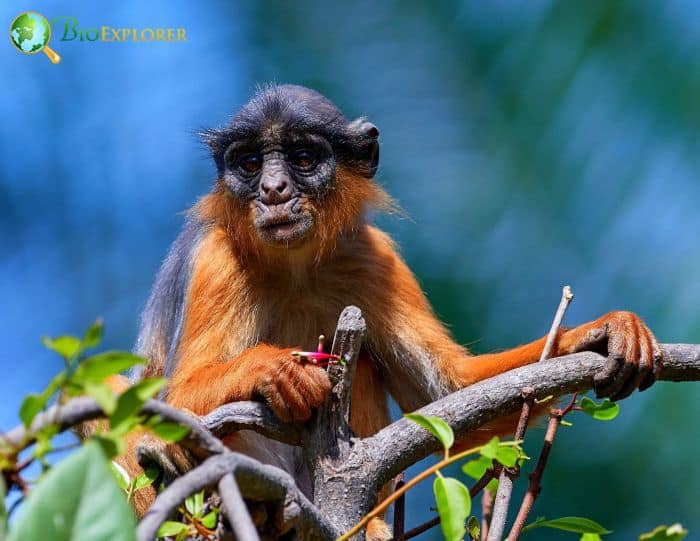
    The western red colobus (Piliocolobus badius), also called the Upper Guinean red colobus, rust red colobus, or bay red colobus is a species of Old-World monkey found in the forests of West Africa, from Senegal to Ghana.

  • Toque Macaque

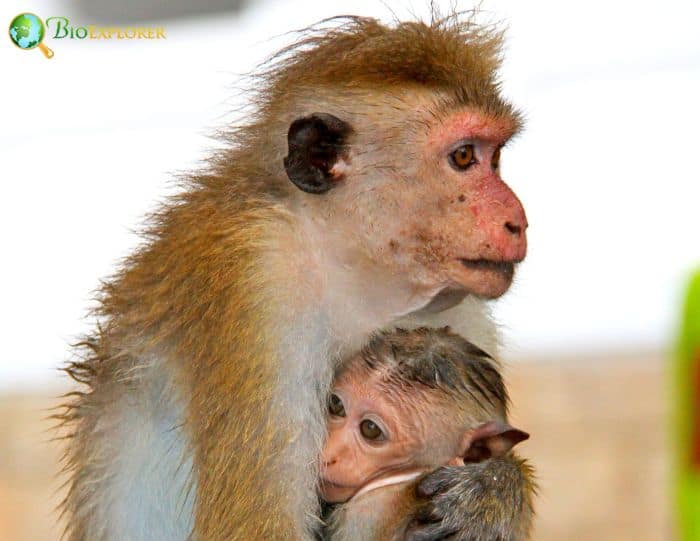
    The toque macaque (Macaca sinica) is a red-brown Old World monkey endemic to Sri Lanka, known as the rilewa or rilawa. Its common name refers to the strand of hair on its head that resembles a brimless hat.

  • Tonkean Macaque

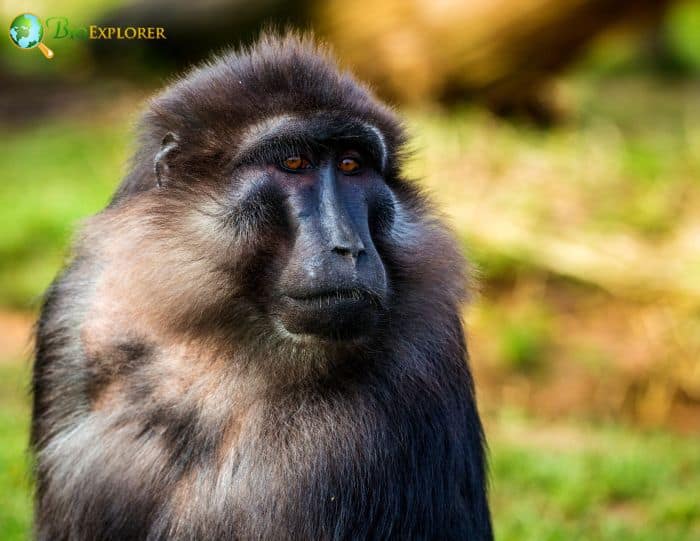
    Tonkean macaques also known as Tonkean black macaques, are endemic to the central part of the island of Sulawesi and the neighboring Togian Islands in Indonesia. Tonkea macaques are pretty intelligent and creative.
  • Langurs

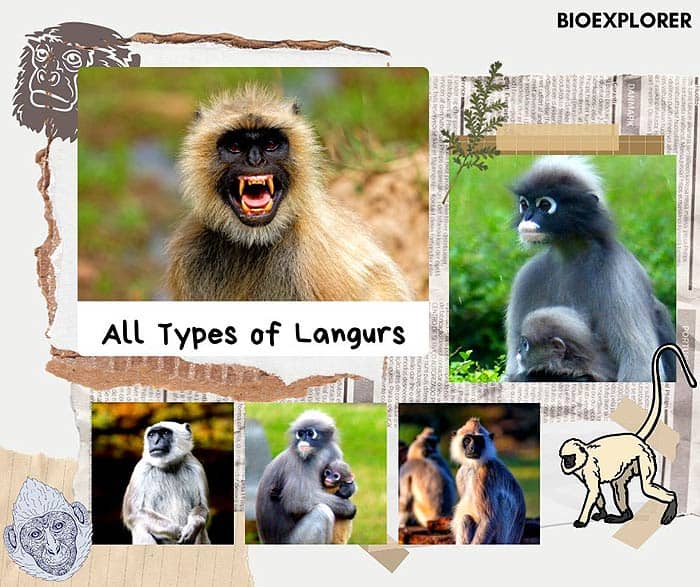
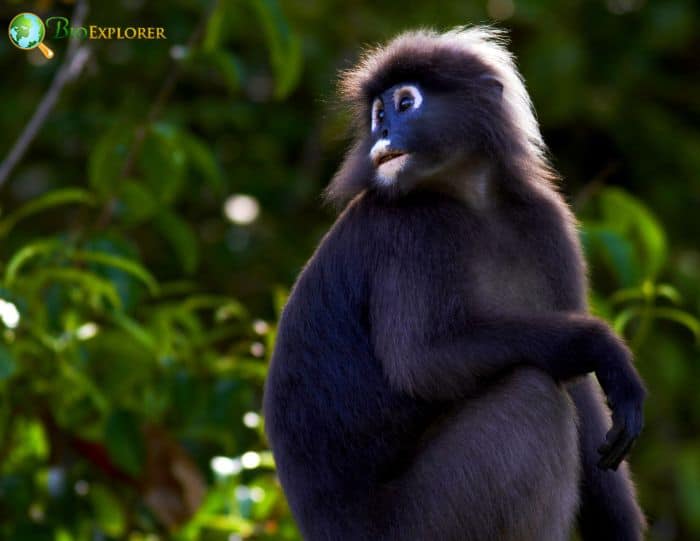
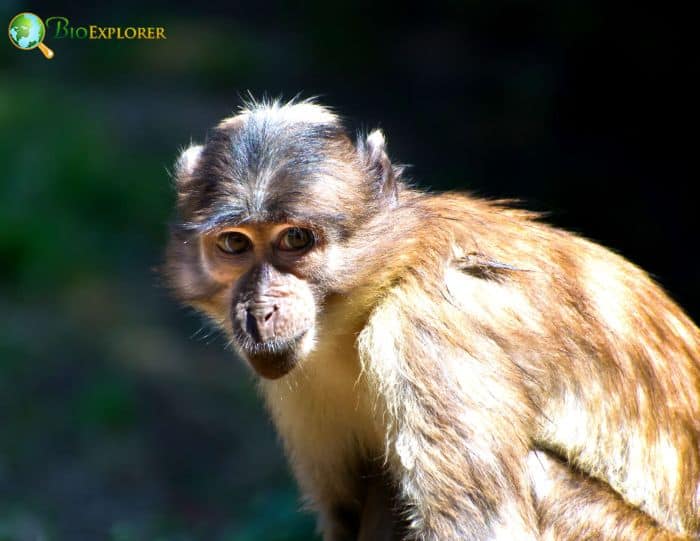
    Langurs are Old-world monkeys classified under the Colobinae family along with other leaf-eating monkeys, including Colobus and proboscis monkeys. Explore langur characteristics and all types of langur species here.

  • Phayre’s Langur

    Phayre’s leaf monkey (Trachypithecus phayrei), also called the Phayre’s langur, is a species of Lutung endemic to South and Southeast Asia. The name commemorates the late Sir Arthur Purves Phayre, a lieutenant general in the British Indian Army and commissioner of the entire province of former British Burma.

  • Southern Muriqui

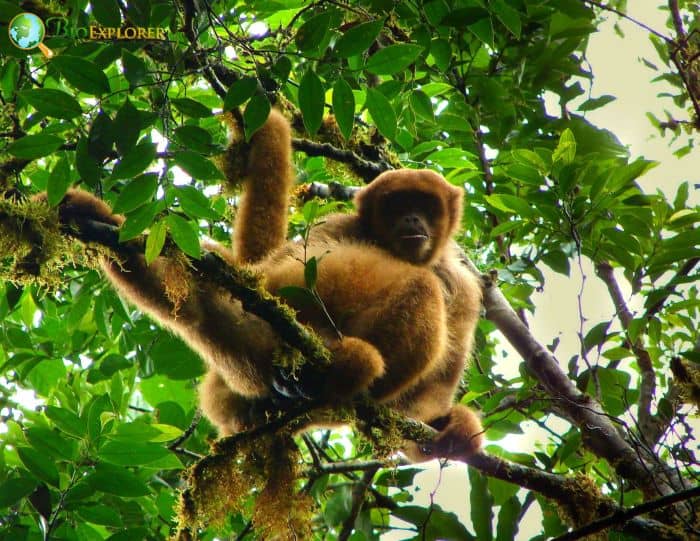
    The southern muriqui or woolly spider monkeys (Brachyteles arachnoides) are scattered across southeastern Brazil, from Bahia north to Sao Palo south. The southern muriqui is one of the largest primates in South America, with males weighing around 15 kg and females around 12 kg.

  • Malbrouck

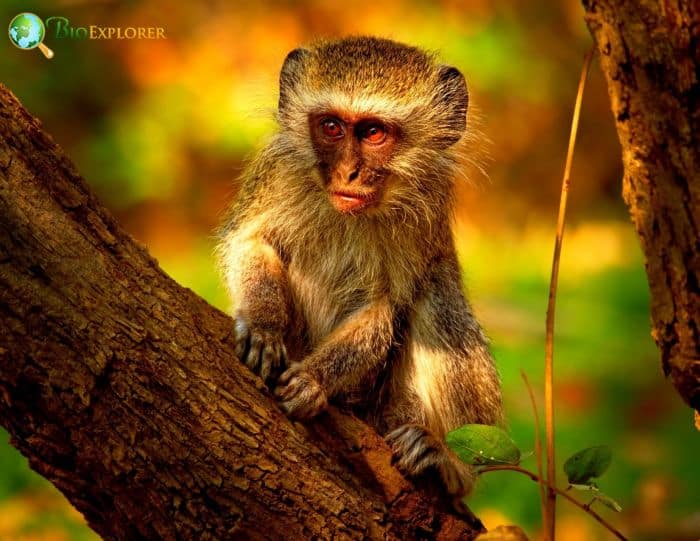
    The Malbrouck (Chlorocebus cynosuros) is an Old-World primate from Africa that belongs to the Chlorocebus genus. The species is sometimes classified as a subspecies of the green monkey (Chlorocebus pygerythrus) or the common grivet (Chlorocebus aethiops).

  • Lion-Tailed Macaque

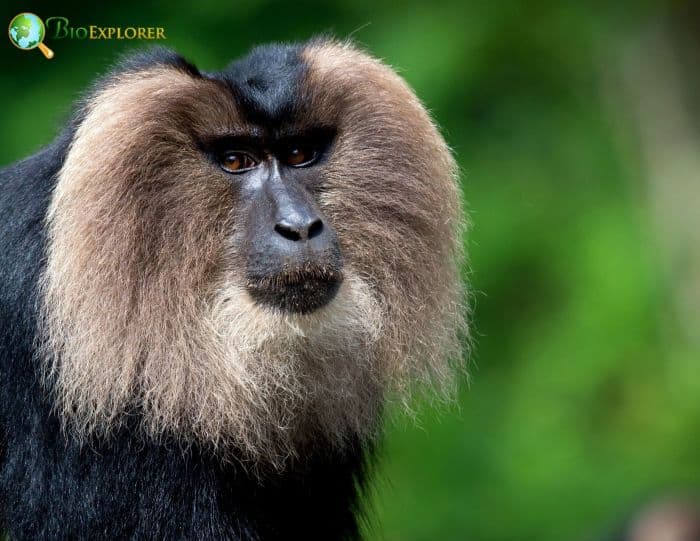
    The lion-tailed macaque (Macaca silenus), also known as the wanderoo, is an Old World monkey native to the Western Ghats of South India. Lion-tailed macaques are diurnal and arboreal.

  • Lesser Spotted-Nosed Monkey

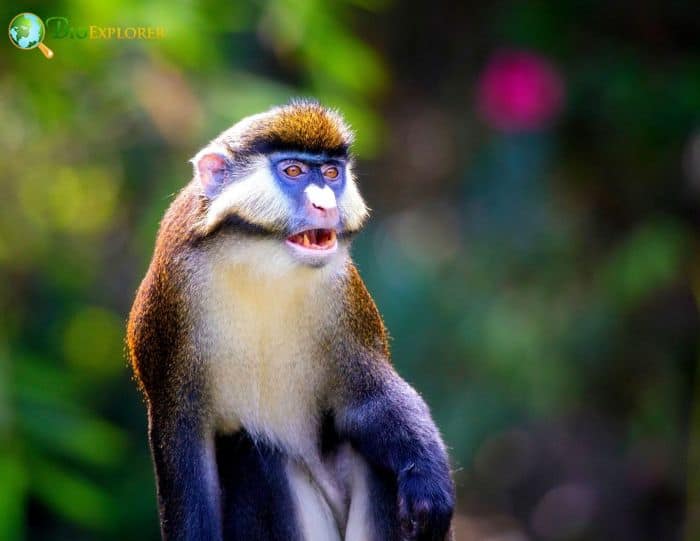
    The lesser spotted-nosed monkey, lesser spotted monkey, or lesser white-nosed monkey (Cercopithecus petaurista) is a primate species in the Cercopithecidae family. The lesser spotted-nosed monkey is diurnal, arboreal, and cryptic.

  • Hamadryas Baboon

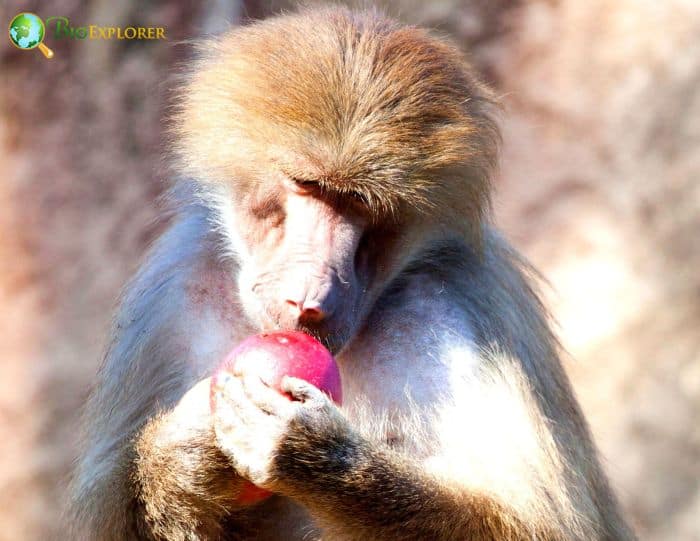
    The Hamadryas baboon (Papio hamadryas) is a baboon species in the Old World monkey family. The Hamadryas baboon was a sacred animal to the ancient Egyptians. It appeared in various roles in ancient Egyptian religion, hence its alternative common name, “sacred baboon”.

  • Guianan Brown Capuchin

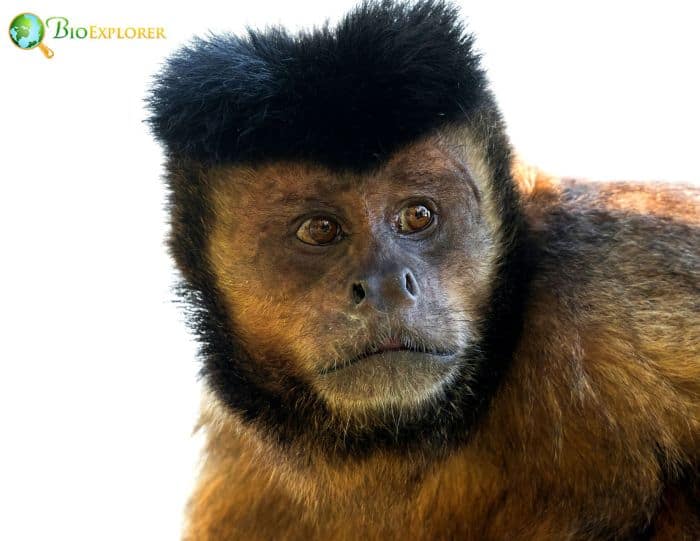
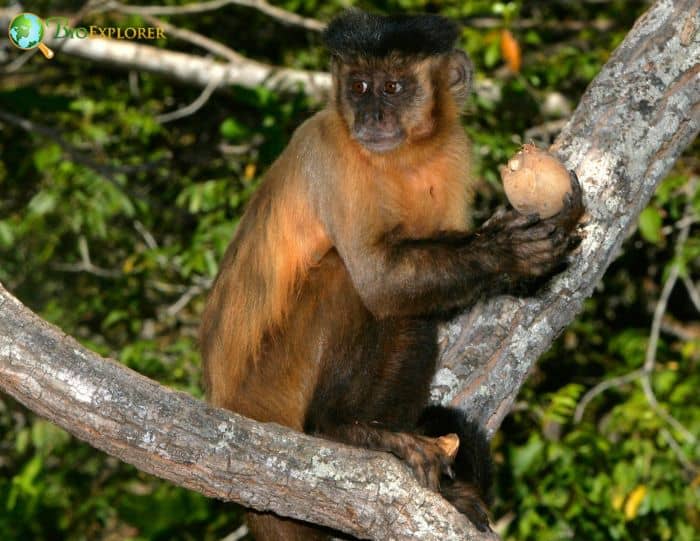
    The tufted capuchin (Sapajus apella), also called the pin monkey, Guianan brown capuchin, or black-headed capuchin is a New World monkey native to South America and the Caribbean islands of Margarita and Trinidad.

  • Grivet Monkey

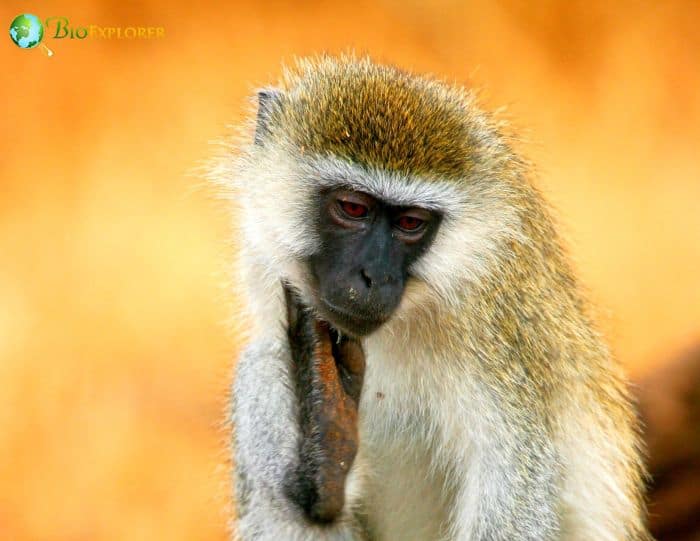
    The Grivet monkey (Chlorocebus aethiops) is an Old World monkey with long tufts of white fur on the sides of its face. Grivet monkeys are very social animals. They travel in small groups and are among the few species to have groups with multiple males.

  • Old-Man’s Beard

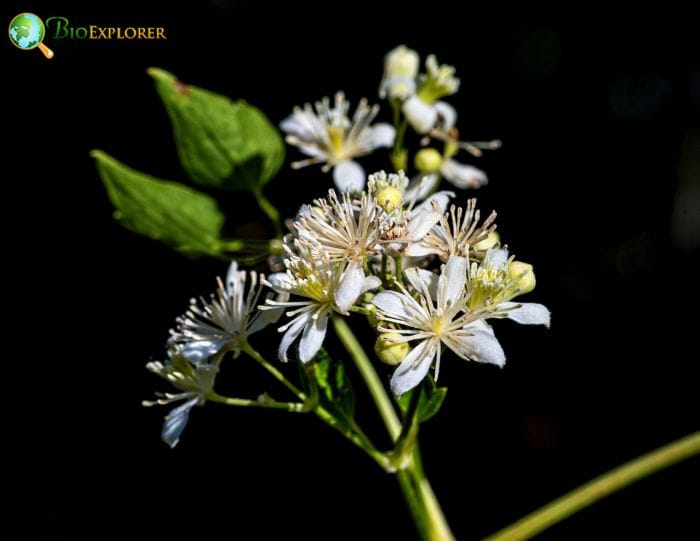
    Clematis ligusticifolia is woody or semi-woody climber from the Ranunculaceae family. This desert flowering plant can grow up to 20 feet or more. All parts of the plant can cause severe irritation in the mouth if eaten.

  • Tamarix Shrubs

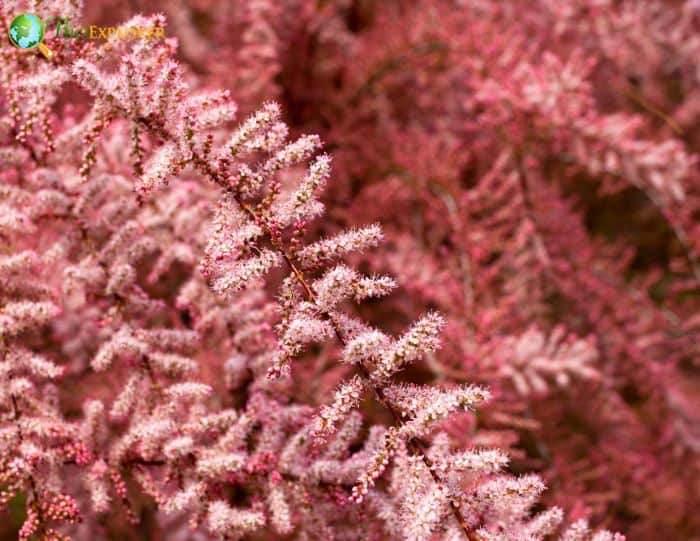
    Tamarix arceuthoides is a shrub or Tree belonging to the Tamaricaceae family. This plant can grow to a height of 5 meters. The Tamarix shrub is commonly found in sandy places and deserts of temperate Asia, Africa, and Europe.

  • Saltwort

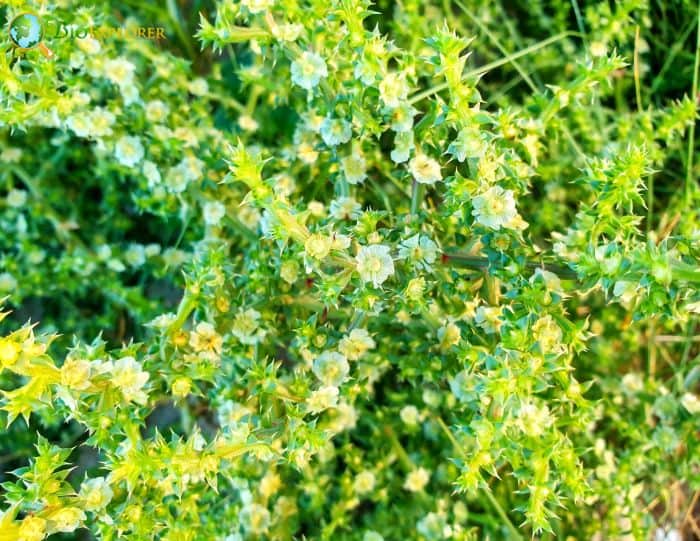
    Saltwort is an annual herb from the Amaranth family. The flowers of the Saltwort are radially symmetrical and possess 5 tepals fused into a cup or tube. Usually, there is one flower per axil of the bract.

  • Golden Lion Tamarin

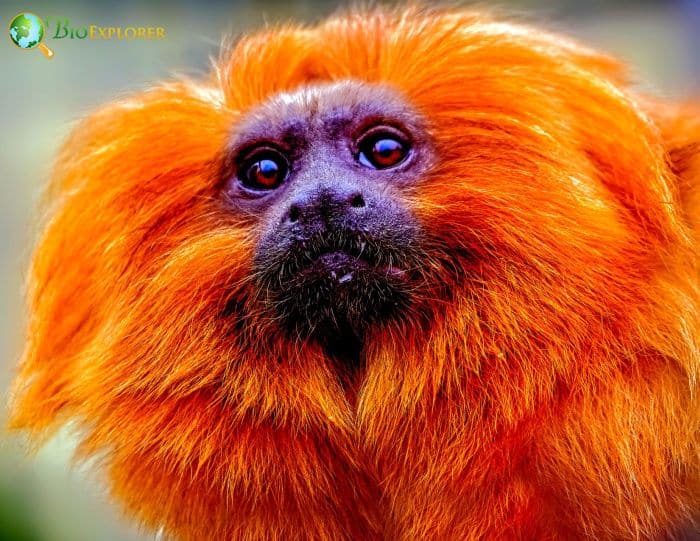
    The golden lion tamarin (Leontopithecus rosalia), also called the golden tamarin, is a small New World primate in the Callitrichidae family. The golden lion tamarin derives its name from its vivid reddish-orange coat and extra-long hair around its face and ears, giving it a distinctive mane.

  • Geoffroy’s Tamarin

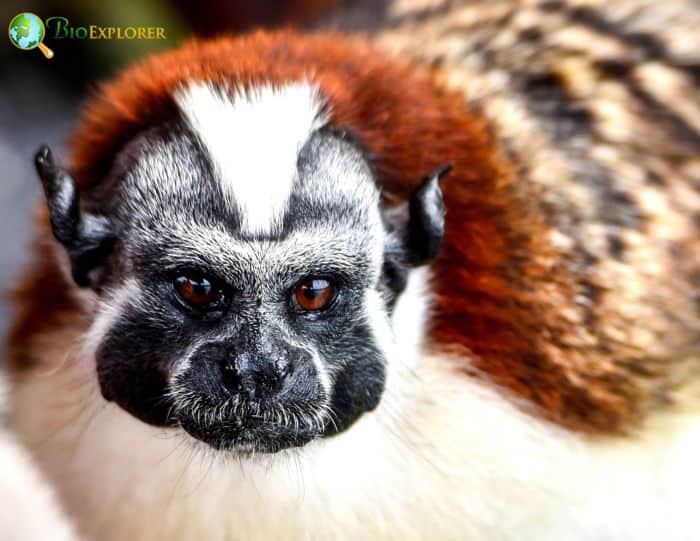
    Geoffroy’s tamarin, also called the Panamanian tamarin, red-crested tamarin, or rufous-naped marmoset tamarin, is a tamarin, a small monkey found in Colombia and Panama. In what may seem like a role reversal in many monkey species, Geoffroy’s tamarins are led by the oldest female in a group.

  • Formosan Rock Macaque

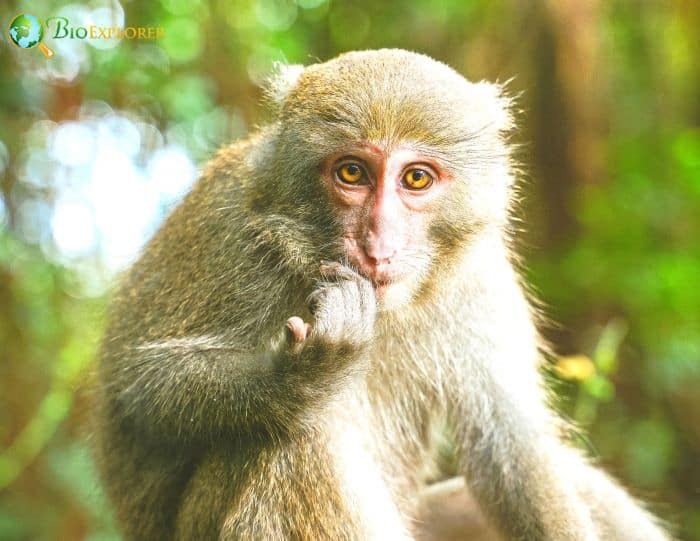
    The Formosan rock macaque also called the Taiwanese macaque, or Formosan rock monkey, is a macaque native to the island of Taiwan. Aside from humans, Formosan rock macaques are the only native primates living in Taiwan.

  • De Brazza’s Monkey

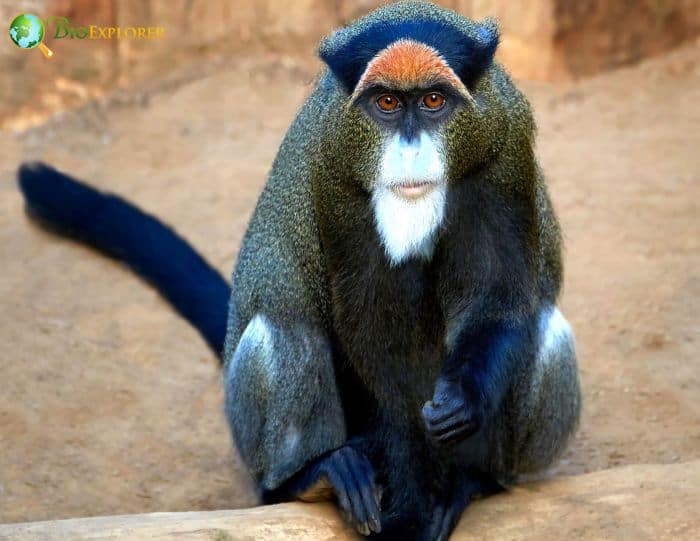
    De Brazza’s monkey is an Old-World primate native to central Africa’s swamp and riverine forests. It is the largest species of the guenon family and one of the most widespread African arboreal primates.

  • Sooty Mangabey

    The sooty mangabey, also called the white-collared or white-crowned mangabey is a predominantly terrestrial Old-World monkey. Sooty mangabeys remember the location of the fallen fruit and can tell whether or not a tree is bearing fruit.

  • Silvery Marmoset

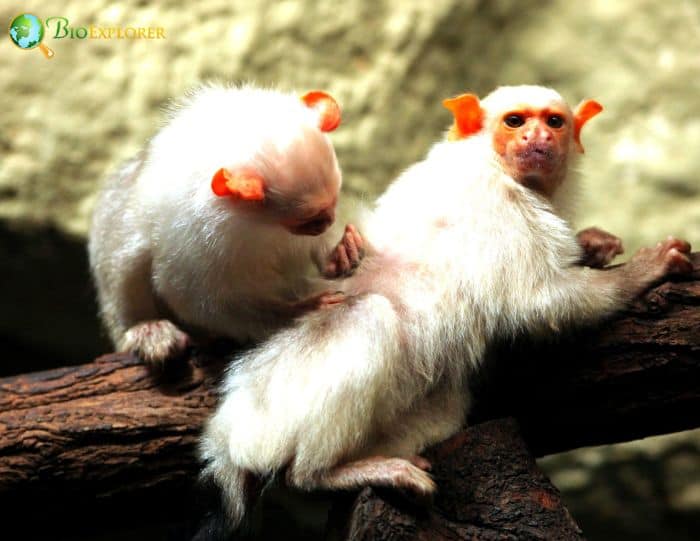
    The Silvery marmoset (Mico argentatus) is a New-World monkey living in the eastern Amazon rainforest of Brazil. True to its name, the silvery marmoset’s body is a striking silver-grey color. Silvery marmosets are primarily arboreal species and can spend their entire lives in trees without descending to the ground.

  • Bearded Capuchin

    The bearded capuchin, also called the black-striped capuchin, is a New World monkey in the Cebidae family. They are found in central and northern Brazil. Until recently, the bearded capuchins were considered a subspecies of Tufted Capuchins.

  • Explore Types of Greenhouse Gases As Agents Of Climate Change

    Behind the struggle to combat increasing global temperature & rapidly changing climate lies the excessive production of greenhouse gases that eventually get trapped in the atmosphere. Let’s explore what greenhouse gases are, their types, and, most importantly, their contributions to climate change.

  • Top 15 Anatomy News of 2021

    These 2021 noteworthy advancements and discoveries in Anatomy also speak to scientists’ increased interest in the brain’s structure, function, and disorders. Explore the top 15 anatomy and physiology news of 2021.

  • Vernonia

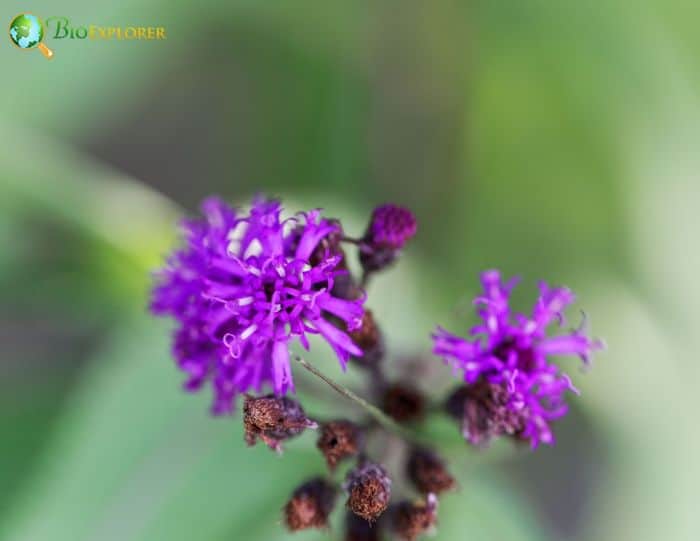
    The Vernonia genus includes 350 species of shrubs and forbs in the Asteraceae (sunflower) family. Some species of Vernonia are also known as ironweed. Vernonia plants have small purple flowers gathered in loose clusters, making them popular cut flowers.

  • Ardisia

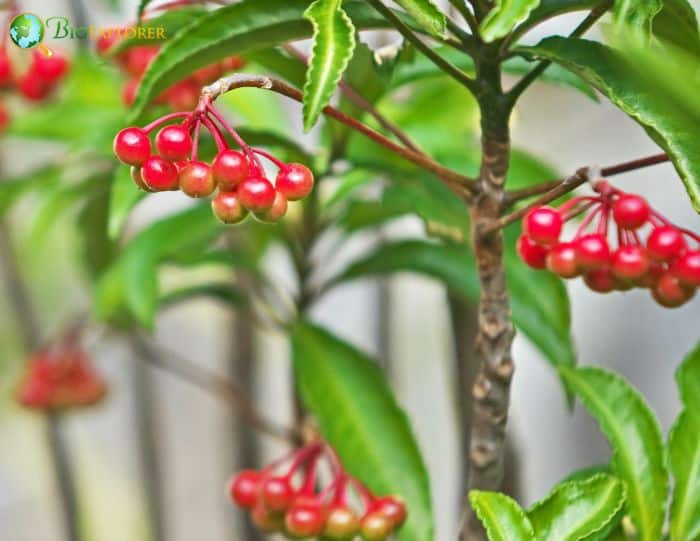
    Ardisia (marlberry or coralberry) is a genus of plants in the Primulaceae family. It was part of the ancient Myrsinaceae family, now recognized as the Myrsine family. The Ardisia genus includes more than 700 recognized species of flowering plants. Usually, the flowers have 4 or 5 green sepals and a bell-shaped crown of 4 or 5 pink or white petals

  • Starwort

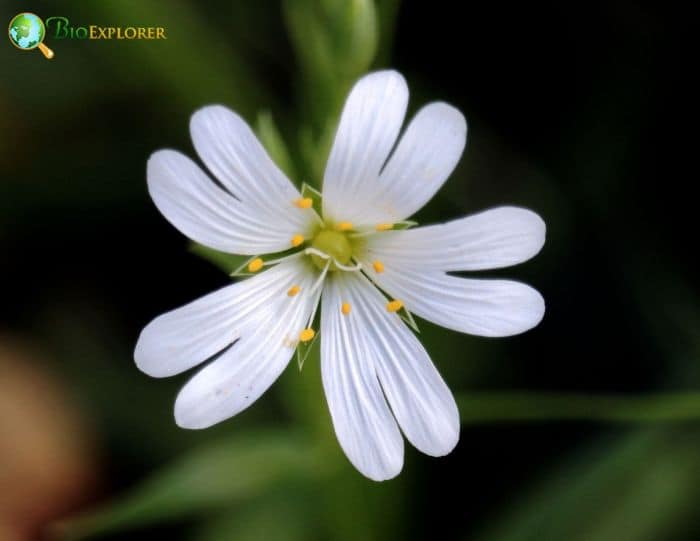
    Stellaria longipes, a species of plant in the Caryophyllaceae family, are known by Goldie’s starwort and long stalk starwort. The Stellaria genus includes approximately 120 species of perennial herbaceous plants. There are 5 white petals, each divided into 2 lobes, sometimes flat but often so deep that they appear to have two petals.

  • Cyclamen

    The Cyclamen genus includes about 23 species of perennial plants in the Primulaceae family. Cyclamen species are endemic to the Mediterranean region and Europe. The flowers of the species are white, lavender-white, or rose pink. Flowering Cyclamen are frost-sensitive hybrids from C. persicum.

  • Sweet William

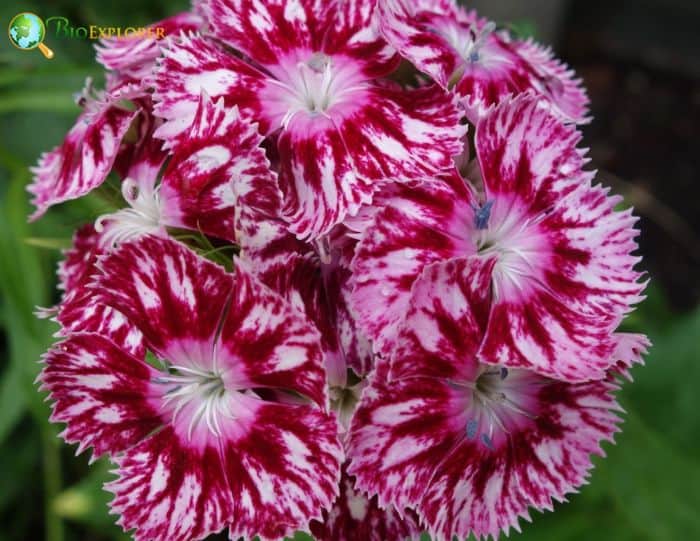
    Sweet William (Dianthus barbatus) is a species of flowering plant in the family Caryophyllaceae native to parts of Asia and southern Europe. The flowers come in vibrant reds, pinks, whites, and two-tone hues, often with contrasting eyes and bearded petals lined on the inside.

  • Snow in Summer

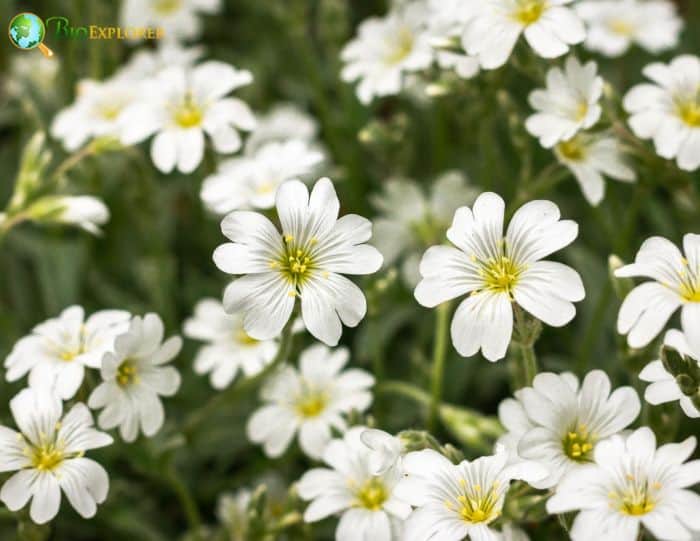
    Snow-in-summer (Cerastium tomentosum) offers a solid option for adding botanical beauty to retaining wall crevices and stones in a rock garden. Additional flowering usually occurs in smaller quantities all through the summer.

  • Japanese Orange Osmanthus

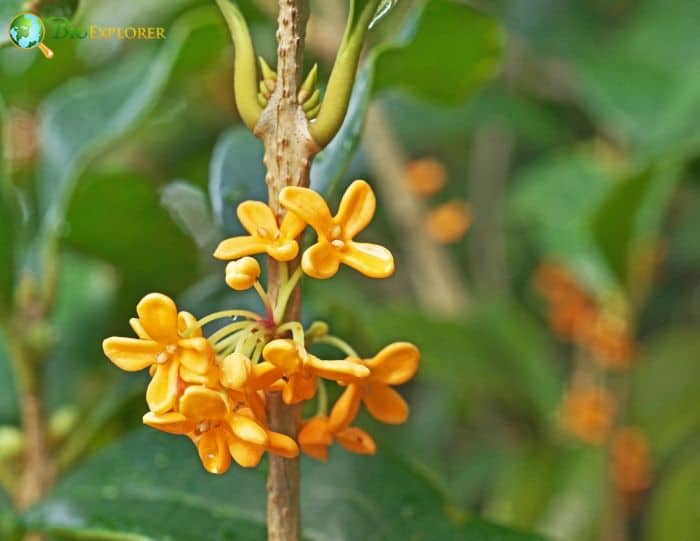
    Japanese Orange Osmanthus is an evergreen shrub or tree that produces clusters of flowers with a powerful apricot fragrance. The flowers of the Japanese Osmanthus are tiny in axillary clusters and signify truth and a noble person in Japan.

  • Blood-Red Iris

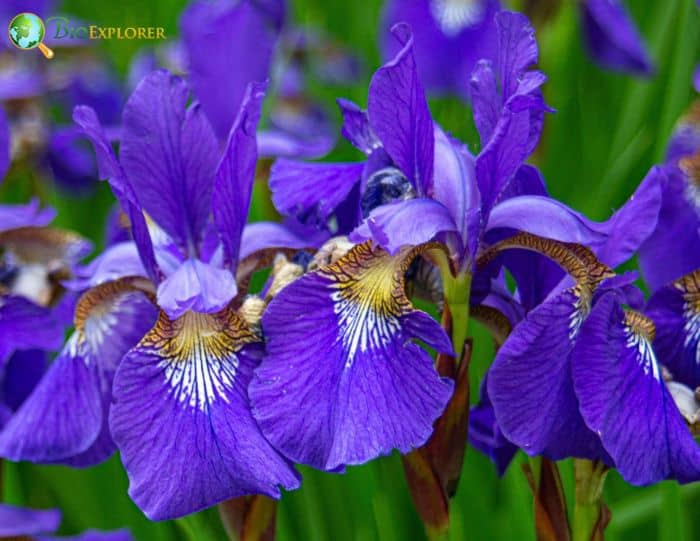
    Iris sanguinea is a rhizomatous angiosperm that can grow to a height of 0.5 to 1 meter and a spread of 0.1-0.5 meters. The Iris flower signifies wisdom, hope, trust, and courage. The Iris flower is considered the flower for the 25th wedding anniversary.

  • Japanese Snowbell

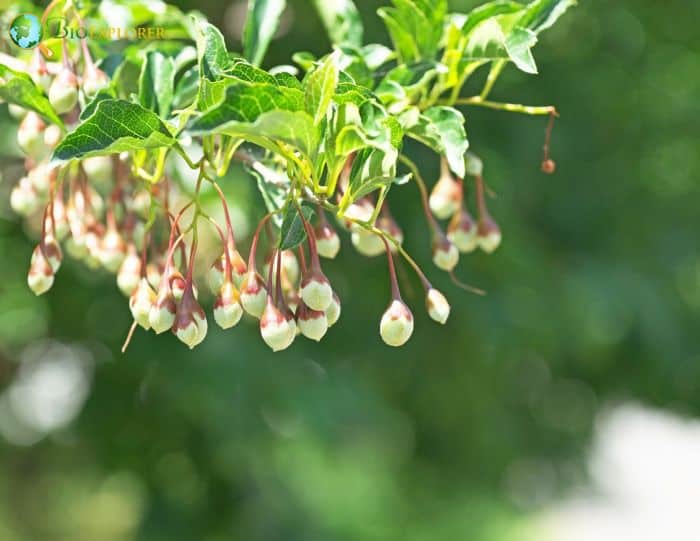
    The Japanese Snowbell is a deciduous tree that can grow to 15-25 feet. The leaves of Styrax japonica are alternate and simple. They are broad-elliptic to elliptic-oblong. These leaves are medium to dark green with a measurement of 2.5-9 cm. long and 1.3 -4 cm wide.

  • Japanese Canopy

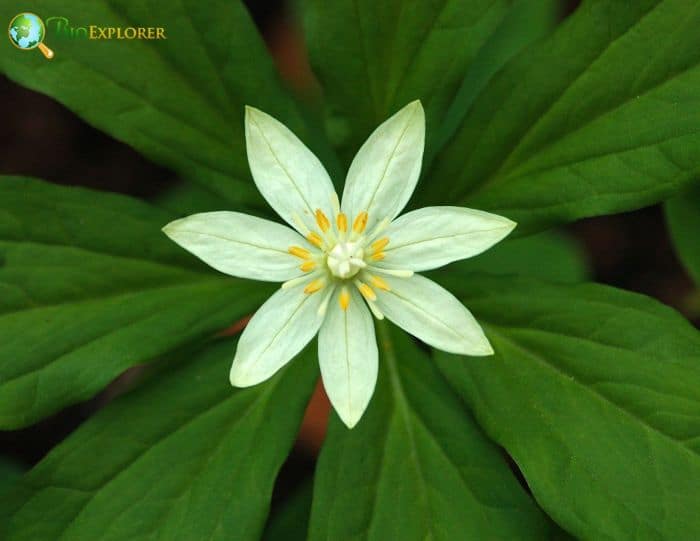
    Paris japonica is a slow-growing perennial plant native to Japan with a height of 6-12 inches. Japanese Canopy plants have white and showy flowers in a pedicel. The flowers are star-shaped with 10 tepals.

  • Edulis Tulip

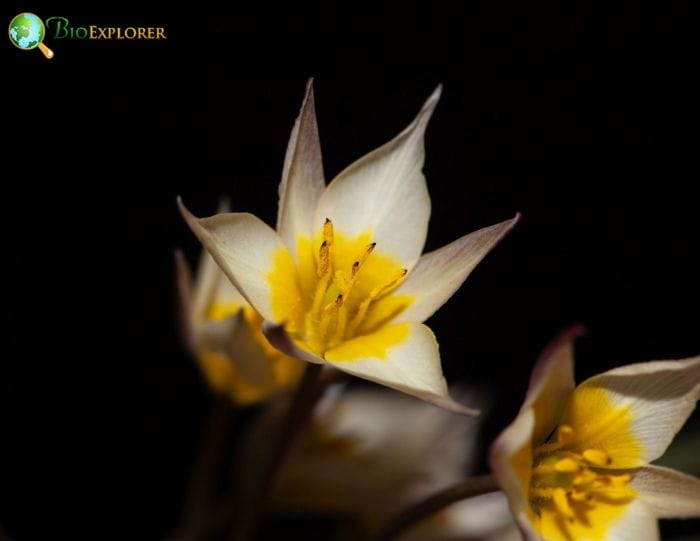
    Amana edulis (formerly Tulipa edulis) is a bulb-forming perennial with a flower that resembles a tulip. The Amana edulis plant is about 15 cm. It is native to Japan.

  • Japanese Bigleaf Hydrangea

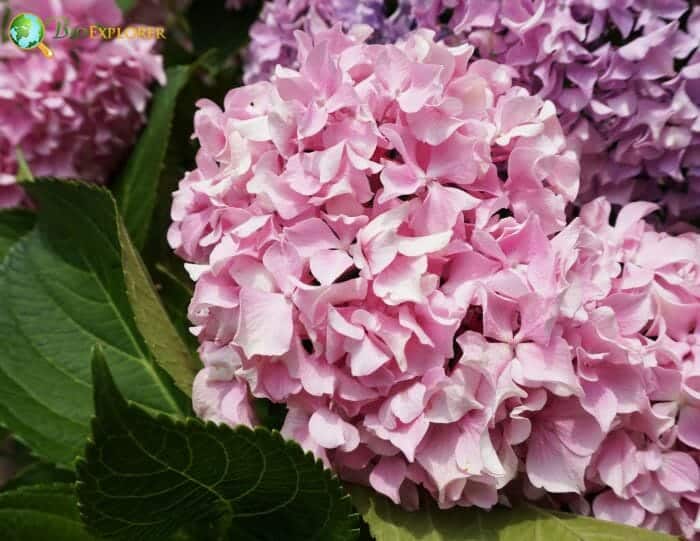
    Bigleaf Hydrangea is a deciduous shrub native to Japan that can grow to 7 ft tall. The flowers of the lacecup Hydrangea are attractive large mophead, making it a popular landscape Japanese plant.

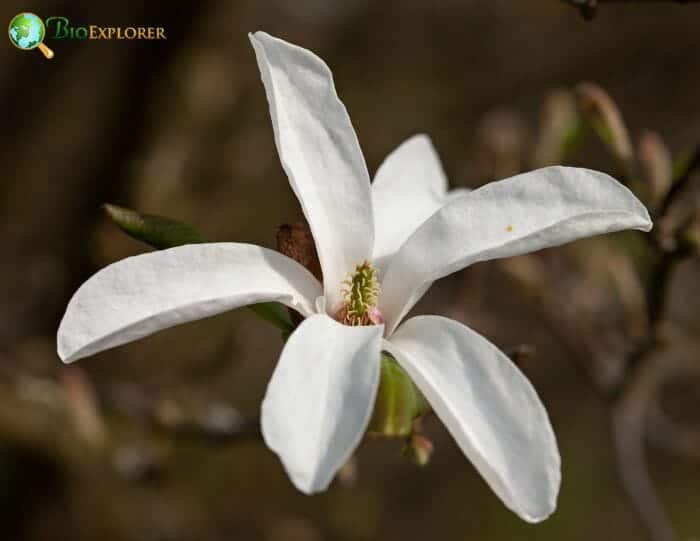
  • Star Magnolia

    Native to Japan, Star Magnolia is a small tree that can grow to 5 to 8 feet and spread 15 ft in maturity. Star Magnolia grows well in full sun and partial shade.

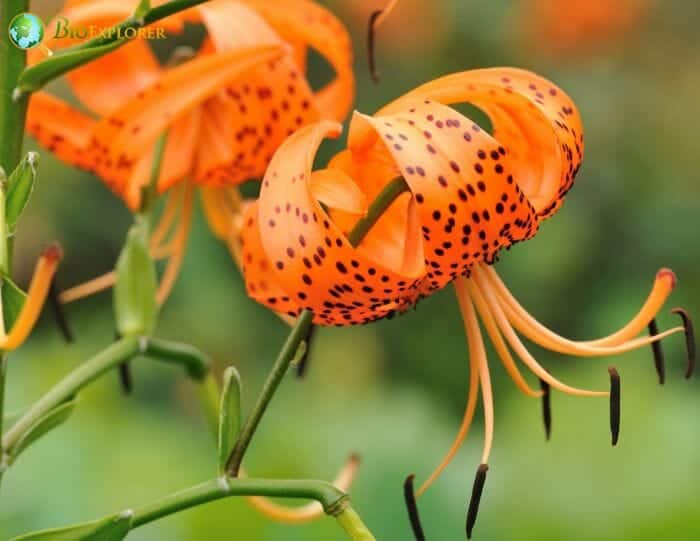
  • Tiger Lily

    Tiger Lily is a perennial Japanese bulb plant that can grow 60 cm to 150 cm. in height. It is a prolific flower that gives the appearance of the tiger’s skin. This is an excellent border plant. The Tiger Lily flower is associated with wealth and pride,

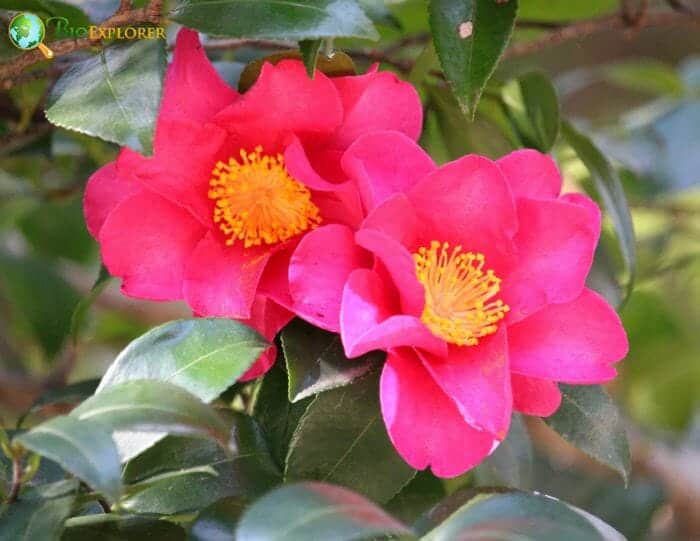
  • Sasanqua

    Camellia sasanqua is a shrub that can grow to 60 cm-3.6 m. It is a beautiful Japanese plant with a pleasing fragrance. The flowers of the sasanqua are primarily single or semi-double. Therefore, their bloom is not as large as those of Camellia japonica.

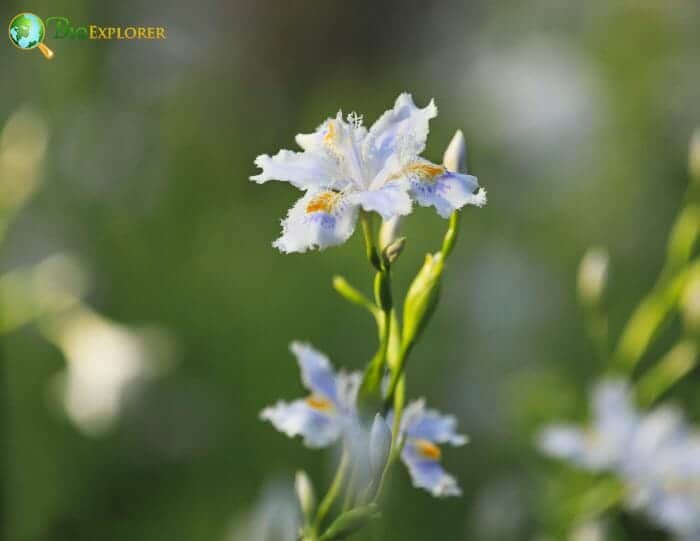
  • Japanese Iris

    Iris japonica is a rhizomatous plant with a height of 0.75 to 1 foot and a spread of 1 to 1.5 feet that can grow in forest margins and wet grasslands. The Japanese Iris is named after the Greek goddess “Iris” because of its beauty. The name Iris also means rainbow.

  • Wisteria

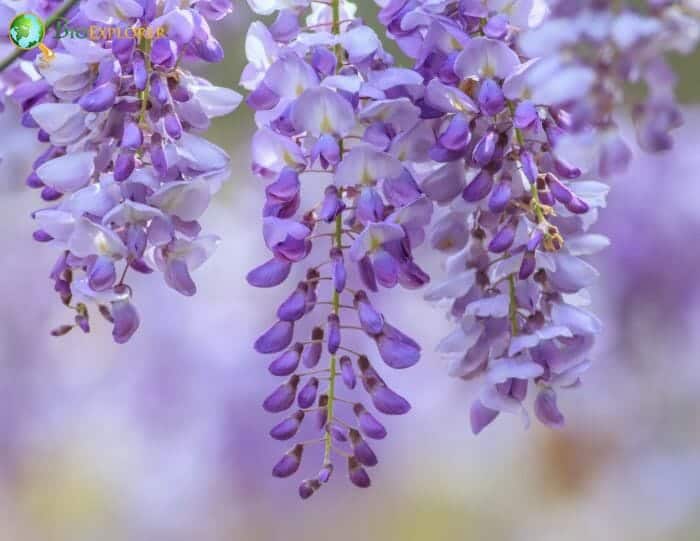
    The Japanese Wisteria is a beautiful, deciduous climber with a height of 10 to 30 feet and a spread of 10-20 feet. It is native to temperate Asia, Japan. This perennial plant has a life span of 50 to 100 years or even longer.

  • Japanese Cherry Blossom

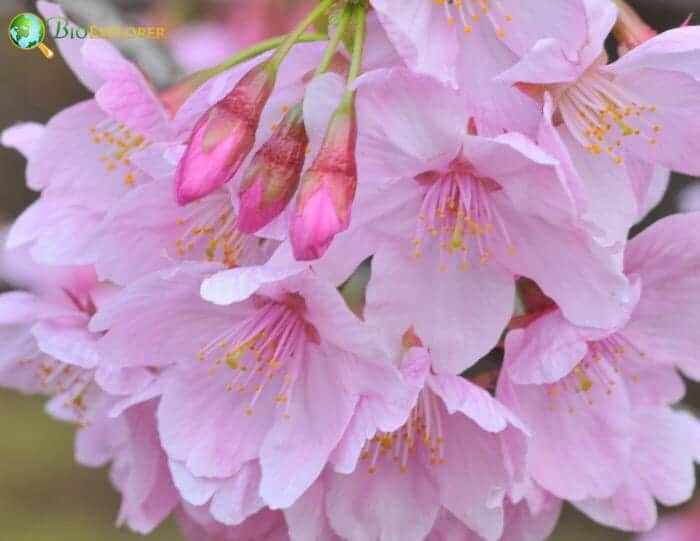
    Cherry blossom (Japanese national flower) is a medium-sized tree that can grow to 15-25 feet. The spread is 4-8 meters. The tree is short-lived (15-20 years). It is native to Korea, China, and Japan. Cherry blossom signifies good luck, Love, and femininity.

  • Plum Blossom

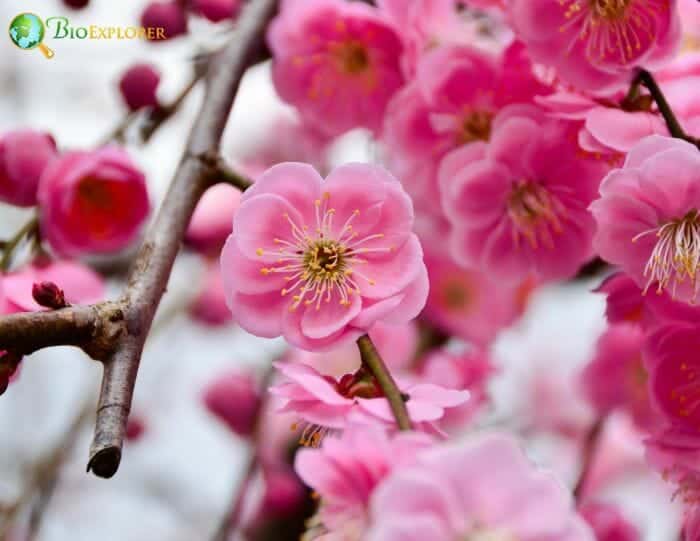
    Plum blossom is a deciduous, rounded tree from Japan with great ornamental value. It can grow from 4 to 10 meters in height. The ume flower in pale pink or white blossoms signifies faithfulness, purity of heart, and classiness.

  • Order Oxalidales / Wood Sorrel Flowers

    Oxalidales (Wood sorrel) order of flowering plants is annuals, perennial herbs, lianas, shrubs, and trees distributed in temperate and tropical regions. Oxalidales plants have compound leaves, actinomorphic and bisexual flowers, usually 4-5 sepals and petals.