
Branches of Biology / Divisions of Biology
Here are the different branches of biology (or divisions of biology) and their definitions & their related resources.
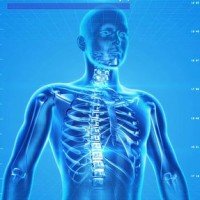
Anatomy
The branch of biology that studies the structure of organisms and their parts. It is a fundamental discipline in medicine and biology, providing insights into how organisms are put together and how their components interact.
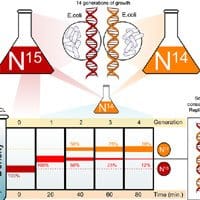
Biochemistry
Explores the chemical processes and substances that occur within living organisms. It bridges biology and chemistry and is foundational for understanding cellular processes, metabolism, and molecular biology.

Biophysics
Applies the principles and methods of physics to understand biological systems. It covers a wide range of scales from molecules to ecosystems, focusing on the physical underpinnings of biological processes.
Biotechnology
Utilizes cellular and biomolecular processes to develop technologies and products that help improve our lives and the health of our planet. It spans various applications, including medical therapeutics, genetically modified crops, and environmental clean-up techniques.
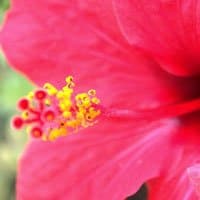
Botany
The scientific study of plants, from the smallest algae to the largest trees. Botany covers plant structure, function, ecology, and evolution, providing crucial insights into their role in ecosystems and their importance for agriculture, medicine, and environmental conservation.
Cell Biology
Also known as Cytology, investigates the structure, function, and behavior of cells, the basic units of life. This field examines how cells interact with their environment, reproduce, and perform their functional roles within organisms.

Chronobiology
Investigates the timing mechanisms in biological systems, including circadian rhythms and seasonal behaviors. It examines how living organisms adapt their biological rhythms to environmental cycles, affecting sleep, reproduction, and overall health.
Conservation Biology
Dedicated to understanding and mitigating the impacts of human activity on biodiversity and natural habitats. It aims to protect endangered species, preserve genetic diversity, and maintain ecosystem functions through conservation strategies and policy recommendations.
Developmental Biology
Explores how organisms grow and develop from fertilization to maturity. This branch investigates the genetic control of cell growth, differentiation, and morphogenesis, which is crucial for understanding congenital abnormalities and the development of regenerative medicine.

Ecology
The study of how organisms interact with each other and their environment. It addresses the distribution, abundance, biomass, and health of organisms within ecosystems, as well as the impact of human activity.
Environmental Biology
Focuses on the relationship between organisms and their environment, emphasizing conservation, biodiversity, and the effects of human impact on ecosystems. This field aims to provide solutions for environmental challenges, such as habitat destruction, pollution, and climate change.

Evolutionary Biology
Examines the origins, changes, and diversification of life over time. By studying genetic variation and the evolutionary processes that lead to adaptation and speciation, evolutionary biology provides a unifying framework for understanding the history of life on Earth.
Genetics
The science of heredity and variation in living organisms. Genetics explores how genetic information is passed from parents to offspring, the structure and function of genes, and how genetic variation leads to diversity within species.

Immunology
The study of the immune system and its role in defending the body against infectious disease and foreign invaders. Immunology covers how the body recognizes and combats pathogens, the development of vaccines, and the treatment of allergies, autoimmune diseases, and immune deficiencies.
Marine Biology
Examines life in the world’s oceans and other saltwater environments. Marine biologists study the biodiversity, ecology, physiology, and behavior of marine organisms, as well as the impact of human activities on marine ecosystems.
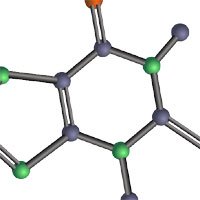
Molecular Biology
Focuses on the molecular basis of biological activity between biomolecules in the various systems of a cell. This field overlaps with genetics and biochemistry and is fundamental in understanding the mechanisms of disease and the development of new therapeutics.
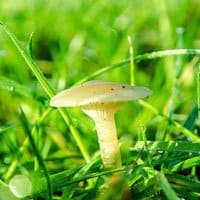
Mycology
The branch of biology that focuses on the study of fungi, including their genetics, ecology, and use in medicine and biotechnology. Mycologists investigate the roles of fungi in ecosystems, their relationship with other organisms, and their potential in bioremediation and food production.

Neurobiology
Also known as Neuroscience, the study of the nervous system and the brain, aiming to understand the biological basis of behavior, thought, and consciousness. Neuroscientists investigate how neurons communicate, how the brain processes information, and how neural disorders can be treated.
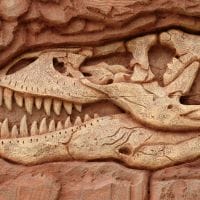
Paleontology
The study of the history of life on Earth through fossil records. Paleontologists reconstruct the past environments and evolutionary history of organisms, contributing to our understanding of biological diversity and evolutionary processes.
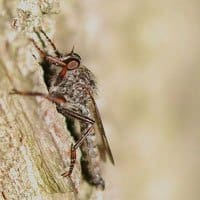
Parasitology
The study of parasites and their interactions with host organisms. Parasitologists investigate the life cycles, ecology, and genetics of parasitic organisms, aiming to understand their disease mechanisms, transmission, and control strategies.
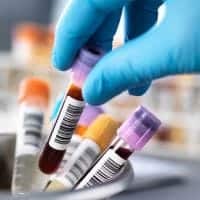
Pathology
Concerned with the cause and nature of diseases. Pathologists examine tissues, cells, and bodily fluids to diagnose diseases, understand the mechanisms of injury, and develop strategies for treatment and prevention.

Pharmacology
The study of drugs and their interactions with living organisms. Pharmacologists explore the effects of pharmaceuticals and other chemical substances on biological systems, aiming to develop new medications and therapies for diseases.
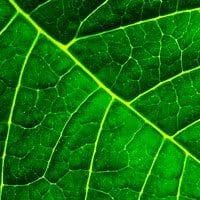
Photobiology
The study of the effects of light on living organisms. This interdisciplinary field encompasses how light influences biological processes, including photosynthesis in plants, circadian rhythms in animals, and the impact of ultraviolet radiation on cells. Photobiology has applications in medicine, agriculture, and environmental science, exploring both beneficial and harmful effects of light.
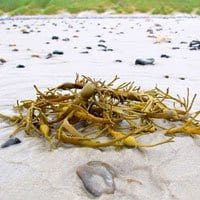
Phycology
Also known as algology, this branch focuses on the study of algae, ranging from microscopic phytoplankton to large seaweeds. Phycologists explore algae’s roles in ecosystems, their physiology, life cycles, and applications in biofuel production and environmental monitoring.
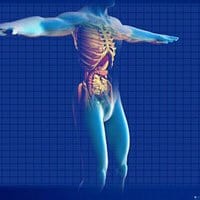
Physiology
Investigates the functions and mechanisms of the human body and other organisms. Physiologists study how systems, organs, tissues, and cells perform their functions and respond to challenges, crucial for understanding health, disease, and the potential for therapeutic interventions.
Radiobiology
The study of the action of ionizing radiation on living organisms, particularly the mechanisms of damage and repair in DNA, and its applications in cancer treatment. It also explores the effects of radiation on cells, tissues, and the environment, informing safety standards and protective measures in medical, industrial, and ecological settings.
Structural Biology
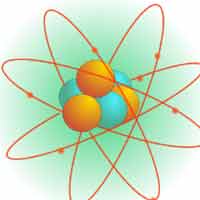
Investigates the architecture and arrangement of biological molecules, particularly proteins and nucleic acids. This field uses techniques like X-ray crystallography and cryo-electron microscopy to visualize molecular structures, crucial for understanding function and designing drugs.

Theoretical Biology
Employs mathematical models and theoretical frameworks to dissect complex biological systems and phenomena. This branch aims to predict biological behaviors and understand underlying principles, bridging gaps between empirical observations and theoretical science.
Virology
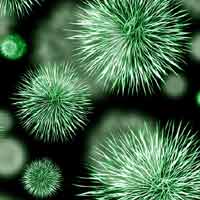
The study of viruses and viral diseases. Virologists examine the structure, function, and classification of viruses, how viruses infect and exploit host cells for reproduction, and how they can be combated with vaccines and antiviral drugs.
Zoology
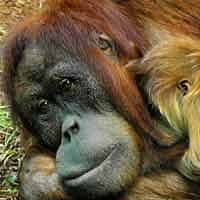
The scientific study of animals, their biology, behavior, and interaction with their ecosystems. Zoologists research the diversity of animal life, from the simplest sponges to complex mammals, contributing to conservation, wildlife management, and understanding human impacts on the natural world.
Thank you so much for making me have a better knowledge about the branches of biology
I am so happy for this site and so much thanks
I absolutely love this place it has been my dream since 3rd grade to be a Marine Biologist, and I know that I still have years until I have to worry about my future, but being unprepared is scarier than anything else that I’ve been through, and I know that you don’t need an eleven year old’s validation, but you are doing a great thing… It’s people and places like this that make me think that maybe I can do it to.
So thank you for giving me a head start.
Amazing website, thanks for the publishers.
Thanks for the web. It really helped me understand some of the branches which I don’t know about.
I thank you for making me understanding the branches of biology and thank you so very much for this website.
Thanks for your great effort, I always enjoy this website please keep it on!
Glad to be part of biologist family I need to learn more. Biology is the best.
I am happy is the time for to come about a study like this of biology and, branches I wish to learn more.
This is a good method about the branches of biology
Superb site, very helpful. Thanks for the developers.
The site is so amazing and it really make me flash back to my secondary school teacher, May Almighty Allah bless the man In person of copper UMAR Hausa man with peaceful mind?
amazing website.
This website is awesome
Thanks a lot to this website for their great effort in enlighting the knowledge of the researchers especially on biology, because to study biology is similarly to study ourselves.
Today is my first time of seeing something like this. Before, i have only known a little about branches of biology.
Thanks for this information and i find it very helpful.
I’m from ATB-University, Bauchi, Nigeria.
Study at United Methodist University (UMU) Monrovia, Liberia
Today is my first time to come across most of these branches of biology, well am so happy for discovering these new words n their meaning thanks.
I am glad to see this information about branches in biology. I now can see the light because there are more biology career opportunities. I am at Chiedza Karoi secondary school.
Really enjoyed seeing these biology works
I am very proud to search the i never see this it so many branches of biology.
Thanks for the information!