
Conservation Biology: Protecting Biodiversity
Conservation biology begins where biological knowledge has to guide a real decision: protect a habitat, recover a species, restore a damaged ecosystem, reduce a threat, manage a population, or decide what evidence is strong enough to act before more biodiversity is lost.
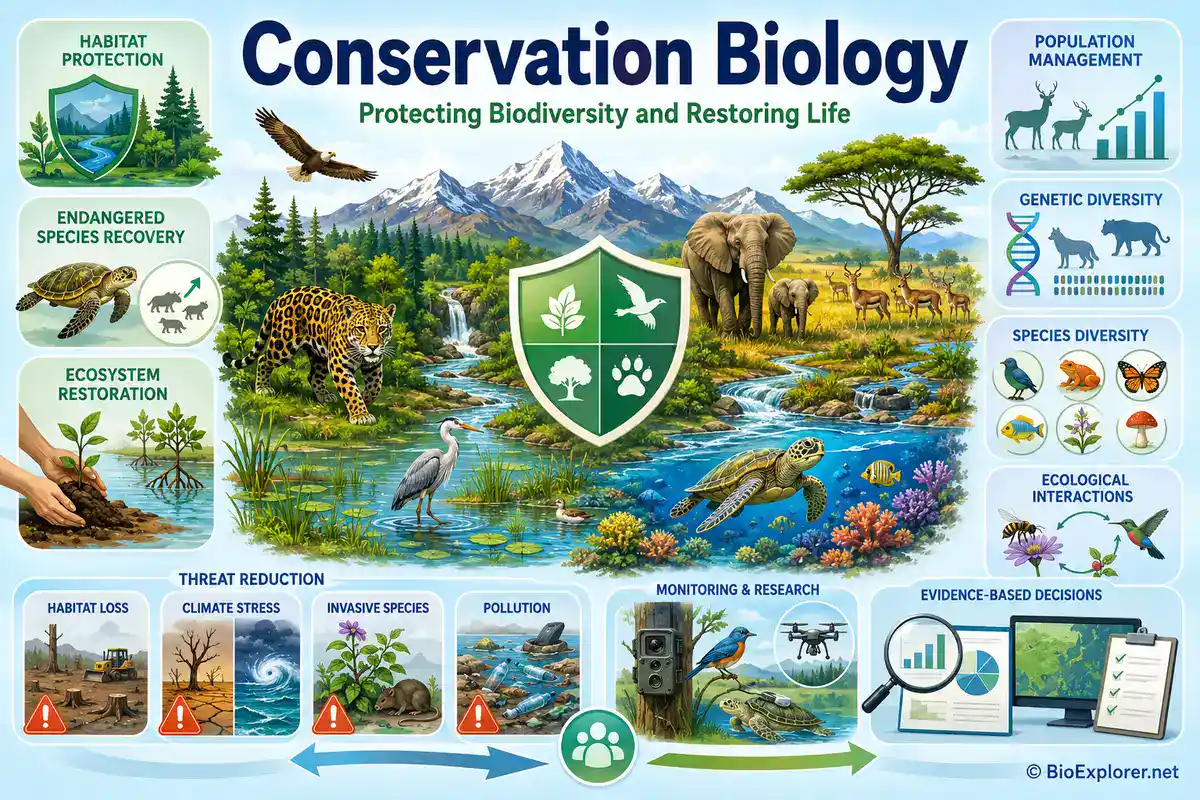
It is the scientific field focused on understanding, protecting, and restoring biodiversity. That includes genetic diversity, species, populations, habitats, ecosystems, ecological interactions, and the evolutionary processes that allow life to adapt over time.
The field is practical because conservation problems rarely wait for perfect information. A conservation biologist may work with incomplete data, uncertain risks, legal constraints, local communities, climate change, invasive species, disease, land use, and limited funding while still trying to prevent irreversible loss.
Conservation Biology Guide:
- Conservation Biology Is a Science of Consequences
- Biodiversity Is Bigger Than a Species List
- Extinction Risk Is a Diagnosis
- The Threat Is Usually a Chain, Not a Single Cause
- Small Populations Can Keep Declining After the Threat Is Removed
- Conservation Genetics Keeps Future Options Open
- Habitat Is More Than Land Area
- Protection, Restoration, and Reintroduction Are Different Tools
- Conservation Biology vs Ecology and Wildlife Management
- People Are Part of the System
- Evidence-Based Conservation
- History of Conservation Biology: Key Turning Points
- How Conservation Biologists Work
- Conservation Biology Careers
- Related BioExplorer Resources
- Recommended Conservation Biology Resources
- Conservation Biology FAQs
Conservation Biology Is a Science of Consequences
Many biology fields explain how life works. Conservation biology asks what happens when life is disrupted. What happens when a forest is split into fragments? When a population becomes too small? When a pollinator disappears? When a river is dammed? When an invasive predator reaches an island? When climate shifts faster than a species can move or adapt?
This is why conservation biology is not just wildlife appreciation. It uses evidence to decide what should be measured, which threats are most urgent, where action will help most, and how success or failure should be evaluated. It is biology under pressure.
Top 6 Major Threats To Biodiversity
Biodiversity Is Bigger Than a Species List
Biodiversity includes variation within species, between species, and among ecosystems. A simple species count can be useful, but it is not enough. Two forests may have the same number of species while differing in genetic diversity, age structure, ecological interactions, soil life, migration routes, or resilience to disturbance.
The wood stork, one of the 20 living types of storks, came off the US endangered species list in 2026.
| Level of Biodiversity | What It Means | Conservation Question |
|---|---|---|
| Genetic Diversity | Variation in genes within a species or population. | Does the population have enough variation to adapt and avoid inbreeding problems? |
| Population Diversity | Separate groups of the same species across a landscape or range. | Are local populations connected, isolated, declining, or disappearing? |
| Species Diversity | The variety and abundance of species in an area. | Which species are present, rare, threatened, native, invasive, or ecologically important? |
| Habitat Diversity | The variety of physical environments used by organisms. | Are breeding sites, feeding areas, shelters, corridors, and seasonal habitats protected? |
| Ecosystem Diversity | Different ecological systems such as forests, reefs, wetlands, grasslands, rivers, and deserts. | Are whole systems functioning, recovering, or degrading? |
| Interaction Diversity | Relationships such as pollination, predation, seed dispersal, parasitism, and symbiosis. | Are the relationships that keep the ecosystem working still intact? |
| Evolutionary Diversity | Lineages and traits that represent deep evolutionary history. | Would losing this species remove a unique branch of life? |
Extinction Risk Is a Diagnosis
Calling a species endangered is not just a dramatic label. It is a risk assessment based on evidence such as population size, rate of decline, geographic range, fragmentation, threats, and probability of extinction. The IUCN Red List is one of the most widely used systems for evaluating extinction risk.
Conservation biologists use risk categories to guide priorities, but the category is not the final answer. A species may need habitat protection, harvest limits, disease control, invasive species removal, captive breeding, genetic rescue, community agreements, policy enforcement, or long-term monitoring.
| Risk Category | Basic Meaning | Conservation Use |
|---|---|---|
| Least Concern | Currently at relatively low extinction risk. | Still monitored because common species can decline if threats change. |
| Near Threatened | Close to qualifying for a threatened category. | Useful early warning before a species becomes more seriously threatened. |
| Vulnerable | Facing a high risk of extinction in the wild. | Often needs targeted conservation action and monitoring. |
| Endangered | Facing a very high risk of extinction in the wild. | Requires urgent protection, threat reduction, and recovery planning. |
| Critically Endangered | Facing an extremely high risk of extinction in the wild. | Often needs intensive, immediate conservation action. |
| Extinct in the Wild | Survives only in cultivation, captivity, or outside its natural range. | Recovery may depend on reintroduction and habitat restoration. |
| Extinct | No reasonable doubt that the last individual has died. | Represents irreversible loss of that species. |
The Threat Is Usually a Chain, Not a Single Cause
Conservation failures often come from stacked pressures. A wetland is drained, then remaining habitat becomes fragmented, then invasive plants spread, then water quality declines, then breeding success falls. A reef may face warming, acidification, overfishing, pollution, disease, and storm damage at the same time.
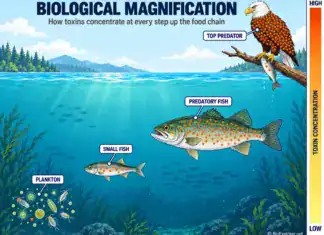
What Is Biological Magnification?
Good conservation work separates the visible symptom from the underlying drivers. A declining population is the symptom. The causes may include habitat loss, overharvest, disease, invasive species, climate stress, pollution, genetic problems, human-wildlife conflict, or disrupted ecological interactions.
| Threat | What It Does | Conservation Response |
|---|---|---|
| Habitat Loss | Removes the places organisms need to feed, breed, shelter, migrate, or disperse. | Protect remaining habitat, restore damaged areas, and reduce land-use pressure. |
| Habitat Fragmentation | Breaks habitat into smaller, isolated patches. | Improve connectivity, protect corridors, and manage edge effects. |
| Overexploitation | Removes organisms faster than populations can recover. | Regulate harvest, reduce illegal trade, improve enforcement, and support sustainable use. |
| Invasive Species | Introduces competitors, predators, pathogens, or ecosystem modifiers outside their native ranges. | Prevent arrival, detect early, control spread, or remove high-impact invaders. |
| Pollution | Changes air, water, soil, light, sound, or chemical conditions. | Reduce pollutants at the source and monitor biological effects. |
| Climate Change | Shifts temperature, rainfall, fire, sea level, ocean chemistry, and species ranges. | Protect climate refugia, improve connectivity, and plan for range shifts. |
| Disease | Reduces survival or reproduction, especially in stressed or small populations. | Monitor outbreaks, reduce transmission, and manage reservoir or vector risks. |
| Small Population Effects | Increases risk from inbreeding, random events, and demographic instability. | Increase population size, restore connectivity, or consider genetic rescue when appropriate. |
Small Populations Can Keep Declining After the Threat Is Removed
Removing the obvious threat does not always save a population. A species may still be left with too few breeding individuals, poor genetic diversity, skewed sex ratios, low juvenile survival, disrupted social behavior, or habitat patches too far apart for dispersal.
This is why conservation biology uses ideas such as population viability, minimum viable population, metapopulations, demographic stochasticity, genetic drift, inbreeding depression, and Allee effects. These concepts help explain why a population can remain at risk even after hunting stops or a reserve is created.
For some species, recovery requires more than protection. It may require habitat reconnection, translocation, nest protection, predator control, assisted breeding, disease management, or genetic rescue. Each intervention has risks and must be tested against the biology of the species and the social reality of the landscape.
Conservation Genetics Keeps Future Options Open
Conservation genetics studies how genetic variation affects survival, reproduction, adaptation, and long-term population health. It is especially important for small, isolated, captive, or heavily managed populations.
Genetic data can reveal whether populations are connected, whether individuals are inbred, whether illegal wildlife products came from a protected population, whether two groups should be managed separately, or whether moving individuals between populations may improve genetic diversity.
Genetics is not a replacement for habitat protection. A population with good genes but no habitat still fails. The value of conservation genetics is that it helps managers avoid hidden biological traps while broader threats are addressed.
Habitat Is More Than Land Area
A protected area on a map is not automatically functional habitat. A species may need breeding sites, feeding areas, nesting trees, den sites, host plants, migration routes, water sources, soil conditions, fire cycles, shade, snow cover, tidal flow, or seasonal access to different places.
Edges matter too. A small forest patch may be exposed to more heat, wind, invasive plants, predators, human disturbance, or drying than a larger interior forest. A river corridor may fail if water flow is blocked. A marine reserve may fail if larvae, fish, or pollution move across its boundaries in ways the design did not consider.
Conservation biology therefore asks whether habitat is large enough, connected enough, managed well enough, and resilient enough for the organisms it is meant to support.
Protection, Restoration, and Reintroduction Are Different Tools
Conservation action is not one tool. Protecting a healthy place, restoring a damaged place, and reintroducing a species are different tasks. Each needs different evidence.
- Protected areas: Aim to reduce habitat loss, disturbance, extraction, or other pressures in defined places.
- Wildlife corridors: Help organisms move between habitat patches, migrate, disperse, or maintain gene flow.
- Restoration ecology: Repairs degraded ecosystems by rebuilding structure, function, species composition, or ecological processes.
- Reintroduction: Returns a species to part of its former range after local extinction.
- Translocation: Moves organisms to support recovery, reduce conflict, rescue a population, or restore ecological function.
- Ex situ conservation: Maintains species outside the wild, such as in seed banks, botanical gardens, aquaria, zoos, or captive breeding programs.
- Threat reduction: Targets the cause of decline, such as invasive predators, poaching, pollution, disease, or destructive harvest.
Restoration is not simply rewinding an ecosystem to the past. Conditions may have changed. Climate, hydrology, invasive species, soil, fire regimes, and human land use can make full return impossible. Good restoration defines realistic goals and measures biological outcomes.
Conservation Biology vs Ecology and Wildlife Management
Conservation biology overlaps with ecology and wildlife management, but the emphasis is different. Ecology explains relationships among organisms and environments. Wildlife management often focuses on managing animal populations and human use. Conservation biology is centered on preventing biodiversity loss and maintaining evolutionary and ecological function.
| Field | Main Focus | Typical Conservation Question |
|---|---|---|
| Conservation Biology | Biodiversity protection, extinction risk, recovery, restoration, and long-term persistence. | How do we prevent loss and maintain viable species, populations, habitats, and ecosystems? |
| Ecology | Interactions among organisms, populations, communities, and environments. | How does this ecosystem work, and what changes when one part is disturbed? |
| Wildlife Management | Management of animal populations, habitat, harvest, conflict, and recovery. | How should this animal population be monitored, harvested, protected, or restored? |
| Restoration Ecology | Repair of degraded ecosystems and ecological processes. | What actions can rebuild structure, function, and resilience after damage? |
| Conservation Genetics | Genetic diversity, gene flow, inbreeding, and evolutionary potential. | Does this population have enough genetic variation and connectivity to persist? |
People Are Part of the System
Conservation cannot be reduced to drawing lines around land and water. People live in landscapes, use resources, hold rights, carry knowledge, bear costs, and make decisions that affect biodiversity. Ignoring people can cause conservation plans to fail even when the biology is sound.
Effective conservation may involve Indigenous leadership, local communities, farmers, fishers, landowners, governments, scientists, protected-area managers, businesses, and public health experts. It may also involve conflict: crop damage, livestock predation, restricted access, illegal trade, tourism pressure, or disagreement over which outcome matters most.
This does not make conservation biology less scientific. It means the science must be usable. A recovery plan has to work biologically and be realistic enough to survive outside a report.
Evidence-Based Conservation
Conservation action should be tested. A fence, corridor, reserve, nest box, predator removal program, artificial reef, captive breeding plan, or community agreement should not be assumed effective just because it sounds sensible.
Evidence-based conservation compares actions with outcomes. Did survival improve? Did reproduction increase? Did habitat quality recover? Did conflict decrease? Did the target species benefit, or only a general indicator? Did the action create an unintended problem?
This approach is important because conservation resources are limited. Testing and monitoring help avoid spending time and money on actions that do not solve the biological problem.
History of Conservation Biology: Key Turning Points
Conservation biology is a modern field, but it grew from older movements in natural history, protected areas, wildlife law, forestry, ecology, and environmental policy. The milestones below are selected because they changed how biodiversity protection was understood or organized.
| Year | Milestone | Why It Matters |
|---|---|---|
| 1872 | Yellowstone was established as a national park in the United States. | Helped shape the modern protected-area model, though early parks often ignored Indigenous rights and existing land relationships. |
| 1948 | The International Union for Conservation of Nature was founded. | Created a global organization focused on nature conservation, species survival, protected areas, and conservation knowledge. |
| 1964 | The IUCN Red List began as a global effort to assess species extinction risk. | Gave conservation a widely used framework for identifying threatened species. |
| 1973 | CITES was adopted to regulate international trade in endangered wild animals and plants. | Created a major international agreement addressing wildlife trade. |
| 1973 | The U.S. Endangered Species Act was signed into law. | Became one of the strongest legal tools for protecting threatened and endangered species in the United States. |
| 1980 | The World Conservation Strategy was published by IUCN, UNEP, and WWF. | Helped connect conservation with sustainable development and living resource management. |
| 1985 | Michael Soulé published What Is Conservation Biology? | Helped define conservation biology as a crisis-oriented, mission-driven scientific discipline. |
| 1992 | The Convention on Biological Diversity opened for signature at the Rio Earth Summit. | Established a major international treaty around biodiversity conservation, sustainable use, and benefit-sharing. |
| 2022 | The Kunming-Montreal Global Biodiversity Framework was adopted. | Set global biodiversity targets for 2030, including expanded conservation and restoration commitments. |
How Conservation Biologists Work
Conservation biology uses fieldwork, lab work, modeling, mapping, genetics, policy analysis, and long-term monitoring. The best method depends on the question.
- Population surveys: Estimate abundance, density, occupancy, survival, reproduction, or trends.
- Habitat mapping: Identifies habitat area, quality, fragmentation, corridors, and land-use change.
- Camera traps and acoustic monitoring: Detect animals that are rare, nocturnal, shy, or hard to observe directly.
- Environmental DNA: Detects genetic traces left in water, soil, air, or sediment.
- Genetic analysis: Measures relatedness, gene flow, inbreeding, population structure, and illegal trade sources.
- Population viability analysis: Models future risk under different threats or management choices.
- Remote sensing: Tracks forests, fires, wetlands, reefs, ice, water, vegetation, and land-cover change.
- Threat assessment: Identifies the pressures most responsible for decline.
- Monitoring and adaptive management: Adjusts conservation actions as evidence accumulates.
Conservation Biology Careers
Careers in conservation biology often sit between science and action. Some roles are field-heavy. Others focus on data, policy, genetics, community conservation, protected areas, restoration, or endangered species recovery.
- Conservation biologist: Studies biodiversity threats and designs science-based conservation actions.
- Wildlife biologist: Monitors animal populations, habitat use, reproduction, movement, and recovery.
- Conservation geneticist: Studies genetic diversity, inbreeding, gene flow, and population structure.
- Restoration ecologist: Plans and evaluates ecosystem repair after degradation.
- Protected-area scientist: Studies reserve design, management, connectivity, and biodiversity outcomes.
- Invasive species specialist: Works on prevention, detection, control, and ecological impact assessment.
- Marine conservation scientist: Studies reefs, fisheries, marine protected areas, coastal habitats, and ocean threats.
- Conservation data analyst: Uses models, maps, databases, and monitoring data to support decisions.
- Environmental policy specialist: Connects conservation science with law, planning, permits, and public programs.
- Community conservation practitioner: Works with local communities, land users, and rights-holders on conservation goals.

Top 15 Wildlife Biology Degree Programs In The USA
Related BioExplorer Resources
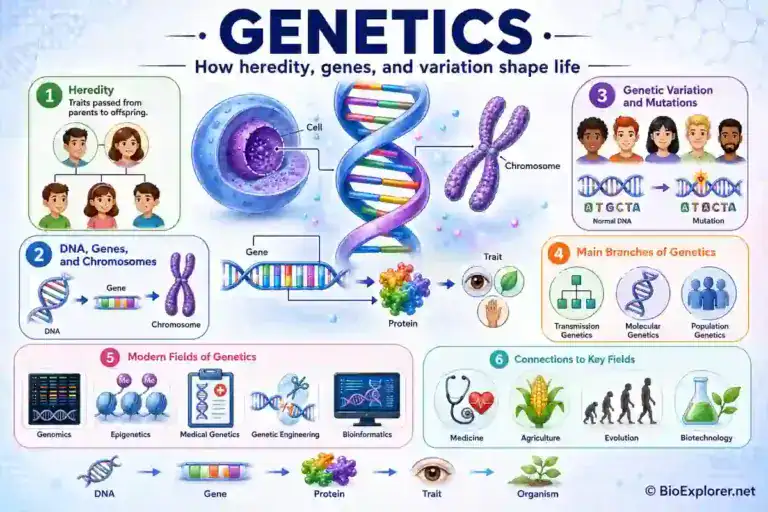
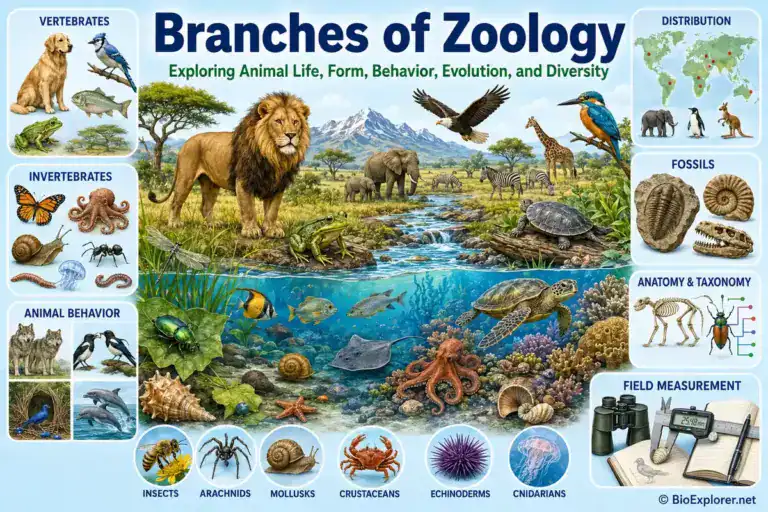
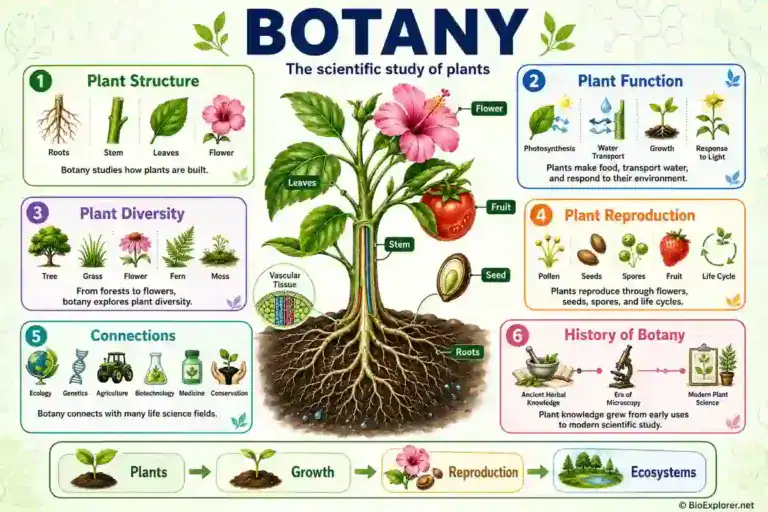
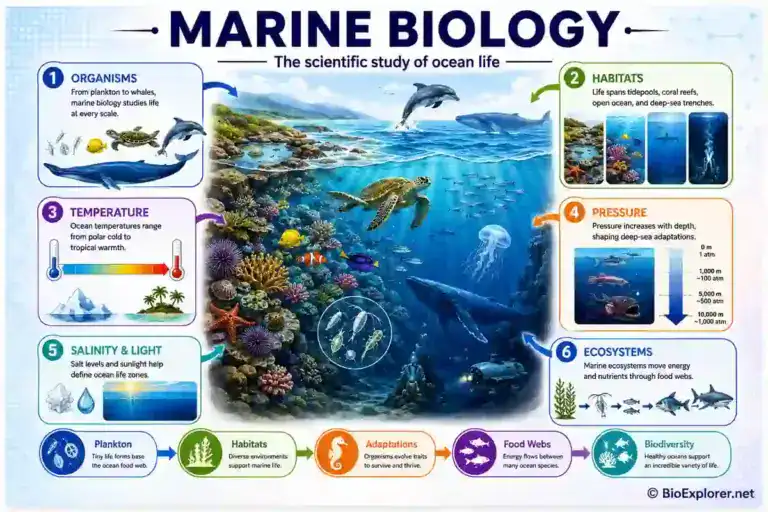
Use these BioExplorer pages to connect conservation biology with biodiversity, ecosystems, animals, plants, evolution, and environmental change:
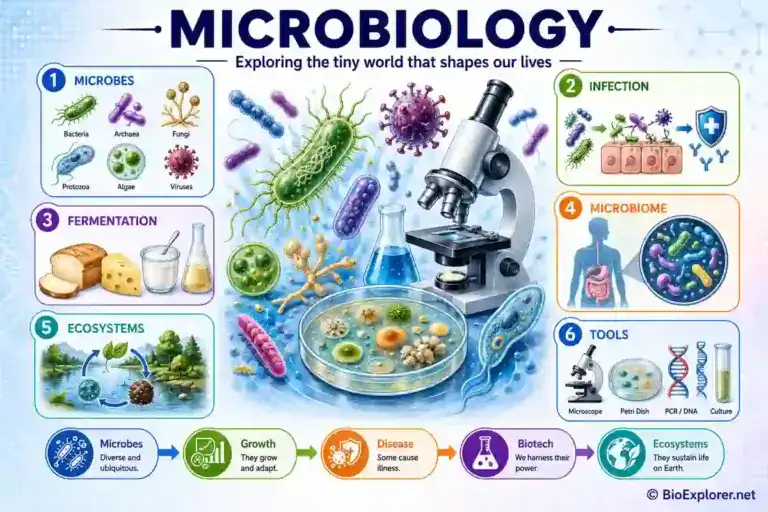
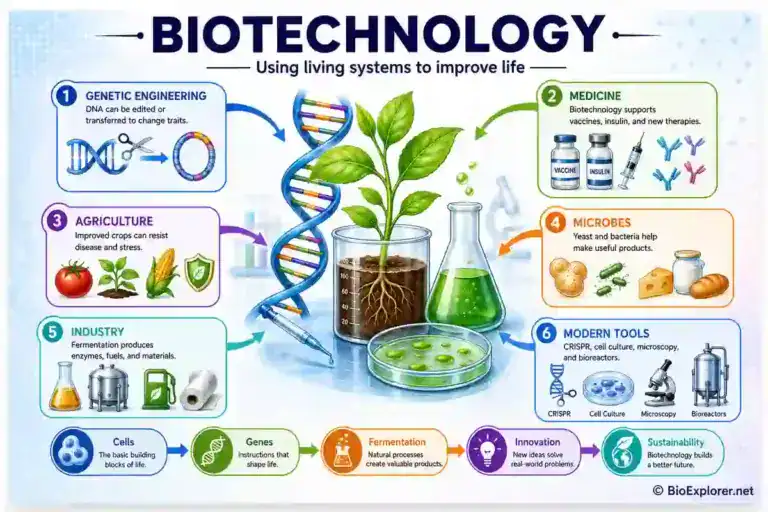
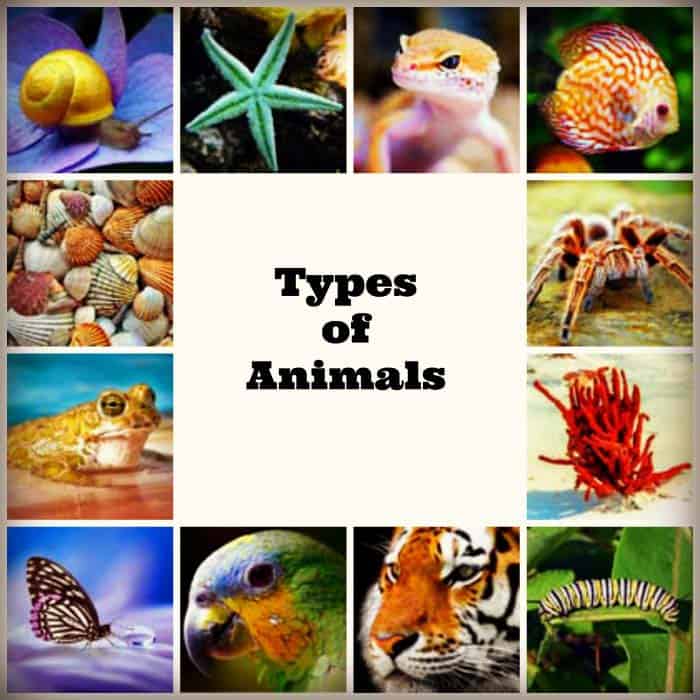
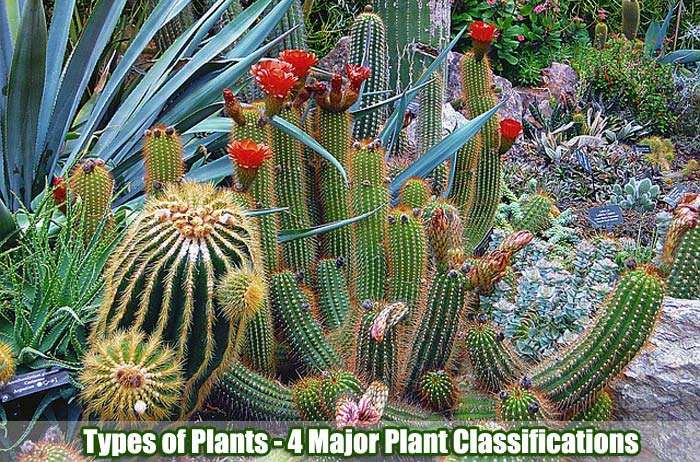
Recommended Conservation Biology Resources
These external resources are useful for biodiversity data, extinction-risk assessment, protected areas, conservation evidence, global policy, and practical conservation planning.
- Society for Conservation Biology A major professional society for conservation biology research, policy, education, and practice.
- Conservation Biology Journal A leading peer-reviewed journal for conservation science.
- IUCN Red List of Threatened Species A global resource for species extinction-risk assessments.
- International Union for Conservation of Nature A global conservation organization working on species, ecosystems, protected areas, and policy.
- Convention on Biological Diversity An international treaty framework for biodiversity conservation, sustainable use, and benefit-sharing.
- IPBES Global Assessment A major scientific assessment of biodiversity and ecosystem services.
- Protected Planet A global database on protected and conserved areas, managed by UNEP-WCMC and IUCN.
- Key Biodiversity Areas A resource for identifying sites important for global biodiversity persistence.
- Conservation Evidence A practical database summarizing evidence for conservation actions.
- Global Biodiversity Information Facility A major open database of species occurrence records.
- NatureServe Explorer A conservation-status and biodiversity information resource for species and ecosystems.
- CITES An international agreement regulating trade in endangered wild animals and plants.
- U.S. Fish and Wildlife Service: Endangered Species Act A reference for the U.S. law protecting threatened and endangered species.
Conservation Biology FAQs
Conservation biology is the scientific field focused on understanding, protecting, and restoring biodiversity, including genes, species, populations, habitats, ecosystems, ecological interactions, and evolutionary processes.
Conservation biologists study biodiversity loss, extinction risk, habitat loss, fragmentation, invasive species, climate change, population viability, conservation genetics, protected areas, restoration, and recovery planning.
Conservation biology is important because it helps prevent species extinctions, protect ecosystems, maintain genetic diversity, restore damaged habitats, and guide decisions about biodiversity under real-world pressures.
Ecology studies relationships among organisms and environments. Conservation biology uses ecological and other biological evidence to prevent biodiversity loss and support species, habitat, and ecosystem recovery.
Conservation genetics studies genetic diversity, gene flow, inbreeding, population structure, and evolutionary potential in species or populations of conservation concern.
Major threats include habitat loss, habitat fragmentation, overexploitation, invasive species, pollution, climate change, disease, small population effects, and disrupted ecological interactions.
Habitat fragmentation happens when large habitats are divided into smaller, more isolated patches. It can reduce movement, gene flow, breeding success, and long-term population viability.
Conservation biology careers include conservation biologist, wildlife biologist, conservation geneticist, restoration ecologist, protected-area scientist, invasive species specialist, marine conservation scientist, conservation data analyst, and environmental policy specialist.
Cite this page
BioExplorer. (2026, September 22). Conservation Biology: Protecting Biodiversity. https://www.bioexplorer.net/divisions_of_biology/conservation_biology/