
Flowers Starting with C
Flowers are a significant part of human life. They’re pretty, they decorate our homes, and they make our lives more beautiful. Flowers give us hope because they always seem to find a way to thrive no matter the circumstances.
Flowers Starting with C
Here is an exotic collection of beautiful flowers starting with C.
Cactus
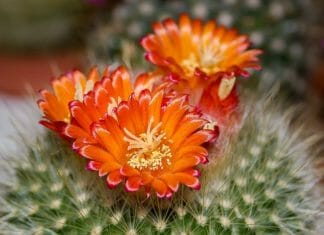
Cactus is a flowering plant from South and North America. There are more than 2,000 species of cacti in the world, some very common and others very rare that they are almost critically endangered. Cactus comes in various unique colors, sizes, and shapes, with all sorts of beautiful flowers.
Read more
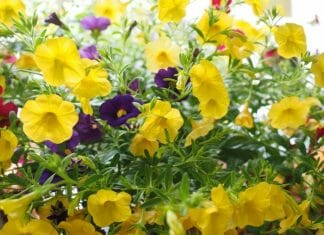
Calibrachoa
Calibrachoa is sometimes seen adorning cascading planters or hanging baskets and other containers, a hardy, and delicate flower. It's not the most popular choice in terms of formal arrangements and bouquets. Still, when presented as a potted plant, Calibrachoa is a flower with deep symbolism for its recipient.
Read more
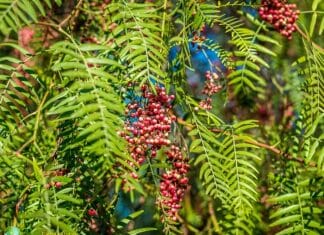
California Pepper Berry
Although its name can be confusing as to its origins, the California Pepper Berry surprisingly originates from Peru. These pink berries aren't really used for pepper in yet another misnomer, but only for their decorative charm. The flowers of the California Pepper Tree are yellowish-white in color and grow profusely in hanging axillary clusters.
Read more
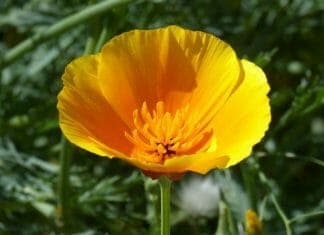
California Poppy
The California Poppy (Eschscholtzia californica) became California's official state flower on March 2, 1903. The four-petal desert flowers, borne on stems 8 to 12 inches (20 to 30 cm) long, are typically cream, orange, or pale yellow. Still, cultivars are white and in a variety of pinks and reds.
Read more
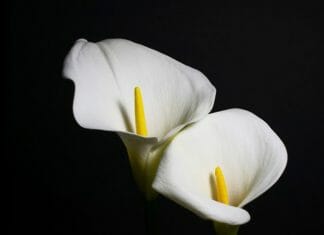
Calla Lily
Calla Lily flowers are unprecedented and recognizable, featuring a single petal that wraps around to make a charming statement. Calla lilies are generally white, but other colors of Calla Lilies are black, orange, purple, green, pink, and yellow.
Read more
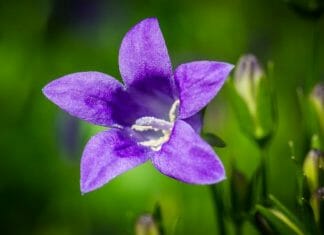
Campanula
As a roadside flower that is now spreading in many regions of the world, the Campanula flower is a striking purple or blue addition to your meadow. This plant is a genus of approximately 500 species of plants in the Campanulaceae family native to the northern hemisphere's temperate regions.
Read more
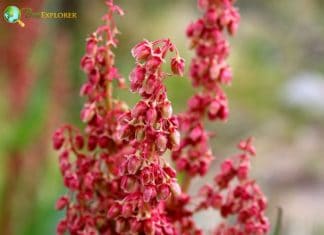
Canaigre Dock
Rumex hymenosepalus is a perennial flowering desert plant belonging to the order Caryophyllales. The inflorescence of the Canaigre Dock is made up of elongated clusters of many small flowers in a reddish pink.
Read more
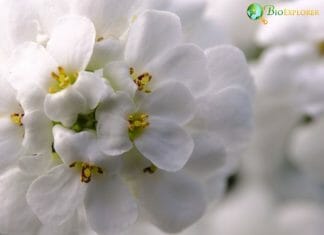
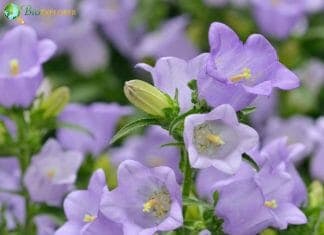
Canterbury Bells
With their large, bell-shaped flowers, Canterbury Bells are a pleasant addition to cottage gardens and natural plantations. Canterbury bells (Campanula medium) originate from southern Europe but have been present in many gardens since the 16th century.
Read more
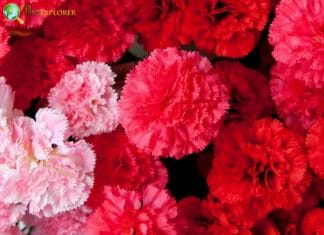
Carnation
Carnations were originally peach and pale pink in color. Still, the flowers are now available in various hues, including shades of green, purple, white, red, and yellow. The carnation is revered for many reasons, three of which are its disheveled appearance, its clove smell, and its incredibly long flowering period.
Read more
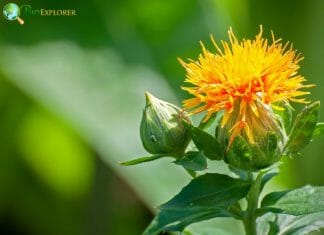
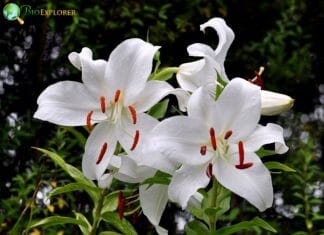
Casa Blanca
Casa Blanca flowers are predominantly whiteto pinkto purple-red, and some are golden yellow in color. Their medium texture blends in with the garden. Casa Blanca belongs to a genus of approximately 100 species of herbaceous and bulbous perennials native to South America, North America, and Europe.
Read more
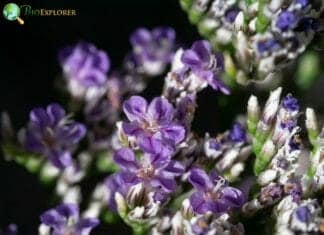
Caspia
Caspia (Limonium sinuatum) is a perennial or annual herbaceous plant that originates from Central Asia and the Mediterranean meadows. Its flowers have white petals and calyces that come in shades of purple, yellow, pink, white, or lavender, the latter being known to hold their color very well.
Read more
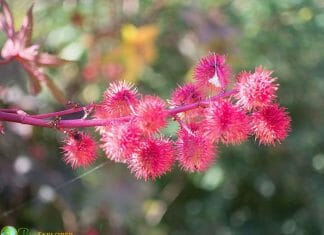
Castor Bean
Castor flowers are generally available in yellow, pink, and red. The blooms don't have petals and aren't particularly visible. The 3 distinctive, star-shaped scar lobes of the female blooms are bright red with pinnate branches.
Read more
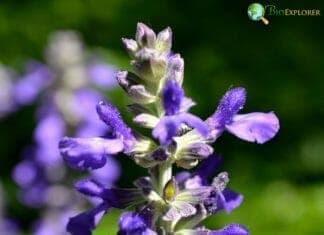
Catmint
As one of the exotic perennials of the flower world, catmint (Nepeta cataria) is very versatile and easy to grow. The dark purple flowers explode in early summer for a spectacular display that can last for quite some time. Since this plant appears in muted colors, typically purple/blue flowers on a cool gray-green, catmint is easy to mix and match with other annuals and perennials without clashing.
Read more
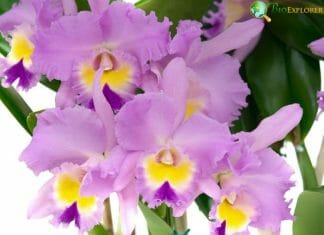
Cattleya
Cattleya orchids display a fantastic look that several plant lovers could not resist. Cattleya belongs to a genus of Cattleya spp. in the family Orchidaceae. There are currently 35 natural hybrids and 46 recognized species of the genus Cattleya. These orchids are native to the tropics like South and Central America. The blooms can reach a diameter of 8 inches, with colors ranging from white to blue, yellow, red, purple, and orange.
Read more
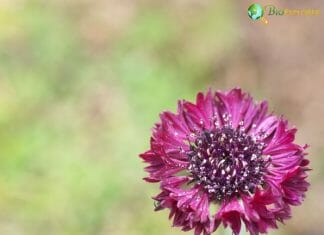
Centaurea cyanus
Centaurea cyanus is an annual flower native to Europe that escaped gardens and became naturalized across southern Canada and the United States. Also known as garden cornflower and blue bottle, Centaurea cyanus belongs to the Asteraceae family. The bluish-purple (often pink to white) flowers bloom on stems 1 to 3 feet tall from late spring through summer.
Read more
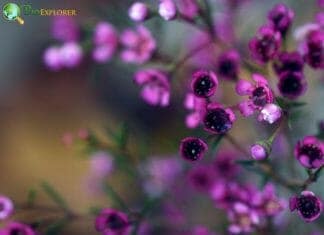
Chamelaucium
Also known as Geraldton Wax, Chamelaucium uncinatum is a dense but sprawling shrub that can grow from 2 to 6 feet in height and width. It's among the most popular Australian flowers. The blooms are small with 5 waxy petals, and they come in purple, pink, and white varieties.
Read more
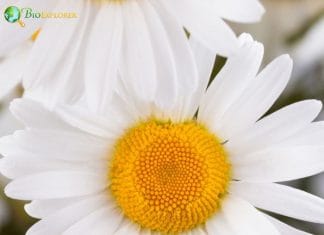
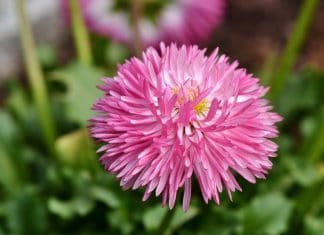
China Aster
Callistephus chinensis, commonly known as the China aster and annual aster, is a popular annual plant that produces conspicuous, 3 to 5 inches diameter flowers from early summer through fall. The colors of the cultivars include shades ranging from white to pink, yellow, purple, red, and blue.
Read more
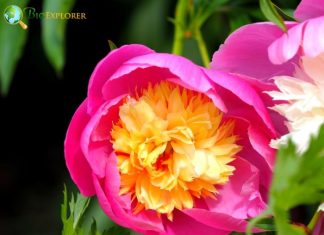
Chinese Peony
Paeonia lactiflora is a flowering plant that can grow 20-28 inches tall. The Chinese Peony is a perennial herb of the family Paeoniaceae. Peony is named after Paeon, the Greek god of medicine and healing.
Read more
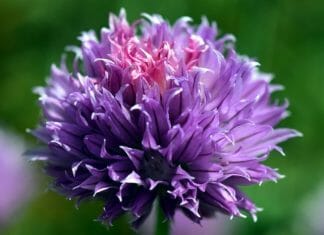
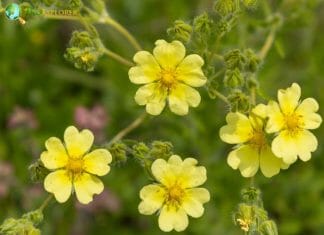
Cinquefoil
The Cinquefoil, also known as widdy, golden hardhack, FiveFingers, and yellow rose, is among the most widely cultivated landscape shrubs. The saucer-shaped flowers are available in shades of red, orange, pink, yellow, or white.
Read more
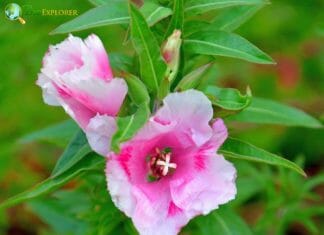
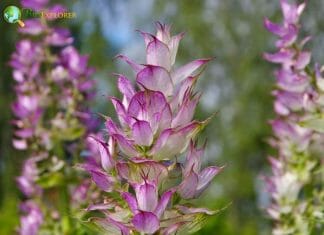
Clary sage
Clary sage originates from the Mediterranean region (North Africa, Central Asia, and southern Europe). The genus Salvia contains around 960 different species of woody and herbaceous plants in the Lamiaceae (mint) family. The flower stalks appear in the second year and reach a height of 3-4", crowned with flower heads small, double-lipped, tubular, lilac to creamy white flowers.
Read more
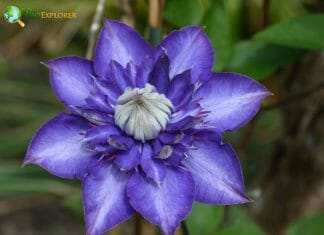

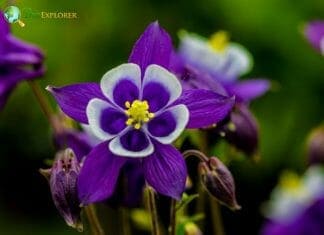
Columbine
Columbine, also known as Aquilegia and Grandmother's Cape, is a genus of around 60 to 70 species of grassland perennial plants native to temperate climates in North America, Europe, and Asia. Columbine is a common garden flower in many colors, including purple, pink, white, red, and yellow.
Read more
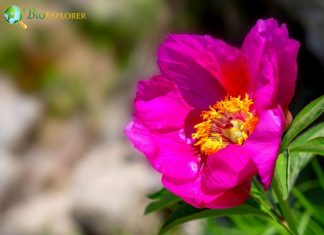
Common Peony
Paeonia officinalis is a perennial herb native to the mountainous regions of Southern Europe. The Common Peony plants belong to the order Saxifragales and the family Paeoniaceae. The genus Paeonia comes from the Greek name Paeon meaning a god’s physician.
Read more
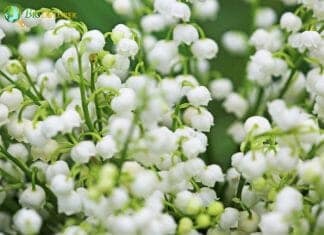
Convallaria
Convallaria majalis (Lily of the valley) is a fragrant perennial herbaceous plant. The only species of the genus Convallaria from the Asparagaceae (asparagus) family. Convallaria majalis is a perennial rhizome herb that typically forms a ground cover that extends indefinitely up to 8-12 inches high.
Read more

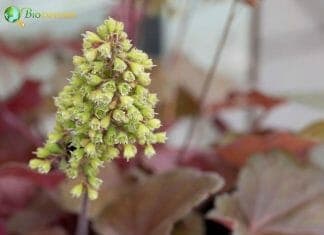
Coral bells
Coral bells (Heuchera Americana) are the world's perennial coleus. First, these plants came in soft colors with small, insignificant flowers. Now they are available in a wide range of colors, with some varieties explicitly cultivated for their flower masses. The small, greenish-white flowers in airy, open panicles are borne on slender, thread-like stems extending well above the mound of leaves, typically 18-24 inches high in late spring and early summer.
Read more
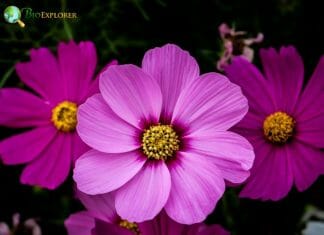
Cosmos
Cosmos are annual flowering plants native to Mexico, characterized by brightly colored, daisy-like blooms borne on long, slender stems. Cosmos is a species of flowering plant in the Asteraceae (sunflower) family native to the meadowland and scrubland of Mexico, where most species are found.
Read more
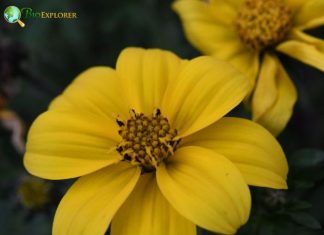
Cosmos Flower beggarticks
Bidens cosmoides, commonly called Cosmosflower beggarticks, is a species of flowering plant in the Asteraceae (sunflower) family. There are about 19 species in the Bidens genus.
Read more
Creeping Lettuce
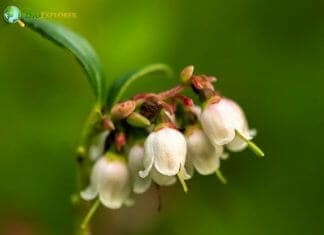
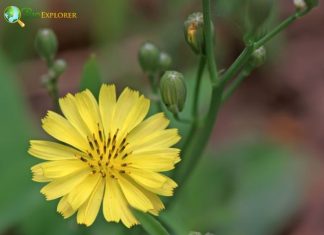
The creeping lettuce is a flowering plant of the Asteraceae family. It is a widespread species in Japan. Being perennial, this plant grows to 0.2 meters by 0.5 meters. Ixeris stolonifera prefers moist soil and grows well in semi-shade or no shade.
Read more
Crocus
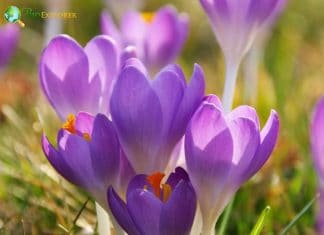
Crocus is a genus of plants in the Iridaceae (Iris) family that includes 90 species of perennial plants. The colors of Crocus vary widely, with white, yellow, mauve, and lilac predominating. The ensiform, grassy leaf usually has a central white band along the leaf axis. It has an entire leaf margin.
Read more
Croton
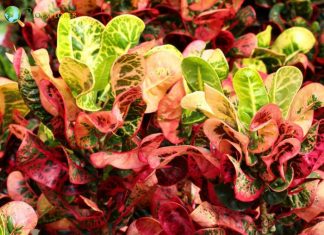
Croton (Codiaeum variegatum) is a common houseplant cultivated for its eye-catching foliage. This evergreen plant varies widely in leaf pattern and color, and wide varieties have been developed. The whitish male flowers with 5 small petals and 20-30 star-shaped stamens appear in separate inflorescences as the yellowish female flowers without petals.
Read more
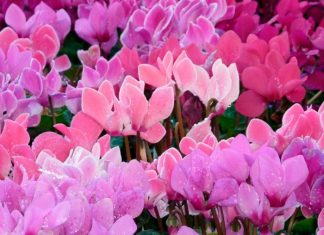
Cyclamen
The Cyclamen genus includes about 23 species of perennial plants in the Primulaceae family. Cyclamen species are endemic to the Mediterranean region and Europe. The flowers of the species are white, lavender-white, or rose pink. Flowering Cyclamen are frost-sensitive hybrids from C. persicum.
Read more
Cite this page
BioExplorer. (2026, September 24). Flowers Starting with C. https://www.bioexplorer.net/plants/flowers/c/