
Peruvian Monkeys
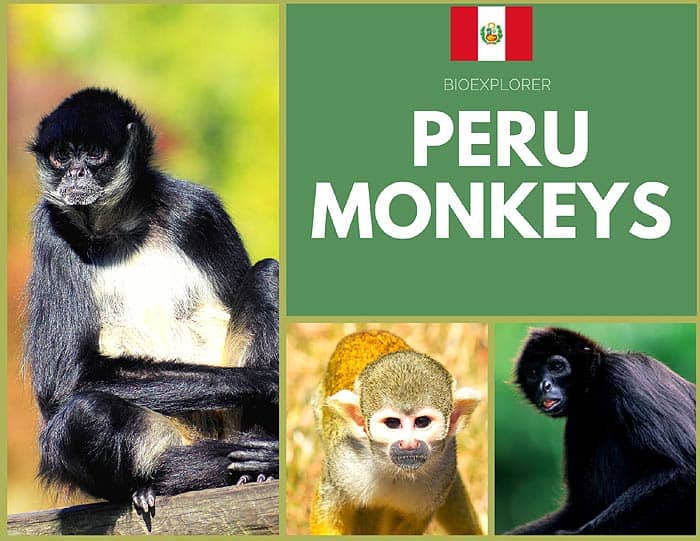
Peru is a tropical country in western South America, known for its beautiful landscapes, vast flora, and fauna.
Peru is home to 52 species of New-World monkeys; 13 of the species are endemic to the nation. Examples of these monkey species that can only be found in Peru include:
- The Rio Mayo titi monkey (Plecturocebus oenanthe)
- The equatorial saki (Pithecia aequatorialis)
- The Andean saddle-back tamarin (Leontocebus leucogenys)
It is also interesting to note that in 2016, four fossil monkey teeth were found in the Peruvian portion of the Amazon Rainforest[1].
This discovery was further evidence for the theory that more than one group of primates traveled the Atlantic Ocean from the continent of Africa (suggesting that South American primates are all descended from African primates).
Peruvian Monkeys
Here are the various types of monkeys native to Peru.
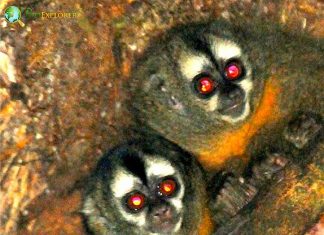
Andean Night Monkey
Andean night monkeys are a genus Aotus, commonly known as nocturnal monkeys or the Peruvian night monkey. Species in this genus are the only truly nocturnal monkeys in the world. Andean night monkeys are not sexually dimorphic as males and females look very similar.
Read more
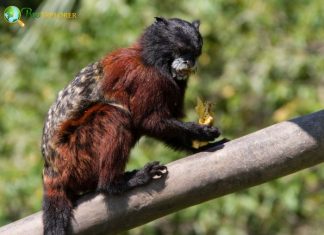
Andean Saddle-back Tamarin
The Andean saddle tamarin, also known as the saddleback tamarin (formerly known as the brown-mantled tamarin), is a New World monkey species. Andean saddleback monkeys are considered “phyletic dwarfs,” meaning their small size is related to their evolutionary development.
Read more
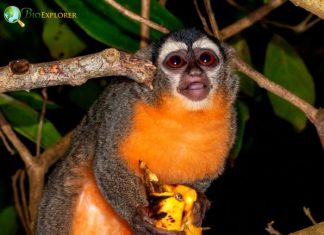
Azara’s Night Monkey
Azara’s night monkeys, also known as southern night monkeys and Azara’s owl monkeys, are native to the Gran Chaco region of South America, a vast area with many different ecosystems, from savannas to grasslands to dry spiny forests and gallery forests. Genetic testing has shown that the males of this species mated pairs are the fathers of the babies they care for.
Read more

Bald Uakari
The obscure Bald Uakari (Cacajao Calvus) is an acrobatic Amazonian monkey with a flaming red face uniquely adapted to periodically flooded forests. Surprising insights on its taxonomy, specialized seed-based diet, unusual social life, habitat flexibility, and urgent need to conserve diminishing flooded forest habitat across the Amazon Basin.
Read more
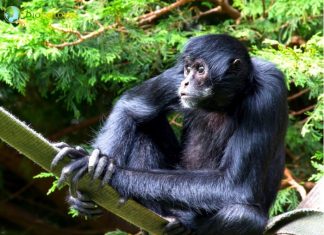
Black Spider Monkey
Ateles paniscus, the black spider monkey, is one of three sub-species of spider monkeys. Aside from the face, feet, and hands, they are covered in jet-black hair longer than a typical primate. Of all the Ateles species, Ateles paniscus is the largest.
Read more
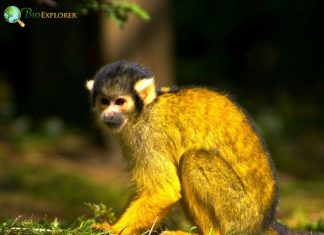
Black-capped Squirrel Monkey
The black-capped squirrel monkey is a New-World primate species endemic to the upper Amazon basin in Bolivia, eastern Peru, and western Brazil. Primarily, black-capped squirrel monkeys are arboreal and found in native and plantation forests and some managed areas close to running water.
Read more

Black-headed Night Monkey
The black-headed night monkey is a nocturnal monkey species native to South America. The monkeys are small primates about the size of a small squirrel. The black-headed night monkeys in Peru have mainly inhabited degraded areas.
Read more
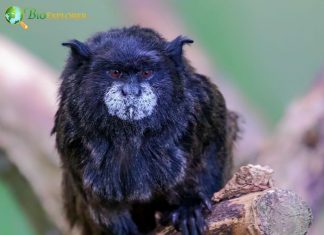
Black-mantled Tamarin
The black-mantled tamarin is a saddleback tamarin native to northwestern Amazonia in far western Brazil, eastern Ecuador, southeastern Colombia, and northeastern Peru. Leontocebus nigricollis live in small multi-male and multi-female social groups of 4 to 12 and occupy 30 to 50 hectares.
Read more

Bolivian Red Howler
The Bolivian red howler monkey is a New-World monkey species native to neotropical South America. The Bolivian red howlers live in groups of 1 to 3 males and 2 to 7 females. Males in bachelor groups try to dominate the female group by wrestling the lead male.
Read more
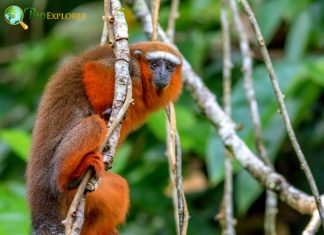
Brown Titi
The brown titi is another species of titi, a New World monkey native to South America. It was initially described in 1842 as Callicebus brunneus and transferred to the new genus Plecturocebus in 2016.
Read more

Brown-mantled Tamarin
The brown-mantled tamarin also called the Spix’s saddleback tamarin, is a species of saddleback tamarin native to South America. The species are considered “phyletic dwarfs,” meaning their small size is linked to their evolutionary development.
Read more

Burnished Saki
The Burnished saki is a species of saki monkey, a species of New World monkey. It is located in central Peru and a small part of adjacent Brazil. The species was described by Johann Baptist von Spix in 1823 but was later merged with the monk saki (Pythecia monachus).
Read more
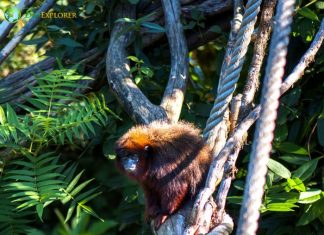
Coppery Titi
The coppery titi, or the red titi, is a species of titi, a type of New-World monkey native to South America. Coppery titi monkeys have dense fur that covers most of the body except for the face.
Read more
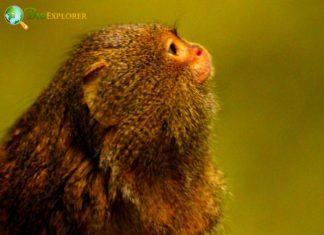
Eastern Pygmy Marmoset
The eastern pygmy marmoset is a species of marmoset, a tiny New World monkey found in the southwestern Amazon rainforest. Notably, at just over 100 grams (3.5 ounces), the eastern pygmy marmoset is the smallest monkey and among the smallest primates in the world.
Read more
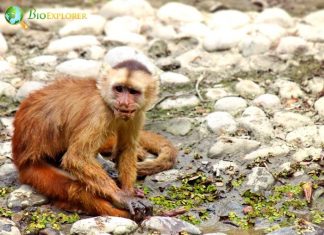
Ecuadorian Capuchin
The Ecuadorian capuchin, also known as the Ecuadorian white-fronted capuchin, is a species of a graceful capuchin monkey in the Cebidae family. The highest-ranking female dominates all group members except the highest-ranking male.
Read more
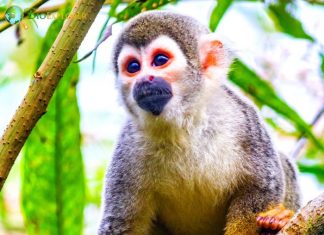
Ecuadorian Squirrel Monkey
The Ecuadorian squirrel monkey is a species of the squirrel monkey. Although it occasionally ventures to the ground to play or feed, the Ecuadorian squirrel monkey is strictly an arboreal primate.
Read more

Emperor Tamarin
The Emperor Tamarin is a species of tamarin named for its resemblance to the German Kaiser Wilhelm II. It lives in the states of Acre and Amazonas, western Brazil, and the southwestern Amazon basin.
Read more

Equatorial Saki
The Equatorial Saki, also known as the red-bearded Saki, is a species of saki monkey and New World monkey. They are most common in riparian, seasonally flooded, and swampy forests but have also been seen in terra firme forests.
Read more
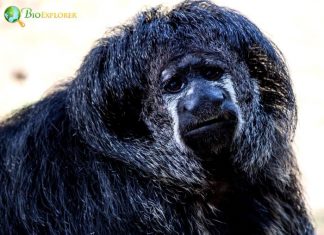
Geoffroy’s Monk Saki
Geoffroy’s monk saki, also called monk saki, is a species of saki monkey, a New-World primate native to South America. A monk saki is one of seven species of New-World arboreal monkeys with a bushy, feathery tail.
Read more
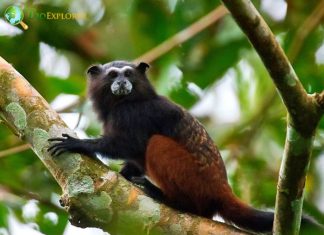
Geoffroy’s Saddleback Tamarin
Geoffroy’s Saddleback Tamarin is a saddled tamarin, a species of small monkey native to South America. Geoffroy’s saddleback tamarins often associate and form mixed groups with mustached tamarins (Saguinus mystax). Both species often perch in the same tree, responding to each other’s alarm calls.
Read more
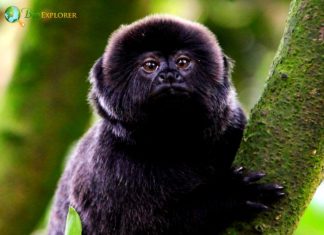
Goeldi’s Marmoset
Goeldi marmoset or Goeldi monkey is a small South American New-World monkey living in the upper Amazon basin region of Brazil, Bolivia, Ecuador, Colombia, and Peru. Goeldi marmosets generally stay less than 5 meters from the forest floor, moving to higher elevations for fruit.
Read more
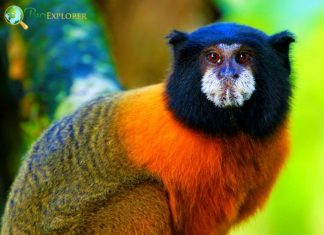
Golden-mantled Tamarin
The golden-mantled tamarin (Leontocebus tripartius) is native to South America. The golden-mantled tamarin is an arboreal, diurnal species that leaps and walks quadrupedally through the undergrowth.
Read more
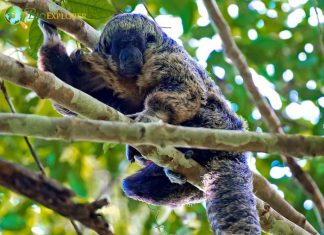
Gray’s Bald-faced Saki
Gray’s Bald-faced Saki (Pithecia irrorata), also known as Rio Tapajós saki, is a New World monkey native to South America. These monkeys are renowned for being reclusive because they avoid humans and quiet nature.
Read more

Hairy Saki
The hairy saki (Pithecia hirsuta) is a species of saki monkey, a New World primate species. The species was identified by Johann Baptist von Spix in 1823 but later merged with the Mönk saki (P. monachus). Then, a 2014 study revived it as a separate species due to differences in fur coloration.
Read more
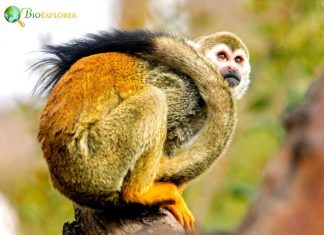
Humboldt’s Squirrel Monkey
Humboldt’s squirrel monkey (Saimiri cassiquiarensis) is a species of squirrel monkey found in South America’s tropical rainforests, except for the coastal forests of southeastern Brazil.
Read more

Humboldt’s White Capuchin
Humboldt’s white capuchins, also known as white-fronted capuchins, are a species of New-World monkeys and one of the smallest capuchin groups. Humboldt's squirrel monkeys are usually led by a dominant male and female.
Read more

Humboldt’s Woolly Monkey
Humboldt’s woolly monkey, common woolly monkey, or brown woolly monkey (Lagothrix lagothricha) is a woolly monkey endemic to South America. Humboldt’s woolly monkeys can show subtle mood swings and intentions with various facial expressions.
Read more

Illiger’s Saddle-Back Tamarin
(Leontocebus illigeri) is a species of saddleback tamarin, a type of small monkey native to South America. Illiger’s saddleback tamarin is native to the Peruvian Amazon, and its type locality is in Loreto, Peru, on the left bank of the lower Ucayali River.
Read more

Isabel’s Saki
Isabel’s Saki (Pithecia isabela) is a New World monkey species, native to a small part of northern Peru. The species was named in honor of Isabel Godin des Odonais, an 18th-century Ecuadorian noblewoman who traveled across South America to find her husband.
Read more
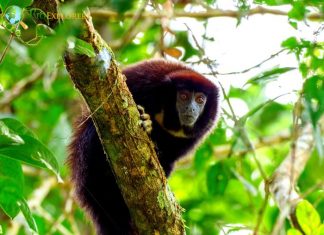
Lucifer Titi
Lucifer Titi (Cheracebus lucifer) is a species of Titi, a New World monkey endemic to South America. It is found in Peru, Ecuador, Colombia, and Brazil. This yellow-handed Titi was described as Callicebus lucifer in 1914.
Read more

Miller’s Saki
Miller’s Saki (Pithecia milleri), also called Miller’s monk saki, is a species of the saki family, a type of New World monkey. Miller’s sakis are diurnal and quadrupedal leapers. They usually move on all fours but can be seen swinging bipedally on large branches before leaping to another tree.
Read more
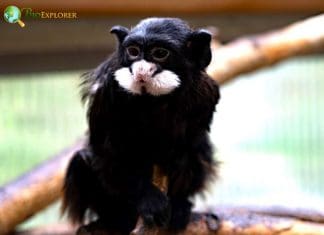
Moustached Tamarin
Moustached tamarins, also known as black-chested moustached tamarins and Spyx’s moustached tamarins, are native to Peru and Brazil. These monkeys are found in all strata of the lowland Amazon rainforest. The moustached tamarin gets its name from the lack of coloration in the facial hair around the mouth, which resembles a mustache.
Read more
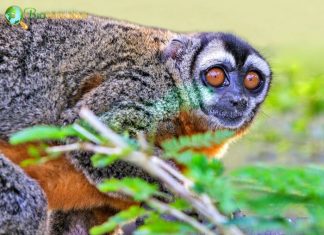
Nancy Ma’s Night Monkey
Nancy Ma’s Night Monkey (Aotus nancymaae) is a species of night monkey from South America. Nancy Ma’s night monkeys are social. They form small groups of 2 to 5 individuals, all directly related to each other.
Read more
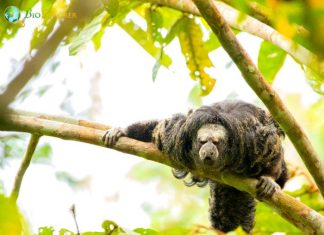
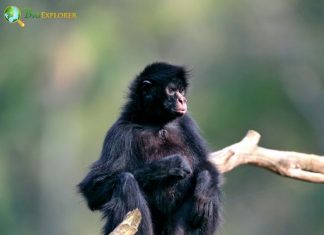
Peruvian Spider Monkey
Peruvian spider monkeys, like other Ateles species, have a prehensile tail that can be used to facilitate brachiation. Typically, Peruvian spider monkeys have completely black fur and complexions, unlike the lighter red-faced black spider monkey.
Read more

Peruvian White-fronted Capuchin
The Peruvian white-fronted capuchin or Marañón white-fronted capuchin (Cebus yuracus) is a species of gracile capuchin monkey native to the upper Amazon basin. Peruvian white-fronted capuchin monkeys live in multi-male, multi-female groups of 5 to 18 individuals, with approximately equal numbers of males and females.
Read more

Peruvian Yellow-tailed Woolly Monkey
The Peruvian yellow-tailed woolly monkey (Lagothrix flavicauda), also called the yellow-tailed woolly monkey, is a New World monkey native to Peru. Peruvian yellow-tailed woolly monkey is among the rarest Neotropical primates and one of the largest mammals endemic to Peru.
Read more
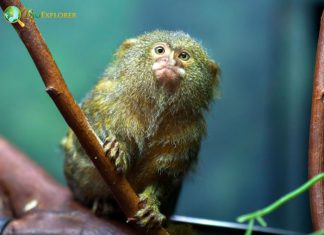
Pygmy Marmoset (Finger Monkey)
The pygmy marmoset (smallest monkey), genus Cebuella (also known as Finger Monkey), is a small genus of New-World monkeys endemic to the tropical rainforests of the western Amazon Basin in South America. Pygmy marmosets are also highly territorial, using scent glands to mark territories of up to 100 hectares.
Read more

Red Howler Monkey
The Colombian red howler or Venezuelan red howler is a South American species of howler monkey, a New World species of monkey found in the western Amazon basin. Colombian red howler monkeys live in relatively large social groups composed of around 10 individuals, with just one or possibly two of the individuals being male.
Read more
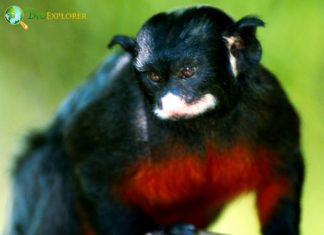
Red-Chested Mustached Tamarin
The Red-chested mustached tamarin (Saguinus labiatus), also known as Red-bellied Tamarin, is a tamarin that lives in the Amazon region of Brazil, Peru, and Bolivia. The red belly of these New World monkeys is their most striking external feature.
Read more

Red-mantled Saddle-Back Tamarin
The Red-mantled saddleback tamarin (Leontocebus lagonotus) is a species of saddleback tamarin, a species of small South American monkey. The Red-mantled saddle-back tamarin lives in Peru and Ecuador, and its type locality is in Peru, near the confluence of the Amazon and Napo.
Read more

Rio Mayo Titi
The Río Mayo titi (Plecturocebus oenanthe), also known as the San Martín titi, is native to the San Martín region of Peru and is considered Peru’s most endangered primate. Río Mayo titis have been described as somewhat temperamental and hesitant and don’t tend to be inquisitive.
Read more

Ryland’s Bald-faced Saki
The Ryland’s Bald-Faced Saki (Pithecia rylandsi) is a controversial species of saki monkey, a New World monkey species. It is one of the largest sakis. This South American monkey was named after Brazilian primatologist Anthony Rylands, a former professor of vertebrate zoology at the Federal University of Minas Gerais and founding editor of the journal Neotropical Primates.
Read more

Shock-headed Capuchin
The shock-headed capuchin (Cebus cuscinus) is a gracile capuchin monkey native to Peru and Bolivia. This New-world monkey was previously classified as a subspecies of the Humboldt’s capuchin (Cebus albifrons), but in 2013 Rylands and Mittermeier raised it to a separate species, following genetic studies done by Boubli et al. in 2012, and Lynch Alfaro et al. in 2010.
Read more
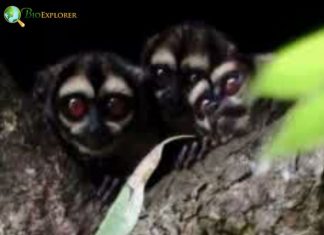
Spix’s Night Monkey
The Spix’s night monkey (Aotus vociferans), also called the Spix’s owl monkey, Colombian gray nocturnal monkey, and noisy night monkey is a species of night monkey native to South America.
Read more

Spix’s White-fronted Capuchin
Spix’s White-fronted Capuchin (Cebus unicolor) is a species of a gracile capuchin monkey. The species is widespread in the upper Amazon basin in Peru and Brazil. It is also present in northern Bolivia. According to the genetic studies by Boubli et al., Ryland and Mittermeier elevated it to a distinct species.
Read more

Toppin’s Titi
Toppin’s Titi (Plecturocebus toppini) is a species of Titi, a species of New World monkey endemic to Bolivia, Peru, and Brazil. It got its name from Captain Toppin, who collected the type specimen of this species near the Tahuamanu River in Peru.
Read more

Urubamba Brown Titi
The Urubamba brown titi (Plecturocebus urubambensis) is a species of Titi, a New World monkey native to Peru. This species is found east of the Tambo River and west of the Urubamba, Manú, and Madre de Dios rivers.
Read more

Weddell’s Saddle-Back Tamarin
The Weddell’s saddle-back tamarin (Leontocebus weddelli) is a species of saddle-back tamarin, a species of small South American monkey. Weddell’s saddle-back tamarins are tree dwellers. As such, they are phenomenal climbers with sharp claws that allow them to cling to the sides of trees.
Read more

White-bellied Spider Monkey
The white-bellied spider monkey (Ateles belzebuth), also called the long-haired or white-fronted spider monkey, is an endangered species of spider monkey, a species of New-World monkey. These arboreal monkeys spend most of their time in the canopy. They rarely go down. When they do, they drink water, eat dirt, traverse a treeless area, or run away from an aggressive opponent.
Read more

White-tailed Titi
White-tailed titi monkeys, also called red titi monkeys or red-crowned titis and not to be confused with coppery titi (Callicebus cupreus), also commonly known as red titi, are endemic to the dense rainforest and gallery forests of Peru and Ecuador.
Read more