What Do Squirrels Eat?
Squirrels are in the same family as marmots, prairie dogs, and chipmunks. Explore what do squirrels eat, squirrel’s diet by types, what eats squirrels & more.


Squirrels are in the same family as marmots, prairie dogs, and chipmunks. Explore what do squirrels eat, squirrel’s diet by types, what eats squirrels & more.
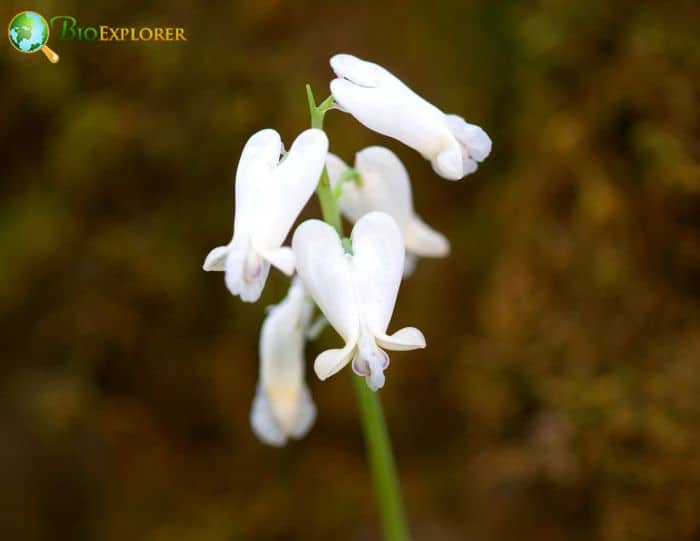
Dicentra canadensis is a perennial herb with blue-gray and fernlike foliage. This species belongs to the family Fumeriaceae. The squirrel corns are natives to the east of North America. All parts of the Squirrel Corn plant are toxic only in large quantities. However, it can also cause skin rashes.
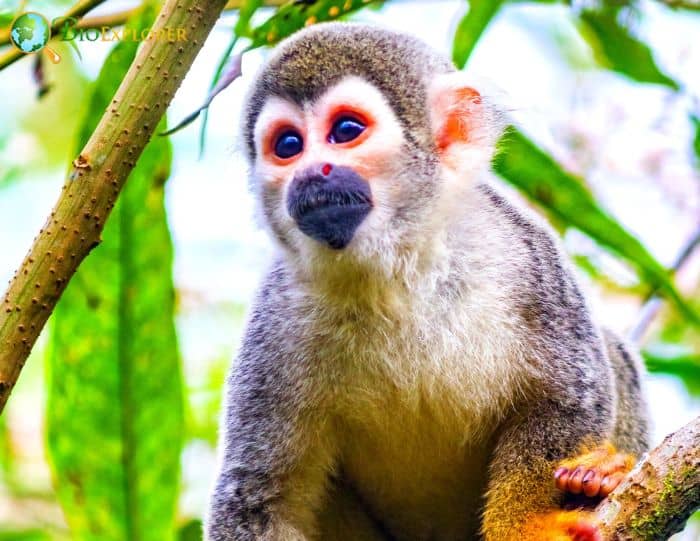
The Ecuadorian squirrel monkey is a species of the squirrel monkey. Although it occasionally ventures to the ground to play or feed, the Ecuadorian squirrel monkey is strictly an arboreal primate.

Collins’ Squirrel Monkey is a species of squirrel monkey endemic to Brazil. Until a genetic study by Jessica Lynch Alfaro et al. raised them to the species category, Collins’ squirrel monkey had been considered a subspecies of the squirrel monkey (Saimiri sciureus).
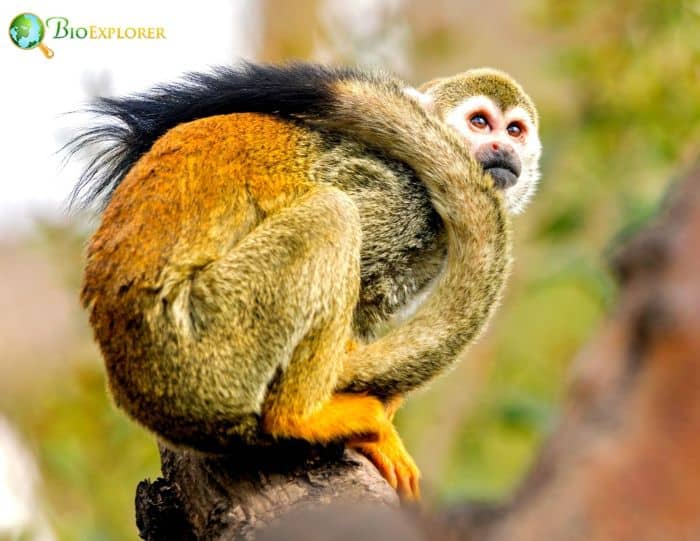
Humboldt’s squirrel monkey (Saimiri cassiquiarensis) is a species of squirrel monkey found in South America’s tropical rainforests, except for the coastal forests of southeastern Brazil.
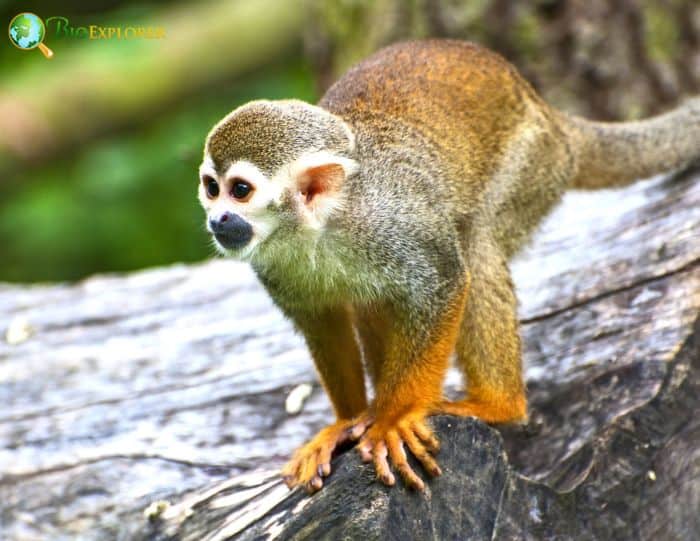
The Guianan squirrel monkey, also called the South American squirrel monkey, is a squirrel monkey found in Guiana, Brazil, and Venezuela. Saimiri sciureus was once thought to belong to the Collins’ squirrel monkey and the Humboldt’s squirrel monkey. Still, genetic research in 2009 and 2015 showed they were different species.
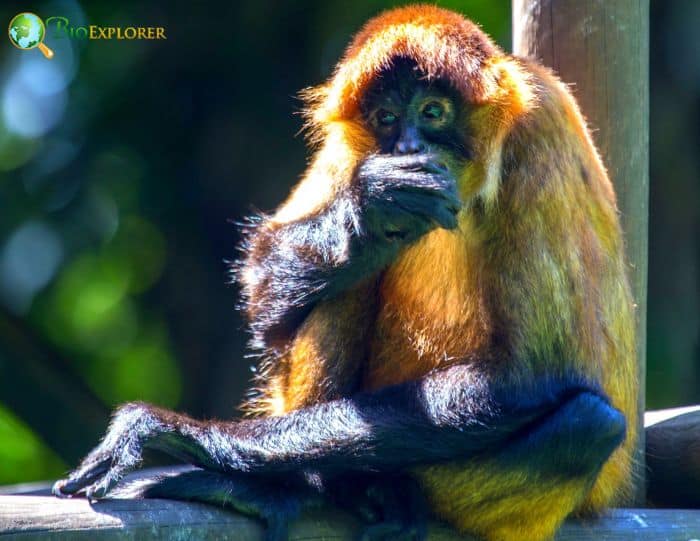
The Central American squirrel monkey also called the red-backed squirrel monkey, is a squirrel monkey type native to the Pacific coast of Panama and Costa Rica. Central American squirrel monkeys spend most of their lives in the middle and upper layers of the tree canopy.
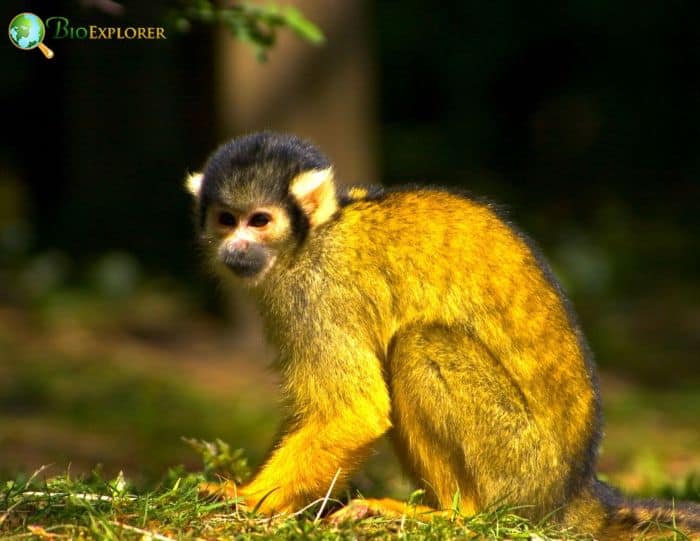
The black-capped squirrel monkey is a New-World primate species endemic to the upper Amazon basin in Bolivia, eastern Peru, and western Brazil. Primarily, black-capped squirrel monkeys are arboreal and found in native and plantation forests and some managed areas close to running water.
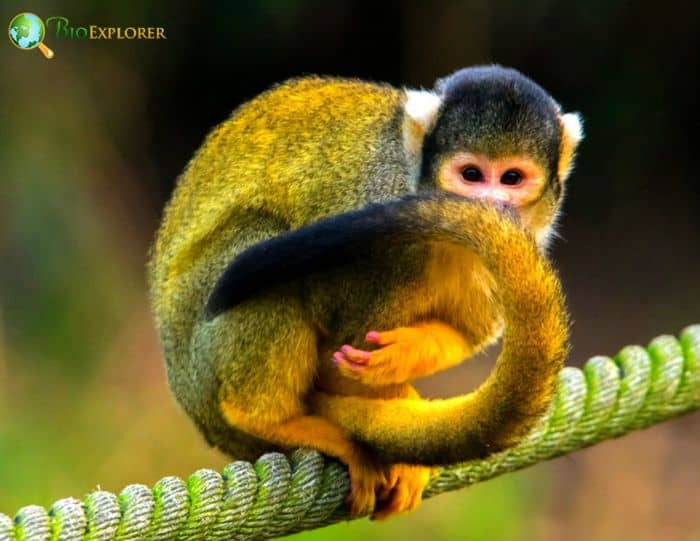
The black squirrel monkey, also called the black-headed squirrel monkey or the blackish squirrel monkey is a small New-World monkey native to the central Amazonian region of Brazil. The black squirrel monkey closely resembles the much more common Bolivian squirrel monkey. However, the latter lacks the central black back.
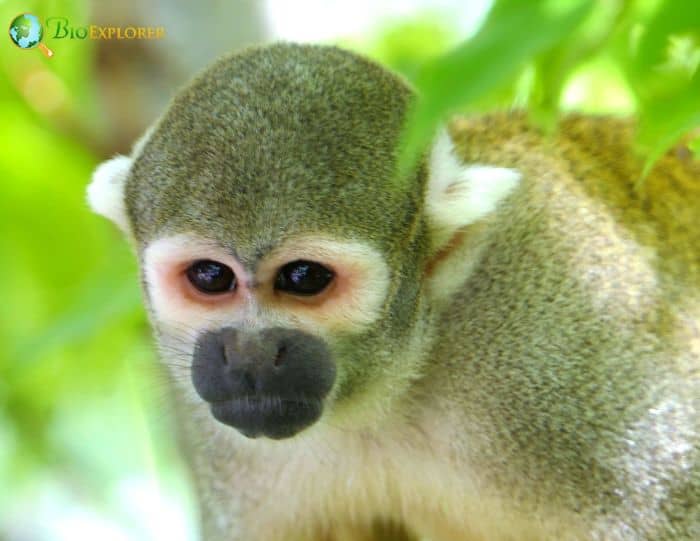
The bare-eared squirrel monkey also called the golden-backed squirrel monkey, is a subspecies of the Saimiri sciureus group native to the tropical forests and jungles of South and Central America. The bare-eared squirrel monkey differs from other species because it does not have ear tufts.
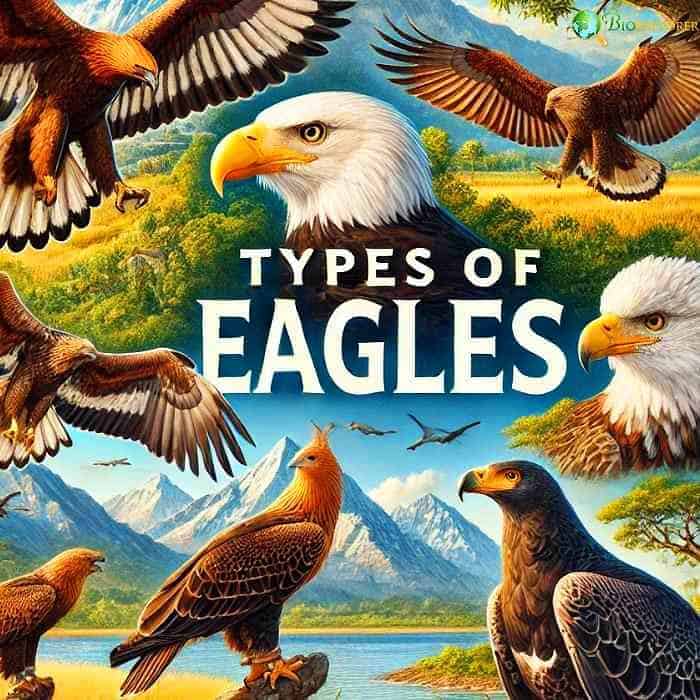
Explore all 68 types of eagles in this comprehensive guide. Learn about each species’ unique traits, habitats, and behaviors across the globe.
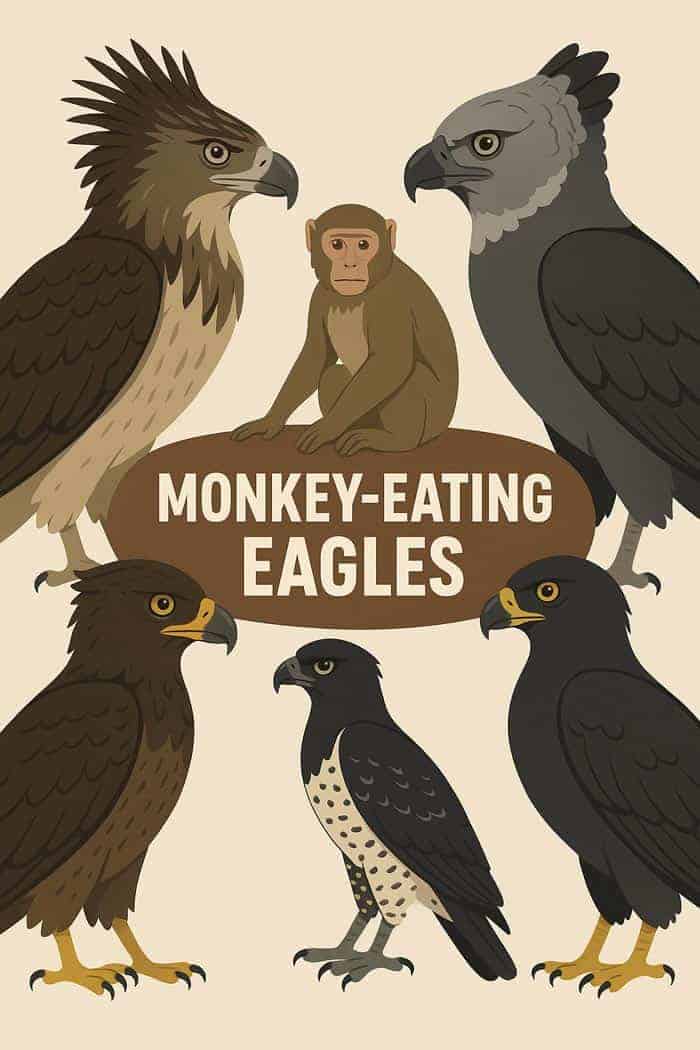
Discover the world of monkey-eating eagles—powerful raptors like the Philippine, Harpy, and Crested Eagles—built to hunt primates in dense rainforests.
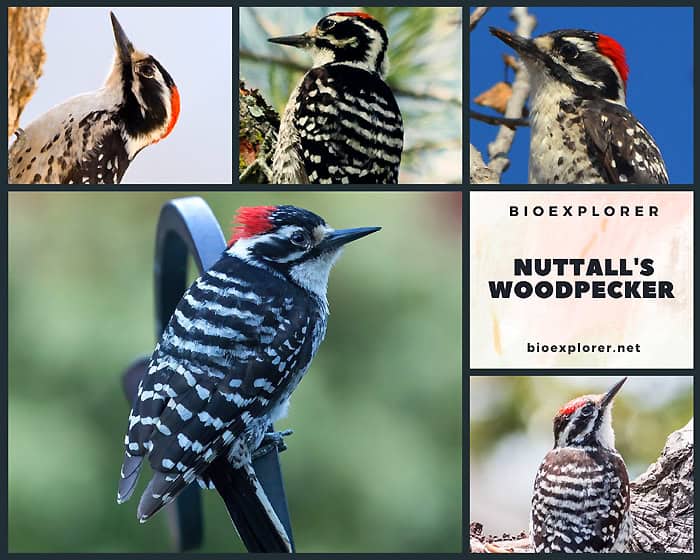
Nuttall’s woodpecker (Picoides nuttallii) is a small, striking bird found primarily in California and northern Baja California. It thrives in oak woodlands, riparian corridors, and even suburban areas with mature trees. Males sport a red crown patch, while both sexes show black-and-white barring that blends into tree bark. This non-migratory woodpecker feeds mainly on ants and beetles, using its strong bill and long tongue to forage under bark. Monogamous pairs raise chicks in tree cavities, and their old nests offer shelter to other wildlife, making them key contributors to healthy forest ecosystems.
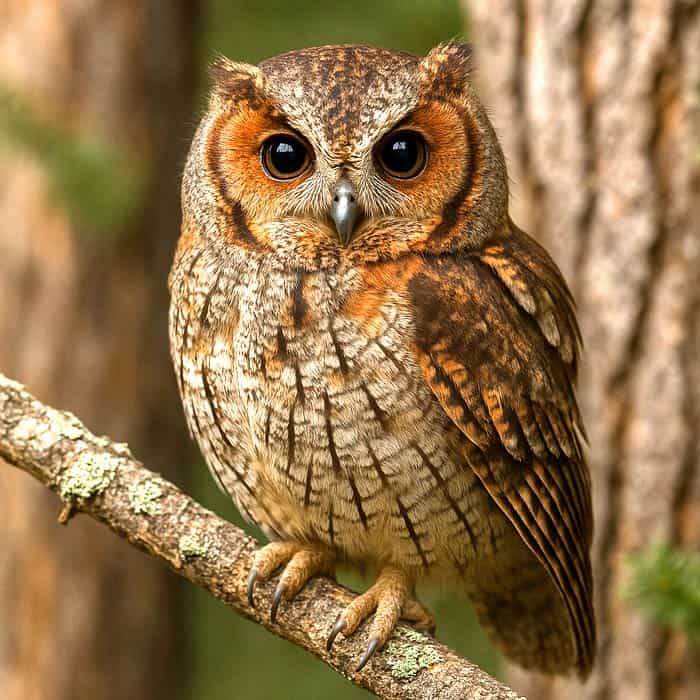
The flammulated owl (Psiloscops flammeolus) is a small, nocturnal bird native to western North America, renowned for its flame-marked plumage and soft, deep calls. Favoring mature coniferous forests, this elusive owl nests in tree cavities and feeds almost exclusively on insects like moths and beetles. Despite its broad range, it remains hard to spot due to its camouflaged appearance and secretive habits. As a key insect predator and indicator of healthy forests, the flammulated owl plays an essential role in maintaining ecological balance across its habitat.

Among all biomes, tropical rainforests are considered to have the highest biodiversity. The rainforest is divided into 4 layers: the emergent layer, the canopy layer, the understory, and the forest floor. These layers host several species of tropical animals and tropical plants. Explore the layers of the rainforest here.

Ferrets are small furry mammals with long tails and a pear-shaped physique. Explore what do ferrets eat, ferrets diet by types, and what eats ferrets & more.
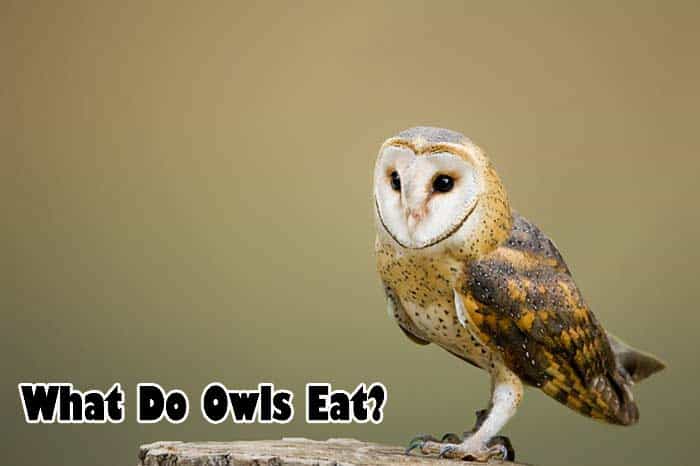
Owls are described as raptors because of their sharp claws and beaks. Explore what do owls eat, owls diet by different types, what eats owls, how often do owls eat & more.
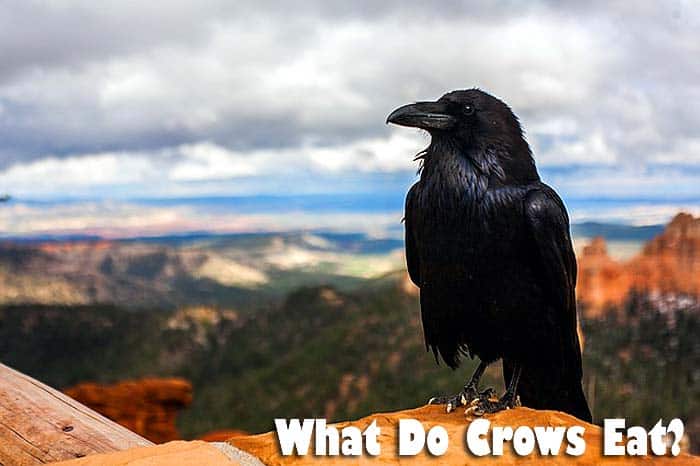
Explore what do crows eat by their types and what eats crows. Crows diet may include small mammals, fishes, amphibians, reptiles, insects, seeds, nuts, & more.

Foxes are classified under the genus Vulpes made up of about 12 existing species. Explore what do foxes eat, diet by species & what eats foxes here.
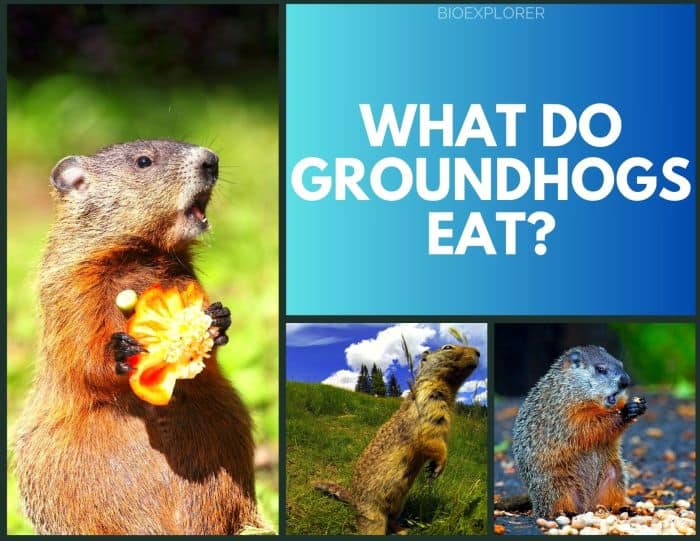
Groundhogs are herbivores that eat a diverse diet of greens, vegetables, fruits and more. Learn everything groundhogs eat and their favorite foods.
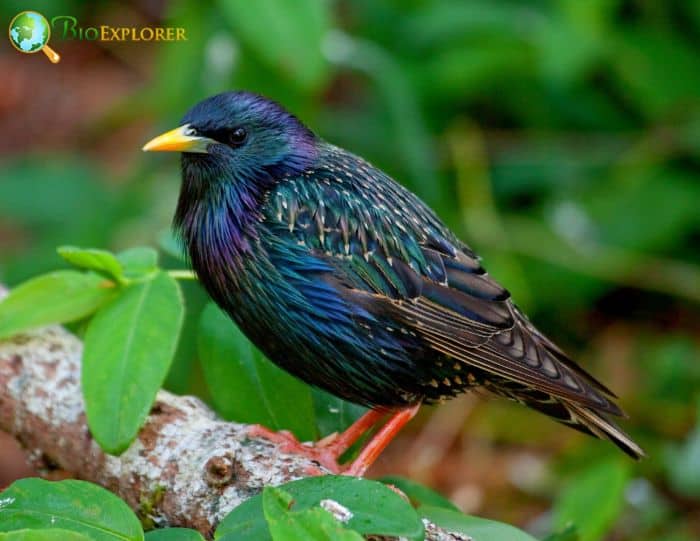
The European Starling is a medium-sized, black songbird with short, triangular wings, a short tail, and striking iridescent plumage speckled with white, especially in winter. During breeding season, adults display a yellow bill and a purple-green sheen. Native to Europe, Asia, and North Africa, starlings were introduced to North America in the 1890s and now number over 200 million. Highly social, they form enormous flocks and perform mesmerizing aerial displays called murmurations. Starlings are accomplished mimics, able to imitate other birds and even human sounds. They are aggressive cavity nesters, often outcompeting native species for nesting sites.

Explore the world of the Eastern White Pine, a majestic tree with a rich history and diverse uses. Learn about its characteristics, its role in the ecosystem, and how to care for it. Discover why the Eastern White Pine is more than just a tree; it’s a symbol of resilience and a testament to nature’s bounty.

Explore the overview of 26 must-see top Washington Birds species including facts on goldfinches, owls, hawks, finches and more. This comprehensive guide will help with identification of birds of Washington.
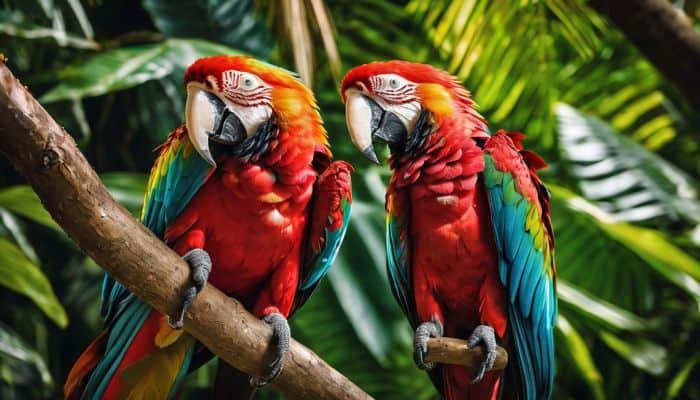
Discover the incredible biodiversity of the tropical rainforest. Dive deep into the habitats of rainforest animals, from the elusive jaguar to pink-toe tarantulas.

Eagles are powerful birds with sharp beaks. Explore what do eagles eat, detailed eagles diet by types, how do eagles hunt, how often eagles eat & more here.
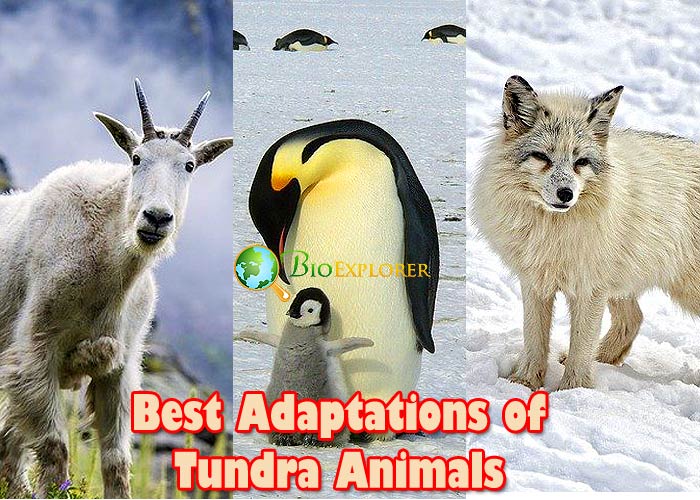
The coldest areas on Earth, such as regions close to the North Pole and the South Pole, have unique features. Here are the top 18 tundra animal adaptations.

In 2022 paves the way towards discoveries in ecological consequences influenced by genetic factors, climate change in marine habitat, coral reefs and plants having great adaptability to climate change, and the necessity towards conservation of biodiversity.
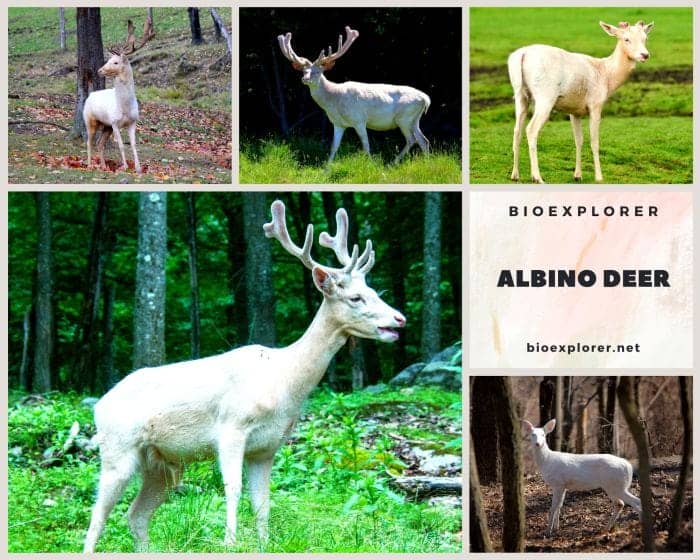
Albino deer are extremely rare and fascinating genetic anomalies. This in-depth guide covers what albino deer are, why they’re white, where they’re found, major challenges they face, controversies surrounding them, seeing them in zoos, and reasons we find these mystical-looking white deer so captivating.
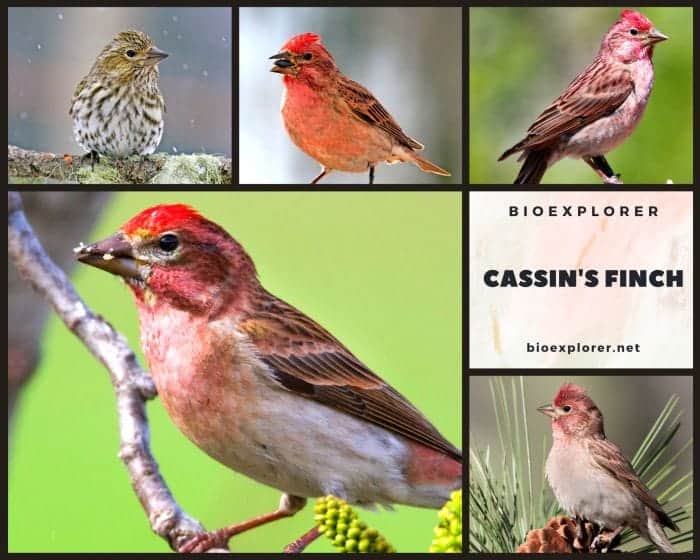
Learn about the Cassin’s Finch, a unique songbird of western North American mountain forests. This adaptable finch has complex songs, nomadic habits, and thrives across diverse coniferous habitats. Gain insights into this little-known species’ ecology and importance.

Explore the mesmerizing world of Narcissus Flowers with our detailed guide. Dive into the top 25 daffodil varieties, from the classic Trumpet to the exotic Pheasant’s Eye.
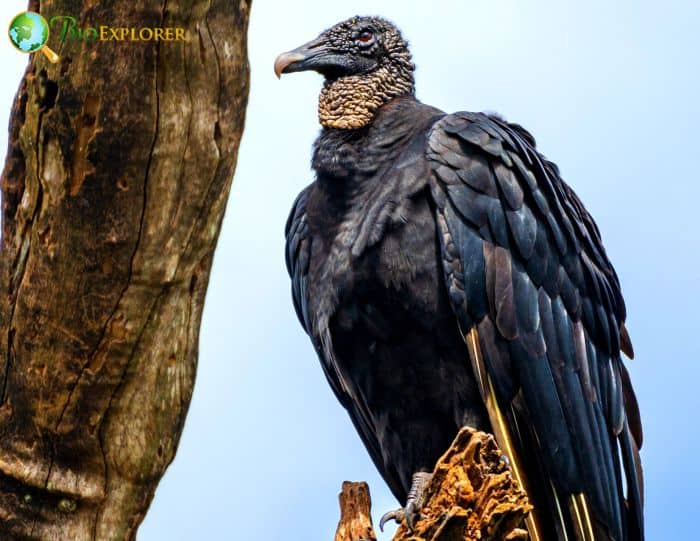
The Black Vulture is a large, stocky bird with sooty black plumage, a bare black head, and striking white patches near the wingtips. Found year-round in the eastern and southern U.S. through Central and South America, it thrives in open areas, woodlands, and even around towns. Black Vultures are highly social, often roosting and foraging in large flocks. They feed mainly on carrion, using keen eyesight to locate food, and sometimes follow Turkey Vultures to carcasses. Black Vultures mate for life, care for their young for months, and help clean the environment by consuming dead animals.
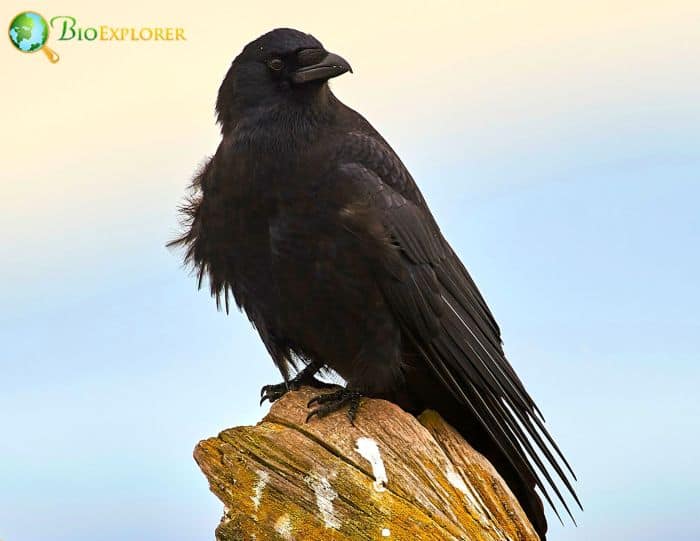
The Northwestern Crow is a mid-sized, all-black bird native to the Pacific coast from southern Alaska to northern Washington. It thrives in coastal habitats, intertidal zones, forest edges, and even urban areas, often foraging on beaches for clams, invertebrates, eggs, and carrion. Known for their intelligence, these crows use tools-dropping clams on rocks to break them open-and perform aerial acrobatics. They are highly social, forming large flocks in winter and engaging in noisy mobbing of predators. Northwestern Crows mate for life, nest in trees or shrubs, and young remain dependent on parents for several weeks.
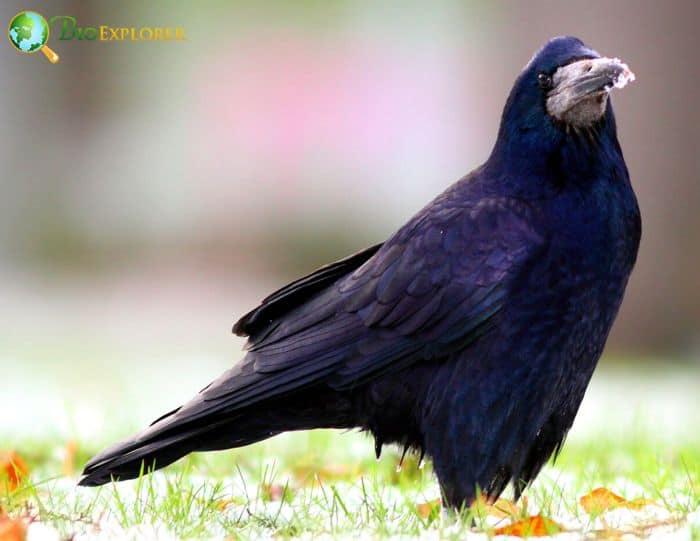
The Rook is a large, sociable black bird native to Europe and Asia, easily recognized by its bare, pale-grey face and cone-shaped head. It forms noisy colonies called rookeries, nesting high in tall trees near farmland, villages, or parks. Rooks forage in flocks, probing fields for grubs, worms, seeds, and grain, but also eat insects, small mammals, and carrion. Highly intelligent, they use tools and have excellent memories. Unlike crows, adult rooks show a whitish patch at the bill’s base. Some rookeries have been used for over a century.
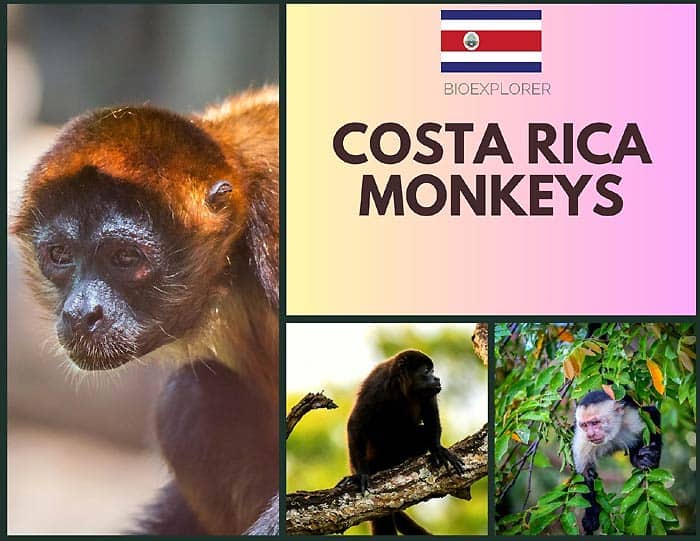
Explore the diverse world of Costa Rica’s monkeys in our comprehensive guide. Learn about the four unique species, their habitats, threats, and conservation efforts. Discover tips for monkey spotting during your visit to this biodiversity hotspot.
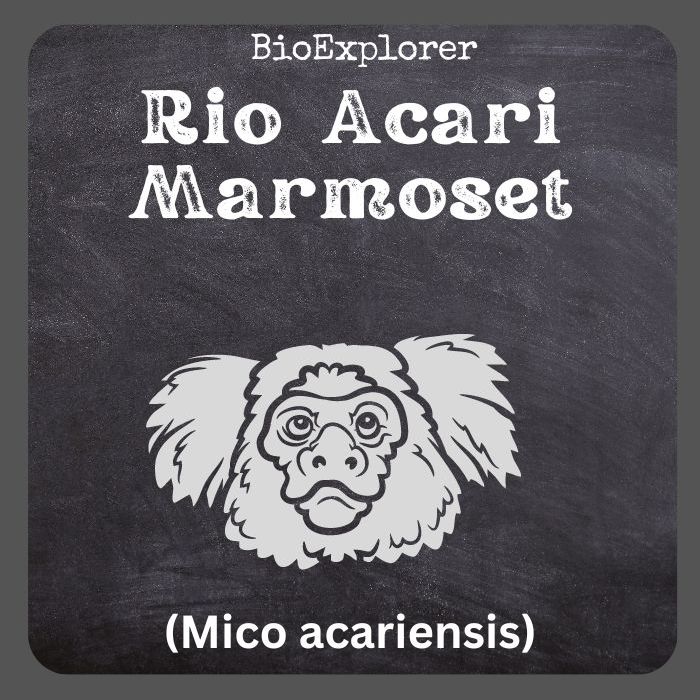
The Rio Acari marmoset (Mico acariensis) is endemic to Brazil. It was first described in the year 2000. These Brazilian monkeys use their specialized claws to forcefully grip tree trunks and gnaw small holes in the bark with their lower incisors and canines.
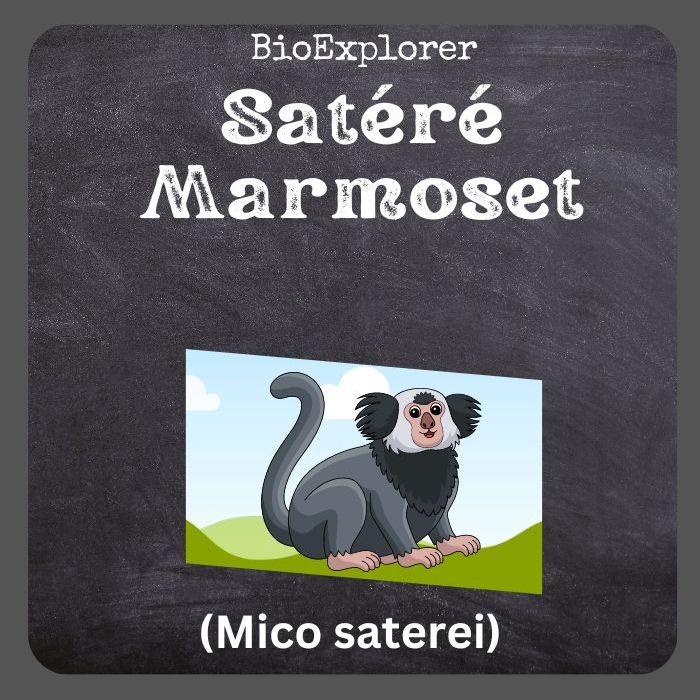
The Satéré marmoset (Mico saterei) is native to Brazil and its genus is characterized by claw-like nails rather than the flat nails of other primates, long lower incisors, a specialized caecum, and squirrel-like movements in trees.
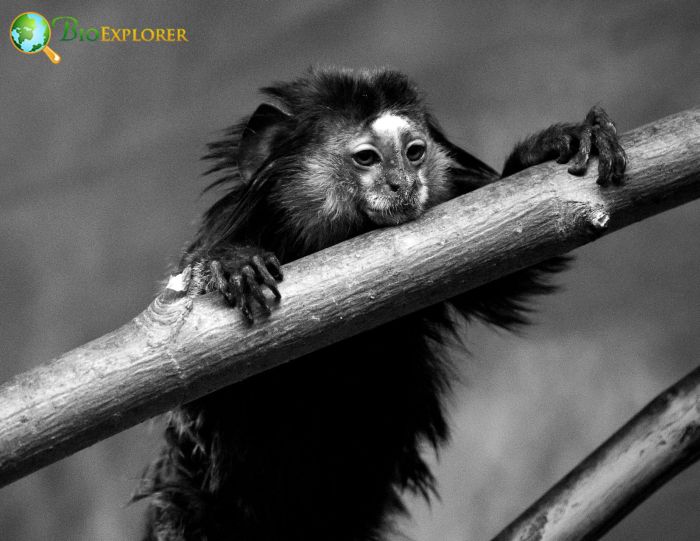
The Wied’s marmoset (Callithrix kuhlii), also called the Wied’s black-tufted-ear marmoset, is a New World monkey that lives in the tropical and subtropical forests of eastern Brazil. Unlike other common marmosets, Wied’s marmosets live in groups consisting of 4 or 5 females and 2 or 3 males (plus juveniles).
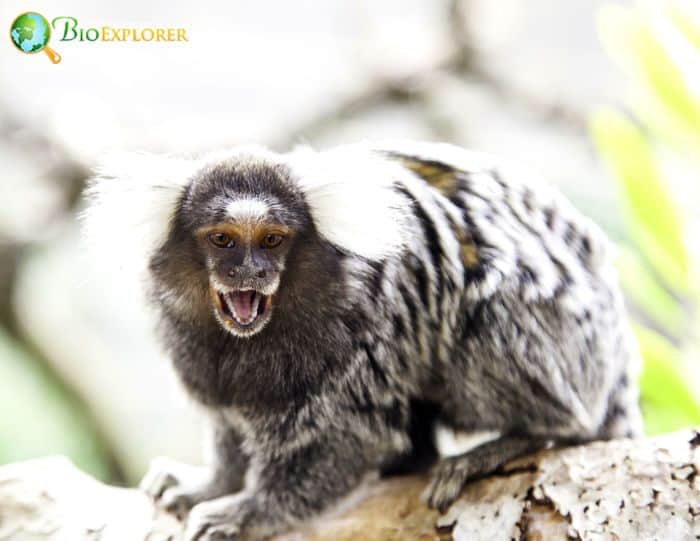
The white-eared Titi, Plecturocebus donacophilus, also known as the Bolivian gray Titi or Bolivian Titi, is a marmoset species, a New World monkey endemic to eastern Bolivia and a region of western Brazil.

The bearded sakis or cuxiús are five species of New World monkeys classified in the genus Chiropotes. Bearded saki shows slight sexual dimorphism: males are usually taller and have longer, more prominent beards than females.

The buffy-headed marmoset is a rare species of marmoset native to the tropical rainforests of southeastern Brazil. These miniature and shy monkeys are mostly tree dwellers, crawling on 4 legs (quadrupeds) from tree to tree with jerky, squirrel-like movements.
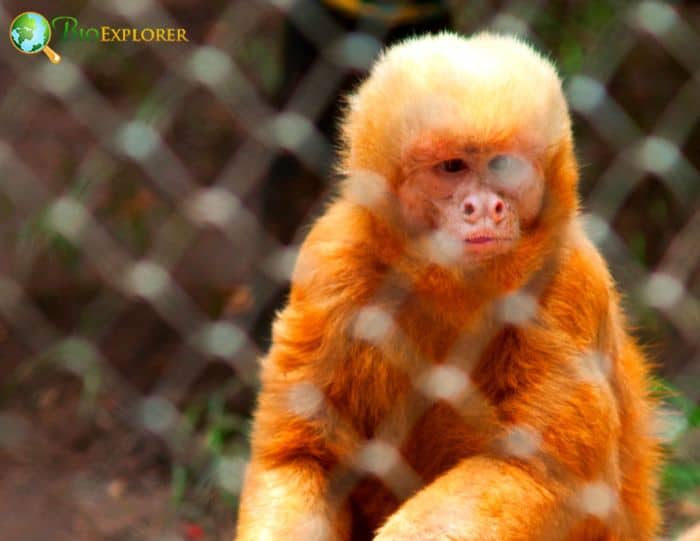
The blond capuchin monkey is one of the capuchin monkeys native to northeastern Brazil. These Blonde monkeys get their name from the distinctive golden-blond fur on their bodies. Like other primate species, the blond capuchin is threatened by poaching and trapping for the illegal pet trade.
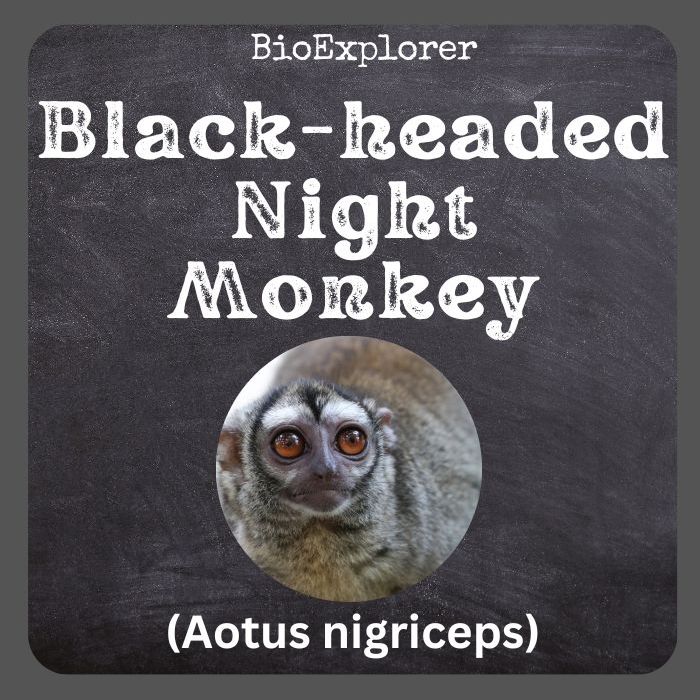
The black-headed night monkey is a nocturnal monkey species native to South America. The monkeys are small primates about the size of a small squirrel. The black-headed night monkeys in Peru have mainly inhabited degraded areas.

Goldfinches are mainly omnivores. Explore in detail what do Goldfinches eat by their types, hunting techniques, what eats Goldfinches & more.

Orioles are omnivorous birds grouped in 2 different families. Explore what do orioles eat, orioles diet by types, and what eats orioles here.

Old-world and New-world monkeys are two types of monkeys within Primates. Explore all differences between them from all aspects here.
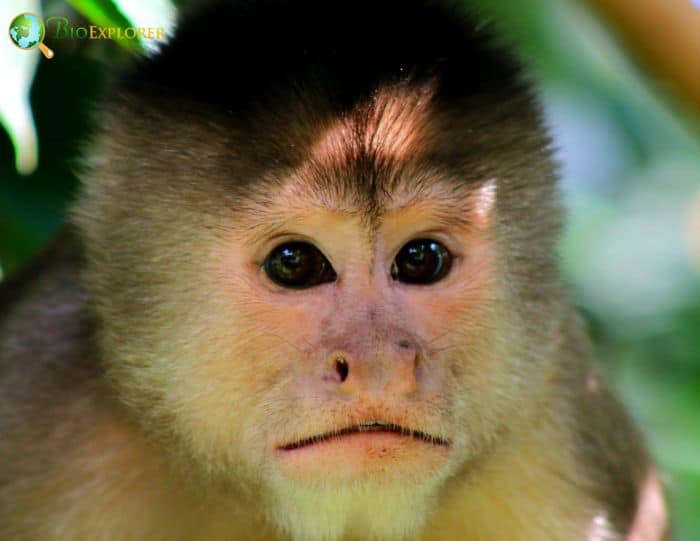
Humboldt’s white capuchins, also known as white-fronted capuchins, are a species of New-World monkeys and one of the smallest capuchin groups. Humboldt’s squirrel monkeys are usually led by a dominant male and female.
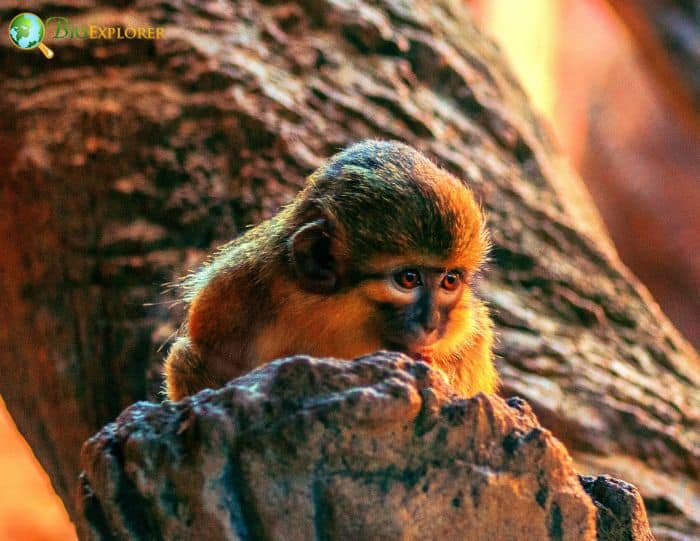
The Gabon talapoin, also called the northern talapoin, is a small species of African primate endemic to riverine habitats in Gabon, Equatorial Guinea, Cameroon, the far western Democratic Republic of the Congo, and the western Republic of the Congo.
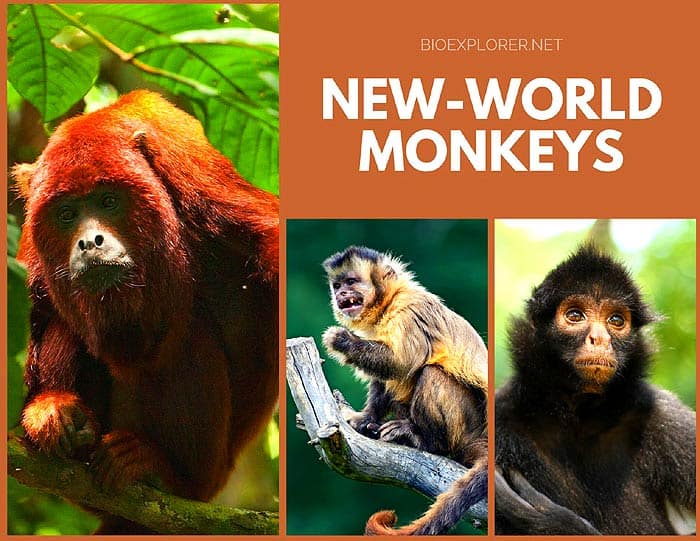
The term “New World monkey” is a broad label that refers to any species that falls under one of the five taxonomic families of the Ceboidea superfamily: Cebidae, Callitrichidae, Atelidae, Pitheciidae, and Aotidae. Explore all New-World monkeys and their characteristics.
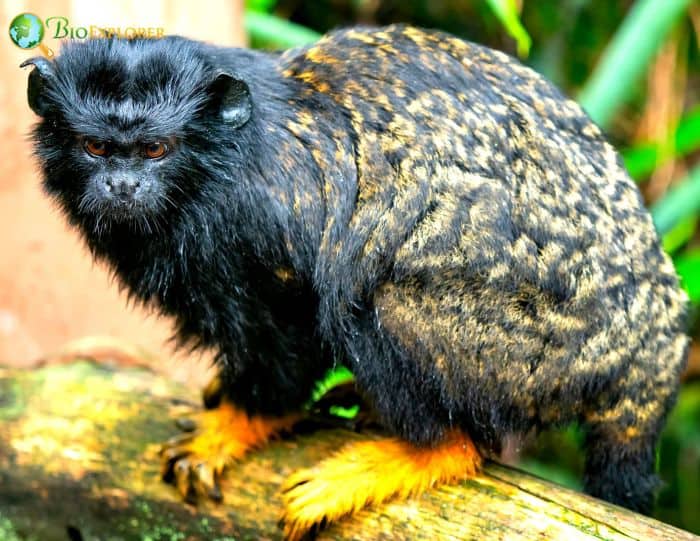
The Midas tamarin (Saguinus midas), also called the red-handed tamarin or golden-handed tamarin is a New-World monkey in the Callitrichidae family. Midas tamarin is also known as golden tamarin or red-handed tamarin. This attests to the remarkably vivid colors of the feet and hands.
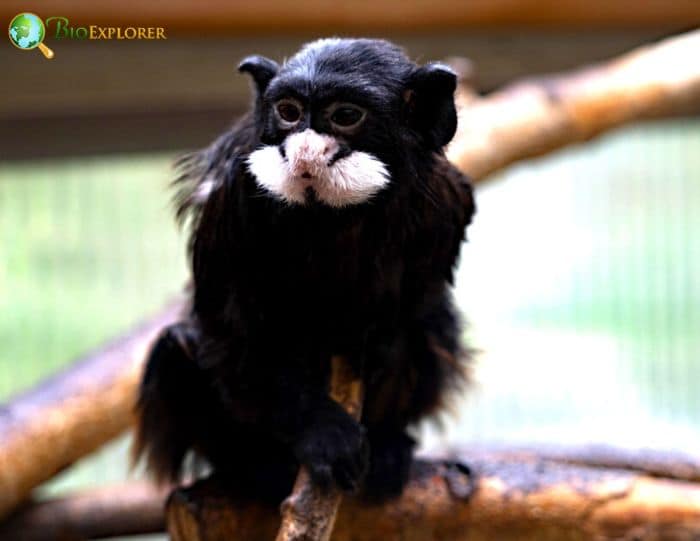
Moustached tamarins, also known as black-chested moustached tamarins and Spyx’s moustached tamarins, are native to Peru and Brazil. These monkeys are found in all strata of the lowland Amazon rainforest. The moustached tamarin gets its name from the lack of coloration in the facial hair around the mouth, which resembles a mustache.

Malaysia is home to various monkeys, though most are considered endangered. Some examples of these species are the stump-tailed macaque, the proboscis monkey, and the white-thighed surili.

The Agile Mangabey is another Old-World monkey of the White-Eylid Mangabey group mainly found in swampy forests. Due to habitat loss, mangabeys are now listed as endangered, both male and female.
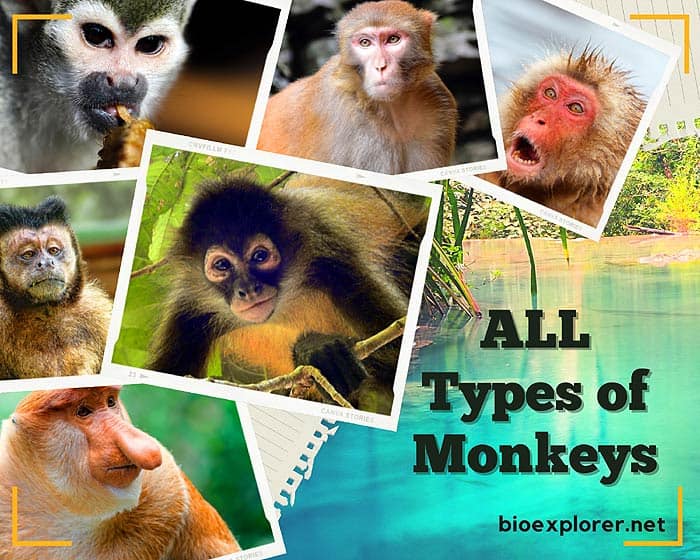
Monkeys are classified into two main groups: Old-world monkeys and New-world monkeys. Explore all 334 different types of monkeys and their facts here.
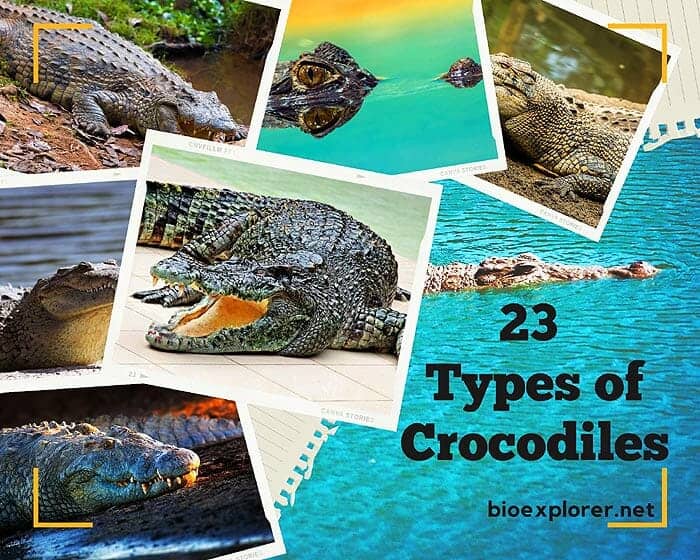
Crocodilia is one of the reptile orders dedicated to large, lizard-shaped, and predatory reptiles. Explore 23 types of crocodiles by water bodies, regions, and taxonomy classification year.

Cicadas are winged insects notable for their clicking and buzzing sounds. Explore what do cicadas eat, cicadas diet by types, what eats cicadas & more.

Wrens are small Passeriformes that are found in wide distribution in North and South America. Explore what do wrens eat, their diet by types, what eats wrens.
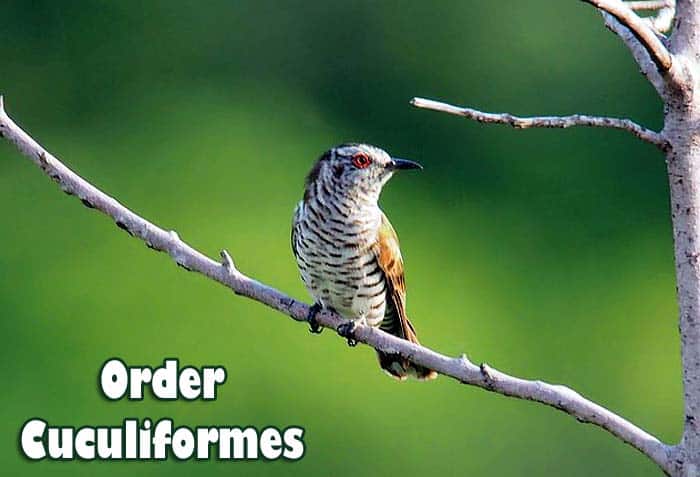
Order Cuculiformes is one of the most famous bird orders, as it contains parasitic birds – cuckoos. Explore the characteristics & species in Cuculiformes.

Snakes are strict carnivores. Learn what do snakes eat, snakes diet by types, how do snakes hunt, what eats snakes, and how often snakes eat.

Weasels are small animals (mammals) classified in the genus Mustela. Explore what do weasels eat, weasels diet by types, what eats weasels & diet-related info.
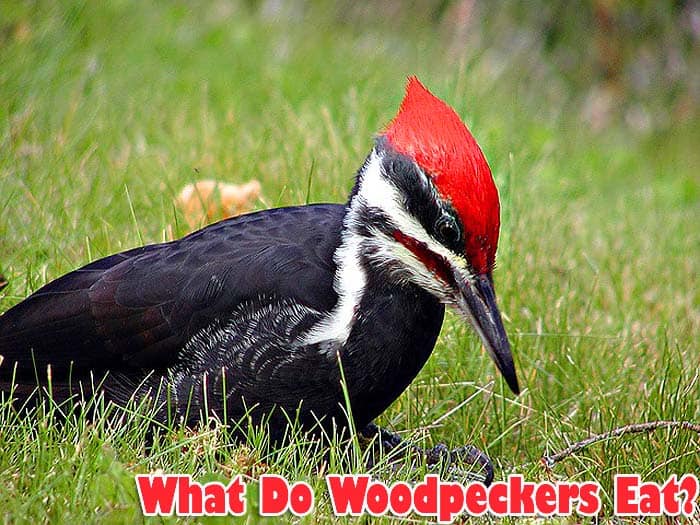
Woodpeckers are magnificent birds classified under the family Picidae and sub-family Picinae. Explore what do woodpeckers eat and their diet-related info.