Search Results for: Marin

  • Red-mantled Saddle-Back Tamarin

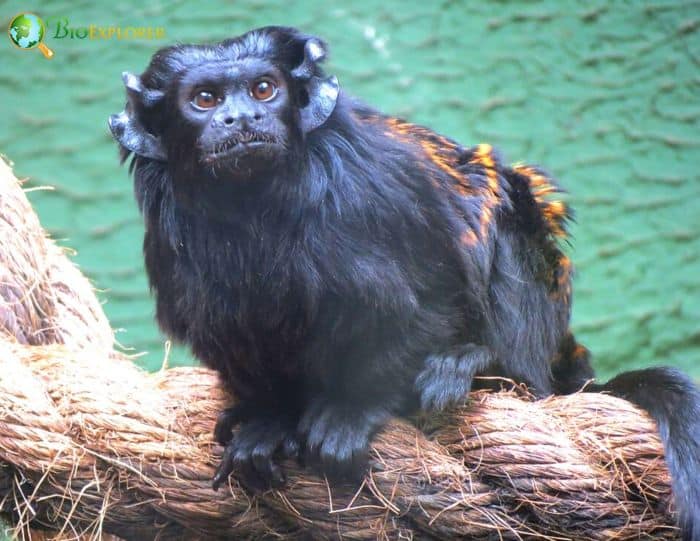
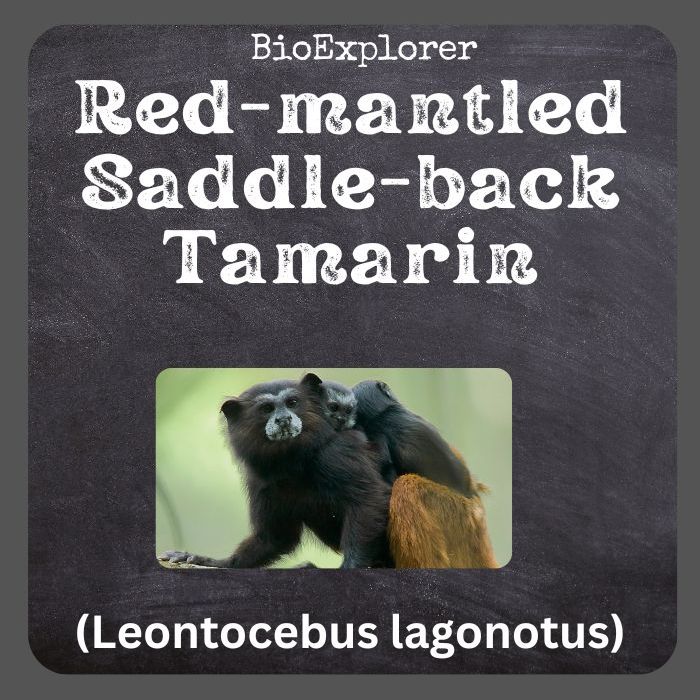
    The Red-mantled saddleback tamarin (Leontocebus lagonotus) is a species of saddleback tamarin, a species of small South American monkey. The Red-mantled saddle-back tamarin lives in Peru and Ecuador, and its type locality is in Peru, near the confluence of the Amazon and Napo.
  • Black-faced Lion Tamarin

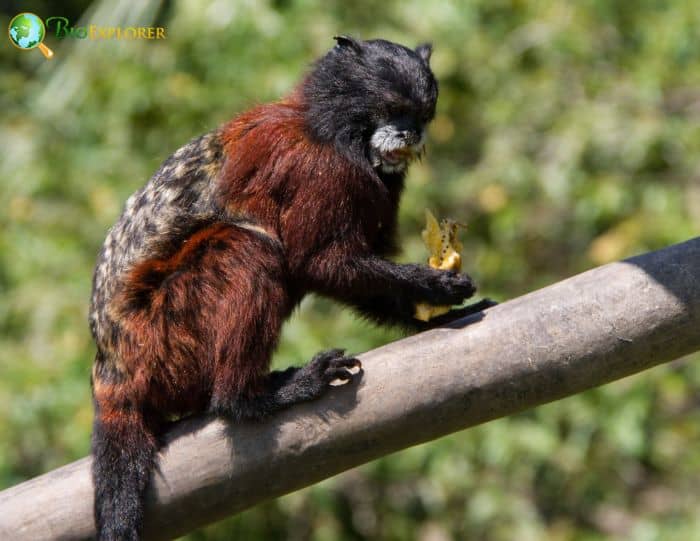
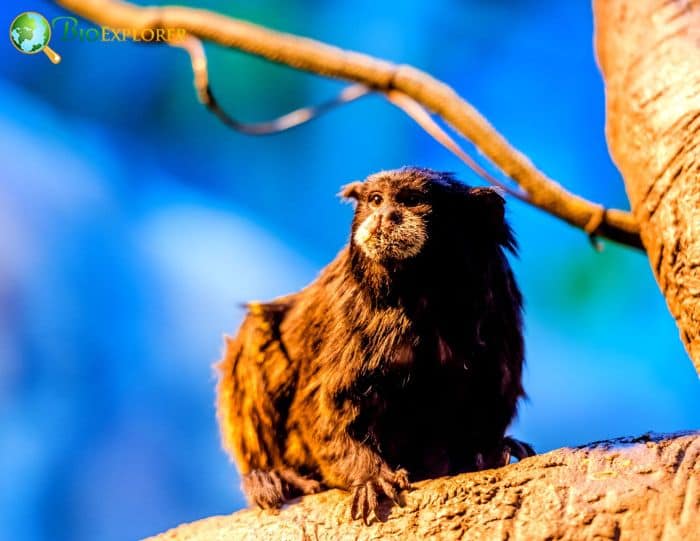
    The black-faced lion tamarin, also known as superagüi lion tamarin, is a small New-World primate in the Callitrichidae family. Black-faced lion tamarins are diurnal and seek refuge in hollows or tree holes at night.
  • Brown-mantled Tamarin

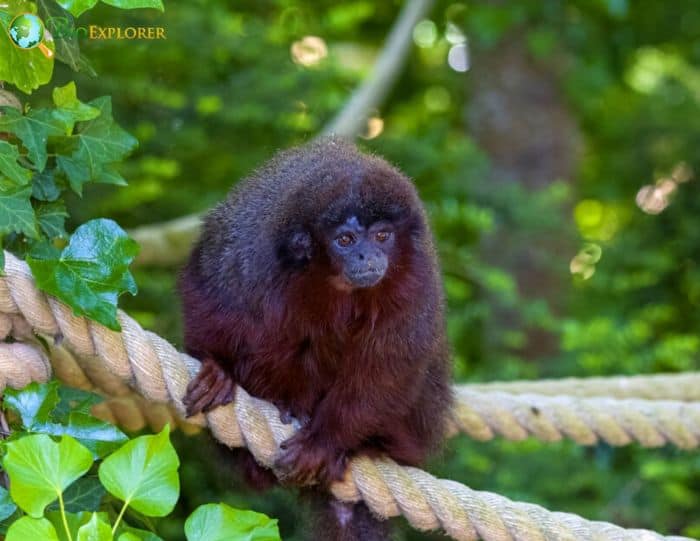
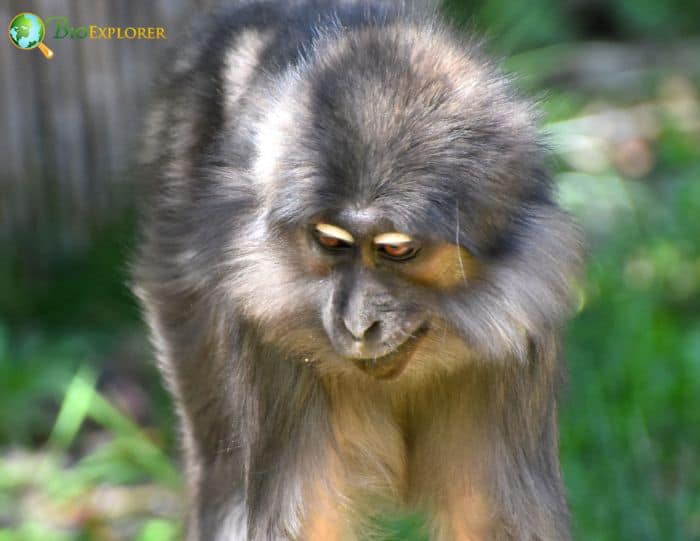
    The brown-mantled tamarin also called the Spix’s saddleback tamarin, is a species of saddleback tamarin native to South America. The species are considered “phyletic dwarfs,” meaning their small size is linked to their evolutionary development.

  • Marine Iguana

    A comprehensive guide to the Galápagos marine iguana (Amblyrhynchus cristatus) – the world’s only seagoing lizard. Learn all about their taxonomy, adaptations for life in coastal habitats, feeding behaviors, social dynamics, threats to survival, and conservation status of this iconic species endemic to the Galápagos Islands of Ecuador.

  • What Do Marine Biologists Do?

    Discover how marine biologists unlock the mysteries of aquatic life and protect our oceans’ delicate ecosystems. Immerse yourself in this captivating field today!

  • Mottle-faced Tamarin

    The Mottle-faced tamarin (Saguinus inustus) is endemic to South America. The Mottle-Faced tamarin monkey gets its name from its mottled face, which means their faces have spots.

  • Martins’ Tamarin

    Martin’s tamarin (Saguinus martinsi) or Martin’s ochraceous bare-faced tamarin, is native to Brazil. These tamarins are distinguished from other New World monkeys by their small size and modified claws instead of nails on all digits except the big toe.

  • Red-Chested Mustached Tamarin

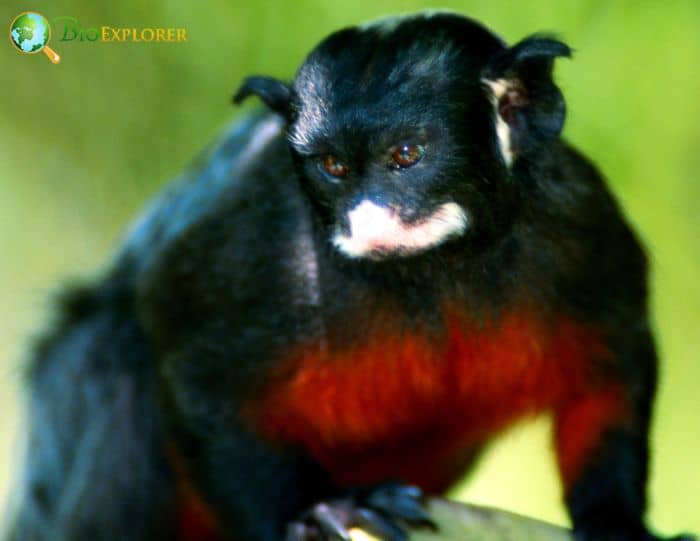
    The Red-chested mustached tamarin (Saguinus labiatus), also known as Red-bellied Tamarin, is a tamarin that lives in the Amazon region of Brazil, Peru, and Bolivia. The red belly of these New World monkeys is their most striking external feature.

  • Silvery Brown Bare-face Tamarin

    The white-footed tamarin (Saguinus leucopus), the silvery-brown bare-faced tamarin, is native to Colombia. It is silvery brown with pale stripes and reddish underparts. It closely resembles the cotton-tipped tamarin from which it is separated by the Atrato River.

  • Weddell’s Saddle-Back Tamarin

    The Weddell’s saddle-back tamarin (Leontocebus weddelli) is a species of saddle-back tamarin, a species of small South American monkey. Weddell’s saddle-back tamarins are tree dwellers. As such, they are phenomenal climbers with sharp claws that allow them to cling to the sides of trees.

  • Lesson’s Saddle-Back Tamarin

    Lesson’s Saddle-Back Tamarin (Leontocebus fuscus) is a small New-world monkey endemic to South America. Its type locality is in Colombia, on the plains of Mocoa, Putumayo, between the Caquetá River and the Putumayo River.

  • Illiger’s Saddle-Back Tamarin

    (Leontocebus illigeri) is a species of saddleback tamarin, a type of small monkey native to South America. Illiger’s saddleback tamarin is native to the Peruvian Amazon, and its type locality is in Loreto, Peru, on the left bank of the lower Ucayali River.

  • Golden-mantled Tamarin

    The golden-mantled tamarin (Leontocebus tripartius) is native to South America. The golden-mantled tamarin is an arboreal, diurnal species that leaps and walks quadrupedally through the undergrowth.

  • Geoffroy’s Saddleback Tamarin

    Geoffroy’s Saddleback Tamarin is a saddled tamarin, a species of small monkey native to South America. Geoffroy’s saddleback tamarins often associate and form mixed groups with mustached tamarins (Saguinus mystax). Both species often perch in the same tree, responding to each other’s alarm calls.

  • Eastern Black-handed Tamarin

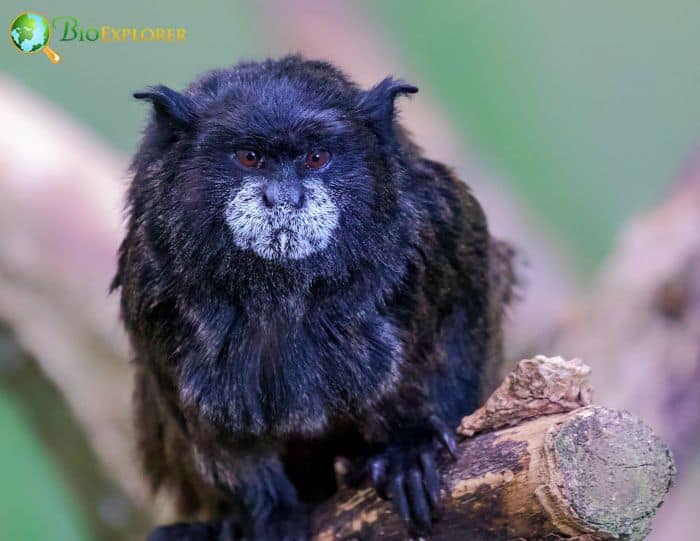
    The Eastern black-handed marmoset (Saguinus ursulus) is a species of marmoset native to Brazil. These tamarins are mainly covered in jet-black fur, with only a small area around the nose and eyes and most hairless ears.

  • Cruz Lima’s Saddleback Tamarin

    The Cruz Lima saddleback tamarin is a species of saddleback tamarin, a small monkey native to South America. The Cruz Lima saddleback tamarins were formerly thought to be a subspecies of the brown-mantled tamarin (Leontocebus fuscicollis).

  • Black-mantled Tamarin

    The black-mantled tamarin is a saddleback tamarin native to northwestern Amazonia in far western Brazil, eastern Ecuador, southeastern Colombia, and northeastern Peru. Leontocebus nigricollis live in small multi-male and multi-female social groups of 4 to 12 and occupy 30 to 50 hectares.

  • Golden-Headed Lion Tamarin

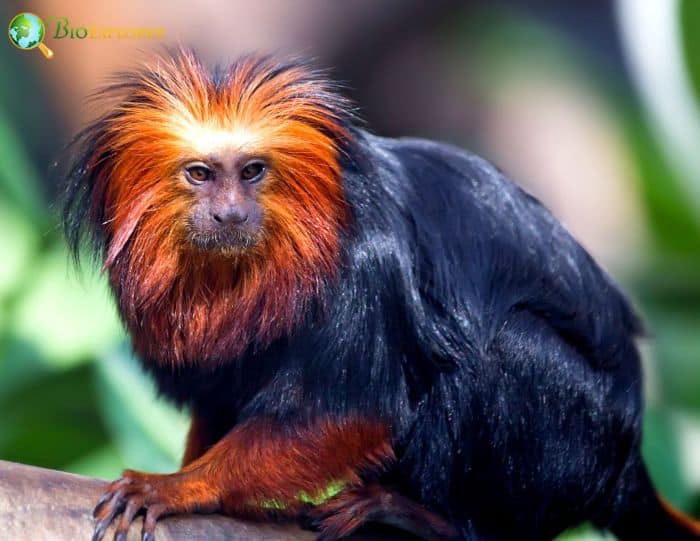
    The golden-headed lion tamarin (Leontopithecus chrysomelas), also known as the golden-headed tamarin, is a lion tamarin native to Brazil. It is only found in fragments of lowland and premontane forests in the state of Bahia and is therefore considered an endangered species.

  • Golden Lion Tamarin

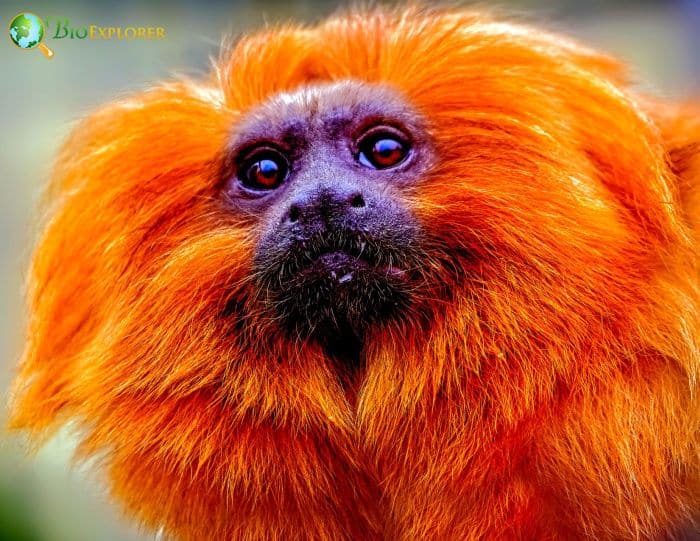
    The golden lion tamarin (Leontopithecus rosalia), also called the golden tamarin, is a small New World primate in the Callitrichidae family. The golden lion tamarin derives its name from its vivid reddish-orange coat and extra-long hair around its face and ears, giving it a distinctive mane.

  • Geoffroy’s Tamarin

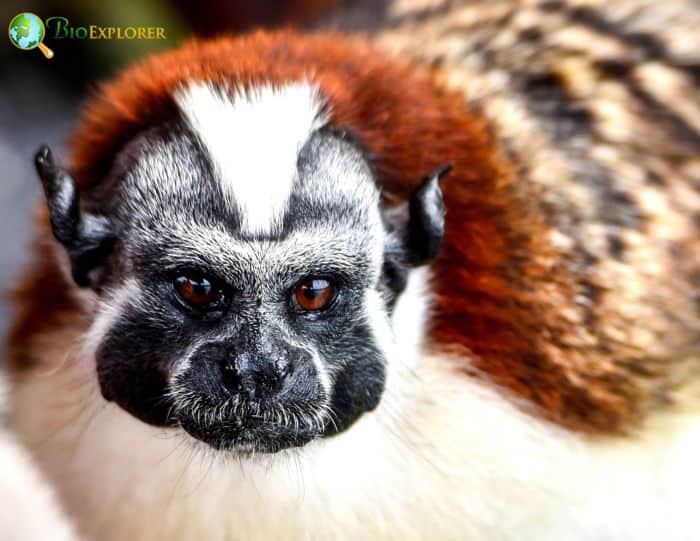
    Geoffroy’s tamarin, also called the Panamanian tamarin, red-crested tamarin, or rufous-naped marmoset tamarin, is a tamarin, a small monkey found in Colombia and Panama. In what may seem like a role reversal in many monkey species, Geoffroy’s tamarins are led by the oldest female in a group.

  • Emperor Tamarin

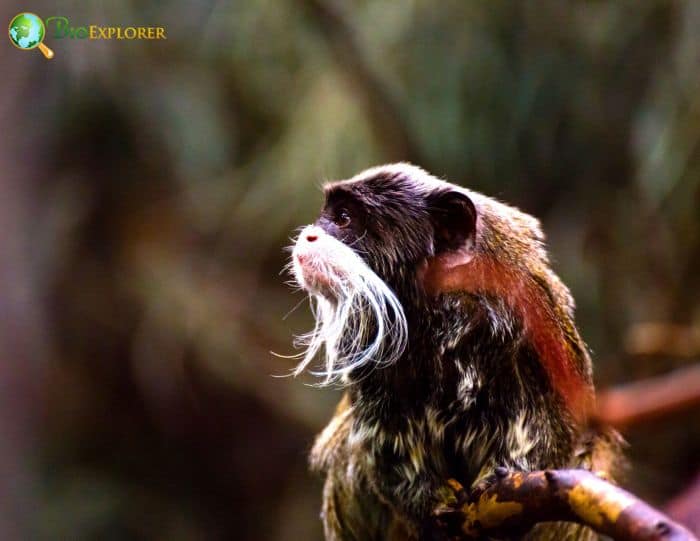
    The Emperor Tamarin is a species of tamarin named for its resemblance to the German Kaiser Wilhelm II. It lives in the states of Acre and Amazonas, western Brazil, and the southwestern Amazon basin.

  • Cotton-Top Tamarin

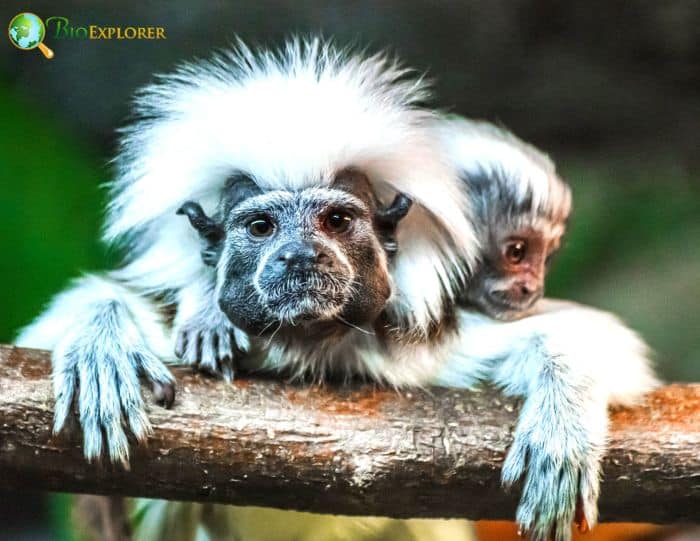
    The cotton-top tamarin is another small New-World primate found at the edge of tropical and secondary forests in northwestern Colombia. The common names “cotton-headed tamarin” and “cotton-top tamarin” are derived from the white hairs that spread across the head and flow down the neck.

  • Midas Tamarin

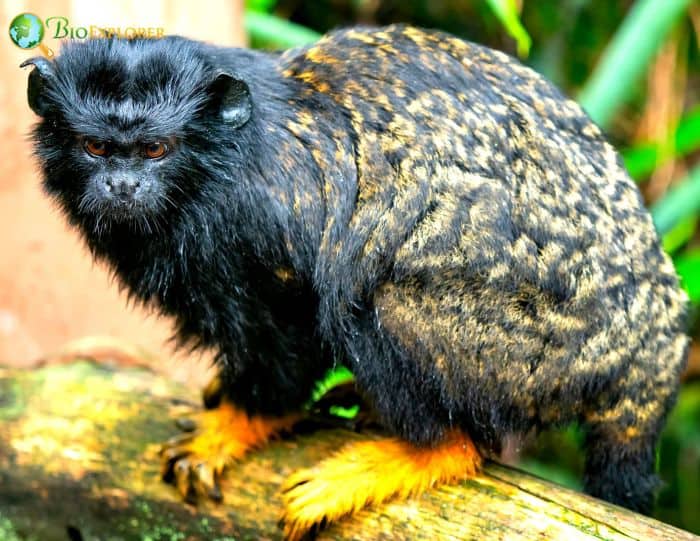
    The Midas tamarin (Saguinus midas), also called the red-handed tamarin or golden-handed tamarin is a New-World monkey in the Callitrichidae family. Midas tamarin is also known as golden tamarin or red-handed tamarin. This attests to the remarkably vivid colors of the feet and hands.

  • Brazilian Bare-Faced Tamarin

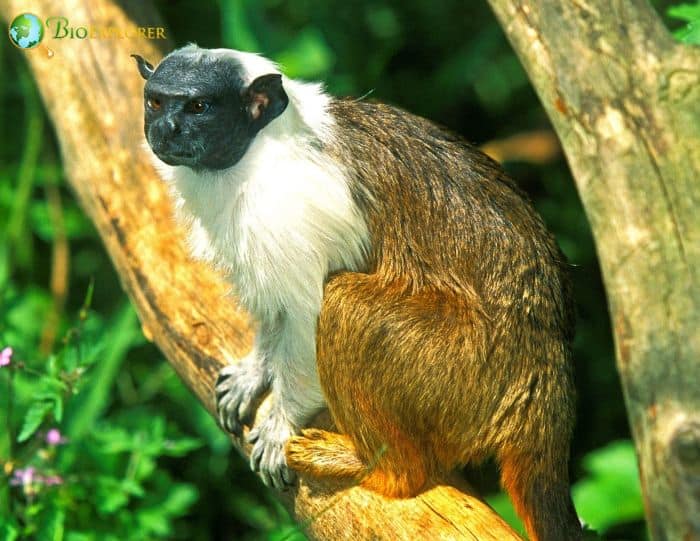
    The pied tamarin, also known as the pied bare-faced tamarin or Brazilian bare-faced tamarin, has one of the smallest home ranges of any primate in the world, located in and around the port city of Manaus.

  • Moustached Tamarin

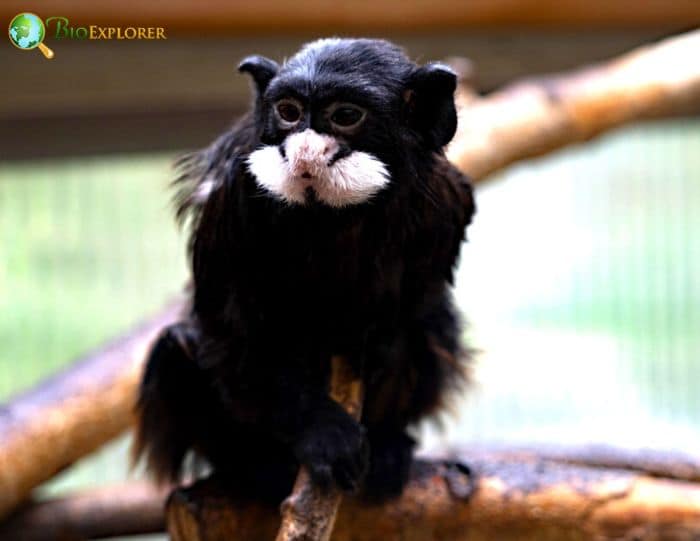
    Moustached tamarins, also known as black-chested moustached tamarins and Spyx’s moustached tamarins, are native to Peru and Brazil. These monkeys are found in all strata of the lowland Amazon rainforest. The moustached tamarin gets its name from the lack of coloration in the facial hair around the mouth, which resembles a mustache.

  • Black Tamarin

    Also known as western black-handed tamarind, the black tamarind is a species of tamarin native to Brazil. Black tamarind uses primary and secondary forests during foraging, primarily attaching itself to the canopy and spending little time on the ground.

  • Black Lion Tamarin

    The black lion tamarin, also called the golden-rumped lion tamarin, is a lion tamarin native to the Brazilian state of Sao Paulo, almost exclusively in Morro do Diabo State Park. Its limited geographic range makes it the rarest of the New-World monkeys.

  • Andean Saddle-back Tamarin

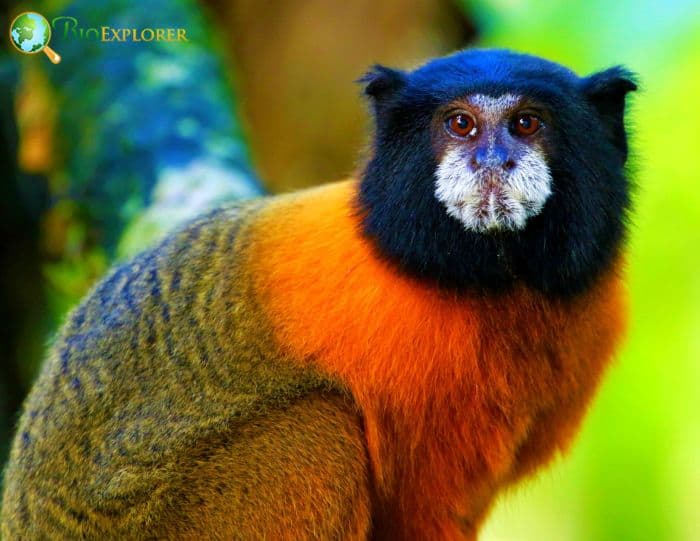
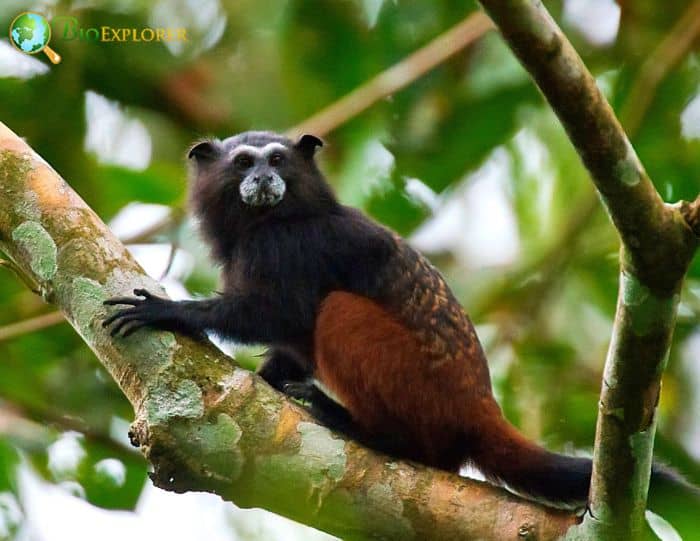
    The Andean saddle tamarin, also known as the saddleback tamarin (formerly known as the brown-mantled tamarin), is a New World monkey species. Andean saddleback monkeys are considered “phyletic dwarfs,” meaning their small size is related to their evolutionary development.

  • Top 15 Famous Marine Biologists

    The sea has been mostly a terra incognita to scientists until the late 19th century. Here are the top 15 famous marine biologists of all time.

  • Top 15 Best Marine Biology Books

    Marine biology is both a fascinating & complex field of study. Explore the top 15 marine biology books & oceanography textbooks for students & researchers.

  • Top 10 Best Marine Biology Colleges

    The top 10 Best Marine Biology Colleges & Universities in North America offer excellent marine science programs in state-of-the-art facilities.

  • Marine Biology 101: Ocean Life Explained

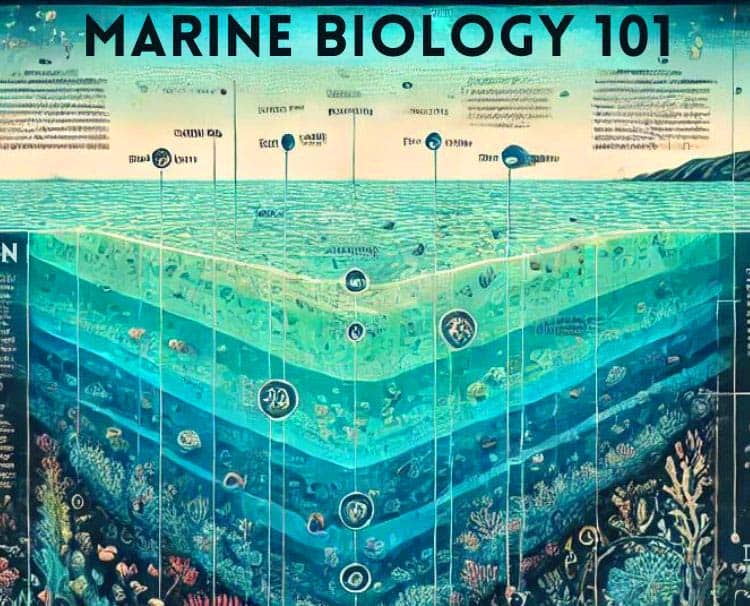
    Dive into the basics of marine biology and discover the incredible diversity of ocean life. From microscopic organisms to giant whales, explore the fascinating world beneath the waves in this comprehensive guide to Marine Biology 101.

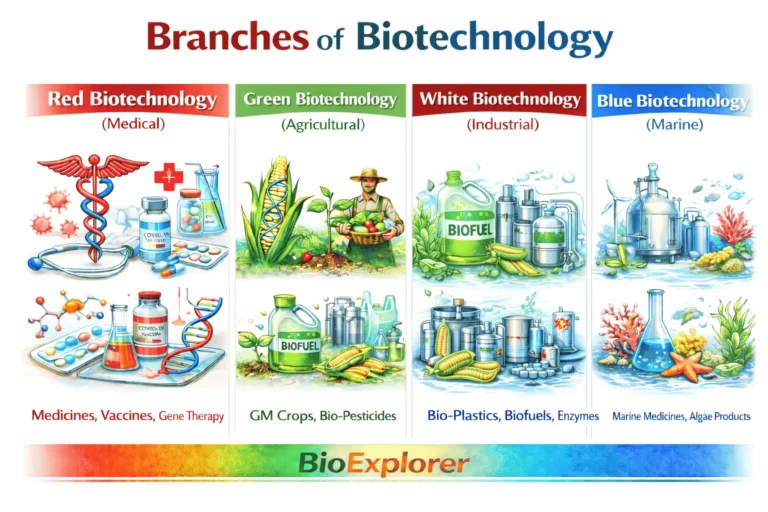
  • Branches of Biotechnology

    Biotechnology is the technology used on living systems and organisms to study and discover products that facilitate a better life. Biotechnology successfully develops products and technologies to combat issues like environmental hazards, overuse of energy resources, spread of infectious diseases, hunger, industrial difficulties and other, this subject is booming today.

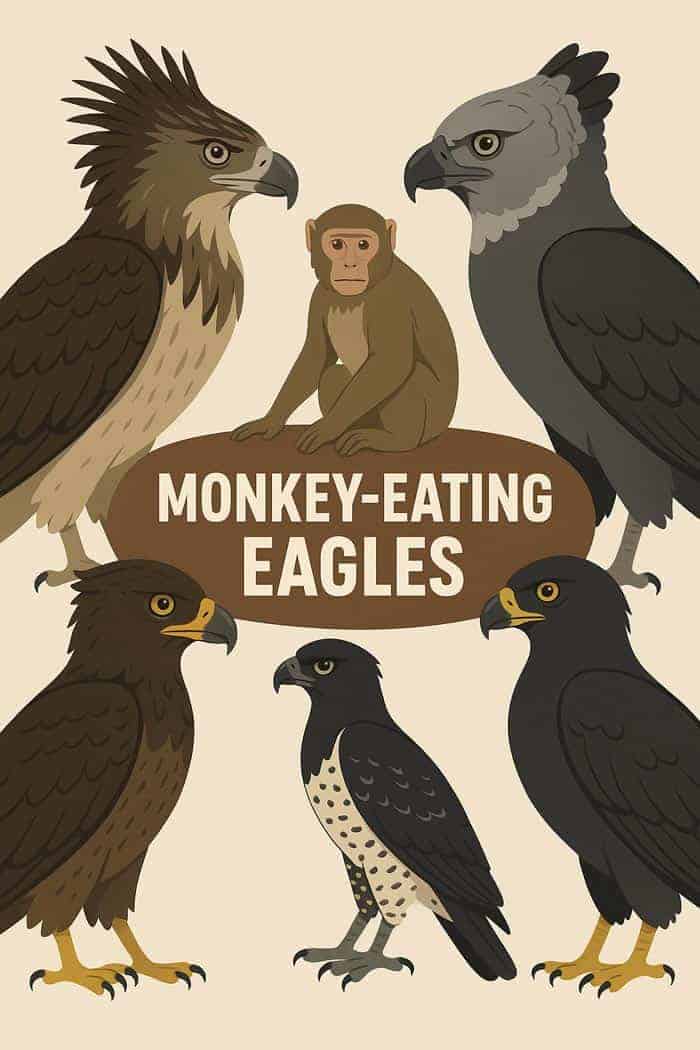
  • Top 5 Monkey-eating Eagles

    Discover the world of monkey-eating eagles—powerful raptors like the Philippine, Harpy, and Crested Eagles—built to hunt primates in dense rainforests.

  • What Do Monkeys Eat?

    Monkeys are divided into two groups; the Old World and New World monkeys. Explore what do monkeys eat, monkeys diet by types and what eats monkeys here.

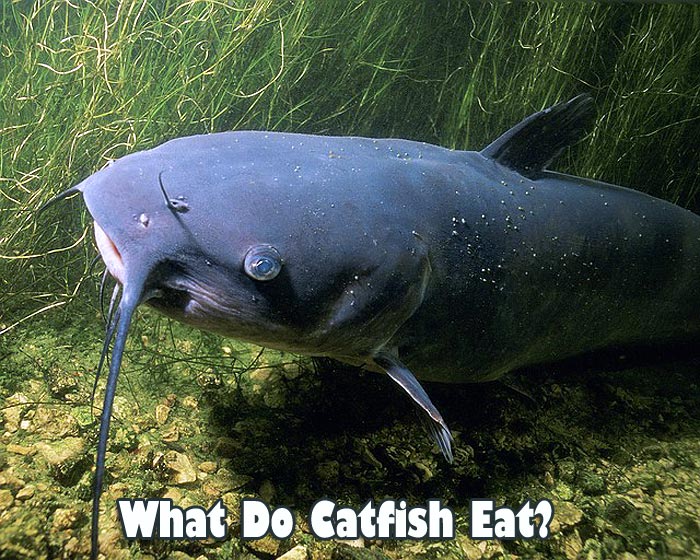
  • What Do Catfish Eat?

    Catfish are unique looking fish notable for their barbells which give the impression of a cat’s whiskers. Explore what do catfish eat & their diet by types.

  • What Do Foxes Eat?

    Foxes are classified under the genus Vulpes made up of about 12 existing species. Explore what do foxes eat, diet by species & what eats foxes here.

  • Gray-Cheeked Mangabey

    The gray-cheeked mangabey (Lophocebus albigena), also called the white-cheeked mangabey, is an Old World monkey found in the forests of central Africa. Gray-cheeked mangabeys belong to the same family (Cercopithecinae) and phylum (Papionini) as mandrills, macaques, and baboons.

  • Olive Colobus

    The olive colobus (Procolobus verus), also called the Van Beneden’s colobus or green colobus is a primate species in the Cercopithecidae family. It is the smallest specimen of all the Colobine monkeys. It is rarely seen in its natural habitat due to its secretive nature and cryptic coloration.

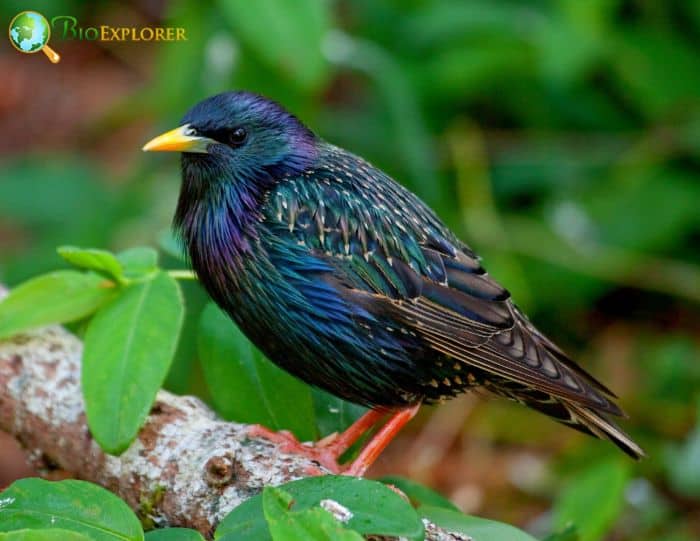
  • European Starling

    The European Starling is a medium-sized, black songbird with short, triangular wings, a short tail, and striking iridescent plumage speckled with white, especially in winter. During breeding season, adults display a yellow bill and a purple-green sheen. Native to Europe, Asia, and North Africa, starlings were introduced to North America in the 1890s and now number over 200 million. Highly social, they form enormous flocks and perform mesmerizing aerial displays called murmurations. Starlings are accomplished mimics, able to imitate other birds and even human sounds. They are aggressive cavity nesters, often outcompeting native species for nesting sites.

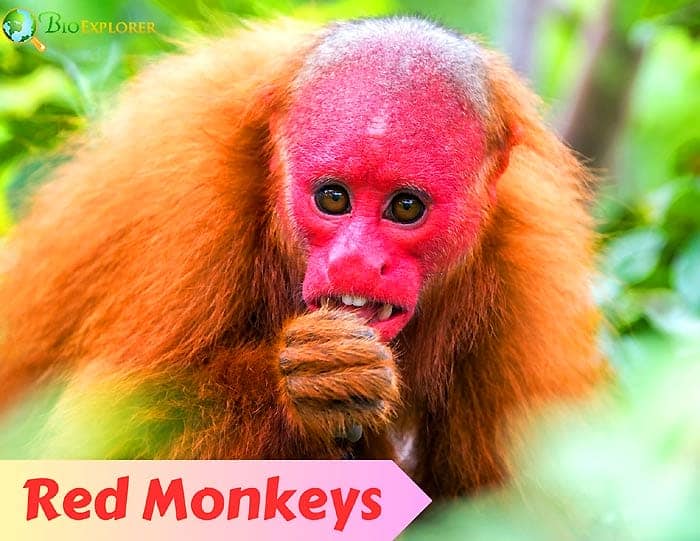
  • Red Monkeys

    Red monkeys include over 50 species of primates from Asia, Africa and the Americas that exhibit signature red coloration on their fur, skin or body parts adapted for forest camouflage and heat regulation while also communicating social moods.

  • Top 26 Washington Birds

    Explore the overview of 26 must-see top Washington Birds species including facts on goldfinches, owls, hawks, finches and more. This comprehensive guide will help with identification of birds of Washington.

  • What Is Biological Magnification?

    Understand biological magnification – how toxins accumulate exponentially up food chains to dangerous levels in top predators. Unpack biomagnification impacts, sources, and solutions.

  • What Animals Live In Rainforests?

    Discover the incredible biodiversity of the tropical rainforest. Dive deep into the habitats of rainforest animals, from the elusive jaguar to pink-toe tarantulas.

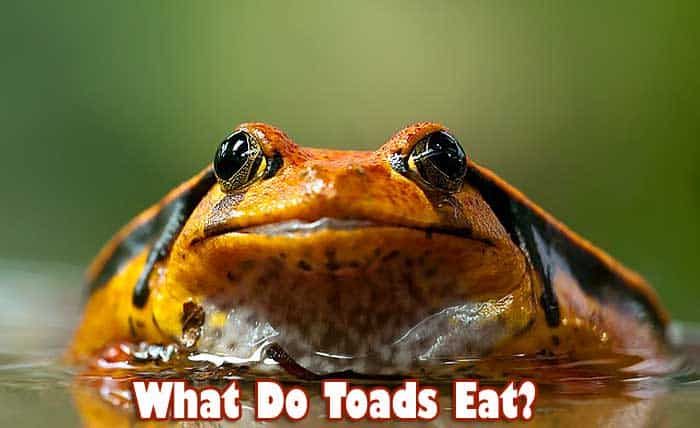
  • What Do Toads Eat?

    Toads are notable for their dry, bumpy skin with glands located behind their eyes. Explore what do toads eat, toads diet by types, what eats toads & more.

  • Top 18 BEST Tundra Animal Adaptations

    The coldest areas on Earth, such as regions close to the North Pole and the South Pole, have unique features. Here are the top 18 tundra animal adaptations.

  • Top 15 Ecology News of 2022

    In 2022 paves the way towards discoveries in ecological consequences influenced by genetic factors, climate change in marine habitat, coral reefs and plants having great adaptability to climate change, and the necessity towards conservation of biodiversity.

  • Order Alismatales / Aquatic Flowering Plants

    Alismatales are an order of aquatic flowering plants, including some well-known species such as the water arum (Calla palustris), Nymphoides peltata, and Japanese water shield (Brasenia schreberi). They are sometimes known as the watermints.

  • 85 Different Types of White Flowers For Your Garden!

    Discover the captivating world of the top 85+ white flowers, from the iconic Lily of the Valley to the lesser-known Snowball Viburnum. Explore their enchanting beauty, rich symbolism, and fascinating scientific facts in this comprehensive guide.

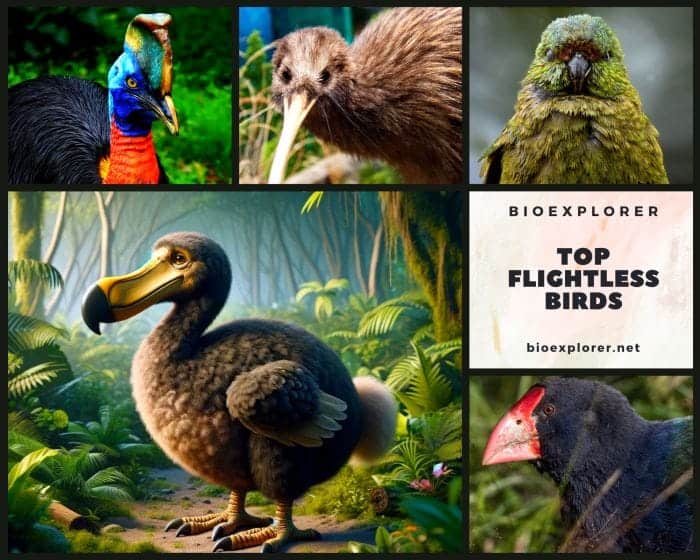
  • Top 34 Flightless Birds of All Times!

    Flightless Birds: Insight into how birds adapted over time to live grounded lives. This article explores major flightless species – from giant moas to tiny kiwis and curious penguins – examining how isolation and lack of predators drove anatomical changes forfeiting skies for land locomotion mastery.

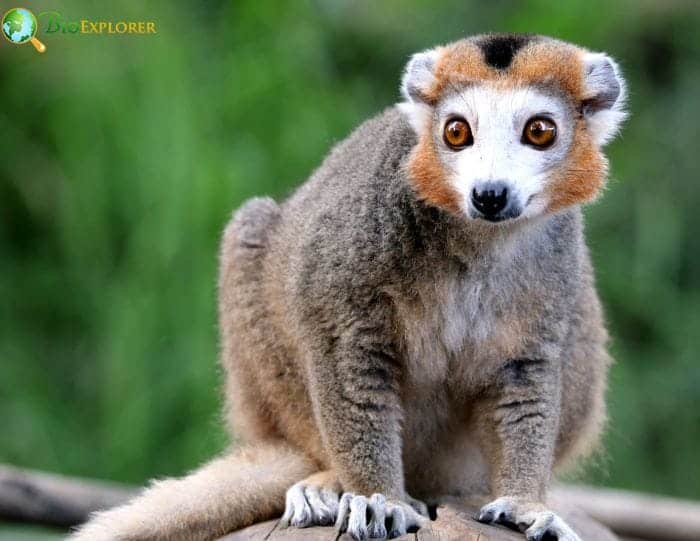
  • Crowned Lemur

    Learn about the endangered crowned lemur (Eulemur coronatus) – this medium-sized rainforest-dwelling primate from N. Madagascar has dense black & white fur and a distinctive orange arrowhead crown marking on its forehead.

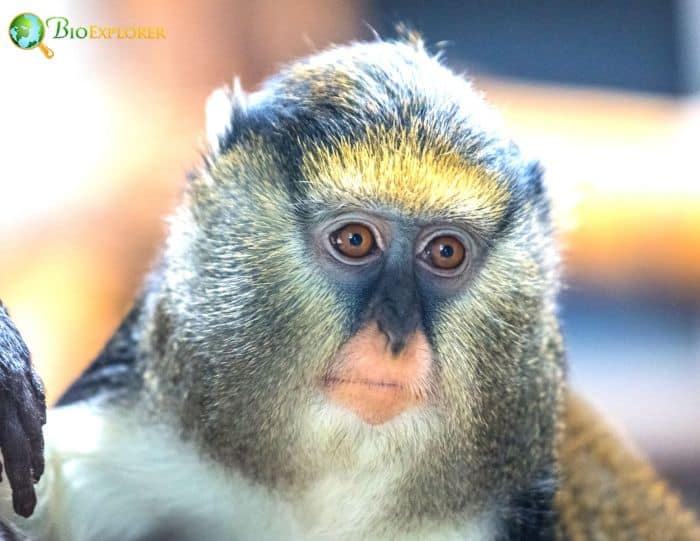
  • Yellow Monkeys

    Yellow Monkeys: Monkeys exhibit a dazzling array of fur colors and patterns, but a select group stands out for their unique yellowish hues blending into tropical forest backdrops. Yellow monkeys include both New World primates like spider monkeys and capuchins and Old World species such as macaques, langurs and gibbons.

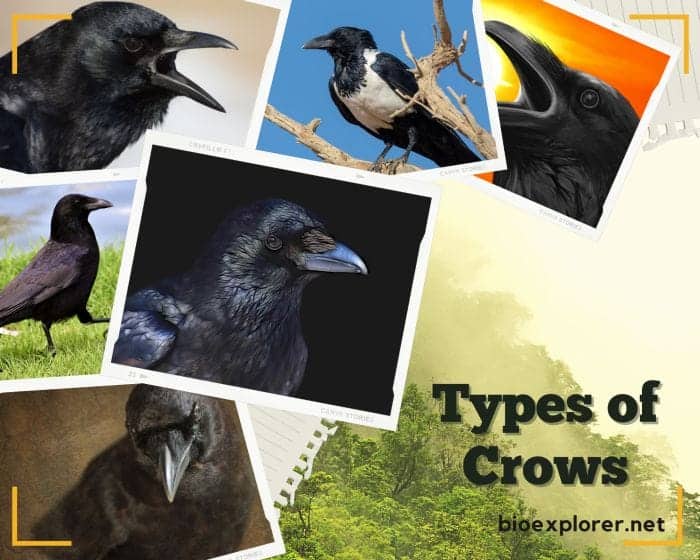
  • Types of Crows

    The Corvidae family, renowned for its intelligence and adaptability, includes crows, ravens, rooks, jackdaws, magpies, and jays. Within this family, the genus Corvus encompasses the “true crows” – a group of 43 recognized crow species found on every continent except South America and Antarctica.

  • Top 15 Evolutionary Biology News of 2022

    This series of evolutionary biology news of 2022 gives us a detailed overview of the recent development in this field. Commencing with the evolution of plant colonization on land, the new approach of Neo Darwinism gained importance and more.

  • Top 15 Microbiology News of 2022

    Microbiology News of 2022: Plant-based organic acid kills food-poisoning bacteria, bacteria turned into renewable energy, plastic waste creates antibiotic-producing bacteria, microbes as biofertilizers, antibiotics repurposed, and more.

  • Sooty Tern

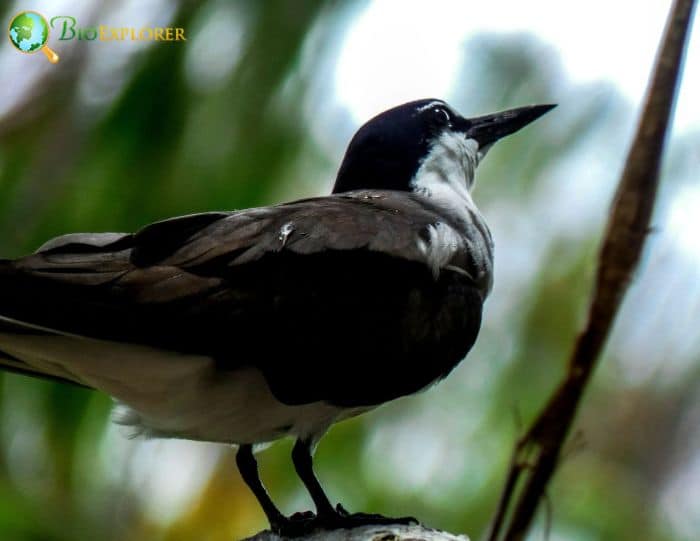
    The Sooty Tern is a large, striking seabird with black upperparts, white underparts, a white forehead, and a deeply forked tail. Found across tropical oceans worldwide, it spends most of its life at sea, sometimes remaining airborne for 3 to 10 years without landing, as it cannot float due to a lack of waterproofing oil in its feathers. Sooty Terns feed by skimming fish and squid from the ocean’s surface and rarely come to land except to breed in dense colonies on remote islands. Their loud, piercing calls and aerial courtship displays are characteristic of their nesting grounds.

  • Carrion Crow

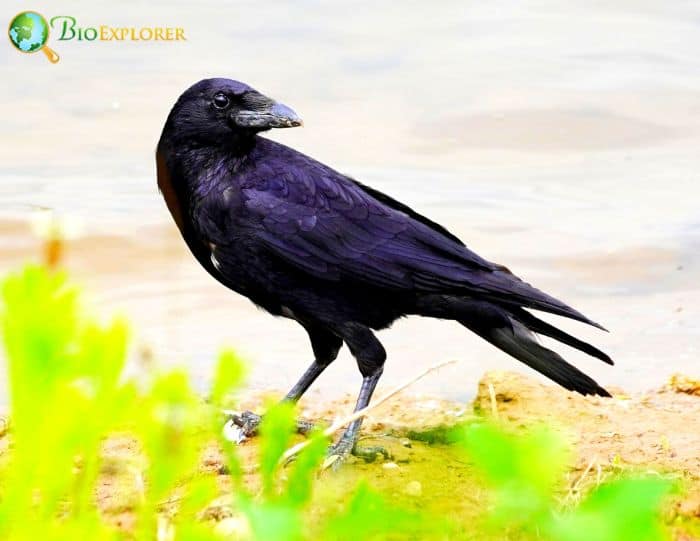
    The Carrion Crow is a medium-sized, glossy black bird native to Europe and Asia, recognized for its deep, guttural “kraa” call and solitary habits. Adaptable to a wide range of habitats-including woodlands, farmland, moors, coastal cliffs, and urban areas-it often perches in high places to survey its surroundings. Highly intelligent, Carrion Crows use tools, recognize human faces, and even cooperate with each other to hunt or defend territory. Their diet is varied, consisting of carrion, insects, seeds, fruit, and small animals. Offspring from previous years sometimes help parents feed new chicks.

  • Black Scoter

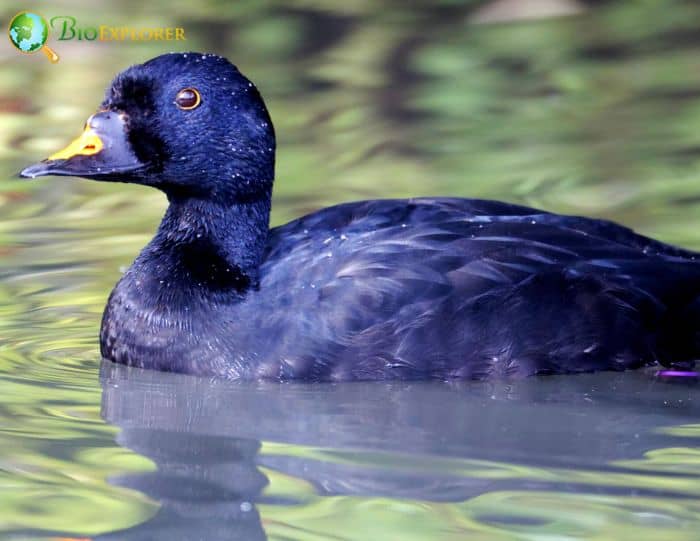
    The Black Scoter is a chunky sea duck, with males easily recognized by their all-black plumage and a distinctive swollen yellow knob at the base of the bill. Females are dark brown with pale cheeks and throat. They breed in remote northern lakes and wetlands, mostly in Alaska and northern Canada, and winter along both Atlantic and Pacific coasts of North America. Black Scoters dive for food, feeding mainly on aquatic insects in freshwater and mollusks like clams and mussels in marine habitats. Black Scoters are monogamous, and their winter flocks can number in the thousands.