
40 Types of Birds
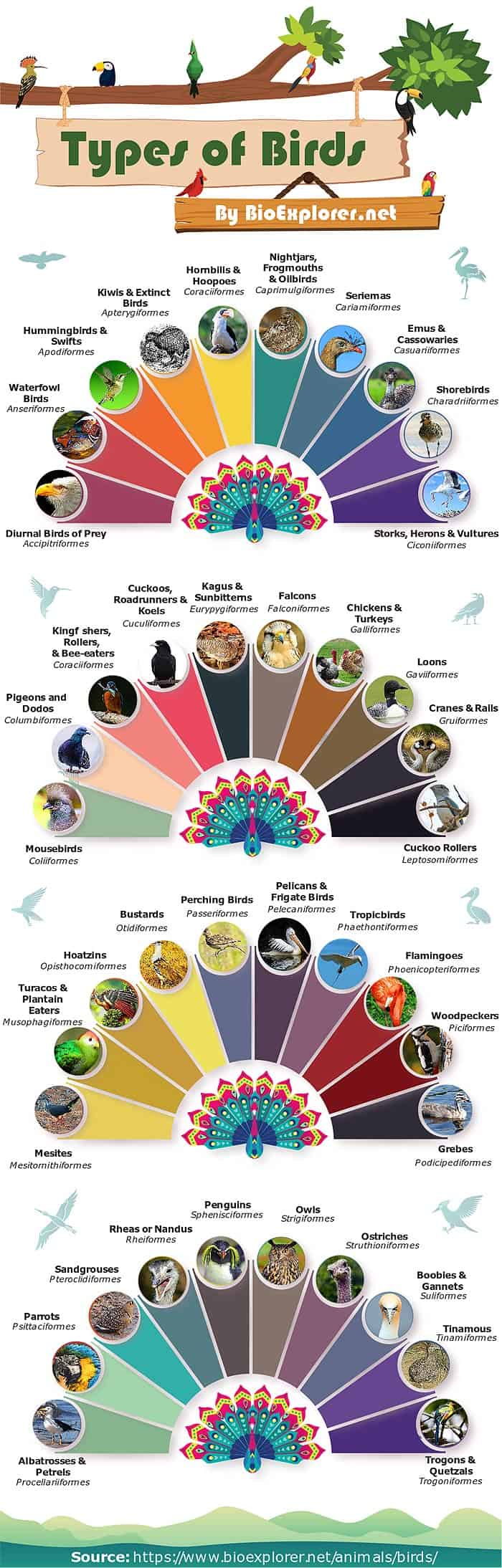
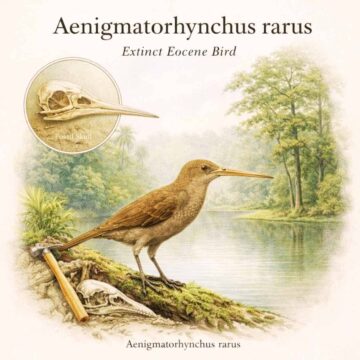
There are over 11,000 living species of birds, commonly grouped into different types of birds based on habitat, diet, size, behavior, and physical traits. Birds are one of the most diverse types of animals, ranging from familiar groups like birds of prey, water birds, songbirds, and flightless birds to species that have already vanished as extinct birds such as Aenigmatorhynchus rarus.
This page organizes the major types of birds using everyday groupings first, followed by the 40 scientific bird orders that biologists use to classify all modern birds. The scientific study of birds, known as ornithology, is one of the major branches of zoology and helps researchers understand biodiversity, evolution, and conservation.
Use the quick navigation below to jump directly to the bird types you're most interested in.
Browse Types of Birds
- Types of Birds by Common Groupings
- Types of Birds by Scientific Classification
- Scientific Bird Orders (Modern Classification)
- Birds Native To The USA
- Birds By Countries/Territories/Continents
- Types of Birds By Colors
- Individual Bird Species
- Main Characteristics of Birds
- FAQs
- The Future of Avian Classification
- More Bird Articles
Types of Birds by Common Groupings
These common bird groupings reflect how birds are most often identified in field guides, nature books, and everyday observation.
- Birds of Prey – Eagles, hawks, falcons, owls
- Water Birds – Ducks, swans, geese, herons
- Songbirds – Sparrows, finches, robins, warblers
- Flightless Birds – Ostriches, emus, kiwis, cassowaries
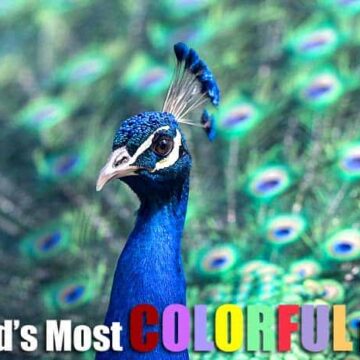
- Colorful Birds – Parrots, macaws, toucans, lorikeets
- Wading Birds – Flamingos, storks, cranes, ibises
- Seabirds – Albatrosses, gulls, puffins, petrels
- Game Birds – Turkeys, pheasants, quail, grouse
- Nocturnal Birds – Owls, nightjars, frogmouths, kiwis
Types of Birds by Scientific Classification
| Order Name | Common Examples | Key Distinguishing Feature |
|---|---|---|
| Accipitriformes | Hawks, Eagles, Ospreys | Diurnal birds of prey with sharp, hooked beaks. Explore all types of eagles here. |
| Anseriformes | Ducks, Swans, Geese | Waterfowl with webbed feet; live near water sources. |
| Apodiformes | Hummingbirds, Swifts | Tiny birds with “underdeveloped” feet; high aerial agility. |
| Apterygiformes | Kiwis (New Zealand) | Flightless, ground-dwelling birds with flexible, curved beaks. |
| Bucerotiformes | Hornbills, Hoopoes | Distinguished by large, hard bills; formerly Coraciiformes. |
| Caprimulgiformes | Nightjars, Frogmouths | Nocturnal birds with large heads, eyes, and wide mouths. |
| Cariamiformes | Seriemas | South American terrestrial birds that seldom fly. |
| Casuariiformes | Emus, Cassowaries | Large, heavy, flightless birds native to Australia. |
| Charadriiformes | Shorebirds, Gulls, Puffins | Extensive order of birds living near coastal or wetlands. |
| Ciconiiformes | Storks, Herons, Vultures | Long-necked aquatic birds; many are currently threatened. |
| Coliiformes | Mousebirds | Tiny, social, herbivorous birds found in sub-Saharan Africa. |
| Columbiformes | Pigeons, Doves, Dodos | Known for feeding young “bird milk”; found globally. |
| Coraciiformes | Kingfishers, Bee-eaters | Diverse, colorful birds that spend much of their life in trees. |
| Cuculiformes | Cuckoos, Roadrunners | Famous for parasitic nesting habits and loud vocalizations. |
| Eurypygiformes | Kagus, Sunbitterns | Features birds with intricate, patterned plumage. |
| Falconiformes | Falcons | Efficient predators with hooked bills and superior eyesight. |
| Galliformes | Chickens, Turkeys | Ground-dwelling “landfowl” often used as domestic poultry. |
| Gaviiformes | Loons | Sturdy water hunters with feet placed close to the tail. |
| Gruiformes | Cranes, Rails | Known for special mating rituals and long, slender bills. |
| Leptosomiformes | Cuckoo Rollers | Exclusive to Madagascar; eyes are set back in the face. |
| Mesitornithiformes | Mesites | Small, nearly flightless birds endemic to Madagascar. |
| Musophagiformes | Turacos, Plantain Eaters | African birds with unique copper-based feather pigments. |
| Opisthocomiformes | Hoatzins | Unique South American birds with bare, blue faces. |
| Otidiformes | Bustards | Terrestrial birds that prefer walking/running over flight. |
| Passeriformes | Crows, Songbirds | The largest bird order; specialized voice boxes (syrinx). |
| Pelecaniformes | Pelicans, Frigate Birds | Water birds found in both marine and freshwater habitats. |
| Phaethontiformes | Tropicbirds | Elegant tropical seabirds with long tail feathers. |
| Phoenicopteriformes | Flamingos | Tall birds with specialized bills for filter-feeding. |
| Piciformes | Woodpeckers, Toucans | Specialized tree-nesters with strong jaw muscles. |
| Podicipediformes | Grebes | Waterbirds that build unique floating nests. |
| Procellariiformes | Albatrosses, Petrels | Pelagic seabirds with tubular nostrils and hooked bills. |
| Psittaciformes | Parrots, Macaws | Intelligent birds with curved beaks; capable of mimicry. |
| Pteroclidiformes | Sandgrouses | Desert-adapted birds with pointed wings and pin-like feathers. |
| Rheiformes | Rheas | Large flightless birds found in South America. |
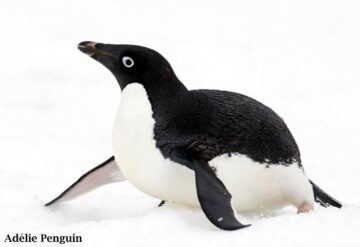
| Sphenisciformes | Penguins | Southe5rn hemisphere marine birds with flipper-like wings. |
| Strigiformes | Owls | Nocturnal carnivores with a distinct facial disk. |
| Struthioniformes | Ostriches | Largest living birds; polygamous and keel-less (ratites). |
| Suliformes | Boobies, Gannets | Colony-nesting marine birds; formerly Pelecaniformes. |
| Tinamiformes | Tinamous | Chicken-like ground birds of the Neotropics. |
| Trogoniformes | Trogons, Quetzals | Brightly colored tropical birds with long, elegant tails. |
Scientific Bird Orders (Modern Classification)
Because of the constant flow of the new data obtained due to the progress with DNA sequencing, the classification of birds and relationships between orders and families is continually changing. The latest classification contains 40 orders of birds instead of 23 bird orders in the previous one.
Let us explore the specialized characteristics of the astounding birds within the class Aves!
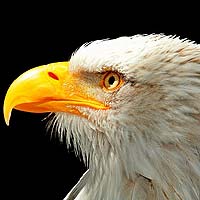
Diurnal Birds of Prey (Accipitriformes)
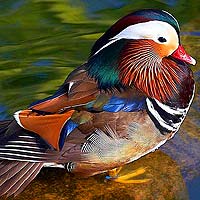
Waterfowl Birds (Anseriformes)
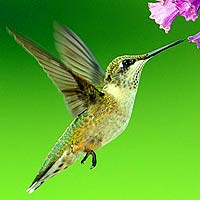
Hummingbirds & Swifts (Apodiformes)
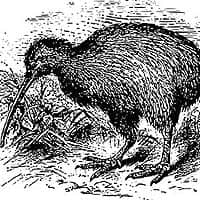
Kiwis & Extinct Birds (Apterygiformes)
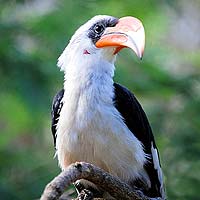
Hornbills & Hoopoes (Coraciiformes)
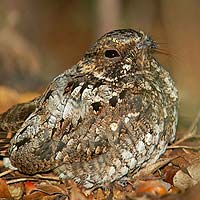
Nightjars, Frogmouths & Oilbirds (Caprimulgiformes)
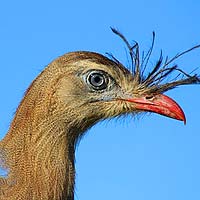
Seriemas (Cariamiformes)
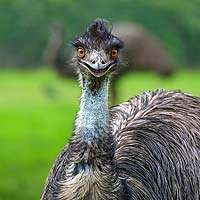
Emus & Cassowaries (Casuariiformes)
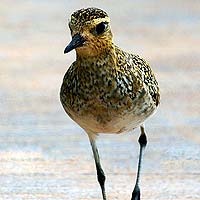
Shorebirds (Charadriiformes)
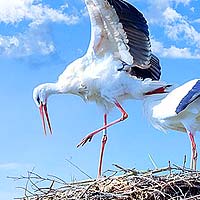
Storks, Herons & Vultures (Ciconiiformes)
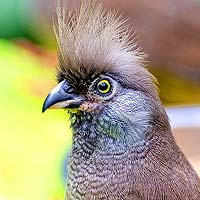
Mousebirds (Coliiformes)
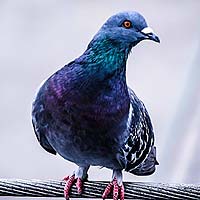
Pigeons and Dodos (Columbiformes)
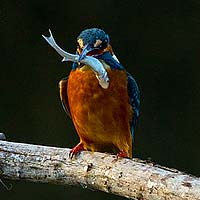
Kingfishers, Rollers, & Bee-eaters (Coraciiformes)
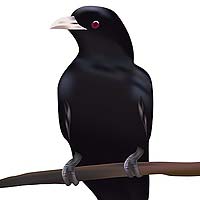
Cuckoos, Roadrunners & Koels (Cuculiformes)
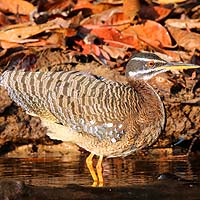
Kagus & Sunbitterns (Eurypygiformes)
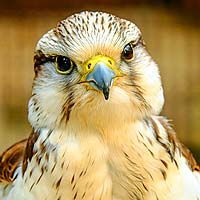
Falcons (Falconiformes)
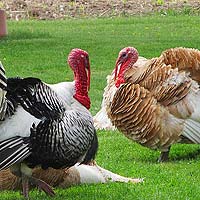
Chickens & Turkeys (Galliformes)
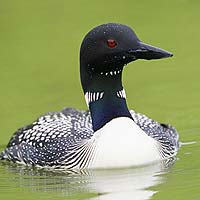
Loons (Gaviiformes)
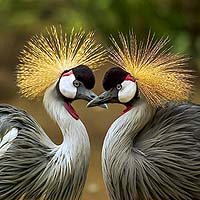
Cranes & Rails (Gruiformes)
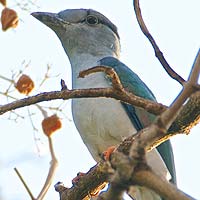
Cuckoo Rollers (Leptosomiformes)
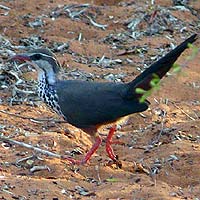
Mesites (Mesitornithiformes)
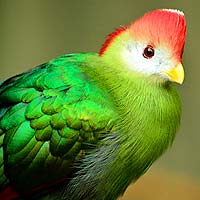
Turacos & Plantain Eaters (Musophagiformes)
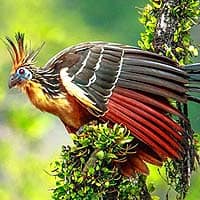
Hoatzins (Opisthocomiformes)
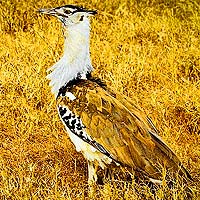
Bustards (Otidiformes)
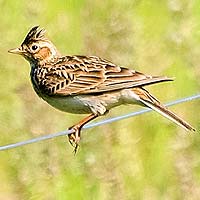
Perching Birds (Passeriformes)
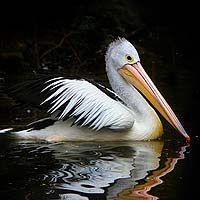
Pelicans & Frigate Birds (Pelecaniformes)
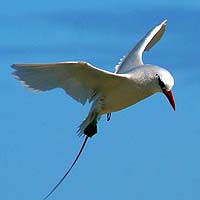
Tropicbirds (Phaethontiformes)
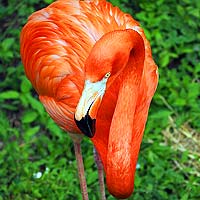
Flamingos (Phoenicopteriformes)
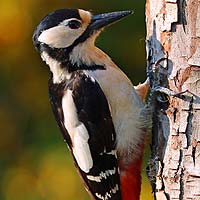
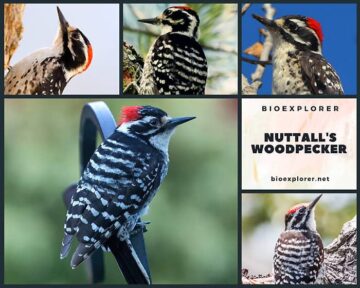
Woodpeckers (Piciformes)
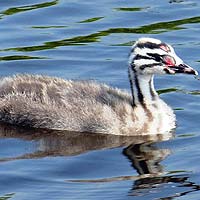
Grebes (Podicipediformes)
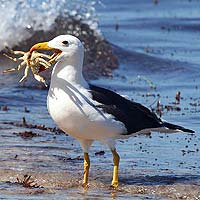
Albatrosses & Petrels (Procellariiformes)
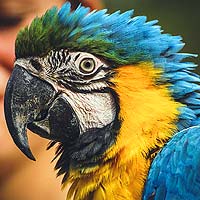
Parrots (Psittaciformes)
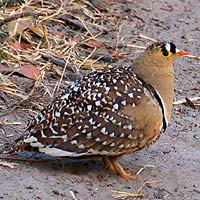
Sandgrouses (Pteroclidiformes)
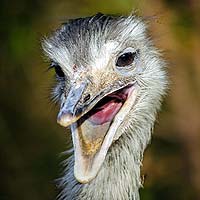
Rheas or Nandus (Rheiformes)
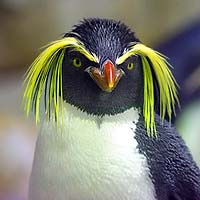
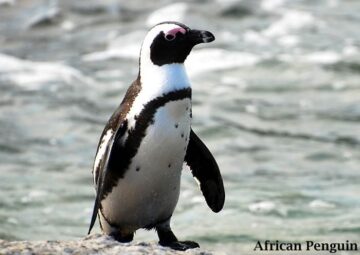
Penguins (Sphenisciformes)
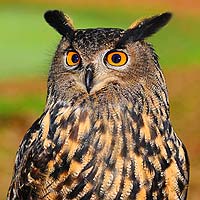
Owls (Strigiformes)
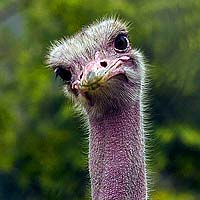
Ostriches (Struthioniformes)
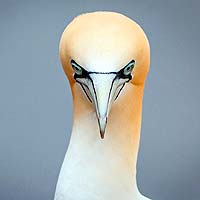
Boobies & Gannets (Suliformes)
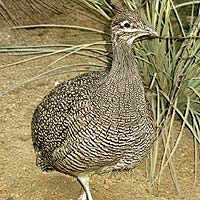
Tinamous (Tinamiformes)
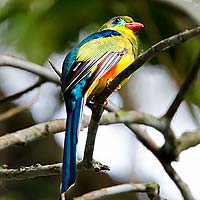
Trogons & Quetzals (Trogoniformes)
Birds Native To The USA

Fabulous Florida Birds

Famous Hawaiian Birds

Terrific Texas Birds

Classic Colorado Birds

Magnificent Birds of Michigan

Outstanding Birds of Ohio

Birds of Massachusetts

Marvellous Birds of Missouri

Birds of Oregon

Birds of Washington

Wonderful Birds of West Virginia
Birds By Countries/Territories/Continents

Birds of Puerto Rico

Birds of Africa

Top 15 Mexican Birds (Spectacular Species You Must Know)
Types of Birds By Colors
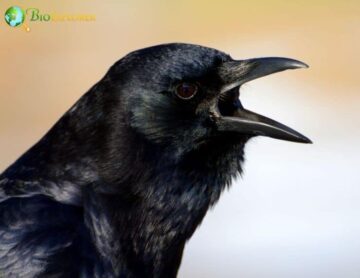
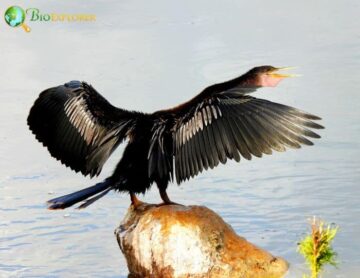
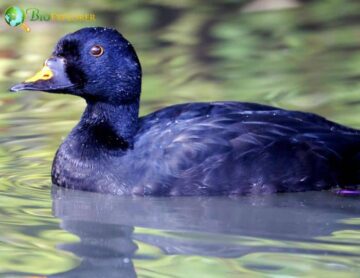
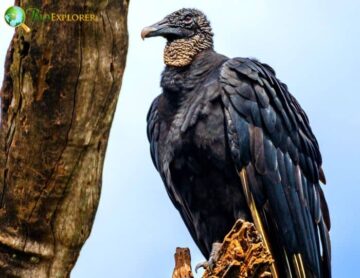
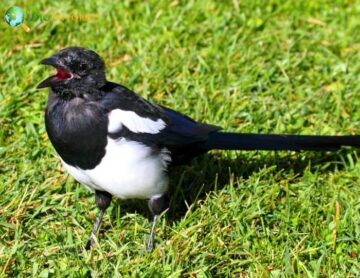
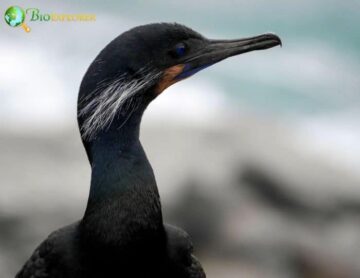
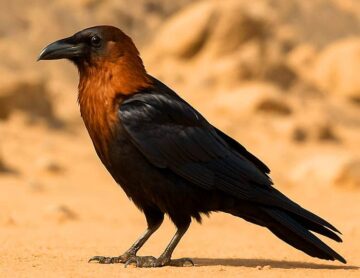
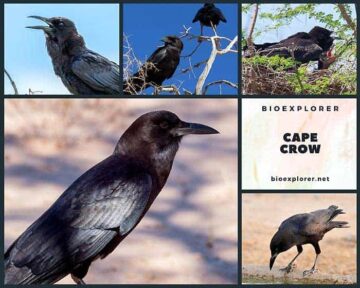
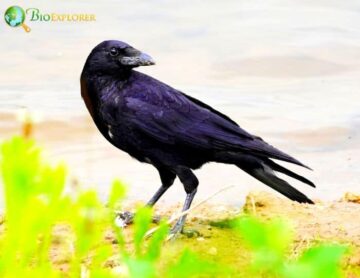
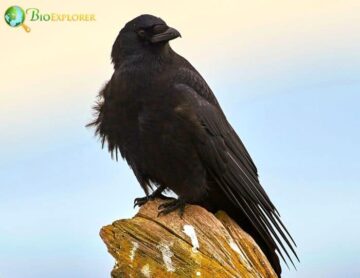
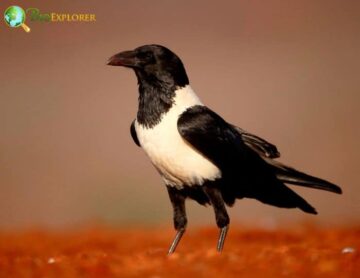
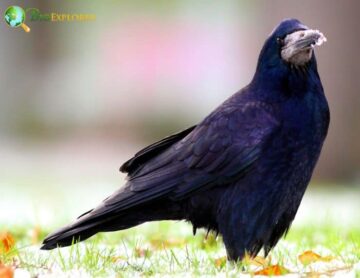
Black Birds
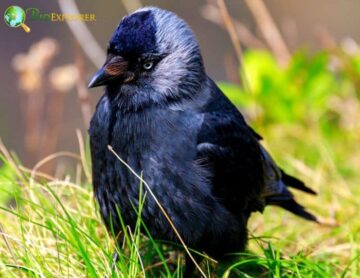
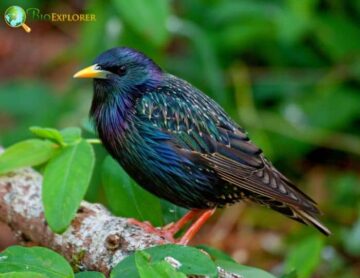
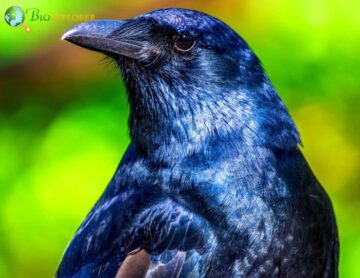
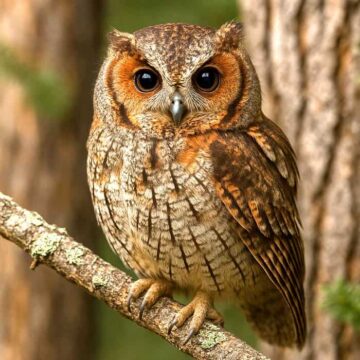
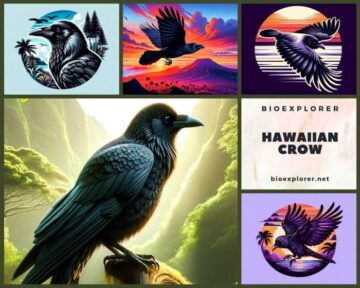
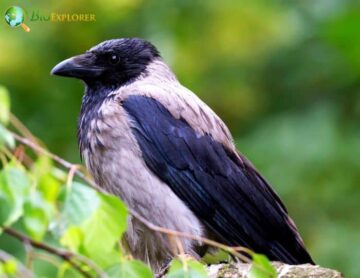
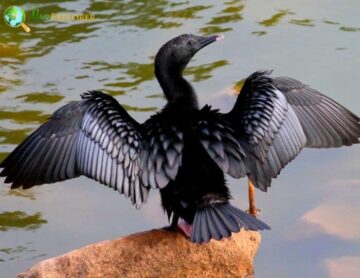
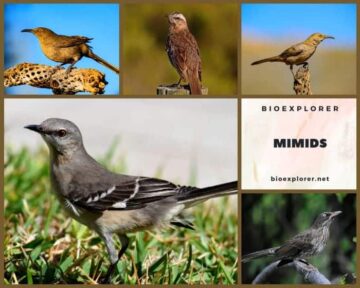
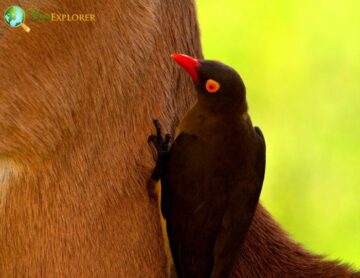
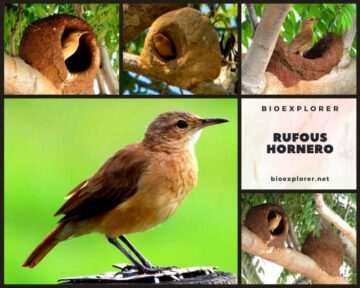
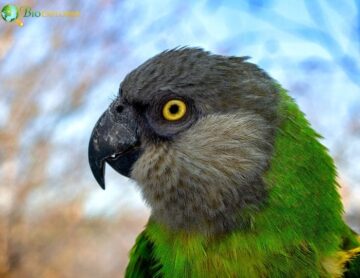
Individual Bird Species
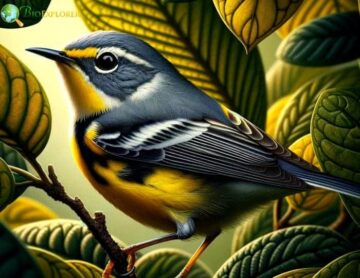
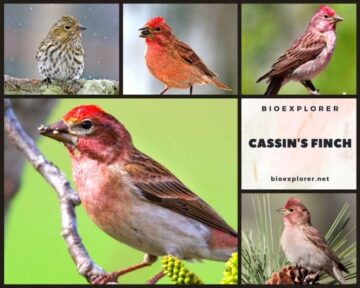
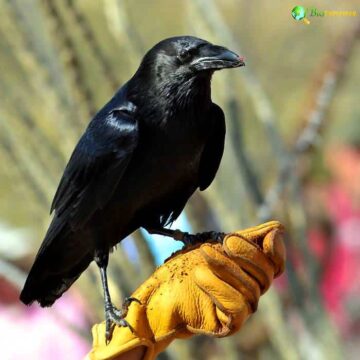
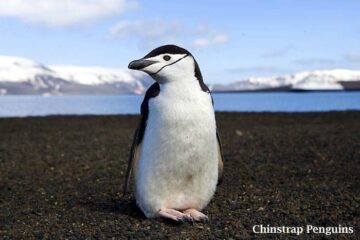
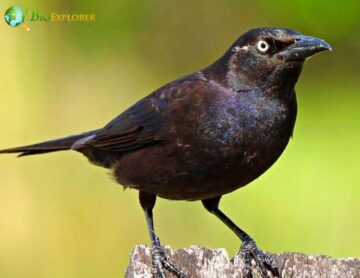
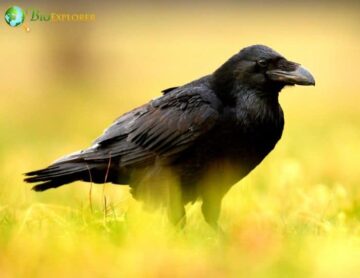
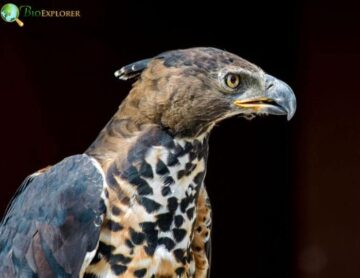
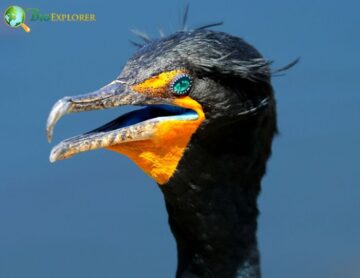
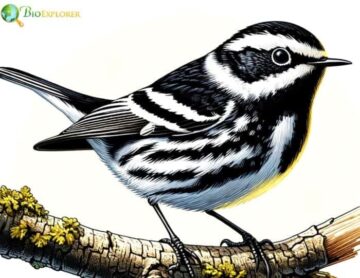
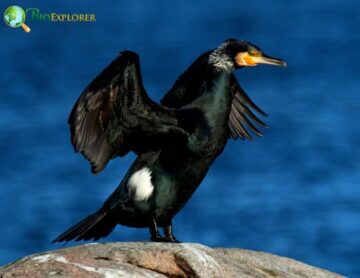
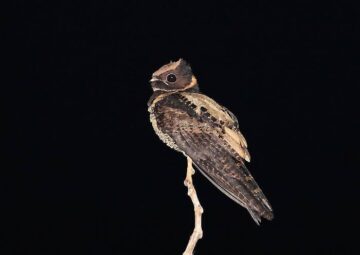
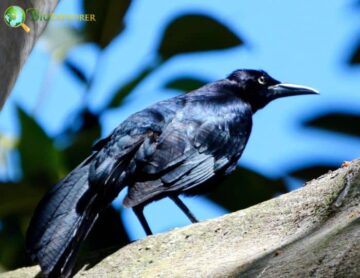
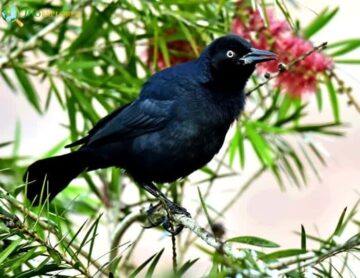
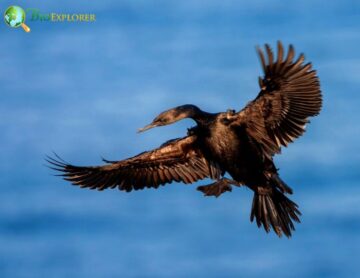
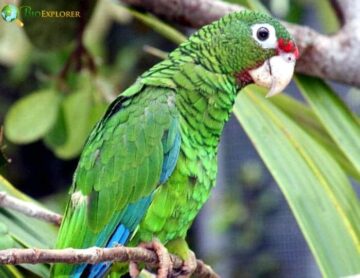
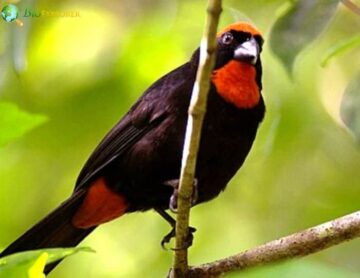
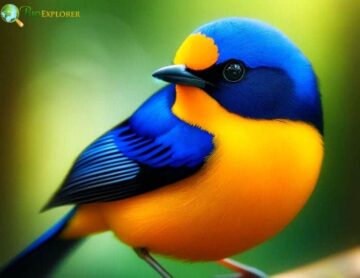
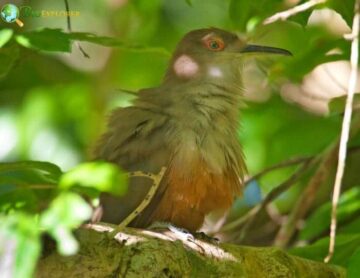
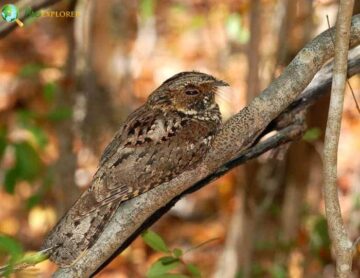
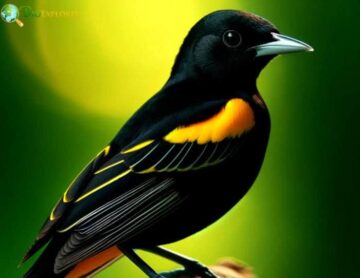
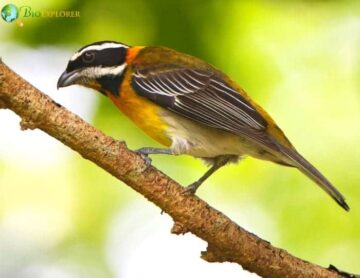
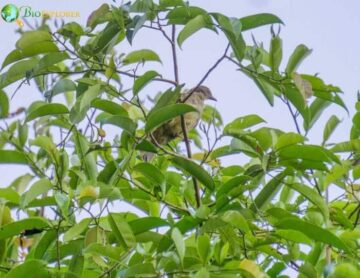
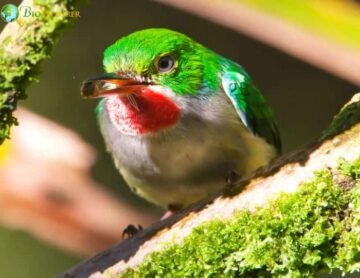
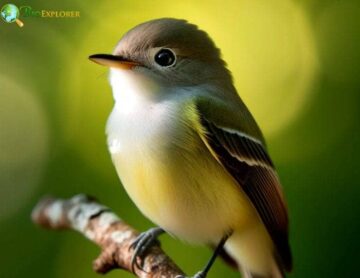
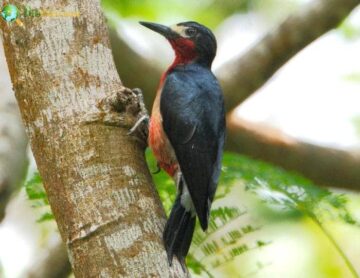
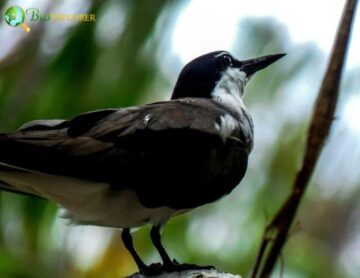
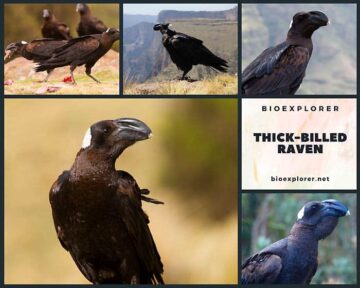
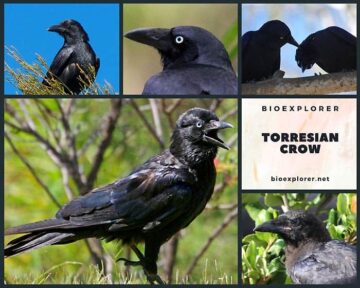
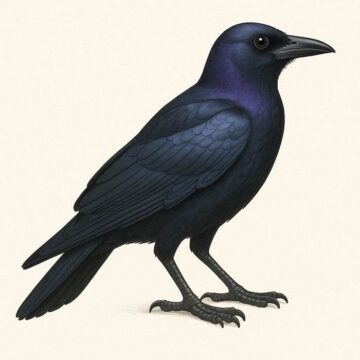
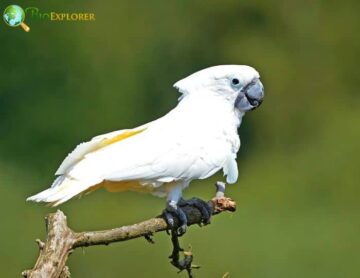
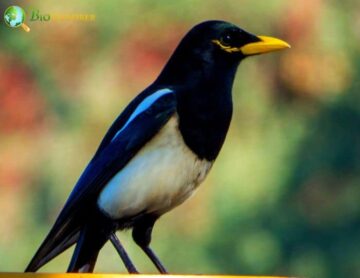
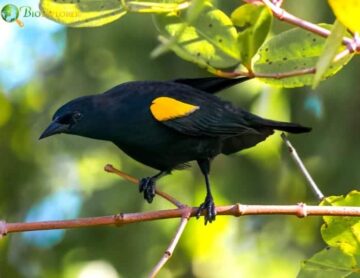
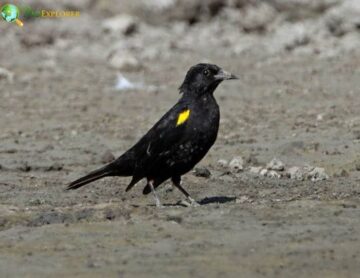
Below are links to individual bird species pages, where you can explore detailed facts, habitat, diet, and conservation information.



Main Characteristics of Birds
While birds share an evolutionary ancestry with various types of reptiles, they possess several unique biological adaptations. Across all types of birds, these shared characteristics explain how avian species have adapted to flight, survival, and diverse environments.
- Specialized Anatomy for Flight: Birds possess pneumatic (hollow) bones to reduce weight and modified forelimbs that have evolved into wings. While their bodies are covered in feathers, their legs retain scales, a trait shared with their reptilian ancestors. This anatomy allows for efficient movement, though some species have evolved into flightless birds.
- Advanced Physiology: Birds are endothermic, which highlights the importance of homeostasis in allowing them to inhabit extreme climates. Their four-chambered heart ensures a high-pressure circulatory system to meet the metabolic demands of flight.
- Complex Nervous System: Birds have a well-developed brain and complex neural networks. If you explore nervous system fun facts, you will find that many species exhibit intelligence comparable to various types of monkeys.
- Reproduction: Birds have distinct sexes and utilize internal fertilization. This results in the production of a waterproof, amniotic egg. You can learn more about these processes in our reproduction system fun facts.
FAQs
As of 2026, scientific databases like Avibase track approximately 10,000 to 11,000 living species of birds. However, recent morphological and genetic studies suggest that if we redefine species based on evolutionary lineages, that number could be as high as 18,000 to 20,000.
While there are dozens of scientific orders, birds are most commonly categorized by their lifestyle and physical traits into these four primary groups:
Perching Birds (Passerines): The largest group, including songbirds like sparrows and crows.
Birds of Prey (Raptors): Hunters like eagles, hawks, and owls.
Waterfowl: Aquatic birds such as ducks, geese, and swans.
Landfowl: Ground-dwelling birds like turkeys and chickens.
The largest group is the Passeriformes, commonly known as perching birds or songbirds. This single order accounts for more than half of all bird species worldwide, characterized by a specific toe arrangement that allows them to grip branches easily.
Yes. While flight is a defining characteristic for most, several lineages are flightless. These include the Ratites (ostriches, emus, and kiwis) and Penguins, which have evolved wings that function more like paddles for swimming rather than foils for flight.
Ornithologists use Taxonomy to classify birds into a hierarchy: Kingdom, Phylum, Class (Aves), Order, Family, Genus, and Species. Modern classification relies heavily on DNA sequencing and “Field Keys” such as size, shape, color patterns, and habitat.
The Future of Avian Classification
While the 40 orders of birds listed above represent our current understanding of avian phylogeny, the field of ornithology is constantly evolving. Advances in phylogenomics (the study of the entire genome) continue to refine the bird tree of life, occasionally splitting or merging groups as new evolutionary links are discovered.
Today, the primary focus of bird classification has shifted from purely physical characteristics to protecting avian biodiversity. With nearly 13% of the world's bird species currently threatened by habitat loss and climate change, understanding these 40 taxonomic groups is the first step toward effective conservation. By recognizing the unique adaptations of each order—from the deep-diving habits of the Gaviiformes to the complex social structures of the Psittaciformes—we can better appreciate the intricate web of life that sustains our planet’s ecosystems.
Cite this page
Bio Explorer. (2026, June 29). 40 Types of Birds. https://www.bioexplorer.net/animals/birds/


I think your Ohio link is wrongly connected to the Michigan birds page.
Good catch Emma. Fixed it now.
Thanks.