Top 25 Fun Facts About The Muscular System
The muscular system works alongside the skeletal system to keep the body aligned and completely functional. Here are the top 25 fun muscular system facts.

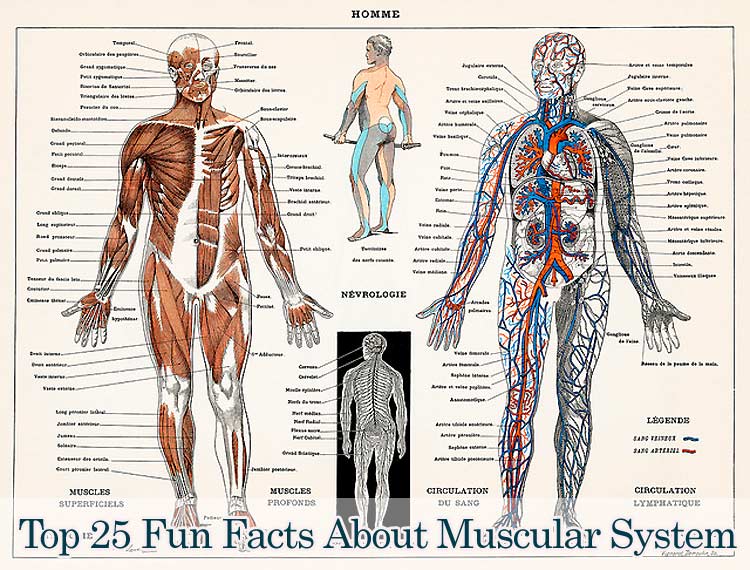
The muscular system works alongside the skeletal system to keep the body aligned and completely functional. Here are the top 25 fun muscular system facts.
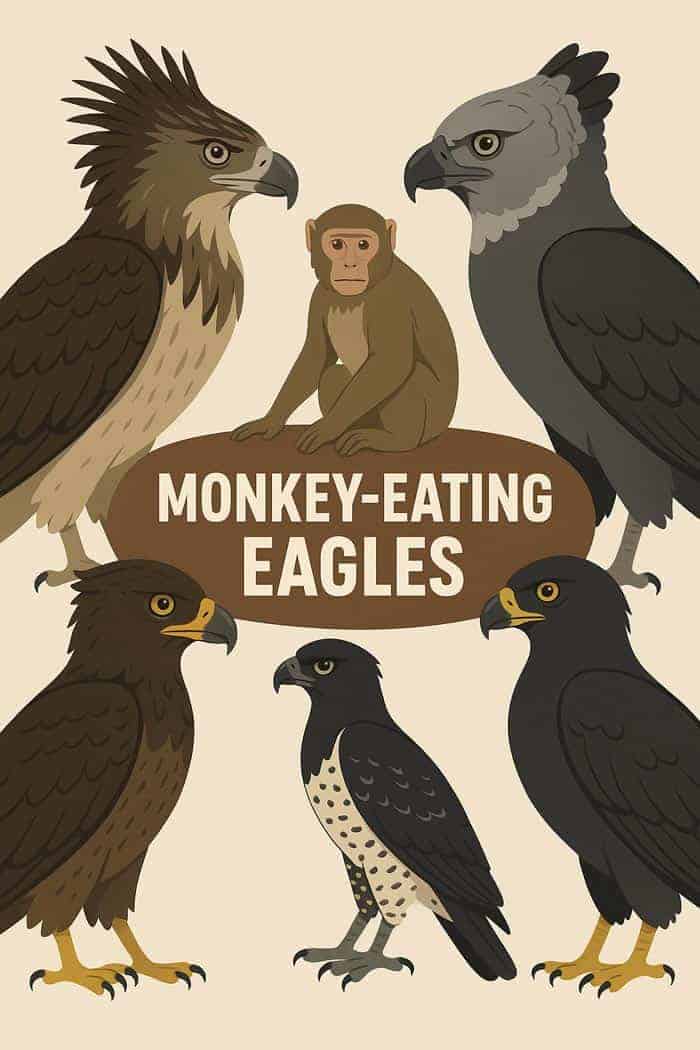
Discover the world of monkey-eating eagles—powerful raptors like the Philippine, Harpy, and Crested Eagles—built to hunt primates in dense rainforests.
The eyes with various marvelous features have evolved in all kinds of animals. Explore top 26 different animals with best eyesight in animal kingdom.
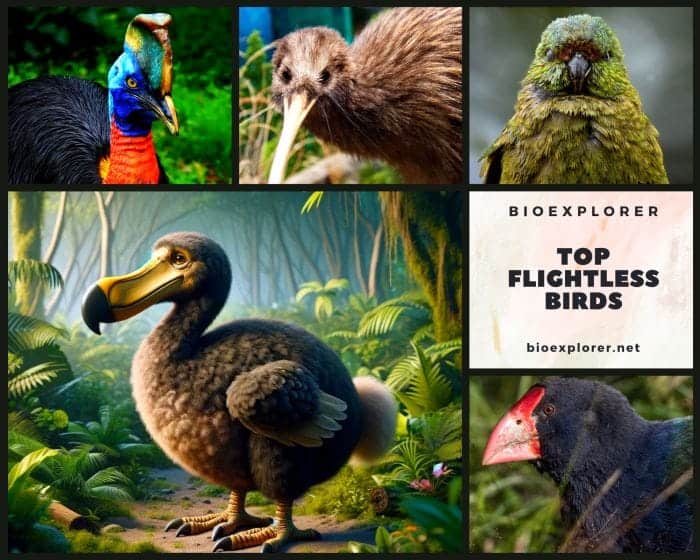
Flightless Birds: Insight into how birds adapted over time to live grounded lives. This article explores major flightless species – from giant moas to tiny kiwis and curious penguins – examining how isolation and lack of predators drove anatomical changes forfeiting skies for land locomotion mastery.
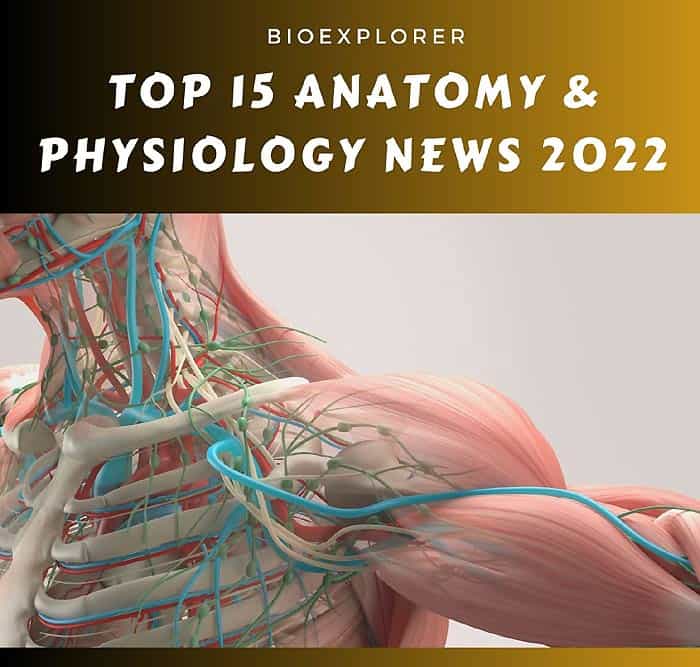
Anatomy/Physiology News of 2022: Discover breakthroughs in organ transplant technology, multi-organ chips, Alzheimer’s research, X-ray immunotherapy, astronauts’ brain studies, and more.
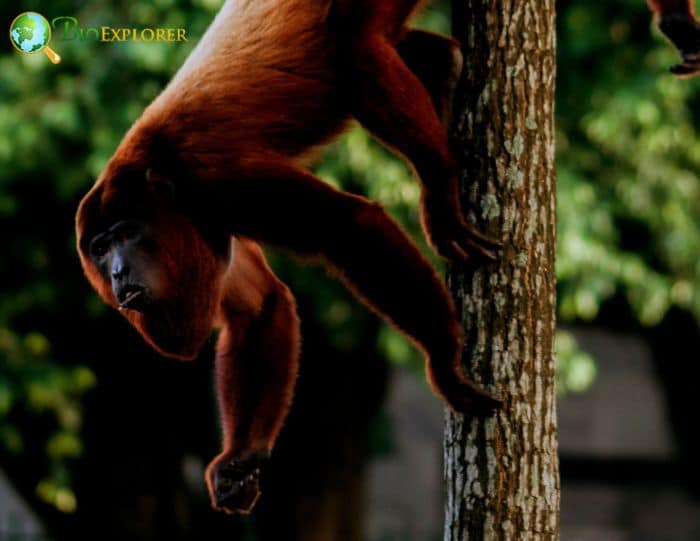
The Bolivian red howler monkey is a New-World monkey species native to neotropical South America. The Bolivian red howlers live in groups of 1 to 3 males and 2 to 7 females. Males in bachelor groups try to dominate the female group by wrestling the lead male.
The white-thighed colobus (Colobus vellerosus), also known as ursine colobus, white-thighed black-and-white colobus, and Geoffroy’s black-and-white colobus, is a species of primate in the Cercopithecidae family.
Foa’s Red Colobus or Central African red colobus is endemic to the Democratic Republic of the Congo. Generally, these African primates are found in large groups of 20 to 90 individuals.
The Laotian langur (Trachypithecus laotum), also known as white-browed black langur, is another primate species that nest in small limestone caves and holes that shelter from predators, rain, and cold.
The Hatinh langur (Trachypithecus hatinhensis) is a critically endangered Old World monkey found in the limestone forests of Vietnam, particularly in Quảng Bình province. Contrary to their common name, the Hatinh langur is not known from the province of Hà Tĩnh.

The Indochinese black langur (Trachypithecus selbstus) is a little-known Lutung endemic to Laos and neighboring Vietnam. Because they live in dense forests and rarely venture outside, observing them in the wild can be difficult.
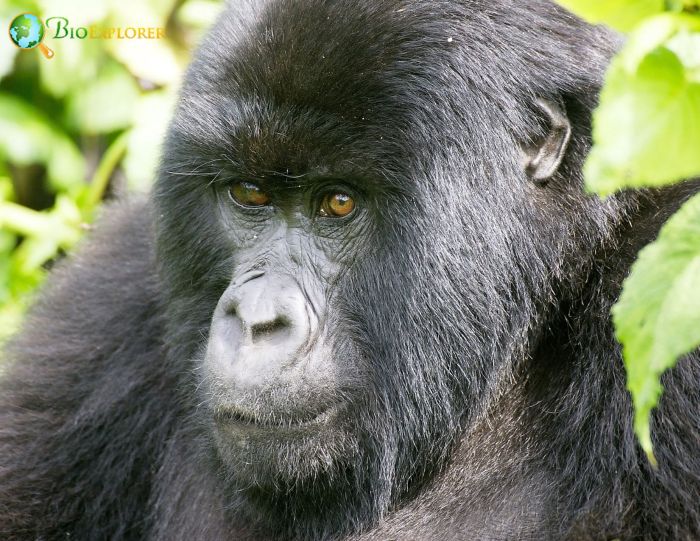
The eastern gorilla is an endangered species of the Gorilla genus and the largest living primate, with an average length of 150 cm for females and 185 cm for males. Eastern gorillas live in stable and cohesive family groups led by a dominant silverback male.
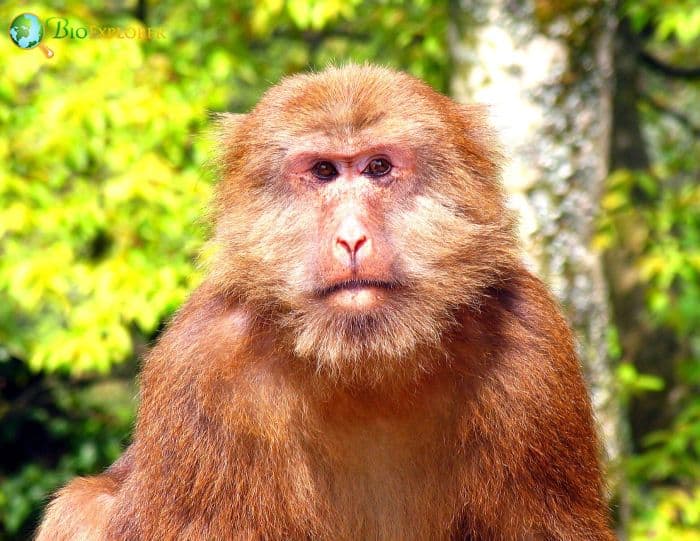
The Tibetan macaque (Macaca thibetana), also called the Chinese stump-tailed macaque is a macaque native to eastern Tibet, eastern Guangdong, and northern Shaanxi in China. Tibetan macaques are the largest of the macaques and have a strong, muscular build with dense fur that ranges in color from gray to brown.
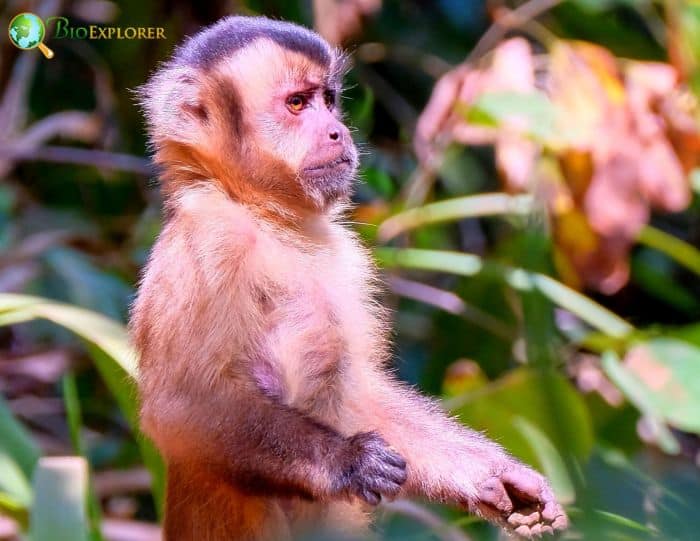
The Azaras capuchin or hooded capuchin (Sapajus cay) is a robust capuchin species. It is found in northern Argentina, southeastern Bolivia, eastern Paraguay, and Brazil. Its habitat consists of humid, subtropical, semi-deciduous, gallery forests and forests in the Pantanales.
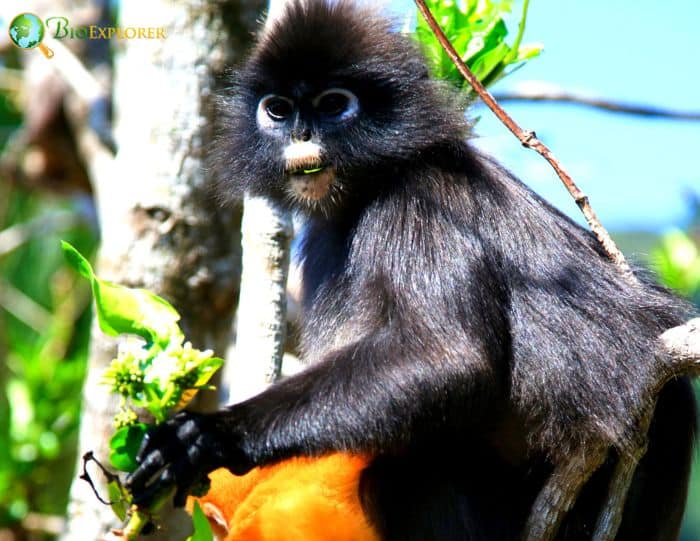
The François langur, also called the white side-burned black langur, François leaf monkey, or Tonkin leaf monkey is a species of Lutung and the type species of its species group. The François langur is among the least studied langur species.
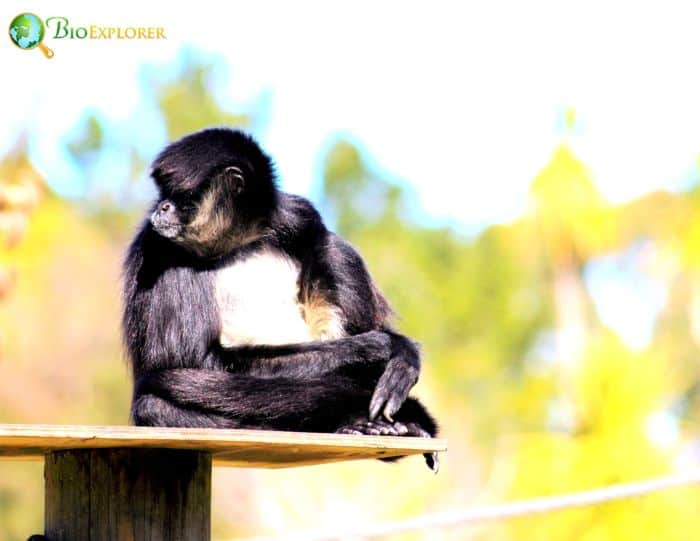
The white-bellied spider monkey (Ateles belzebuth), also called the long-haired or white-fronted spider monkey, is an endangered species of spider monkey, a species of New-World monkey. These arboreal monkeys spend most of their time in the canopy. They rarely go down. When they do, they drink water, eat dirt, traverse a treeless area, or run away from an aggressive opponent.
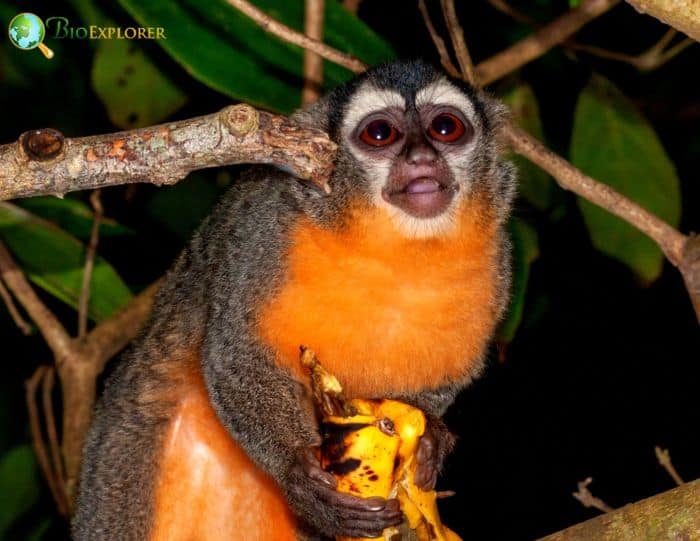
Azara’s night monkeys, also known as southern night monkeys and Azara’s owl monkeys, are native to the Gran Chaco region of South America, a vast area with many different ecosystems, from savannas to grasslands to dry spiny forests and gallery forests. Genetic testing has shown that the males of this species mated pairs are the fathers of the babies they care for.
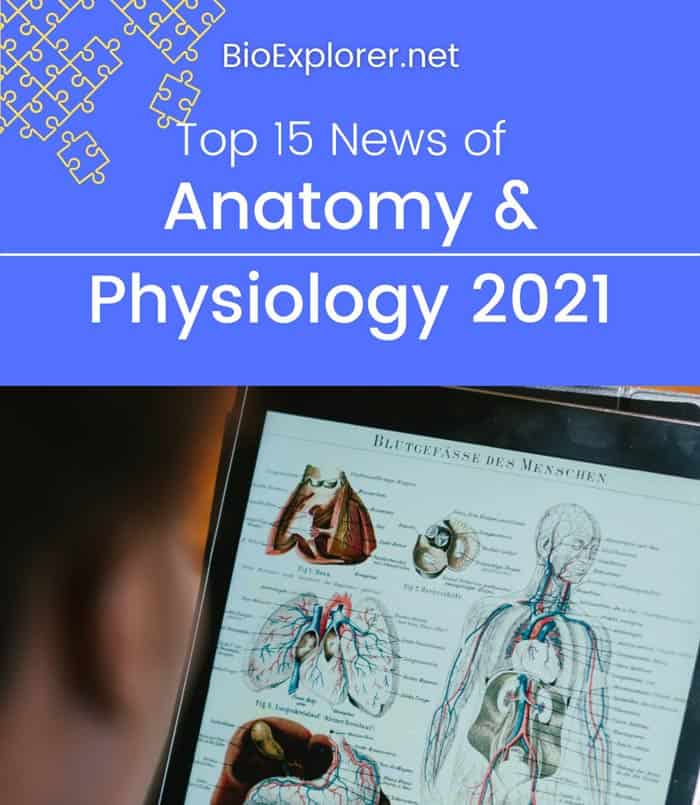
These 2021 noteworthy advancements and discoveries in Anatomy also speak to scientists’ increased interest in the brain’s structure, function, and disorders. Explore the top 15 anatomy and physiology news of 2021.
Genetics is a science that studies the most well-kept secrets of life. Here are the top exciting 10 Genetics Discoveries of 2019.
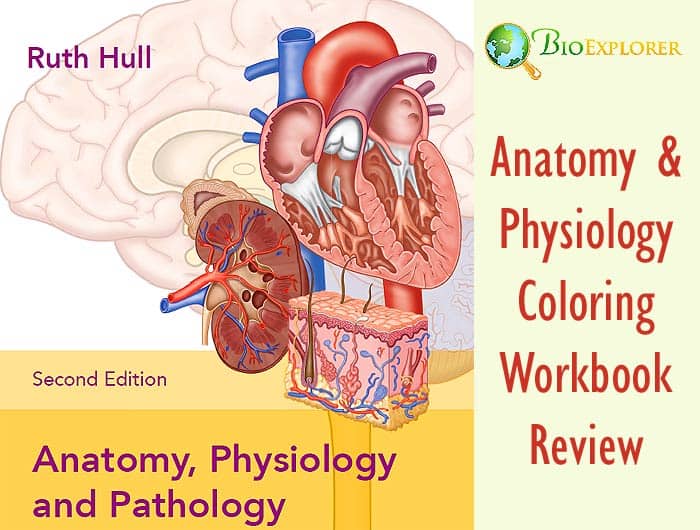
Anatomy and Physiology are some of the most challenging subjects for college students. Here is the review of the Anatomy and Physiology coloring workbook by Ruth Hull.
In 2019 researchers managed to decipher multiple complex mechanisms of the body cells & functions. Here are the top 10 cell biology discoveries in 2019.
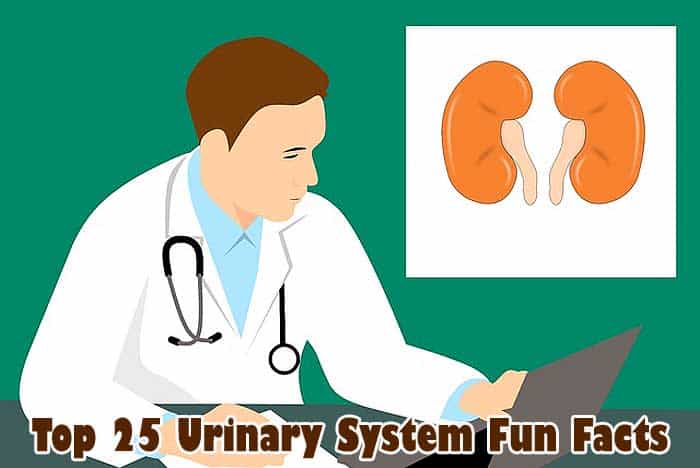
The Urinary system is responsible for cleaning or filtering the blood of toxic metabolites & waste products. Explore the top 25 urinary system fun facts.
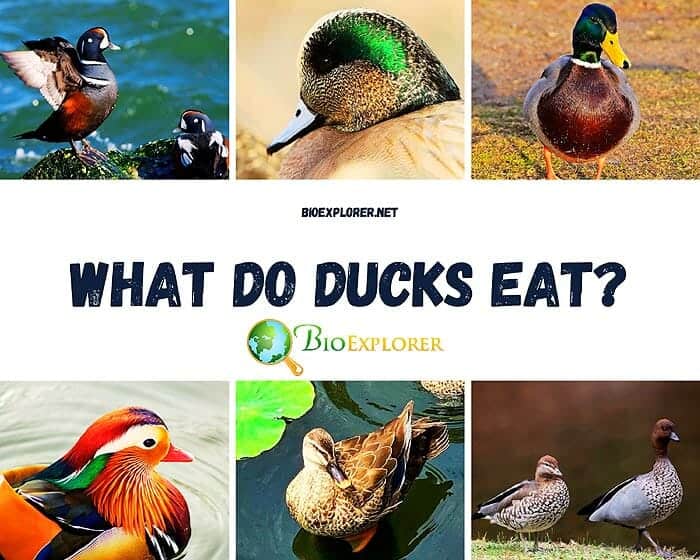
Ducks inhibit various parts of the world, and they are mainly omnivorous. Explore what do ducks eat in detail by their types, hunting techniques, and more.

In mammals, reproduction invariably requires the fusion of 2 distinct cells called gametes. Let us explore the top 25 reproductive system fun facts here.
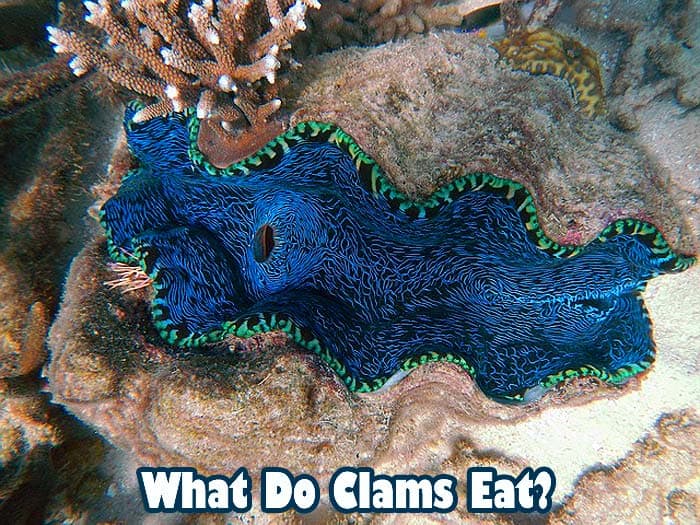
Clams are grouped as mollusks in class Bivalvia. Some clams are in freshwater while others in marine waters. Explore what do clams eat and diet by types.
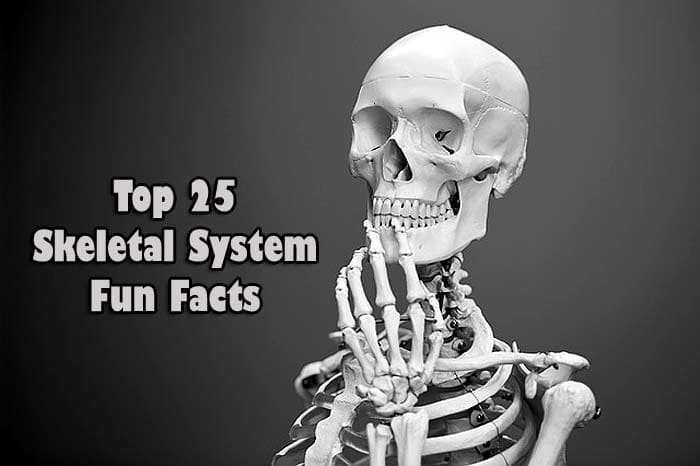
The Skeletal system forms the human skeleton that supports the body and allows for movement. Explore the top 25 Fun Facts about the human skeletal system here.
The year 2018 has seen another ground-breaking advancement year in the field of Genetics. In this article, we will explore the top 25 genetics discoveries in 2018.

Weasels are small animals (mammals) classified in the genus Mustela. Explore what do weasels eat, weasels diet by types, what eats weasels & diet-related info.
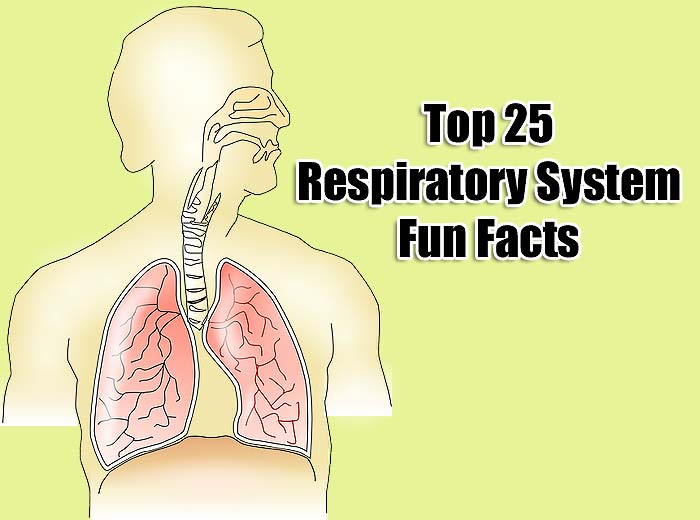
The air we breathe, rich in oxygen, is filtered and taken up by the respiratory system. Explore the top 25 best respiratory system fun facts here.
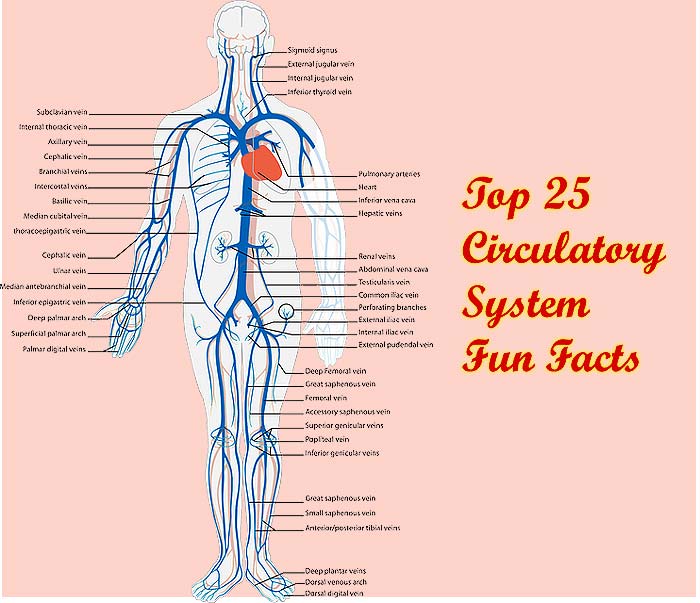
The heart is the central functional unit of the human body. Explore the top 25 circulatory system fun facts and learn the important functions of the heart.
Gene therapy is involved in the replacement of a defective gene with a healthy gene (Gene Augmentation). Find the top 35 Gene therapy pros and cons from various perspectives.
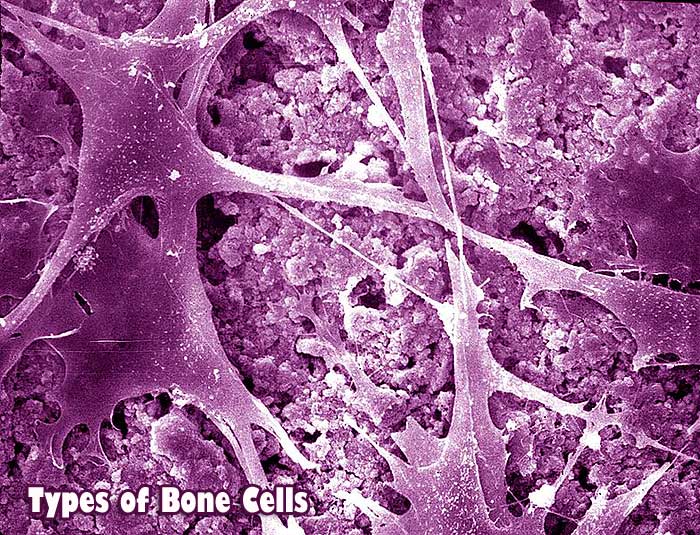
The bones are a core component of a living body that holds the structure of muscles and organs. Learn the three types of bone cells, their history, structure, and functions.
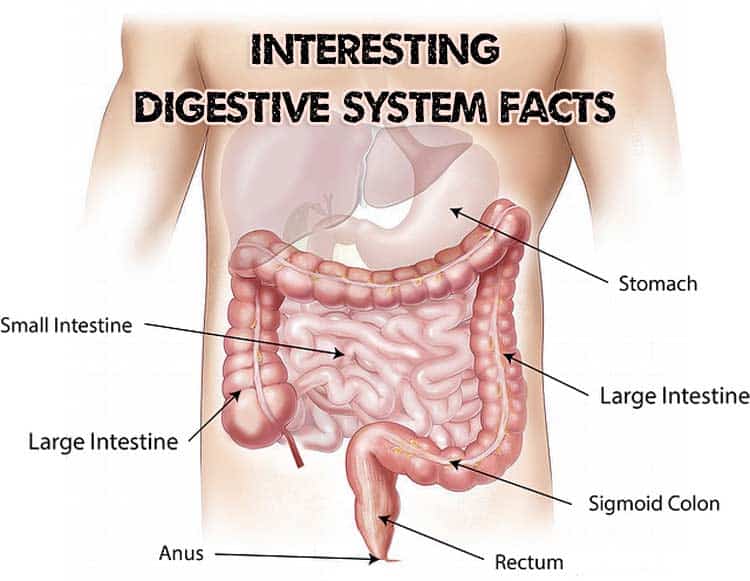
The human digestive system is fascinating & extends over a long stretch in the human body. Explore the top 25 fun facts about the digestive system & functions.
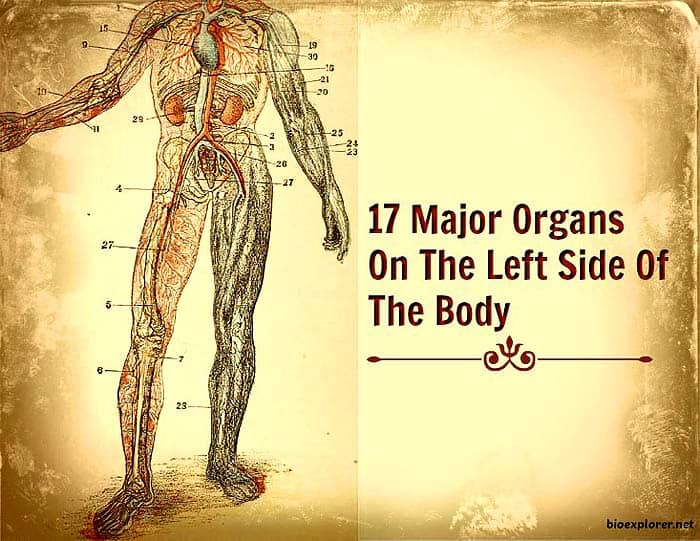
The human body is known to display symmetry. When you divide the body into two, each side would be the exact copy of the other. While this is true in the case of the external human body, the organization of the internal organs is different. Discover the 17 major organs on the left side of the body.

About four decades ago, the first ever test tube baby was created using the process of IVF. Like any scientific innovations, the technology of creating designer babies has a wide variety of promising advantages and at the same time possible disadvantages too. Explore the designer babies pros and cons here.
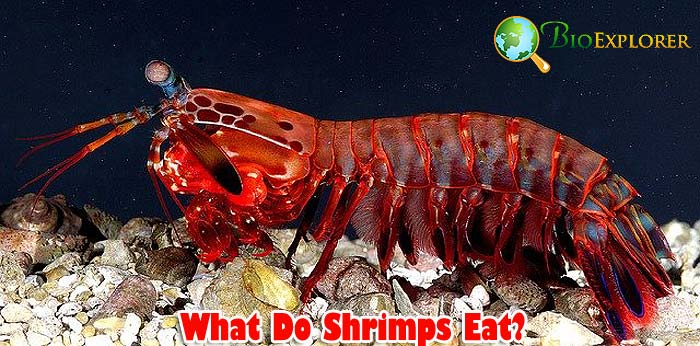
Shrimps are crustaceans with long slender bodies. Their muscular abdomens come in handy during locomotion. Explore what do shrimps eat & what eats shrimps.
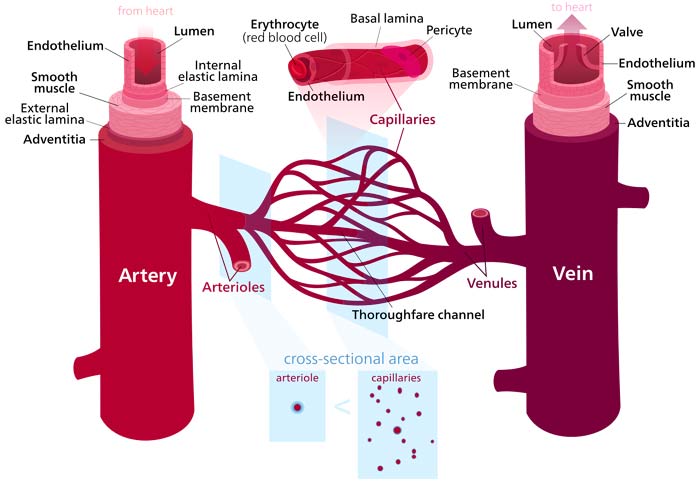
Oxygen is essential to life as it serves as a fuel for the body’s physiological functions. in this article, we will explore the differences between the two major blood vessels in the body: the arteries and veins. Learn more about their structures, functions, and other characteristics here.
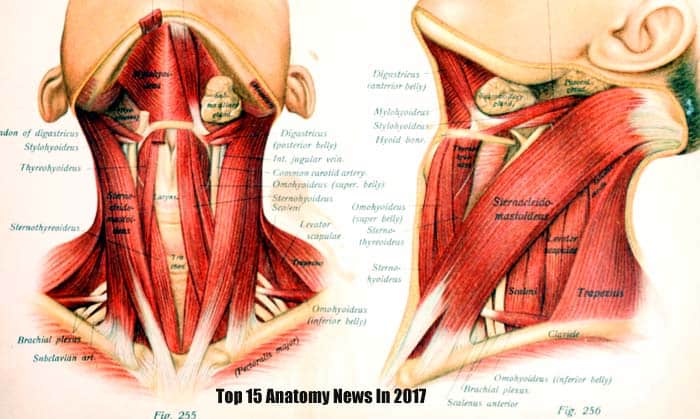
There were several advancements, breakthroughs, and innovations in several fields of biology in 2017. In this article, let’s glance over the top 15 anatomy and physiology related breakthroughs in 2017.
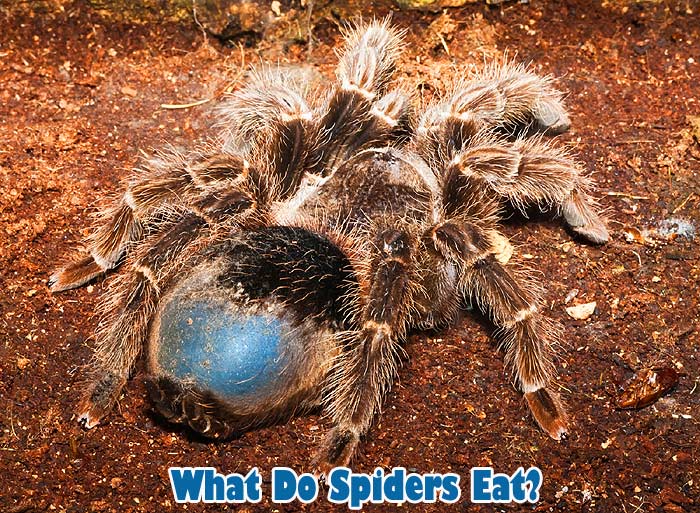
Spiders are arthropods, classified in class Arachnida. Explore what do spiders eat, how often do spiders eat, what eats spiders & all spider diet-related info.
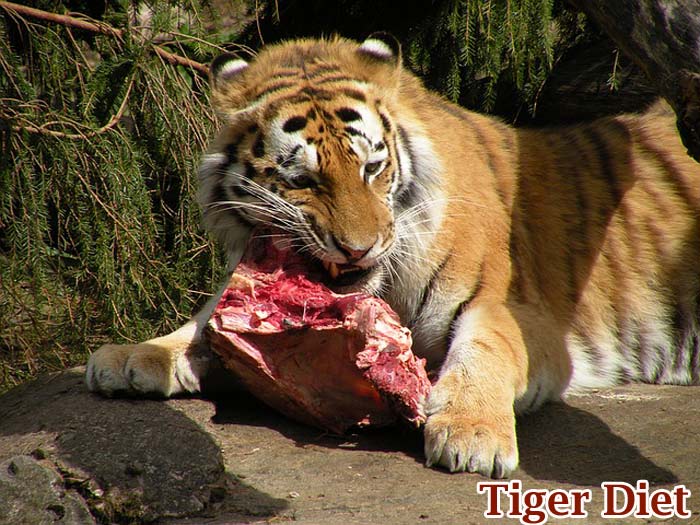
Being in the top of the food chain, what do tigers eat in the wild? Tigers are one of the biggest cats on the planet. By nature, tigers are carnivores. They eat a good variety of prey depending upon the terrain they live in ranging from termites to baby rhinos and everything in between. Learn tiger diet in detail here.
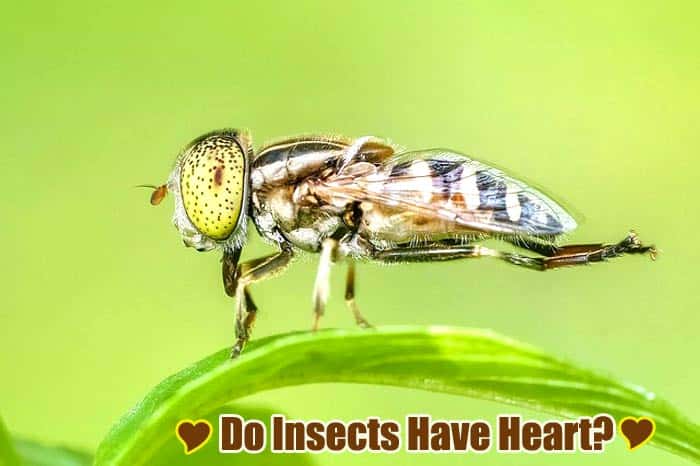
The heart is necessary to pump blood. Do insects have hearts? How does it work? Learn about insect circulatory system, insect blood, Hemolymph & more.
Among the most important attributes of life is the concept of internal balance or homeostasis, Explore what it is with examples & find out why homeostasis is important in living organisms.
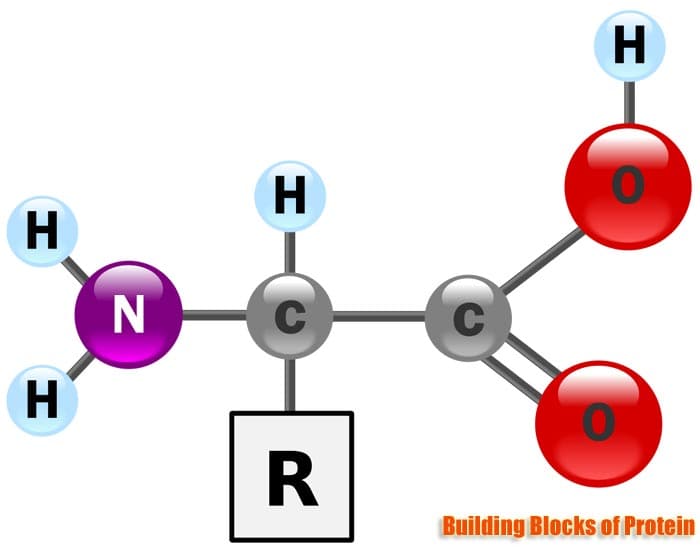
Known to be the building blocks of proteins, amino acids come in various structure, & configurations. Learn about their structures, properties, examples. and functions.
Chromosomal mutations are any alterations or errors that occur on a chromosome. In living organisms, mutations occur at one in every ten million cell replications. Explore what happens when a chromosome encounters such changes in its structure, number, and type. Learn the pros and cons of chromosomal mutations.
A radiologist is a medical doctor who utilizes imaging techniques to diagnose & treat patients. Explore how to become a radiologist & different radiologists.
A psychiatrist is a medical professional that treats and diagnoses mental and behavioral disorders. Learn how to become a psychiatrist and what do they do.
Physiatrists are doctors who treat patients who have injuries & disorders in musculoskeletal & neurological systems. Learn how to become a physiatrist here.
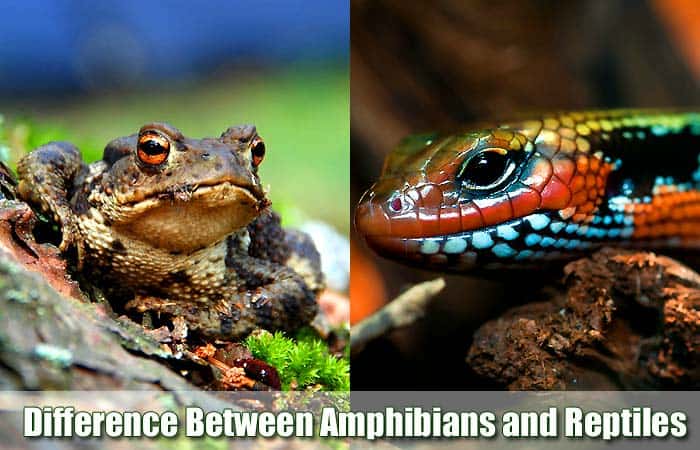
In the animal kingdom, amphibians and reptiles are the most frequently interchanged; Here are the similarities & difference between amphibians and reptiles.

An orthopedic surgeon is a specialist that treats problems with muscles and limbs. Explore how to become an orthopedic surgeon & educational criteria here.
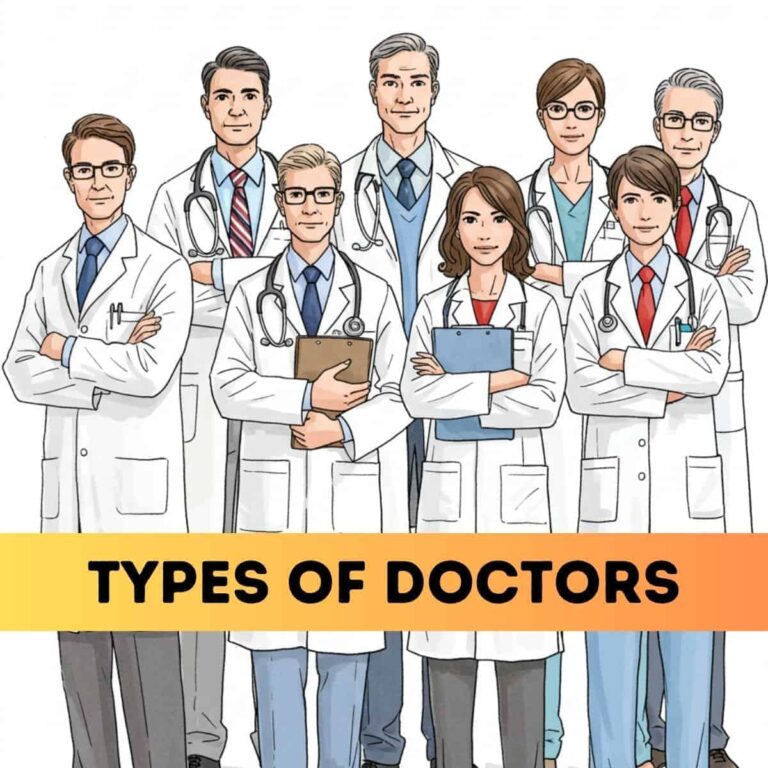
Dive into the world of medicine and explore different types of doctors and physicians and their specializations, including medical and non-medical or holistic doctor types.
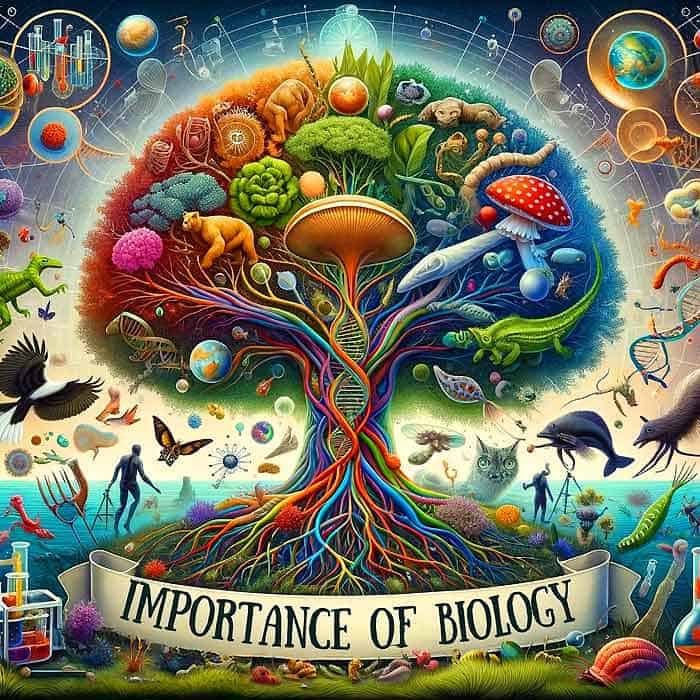
The importance of biology as highlighted through top 25 key reasons spanning fundamental life science insights, medical advances, biotechnology innovations, climate solutions, and unraveling mysteries of cognition, evolution, and homeostasis transforms lives by leveraging nature’s evolutionary wisdom.
Advances in Physiology Education Advances in Physiology Education is dedicated…