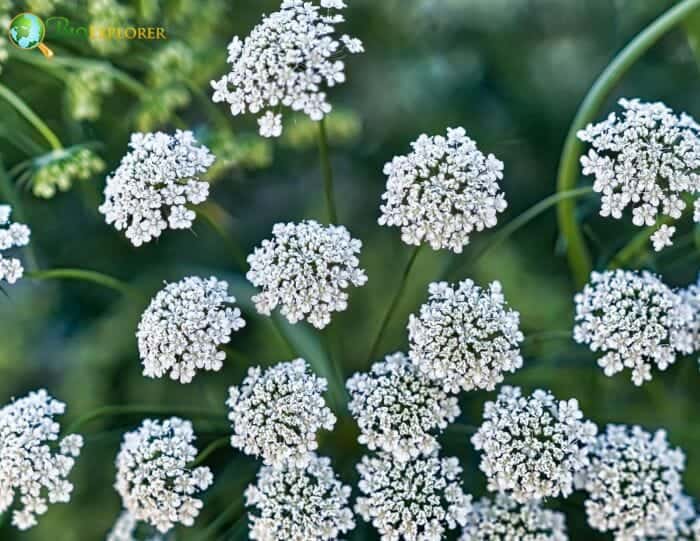
Queen Anne’s lace flower looks like lace, and the flower often has a single purple dot in the center. Daucus carota is a biennial herb that belongs to the Apiaceae (carrot) family and is native to Southwest Asia and Europe. The genus includes about 47 species.
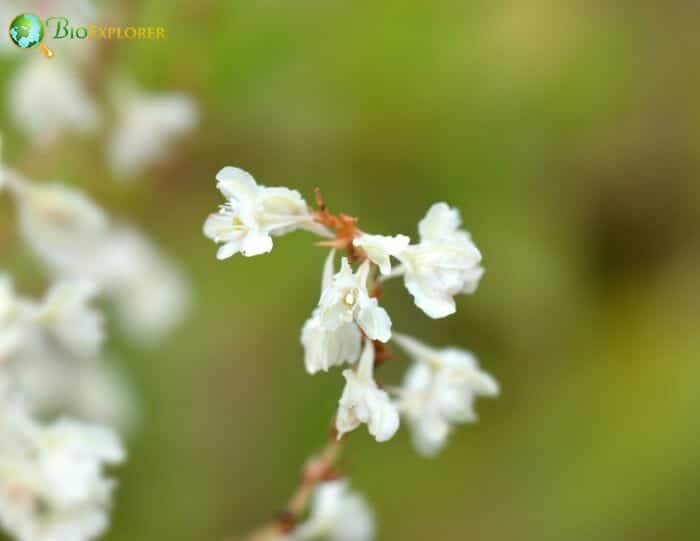
Silver Lace Vine (Polygonum aubertii) is a popular but controversial climbing plant because of its vigorous growth habit. This drought-tolerant vine wraps around porch pillars, fences, or pergolas. Polygonum is a genus of around 130 species of flowering plants in the Polygonaceae (knotweed and buckwheat) family
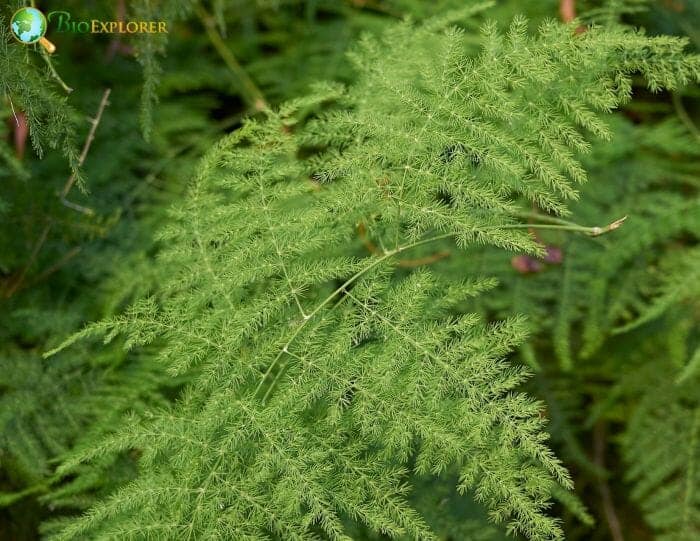
Lace Fern (Asparagus setaceus), commonly known as ferny asparagus, climbing asparagus, or asparagus grass, is a climber in the genus Asparagus. Blooming from spring to fall, the small greenish-white bell flowers are 0.4 centimeters long. It grows quickly and is easy to care for.
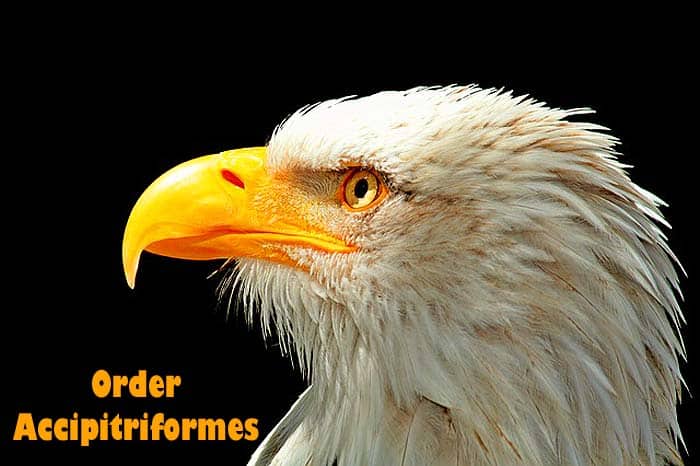
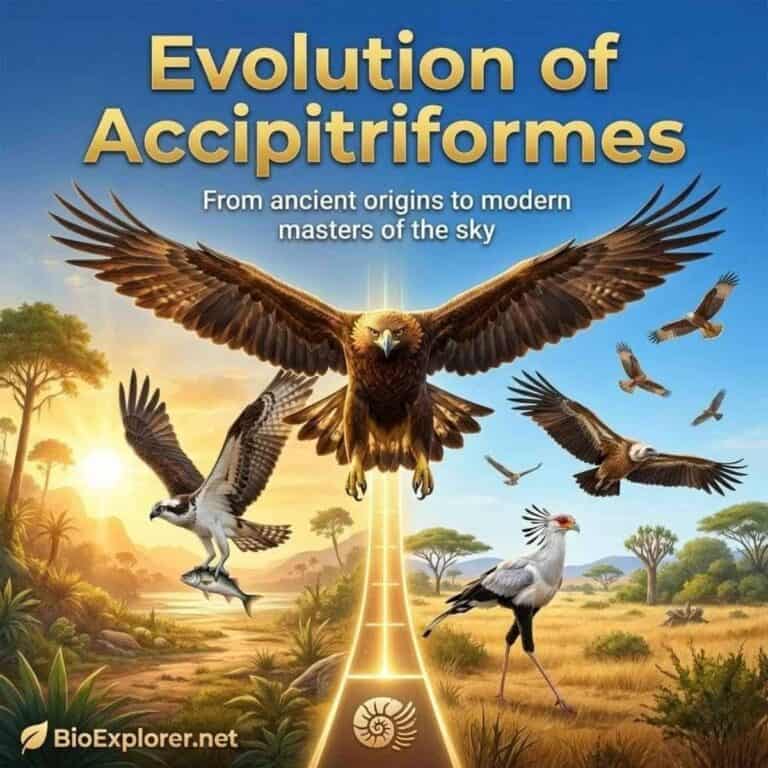
Accipitriformes are an order of birds of prey that includes hawks, eagles, and ospreys. This hub page explains their evolution, shared traits, families, and ecological importance.
Accipitriformes are daytime birds of prey that evolved into powerful hunters through millions of years of adaptation. This guide explores their ancient origins, evolutionary traits, major families, hunting tools, global spread, and how modern challenges continue to shape hawks, eagles, and ospreys today.
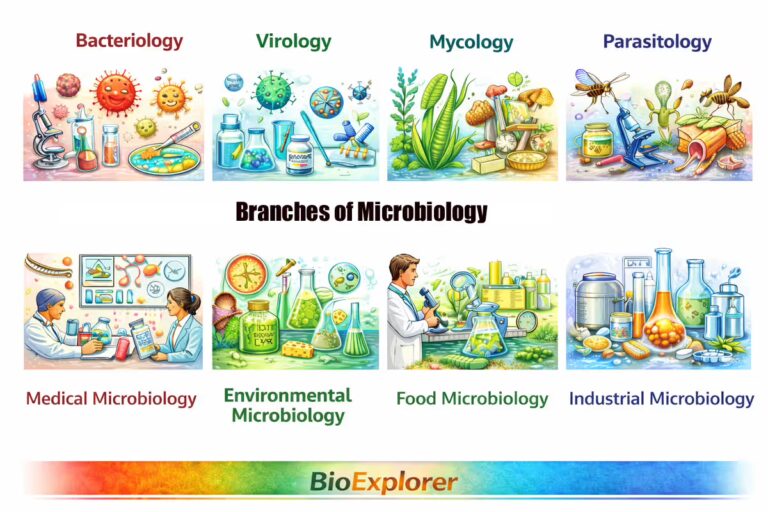
The term Microbiology first originated from the Greek words ‘mikros’ and ‘bios’, meaning small and life. Find web resources related to Microbiology here.
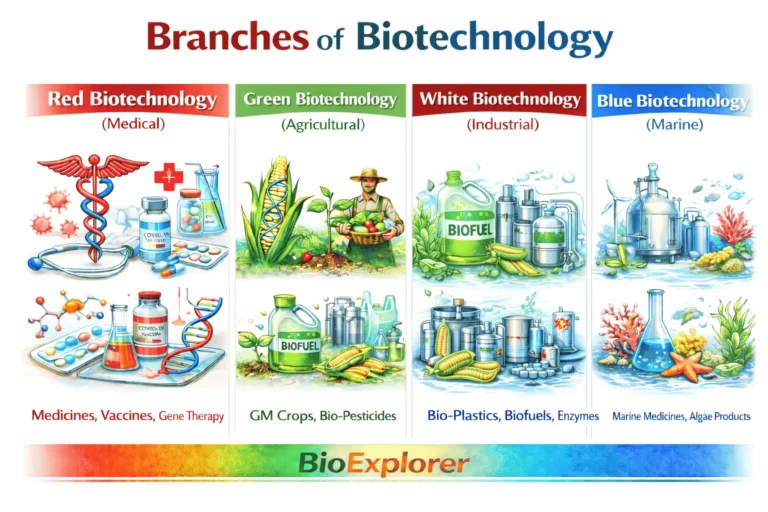
Biotechnology is the technology used on living systems and organisms to study and discover products that facilitate a better life. Biotechnology successfully develops products and technologies to combat issues like environmental hazards, overuse of energy resources, spread of infectious diseases, hunger, industrial difficulties and other, this subject is booming today.
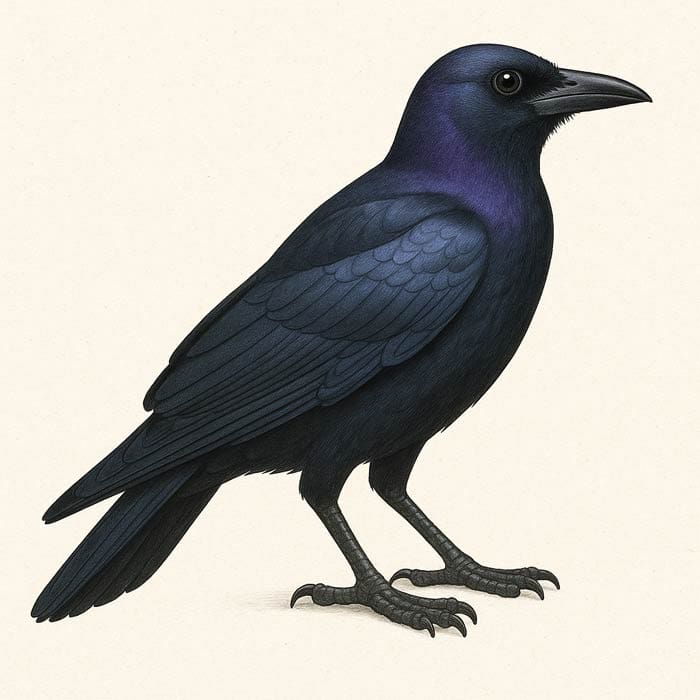
The violet crow (Corvus violaceus) is a medium-sized, glossy black bird with a distinctive purplish sheen, found only on Seram Island in Indonesia. Formerly a subspecies of the slender-billed crow, it is now recognized as a unique species. Adapted to tropical forests, plantations, and farmland, the violet crow is omnivorous and exhibits solitary or small-group foraging behavior. Its stable population and ecological role in seed dispersal and pest control make it vital to Seram’s biodiversity. With striking plumage and limited range, it captivates ornithologists and conservationists alike.
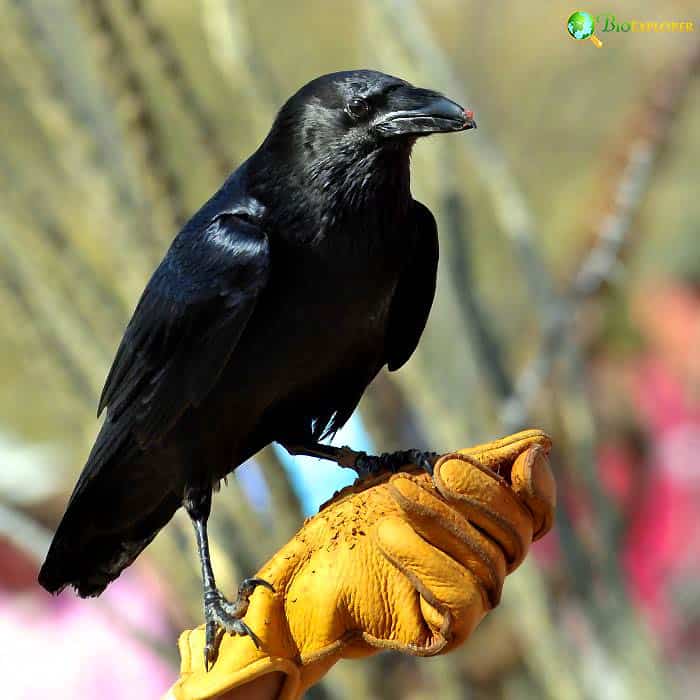
The Chihuahuan raven (Corvus cryptoleucus) is an intelligent desert-dwelling bird found in the southwestern U.S. and Mexico. Slightly smaller than the common raven, it features all-black plumage and hidden white neck feathers. Adapted to arid grasslands and scrub, it thrives as both a predator and scavenger. Known for its deep “kraaa” call and playful flight displays, this raven plays a vital ecological role and demonstrates impressive social behavior and adaptability in harsh environments.
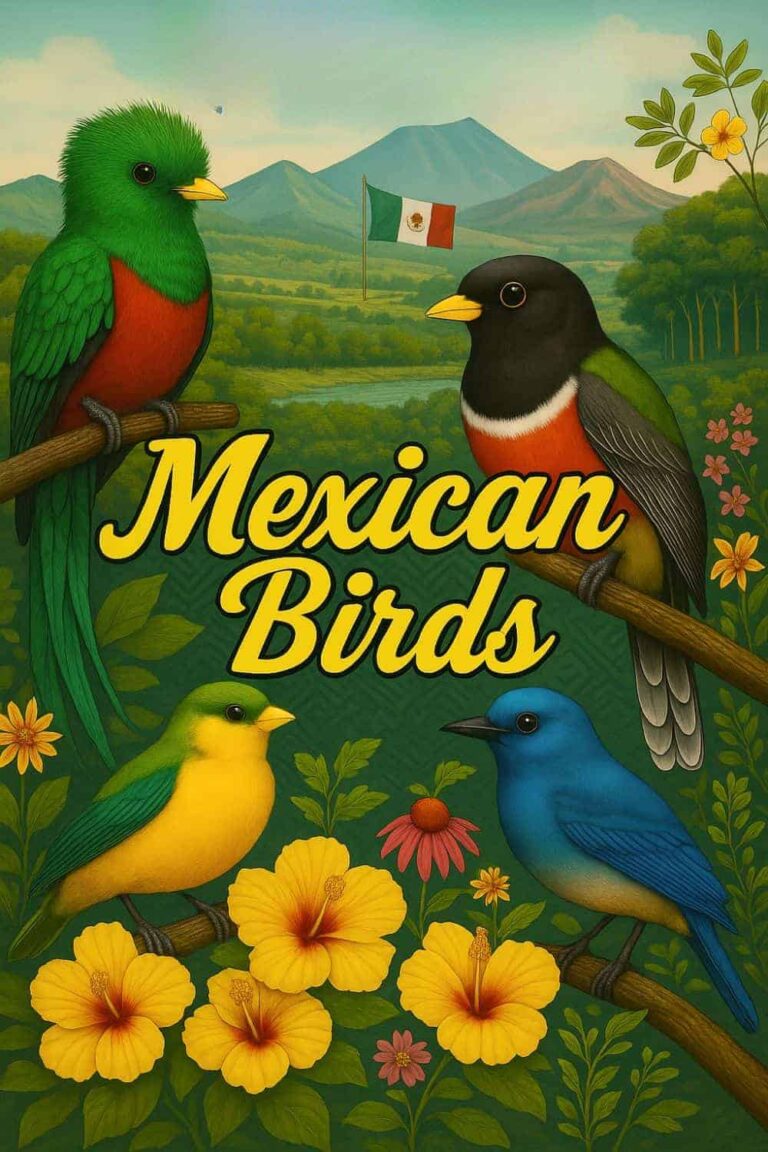
Discover the top 15 Mexican birds, from vibrant quetzals to rare doves. Learn where to find Mexico’s most colorful and unique bird species across forests, coasts, and mountains.
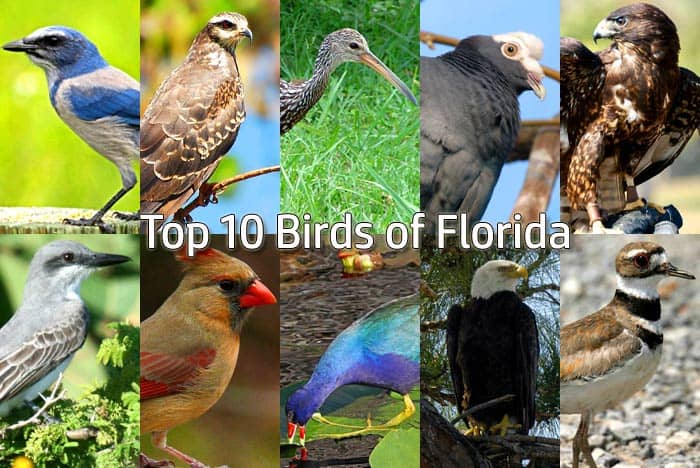
Florida Birds: Because of its unique geographic location and suitable tropical climate, the state of Florida is home to some of the most awesome birds ever discovered. Here, we explore the top ten most spectacular birds of Florida, which are native to the state of Florida, from Scrub-Yay to Killdeer and much more.
Among all biomes, tropical rainforests are considered to have the highest biodiversity. The rainforest is divided into 4 layers: the emergent layer, the canopy layer, the understory, and the forest floor. These layers host several species of tropical animals and tropical plants. Explore the layers of the rainforest here.
Koalas are iconic marsupials spotting black oval noses and round ears. Explore what do koalas eat, their diet plan, what eats koalas, & animal food chain.
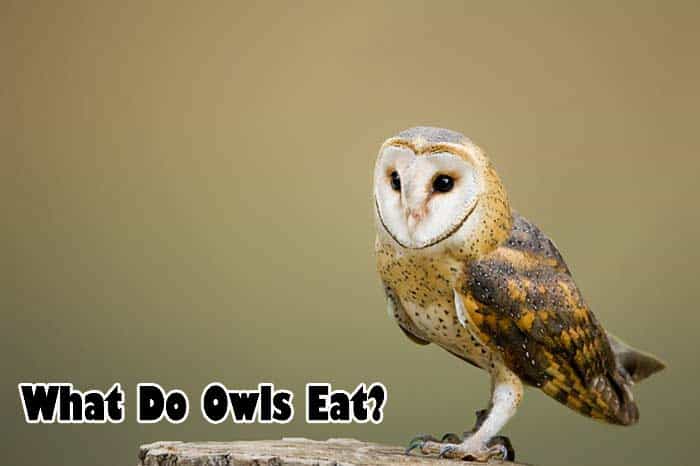
Owls are described as raptors because of their sharp claws and beaks. Explore what do owls eat, owls diet by different types, what eats owls, how often do owls eat & more.
Oregon is notable for its diverse habitats, including alpine meadows, rainforests, pine forests and more. Find top 10 birds of Oregon including its state bird (Western Meadowlark).
The Preuss’s monkey (Allochrocebus preussi) also called the Preuss’s guenon is a diurnal primate that inhabits terrestrial montane forests (up to 2,500 meters) in eastern Nigeria, western Cameroon, and Bioko in Equatorial Guinea.
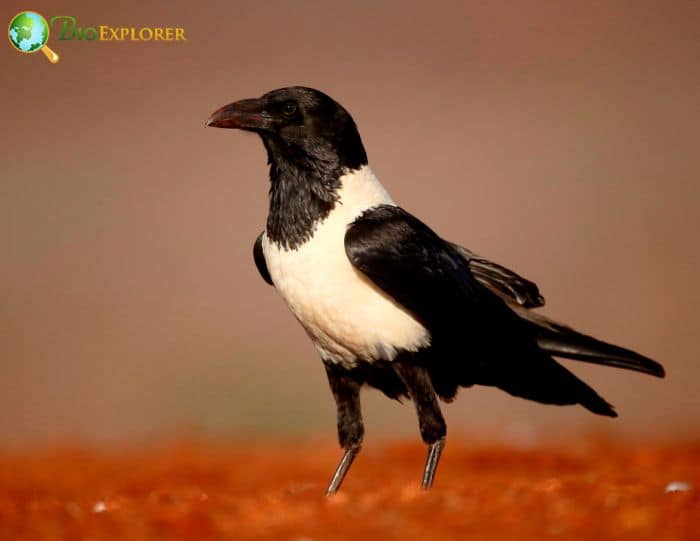
The Pied Crow is a striking black-and-white corvid native to sub-Saharan Africa and nearby islands. Easily recognized by its glossy black head, wings, and tail contrasted with a broad white chest and belly, it is slightly larger than the Carrion Crow and has a robust, slightly hooked bill. Highly adaptable, Pied Crows thrive in open savannas, grasslands, farmlands, and urban areas, often seen in pairs or small groups but sometimes gathering in large flocks. Exceptionally intelligent, they use tools, cache food, and mimic sounds. Their omnivorous diet includes insects, small animals, fruit, carrion, and human scraps.
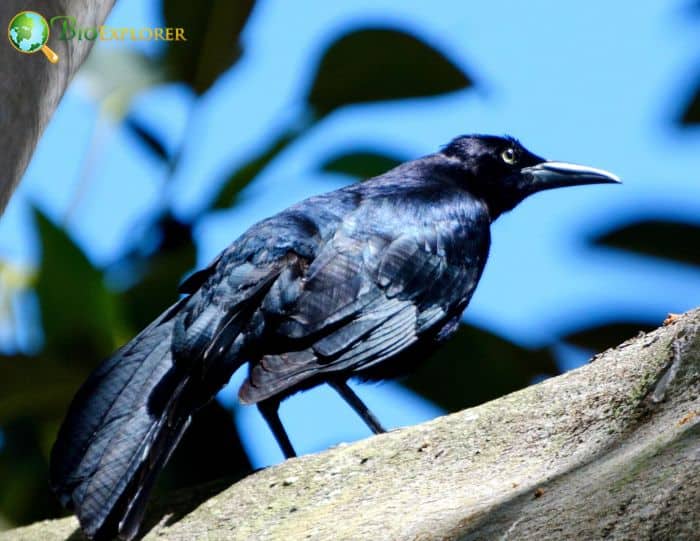
The Great-tailed Grackle is a large, striking blackbird known for its glossy, iridescent males with long, keel-shaped tails and bright yellow eyes. Females are noticeably smaller and brown with darker wings and tails. Native to the Americas, these highly social birds thrive in open areas near water, including farmland, city parks, and suburban lawns, and have rapidly expanded their range across North America in recent decades.
Great-tailed Grackles are famous for their raucous flocks and wide variety of vocalizations, from whistles to harsh rattles. They are highly flexible and persistent problem-solvers, able to adapt quickly to new environments and even solve complex puzzles.
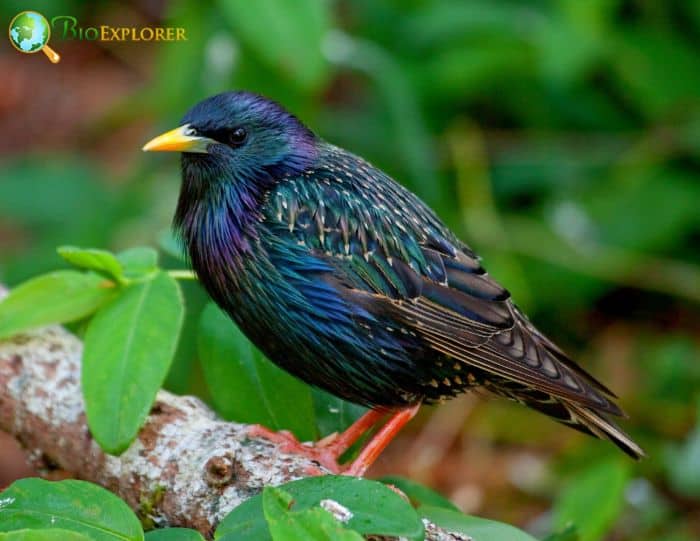
The European Starling is a medium-sized, black songbird with short, triangular wings, a short tail, and striking iridescent plumage speckled with white, especially in winter. During breeding season, adults display a yellow bill and a purple-green sheen. Native to Europe, Asia, and North Africa, starlings were introduced to North America in the 1890s and now number over 200 million. Highly social, they form enormous flocks and perform mesmerizing aerial displays called murmurations. Starlings are accomplished mimics, able to imitate other birds and even human sounds. They are aggressive cavity nesters, often outcompeting native species for nesting sites.
Explore the world of the Eastern White Pine, a majestic tree with a rich history and diverse uses. Learn about its characteristics, its role in the ecosystem, and how to care for it. Discover why the Eastern White Pine is more than just a tree; it’s a symbol of resilience and a testament to nature’s bounty.
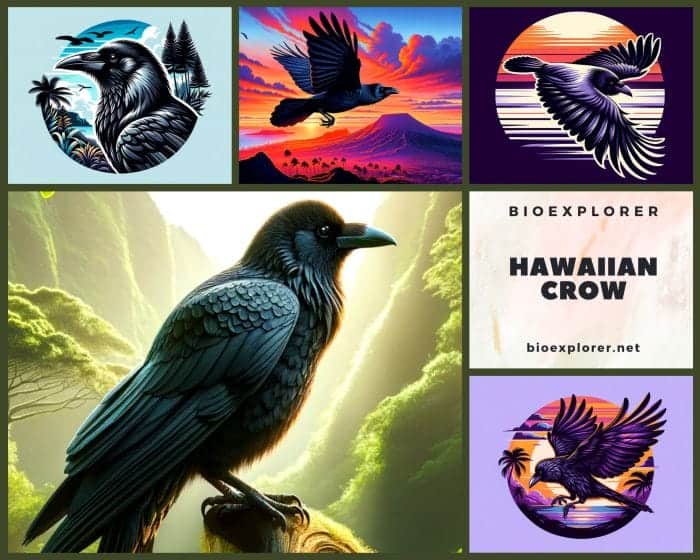
The Hawaiian Crow, or ʻAlalā, is a critically endangered bird endemic to Hawaii, now extinct in the wild but surviving in captive breeding programs. About 19–20 inches (48–50 cm) long, it sports soft, brownish-black plumage, a thick bill, and bristly throat feathers. ʻAlalā once inhabited dry and mesic forests on the slopes of Mauna Loa and Hualālai, playing a vital role in seed dispersal and pest control. Highly intelligent, Hawaiian Crows use sticks as tools-a rare trait among birds-and have a complex repertoire of over 20 vocalizations. In Hawaiian culture, the ʻAlalā is revered as an ‘aumakua, or family guardian spirit.
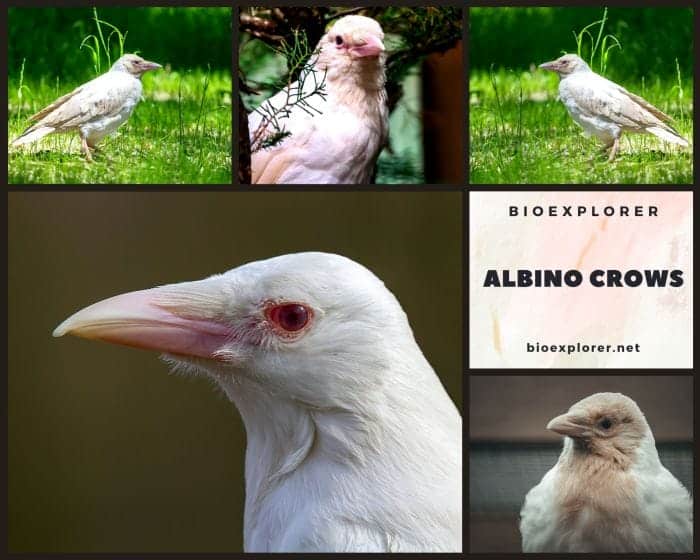
Rare genetic variants, albino crows reveal key insights into pigmentation, survival, and biodiversity despite the challenges posed by their bright white plumage that lacks the species’ typical protective camouflage.
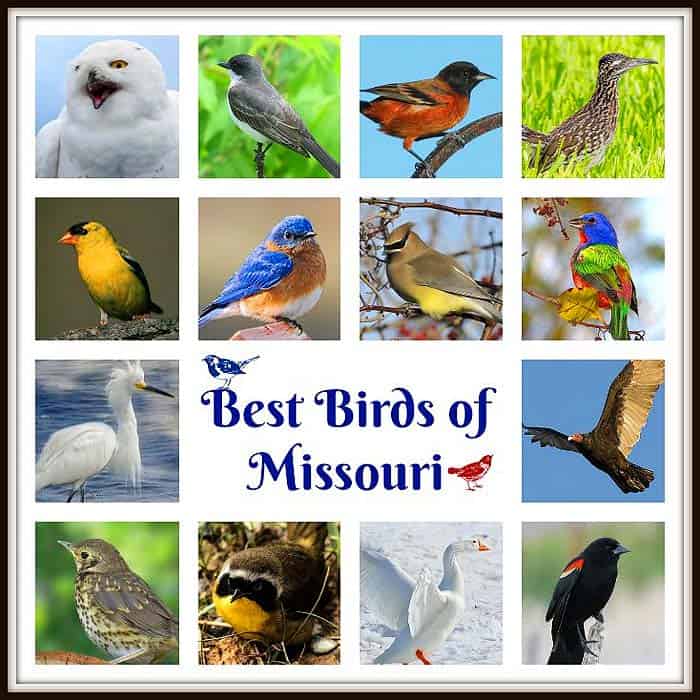
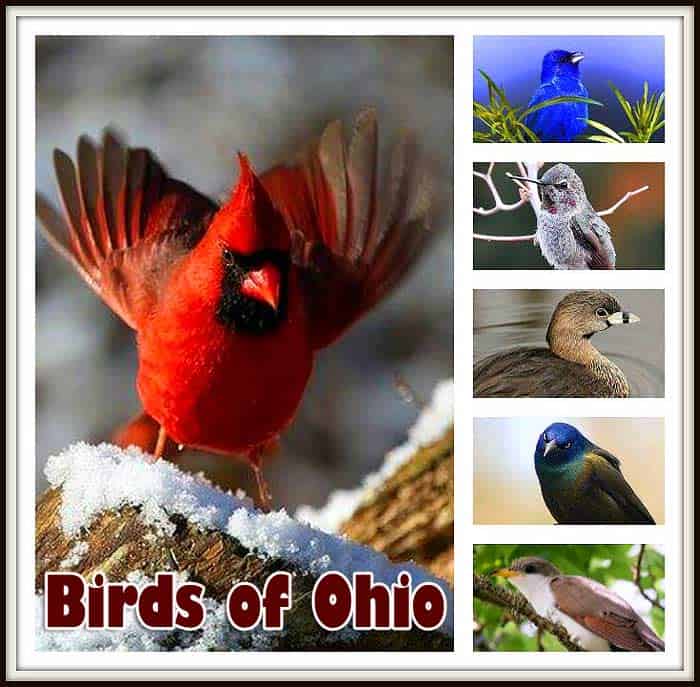
At present, Ohio has 5 distinct geographical regions from Lake & Till Plains to Appalachian Plateau and Bluegrass Region. Find 15 Best Birds of Ohio here.
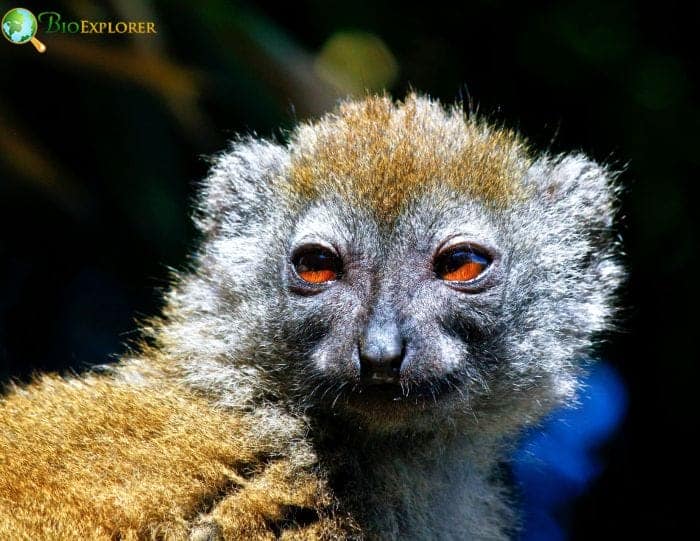
The eastern lesser bamboo lemur (Hapalemur griseus) is a small, endangered rainforest primate found only in Madagascar. This unique species has adapted to specialize in a toxic bamboo diet other animals cannot consume. Yet habitat loss and hunting have left remaining populations highly vulnerable.
Understand biological magnification – how toxins accumulate exponentially up food chains to dangerous levels in top predators. Unpack biomagnification impacts, sources, and solutions.
Discover the incredible biodiversity of the tropical rainforest. Dive deep into the habitats of rainforest animals, from the elusive jaguar to pink-toe tarantulas.
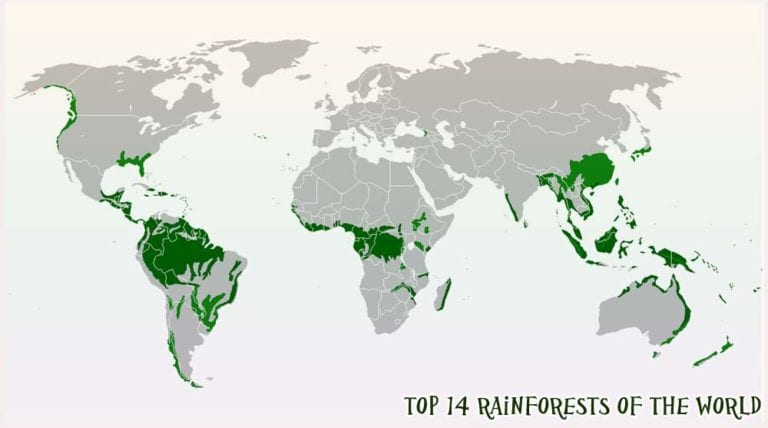
Rainforests are considered the planet’s oldest ecosystems. Here are the top most spectacular rainforests in the world (from different continents) & facts.
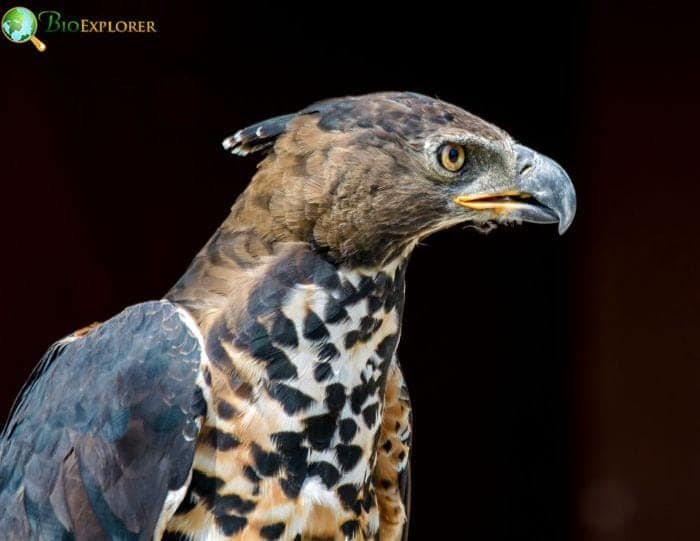
The Crowned Eagle, also known as the African Crowned Eagle, is a powerful raptor native to sub-Saharan Africa, favoring dense forests and woodlands. Recognizable by its striking dark crest and intense yellow eyes, this eagle boasts a wingspan of 5–6 feet and is considered Africa’s most powerful eagle pound for pound. Its massive talons and strong legs allow it to hunt large prey, primarily monkeys, small antelope, and hyraxes, though it occasionally takes birds and reptiles. Crowned Eagles build enormous nests high in emergent trees, sometimes reusing them for over a decade. Their courtship includes dramatic aerial displays and prey offerings.
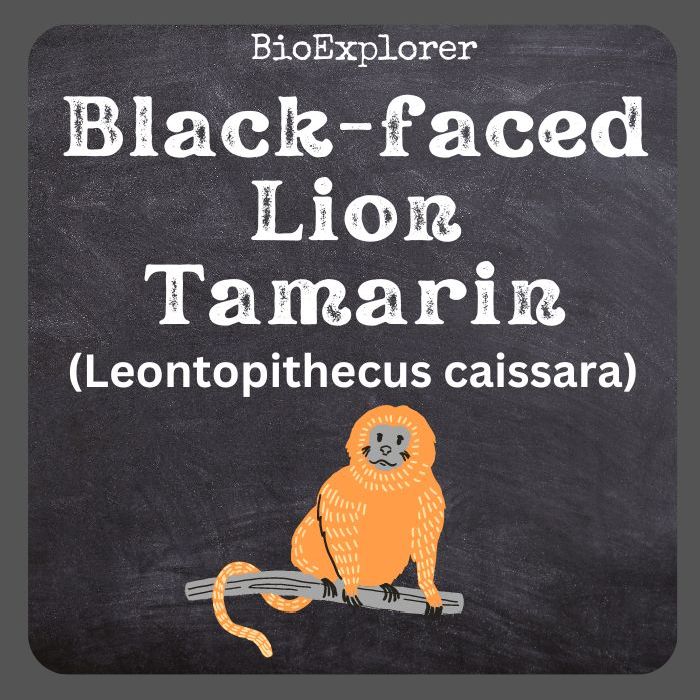
The black-faced lion tamarin, also known as superagüi lion tamarin, is a small New-World primate in the Callitrichidae family. Black-faced lion tamarins are diurnal and seek refuge in hollows or tree holes at night.
Learn about the endangered scimitar-horned oryx, a striking Saharan antelope brought to extinction in the wild by 2000. Discover how urgent conservation efforts and captive breeding programs for this iconic desert-adapted Oryx dammah species have kept its future hopes alive against the odds.
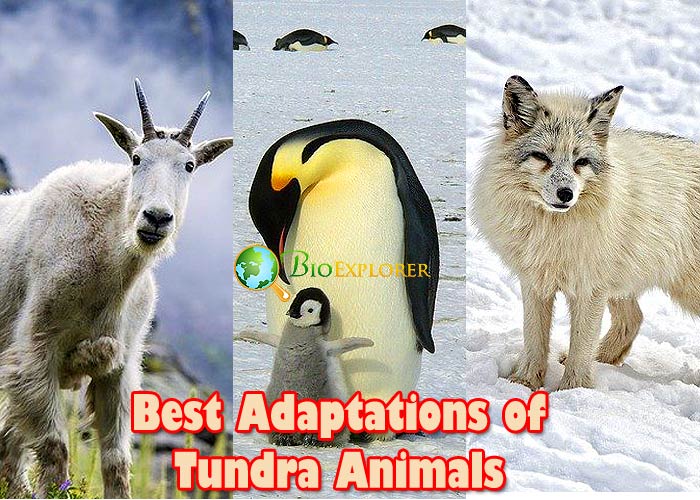
The coldest areas on Earth, such as regions close to the North Pole and the South Pole, have unique features. Here are the top 18 tundra animal adaptations.
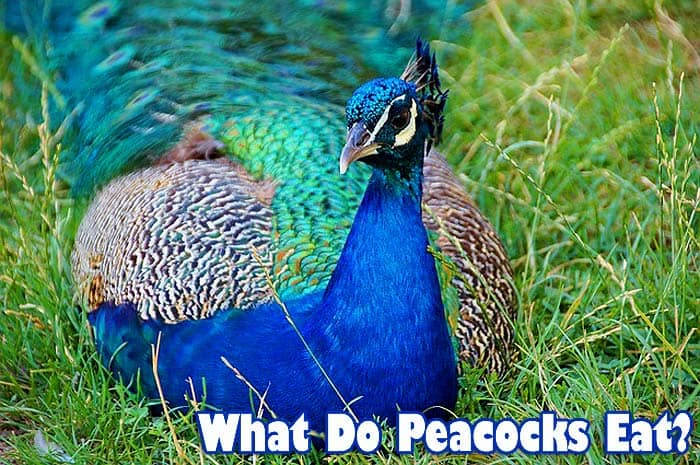
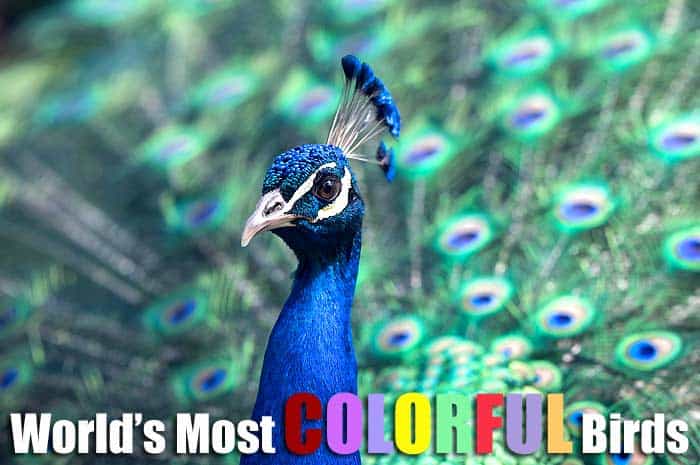
Peacocks are flashy birds renowned for their colorful tail plumage. Explore what do peacocks eat, their diet by types, and what eats peacocks & more here.
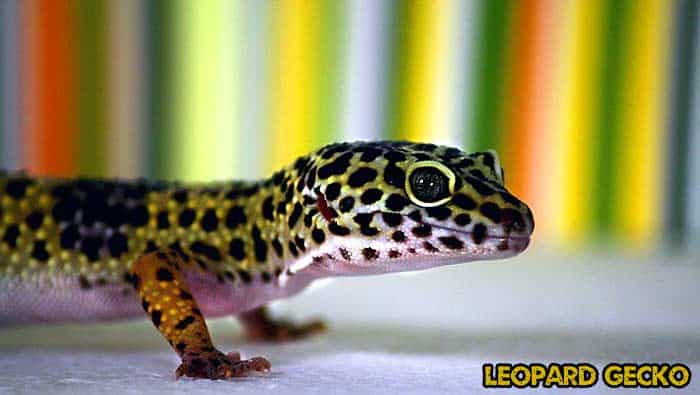
Among reptiles, the leopard gecko is perhaps one of the most popular. This is the first-ever species of lizard to be domesticated. Learn all about leopard gecko here including appearance, diet, habitat, reproduction and ecological importance.
Uncover 25+ fun facts about black leopards! Discover why these elusive melanistic felines are so special, learn about their unique adaptations, and explore the myths and realities surrounding these beautiful creatures.
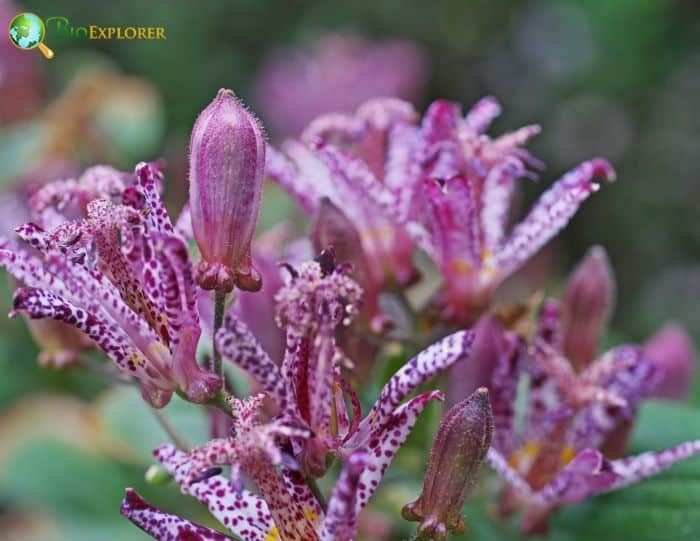
Tricyrtis affinis is a perennial Japanese plant of the Liliaceae. This species is endemic to Japan and can grow to a height of 30-60 cm. The flowers of Tricyrtis affinis are white with purple spots. The flowers have six free tepals in two whorls. Tricyrtis is a symbol of fertility.
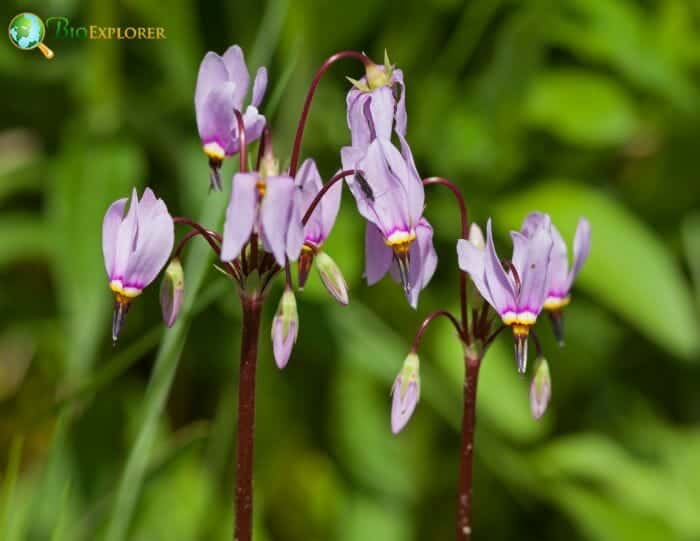
Dodecatheon media, a shooting star, is a very popular native North American wildflower, commonly found in open woods, prairies, meadows, rocky wooded slopes, and bluff ledges. The shooting star is a plant species in the Primulaceae (primrose) family. There are more than 17 species in the Dodecatheon genus.
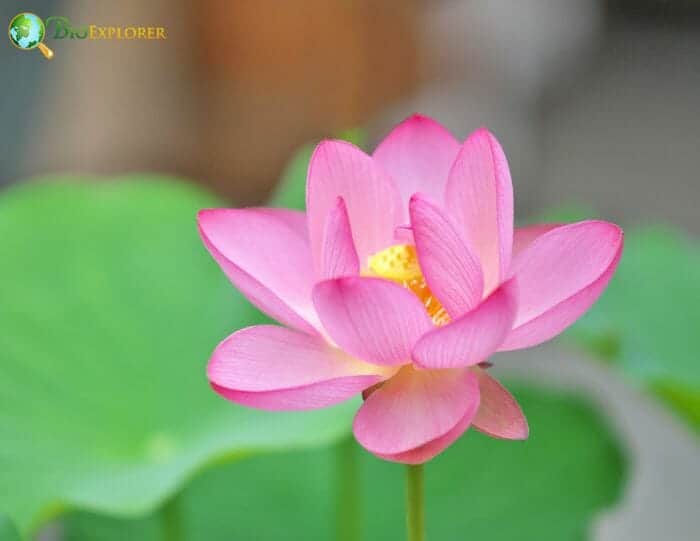
The lotus (Nelumbo nucifera) is an emergent aquatic plant that grows with its roots at the bottom of the water source and its flowers and leaves on its surface. The lotus, sometimes mistakenly referred to as a water lily, is available in shades from bright pink to white. The plant has 2 round leaves that typically float on the water.
Hellebore is so pretty and straightforward that it has a place in almost any landscape. Its exquisite cup- or saucer-shaped blooms in white (sometimes speckled), maroon, yellow, or pink remain on the plant for many months, even after the petals have dropped.
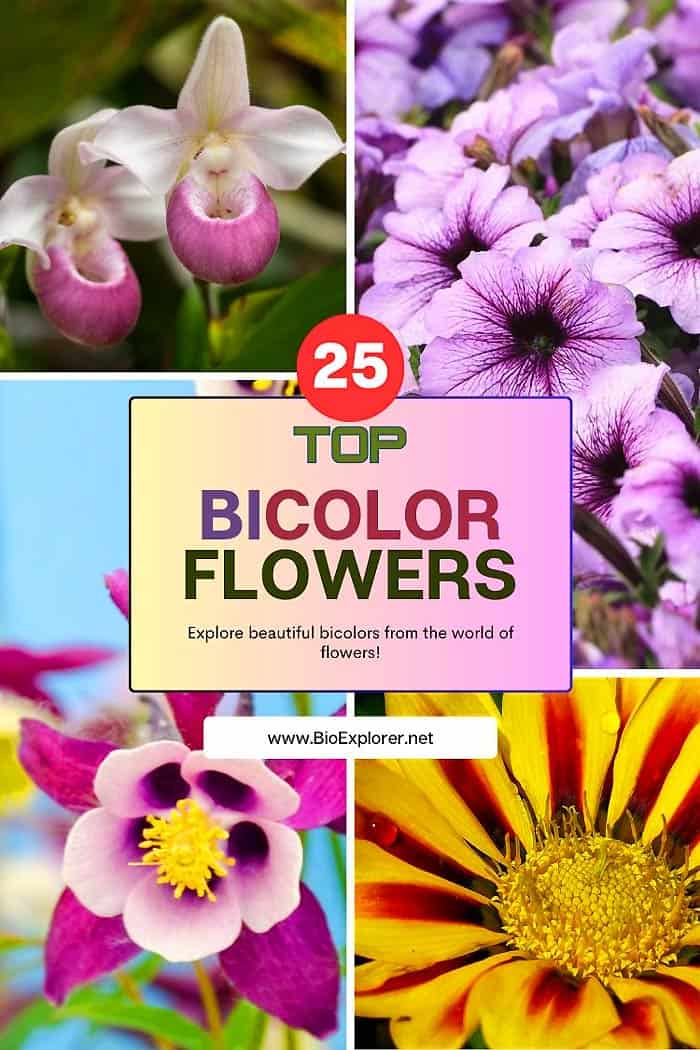
Discover 25 stunning bicolor flowers, from rare orchids to common garden favorites. Learn about their habitats, care tips, and unique features in this guide.
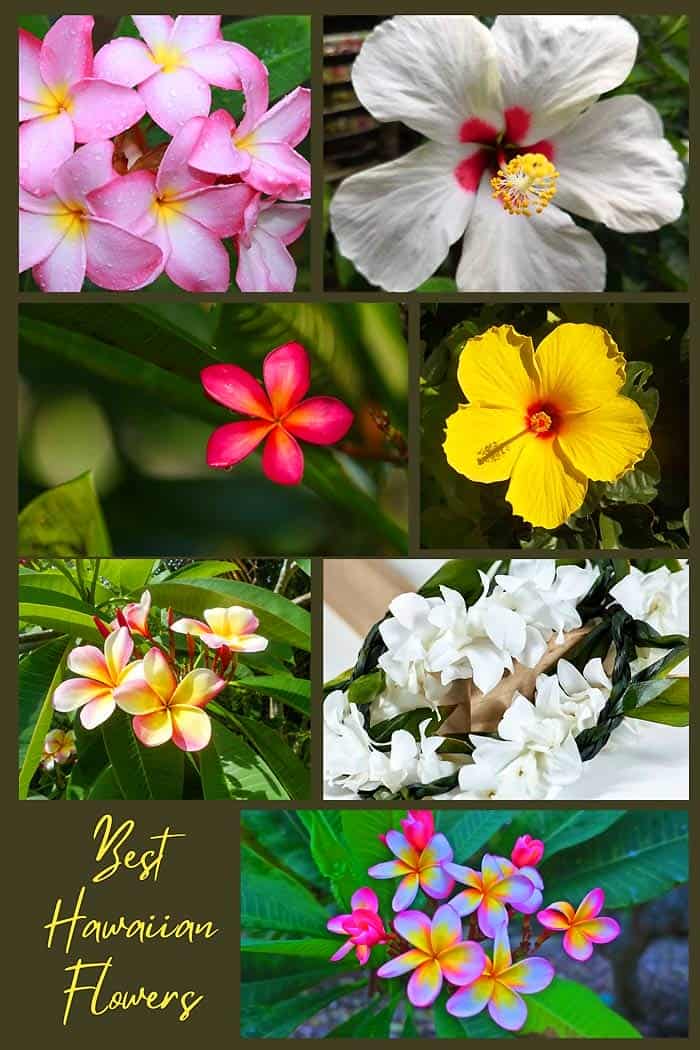
Explore the top 26 unique Hawaiian flowers exclusive to Hawaii’s archipelago. Dive into the world of these beautiful species, their interesting facts, and their significance in Hawaii’s ecosystem.
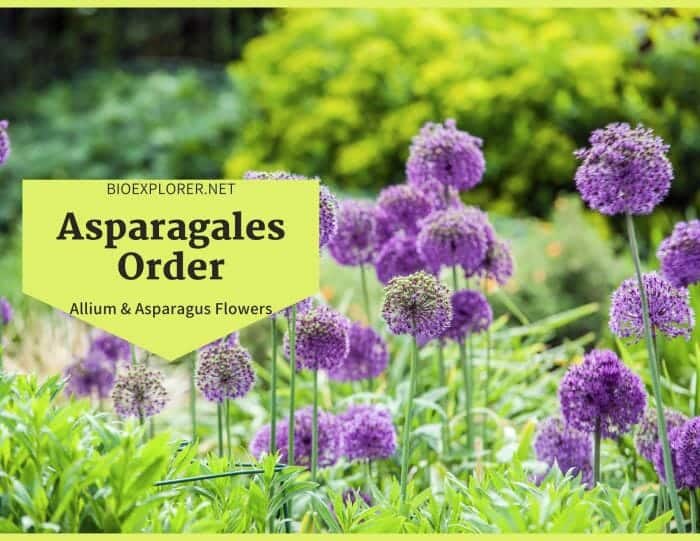
Asparagales is a monophyletic order that contains many species, including important crop plants such as Allium and Asparagus. This order has 29 families and closer to 50k flowering plants. Popular flower species in this order are day-lily, irises and lilioid monocots.
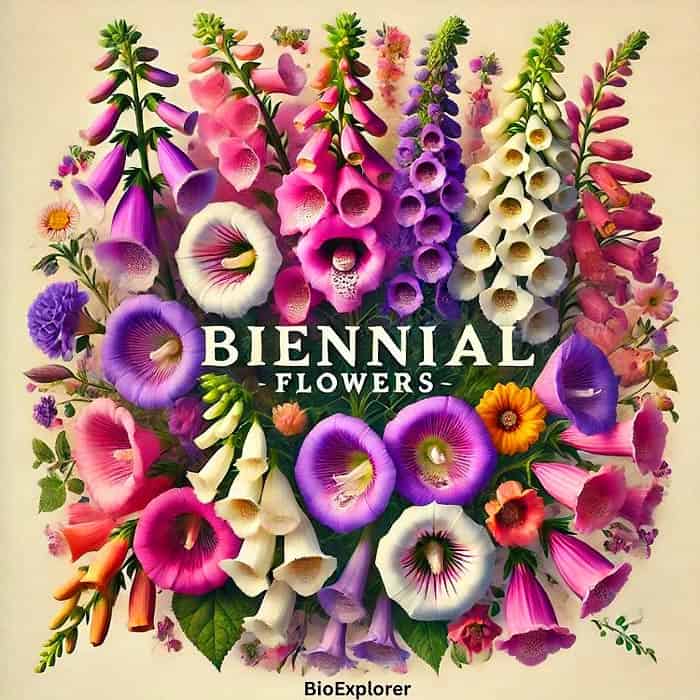
Explore the enchanting world of biennial flowers. Learn about their unique two-year life cycle, popular varieties for growing these spectacular blooms in your garden. Explore how foxgloves, hollyhocks, and other biennials can transform your landscape with patience-rewarding beauty.
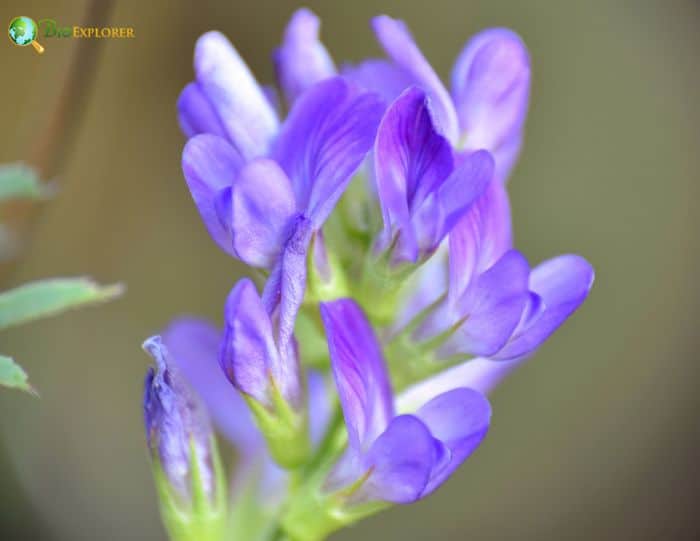
Learn about alfalfa (Medicago sativa), its flower characteristics, cultivation practices, environmental benefits, and economic importance in this comprehensive guide.
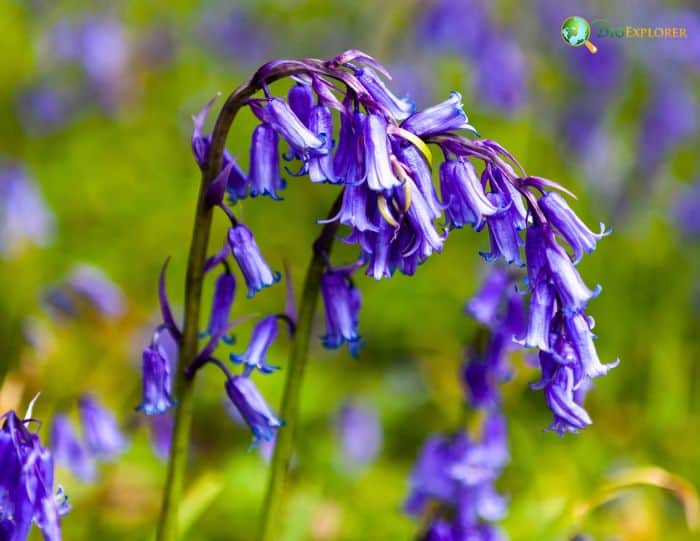
Explore the enchanting Bluebell flower (Hyacinthoides non-scripta), its vibrant violet-blue blooms, ecological significance, different types of bluebells and fun facts in this comprehensive guide.
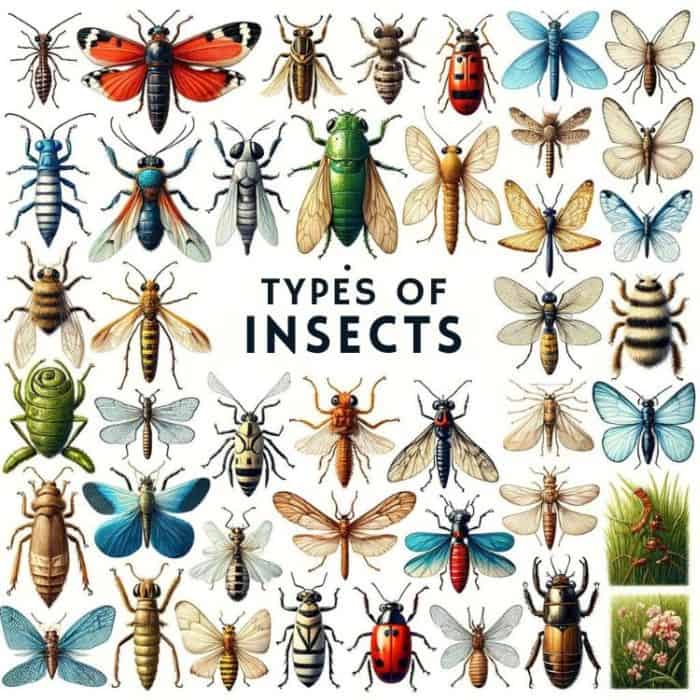
Explore 28 major insect orders under the class Insecta (diverse group of arthropods).Insects play vital roles in ecosystems, from pollination and decomposition to serving as food for other animals.
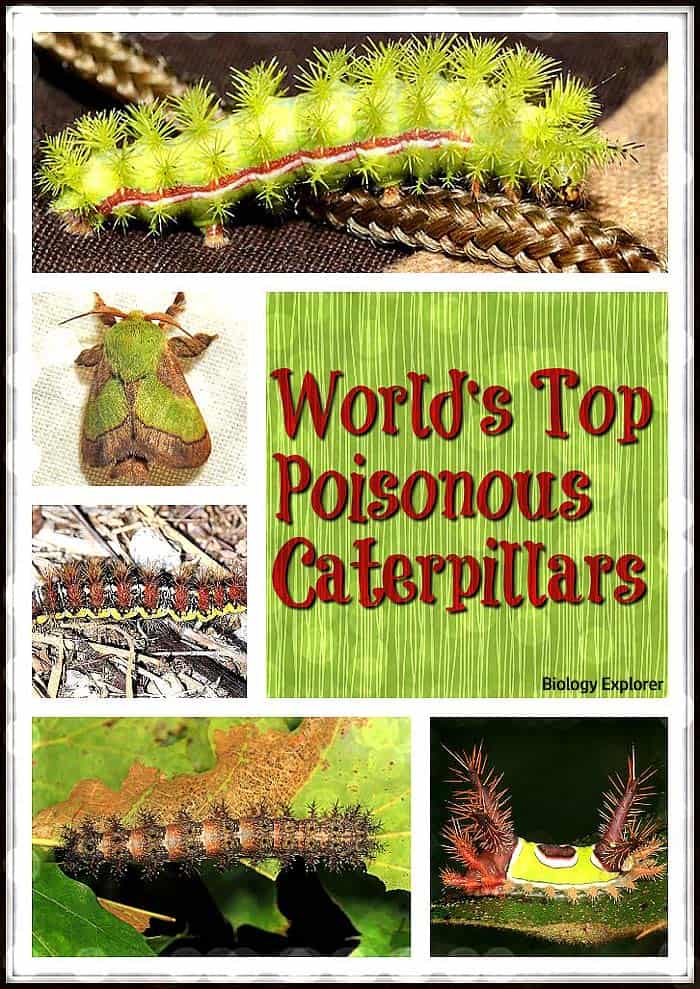
There are many kinds of poisonous caterpillars; several caterpillars develop chemical warfare – they become poisonous. Here are 15 species of poisonous caterpillars from around the world.
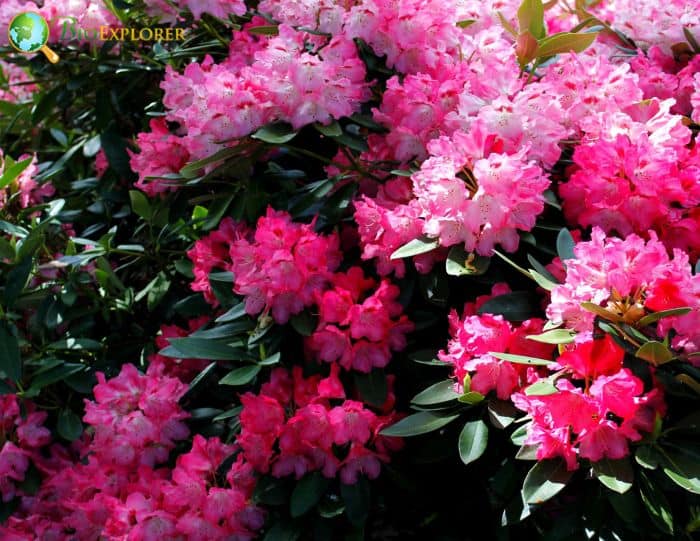
Discover the vibrant world of Azaleas in our comprehensive guide. Learn about different types, ideal planting conditions, care tips, and how to handle common pests and diseases. Perfect your green thumb with our step-by-step guide to planting and propagating these stunning shrubs.
From exquisite blooms to exotic plants, our guide to America’s top 15 botanical gardens promises enchanting adventures. Don’t miss out on these beautiful, botanical must-sees!
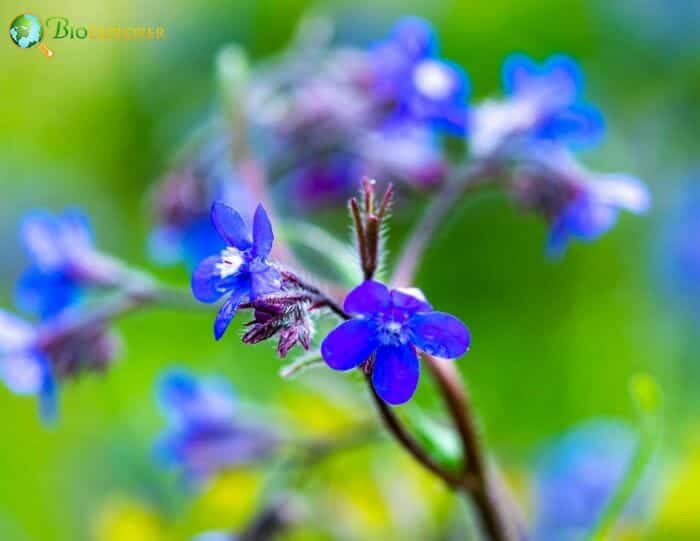
The magnificent bugloss (Echium vulgare) is indeed an insect magnet with its imposing size of about 40 inches (one meter). Its blue blossoms attract countless butterflies, beetles, bumblebees, and bees. Also known as Blueweed, Bugloss is a species of plant in the Boraginaceae (borage) family.
In 2022 paves the way towards discoveries in ecological consequences influenced by genetic factors, climate change in marine habitat, coral reefs and plants having great adaptability to climate change, and the necessity towards conservation of biodiversity.
Unlock the hidden secrets of your June birth flowers! Discover the symbolism behind roses and Honeysuckle, and delve into their rich history and fun facts here.