Types of Eagles
Explore all 68 types of eagles in this comprehensive guide. Learn about each species’ unique traits, habitats, and behaviors across the globe.

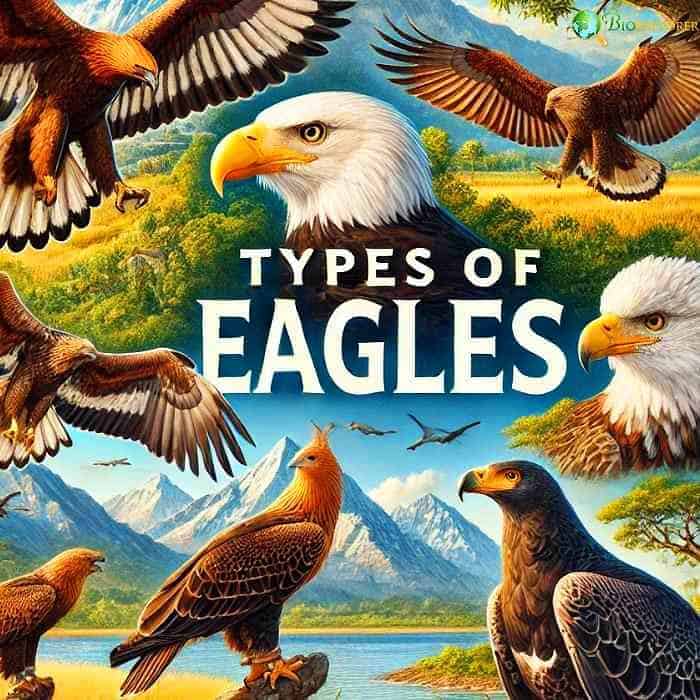
Explore all 68 types of eagles in this comprehensive guide. Learn about each species’ unique traits, habitats, and behaviors across the globe.
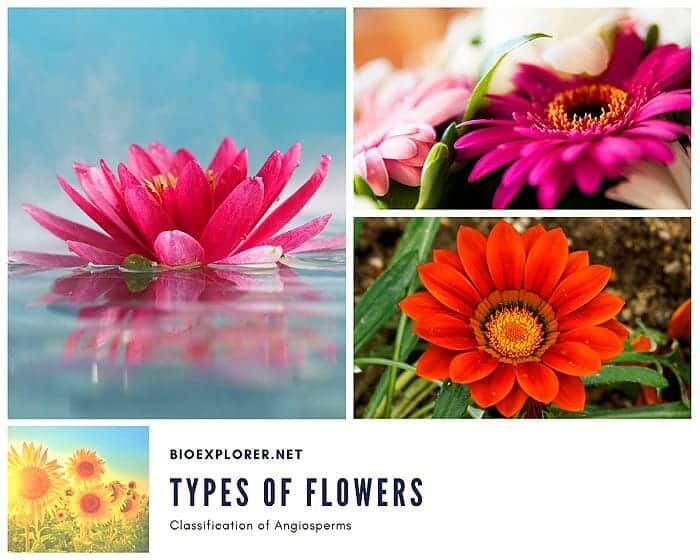
Types of Flowers: Explore the beauty & diversity of colorful flowers and intriguing botanical properties for all orders of flowering plants.
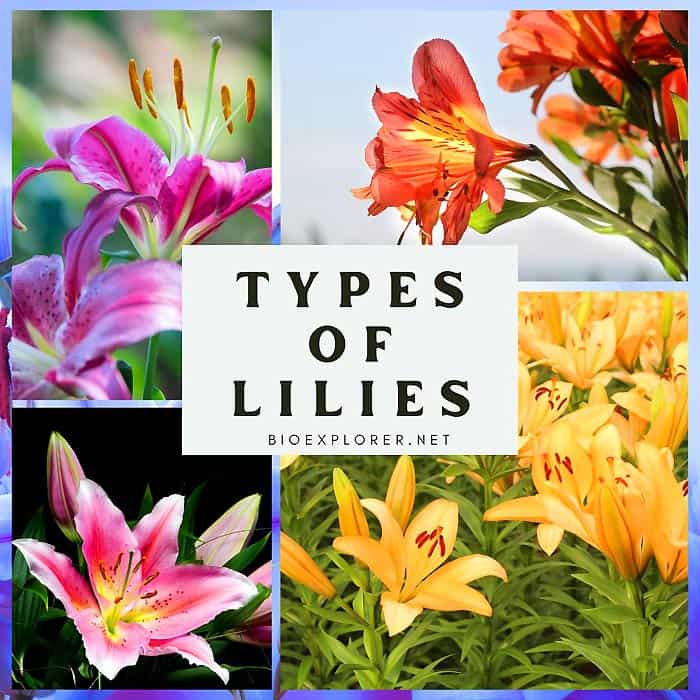
Discover the stunning beauty of different types of lilies. From oriental hybrids to unique lily species, learn about the diverse world of lily varieties.

Discover the captivating world of the top 85+ white flowers, from the iconic Lily of the Valley to the lesser-known Snowball Viburnum. Explore their enchanting beauty, rich symbolism, and fascinating scientific facts in this comprehensive guide.
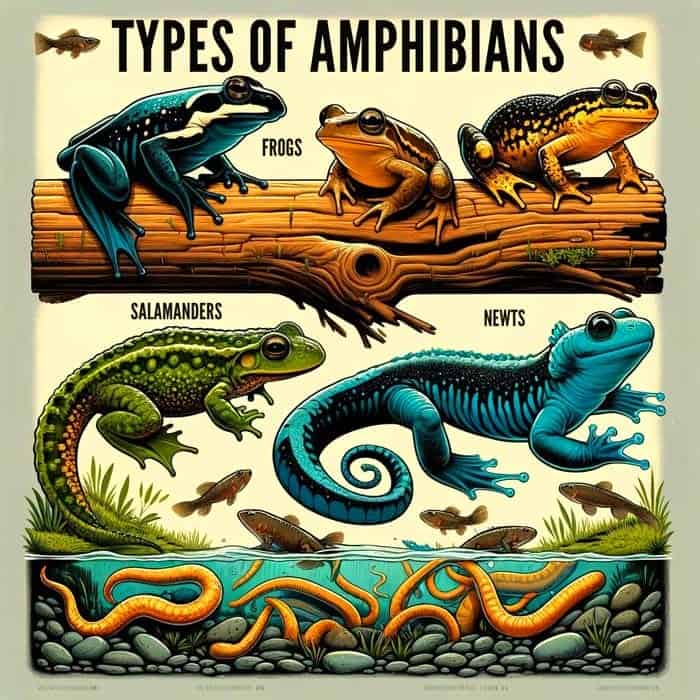
Explore 3 different types of amphibians in the animal kingdom. Learn 9 key features of amphibians including cold-blooded, dual-life, permeable skin and more.
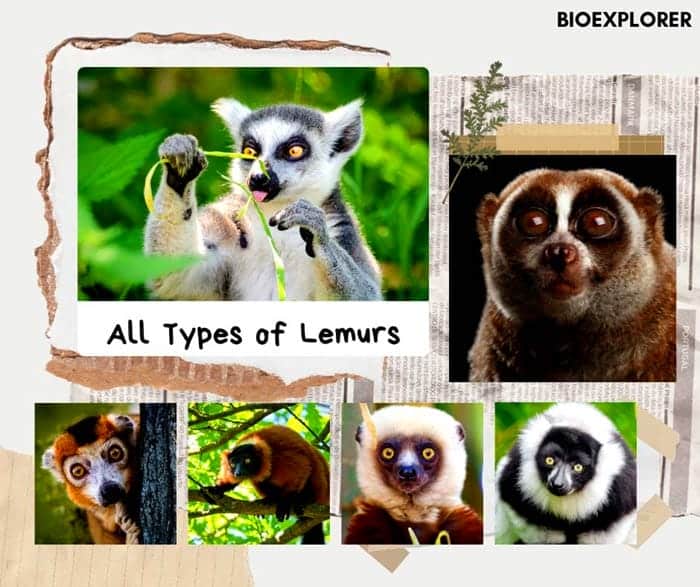
Lemurs, Madagascar’s charismatic primates, are a window into evolutionary wonder. Found only on this island, they’re a diverse bunch, ranging from the tiny mouse lemur to the large indri. Explore all types of lemurs here.
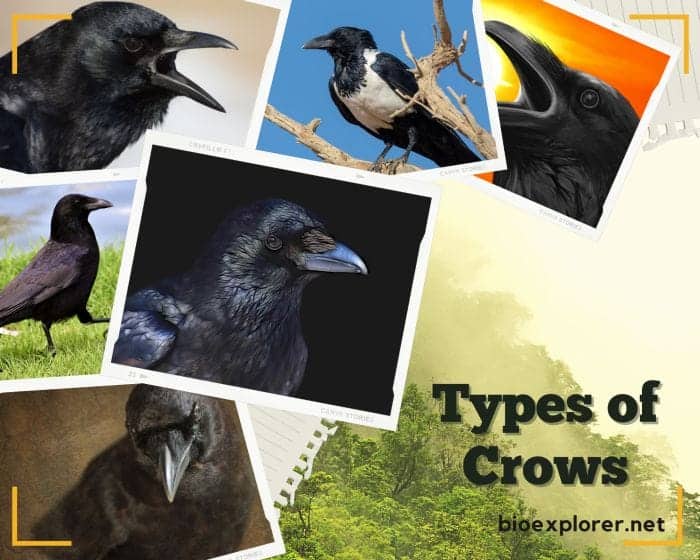
The Corvidae family, renowned for its intelligence and adaptability, includes crows, ravens, rooks, jackdaws, magpies, and jays. Within this family, the genus Corvus encompasses the “true crows” – a group of 43 recognized crow species found on every continent except South America and Antarctica.
Wildflowers are flowering plants that grow and bloom naturally in the wild. With their vibrant colors and sweet fragrances, these wildflowers provide beauty and so much life to the habitat where they thrive. The variety of wildflowers is impressive, providing many colors, sizes, and types.
Discover the diverse types of trees, from deciduous to evergreen. Enjoy vivid pictures, and learn their roles in ecosystems and their conservation efforts.
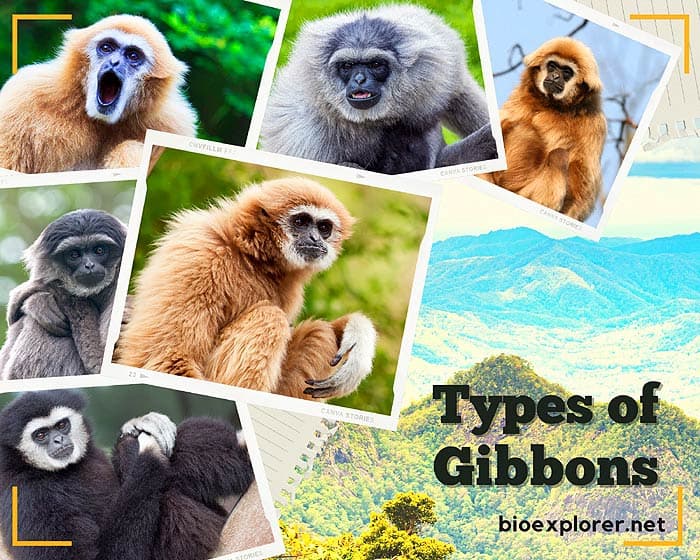
Gibbons (also called lesser apes) belong to the family Hylobatidae, and there are 20 types of gibbons. Gibbons live in sub-tropical and tropical rainforests of Bangladesh, India, China, and the Indonesian islands. All gibbons are tailless and smaller in size when compared to Great apes.
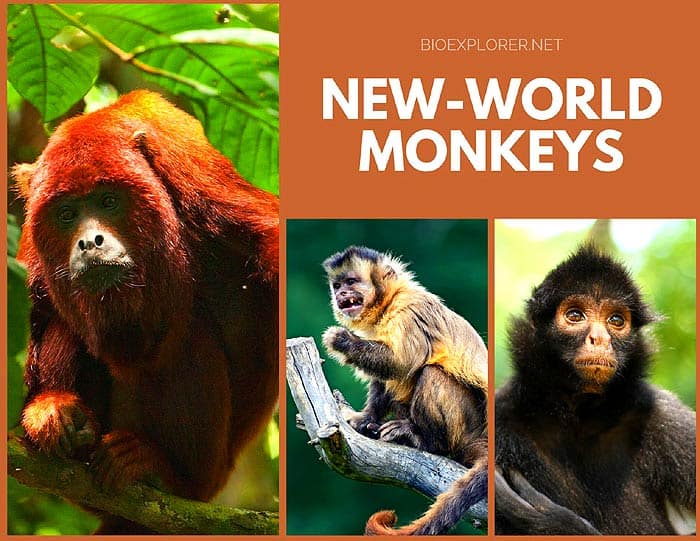
The term “New World monkey” is a broad label that refers to any species that falls under one of the five taxonomic families of the Ceboidea superfamily: Cebidae, Callitrichidae, Atelidae, Pitheciidae, and Aotidae. Explore all New-World monkeys and their characteristics.
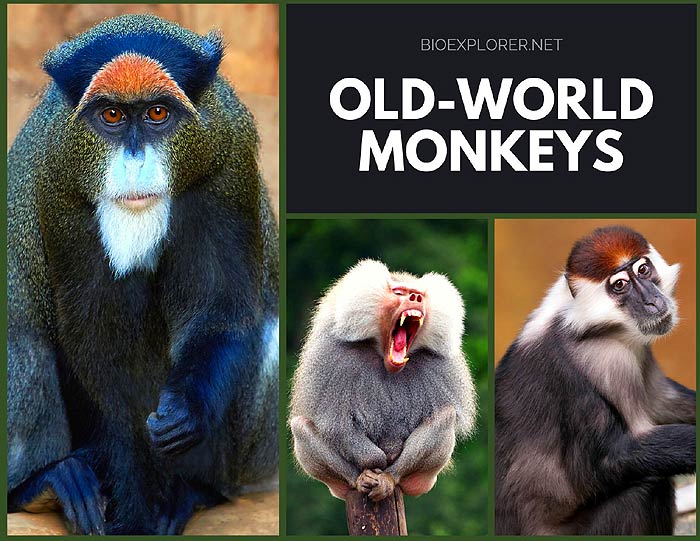
The term “Old World monkey” refers to the primates that make up the taxonomic family known as “Cercopithecidae”. The family is split into two subfamilies: Cercopithecinae, which has 78 species, and Colobinae, which has 82 species. Explore all about old-world monkeys here.
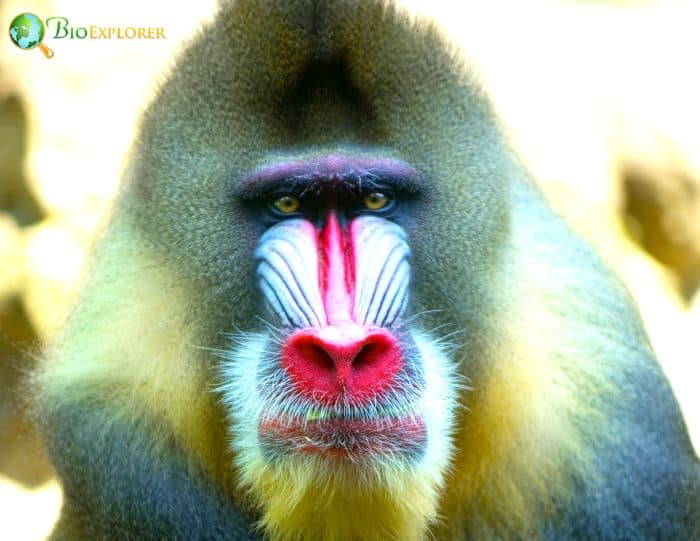
Explore types of rainforest monkeys that are found in different rainforest regions of the world. Rainforests are biomes that have a rich flora and fauna. Animal species diversity is highest in the rainforests than anywhere else on earth.

Behind the struggle to combat increasing global temperature & rapidly changing climate lies the excessive production of greenhouse gases that eventually get trapped in the atmosphere. Let’s explore what greenhouse gases are, their types, and, most importantly, their contributions to climate change.
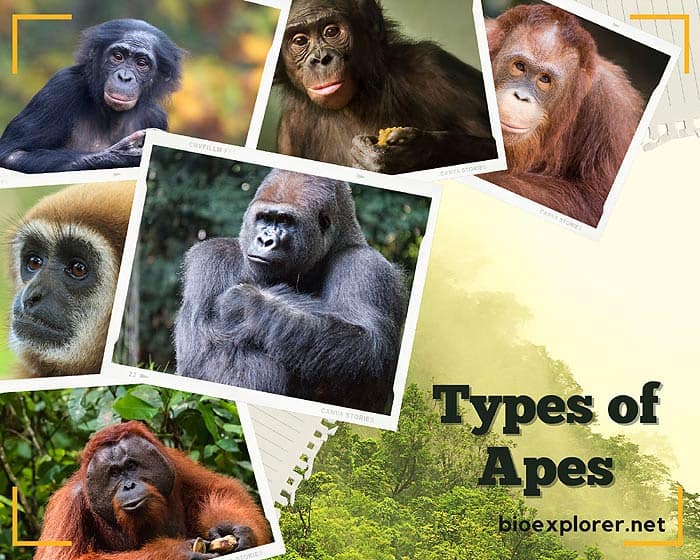
There are two main types of apes: “lesser apes” and “great apes”. Lesser apes include mainly all gibbon species, whereas the Great apes include orangutans, gorillas, chimpanzees, and bonobos.
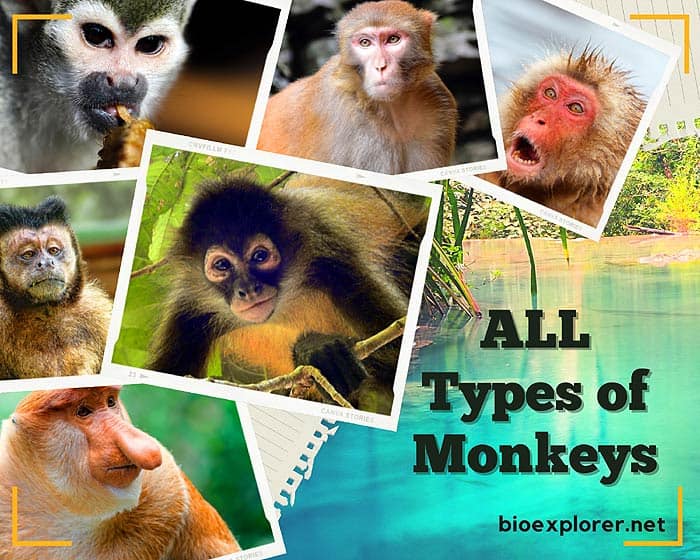
Monkeys are classified into two main groups: Old-world monkeys and New-world monkeys. Explore all 334 different types of monkeys and their facts here.
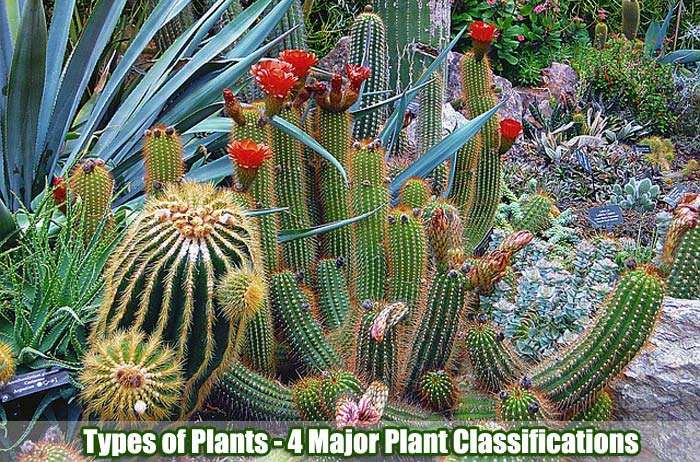
Botanists classify plants into several groups that have similar & distinguishing characteristics. Plants are all unique regarding physical appearance, structure, and physiological behavior. There are two major classifications of plants are non-vascular & vascular. Explore all 4 major phyla of the plants here.
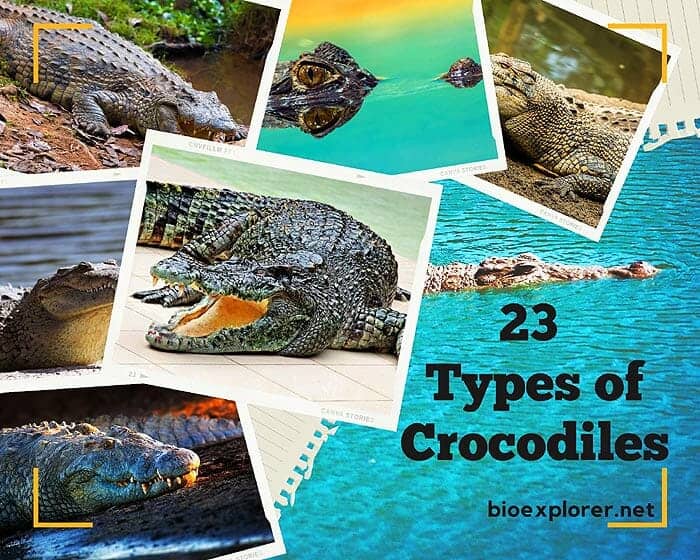
Crocodilia is one of the reptile orders dedicated to large, lizard-shaped, and predatory reptiles. Explore 23 types of crocodiles by water bodies, regions, and taxonomy classification year.
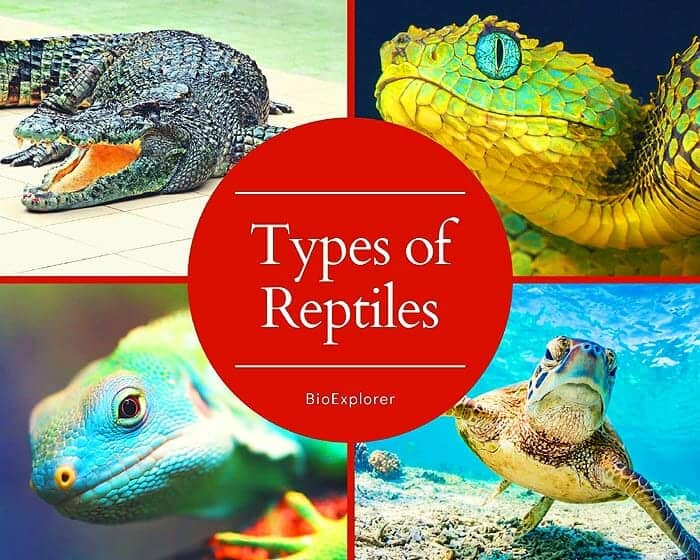
Reptiles are cold-blooded vertebrates of the class Reptilia. Explore the top 8 reptile characteristics and four different types of reptiles here.
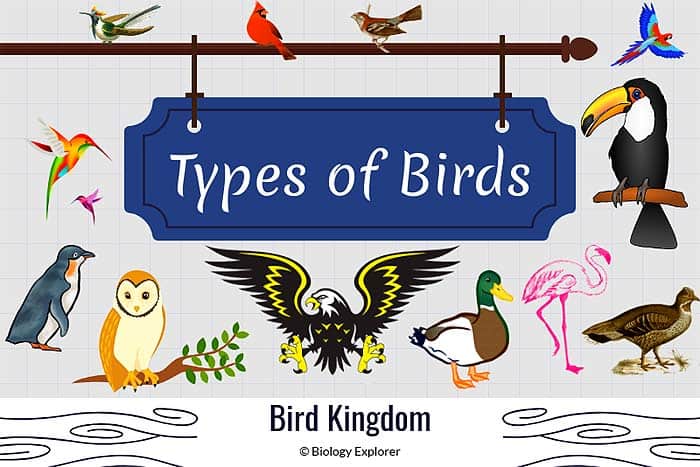
Birds are some of the most successful vertebrate animals on Earth. Explore different types of birds, their characteristics, and 40 orders of bird families.
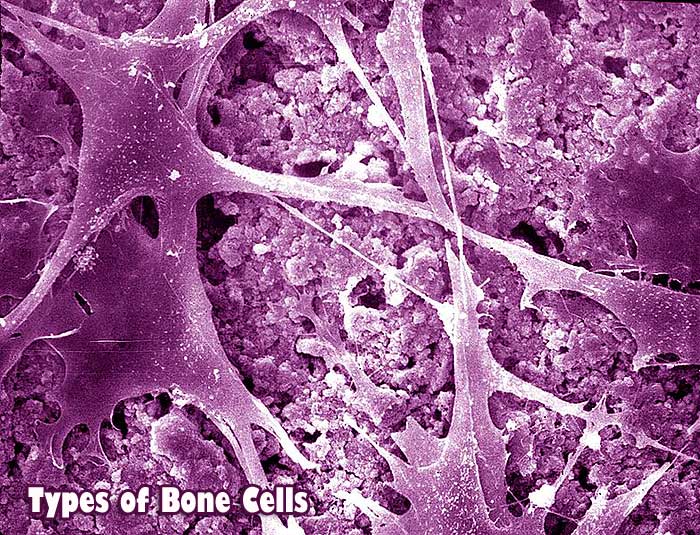
The bones are a core component of a living body that holds the structure of muscles and organs. Learn the three types of bone cells, their history, structure, and functions.
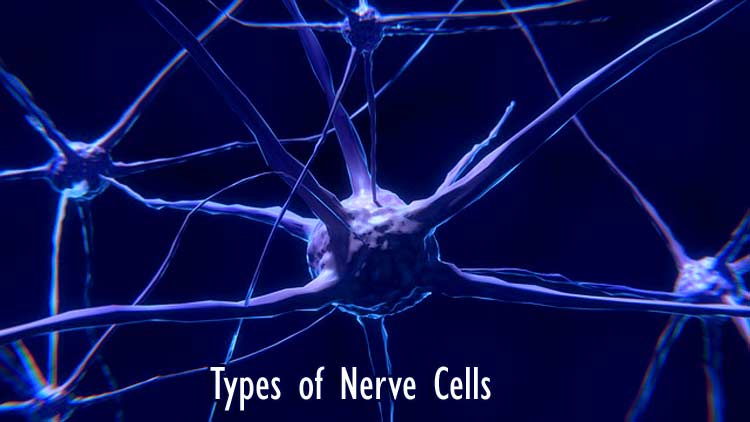
The nervous system is a network of interconnecting structures composed of types of nerve cells called Neurons and Glial cells. Explore the nerve cell functions in detail.

The immune system of the body mediates disease-fighting mechanisms using two different types of mediators. There are broadly two types of cells that are involved in the immune reaction – T cells & B cells. Explore different types of antibodies (or immunoglobulins), their properties, structures and functions in detail.
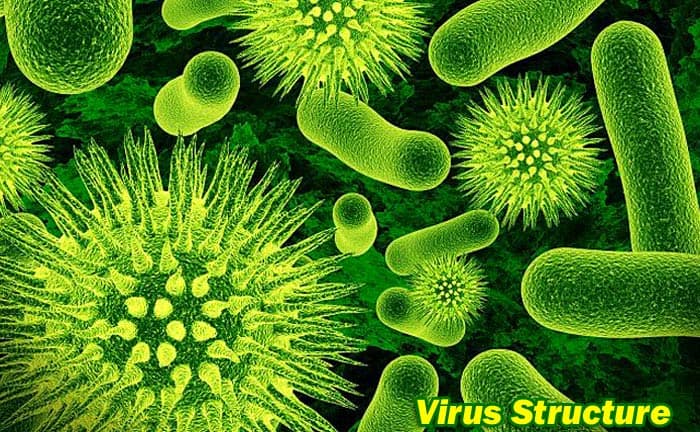
A virus is an infectious non-living particle that cannot survive on its own. The life cycle of the virus is a series of steps that enable the virus to infect a host and replicate itself. Explore virus structure, structure of virus, viral structure types, and functions of virus structure.

Anatomically, a cell comprises various organelles that function in an organized manner to carry out metabolic processes. Among these organelles, a vesicle is a tiny intra or extracellular fluid structure in a cell. Explore vesicle functions and types of vesicles in detail here.
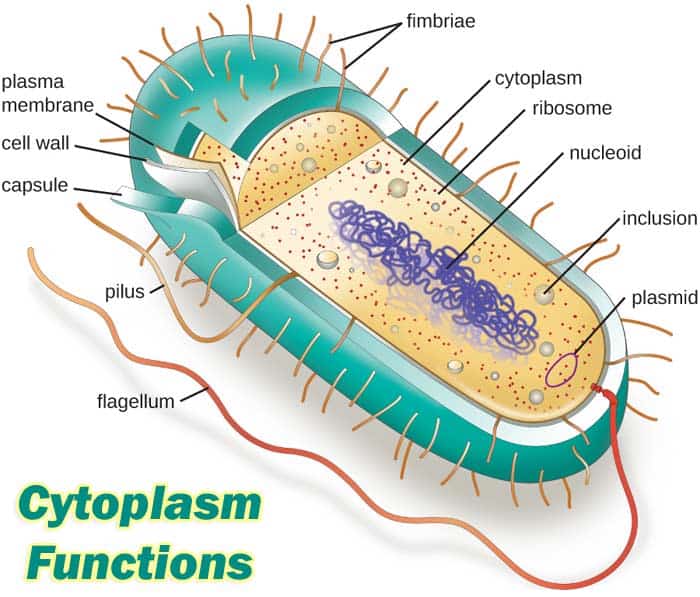
Every cell in an organism comprises a fluid that fills the cell and is surrounded by a cell membrane. This fluid is called the cytoplasm or the cytosol. Explore the detailed 16 cytoplasm functions, their types, processes, constituents, and physical & chemical features of the Cytoplasm here.
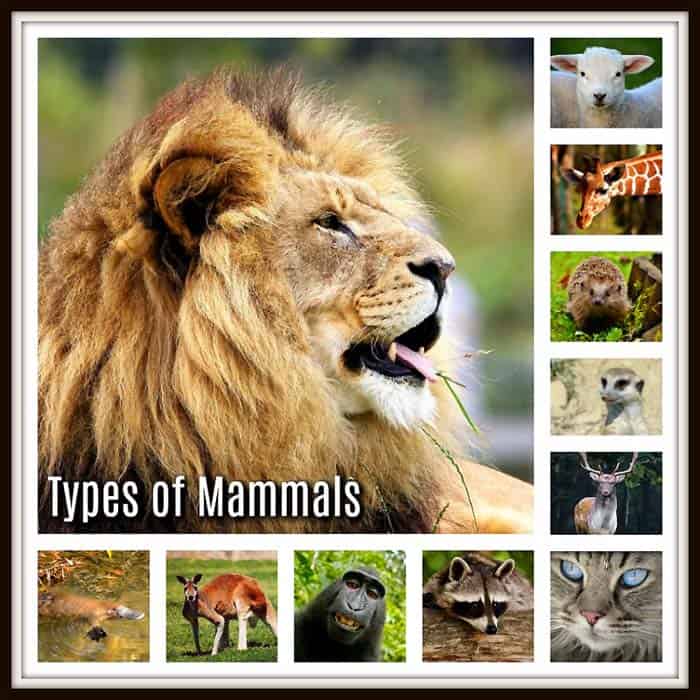
Mammals are vertebrates within the class Mammalia which have a neocortex, hair, three middle ear bones, and mammary glands. Here is the list of different types of mammals in the animal kingdom and their characteristics.
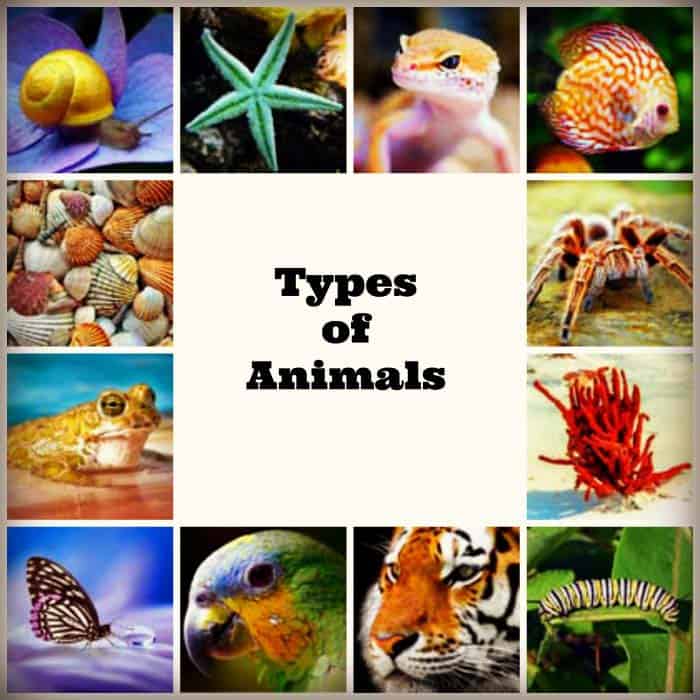
From biological classification perspective, animals belong to the kingdom called Animalia. They are eukaryotes, multi-cellular living organisms, locomotive heterotrophic, and reproduce sexually. Explore different types of animals in the animal kingdom here.
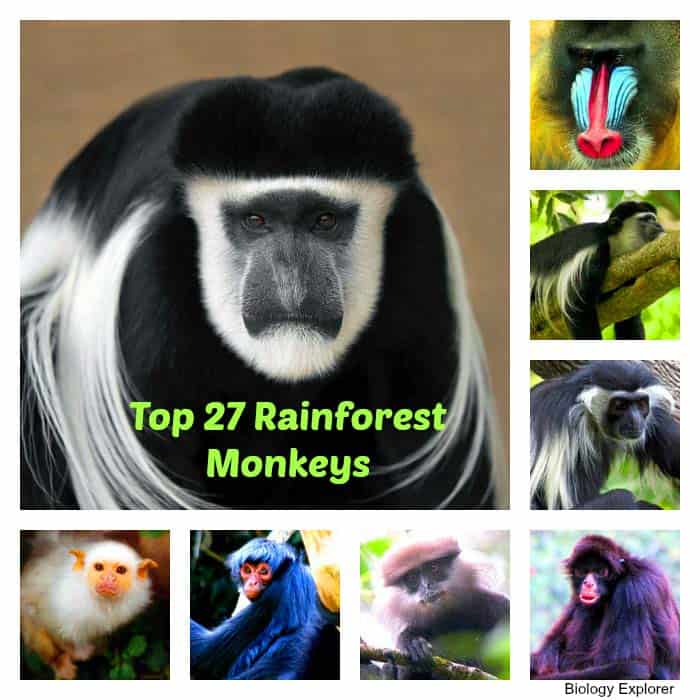
Rainforests are biomes that have a rich flora and fauna. Animal species diversity is highest in the rainforests than anywhere else on earth. This article discusses 27 rainforest monkeys that are found in different rainforest regions of the world.
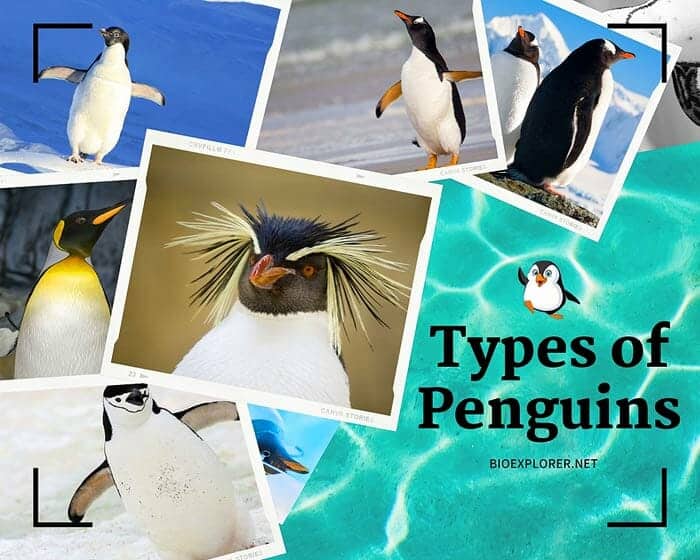
Penguins are flightless aquatic birds of the Bird Family Spheniscidae. Explore all 27 types of penguins by taxonomists, IUCN status & pictures.
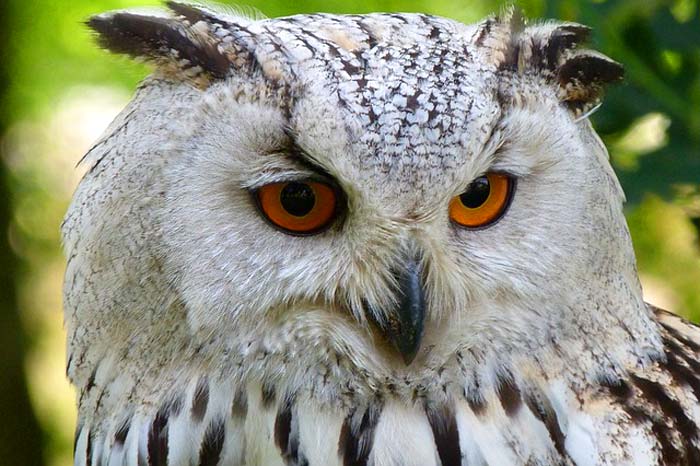
Find all types of owls (2 major families – Strigidae & Tytonidae) with their biological classification, characteristics, diet, anatomy, & related news.

The cell wall is the structural layer encircling the cell membrane. Discover the different types of cell walls, their structures, and their functions.
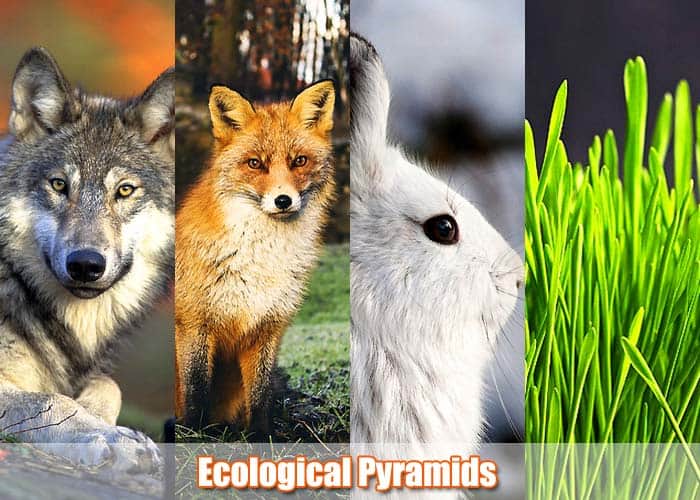
Ecological pyramids serve as the representation of the relationship among organisms in an ecosystem. Learn their overview, 3 major types & limitations here.

Chromosomal mutations are any alterations or errors that occur on a chromosome. In living organisms, mutations occur at one in every ten million cell replications. Explore what happens when a chromosome encounters such changes in its structure, number, and type. Learn the pros and cons of chromosomal mutations.
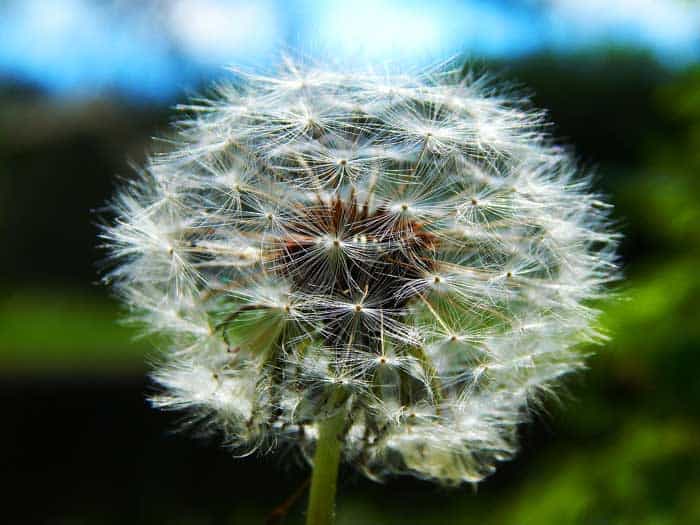
Plants use Haplodiplontic life cycle to alternate generations. Explore plant life cycle of Bryophytes (Moss), Pteridophytes (Fern), & Angiosperms (Flower).
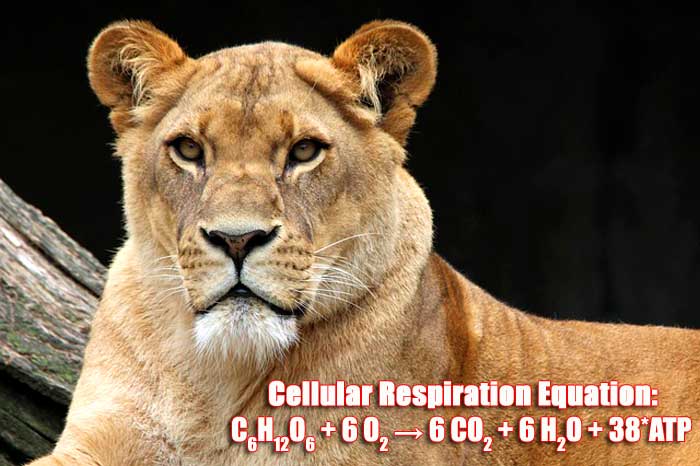
Cellular Respiration is the process by which living organisms produce energy. Learn Cellular Respiration Equations, Types, Stages & Products via illustrations.

Dive into the world of medicine and explore different types of doctors and physicians and their specializations, including medical and non-medical or holistic doctor types.
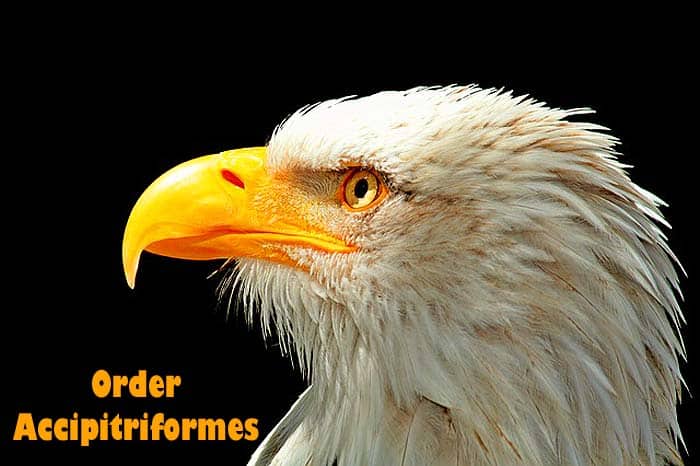
Accipitriformes are an order of birds of prey that includes hawks, eagles, and ospreys. This hub page explains their evolution, shared traits, families, and ecological importance.
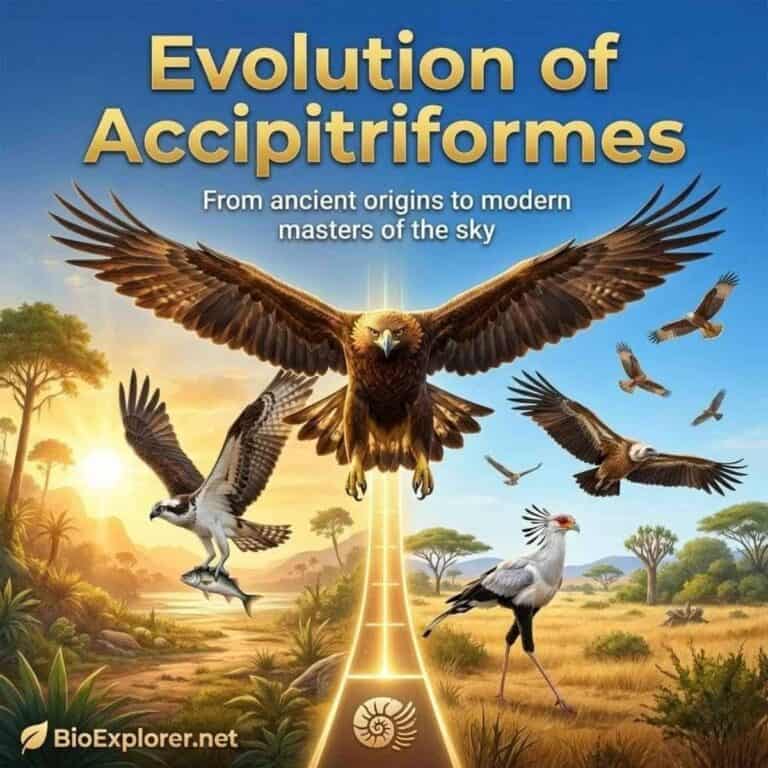
Accipitriformes are daytime birds of prey that evolved into powerful hunters through millions of years of adaptation. This guide explores their ancient origins, evolutionary traits, major families, hunting tools, global spread, and how modern challenges continue to shape hawks, eagles, and ospreys today.
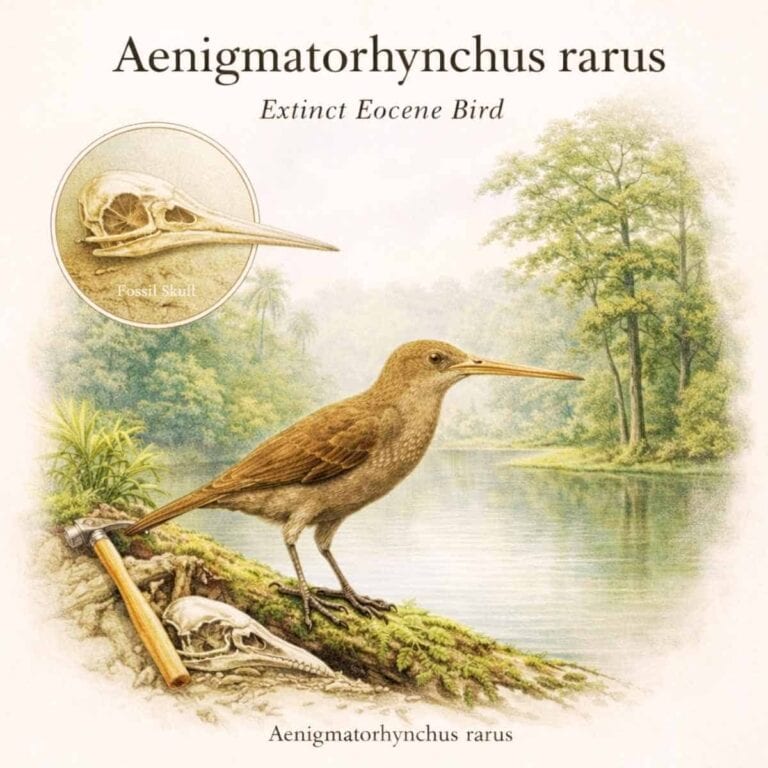
Discovered in Germany, Aenigmatorhynchus rarus is an extinct Eocene bird with a strange beak that does not match any living bird group.
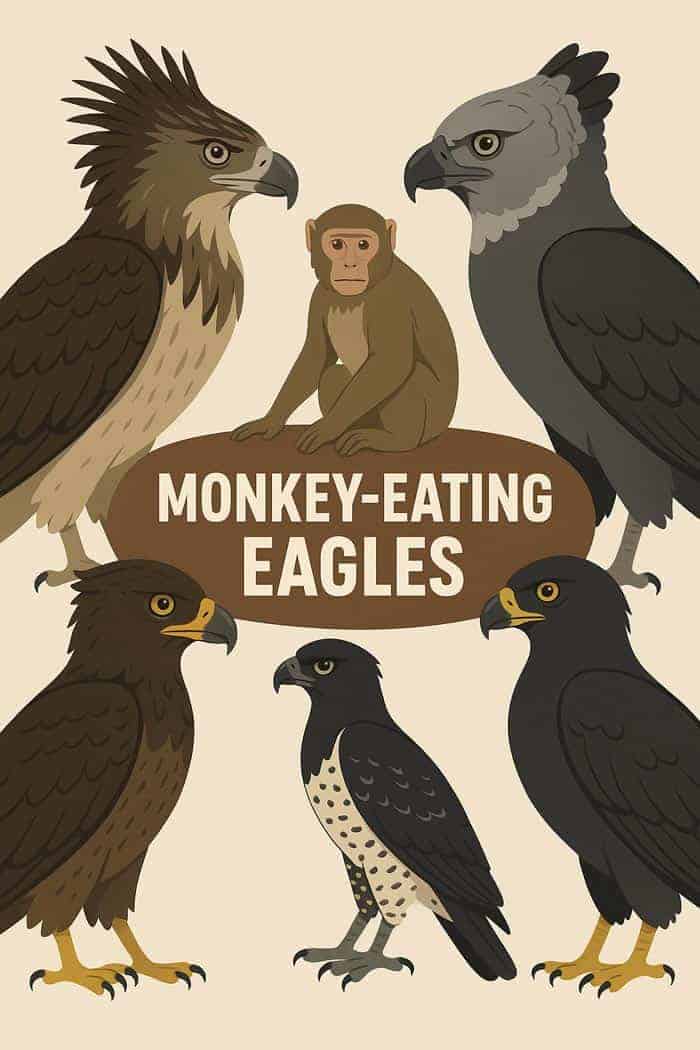
Discover the world of monkey-eating eagles—powerful raptors like the Philippine, Harpy, and Crested Eagles—built to hunt primates in dense rainforests.
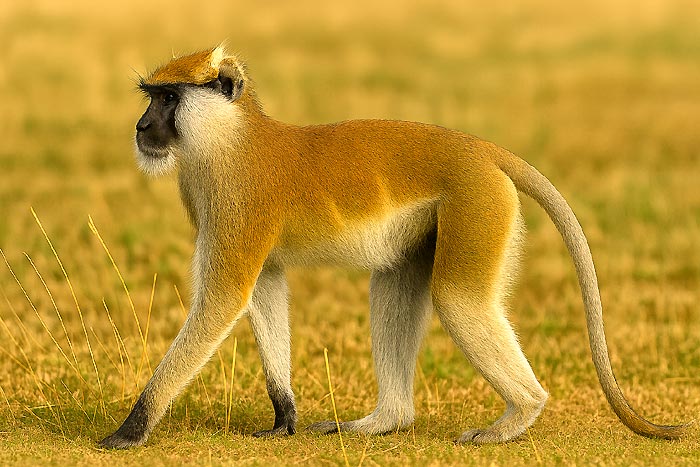
The Southern Patas Monkey (Erythrocebus baumstarki), native to Tanzania, is a critically endangered primate known for its speed, elusive nature, and striking coloration. Once widespread, its population now teeters between 100–200 individuals due to habitat loss and human threats. Inhabiting open acacia woodlands, these ground-dwelling monkeys play a vital ecological role in seed dispersal and insect control. Conservation efforts are urgently needed to protect this rare species and restore its shrinking habitat range.
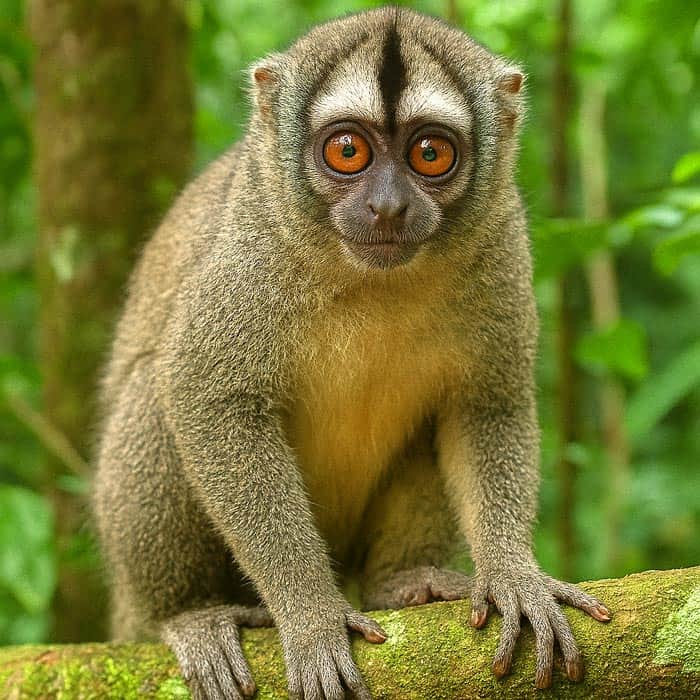
The gray-handed night monkey (Aotus griseimembra) is a small, nocturnal primate native to Colombia, Venezuela, and Panama. Known for its large owl-like eyes and gray limbs, this tree-dwelling monkey thrives in rainforest canopies and plays a vital role as a seed disperser. Monogamous and family-oriented, it relies on both parents—especially the father—for infant care. Though adaptable, habitat loss, hunting, and the pet trade threaten its survival, earning it a Vulnerable status on the IUCN Red List. Conservation efforts are crucial to preserve this unique night-dweller and its forest ecosystem.
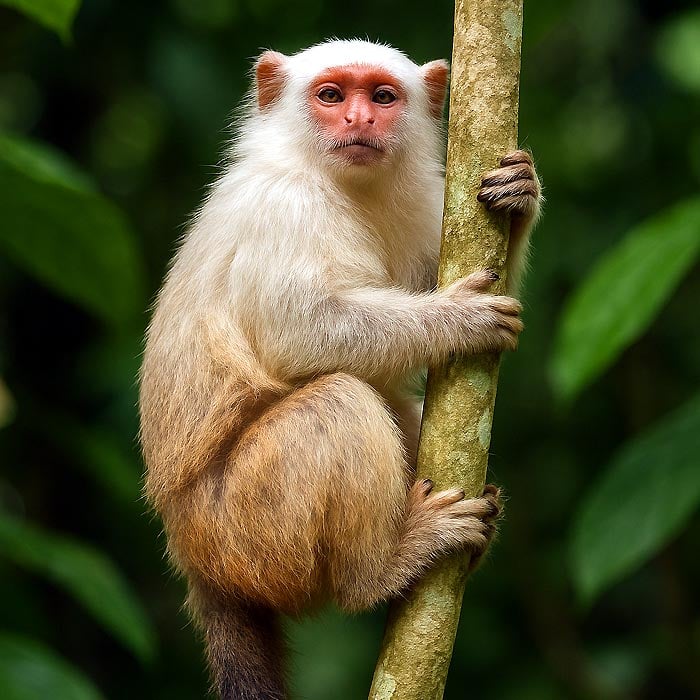
Schneider’s marmoset (Mico schneideri) is a tiny Amazonian monkey discovered only in 2021. Endemic to Brazil’s Mato Grosso forests, it lives in one of the most threatened rainforest regions. With a diet of fruits, insects, and flowers, it plays key ecological roles. Social and territorial, this marmoset breeds within tight-knit groups. Unfortunately, rampant deforestation threatens its survival. Urgent conservation is needed to protect this rare species and the rapidly vanishing habitat it calls home.
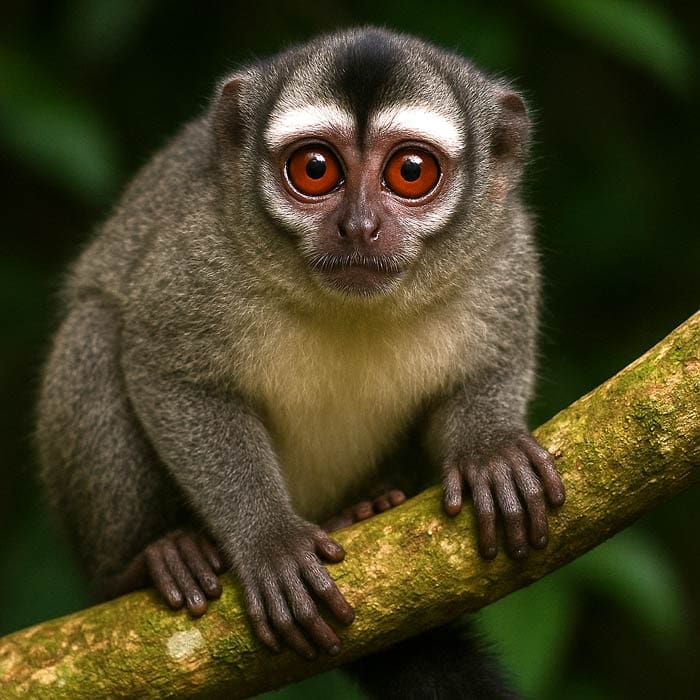
The gray-bellied night monkey (Aotus lemurinus) is a rare nocturnal primate found in the cloud forests of Colombia and Ecuador. Recognizable by its red eyes, gray underbelly, and woolly coat, it thrives in dense canopies where it feeds on fruits, insects, and nectar. Its nocturnal habits reduce competition and help it evade predators like owls and snakes. As both seed disperser and prey, it plays a key ecological role—yet habitat loss continues to threaten its survival.
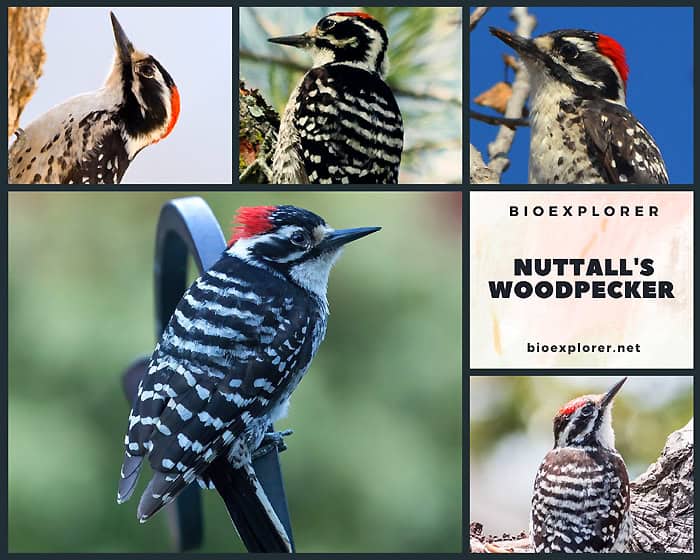
Nuttall’s woodpecker (Picoides nuttallii) is a small, striking bird found primarily in California and northern Baja California. It thrives in oak woodlands, riparian corridors, and even suburban areas with mature trees. Males sport a red crown patch, while both sexes show black-and-white barring that blends into tree bark. This non-migratory woodpecker feeds mainly on ants and beetles, using its strong bill and long tongue to forage under bark. Monogamous pairs raise chicks in tree cavities, and their old nests offer shelter to other wildlife, making them key contributors to healthy forest ecosystems.
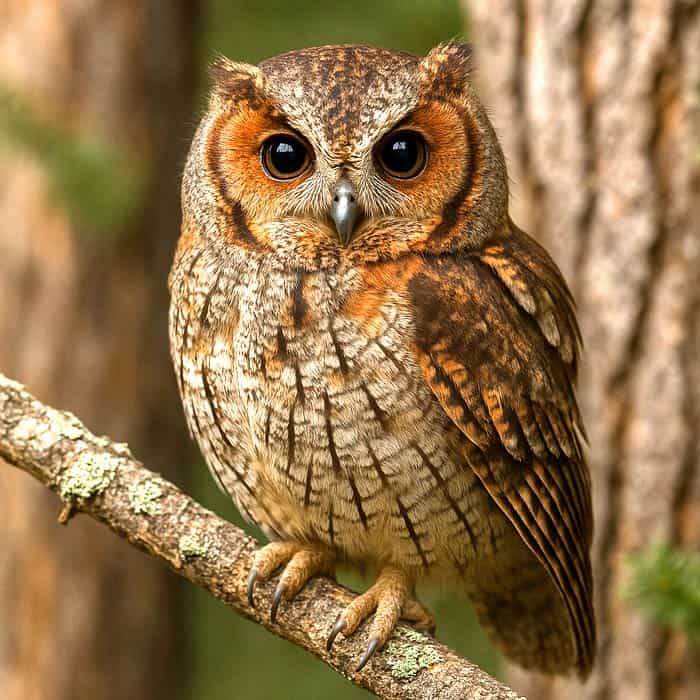
The flammulated owl (Psiloscops flammeolus) is a small, nocturnal bird native to western North America, renowned for its flame-marked plumage and soft, deep calls. Favoring mature coniferous forests, this elusive owl nests in tree cavities and feeds almost exclusively on insects like moths and beetles. Despite its broad range, it remains hard to spot due to its camouflaged appearance and secretive habits. As a key insect predator and indicator of healthy forests, the flammulated owl plays an essential role in maintaining ecological balance across its habitat.
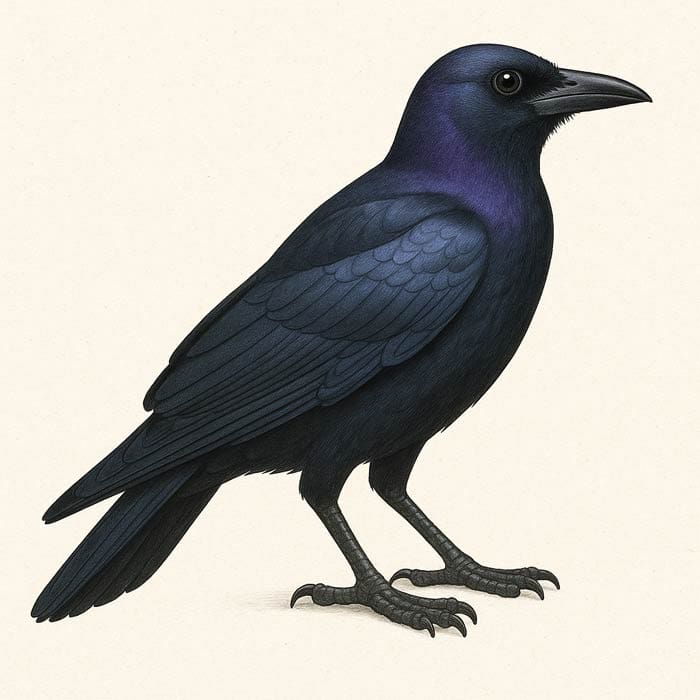
The violet crow (Corvus violaceus) is a medium-sized, glossy black bird with a distinctive purplish sheen, found only on Seram Island in Indonesia. Formerly a subspecies of the slender-billed crow, it is now recognized as a unique species. Adapted to tropical forests, plantations, and farmland, the violet crow is omnivorous and exhibits solitary or small-group foraging behavior. Its stable population and ecological role in seed dispersal and pest control make it vital to Seram’s biodiversity. With striking plumage and limited range, it captivates ornithologists and conservationists alike.
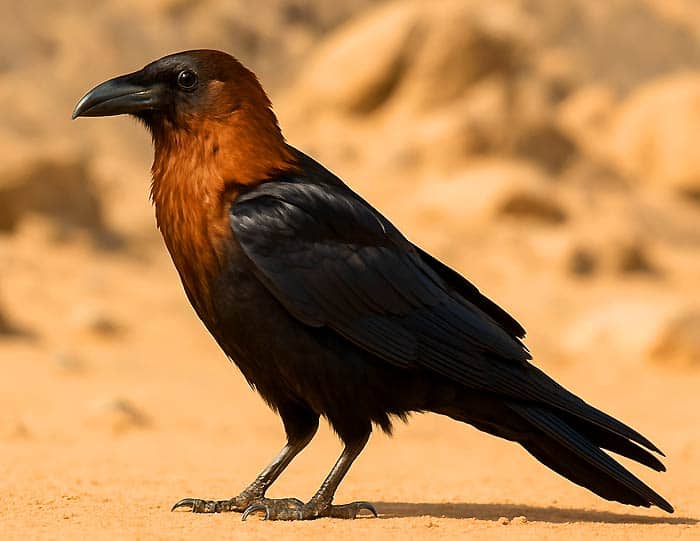
The brown-necked raven (Corvus ruficollis) is a clever, desert-adapted corvid found across North Africa, the Middle East, and parts of Asia. Recognized by its glossy black body and brown-tinged neck, this bird thrives in arid habitats, from rocky outcrops to human-altered landscapes. An opportunistic omnivore, it feeds on insects, carrion, fruit, and even trash. Known for its intelligence, aerial acrobatics, and cooperative behavior, the raven plays a crucial ecological role as a scavenger and predator. Its adaptability ensures resilience amid shifting environmental conditions.
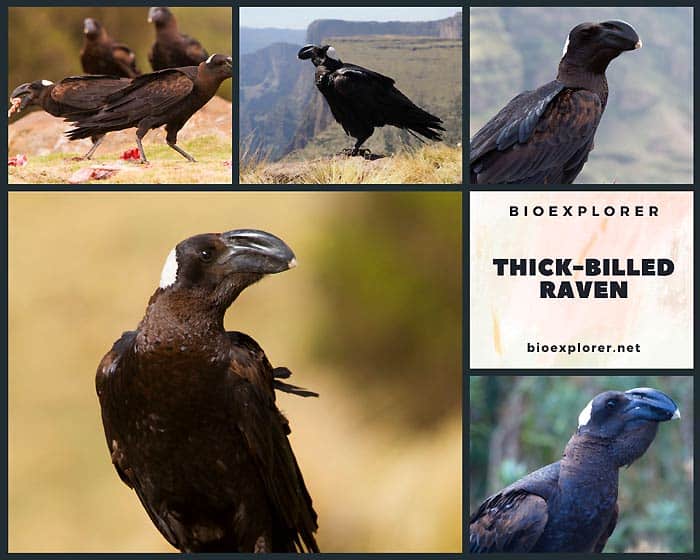
The thick-billed raven is Africa’s largest corvid, native to the highlands of Ethiopia, Eritrea, and Somalia. Known for its massive white-patched bill and glossy black plumage with a white nape, this intelligent bird thrives in both wild and urban settings. Its diet includes carrion, seeds, and small animals, showcasing its adaptability. Thick-billed ravens are monogamous, nest on cliffs or tall trees, and play vital ecological roles as scavengers and predators. Their vocal variety, tool use, and social foraging highlight their complex behavior in highland ecosystems.
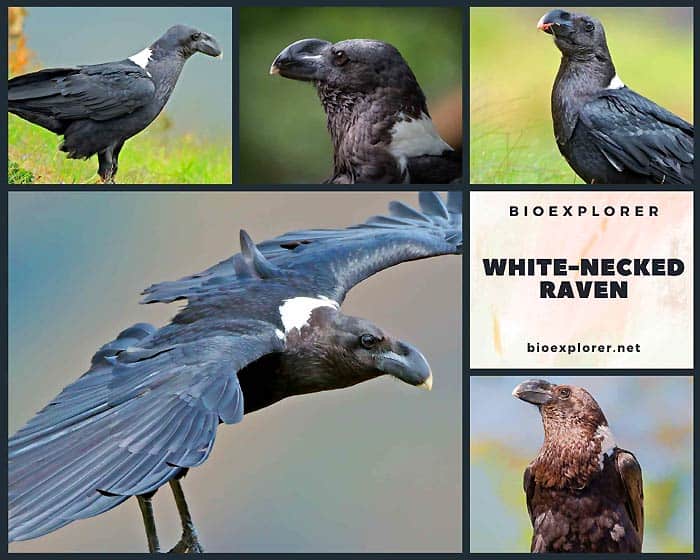
The white-necked raven is a large, intelligent bird native to the highlands of eastern and southern Africa. Recognizable by its white nape and glossy black plumage, this adaptable corvid thrives in mountainous terrain, open savannas, and even urban settings. It feeds on everything from insects and carrion to human scraps, often displaying clever foraging tactics like dropping nuts on rocks. Monogamous pairs build sturdy nests on cliffs or tall trees. As both scavenger and predator, it plays a vital ecological role while showcasing striking social and problem-solving behaviors.
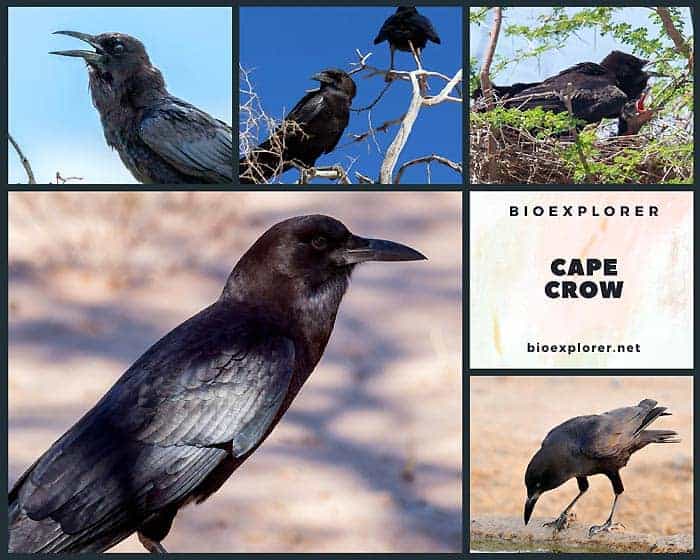
The Cape crow is a glossy black, intelligent bird native to eastern and southern Africa. Known for its large curved bill and deep “krrah” call, this corvid thrives in open grasslands, savannas, and farmlands. It plays a vital role in the ecosystem as both a predator and scavenger, helping control pests and recycle nutrients. Though sometimes viewed as a pest, it demonstrates advanced problem-solving, tool use, and social intelligence, making it a fascinating species among Africa’s many types of birds.
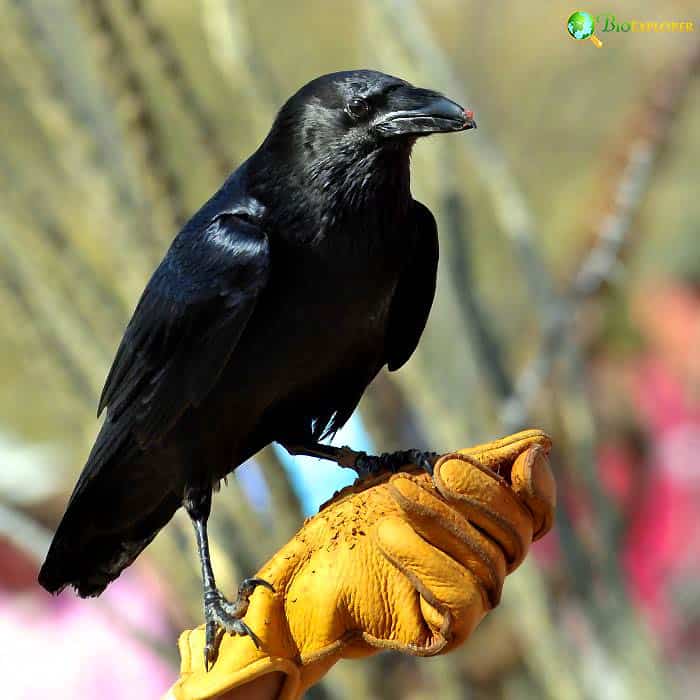
The Chihuahuan raven (Corvus cryptoleucus) is an intelligent desert-dwelling bird found in the southwestern U.S. and Mexico. Slightly smaller than the common raven, it features all-black plumage and hidden white neck feathers. Adapted to arid grasslands and scrub, it thrives as both a predator and scavenger. Known for its deep “kraaa” call and playful flight displays, this raven plays a vital ecological role and demonstrates impressive social behavior and adaptability in harsh environments.
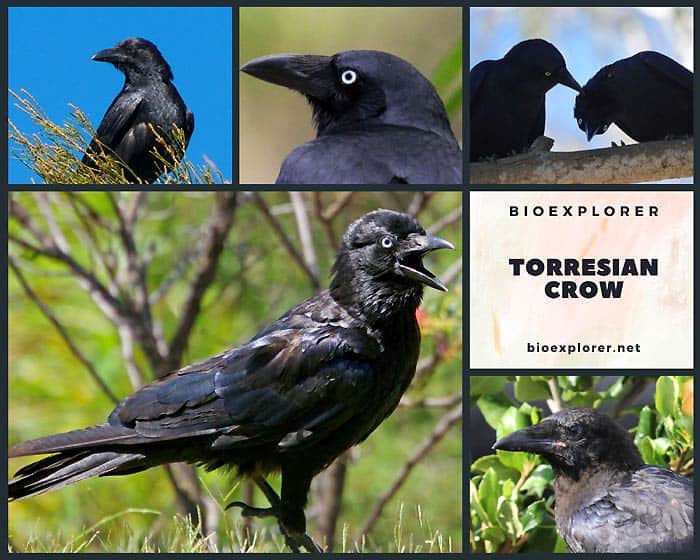
The Torresian crow (Corvus orru) is a smart, adaptable bird native to northern and western Australia, as well as nearby regions in Papua New Guinea and Indonesia. Known for its glossy black feathers and white eyes, it thrives in rainforests, farmlands, and cities. An opportunistic omnivore, it feeds on everything from insects to carrion. Remarkably, it has learned to eat toxic cane toads safely—a skill passed down culturally within crow populations.
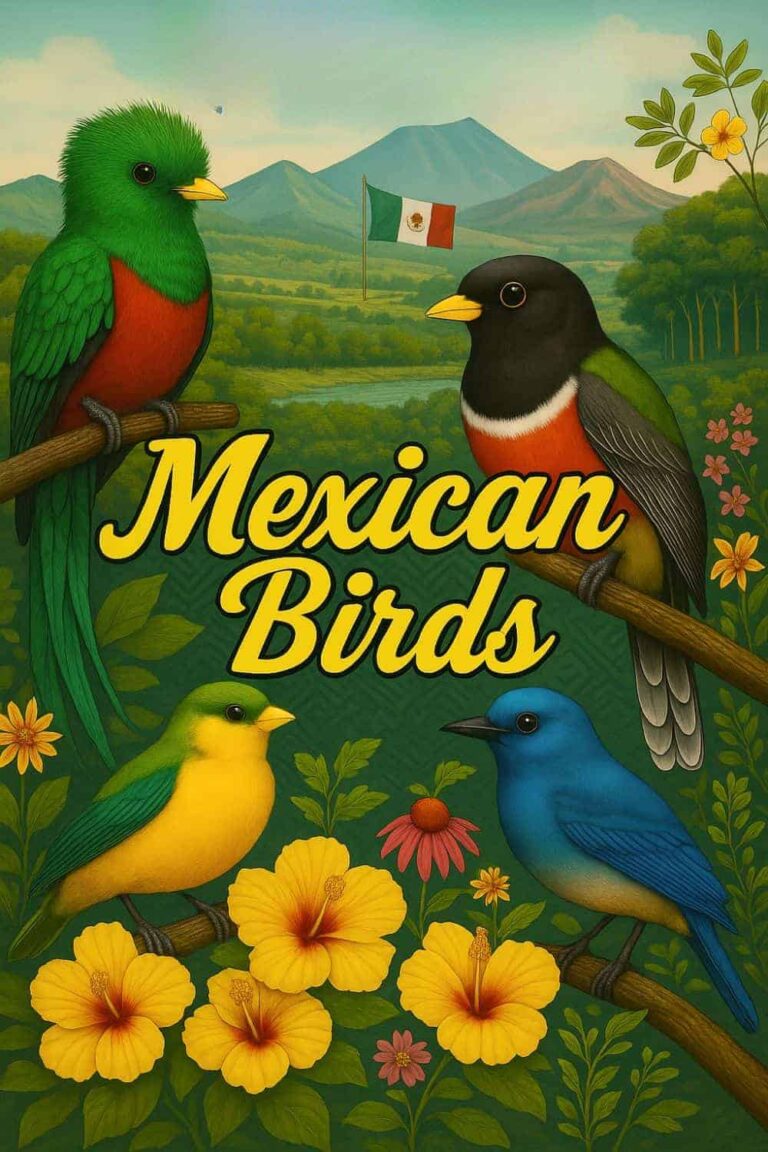
Discover the top 15 Mexican birds, from vibrant quetzals to rare doves. Learn where to find Mexico’s most colorful and unique bird species across forests, coasts, and mountains.

Discover the top Mexican flowers, from marigolds to dahlias, and explore their beauty, meanings, and rich cultural ties to Mexico’s heritage.
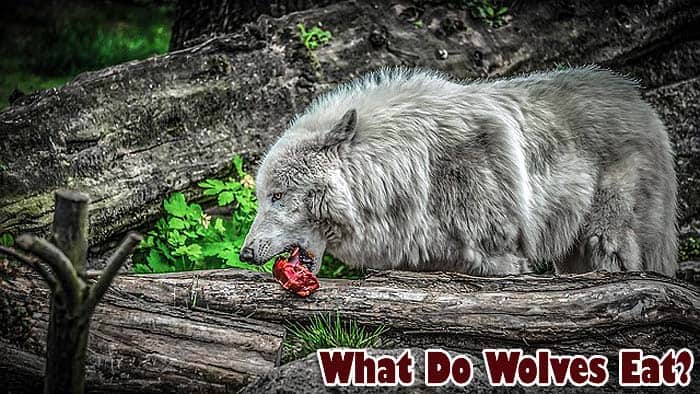
Wolves are classified under a broad taxonomic family referred to as Canidae. Explore what do wolves eat, their diet by types, when do they eat, how much they eat and what eats them.
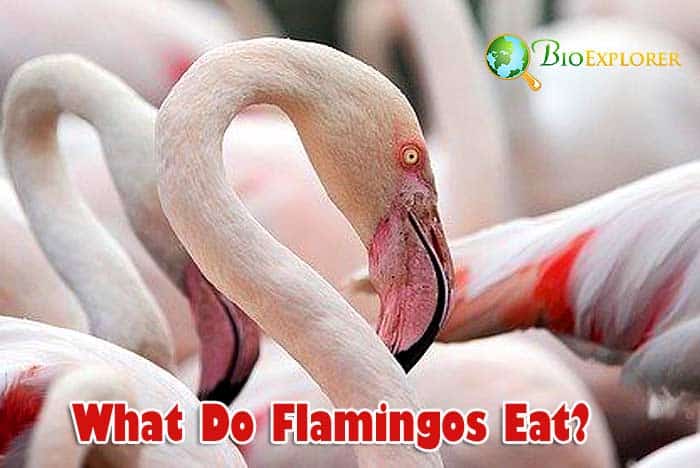
Flamingoes are beautiful wading birds classified in the family Phoenicopteridae. Explore what do flamingos eat, types & what eats flamingoes.
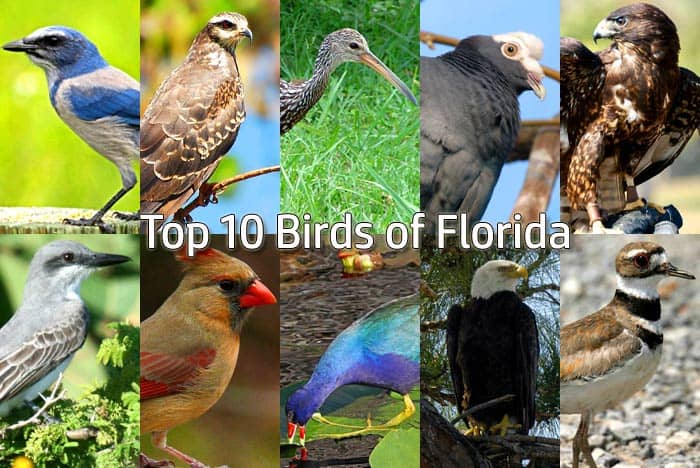
Florida Birds: Because of its unique geographic location and suitable tropical climate, the state of Florida is home to some of the most awesome birds ever discovered. Here, we explore the top ten most spectacular birds of Florida, which are native to the state of Florida, from Scrub-Yay to Killdeer and much more.
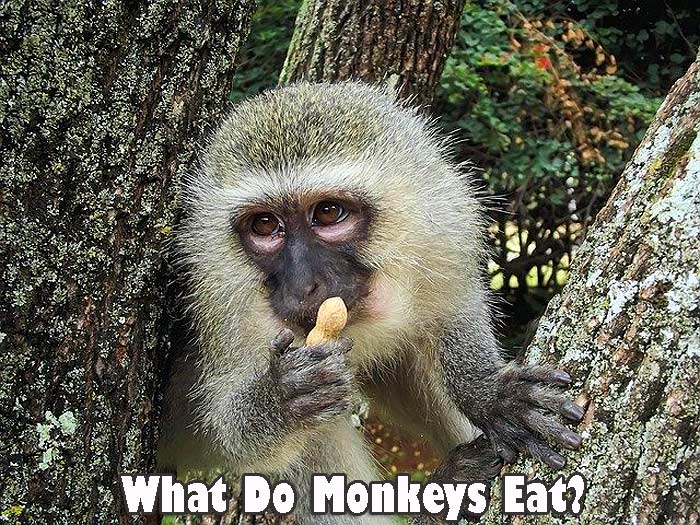
Monkeys are divided into two groups; the Old World and New World monkeys. Explore what do monkeys eat, monkeys diet by types and what eats monkeys here.