
Search Results for: dog

  • Dog Rose

    Dog rose (Rosa canina) is a species of wild rose that belongs to the Rosaceae family. The Dog rose name is not intended to reduce its size or compare it to standard garden roses. The flowers range from white-pink to deep pink and pale pink. It has mainly five petals, and the stem is dotted with small pointed thorns.

  • Order Cornales / Dogwood Flowers

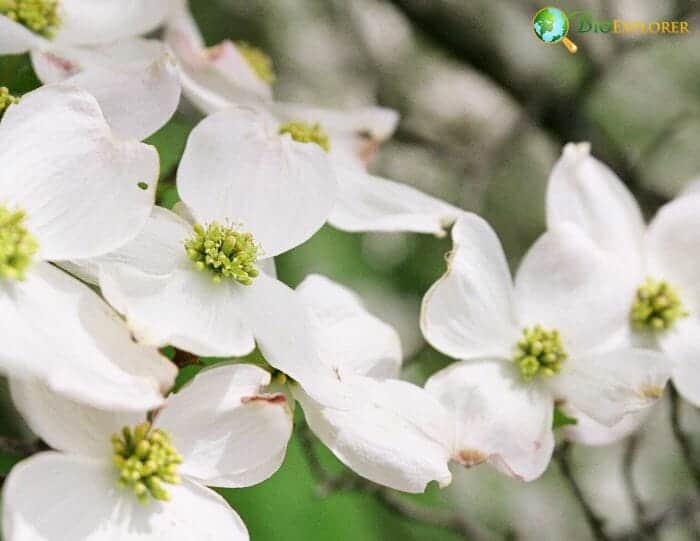
    The dogwood order of flowers, Cornales, is basal among asterids. Cornales is relatively small, but members are morphologically diverse and are cosmopolitan in distribution. Cornales plants are mostly woody with simple or compound leaves, small flowers, floral parts in multiples of four, and generally bisexual. Many of the species of Cornales, like the flowering dogwood and Lindley’s blazing star are of ornamental value.

  • Dogwood

    Dogwood (Cornus florida) shrubs and trees offer a spectacle of incomparable beauty in all four seasons. The primary attraction is the appearance of showy pink or white flowers that herald spring. Dogwood flowers are usually white, but some varieties produce pink, pale red, or yellow flowers.
  • How Many Chromosomes Do Dogs Have?

    With about 400 different breeds, the domestic dog can be considered as one of the most diverse land animals. Explore how many chromosomes do dogs have.
  • Branches of Genetics

    Genetics is a branch of science that deals with the study of heredity, DNA control functions, biological functions of cells, and expression patterns of genes.

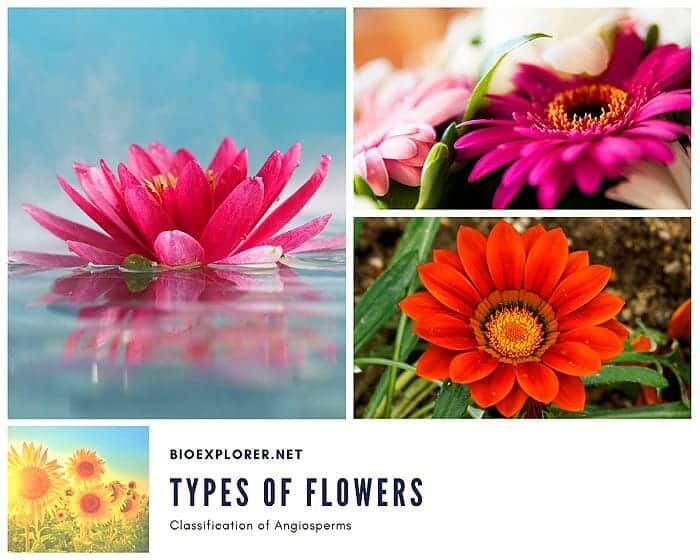
  • Types of Flowers

    Types of Flowers: Explore the beauty & diversity of colorful flowers and intriguing botanical properties for all orders of flowering plants.

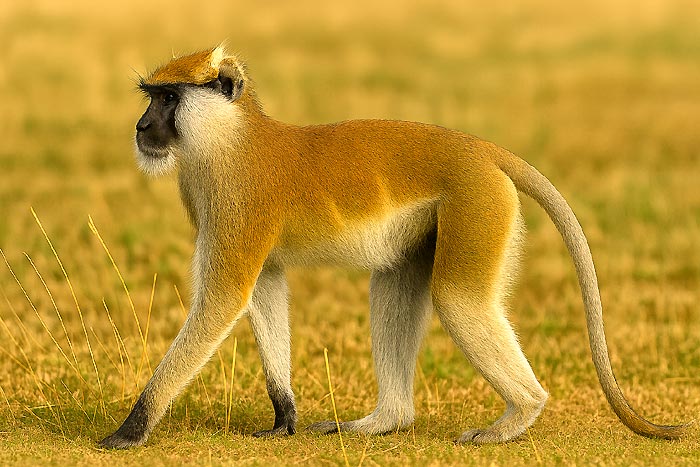
  • Southern Patas Monkey

    The Southern Patas Monkey (Erythrocebus baumstarki), native to Tanzania, is a critically endangered primate known for its speed, elusive nature, and striking coloration. Once widespread, its population now teeters between 100–200 individuals due to habitat loss and human threats. Inhabiting open acacia woodlands, these ground-dwelling monkeys play a vital ecological role in seed dispersal and insect control. Conservation efforts are urgently needed to protect this rare species and restore its shrinking habitat range.

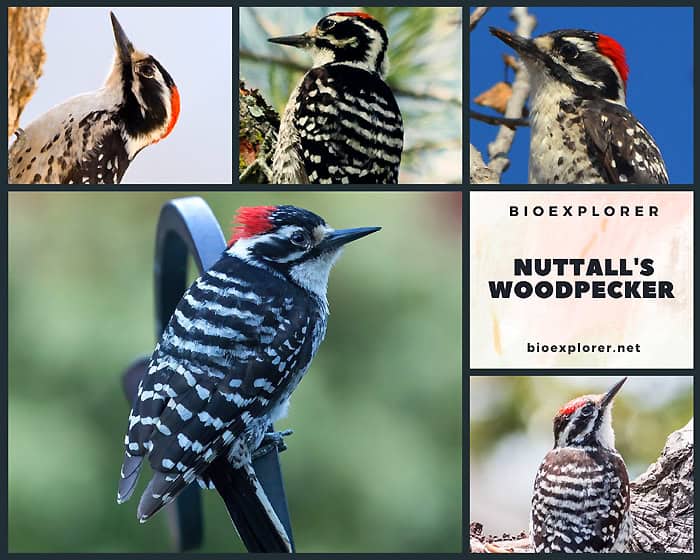
  • Nuttall’s Woodpecker

    Nuttall’s woodpecker (Picoides nuttallii) is a small, striking bird found primarily in California and northern Baja California. It thrives in oak woodlands, riparian corridors, and even suburban areas with mature trees. Males sport a red crown patch, while both sexes show black-and-white barring that blends into tree bark. This non-migratory woodpecker feeds mainly on ants and beetles, using its strong bill and long tongue to forage under bark. Monogamous pairs raise chicks in tree cavities, and their old nests offer shelter to other wildlife, making them key contributors to healthy forest ecosystems.

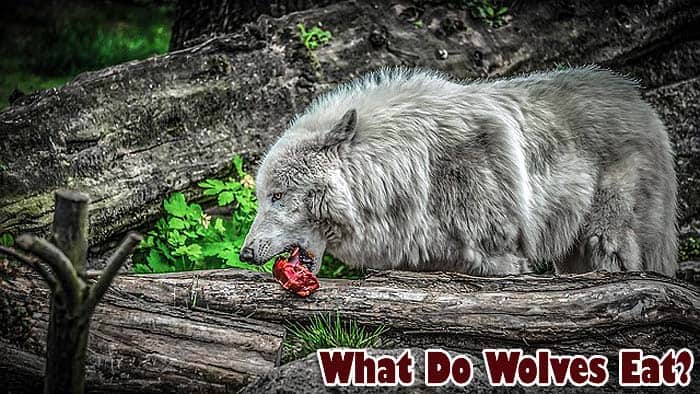
  • What Do Wolves Eat?

    Wolves are classified under a broad taxonomic family referred to as Canidae. Explore what do wolves eat, their diet by types, when do they eat, how much they eat and what eats them.

  • What Do Ferrets Eat?

    Ferrets are small furry mammals with long tails and a pear-shaped physique. Explore what do ferrets eat, ferrets diet by types, and what eats ferrets & more.

  • What Do Opossums Eat?

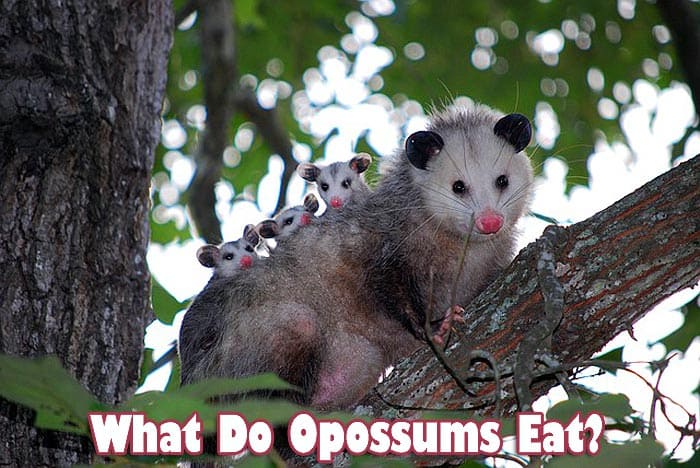
    Opossums are marsupials, endemic to the Americas. Explore what do opossums eat, opossums diet by types, what eats opossums, hunting patterns, and more.

  • What Do Owls Eat?

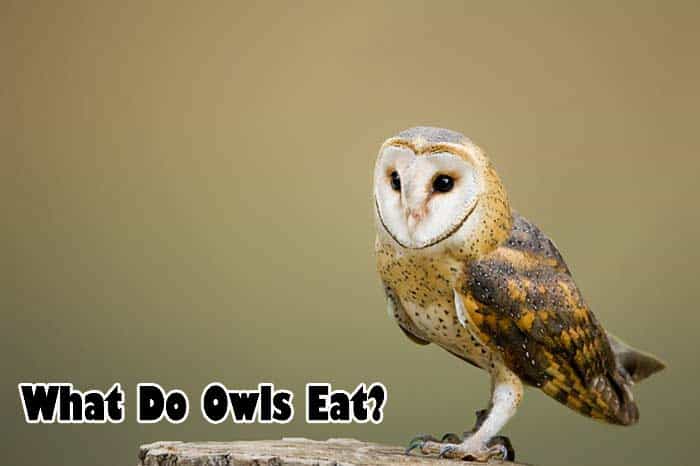
    Owls are described as raptors because of their sharp claws and beaks. Explore what do owls eat, owls diet by different types, what eats owls, how often do owls eat & more.

  • What Do Crows Eat?

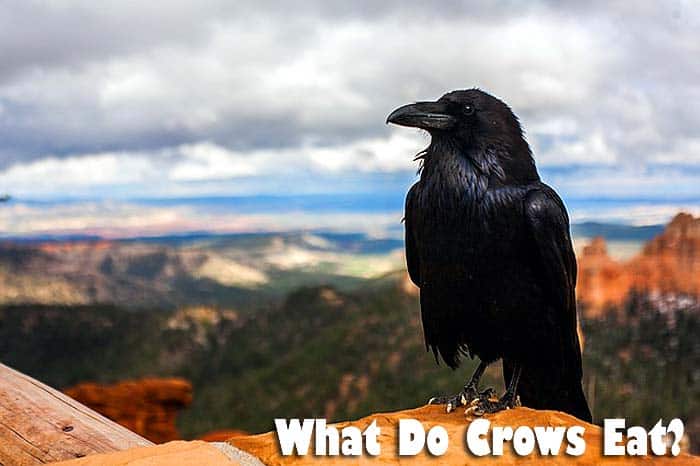
    Explore what do crows eat by their types and what eats crows. Crows diet may include small mammals, fishes, amphibians, reptiles, insects, seeds, nuts, & more.

  • What Do Foxes Eat?

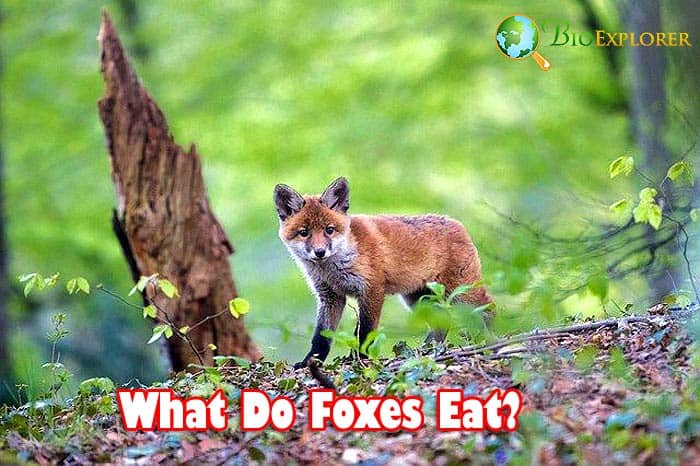
    Foxes are classified under the genus Vulpes made up of about 12 existing species. Explore what do foxes eat, diet by species & what eats foxes here.

  • Common Grackle

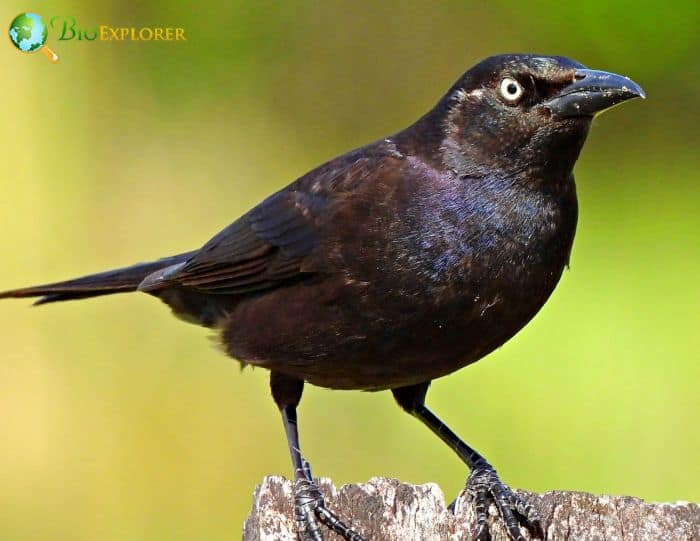
    The Common Grackle is a large, long-tailed blackbird with striking iridescent plumage-males shimmer with purple, green, or blue gloss, while females are duller and browner. Found across eastern North America, grackles thrive in a wide range of habitats, from wetlands and fields to suburbs and city parks. Highly social, they often gather in massive flocks outside the breeding season. Their varied diet includes insects, seeds, grains, and even small animals. Grackles are known for their harsh, rusty-gate calls, and their communal roosts can number in the millions.

  • European Starling

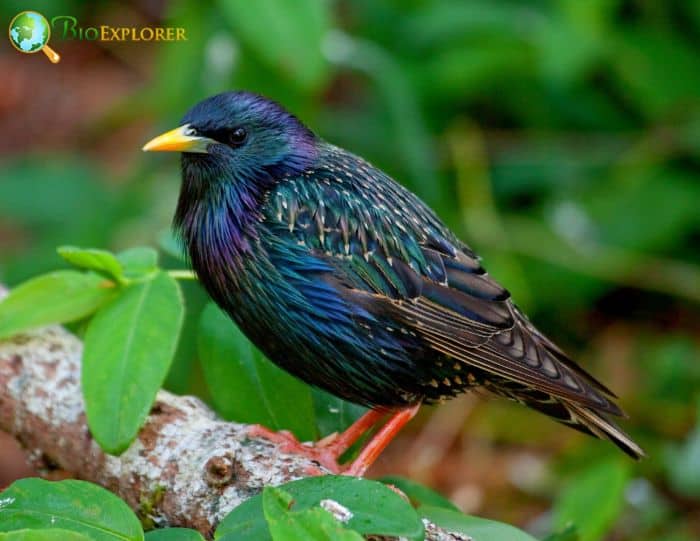
    The European Starling is a medium-sized, black songbird with short, triangular wings, a short tail, and striking iridescent plumage speckled with white, especially in winter. During breeding season, adults display a yellow bill and a purple-green sheen. Native to Europe, Asia, and North Africa, starlings were introduced to North America in the 1890s and now number over 200 million. Highly social, they form enormous flocks and perform mesmerizing aerial displays called murmurations. Starlings are accomplished mimics, able to imitate other birds and even human sounds. They are aggressive cavity nesters, often outcompeting native species for nesting sites.

  • Eastern Lesser Bamboo Lemur

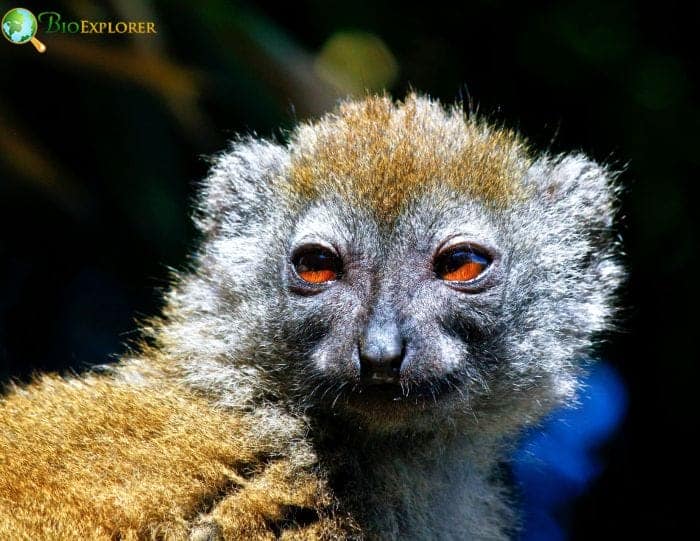
    The eastern lesser bamboo lemur (Hapalemur griseus) is a small, endangered rainforest primate found only in Madagascar. This unique species has adapted to specialize in a toxic bamboo diet other animals cannot consume. Yet habitat loss and hunting have left remaining populations highly vulnerable.

  • What Do Eagles Eat?

    Eagles are powerful birds with sharp beaks. Explore what do eagles eat, detailed eagles diet by types, how do eagles hunt, how often eagles eat & more here.

  • What Do Squirrels Eat?

    Squirrels are in the same family as marmots, prairie dogs, and chipmunks. Explore what do squirrels eat, squirrel’s diet by types, what eats squirrels & more.

  • What Do Kangaroos Eat?

    Kangaroos are marsupials that can only be found in Australia. Kangaroos are mostly herbivores. Explore what do kangaroos eat in detail by their types & more.

  • Berthe’s Mouse Lemur

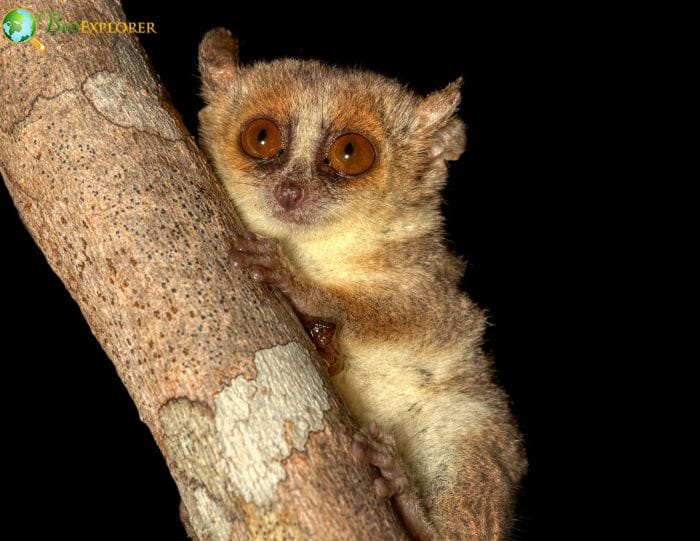
    Weighing just over an ounce, Berthe’s mouse lemur is the world’s smallest primate. Endemic to dwindling western Madagascar forests, this nocturnal insectivore faces grave threats from deforestation and predation despite recent habitat protections. Learn surprising facts about its characteristics, behavior, endangered status, and the conservation efforts crucial to saving this tiny species.

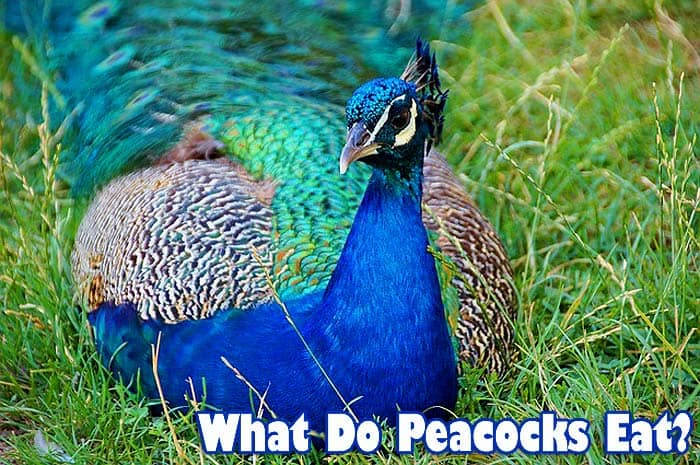
  • What Do Peacocks Eat?

    Peacocks are flashy birds renowned for their colorful tail plumage. Explore what do peacocks eat, their diet by types, and what eats peacocks & more here.

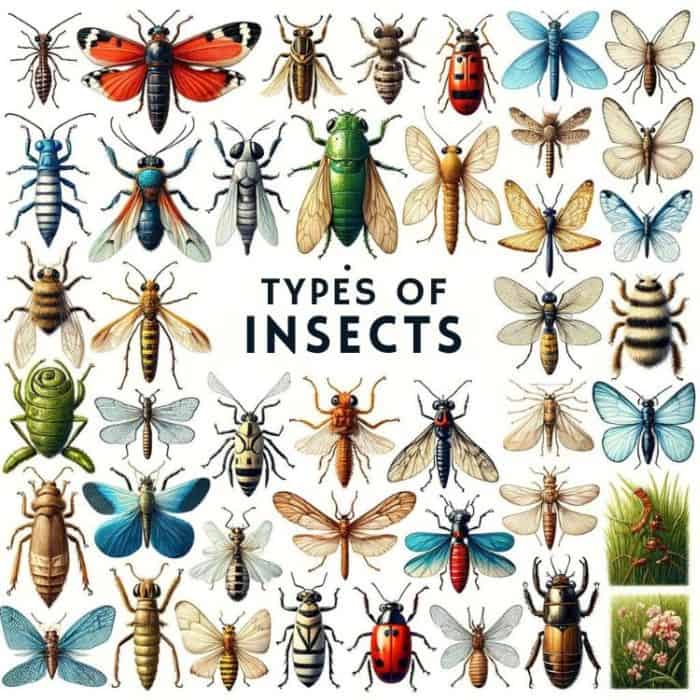
  • Insect Orders

    Explore 28 major insect orders under the class Insecta (diverse group of arthropods).Insects play vital roles in ecosystems, from pollination and decomposition to serving as food for other animals.

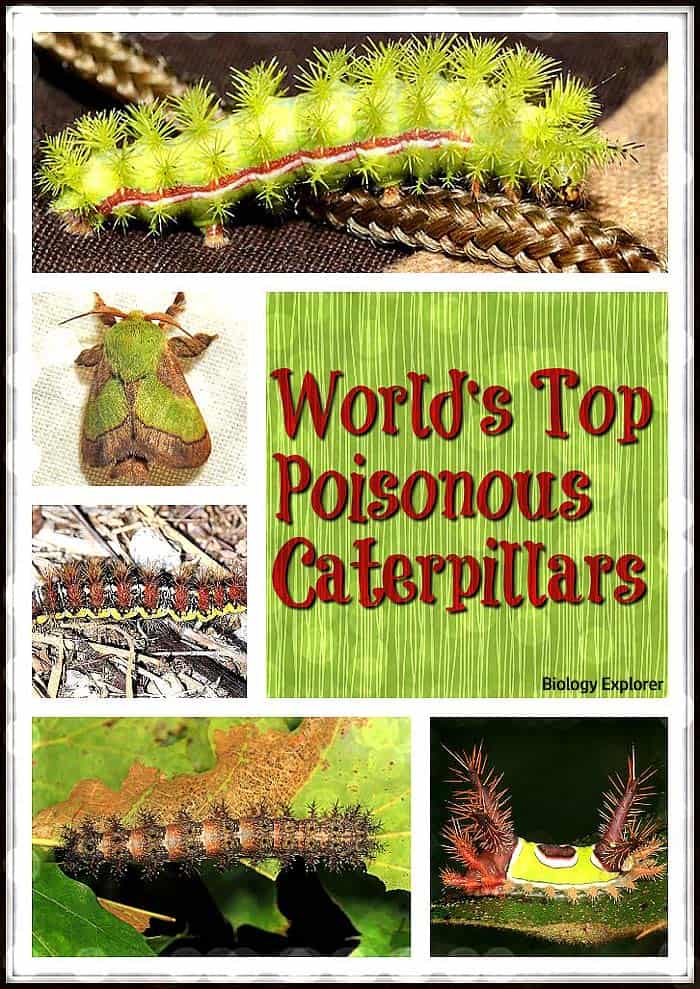
  • World’s Top 15 Poisonous Caterpillars

    There are many kinds of poisonous caterpillars; several caterpillars develop chemical warfare – they become poisonous. Here are 15 species of poisonous caterpillars from around the world.

  • Azalea

    Discover the vibrant world of Azaleas in our comprehensive guide. Learn about different types, ideal planting conditions, care tips, and how to handle common pests and diseases. Perfect your green thumb with our step-by-step guide to planting and propagating these stunning shrubs.

  • Order Amborellales / Amborella Flower

    Amborellales plant order is represented by 1 species, in 1 genus and 1 family. Amborella trichopoda is the only flower species under the family Amborellaceae. Explore distribution, characteristics, flower structure, and species details here.

  • Chinese Peony

    Paeonia lactiflora is a flowering plant that can grow 20-28 inches tall. The Chinese Peony is a perennial herb of the family Paeoniaceae. Peony is named after Paeon, the Greek god of medicine and healing.

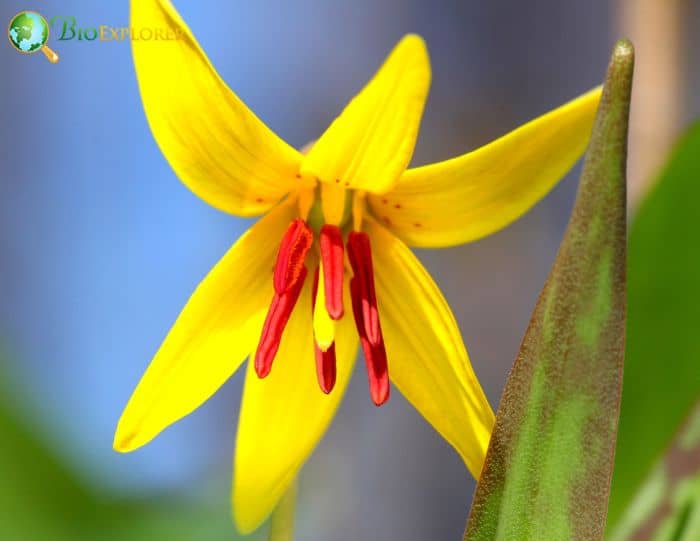
  • Adder’s Tongue

    Erythronium americanum is a perennial herb that belongs to the family Liliaceae. This species is a native range of Eastern North America. The common name of Adder’s Tongue is given because of the shape of the flowering shoot.

  • Stephanotis

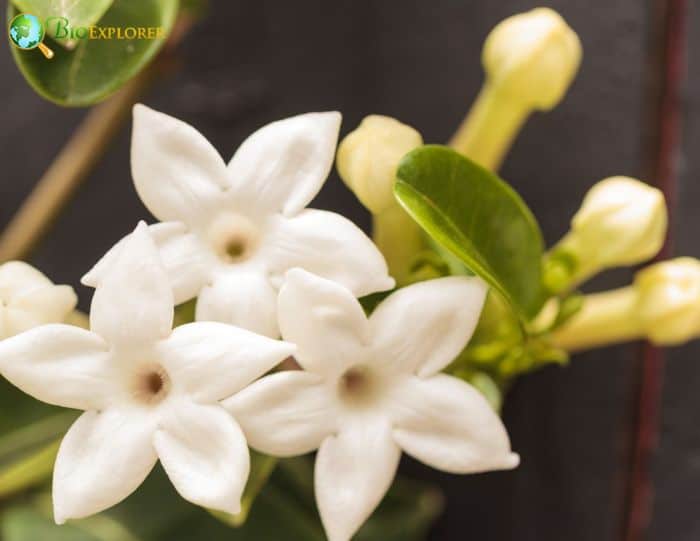
    Stephanotis is a genus of the Apocynaceae (dogbane milkweed) that contains around 15 species of climbing plants native to Madagascar and Southeast Asia. Stephanotis plants are cultivated for fragrant, waxy, tubular, generally white flowers. The leaves are opposite, oval to elliptical, and leathery.

  • Marine Iguana

    A comprehensive guide to the Galápagos marine iguana (Amblyrhynchus cristatus) – the world’s only seagoing lizard. Learn all about their taxonomy, adaptations for life in coastal habitats, feeding behaviors, social dynamics, threats to survival, and conservation status of this iconic species endemic to the Galápagos Islands of Ecuador.

  • Top 34 Flightless Birds of All Times!

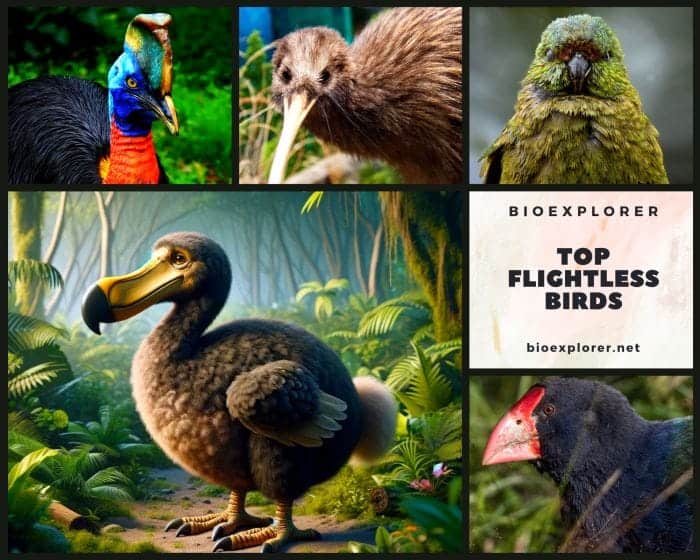
    Flightless Birds: Insight into how birds adapted over time to live grounded lives. This article explores major flightless species – from giant moas to tiny kiwis and curious penguins – examining how isolation and lack of predators drove anatomical changes forfeiting skies for land locomotion mastery.

  • Albino Bats

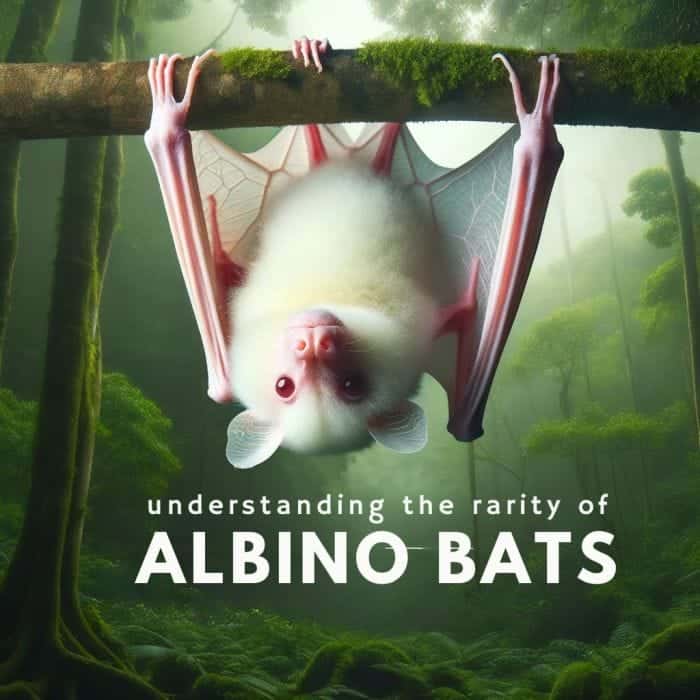
    Albino Bats – Discover the genetic causes, physical traits, geographic hot-spots, and conservation efforts surrounding these rare pigment-less morphs that persist in tropical caves and forests through 60 global cases across 11 families.

  • Blue-Eyed Black Lemur

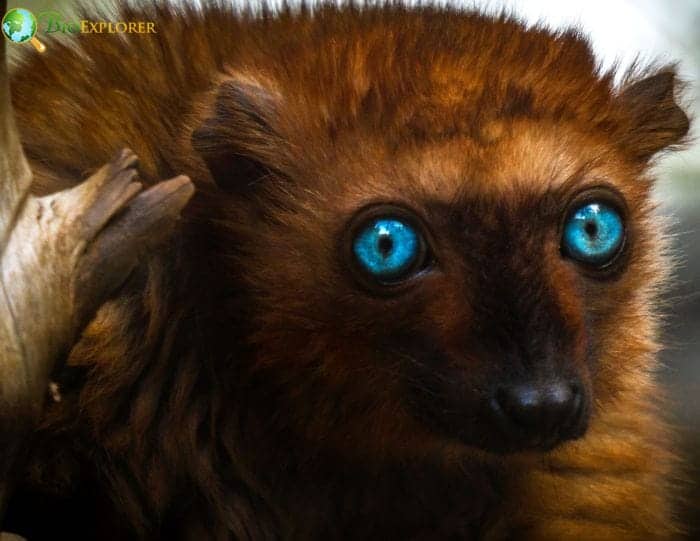
    Discover the mysterious blue-eyed black lemur, a rare primate found only in the tropical forests of northwestern Madagascar. With striking blue eyes and mostly black fur, they are agile tree-dwellers feeding on fruits, leaves, and insects. Read about their lifestyle, endangered status, and the threats they face.

  • Cassin’s Finch

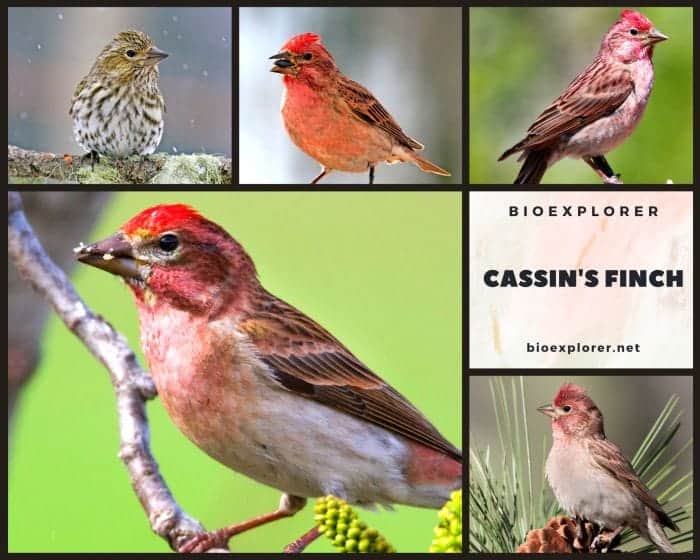
    Learn about the Cassin’s Finch, a unique songbird of western North American mountain forests. This adaptable finch has complex songs, nomadic habits, and thrives across diverse coniferous habitats. Gain insights into this little-known species’ ecology and importance.

  • Order Gentianales / Gentian Flowers

    The Gentianales (Gentians) is an order of flowering plants involving herbs, shrubs, undershrubs, lianas, and small trees primarily distributed worldwide. Plants of Gentianales mostly have opposite leaves, interpetiolar stipules, bisexual flowers, mostly fused sepals and petals, 4-5 stamens, and 2 carpels. Important species under Gentianales are coffee, periwinkle, oleander, and gentian.

  • Hibiscus Varieties

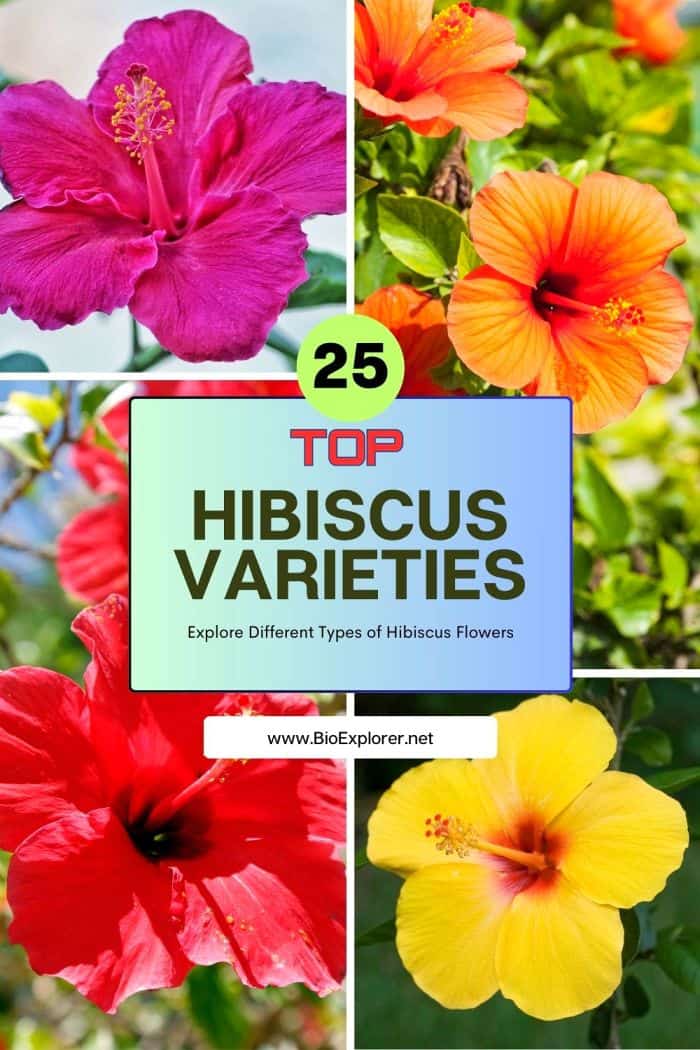
    Dive into the vibrant world of hibiscus! Explore 25+ stunning varieties, from rare native species to popular garden favorites. Learn about their unique characteristics, care tips, and fascinating facts. Perfect for gardeners and flower enthusiasts alike. Discover the beauty and diversity of these tropical treasures!

  • Explore 13 Different Shapes of Bacteria

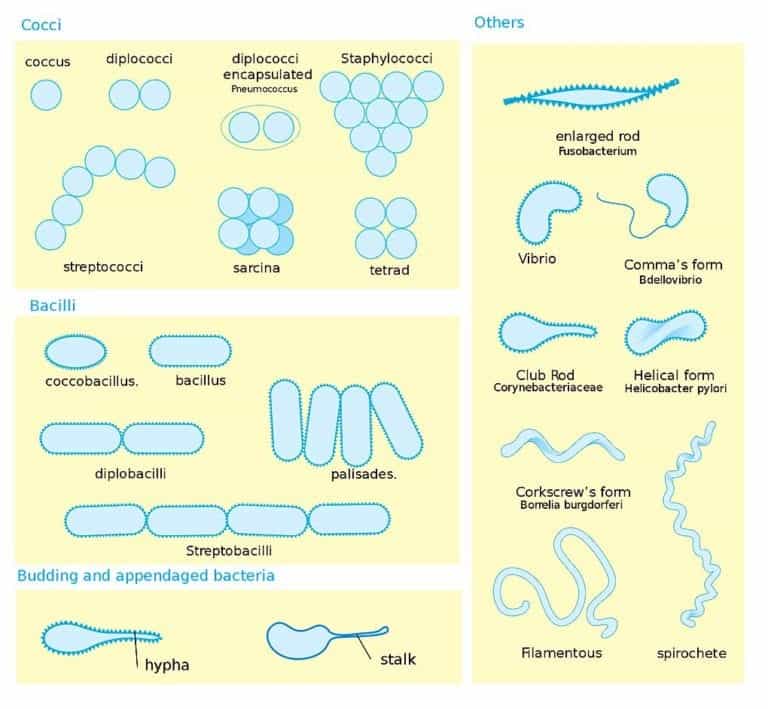
    The prokaryotic kingdom consists of unicellular microscopic microorganisms called bacteria. Bacteria are simple single-celled organisms that lack chlorophyll pigments. The rigidity of its cell wall determines the shape of a bacterium. Explore 13 different shapes of bacteria here.

  • Northwestern Crow

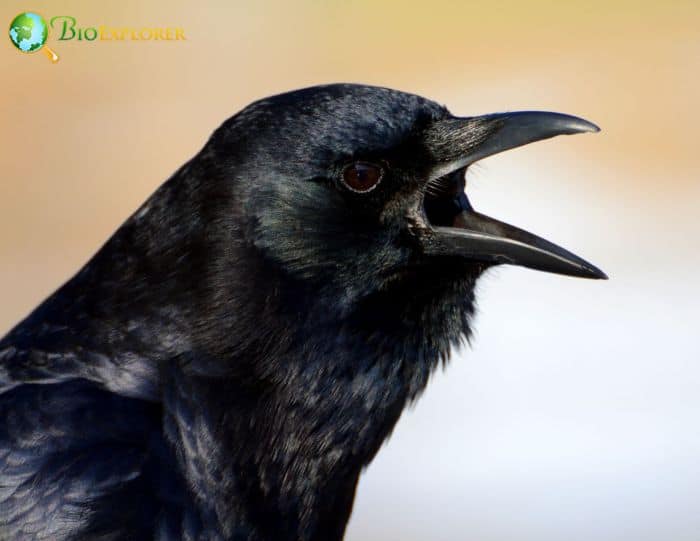
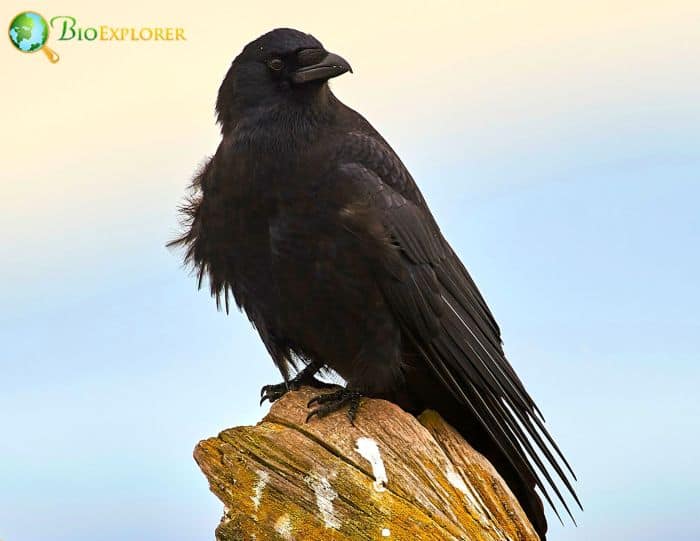
    The Northwestern Crow is a mid-sized, all-black bird native to the Pacific coast from southern Alaska to northern Washington. It thrives in coastal habitats, intertidal zones, forest edges, and even urban areas, often foraging on beaches for clams, invertebrates, eggs, and carrion. Known for their intelligence, these crows use tools-dropping clams on rocks to break them open-and perform aerial acrobatics. They are highly social, forming large flocks in winter and engaging in noisy mobbing of predators. Northwestern Crows mate for life, nest in trees or shrubs, and young remain dependent on parents for several weeks.

  • Hooded Crow

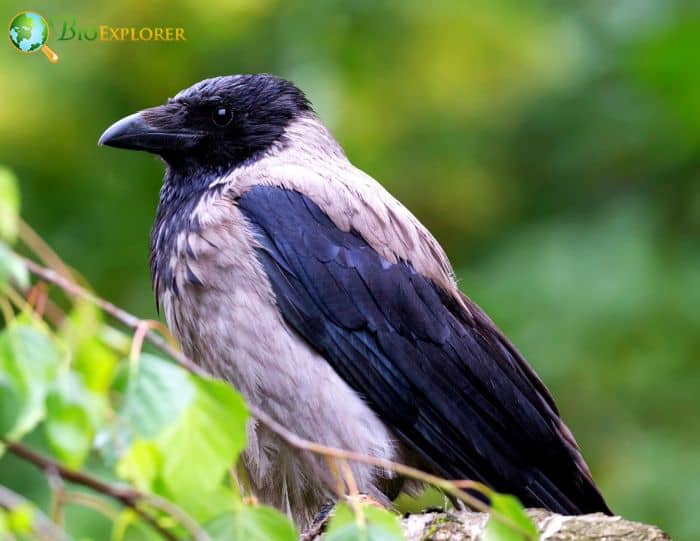
    The Hooded Crow is a medium-sized, two-toned corvid with a pale grey body and contrasting black head, wings, tail, and thigh feathers. Found across northern and eastern Europe and parts of the Middle East, it adapts well to woodlands, farmland, coasts, and cities. Hooded Crows are highly intelligent, known for using tools and dropping shells or nuts from heights to crack them open. Their omnivorous diet includes insects, small animals, grains, carrion, and human scraps. Hooded Crows often pair for life, and their harsh “kraa” call is a familiar sound in their range.

  • Carrion Crow

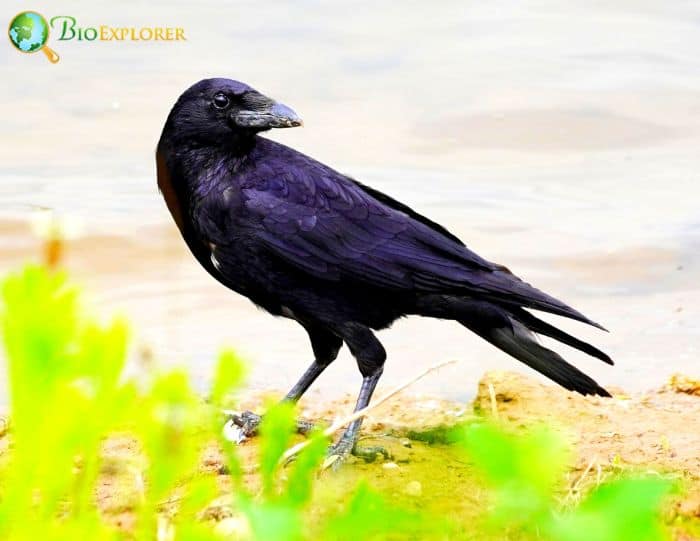
    The Carrion Crow is a medium-sized, glossy black bird native to Europe and Asia, recognized for its deep, guttural “kraa” call and solitary habits. Adaptable to a wide range of habitats-including woodlands, farmland, moors, coastal cliffs, and urban areas-it often perches in high places to survey its surroundings. Highly intelligent, Carrion Crows use tools, recognize human faces, and even cooperate with each other to hunt or defend territory. Their diet is varied, consisting of carrion, insects, seeds, fruit, and small animals. Offspring from previous years sometimes help parents feed new chicks.

  • American Crow

    The American Crow is a large, glossy black bird recognized by its distinctive “caw” and confident walk. Common throughout North America, it thrives in a variety of habitats including forests, fields, towns, and cities. These birds are highly social, often living in family groups and gathering in large communal roosts during winter. American Crows are omnivorous and opportunistic, eating insects, seeds, small animals, carrion, and human food scraps. Notably intelligent, they are skilled problem solvers and quick learners. American Crows are curious, cooperative breeders, and adapt well to both urban and rural environments.

  • Rook

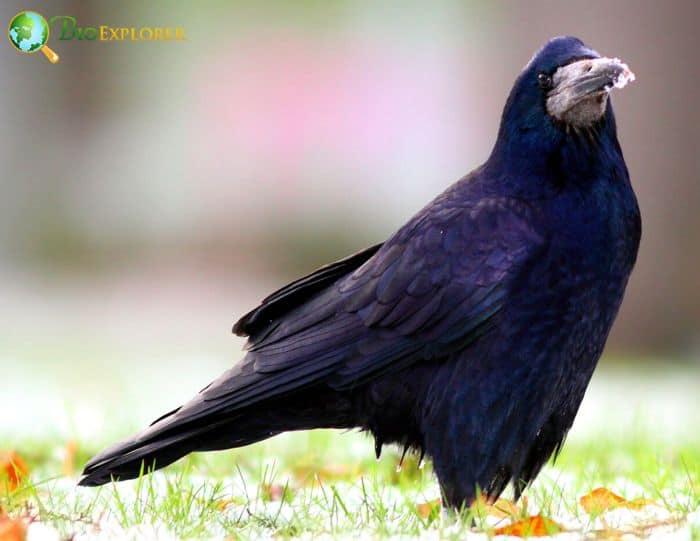
    The Rook is a large, sociable black bird native to Europe and Asia, easily recognized by its bare, pale-grey face and cone-shaped head. It forms noisy colonies called rookeries, nesting high in tall trees near farmland, villages, or parks. Rooks forage in flocks, probing fields for grubs, worms, seeds, and grain, but also eat insects, small mammals, and carrion. Highly intelligent, they use tools and have excellent memories. Unlike crows, adult rooks show a whitish patch at the bill’s base. Some rookeries have been used for over a century.

  • Top 11 Animals With Super Sensors

    While it is known that humans have developed brains, here are 10 animals with the best sensors (seeing, smelling, hearing, tasting, and feeling) and the corresponding anatomical structures that allow them to have so.

  • Top 15 Microbiology News of 2021

    These topics focus on the discoveries and developments in Microbiology in 2021. Research and developments on various topics, such as engineered bacteria, oil-degrading bacteria, and symbiotic relationship between root colonizing bacteria and host plants, have been included here.

  • Weeping Capuchin

    The Weeping capuchin, also known as the chestnut capuchin and chestnut weeper capuchin (Cebus castaneus), is a capuchin monkey endemic to northeastern Brazil, southern Guyana, French Guiana, and Suriname. This primate is also known as Wedge-capped capuchin.

  • Illiger’s Saddle-Back Tamarin

    (Leontocebus illigeri) is a species of saddleback tamarin, a type of small monkey native to South America. Illiger’s saddleback tamarin is native to the Peruvian Amazon, and its type locality is in Loreto, Peru, on the left bank of the lower Ucayali River.

  • White-Cheeked Macaque

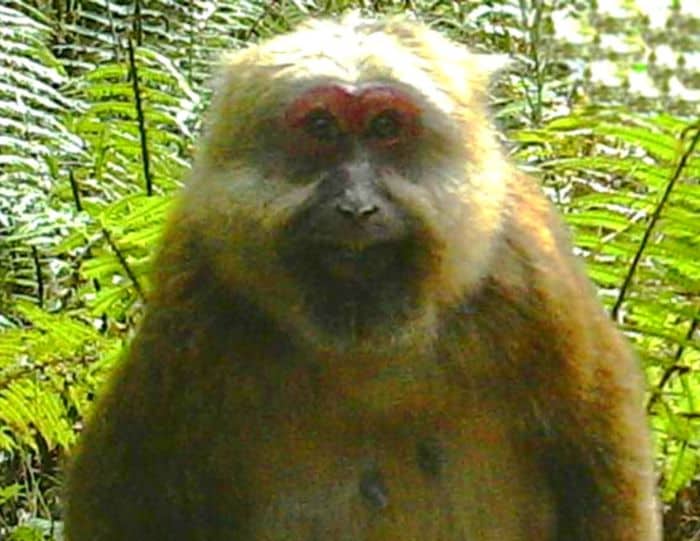
    The white-cheeked macaque (Macaca leucogenys) is found only in Medog County in southeastern Tibet and the Arunachal Pradesh state of India. The species was first discovered and described by Chinese primatologists Peng-Fei Fan, Cheng Li, and Chao Zhao in the American Journal of Primatology in 2015.

  • Yellow Baboon

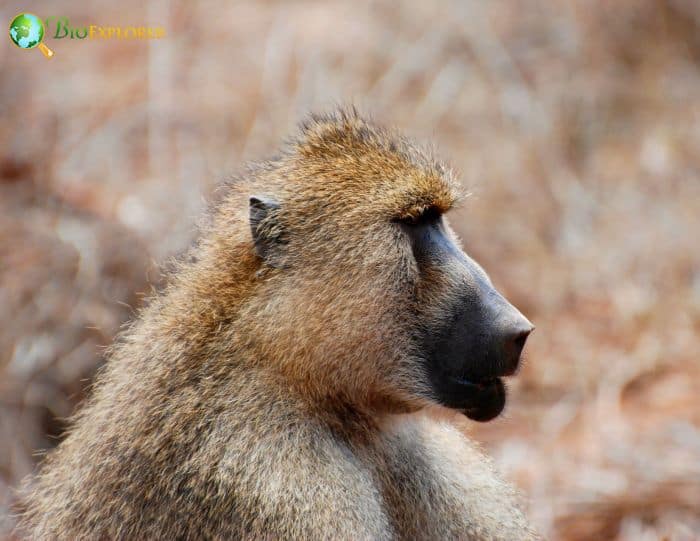
    The yellow baboon (Papio cynocephalus) is another baboon species in the group of Old World monkeys. They resemble the Chacma baboon but are slightly smaller and have a less elongated snout. Yellow baboons also have white fur on internal surfaces, such as their cheeks and limbs, similar to the color of the human forearm.

  • Olive Baboon

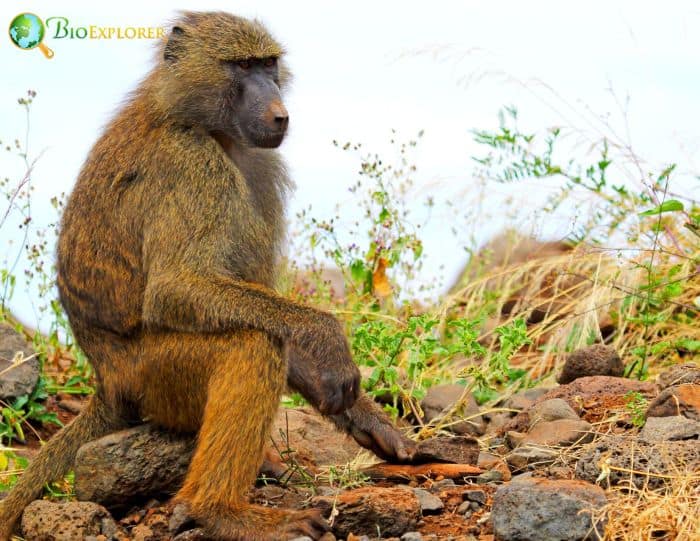
    The Olive baboon (Papio anubis), also called the Anubis baboon, is a species of the Cercopithecidae family of Old-World monkeys. The name comes from the Egyptian god Anubis.

  • Moor Macaque

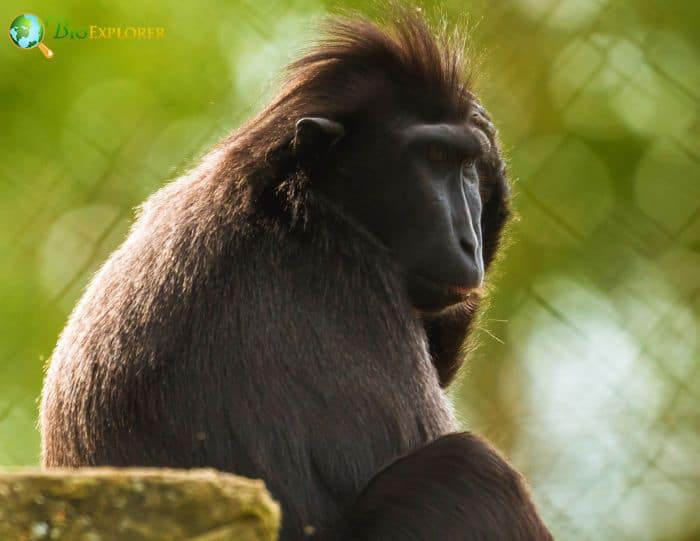
    The moor macaque (Macaca maura) is a brown/black haired macaque with a pale rump and bare pink rump skin. Moor macaques appear to be a relatively tolerant macaque species, showing low levels of aggression between group members.

  • Guianan Weeper Capuchin

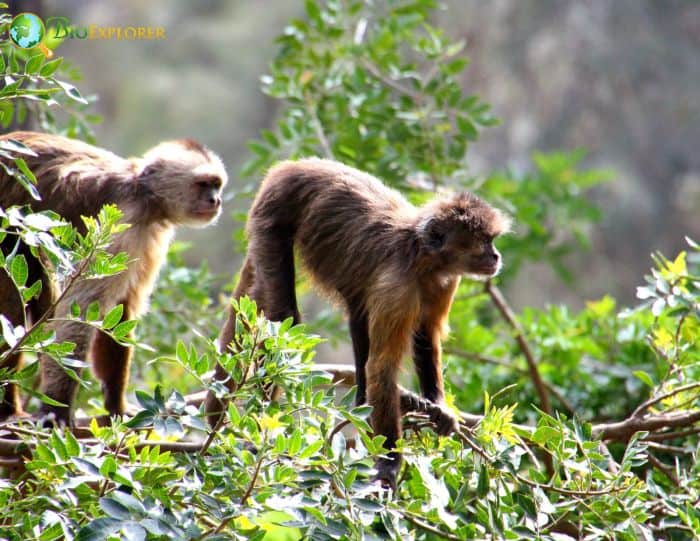
    The wedge-capped capuchin (Cebus olivaceus), also known as Guianan weeper capuchin, is a capuchin monkey native to South America. Wedge-capped capuchins get their name from a black triangle of dark fur centered on their forehead.

  • Saltwort

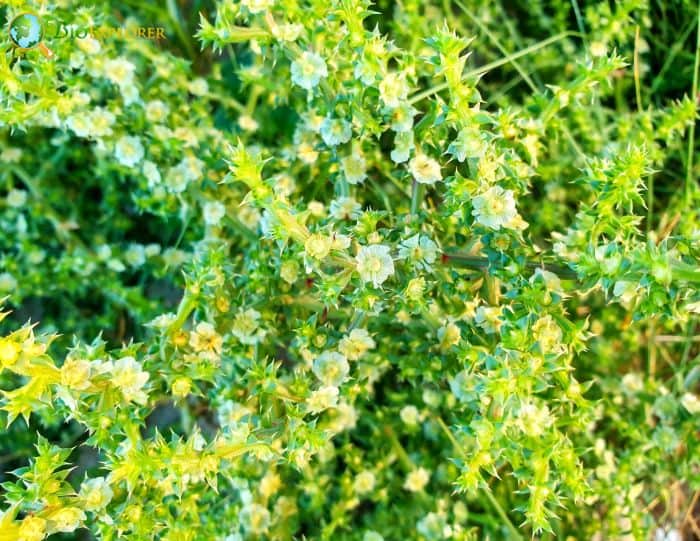
    Saltwort is an annual herb from the Amaranth family. The flowers of the Saltwort are radially symmetrical and possess 5 tepals fused into a cup or tube. Usually, there is one flower per axil of the bract.

  • Gee’s Golden Langur

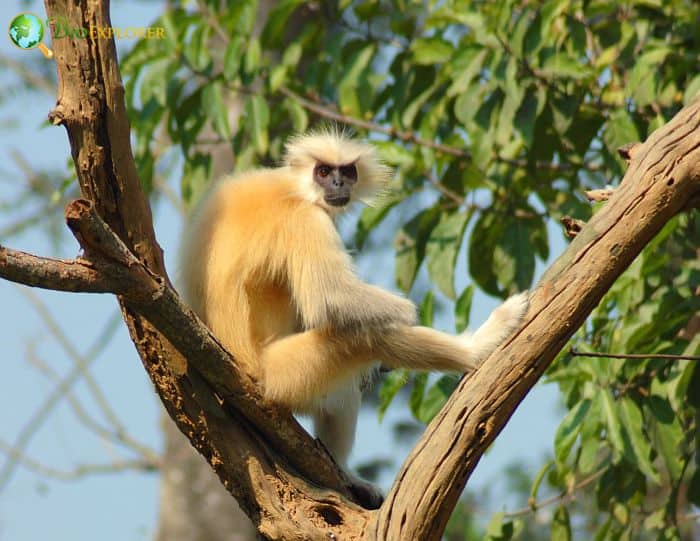
    Gee’s golden langur, also known simply as the golden langur, is an Old-World primate found in a small area of ​​western Assam, India, and in the nearby foothills of the Black Mountains of Bhutan. Gee’s golden langur was officially discovered in 1953 by Edward Pritchard Gee, an amateur naturalist and tea planter in Assam, India.

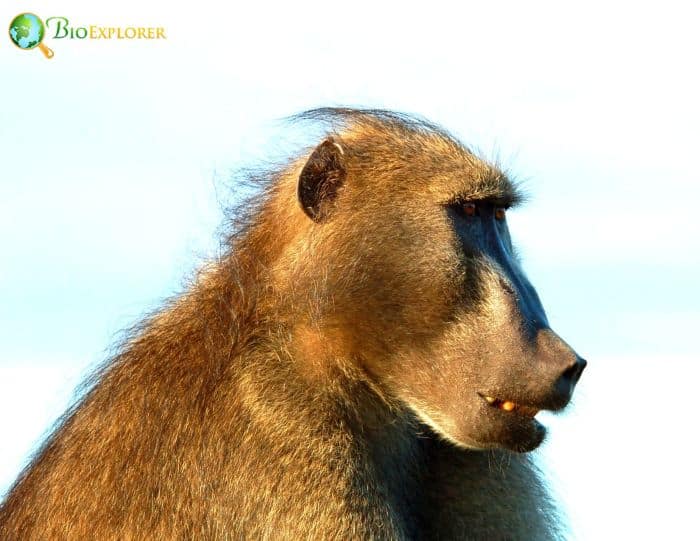
  • Chacma Baboon

    Like all other baboons, the Chacma baboon, the Cape baboon, belongs to the Old-World monkey family. Chacma baboons have a habit of flipping over rocks in search of food. So, it’s pretty easy to spot where a group of Chacmas once foraged.

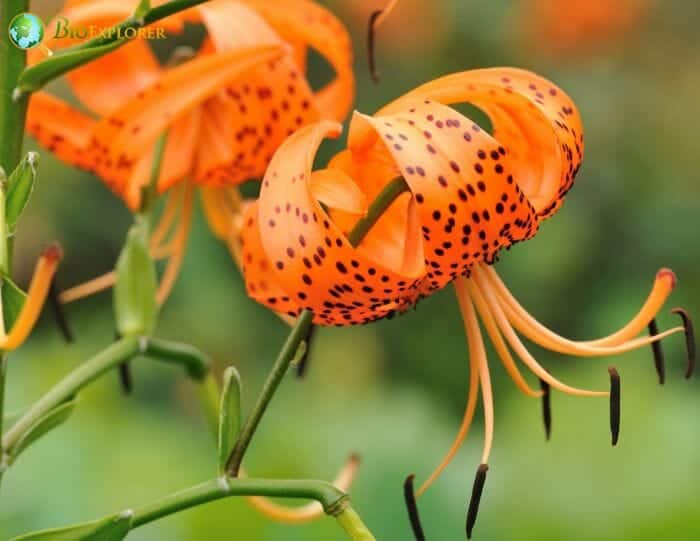
  • Tiger Lily

    Tiger Lily is a perennial Japanese bulb plant that can grow 60 cm to 150 cm. in height. It is a prolific flower that gives the appearance of the tiger’s skin. This is an excellent border plant. The Tiger Lily flower is associated with wealth and pride,

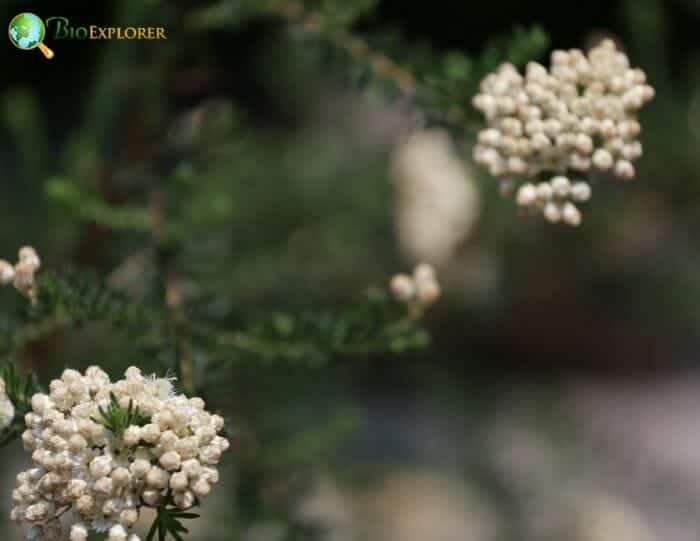
  • Rice flower

    The Rice flower (Ozothamnus diosmifolius) is an upright, woody shrub in the Asteraceae (daisy) family native to Eastern Australia. The Ozothamnus genus includes approximately 53 species of flowering plants. This species is known for sago bush, pill flower, and white dogwood.

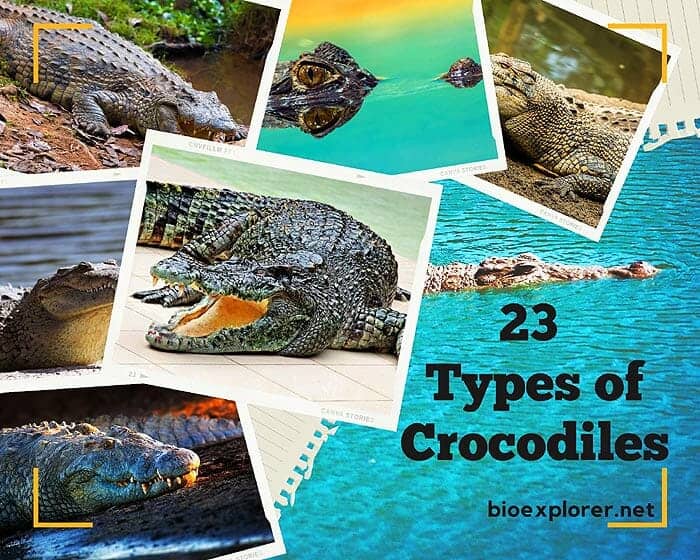
  • Types of Crocodiles

    Crocodilia is one of the reptile orders dedicated to large, lizard-shaped, and predatory reptiles. Explore 23 types of crocodiles by water bodies, regions, and taxonomy classification year.

  • Top 10 Poisonous Birds

    Among the different strategies deployed by birds to escape predation is the use of toxic chemicals (poison). Here are the top 10 poisonous birds in Aves family.

  • Top 10 Botany News in 2020

    If we look at the current discoveries in Botany, it is clear that Plant Science is actually thriving now. Here are top 10 botany news in 2020.