Order Apodiformes / Hummingbirds and Swifts
Both hummingbirds and swifts belong to order Apodiformes with 4 families & about 445 species under this order. Find the main characteristics & examples here.

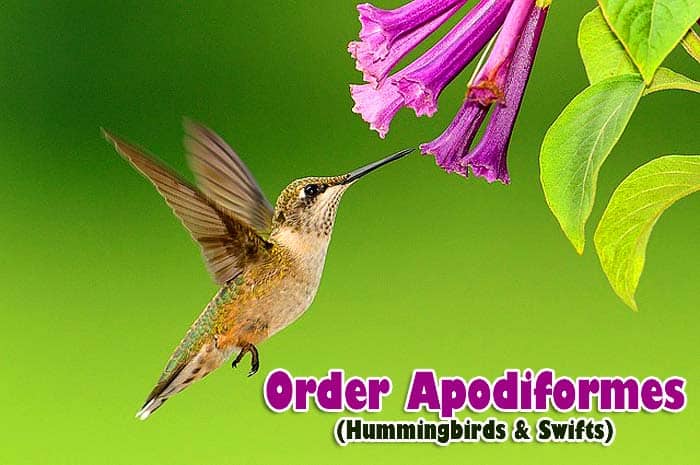
Both hummingbirds and swifts belong to order Apodiformes with 4 families & about 445 species under this order. Find the main characteristics & examples here.
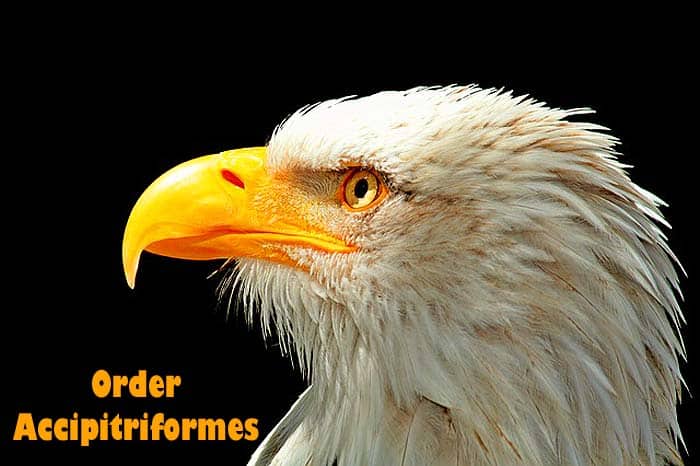
Accipitriformes are an order of birds of prey that includes hawks, eagles, and ospreys. This hub page explains their evolution, shared traits, families, and ecological importance.
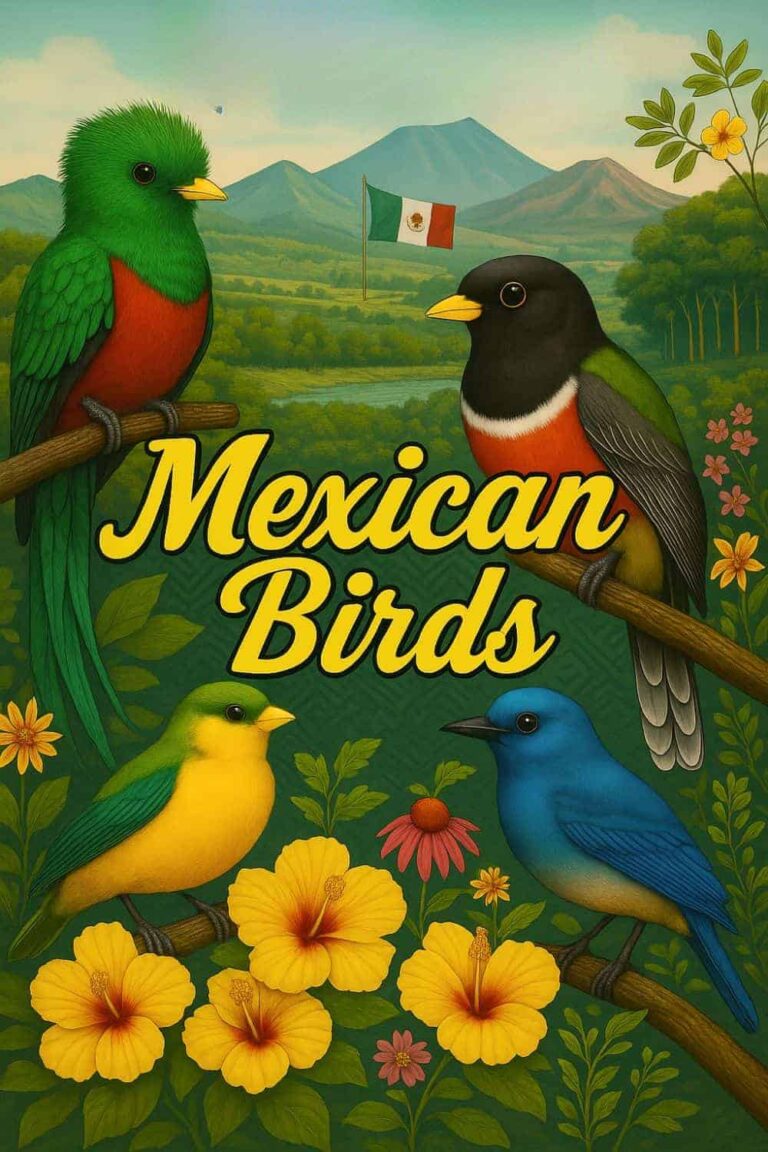
Discover the top 15 Mexican birds, from vibrant quetzals to rare doves. Learn where to find Mexico’s most colorful and unique bird species across forests, coasts, and mountains.
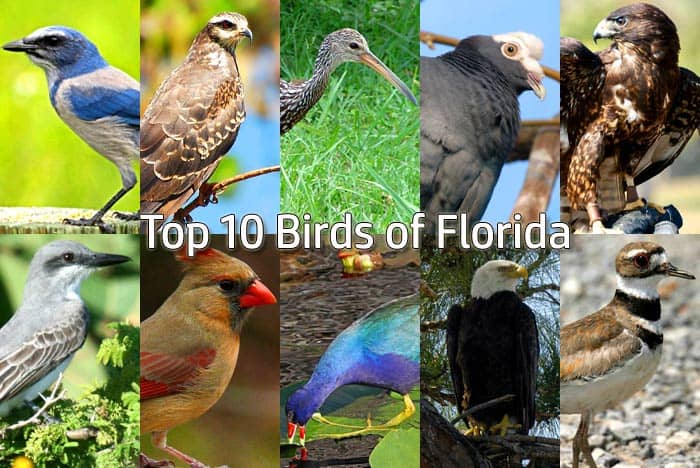
Florida Birds: Because of its unique geographic location and suitable tropical climate, the state of Florida is home to some of the most awesome birds ever discovered. Here, we explore the top ten most spectacular birds of Florida, which are native to the state of Florida, from Scrub-Yay to Killdeer and much more.
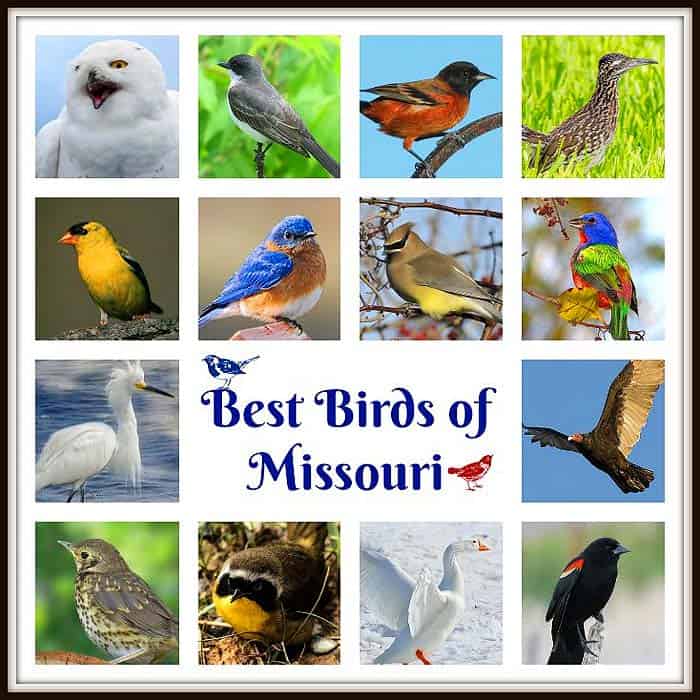
Here are the top 15 birds of Missouri and their fascinating fun facts along with where can one spot each of them in the State of Missouri.

Oregon is notable for its diverse habitats, including alpine meadows, rainforests, pine forests and more. Find top 10 birds of Oregon including its state bird (Western Meadowlark).
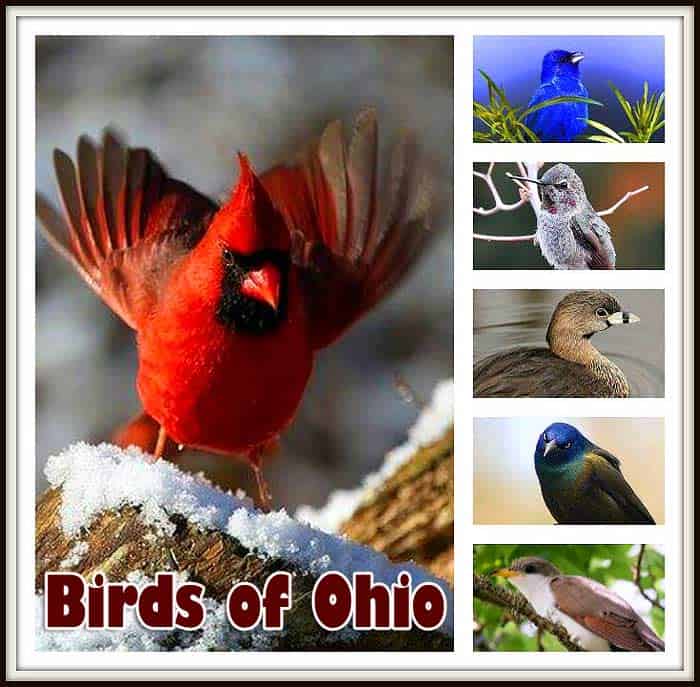
At present, Ohio has 5 distinct geographical regions from Lake & Till Plains to Appalachian Plateau and Bluegrass Region. Find 15 Best Birds of Ohio here.
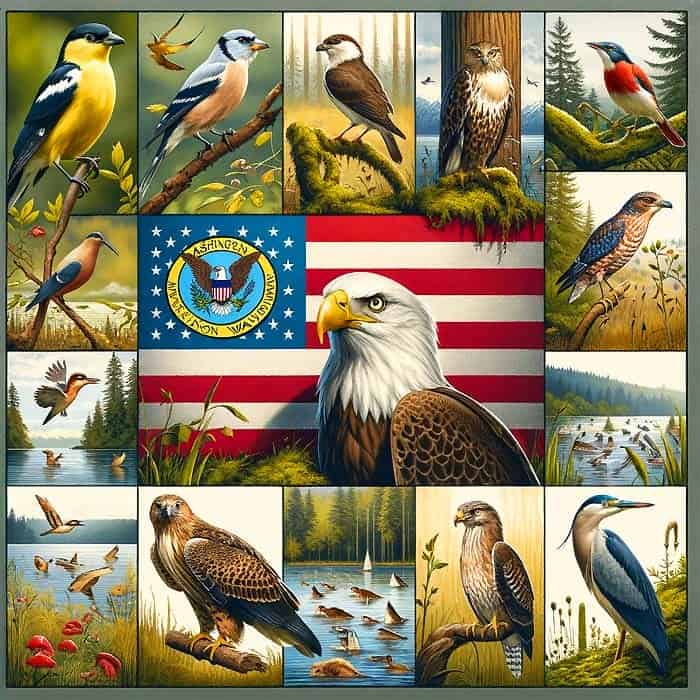
Explore the overview of 26 must-see top Washington Birds species including facts on goldfinches, owls, hawks, finches and more. This comprehensive guide will help with identification of birds of Washington.
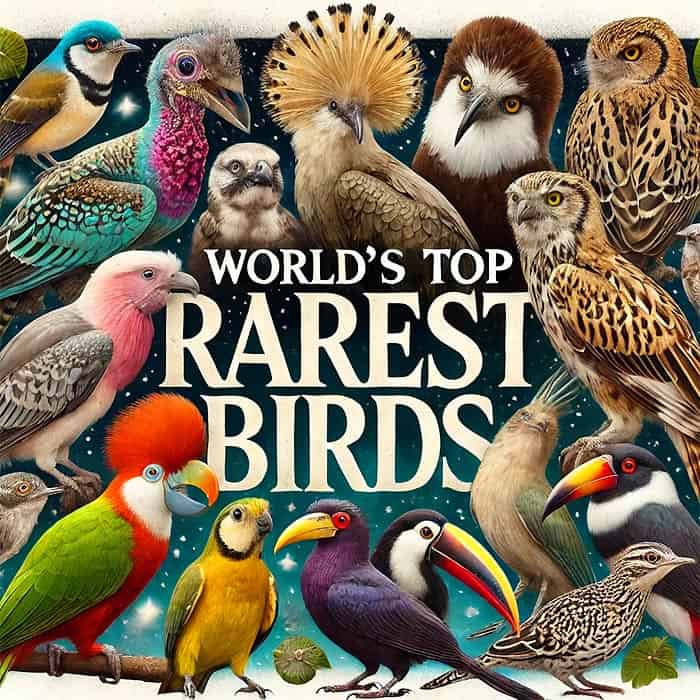
Explore the 25 rare birds in the world, including the Kakapo and Philippine Eagle, with stunning visuals, unique facts, and their incredible rare bird habitats.
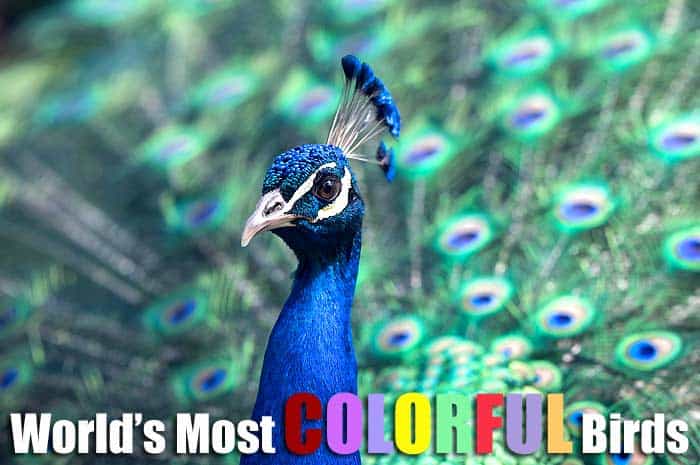
A visual guide to the world’s most colorful birds, featuring 40 stunning species with vibrant plumage, eye-catching photos, and fascinating facts.
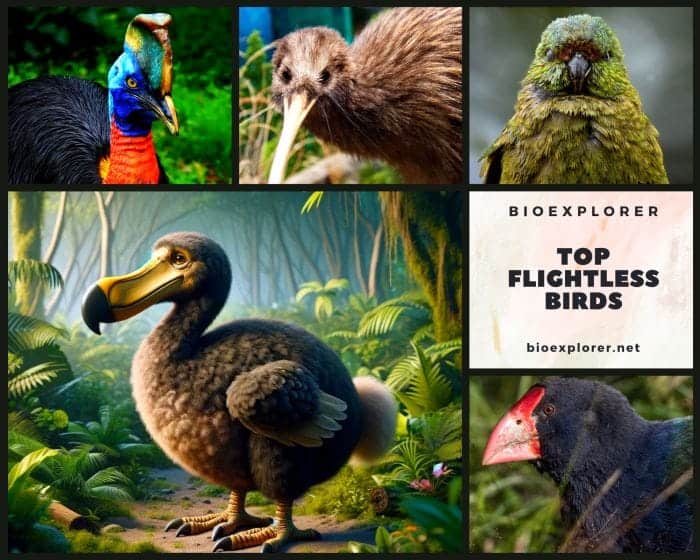
Flightless Birds: Insight into how birds adapted over time to live grounded lives. This article explores major flightless species – from giant moas to tiny kiwis and curious penguins – examining how isolation and lack of predators drove anatomical changes forfeiting skies for land locomotion mastery.
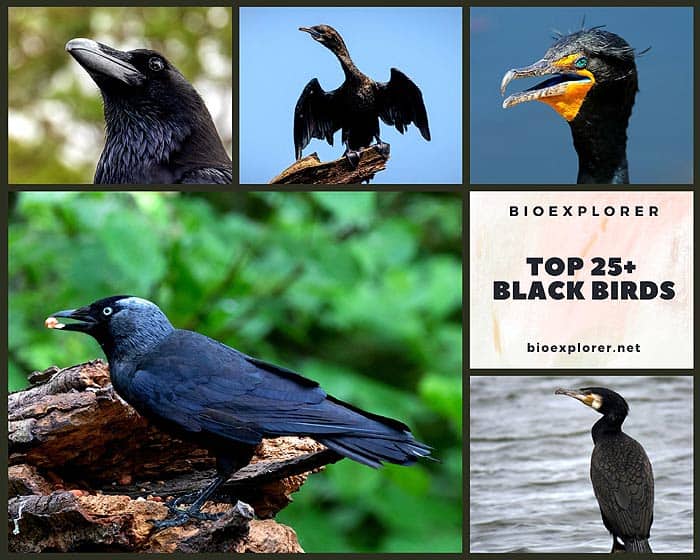
Discover the top 30+ black birds’ mesmerizing beauty, unique behaviors, and fascinating facts. Dive into a symphony of wings and feathers as we explore these captivating dark birds shedding light on their mysterious allure.
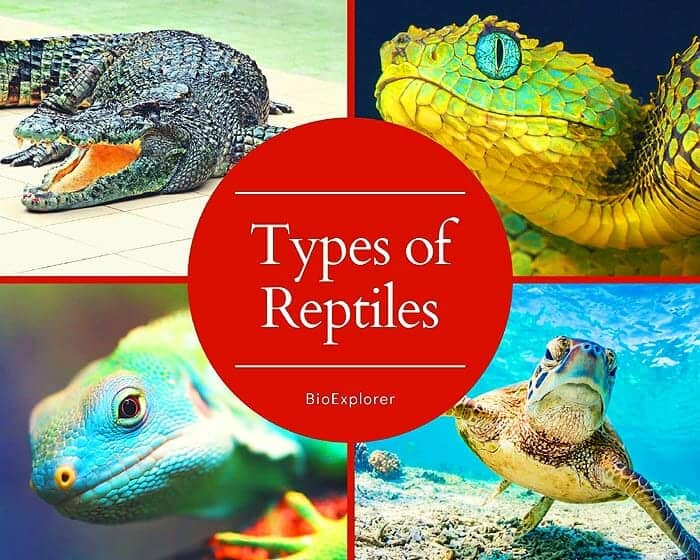
Reptiles are cold-blooded vertebrates of the class Reptilia. Explore the top 8 reptile characteristics and four different types of reptiles here.

BioExplorer highlights some of the top 10 resident birds of Massachusetts out of 300+ bird species from the commonwealth along with their locations in MA.
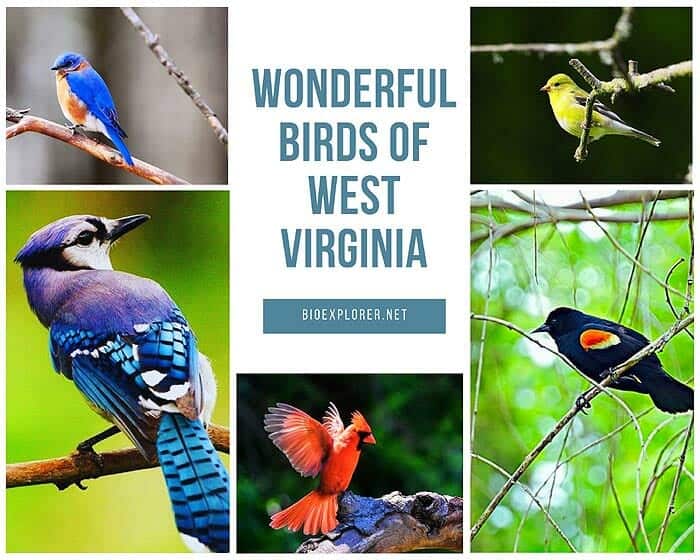
West Virginia has majestic mountains situated in the Appalachian region with 78% covered with forests. Explore top 10 birds of West Virginia here.
Among the different strategies deployed by birds to escape predation is the use of toxic chemicals (poison). Here are the top 10 poisonous birds in Aves family.
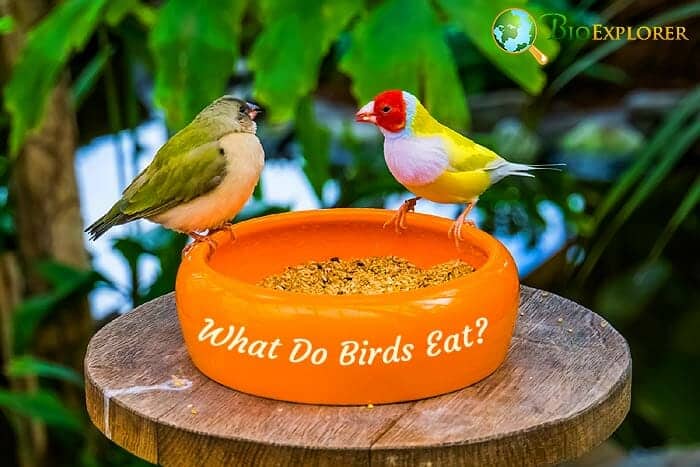
Most birds diet on insects, seeds, flowers, berries, while others (large birds) feed on mammals & reptiles. Find what do birds eat by types.
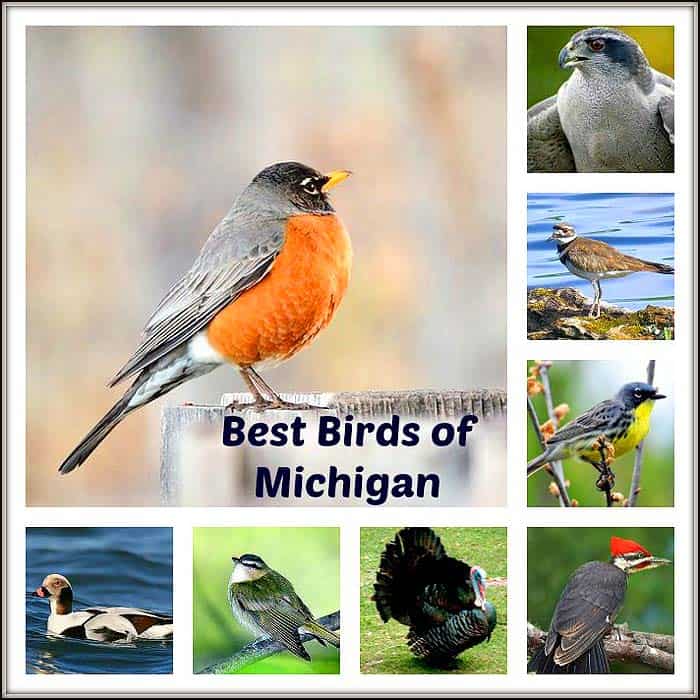
The state of Michigan has a variety of habitats that are inviting for different bird species. Explore 15 best birds of Michigan & their interesting facts.

The state of Colorado has a wide range of potential bird habitats. Explore the top 15 amazing birds of Colorado and their interesting facts here.
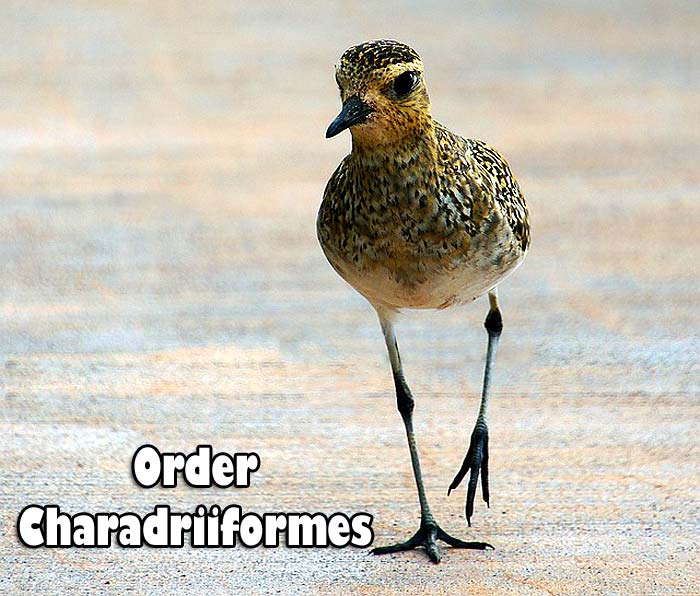
Order Charadriiformes is very large bird order which contains around 350 bird species. Explore the characteristics, pronunciation, & species in this order.
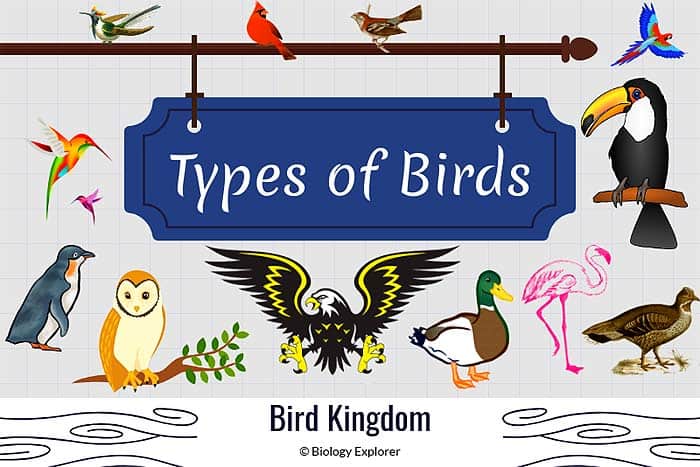
Birds are some of the most successful vertebrate animals on Earth. Explore different types of birds, their characteristics, and 40 orders of bird families.

Explore what do hummingbirds eat here. Hummingbirds mainly eat nectar from flowers. They further supplement this diet by feeding on a wide array of insects.

A desert is a barren landscape area with little to no water (no precipitation) found which makes the living condition extremely hostile for plants and animals. Explore 15 different types of desert birds and their adaptations on this page.
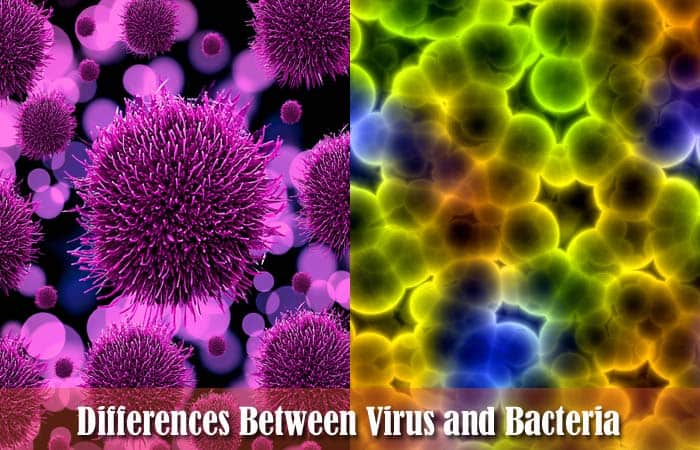
While it is true that viruses and bacteria are often (and sometimes mistakenly) associated with diseases, many find them to be seemingly indistinguishable. Explore how are viruses different from bacteria at a microscopic level from 15 various aspects.
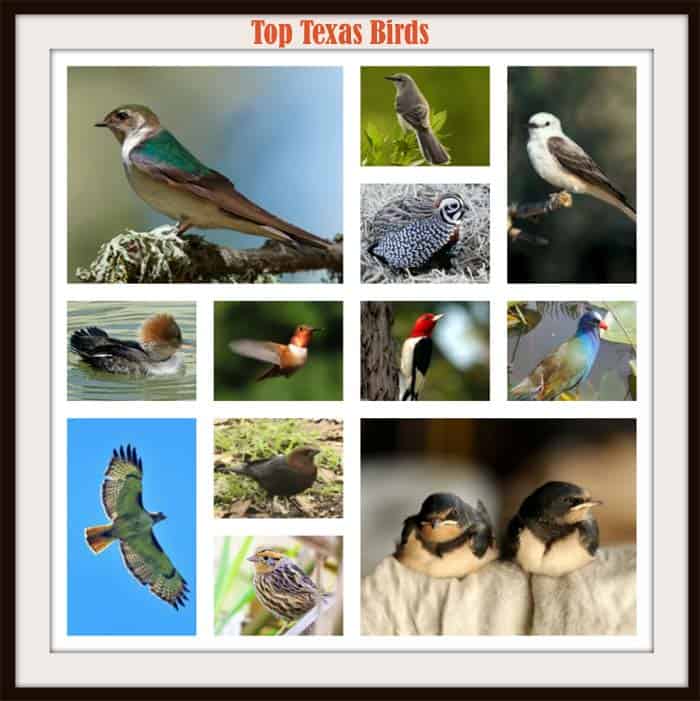
Because of its geographic location and extra diverse regions, Texas is blessed with rich bird wildlife. It is even considered as the most diverse bird state in the United States. Here is the list of some of the most famous Texas birds that are native to Texas.
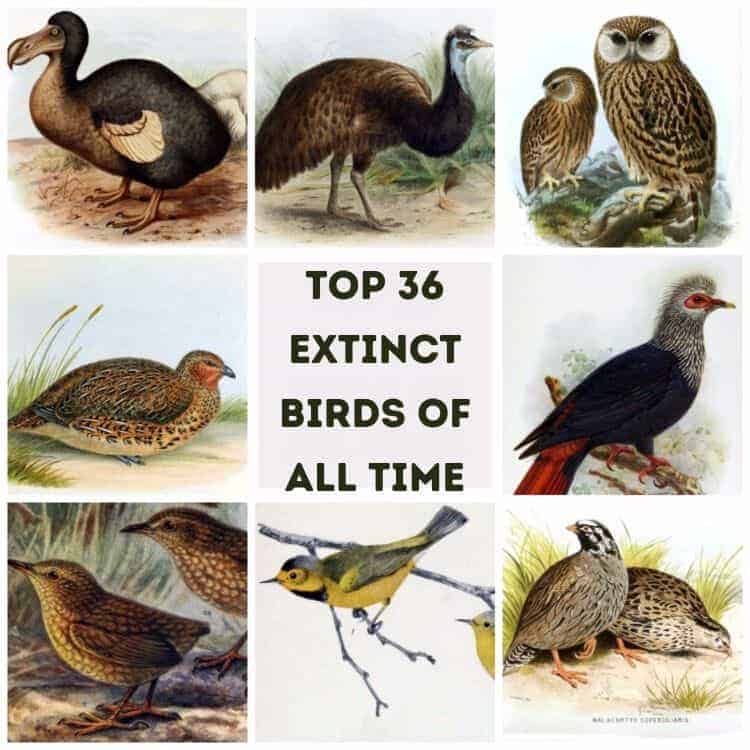
Discover the 35 most famous extinct birds and learn about their stories on what caused their decline and eventually mass extinction from this planet earth.
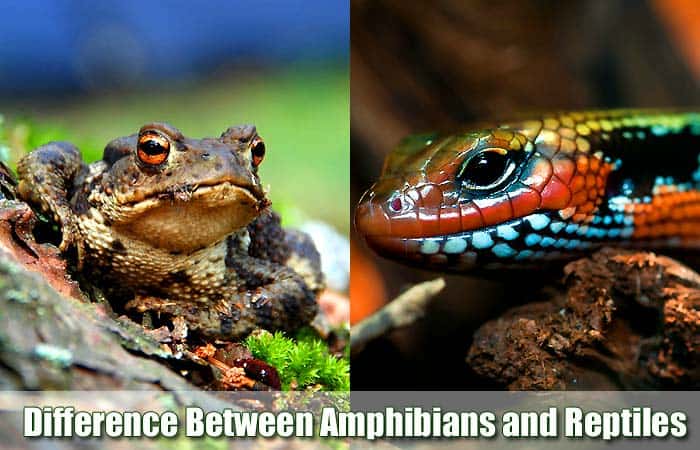
In the animal kingdom, amphibians and reptiles are the most frequently interchanged; Here are the similarities & difference between amphibians and reptiles.
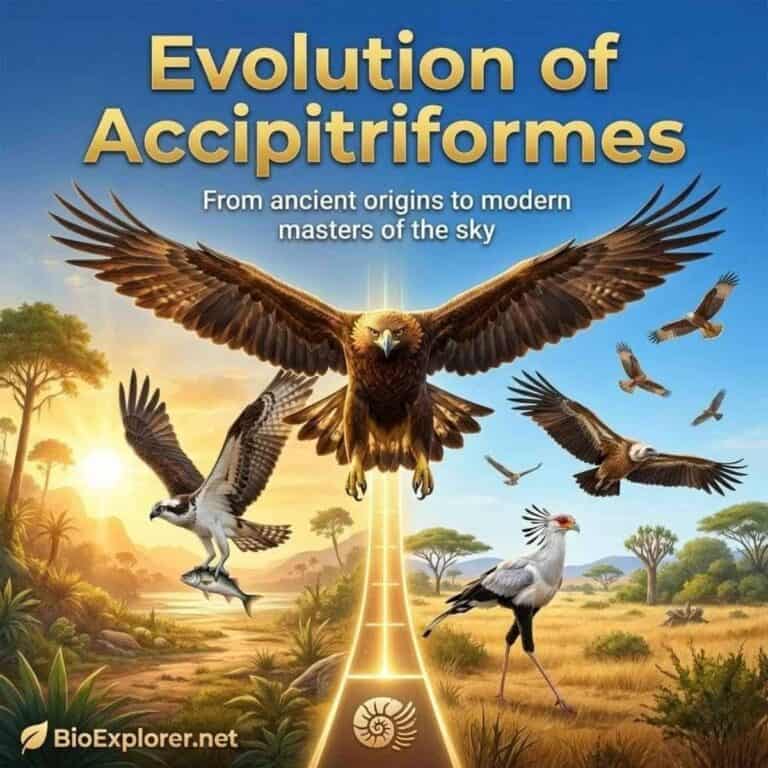
Accipitriformes are daytime birds of prey that evolved into powerful hunters through millions of years of adaptation. This guide explores their ancient origins, evolutionary traits, major families, hunting tools, global spread, and how modern challenges continue to shape hawks, eagles, and ospreys today.
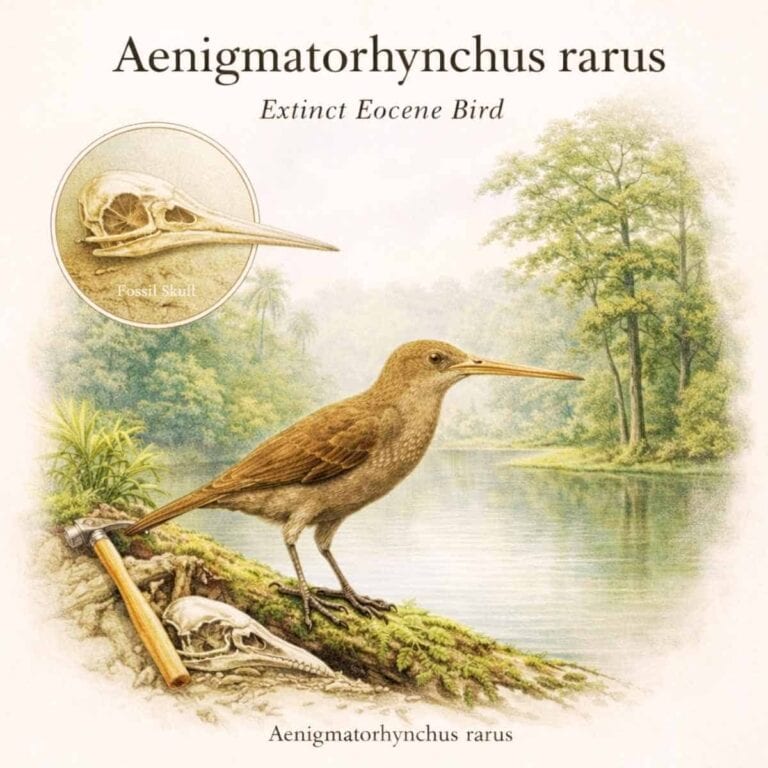
Discovered in Germany, Aenigmatorhynchus rarus is an extinct Eocene bird with a strange beak that does not match any living bird group.
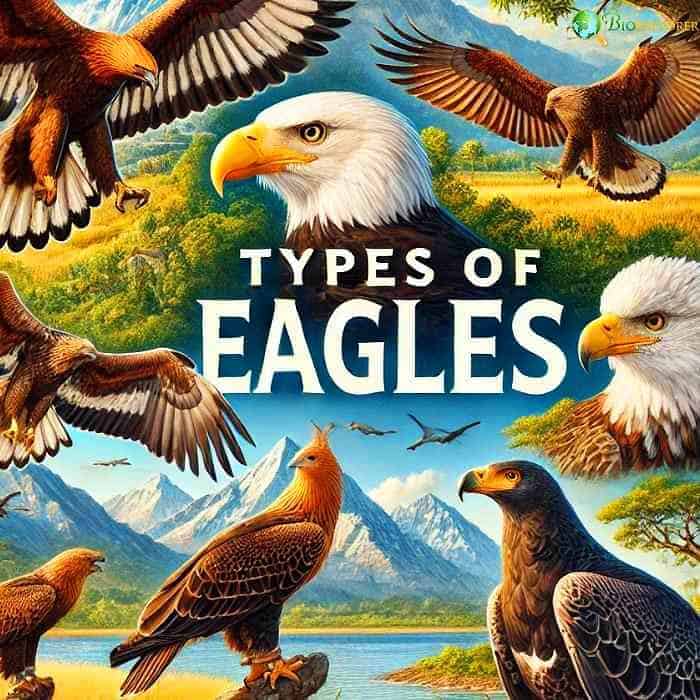
Explore all 68 types of eagles in this comprehensive guide. Learn about each species’ unique traits, habitats, and behaviors across the globe.
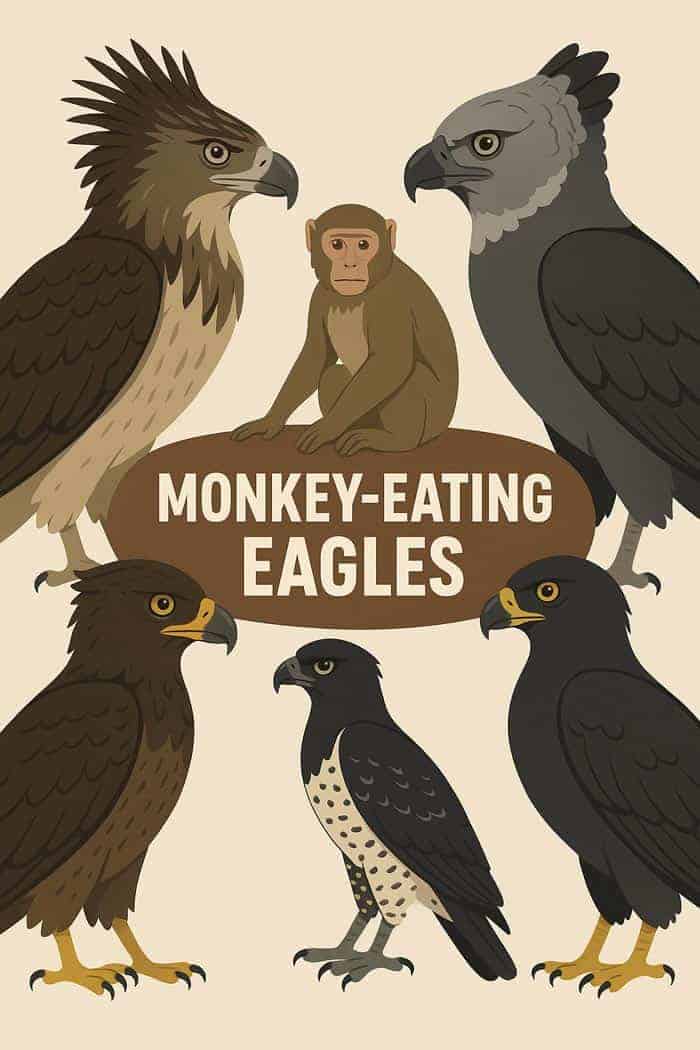
Discover the world of monkey-eating eagles—powerful raptors like the Philippine, Harpy, and Crested Eagles—built to hunt primates in dense rainforests.
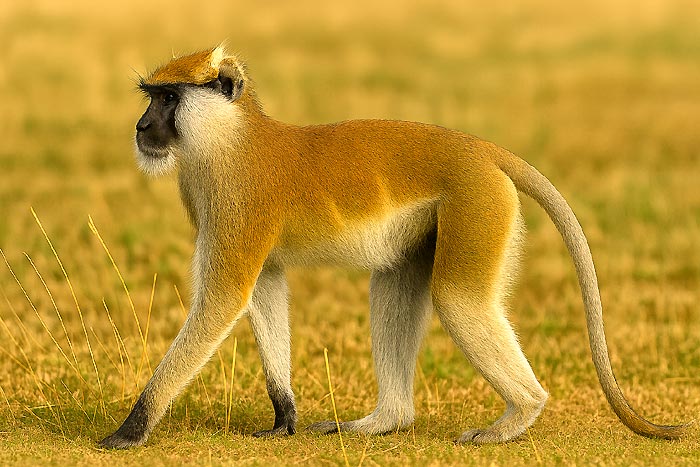
The Southern Patas Monkey (Erythrocebus baumstarki), native to Tanzania, is a critically endangered primate known for its speed, elusive nature, and striking coloration. Once widespread, its population now teeters between 100–200 individuals due to habitat loss and human threats. Inhabiting open acacia woodlands, these ground-dwelling monkeys play a vital ecological role in seed dispersal and insect control. Conservation efforts are urgently needed to protect this rare species and restore its shrinking habitat range.
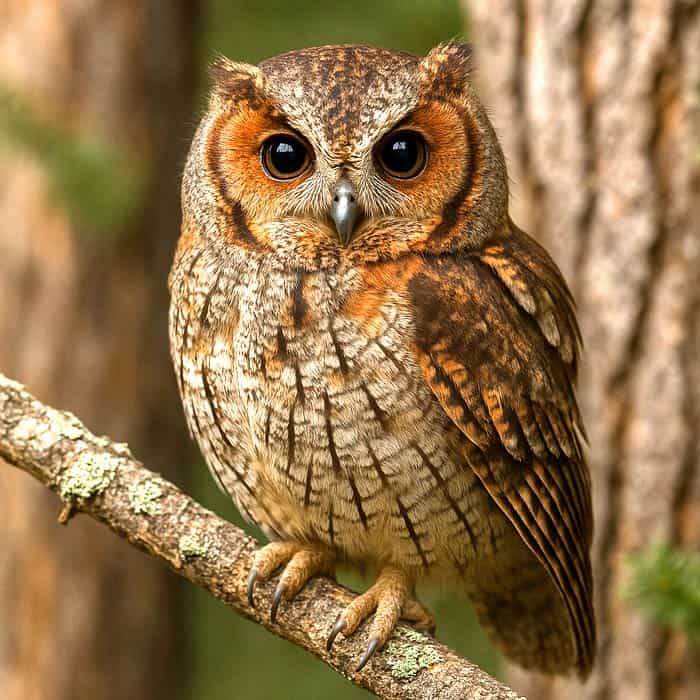
The flammulated owl (Psiloscops flammeolus) is a small, nocturnal bird native to western North America, renowned for its flame-marked plumage and soft, deep calls. Favoring mature coniferous forests, this elusive owl nests in tree cavities and feeds almost exclusively on insects like moths and beetles. Despite its broad range, it remains hard to spot due to its camouflaged appearance and secretive habits. As a key insect predator and indicator of healthy forests, the flammulated owl plays an essential role in maintaining ecological balance across its habitat.
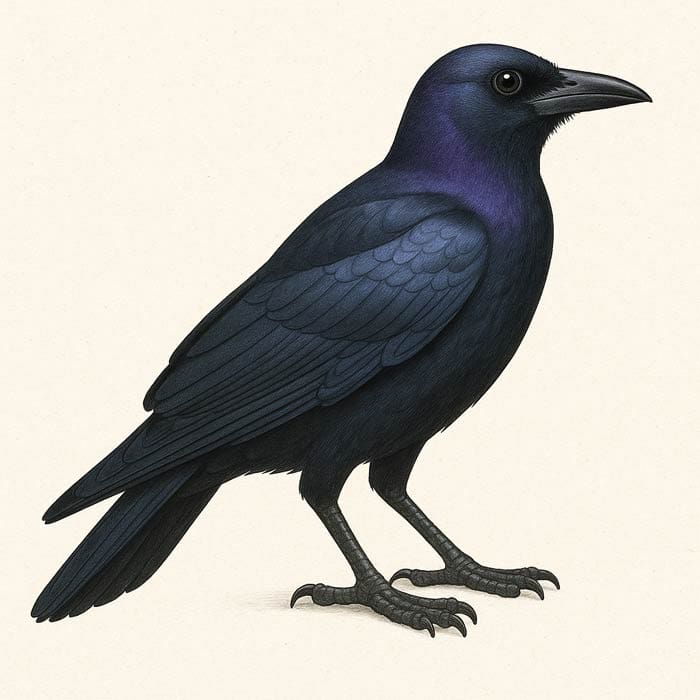
The violet crow (Corvus violaceus) is a medium-sized, glossy black bird with a distinctive purplish sheen, found only on Seram Island in Indonesia. Formerly a subspecies of the slender-billed crow, it is now recognized as a unique species. Adapted to tropical forests, plantations, and farmland, the violet crow is omnivorous and exhibits solitary or small-group foraging behavior. Its stable population and ecological role in seed dispersal and pest control make it vital to Seram’s biodiversity. With striking plumage and limited range, it captivates ornithologists and conservationists alike.
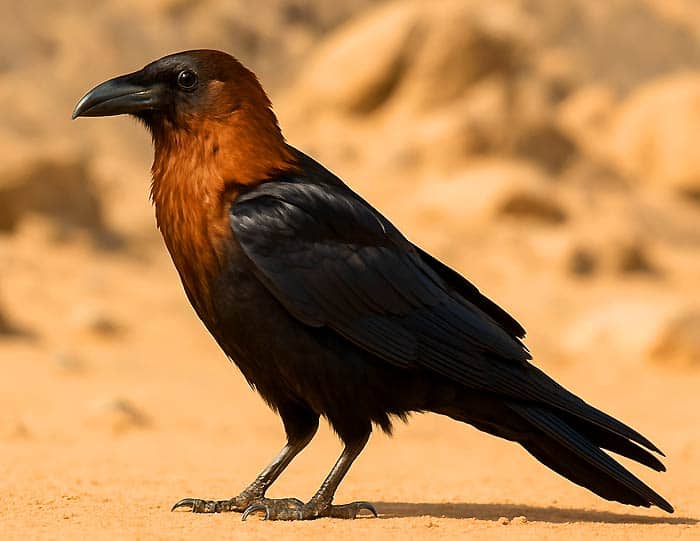
The brown-necked raven (Corvus ruficollis) is a clever, desert-adapted corvid found across North Africa, the Middle East, and parts of Asia. Recognized by its glossy black body and brown-tinged neck, this bird thrives in arid habitats, from rocky outcrops to human-altered landscapes. An opportunistic omnivore, it feeds on insects, carrion, fruit, and even trash. Known for its intelligence, aerial acrobatics, and cooperative behavior, the raven plays a crucial ecological role as a scavenger and predator. Its adaptability ensures resilience amid shifting environmental conditions.
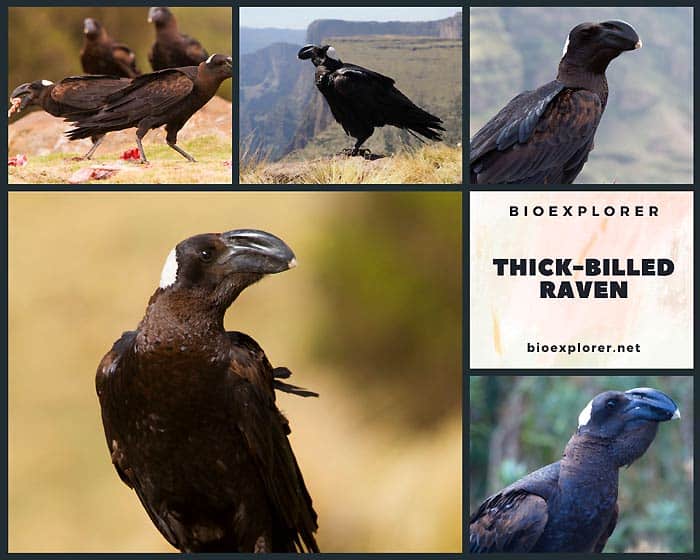
The thick-billed raven is Africa’s largest corvid, native to the highlands of Ethiopia, Eritrea, and Somalia. Known for its massive white-patched bill and glossy black plumage with a white nape, this intelligent bird thrives in both wild and urban settings. Its diet includes carrion, seeds, and small animals, showcasing its adaptability. Thick-billed ravens are monogamous, nest on cliffs or tall trees, and play vital ecological roles as scavengers and predators. Their vocal variety, tool use, and social foraging highlight their complex behavior in highland ecosystems.
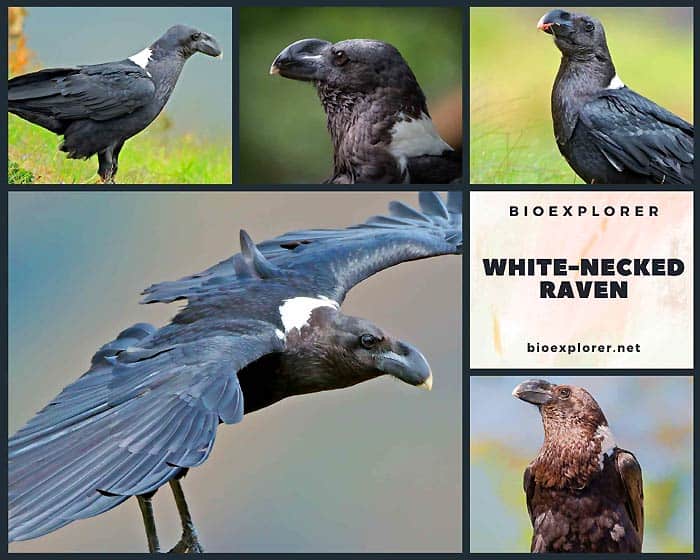
The white-necked raven is a large, intelligent bird native to the highlands of eastern and southern Africa. Recognizable by its white nape and glossy black plumage, this adaptable corvid thrives in mountainous terrain, open savannas, and even urban settings. It feeds on everything from insects and carrion to human scraps, often displaying clever foraging tactics like dropping nuts on rocks. Monogamous pairs build sturdy nests on cliffs or tall trees. As both scavenger and predator, it plays a vital ecological role while showcasing striking social and problem-solving behaviors.
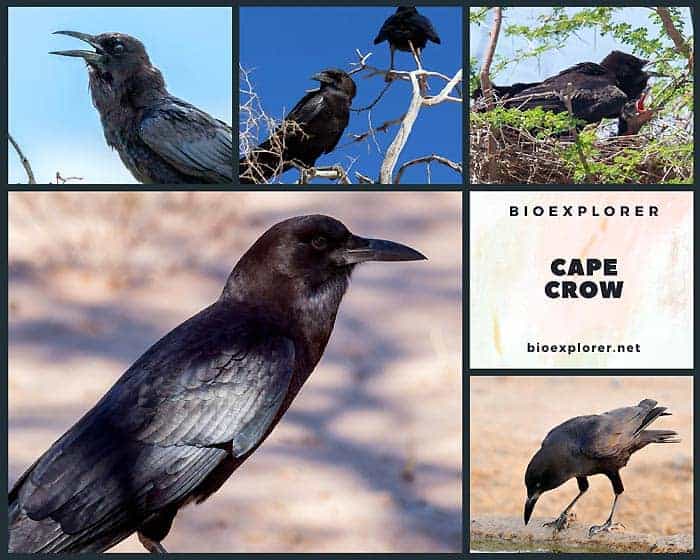
The Cape crow is a glossy black, intelligent bird native to eastern and southern Africa. Known for its large curved bill and deep “krrah” call, this corvid thrives in open grasslands, savannas, and farmlands. It plays a vital role in the ecosystem as both a predator and scavenger, helping control pests and recycle nutrients. Though sometimes viewed as a pest, it demonstrates advanced problem-solving, tool use, and social intelligence, making it a fascinating species among Africa’s many types of birds.
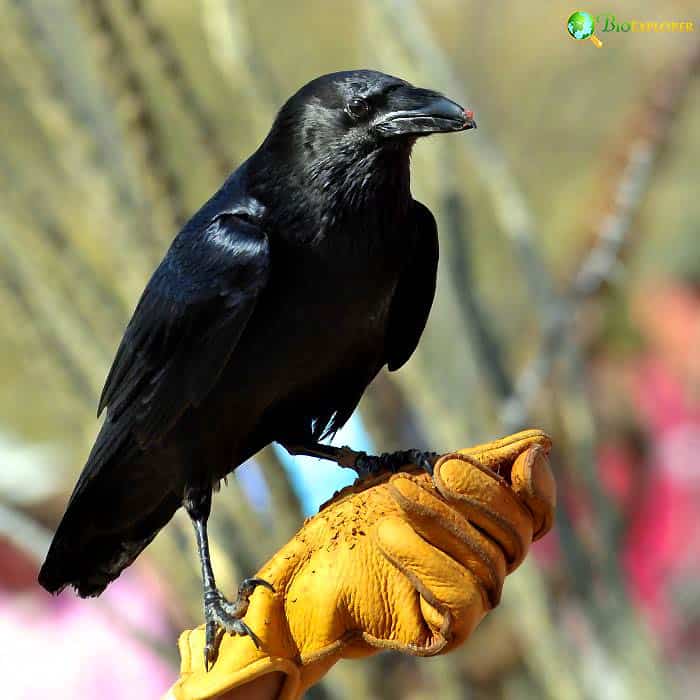
The Chihuahuan raven (Corvus cryptoleucus) is an intelligent desert-dwelling bird found in the southwestern U.S. and Mexico. Slightly smaller than the common raven, it features all-black plumage and hidden white neck feathers. Adapted to arid grasslands and scrub, it thrives as both a predator and scavenger. Known for its deep “kraaa” call and playful flight displays, this raven plays a vital ecological role and demonstrates impressive social behavior and adaptability in harsh environments.
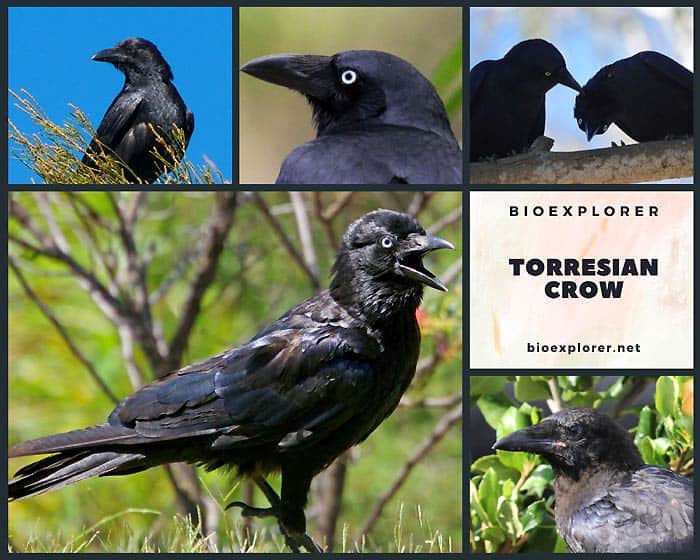
The Torresian crow (Corvus orru) is a smart, adaptable bird native to northern and western Australia, as well as nearby regions in Papua New Guinea and Indonesia. Known for its glossy black feathers and white eyes, it thrives in rainforests, farmlands, and cities. An opportunistic omnivore, it feeds on everything from insects to carrion. Remarkably, it has learned to eat toxic cane toads safely—a skill passed down culturally within crow populations.
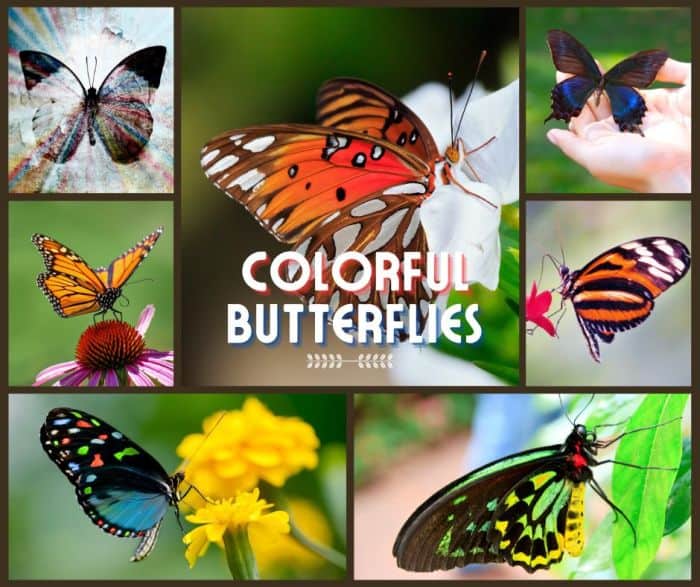
Colorful Butterflies: These incredible insects come in a myriad of colors, patterns, and sizes, each one more stunning than the last. Explore 25 of the most spectacular and colorful butterfly species from around the globe.
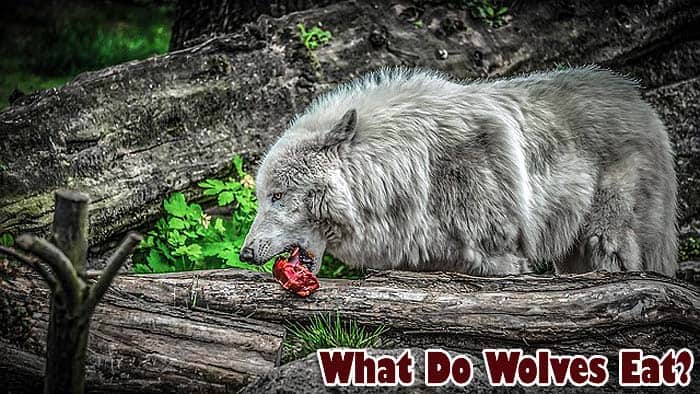
Wolves are classified under a broad taxonomic family referred to as Canidae. Explore what do wolves eat, their diet by types, when do they eat, how much they eat and what eats them.
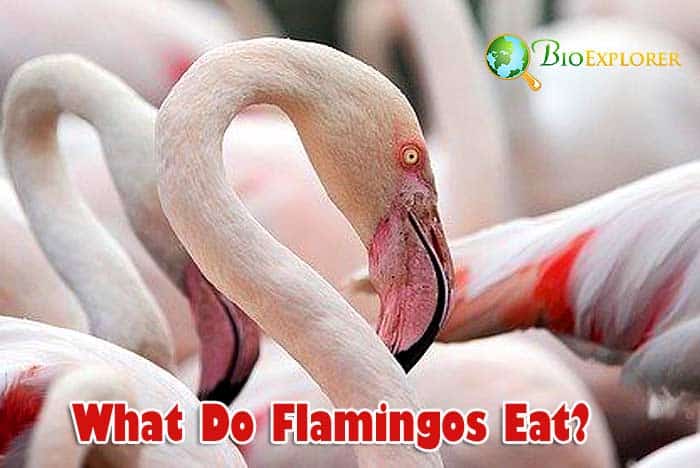
Flamingoes are beautiful wading birds classified in the family Phoenicopteridae. Explore what do flamingos eat, types & what eats flamingoes.
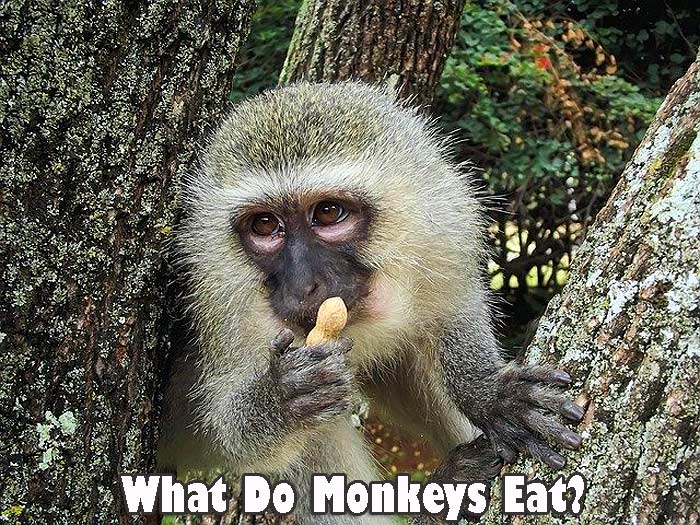
Monkeys are divided into two groups; the Old World and New World monkeys. Explore what do monkeys eat, monkeys diet by types and what eats monkeys here.

Among all biomes, tropical rainforests are considered to have the highest biodiversity. The rainforest is divided into 4 layers: the emergent layer, the canopy layer, the understory, and the forest floor. These layers host several species of tropical animals and tropical plants. Explore the layers of the rainforest here.
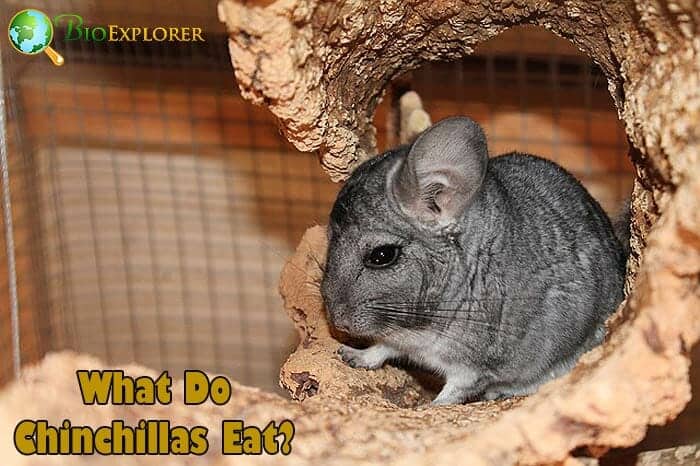
Chinchillas are attractive little rodents famed for the fluffy appearance that sets them apart from other animals. What do Chinchillas eat, diet patterns & more.
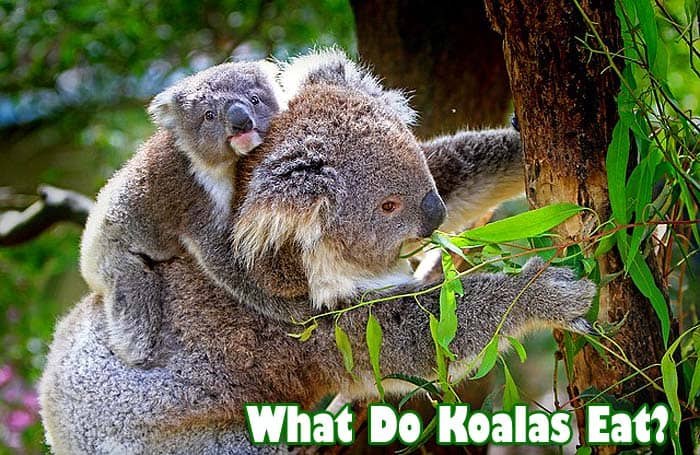
Koalas are iconic marsupials spotting black oval noses and round ears. Explore what do koalas eat, their diet plan, what eats koalas, & animal food chain.
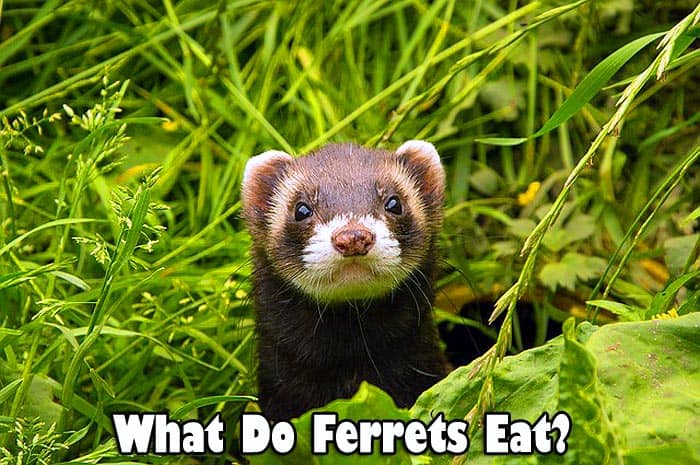
Ferrets are small furry mammals with long tails and a pear-shaped physique. Explore what do ferrets eat, ferrets diet by types, and what eats ferrets & more.
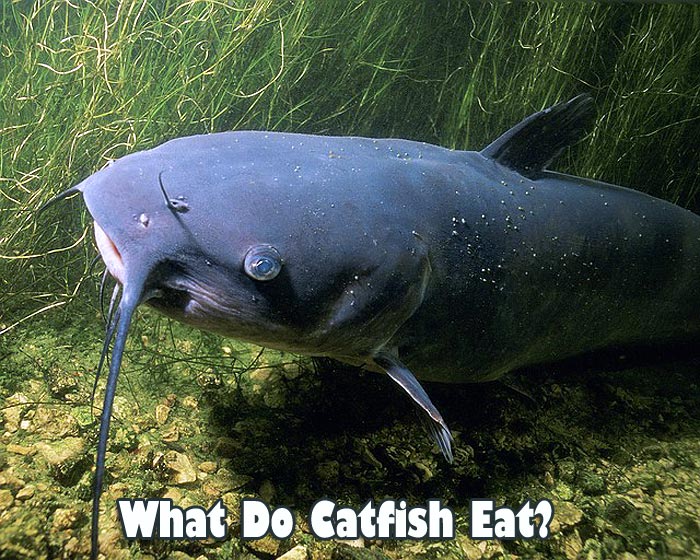
Catfish are unique looking fish notable for their barbells which give the impression of a cat’s whiskers. Explore what do catfish eat & their diet by types.
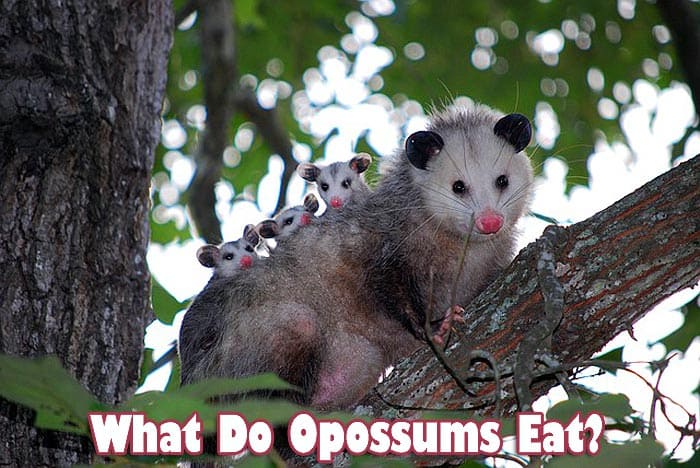
Opossums are marsupials, endemic to the Americas. Explore what do opossums eat, opossums diet by types, what eats opossums, hunting patterns, and more.
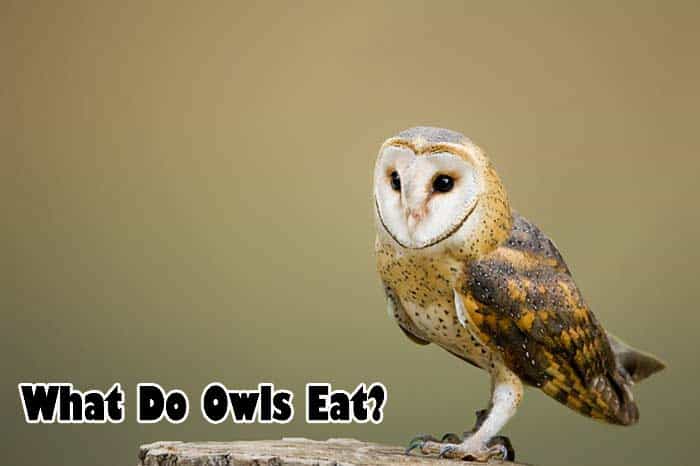
Owls are described as raptors because of their sharp claws and beaks. Explore what do owls eat, owls diet by different types, what eats owls, how often do owls eat & more.
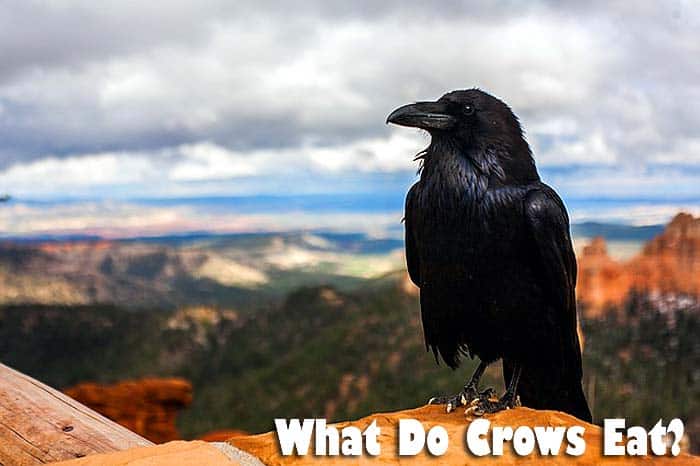
Explore what do crows eat by their types and what eats crows. Crows diet may include small mammals, fishes, amphibians, reptiles, insects, seeds, nuts, & more.
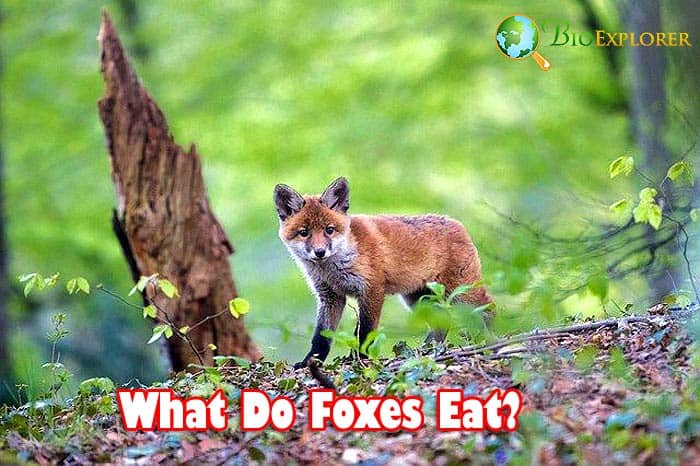
Foxes are classified under the genus Vulpes made up of about 12 existing species. Explore what do foxes eat, diet by species & what eats foxes here.
The eyes with various marvelous features have evolved in all kinds of animals. Explore top 26 different animals with best eyesight in animal kingdom.
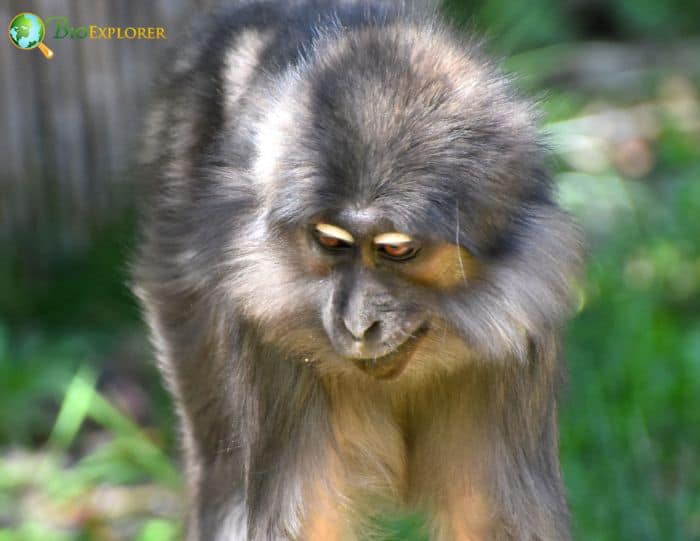
The gray-cheeked mangabey (Lophocebus albigena), also called the white-cheeked mangabey, is an Old World monkey found in the forests of central Africa. Gray-cheeked mangabeys belong to the same family (Cercopithecinae) and phylum (Papionini) as mandrills, macaques, and baboons.
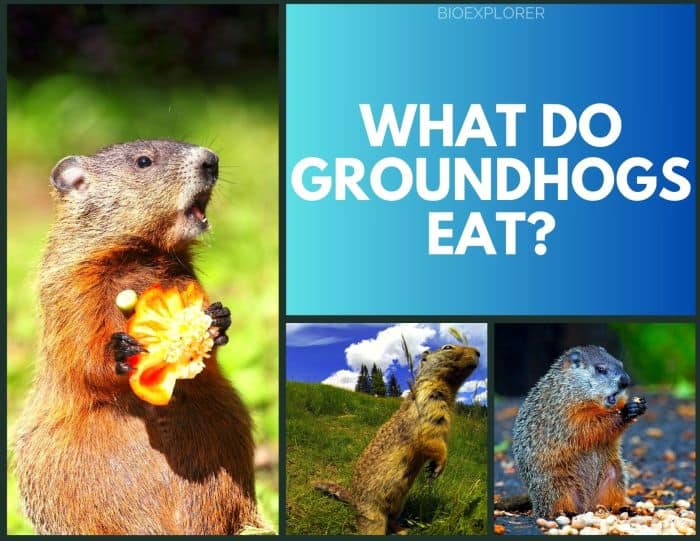
Groundhogs are herbivores that eat a diverse diet of greens, vegetables, fruits and more. Learn everything groundhogs eat and their favorite foods.
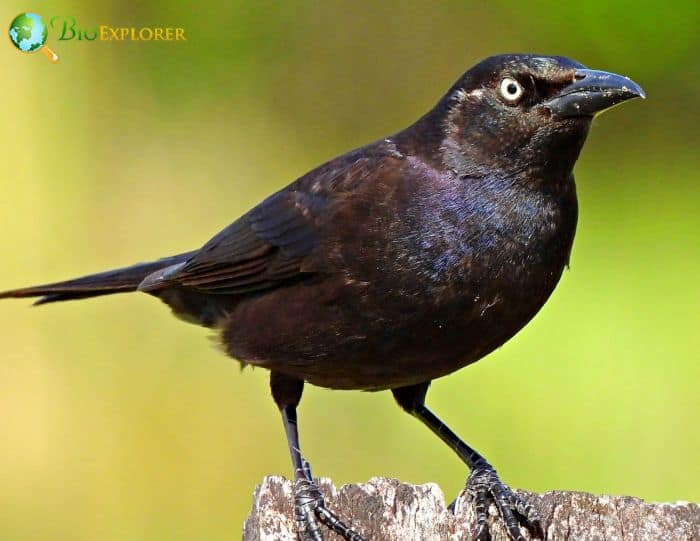
The Common Grackle is a large, long-tailed blackbird with striking iridescent plumage-males shimmer with purple, green, or blue gloss, while females are duller and browner. Found across eastern North America, grackles thrive in a wide range of habitats, from wetlands and fields to suburbs and city parks. Highly social, they often gather in massive flocks outside the breeding season. Their varied diet includes insects, seeds, grains, and even small animals. Grackles are known for their harsh, rusty-gate calls, and their communal roosts can number in the millions.
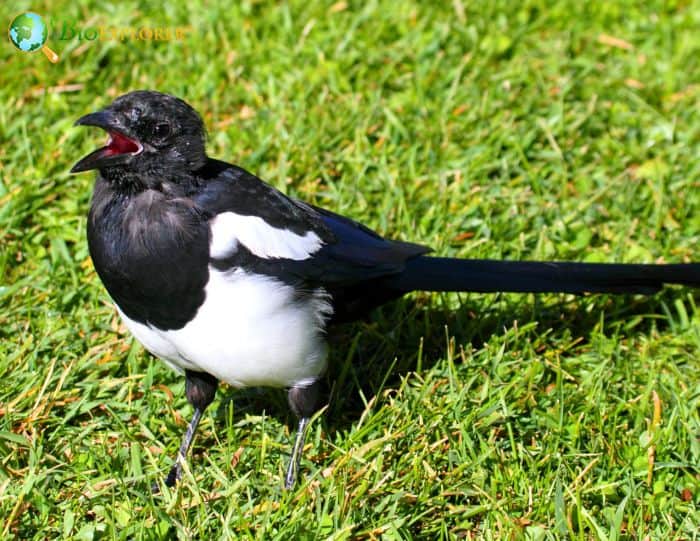
The Black-billed Magpie is a striking, medium-sized bird with a long iridescent tail, black head and back, and bold white patches on its wings and belly. Found in western North America, it thrives in open habitats like meadows, grasslands, and near human settlements. Magpies are highly social and intelligent, often seen in noisy flocks and known for their complex social displays. They build large, domed nests and mate for life. Notably, magpies sometimes gather around deceased companions in a behavior likened to a “funeral.” Black-billed Magpies can recognize themselves in mirrors, a rare trait among birds.
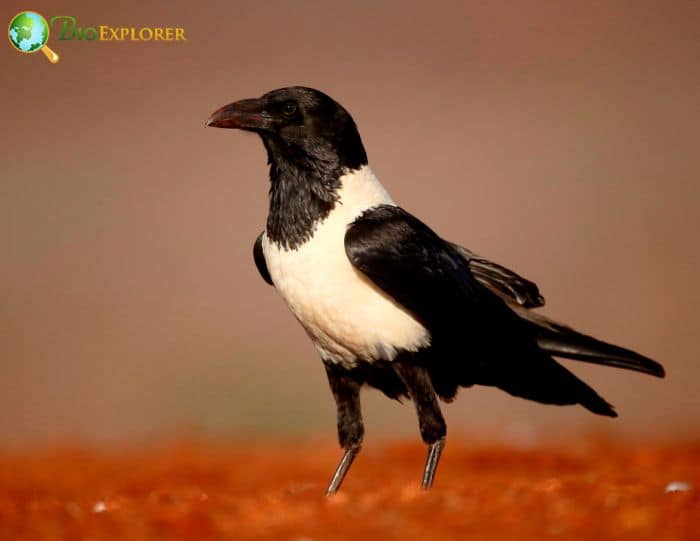
The Pied Crow is a striking black-and-white corvid native to sub-Saharan Africa and nearby islands. Easily recognized by its glossy black head, wings, and tail contrasted with a broad white chest and belly, it is slightly larger than the Carrion Crow and has a robust, slightly hooked bill. Highly adaptable, Pied Crows thrive in open savannas, grasslands, farmlands, and urban areas, often seen in pairs or small groups but sometimes gathering in large flocks. Exceptionally intelligent, they use tools, cache food, and mimic sounds. Their omnivorous diet includes insects, small animals, fruit, carrion, and human scraps.
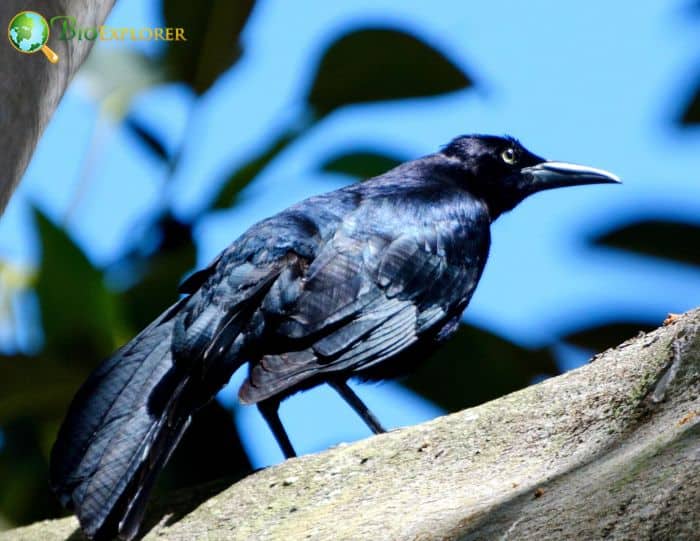
The Great-tailed Grackle is a large, striking blackbird known for its glossy, iridescent males with long, keel-shaped tails and bright yellow eyes. Females are noticeably smaller and brown with darker wings and tails. Native to the Americas, these highly social birds thrive in open areas near water, including farmland, city parks, and suburban lawns, and have rapidly expanded their range across North America in recent decades.
Great-tailed Grackles are famous for their raucous flocks and wide variety of vocalizations, from whistles to harsh rattles. They are highly flexible and persistent problem-solvers, able to adapt quickly to new environments and even solve complex puzzles.