
Search Results for: Marin

  • Pelagic Cormorant

    The Pelagic Cormorant is the smallest and most slender cormorant along the Pacific Coast, recognized by its long, thin neck and all-black plumage, with breeding adults showing white flank patches and short crests on the crown. Found from Alaska to Baja California and the Asian Pacific coast, it inhabits rocky shorelines, bays, and coastal cliffs, rarely venturing far from land. This species dives to depths over 130 feet to catch small fish and invertebrates, often foraging alone. Nests are built on narrow cliff ledges and reused for years.
  • Brandt’s Cormorant

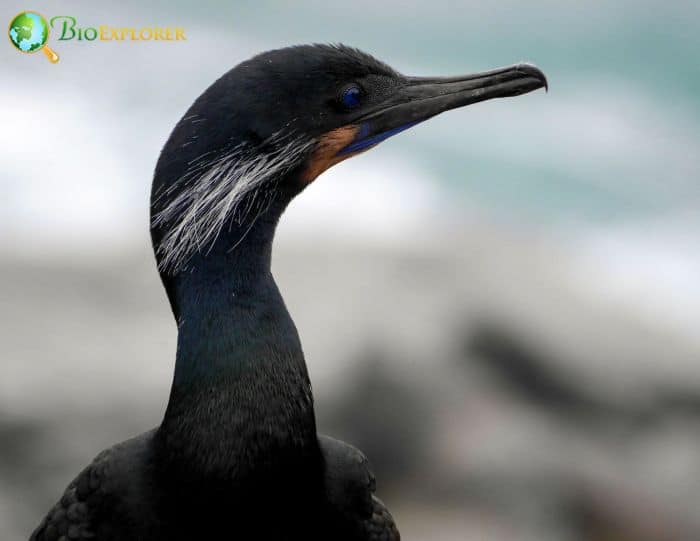
    Brandt’s Cormorant is a large, black seabird found along the Pacific coast from Alaska to Baja California. It is recognized by its thick neck, long body, and, during breeding season, a striking cobalt-blue throat patch and wispy white facial plumes. These dark-feathered birds nest in colonies on rocky islands and coastal cliffs, often building large nests from seaweed and debris. Brandt’s Cormorants are excellent divers, capable of reaching depths over 200 feet to catch fish such as anchovies and herring. These black birds often forage in groups, working together to herd schools of fish for easier hunting.

  • Rook

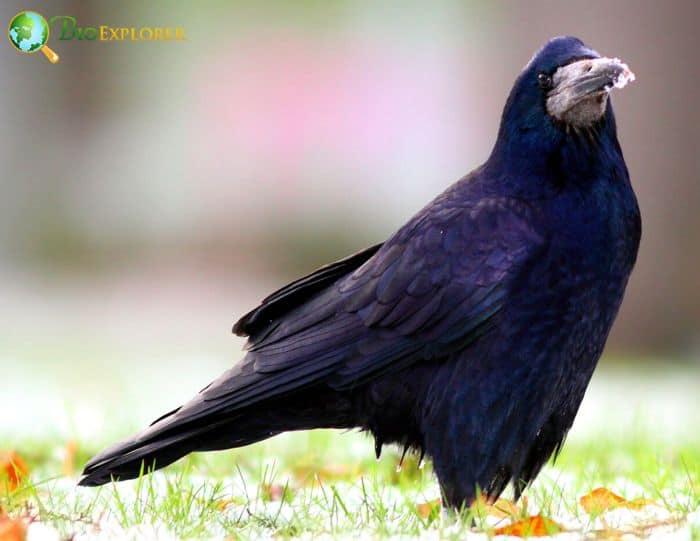
    The Rook is a large, sociable black bird native to Europe and Asia, easily recognized by its bare, pale-grey face and cone-shaped head. It forms noisy colonies called rookeries, nesting high in tall trees near farmland, villages, or parks. Rooks forage in flocks, probing fields for grubs, worms, seeds, and grain, but also eat insects, small mammals, and carrion. Highly intelligent, they use tools and have excellent memories. Unlike crows, adult rooks show a whitish patch at the bill’s base. Some rookeries have been used for over a century.

  • 16 Immortal Animals Who Defy Death

    While all cells grow, age, and die eventually, here is a list of the 16 amazing immortal animals for whom this rule does not seem to apply.

  • Top 27 Biology-themed Movies

    Biology, in the simplest terms, is defined as the study of living organisms. The top 27 biology movies showcase biological concepts and other related scientific fields. Now, who says that you cannot learn while having fun simultaneously?

  • Top 15 Ecology News of 2021

    This series of 2021 ecology news gives us a detailed overview of the recent development in this field. Commencing with climate change, global warming, alternative ways for renewable energy resources, the role played by scavengers in our society, and other global aspects of management and nature-dependent climate solutions.

  • Monkeys Starting with R

    Explore all monkeys from the world of primates that start with the letter R, including Rio Mayo Titi, Red-mantled Saddle-Back Tamarin, Red-bellied Titi, Rondon’s Marmoset, Rhesus Macaque, and more.

  • Monkeys Starting with I

    Explore all monkeys from the world of primates that start with the letter I, including Isabel’s Saki, Illiger’s Saddle-Back Tamarin, Indochinese Black Langur, and more.

  • Monkeys Starting with G

    Explore all monkeys from the world of primates that start with the letter G, including Gray-Shanked Douc Langur, Golden-faced Saki, Geoffroy’s Saddleback Tamarin, Germain’s Langur, and more.

  • Monkeys Starting with C

    Explore all monkeys from the world of monkeys that start with the letter C, including Cruz Lima’s Saddleback Tamarin, Collared Titi, Chacoan Titi Monkey, Chacma Baboon, and more.

  • Top 15 Microbiology News of 2021

    These topics focus on the discoveries and developments in Microbiology in 2021. Research and developments on various topics, such as engineered bacteria, oil-degrading bacteria, and symbiotic relationship between root colonizing bacteria and host plants, have been included here.

  • Wied’s Marmoset

    The Wied’s marmoset (Callithrix kuhlii), also called the Wied’s black-tufted-ear marmoset, is a New World monkey that lives in the tropical and subtropical forests of eastern Brazil. Unlike other common marmosets, Wied’s marmosets live in groups consisting of 4 or 5 females and 2 or 3 males (plus juveniles).

  • White-eared Titi

    The white-eared Titi, Plecturocebus donacophilus, also known as the Bolivian gray Titi or Bolivian Titi, is a marmoset species, a New World monkey endemic to eastern Bolivia and a region of western Brazil.

  • Uta Hick’s Bearded Saki

    Uta Hick’s Bearded Saki (Chiropotes utahicki) is an endangered species of bearded saki, a New World monkey species. It was named after Uta Hick, a German primatologist who cared for bearded sakis at Cologne Zoo.

  • Gold-And-White Marmoset

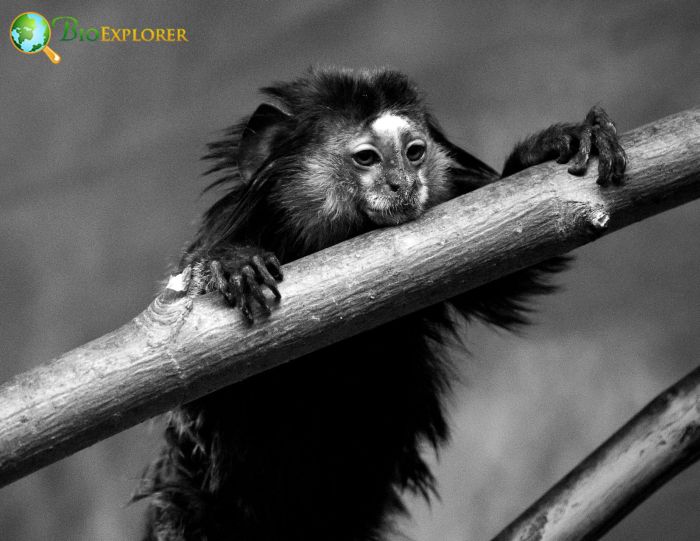
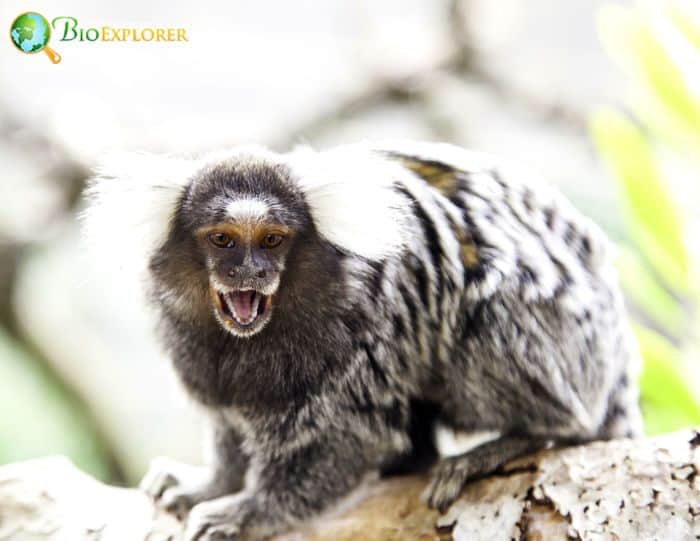
    The gold-and-white marmoset, also called the golden-white tassel-ear marmoset, is a species of marmoset, a tiny monkey native to the Amazon rainforest in the eastern Amazonas state of Brazil.

  • Chacoan Titi Monkey

    The Chacoan Titi Monkey is a species of titi (also called White-coated Titi), a type of New World monkey native to South America. These diurnal monkeys are stealthy and hard to spot as they navigate the canopy. They move between branches and trees by walking or jumping on four limbs.

  • Dryas Monkey

    The Dryas monkey, also called the Salonga monkey, Inoko, or Ekele is a little-known Old World primate only found in the Congo Basin and restricted to the Congo River’s left bank. Unlike guenon monkeys, which make loud leaps and resounding calls, dryas monkeys move silently.

  • Tantalus Monkey

    The tantalus monkey (Chlorocebus tantalus) is an Old World monkey endemic to Africa, ranging from Ghana to Sudan. It was initially described as a subspecies of Grivet (Chlorocebus aethiops). Tantalus monkeys are very similar to vervet monkeys but are smaller in size.

  • Vervet Monkey

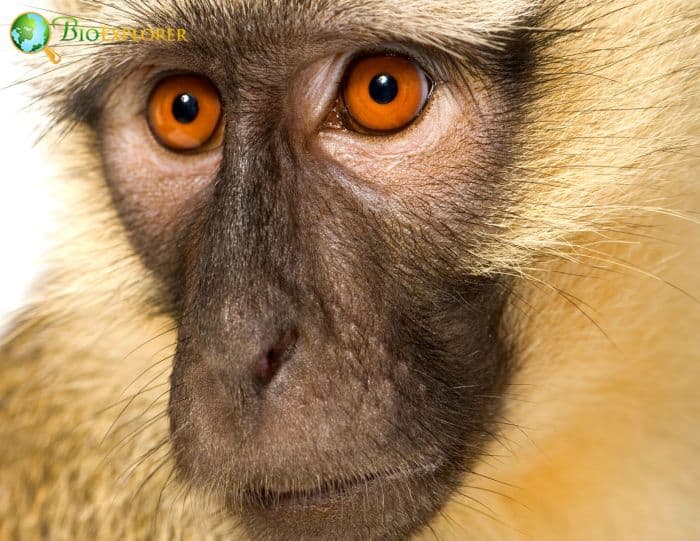
    The vervet monkey (Chlorocebus pygerythrus) is an Old World monkey of the Cercopithecidae family endemic to southern and eastern Africa. Not only can vervet monkeys skilfully navigate through the treetops, but they can also swim.

  • Western Red Colobus

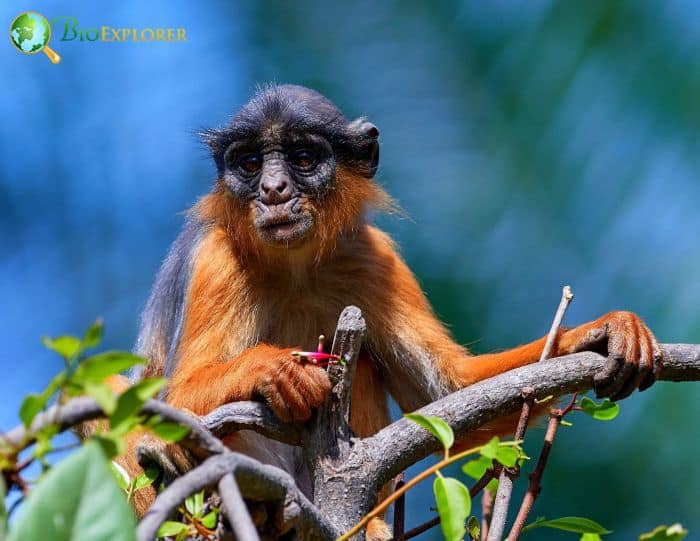
    The western red colobus (Piliocolobus badius), also called the Upper Guinean red colobus, rust red colobus, or bay red colobus is a species of Old-World monkey found in the forests of West Africa, from Senegal to Ghana.

  • Toque Macaque

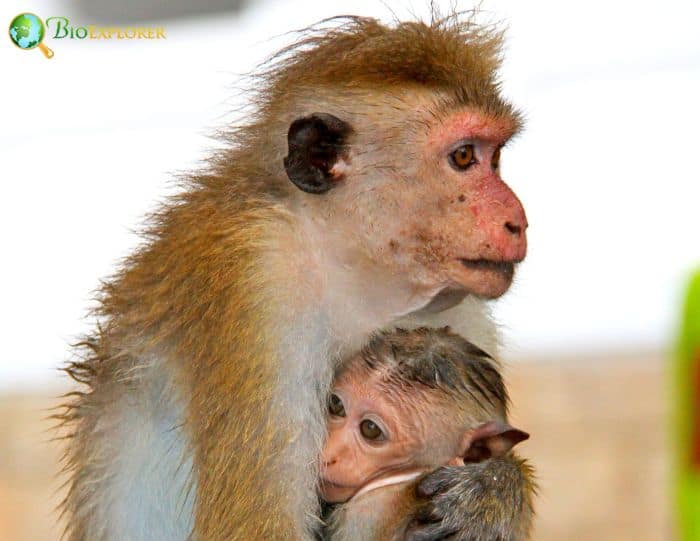
    The toque macaque (Macaca sinica) is a red-brown Old World monkey endemic to Sri Lanka, known as the rilewa or rilawa. Its common name refers to the strand of hair on its head that resembles a brimless hat.

  • Yellow Baboon

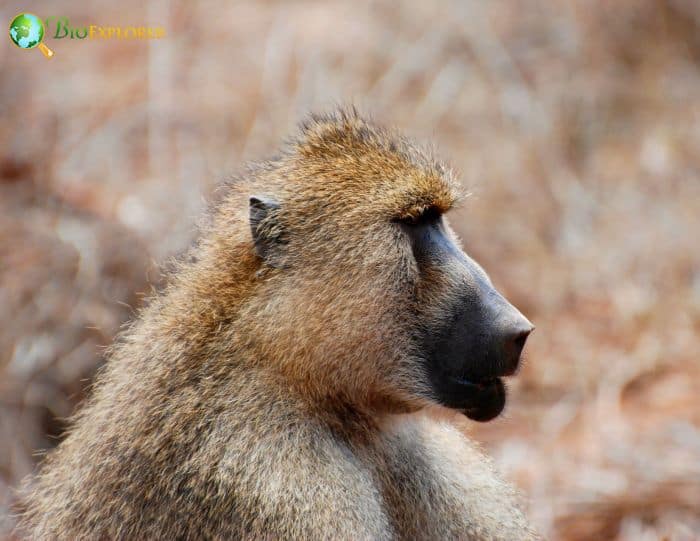
    The yellow baboon (Papio cynocephalus) is another baboon species in the group of Old World monkeys. They resemble the Chacma baboon but are slightly smaller and have a less elongated snout. Yellow baboons also have white fur on internal surfaces, such as their cheeks and limbs, similar to the color of the human forearm.

  • Purple-faced Langur

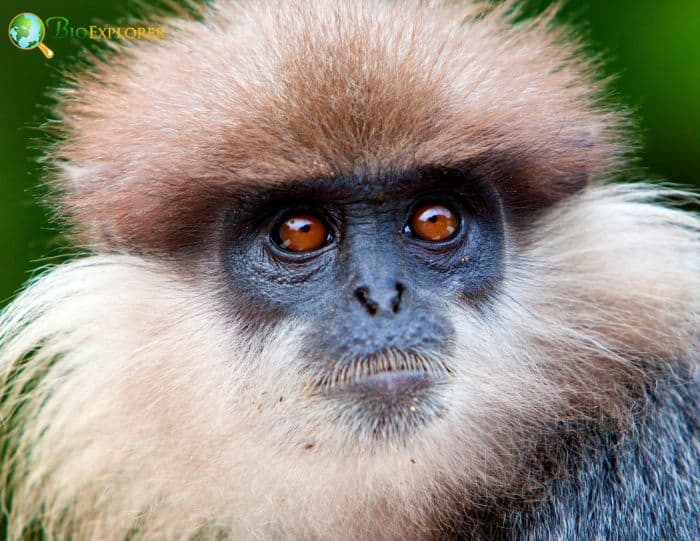
    The purple-faced langur (Semnopithecus vetulus), also called the purple-faced leaf monkey, is an Old World species native to Sri Lanka. The purple-faced langur is found in the closed forests of Sri Lanka’s mountains and in the southwestern part of the country known as the ‘wetland’.

  • Tufted Gray Langur

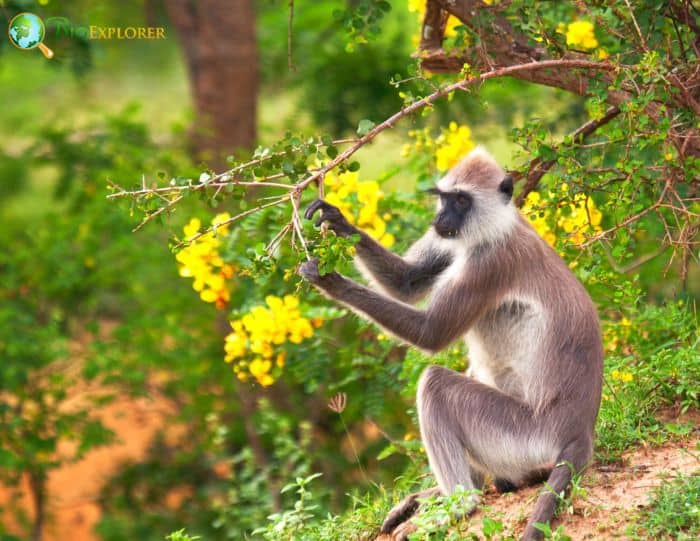
    The tufted gray langur (Semnopithecus priam), also called the Coromandel sacred langur and the Madras gray langur, is an Old-World monkey, one of the langur species. These langurs are generally shy and only descend when there is no visible danger.

  • Western Gorilla

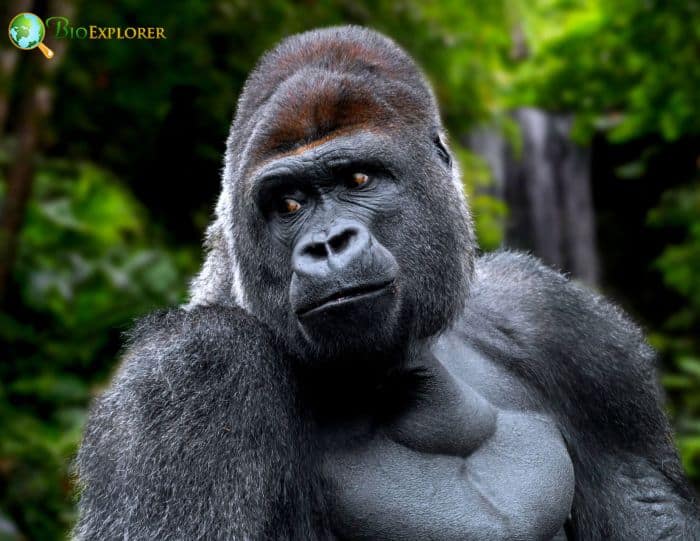
    Western gorillas also known as lowland gorillas, are herbivorous, primarily terrestrial apes that inhabit equatorial Africa’s tropical rainforests. Like humans, western gorillas do not have a set breeding season, and female species menstruate every 28 days.

  • Common Chimpanzee

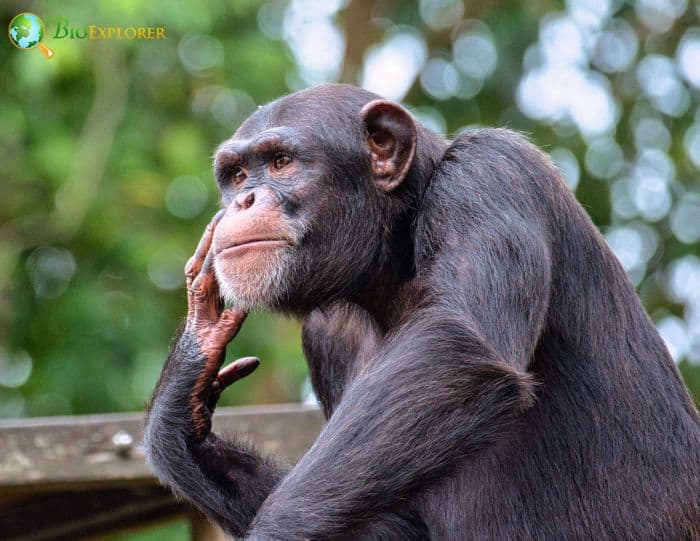
    The chimpanzee, also known simply as the chimp, is a species of great ape native to the forests and savannas of tropical Africa. Chimpanzees and humans are thought to have a common ancestor that lived about eight million years ago.

  • Moustached Guenon

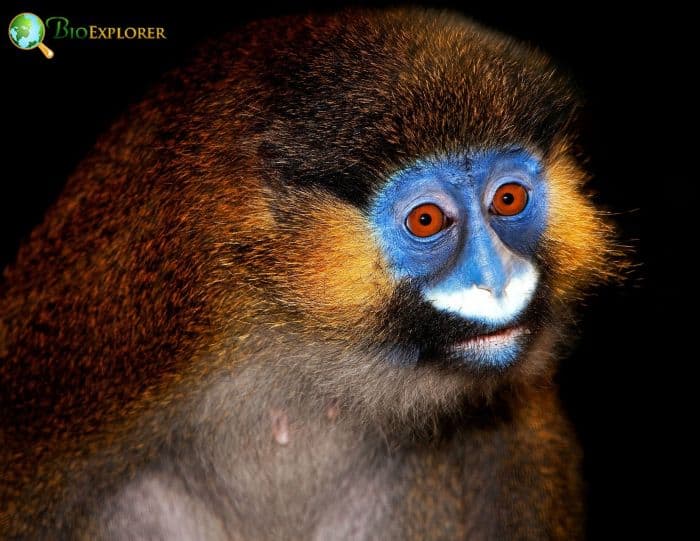
    The mustached monkey or moustached guenon (Cercopithecus cephus) is a primate species in the Cercopithecidae family. Moustached monkeys take regular paths through the branches, with each monkey following the next along the same path.

  • Orange Monkeys

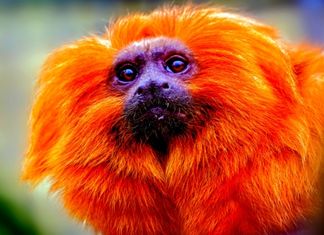
    Some monkey species are born with bright orange fur; the coat color would gradually turns black as they age, but some stay orange throughout life. Explore all types of orange-colored monkeys here.

  • Types of New-World Monkeys

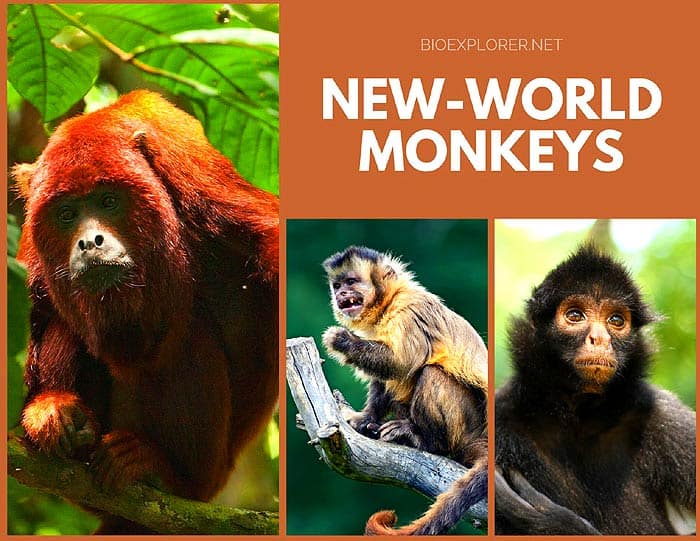
    The term “New World monkey” is a broad label that refers to any species that falls under one of the five taxonomic families of the Ceboidea superfamily: Cebidae, Callitrichidae, Atelidae, Pitheciidae, and Aotidae. Explore all New-World monkeys and their characteristics.

  • Ecuadorian Monkeys

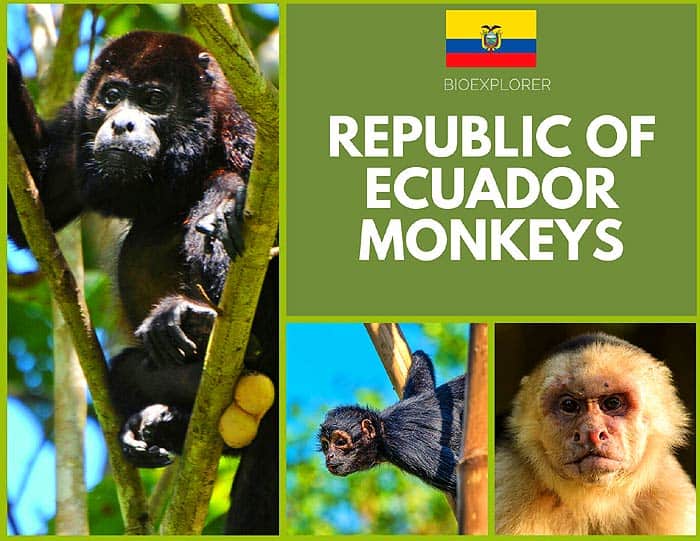
    Ecuador is home to 21 species of New-World monkeys, though none are endemic to the country. Some examples of these monkey species include the red titi monkey (Plecturocebus discolor), the Colombian white-throated capuchin (Cebus capucinus), and the saddleback tamarin (Leontocebus fuscicollis). Explore all monkeys of Ecuador.

  • Bolivian Monkeys

    Bolivia is a South American landlocked country, known as the most isolated country on the continent. The nation is also home to 25 species of New World monkeys, though just two are endemic to it: the Beni titi monkey (Plecturocebus modestus) and the Ollala Brothers’ titi (Plecturocebus olallae).

  • Peruvian Monkeys

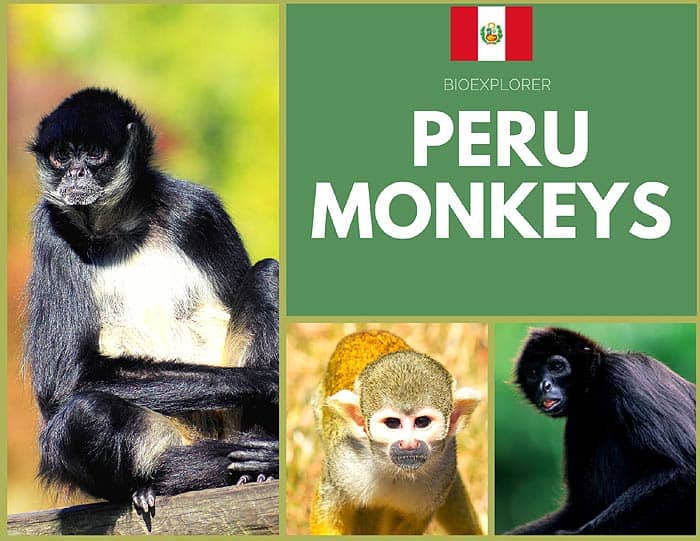
    Peru is home to 52 species of New-World monkeys; 13 of the species are endemic to the nation. Explore all monkeys of Peru here.

  • Crested Mona Monkey

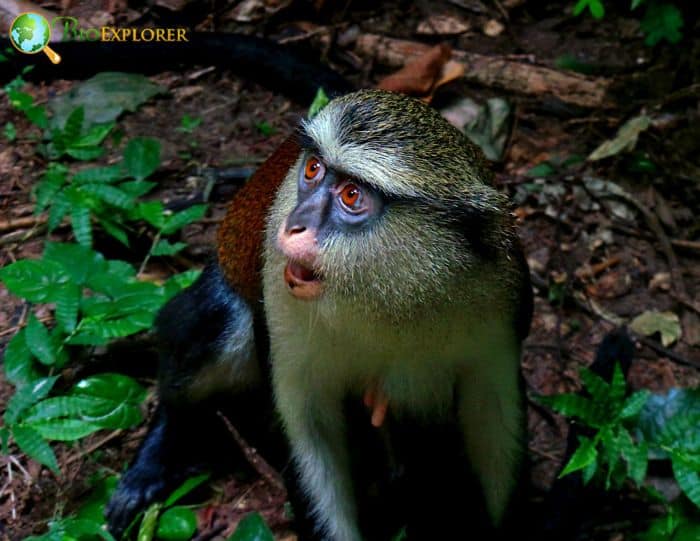
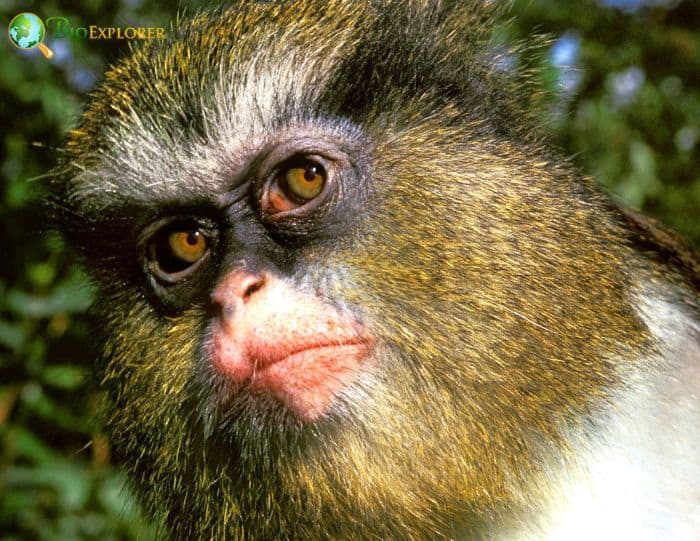
    The crested mona monkey, also called the golden-bellied monkey, golden-bellied guenon, or crowned guenon, is a species of African primate in the Cercopithecidae family in west-central Africa. Like many species of Cercopithecus, the crested mona monkey has large cheek pouches that it fills with seeds and fruit while foraging for food.

  • Chacma Baboon

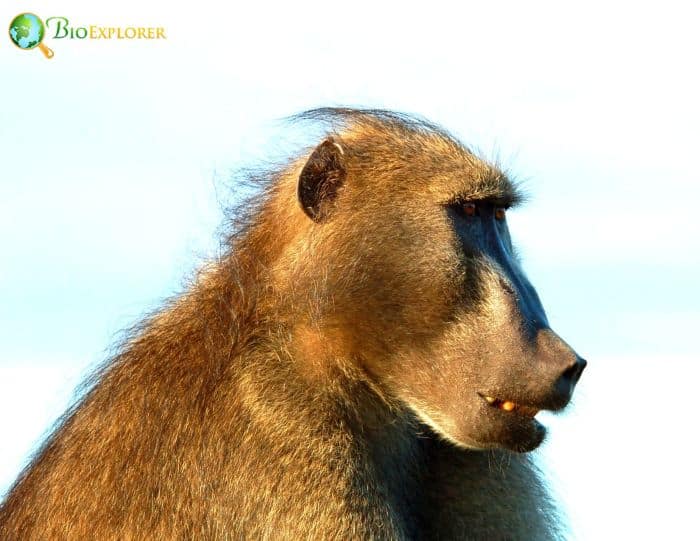
    Like all other baboons, the Chacma baboon, the Cape baboon, belongs to the Old-World monkey family. Chacma baboons have a habit of flipping over rocks in search of food. So, it’s pretty easy to spot where a group of Chacmas once foraged.

  • Campbell’s Mona Monkey

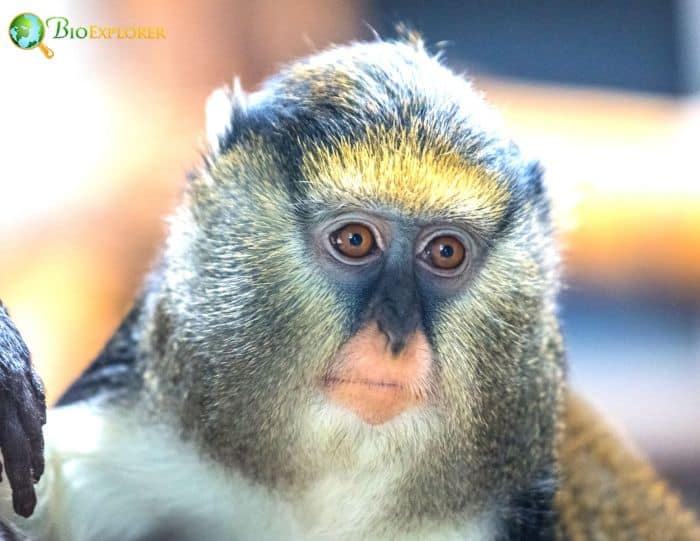
    Campbell’s Mona monkey, also called the Campbell’s monkey or Campbell’s guenon is a primate species in the Cercopithecidae family. The species was named after Henry Dundas Campbell in 1838.

  • Bonnet Macaque

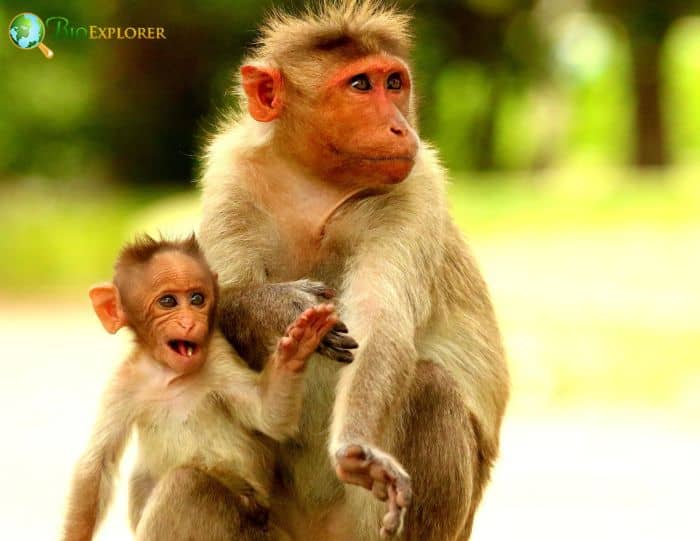
    The Bonnet Macaque, also called Zati, is a species of macaque native to southern India. Bonnet macaques get their common name from a unique feature: a hood-like tuft of hair that extends from the top of their head, much like a tuft of dry grass. Their marble-round eyes look out into the world with a very expressive forehead.

  • Blue Monkey

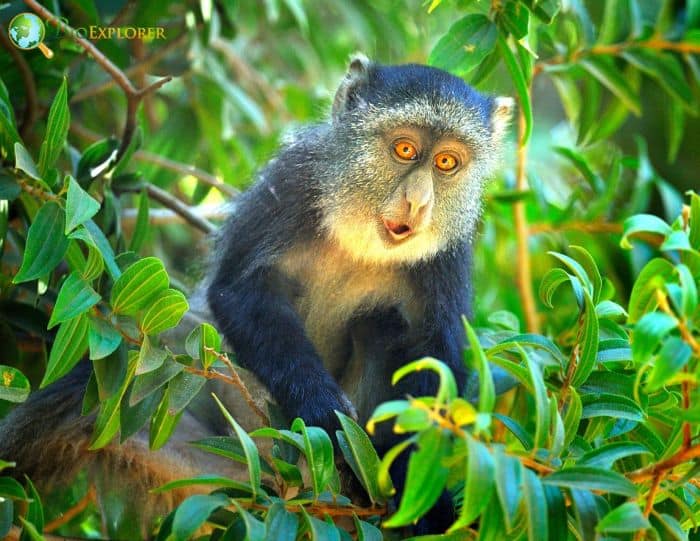
    The blue monkey is a species of Old-World monkey endemic to east and central Africa, ranging from the upper Congo Basin east to the East African Rift Valley and south to Zambia and northern Angola.

  • Brown Monkeys

    Many brown-colored monkeys are classified as critically endangered by the IUCN. Most of the brown monkeys hail from South America. Brown Capuchin, Brown Greater Galago, Brown Howler, Brown Lemur, brown mouse Lemur, Brown Titi, Brown-backed Bearded Saki, and Brown-mantled Tamarin are a few examples of different types of brown monkeys.

  • 334 Types of Monkeys

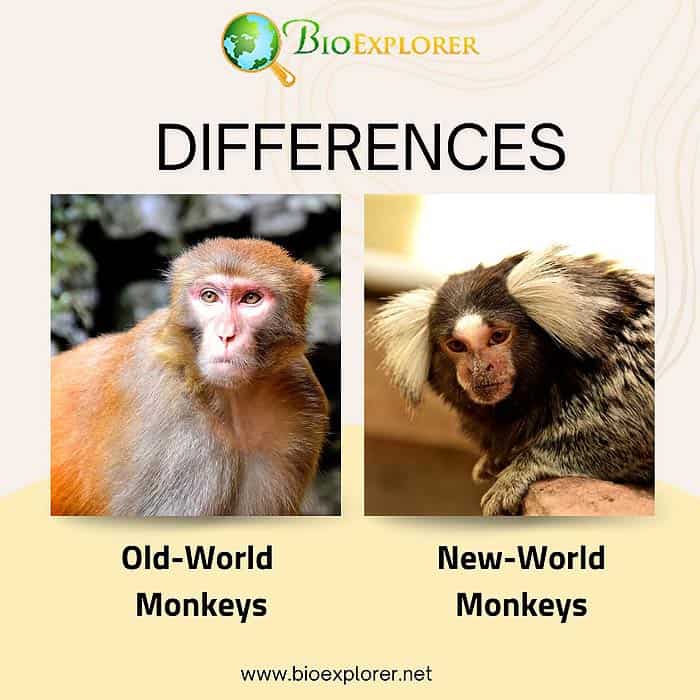
    Monkeys are classified into two main groups: Old-world monkeys and New-world monkeys. Explore all 334 different types of monkeys and their facts here.

  • Top 10 Microbiology News of 2020

    Microbiology News 2020: 2020 was the year of the horrific pandemic that influenced all aspects of our lives. Unfortunately, the scientific community was impacted too. Still, though the whole world scrambled to study the new virus, many scientific teams have made breakthroughs in other areas of microbiology and virology.

  • Rosemary

    Rosemary (Rosemarinus officinalis) is an evergreen perennial aromatic shrub in the Lamiaceae (mint) family native to the Mediterranean, northwestern Spain, and Portugal. There it grows into a 4- to 6-foot-tall shrub. The genus Rosmarinus includes 3 different species (Rosmarinus tomentosus, Rosmarinus eryocalix, and Rosmarinus officinalis).

  • Top 15 Evolutionary Biology News of 2021

    This 2021 series of top 15 evolutionary biology news gives us a detailed overview of the recent development in this field. Commencing the evolution of coccolithophores, the adaptability of crocodiles, the creation of new therapeutic targets for treating age-related disorders in people, the epigenetic evolution of the cerebellum, and more.

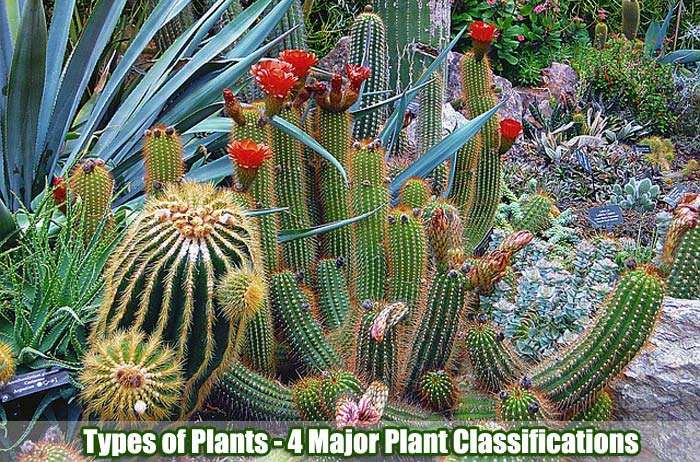
  • Types of Plants: The Four Major Classifications of Plants

    Botanists classify plants into several groups that have similar & distinguishing characteristics. Plants are all unique regarding physical appearance, structure, and physiological behavior. There are two major classifications of plants are non-vascular & vascular. Explore all 4 major phyla of the plants here.

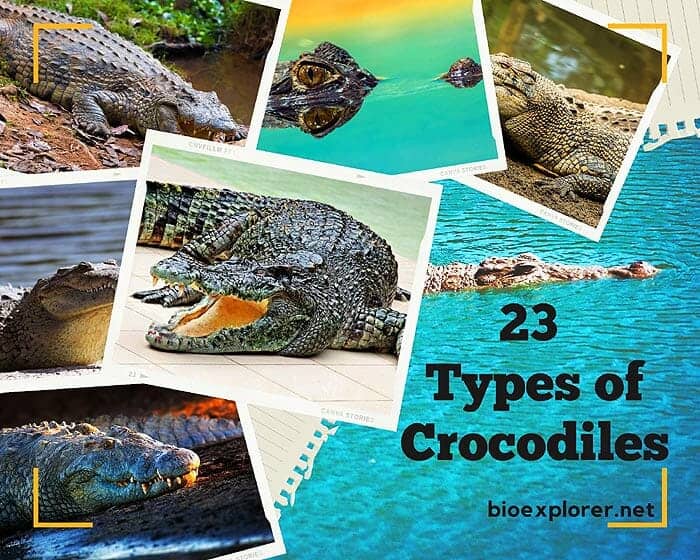
  • Types of Crocodiles

    Crocodilia is one of the reptile orders dedicated to large, lizard-shaped, and predatory reptiles. Explore 23 types of crocodiles by water bodies, regions, and taxonomy classification year.

  • Top 15 USA Biology Scholarships For Aspiring Biology Students

    A degree in biology has much application in various fields and can be a stepping stone to pursue greater careers. Here is a list of the best US scholarships open to aspiring biology (and other related fields) significant students to help them afford the cost of university education.
  • Top 10 Ecology News of 2020

    BioExplorer team presents the newest 2020 discoveries that showcase what is becoming of the ecosystems on our planet. Find top 10 ecology news of 2020.

  • Top 10 Botany News in 2020

    If we look at the current discoveries in Botany, it is clear that Plant Science is actually thriving now. Here are top 10 botany news in 2020.

  • Top 10 Discoveries in Ecology 2019

    Due to climate change and destructive human activity, news in the ecology area in 2019 is quite contrary. Here are the top 10 discoveries in ecology 2019.

  • Top 2019 Discoveries in Evolution

    The 2019 discoveries in evolution show that the new approaches to traditional research areas such as paleobiology and the use of modern technology can offer unique, previously unimaginable insights.

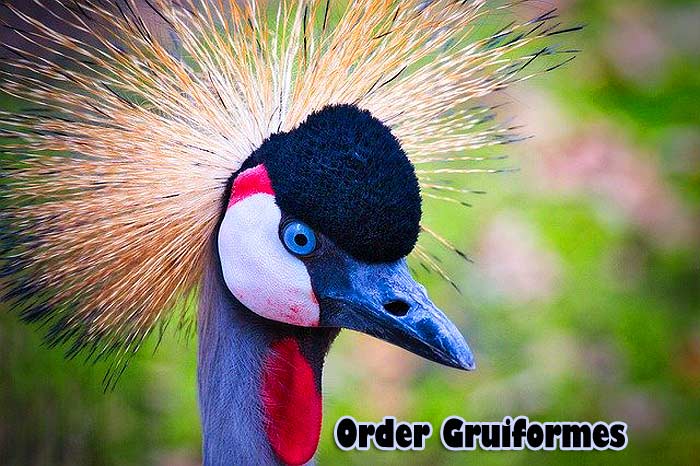
  • Order Gruiformes / Cranes & Rails

    Gruiformes order contains a wide variety of birds, both in size and other features. Explore order Gruiformes, families, habitats, diets and characteristics.
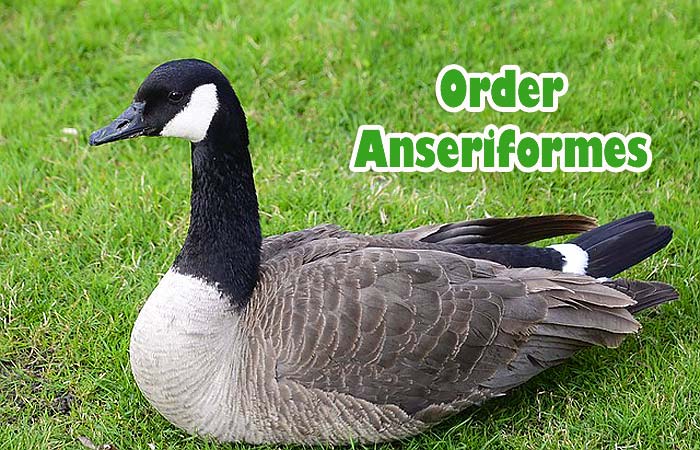
  • Order Anseriformes / Waterfowl Birds

    Waterfowl birds belong to the bird order, which includes about 160+ bird species namely Geese, Swans, and Ducks. Find types of waterfowl birds & features here.

  • Types of Birds

    Birds are some of the most successful vertebrate animals on Earth. Explore different types of birds, their characteristics, and 40 orders of bird families.