
Marine Biology: Life in the Oceans
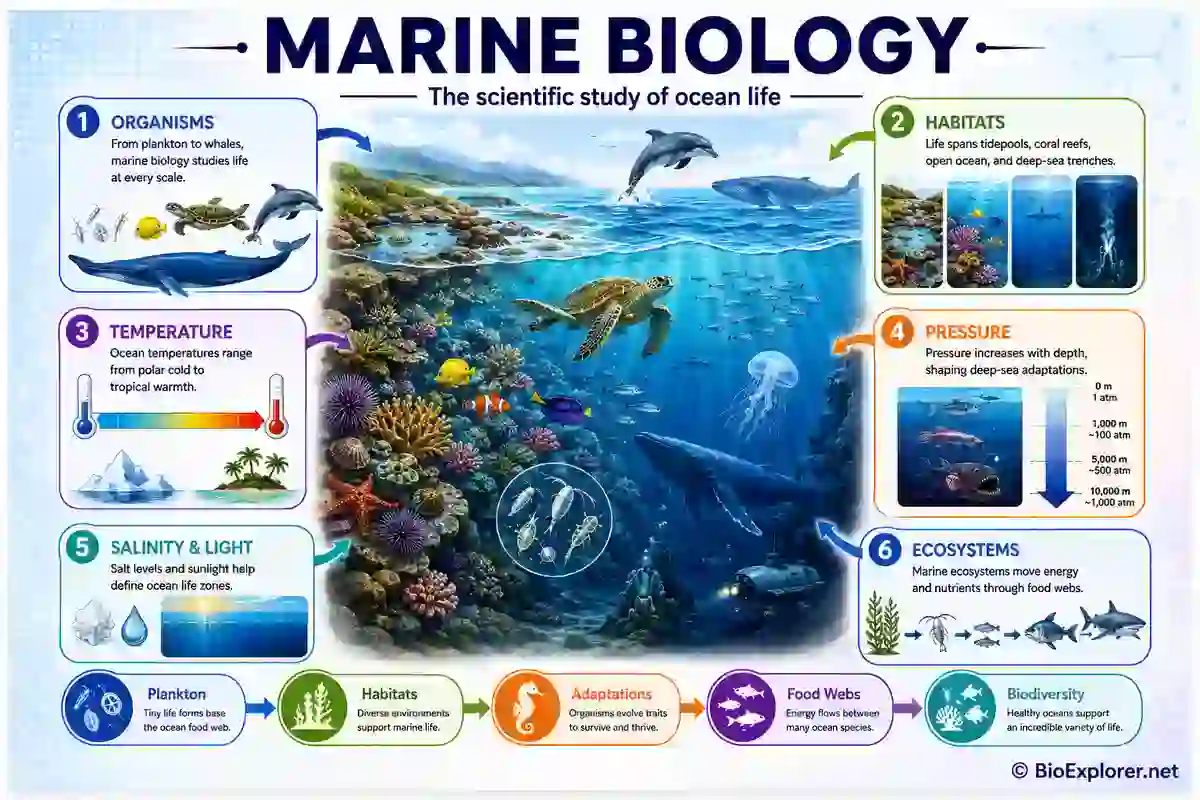
Have you ever looked at the big ocean and wondered what’s hiding under the waves? Welcome to the amazing world of marine biology! This guide will help you learn about Marine Biology 101.
We’ll explore the basics of studying ocean life and discover the cool things living in the sea. Get ready to dive in and learn about the underwater world!
Explore the Marine Biology Glossary for clear definitions of coral reefs, plankton, nekton, benthos, estuaries, marine mammals, ocean zones, salinity, tides, upwelling, food webs, and other key marine science terms. You can also browse the full Biology Glossary for related terms across ecology, zoology, microbiology, botany, and evolutionary biology.
Marine Biology Guide:
- What is Marine Biology?
- Why Study Marine Biology?
- Marine Biology 101: A World of Extremes
- Ocean Zones and Habitats
- Marine Organisms: The Diversity of Ocean Life
- Microorganisms: The Unseen Majority
- Marine Plants: More Than Just Seaweed
- Marine Invertebrates: Backbone-Free Wonders
- Marine Vertebrates: From Fins to Flippers
- Marine Ecosystems and Food Webs: A Delicate Balance
- Trophic Levels in Marine Ecosystems
- Energy Flow in Marine Food Webs
- Keystone Species and Their Impact
- Adaptations in Marine Life: Survival in a Watery World
- Physiological Adaptations
- Behavioral Adaptations
- Morphological Adaptations
- Marine Biology Research Techniques: Tools of the Trade
- Marine Conservation and Human Impact: Protecting Our Oceans
- Major Threats to Marine Ecosystems
- Careers in Marine Biology: Making a Splash in Science
- Research Scientist
- Aquarium Curator
- Marine Mammalogist
- Fisheries Biologist
- Marine Biotechnologist
- Emerging Career Paths
- Skills for Success in Marine Biology
- Education and Career Development
- Career Outlook
- FAQs
- Recommended Marine Biology Resources
- Learning Resources
- Ocean Exploration and Marine Research
- Marine Species and Biodiversity Databases
- Marine Conservation and Coral Reef Resources
What is Marine Biology?
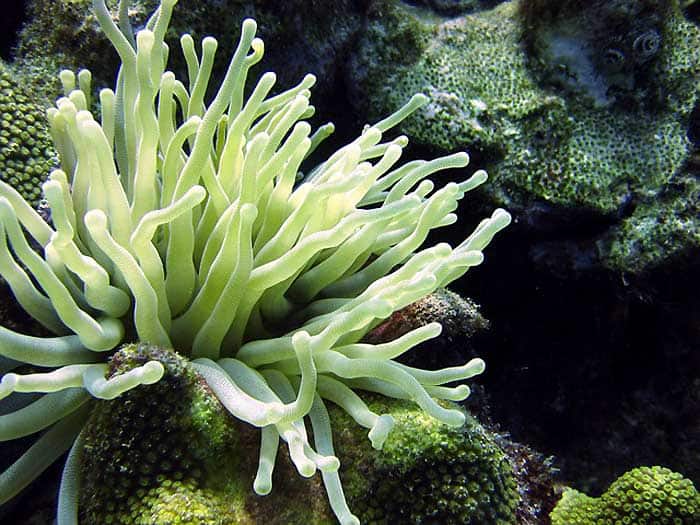
Marine biology is the scientific study of organisms that live in saltwater environments. It’s a vast field encompassing everything from microscopic plankton to enormous whales and from coastal tidepools to the darkest depths of the ocean trenches.
Marine Biologists seek to understand how these organisms interact with each other and their environment and how they adapt to the unique challenges of aquatic life.

Top 15 Famous Marine Biologists
Why Study Marine Biology?
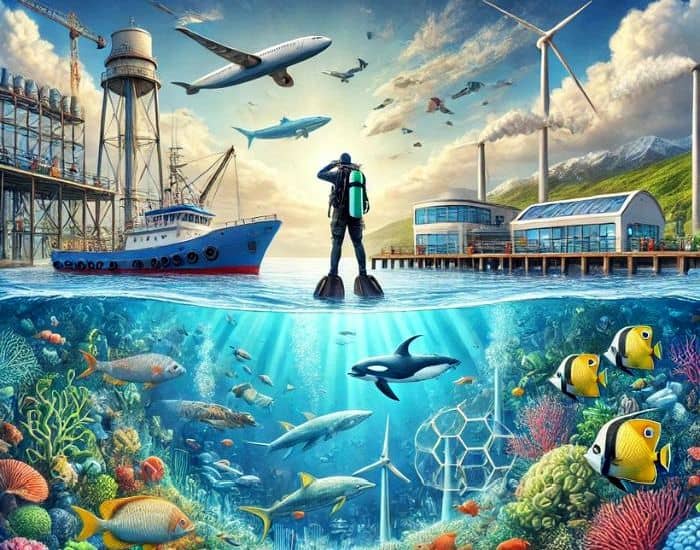
The ocean covers more than 70% of our planet’s surface. It is crucial in regulating Earth’s climate, producing O2, and providing food for billions of people. By studying marine biology, we can:
- Understand and protect fragile marine ecosystems.
- Develop sustainable fishing practices.
- Discover new medicines and materials from marine organisms.
- Predict and mitigate the impacts of climate change on ocean life.
- Unlock the secrets of evolution and biodiversity.
As the world-renowned expert on marine biology, Sylvia Earle, once said:
“No water, No life. No blue, Bo green“.
Marine Biology 101: A World of Extremes
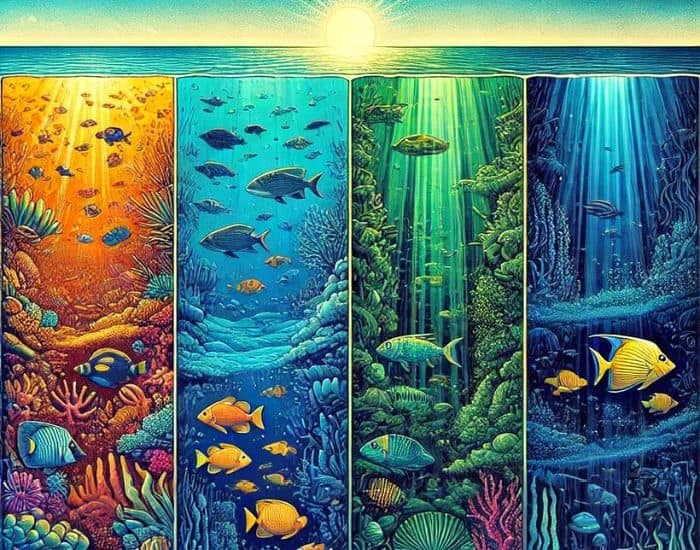
To truly grasp marine biology basics, we must first understand the unique characteristics of the ocean environment. Let’s dive into the physical properties that shape life beneath the waves:
- Temperature: Ocean temperatures range from near-freezing in polar regions to over 30°C (86°F) in tropical waters[1].
- Pressure: For every 10 meters of depth, pressure increases by about 1 atmosphere. Deep-sea creatures must withstand pressures hundreds of times greater than at the surface.
- Salinity: The average salinity of seawater is about 35 parts per thousand, but this can vary in different regions.
- Light: Sunlight only penetrates the ocean’s upper layers, creating distinct zones of life based on light availability.
Ocean Zones and Habitats
Marine biologists classify the ocean into various zones and habitats, each with its own unique characteristics and inhabitants:
| Zone | Depth | Characteristics | Example Organisms |
|---|---|---|---|
| Intertidal | 0-10m | Exposed to air at low tide | Barnacles, mussels, sea stars |
| Pelagic | 0-11,000m | Open water column | Tuna, sharks, jellyfish |
| Benthic | 0-11,000m | Ocean floor | Crabs, flatfish, sea cucumbers |
| Coral Reefs | 0-60m | Warm, shallow waters | Corals, parrotfish, clownfish |
| Kelp Forests | 0-30m | Cool, nutrient-rich waters | Kelp, sea otters, rockfish |
| Mesopelagic (Twilight) | 200-1000m | Dim light, cooler temperatures | Lanternfish, swordfish, squid |
| Bathypelagic (Midnight) | 1000-4000m | No light penetration, very cold | Anglerfish, giant squid, vampire squid |
| Abyssopelagic (Abyssal) | 4000-6000m | Complete darkness, near-freezing | Viperfish, deep-sea jellyfish, dumbo octopus |
| Hadopelagic (Hadal) | Below 6000m | Extreme pressure, complete darkness | Snailfish, amphipods, certain bacteria |
| Estuaries | Varies, shallow | Mixing of fresh and saltwater | Oysters, blue crabs, various fish species |
| Mangrove Forests | Shallow coastal | Saltwater-tolerant trees, muddy substrate | Mangrove trees, mudskippers, crustaceans |
Marine Organisms: The Diversity of Ocean Life
The sheer diversity of life in the oceans is staggering. Marine biology encompasses an incredible range of species, from the tiniest microorganisms to the largest animals on Earth. Let’s explore some of the main categories:
Microorganisms: The Unseen Majority
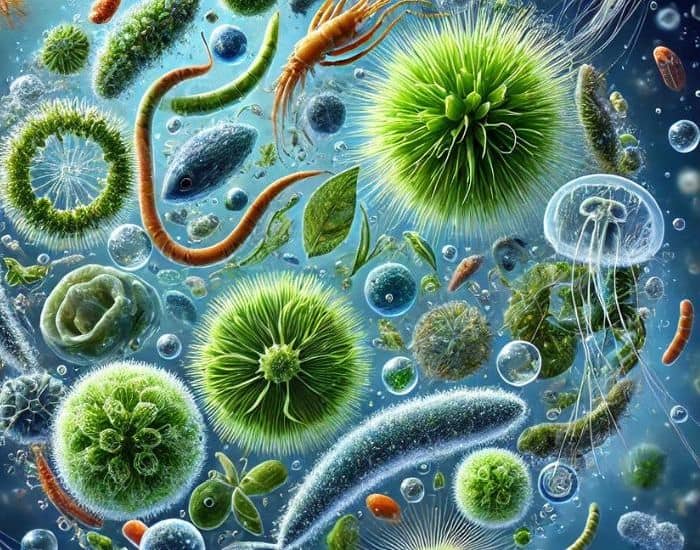
Microorganisms may be invisible to the naked eye, but they play a crucial role in marine ecosystems:
- Phytoplankton: These microscopic plants are the base of many marine food webs and produce about 50% of the world’s oxygen.
- Zooplankton: Tiny animals that drift with ocean currents, including larval stages of many larger species.
- Bacteria: Essential for nutrient cycling and decomposition in marine environments.
Marine Plants: More Than Just Seaweed
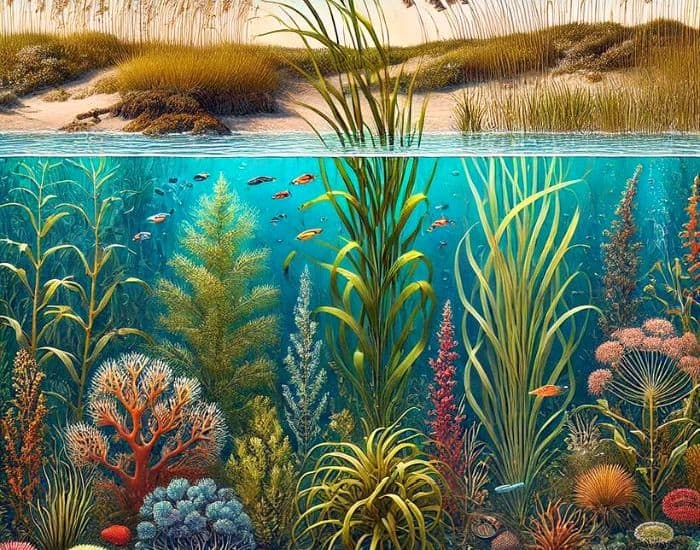
While terrestrial plants dominate on land, marine plants have adapted to life in saltwater:
Algae
Algae are among the most diverse and abundant marine plants, ranging from microscopic single-celled species to giant kelp. This group includes microalgae (phytoplankton) that form the base of many marine food webs and macroalgae (seaweeds) such as kelp, red algae, green algae, and brown algae. Algae play crucial roles in marine ecosystems, producing oxygen and serving as food and habitat for numerous species.
Seagrasses
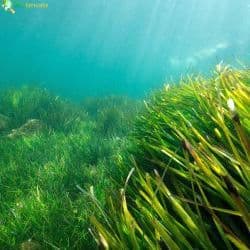
Seagrasses are Flowering Plants that have returned to the sea, forming important coastal habitats. These underwater plants create extensive meadows that provide shelter and food for many marine organisms. Examples include eelgrass, turtle grass, and manatee grass. Seagrass beds also help stabilize sediments and improve water quality.
Mangroves
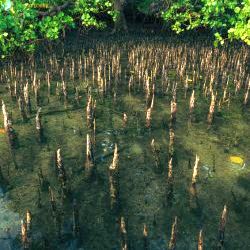
Mangroves are special trees that grow where the ocean meets the land. They can live in salty water, which most trees can’t do. These tough trees help protect the coast from big waves and storms. They also store a lot of carbon, which is good for our planet. Many baby fish and small animals make their homes in mangrove roots. You can find mangrove forests in warm places all around the world, like Florida and Asia. They’re really important for keeping our coasts and oceans healthy.
Salt Marsh Plants
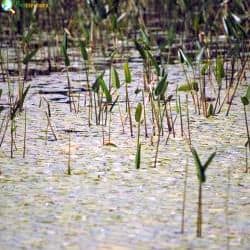
Salt marsh plants are herbaceous plants adapted to periodic flooding by saltwater. Species like cordgrass, pickleweed, and Sea Lavender have developed mechanisms to excrete excess salt and withstand regular inundation. Salt marshes provide important habitats for birds, fish, and invertebrates and help protect coastlines from erosion.
Coastal Dune Plants
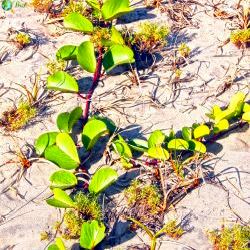
Coastal dune plants are super-tough plants that grow on sandy beaches. They can handle salty air and moving sand, which most plants can’t. Sea oats, beach grass, and sea rockets are some of these special plants. They’re like nature’s heroes on the beach! Their roots help keep the sand in place, so the wind doesn’t blow it all away. This protects the beach from washing away. These plants also make great homes for beach animals like birds and small creatures. Without these plants, our beaches would look very different!
Floating Plants

Floating plants in marine environments include species that live on or just below the water’s surface. Sargassum, a type of brown algae, forms vast floating mats in the open ocean, creating unique habitats. Plants like water hyacinth can also be found floating on the surface in brackish waters.
Halophytes
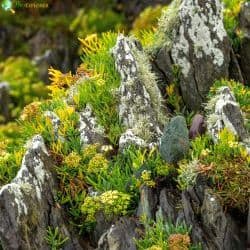
Halophytes are super-special plants that can grow in really salty places. Most plants can’t live where there’s a lot of salt, but halophytes can! You can find them near the ocean and in salty marshes. Saltwort and sea Purslane are two types of halophytes. These plants have cool tricks to deal with all the salt around them. They can live and grow where other plants would die. It’s like they have their own special superpowers for living in salty places!
Marine Invertebrates: Backbone-Free Wonders
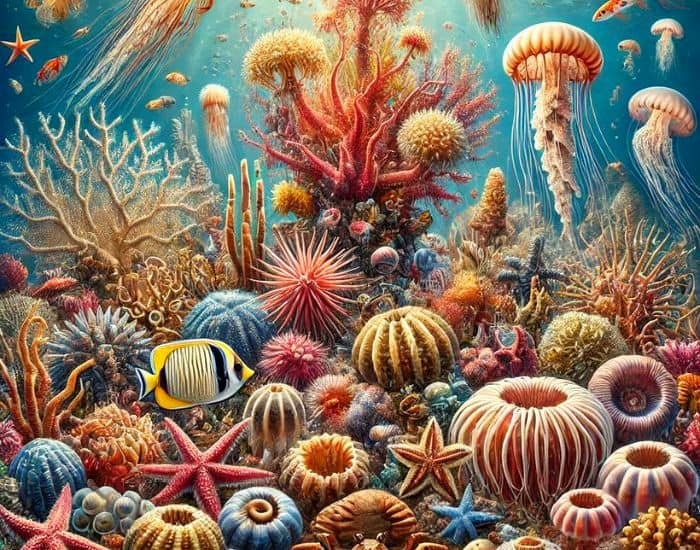
The oceans are teeming with an astonishing variety of invertebrates:
- Cnidarians: Jellyfish, corals, and sea anemones.
- Mollusks: Octopuses, squids, clams, and snails.
- Crustaceans: Crabs, Lobsters, Shrimp, and barnacles.
- Echinoderms: Sea stars, sea urchins, starfish, and sea cucumbers.
- Porifera: Sponges
- Annelids: Polychaetes (marine worms) and sea leeches.
- Arthropods: Sea Spiders (Pycnogonida).
- Brachiopods: Lamp shells
- Bryozoans: Moss animals or sea mats.
- Chaetognaths: Arrowworms
- Cephalochordates: Lancelets
- Tunicates: Sea squirts
- Nemerteans: Ribbon worms
- Platyhelminthes: Flatworms (marine species).
- Sipunculids: Peanut worms
- Priapulids: Penis worms
- Phoronids: Horseshoe worms
- Hemichordates: Acorn worms
- Ctenophores: Comb jellies
- Placozoans: Simple multicellular organisms.
- Xiphosura: Horseshoe crabs
How Long Do Jellyfish Live Or Are They Really Immortal?
Octopuses are among the most intelligent invertebrates. They are known for their problem-solving abilities and camouflage skills. The mimic octopus (Thaumoctopus mimicus) can impersonate up to 15 species, including sea snakes and lionfish, to avoid predators or ambush prey[2].
Marine Vertebrates: From Fins to Flippers
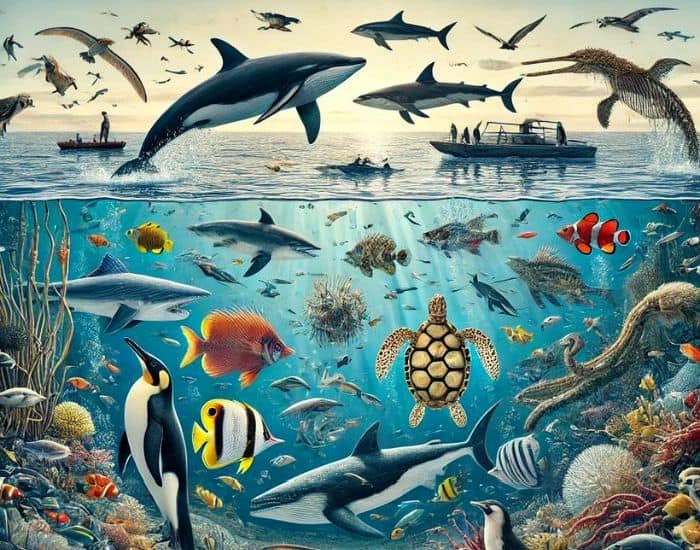
Vertebrates in the ocean have evolved a wide range of adaptations:
- Fish: With over 33,000 known species, fish come in various shapes and sizes.
- Marine Reptiles: Sea turtles, marine iguanas, sea snakes, and saltwater crocodiles have returned to the sea.
- Seabirds: Adapted for life on and above the water, like penguins and albatrosses.
- Marine mammals: Killer whales, Walruses, Manatees, Dolphins, Seals, and sea otters have fully adapted to aquatic life.
Marine Ecosystems and Food Webs: A Delicate Balance
Understanding marine ecosystems is crucial for marine biology 101. These complex networks of interactions between organisms and their environment form the backbone of ocean life.
Trophic Levels in Marine Ecosystems
Marine food webs typically consist of several trophic levels:
- Producers: Phytoplankton and other photosynthetic organisms.
- Primary Consumers: Zooplankton and small fish.
- Secondary Consumers: Larger fish and some marine mammals.
- Tertiary Consumers: Top predators like sharks and orcas.
- Decomposers: Bacteria and other microorganisms that break down dead matter.

Explore Ecological Pyramid: 3 Major Types and Limitations
Energy Flow in Marine Food Webs
Energy fascinatingly flows through marine ecosystems:
- Only about 10% of energy is transferred from one trophic level to the next.
- This energy transfer limits the number of trophic levels in an ecosystem.
- Some marine organisms, like jellyfish, can occupy multiple trophic levels.
Top 15 Best Marine Biology Books
Keystone Species and Their Impact
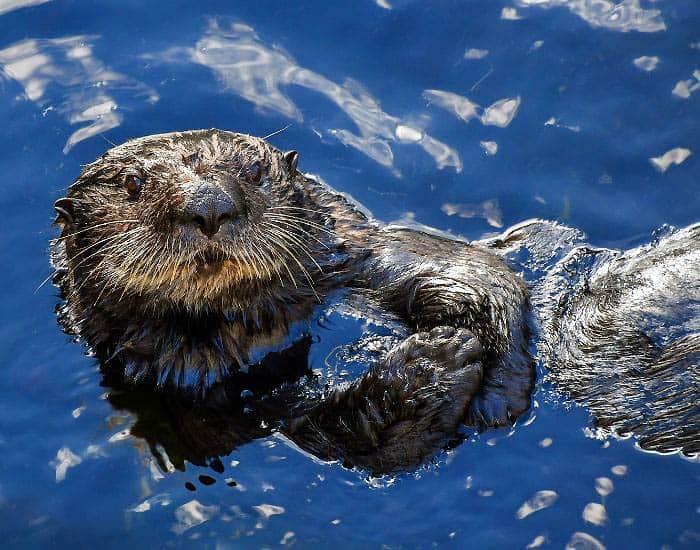
Certain species play a disproportionately large role in maintaining ecosystem balance:
Example: Sea Otters in Kelp Forests are a classic example of a keystone species. By feeding on sea urchins, they prevent these herbivores from overgrazing kelp forests. When sea otter populations declined in the North Pacific, it led to a cascade of effects:
- Sea urchin populations exploded.
- Kelp forests were decimated.
- Fish and other species dependent on kelp habitats suffered.
What Is Biological Magnification?
This example illustrates the complex interconnections in marine ecosystems and the importance of conservation efforts in marine biology.
Adaptations in Marine Life: Survival in a Watery World
Marine organisms have evolved an incredible array of adaptations to thrive in their aquatic environment. Let’s explore some fascinating examples:
Physiological Adaptations
- Osmoregulation: Marine organisms must maintain proper salt balance in their bodies. Fish have specialized cells in their gills to pump out excess salt.
- Buoyancy Control: Many marine animals have swim bladders or oil-filled livers to adjust their buoyancy.
- Pressure Tolerance: Deep-sea creatures have adapted to extreme pressures through modifications to their cell membranes and proteins.
Explore 15 Remarkable Adaptations of Ocean Inhabitants
Behavioral Adaptations
- Migration: Many marine species, from whales to sea turtles, undertake long-distance migrations for feeding or breeding.
- Symbiosis: Relationships like the clownfish and sea anemone partnership demonstrate unique behavioral adaptations.
- Bioluminescence: Deep-sea organisms use light-producing chemicals to communicate, camouflage, or attract prey.
Morphological Adaptations
- Streamlined Bodies: Most marine animals have streamlined shapes to reduce swimming drag.
- Countershading: Many fish have dark backs and light bellies to blend in with the ocean from above and below.
- Specialized Appendages: From the long fins of lionfish to the suction cups of octopus arms, marine life has evolved a variety of specialized body parts.
Marine Biology Research Techniques: Tools of the Trade
Marine biologists employ a wide range of techniques to study ocean life:
- Oceanographic Sampling: Using nets, bottles, and other devices to collect water, sediment, and organism samples.
- Tagging and Tracking: Attaching tags or satellite transmitters to marine animals to study their movements and behavior.
- Underwater Imaging: ROVs (Remotely Operated Vehicles) and submersibles allow scientists to observe deep-sea environments.
- Molecular Techniques: DNA analysis helps identify species and study population genetics.
Marine Conservation and Human Impact: Protecting Our Oceans
As we delve deeper into Marine Biology 101, it’s crucial to understand the challenges facing our oceans and the efforts to protect them.
Major Threats to Marine Ecosystems
- Overfishing: Many fish stocks are being depleted faster than they can replenish.
- Pollution: Plastic waste, chemical runoff, and oil spills harm marine life.
- Climate Change: Rising temperatures and ocean acidification are altering marine habitats.
- Habitat Destruction: Coastal development and destructive fishing practices damage crucial ecosystems.
With every drop of water you drink, every breath you take, you’re connected to the sea. No matter where on Earth you live. Most of the oxygen in the atmosphere is generated by the sea.
Careers in Marine Biology: Making a Splash in Science
The field of marine biology offers a diverse array of career opportunities for those passionate about ocean life and conservation. From hands-on fieldwork to cutting-edge laboratory research, there’s a niche for every interest within this expansive discipline.
Research Scientist
Research scientists form the backbone of marine biology, pushing the boundaries of our understanding of ocean ecosystems.
- Responsibilities: Design and conduct experiments, analyze data, publish findings in scientific journals, and present at conferences.
- Specializations:
- Marine Ecologist
- Oceanographer
- Marine Microbiologist
- Ichthyologist (fish specialist)
- Work Environments: Universities, government agencies (e.g., NOAA), research institutions, and non-profit organizations.
Aquarium Curator
Aquarium curators play a crucial role in public education and conservation efforts.
- Key Tasks:
- Design and maintain exhibits
- Oversee animal health and welfare
- Develop educational programs
- Manage breeding programs for endangered species
- Skills Required: Strong knowledge of marine life, excellent management and communication abilities, and often a background in veterinary science.
Marine Mammalogist
Specializing in studying marine mammals, these scientists focus on some of the ocean’s most charismatic creatures.
- Focus Areas:
- Behavior and communication
- Population dynamics
- Conservation strategies
- Physiology and adaptation
- Career Paths: Research, wildlife management, marine mammal rescue and rehabilitation.
Fisheries Biologist
Fisheries biologists work at the intersection of marine science and resource management.
- Responsibilities:
- Assess fish populations
- Develop sustainable fishing practices
- Monitor ecosystem health
- Advise on fishing regulations
- Employers: Government agencies, fishing industry, environmental consulting firms.
Marine Biotechnologist
This cutting-edge field explores the potential of marine organisms for medical and industrial applications.
- Research Areas:
- Biofuel production from algae
- Novel pharmaceuticals from marine invertebrates
- Biomimicry for material science
- Skills: Strong background in molecular biology, chemistry, and often computer science.
Emerging Career Paths
As technology and environmental concerns evolve, new career opportunities are emerging:
- Marine Renewable Energy Specialist: Focuses on developing offshore wind, wave, and tidal energy technologies.
- Ocean Data Analyst: Uses big data and AI to interpret vast oceanographic information.
- Marine Forensics Expert: Applies marine biology knowledge to legal investigations involving the ocean.
- coral reefs Restoration Specialist: Develops and implements strategies to rehabilitate damaged coral ecosystems.
- Sustainable Aquaculture Consultant: Advises on environmentally friendly fish farming practices.
Skills for Success in Marine Biology
To thrive in marine biology careers, professionals should develop a robust skill set:
- Scientific Foundations:
- Strong background in biology, chemistry, and physics
- Understanding of oceanography and earth sciences
- Proficiency in statistical analysis
- Field Skills:
- SCUBA diving certification (often advanced levels required)
- Boat handling and navigation
- Underwater photography and videography
- Technical Proficiencies:
- Data analysis software (e.g., R, MATLAB)
- Geographic Information Systems (GIS)
- Remote sensing technologies
- Soft Skills:
- Excellent written and verbal communication
- Collaboration and teamwork
- Problem-solving and critical thinking
- Grant writing and fundraising
- Environmental Awareness:
- Understanding of marine conservation issues
- Knowledge of environmental policies and regulations
- Commitment to sustainable practices
Education and Career Development
The path to a career in marine biology typically involves:
- Bachelor’s Degree: In marine biology, biology, or related field.
- Master’s Degree: Often required for advanced positions and specializations.
- PhD: Necessary for most high-level research positions and academic careers.
Top 10 Best Marine Biology Colleges
Internships and Volunteering: Gaining hands-on experience through internships at aquariums, research labs, or conservation organizations is crucial for career advancement.
Professional Organizations: Joining societies like the Society for Marine Mammalogy or the American Fisheries Society can provide networking opportunities and access to the latest research.
Career Outlook
The job market for marine biologists can be competitive. Still, opportunities are growing, especially in climate change, conservation, and sustainable resource management. The U. S. Bureau of Labor Statistics projects a 5% growth rate[3] for zoologists and wildlife biologists (including marine biologists) from 2020 to 2030.
Salary Range: Entry-level positions typically start around $40,000-$50,000 annually, while experienced professionals and those with advanced degrees can earn $80,000-$120,000+ per year, depending on their role and location.
FAQs
Marine biology is the branch of biology that studies organisms living in oceans, seas, estuaries, coral reefs, deep-sea habitats, and other saltwater environments.
A marine biologist studies marine organisms, their behavior, anatomy, reproduction, evolution, ecology, habitats, food webs, adaptations, and responses to environmental change.
No. Marine biology focuses on living organisms in the ocean. Oceanography is broader and also studies seawater chemistry, ocean currents, waves, seafloor geology, climate, and physical ocean processes.
Major branches of marine biology include marine ecology, marine zoology, marine botany, marine microbiology, fisheries biology, coral reef biology, deep-sea biology, plankton biology, and marine conservation biology.
Marine biology is important because ocean life supports food webs, fisheries, oxygen production, climate regulation, biodiversity, coastal protection, medicine, conservation, and the health of marine ecosystems.
Marine biologists study bacteria, plankton, algae, seagrasses, corals, sponges, mollusks, crustaceans, fish, sea turtles, seabirds, marine mammals, and many deep-sea organisms.
Marine biology studies coral reefs, kelp forests, mangroves, seagrass beds, estuaries, tide pools, sandy shores, rocky coasts, open oceans, polar seas, hydrothermal vents, and deep-sea habitats.
Marine biology careers include marine biologist, fisheries scientist, marine ecologist, coral reef researcher, marine mammal scientist, aquaculture specialist, conservation scientist, ocean educator, and environmental consultant.
Recommended Marine Biology Resources
These trusted external resources can help readers explore marine biology, ocean life, marine ecosystems, marine biodiversity, coral reefs, ocean exploration, conservation, and marine species identification in more detail.
Learning Resources
- Smithsonian Ocean
A clear, reader-friendly resource on ocean life, marine ecosystems, ocean science, conservation, and classroom learning. - Smithsonian Ocean: Educators’ Corner
Lesson plans, activities, and educational resources for teaching marine biology and ocean science. - WHOI Ocean Life
A strong learning hub from Woods Hole Oceanographic Institution covering corals, plankton, marine mammals, deep-sea life, benthic life, and ocean ecosystems. - MarineBio Conservation Society
An accessible marine biology and conservation resource with articles on marine species, ocean life, conservation, and marine ecosystems.
Ocean Exploration and Marine Research
- NOAA Ocean Exploration
A federal ocean exploration resource with deep-sea expeditions, education materials, ocean discoveries, maps, images, and research stories. - Monterey Bay Aquarium Research Institute
A nonprofit oceanographic research center focused on marine science, engineering, deep-sea exploration, and ocean technology. - Woods Hole Oceanographic Institution
A leading independent ocean science institution with research, education, and communication resources about the ocean. - Scripps Institution of Oceanography
A major ocean, Earth, and atmospheric science center with research on marine ecosystems, climate, ocean chemistry, and ocean observation.
Marine Species and Biodiversity Databases
- World Register of Marine Species
An authoritative database for marine organism names, taxonomy, classification, and species information. - Ocean Biodiversity Information System
A major marine biodiversity data system with global species observations, marine occurrence records, datasets, and distribution information. - Encyclopedia of Life
A free biodiversity resource with curated information about species, classification, traits, ecology, and natural history. - GBIF: Global Biodiversity Information Facility
A large open biodiversity data platform useful for species occurrence records, distribution data, and marine biodiversity research.
Marine Conservation and Coral Reef Resources
- NOAA Fisheries Education
Educational resources on marine animals, fisheries, protected species, ocean habitats, seafood, and marine conservation. - NOAA National Marine Sanctuaries Education
Learning resources about marine protected areas, ocean habitats, conservation, stewardship, and sanctuary science. - NOAA Coral Reef Conservation Program
A strong resource on coral reef ecosystems, threats, conservation, restoration, and reef protection. - NOAA Coral Reef Watch
Satellite-based tools and data for monitoring coral reef heat stress, bleaching risk, and changing reef conditions. - IUCN Red List of Threatened Species
A global conservation resource for checking extinction risk, threats, habitats, population trends, and conservation status of marine species.
Cite this page
Bio Explorer. (2026, July 2). Marine Biology: Life in the Oceans. https://www.bioexplorer.net/divisions_of_biology/marine_biology/
[su_spoiler title="”Key" 0="References”" open="”no”" style="”fancy”" icon="”plus”" anchor="””" anchor_in_url="”no”" class="””"]
- [1] – “6.2 Temperature – Introduction to Oceanography”. Accessed July 06,2024. Link.
- [2] – “Octopus Intelligence | DAN Southern Africa”. Accessed July 06,2024. Link.
- [3] – “Marine Biologist: Salary and Career Facts”. Accessed July 06,2024. Link.
[/su_spoiler]
Alpha Environmental Solutions provides effective bryozoan control methods that help keep lakes and ponds clean and safe.
This article offers an excellent introduction to the fascinating world of marine biology. I appreciate how it highlights the incredible diversity of marine life, from tiny plankton to majestic whales, and explores the unique ecosystems like coral reefs and deep-sea habitats. The section on species adaptations really caught my attention—it’s amazing to see how marine organisms have evolved to thrive in such challenging environments.
I also found the emphasis on conservation efforts and the impact of human activities on marine ecosystems very relevant. It’s a stark reminder of the role we all play in protecting our oceans and why marine biologists are so vital in this mission.
For anyone considering a career in this field, the guidance on career paths and the interdisciplinary nature of marine biology is particularly useful. This article truly inspires curiosity and underscores the importance of studying and preserving our oceans. Thank you for this informative and engaging read!