Discover the hidden secrets of 43 types of blue flowers in our captivating blog post. Explore the rarity of natural blue pigments in flowers and symbolism and meanings of blue flowers.
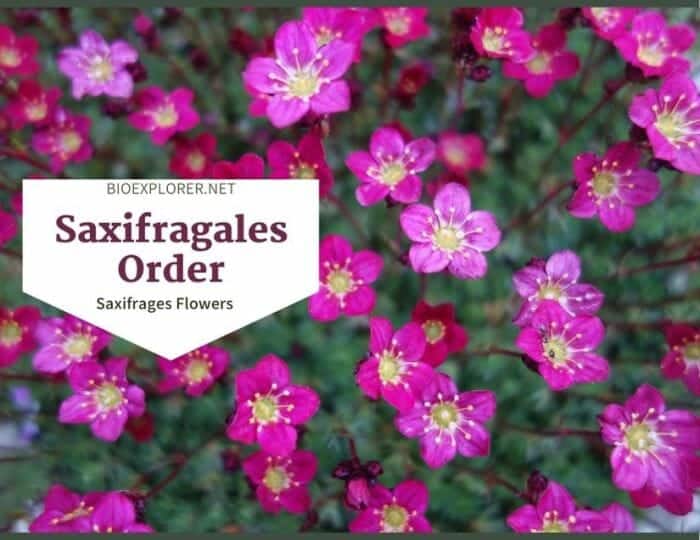
Saxifragales is a morphologically diverse dicotyledonous order of flowering plants worldwide. Saxifragales plants have hypanthium, glandular leaf teeth, serrate lamina margins, free petals, and small seeds. Most Saxifragales flowers are radially symmetrical and bisexual. The example species of Saxifragales are the Irish rose, campfire plant, and gum vine.
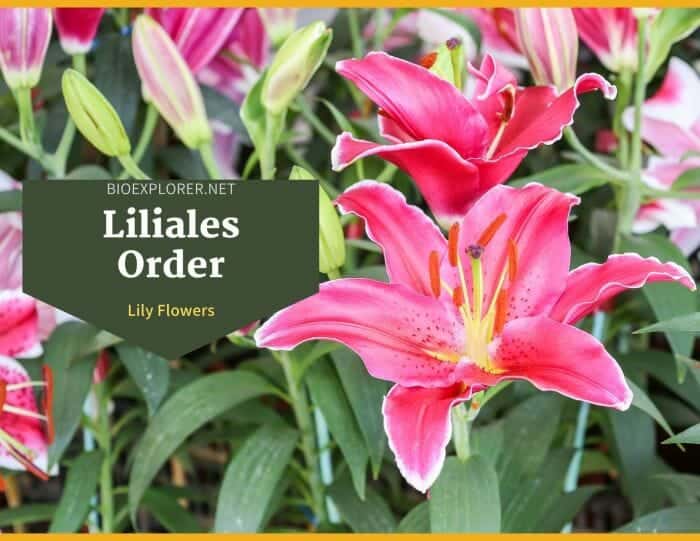
Liliales is the lily order of monocotyledonous flowering plants. Members of this order involve herbaceous plants, shrubs, and lianas. Liliales flowers are distributed worldwide but common in the subtropical and temperate regions. Lanzhou Lily, Chilean Bellflower, Katakuri/Trout Lily, and Wood’s bunchflower are some of the Liliales example species.
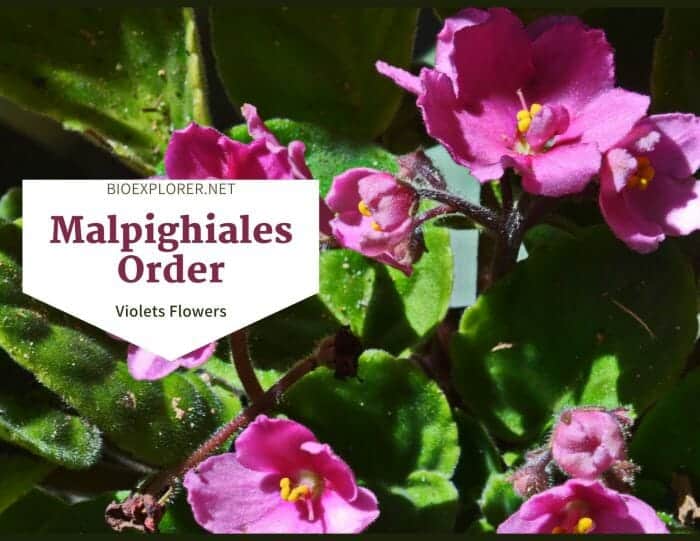
Malpighiales order is a large group with species primarily distributed in tropical regions. The members of Malpighiales often have toothed and stipulate leaves, 10 free stamens, 3-5 fused carpels, a nectary, superior ovaries, and typically endospermous seeds. Most Malpighiales flowers consist of 5 sepals and 5 petals. The violets, flax, passion flowers, euphorbias, and mangroves are some of the notable species of Malpighiales.
Caryophyllales is a large and diverse order of dicotyledonous flowering plants. Members under Caryophyllales are distributed on all the continents and are notable for their morphological uniqueness and ecophysiological adaptations. The flower species of carnation, four o’clock, and cactus belong to Caryophyllales and offer great beneficial use.
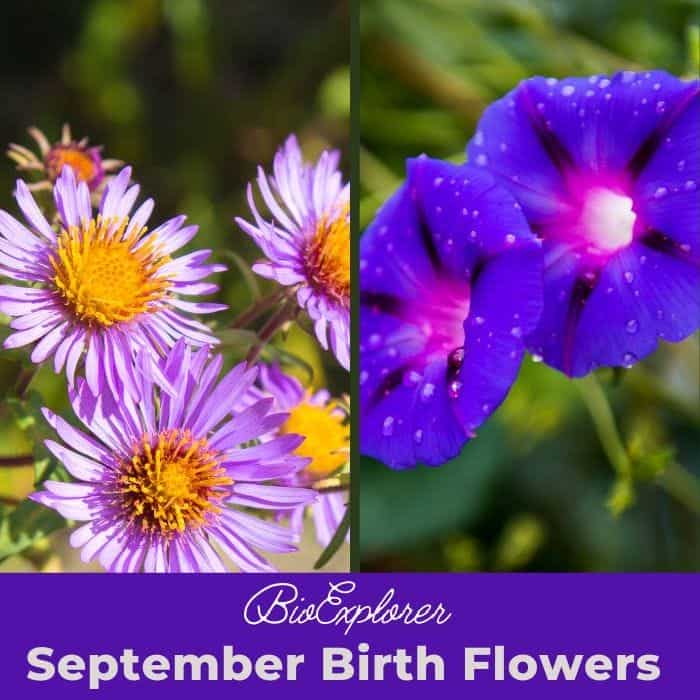
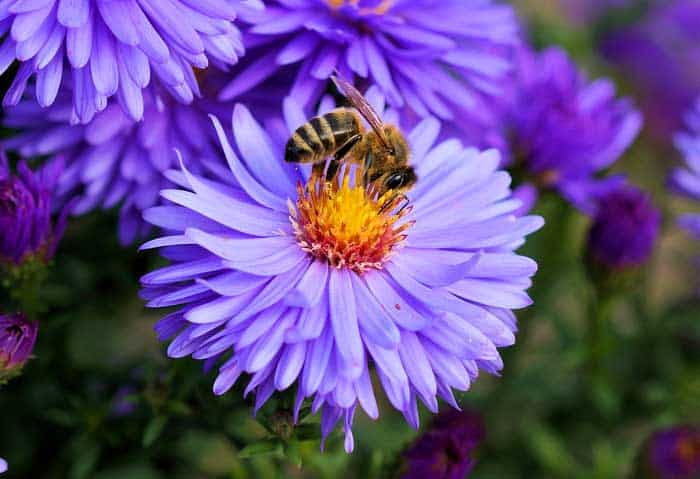
Discover the fascinating meanings behind September birth flowers, the Aster and Morning Glory. Learn about their origins, special meanings, and cultural importance for an enlightening read.
Discover the enchanting world of Holly flowers with our comprehensive guide. Explore their vibrant beauty today from 21 notable Holly varieties from history to cultivation.
Are you looking for cute purple flowers to plant in your garden, or want to learn about them from a botany perspective? Here are the 50+ top pretty purple flowers and their names.
Texas is a large state with its own floristic region, having more than 5,000 species of native flowering plants. Because of its diverse landforms, Texas offers many famous blooms for visitors and residents. Explore the top 25 Texas flowers and their characteristics.
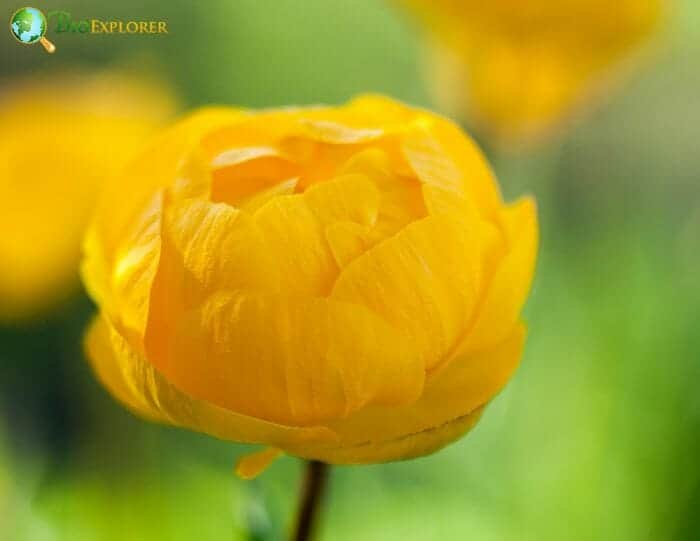
Globeflowers (Trollius europaeus) look awesome next to streams, ponds, and lakes like ranunculus on steroids. These flowers are easy to grow and produce numerous blooms in early summer and late spring. It exhibits yellow spherical flowers from late spring to early summer on sparse-stemmed leaves that grow up to 18-24″ in height.
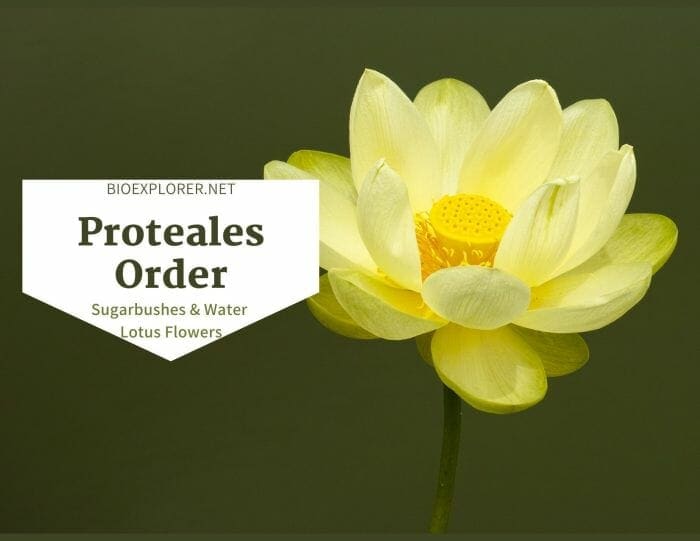
Proteales is a part of peripheral eudicots classified together only recently. The Proteales flowers are small or large and unisexual or bisexual. The American lotus, the Indian lotus, the London plane tree, Wagon tree and large-nut sugar bush are examples of Proteales.
This article explores the top 21 black flowers, delving into their unique characteristics, growing requirements, and fascinating facts. Each of these varieties, from the classic Black Dahlia to the exotic Black Bat Flower, has a story to tell.
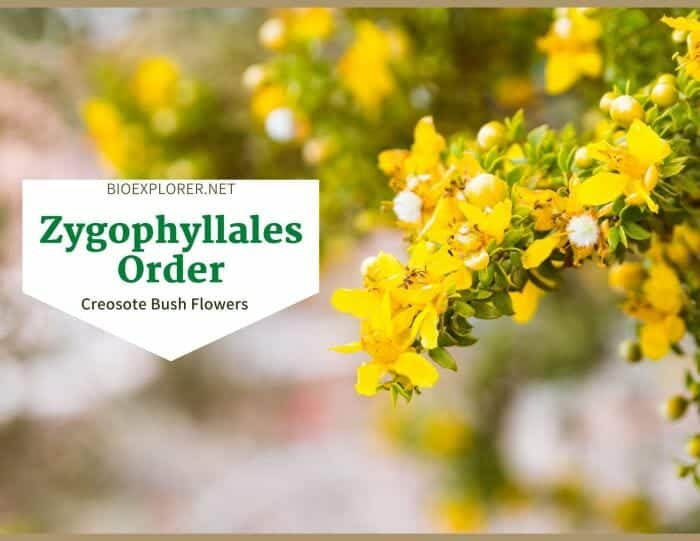
Order Zygophyllales contains herbs, shrubs, trees, and hemiparasites (rare) limited to tropical or temperate dry or saline regions. The members of the Zygophyllales often have swollen nodes and opposite, resinous, and stipulate leaves. The Zygophyllales flowers are bisexual, with often 5 sepals, 5 petals, 10 stamens, 5 carpels, and a superior ovary. The creosote bush, chaparral, Verawood, and the rhatany are known examples of the Zygophyllales order.
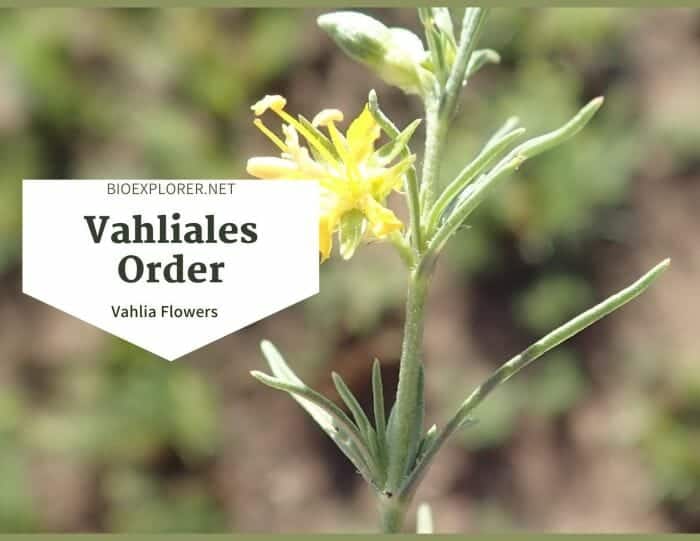
Order Vahliales are erect, branched herbs distributed in Africa and Madagascar to India. The Vahliales plants have simple, opposite, exstipulate leaves, bisexual and paired flowers, pentamerous floral parts, an inferior ovary, and numerous seeds. The Vahliales order only has a sole family, 1 genus, and 5 species.
Ranunculales is the order of angiosperms with a worldwide distribution, which are peripheral eudicots with spiral leaves, three openings (colpi) in the pollen, and spectacular floral diversity. The buttercup, Barberry, Moonseed, Chocolate vine and poppy flowers are the famous example species of Ranunculales.
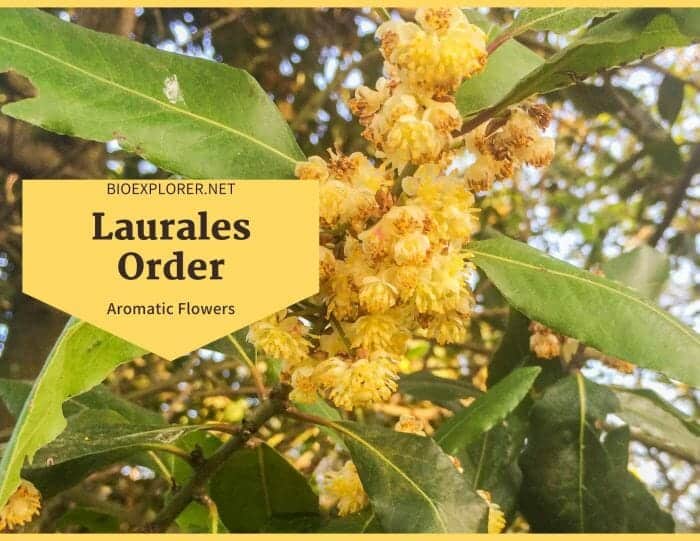
Laurales is an order of flowering plants composing trees, shrubs, herbs, and vines. This order comprises seven families. Laurales species are used for lumber, medicinal extracts, essential oils, and ornamentals. Examples include Avocado, Bay Laurel, Limoncillo, Negramina, Grease Nut, Carolina Allspice & more.
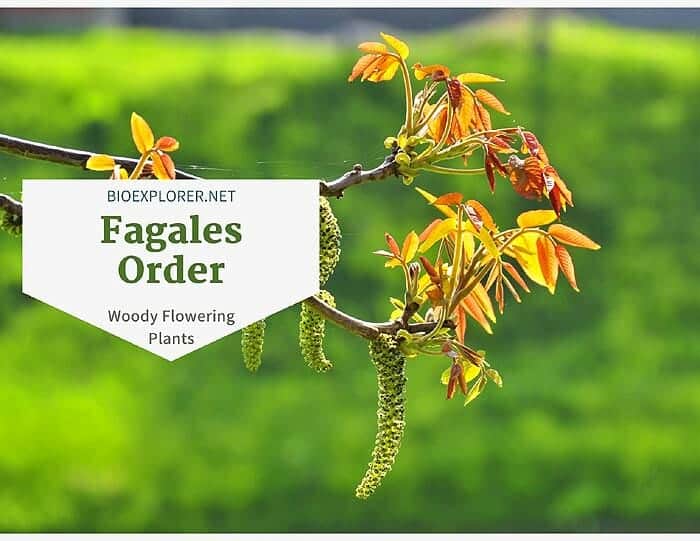
Order Fagales also called the beech order, comprises dicotyledonous woody flowering plants. Example plants include Quercus (oak), Fagus (beech), Castanea (chestnut), Juglans (walnut), Carya illinoinensis (pecan), Nothofagus, and cobnuts.
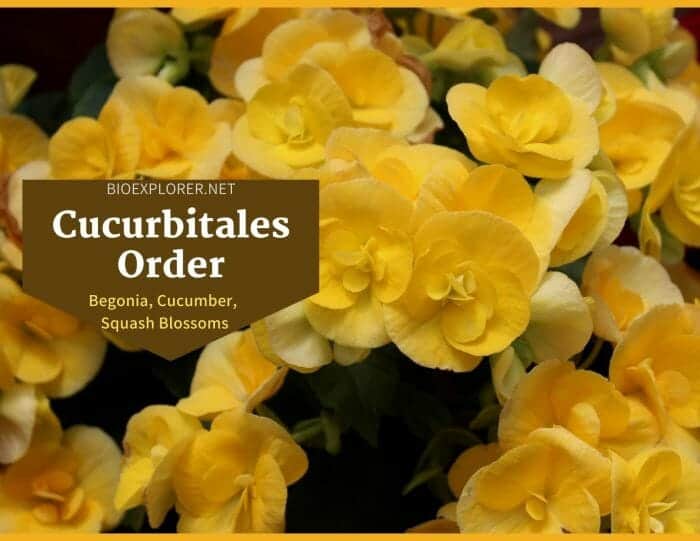
The Cucurbitales are an order of flowering plants listed in the rosid group of dicotyledons. The order consists of shrubs, trees, herbs, and climbers including Begonia, Cucumber, and Squash blossoms.
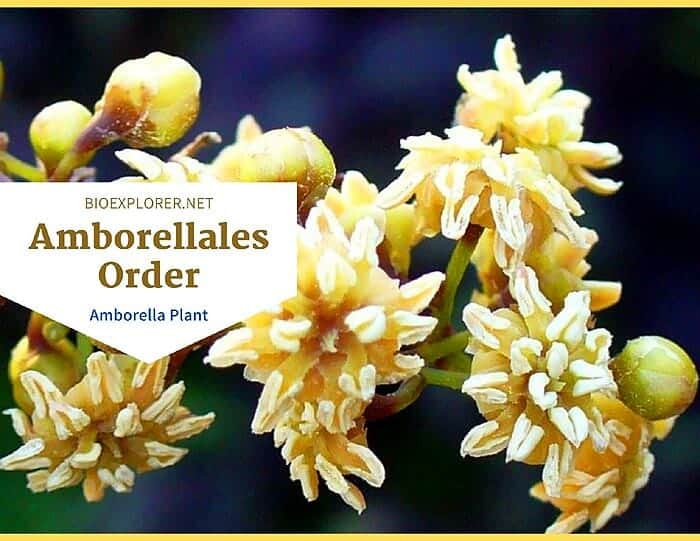
Amborellales plant order is represented by 1 species, in 1 genus and 1 family. Amborella trichopoda is the only flower species under the family Amborellaceae. Explore distribution, characteristics, flower structure, and species details here.
Asterales is a dicotyledonous order of flowering plants that holds ten percent of the angiosperm species diversity. Common sunflower, common daisy, Toropapa, Hydrangea, Bogbean, Water snowflake, and Cobalt mound are some of the beautiful flowers in Asterales.
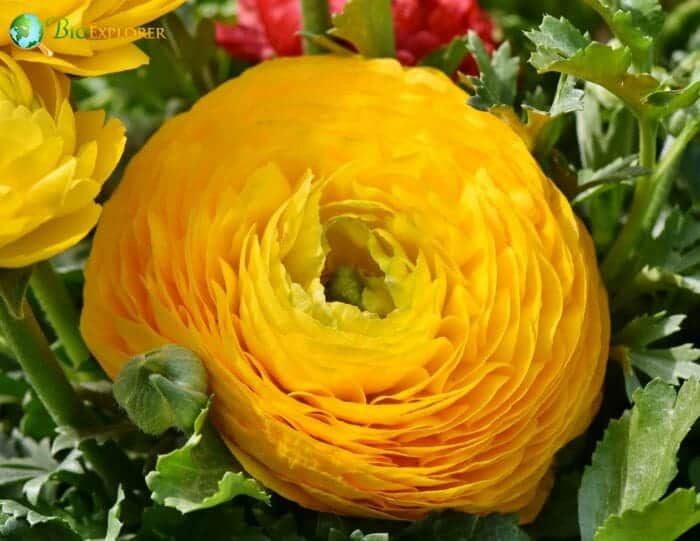
Ranunculus japonicas is a perennial herb of the family Ranunculaceae. It is a wild grass native to Japan. Ranunculus flowers add beauty and vibrancy to any garden. These perennial herbaceous plants, best known for their fragile rose-shaped petals, produce long-lasting cut flowers.
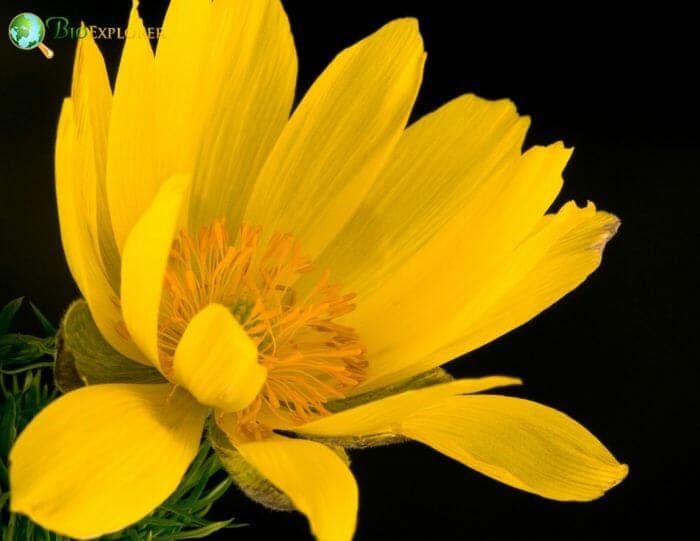
Adonis vernalis, commonly known as pheasant’s eye features upright, columnar, branching, leafy stems that average 8 to 24 inches tall. The typical width of the plant is 6 to 12 inches. The blooms are small and resemble buttercups, varying in color from yellow, orange, scarlet, or purple.
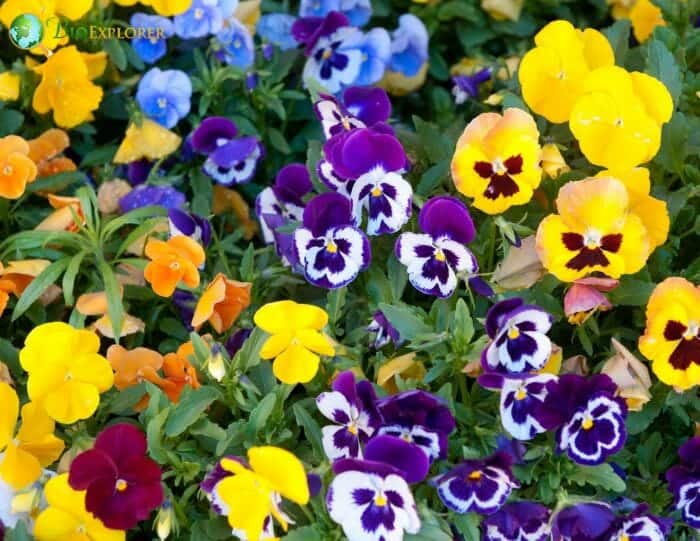
Pansy is one of the first heralds of spring in gardens, but its ability to thrive in cold climates makes it a staple for fall planting and garden beds. Garden pansy (Viola × wittrockiana) is a large-flowered hybrid plant grown as a garden flower.
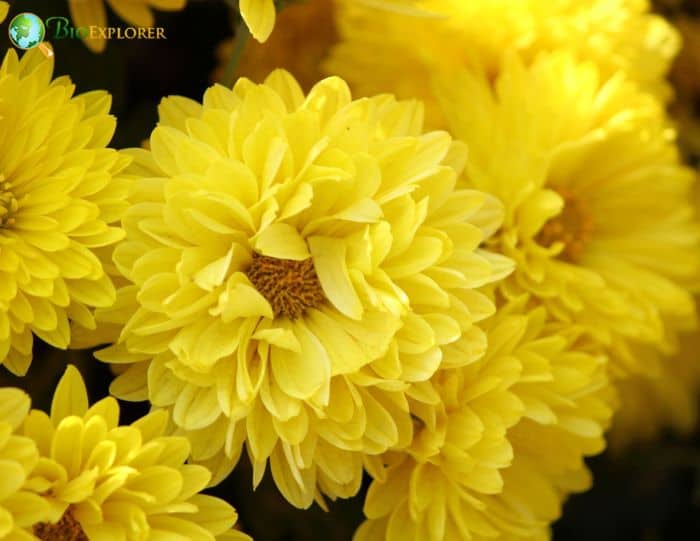
Chrysanthemum indicum is a perennial Japanese herb that can grow to 1-3 feet at maturity. Indian Chrysanthemum has over 10,000 varieties. The flowers are single and intensely fragrant. Chrysanthemum indicum is approved by NASA as a houseplant that can reduce air pollution.
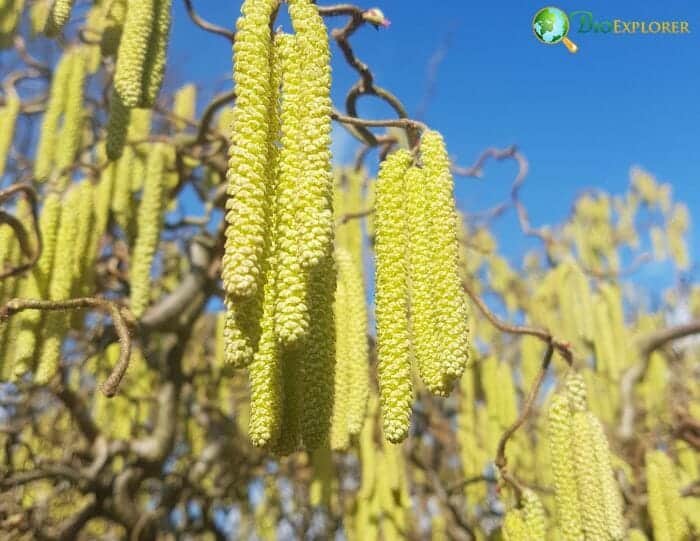
Hazelnut (Corylus avellana), commonly referred to as cobnut or European filbert, is a deciduous, multi-stem, brush-like sucker shrub that usually reaches a height of 12 to 20 feet. The pale gray-yellow, somewhat conspicuous male flowers appear on hanging, stalk-less catkins (2 to 3 cm long). The inconspicuous female blooms with red stigmas flower above the male catkins.
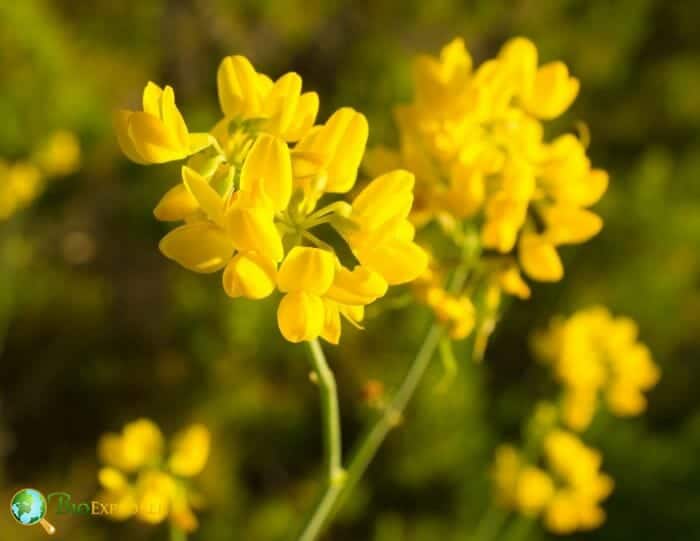
Genista spp., also known as Cape broom, Montpellier broom, or French broom, is a perennial woody shrub. The yellow-flowered shrub is native to the Mediterranean. The small yellow flowers (less than half an inch) resemble peas and are grouped in 4 to 10.
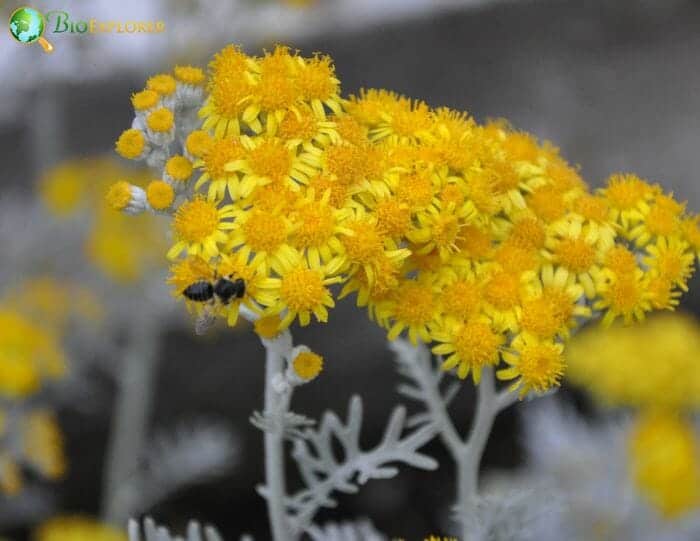
Dusty Miller (Jacobaea maritima) is a garden staple and will possibly never go outdated. With its lacy texture and showy silver leaves, this plant looks gorgeous during the growing season. The flowers are yellow and reach full bloom in midsummer, the flowering time. Once the flowers are fully grown, they are very noticeable.
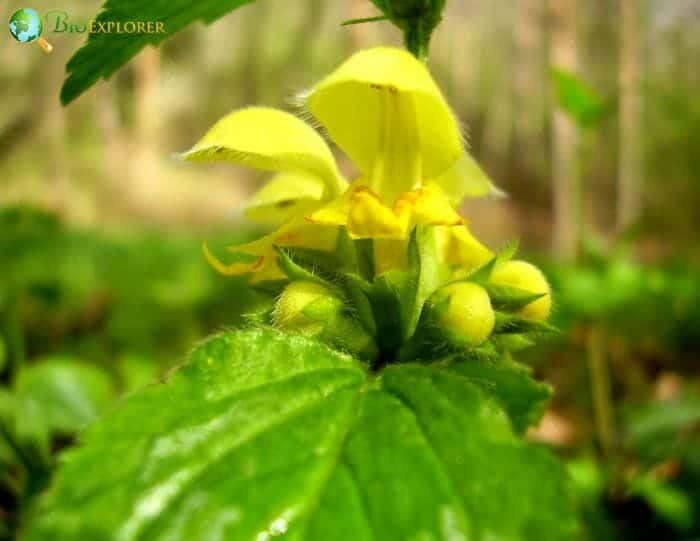
Dead Nettle is among the most famous wild herbaceous plants and is known for its sweet flowers. Originally, The Dead nettle is a perennial grass of 30-50 cm in height. It is native to Europe, China, Korea, and Japan. The most popular variety of dead Nettle has white flowers, but those with reddish and yellowish flowers.
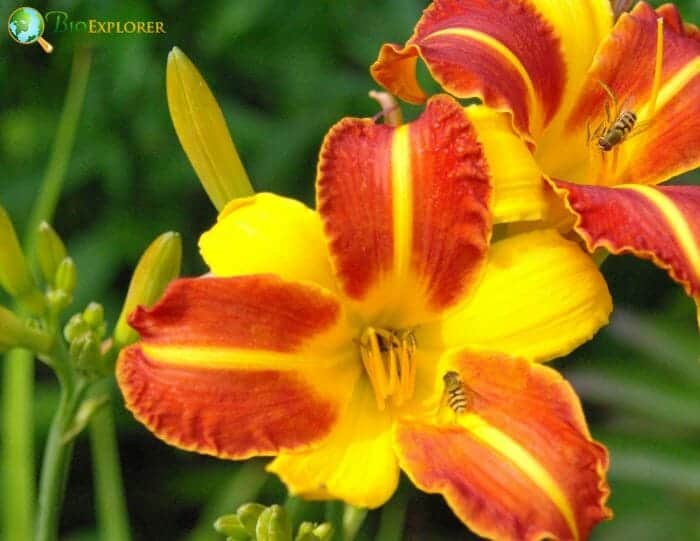
Known for its flowers that bloom in a single day, Daylily (Hemerocallis spp.) has always been a favorite of many flower growers and gardeners worldwide. These attractive reddish-yellow, orange, or yellow flowering plants are often called the perfect perennials for many reasons.
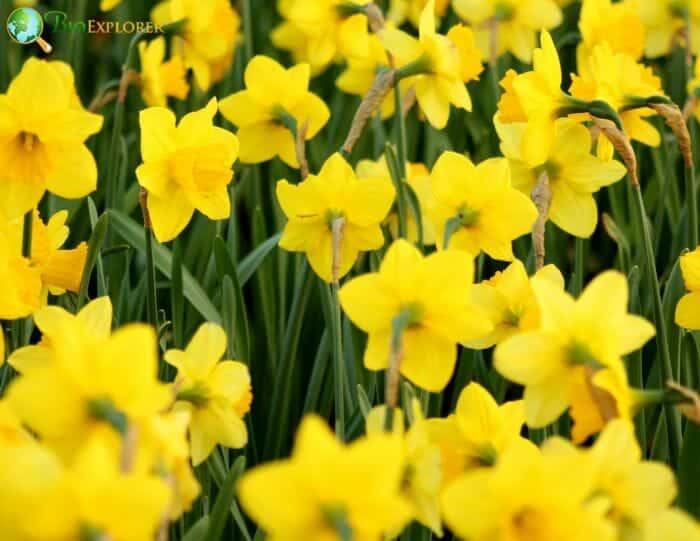
Daffodils herald spring and the awakening of nature with their trumpet-shaped blooms. They are among the few plant species that can successfully grow in snow. Daffodils are typically golden in color. However, there are new varieties of daffodils in pink, green, orange, yellow, and white.
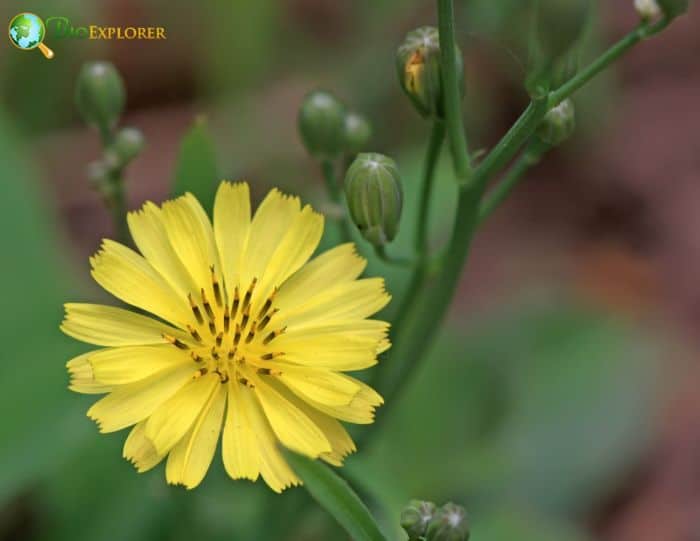
The creeping lettuce is a flowering plant of the Asteraceae family. It is a widespread species in Japan. Being perennial, this plant grows to 0.2 meters by 0.5 meters. Ixeris stolonifera prefers moist soil and grows well in semi-shade or no shade.
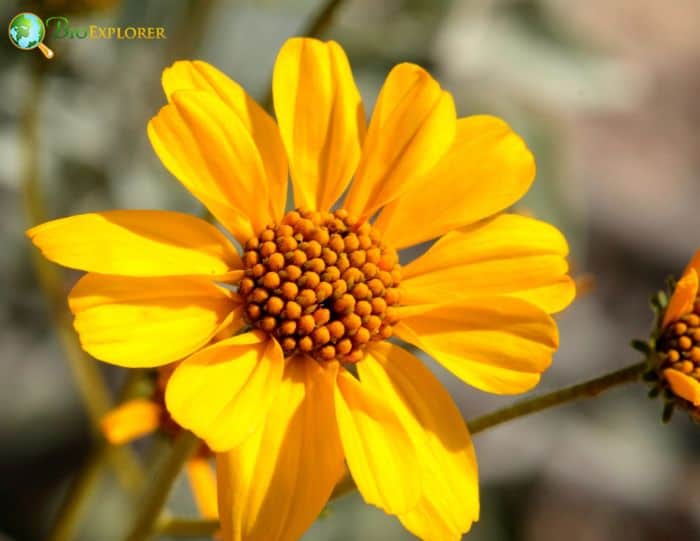
Brittlebush is a common desert shrub under the family Asteraceae. The plant can grow up to 1-5 feet tall and 4 feet wide. Research showed that the Encelia farinosa intrinsic water-use efficiency manifested strong responses to climate change.
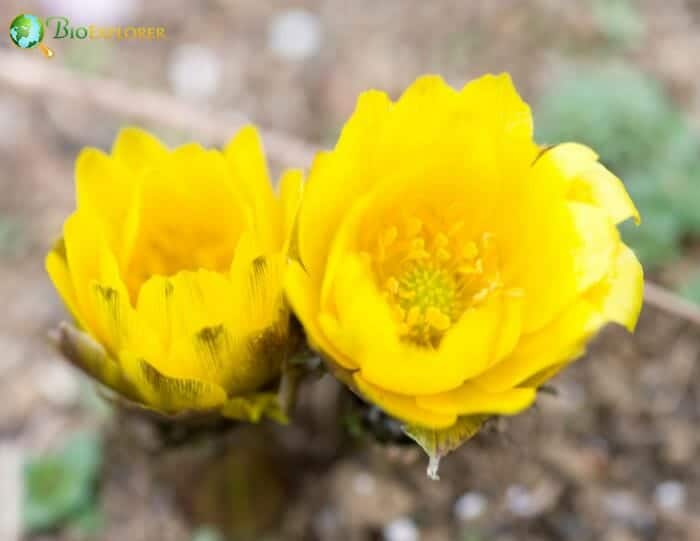
Adonis ramose is an herbaceous Japanese plant with a height of 15-40 cm. It is a native flower in Japan. They are commonly used for groundcover, understory, or border. Amur Adonis is planted for good luck.
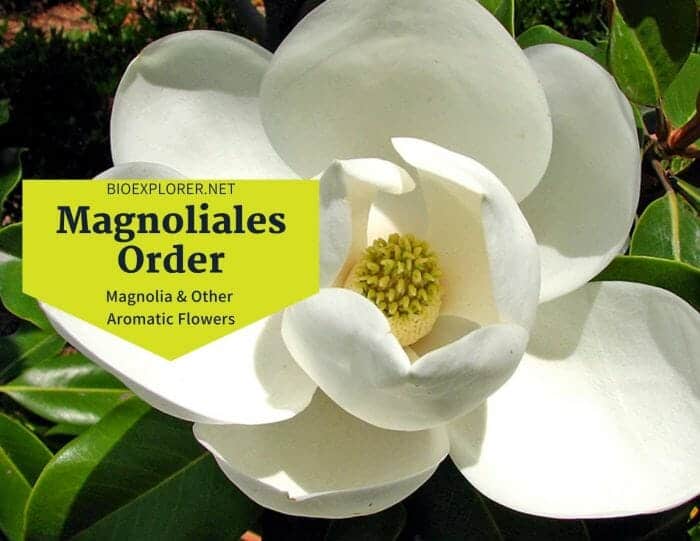
Magnoliales is the oldest flowering order that existed before bees were evolved. Angiosperms in this order comprise 6 families, 128 genera, and approximately 3,140 species. Nutmeg, Lancewood, Magnolia grandiflora, charismatic Michelia champaca, and Degeneria roseiflora (endemic to Fiji) are some of the examples of Magnoliales order.
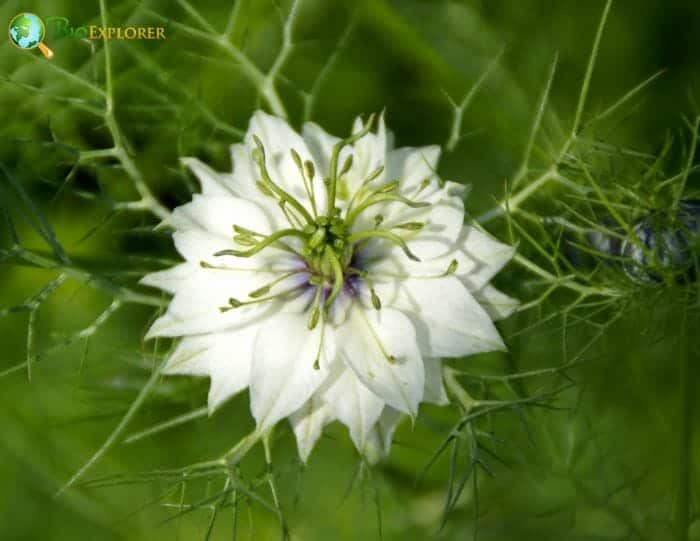
Nigella sativa, also known as kalonji, nigella, or black cumin, is an annual plant in the Ranunculaceae family native to western Asia (Iraq, Iran, and Turkey) and Eastern Europe (Romania, Bulgaria, and Cyprus). The light blue or white flowers have 5 petals, many stamens, and 5 or 6 oblong, fused carpels.
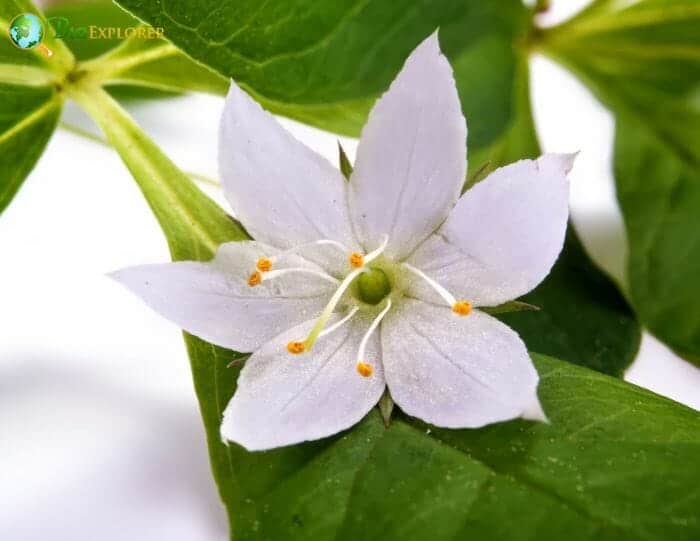
Trientalis borealis is a star-shaped perennial wild-flowering plant native to the North American forests that bloom from May to June. Each stem has a whorl of 5 to 9 lance-shaped leaves at its end, with 1 or 2 white, green, or brown flowers on smaller stems extending from the center of the whorl.
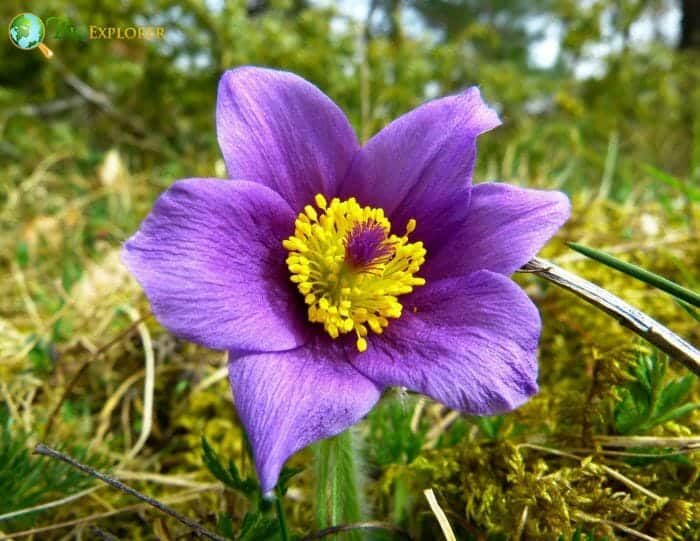
As a harbinger of spring, the pasque flowers (Pulsatilla vulgaris) begin to appear before the plant’s fern-like, feathery foliage has fully developed. The flowers are usually purple, but some cultivars also have red, pink, or white flowers.
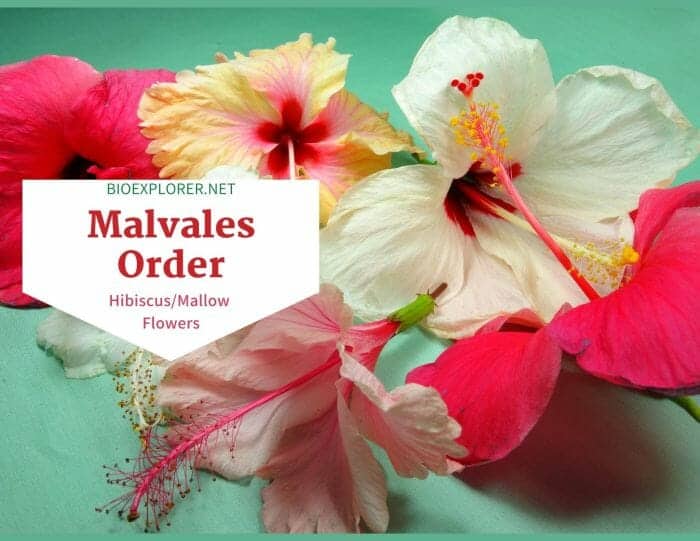
Malvales is a medium-sized order, commonly called the Hibiscus or mallow order, mainly consisting of woody plants that feature showy five-petaled flowers with an epicalyx. The order comprises 10 families, 338 genera, and around 6,000 species. Gossypium, Edgeworthia, Daphne, Gnidia, and Chinese Hibiscus are flowers in Malvales.
Celastrales are trees and shrubs mainly distributed throughout the tropics and subtropics. Order Celastrales members are primarily distributed throughout the tropics and subtropics.
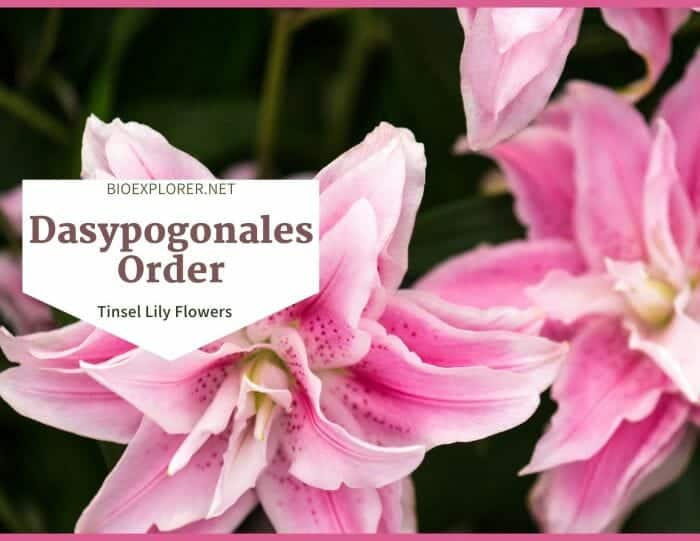
Dasypogogonales is an order of flowering plants comprising shrubs and herbs with paleotropical and Australian distribution. Members of the Dasypogonales mostly have spiral, simple, and sessile leaves, bisexual flowers, and perianth consisting of tepals. Order Dasypogonales is placed under Commelinids. It only has 1 direct family, Dasypogonaceae, with 4 genera.
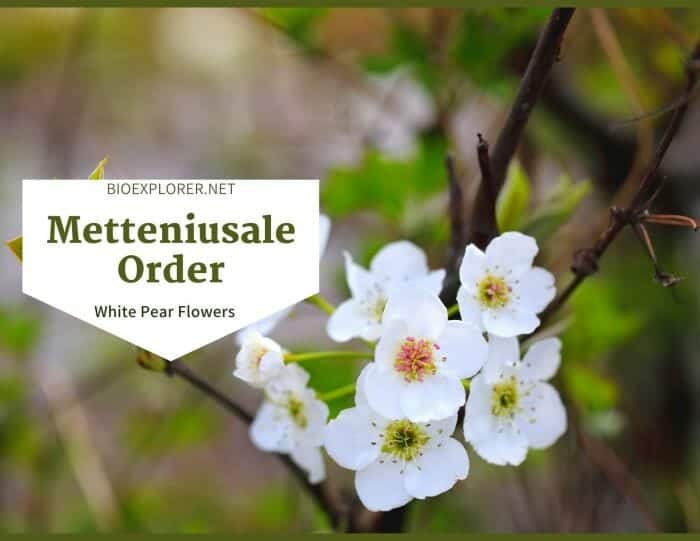
Metteniusales are trees, shrubs, or lianas with chiefly tropical distribution. Metteniusales is an order of flowering plants with only 1 family, 11 genera, and 55 species. Metteniusaceae is the only family of Metteniusales. The members are found in the tropical regions of the Old World, Mexico, Central America, and the West Indies.
Discover the hidden symbolism behind April’s birth flowers – daisies and sweet peas. Explore their significance (symbolism & meaning) in this captivating read.
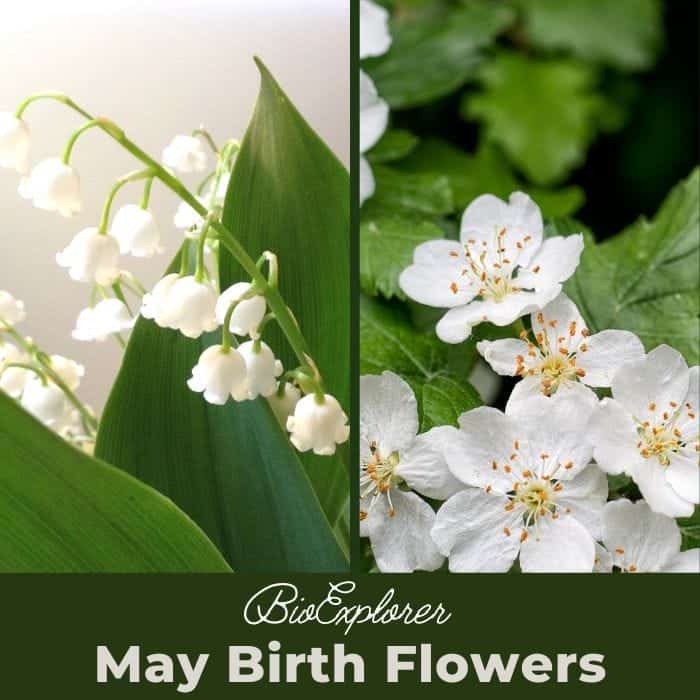
Unveil the significance of May birth flowers! Discover the hidden meanings and symbolism behind Lily of the Valley and Hawthorn in this insightful blog post.
Discover the captivating world of the top 85+ white flowers, from the iconic Lily of the Valley to the lesser-known Snowball Viburnum. Explore their enchanting beauty, rich symbolism, and fascinating scientific facts in this comprehensive guide.
A comprehensive guide to the Galápagos marine iguana (Amblyrhynchus cristatus) – the world’s only seagoing lizard. Learn all about their taxonomy, adaptations for life in coastal habitats, feeding behaviors, social dynamics, threats to survival, and conservation status of this iconic species endemic to the Galápagos Islands of Ecuador.
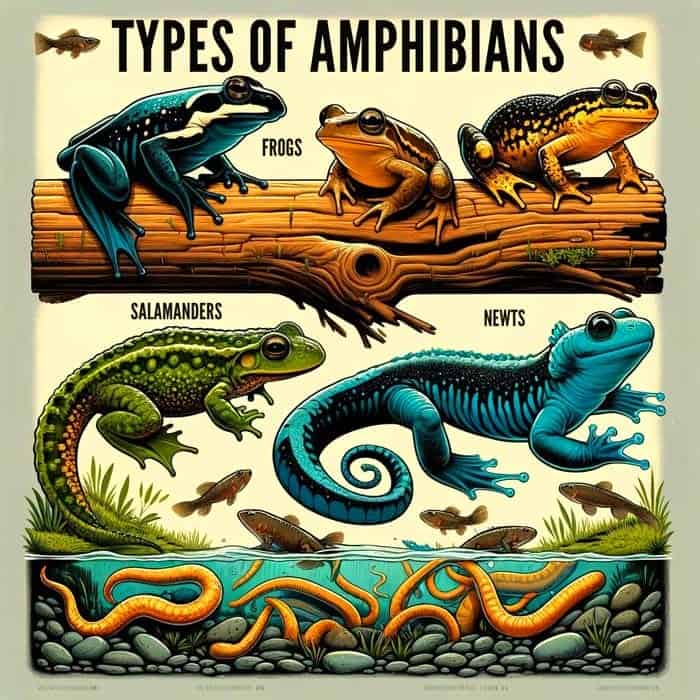
Explore 3 different types of amphibians in the animal kingdom. Learn 9 key features of amphibians including cold-blooded, dual-life, permeable skin and more.
Flightless Birds: Insight into how birds adapted over time to live grounded lives. This article explores major flightless species – from giant moas to tiny kiwis and curious penguins – examining how isolation and lack of predators drove anatomical changes forfeiting skies for land locomotion mastery.
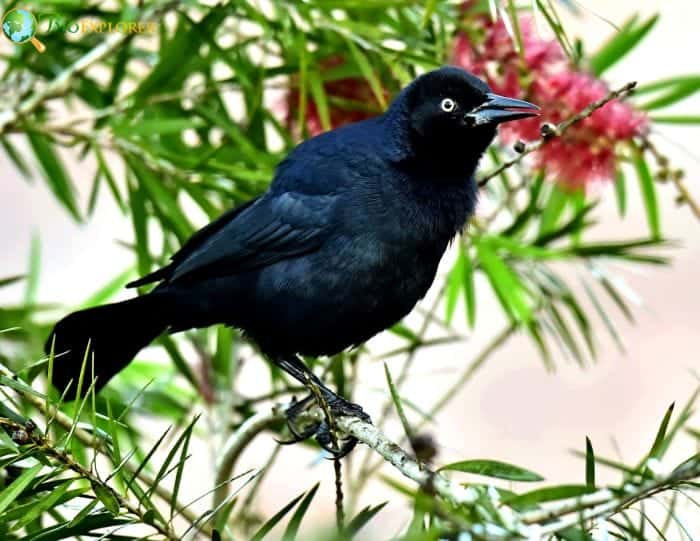
The Greater Antillean Grackle is a glossy black songbird native to the Caribbean’s Greater Antilles, including Cuba, Jamaica, Hispaniola, and Puerto Rico. Males reach about 27 cm (11 in) with a distinctive keel-shaped, “rudder-like” tail, while females are slightly smaller and less glossy. Its most striking feature is its bright yellow eye, the only non-black part of its body. These bold, noisy black birds thrive in open habitats near humans-towns, farms, mangroves, and pastures-and often form large, social flocks. Opportunistic eaters, they consume insects, fruit, seeds, small animals, and even human scraps.
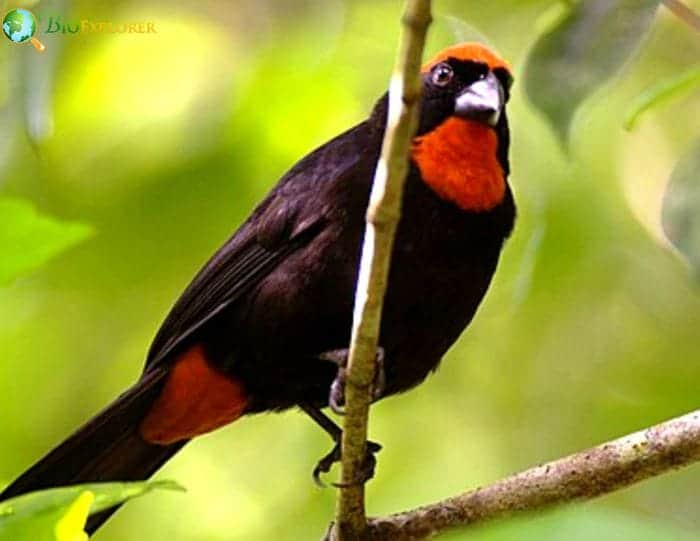
The Puerto Rican Bullfinch, or comeñame, is a stocky, black songbird with bright orange patches above the eyes, around the throat, and under the tail. Endemic to Puerto Rico, it inhabits dense forests and coffee plantations, foraging for fruit, seeds, insects, and spiders. Measuring 17–19 cm, it’s often heard before seen, thanks to its loud whistles and trills. Nests are spherical with a side entrance, usually placed low in trees or shrubs; clutches contain two to three greenish eggs.
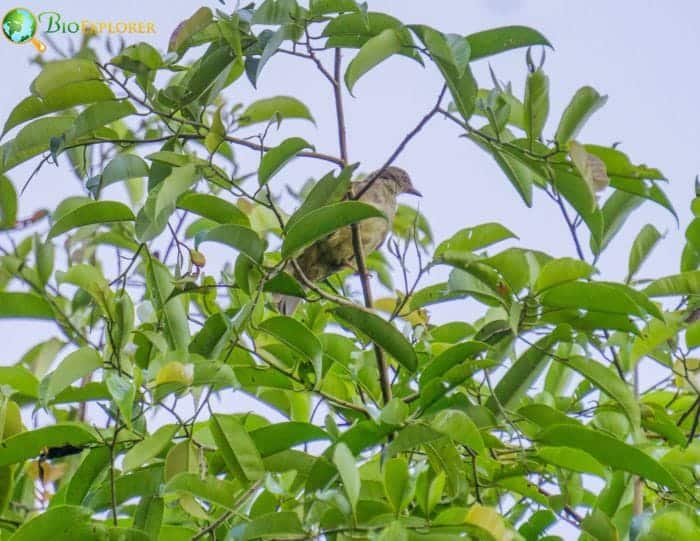
Trail a voiceful rainforest insectivore, the Puerto Rican Tanager (Nesospingus speculiferus), through remote protected sanctuaries sustaining this species’ specialized cloud forest niche now endangered by climate change and urban encroachment. Understand why this blue-hooded songster’s reliance on undisturbed canopy cover makes conservation of prime breeding grounds an emergency for securing its future.
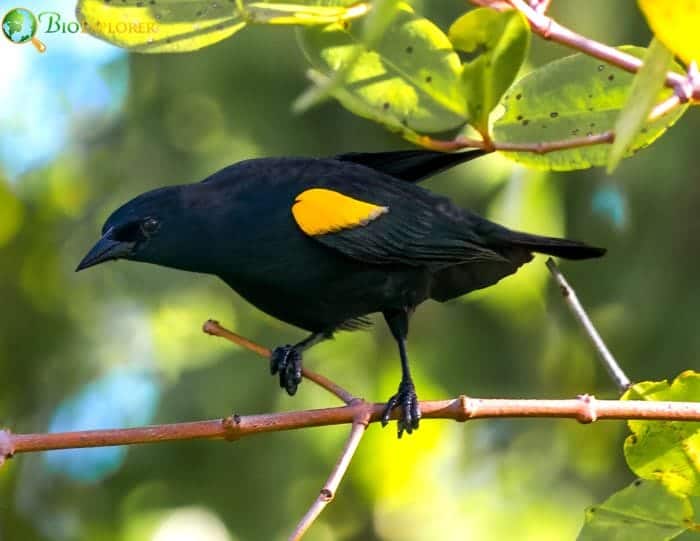
The Yellow-shouldered Blackbird is a glossy black songbird with a distinctive yellow patch on its “shoulders” outlined by a narrow white margin. Endemic and endangered in Puerto Rico, it inhabits mangroves, arid scrublands, and coastal forests. Males and females look alike, though males are slightly larger. These birds are primarily insectivorous but also eat some plant material, like cactus fruits. Nests are built in tree cavities, palm fronds, or cliff crevices, often in small colonies. Habitat loss and nest parasitism threaten the species. Their bright yellow epaulets set them apart from the similar red-winged blackbird.
Follow the Puerto Rican Vireo’s (Vireo latimeri) melodious voice echoing across lush rainforest canopies, where this prime songster and insect-hunter is now increasingly challenged by hostile cowbird invaders. Learn specific conservation actions to secure this species’ specialized nesting requirements and protect fruit sources supplementing its distinctive territorial songs.
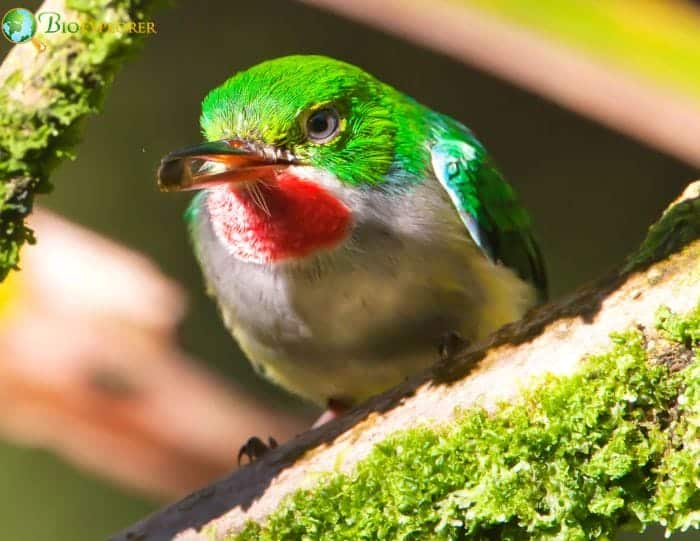
Marvel at Puerto Rico’s tiniest rainforest resident, the diminutive 11-cm Puerto Rican Tody (Todus mexicanus), using masterful maneuverability to exploit dense broadleaf cover when hunting aerial and leaf-lurking insects. Trace survival adaptations from lower metabolic rates to intricate nest tunnel construction to clutch production aligned with seasonal food availability.
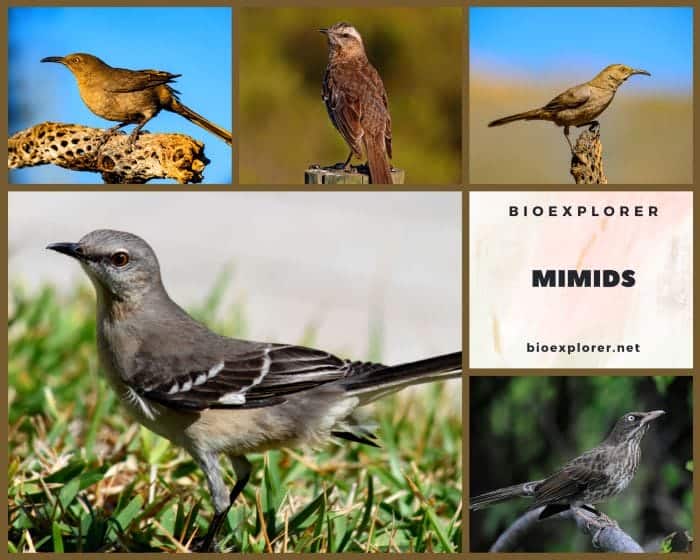
The fabulously playful Mimidae family of Mimids – the mockingbirds, catbirds, thrashers & tremblers of the Americas – is overviewed with facts on evolution, vocal mimicry abilities, behavior, life histories and cultural symbolism of these often supremely talented songsters.
Gibraltar’s iconic Barbary macaques have roamed here 300+ years now, delighting visitors. Explore the history of Gibraltar monkeys on the Rock, their social behavior, role as a conservation priority species with ties to Britain’s fate.
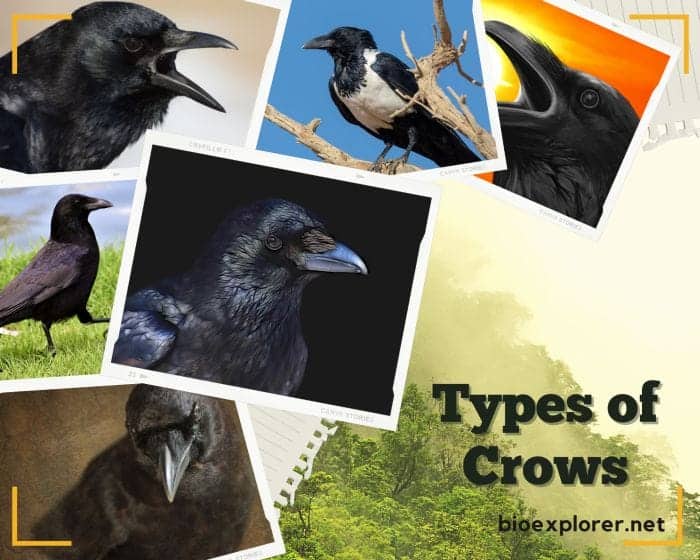
The Corvidae family, renowned for its intelligence and adaptability, includes crows, ravens, rooks, jackdaws, magpies, and jays. Within this family, the genus Corvus encompasses the “true crows” – a group of 43 recognized crow species found on every continent except South America and Antarctica.
This Genetics news highlights the discoveries and innovations in Genetics in 2021. It emphasizes the genetic basis of various diseases and illnesses, including schizophrenia, aortic aneurysms, liver cancer, and other lifestyle diseases, the genetic basis of embryonic stem cell development and more. Explore top 15 Genetics news of 2021.
Explore the intriguing world of Albino Ferrets – their unique genetics, characteristics, care needs, and challenges in the wild. Uncover the joy of owning one!