Types of Flowers
Types of Flowers: Explore the beauty & diversity of colorful flowers and intriguing botanical properties for all orders of flowering plants.

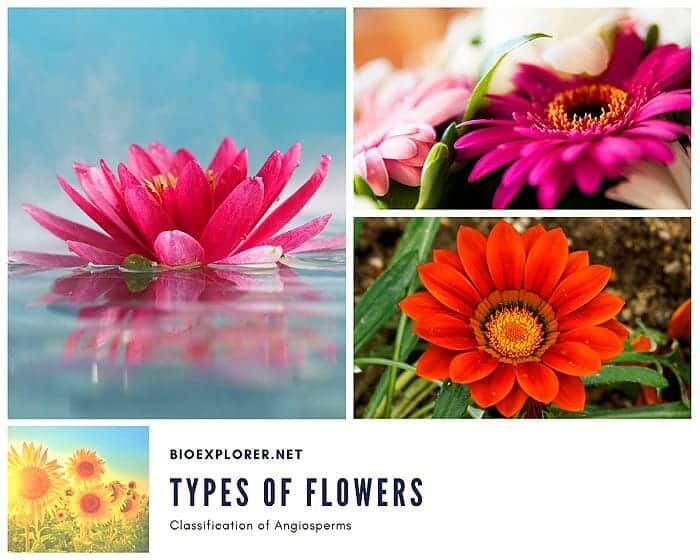
Types of Flowers: Explore the beauty & diversity of colorful flowers and intriguing botanical properties for all orders of flowering plants.

Discover the top Mexican flowers, from marigolds to dahlias, and explore their beauty, meanings, and rich cultural ties to Mexico’s heritage.
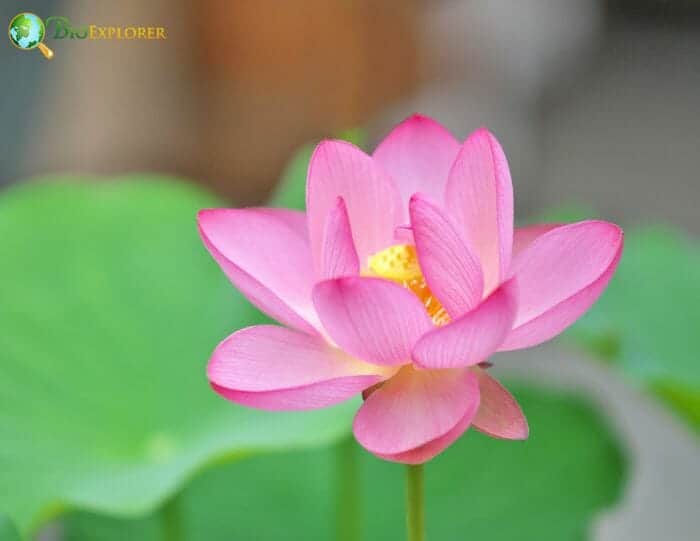
The lotus (Nelumbo nucifera) is an emergent aquatic plant that grows with its roots at the bottom of the water source and its flowers and leaves on its surface. The lotus, sometimes mistakenly referred to as a water lily, is available in shades from bright pink to white. The plant has 2 round leaves that typically float on the water.
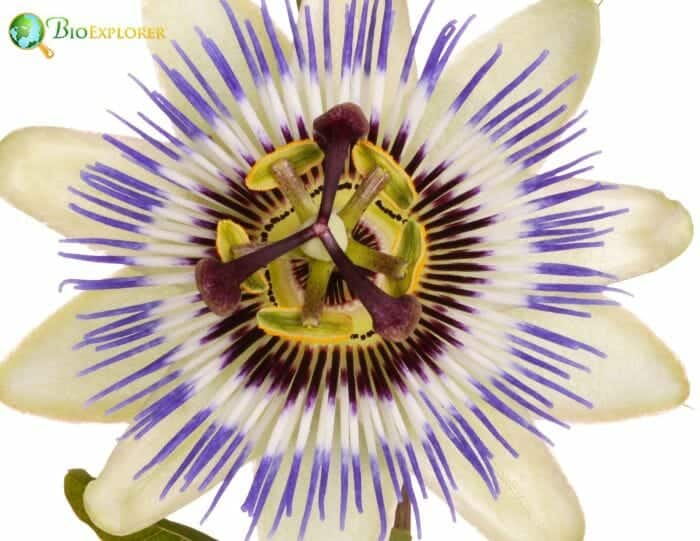
Passionflowers are a genus of around 500 species characterized by a characteristic pattern of radiant filaments and tiered structures. Passionflowers are around 3 inches in diameter and are usually white, pink, blue, purple, red, or multi-colored.
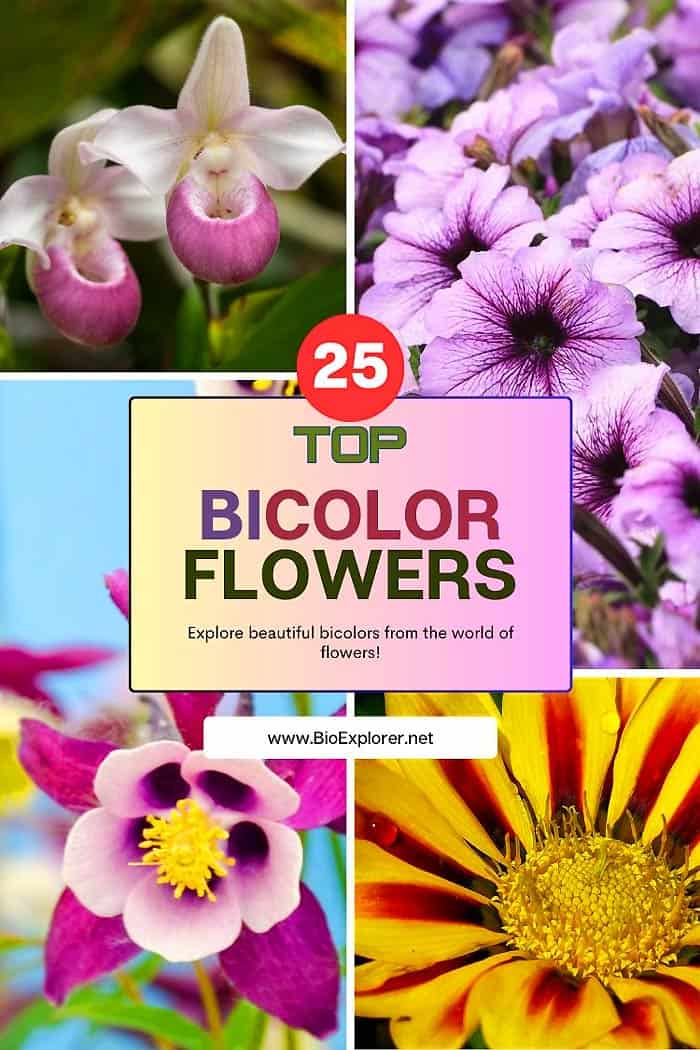
Discover 25 stunning bicolor flowers, from rare orchids to common garden favorites. Learn about their habitats, care tips, and unique features in this guide.
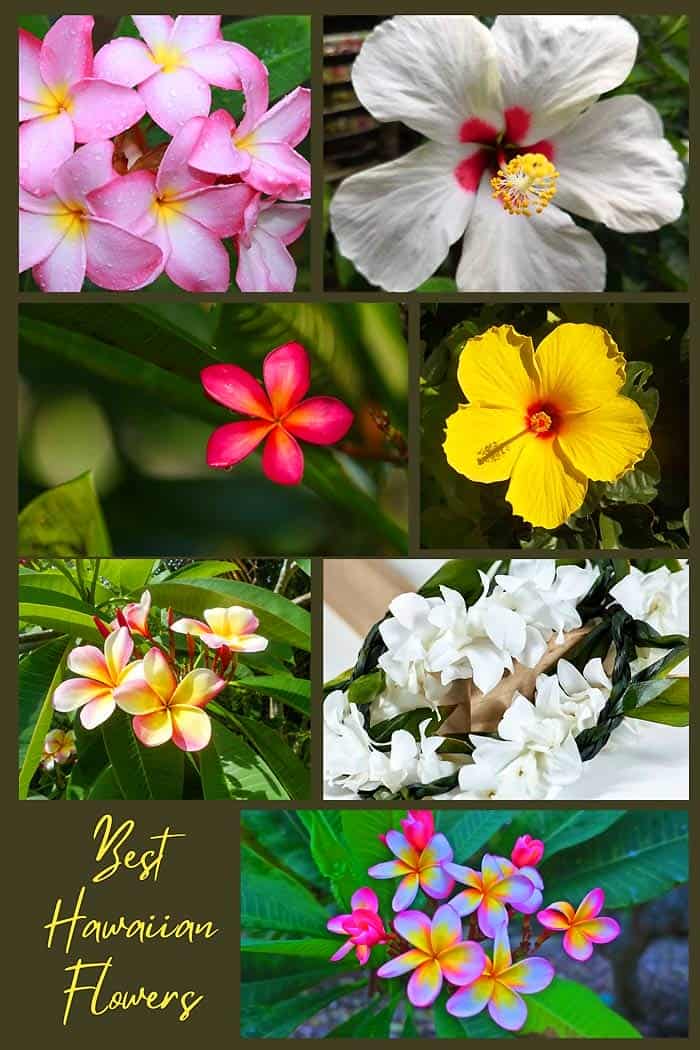
Explore the top 26 unique Hawaiian flowers exclusive to Hawaii’s archipelago. Dive into the world of these beautiful species, their interesting facts, and their significance in Hawaii’s ecosystem.
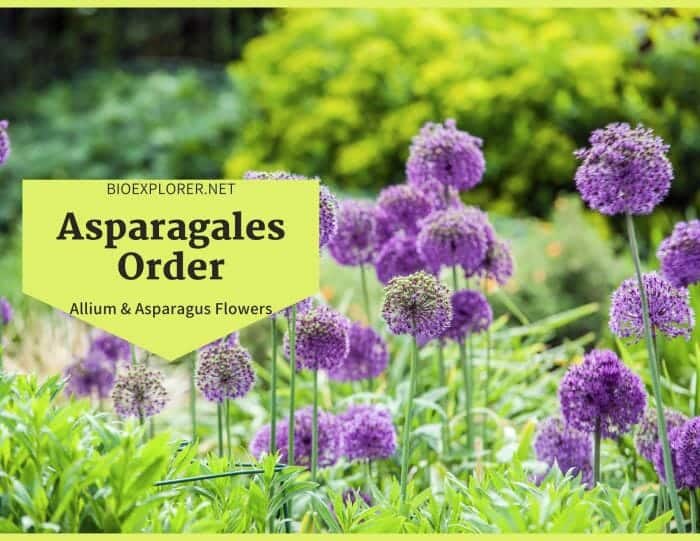
Asparagales is a monophyletic order that contains many species, including important crop plants such as Allium and Asparagus. This order has 29 families and closer to 50k flowering plants. Popular flower species in this order are day-lily, irises and lilioid monocots.
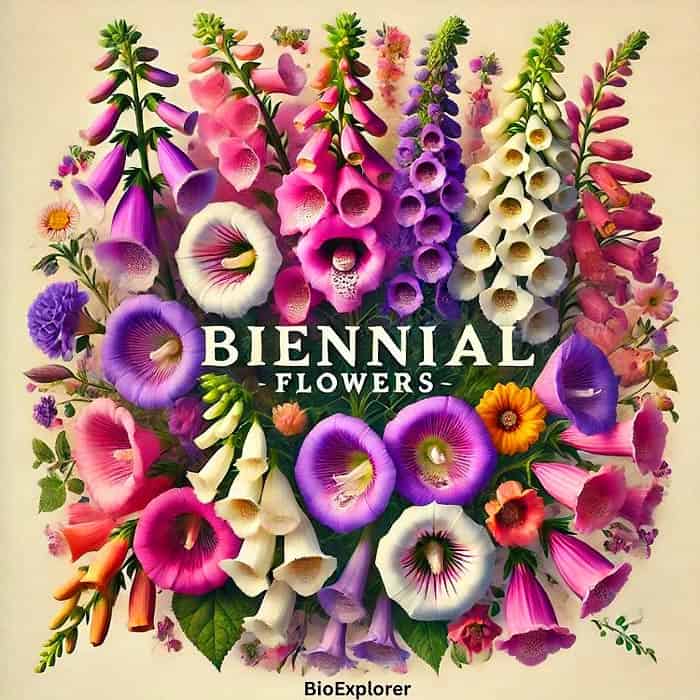
Explore the enchanting world of biennial flowers. Learn about their unique two-year life cycle, popular varieties for growing these spectacular blooms in your garden. Explore how foxgloves, hollyhocks, and other biennials can transform your landscape with patience-rewarding beauty.
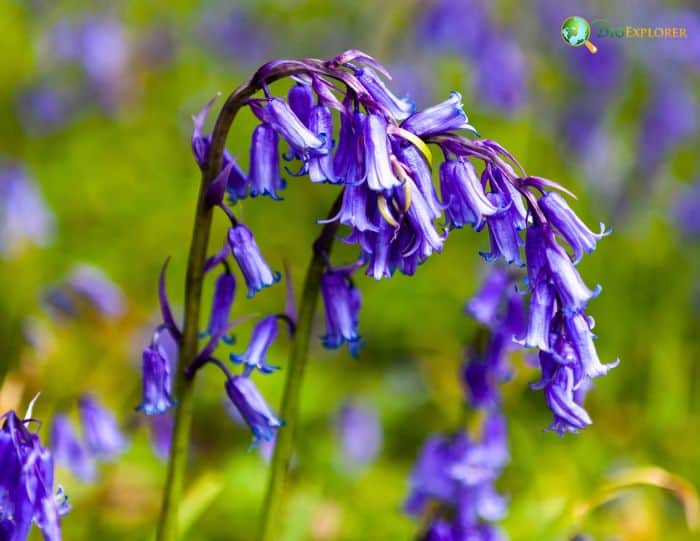
Explore the enchanting Bluebell flower (Hyacinthoides non-scripta), its vibrant violet-blue blooms, ecological significance, different types of bluebells and fun facts in this comprehensive guide.
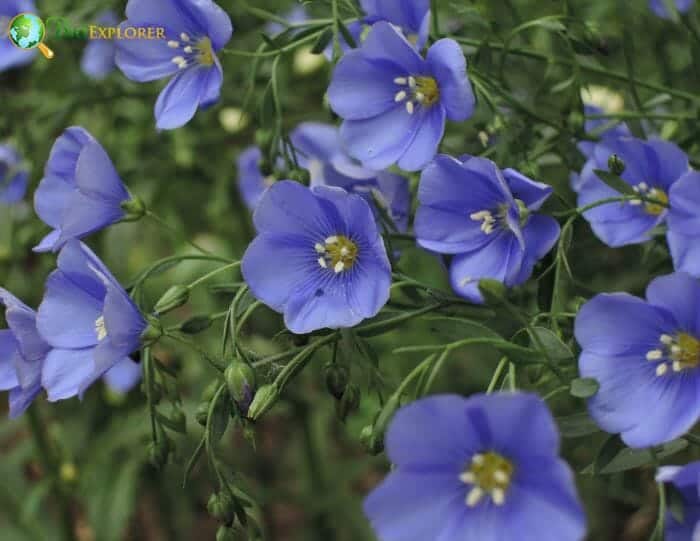
Perennial flowers are long-lasting, low-maintenance garden gems that return yearly with beautiful blooms. Discover their characteristics and different types to create a vibrant, self-sustaining floral paradise.
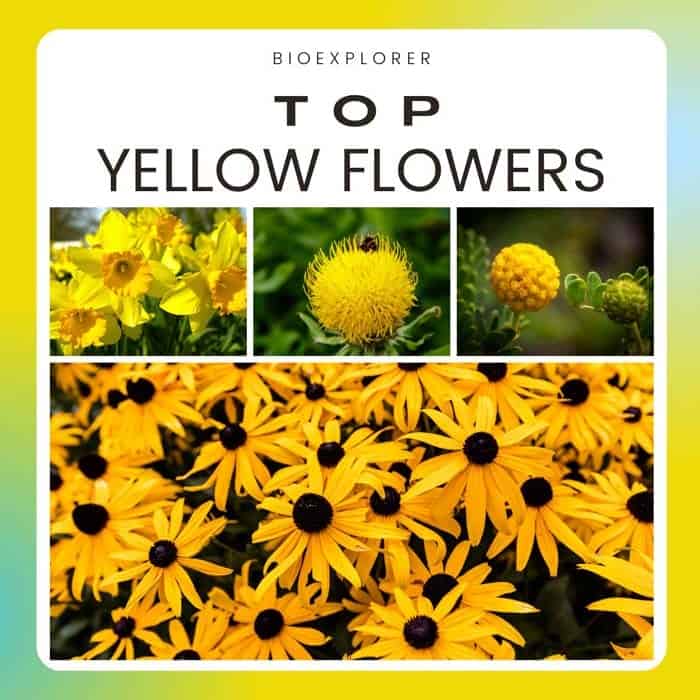
Discover the top 66+ yellow flowers to brighten your garden. From sunflowers to daffodils, learn about their care, symbolism, and how to create a stunning display.
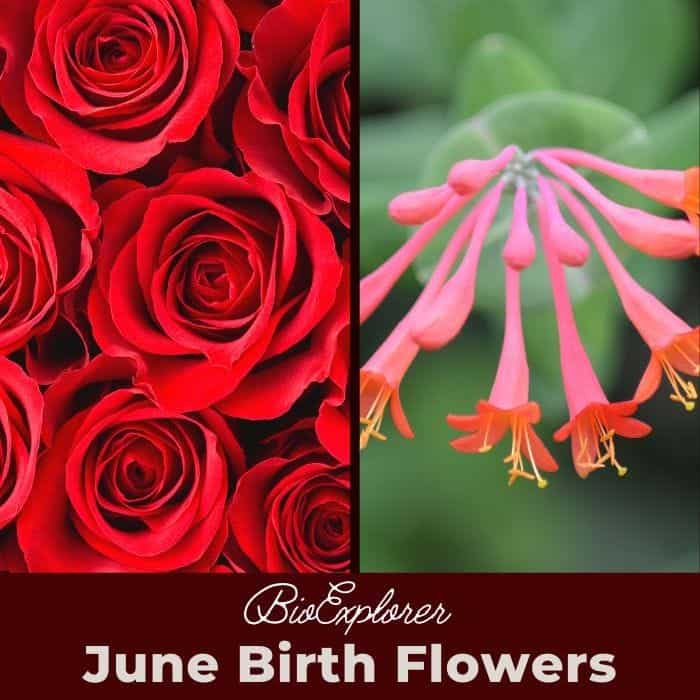
Unlock the hidden secrets of your June birth flowers! Discover the symbolism behind roses and Honeysuckle, and delve into their rich history and fun facts here.
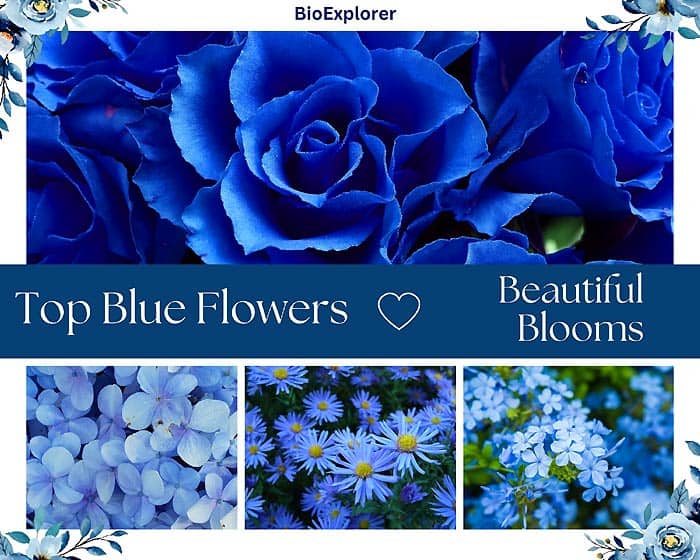
Discover the hidden secrets of 43 types of blue flowers in our captivating blog post. Explore the rarity of natural blue pigments in flowers and symbolism and meanings of blue flowers.
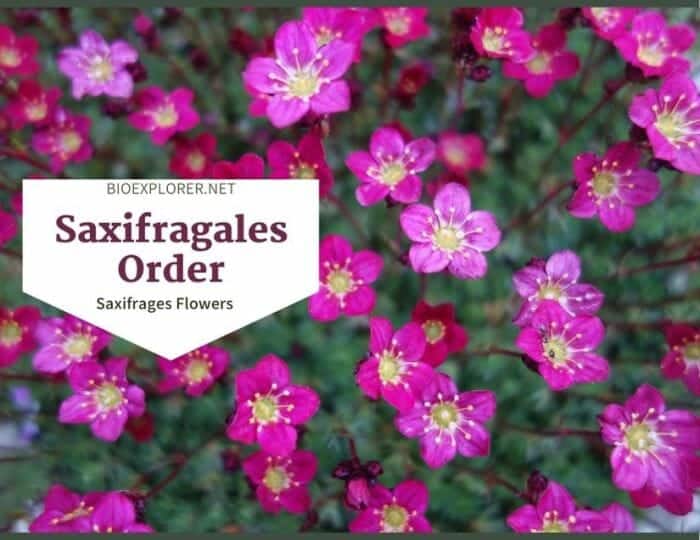
Saxifragales is a morphologically diverse dicotyledonous order of flowering plants worldwide. Saxifragales plants have hypanthium, glandular leaf teeth, serrate lamina margins, free petals, and small seeds. Most Saxifragales flowers are radially symmetrical and bisexual. The example species of Saxifragales are the Irish rose, campfire plant, and gum vine.
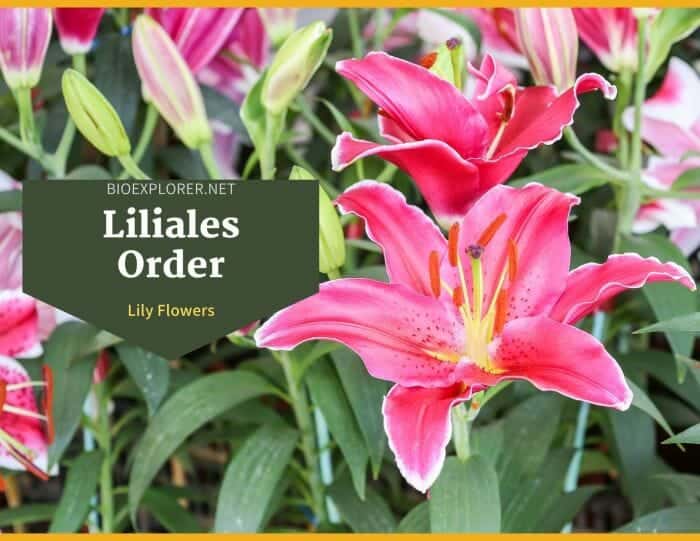
Liliales is the lily order of monocotyledonous flowering plants. Members of this order involve herbaceous plants, shrubs, and lianas. Liliales flowers are distributed worldwide but common in the subtropical and temperate regions. Lanzhou Lily, Chilean Bellflower, Katakuri/Trout Lily, and Wood’s bunchflower are some of the Liliales example species.
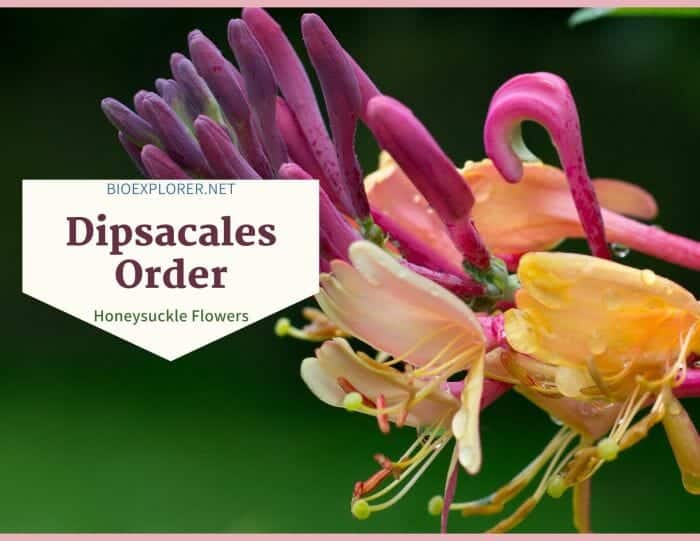
Dipsacales is a eudicotyledonous order of flowering species. Members of Dipsacales show characteristics like pubescent stems, flowers mostly in cymes, and 4-5 floral parts. The Dipsacales flowers are primarily bisexual and are pollinated by insects and/or birds. Honeysuckle, Seven-son flower, Alpine valerian, Mountain snowberry and Japanese snowball flowers are examples of Dipsacales.
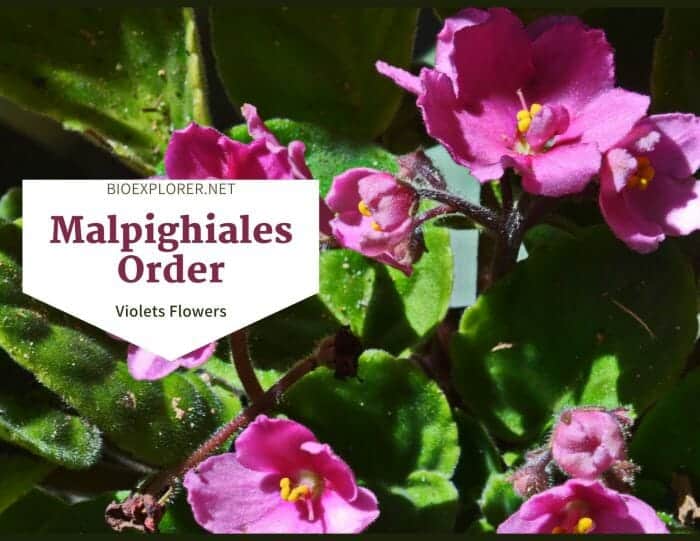
Malpighiales order is a large group with species primarily distributed in tropical regions. The members of Malpighiales often have toothed and stipulate leaves, 10 free stamens, 3-5 fused carpels, a nectary, superior ovaries, and typically endospermous seeds. Most Malpighiales flowers consist of 5 sepals and 5 petals. The violets, flax, passion flowers, euphorbias, and mangroves are some of the notable species of Malpighiales.
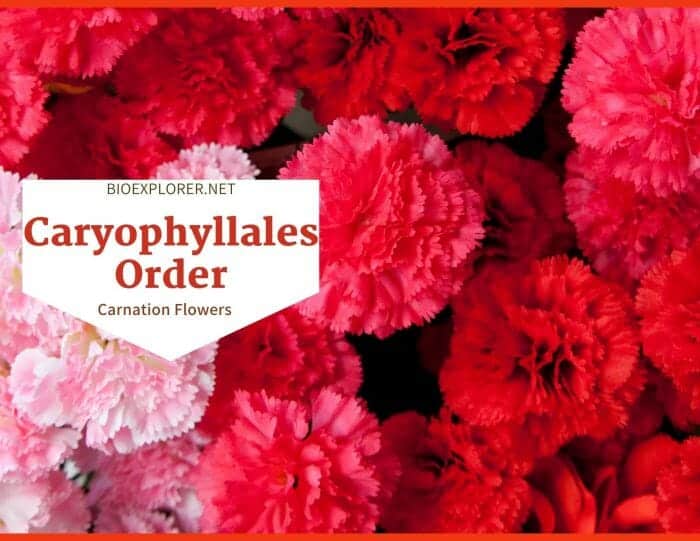
Caryophyllales is a large and diverse order of dicotyledonous flowering plants. Members under Caryophyllales are distributed on all the continents and are notable for their morphological uniqueness and ecophysiological adaptations. The flower species of carnation, four o’clock, and cactus belong to Caryophyllales and offer great beneficial use.
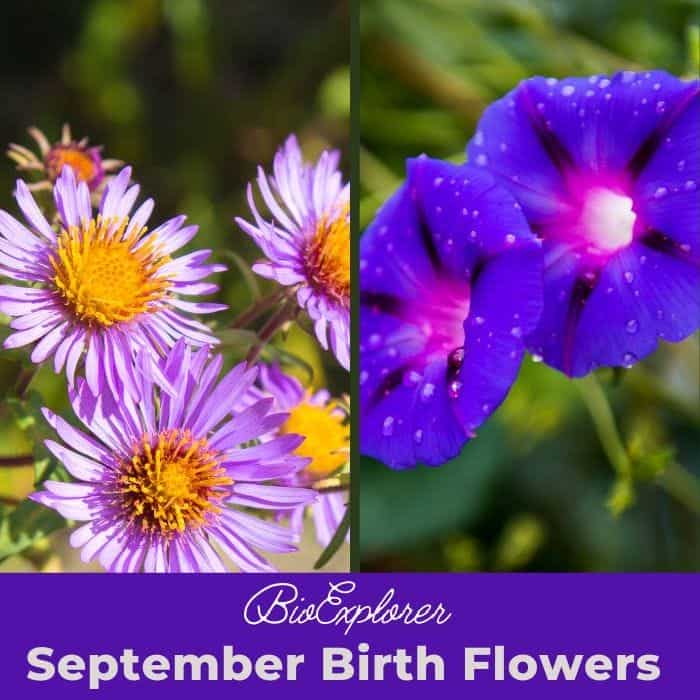
Discover the fascinating meanings behind September birth flowers, the Aster and Morning Glory. Learn about their origins, special meanings, and cultural importance for an enlightening read.

Discover the enchanting world of Holly flowers with our comprehensive guide. Explore their vibrant beauty today from 21 notable Holly varieties from history to cultivation.
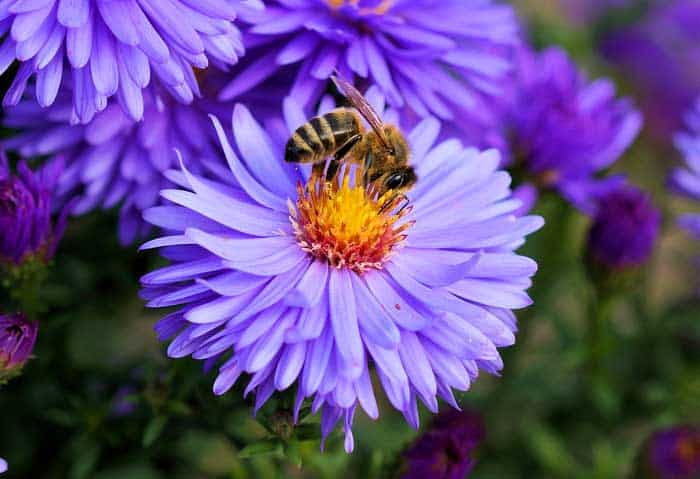
Are you looking for cute purple flowers to plant in your garden, or want to learn about them from a botany perspective? Here are the 50+ top pretty purple flowers and their names.
Texas is a large state with its own floristic region, having more than 5,000 species of native flowering plants. Because of its diverse landforms, Texas offers many famous blooms for visitors and residents. Explore the top 25 Texas flowers and their characteristics.
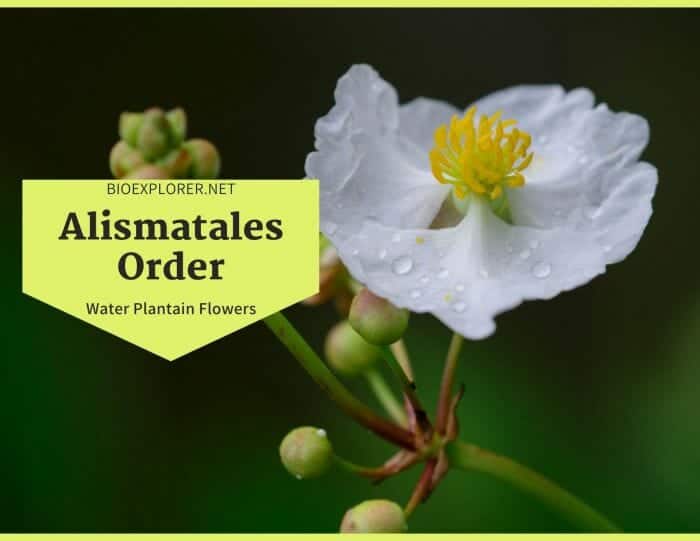
Alismatales are an order of aquatic flowering plants, including some well-known species such as the water arum (Calla palustris), Nymphoides peltata, and Japanese water shield (Brasenia schreberi). They are sometimes known as the watermints.
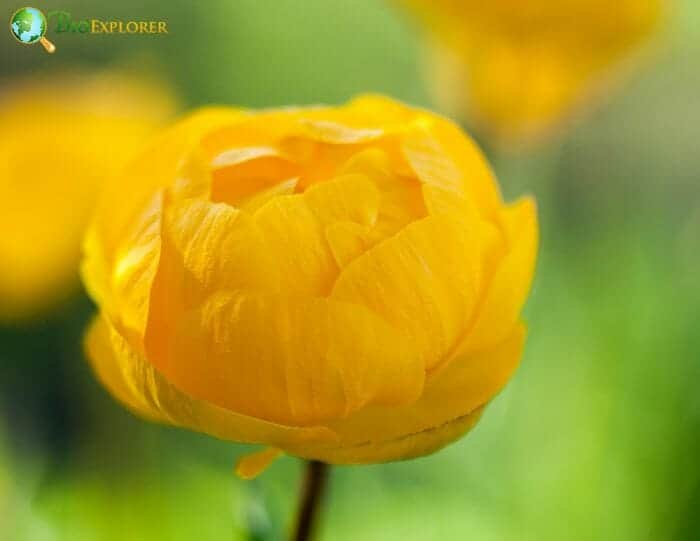
Globeflowers (Trollius europaeus) look awesome next to streams, ponds, and lakes like ranunculus on steroids. These flowers are easy to grow and produce numerous blooms in early summer and late spring. It exhibits yellow spherical flowers from late spring to early summer on sparse-stemmed leaves that grow up to 18-24″ in height.
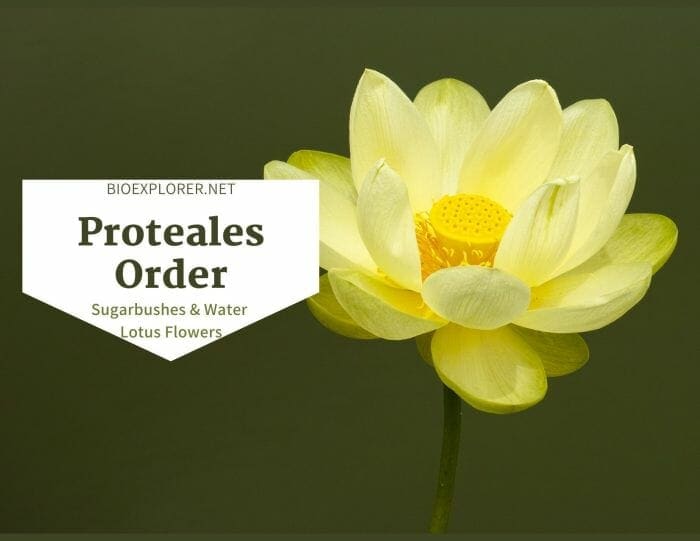
Proteales is a part of peripheral eudicots classified together only recently. The Proteales flowers are small or large and unisexual or bisexual. The American lotus, the Indian lotus, the London plane tree, Wagon tree and large-nut sugar bush are examples of Proteales.
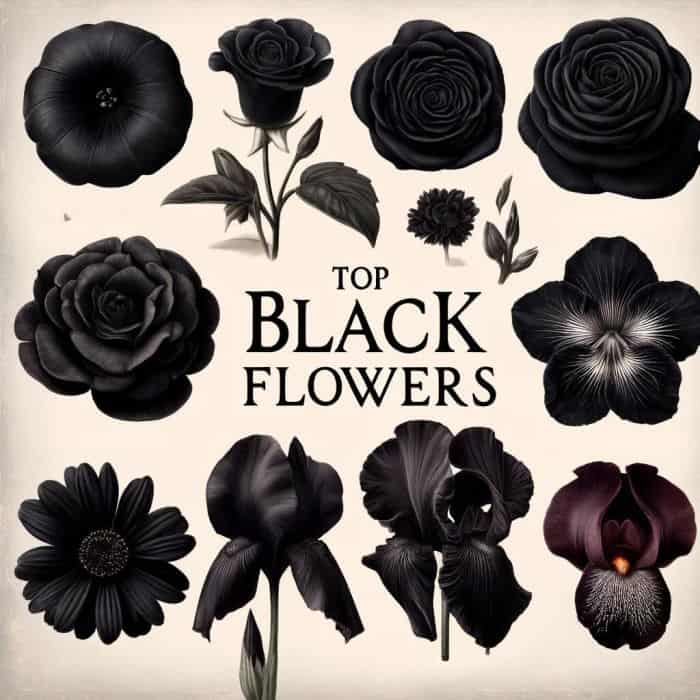
This article explores the top 21 black flowers, delving into their unique characteristics, growing requirements, and fascinating facts. Each of these varieties, from the classic Black Dahlia to the exotic Black Bat Flower, has a story to tell.
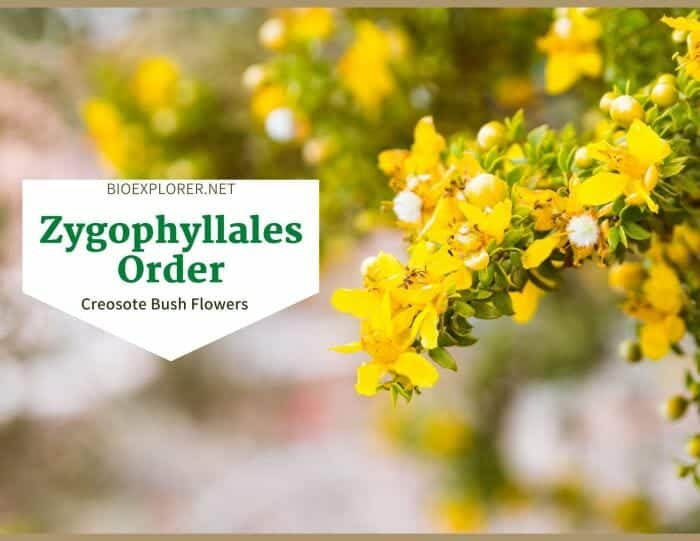
Order Zygophyllales contains herbs, shrubs, trees, and hemiparasites (rare) limited to tropical or temperate dry or saline regions. The members of the Zygophyllales often have swollen nodes and opposite, resinous, and stipulate leaves. The Zygophyllales flowers are bisexual, with often 5 sepals, 5 petals, 10 stamens, 5 carpels, and a superior ovary. The creosote bush, chaparral, Verawood, and the rhatany are known examples of the Zygophyllales order.
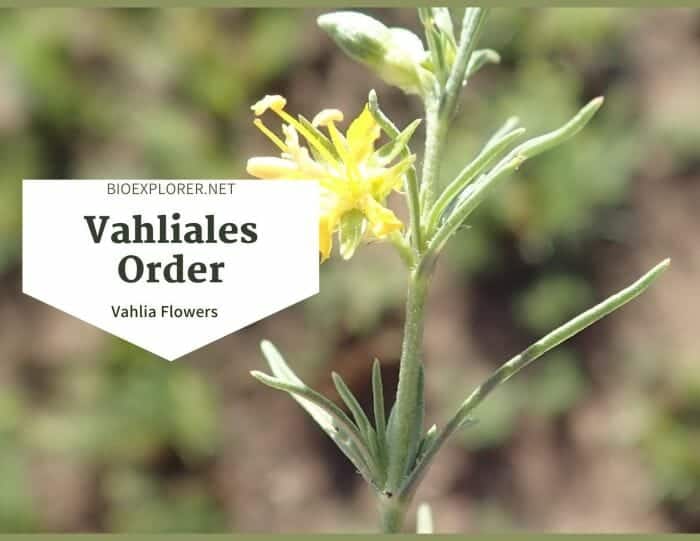
Order Vahliales are erect, branched herbs distributed in Africa and Madagascar to India. The Vahliales plants have simple, opposite, exstipulate leaves, bisexual and paired flowers, pentamerous floral parts, an inferior ovary, and numerous seeds. The Vahliales order only has a sole family, 1 genus, and 5 species.

Ranunculales is the order of angiosperms with a worldwide distribution, which are peripheral eudicots with spiral leaves, three openings (colpi) in the pollen, and spectacular floral diversity. The buttercup, Barberry, Moonseed, Chocolate vine and poppy flowers are the famous example species of Ranunculales.
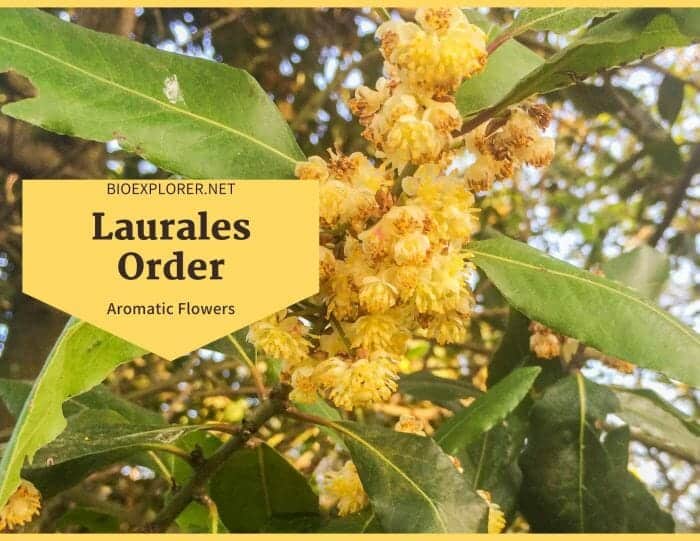
Laurales is an order of flowering plants composing trees, shrubs, herbs, and vines. This order comprises seven families. Laurales species are used for lumber, medicinal extracts, essential oils, and ornamentals. Examples include Avocado, Bay Laurel, Limoncillo, Negramina, Grease Nut, Carolina Allspice & more.
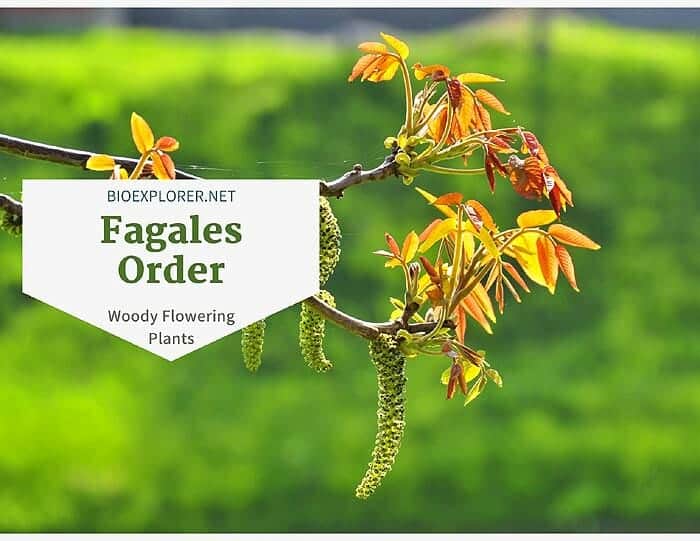
Order Fagales also called the beech order, comprises dicotyledonous woody flowering plants. Example plants include Quercus (oak), Fagus (beech), Castanea (chestnut), Juglans (walnut), Carya illinoinensis (pecan), Nothofagus, and cobnuts.
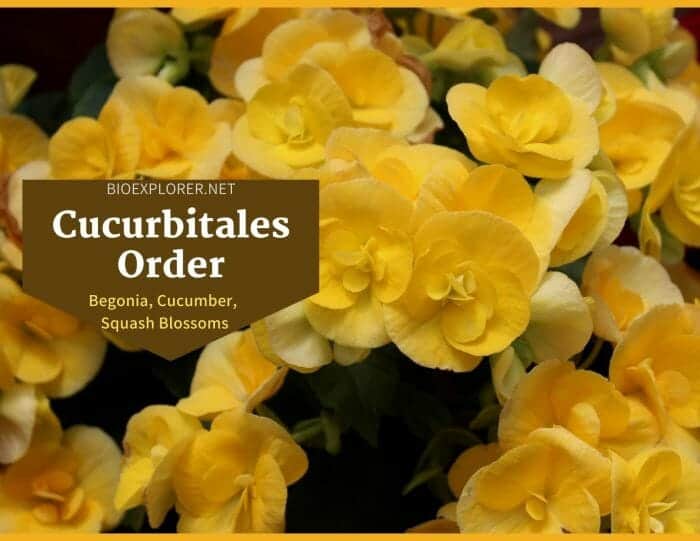
The Cucurbitales are an order of flowering plants listed in the rosid group of dicotyledons. The order consists of shrubs, trees, herbs, and climbers including Begonia, Cucumber, and Squash blossoms.
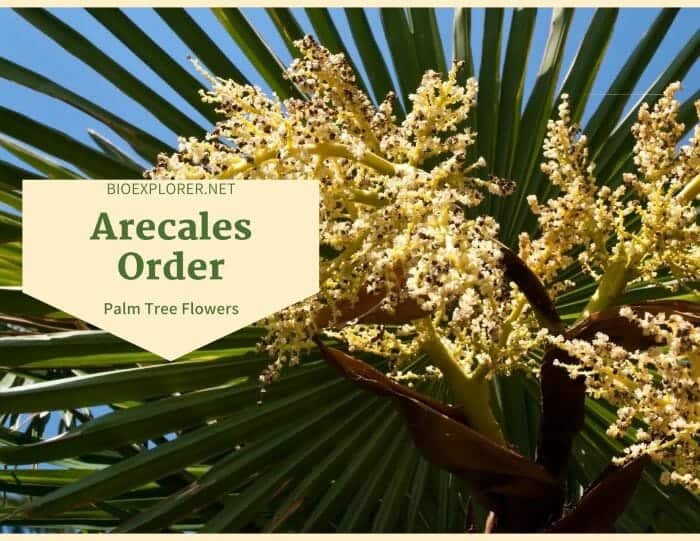
Arecales, the palm order, is one of the most recognizable and significant orders of flowering plants in the tropics and subtropics. A few include the coconut palm (Cocos nucifera), African oil palm (Elaeis guineensis), sago palm (Metroxylon sagu), and date palm (Phoenix dactylifera).
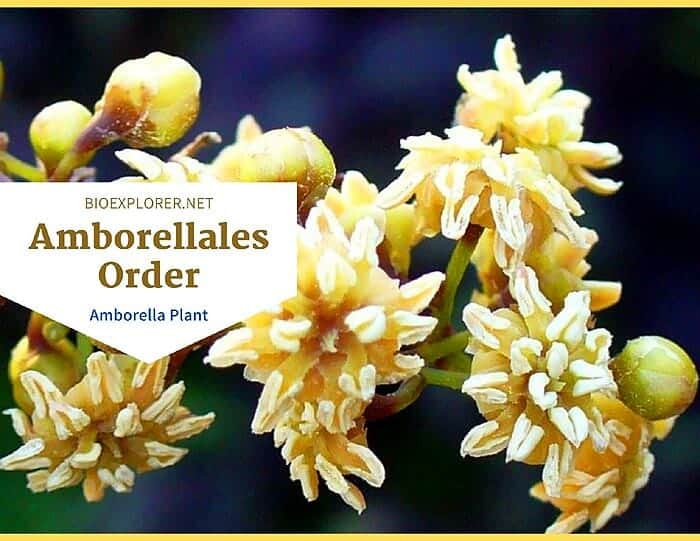
Amborellales plant order is represented by 1 species, in 1 genus and 1 family. Amborella trichopoda is the only flower species under the family Amborellaceae. Explore distribution, characteristics, flower structure, and species details here.
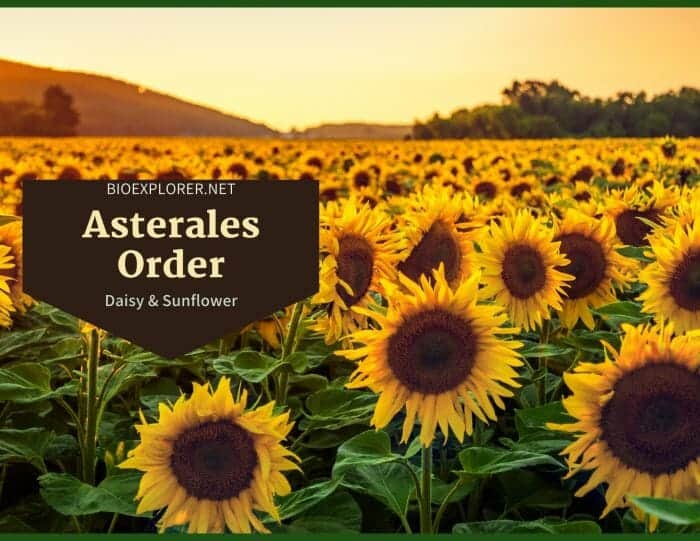
Asterales is a dicotyledonous order of flowering plants that holds ten percent of the angiosperm species diversity. Common sunflower, common daisy, Toropapa, Hydrangea, Bogbean, Water snowflake, and Cobalt mound are some of the beautiful flowers in Asterales.
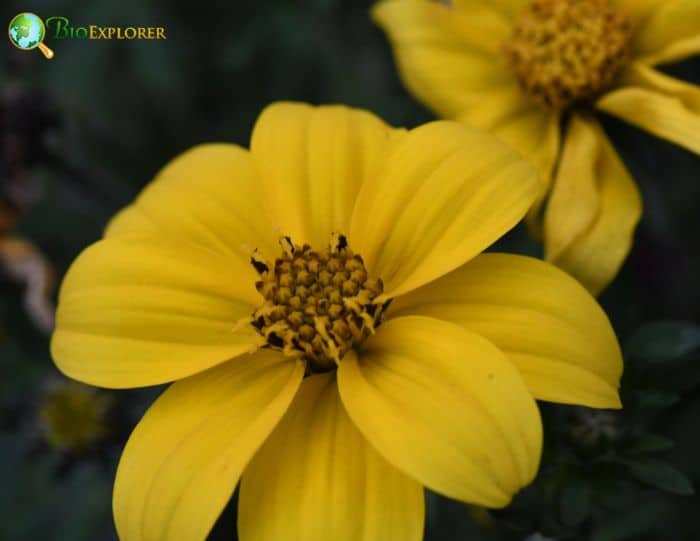
Bidens cosmoides, commonly called Cosmosflower beggarticks, is a species of flowering plant in the Asteraceae (sunflower) family. There are about 19 species in the Bidens genus.
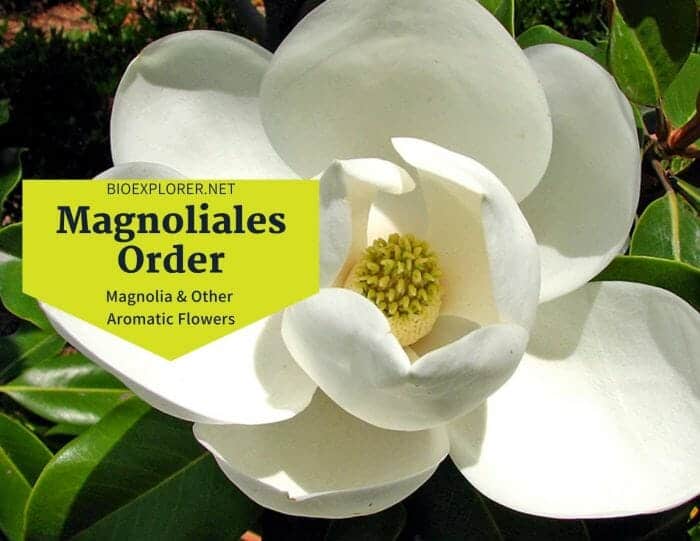
Magnoliales is the oldest flowering order that existed before bees were evolved. Angiosperms in this order comprise 6 families, 128 genera, and approximately 3,140 species. Nutmeg, Lancewood, Magnolia grandiflora, charismatic Michelia champaca, and Degeneria roseiflora (endemic to Fiji) are some of the examples of Magnoliales order.
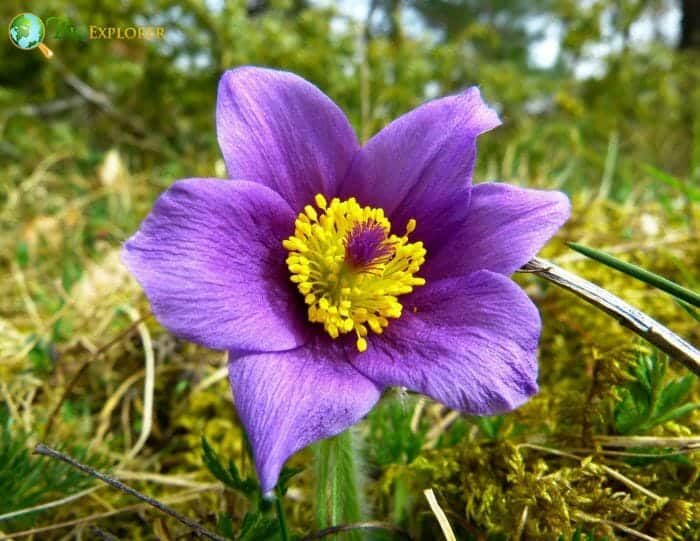
As a harbinger of spring, the pasque flowers (Pulsatilla vulgaris) begin to appear before the plant’s fern-like, feathery foliage has fully developed. The flowers are usually purple, but some cultivars also have red, pink, or white flowers.
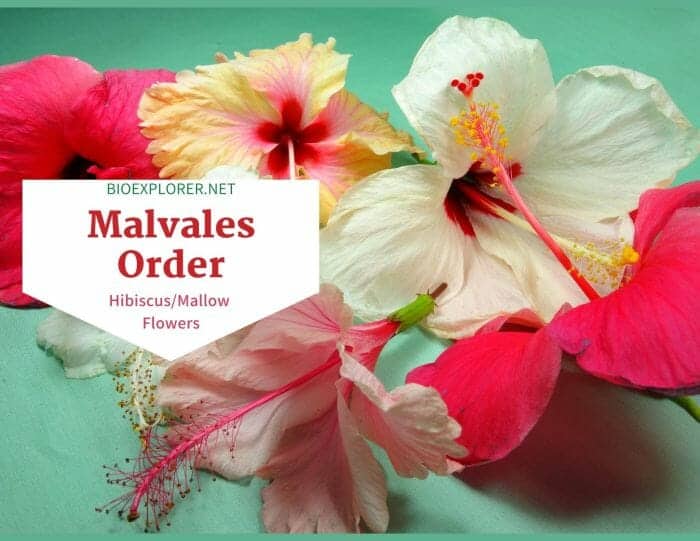
Malvales is a medium-sized order, commonly called the Hibiscus or mallow order, mainly consisting of woody plants that feature showy five-petaled flowers with an epicalyx. The order comprises 10 families, 338 genera, and around 6,000 species. Gossypium, Edgeworthia, Daphne, Gnidia, and Chinese Hibiscus are flowers in Malvales.
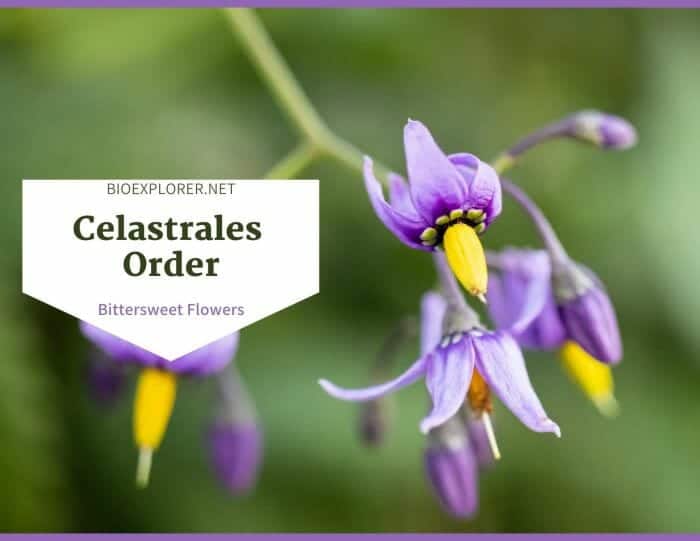
Celastrales are trees and shrubs mainly distributed throughout the tropics and subtropics. Order Celastrales members are primarily distributed throughout the tropics and subtropics.
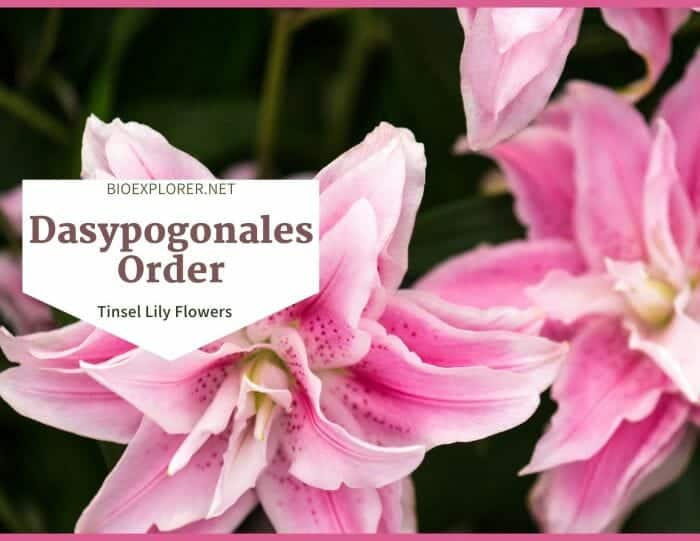
Dasypogogonales is an order of flowering plants comprising shrubs and herbs with paleotropical and Australian distribution. Members of the Dasypogonales mostly have spiral, simple, and sessile leaves, bisexual flowers, and perianth consisting of tepals. Order Dasypogonales is placed under Commelinids. It only has 1 direct family, Dasypogonaceae, with 4 genera.
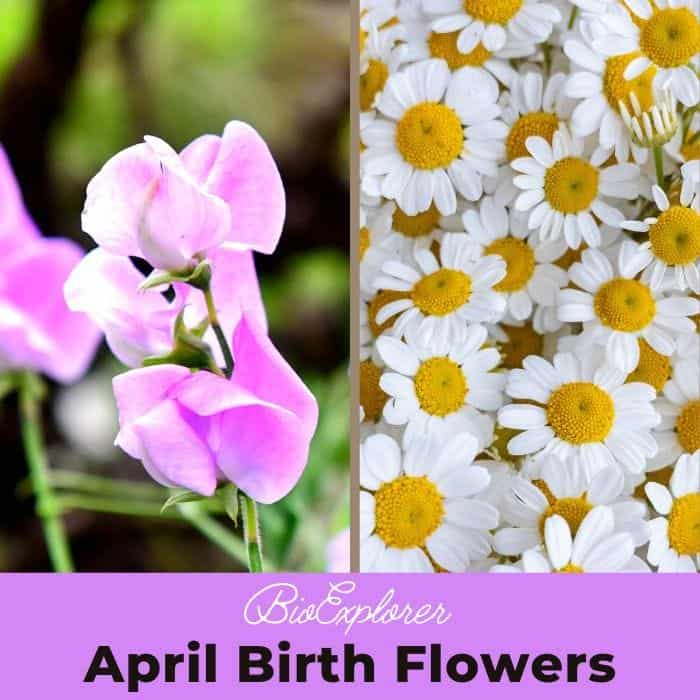
Discover the hidden symbolism behind April’s birth flowers – daisies and sweet peas. Explore their significance (symbolism & meaning) in this captivating read.
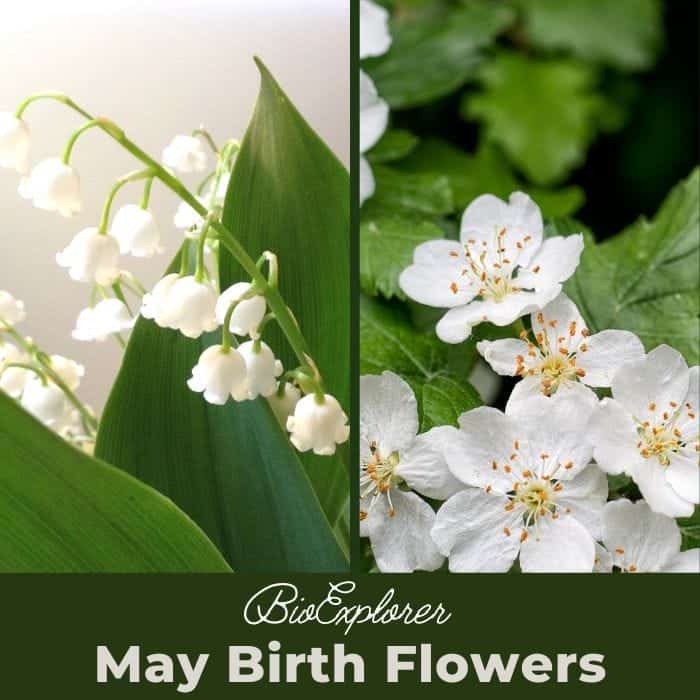
Unveil the significance of May birth flowers! Discover the hidden meanings and symbolism behind Lily of the Valley and Hawthorn in this insightful blog post.
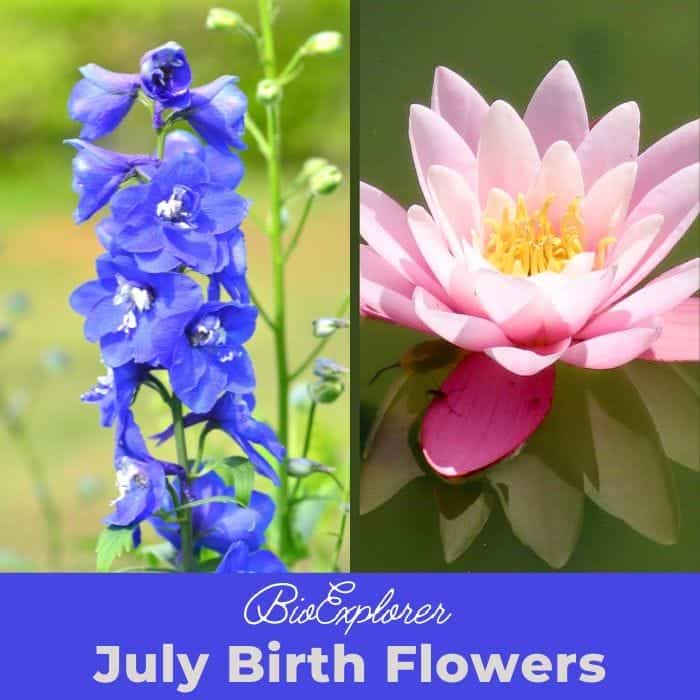
Dive into the captivating meanings behind July birth flowers: Larkspur and Water Lily. Learn how to honor July-borns with these vibrant blossoms.
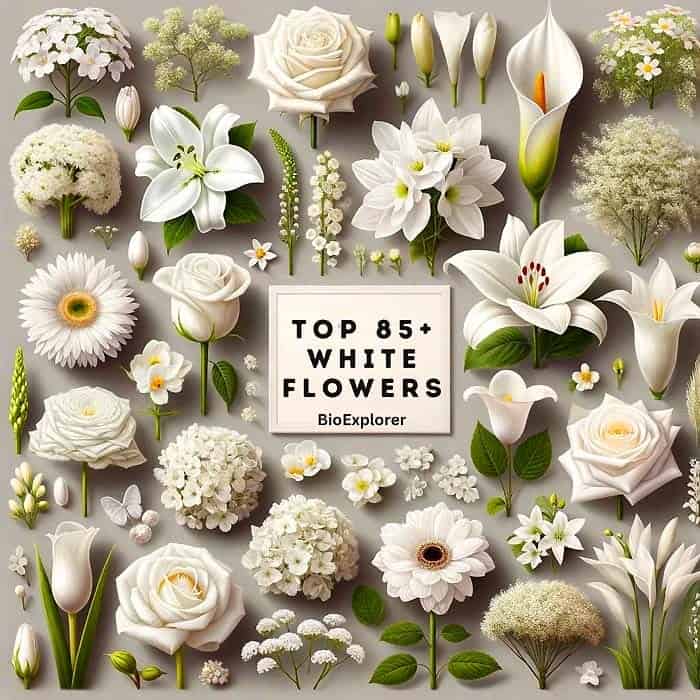
Discover the captivating world of the top 85+ white flowers, from the iconic Lily of the Valley to the lesser-known Snowball Viburnum. Explore their enchanting beauty, rich symbolism, and fascinating scientific facts in this comprehensive guide.
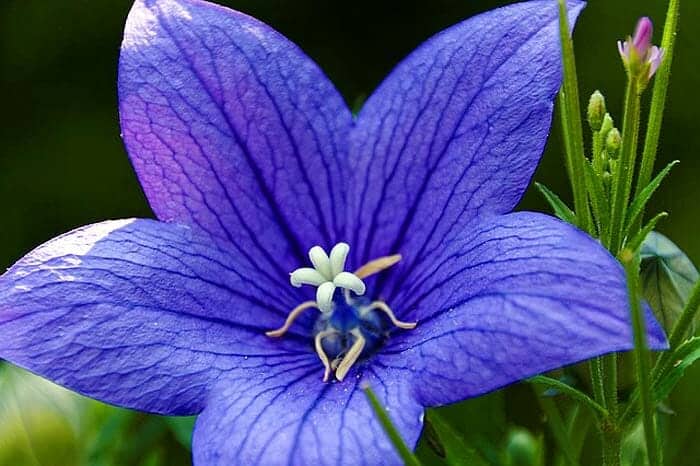
Commonly known as the blue balloon flower, Japanese snowdrop, Chinese snowdrop, Chinese bellflower, and Korean snowdrop, the Balloon Flower is a flowering perennial in the Campanulaceae family, including lobelia and wood hyacinth, and is the only member of the genus Platycodon.
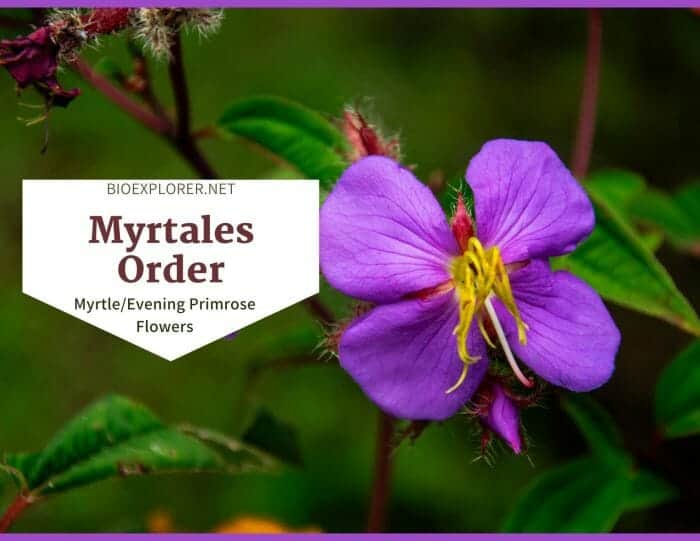
Myrtales, the myrtle order, are trees, shrubs, herbs, and lianas primarily distributed in the tropics and warmer regions worldwide. Myrtales members have phloem tissue on each xylem side, 4 or 5 sepals, 4 or 5 petals, mostly bisexual flowers, and often non-endospermic seeds. Known species of Myrtales are myrtles, evening primroses, Fuschia, and Eucalyptus.
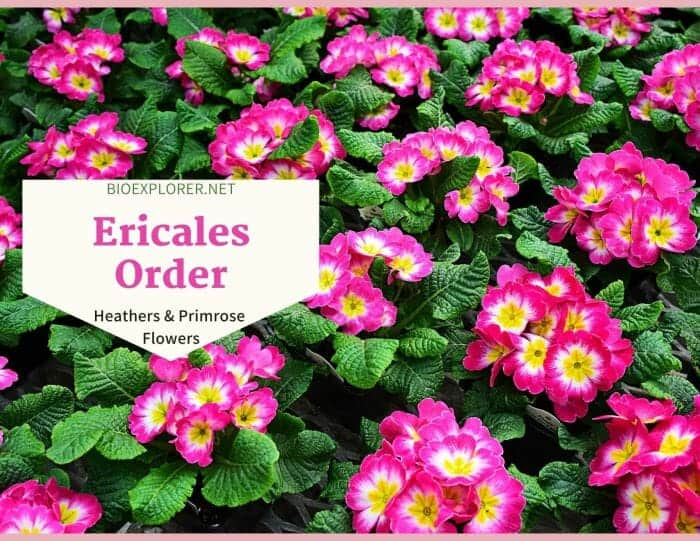
Ericales is comprised many economically important flowering plants like Brazil nuts, kiwifruit, and primrose. Ericales is very diverse, involving chiefly trees and terrestrial shrubs that are cosmopolitan in distribution. Some families of Ericales possess the ability for aluminum accumulation. Hardy kiwi, Orange jewelweed, wand plant, lama tree, and Octotillo flowers are some examples of Ericales.
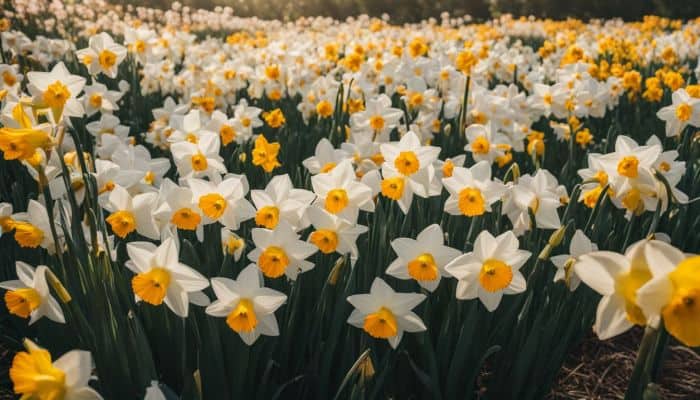
Explore the mesmerizing world of Narcissus Flowers with our detailed guide. Dive into the top 25 daffodil varieties, from the classic Trumpet to the exotic Pheasant’s Eye.
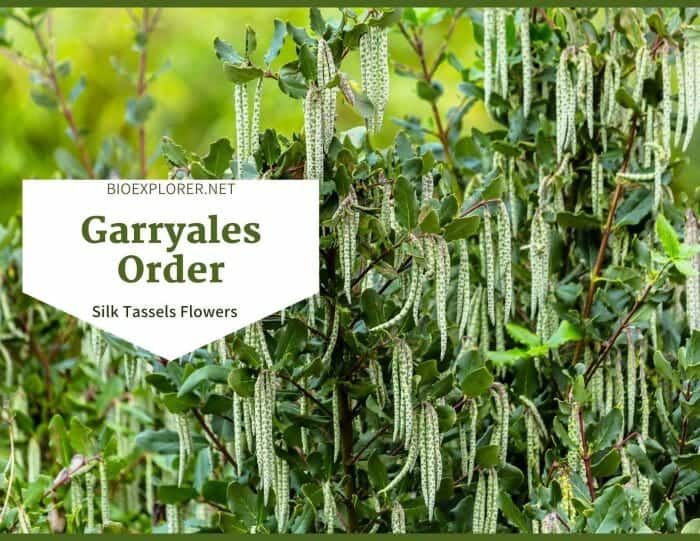
The Silk tassel order, Garryales are trees or shrubs distributed in North America and Asia. The members of the Garryales have opposite and exstipulate leaves, distinct male and female plants aggregated in catkins, usually sepaline perianth, and endospermic seeds. The larkspur, Japanese laurel, and silk tassels are the example species of the Garryales order.
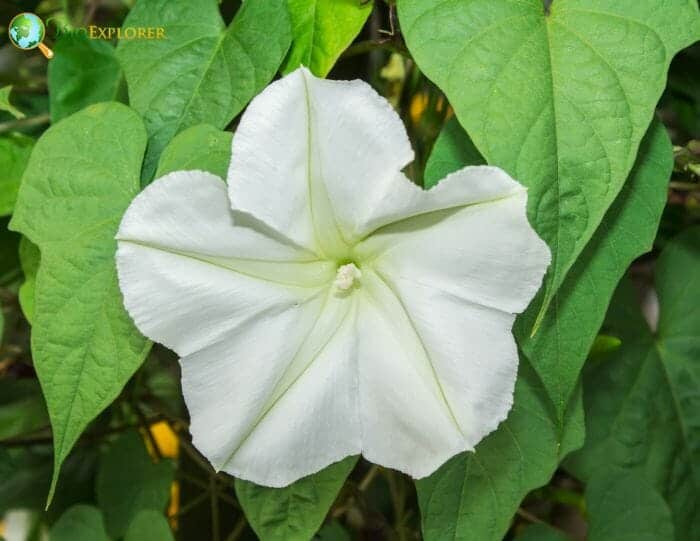
Nature is practical and alive throughout the day. Moonflowers (Ipomoea alba) are nocturnal flowers and are best enjoyed by night owls and nightwalkers. The leaves are whole or 3-lobed, 5 to 15 cm long, with a stem 5 to 20 cm long. The fragrant flowers are pink or white and large, 8 to 14 cm in diameter.
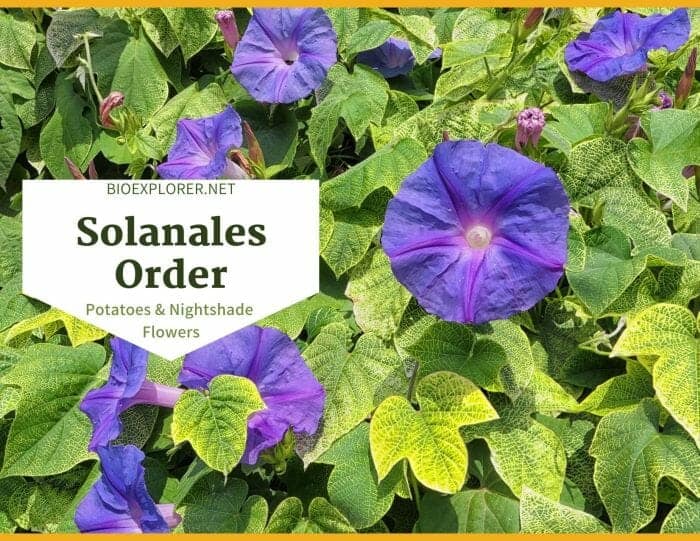
Solanales or the potato/nightshade order of the flowers belong to the core asterid clade, manifesting a global distribution. The plants of Solanales possess root stalks or tubers, simple, alternate, and exstipulate leaves, showy flowers, and typically 5-merous floral parts. The Solanales plants are monoecious, andromonoecious, or dioecious. Example species under Solanales order involve the highly cultivated flora of morning glory, potato, eggplant, and tomato.
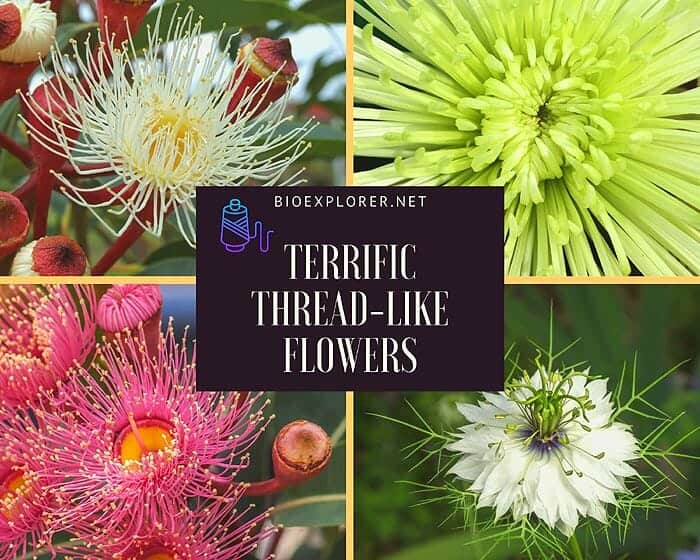
Thread-like flowers are a relatively new trend, and they’re coming in droves. From thread-like chrysanthemums to thread-like lavender, the variety is endless. Thread-shaped flowers are a fantastic way to add flair to your everyday florals without going overboard with color and design.
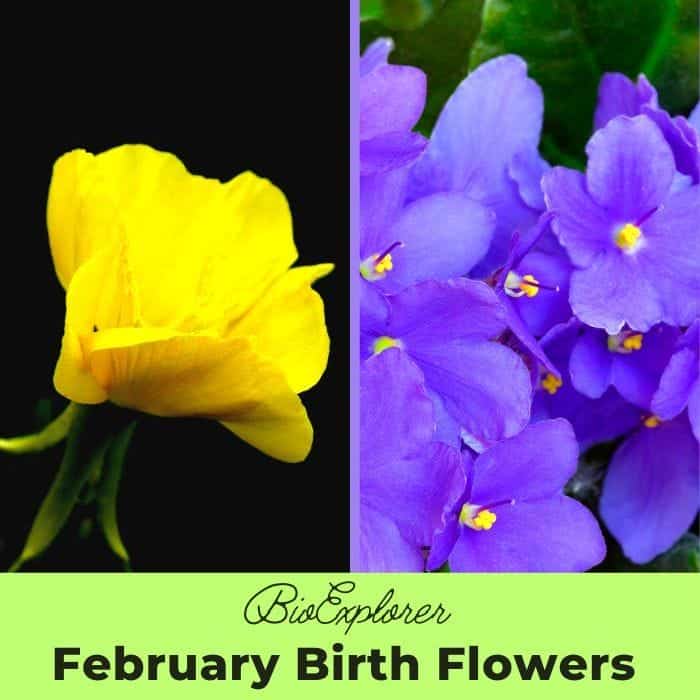
Discover the beauty and symbolism of February’s birth flowers: violets and primroses. Dive into their rich history, meanings, and unique facts.
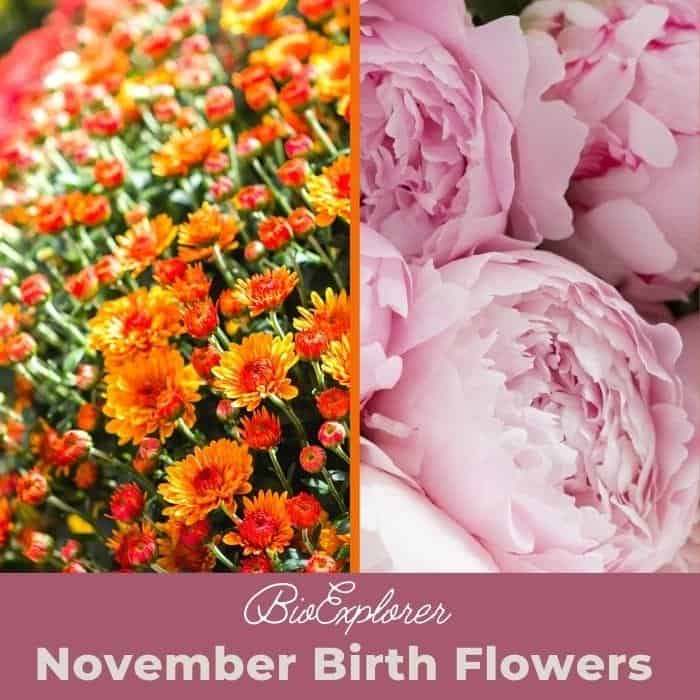
Delve into the world of November birth flowers – chrysanthemums and peonies. From symbolism to stunning arrangements, find inspiration today!
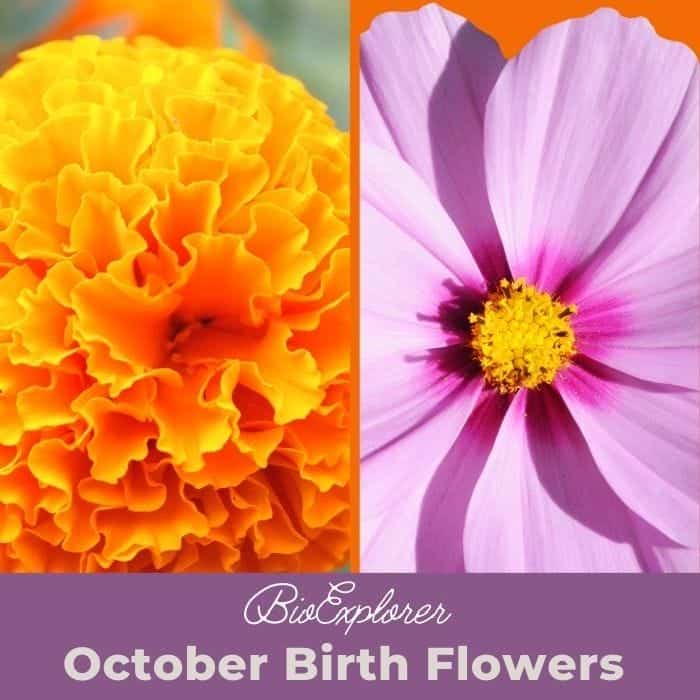
Discover the meaning behind October birth flowers, Marigold and Cosmos. Explore their symbolism and find the perfect gift for autumn birthdays!
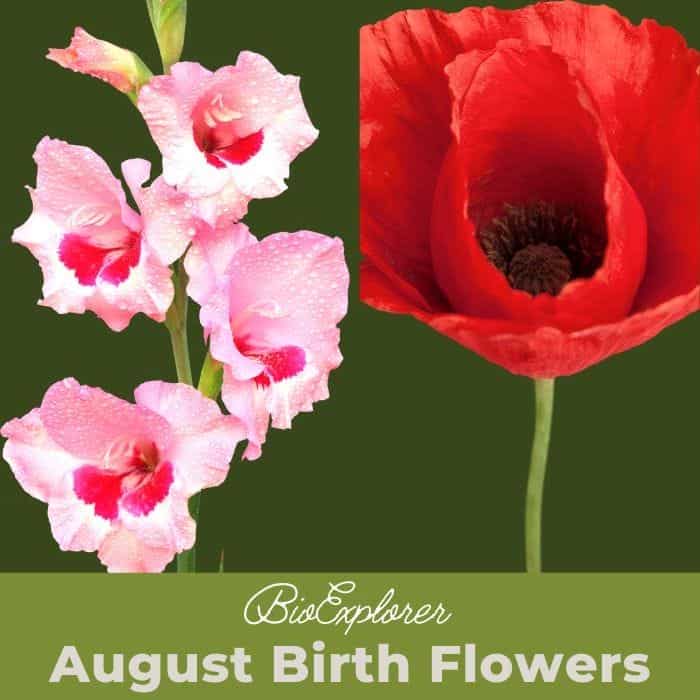
Delve into the rich history and symbolism of August birth flowers – Gladiolus and Poppy. Find out why they’re perfect for birthdays this month!
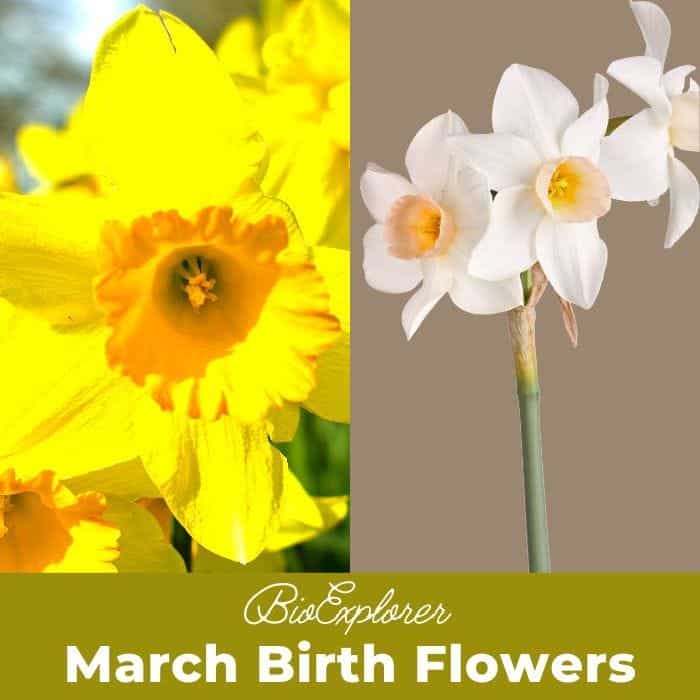
Discover the magical meanings behind daffodils and jonquils, March’s birth flowers. Find out how to choose the perfect floral gift for your loved one!
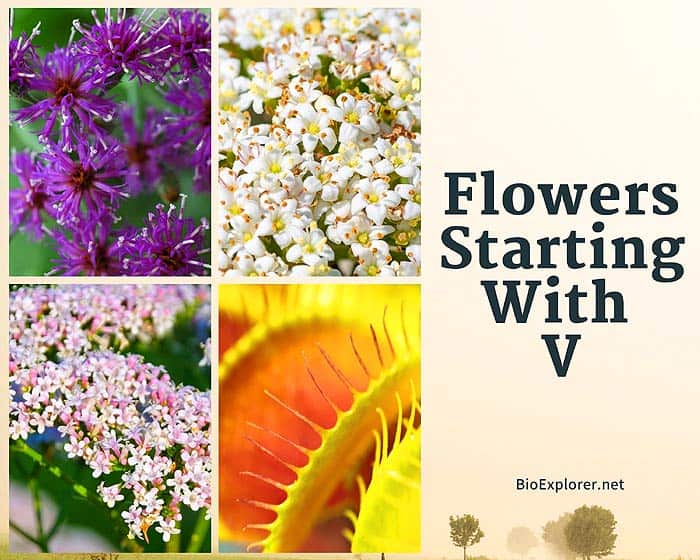
Explore the enchanting world of ‘V’ flowers: from Venus Flytrap to Vanda Orchid. Uncover their unique beauty, aromas, and ecological significance.
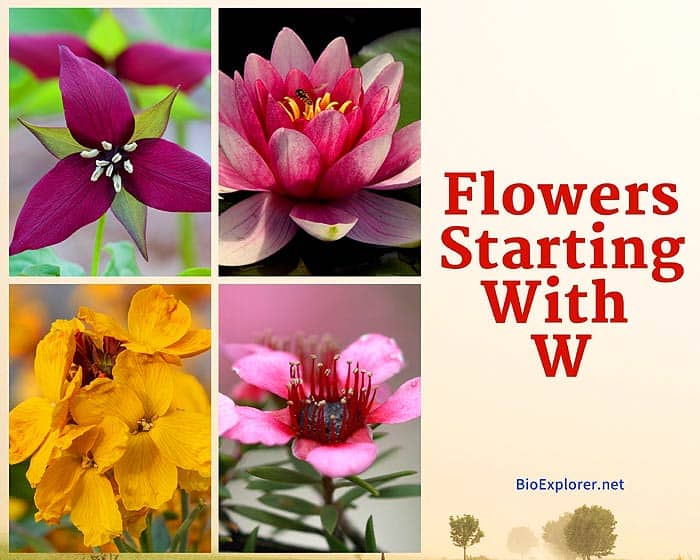
Dive into the world of ‘W’ flowers: from Water Lily to Wisteria and more. Discover their beauty, fragrances, and significance in gardens and ecosystems.