Search Results for: dif birds

  • European Starling

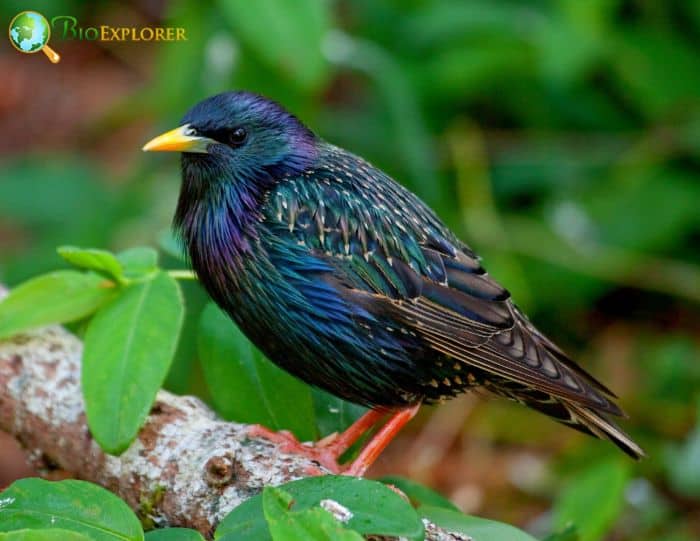
    The European Starling is a medium-sized, black songbird with short, triangular wings, a short tail, and striking iridescent plumage speckled with white, especially in winter. During breeding season, adults display a yellow bill and a purple-green sheen. Native to Europe, Asia, and North Africa, starlings were introduced to North America in the 1890s and now number over 200 million. Highly social, they form enormous flocks and perform mesmerizing aerial displays called murmurations. Starlings are accomplished mimics, able to imitate other birds and even human sounds. They are aggressive cavity nesters, often outcompeting native species for nesting sites.

  • Eastern White Pine

    Explore the world of the Eastern White Pine, a majestic tree with a rich history and diverse uses. Learn about its characteristics, its role in the ecosystem, and how to care for it. Discover why the Eastern White Pine is more than just a tree; it’s a symbol of resilience and a testament to nature’s bounty.

  • Hawaiian Crow

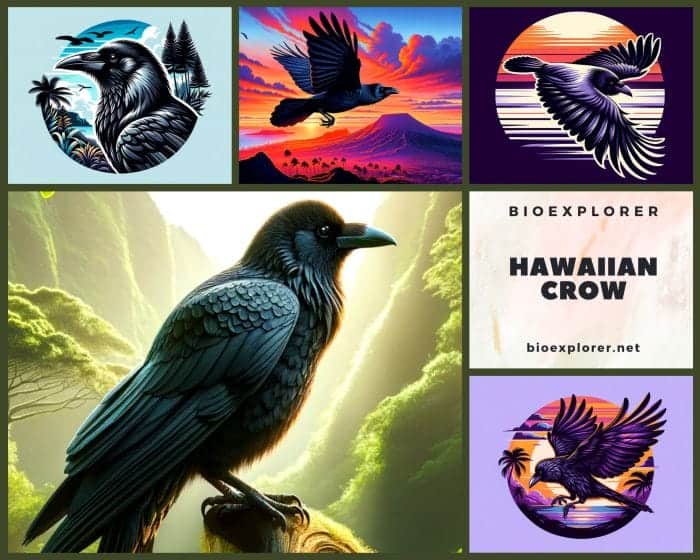
    The Hawaiian Crow, or ʻAlalā, is a critically endangered bird endemic to Hawaii, now extinct in the wild but surviving in captive breeding programs. About 19–20 inches (48–50 cm) long, it sports soft, brownish-black plumage, a thick bill, and bristly throat feathers. ʻAlalā once inhabited dry and mesic forests on the slopes of Mauna Loa and Hualālai, playing a vital role in seed dispersal and pest control. Highly intelligent, Hawaiian Crows use sticks as tools-a rare trait among birds-and have a complex repertoire of over 20 vocalizations. In Hawaiian culture, the ʻAlalā is revered as an ‘aumakua, or family guardian spirit.

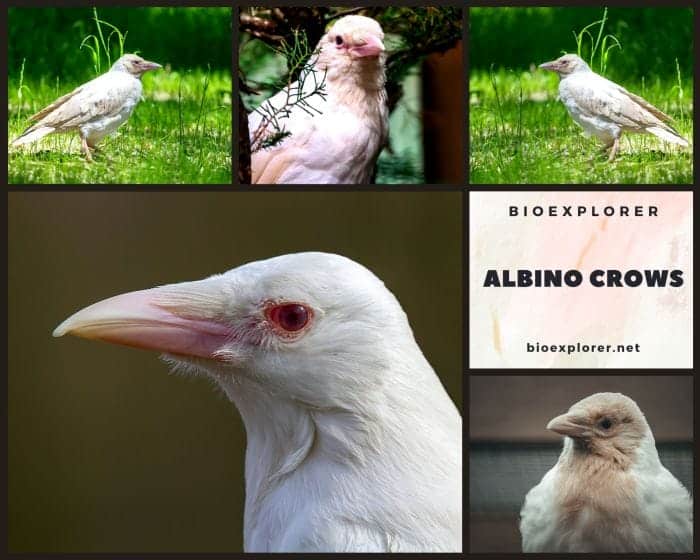
  • Albino Crows

    Rare genetic variants, albino crows reveal key insights into pigmentation, survival, and biodiversity despite the challenges posed by their bright white plumage that lacks the species’ typical protective camouflage.

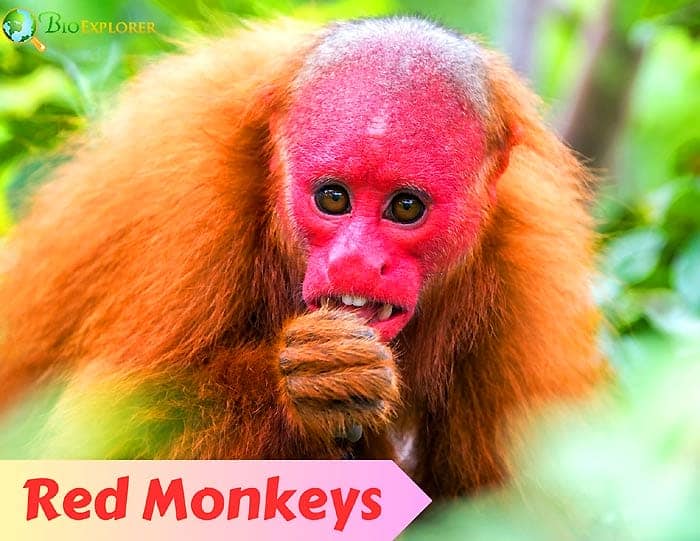
  • Red Monkeys

    Red monkeys include over 50 species of primates from Asia, Africa and the Americas that exhibit signature red coloration on their fur, skin or body parts adapted for forest camouflage and heat regulation while also communicating social moods.

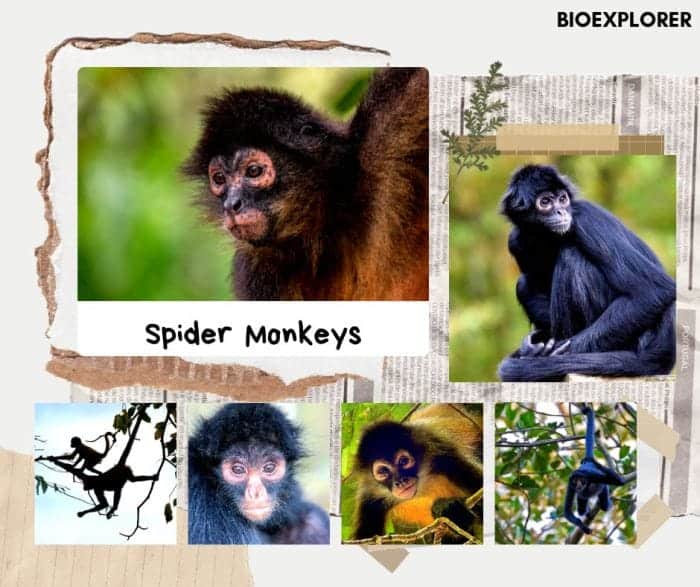
  • Spider Monkeys

    Spider monkeys comprise 7 New World primate species adept at brachiating through Central and South American rainforest canopies, endangered due to habitat destruction. Their spindly prehensile tails, flexible shoulder joints, hook-like fingers and fusion-fission social groups represent unique adaptations for foraging canopy fruits.

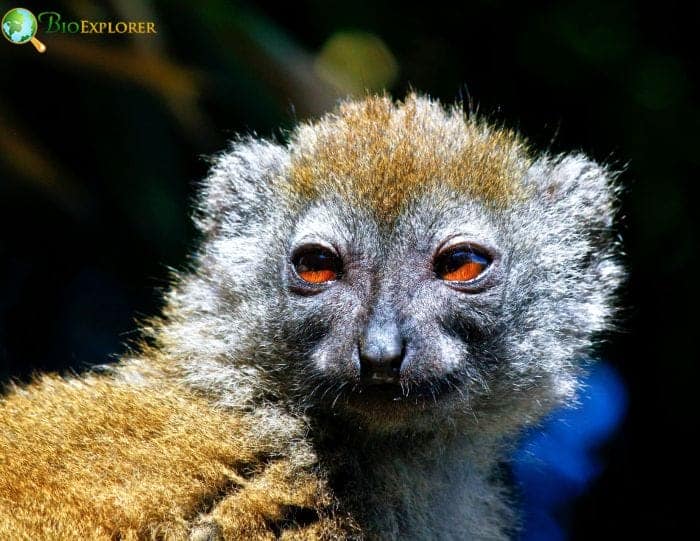
  • Eastern Lesser Bamboo Lemur

    The eastern lesser bamboo lemur (Hapalemur griseus) is a small, endangered rainforest primate found only in Madagascar. This unique species has adapted to specialize in a toxic bamboo diet other animals cannot consume. Yet habitat loss and hunting have left remaining populations highly vulnerable.

  • What Is Biological Magnification?

    Understand biological magnification – how toxins accumulate exponentially up food chains to dangerous levels in top predators. Unpack biomagnification impacts, sources, and solutions.

  • What Animals Live In Rainforests?

    Discover the incredible biodiversity of the tropical rainforest. Dive deep into the habitats of rainforest animals, from the elusive jaguar to pink-toe tarantulas.

  • Red-billed Oxpecker

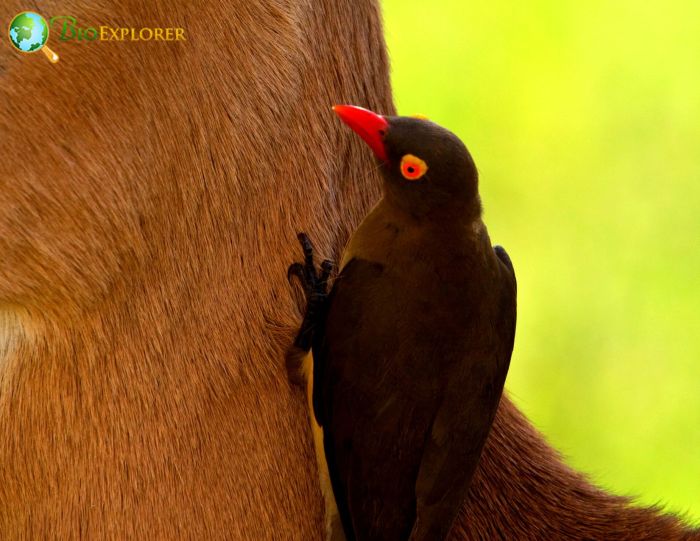
    The Red-billed Oxpecker is a medium-sized, olive-brown bird easily recognized by its vivid red bill and yellow eye-ring. Native to the savannas of sub-Saharan Africa, it forms a remarkable mutualistic relationship with large mammals like buffalo, giraffe, and rhino, feeding on ticks and other parasites from their skin. Specialized claws and stiff tail feathers help it cling to moving hosts. Highly social, oxpeckers communicate with sharp, hissing calls and may even alert hosts to predators. Their diet also includes earwax and blood from wounds, sparking debate over whether they are always helpful. Nests are built in tree cavities lined with animal hair.

  • Crowned Eagle

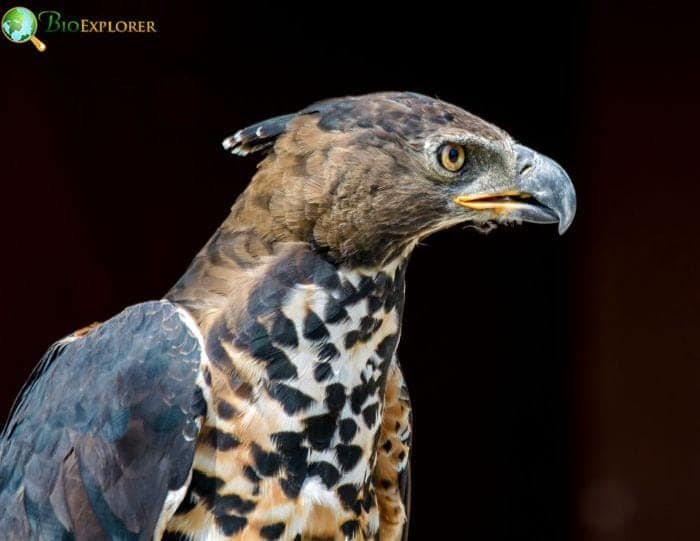
    The Crowned Eagle, also known as the African Crowned Eagle, is a powerful raptor native to sub-Saharan Africa, favoring dense forests and woodlands. Recognizable by its striking dark crest and intense yellow eyes, this eagle boasts a wingspan of 5–6 feet and is considered Africa’s most powerful eagle pound for pound. Its massive talons and strong legs allow it to hunt large prey, primarily monkeys, small antelope, and hyraxes, though it occasionally takes birds and reptiles. Crowned Eagles build enormous nests high in emergent trees, sometimes reusing them for over a decade. Their courtship includes dramatic aerial displays and prey offerings.

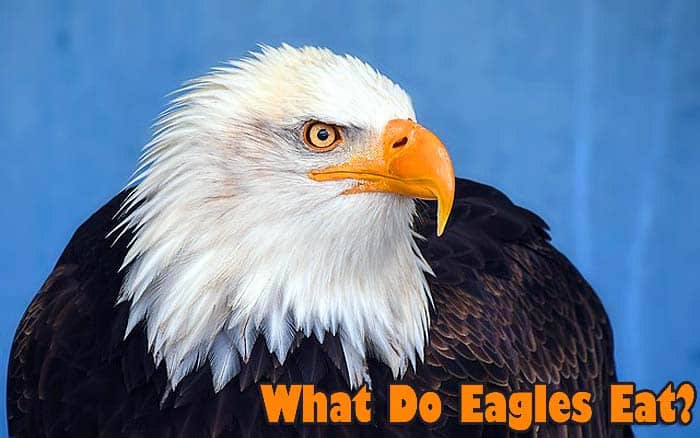
  • What Do Eagles Eat?

    Eagles are powerful birds with sharp beaks. Explore what do eagles eat, detailed eagles diet by types, how do eagles hunt, how often eagles eat & more here.

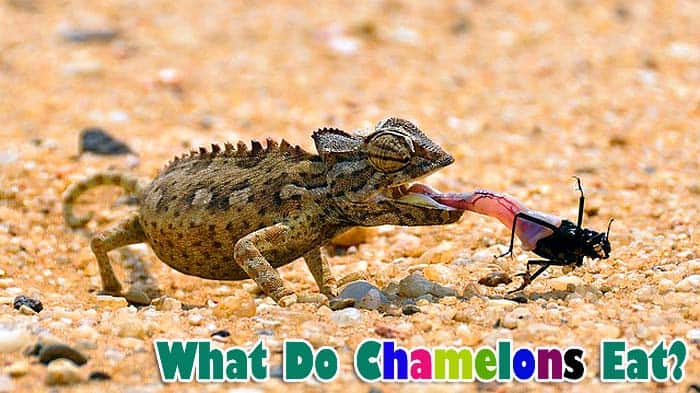
  • What Do Chameleons Eat?

    Chameleons are unique animals considered to have originated from old-world lizards. Learn what chameleons eat by their types, how often & what eats them.

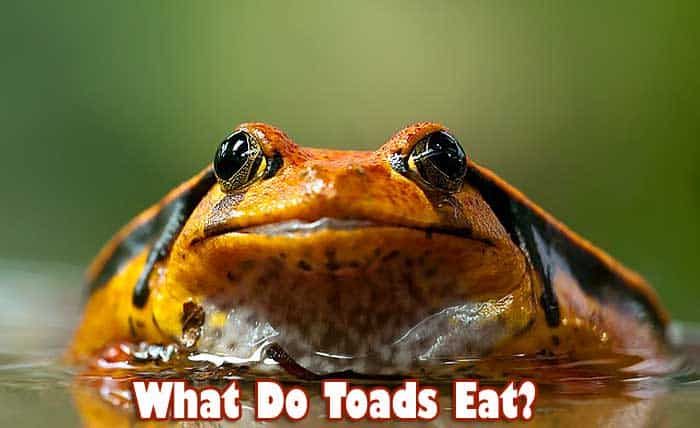
  • What Do Toads Eat?

    Toads are notable for their dry, bumpy skin with glands located behind their eyes. Explore what do toads eat, toads diet by types, what eats toads & more.

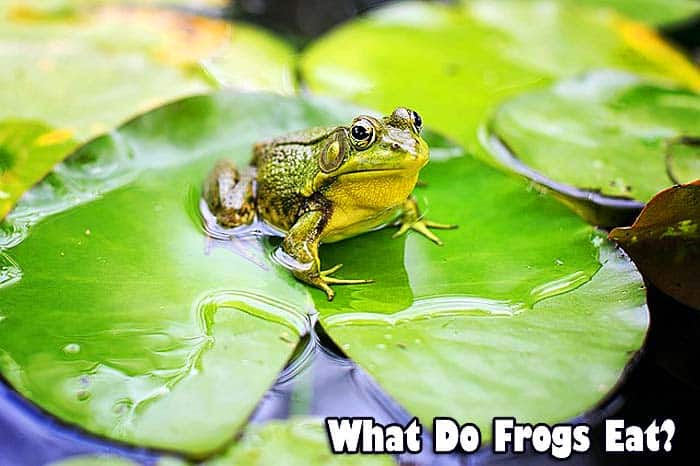
  • What Do Frogs Eat?

    Learn what do frogs eat in detail by types, how do frogs hunt, what eats frogs, and more. These amphibians diet consists of insects, earthworms & spiders.

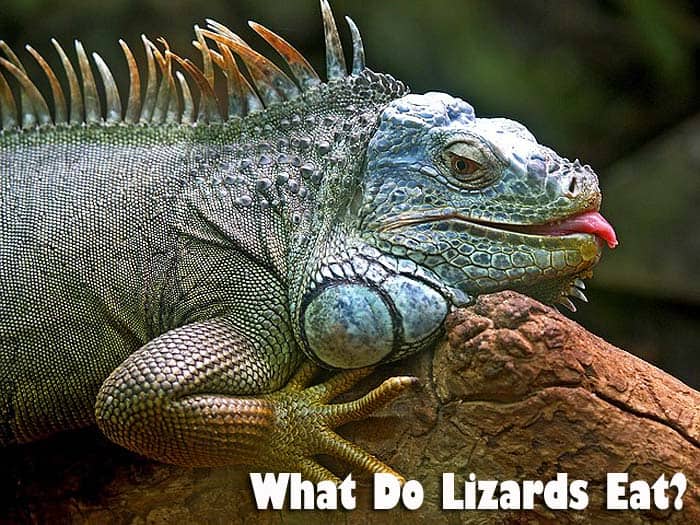
  • What Do Lizards Eat?

    All lizards belong to the reptiles family in the animal kingdom. Explore what do lizards eat, lizard diet by types, what eats lizards and all related topics.

  • What Do Squirrels Eat?

    Squirrels are in the same family as marmots, prairie dogs, and chipmunks. Explore what do squirrels eat, squirrel’s diet by types, what eats squirrels & more.

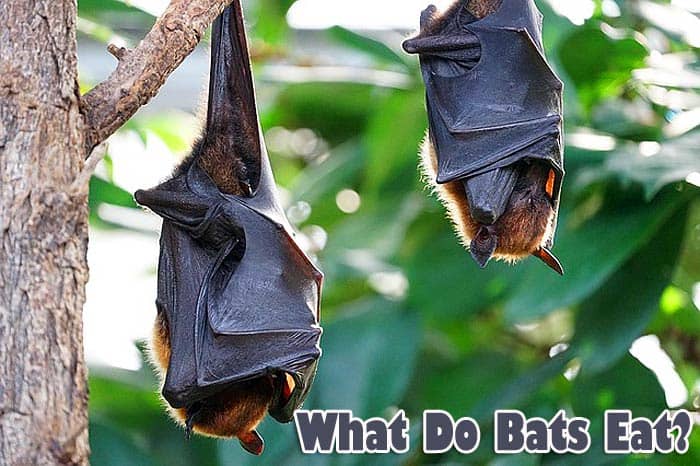
  • What Do Bats Eat?

    After rodents, bats are the 2nd most popular mammal species. Explore what do bats eat, when do bats eat, bats diet by types, what eats bats & how bats hunt.

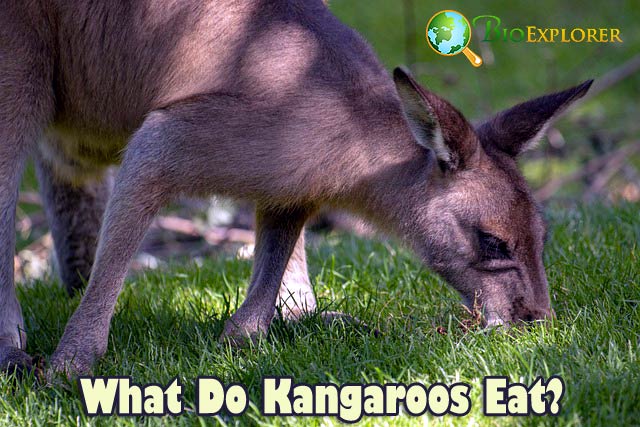
  • What Do Kangaroos Eat?

    Kangaroos are marsupials that can only be found in Australia. Kangaroos are mostly herbivores. Explore what do kangaroos eat in detail by their types & more.

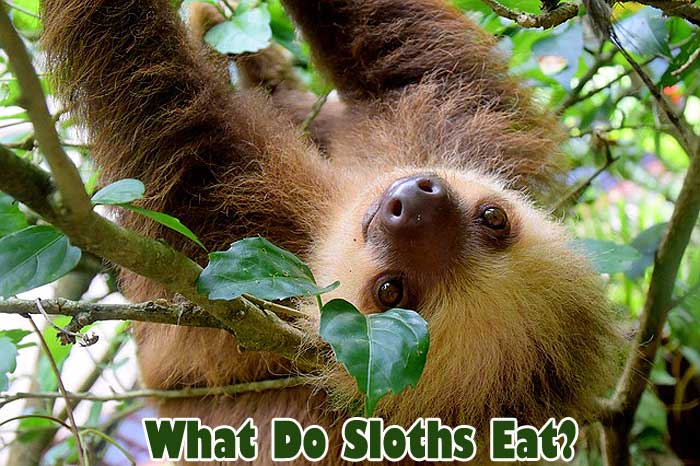
  • What Do Sloths Eat?

    Sloths are arboreal creatures commonly found in South & Central America. Explore what do sloths eat, diet by types, how often, how much, & what eats sloths.

  • Scimitar Oryx

    Learn about the endangered scimitar-horned oryx, a striking Saharan antelope brought to extinction in the wild by 2000. Discover how urgent conservation efforts and captive breeding programs for this iconic desert-adapted Oryx dammah species have kept its future hopes alive against the odds.

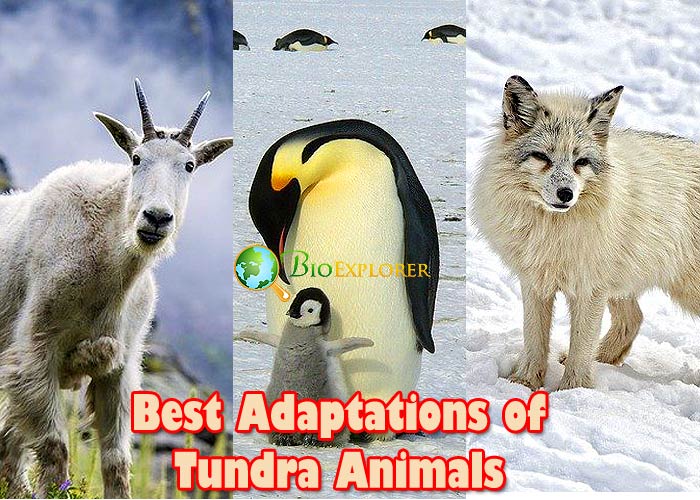
  • Top 18 BEST Tundra Animal Adaptations

    The coldest areas on Earth, such as regions close to the North Pole and the South Pole, have unique features. Here are the top 18 tundra animal adaptations.

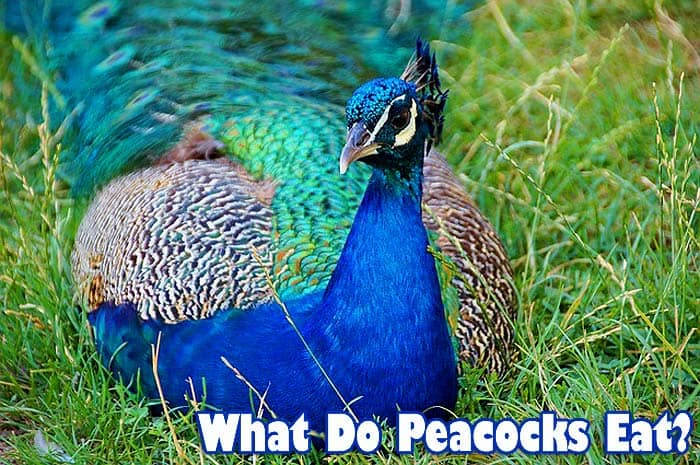
  • What Do Peacocks Eat?

    Peacocks are flashy birds renowned for their colorful tail plumage. Explore what do peacocks eat, their diet by types, and what eats peacocks & more here.

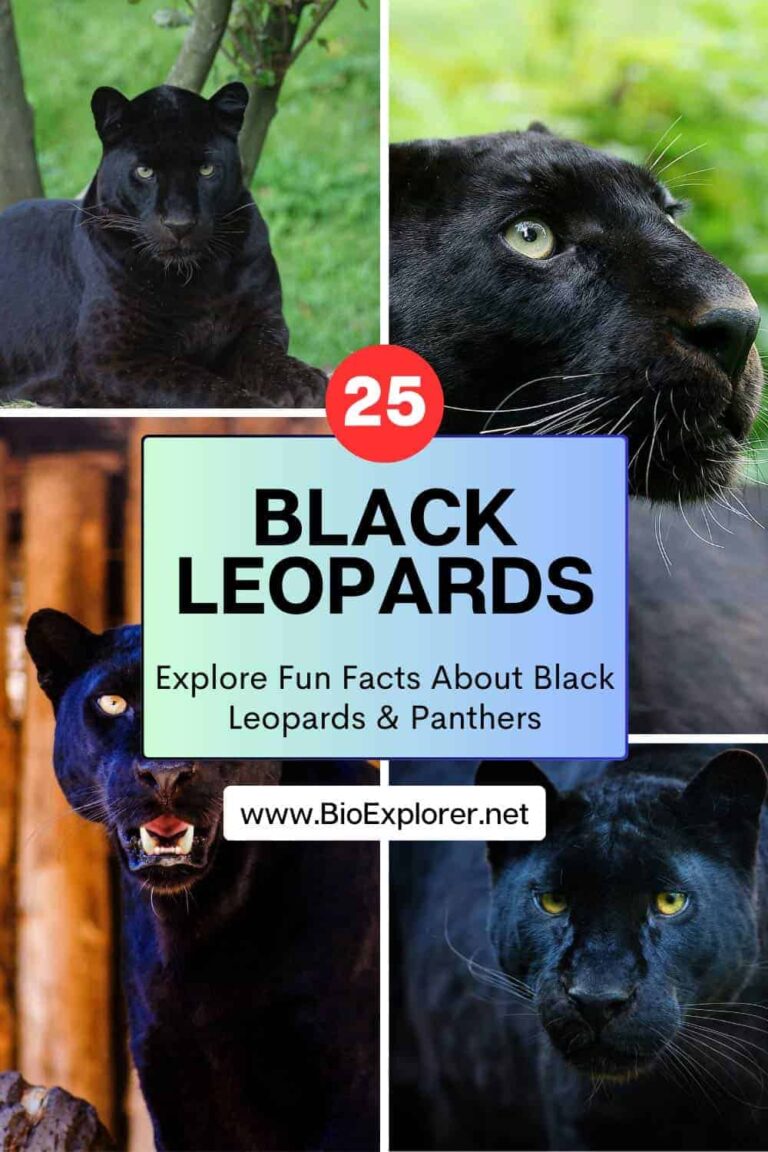
  • Black Leopard

    Uncover 25+ fun facts about black leopards! Discover why these elusive melanistic felines are so special, learn about their unique adaptations, and explore the myths and realities surrounding these beautiful creatures.

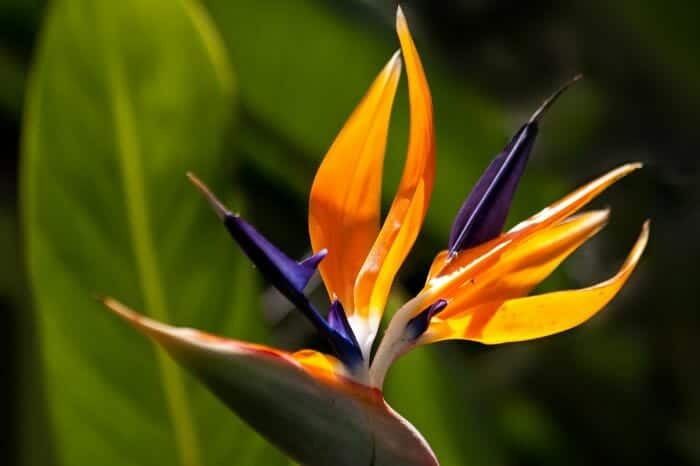
  • Bird of Paradise

    The Bird of Paradise is also known as a crane flower because it looks like a graceful bird with a long neck. There are about 5 different species of this plant. Its brightly colored flowers and long stem look like a bird with a tuft of brightly colored flowers and a pointed beak on its head.

  • Top 18 Amazon Rainforest Plants

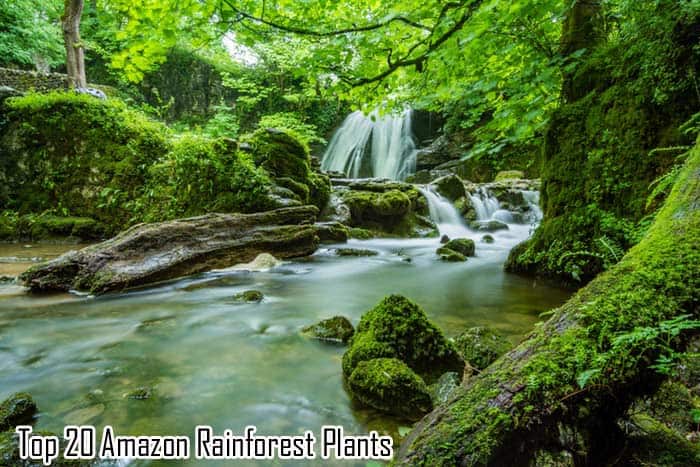
    The Amazon Rainforest is considered the home of the most diverse species in the world. Learn the top 18 Amazon rainforest plants & their details here.

  • Top 26 Best Hawaiian Flowers

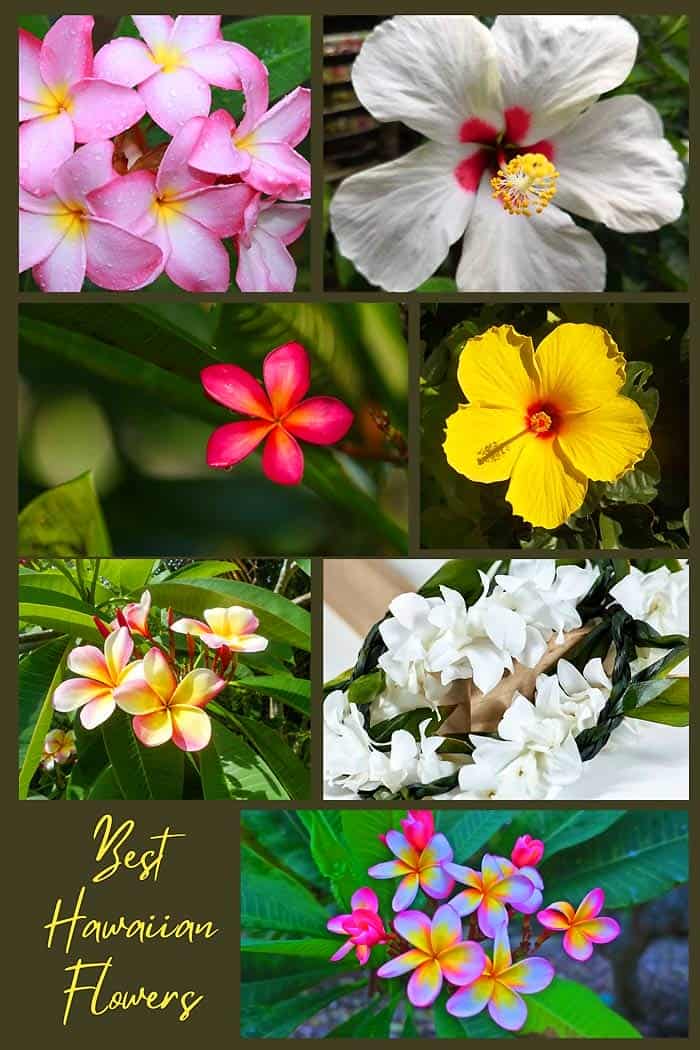
    Explore the top 26 unique Hawaiian flowers exclusive to Hawaii’s archipelago. Dive into the world of these beautiful species, their interesting facts, and their significance in Hawaii’s ecosystem.

  • 25 Must-See Colorful Orchids

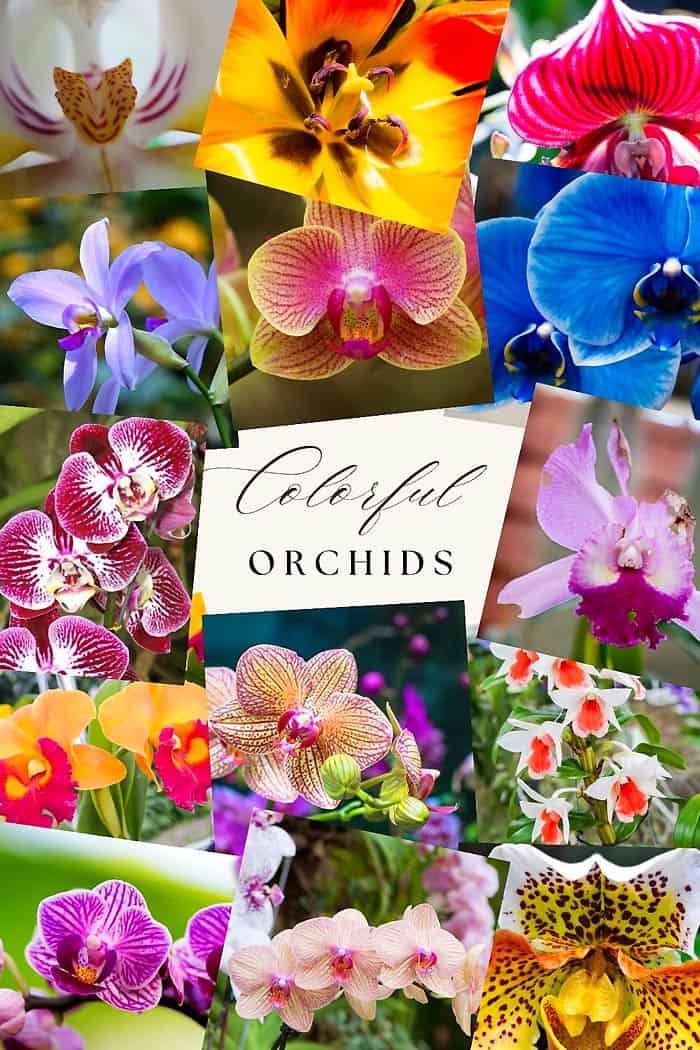
    Discover 25 stunning colorful orchids, from vibrant blues to fiery reds. Explore their unique features, habitats, and the vital role of color in orchid ecology.

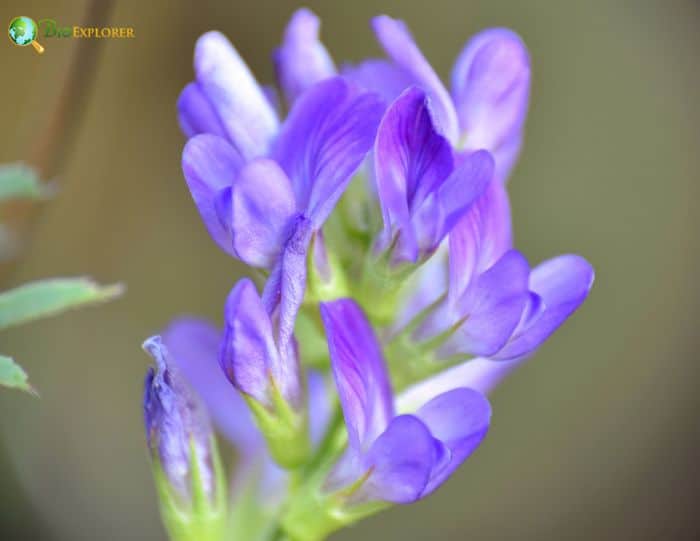
  • Alfalfa

    Learn about alfalfa (Medicago sativa), its flower characteristics, cultivation practices, environmental benefits, and economic importance in this comprehensive guide.

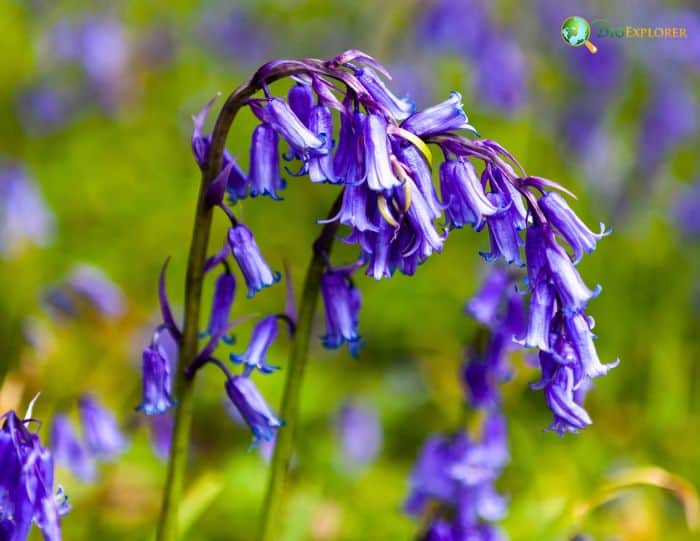
  • Bluebell Flower

    Explore the enchanting Bluebell flower (Hyacinthoides non-scripta), its vibrant violet-blue blooms, ecological significance, different types of bluebells and fun facts in this comprehensive guide.

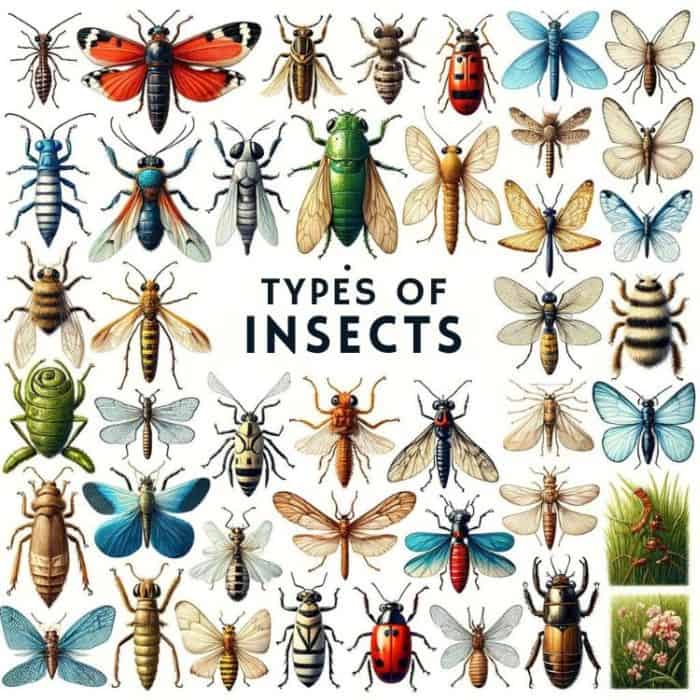
  • Insect Orders

    Explore 28 major insect orders under the class Insecta (diverse group of arthropods).Insects play vital roles in ecosystems, from pollination and decomposition to serving as food for other animals.

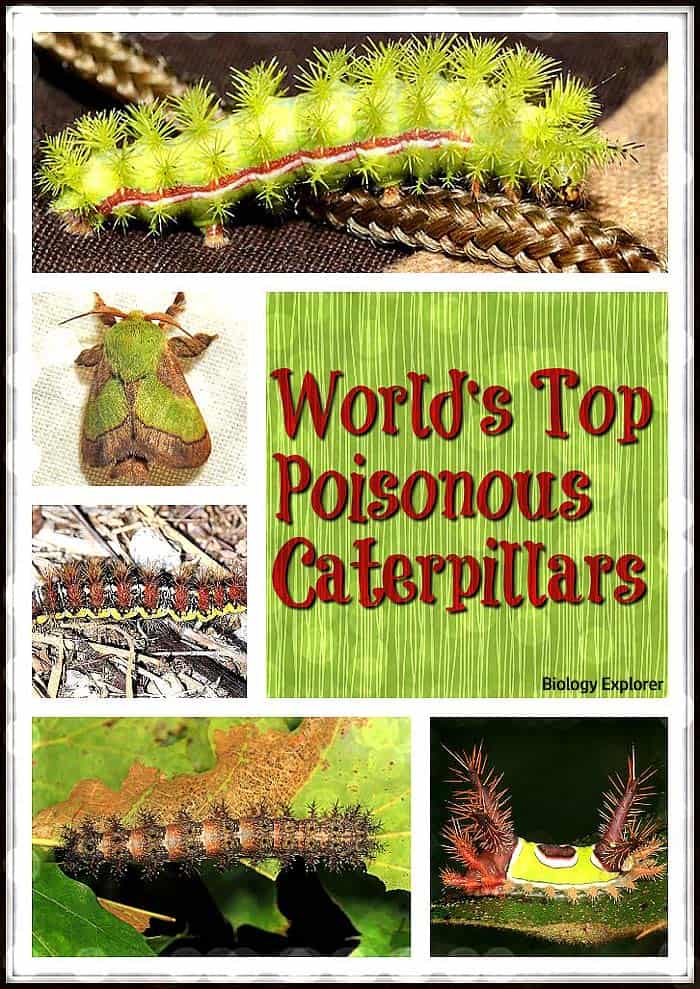
  • World’s Top 15 Poisonous Caterpillars

    There are many kinds of poisonous caterpillars; several caterpillars develop chemical warfare – they become poisonous. Here are 15 species of poisonous caterpillars from around the world.

  • Order Zingiberales / Ginger, Orchidantha & Banana Plants

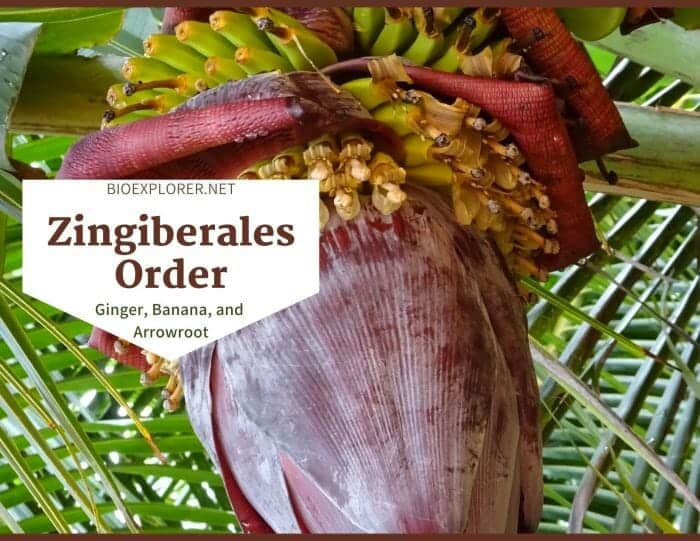
    Zingiberales’ order comprises several species of great economic importance, like the banana and the ginger. Members have almost restricted distribution to tropical regions. Zingiberales species have ptyxis, large flowers, attractive colors, and inferior ovaries. Banana, Bird-of-paradise, Orchidantha, ginger, costus, and Canna lily are examples of Zingiberales order.

  • Top 15 Ecology News of 2022

    In 2022 paves the way towards discoveries in ecological consequences influenced by genetic factors, climate change in marine habitat, coral reefs and plants having great adaptability to climate change, and the necessity towards conservation of biodiversity.

  • June Birth Flowers

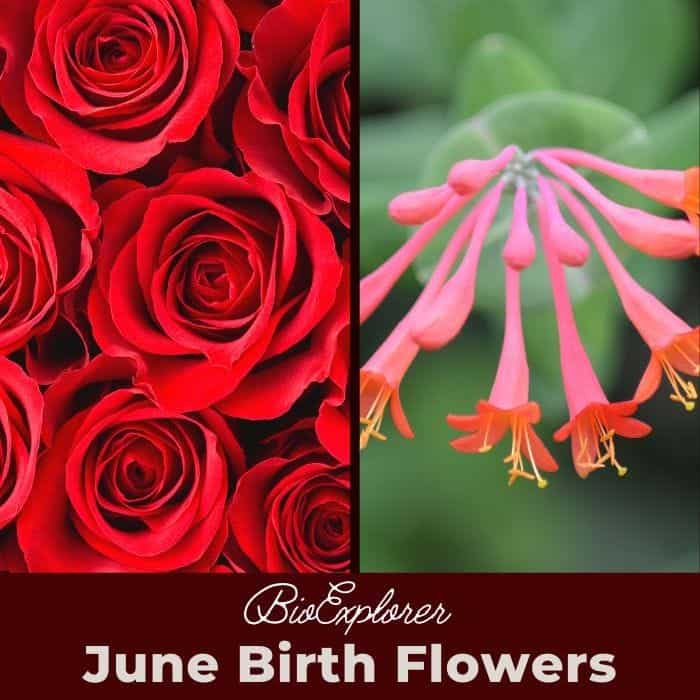
    Unlock the hidden secrets of your June birth flowers! Discover the symbolism behind roses and Honeysuckle, and delve into their rich history and fun facts here.

  • Order Saxifragales / Saxifrages Flowers

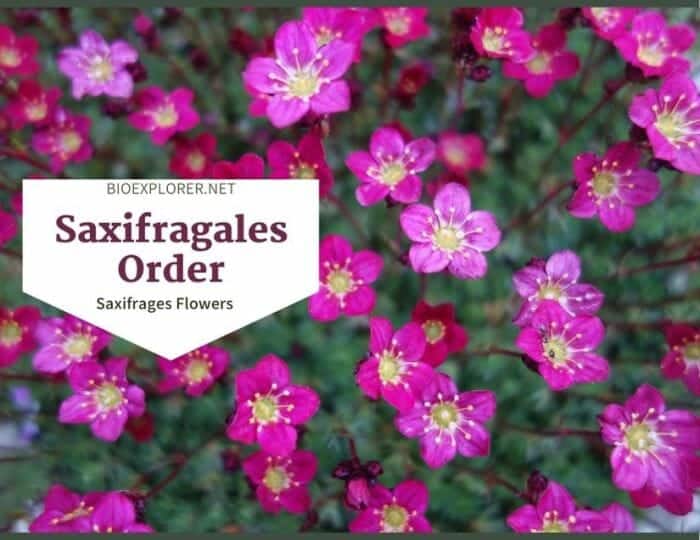
    Saxifragales is a morphologically diverse dicotyledonous order of flowering plants worldwide. Saxifragales plants have hypanthium, glandular leaf teeth, serrate lamina margins, free petals, and small seeds. Most Saxifragales flowers are radially symmetrical and bisexual. The example species of Saxifragales are the Irish rose, campfire plant, and gum vine.

  • Cosmos

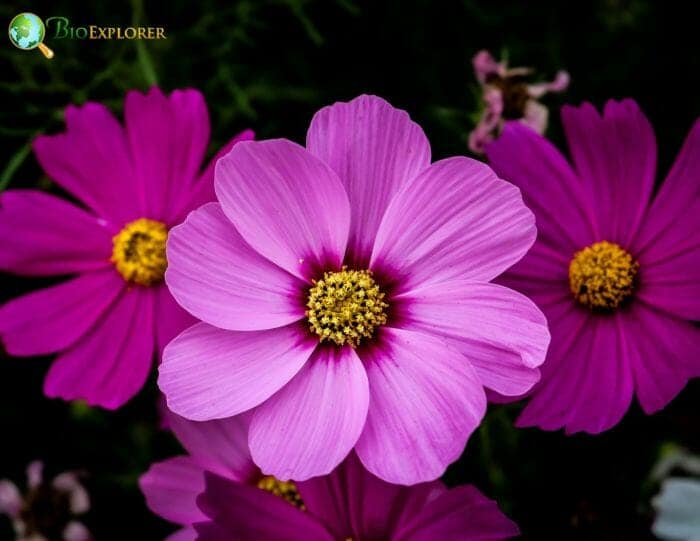
    Cosmos are annual flowering plants native to Mexico, characterized by brightly colored, daisy-like blooms borne on long, slender stems. Cosmos is a species of flowering plant in the Asteraceae (sunflower) family native to the meadowland and scrubland of Mexico, where most species are found.

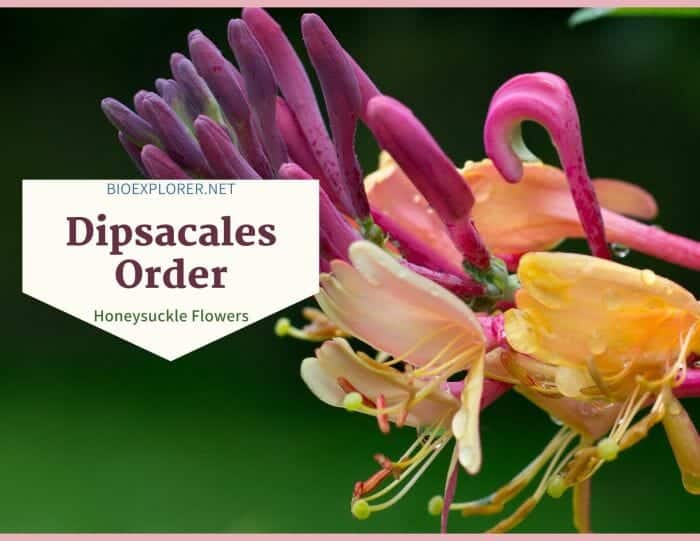
  • Order Dipsacales / Honeysuckle Flowers

    Dipsacales is a eudicotyledonous order of flowering species. Members of Dipsacales show characteristics like pubescent stems, flowers mostly in cymes, and 4-5 floral parts. The Dipsacales flowers are primarily bisexual and are pollinated by insects and/or birds. Honeysuckle, Seven-son flower, Alpine valerian, Mountain snowberry and Japanese snowball flowers are examples of Dipsacales.

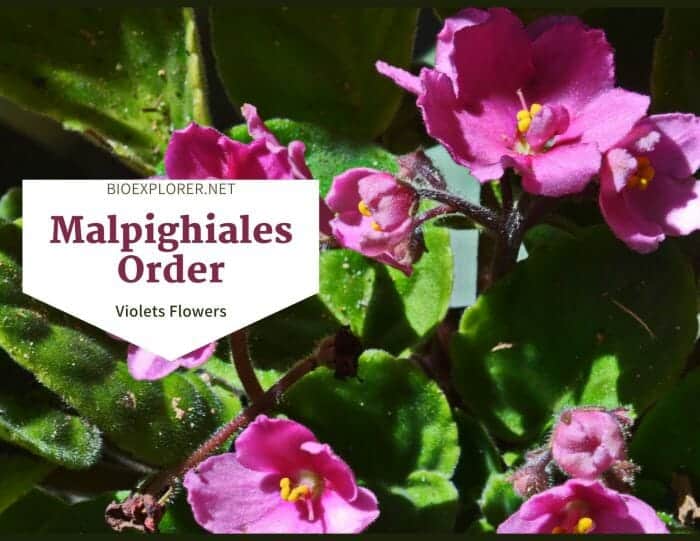
  • Order Malpighiales / Violets Flowers

    Malpighiales order is a large group with species primarily distributed in tropical regions. The members of Malpighiales often have toothed and stipulate leaves, 10 free stamens, 3-5 fused carpels, a nectary, superior ovaries, and typically endospermous seeds. Most Malpighiales flowers consist of 5 sepals and 5 petals. The violets, flax, passion flowers, euphorbias, and mangroves are some of the notable species of Malpighiales.

  • Order Caryophyllales / Pink and Carnation Flowers

    Caryophyllales is a large and diverse order of dicotyledonous flowering plants. Members under Caryophyllales are distributed on all the continents and are notable for their morphological uniqueness and ecophysiological adaptations. The flower species of carnation, four o’clock, and cactus belong to Caryophyllales and offer great beneficial use.

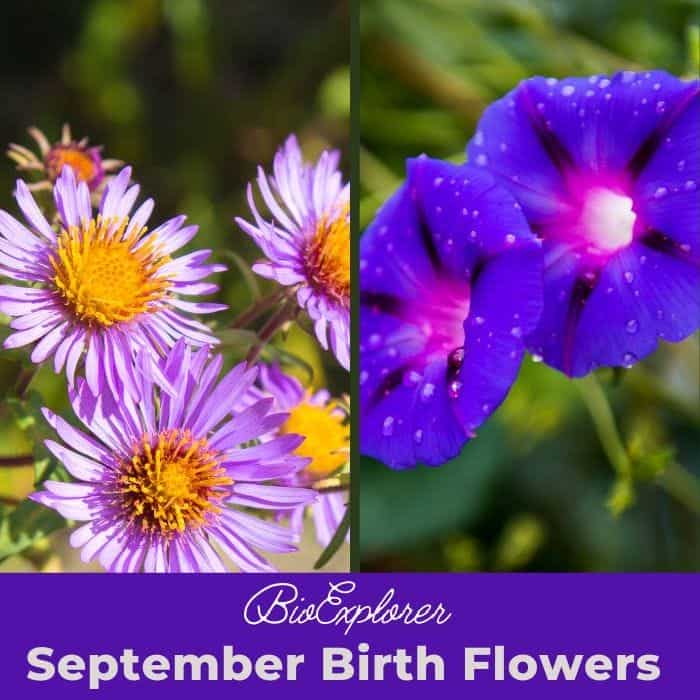
  • September Birth Flowers

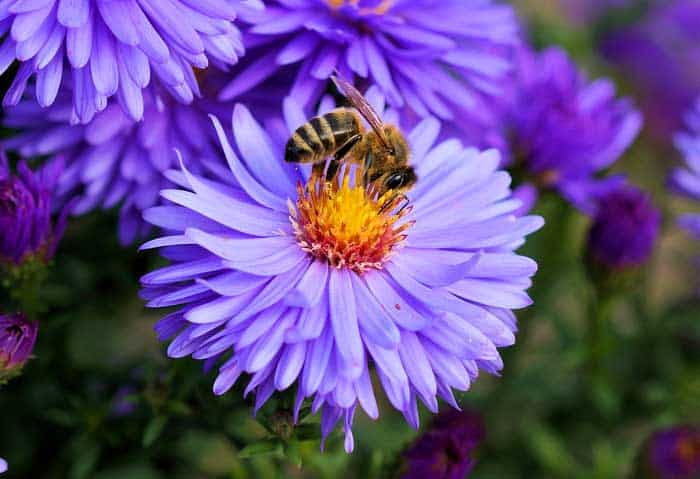
    Discover the fascinating meanings behind September birth flowers, the Aster and Morning Glory. Learn about their origins, special meanings, and cultural importance for an enlightening read.

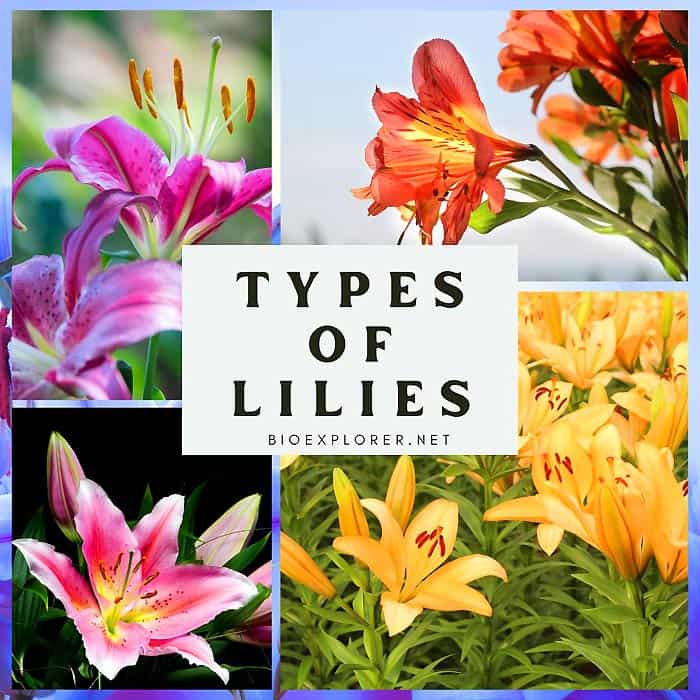
  • Types of Lilies

    Discover the stunning beauty of different types of lilies. From oriental hybrids to unique lily species, learn about the diverse world of lily varieties.

  • Blooming Texas: 25 Gorgeous Native Flowers Revealed!

    Texas is a large state with its own floristic region, having more than 5,000 species of native flowering plants. Because of its diverse landforms, Texas offers many famous blooms for visitors and residents. Explore the top 25 Texas flowers and their characteristics.

  • Order Proteales / Sugar-bushes & Water Lotus Flowers

    Proteales is a part of peripheral eudicots classified together only recently. The Proteales flowers are small or large and unisexual or bisexual. The American lotus, the Indian lotus, the London plane tree, Wagon tree and large-nut sugar bush are examples of Proteales.

  • Order Ranunculales / Buttercup, Barberry & Poppy Flowers

    Ranunculales is the order of angiosperms with a worldwide distribution, which are peripheral eudicots with spiral leaves, three openings (colpi) in the pollen, and spectacular floral diversity. The buttercup, Barberry, Moonseed, Chocolate vine and poppy flowers are the famous example species of Ranunculales.

  • April Birth Flowers

    Discover the hidden symbolism behind April’s birth flowers – daisies and sweet peas. Explore their significance (symbolism & meaning) in this captivating read.

  • Albino Bats

    Albino Bats – Discover the genetic causes, physical traits, geographic hot-spots, and conservation efforts surrounding these rare pigment-less morphs that persist in tropical caves and forests through 60 global cases across 11 families.

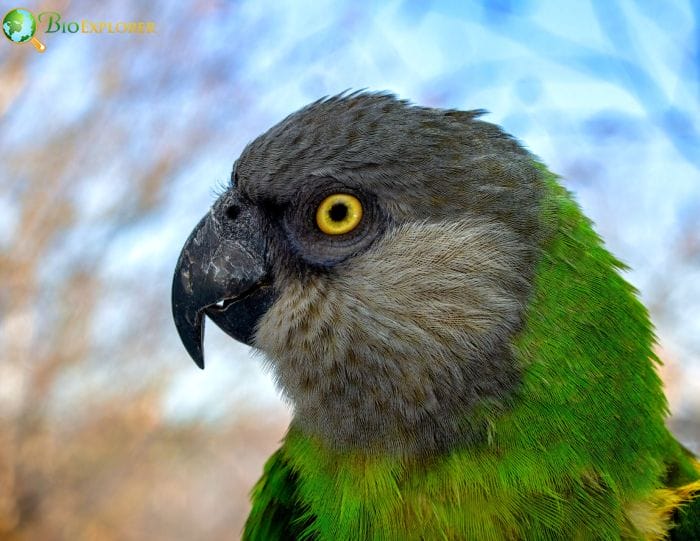
  • Senegal Parrot

    Learn all about the vibrant, social Senegal parrot (Poicephalus senegalus), a popular West African parrot species that thrives in captivity when well-trained. Get information on taxonomy, physical features, reproduction, behavior, communication style, and fun facts.

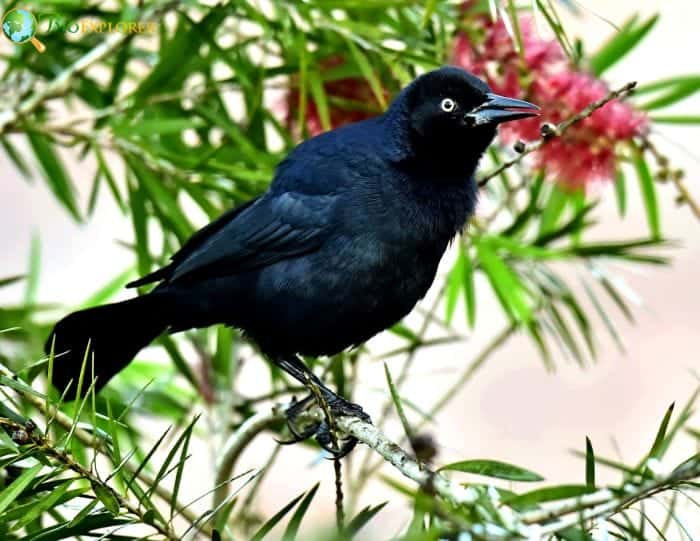
  • Greater Antillean Grackle

    The Greater Antillean Grackle is a glossy black songbird native to the Caribbean’s Greater Antilles, including Cuba, Jamaica, Hispaniola, and Puerto Rico. Males reach about 27 cm (11 in) with a distinctive keel-shaped, “rudder-like” tail, while females are slightly smaller and less glossy. Its most striking feature is its bright yellow eye, the only non-black part of its body. These bold, noisy black birds thrive in open habitats near humans-towns, farms, mangroves, and pastures-and often form large, social flocks. Opportunistic eaters, they consume insects, fruit, seeds, small animals, and even human scraps.

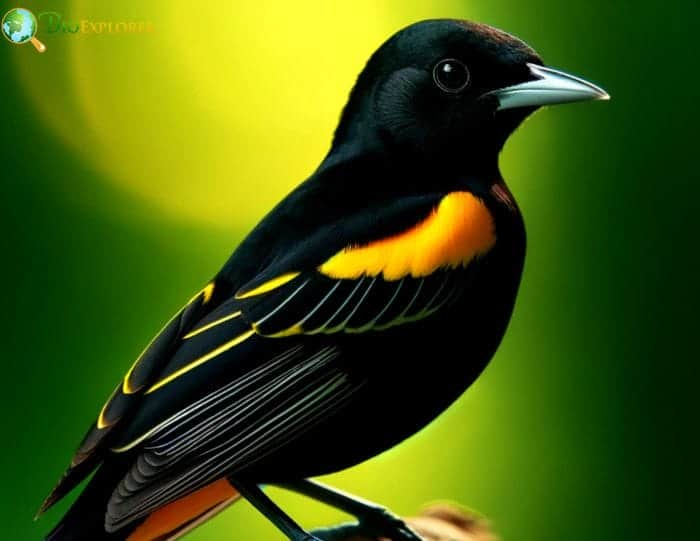
  • Puerto Rican Oriole

    The Puerto Rican Oriole is a striking black songbird with bold yellow patches on its lower belly and shoulders. Endemic to Puerto Rico, it inhabits forests, mangroves, plantations, and especially areas with palm trees, where it weaves hanging basket nests beneath palm leaves. Both sexes look alike and sing, producing complex songs made of up to 27 different notes. Omnivorous, it forages for insects, fruit, lizards, nuts, and grains in dense vegetation. Family groups often remain together after breeding. Threats include habitat loss and nest parasitism by shiny cowbirds, but the species is still classified as Least Concern.

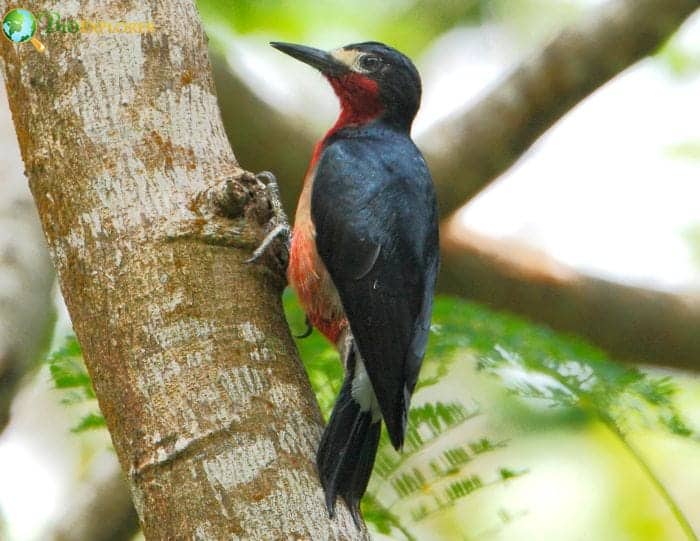
  • Puerto Rican Woodpecker

    The Puerto Rican Woodpecker is the only woodpecker endemic to Puerto Rico, easily recognized by its glossy black body, bright red throat and breast, and a white band across the forehead. Males are slightly larger and have more vivid red coloring than females. This species thrives in forests, mangroves, coffee plantations, parks, and gardens across the main island, feeding mainly on insects but also enjoying fruit and occasionally small vertebrates. Its loud “wek-wek-wek” call is a common sound in Puerto Rican woodlands. Old nest cavities are often reused by other native birds.


  • Puerto Rican Emerald

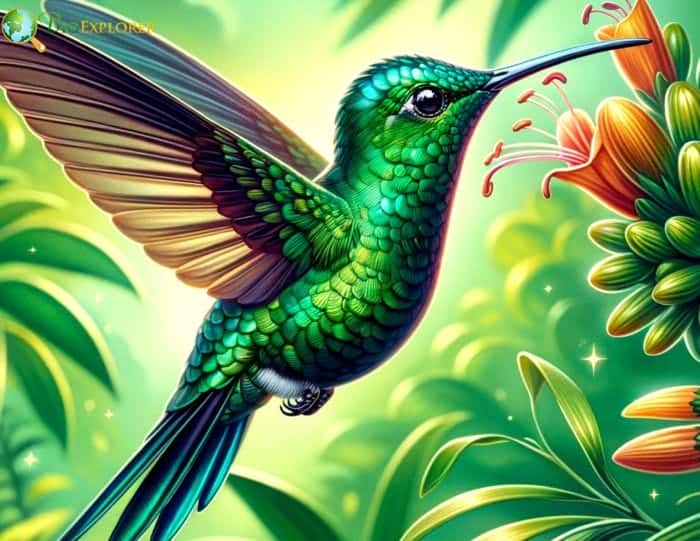
    Follow a tiny metallic-hued hovercraft nimbly navigating the maze of mangroves, forests, and gardens spanning Puerto Rico. Well-adapted to myriad nesting sites, this Emerald hummingbird flits freely, relying on a diverse nectar supply to counter any migration need. Learn how keeping multiple doors open through habitat connectivity sustains this abundantly welcome wildcard across the island.