Top 18 BEST Tundra Animal Adaptations
The coldest areas on Earth, such as regions close to the North Pole and the South Pole, have unique features. Here are the top 18 tundra animal adaptations.


The coldest areas on Earth, such as regions close to the North Pole and the South Pole, have unique features. Here are the top 18 tundra animal adaptations.
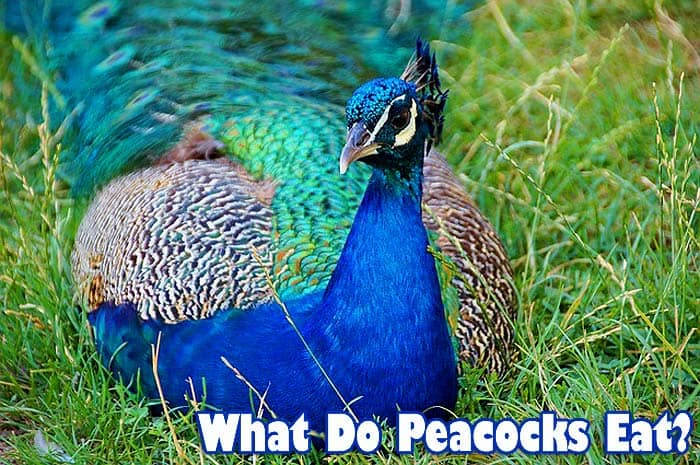
Peacocks are flashy birds renowned for their colorful tail plumage. Explore what do peacocks eat, their diet by types, and what eats peacocks & more here.
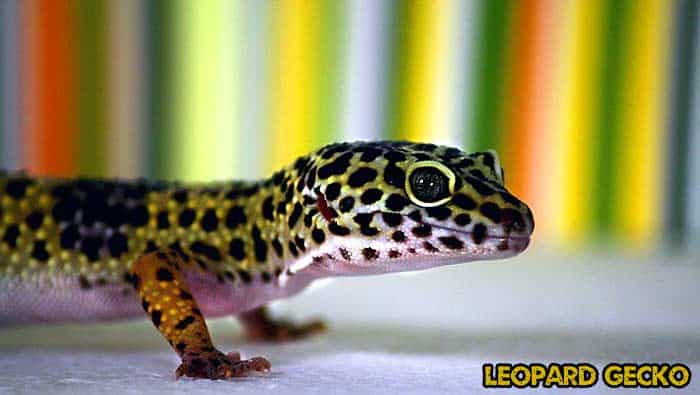
Among reptiles, the leopard gecko is perhaps one of the most popular. This is the first-ever species of lizard to be domesticated. Learn all about leopard gecko here including appearance, diet, habitat, reproduction and ecological importance.
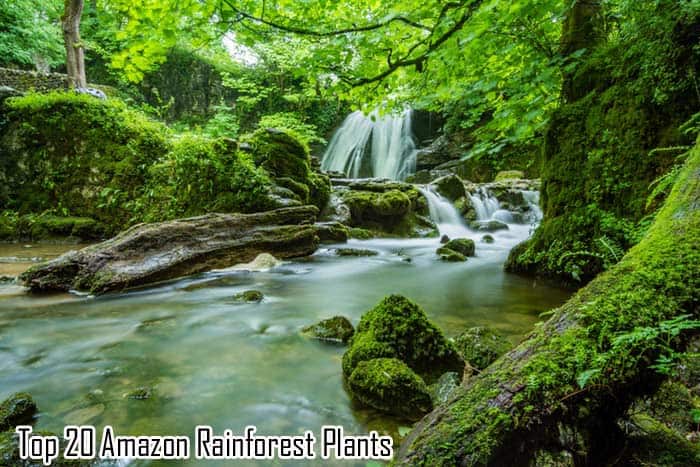
The Amazon Rainforest is considered the home of the most diverse species in the world. Learn the top 18 Amazon rainforest plants & their details here.
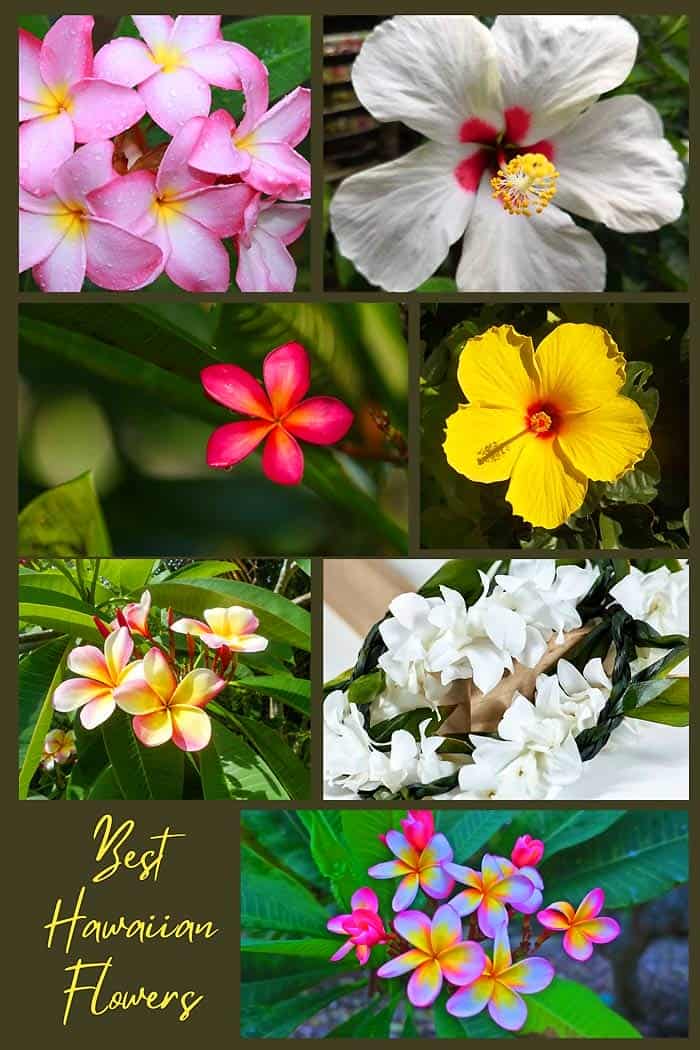
Explore the top 26 unique Hawaiian flowers exclusive to Hawaii’s archipelago. Dive into the world of these beautiful species, their interesting facts, and their significance in Hawaii’s ecosystem.
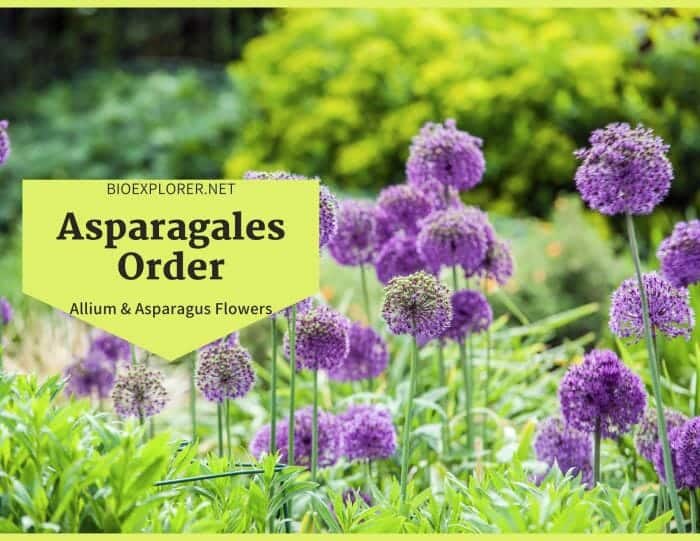
Asparagales is a monophyletic order that contains many species, including important crop plants such as Allium and Asparagus. This order has 29 families and closer to 50k flowering plants. Popular flower species in this order are day-lily, irises and lilioid monocots.
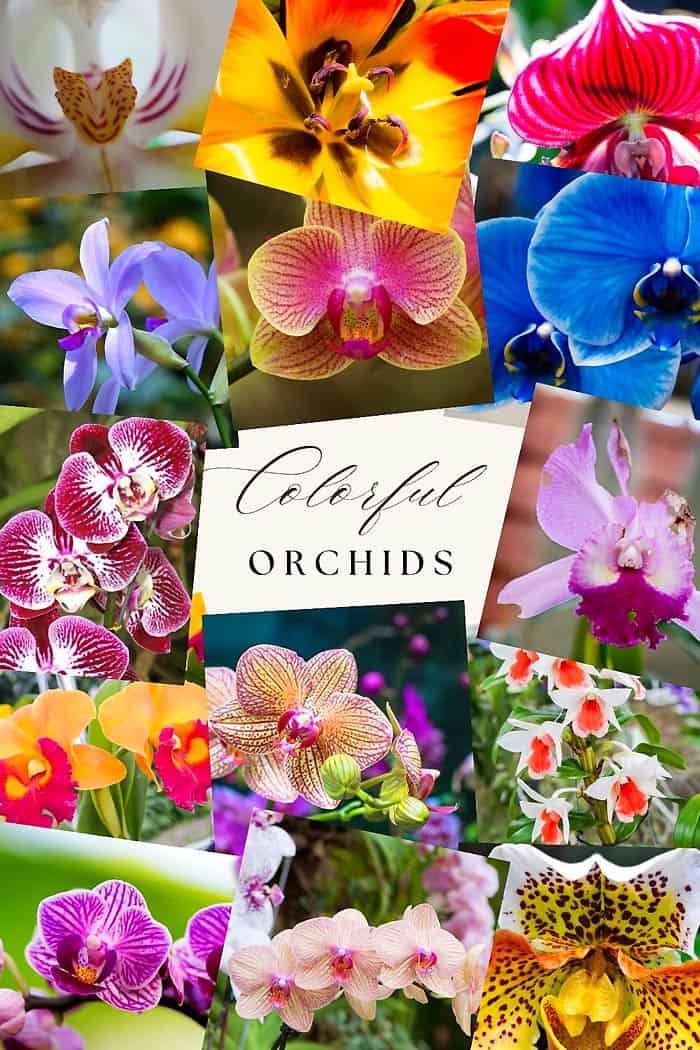
Discover 25 stunning colorful orchids, from vibrant blues to fiery reds. Explore their unique features, habitats, and the vital role of color in orchid ecology.
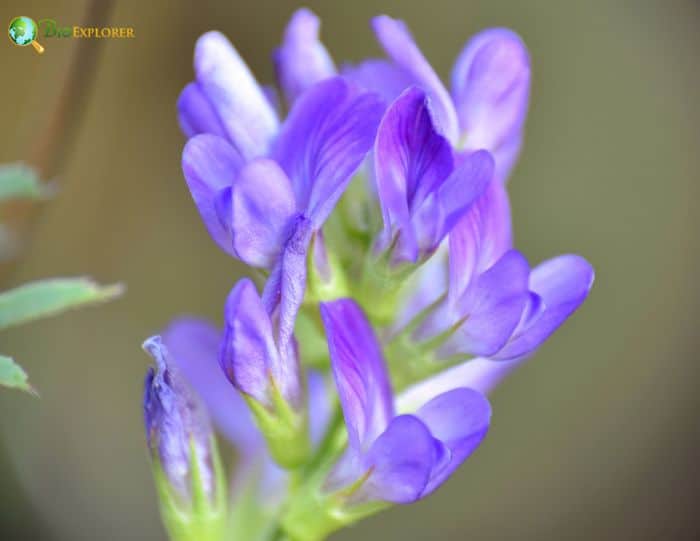
Learn about alfalfa (Medicago sativa), its flower characteristics, cultivation practices, environmental benefits, and economic importance in this comprehensive guide.
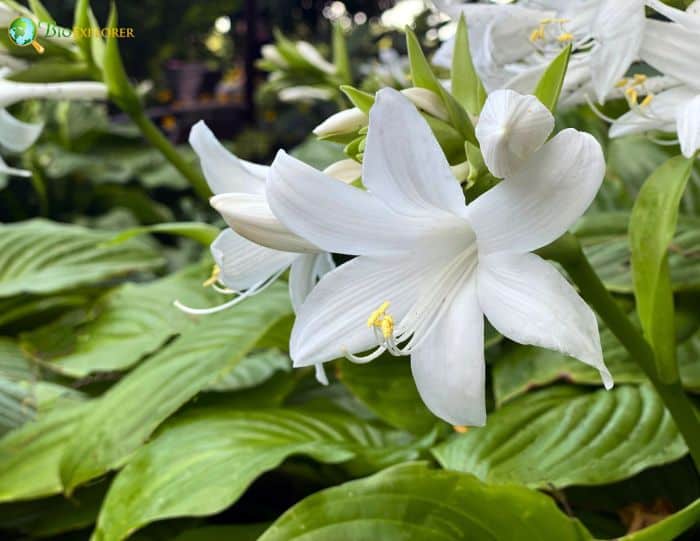
Discover the August Lily (Hosta plantaginea): a perennial with fragrant white flowers, medicinal properties, and ecological benefits, perfect for shaded gardens and borders.
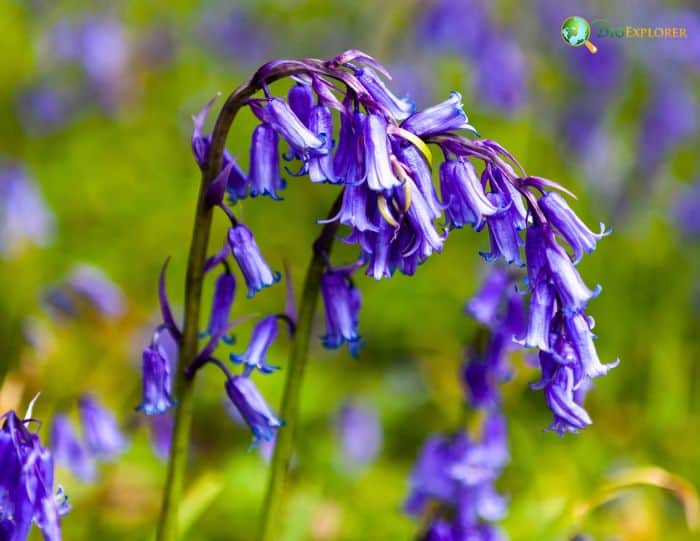
Explore the enchanting Bluebell flower (Hyacinthoides non-scripta), its vibrant violet-blue blooms, ecological significance, different types of bluebells and fun facts in this comprehensive guide.
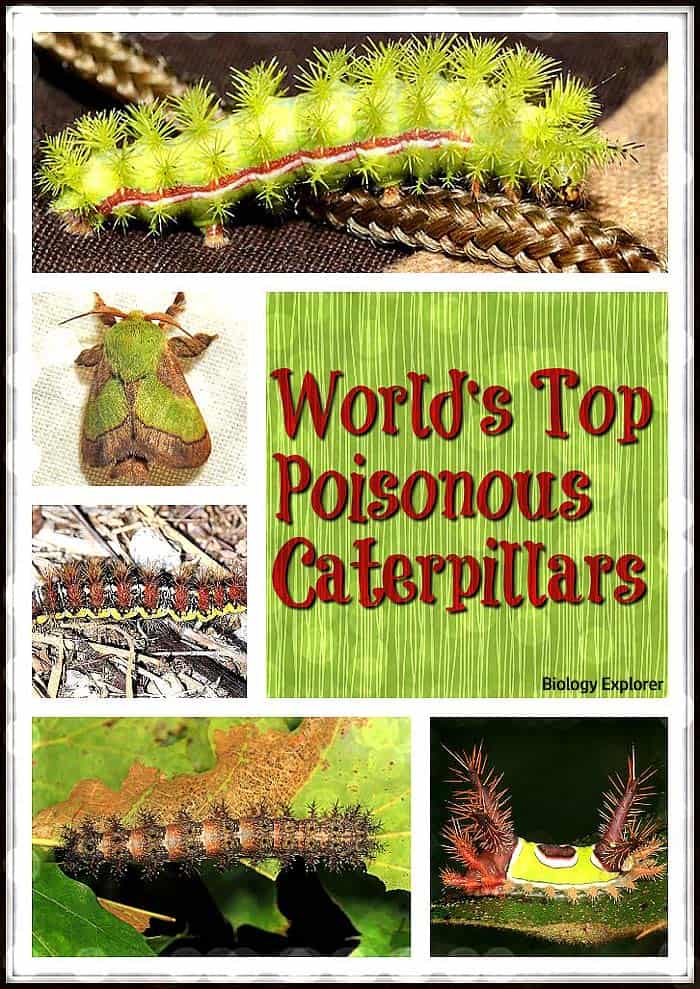
There are many kinds of poisonous caterpillars; several caterpillars develop chemical warfare – they become poisonous. Here are 15 species of poisonous caterpillars from around the world.
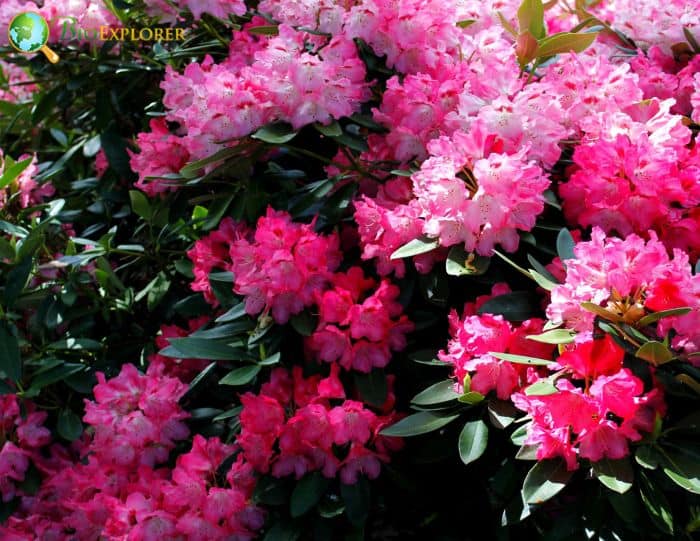
Discover the vibrant world of Azaleas in our comprehensive guide. Learn about different types, ideal planting conditions, care tips, and how to handle common pests and diseases. Perfect your green thumb with our step-by-step guide to planting and propagating these stunning shrubs.
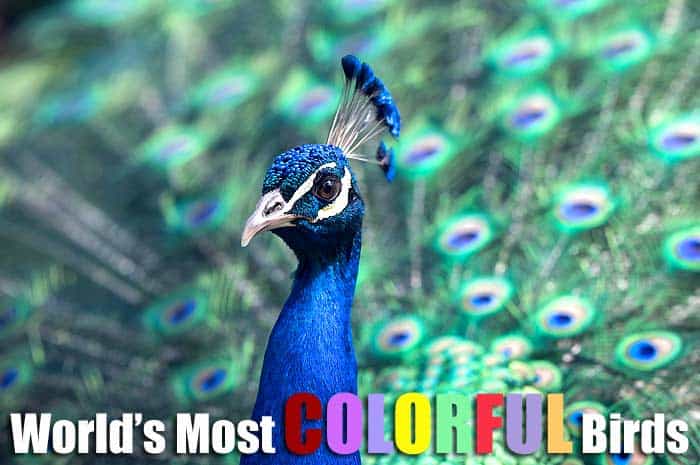
A visual guide to the world’s most colorful birds, featuring 40 stunning species with vibrant plumage, eye-catching photos, and fascinating facts.
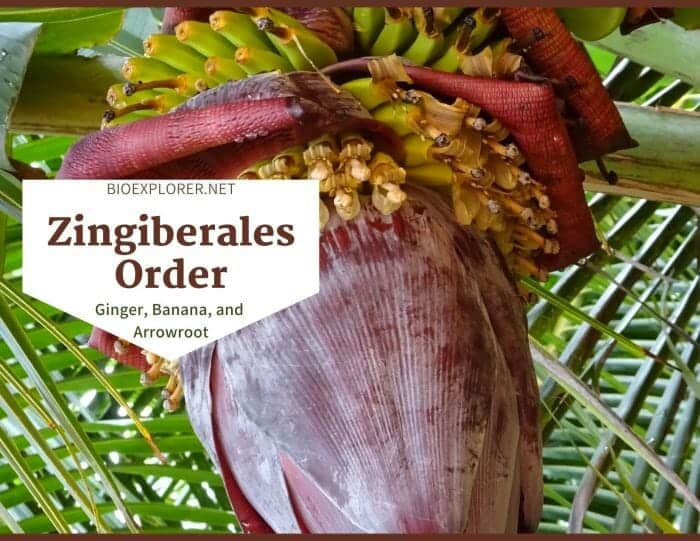
Zingiberales’ order comprises several species of great economic importance, like the banana and the ginger. Members have almost restricted distribution to tropical regions. Zingiberales species have ptyxis, large flowers, attractive colors, and inferior ovaries. Banana, Bird-of-paradise, Orchidantha, ginger, costus, and Canna lily are examples of Zingiberales order.
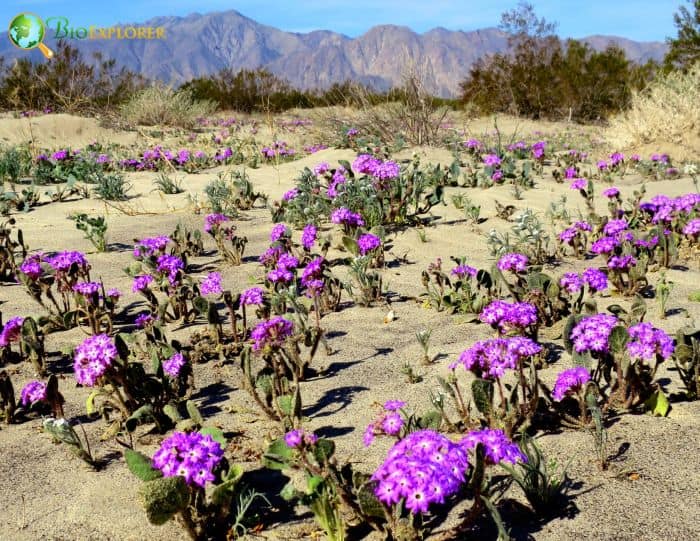
The Desert Sand Verbena is a native species of the southwestern United States and Northern Mexico, growing in the sandy areas of the desert. The flowers are trumpet-shaped. The flowers are fragrant with 5 lobes.
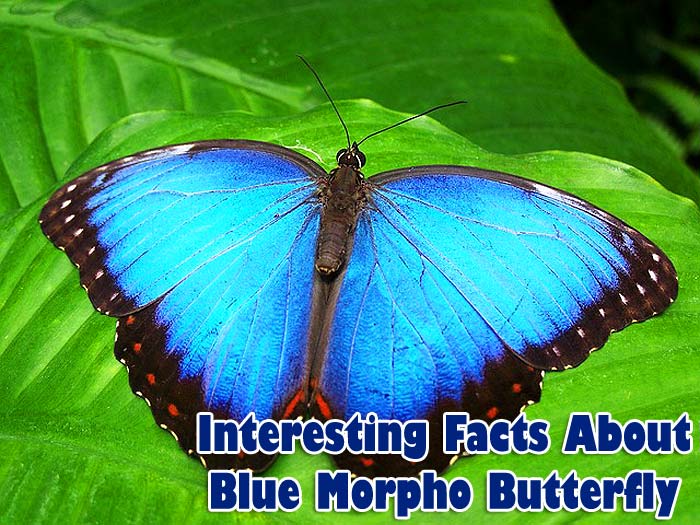
The Blue Morpho butterfly is the most well-known species in the butterfly genus Morpho. Learn the top 21 facts about the Blue Morpho butterfly here.
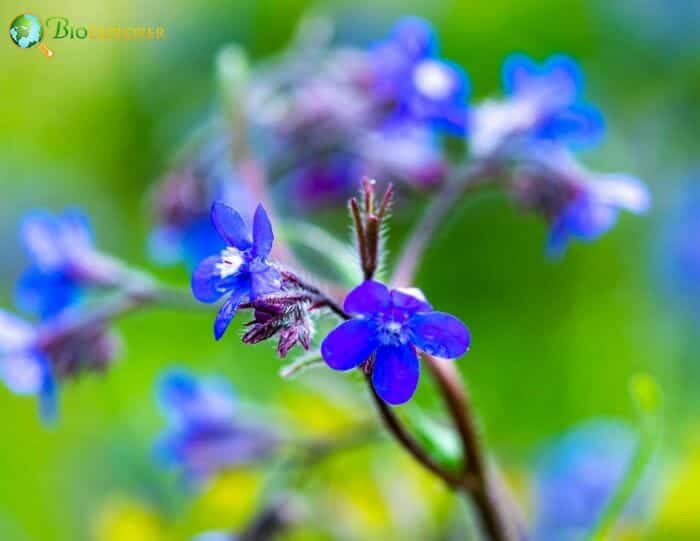
The magnificent bugloss (Echium vulgare) is indeed an insect magnet with its imposing size of about 40 inches (one meter). Its blue blossoms attract countless butterflies, beetles, bumblebees, and bees. Also known as Blueweed, Bugloss is a species of plant in the Boraginaceae (borage) family.

In 2022 paves the way towards discoveries in ecological consequences influenced by genetic factors, climate change in marine habitat, coral reefs and plants having great adaptability to climate change, and the necessity towards conservation of biodiversity.

Discover the hidden secrets of 43 types of blue flowers in our captivating blog post. Explore the rarity of natural blue pigments in flowers and symbolism and meanings of blue flowers.
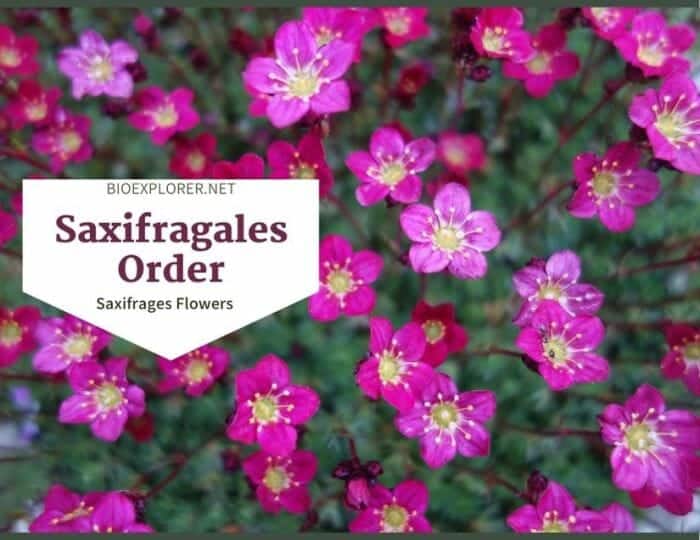
Saxifragales is a morphologically diverse dicotyledonous order of flowering plants worldwide. Saxifragales plants have hypanthium, glandular leaf teeth, serrate lamina margins, free petals, and small seeds. Most Saxifragales flowers are radially symmetrical and bisexual. The example species of Saxifragales are the Irish rose, campfire plant, and gum vine.
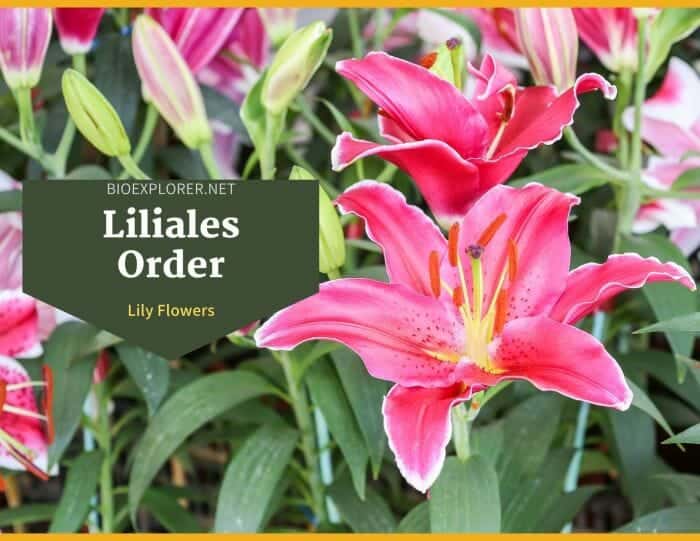
Liliales is the lily order of monocotyledonous flowering plants. Members of this order involve herbaceous plants, shrubs, and lianas. Liliales flowers are distributed worldwide but common in the subtropical and temperate regions. Lanzhou Lily, Chilean Bellflower, Katakuri/Trout Lily, and Wood’s bunchflower are some of the Liliales example species.
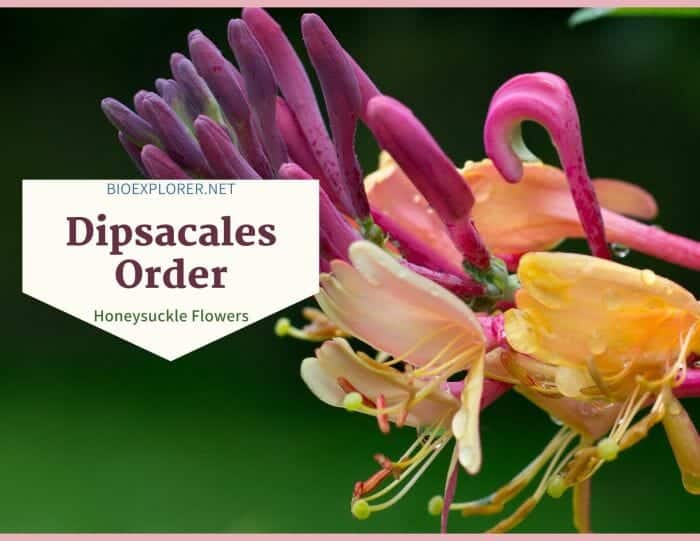
Dipsacales is a eudicotyledonous order of flowering species. Members of Dipsacales show characteristics like pubescent stems, flowers mostly in cymes, and 4-5 floral parts. The Dipsacales flowers are primarily bisexual and are pollinated by insects and/or birds. Honeysuckle, Seven-son flower, Alpine valerian, Mountain snowberry and Japanese snowball flowers are examples of Dipsacales.
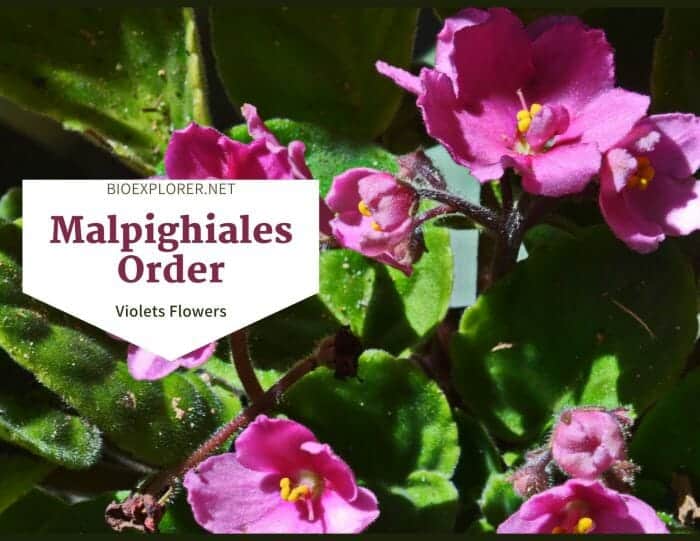
Malpighiales order is a large group with species primarily distributed in tropical regions. The members of Malpighiales often have toothed and stipulate leaves, 10 free stamens, 3-5 fused carpels, a nectary, superior ovaries, and typically endospermous seeds. Most Malpighiales flowers consist of 5 sepals and 5 petals. The violets, flax, passion flowers, euphorbias, and mangroves are some of the notable species of Malpighiales.
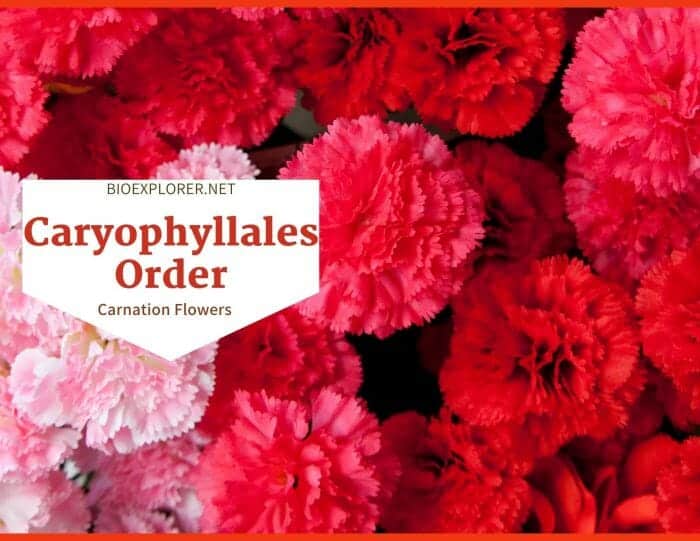
Caryophyllales is a large and diverse order of dicotyledonous flowering plants. Members under Caryophyllales are distributed on all the continents and are notable for their morphological uniqueness and ecophysiological adaptations. The flower species of carnation, four o’clock, and cactus belong to Caryophyllales and offer great beneficial use.
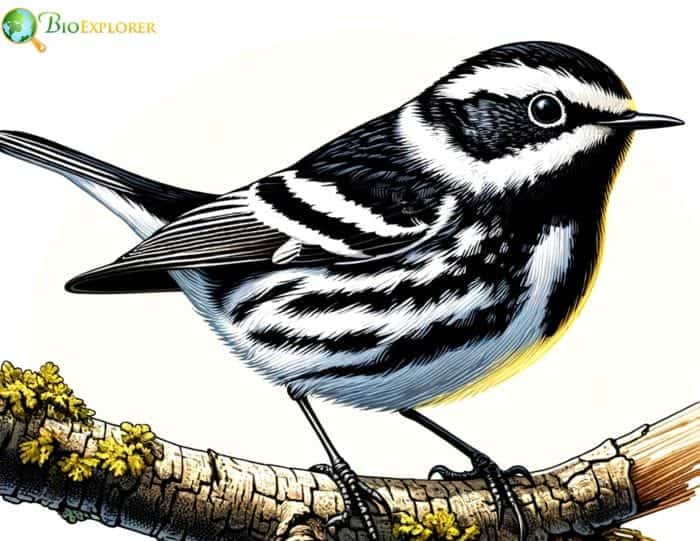
Shadow, a timid highland insectivore, the Elfin Woods Warbler (Setophaga angelae), narrowly targets mature humid dwarf forest strangely resembling this tiny bird’s stunted, wind-sculpted features. Understand why accelerated warming and upslope development threaten to erase prime island refugia critical to this range-restricted species’ survival.

Discover the enchanting world of Holly flowers with our comprehensive guide. Explore their vibrant beauty today from 21 notable Holly varieties from history to cultivation.
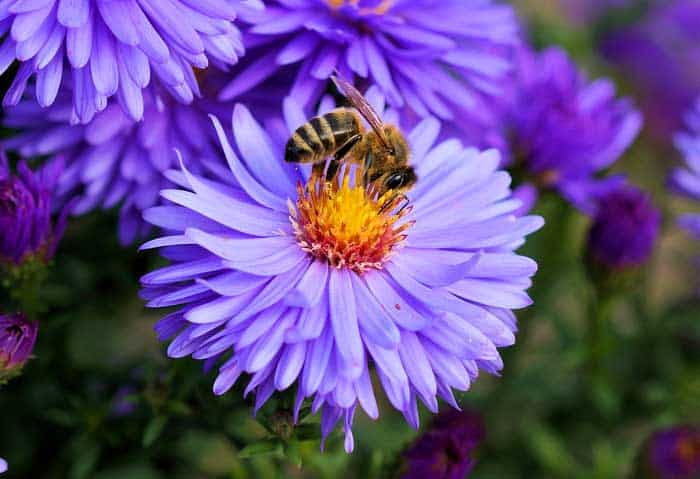
Are you looking for cute purple flowers to plant in your garden, or want to learn about them from a botany perspective? Here are the 50+ top pretty purple flowers and their names.

Texas is a large state with its own floristic region, having more than 5,000 species of native flowering plants. Because of its diverse landforms, Texas offers many famous blooms for visitors and residents. Explore the top 25 Texas flowers and their characteristics.
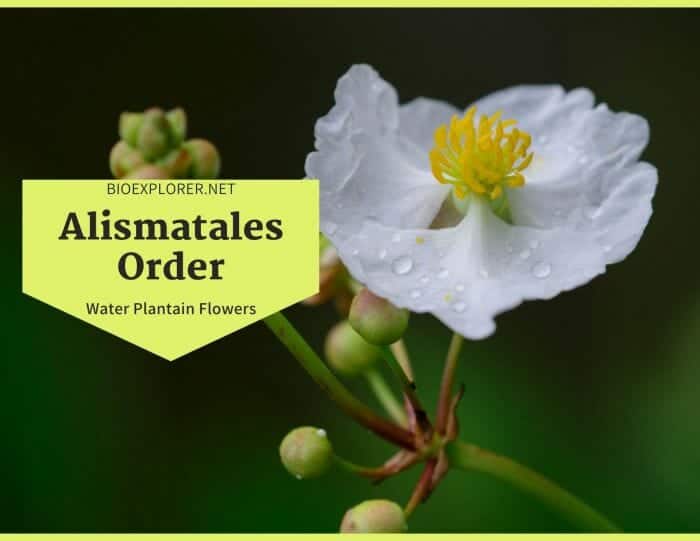
Alismatales are an order of aquatic flowering plants, including some well-known species such as the water arum (Calla palustris), Nymphoides peltata, and Japanese water shield (Brasenia schreberi). They are sometimes known as the watermints.
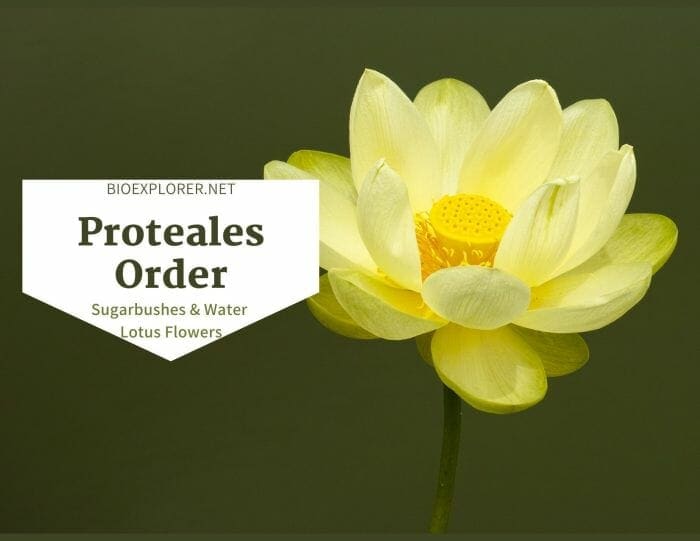
Proteales is a part of peripheral eudicots classified together only recently. The Proteales flowers are small or large and unisexual or bisexual. The American lotus, the Indian lotus, the London plane tree, Wagon tree and large-nut sugar bush are examples of Proteales.

This article explores the top 21 black flowers, delving into their unique characteristics, growing requirements, and fascinating facts. Each of these varieties, from the classic Black Dahlia to the exotic Black Bat Flower, has a story to tell.
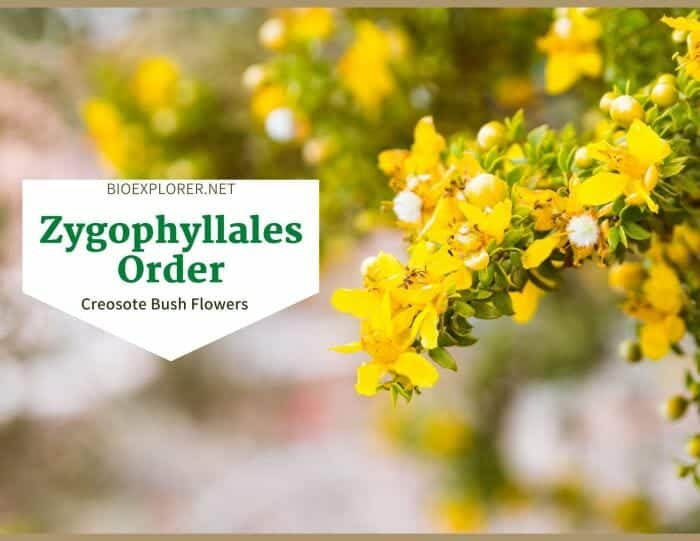
Order Zygophyllales contains herbs, shrubs, trees, and hemiparasites (rare) limited to tropical or temperate dry or saline regions. The members of the Zygophyllales often have swollen nodes and opposite, resinous, and stipulate leaves. The Zygophyllales flowers are bisexual, with often 5 sepals, 5 petals, 10 stamens, 5 carpels, and a superior ovary. The creosote bush, chaparral, Verawood, and the rhatany are known examples of the Zygophyllales order.

Ranunculales is the order of angiosperms with a worldwide distribution, which are peripheral eudicots with spiral leaves, three openings (colpi) in the pollen, and spectacular floral diversity. The buttercup, Barberry, Moonseed, Chocolate vine and poppy flowers are the famous example species of Ranunculales.
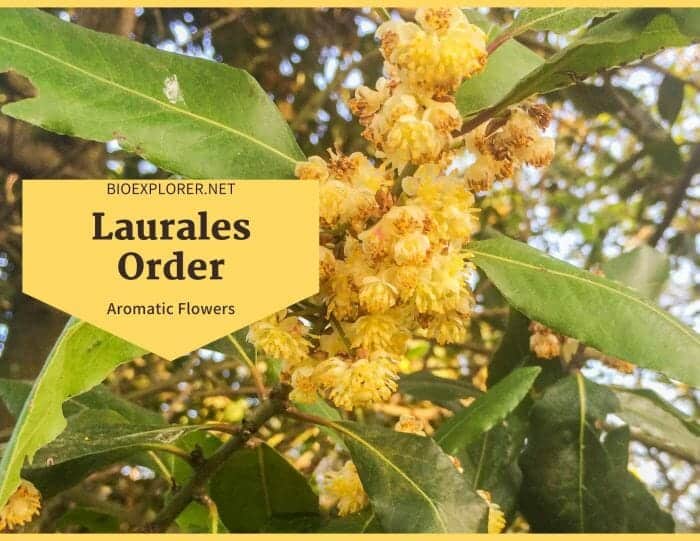
Laurales is an order of flowering plants composing trees, shrubs, herbs, and vines. This order comprises seven families. Laurales species are used for lumber, medicinal extracts, essential oils, and ornamentals. Examples include Avocado, Bay Laurel, Limoncillo, Negramina, Grease Nut, Carolina Allspice & more.
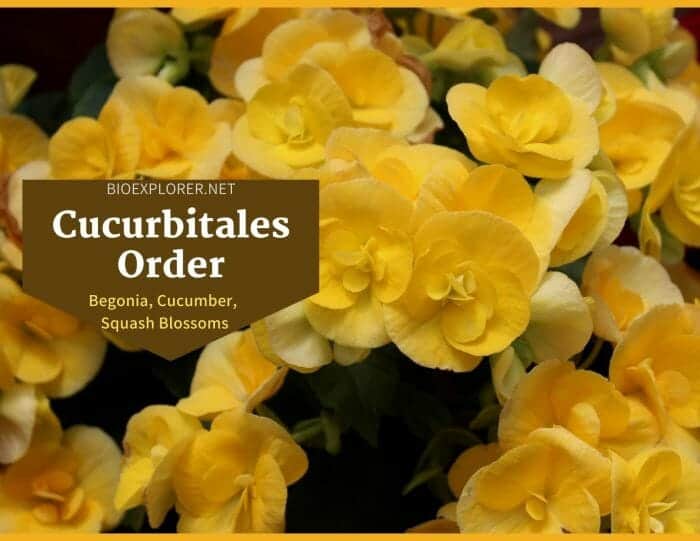
The Cucurbitales are an order of flowering plants listed in the rosid group of dicotyledons. The order consists of shrubs, trees, herbs, and climbers including Begonia, Cucumber, and Squash blossoms.
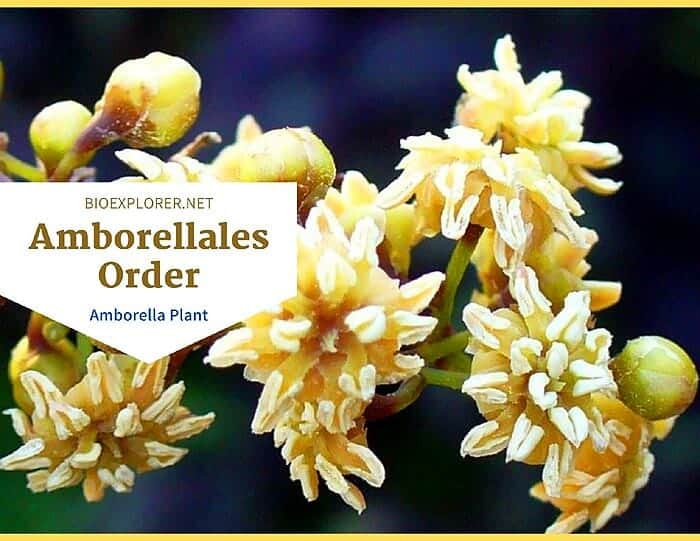
Amborellales plant order is represented by 1 species, in 1 genus and 1 family. Amborella trichopoda is the only flower species under the family Amborellaceae. Explore distribution, characteristics, flower structure, and species details here.
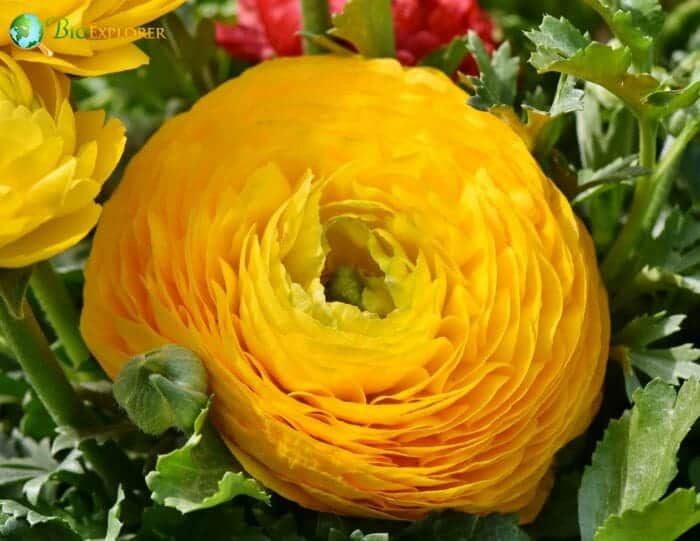
Ranunculus japonicas is a perennial herb of the family Ranunculaceae. It is a wild grass native to Japan. Ranunculus flowers add beauty and vibrancy to any garden. These perennial herbaceous plants, best known for their fragile rose-shaped petals, produce long-lasting cut flowers.
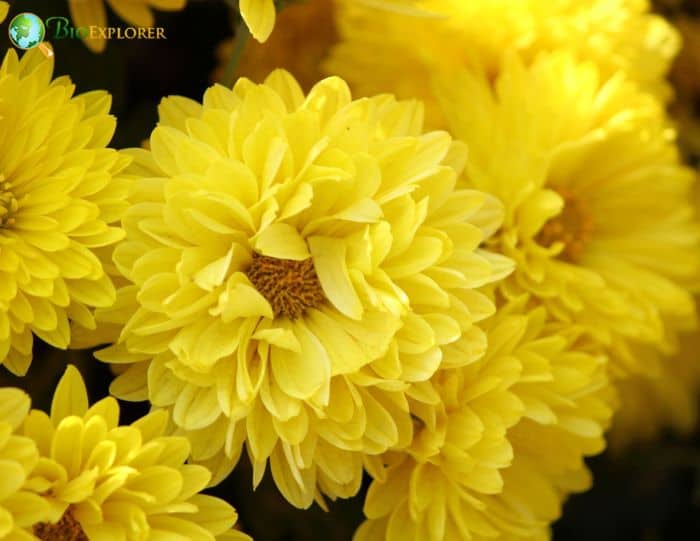
Chrysanthemum indicum is a perennial Japanese herb that can grow to 1-3 feet at maturity. Indian Chrysanthemum has over 10,000 varieties. The flowers are single and intensely fragrant. Chrysanthemum indicum is approved by NASA as a houseplant that can reduce air pollution.
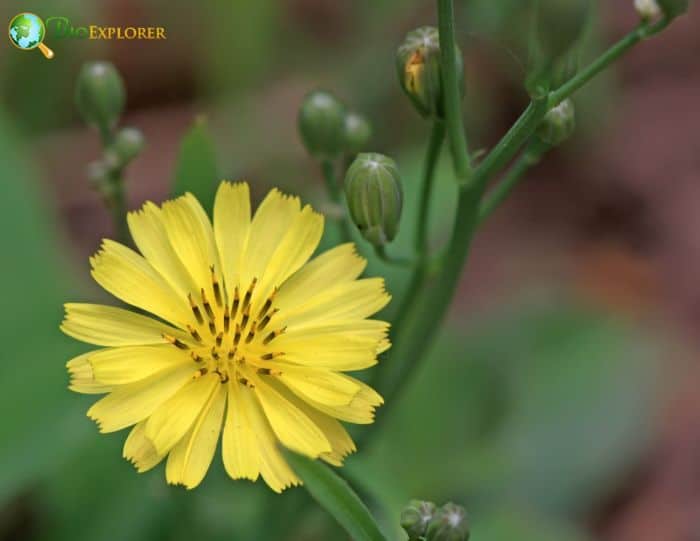
The creeping lettuce is a flowering plant of the Asteraceae family. It is a widespread species in Japan. Being perennial, this plant grows to 0.2 meters by 0.5 meters. Ixeris stolonifera prefers moist soil and grows well in semi-shade or no shade.
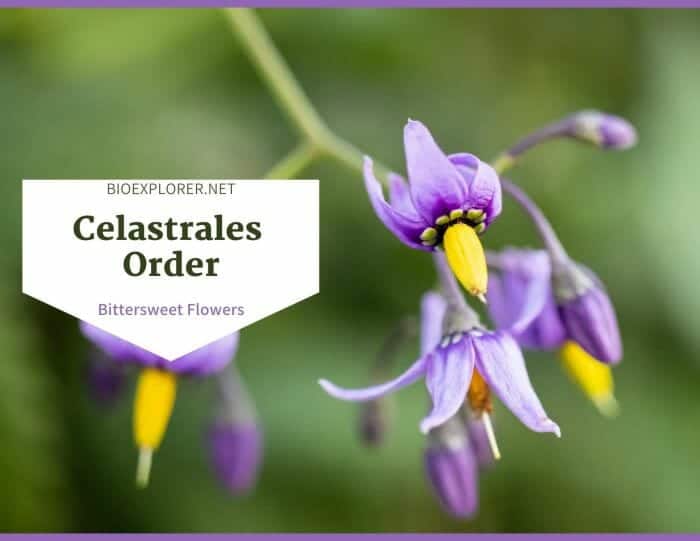
Celastrales are trees and shrubs mainly distributed throughout the tropics and subtropics. Order Celastrales members are primarily distributed throughout the tropics and subtropics.
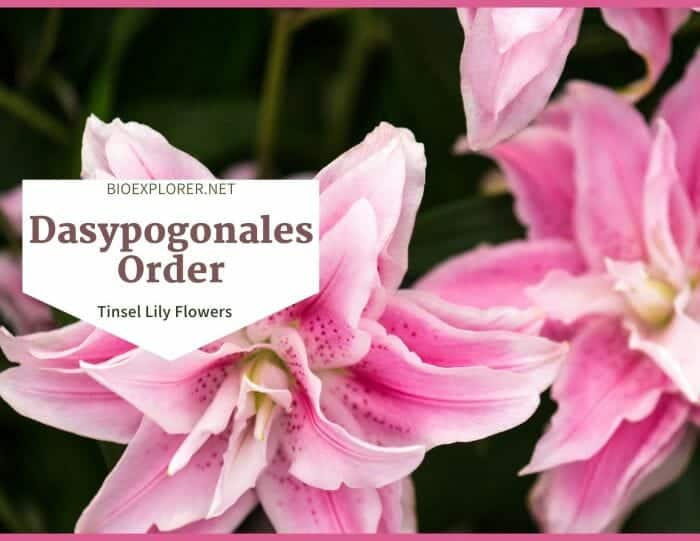
Dasypogogonales is an order of flowering plants comprising shrubs and herbs with paleotropical and Australian distribution. Members of the Dasypogonales mostly have spiral, simple, and sessile leaves, bisexual flowers, and perianth consisting of tepals. Order Dasypogonales is placed under Commelinids. It only has 1 direct family, Dasypogonaceae, with 4 genera.
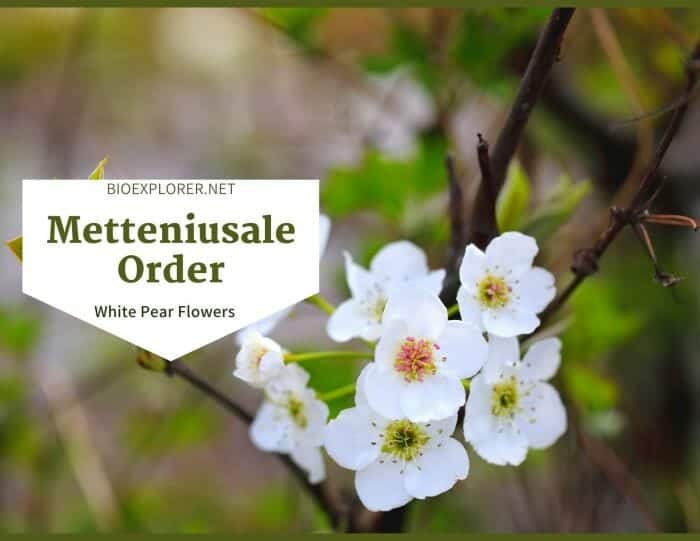
Metteniusales are trees, shrubs, or lianas with chiefly tropical distribution. Metteniusales is an order of flowering plants with only 1 family, 11 genera, and 55 species. Metteniusaceae is the only family of Metteniusales. The members are found in the tropical regions of the Old World, Mexico, Central America, and the West Indies.
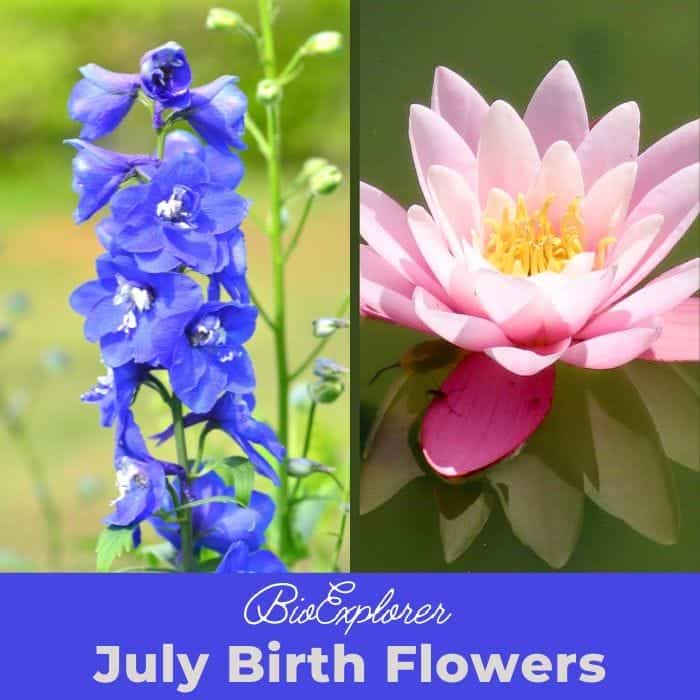
Dive into the captivating meanings behind July birth flowers: Larkspur and Water Lily. Learn how to honor July-borns with these vibrant blossoms.

Discover the captivating world of the top 85+ white flowers, from the iconic Lily of the Valley to the lesser-known Snowball Viburnum. Explore their enchanting beauty, rich symbolism, and fascinating scientific facts in this comprehensive guide.
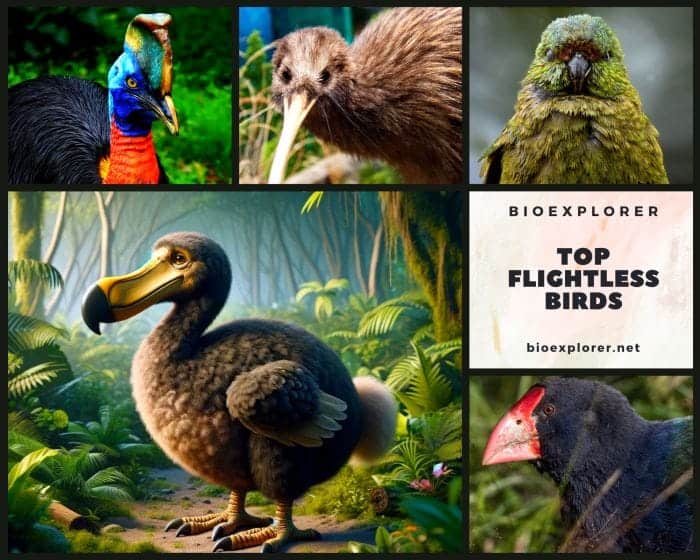
Flightless Birds: Insight into how birds adapted over time to live grounded lives. This article explores major flightless species – from giant moas to tiny kiwis and curious penguins – examining how isolation and lack of predators drove anatomical changes forfeiting skies for land locomotion mastery.
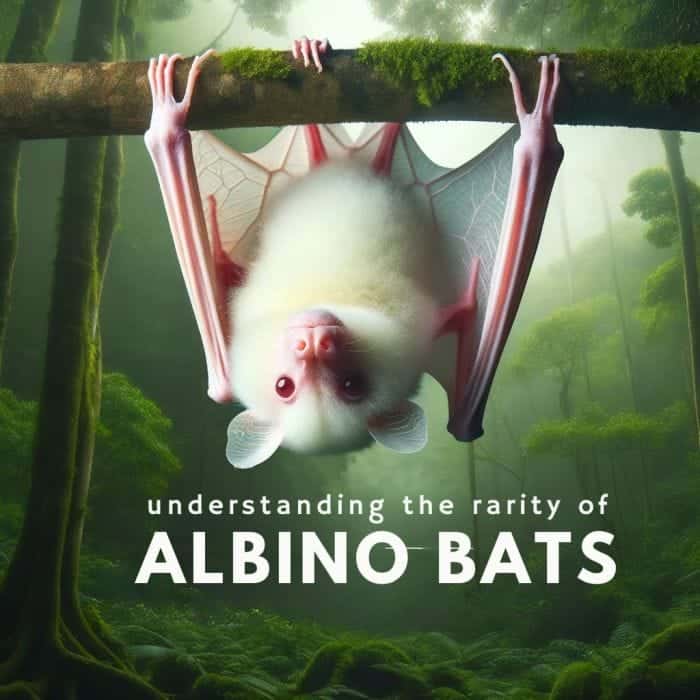
Albino Bats – Discover the genetic causes, physical traits, geographic hot-spots, and conservation efforts surrounding these rare pigment-less morphs that persist in tropical caves and forests through 60 global cases across 11 families.
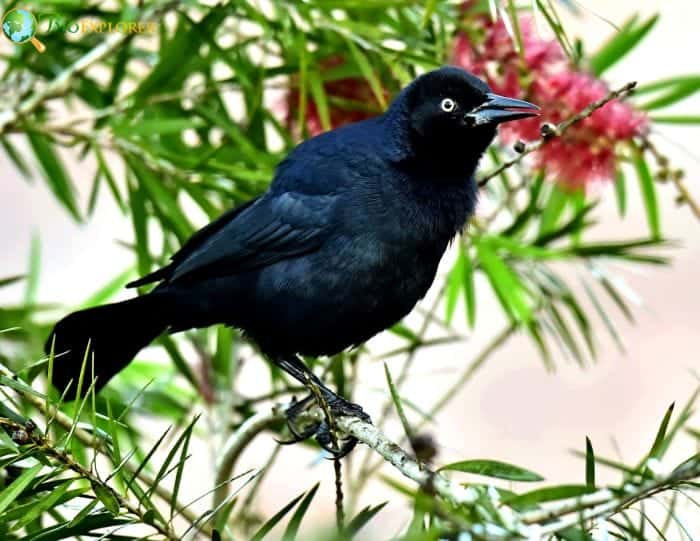
The Greater Antillean Grackle is a glossy black songbird native to the Caribbean’s Greater Antilles, including Cuba, Jamaica, Hispaniola, and Puerto Rico. Males reach about 27 cm (11 in) with a distinctive keel-shaped, “rudder-like” tail, while females are slightly smaller and less glossy. Its most striking feature is its bright yellow eye, the only non-black part of its body. These bold, noisy black birds thrive in open habitats near humans-towns, farms, mangroves, and pastures-and often form large, social flocks. Opportunistic eaters, they consume insects, fruit, seeds, small animals, and even human scraps.
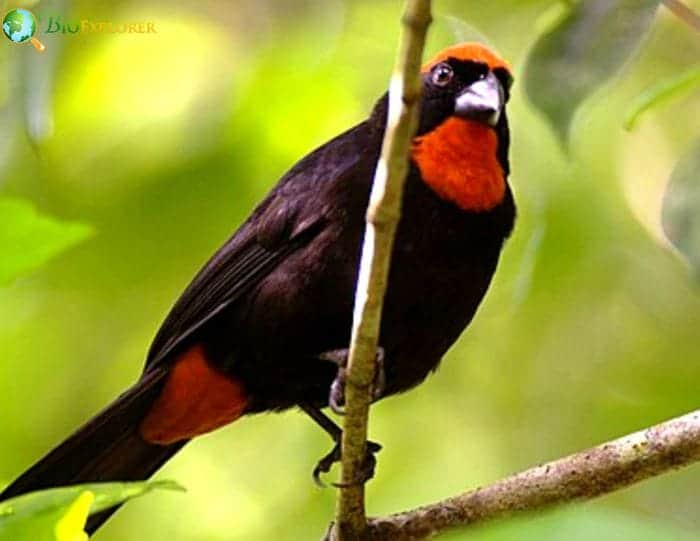
The Puerto Rican Bullfinch, or comeñame, is a stocky, black songbird with bright orange patches above the eyes, around the throat, and under the tail. Endemic to Puerto Rico, it inhabits dense forests and coffee plantations, foraging for fruit, seeds, insects, and spiders. Measuring 17–19 cm, it’s often heard before seen, thanks to its loud whistles and trills. Nests are spherical with a side entrance, usually placed low in trees or shrubs; clutches contain two to three greenish eggs.
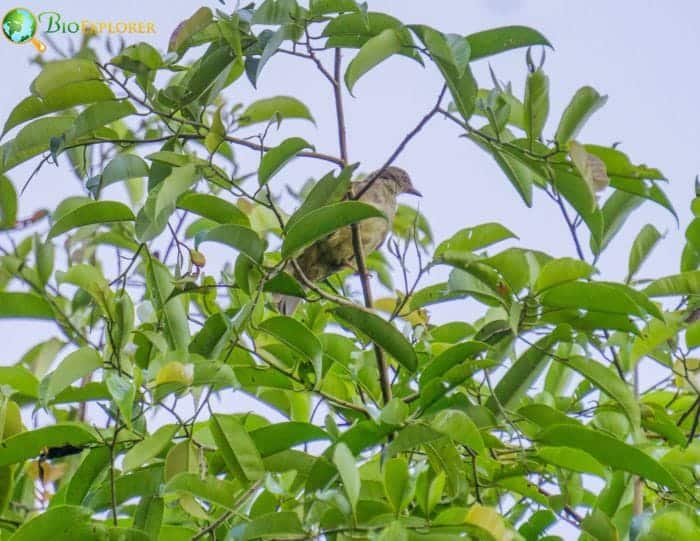
Trail a voiceful rainforest insectivore, the Puerto Rican Tanager (Nesospingus speculiferus), through remote protected sanctuaries sustaining this species’ specialized cloud forest niche now endangered by climate change and urban encroachment. Understand why this blue-hooded songster’s reliance on undisturbed canopy cover makes conservation of prime breeding grounds an emergency for securing its future.
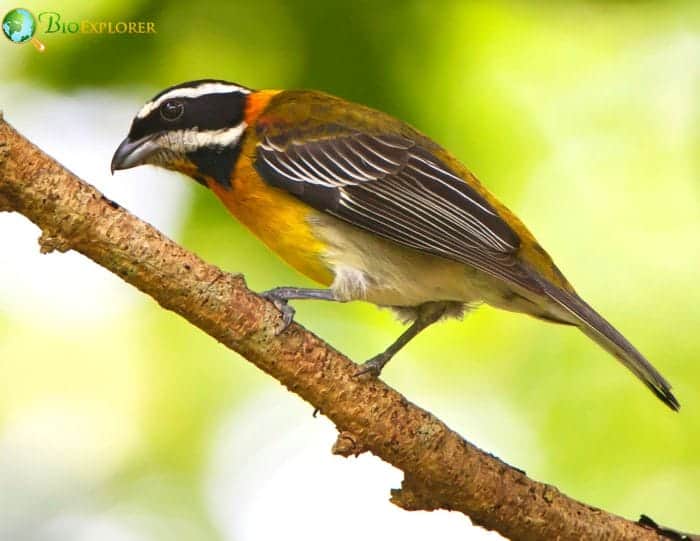
Check the brilliant hues of Puerto Rico’s unofficial national bird, the Puerto Rican Spindalis (Spindalis portoricensis), flickering like an island flag across forests and farms where this frugivore finds refuge. Understand how although adaptable to human-altered areas, habitat integrity is still paramount to enduring conservation for this vivid and voiceful endemic songster.
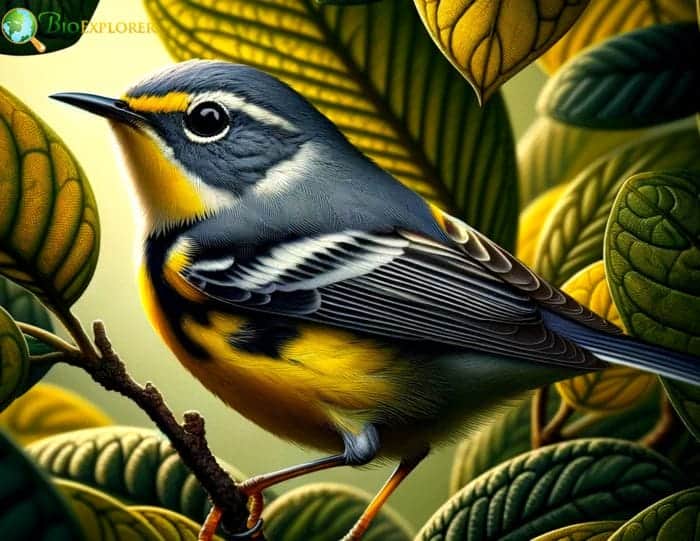
Preview a dry forest specialist, Adelaide’s Warbler (Setophaga Adelaide), whose preference for subtropical habitats, unlike mainland wood-warbler relatives, heightens both its inherent vulnerability and importance as a Puerto Rican endemic. Explore integrated conservation solutions that sustain warbler populations while supporting continued agricultural heritage across this region.
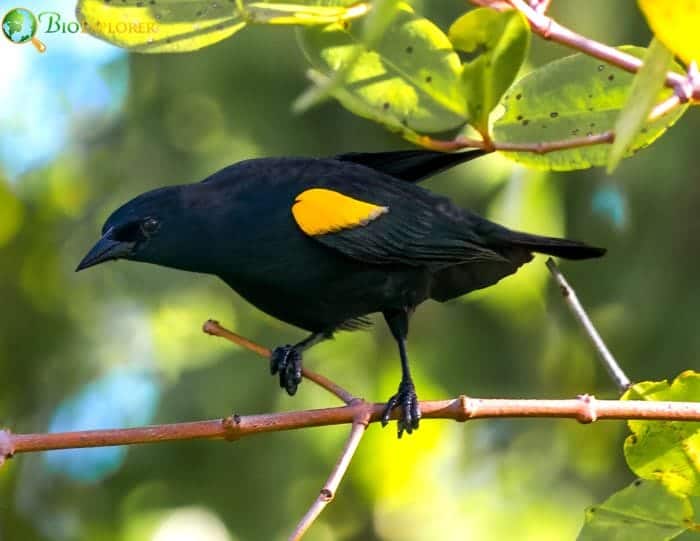
The Yellow-shouldered Blackbird is a glossy black songbird with a distinctive yellow patch on its “shoulders” outlined by a narrow white margin. Endemic and endangered in Puerto Rico, it inhabits mangroves, arid scrublands, and coastal forests. Males and females look alike, though males are slightly larger. These birds are primarily insectivorous but also eat some plant material, like cactus fruits. Nests are built in tree cavities, palm fronds, or cliff crevices, often in small colonies. Habitat loss and nest parasitism threaten the species. Their bright yellow epaulets set them apart from the similar red-winged blackbird.
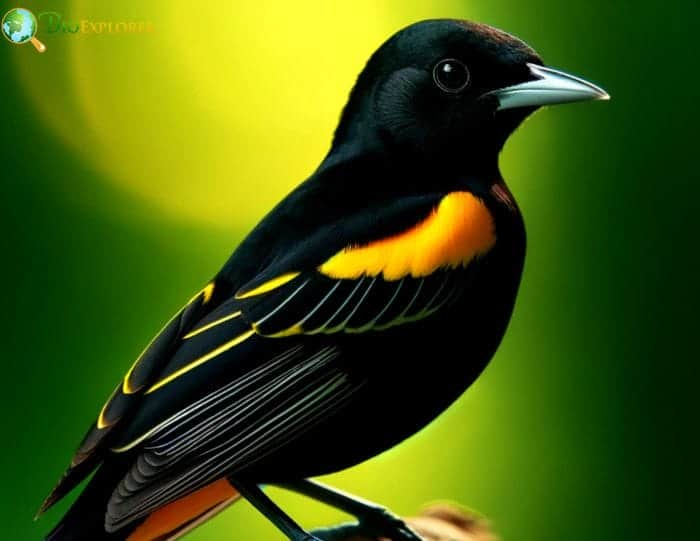
The Puerto Rican Oriole is a striking black songbird with bold yellow patches on its lower belly and shoulders. Endemic to Puerto Rico, it inhabits forests, mangroves, plantations, and especially areas with palm trees, where it weaves hanging basket nests beneath palm leaves. Both sexes look alike and sing, producing complex songs made of up to 27 different notes. Omnivorous, it forages for insects, fruit, lizards, nuts, and grains in dense vegetation. Family groups often remain together after breeding. Threats include habitat loss and nest parasitism by shiny cowbirds, but the species is still classified as Least Concern.
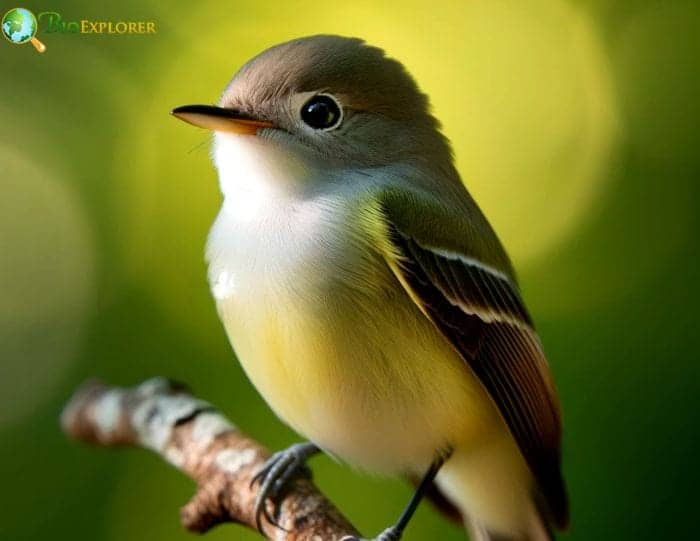
Follow the Puerto Rican Vireo’s (Vireo latimeri) melodious voice echoing across lush rainforest canopies, where this prime songster and insect-hunter is now increasingly challenged by hostile cowbird invaders. Learn specific conservation actions to secure this species’ specialized nesting requirements and protect fruit sources supplementing its distinctive territorial songs.
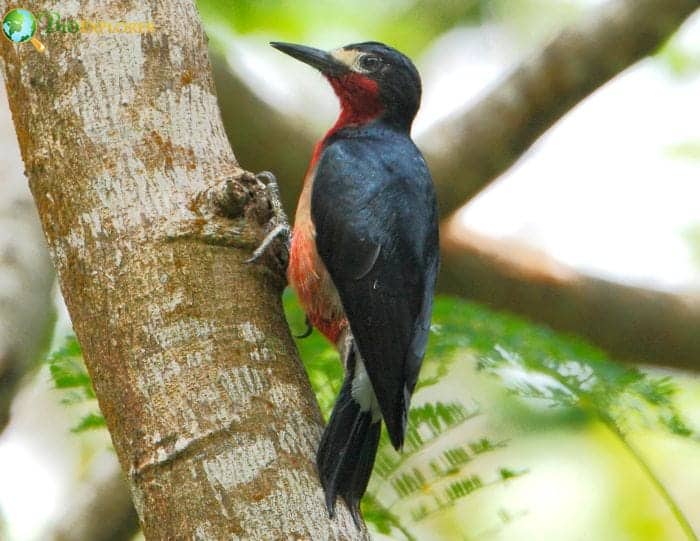
The Puerto Rican Woodpecker is the only woodpecker endemic to Puerto Rico, easily recognized by its glossy black body, bright red throat and breast, and a white band across the forehead. Males are slightly larger and have more vivid red coloring than females. This species thrives in forests, mangroves, coffee plantations, parks, and gardens across the main island, feeding mainly on insects but also enjoying fruit and occasionally small vertebrates. Its loud “wek-wek-wek” call is a common sound in Puerto Rican woodlands. Old nest cavities are often reused by other native birds.
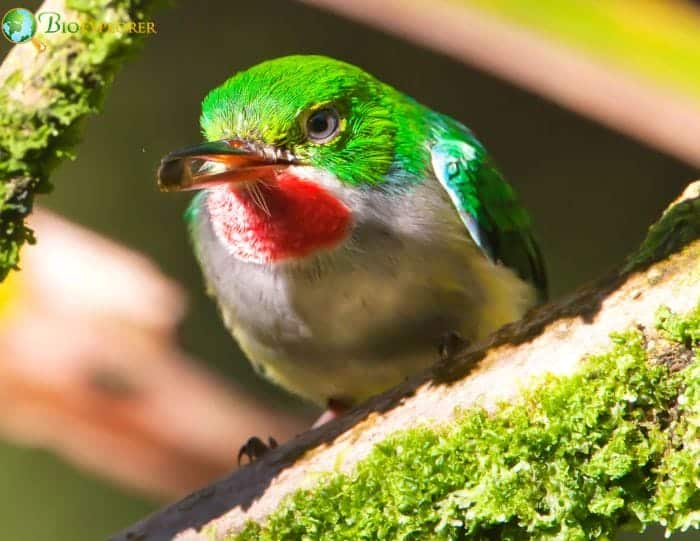
Marvel at Puerto Rico’s tiniest rainforest resident, the diminutive 11-cm Puerto Rican Tody (Todus mexicanus), using masterful maneuverability to exploit dense broadleaf cover when hunting aerial and leaf-lurking insects. Trace survival adaptations from lower metabolic rates to intricate nest tunnel construction to clutch production aligned with seasonal food availability.

Discover a versatile nocturnal raptor, the Puerto Rican Owl (Gymnasio nudipes), stealthily ruling the island’s forests and urban areas under cover of night. Follow its prowess capturing large insects and small vertebrates to sustain viable populations. Understand how this savvy Screech owl’s adaptability across wooded to developed areas enables its continued success.
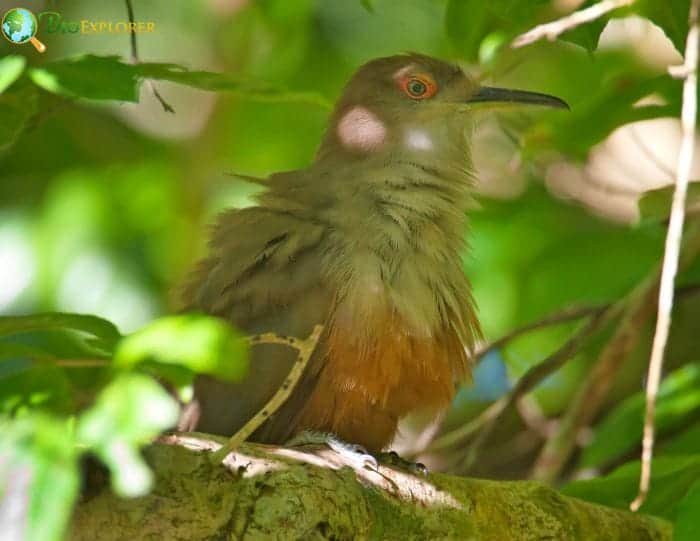
Uncover the mysteries of an expertly camouflaged rainforest bird, the Puerto Rican Lizard Cuckoo, capable of vanishing before your eyes after beckoning you with its eerie yet alluring calls. Understand how mature broadleaf cover supports this specialist predator, efficiently capturing frogs, lizards, and insects high in the canopy to sustain its cryptic existence.
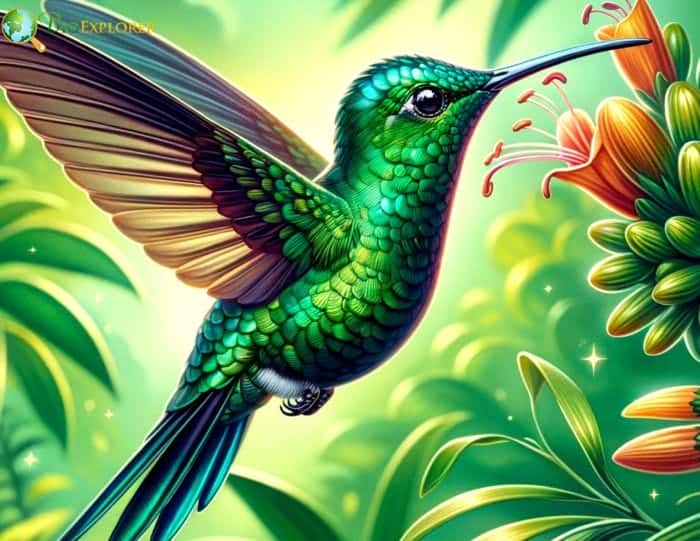
Follow a tiny metallic-hued hovercraft nimbly navigating the maze of mangroves, forests, and gardens spanning Puerto Rico. Well-adapted to myriad nesting sites, this Emerald hummingbird flits freely, relying on a diverse nectar supply to counter any migration need. Learn how keeping multiple doors open through habitat connectivity sustains this abundantly welcome wildcard across the island.
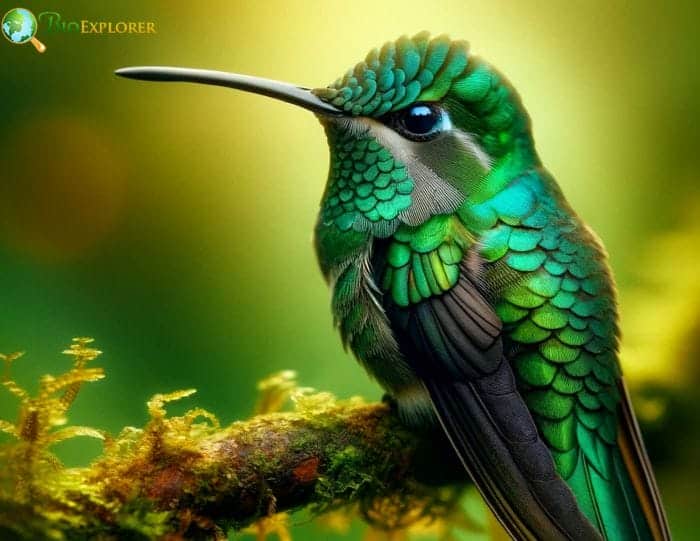
Marvel at Puerto Rico’s smallest avian pollinator, the iridescent emerald Green Mango hummingbird, fueled by nectar, sustaining its mobility through lush mountain rainforests and coffee plantations. Trace its role in carrying pollen through unbroken floral corridors rich in fruiting trees. Understand this diminutive species’ undisrupted pathway reliance on habitat connectivity to counter migration needs.