Search Results for: Lace

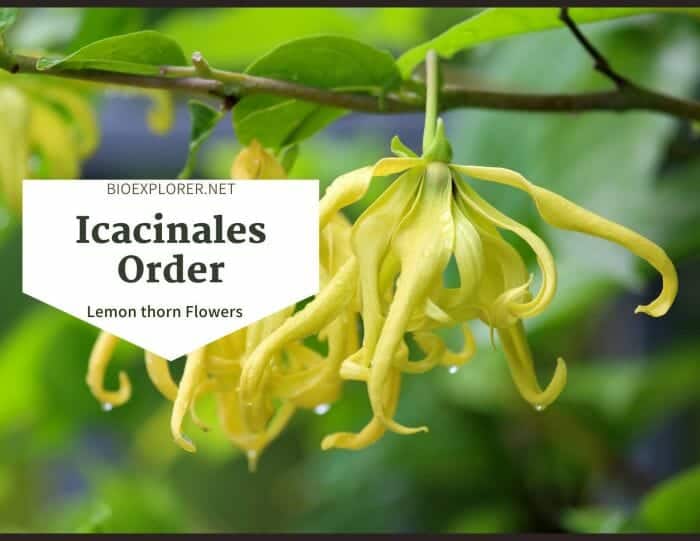
  • Order Icacinales / Lemon thorn Flowers

    Icacinales is an order of flowering plants that are principally distributed in tropical and subtropical regions of trees, shrubs, and lianas. The members of Icacinales have simple, alternate, and exstipulate leaves, bisexual flowers, usually 4-5 sepals, and commonly 4-6 petals. Icacinales order belongs to Class Magnoliopsida. Therefore, the APG IV system places 2 direct families under Order Icacinales.

  • Top 10 Microbiology News of 2020

    Microbiology News 2020: 2020 was the year of the horrific pandemic that influenced all aspects of our lives. Unfortunately, the scientific community was impacted too. Still, though the whole world scrambled to study the new virus, many scientific teams have made breakthroughs in other areas of microbiology and virology.

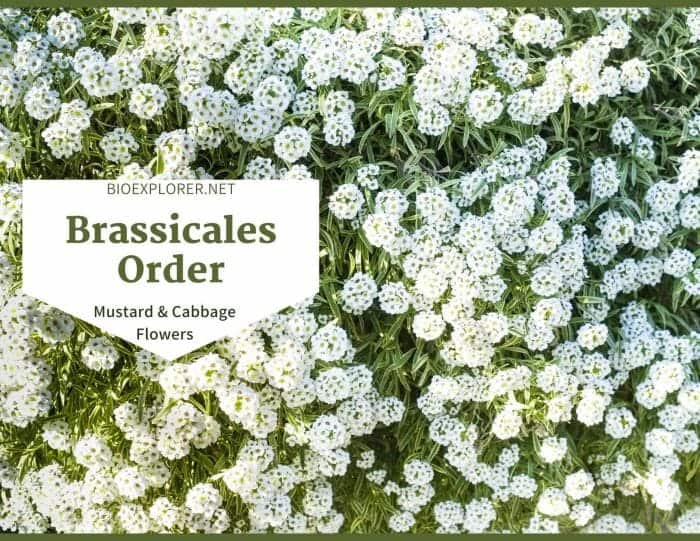
  • Brassicales / Mustard & Cabbage Flowers

    Brassicales is an order of flowering plants comprising trees, herbs, shrubs, or lianas primarily distributed worldwide. Brassicales have glucosinolates or mustard oils, small stipules, often bisexual flowers, inflorescences in racemose, and nectaries found between the petals and the stamens. The known plants of Brassicales are mustard, cabbage, capers, mignonette, and nasturtiums.

  • Order Crossosomatales / Rockflowers

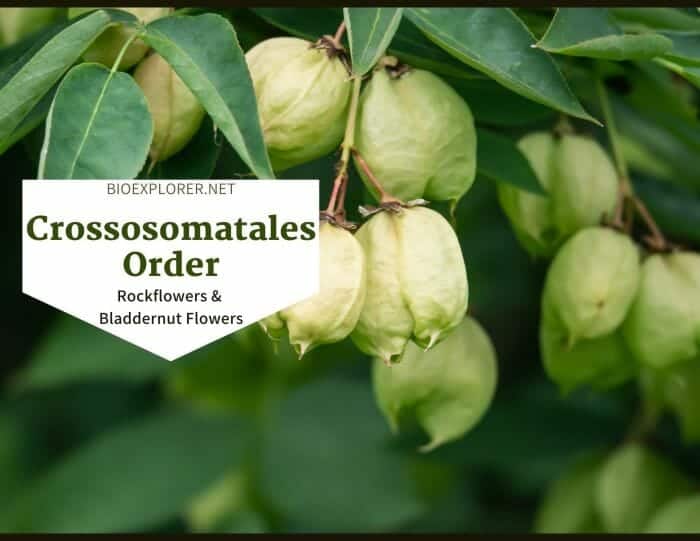
    Crossosomatales is a small order of flowering plants consisting of woody shrubs and trees. It is distributed in various regions across the northern and southern hemispheres. Crossosomatales or the Rockflower order is placed under Rosid eudicots and consists of 7 families and 12 genera.

  • Order Ceratophyllales / Hornwort Flowers

    Ceratophyllales is an order of dicotyledonous flowering plants that are cosmopolitan in distribution. The Ceratophyllales members are aquatic herbs having whorled, dichotomously branched, and serrulate leaves. Species of Ceratophyllales are aquatic herbs. Economically, they are used as a protective cover in fisheries and aquarium plants.

  • Throatwort

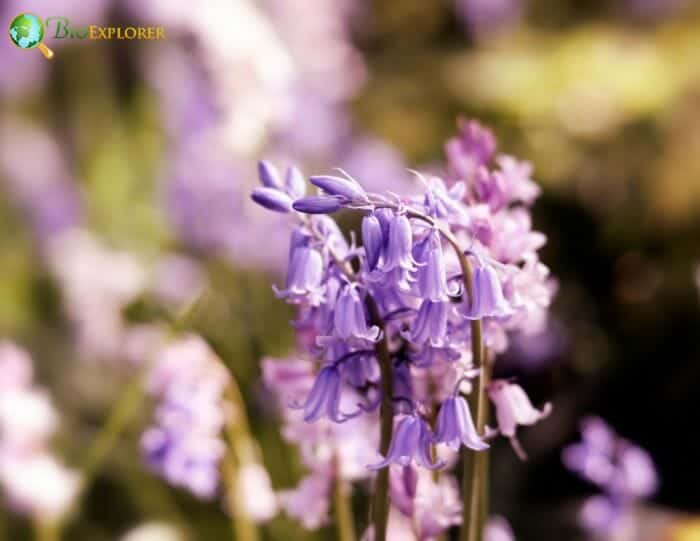
    Intricate and delicate, Throatwort (Trachelium caeruleum) dazzles with its thick cushions of blue-violet flowers and gives any garden or flower arrangement an elegant, lace-like charm. The flowers come in shades of white, green, pink, purple, and blue, but the flowers of the white varieties age more quickly.

  • Tassel flower

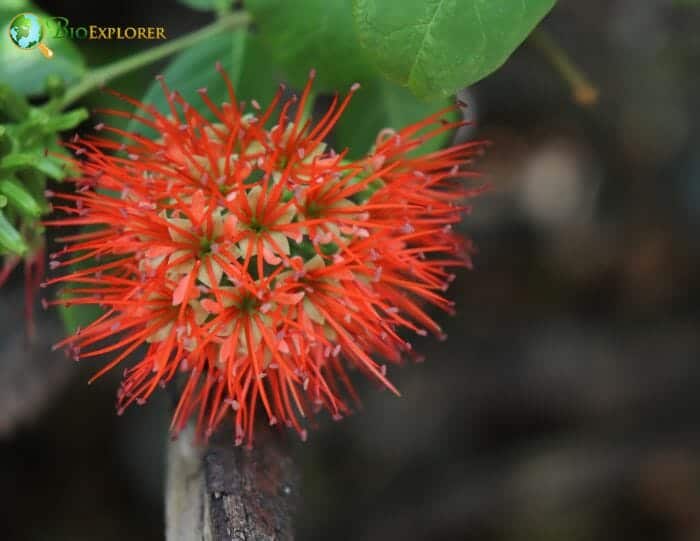
    The Tassel flower is a small, intriguing plant on the front edge, producing tiny scarlet-orange pompoms that appear to float in mid-air when viewed from a distance. Also known as Cupid’s shaving brush or Emilia, the tassel flower is a genus of over 100 species in the Asteraceae family found primarily in the tropics of the Old World.

  • Southernwood

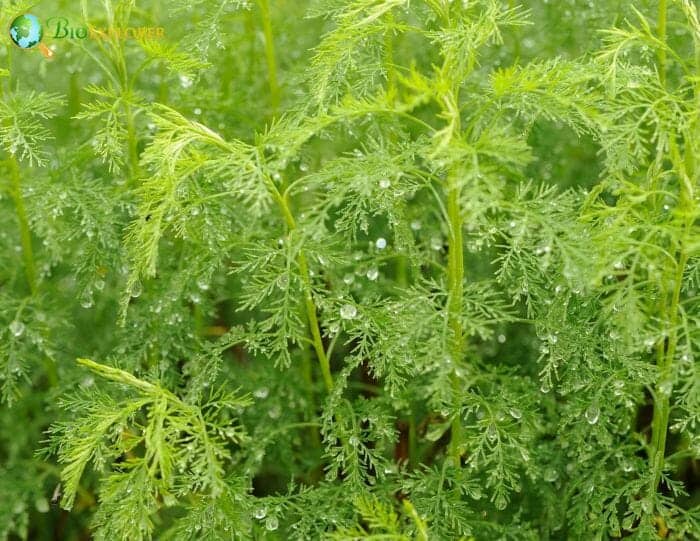
    Southernwood may seem like a minimal spread plant, but it has toured the world in the past few centuries. Despite its name, Southernwood is not a tree. Artemisia belongs to the family Asteraceae, which includes about 2,000 flowering plants. This plant is native to Africa and Eurasia but naturalized in scattered locations across North America.

  • Sedum

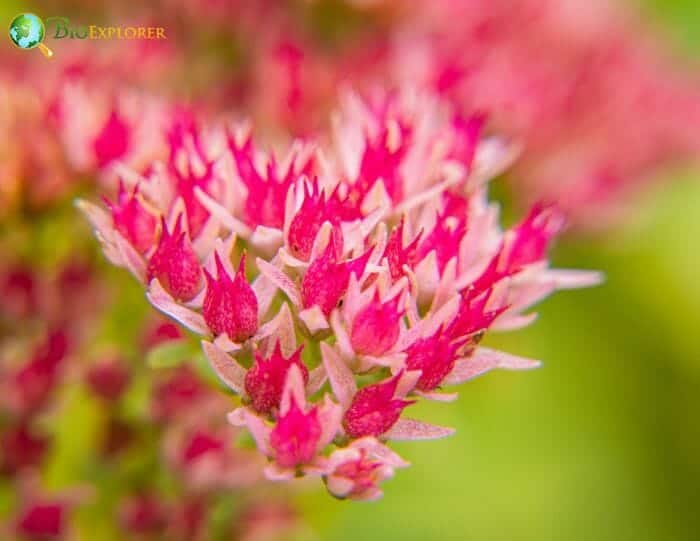
    In botanical gardens or gardening stores, you may have found plants named “Sedum” that are so different that you wonder if they are related to one another. The genus Sedum is part of the large Crassulaceae (stonecrops) family named for their ability to grow in cold, dry areas with little water.

  • Order Poales / Grass, Bamboo and Pineapple

    Poales species are monocots with two-ranked leaves, much reduced flowers, dry and small stigma, and well-developed style. The Poales flowers are unisexual, bisexual, or sterile and pollination of the members is via anemophily or entomophily. The famous bamboo, pineapple, Yellow-eyed grass, Stream Bogmoss, and Palmiet are found under Poales order.

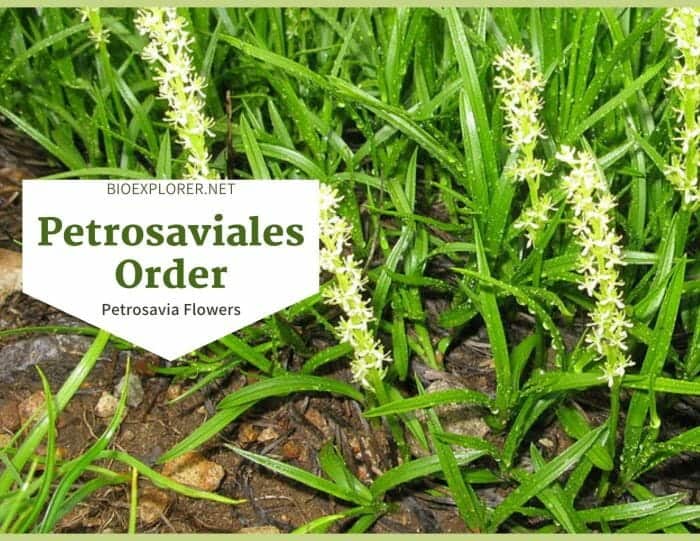
  • Order Petrosaviales / Petrosavia Flowers

    Petrosaviales is a very small order grouped within the lilioid monocots, are found in eastern and southeastern Asia. Plants of Petrosaviales have no laticifers and vessels in the axial system and possess simple, small, reduced (or absent) leaves. Japolinorion osense and Petrosavia sakuraii are example flowers of the Petrosaviales order.

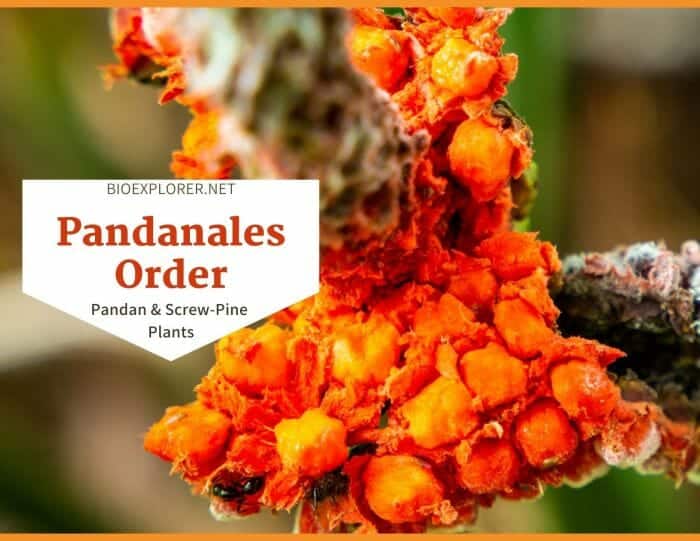
  • Order Pandanales / Pandan & Screw-Pine Plants

    Panama hat palm or screw-pines order of flowers is called Pandanales, which range from arborescent plants of tropical coastal areas and rainforests to the forest floor’s twining herbs, lianas, and saprophytic herbs. Hala tree, Rainforest Screw Pine, Paca, Purple Vellozia, Creeping vellozia, and Wild Asparagus are examples of Pandanales order flowers.

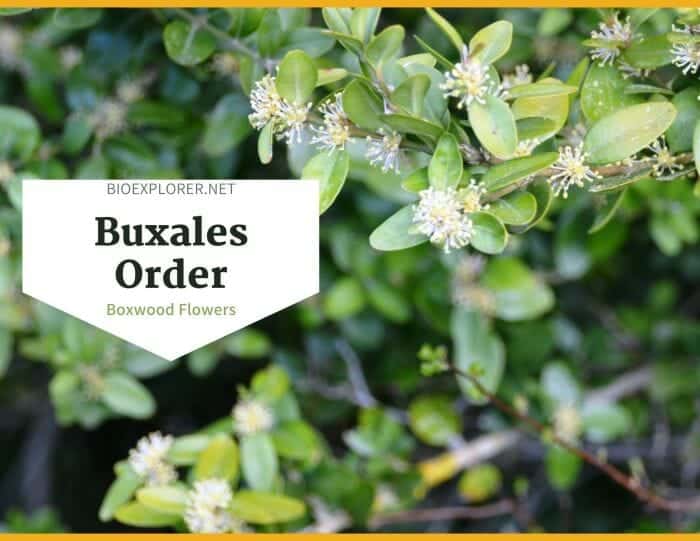
  • Order Buxales / Boxwood Flowers

    The whole range of boxwood flowers belong to order Buxales. Order Buxales is the eudicot flowering plant consisting of evergreen shrubs or trees. Members of Buxales are usually monoecious with simple, non-sheathing, and estipulate leaves. Balearic box, Korean boxwood, Japanese Pachysandra, and Allegheny spurge are excellent garden flowers from this order.
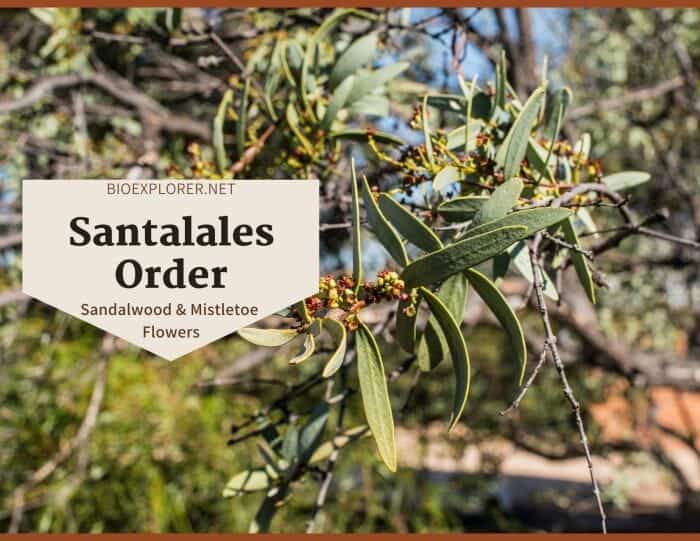
  • Order Santalales / Sandalwood & Mistletoe Flowers

    Santalales is one of the most prominent groups of parasitic flowering plants, with species distributed worldwide. Santalales involve plants that form haustorium to penetrate the host’s barks and roots, plants that undergo photosynthesizing activities in the stem, and members with usually simple and exstipulate leaves. Sandalwood and mistletoes are just two of the known plants under Santalales.
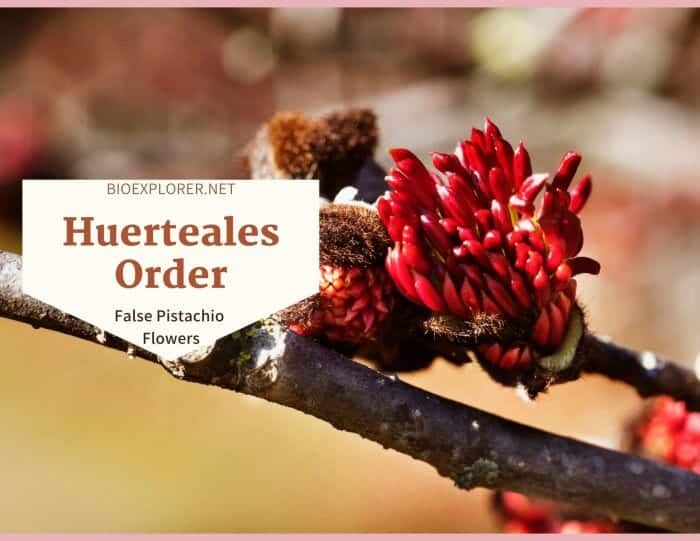
  • Order Huerteales / False Pistachio & Olomea Flowers

    Huerteales is an unusual order of flowers belonging to the rosids, a large eudicot group. The small trees and shrubs are primarily found in tropical or warm temperate regions. Plants in Huerteales usually possess alternate leaves, small and actinomorphic flowers, and 5-merous floral parts. Most Huerteales flowers are bisexual, and all possess nectaries to promote pollination. All species of Huerteales are woody, like the Olomea, brown-ironwood and False pistachio.

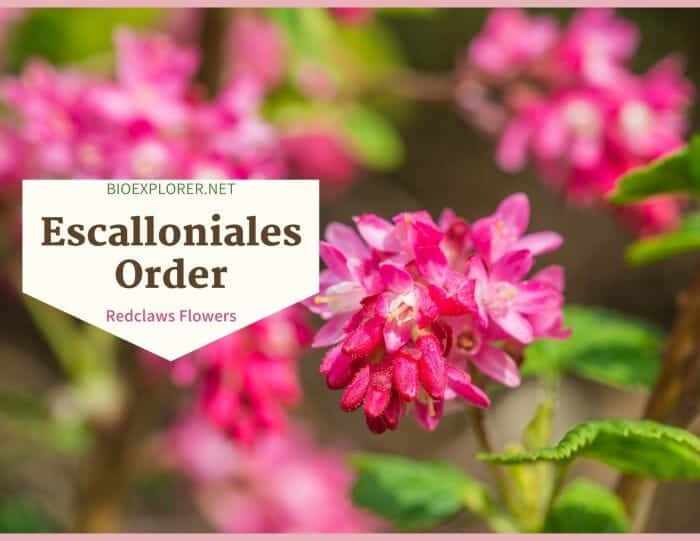
  • Order Escalloniales / Redclaws & Laurel Flowers

    Escalloniales is an order of eudicotyledonous flowers placed under the clade of campanulidas. Being predominantly distributed in the southern hemisphere, Escalloniaceae plants possess simple, petiolate, exstipulate leaves, regular flowers mostly in racemose, and pentamerous floral parts. Redclaws, Chachacoma, Native laurel, Polyosmo leratii and white alder are among the beneficial Escalloniacea species.
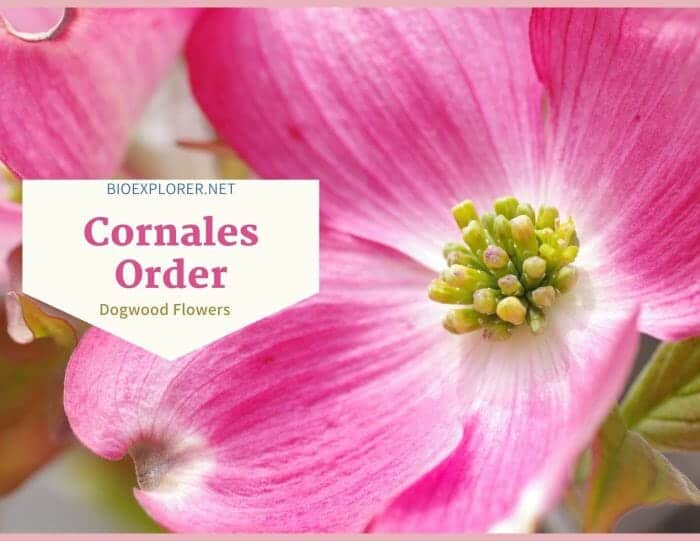
  • Order Cornales / Dogwood Flowers

    The dogwood order of flowers, Cornales, is basal among asterids. Cornales is relatively small, but members are morphologically diverse and are cosmopolitan in distribution. Cornales plants are mostly woody with simple or compound leaves, small flowers, floral parts in multiples of four, and generally bisexual. Many of the species of Cornales, like the flowering dogwood and Lindley’s blazing star are of ornamental value.
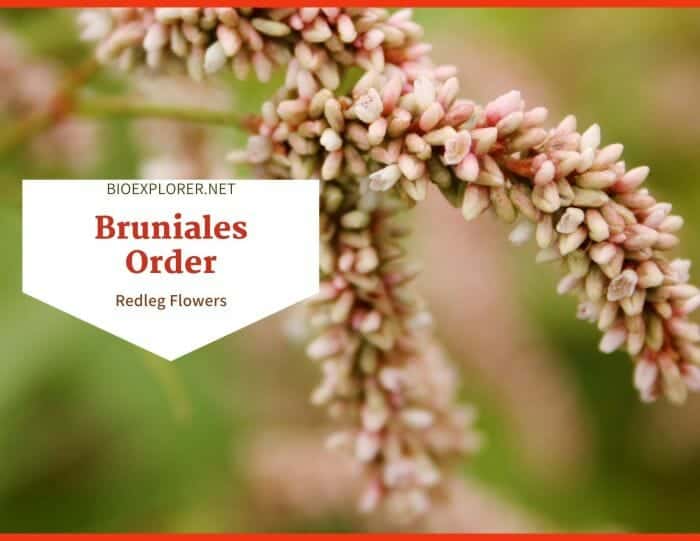
  • Order Bruniales / Redleg & Spiny Desfontainia Flowers

    The Order Bruniales plants typically possess small, persistent, and simple leaves, small to medium-size flowers, mostly 5-merous in the calyx and corolla, and usually clawed petals. The members of Bruniales are hermaphrodites and undergo pollination via insects and hummingbirds. Known example flowering species are redlegs, common cotton bush, Cone stompie and the spiny desfontainia.

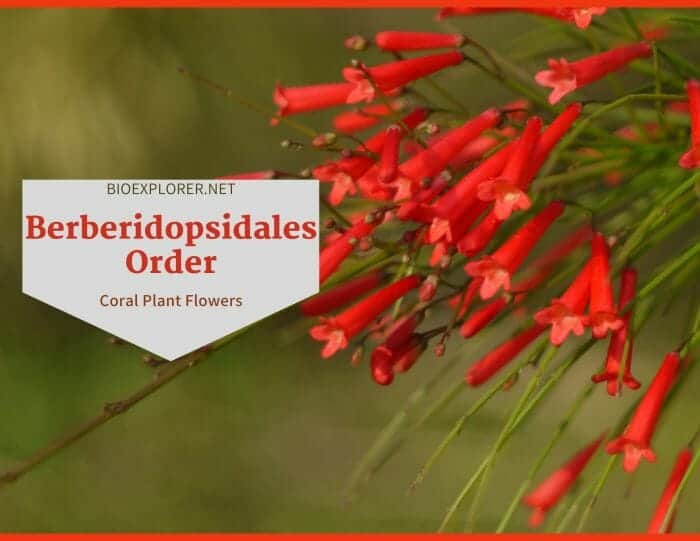
  • Order Berberidopsidales / Coral Plant Flowers

    Berberidopsidales is a small order of flowering species under the clade of the core eudicots. The species of Berberidopsidales possess crystals, usually have 5-merous floral parts and usually small flowers. Coral plant and Olivilla flowers are among the only 4 species of Berberidopsidales.

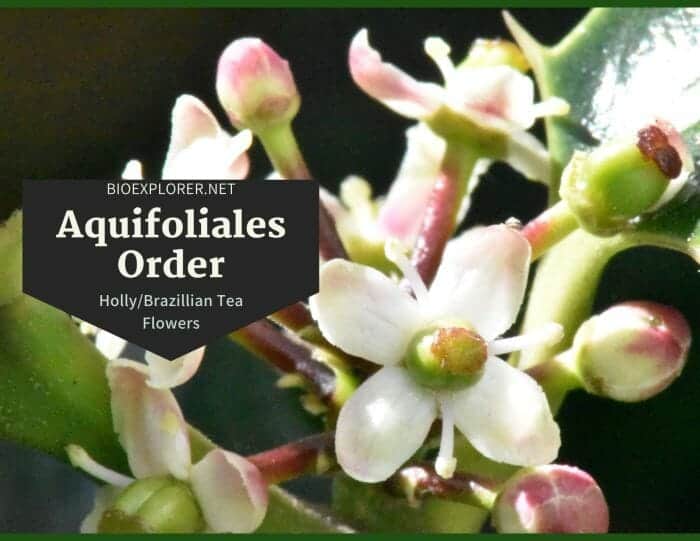
  • Order Aquifoliales / Holly & Brazillian Tea Flowers

    Aquifoliales is the holly order of flowering plants, including the common holly and Brazillian tea plants. They are primarily distributed worldwide with usually evergreen trees and shrubs. The Aquifoliales leaves are typically alternate, exstipulate, and lack leaf sheath. American holly, Churnwood, and Japanese helwingia are Aquifoliales flowers.

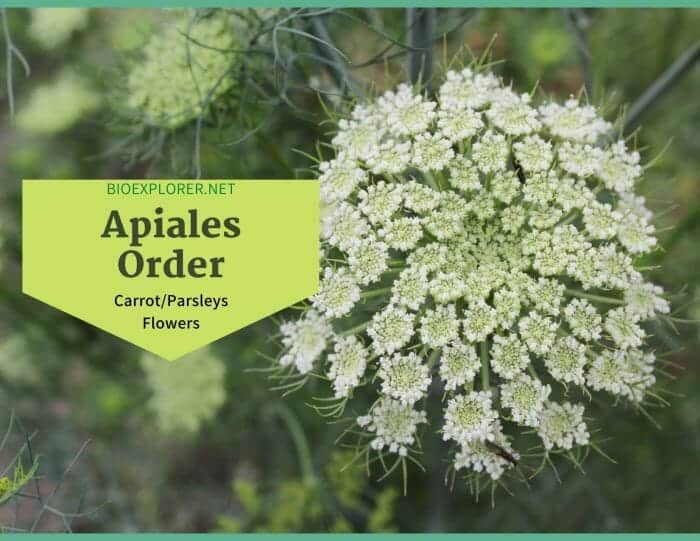
  • Order Apiales / Carrots and Parsleys Flowers

    Apiales are an order of flowering plants belonging to Class Magnoliopsida. The species of order Apiales are distributed worldwide and involve important and common plants like carrot, parsley, and ginseng.

  • Clematis

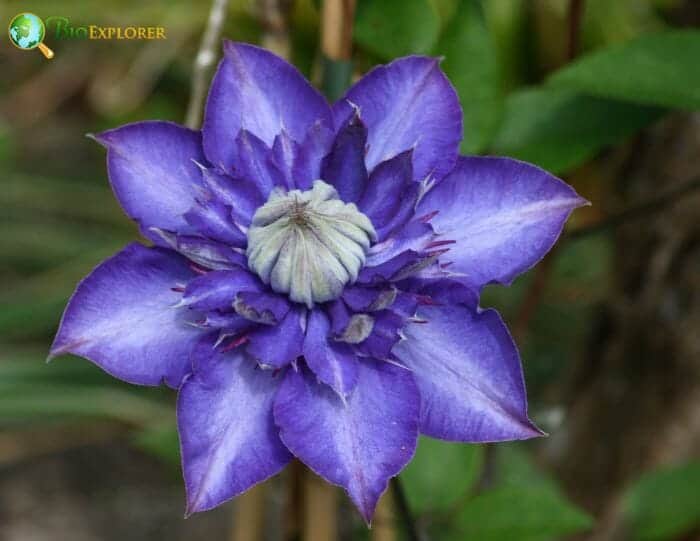
    Clematis is an easy-care perennial covered in large, vigorous flowers in spring and summer (there are also some autumn blooms). These beautiful flowers are available in various colors, including red, white, pink, blue, purple, and bi-color.

  • Myrsine

    Myrsine is a genus of plants in the Primulaceae family. It was previously placed in the Myrsinaceae family before merging with the Primulaceae. Myrsine africana has small white to pink flowers in spring followed by purple/bright red berries.

  • Milkwort

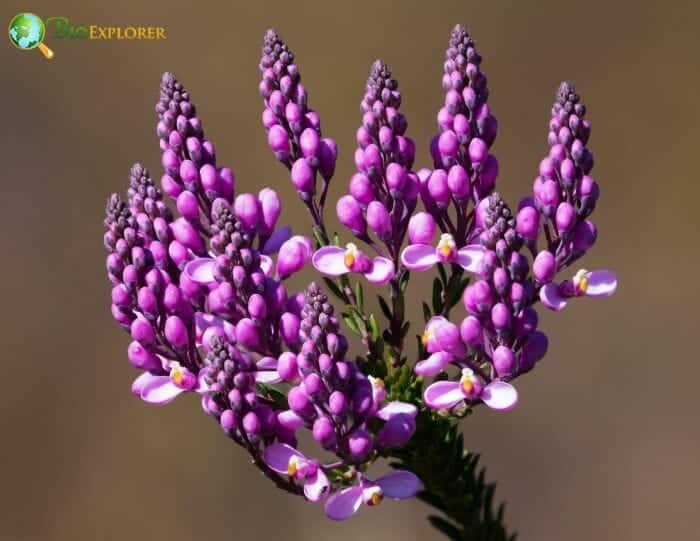
    Milkwort (Polygala vulgaris) might not have the most endearing name. Still, it’s one of the stars of the early-fall summer show in Europe. The flowers are usually dark blue to light blue, but they can also be pink, purple, and white. The flowers have small petals surrounded by a pair of flat-top sepals that look like petals.

  • Night-flowering Catchfly

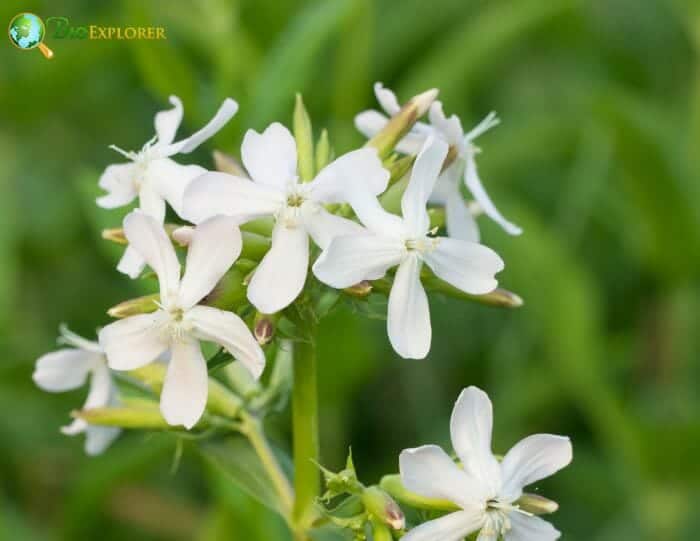
    Night-flowering Catchfly (Silene noctiflora) is a species of plant in the Caryophyllaceae family, known by the common names clammy cockle and night flowering silene. With almost 900 species, it’s the largest genus in the Caryophyllaceae family. The corolla is white, sometimes with pinkish tones, and has five narrow, spreading claw-shaped lobes that are deeply serrated with rounded and slightly serrated ends.

  • Love-in-a-Mist

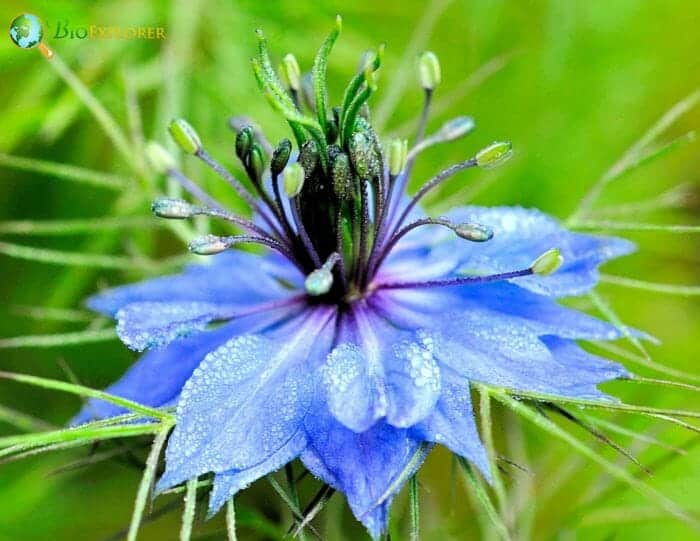
    With a popular name like Love-in-a-Mist, one could guess that Nigella damascena would have a romantic story. The flowers are usually pale blue to light blue, but some can be lavender, pink, or white. Each flower is 1½-inches wide, with five large, petal-shaped sepals and tiny, deeply divided petals hidden under the stamens.

  • Leadwort

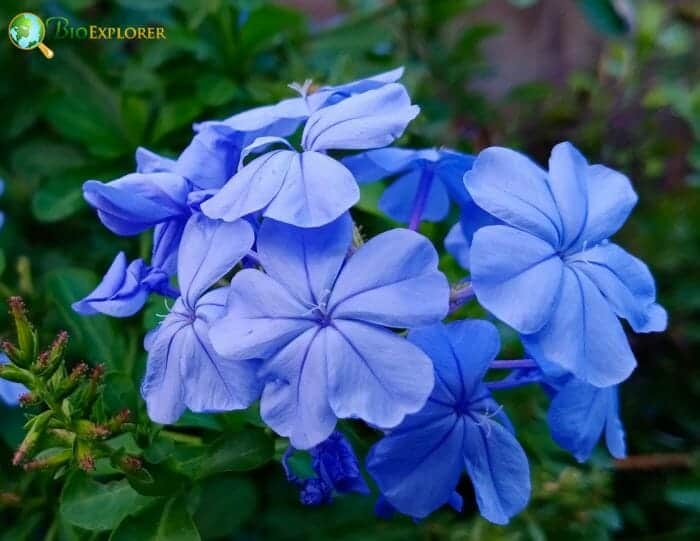
    The name Leadwort may not sound flattering, but this beautiful, hardworking perennial always deserves a place in a home garden. The terminal clumps of five-petalled gentian blue flowers (1/2 to 3/4 inch in diameter) appear on the foliage during a long flowering period from summer to frost.

  • Lavandula

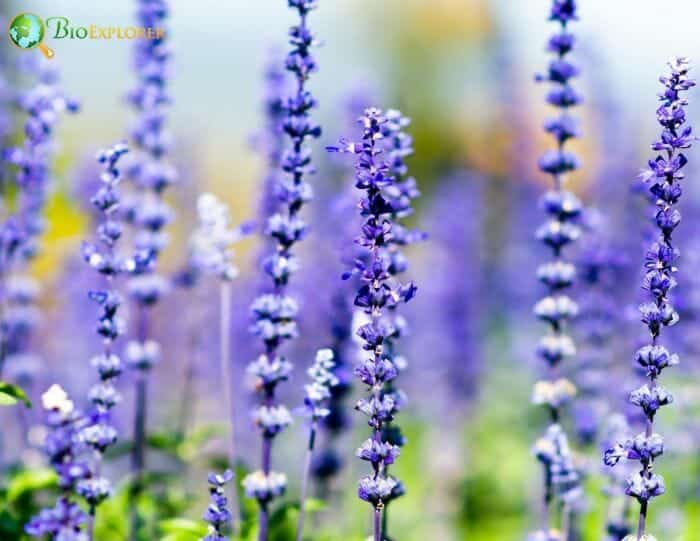
    Lavandula angustifolia is undoubtedly amongst the most popular herbaceous plants. With its purple flowers, the fragrant plant adorns many window sills, gardens, and balconies. Lavandula typically blooms between late May and mid-September. There it forms purple flowers, rarely white, which are arranged in pseudo-whorls.

  • Order Acorales / Sweet Flag Flowers

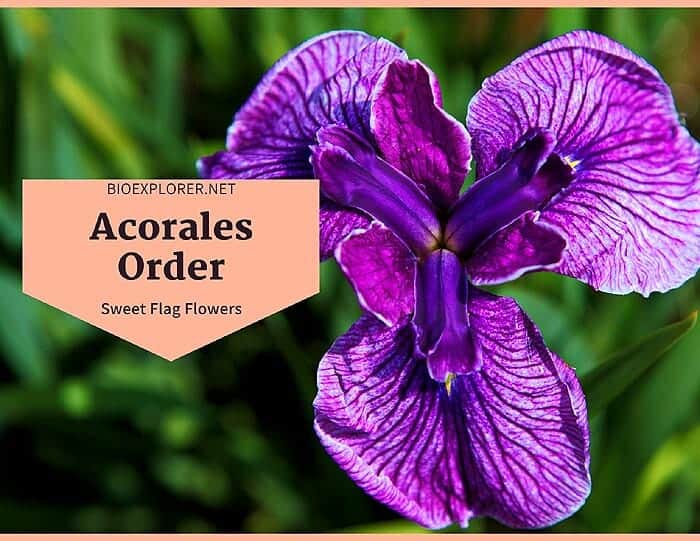
    Acorales commonly called the sweet flag order of flowering plants is considered the most basal lineage of monocotyledons (monocots). There is only one family in this order called Acoraceae and one genus, Acorus divided into two to four plant species that resemble irises.

  • Order Canellales / Cinnamon & Shrub Flowers

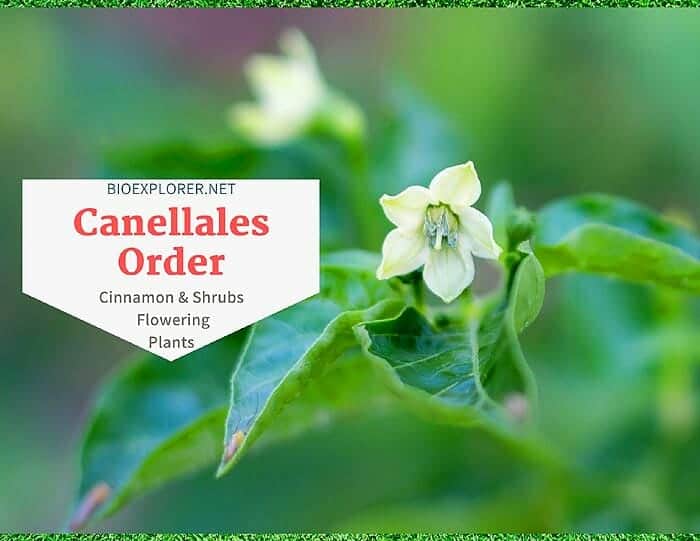
    Canellales is the Order of flowering plants that belong to the magnoliids clade, an angiosperm tree early branch. Canellales include flowering species such as Wild Cinnamon, Chupacallos, Saro plant, Mountain Cinnamon, African Greenheart, Pepper Tree, Northland Horopito & many more.

  • Hornbeam

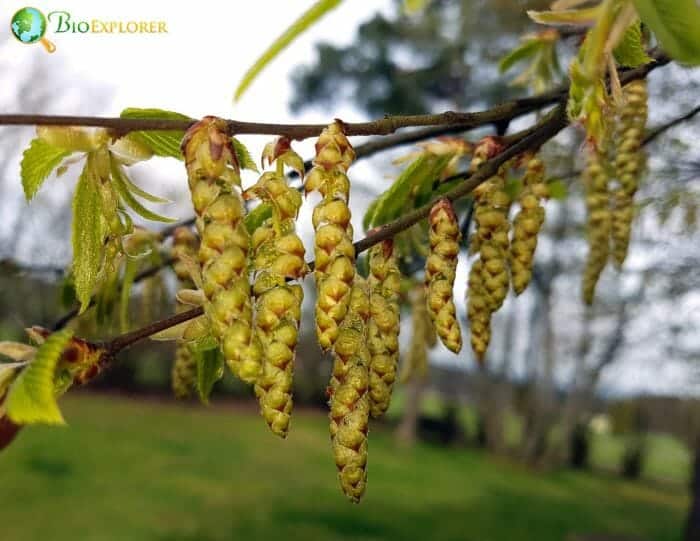
    Carpinus caroliniana, commonly known as Hornbeam, is a slow-growing, trimmed medium-sized deciduous tree with an eye-catching spherical shape. The flowers (catkins) are yellow and droopy and appear as separate female and male catkins in spring.

  • Kalanchoe

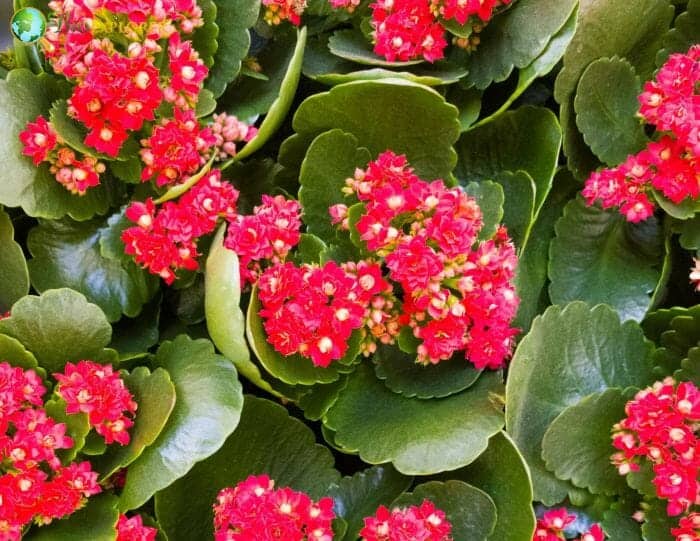
    The Kalanchoe blossfeldiana, commonly known as Kalanchoe, is among the most versatile succulents and is loved for its pretty leaves and colorful blooms. Their flowering time is incredibly long for an indoor plant. These yellow, pink or bright red flower racemes last for several weeks.

  • Indian cress

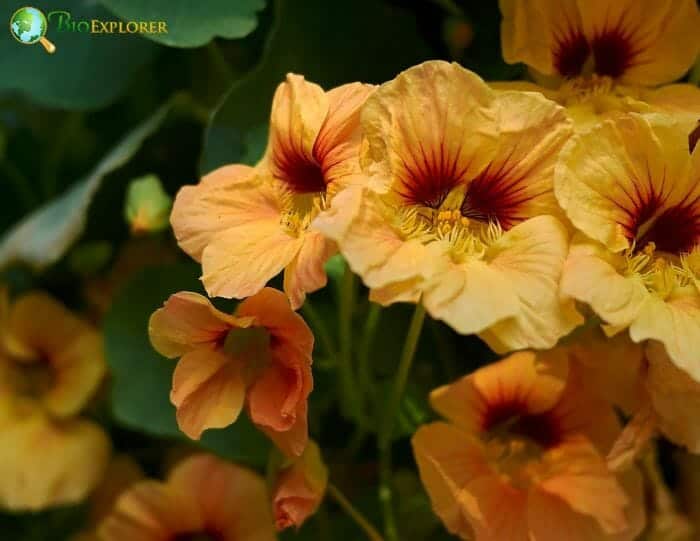
    Indian cress (Tropaeolum majus), also known as monks cress, nasturtium, or garden nasturtium, is a flowering plant species from the Tropaeolaceae family native to the Andes from Bolivia to Colombia. The short-lived perennial or easy-growing annual with disc-shaped foliage and bright orange or red flowers are cultivated, possibly origin hybrid.

  • Hollowroot

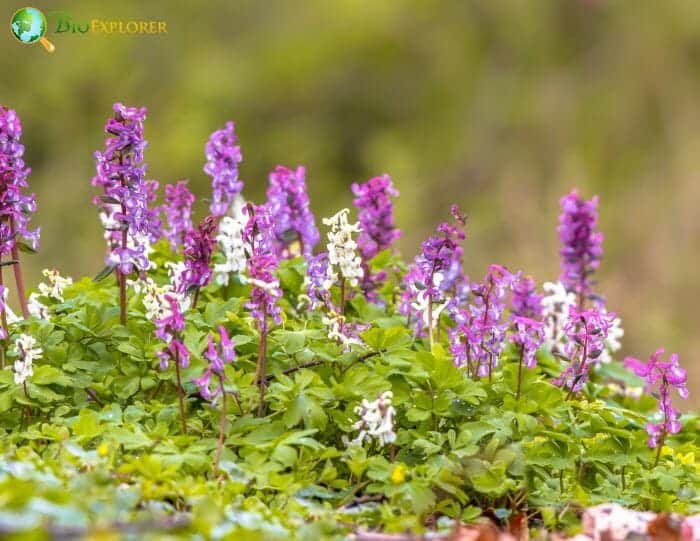
    The hollowroot plant enchants with delicate carpets of leaves, on which fragrant blooms in white and deep purple-pink open. The plant belongs to the Fumarioideae (fumitory) family. Hollowroot opens its slightly fragrant white to purple or dark pink blooms from March to April.

  • Order Austrobaileyales / Woody Aromatic Flowers

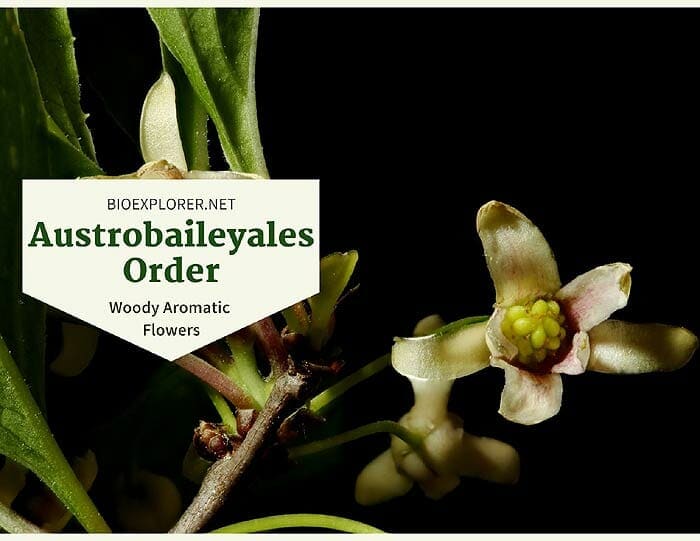
    Austrobaileyales order is composed of woody aromatic flowers in three different families. Example flowering plants include Wu Wei Zi, Magnolia vine, Star anise, Bay starvine, Kadsura vine, Bitter vine, and more.

  • Dodder

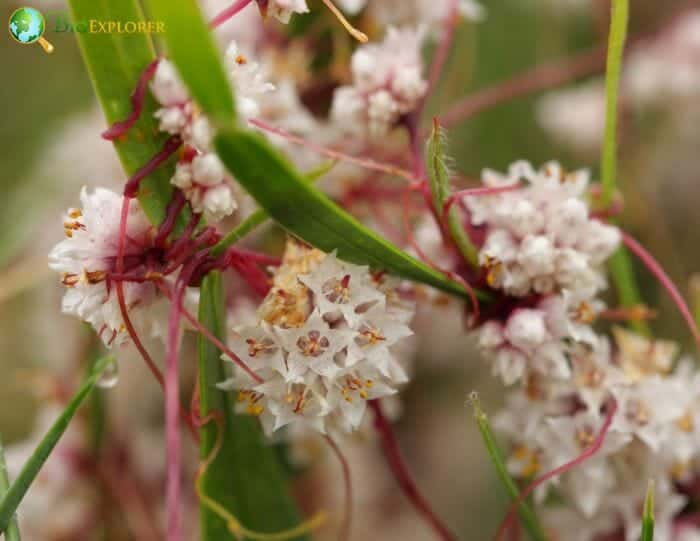
    Dodder (Cuscuta cephalanthi) belongs to a genus of over 200 species of obligate air-parasitic plants in the Convolvulaceae family.Dodder flowers appear in greenish-yellow or white clusters.

  • Campanula

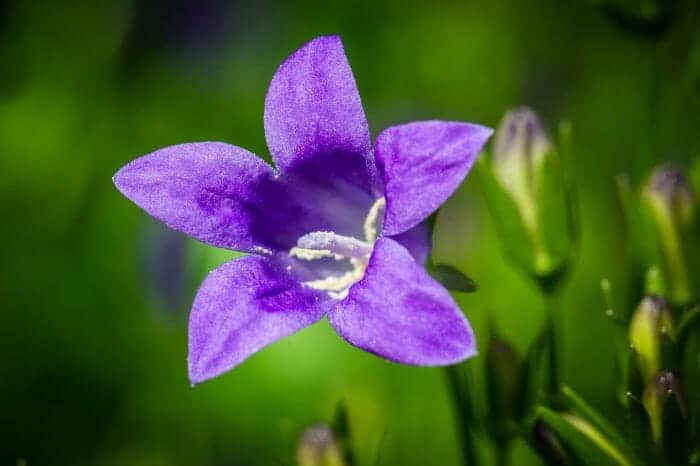
    As a roadside flower that is now spreading in many regions of the world, the Campanula flower is a striking purple or blue addition to your meadow. This plant is a genus of approximately 500 species of plants in the Campanulaceae family native to the northern hemisphere’s temperate regions.

  • Caladium

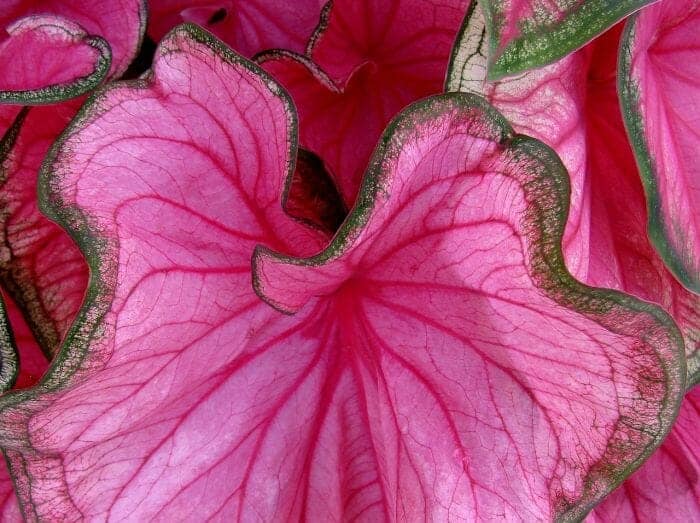
    Caladium, with its heart-shaped leaves in different colors of white, pink, and red, are affectionately known as Angel Wings and Heart of Jesus. These lovely tropical foliage plants grow from tubers native to South America’s Amazon Basin.

  • Barberry

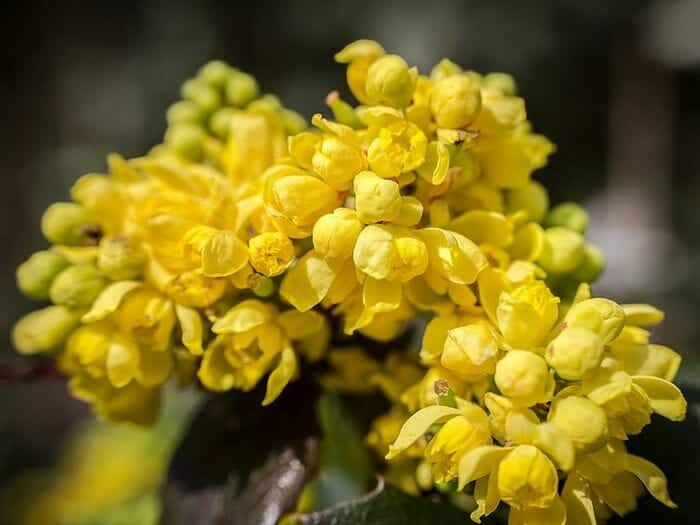
    If you find a dicotyledonous plant with holly-like evergreen leaves and flower parts in multiples of three, it is possibly one of the Barberry family. Worldwide, there are approximately 570 species and 15 genera in the Barberry family.

  • Baneberry

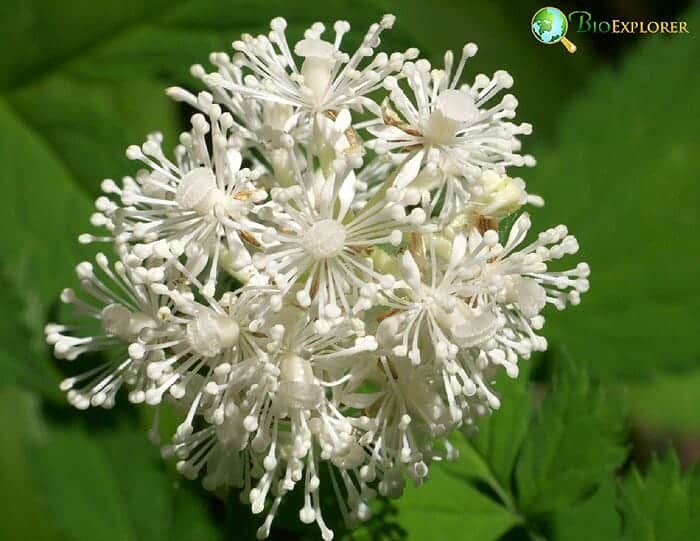
    Baneberry flowers are ideal for cool, shady places; the thread-like Baneberry flowers bring a vacation-inspired look to your backyard. Two (2) species of Baneberry are common in North America: Actaea rubra (Red Baneberry) and Actaea pachypoda (White Baneberry).

  • Ammi majus

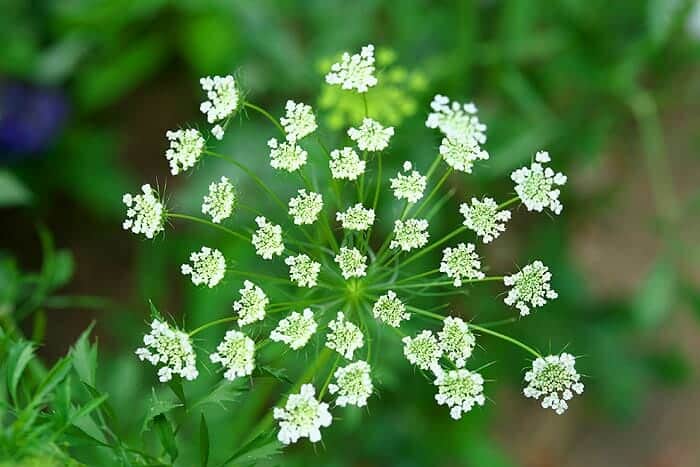
    Ammi majus may not be an actual “royal”, but the royal appeal of this flower is undeniable. Treasured by designers for its airy, lace-like, and delicate charm, Ammi includes a group of perennials that are often misconstrued for their more “royal” cousin (Queen Anne’s Lace or Daucus carota).

  • Anemone

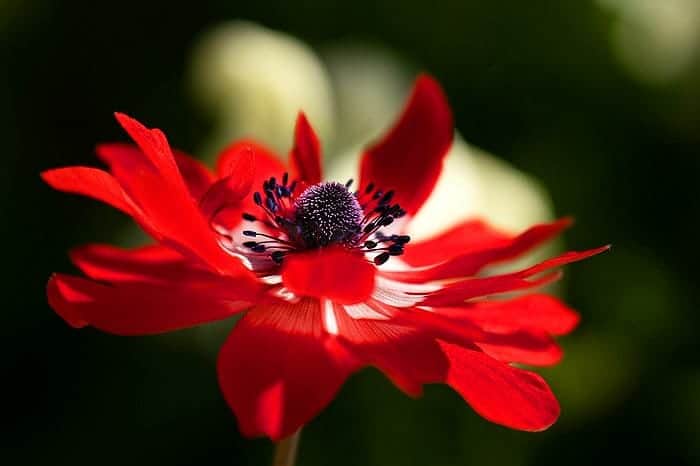
    With around 200 species, Anemone is a flower that belongs to the buttercup family (Ranunculaceae). The Anemone flower comes in various colors: red, green, yellow, purple, blue, pink, and white. This little flower is native to Japan but can be found in most European countries and the United States.

  • Aconite

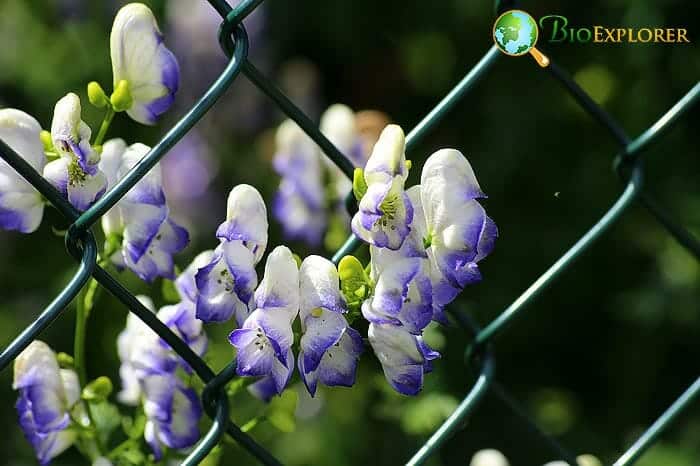
    Aconite is a poisonous flower that is not as popular as some others. Aconite is a genus of over 300 species of flowering plants in the Ranunculaceae family.

  • Types of Plants: The Four Major Classifications of Plants

    Botanists classify plants into several groups that have similar & distinguishing characteristics. Plants are all unique regarding physical appearance, structure, and physiological behavior. There are two major classifications of plants are non-vascular & vascular. Explore all 4 major phyla of the plants here.

  • Types of Crocodiles

    Crocodilia is one of the reptile orders dedicated to large, lizard-shaped, and predatory reptiles. Explore 23 types of crocodiles by water bodies, regions, and taxonomy classification year.

  • Top 10 Genetics News of 2020

    Genetics in 2020 also came to the forefront of science because tracing the virus variants was crucial. Here are the top 10 genetics news of 2020 reviewed.

  • Top 15 USA Biology Scholarships For Aspiring Biology Students

    A degree in biology has much application in various fields and can be a stepping stone to pursue greater careers. Here is a list of the best US scholarships open to aspiring biology (and other related fields) significant students to help them afford the cost of university education.

  • How To Collect Rainwater For Gardening?

    Rainwater can be an excellent natural resource that you shouldn’t waste. On this page, BioExplorer explore methods on how to collect rainwater for gadening.

  • Marvellous Birds of Massachusetts

    BioExplorer highlights some of the top 10 resident birds of Massachusetts out of 300+ bird species from the commonwealth along with their locations in MA.

  • Top 10 Ecology News of 2020

    BioExplorer team presents the newest 2020 discoveries that showcase what is becoming of the ecosystems on our planet. Find top 10 ecology news of 2020.

  • Top 10 Best Gardening Tools For Dad

    Choosing the best gardening gift for an important man in your life is not always easy. Here are 10 best gardening tools for dad to save some research time.

  • Top 10 Biotechnology News of 2020

    Despite the difficulties the global lockdown created for science, the specialists in biotechnology managed to emerge from this situation with honor. Here are top 10 biotechnology news of 2020.

  • Top 10 Botany News in 2020

    If we look at the current discoveries in Botany, it is clear that Plant Science is actually thriving now. Here are top 10 botany news in 2020.

  • Top 10 Anatomy/Physiology News in 2020

    From the scientific point of view, the year 2020 was devoted to public health, vaccine, and virus research. Here are top 10 anatomy/physiology news of 2020.