What Is Biological Magnification?
Understand biological magnification – how toxins accumulate exponentially up food chains to dangerous levels in top predators. Unpack biomagnification impacts, sources, and solutions.


Understand biological magnification – how toxins accumulate exponentially up food chains to dangerous levels in top predators. Unpack biomagnification impacts, sources, and solutions.

Food contamination could be either physical, chemical, or biological. Both stomach flu and food poisoning are food-borne illnesses that have discernable differences between them. Explore stomach flu vs food poisoning from 9 different aspects.

An antigen is a type of molecule that interacts with the constituents of the immune system, specifically the antibody. In this page, we will explore about the morphologies and physiologies, and mode of action of antibodies and antigens as well as discover how they differ from each other from different aspects.

In genetics, the terms chromosome & chromatid are often confused. Learn the exact difference between chromosomes and chromatids.

Difference between diffusion and osmosis: Explore the 2 types of transport mechanisms in biological membranes that seem almost interchangeable.
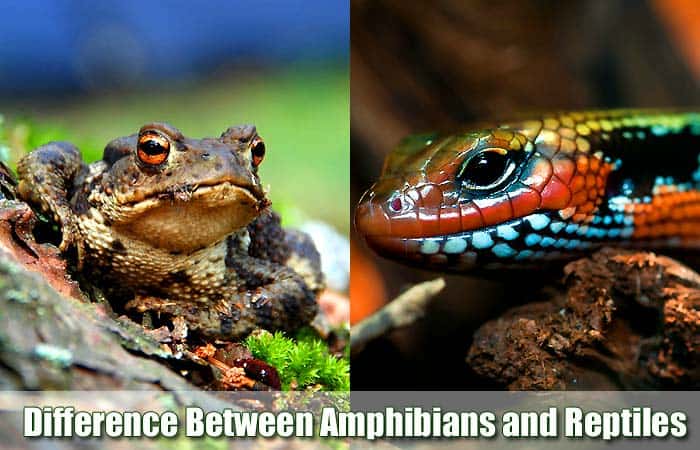
In the animal kingdom, amphibians and reptiles are the most frequently interchanged; Here are the similarities & difference between amphibians and reptiles.

See the difference between anatomy and physiology from technical & academic/career perspectives though they make a good pair of related branches of knowledge.

Throughout history, many attempts have been made to define a species. Learn the Biological Species Concept overview, which is the widely accepted one.
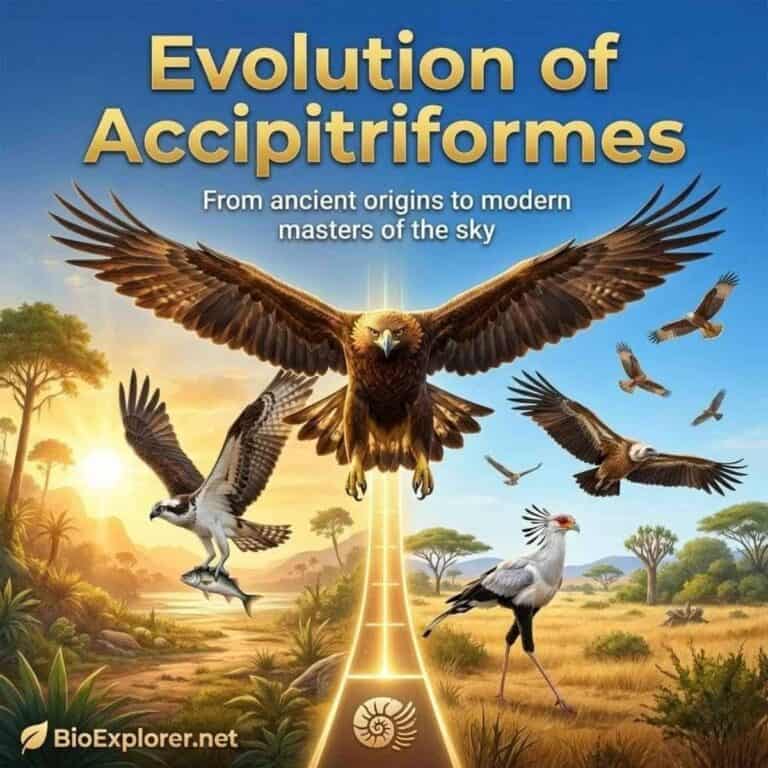
Accipitriformes are daytime birds of prey that evolved into powerful hunters through millions of years of adaptation. This guide explores their ancient origins, evolutionary traits, major families, hunting tools, global spread, and how modern challenges continue to shape hawks, eagles, and ospreys today.

Explore all 68 types of eagles in this comprehensive guide. Learn about each species’ unique traits, habitats, and behaviors across the globe.

The eyes with various marvelous features have evolved in all kinds of animals. Explore top 26 different animals with best eyesight in animal kingdom.
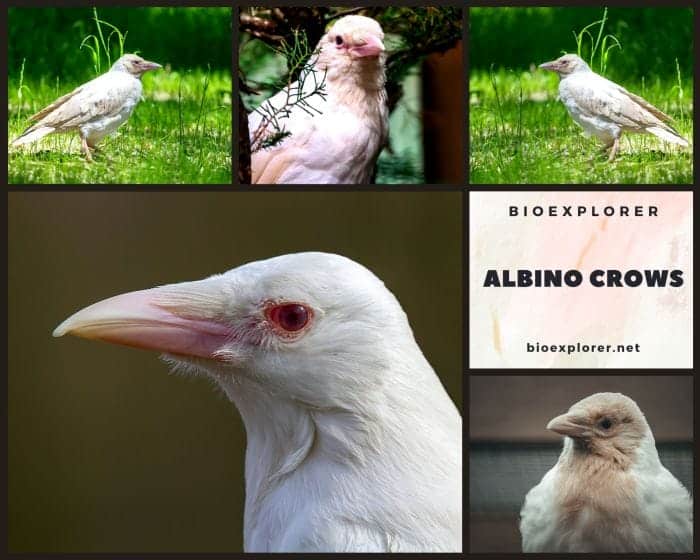
Rare genetic variants, albino crows reveal key insights into pigmentation, survival, and biodiversity despite the challenges posed by their bright white plumage that lacks the species’ typical protective camouflage.
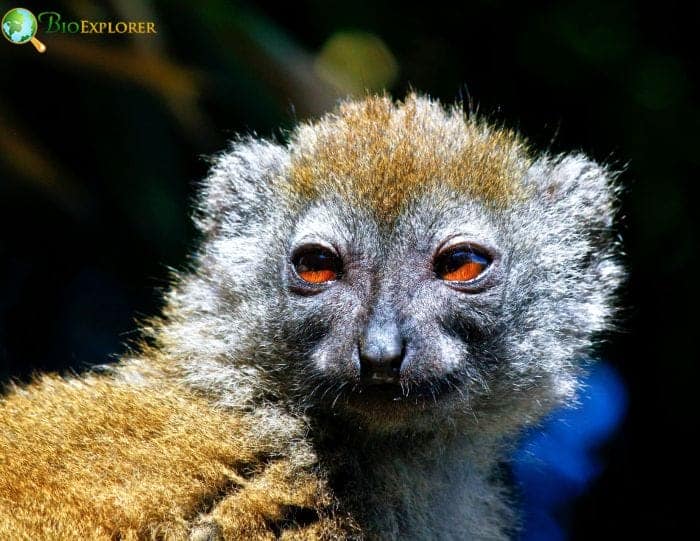
The eastern lesser bamboo lemur (Hapalemur griseus) is a small, endangered rainforest primate found only in Madagascar. This unique species has adapted to specialize in a toxic bamboo diet other animals cannot consume. Yet habitat loss and hunting have left remaining populations highly vulnerable.

Explore the overview of 26 must-see top Washington Birds species including facts on goldfinches, owls, hawks, finches and more. This comprehensive guide will help with identification of birds of Washington.
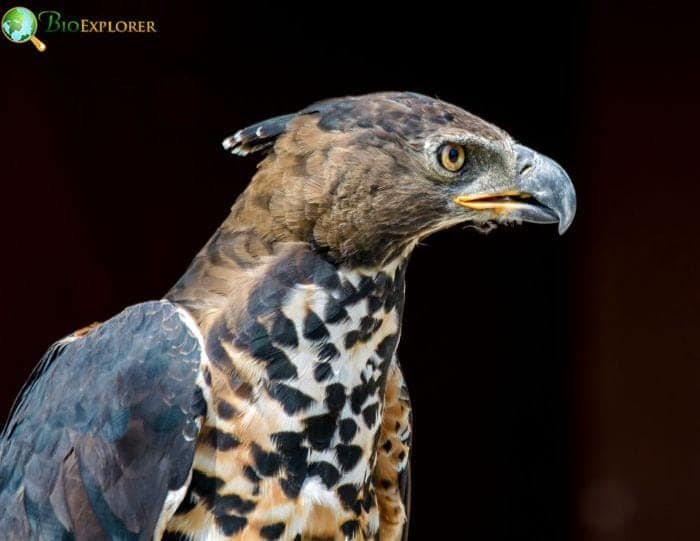
The Crowned Eagle, also known as the African Crowned Eagle, is a powerful raptor native to sub-Saharan Africa, favoring dense forests and woodlands. Recognizable by its striking dark crest and intense yellow eyes, this eagle boasts a wingspan of 5–6 feet and is considered Africa’s most powerful eagle pound for pound. Its massive talons and strong legs allow it to hunt large prey, primarily monkeys, small antelope, and hyraxes, though it occasionally takes birds and reptiles. Crowned Eagles build enormous nests high in emergent trees, sometimes reusing them for over a decade. Their courtship includes dramatic aerial displays and prey offerings.

Toads are notable for their dry, bumpy skin with glands located behind their eyes. Explore what do toads eat, toads diet by types, what eats toads & more.

All lizards belong to the reptiles family in the animal kingdom. Explore what do lizards eat, lizard diet by types, what eats lizards and all related topics.

Learn about the endangered scimitar-horned oryx, a striking Saharan antelope brought to extinction in the wild by 2000. Discover how urgent conservation efforts and captive breeding programs for this iconic desert-adapted Oryx dammah species have kept its future hopes alive against the odds.
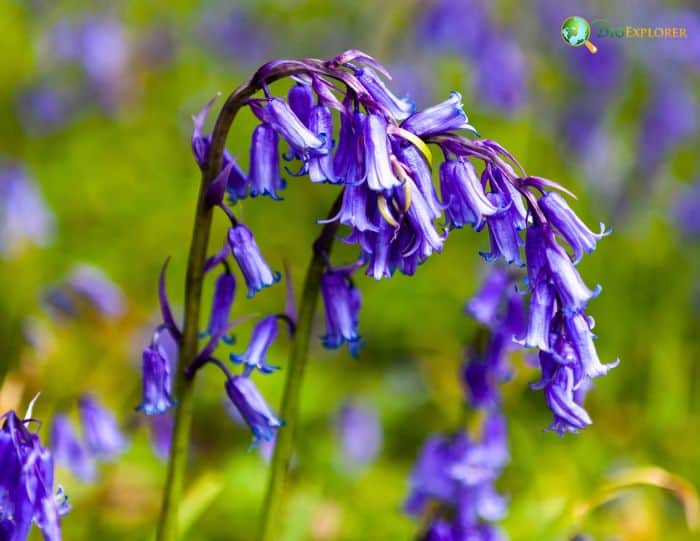
Explore the enchanting Bluebell flower (Hyacinthoides non-scripta), its vibrant violet-blue blooms, ecological significance, different types of bluebells and fun facts in this comprehensive guide.
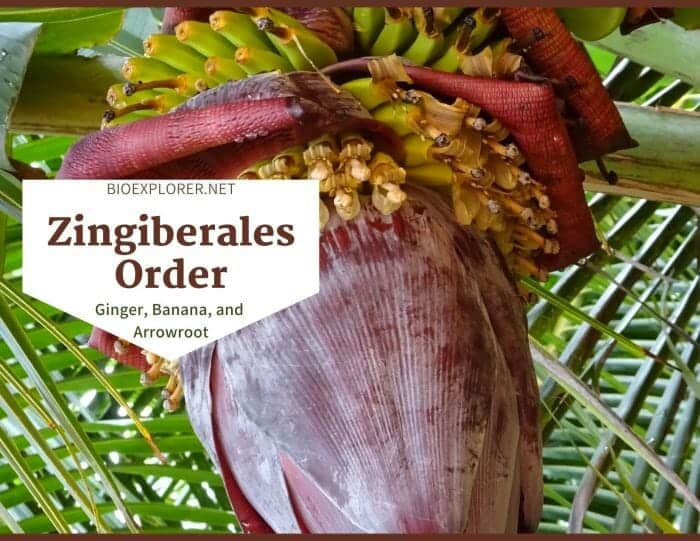
Zingiberales’ order comprises several species of great economic importance, like the banana and the ginger. Members have almost restricted distribution to tropical regions. Zingiberales species have ptyxis, large flowers, attractive colors, and inferior ovaries. Banana, Bird-of-paradise, Orchidantha, ginger, costus, and Canna lily are examples of Zingiberales order.

In 2022 paves the way towards discoveries in ecological consequences influenced by genetic factors, climate change in marine habitat, coral reefs and plants having great adaptability to climate change, and the necessity towards conservation of biodiversity.

Saxifragales is a morphologically diverse dicotyledonous order of flowering plants worldwide. Saxifragales plants have hypanthium, glandular leaf teeth, serrate lamina margins, free petals, and small seeds. Most Saxifragales flowers are radially symmetrical and bisexual. The example species of Saxifragales are the Irish rose, campfire plant, and gum vine.
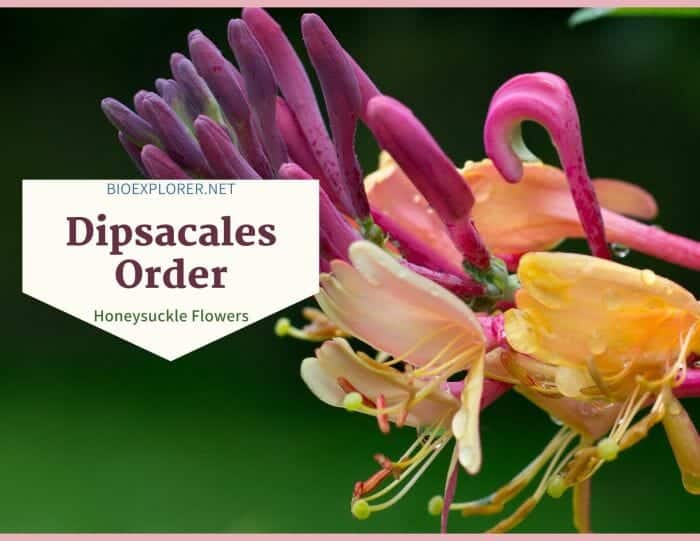
Dipsacales is a eudicotyledonous order of flowering species. Members of Dipsacales show characteristics like pubescent stems, flowers mostly in cymes, and 4-5 floral parts. The Dipsacales flowers are primarily bisexual and are pollinated by insects and/or birds. Honeysuckle, Seven-son flower, Alpine valerian, Mountain snowberry and Japanese snowball flowers are examples of Dipsacales.
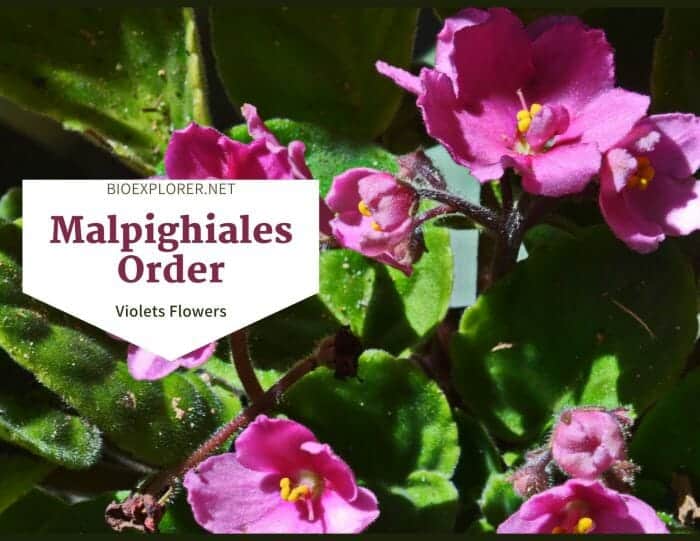
Malpighiales order is a large group with species primarily distributed in tropical regions. The members of Malpighiales often have toothed and stipulate leaves, 10 free stamens, 3-5 fused carpels, a nectary, superior ovaries, and typically endospermous seeds. Most Malpighiales flowers consist of 5 sepals and 5 petals. The violets, flax, passion flowers, euphorbias, and mangroves are some of the notable species of Malpighiales.
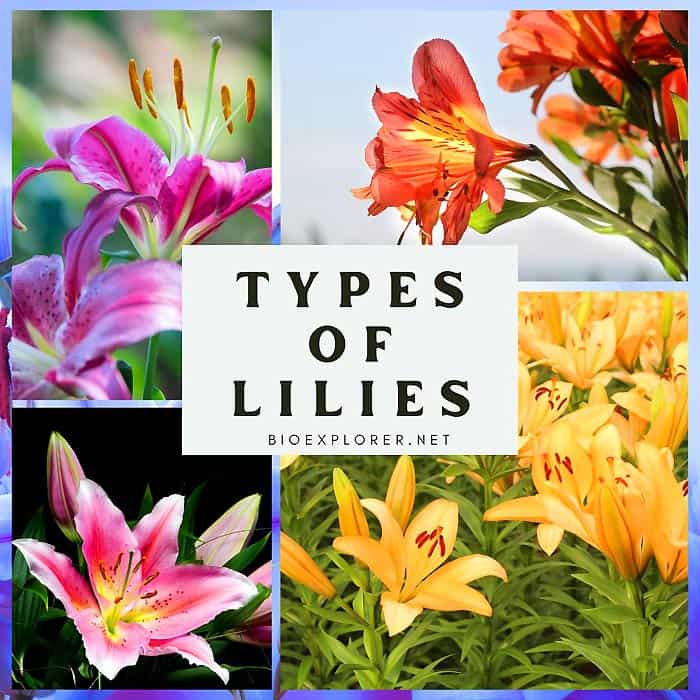
Discover the stunning beauty of different types of lilies. From oriental hybrids to unique lily species, learn about the diverse world of lily varieties.
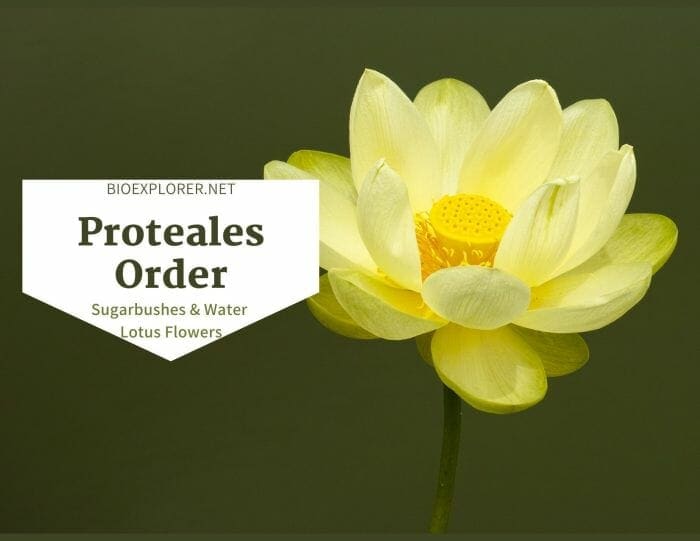
Proteales is a part of peripheral eudicots classified together only recently. The Proteales flowers are small or large and unisexual or bisexual. The American lotus, the Indian lotus, the London plane tree, Wagon tree and large-nut sugar bush are examples of Proteales.

Order Zygophyllales contains herbs, shrubs, trees, and hemiparasites (rare) limited to tropical or temperate dry or saline regions. The members of the Zygophyllales often have swollen nodes and opposite, resinous, and stipulate leaves. The Zygophyllales flowers are bisexual, with often 5 sepals, 5 petals, 10 stamens, 5 carpels, and a superior ovary. The creosote bush, chaparral, Verawood, and the rhatany are known examples of the Zygophyllales order.

Ranunculales is the order of angiosperms with a worldwide distribution, which are peripheral eudicots with spiral leaves, three openings (colpi) in the pollen, and spectacular floral diversity. The buttercup, Barberry, Moonseed, Chocolate vine and poppy flowers are the famous example species of Ranunculales.
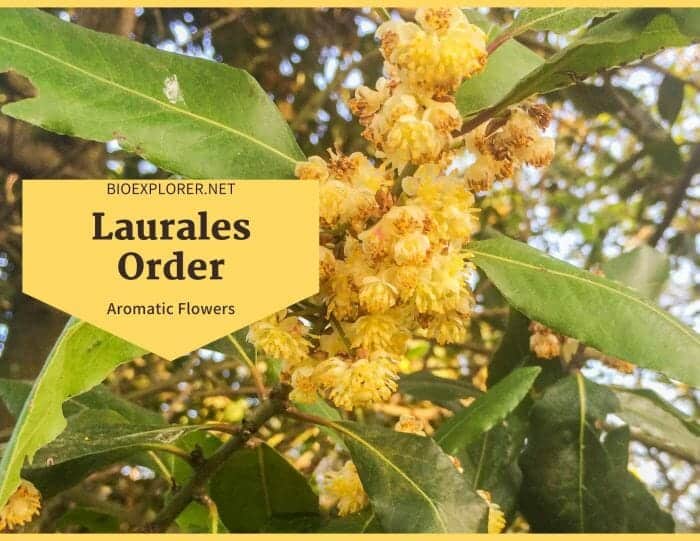
Laurales is an order of flowering plants composing trees, shrubs, herbs, and vines. This order comprises seven families. Laurales species are used for lumber, medicinal extracts, essential oils, and ornamentals. Examples include Avocado, Bay Laurel, Limoncillo, Negramina, Grease Nut, Carolina Allspice & more.

Discover the captivating world of the top 85+ white flowers, from the iconic Lily of the Valley to the lesser-known Snowball Viburnum. Explore their enchanting beauty, rich symbolism, and fascinating scientific facts in this comprehensive guide.

A comprehensive guide to the Galápagos marine iguana (Amblyrhynchus cristatus) – the world’s only seagoing lizard. Learn all about their taxonomy, adaptations for life in coastal habitats, feeding behaviors, social dynamics, threats to survival, and conservation status of this iconic species endemic to the Galápagos Islands of Ecuador.
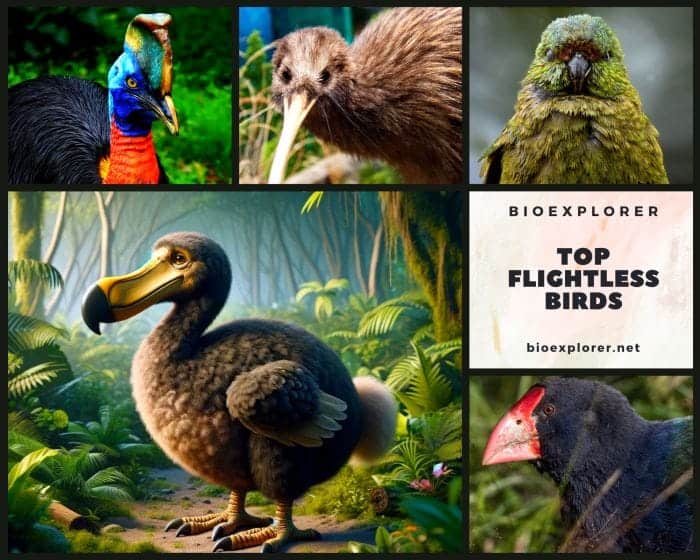
Flightless Birds: Insight into how birds adapted over time to live grounded lives. This article explores major flightless species – from giant moas to tiny kiwis and curious penguins – examining how isolation and lack of predators drove anatomical changes forfeiting skies for land locomotion mastery.
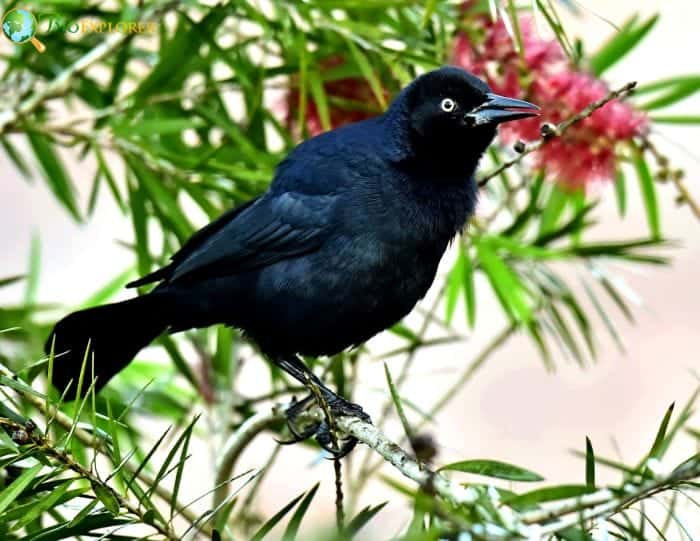
The Greater Antillean Grackle is a glossy black songbird native to the Caribbean’s Greater Antilles, including Cuba, Jamaica, Hispaniola, and Puerto Rico. Males reach about 27 cm (11 in) with a distinctive keel-shaped, “rudder-like” tail, while females are slightly smaller and less glossy. Its most striking feature is its bright yellow eye, the only non-black part of its body. These bold, noisy black birds thrive in open habitats near humans-towns, farms, mangroves, and pastures-and often form large, social flocks. Opportunistic eaters, they consume insects, fruit, seeds, small animals, and even human scraps.
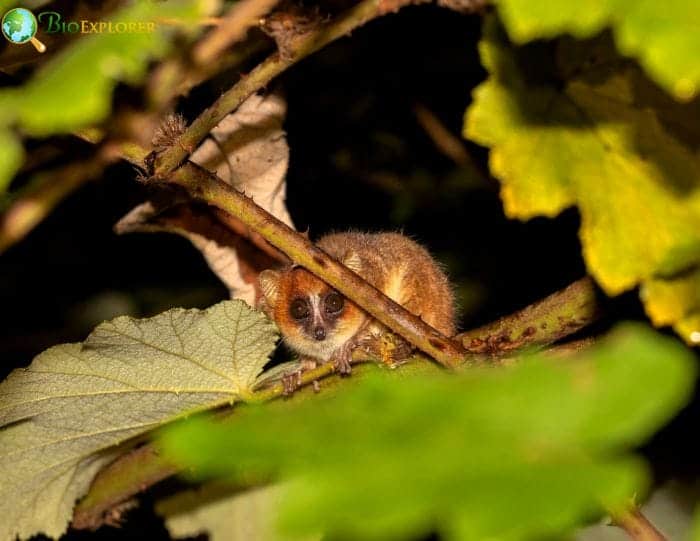
Explore the world of Goodman’s Mouse Lemur (Microcebus lehilahytsara), a unique Madagascar primate, revealing its survival strategies, social behaviors, and conservation needs.

Myrtales, the myrtle order, are trees, shrubs, herbs, and lianas primarily distributed in the tropics and warmer regions worldwide. Myrtales members have phloem tissue on each xylem side, 4 or 5 sepals, 4 or 5 petals, mostly bisexual flowers, and often non-endospermic seeds. Known species of Myrtales are myrtles, evening primroses, Fuschia, and Eucalyptus.

Order Nymphaeales is composed of water lily flowers. It contains 3 families (Hydatellaceae, Cabombaceae, and Nymphaceae). The example flower species include Europian white water lily, Dotleaf water lily, Blue lotus, Amazon water lily, Fanwort, Green Cobomba, and more.

The Silk tassel order, Garryales are trees or shrubs distributed in North America and Asia. The members of the Garryales have opposite and exstipulate leaves, distinct male and female plants aggregated in catkins, usually sepaline perianth, and endospermic seeds. The larkspur, Japanese laurel, and silk tassels are the example species of the Garryales order.

Solanales or the potato/nightshade order of the flowers belong to the core asterid clade, manifesting a global distribution. The plants of Solanales possess root stalks or tubers, simple, alternate, and exstipulate leaves, showy flowers, and typically 5-merous floral parts. The Solanales plants are monoecious, andromonoecious, or dioecious. Example species under Solanales order involve the highly cultivated flora of morning glory, potato, eggplant, and tomato.

Explore 2022’s top genetics breakthroughs: AI in gut gene research, zebrafish atlas, NAFLD insights, longevity studies, and more in this comprehensive Genetics News of 2022 overview.
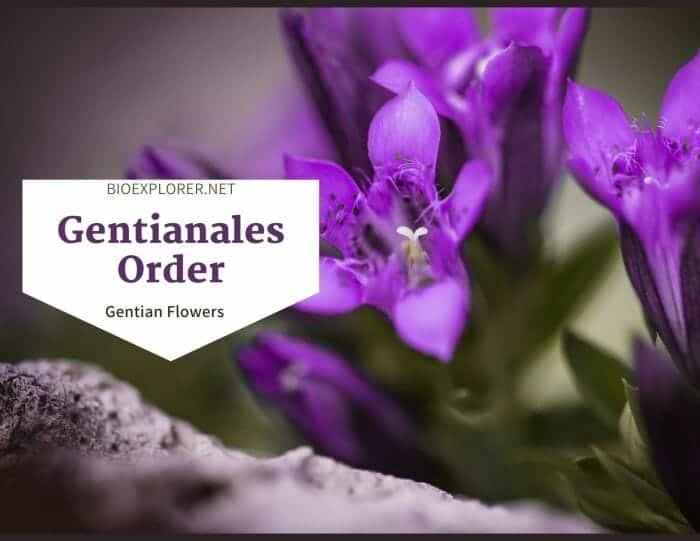
The Gentianales (Gentians) is an order of flowering plants involving herbs, shrubs, undershrubs, lianas, and small trees primarily distributed worldwide. Plants of Gentianales mostly have opposite leaves, interpetiolar stipules, bisexual flowers, mostly fused sepals and petals, 4-5 stamens, and 2 carpels. Important species under Gentianales are coffee, periwinkle, oleander, and gentian.
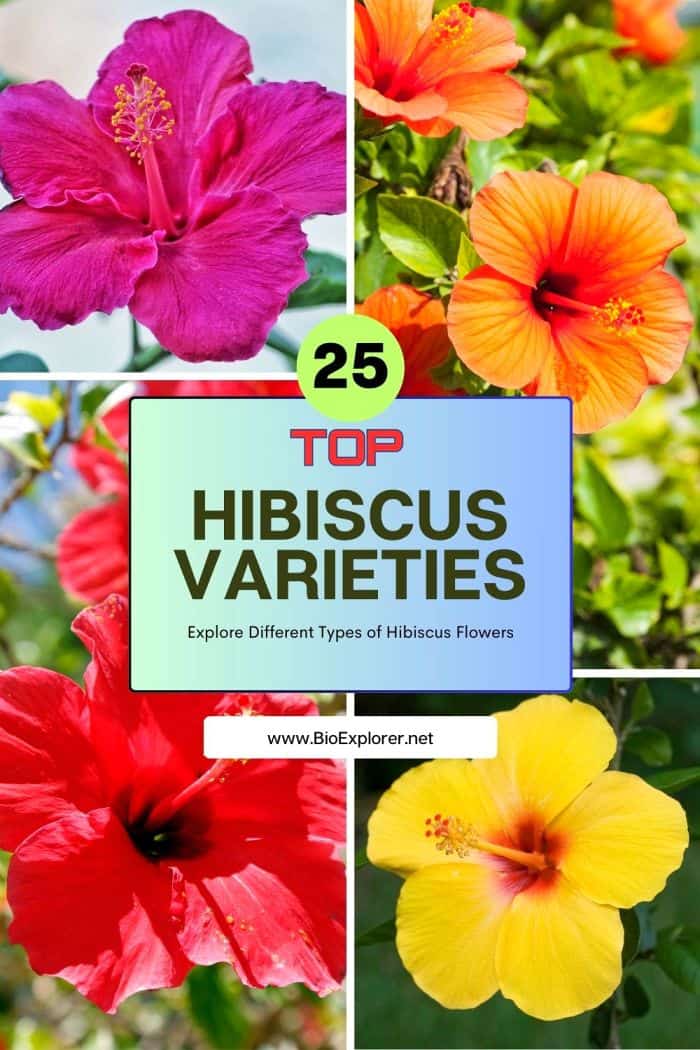
Dive into the vibrant world of hibiscus! Explore 25+ stunning varieties, from rare native species to popular garden favorites. Learn about their unique characteristics, care tips, and fascinating facts. Perfect for gardeners and flower enthusiasts alike. Discover the beauty and diversity of these tropical treasures!

Explore January birth flowers, Carnations & Snowdrops. Learn their symbolism, connection with horoscopes, care tips, and cultural significance.

This series of evolutionary biology news of 2022 gives us a detailed overview of the recent development in this field. Commencing with the evolution of plant colonization on land, the new approach of Neo Darwinism gained importance and more.

Biochemistry News of 2022: This series of biochemistry news gives us a detailed account of the recent development in this field, including two proteins (Elastase and histone H2A) in defense against COVID-19 and more.

Anatomy/Physiology News of 2022: Discover breakthroughs in organ transplant technology, multi-organ chips, Alzheimer’s research, X-ray immunotherapy, astronauts’ brain studies, and more.

Microbiology News of 2022: Plant-based organic acid kills food-poisoning bacteria, bacteria turned into renewable energy, plastic waste creates antibiotic-producing bacteria, microbes as biofertilizers, antibiotics repurposed, and more.
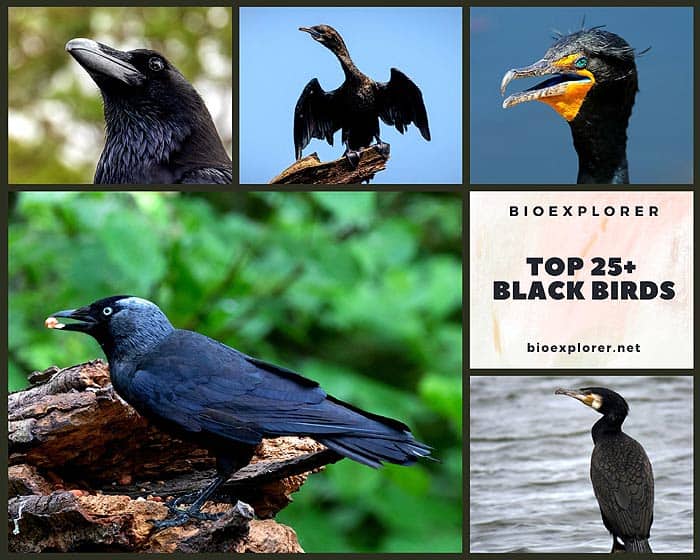
Discover the top 30+ black birds’ mesmerizing beauty, unique behaviors, and fascinating facts. Dive into a symphony of wings and feathers as we explore these captivating dark birds shedding light on their mysterious allure.

While it is known that humans have developed brains, here are 10 animals with the best sensors (seeing, smelling, hearing, tasting, and feeling) and the corresponding anatomical structures that allow them to have so.

This news series in cell biology 2021 gives us a detailed overview of the recent advancements. Let’s explore the top 15 cell biology news of 2021.

This series of 2021 ecology news gives us a detailed overview of the recent development in this field. Commencing with climate change, global warming, alternative ways for renewable energy resources, the role played by scavengers in our society, and other global aspects of management and nature-dependent climate solutions.

These topics focus on the discoveries and developments in Microbiology in 2021. Research and developments on various topics, such as engineered bacteria, oil-degrading bacteria, and symbiotic relationship between root colonizing bacteria and host plants, have been included here.

These 2021 noteworthy advancements and discoveries in Anatomy also speak to scientists’ increased interest in the brain’s structure, function, and disorders. Explore the top 15 anatomy and physiology news of 2021.
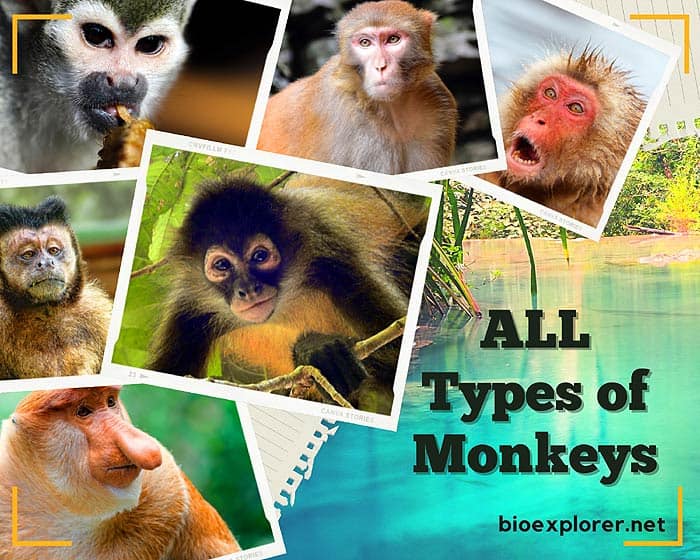
Monkeys are classified into two main groups: Old-world monkeys and New-world monkeys. Explore all 334 different types of monkeys and their facts here.
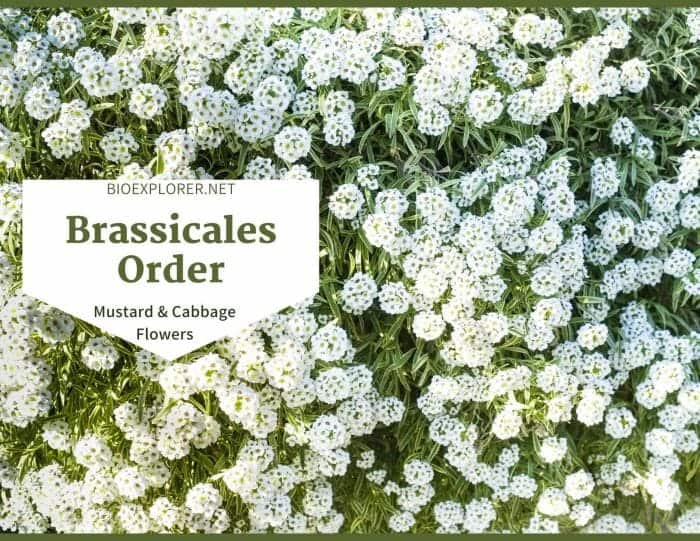
Brassicales is an order of flowering plants comprising trees, herbs, shrubs, or lianas primarily distributed worldwide. Brassicales have glucosinolates or mustard oils, small stipules, often bisexual flowers, inflorescences in racemose, and nectaries found between the petals and the stamens. The known plants of Brassicales are mustard, cabbage, capers, mignonette, and nasturtiums.

This 2021 series of top 15 evolutionary biology news gives us a detailed overview of the recent development in this field. Commencing the evolution of coccolithophores, the adaptability of crocodiles, the creation of new therapeutic targets for treating age-related disorders in people, the epigenetic evolution of the cerebellum, and more.

Poales species are monocots with two-ranked leaves, much reduced flowers, dry and small stigma, and well-developed style. The Poales flowers are unisexual, bisexual, or sterile and pollination of the members is via anemophily or entomophily. The famous bamboo, pineapple, Yellow-eyed grass, Stream Bogmoss, and Palmiet are found under Poales order.
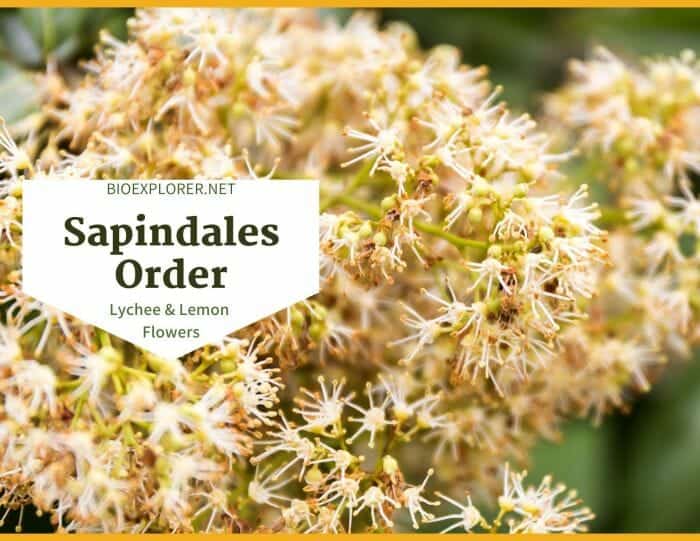
Order Sapindales belongs to the dicotyledonous flowering species which are distributed in the tropics and the temperate regions. Most plants of Sapindales are woody with resin ducts in their bark or wood, compound or lobed leaves, and polypetalous flowers. They are polygamous, with most bisexual flowers functionally unisexual. Among the critical species involve cashew, mahogany, lemon, and lychee.
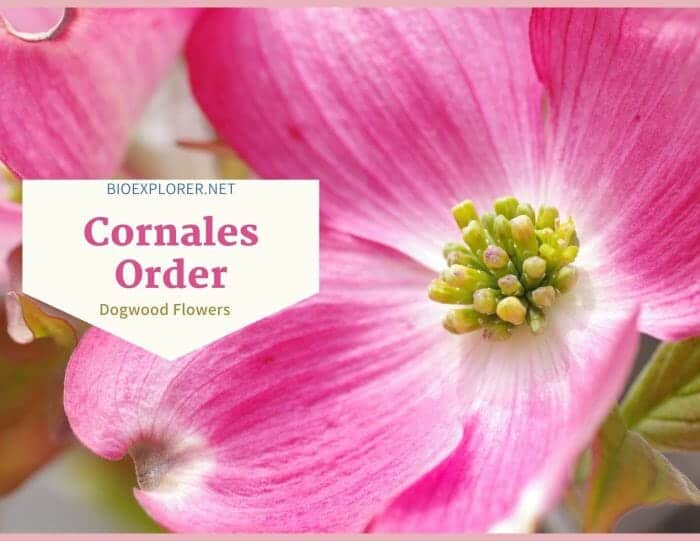
The dogwood order of flowers, Cornales, is basal among asterids. Cornales is relatively small, but members are morphologically diverse and are cosmopolitan in distribution. Cornales plants are mostly woody with simple or compound leaves, small flowers, floral parts in multiples of four, and generally bisexual. Many of the species of Cornales, like the flowering dogwood and Lindley’s blazing star are of ornamental value.
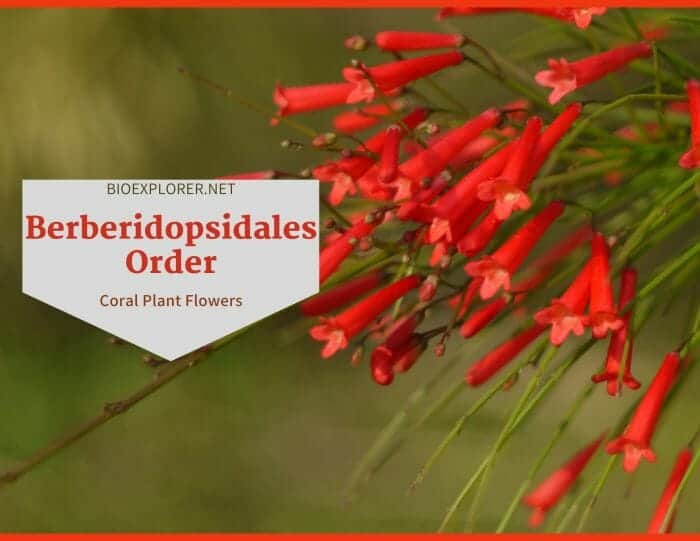
Berberidopsidales is a small order of flowering species under the clade of the core eudicots. The species of Berberidopsidales possess crystals, usually have 5-merous floral parts and usually small flowers. Coral plant and Olivilla flowers are among the only 4 species of Berberidopsidales.
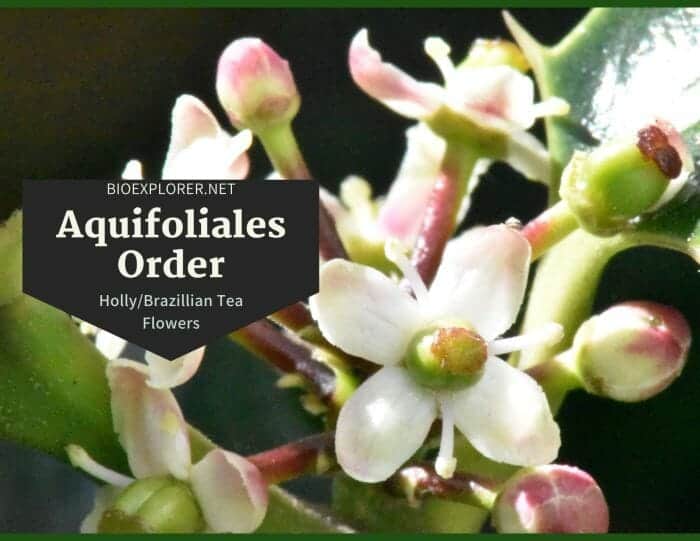
Aquifoliales is the holly order of flowering plants, including the common holly and Brazillian tea plants. They are primarily distributed worldwide with usually evergreen trees and shrubs. The Aquifoliales leaves are typically alternate, exstipulate, and lack leaf sheath. American holly, Churnwood, and Japanese helwingia are Aquifoliales flowers.