Search Results for: Sun

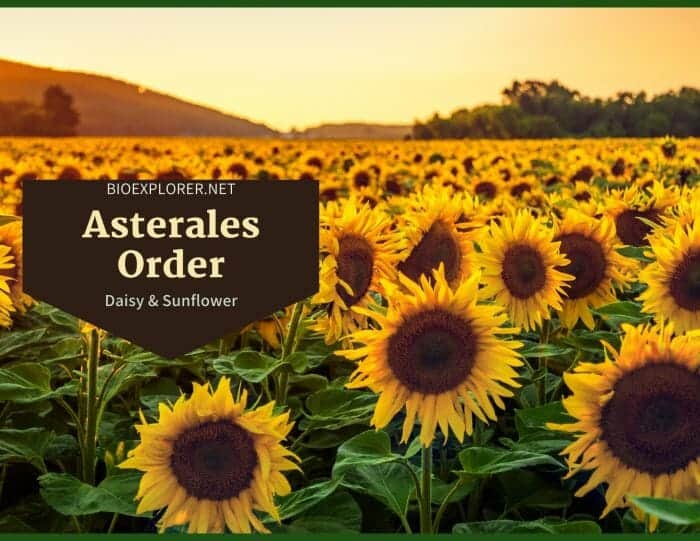
  • Order Asterales / Daisy and Sunflower

    Asterales is a dicotyledonous order of flowering plants that holds ten percent of the angiosperm species diversity. Common sunflower, common daisy, Toropapa, Hydrangea, Bogbean, Water snowflake, and Cobalt mound are some of the beautiful flowers in Asterales.

  • Sun-Tailed Monkey

    The sun-tailed monkey (Allocrocebus solatus) is among the most understudied primates in its habitat. Discovered as a new species in 1988, it is classified as a guenon, a member of the Cercopithecus genus, but later moved to the Allochrocebus genus.

  • Sunda Pig-Tailed Macaque

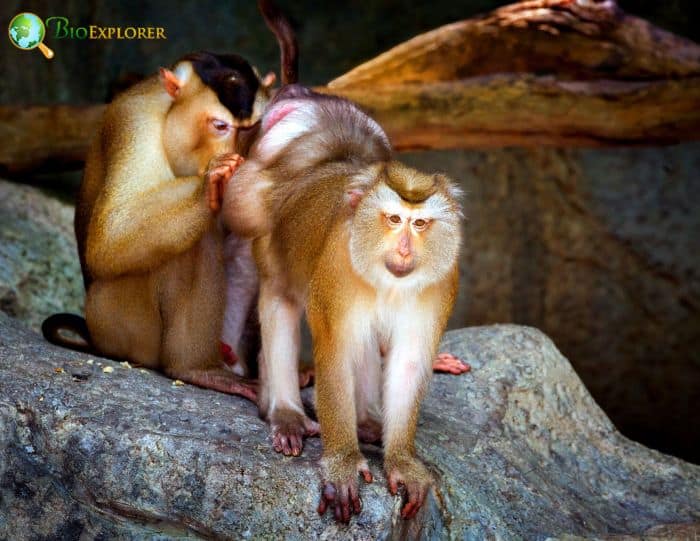
    The pig-tailed macaque (Macaca nemestrina), also called the Sundaland pig-tailed macaque and Sunda pig-tailed macaque is a medium-sized macaque native to southern Thailand, Indonesia, and Malaysia. Pig-tailed macaques also have long legs and hairless snouts.

  • Round-leaved Sundew

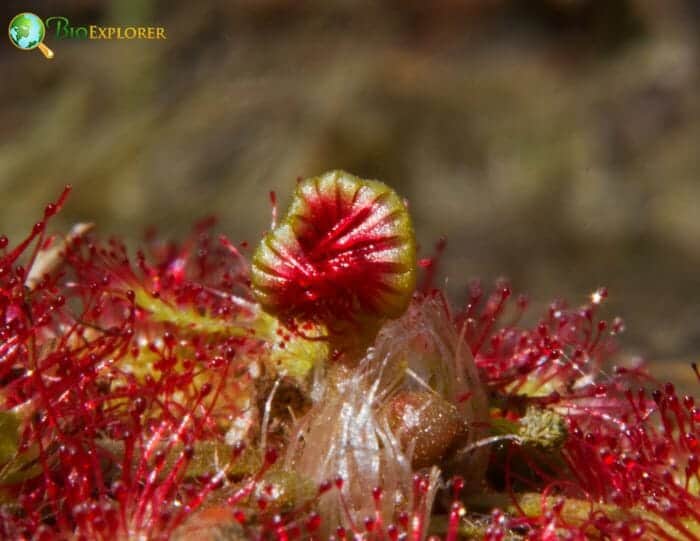
    Drosera rotundifolia, common sundew or round-leaved sundew, is a carnivorous plant that grows in fens, marshes, and swamps. The flowers grow on one side of a single, thin, glabrous stem extending from the leaf rosette center.

  • Safari Sunset

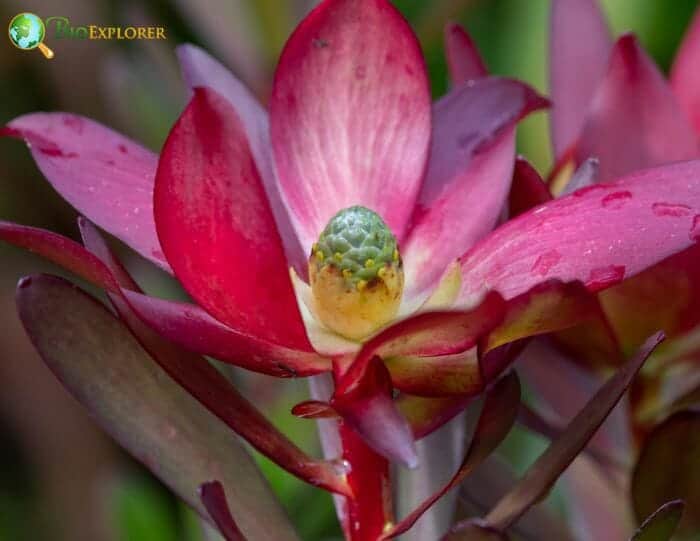
    The Leucadendron ‘Safari Sunset’ is a favorite of gardeners and florists is an evergreen multi-stemmed shrub with vivid, deep red bracts forming exceptionally long stalks (over 1m or 3 feet) at the tips. Perfect for use in easy-care gardens and aquifers, this tall, vigorous Leucadendron is an excellent choice for hedges, screens, or as an exhibition plant.

  • Order Eurypygiformes / Kagus & Sunbitterns

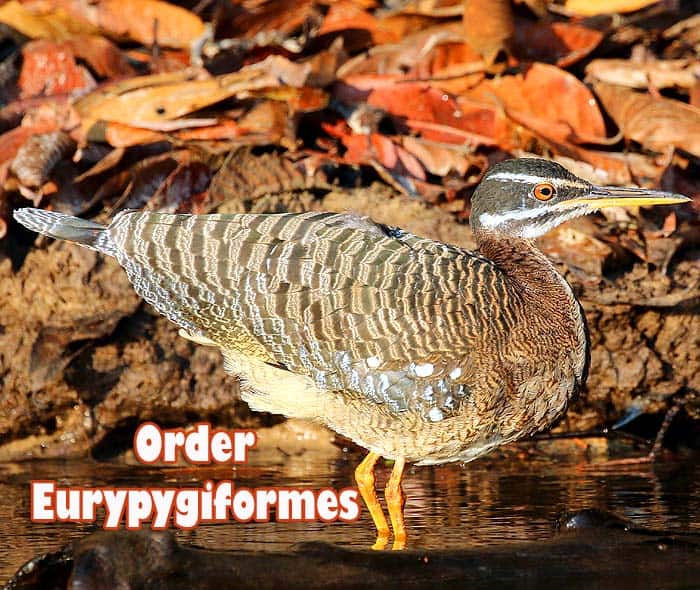
    Order Eurypygiformes contains only a few species and some of them are already extinct. Two living species are the endemic Kagu and Sunbittern. Explore the characteristics and species of Eurypygiformes here.

  • Types of Eagles

    Explore all 68 types of eagles in this comprehensive guide. Learn about each species’ unique traits, habitats, and behaviors across the globe.

  • Types of Flowers

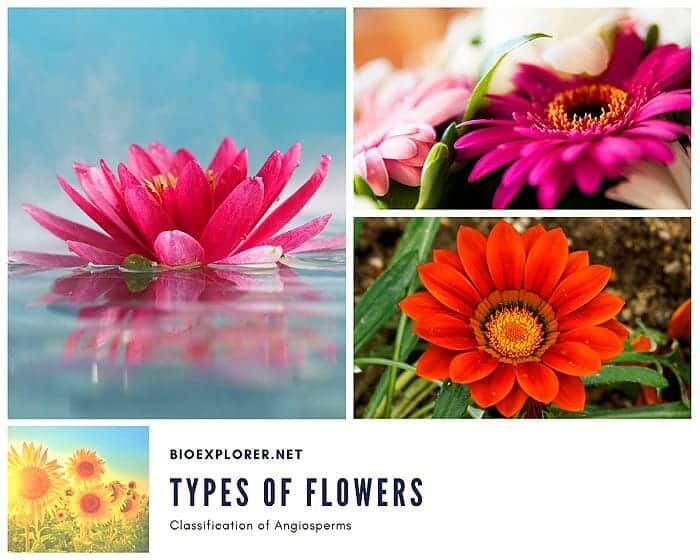
    Types of Flowers: Explore the beauty & diversity of colorful flowers and intriguing botanical properties for all orders of flowering plants.

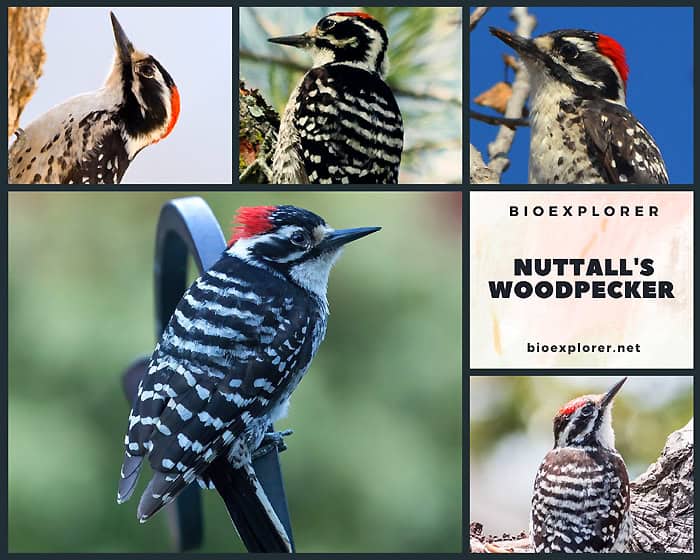
  • Nuttall’s Woodpecker

    Nuttall’s woodpecker (Picoides nuttallii) is a small, striking bird found primarily in California and northern Baja California. It thrives in oak woodlands, riparian corridors, and even suburban areas with mature trees. Males sport a red crown patch, while both sexes show black-and-white barring that blends into tree bark. This non-migratory woodpecker feeds mainly on ants and beetles, using its strong bill and long tongue to forage under bark. Monogamous pairs raise chicks in tree cavities, and their old nests offer shelter to other wildlife, making them key contributors to healthy forest ecosystems.

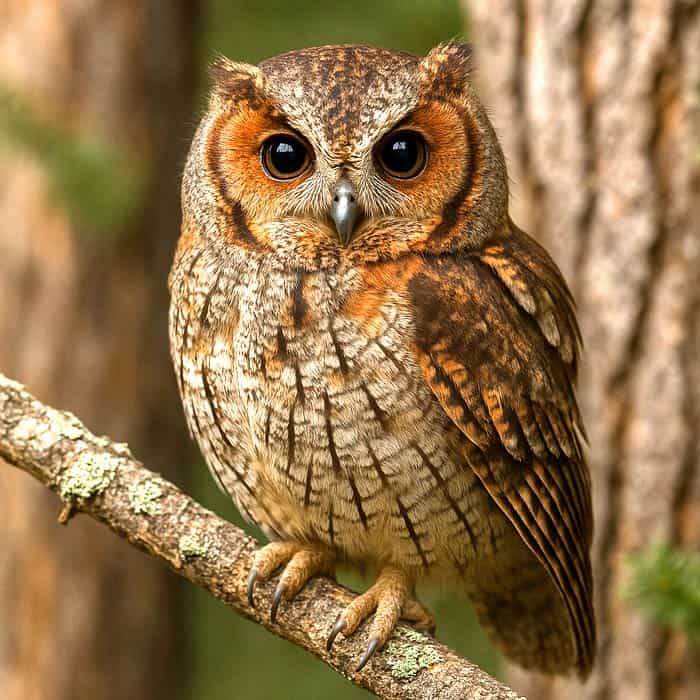
  • Flammulated Owl

    The flammulated owl (Psiloscops flammeolus) is a small, nocturnal bird native to western North America, renowned for its flame-marked plumage and soft, deep calls. Favoring mature coniferous forests, this elusive owl nests in tree cavities and feeds almost exclusively on insects like moths and beetles. Despite its broad range, it remains hard to spot due to its camouflaged appearance and secretive habits. As a key insect predator and indicator of healthy forests, the flammulated owl plays an essential role in maintaining ecological balance across its habitat.
  • Explore The Layers Of The Rainforest

    Among all biomes, tropical rainforests are considered to have the highest biodiversity. The rainforest is divided into 4 layers: the emergent layer, the canopy layer, the understory, and the forest floor. These layers host several species of tropical animals and tropical plants. Explore the layers of the rainforest here.

  • Common Grackle

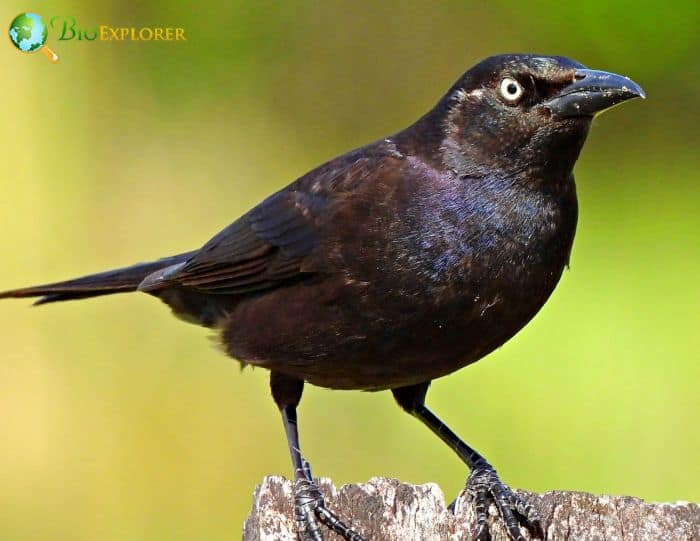
    The Common Grackle is a large, long-tailed blackbird with striking iridescent plumage-males shimmer with purple, green, or blue gloss, while females are duller and browner. Found across eastern North America, grackles thrive in a wide range of habitats, from wetlands and fields to suburbs and city parks. Highly social, they often gather in massive flocks outside the breeding season. Their varied diet includes insects, seeds, grains, and even small animals. Grackles are known for their harsh, rusty-gate calls, and their communal roosts can number in the millions.

  • European Starling

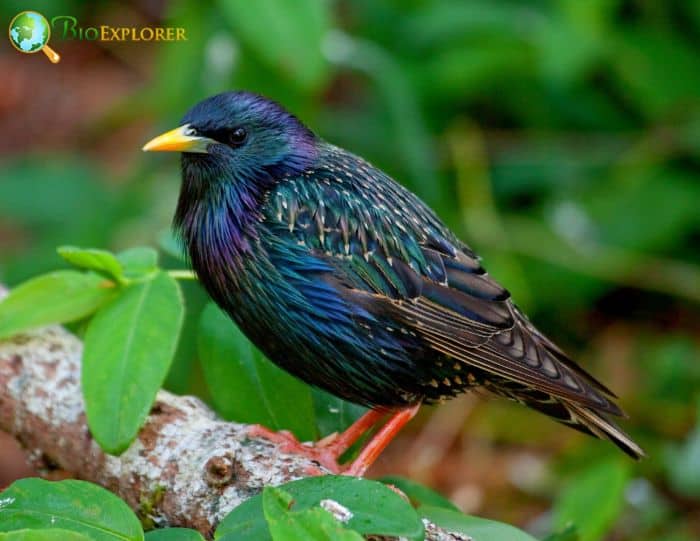
    The European Starling is a medium-sized, black songbird with short, triangular wings, a short tail, and striking iridescent plumage speckled with white, especially in winter. During breeding season, adults display a yellow bill and a purple-green sheen. Native to Europe, Asia, and North Africa, starlings were introduced to North America in the 1890s and now number over 200 million. Highly social, they form enormous flocks and perform mesmerizing aerial displays called murmurations. Starlings are accomplished mimics, able to imitate other birds and even human sounds. They are aggressive cavity nesters, often outcompeting native species for nesting sites.
  • Eastern White Pine

    Explore the world of the Eastern White Pine, a majestic tree with a rich history and diverse uses. Learn about its characteristics, its role in the ecosystem, and how to care for it. Discover why the Eastern White Pine is more than just a tree; it’s a symbol of resilience and a testament to nature’s bounty.
  • Albino Crows

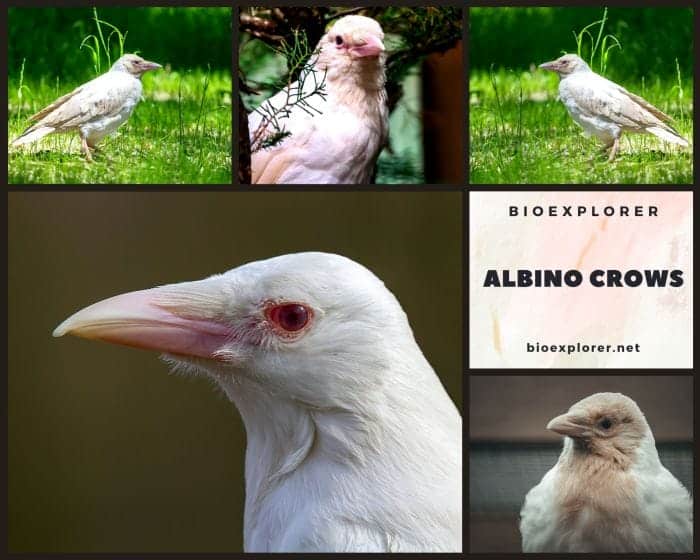
    Rare genetic variants, albino crows reveal key insights into pigmentation, survival, and biodiversity despite the challenges posed by their bright white plumage that lacks the species’ typical protective camouflage.

  • 15 Outstanding Birds of Ohio

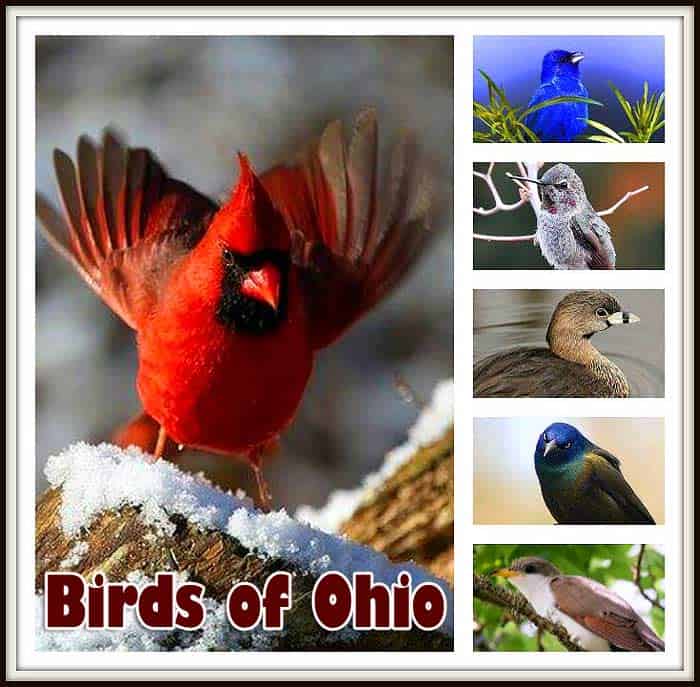
    At present, Ohio has 5 distinct geographical regions from Lake & Till Plains to Appalachian Plateau and Bluegrass Region. Find 15 Best Birds of Ohio here.

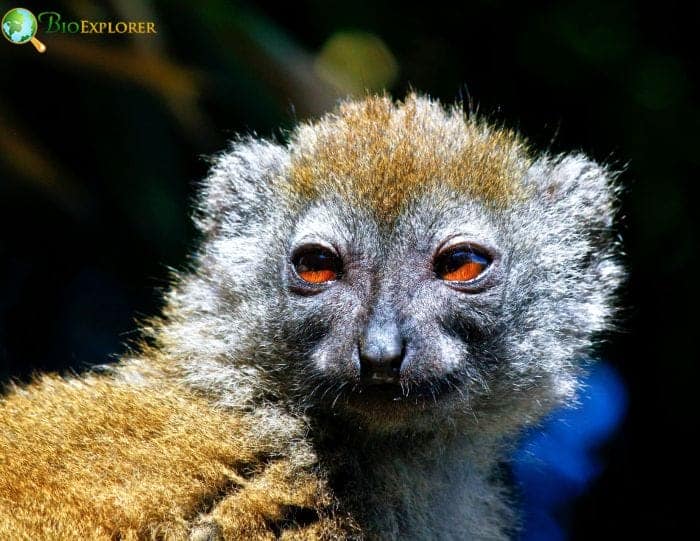
  • Eastern Lesser Bamboo Lemur

    The eastern lesser bamboo lemur (Hapalemur griseus) is a small, endangered rainforest primate found only in Madagascar. This unique species has adapted to specialize in a toxic bamboo diet other animals cannot consume. Yet habitat loss and hunting have left remaining populations highly vulnerable.

  • Top 26 Washington Birds

    Explore the overview of 26 must-see top Washington Birds species including facts on goldfinches, owls, hawks, finches and more. This comprehensive guide will help with identification of birds of Washington.

  • Top 25 Rare Birds of All Time

    Explore the 25 rare birds in the world, including the Kakapo and Philippine Eagle, with stunning visuals, unique facts, and their incredible rare bird habitats.

  • What Do Squirrels Eat?

    Squirrels are in the same family as marmots, prairie dogs, and chipmunks. Explore what do squirrels eat, squirrel’s diet by types, what eats squirrels & more.

  • Scimitar Oryx

    Learn about the endangered scimitar-horned oryx, a striking Saharan antelope brought to extinction in the wild by 2000. Discover how urgent conservation efforts and captive breeding programs for this iconic desert-adapted Oryx dammah species have kept its future hopes alive against the odds.

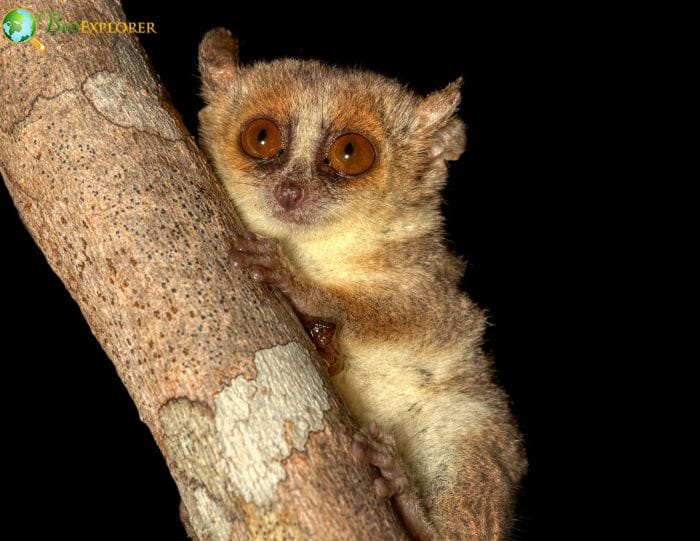
  • Berthe’s Mouse Lemur

    Weighing just over an ounce, Berthe’s mouse lemur is the world’s smallest primate. Endemic to dwindling western Madagascar forests, this nocturnal insectivore faces grave threats from deforestation and predation despite recent habitat protections. Learn surprising facts about its characteristics, behavior, endangered status, and the conservation efforts crucial to saving this tiny species.

  • Top 18 BEST Tundra Animal Adaptations

    The coldest areas on Earth, such as regions close to the North Pole and the South Pole, have unique features. Here are the top 18 tundra animal adaptations.

  • Black Leopard

    Uncover 25+ fun facts about black leopards! Discover why these elusive melanistic felines are so special, learn about their unique adaptations, and explore the myths and realities surrounding these beautiful creatures.

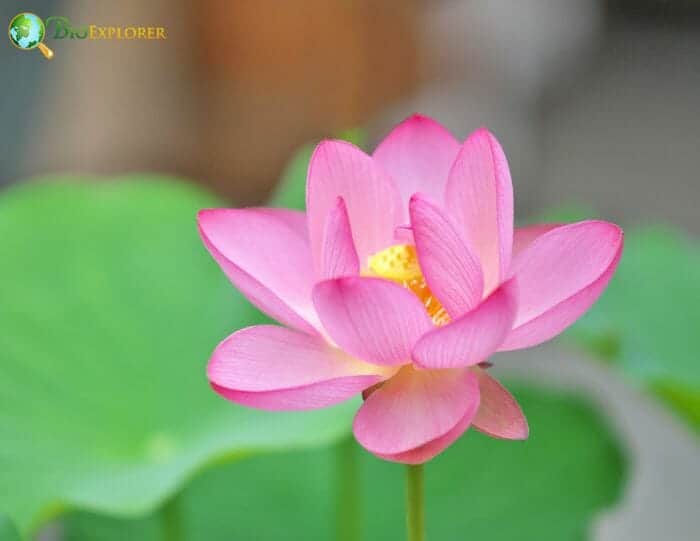
  • Lotus Flower

    The lotus (Nelumbo nucifera) is an emergent aquatic plant that grows with its roots at the bottom of the water source and its flowers and leaves on its surface. The lotus, sometimes mistakenly referred to as a water lily, is available in shades from bright pink to white. The plant has 2 round leaves that typically float on the water.

  • Gazania

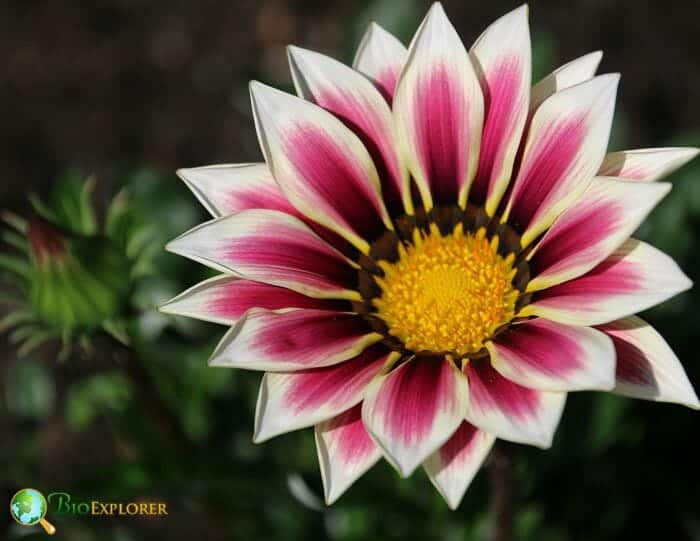
    Gazania is an annual and perennial plant known for its extreme tolerance to heat and drought. The flowers of this species are orange with black eyes at the base and orange-brown discs. Hybrid varieties come in various additional hues, including shades of white, bronze, orange, or yellow.

  • Top 26 Best Hawaiian Flowers

    Explore the top 26 unique Hawaiian flowers exclusive to Hawaii’s archipelago. Dive into the world of these beautiful species, their interesting facts, and their significance in Hawaii’s ecosystem.

  • 25 Must-See Colorful Orchids

    Discover 25 stunning colorful orchids, from vibrant blues to fiery reds. Explore their unique features, habitats, and the vital role of color in orchid ecology.

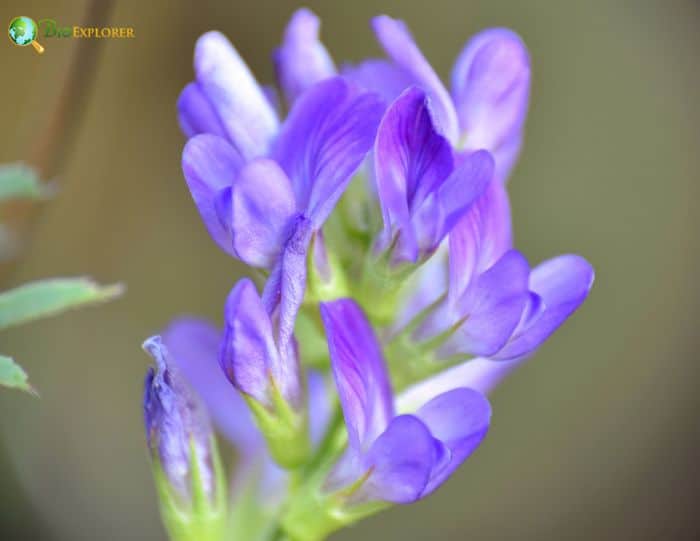
  • Alfalfa

    Learn about alfalfa (Medicago sativa), its flower characteristics, cultivation practices, environmental benefits, and economic importance in this comprehensive guide.

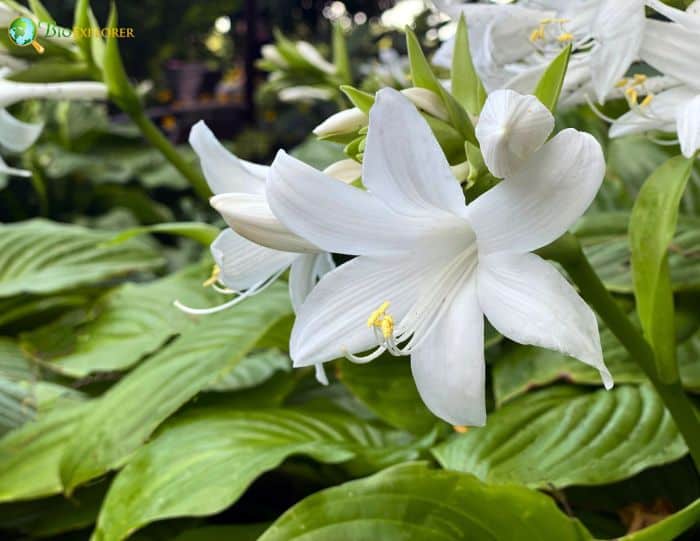
  • August Lily

    Discover the August Lily (Hosta plantaginea): a perennial with fragrant white flowers, medicinal properties, and ecological benefits, perfect for shaded gardens and borders.

  • Azalea

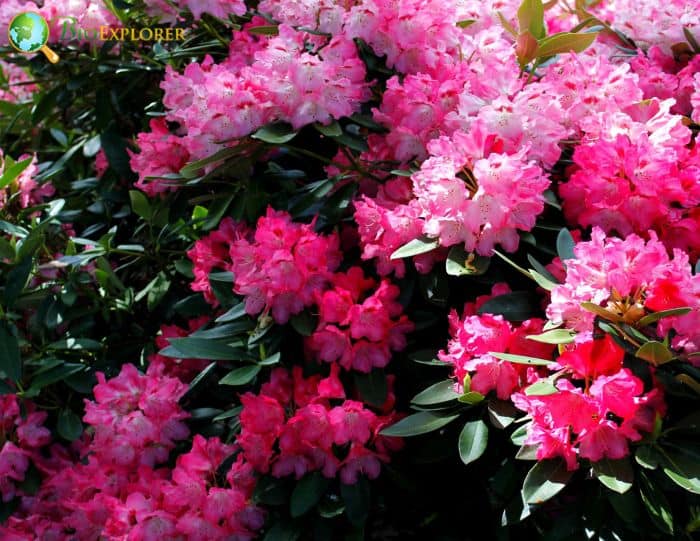
    Discover the vibrant world of Azaleas in our comprehensive guide. Learn about different types, ideal planting conditions, care tips, and how to handle common pests and diseases. Perfect your green thumb with our step-by-step guide to planting and propagating these stunning shrubs.

  • Order Zingiberales / Ginger, Orchidantha & Banana Plants

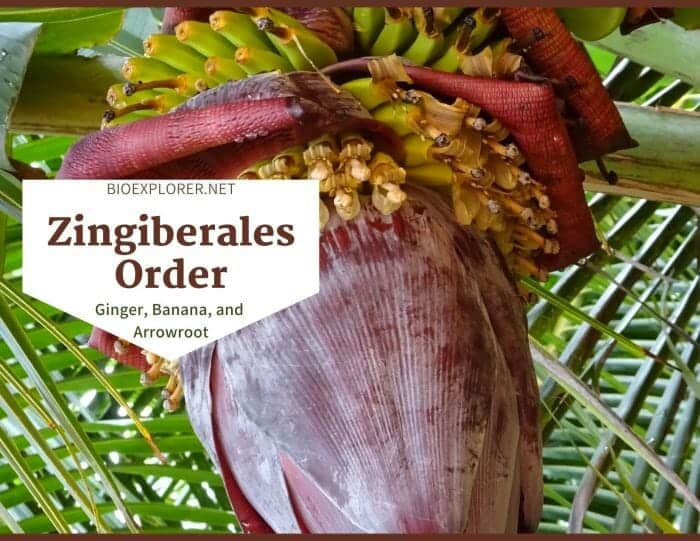
    Zingiberales’ order comprises several species of great economic importance, like the banana and the ginger. Members have almost restricted distribution to tropical regions. Zingiberales species have ptyxis, large flowers, attractive colors, and inferior ovaries. Banana, Bird-of-paradise, Orchidantha, ginger, costus, and Canna lily are examples of Zingiberales order.

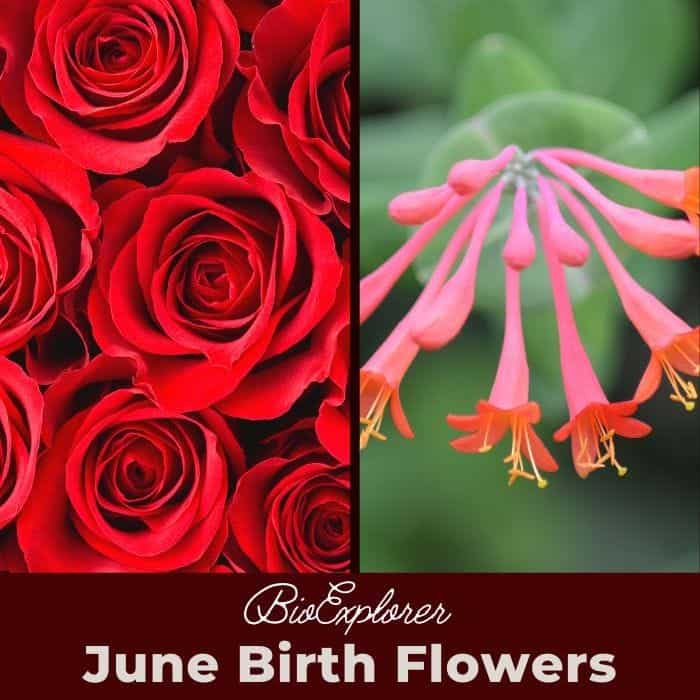
  • June Birth Flowers

    Unlock the hidden secrets of your June birth flowers! Discover the symbolism behind roses and Honeysuckle, and delve into their rich history and fun facts here.

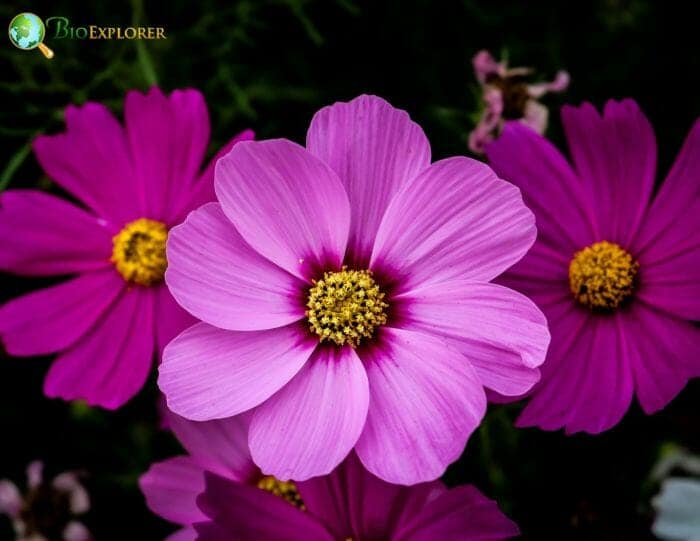
  • Cosmos

    Cosmos are annual flowering plants native to Mexico, characterized by brightly colored, daisy-like blooms borne on long, slender stems. Cosmos is a species of flowering plant in the Asteraceae (sunflower) family native to the meadowland and scrubland of Mexico, where most species are found.

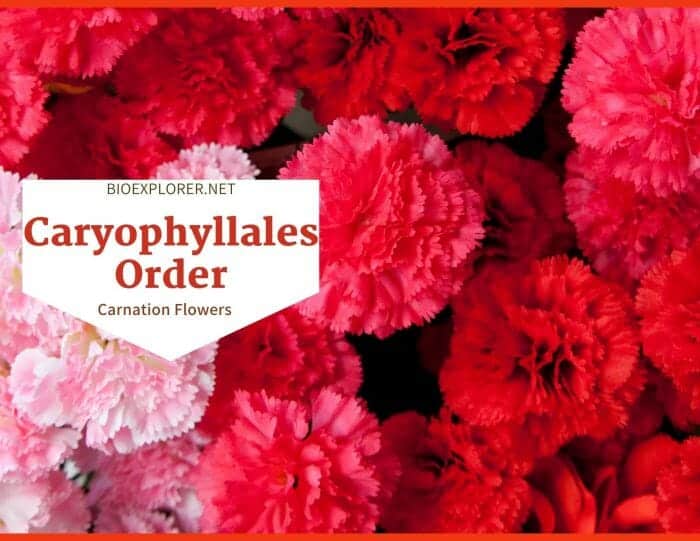
  • Order Caryophyllales / Pink and Carnation Flowers

    Caryophyllales is a large and diverse order of dicotyledonous flowering plants. Members under Caryophyllales are distributed on all the continents and are notable for their morphological uniqueness and ecophysiological adaptations. The flower species of carnation, four o’clock, and cactus belong to Caryophyllales and offer great beneficial use.

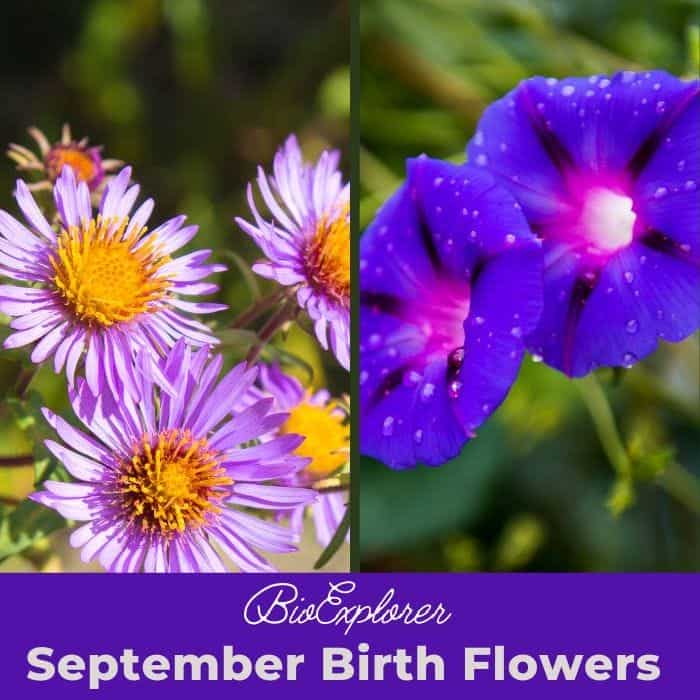
  • September Birth Flowers

    Discover the fascinating meanings behind September birth flowers, the Aster and Morning Glory. Learn about their origins, special meanings, and cultural importance for an enlightening read.

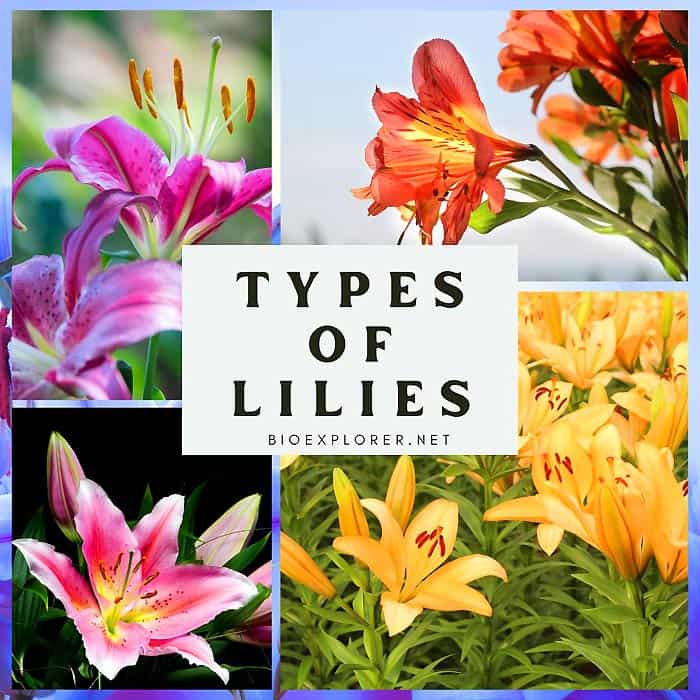
  • Types of Lilies

    Discover the stunning beauty of different types of lilies. From oriental hybrids to unique lily species, learn about the diverse world of lily varieties.

  • Blooming Texas: 25 Gorgeous Native Flowers Revealed!

    Texas is a large state with its own floristic region, having more than 5,000 species of native flowering plants. Because of its diverse landforms, Texas offers many famous blooms for visitors and residents. Explore the top 25 Texas flowers and their characteristics.

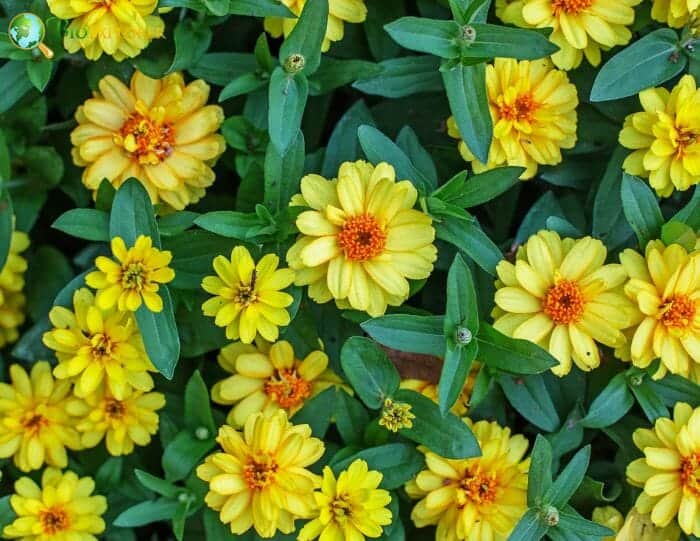
  • Sanvitalia

    Sanvitalia procumbens is a cheery Mexican annual with blossoms like miniature zinnias. It is an ideal choice for containers and hanging baskets. Sanvitalia procumbens is a carpet-forming annual that usually grows up to 6-inches tall. It has a frosty summer bloom of a miniature sunflower in ¾ inches diameter with yellow to orange-yellow stripes and dark purple-brown central discs

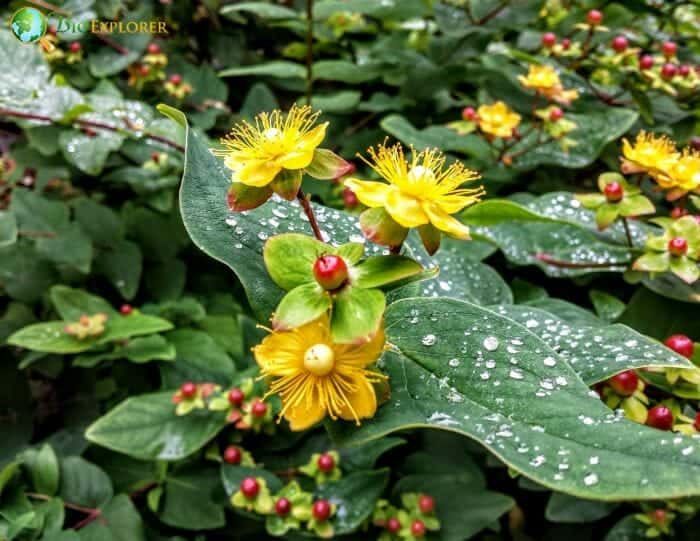
  • Hypericum Berry

    Hypericum Berries are very variable and occur as shrubs, trees, perennials, and annuals. Hypericum is a genus of plants in the Hypericaceae family. Hypericum berries are available in various colors, including red, pink, green, and white. It has bright yellow five-petalled flowers with prominent stamens that bloom in midsummer.

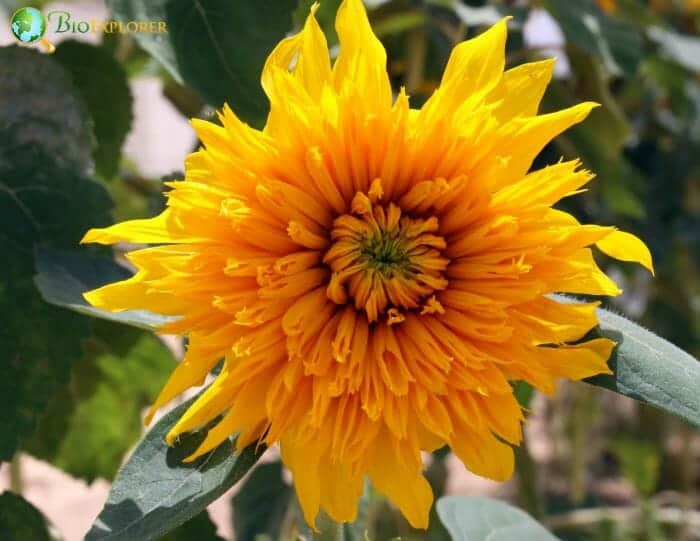
  • Helianthus annuus

    Sunflower is the common name of one of the plants in the Helianthus genus in the flowering Asteraceae family (known as the asters, daisies, or sunflower family). The inflorescence is a large disc with a 10 to 30 cm diameter and consists of 16 to 30 golden yellow florets.

  • Golden Marguerite

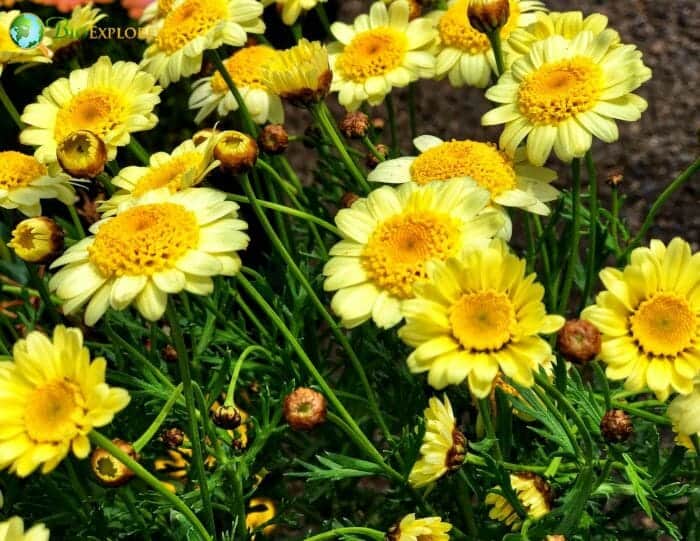
    Also known as yellow chamomile, the Golden Marguerite (Anthemis tinctoria) is a species of field chamomile (Anthemis) in the Asteraceae (sunflower) family. There are about a hundred species in the Anthemis genus. The cup-shaped flowers, primarily golden yellow, with hemispherical heads, appear from June to August.

  • Creeping Lettuce

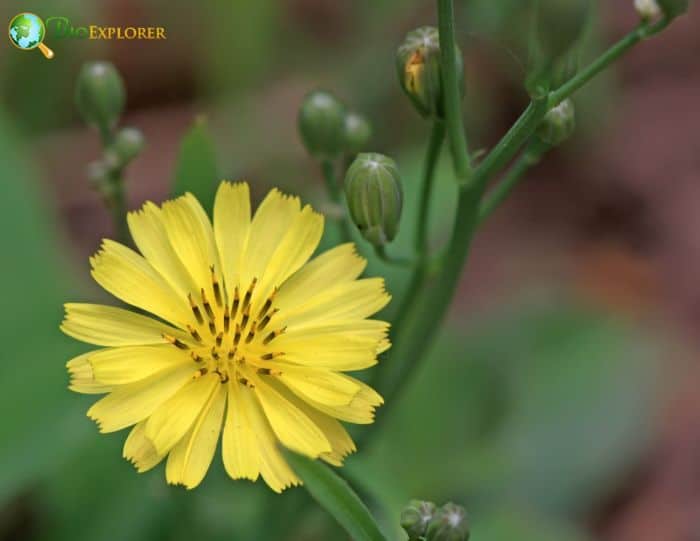
    The creeping lettuce is a flowering plant of the Asteraceae family. It is a widespread species in Japan. Being perennial, this plant grows to 0.2 meters by 0.5 meters. Ixeris stolonifera prefers moist soil and grows well in semi-shade or no shade.

  • Cosmos Flower beggarticks

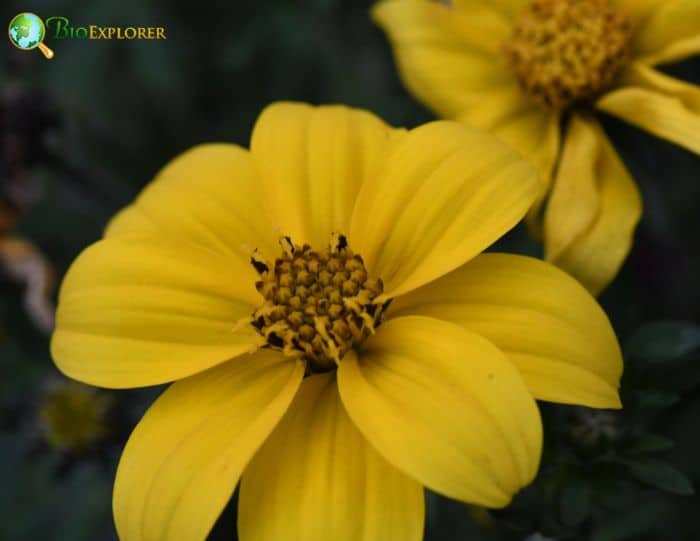
    Bidens cosmoides, commonly called Cosmosflower beggarticks, is a species of flowering plant in the Asteraceae (sunflower) family. There are about 19 species in the Bidens genus.

  • Coltsfoot

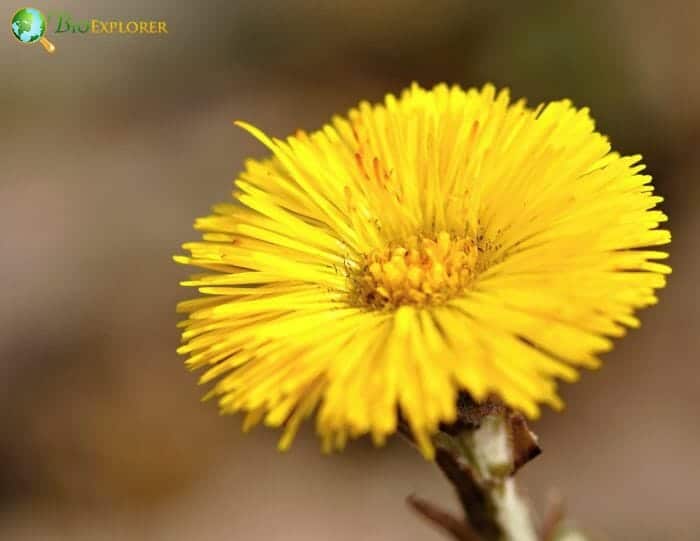
    Coltsfoot (Tussilago farfara) is a perennial herb in the Asteraceae (sunflower) family native to North Africa, Europe, and parts of Asia. Coltsfoot is the only recognized species in the Tussilago genus. The bright yellow flowers appear in early spring before the leaves appear.

  • Chinese Peony

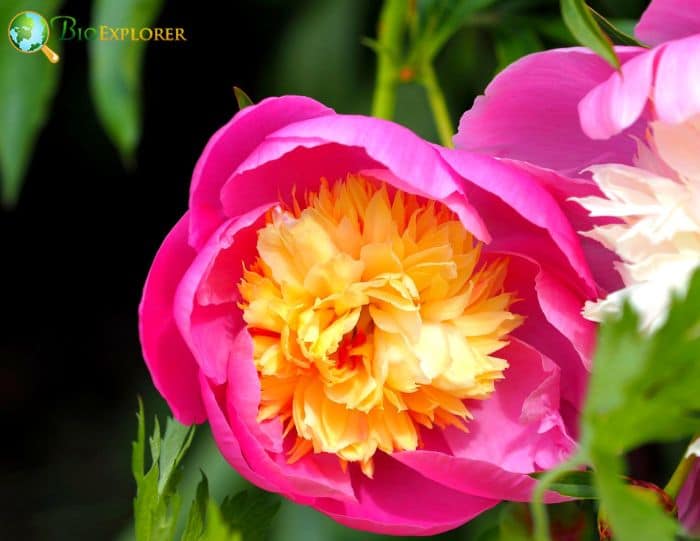
    Paeonia lactiflora is a flowering plant that can grow 20-28 inches tall. The Chinese Peony is a perennial herb of the family Paeoniaceae. Peony is named after Paeon, the Greek god of medicine and healing.

  • California Poppy

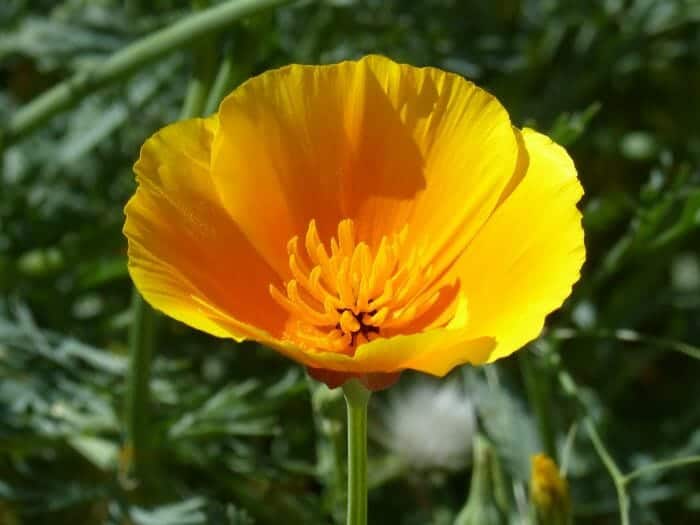
    The California Poppy (Eschscholtzia californica) became California’s official state flower on March 2, 1903. The four-petal desert flowers, borne on stems 8 to 12 inches (20 to 30 cm) long, are typically cream, orange, or pale yellow. Still, cultivars are white and in a variety of pinks and reds.

  • Calendula

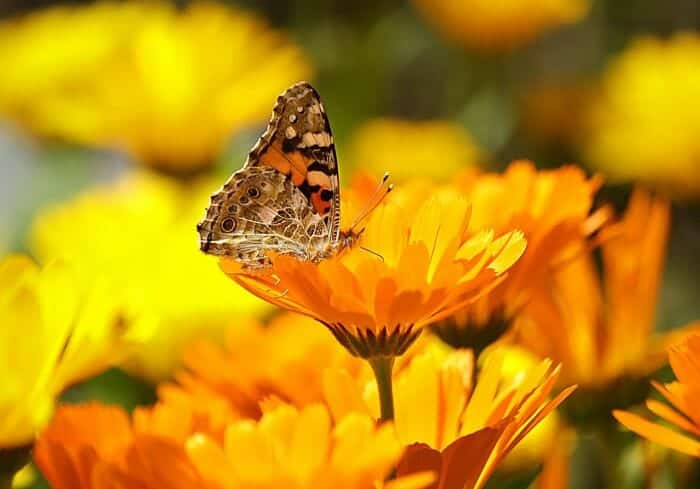
    Also known as Gold bloom, Bull’s Eyes, Holligold, and the pot of Marigold, Calendula is a radiant face among flower spirits that bloom all summer. Calendula plant is a genus of around 15 species in the Asteraceae family native to the Mediterranean, Central Europe, and Asia