Desert Flowers: Approximately 1/3 of the earth’s surface is composed of deserts. A desert is a region or landscape that receives very little precipitation. For this reason, the plants living in the desert must have adaptations to survive.
Despite having prolonged periods without precipitation, severe temperature ranges, dry winds, and low humidity, the beautiful flowers of the desert have learned to survive the harsh environment and continue to bloom and provide colors to the desert.
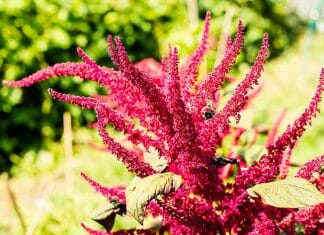
Known commonly as Prince’s Feather or simply Amaranth, Amaranthus hypochondriacus is a striking ornamental and edible plant native to Mexico. It features bold, upright spikes filled with tiny magenta to red flowers and large, broad green leaves. Amaranth holds deep cultural significance in Mexico.
Desert Regions:
Mojave, Chihuahuan, Great Basin, Sonoran
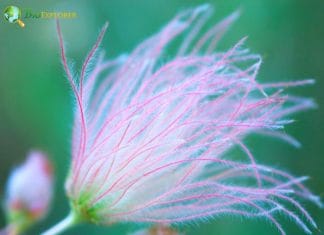
Apache Plume (Fallugia paradoxa) is a hardy shrub native to the deserts of northern Mexico and the southwestern U.S. It produces simple, white, five-petaled flowers resembling small roses, followed by feathery pink seed plumes that look like a cloud.
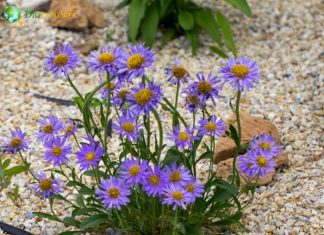
Symphyotricum oblongifolium is a perennial plant of the Asteraceae family. The Aromatic Aster can grow to a height of 1-2 feet. Aromatic Asters are low-growing. Their stems are stiff, compact, and compact. When the plant’s stems are crushed, it gives off a balsam-like fragrance.
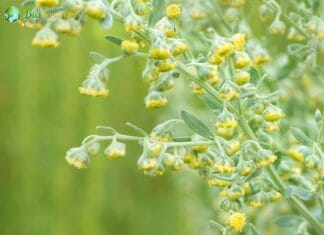
Artemisia is a large and diverse genus of aromatic, mostly perennial shrubs and herbs of the Asteraceae (daisy) family, characterized by alternating leaves and small inflorescence. All have alternate leaves, tubular yellow flowers, and small flower heads, which appear as hanging, racemose, paniculate, or capitate inflorescences, rarely individually.
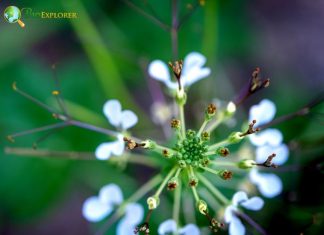
Cleome viscosa is an annual herb that belongs to the Cleomaceae family. It is synonymous with Polanisia viscosa. The extracts from the flower and leaves of Cleome viscosa manifest effective antimicrobial activity.
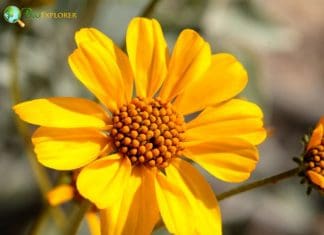
Brittlebush is a common desert shrub under the family Asteraceae. The plant can grow up to 1-5 feet tall and 4 feet wide. Research showed that the Encelia farinosa intrinsic water-use efficiency manifested strong responses to climate change.
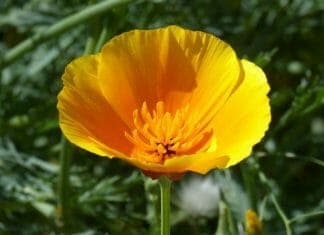
The California Poppy (Eschscholtzia californica) became California’s official state flower on March 2, 1903. The four-petal desert flowers, borne on stems 8 to 12 inches (20 to 30 cm) long, are typically cream, orange, or pale yellow. Still, cultivars are white and in a variety of pinks and reds.
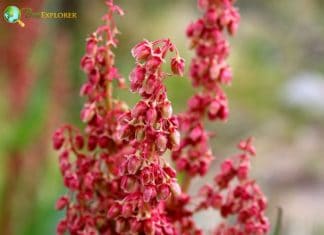
Rumex hymenosepalus is a perennial flowering desert plant belonging to the order Caryophyllales. The inflorescence of the Canaigre Dock is made up of elongated clusters of many small flowers in a reddish pink.
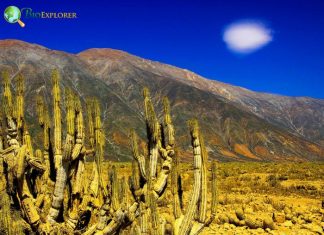
Eulychnia iquiquensis is treelike cactus of the Order Caryophyllales. It is endemic to the northern part of the Atacama Desert. The genus name Eulychnia is derived from the Greek words (eu and lychnos). Its English translation is “beautiful lamp”.
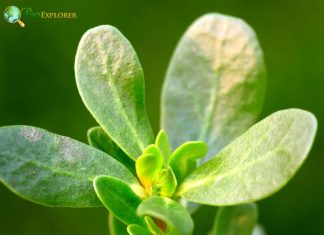
Triabthena portulacastrum is an annual herb of the family Aizoaceae. The Desert Horse Purselane is succulent and usually glabrous. The Desert Horse Purslane plant has been eaten for at least 2000 years.
Desert Regions:
Areas of the Southwest of North America, Northwestern Mexico, Mojave, and Sonoran.
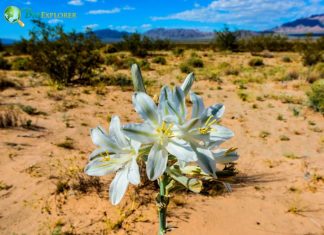
Hesperocallis undulata is the sole species of the genus Hesperocallis. Desert Lily thrives in the hottest and driest regions of the Southwest. The bulb of the Desert lily plant is edible. They have the same taste as garlic.
Desert Regions:
Sahel regions South of Sahara, Tropical Africa, and Arabian Peninsula.
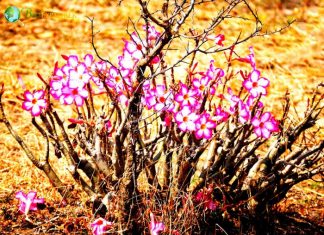
The Desert rose plant is an evergreen, deciduous shrub of the Gentianales order. Desert roses can grow from 3.3 to 9.8 ft. It is a trendy ornamental plant with plumeria-like flowers.
Desert Regions:
Mojave and Sonoran, deserts of Southwestern US and Northern Mexico.
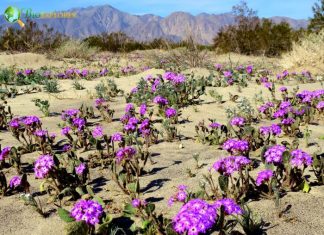
The Desert Sand Verbena is a native species of the southwestern United States and Northern Mexico, growing in the sandy areas of the desert. The flowers are trumpet-shaped. The flowers are fragrant with 5 lobes.
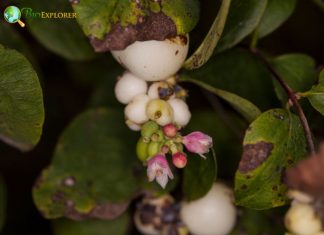
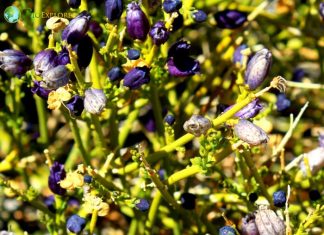
Symphoricarpus longiflora is an erect shrub of the Dipsacales family. It is often found in dry habitats. The flowers of the Desert Snowberry are fragrant and tubular. These flowers appear singly or in pairs along the leaf axils.
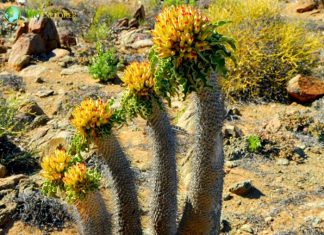
Pachypodium namaquanum is a sought-after popular succulent of the Apocynaceae family. These Namib desert flowers are large succulents from Northern Cape and southern Namibia. Elephant trucks are also called “halfmens” because they appear half Tree and half-human.
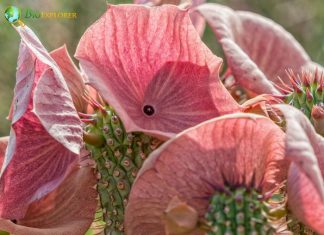
The Hoodia cactus is a flowering plant of the family Apocynaceae. It has been called one of the 21st century's wonder plants. Hoodia gordonii shares many similarities with the cactus but does not belong to the cactus family. Instead, the Hoodia cactus belongs to the milkweed family.
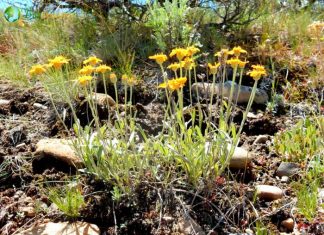
Hymenoxys lemmonii is a perennial herb of the Asterceae family. The plant can grow to a height of 15-20 inches. The plants of the genus Hymenoxys contain sesquiterpene lactone hymenoxon, which is toxic to sheep.
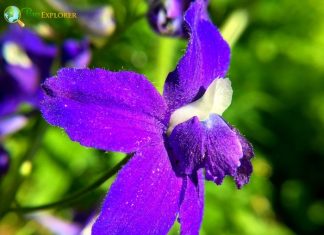
Delphinium bicolor is a perennial plant of the Buttercup (Ranunculaceae) family. The stems of the Little Larkspur have a height of 4-24 inches. The Little Larkspur plants can absorb toxic substances, like herbicides, pesticides, and pollutants.
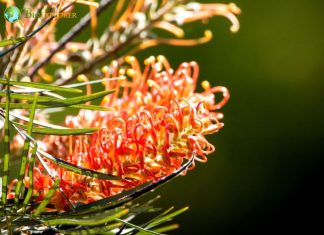
Grevillea treueriana is a small shrub from order Proteales. The Mount Finke Grevillea plants are endemic to Mount Finke of Australia and can grow to a height of 2 meters. The flowers of the Grevillea treueriana are shaped like a toothbrush.
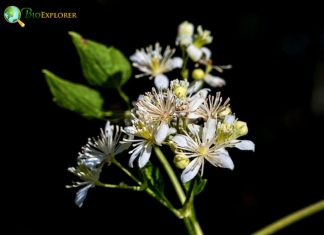
Clematis ligusticifolia is woody or semi-woody climber from the Ranunculaceae family. This desert flowering plant can grow up to 20 feet or more. All parts of the plant can cause severe irritation in the mouth if eaten.
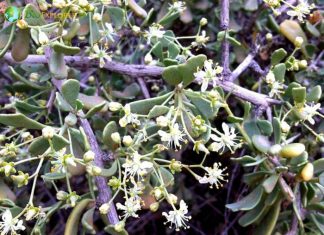
The Salt tree is a drought-tolerant shrub of the Order Sapindales. It can grow up to 2.5 meters. This plant is native to the Northern African desert areas. The Salt tree has fruits of a triangular drupe.
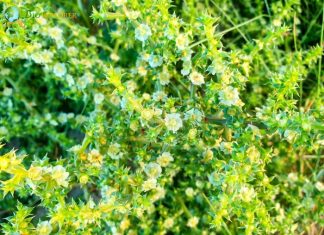
Saltwort is an annual herb from the Amaranth family. The flowers of the Saltwort are radially symmetrical and possess 5 tepals fused into a cup or tube. Usually, there is one flower per axil of the bract.
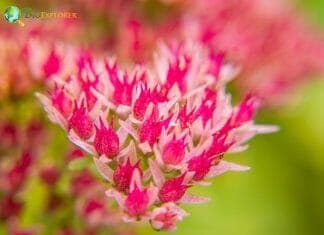
In botanical gardens or gardening stores, you may have found plants named “Sedum” that are so different that you wonder if they are related to one another. The genus Sedum is part of the large Crassulaceae (stonecrops) family named for their ability to grow in cold, dry areas with little water.
Desert Regions:
Junggar Basin Region of the Gobi and Sahara.
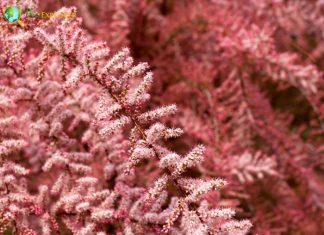
Tamarix arceuthoides is a shrub or Tree belonging to the Tamaricaceae family. This plant can grow to a height of 5 meters. The Tamarix shrub is commonly found in sandy places and deserts of temperate Asia, Africa, and Europe.
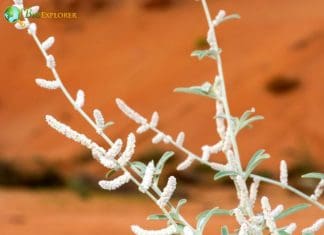
White Saxual is a tap-rooted shrub or small tree that belongs to the pigweed family. The stem of the White Saxaul is stout and rugged. It has a height of 4.5-5 meters. The White Saxaul is called “Ghada” and was often mentioned in classical Arabic poetry.
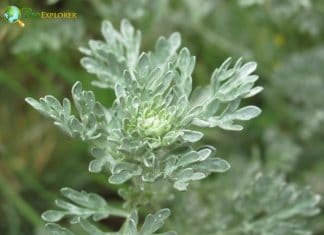
White Wormwood is a perennial shrub of the order Asterales. This shrub can grow to a height of 8-16 inches. The White Wormwoods are chamaephyte. The plant is also aromatic. In addition, white Wormwood produces essential oils.
Deserts, such as the Sahara, the largest hot desert in the world, may give the impression of being lifeless, but they are home to a range of unique plant species that have adapted to survive in harsh desert conditions. These plants have developed remarkable strategies to thrive in these arid environments, where water is scarce and extreme temperature fluctuations.
One example is Panicum Turgidum, desert grass. This desert flowering plant has exceptional drought resistance, enabling it to endure the water-deprived desert landscape.
Various species of Acacia trees are also found throughout the Sahara. These trees possess deep root systems that allow them to access groundwater, and their small leaves help minimize water loss.
Date palms are another significant plant species in the Sahara oases. These trees provide valuable sustenance through their nutritious fruits and offer materials for construction and crafting.
Cleome Africana is a beautiful flowering plant that blooms amidst the Sahara’s sandy dunes. Its striking white blossoms create a stark contrast against the desert backdrop.
Cistanche Phelypaea is an intriguing parasitic plant in the desert. Lacking chlorophyll, it derives nutrients and water from the roots of other plants. Its vibrant flowers typically range from bright yellow to orange-red.
Euphorbia candelabrum is a plant reminiscent of a cactus with a thick, fleshy stem that stores water. This adaptation allows it to withstand prolonged periods of drought.
It’s important to acknowledge that the Sahara is not uniformly barren and sandy. It encompasses various terrains, including rocky areas, gravelly stretches, mountain ranges, and even wetlands and grasslands in certain regions.
Each of these diverse environments fosters distinct forms of plant life. Additionally, some of the mentioned plant species may only bloom following infrequent rainfall events, during which they swiftly germinate, flower, and produce seeds before the return of arid conditions.
All organisms thrive to survive. This is also true with plants living in the desert environment. So, the next time we hear the word “desert”, our thoughts must not be limited to the harsh environment, but we must also appreciate the beauty of the desert shrubs, blooms, and other plants that provide life to the desert landscape. These desert flowers have found unique ways to survive the scarcity, heat, and poor soils.
BioExplorer. (2026, September 30). The Ultimate Guide to 25+ Spectacular Desert Flowers & Their Unique Adaptations. https://www.bioexplorer.net/plants/flowers/desert/