
Importance of Biology: 10 Reasons It Matters!
Biology is important because it is the science of life. It explains how living things grow, function, reproduce, and interact with the world around them. From the food on your plate to the medicines in your cabinet, from the air you breathe to the way your brain processes emotions, biology touches every part of daily life.
It is the foundation of medicine, agriculture, environmental science, and technology. Without biology, we could not treat disease, grow enough food, protect nature, or prepare for pandemics.
Below are the 10 most important reasons why biology matters to everyone, not just scientists.
Jump to:
- A Quick Glance
- Importance of Biology
- 1. Biology Explains How Life Works
- 2. Biology Drives Medicine and Human Health
- 3. Biology Feeds the World
- 4. Biology Protects Nature and the Environment
- 5. Biology Helps Us Tackle Climate Change
- 6. Biology Powers Biotechnology
- 7. Biology Answers the Biggest Questions About Existence
- 8. Biology Protects Us From Pandemics and Biological Threats
- 9. Biology Explains the Brain and Mental Health
- 10. Biology Builds Careers and an Informed Society
- FAQs
- Conclusion
- Jump to comments
A Quick Glance
| # | Reason | Why BIOLOGY matters |
|---|---|---|
| 1 | Biology explains how life works | The starting point for all life sciences, from cells and DNA to entire ecosystems |
| 2 | Biology drives medicine and human health | Behind every drug, vaccine, gene therapy, and medical treatment ever developed |
| 3 | Biology feeds the world | Creates crops that resist drought and disease to feed over 8 billion people |
| 4 | Biology protects nature and the environment | Powers conservation efforts that protect endangered species and restore ecosystems |
| 5 | Biology helps us tackle climate change | Studies climate impacts on living systems and develops biological solutions |
| 6 | Biology powers biotechnology | Uses living organisms to create medicines, fuels, and products that improve lives |
| 7 | Biology answers the biggest questions about existence | Investigates how life began, how humans evolved, and whether life exists beyond Earth |
| 8 | Biology protects us from pandemics | Tracks disease outbreaks, develops vaccines, and prepares us for biological threats |
| 9 | Biology explains the brain and mental health | Reveals the biological causes of depression, anxiety, and other mental health conditions |
| 10 | Biology builds careers and an informed society | Opens dozens of career paths and gives everyone the tools to make better life decisions |
Importance of Biology
1. Biology Explains How Life Works
Biology helps us understand what life actually is. It explains how DNA carries genetic instructions from one generation to the next, how cells divide and grow, and how organs keep the body running. Without this foundation, none of the other sciences — medicine, ecology, or biotechnology — would exist. Think of biology as the instruction manual for every living thing on Earth. Explore this further through what molecular biology studies at the cellular level.
Suggested Reading:
10 Levels of Biological Organization
2. Biology Drives Medicine and Human Health
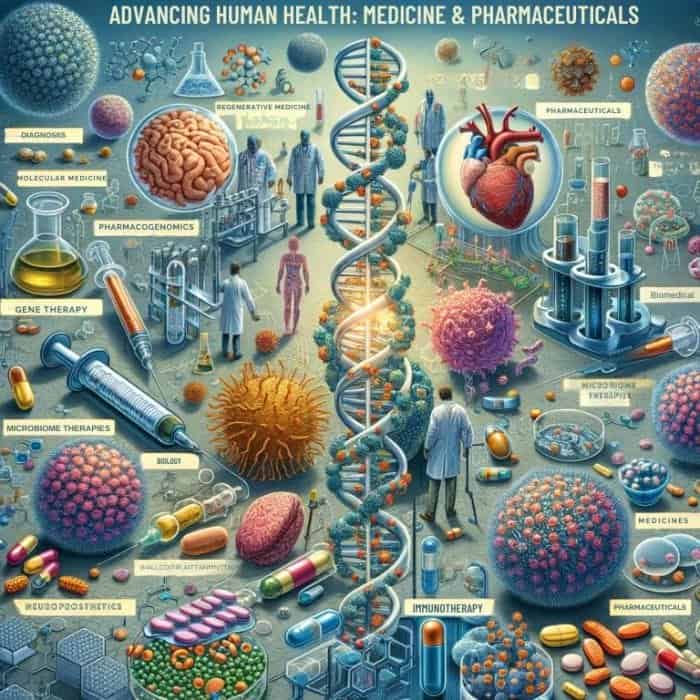
Almost every medicine you have ever taken exists because of biology. Biologists figured out how diseases attack the body, and then worked out how to stop them. From antibiotics that kill bacteria to vaccine that prevent infections, biology is the engine behind modern medicine. Today it goes even further. Understanding where stem cells come from and how they work has opened the door to repairing damaged tissue and organs. The ongoing debate around stem cell research pros and cons shows just how much is still at stake. Without biology, common illnesses that are easily treated today would still be deadly.
Suggested Reading:

Types of Doctors
3. Biology Feeds the World
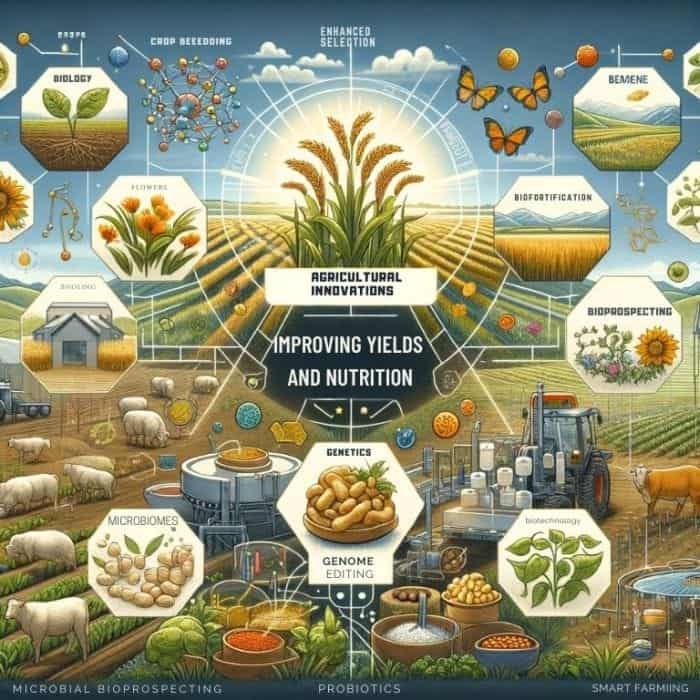
Biology helps farmers grow more food and make it healthier. Scientists use genetic knowledge to breed crops that resist diseases, survive drought, and contain more vitamins. Understanding how the plant life cycle works from seed to harvest is central to every agricultural improvement ever made. For example, Golden Rice was engineered to contain Vitamin A, helping children in regions where deficiency is a serious health problem. Without agricultural biology, feeding the world’s 8 billion people would be nearly impossible.
Suggested Reading:
Branches of Biotechnology
4. Biology Protects Nature and the Environment
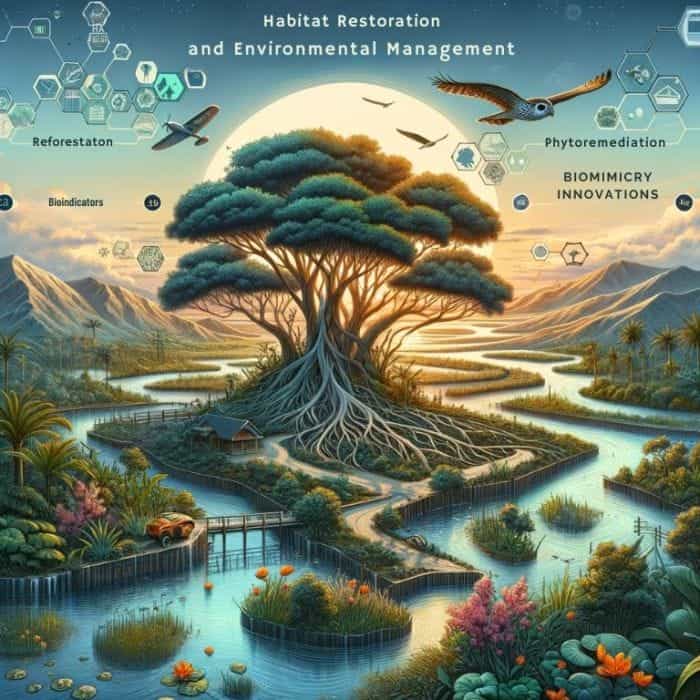
Earth is currently losing species faster than at almost any point in history. Biology gives us the tools to slow this down. Conservationists use genetic data to identify endangered populations. Concepts like the founder effect and what it means for small isolated populations help explain why certain species are especially vulnerable to extinction. Without biological science, we would not know which species are at risk, why they are declining, or what to do about it.
Suggested Reading:
Top 36 Extinct Birds From Millions To Zero!
5. Biology Helps Us Tackle Climate Change
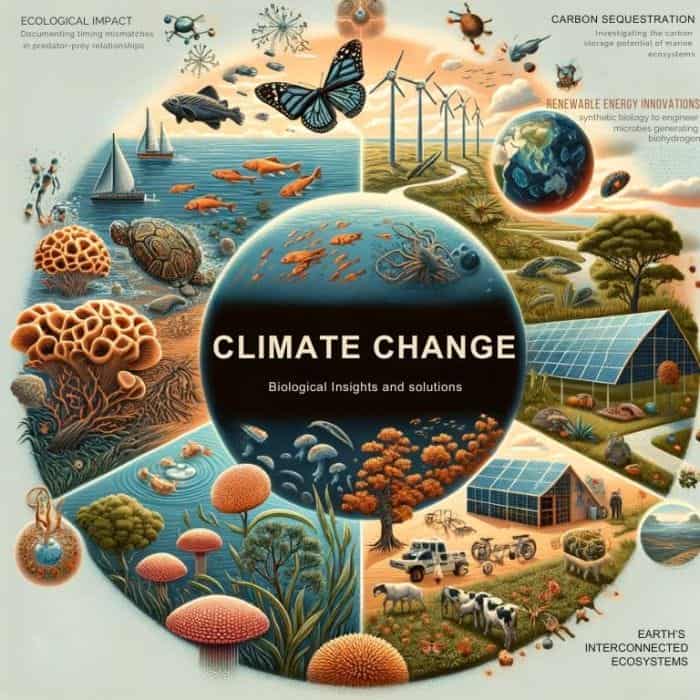
Climate change is not just about weather. It is disrupting ecosystems, killing coral reefs, shifting animal migration patterns, and threatening food supplies. Biologists study these impacts and help find solutions. They identify which forests absorb the most carbon. They develop crops that can survive in hotter conditions. They model how ecosystems will respond to warming. Biology connects the science of climate to the living world it affects most.
Suggested Reading:
Carbon Cycle Steps: Overview & Importance in Biosphere
6. Biology Powers Biotechnology
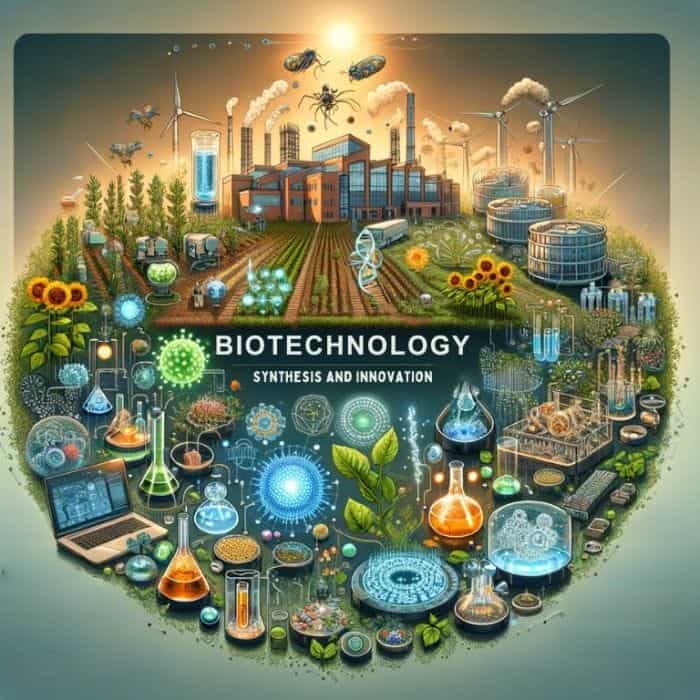
Biotechnology uses living organisms to make useful products. Bacteria can be programmed to produce insulin for diabetics. How fungi are used in medicine and biotechnology is one of the most underappreciated areas of applied biology. How algae contribute to biofuel production and clean energy is another fast-growing field. This area of biology sits right at the intersection of science and engineering and it is transforming almost every major industry.
Suggested Reading:

Top 20 Biomass Energy Pros and Cons
7. Biology Answers the Biggest Questions About Existence
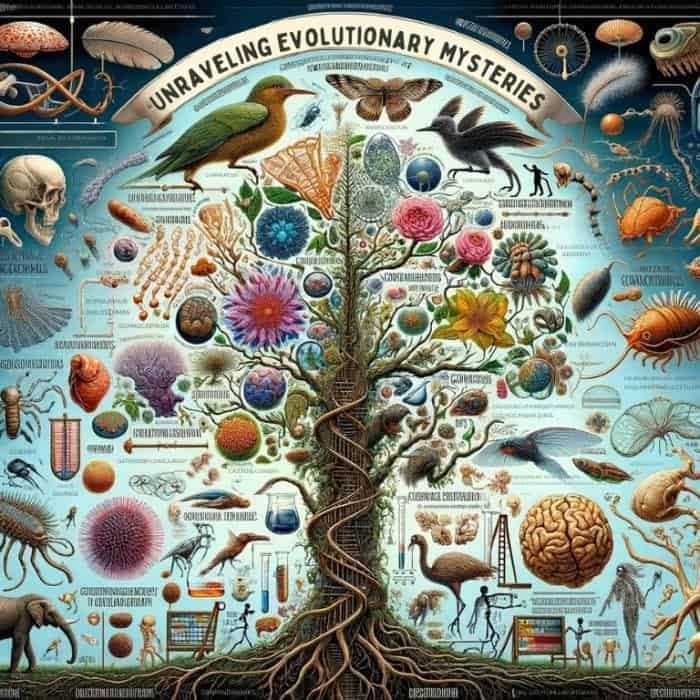
Where did life come from? How did humans evolve? Are we alone in the universe? These are not just philosophical questions. Biology investigates them with real science. Evolutionary biology traces the history of every living thing on Earth. Abiogenesis research explores how life first appeared from simple chemicals. Astrobiology looks for signs of life on other planets. Biology may not have all the answers yet, but it is asking the right questions.
Suggested Reading:
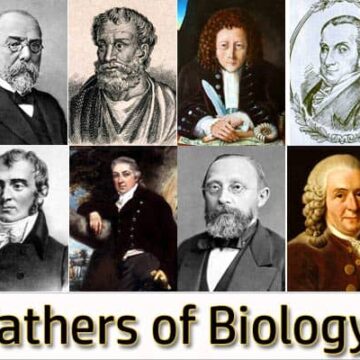
History of Biology
8. Biology Protects Us From Pandemics and Biological Threats
COVID-19 showed the world how fast a new virus can spread and how much damage it can cause. Biology is our primary defense. What virology tells us about how viruses replicate and spread is the foundation of every vaccine ever developed. Understanding why antibiotic-resistant bacteria like MRSA are so dangerous shows why this work never stops. Without biology, we would have no early warning systems, no vaccines, and no way to understand or contain outbreaks.
Suggested Reading:
Top 14 Most Infectious and Deadliest Diseases Caused By Bacteria
9. Biology Explains the Brain and Mental Health
Depression, anxiety, addiction, and other mental health conditions are not character flaws. They have biological causes. Brain chemistry, genetics, gut bacteria, and stress responses all play a role. Neurobiology studies how the brain works at a cellular level, how memories form, and what goes wrong in conditions like Alzheimer’s or schizophrenia. Understanding the biology behind mental health leads to better treatments and helps remove the stigma that surrounds these conditions.
Suggested Reading:
25 Mind-Blowing Biology Breakthroughs That Shaped Our World!
10. Biology Builds Careers and an Informed Society
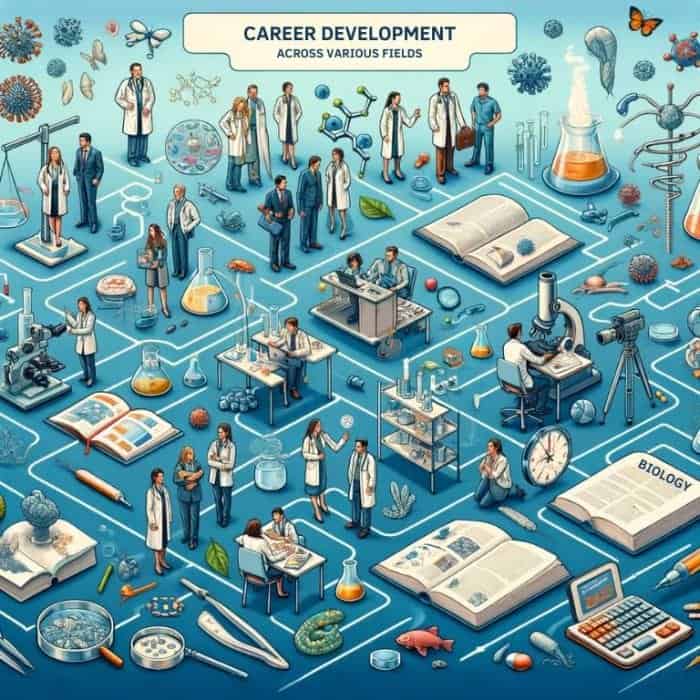
Biology opens the door to careers in medicine, research, conservation, agriculture, law, education, and public policy. But its value goes beyond jobs. Understanding biology helps every person make better decisions about their health, their food, and their environment. In a world shaped by vaccines, genetic testing, and climate science, biological literacy is not optional. It is one of the most useful things a person can learn.
Suggested Reading:
Biology Boomtowns: 10 Best US Cities for Job Opportunities
FAQs
Biology is important because it is the science of life. It explains how all living things grow, function, and interact with the world around them. It is the foundation of medicine, agriculture, environmental protection, and technology. Without biology, we could not treat disease, grow enough food, or protect the natural world.
Biology affects everyday life in ways most people never think about. The food you eat, the medicines you take, the air you breathe, and the way your body fights infection are all explained by biology. Understanding it helps you make better decisions about your health, diet, and environment every single day.
Every medical treatment ever developed is built on biological knowledge. Understanding how the human body works, how diseases develop, and how the immune system responds is what makes it possible to create drugs, vaccines, and therapies. Without biology, modern medicine simply would not exist.
Biology gives scientists the tools to understand ecosystems, protect wildlife, restore damaged habitats, and measure the impact of pollution and climate change. Conservation efforts, environmental laws, and sustainability programs all depend on biological research to guide their decisions.
Studying biology teaches students how to think critically, analyze data, and solve real problems. It opens career paths in medicine, research, conservation, agriculture, education, and public policy. It also gives students a better understanding of their own bodies and the world they live in.
Conclusion
Biology is not just a subject you study in school. It is the science behind almost everything that keeps you alive, healthy, and connected to the world around you. It feeds populations, fights disease, protects nature, and answers questions humans have been asking for centuries.
The 10 reasons covered in this page only scratch the surface. Every one of them could fill an entire textbook. But the core message is simple: biology matters because life matters. And understanding life, even at a basic level, makes you better equipped to navigate the world, make informed decisions, and appreciate just how remarkable it is to be alive.
If this article sparked your curiosity, explore the many branches of biology to go deeper into any topic that interests you.
Cite this page
BioExplorer. (2026, August 26). Importance of Biology: 10 Reasons It Matters!. https://www.bioexplorer.net/importance-of-biology.html/
About the author

MSc Genetics & Cytology
Anastasiia Nesterenko holds an MSc in Genetics and Cytology and spent sixteen years as a research assistant at the Mechnikov Institute for Microbiology and Immunology. She has written for BioExplorer since 2016, from genetics and immunology to primates, insects, plants and flowers.

It improves our understanding of diseases and their causes, prevention, and treatment
Thanks, it was really helpful.
It’s the key to the knowing of any other discipline to life
The life sciences are very close to us, and there is a lot of scientific knowledge to discover.
It’s all true, The importance of Biology helps us to know more about ourselves than how we know ourselves.
Good work
biology is really helpful?????
yes it is. especially in knowing the basic processes in the life of organisms especially humans and how to solve problems related to the environment and life as a whole
Biology help us to know the real nature of living things
Biology helps us to know the uniqueness of some creation.
That’s right