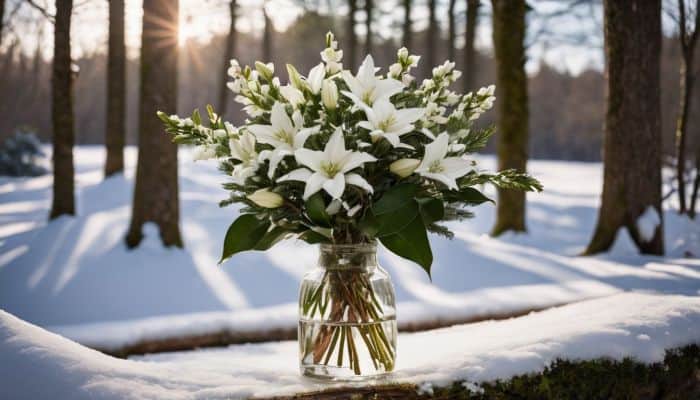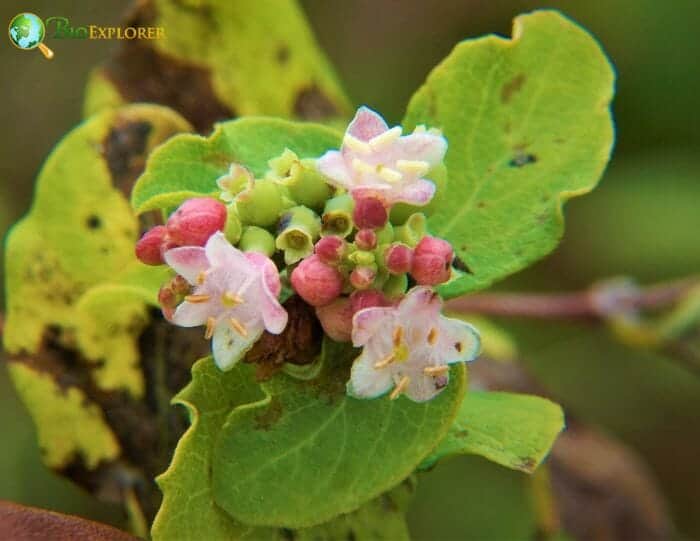
Symphoricarpos, commonly called snowberry, ghost berry, or waxberry is a genus of around 15 species of deciduous shrubs in the Caprifoliaceae (honeysuckle) family. The flowers are small, pink to greenish-white, in most species in small clusters of 5 to 15 together, in some individually or in pairs.
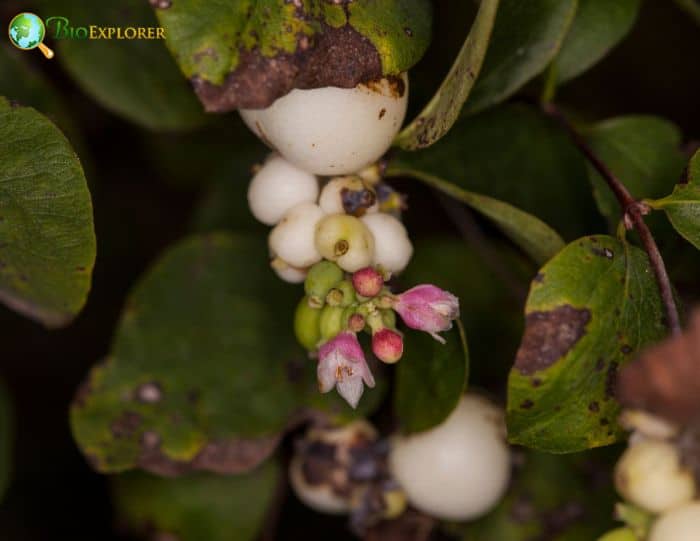
Symphoricarpus longiflora is an erect shrub of the Dipsacales family. It is often found in dry habitats. The flowers of the Desert Snowberry are fragrant and tubular. These flowers appear singly or in pairs along the leaf axils.
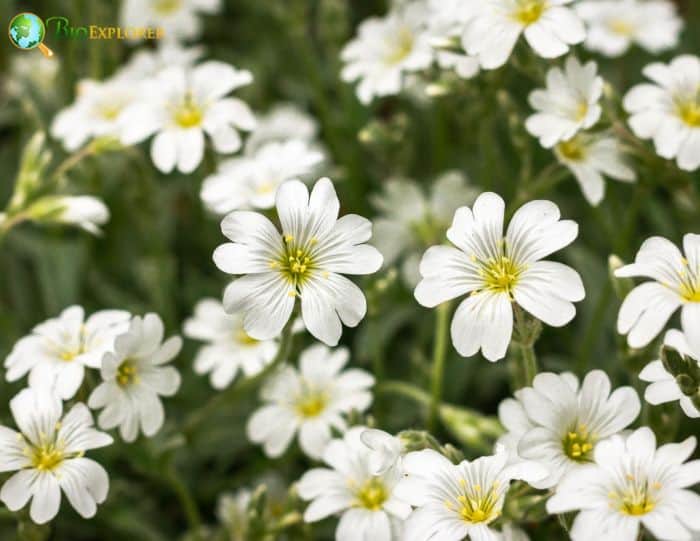
Snow-in-summer (Cerastium tomentosum) offers a solid option for adding botanical beauty to retaining wall crevices and stones in a rock garden. Additional flowering usually occurs in smaller quantities all through the summer.
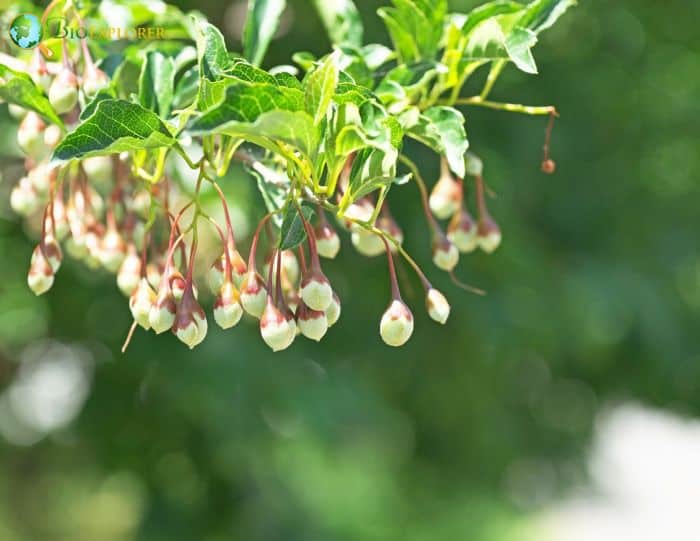
The Japanese Snowbell is a deciduous tree that can grow to 15-25 feet. The leaves of Styrax japonica are alternate and simple. They are broad-elliptic to elliptic-oblong. These leaves are medium to dark green with a measurement of 2.5-9 cm. long and 1.3 -4 cm wide.
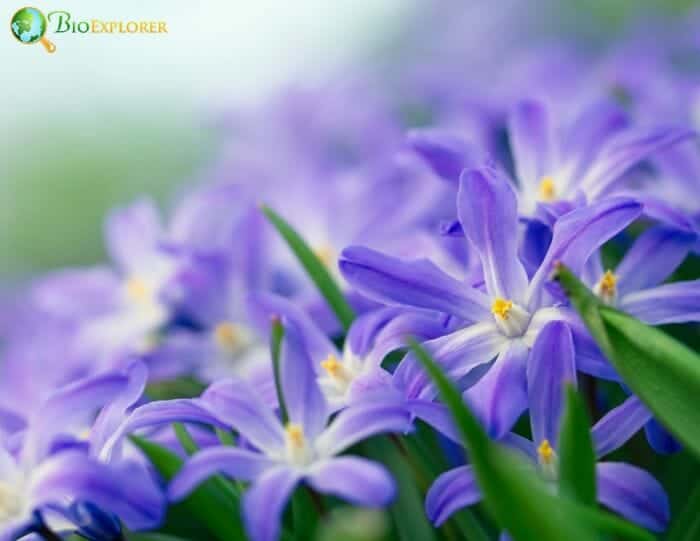
Chionodoxa forbesii is commonly referred to as the Glory-of-the-Snow because it flowers early enough that its flowers often protrude directly from the snow. The small, upturned flowers are pale blue with a whitish center, making them nearly translucent or glassy.
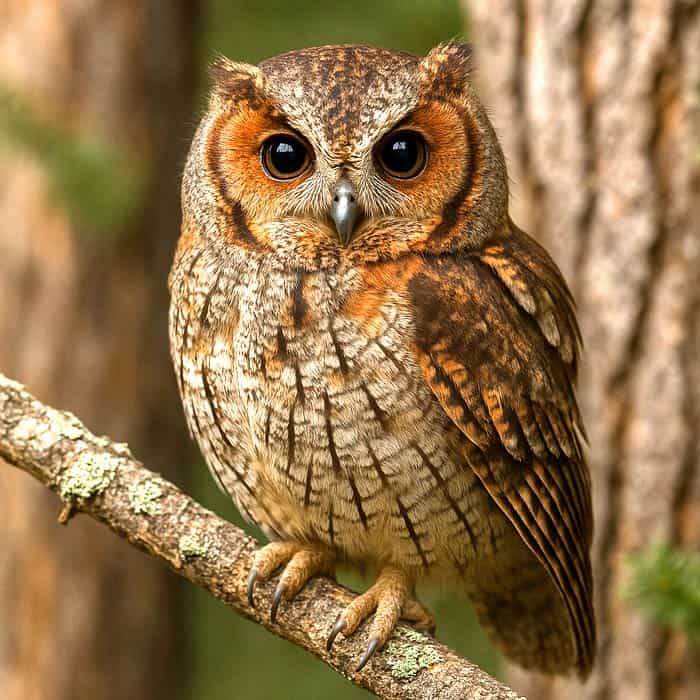
The flammulated owl (Psiloscops flammeolus) is a small, nocturnal bird native to western North America, renowned for its flame-marked plumage and soft, deep calls. Favoring mature coniferous forests, this elusive owl nests in tree cavities and feeds almost exclusively on insects like moths and beetles. Despite its broad range, it remains hard to spot due to its camouflaged appearance and secretive habits. As a key insect predator and indicator of healthy forests, the flammulated owl plays an essential role in maintaining ecological balance across its habitat.
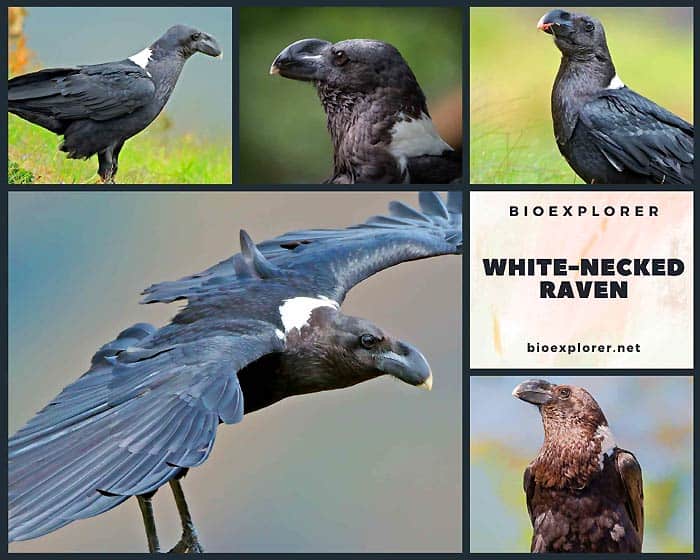
The white-necked raven is a large, intelligent bird native to the highlands of eastern and southern Africa. Recognizable by its white nape and glossy black plumage, this adaptable corvid thrives in mountainous terrain, open savannas, and even urban settings. It feeds on everything from insects and carrion to human scraps, often displaying clever foraging tactics like dropping nuts on rocks. Monogamous pairs build sturdy nests on cliffs or tall trees. As both scavenger and predator, it plays a vital ecological role while showcasing striking social and problem-solving behaviors.
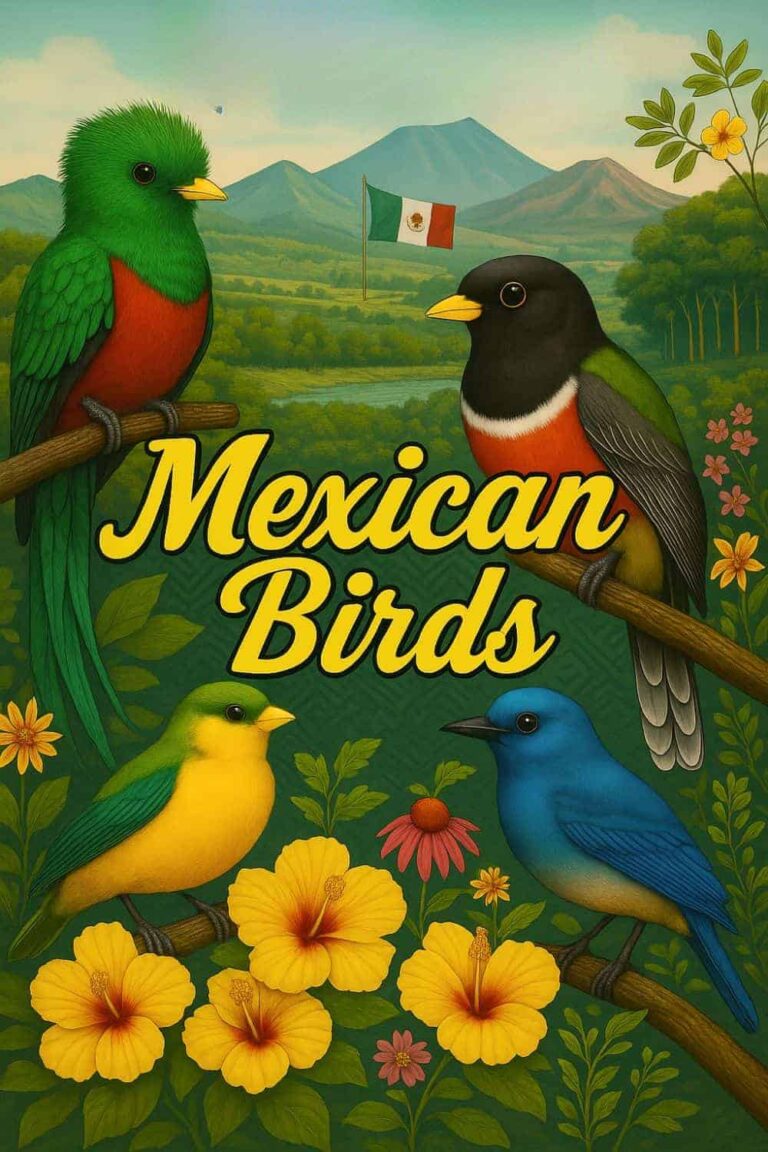
Discover the top 15 Mexican birds, from vibrant quetzals to rare doves. Learn where to find Mexico’s most colorful and unique bird species across forests, coasts, and mountains.

Explore the overview of 26 must-see top Washington Birds species including facts on goldfinches, owls, hawks, finches and more. This comprehensive guide will help with identification of birds of Washington.
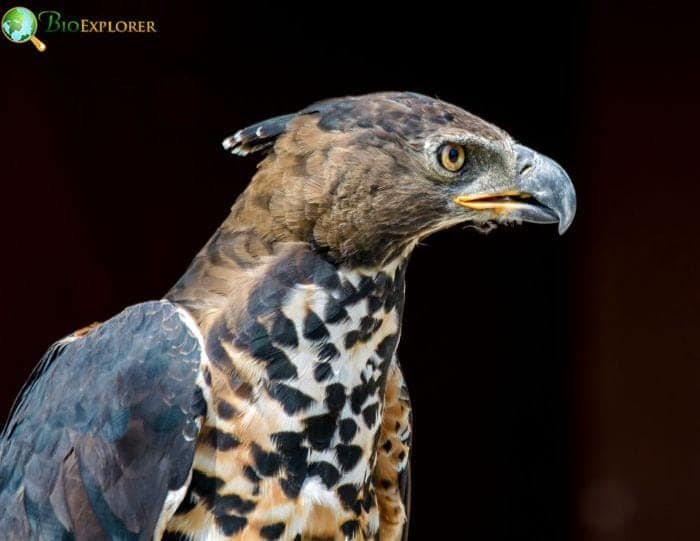
The Crowned Eagle, also known as the African Crowned Eagle, is a powerful raptor native to sub-Saharan Africa, favoring dense forests and woodlands. Recognizable by its striking dark crest and intense yellow eyes, this eagle boasts a wingspan of 5–6 feet and is considered Africa’s most powerful eagle pound for pound. Its massive talons and strong legs allow it to hunt large prey, primarily monkeys, small antelope, and hyraxes, though it occasionally takes birds and reptiles. Crowned Eagles build enormous nests high in emergent trees, sometimes reusing them for over a decade. Their courtship includes dramatic aerial displays and prey offerings.
Learn about the endangered scimitar-horned oryx, a striking Saharan antelope brought to extinction in the wild by 2000. Discover how urgent conservation efforts and captive breeding programs for this iconic desert-adapted Oryx dammah species have kept its future hopes alive against the odds.
The coldest areas on Earth, such as regions close to the North Pole and the South Pole, have unique features. Here are the top 18 tundra animal adaptations.
Uncover 25+ fun facts about black leopards! Discover why these elusive melanistic felines are so special, learn about their unique adaptations, and explore the myths and realities surrounding these beautiful creatures.
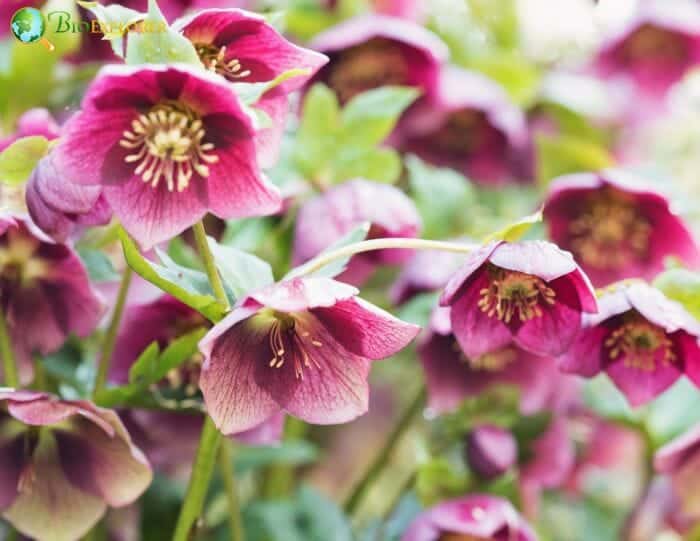
Hellebore is so pretty and straightforward that it has a place in almost any landscape. Its exquisite cup- or saucer-shaped blooms in white (sometimes speckled), maroon, yellow, or pink remain on the plant for many months, even after the petals have dropped.
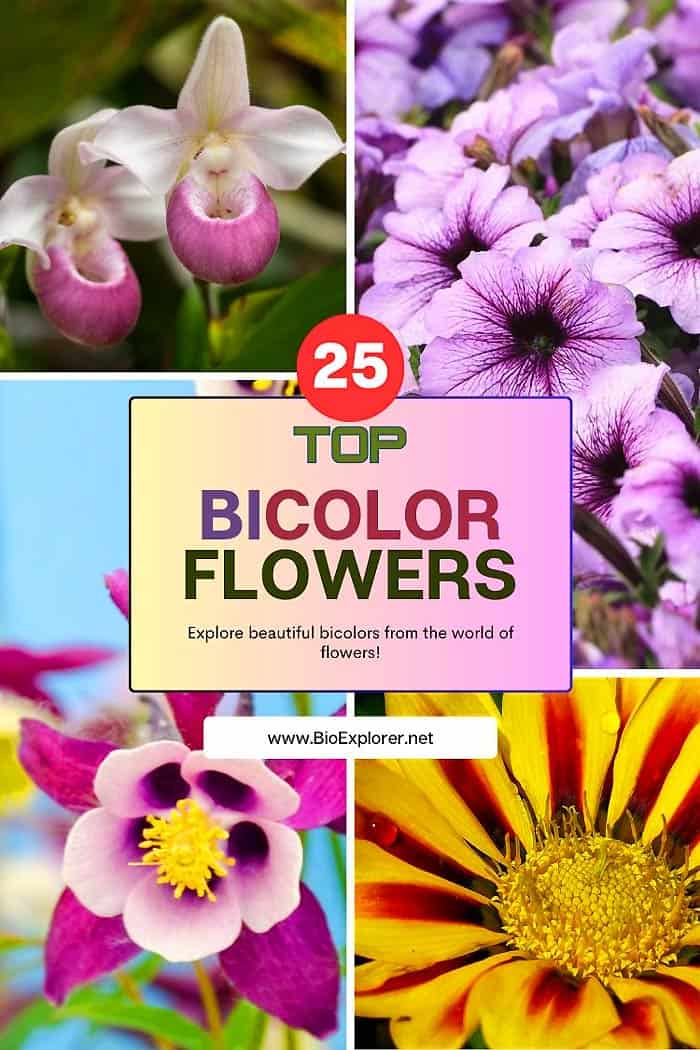
Discover 25 stunning bicolor flowers, from rare orchids to common garden favorites. Learn about their habitats, care tips, and unique features in this guide.
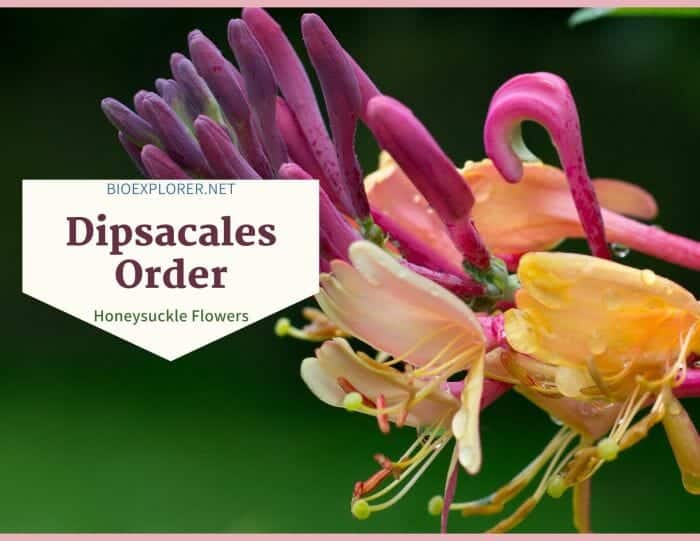
Dipsacales is a eudicotyledonous order of flowering species. Members of Dipsacales show characteristics like pubescent stems, flowers mostly in cymes, and 4-5 floral parts. The Dipsacales flowers are primarily bisexual and are pollinated by insects and/or birds. Honeysuckle, Seven-son flower, Alpine valerian, Mountain snowberry and Japanese snowball flowers are examples of Dipsacales.
Asterales is a dicotyledonous order of flowering plants that holds ten percent of the angiosperm species diversity. Common sunflower, common daisy, Toropapa, Hydrangea, Bogbean, Water snowflake, and Cobalt mound are some of the beautiful flowers in Asterales.
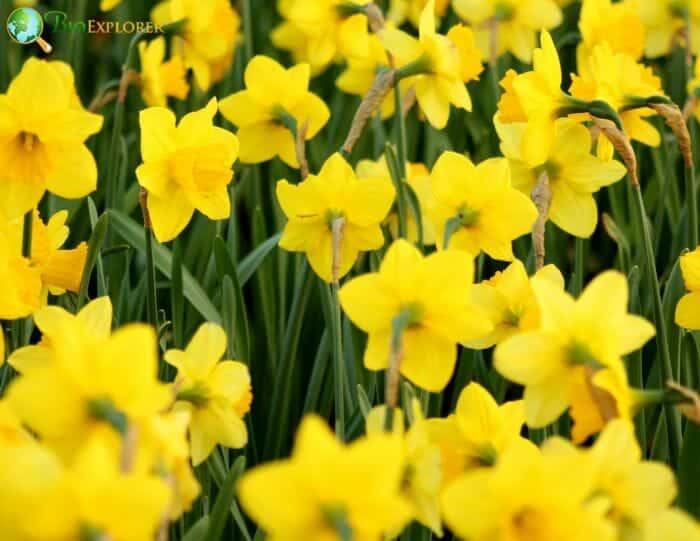
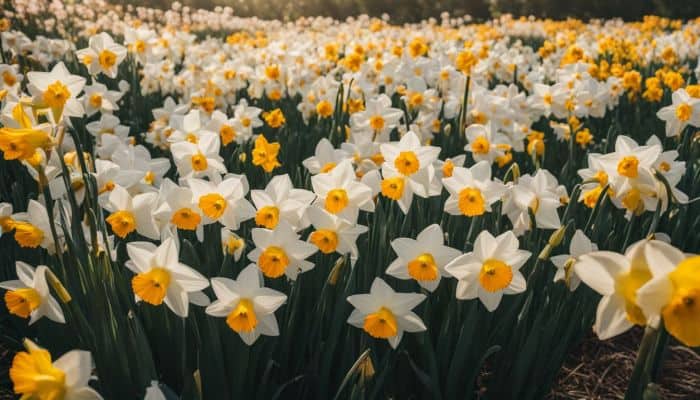
Daffodils herald spring and the awakening of nature with their trumpet-shaped blooms. They are among the few plant species that can successfully grow in snow. Daffodils are typically golden in color. However, there are new varieties of daffodils in pink, green, orange, yellow, and white.
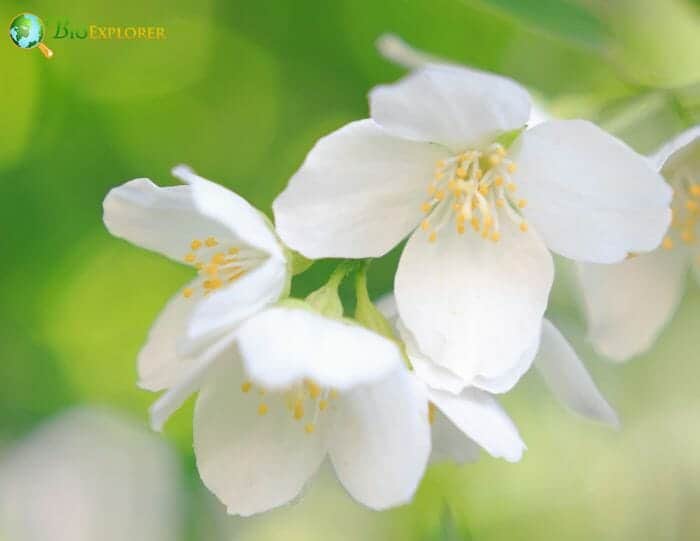
One of the most beautiful but notably underused natives of early summer/late spring is the Mock Orange, Philadelphus lewisii. The flower gets its common name from the delicious orange scent that makes it alluring to humans and bees. Blooming for several weeks from late May/early June, the branches are covered in many snow-white flowers consisting mainly of four light yellow petals in the middle.
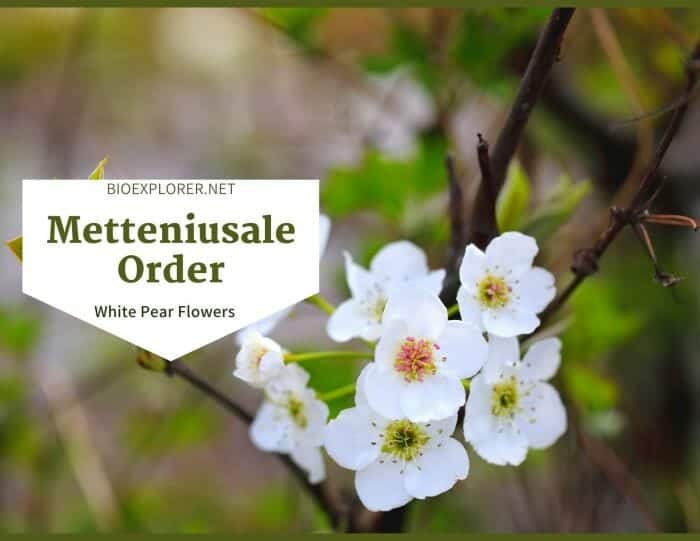
Metteniusales are trees, shrubs, or lianas with chiefly tropical distribution. Metteniusales is an order of flowering plants with only 1 family, 11 genera, and 55 species. Metteniusaceae is the only family of Metteniusales. The members are found in the tropical regions of the Old World, Mexico, Central America, and the West Indies.
Discover the captivating world of the top 85+ white flowers, from the iconic Lily of the Valley to the lesser-known Snowball Viburnum. Explore their enchanting beauty, rich symbolism, and fascinating scientific facts in this comprehensive guide.
Flightless Birds: Insight into how birds adapted over time to live grounded lives. This article explores major flightless species – from giant moas to tiny kiwis and curious penguins – examining how isolation and lack of predators drove anatomical changes forfeiting skies for land locomotion mastery.
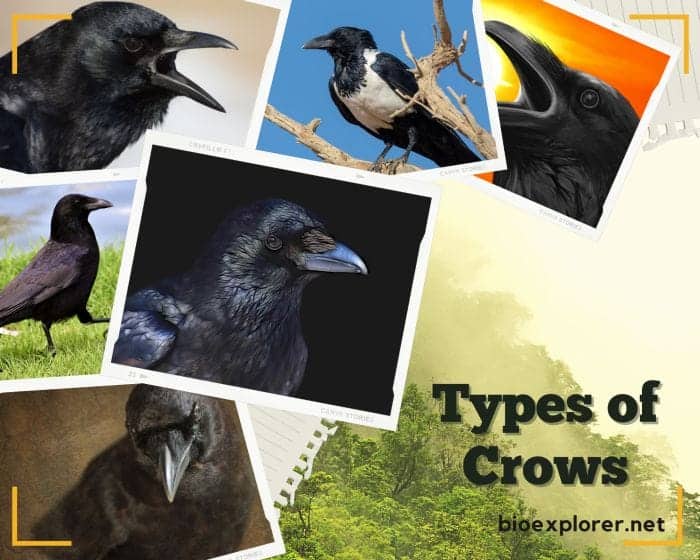
The Corvidae family, renowned for its intelligence and adaptability, includes crows, ravens, rooks, jackdaws, magpies, and jays. Within this family, the genus Corvus encompasses the “true crows” – a group of 43 recognized crow species found on every continent except South America and Antarctica. These birds are characterized by their robust build, all-black or mostly black plumage, strong bills, and remarkable problem-solving abilities. Crows occupy diverse habitats, from forests and grasslands to cities and islands. Many species are highly social, form complex social structures, and display advanced tool use and vocal mimicry. Their ecological roles range from scavengers to seed dispersers, making them vital to many ecosystems.
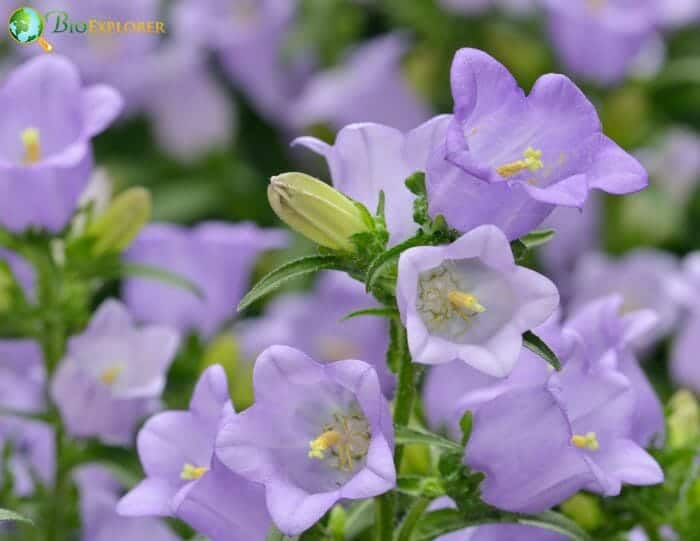
With their large, bell-shaped flowers, Canterbury Bells are a pleasant addition to cottage gardens and natural plantations. Canterbury bells (Campanula medium) originate from southern Europe but have been present in many gardens since the 16th century.
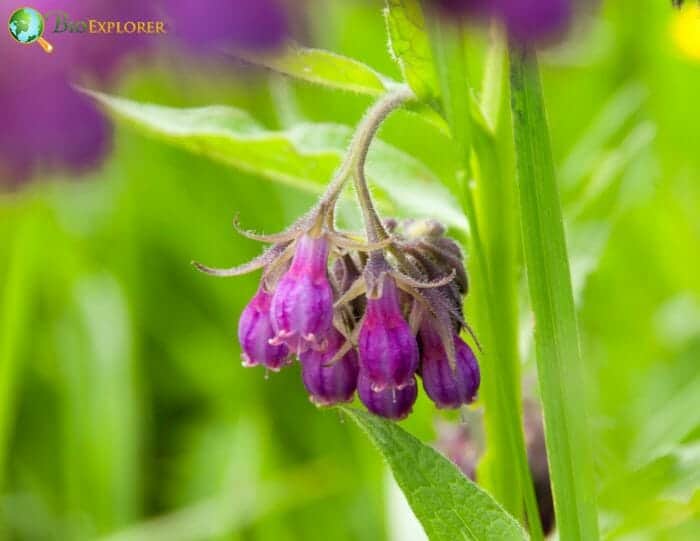
Symphytum officinale, commonly known as comfrey, boneset, or knitbone, is a large, bulbous, thick, tufted perennial (up to 3′ tall and 2.5′ wide). The tubular, flower-like snowdrops, white to purple to pink, appear in pendulous clusters from mid-spring to early summer.
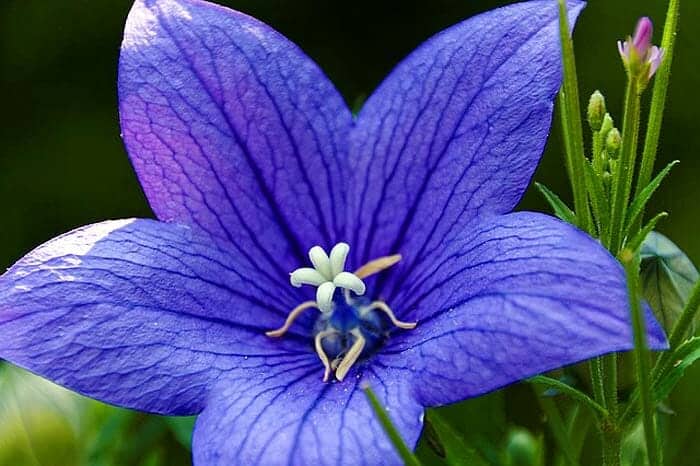
Commonly known as the blue balloon flower, Japanese snowdrop, Chinese snowdrop, Chinese bellflower, and Korean snowdrop, the Balloon Flower is a flowering perennial in the Campanulaceae family, including lobelia and wood hyacinth, and is the only member of the genus Platycodon.
Explore the mesmerizing world of Narcissus Flowers with our detailed guide. Dive into the top 25 daffodil varieties, from the classic Trumpet to the exotic Pheasant’s Eye.
Are you wondering about the special flower for those born in December? Look no further. This article reveals that December has two birth flowers: Holly and Narcissus (Paperwhite), each with unique symbolism.
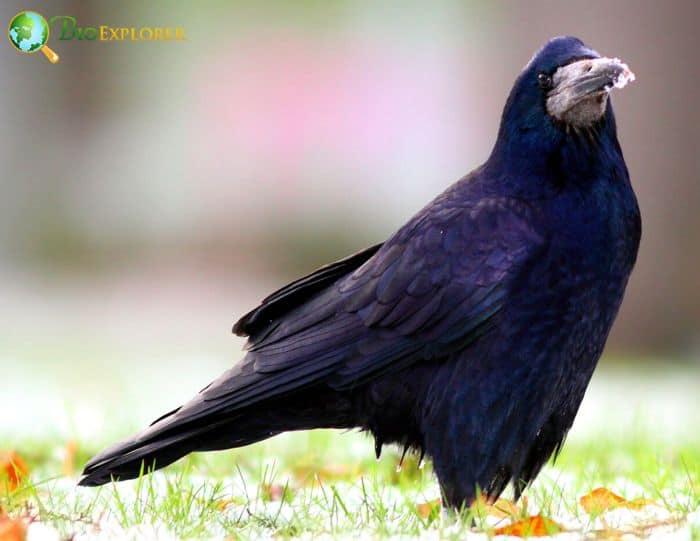
The Rook is a large, sociable black bird native to Europe and Asia, easily recognized by its bare, pale-grey face and cone-shaped head. It forms noisy colonies called rookeries, nesting high in tall trees near farmland, villages, or parks. Rooks forage in flocks, probing fields for grubs, worms, seeds, and grain, but also eat insects, small mammals, and carrion. Highly intelligent, they use tools and have excellent memories. Unlike crows, adult rooks show a whitish patch at the bill’s base. Some rookeries have been used for over a century.
This series of 2021 ecology news gives us a detailed overview of the recent development in this field. Commencing with climate change, global warming, alternative ways for renewable energy resources, the role played by scavengers in our society, and other global aspects of management and nature-dependent climate solutions.
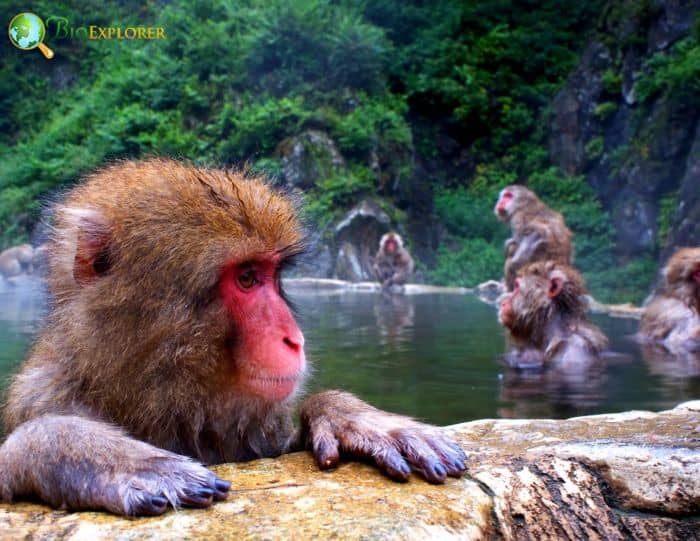
The Japanese macaque (Macaca fuscata), also called the snow monkey, is a terrestrial Old World species of monkeys endemic to Japan. Japanese macaques from southern regions generally weigh less than those in northern regions of higher altitudes, where there is more snow during the winter months.
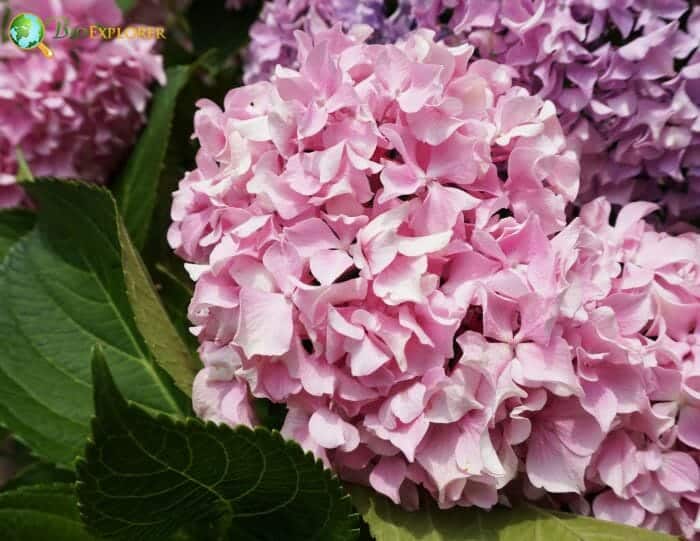
Bigleaf Hydrangea is a deciduous shrub native to Japan that can grow to 7 ft tall. The flowers of the lacecup Hydrangea are attractive large mophead, making it a popular landscape Japanese plant.
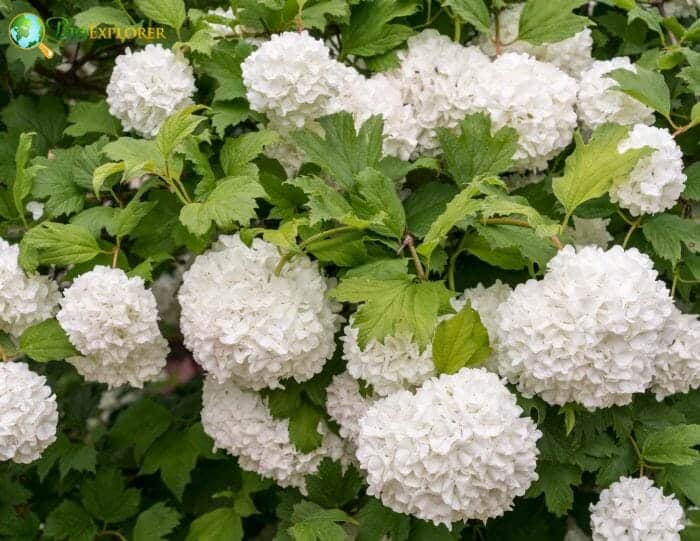
The Viburnum (aka snowball) is an old-fashioned shrub known for its many beautiful clusters of white snowball-shaped flowers. You can easily accommodate your desires as 7 different viburnum shrubs are called snowball bushes including Japanese viburnum.
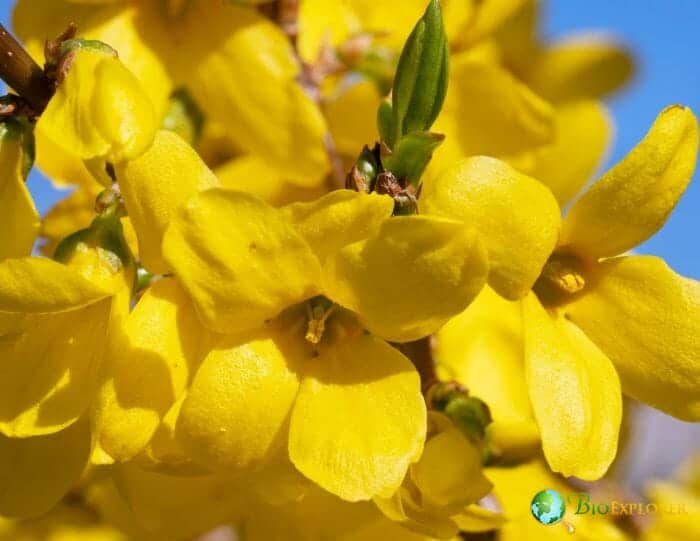
Often called the harbinger of spring, forsythia blooms in bright yellow flowers before its leaves emerge. This creates impressive golden dots in landscapes that break up the gloomy, snowy ground with the promise of what is to come. The blooms are produced in early spring, before the leaves appear, for a welcoming show of vibrant yellow flowers.
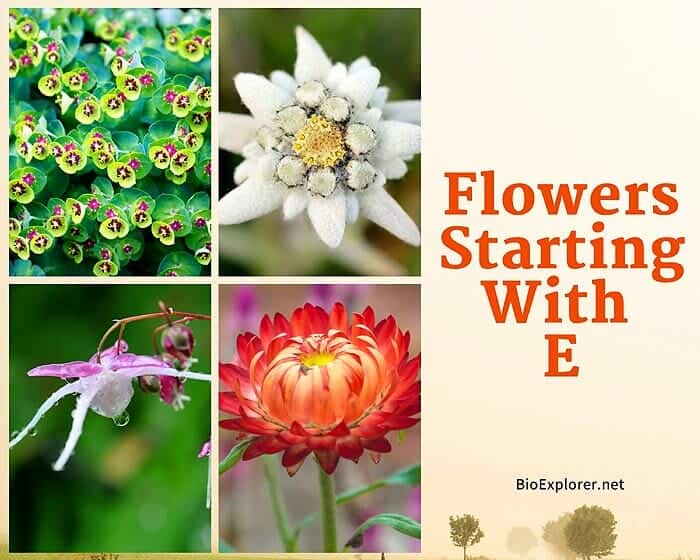
In spring, as the snow melts and the trees bud, you can smell flowers blooming from a mile away. You can even see flowers poking their heads out from our neighbors’ gardens. Here is a list of flowers starting with E.
Rainwater can be an excellent natural resource that you shouldn’t waste. On this page, BioExplorer explore methods on how to collect rainwater for gadening.
If you plan to set up a vertical garden, you have to know what types of veggies you can grow in it. Here are top 7 best vegetables for vertical gardening.
Zoos serve as a home for numerous animals. It is no denial that the United States is a home to some of the world-class zoological parks in the world. To help you choose the perfect (and possibly the nearest) zoo to visit, here are the top 15 best zoos in the US with direct website references.
Ecology is the biological study of interactions among organisms and their ecosystems/environments. Here are the top 11 ecology news, ecology-related research, studies, and technology advancements in 2017.
Being in the top of the food chain, what do tigers eat in the wild? Tigers are one of the biggest cats on the planet. By nature, tigers are carnivores. They eat a good variety of prey depending upon the terrain they live in ranging from termites to baby rhinos and everything in between. Learn tiger diet in detail here.