Types of Wildflowers

Types of Wildflowers
Wildflowers are flowering plants that grow and bloom naturally in the wild. With their vibrant colors and sweet fragrances, these wildflowers provide beauty and so much life to the habitat where they thrive. The variety of wildflowers is impressive, providing many colors, sizes, and types.

These beautiful flowers of the wild are so much more than the wonderful view they offer. Since these wildflowers are native to where they grow, they are less prone to diseases and require less water and fertilizer. Additionally, they support insects and other wildlife, thus contributing to pollination and the proper functioning of the ecosystem.

Jump to:

Types of Wildflowers
Adder’s Tongue
Adder’s Tongue

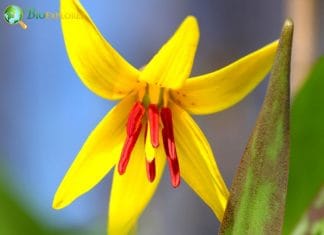
Erythronium americanum is a perennial herb that belongs to the family Liliaceae. This species is a native range of Eastern North America. The common name of Adder's Tongue is given because of the shape of the flowering shoot.
Read more
African Flame Lily

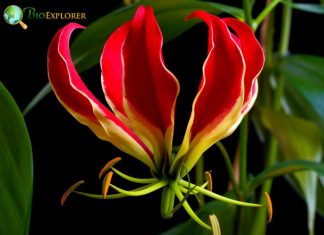
African Flame Lily

Gloriosa superba is a climbing herb that belongs to the order Liliales. It can grow to a height of 1 meter. The plant is considered a danger to livestock because it has poisonous properties. All parts of G. superba are toxic, especially the tubers. This may cause fatality when eaten.
Read more
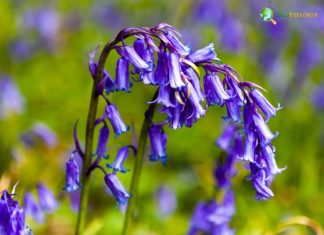
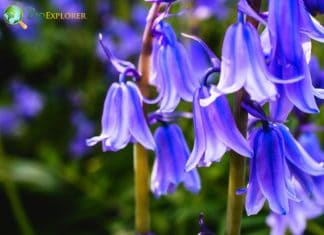
Bluebell Flower

Bluebell Flower

Explore the enchanting Bluebell flower (Hyacinthoides non-scripta), its vibrant violet-blue blooms, ecological significance, different types of bluebells and fun facts in this comprehensive guide.
Read more
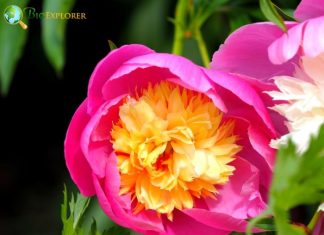
Chinese Peony

Chinese Peony

Paeonia lactiflora is a flowering plant that can grow 20-28 inches tall. The Chinese Peony is a perennial herb of the family Paeoniaceae. Peony is named after Paeon, the Greek god of medicine and healing.
Read more
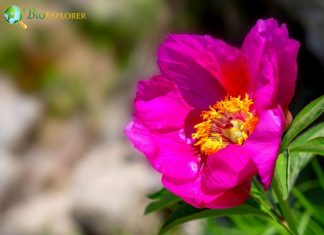
Common Peony

Common Peony

Paeonia officinalis is a perennial herb native to the mountainous regions of Southern Europe. The Common Peony plants belong to the order Saxifragales and the family Paeoniaceae. The genus Paeonia comes from the Greek name Paeon meaning a god’s physician.
Read more
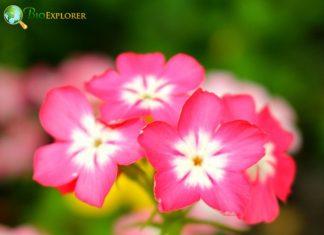
Drummond’s Phlox

Drummond’s Phlox

Phlox drummondii is a showy annual flowering plant under the order Ericales. The Drummond’s Phlox can grow to 6-12 inches. Drummonds Phlox is considered one of Texas’ most beautiful wildflowers. In addition, it has been valued as an “exotic” cultivated garden flower in Europe for nearly 150 years.
Read more
Everlasting Daisy

Everlasting Daisy

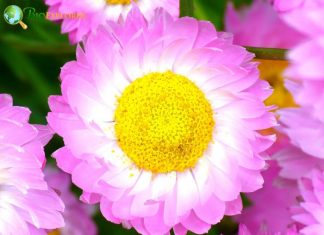
Rhodanthe chlorocephala is a species of daisy native to Australia and belongs to the Asteraceae family. The Everlasting Daisies can be dried and will last for a long time. This is done by hanging the flowers upside down after the cutting. This is best done when the flowers first open.
Read more
Helianthus annuus

Helianthus annuus

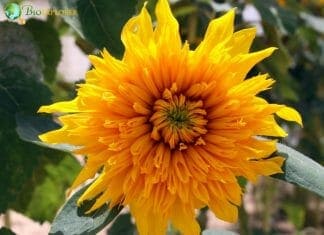
Sunflower is the common name of one of the plants in the Helianthus genus in the flowering Asteraceae family (known as the asters, daisies, or sunflower family). The inflorescence is a large disc with a 10 to 30 cm diameter and consists of 16 to 30 golden yellow florets.
Read more
Japanese Camellia

Japanese Camellia

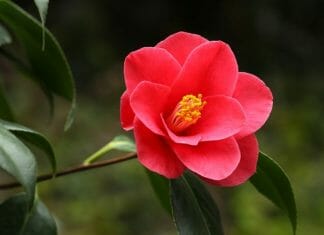
While many flowering shrubs (Camellia japonica) peak in Summer, the Camellia flower is endemic to Japan and it is unique because it mainly blooms in early spring and late winter. There are nearly 300 species of Camellia, the color of which includes white, pink, and red.
Read more
Krantz Aloe

Krantz Aloe

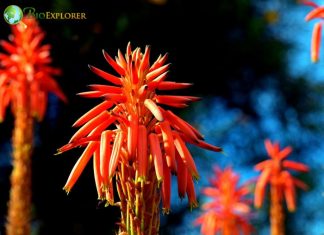
Aloe arboresens is a perennial succulent of the order Asparagales. It can grow to a height of 2-3 meters. The bitter juice of the Aloe arborescens has medicinal uses. For example, the burn victims of WWII were treated with the concoctions of Aloe.
Read more
Marsh Gladiolus

Marsh Gladiolus

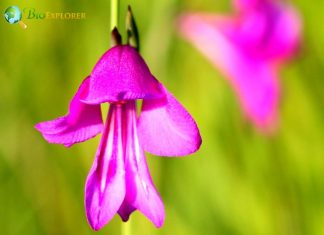
Gladiolus palustris is a perennial herb of the Iridaceae family and is native to Central and NW Europe. This species can grow to a height of 12-24 inches. The genus Gladiolus is a Latin word that means "a sword". The specific name palustris is a Latin word that means "growing in marshes" the plant's environment.
Read more
Mulla Mulla

Mulla Mulla

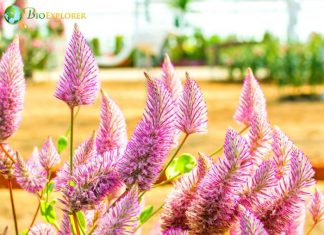
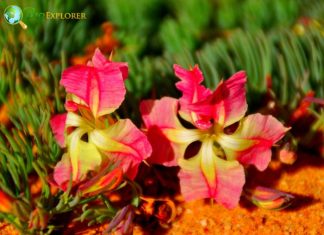
Ptilotus exaltatus is an annual herb endemic to Australia. This plant is a member of the order Caryophyllales. Ptilotus has about 100 species. All of the species, except 1, are endemic to Australia. For example, the beautiful colored flowered P. exaltatus is native to Australia.
Read more
Prickly Water Lily

Prickly Water Lily

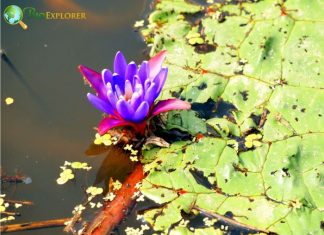
Euryale ferox is a species of water lily found in Asia. The Prickly Water Lily is a perennial plant in the order of Nymhaeales. The seeds of the Prickly Water Lily are used in Chinese traditional medicine. A study showed that extracts from Euryale ferox manifest antioxidant activity.
Read more
Qantuta

Qantuta

Cantua buxifolia is an evergreen shrub of the order Ericales. This plant can grow to a height of 13 feet and is a native of the high valleys of the Yungas and Andes mountains in western South America.
Read more
Royal Bluebell

Royal Bluebell

Wahlenbergia gloriosa is a perennial herb from the Family Campanulaceae. The leaves of the Royal Bluebell are small, opposite, and dark green. Leaves have oblong wavy edges that become broad towards the apex.
Read more
Spring Beauty

Spring Beauty

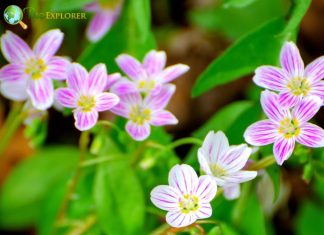
Claytonia virginica is a perennial herb under the order Caryophyllales. This species is a trailing plant that can grow to 2-16 inches. Claytonia virginica has medicinal value. This plant has been used medicinally by the Iroquois for children suffering from convulsions.
Read more
Squirrel Corn

Squirrel Corn

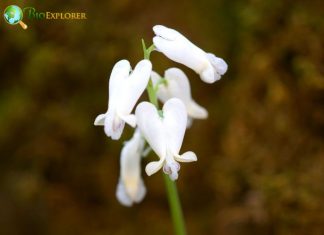
Dicentra canadensis is a perennial herb with blue-gray and fernlike foliage. This species belongs to the family Fumeriaceae. The squirrel corns are natives to the east of North America. All parts of the Squirrel Corn plant are toxic only in large quantities. However, it can also cause skin rashes.
Read more
Trientalis

Trientalis

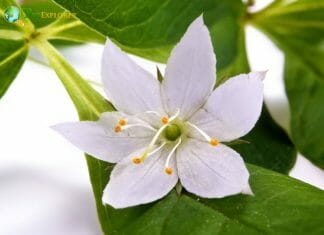
Trientalis borealis is a star-shaped perennial wild-flowering plant native to the North American forests that bloom from May to June. Each stem has a whorl of 5 to 9 lance-shaped leaves at its end, with 1 or 2 white, green, or brown flowers on smaller stems extending from the center of the whorl.
Read more
Waling-Waling

Waling-Waling

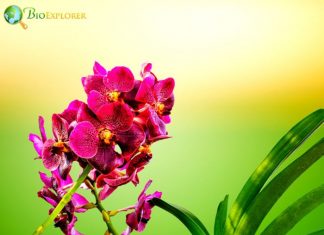
Vanda sanderiana is an endemic orchid growing wild only in the rainforests of the Philippines. However, it is now grown and cultivated all over the world. This plant belongs under the order Asparagales. The Waling-Waling orchid was discovered in 1882.
Read more
White Trillium

White Trillium

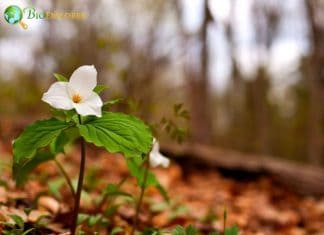
White Trillium is a perennial herb that belongs to the family Melanthiaceae. This species is native to Eastern North America and can grow to 1 to 1.5 feet. Trillium grandiflorum is used in a study to determine the negative impact of deer on the herb population.
Read more
Wild Dagga

Wild Dagga

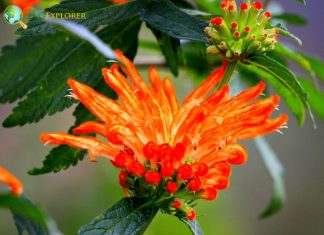
Leonatis ocymifolia is a flowering shrub of the family Lamiaceae. It is a hairy shrub that can grow to 1-2 meters high. The Wild Dagga plants have medicinal value. They are used by different tribal groups for the treatment of aches and pains during the flu.
Read more
Wild Foxglove

Wild Foxglove

Ceratotheca triloba is an annual plant that belongs to the family Pedaliaceae. They can grow to a height of 1.5 to 2 meters. Ceratotheca triloba is the only species of the genus Ceratothica that is found in South Africa.
Read more
Wild Narcissus

Wild Narcissus

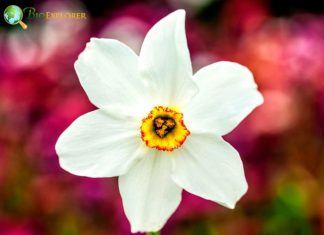
Narcissus poeticus is a flowering plant of the order Asparagales. This species is native to Central and Southern Europe. The Wild Narcissus plant is toxic. The most poisonous parts are the bulbs.
Read more
Wreath Lechenaultia

Wreath Lechenaultia

Lechenaultia macrantha is a small herbaceous plant from the Goodeniaceae family. It usually grows 150 mm or less. The Wreath Lechenaulta flowers, when viewed from above, show an attractive wreath-like form.
Read more

Wildflowers are beautiful gifts of nature. Unfortunately, in their natural habitat, these wildflowers have no proper arrangements. But it's fine because, sometimes, we have to leave it and appreciate nature as it is. It should be emphasized that the healthy and vibrant wildflowers provide the beauty of the landscape and value to the environment, nature, and us.

Suggested Reading: Tall Blue Flowers

Cite this page

Bio Explorer. (2026, January 28). Types of Wildflowers. https://www.bioexplorer.net/plants/flowers/wild/

Leave a Reply

Your email address will not be published. Required fields are marked *