
Types of Gibbons
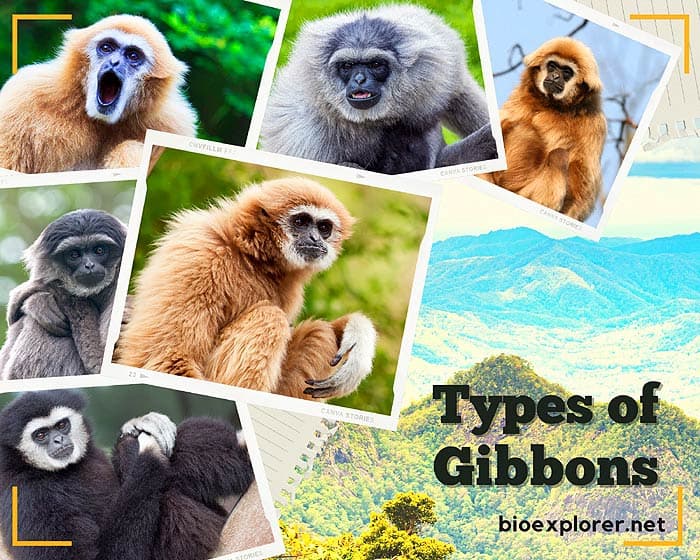
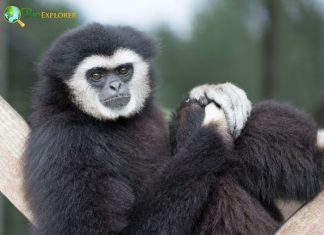
Abbott's Gray Gibbon
The Abbot’s gray gibbon, also known as a western gray gibbon, is an acrobatic primate of the gibbons’ family, Hylobatidae. Abbott’s gray gibbons are very small and light. The Abbott’s gray gibbon was named after zoologist William Louis Abbott.
Read more
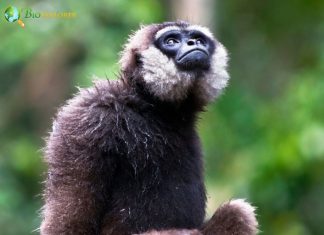
Agile Gibbon
Agile gibbons, also known as dark-handed or black-handed gibbons, are arboreal monkeys; they are always in the trees. Agile gibbons belong to the great ape family. However, they are categorized as lesser apes because they are smaller than great apes.
Read more
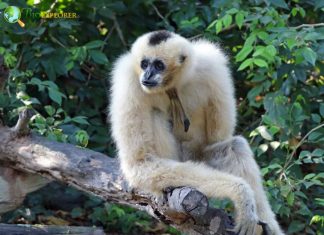
Black-Crested Gibbon
Black-crested Gibbons are mainly found in southern China (Yunnan) and some distribution areas in northwestern Laos and northern Vietnam. Black-crested gibbons exhibit sexual dichromatism, with the male being entirely black, while the female is yellowish or tan in color with variable black markings.
Read more
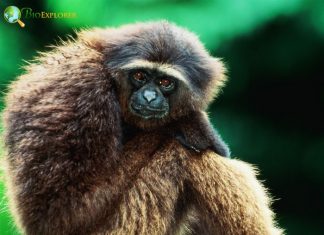
Bornean Gibbon
Also known as the Müller’s or gray gibbon, the Bornean gibbon is native to the Bornean Island, which is divided between the nations of Brunei, Malaysia, and Indonesia.
Read more
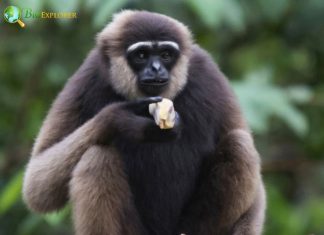
Bornean White-Bearded Gibbon
The Bornean white-bearded gibbon also called the southern gibbon, or Bornean agile gibbon, is a species of gibbon native to southern Borneo. Bornean white-bearded gibbons are diurnal and arboreal species. During the day, they roam the forest for food and participate in social activities.
Read more
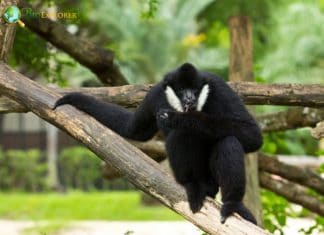
Eastern Black-Crested Gibbon
The eastern black-crested gibbon, also called the Cao-vit crested gibbon or Cao-vit black-crested gibbon, is a gibbon native to northern Vietnam and southeast China. Eastern black-crested gibbons are found in social groups consisting of females, juveniles, infants, and sometimes males.
Read more
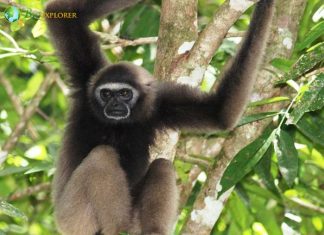
Eastern Gray Gibbon
The eastern gray gibbon also known as the northern gray gibbon is a primate in the gibbon family, Hylobatidae. Eastern gray gibbons have light brown fur that fades to black on the face, chest, and inner arms, with a white border around the face.
Read more
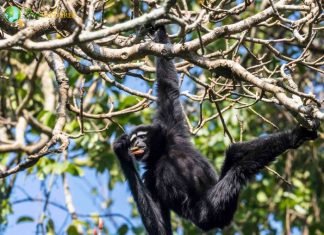
Eastern Hoolock Gibbon
The eastern hoolock gibbon is a primate of the Hylobatidae family. Eastern hoolock gibbons don’t have a tail like all other apes but have a patch of hair in the anogenital region.
Read more
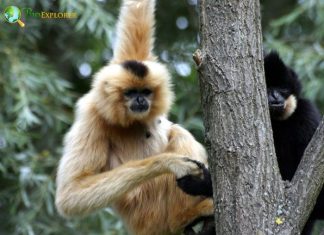
Hainan Black-Crested Gibbon
The Hainan black-crested gibbon (Nomascus hainanus), also known as Hainan gibbon, is an endangered species of gibbon only found on China’s Hainan Island. Hainan black-crested gibbons are found in social groups of females, infants, juveniles, and sometimes males.
Read more
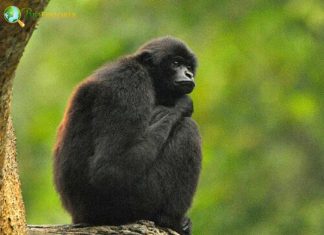
Kloss's Gibbon
Kloss’s gibbon (Hylobates klossii), also called the dwarf siamang, Mentawai gibbon, or Bilou, is an endangered primate in the gibbon family Hylobatidae. Kloss’s gibbons are territorial, with semi-adult males and adolescents working with their fathers to protect the group’s territory.
Read more
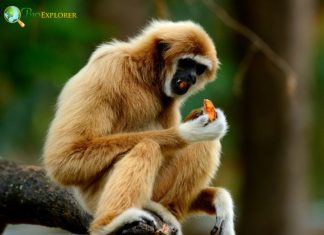
Lar Gibbon
The lar gibbon (Hylobates lar), also called the white-handed gibbon, is another endangered mammal in the gibbon family, Hylobatidae. It is among the best-known gibbons and is occasionally kept in captivity. Lar gibbons have a two-tone coat.
Read more
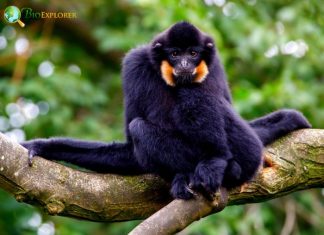
Northern Buffed-Cheeked Gibbon
The northern buffed-cheeked gibbon (Nomascus annamensis) is a species of crested gibbon recently discovered in Vietnam, Laos, and Cambodia. Northern buffed-cheeked gibbons live almost exclusively in trees and rarely leave the canopy’s comfort and safety.
Read more
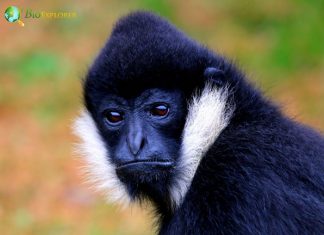
Northern White-Cheeked Gibbon
The northern white-cheeked gibbon (Nomascus leucogenys), also called the white-cheeked gibbon, is an endangered species of gibbon endemic to Southeast Asia. Like other members of its genus, both males and females have unusually long arms, even for gibbons, with arms 1.2 to 1.4 times the length of their legs.
Read more
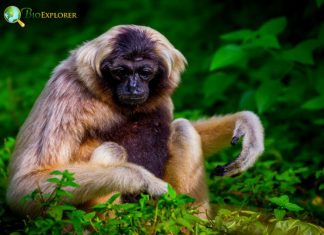
Pileated Gibbon
The pileated gibbon (Hylobates pileatus) is a primate in the gibbon family, Hylobatidae. Pileated gibbons are monogamous and typically found in only around 3 percent of mammals.
Read more
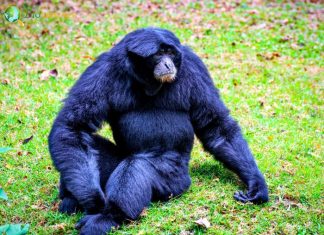
Siamang Gibbon
The siamang gibbon (Symphalangus syndactylus) is a black-coated arboreal gibbon endemic to the forests of Thailand, Malaysia, and Indonesia. It is the only species in the genus Symphalangus. The siamang’s body is perfectly adapted to a life of swinging from branch to branch (also called brachiation).
Read more
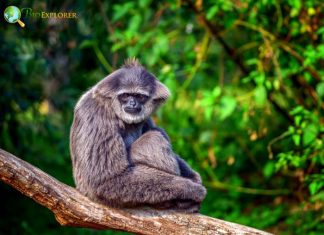
Silvery Gibbon
The silvery gibbon (Hylobates moloch), also called the Javan gibbon, is a primate in the gibbon family, Hylobatidae. Silvery gibbons are tree dwellers and feel just as comfortable in the upper canopy as in the undergrowth.
Read more
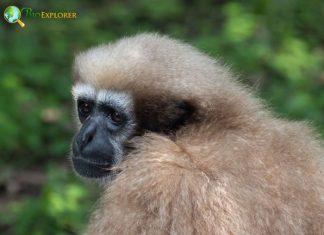
Skywalker Hoolock Gibbon
Skywalker’s hoolock gibbon, also known as the Gaoligong hoolock gibbon, is a primate of the Hylobatidae family. The Skywalker hoolock gibbon is one of 3 species of hoolock gibbons and was first described in the American Journal of Primatology in January 2017.
Read more
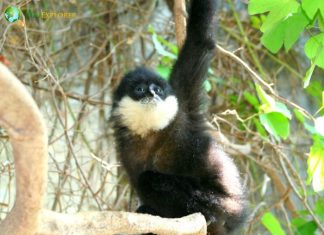
Southern White-Cheeked Gibbon
The southern white-cheeked gibbon (Nomascus siki) is a species of gibbon endemic to Laos and Vietnam. It is closely related to the yellow-cheeked gibbon (Nomascus gabriellae) and northern white-cheeked gibbon (Nomascus leucogenys).
Read more
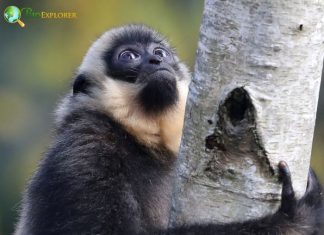
Southern Yellow-Cheeked Gibbon
The southern yellow-cheeked gibbon, also known as a golden-cheeked gibbon, buffed-cheeked gibbon, red-cheeked gibbon, southern yellow-cheeked crested gibbon, or golden-cheeked crested gibbon, is a species of gibbon endemic to Cambodia, Laos, and Vietnam.
Read more
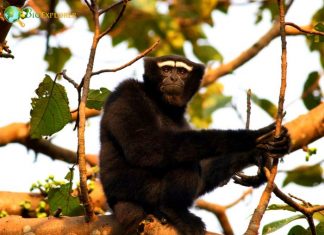
Western Hoolock Gibbon
are three species of primates in the Hoolock genus of the gibbon family, Hylobatidae, endemic to Myanmar, eastern Bangladesh, northeastern India, and southwestern China.
Read more
Cite this page
Bio Explorer. (2026, March 21). Types of Gibbons. https://www.bioexplorer.net/animals/mammals/apes/gibbons/
I don’t think the vervet monkey should be there. They are part of the cercopithecidae family (Old world monkeys), while the gibbons are of the hylobatidae family (lesser apes).
Thanks Vitina for spotting this. We have just corrected this now. Have a great day.