
Monkeys Starting with C
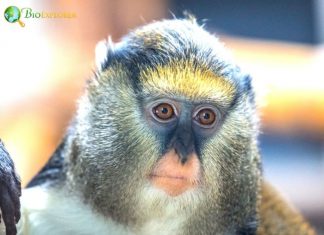
Campbell’s Mona Monkey
Campbell’s Mona monkey, also called the Campbell’s monkey or Campbell’s guenon is a primate species in the Cercopithecidae family. The species was named after Henry Dundas Campbell in 1838.
Read more
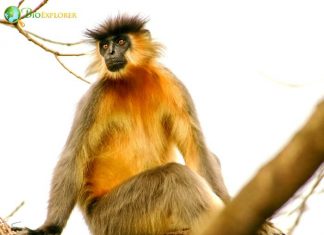
Capped Langur
The capped langur is a type of monkey in the Cercopithecidae family. These langurs can vary in appearance. This Asian primate gets its name from the thick hairs on the top of the head, typically gray or black.
Read more
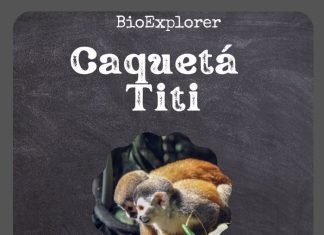
Caquetá Titi
The caquetá titi also called the bushy-bearded titi or red-bearded titi, is a species of titi monkey native to Colombia in the Caquetá region. Dr. Marta Bueno, Thomas Defler, and their student Javier García of the National University of Colombia are credited with the 2008 discovery of the Caquetá-Titi monkey.
Read more
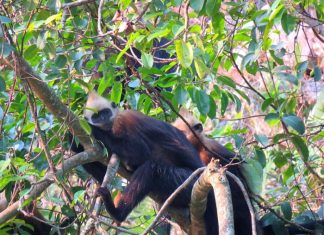
Cat Ba Langur
The white-headed langur, also called the Cat Ba langur, is an endangered species of langur native to Guangxi, China. Cat Ba langurs are comfortable in trees or ground but prefer steep cliffs where humans can’t set foot.
Read more
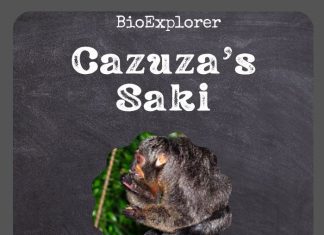
Cazuza’s Saki
Cazuza’s Saki is native to northwestern Brazil. Populations of this species were previously classified as Rio Tapajós saki (Pithecia irrorata). Still, a 2014 study found that these populations had a pelage distinct from all other species in the genus and were therefore considered their own species, Pithecia cazuzai.
Read more
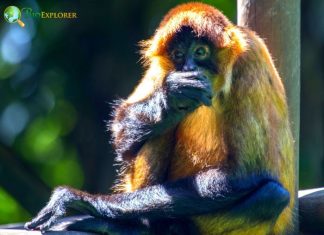
Central American Squirrel Monkey
The Central American squirrel monkey also called the red-backed squirrel monkey, is a squirrel monkey type native to the Pacific coast of Panama and Costa Rica. Central American squirrel monkeys spend most of their lives in the middle and upper layers of the tree canopy.
Read more
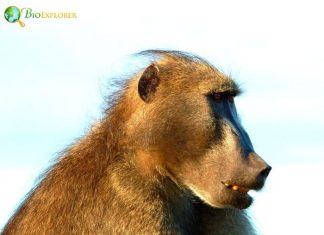
Chacma Baboon
Like all other baboons, the Chacma baboon, the Cape baboon, belongs to the Old-World monkey family. Chacma baboons have a habit of flipping over rocks in search of food. So, it’s pretty easy to spot where a group of Chacmas once foraged.
Read more
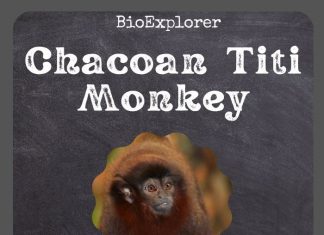
Chacoan Titi Monkey
The Chacoan Titi Monkey is a species of titi (also called White-coated Titi), a type of New World monkey native to South America. These diurnal monkeys are stealthy and hard to spot as they navigate the canopy. They move between branches and trees by walking or jumping on four limbs.
Read more
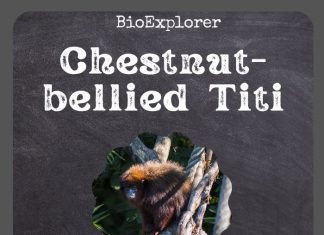
Chestnut-bellied Titi
The chestnut-bellied titi monkey is a New World primate species native to Brazil. The Chestnut-bellied Titi monkeys live in family groups consisting of father, mother, and baby monkeys ranging in size from three to seven with other affiliates.
Read more

Coastal Black-handed Titi
The coastal black-handed titi is another species of titi, a New World primate native to the Atlantic Forest of northeastern Brazil. Coastal black-handed Titi monkeys vocalize synchronously early in the morning, possibly to announce their presence in their territory.
Read more

Coimbra Filho’s Titi
or Coimbra titi is a species of titi, a New World primate native to the forests of the Brazilian states of Sergipe and Bahia. It is named in honor of Adelmar F. Coimbra-Filho, founder and former director of the Rio de Janeiro Primate Center, for his Brazilian biology and primatology work.
Read more
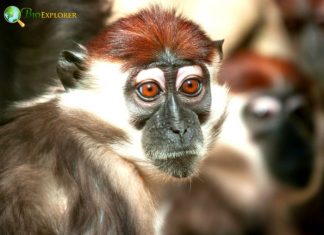
Collared Mangabey
The collared mangabey, also called the white-collared mangabey or red-capped mangabey, is an Old-World monkey endemic to the Atlantic coast of central and west Africa. Its distinctive chestnut-red cap gives the species the name red-capped mangabey, and its white collar gives it the names white-collared and collared mangabey.
Read more

Collared Titi
The collared titi, also called the widow monkey, or yellow-handed monkey inhabits the lush rainforests of the Amazon and is typically found south of Río Negro and north of Río Solimões. Titi monkeys are often known to “duet” with each other, either between an adult female and an adult male, an adult female and her son, or an adult male and his daughter.
Read more

Collins’ Squirrel Monkey
Collins’ Squirrel Monkey is a species of squirrel monkey endemic to Brazil. Until a genetic study by Jessica Lynch Alfaro et al. raised them to the species category, Collins’ squirrel monkey had been considered a subspecies of the squirrel monkey (Saimiri sciureus).
Read more
Colombian Black-handed Titi
The Colombian Black-handed titi is a species of titi, a New World primate native to Colombia. The Colombian black-handed titi is a diurnal and arboreal monkey that prefers to live in dense forests near water.
Read more
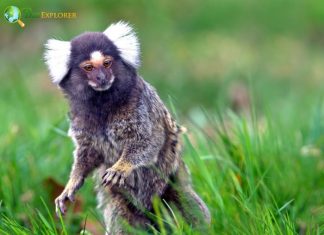
Common Marmoset
The common marmoset, also known as white-tufted-ear marmoset or white-tufted marmoset, is a type of New World monkey. As they have adapted to life at the forest edge of southeastern Brazil, common marmosets have also learned to take advantage of the region’s plantations.
Read more
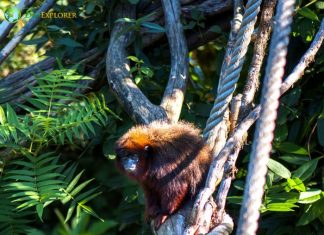
Coppery Titi
The coppery titi, or the red titi, is a species of titi, a type of New-World monkey native to South America. Coppery titi monkeys have dense fur that covers most of the body except for the face.
Read more
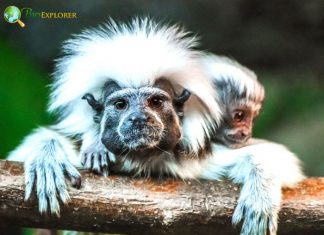
Cotton-Top Tamarin
The cotton-top tamarin is another small New-World primate found at the edge of tropical and secondary forests in northwestern Colombia. The common names “cotton-headed tamarin” and “cotton-top tamarin” are derived from the white hairs that spread across the head and flow down the neck.
Read more
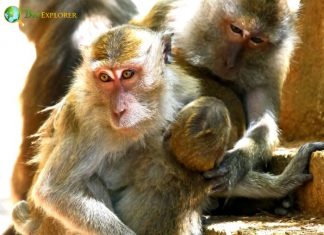
Crab-Eating Macaque
The crab-eating macaque also called the long-tailed macaque and known in laboratories as the cynomolgus monkey, is a primate monkey endemic to Southeast Asia. Crab-eating macaque macaques live in multi-male groups comprising around 30 members.
Read more
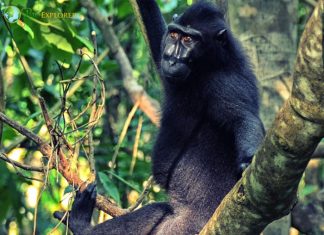
Crested Black Macaque
The Crested Black Macaque, also called the Sulawesi Crested Macaque or Celebes Crested Macaque is an Old World monkey native to the Tangkoko Game Reserve in the extreme northeast of the Indonesian island of Celebes (Sulawesi) and neighboring islets.
Read more
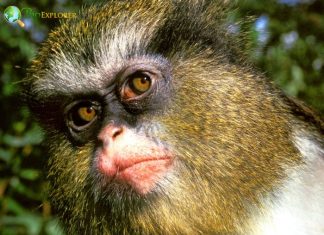
Crested Mona Monkey
The crested mona monkey, also called the golden-bellied monkey, golden-bellied guenon, or crowned guenon, is a species of African primate in the Cercopithecidae family in west-central Africa. Like many species of Cercopithecus, the crested mona monkey has large cheek pouches that it fills with seeds and fruit while foraging for food.
Read more

Cross Marked Langur
The Sarawak surili, also known as Cross-marked Langur, is a monkey species in the Cercopithecidae family. The Sarawak surili was once considered widespread but has declined significantly due to habitat and loss persecution.
Read more
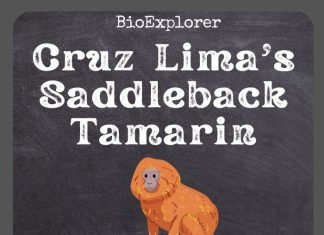
Cruz Lima’s Saddleback Tamarin
The Cruz Lima saddleback tamarin is a species of saddleback tamarin, a small monkey native to South America. The Cruz Lima saddleback tamarins were formerly thought to be a subspecies of the brown-mantled tamarin (Leontocebus fuscicollis).
Read more
Cite this page
Bio Explorer. (2026, May 26). Monkeys Starting with C. https://www.bioexplorer.net/animals/mammals/monkeys/c/