Search Results for: Species of birds

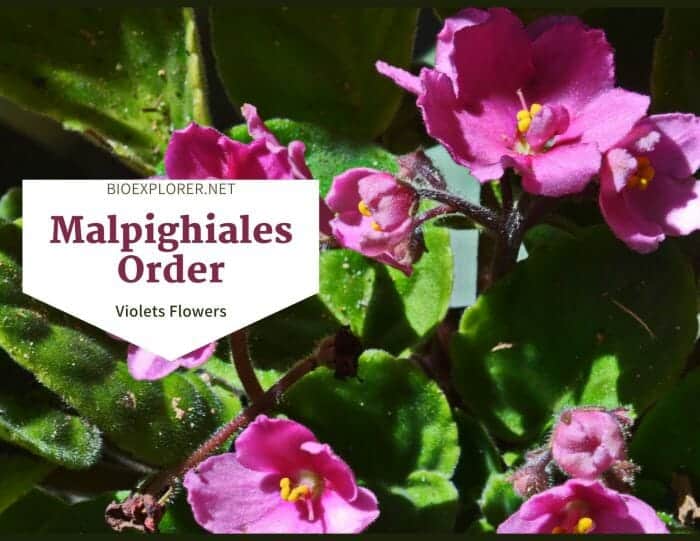
  • Order Malpighiales / Violets Flowers

    Malpighiales order is a large group with species primarily distributed in tropical regions. The members of Malpighiales often have toothed and stipulate leaves, 10 free stamens, 3-5 fused carpels, a nectary, superior ovaries, and typically endospermous seeds. Most Malpighiales flowers consist of 5 sepals and 5 petals. The violets, flax, passion flowers, euphorbias, and mangroves are some of the notable species of Malpighiales.

  • Order Caryophyllales / Pink and Carnation Flowers

    Caryophyllales is a large and diverse order of dicotyledonous flowering plants. Members under Caryophyllales are distributed on all the continents and are notable for their morphological uniqueness and ecophysiological adaptations. The flower species of carnation, four o’clock, and cactus belong to Caryophyllales and offer great beneficial use.

  • Elfin Woods Warbler

    Shadow, a timid highland insectivore, the Elfin Woods Warbler (Setophaga angelae), narrowly targets mature humid dwarf forest strangely resembling this tiny bird’s stunted, wind-sculpted features. Understand why accelerated warming and upslope development threaten to erase prime island refugia critical to this range-restricted species’ survival.

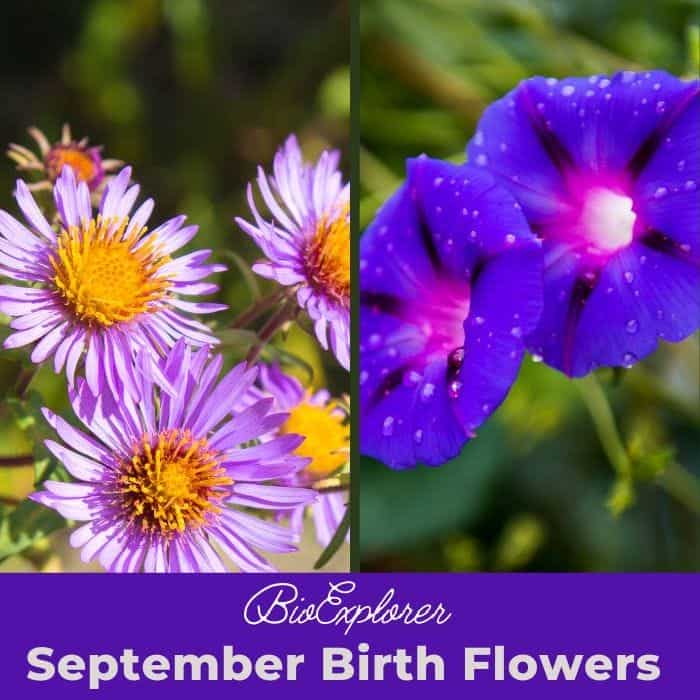
  • September Birth Flowers

    Discover the fascinating meanings behind September birth flowers, the Aster and Morning Glory. Learn about their origins, special meanings, and cultural importance for an enlightening read.

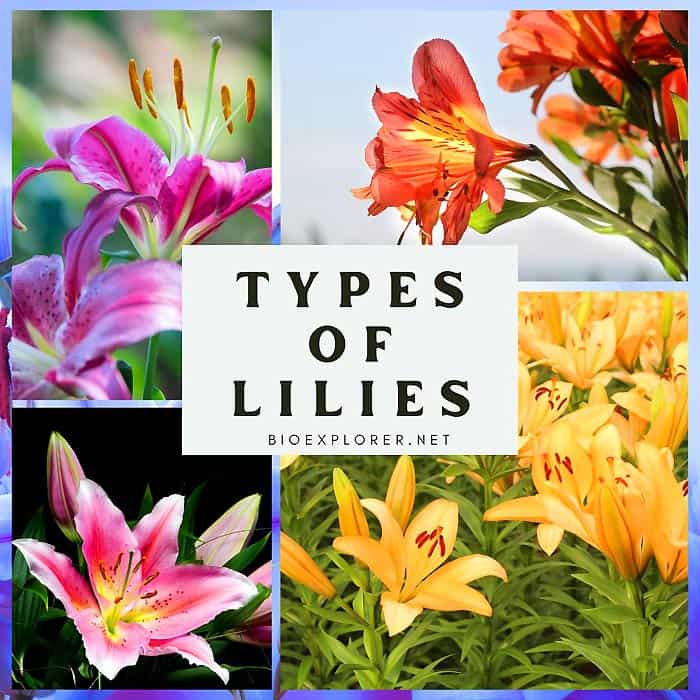
  • Types of Lilies

    Discover the stunning beauty of different types of lilies. From oriental hybrids to unique lily species, learn about the diverse world of lily varieties.

  • Blooming Texas: 25 Gorgeous Native Flowers Revealed!

    Texas is a large state with its own floristic region, having more than 5,000 species of native flowering plants. Because of its diverse landforms, Texas offers many famous blooms for visitors and residents. Explore the top 25 Texas flowers and their characteristics.

  • Order Proteales / Sugar-bushes & Water Lotus Flowers

    Proteales is a part of peripheral eudicots classified together only recently. The Proteales flowers are small or large and unisexual or bisexual. The American lotus, the Indian lotus, the London plane tree, Wagon tree and large-nut sugar bush are examples of Proteales.
  • Order Ranunculales / Buttercup, Barberry & Poppy Flowers

    Ranunculales is the order of angiosperms with a worldwide distribution, which are peripheral eudicots with spiral leaves, three openings (colpi) in the pollen, and spectacular floral diversity. The buttercup, Barberry, Moonseed, Chocolate vine and poppy flowers are the famous example species of Ranunculales.
  • April Birth Flowers

    Discover the hidden symbolism behind April’s birth flowers – daisies and sweet peas. Explore their significance (symbolism & meaning) in this captivating read.

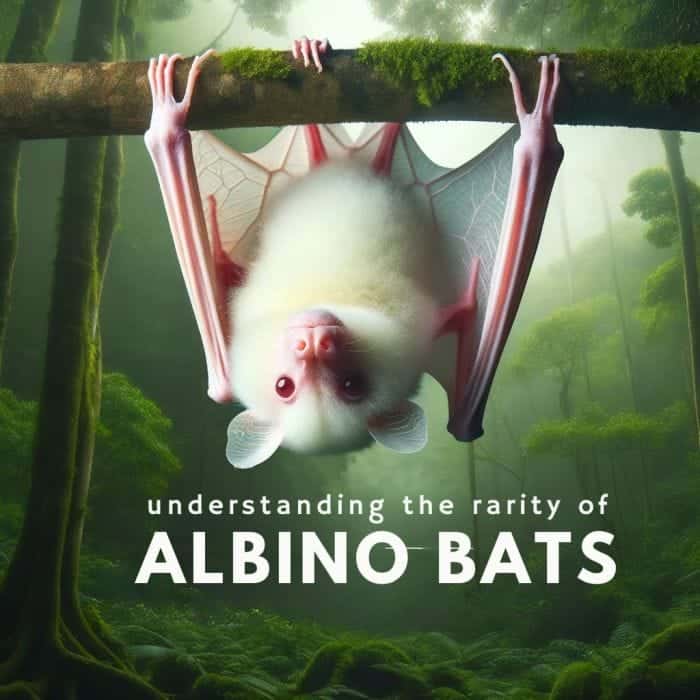
  • Albino Bats

    Albino Bats – Discover the genetic causes, physical traits, geographic hot-spots, and conservation efforts surrounding these rare pigment-less morphs that persist in tropical caves and forests through 60 global cases across 11 families.
  • Senegal Parrot

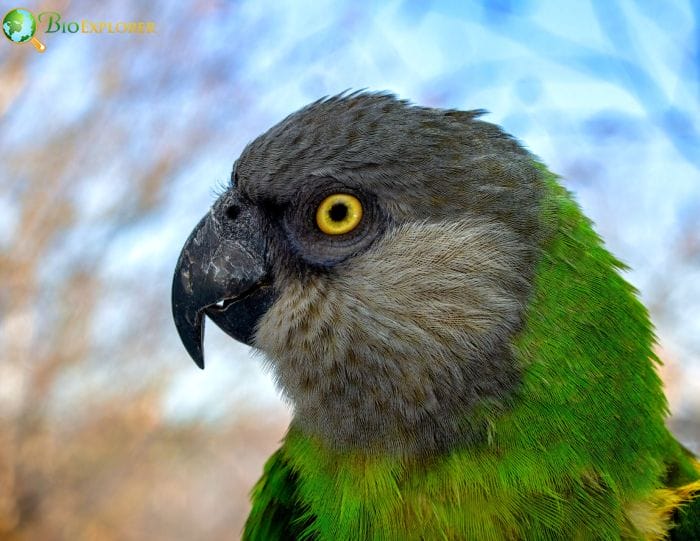
    Learn all about the vibrant, social Senegal parrot (Poicephalus senegalus), a popular West African parrot species that thrives in captivity when well-trained. Get information on taxonomy, physical features, reproduction, behavior, communication style, and fun facts.

  • Greater Antillean Grackle

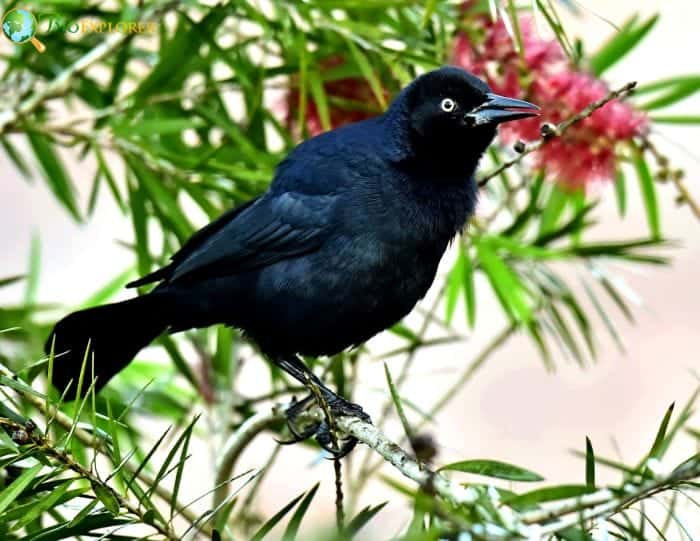
    The Greater Antillean Grackle is a glossy black songbird native to the Caribbean’s Greater Antilles, including Cuba, Jamaica, Hispaniola, and Puerto Rico. Males reach about 27 cm (11 in) with a distinctive keel-shaped, “rudder-like” tail, while females are slightly smaller and less glossy. Its most striking feature is its bright yellow eye, the only non-black part of its body. These bold, noisy black birds thrive in open habitats near humans-towns, farms, mangroves, and pastures-and often form large, social flocks. Opportunistic eaters, they consume insects, fruit, seeds, small animals, and even human scraps.
  • Puerto Rican Bullfinch

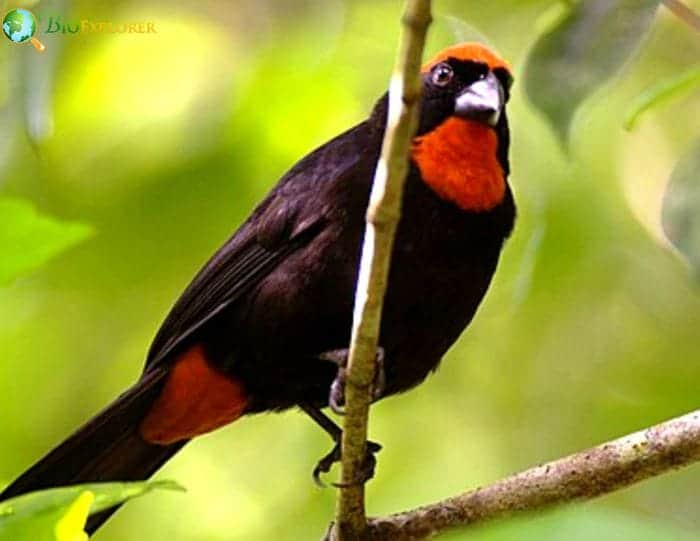
    The Puerto Rican Bullfinch, or comeñame, is a stocky, black songbird with bright orange patches above the eyes, around the throat, and under the tail. Endemic to Puerto Rico, it inhabits dense forests and coffee plantations, foraging for fruit, seeds, insects, and spiders. Measuring 17–19 cm, it’s often heard before seen, thanks to its loud whistles and trills. Nests are spherical with a side entrance, usually placed low in trees or shrubs; clutches contain two to three greenish eggs.

  • Puerto Rican Tanager

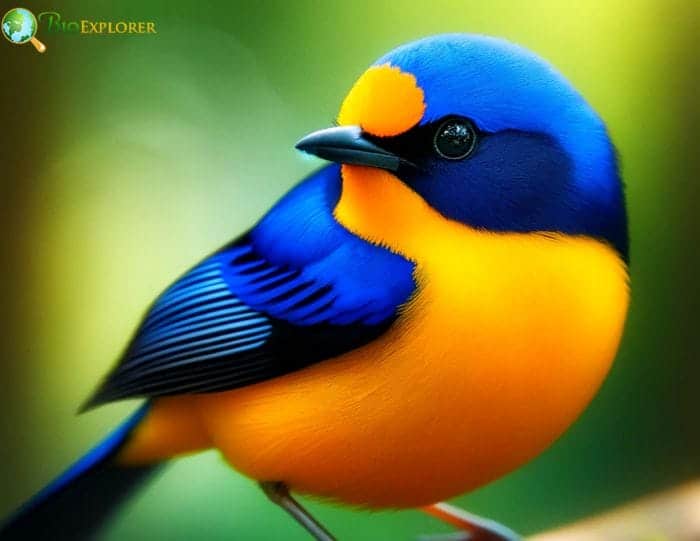
    Trail a voiceful rainforest insectivore, the Puerto Rican Tanager (Nesospingus speculiferus), through remote protected sanctuaries sustaining this species’ specialized cloud forest niche now endangered by climate change and urban encroachment. Understand why this blue-hooded songster’s reliance on undisturbed canopy cover makes conservation of prime breeding grounds an emergency for securing its future.

  • Puerto Rican Spindalis

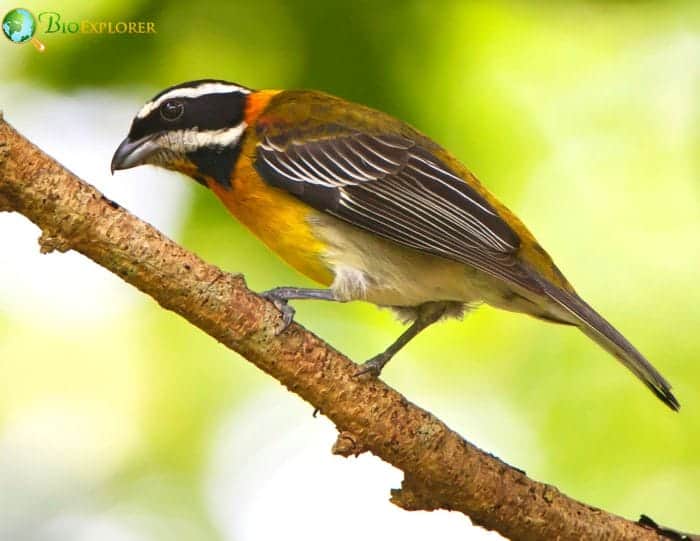
    Check the brilliant hues of Puerto Rico’s unofficial national bird, the Puerto Rican Spindalis (Spindalis portoricensis), flickering like an island flag across forests and farms where this frugivore finds refuge. Understand how although adaptable to human-altered areas, habitat integrity is still paramount to enduring conservation for this vivid and voiceful endemic songster.

  • Adelaide’s Warbler

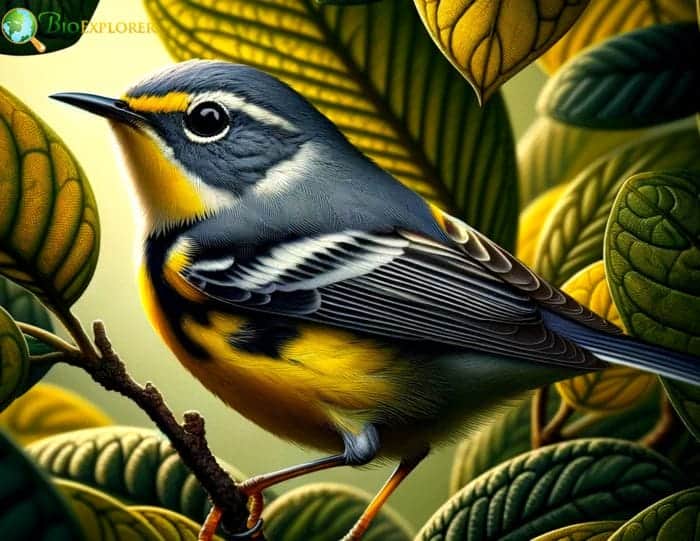
    Preview a dry forest specialist, Adelaide’s Warbler (Setophaga Adelaide), whose preference for subtropical habitats, unlike mainland wood-warbler relatives, heightens both its inherent vulnerability and importance as a Puerto Rican endemic. Explore integrated conservation solutions that sustain warbler populations while supporting continued agricultural heritage across this region.

  • Yellow-shouldered Blackbird

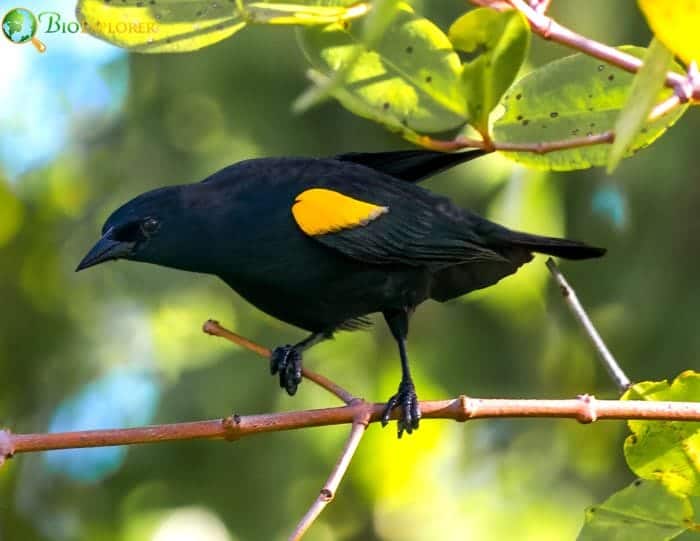
    The Yellow-shouldered Blackbird is a glossy black songbird with a distinctive yellow patch on its “shoulders” outlined by a narrow white margin. Endemic and endangered in Puerto Rico, it inhabits mangroves, arid scrublands, and coastal forests. Males and females look alike, though males are slightly larger. These birds are primarily insectivorous but also eat some plant material, like cactus fruits. Nests are built in tree cavities, palm fronds, or cliff crevices, often in small colonies. Habitat loss and nest parasitism threaten the species. Their bright yellow epaulets set them apart from the similar red-winged blackbird.

  • Puerto Rican Oriole

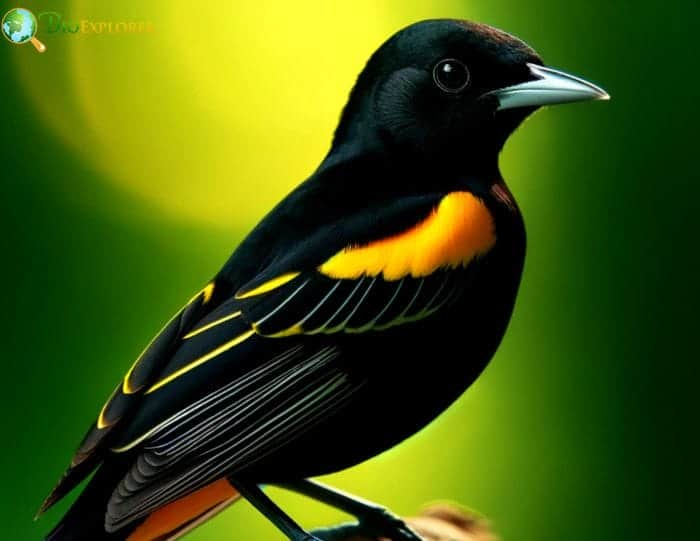
    The Puerto Rican Oriole is a striking black songbird with bold yellow patches on its lower belly and shoulders. Endemic to Puerto Rico, it inhabits forests, mangroves, plantations, and especially areas with palm trees, where it weaves hanging basket nests beneath palm leaves. Both sexes look alike and sing, producing complex songs made of up to 27 different notes. Omnivorous, it forages for insects, fruit, lizards, nuts, and grains in dense vegetation. Family groups often remain together after breeding. Threats include habitat loss and nest parasitism by shiny cowbirds, but the species is still classified as Least Concern.

  • Puerto Rican Euphonia

    Preview a gleaming rainforest gem, the Puerto Rican Euphonia finch, recently proven genetically distinct from its Hispaniolan counterpart. Understand how substantiating this brilliant blue and yellow species as an endemic taxon underscores Puerto Rico’s precious biodiversity. Explore outstanding questions about diet, breeding ecology, habitat range and conservation status needing research to inform appropriate protections.

  • Puerto Rican Vireo

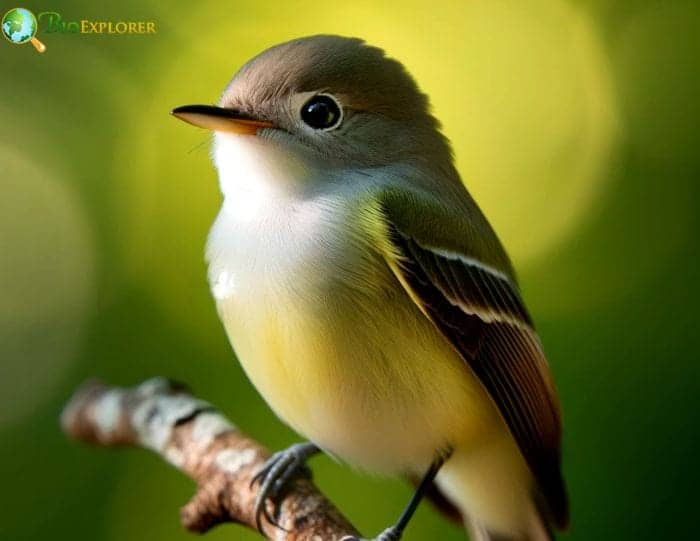
    Follow the Puerto Rican Vireo’s (Vireo latimeri) melodious voice echoing across lush rainforest canopies, where this prime songster and insect-hunter is now increasingly challenged by hostile cowbird invaders. Learn specific conservation actions to secure this species’ specialized nesting requirements and protect fruit sources supplementing its distinctive territorial songs.

  • Puerto Rican Woodpecker

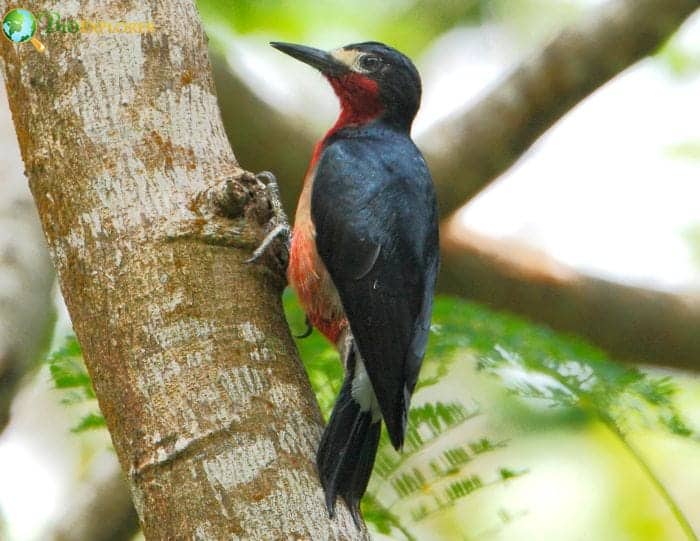
    The Puerto Rican Woodpecker is the only woodpecker endemic to Puerto Rico, easily recognized by its glossy black body, bright red throat and breast, and a white band across the forehead. Males are slightly larger and have more vivid red coloring than females. This species thrives in forests, mangroves, coffee plantations, parks, and gardens across the main island, feeding mainly on insects but also enjoying fruit and occasionally small vertebrates. Its loud “wek-wek-wek” call is a common sound in Puerto Rican woodlands. Old nest cavities are often reused by other native birds.

  • Puerto Rican Owl

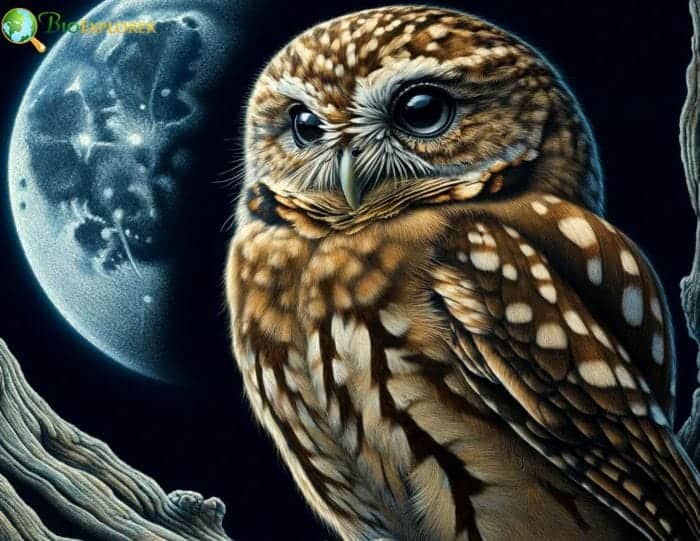
    Discover a versatile nocturnal raptor, the Puerto Rican Owl (Gymnasio nudipes), stealthily ruling the island’s forests and urban areas under cover of night. Follow its prowess capturing large insects and small vertebrates to sustain viable populations. Understand how this savvy Screech owl’s adaptability across wooded to developed areas enables its continued success.

  • Puerto Rican Lizard Cuckoo

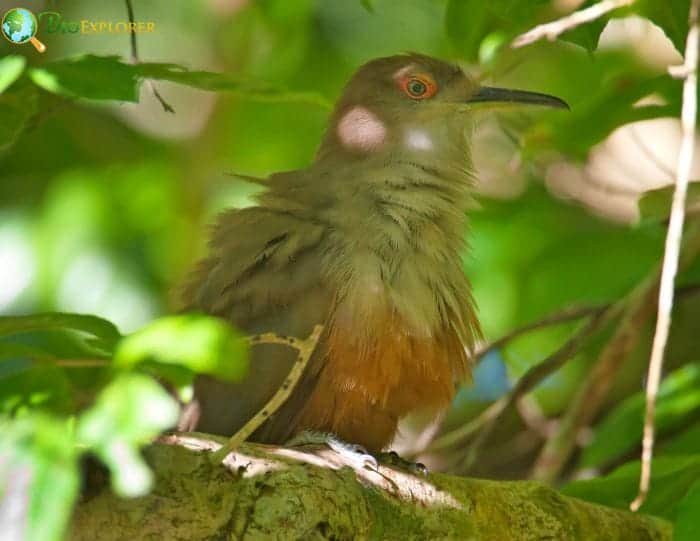
    Uncover the mysteries of an expertly camouflaged rainforest bird, the Puerto Rican Lizard Cuckoo, capable of vanishing before your eyes after beckoning you with its eerie yet alluring calls. Understand how mature broadleaf cover supports this specialist predator, efficiently capturing frogs, lizards, and insects high in the canopy to sustain its cryptic existence.

  • Puerto Rican Emerald

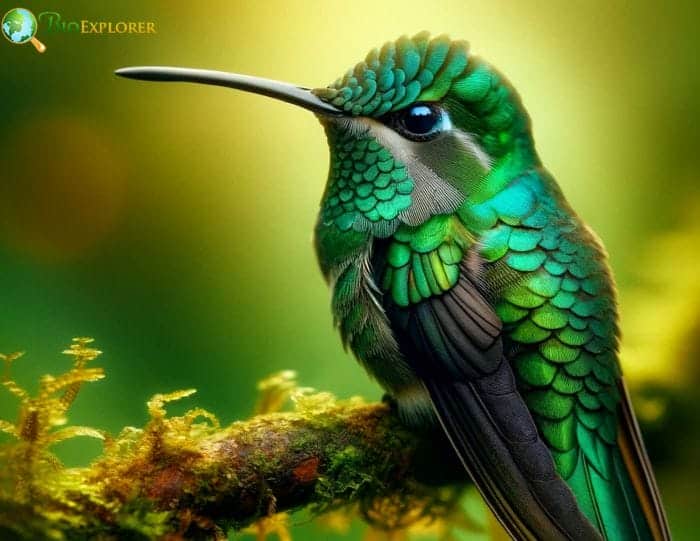
    Follow a tiny metallic-hued hovercraft nimbly navigating the maze of mangroves, forests, and gardens spanning Puerto Rico. Well-adapted to myriad nesting sites, this Emerald hummingbird flits freely, relying on a diverse nectar supply to counter any migration need. Learn how keeping multiple doors open through habitat connectivity sustains this abundantly welcome wildcard across the island.

  • Green Mango

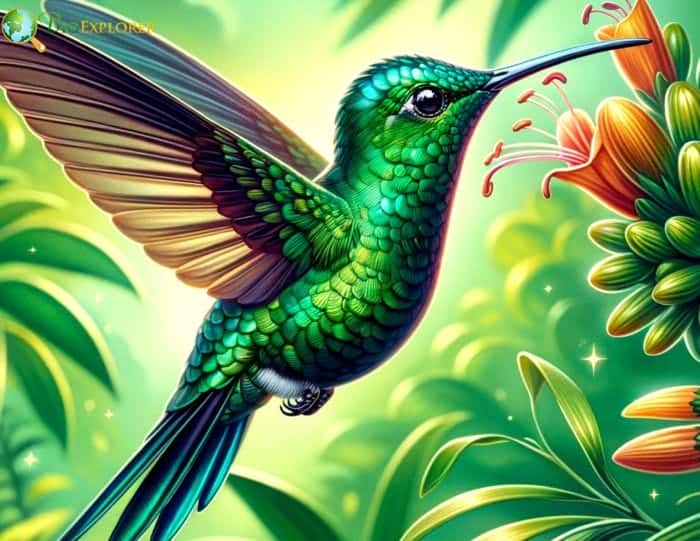
    Marvel at Puerto Rico’s smallest avian pollinator, the iridescent emerald Green Mango hummingbird, fueled by nectar, sustaining its mobility through lush mountain rainforests and coffee plantations. Trace its role in carrying pollen through unbroken floral corridors rich in fruiting trees. Understand this diminutive species’ undisrupted pathway reliance on habitat connectivity to counter migration needs.

  • Puerto Rican Nightjar

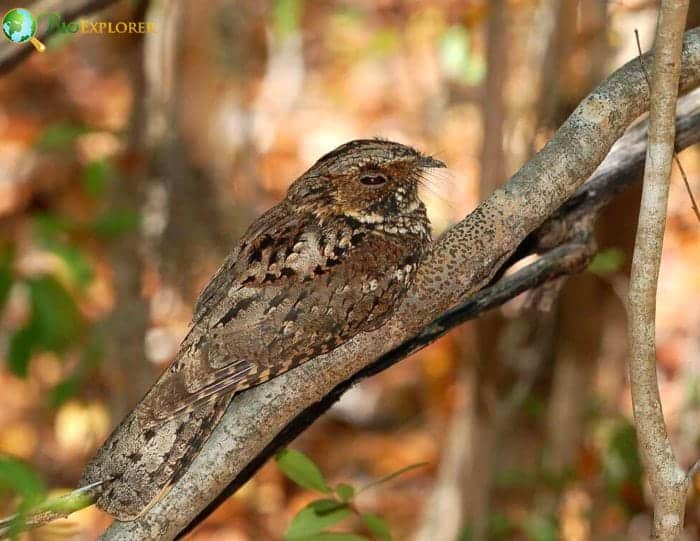
    Rediscover a ghostly lost species – the Puerto Rican Nightjar – emerging phantom-like from rapidly vanishing subtropical dry forests still echoed by its mysterious calls. Learn about the nocturnal insectivore’s distinctions, specialized habitat needs, threats from encroaching human activity, and why protecting this specialized niche remains essential to ensure the shy bird’s continued existence.

  • Puerto Rican Amazon

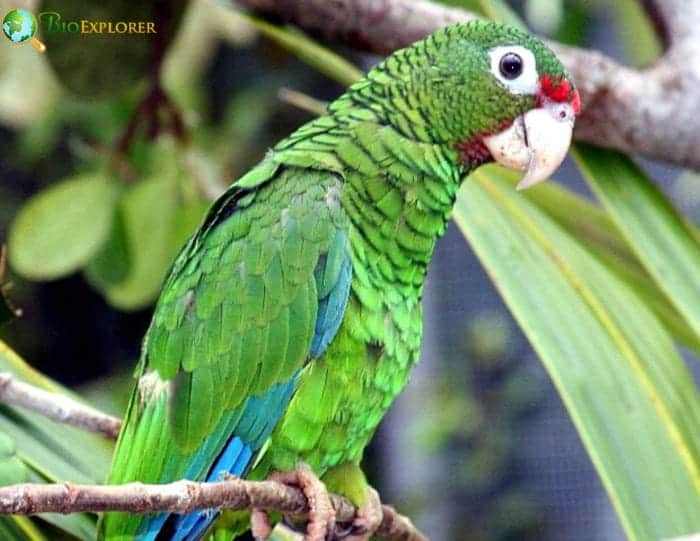
    Follow the extraordinary story of the Puerto Rican Amazon. Once abundant across mountain forests, this vivid parrot now relies on dedicated conservation to defy extinction odds. Learn about its distinctive red-crowned green plumage, role dispersing seeds, the intensive recovery effort when just 13 birds remained in 1975, and why protecting precious habitat remains key to overcoming threats for this critically endangered species.

  • Mimids

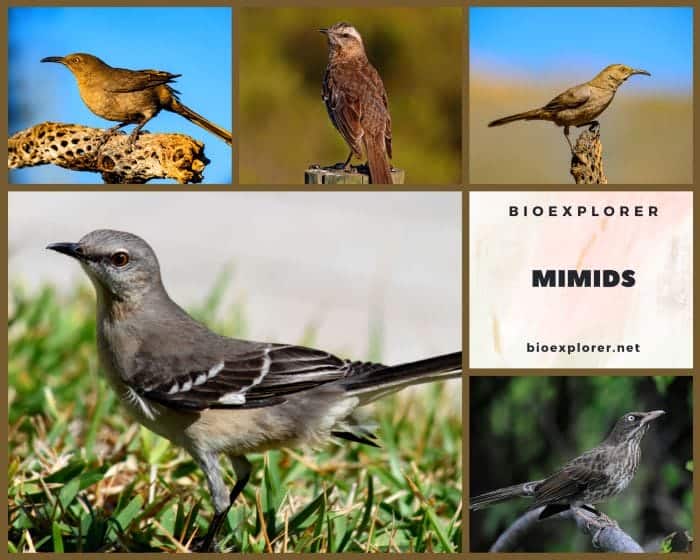
    The fabulously playful Mimidae family of Mimids – the mockingbirds, catbirds, thrashers & tremblers of the Americas – is overviewed with facts on evolution, vocal mimicry abilities, behavior, life histories and cultural symbolism of these often supremely talented songsters.

  • Gibraltar Monkeys

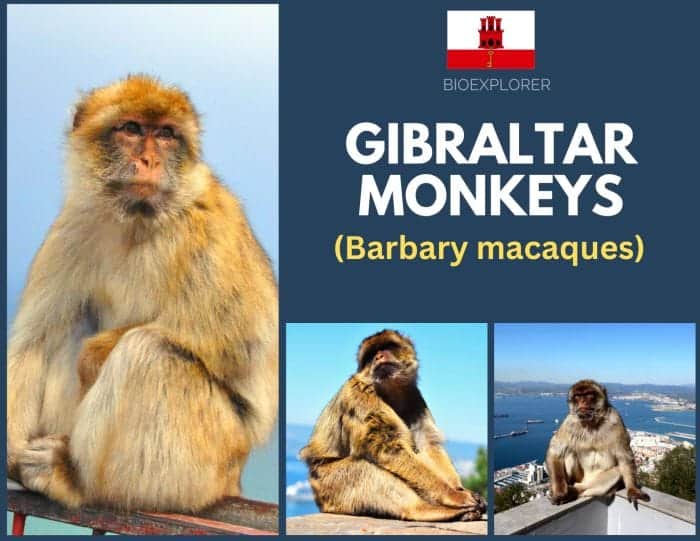
    Gibraltar’s iconic Barbary macaques have roamed here 300+ years now, delighting visitors. Explore the history of Gibraltar monkeys on the Rock, their social behavior, role as a conservation priority species with ties to Britain’s fate.

  • Mongoose Lemur

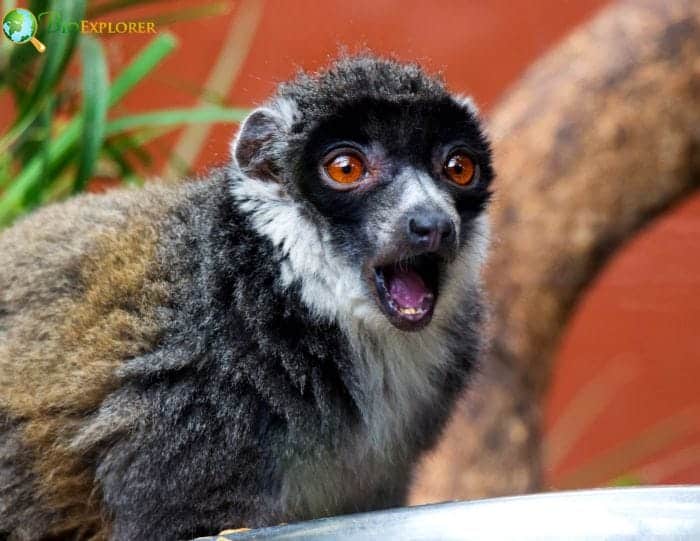
    Learn about the endangered mongoose lemur (Eulemur mongoz), a small Madagascar primate with red beards and bushy tails. Get fascinating facts on their rainforest habits, unique behaviors, seed dispersal ecology, and major threats driving their worrying decline.

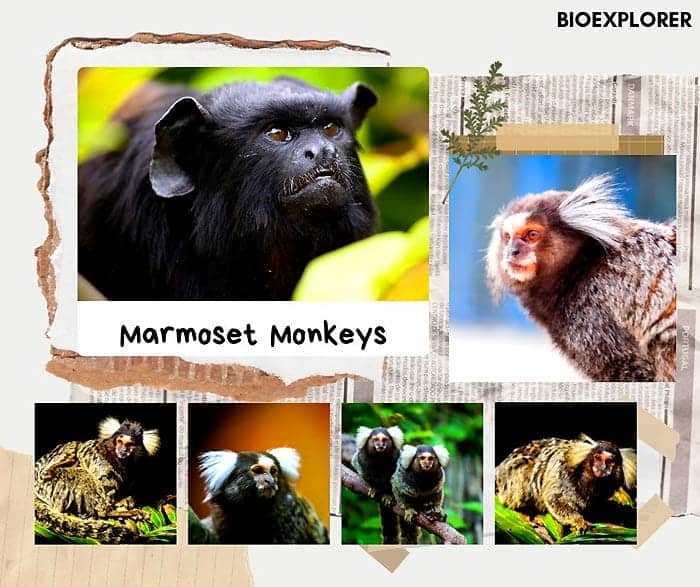
  • Marmoset Monkeys

    From the lush Amazon rainforests to the arid caatinga scrubs of northeastern Brazil, miniature marmoset monkeys swing through diverse New World landscapes. Explore all 24 species of marmoset monkeys here.

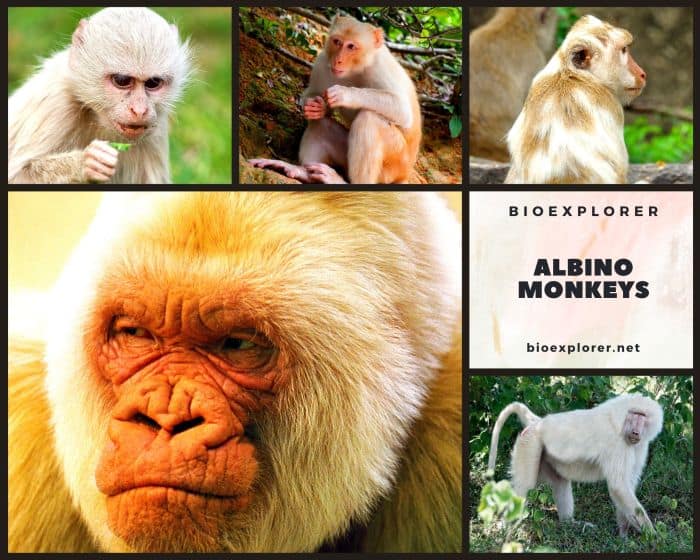
  • Albino Monkeys

    Albino monkeys, also known as monkeys with albinism, lack pigmentation in their skin, hair, and eyes. Discover more about these unique creatures and their genetic condition.

  • Albino Deer: A Rare and Fascinating Genetic Mutation

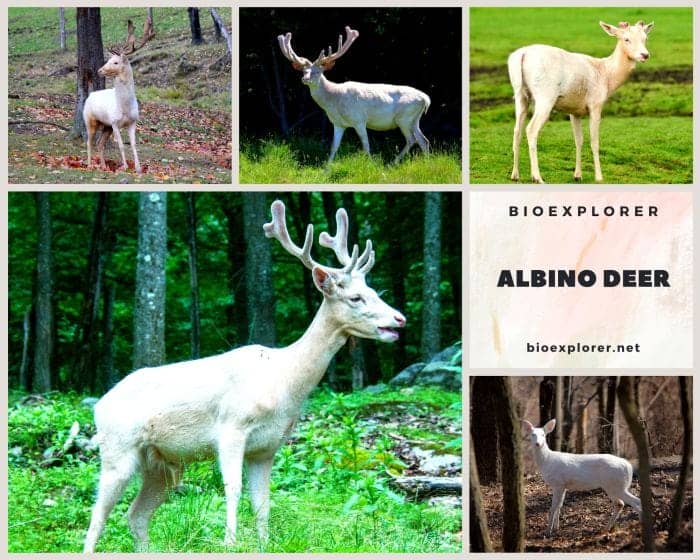
    Albino deer are extremely rare and fascinating genetic anomalies. This in-depth guide covers what albino deer are, why they’re white, where they’re found, major challenges they face, controversies surrounding them, seeing them in zoos, and reasons we find these mystical-looking white deer so captivating.

  • Cassin’s Finch

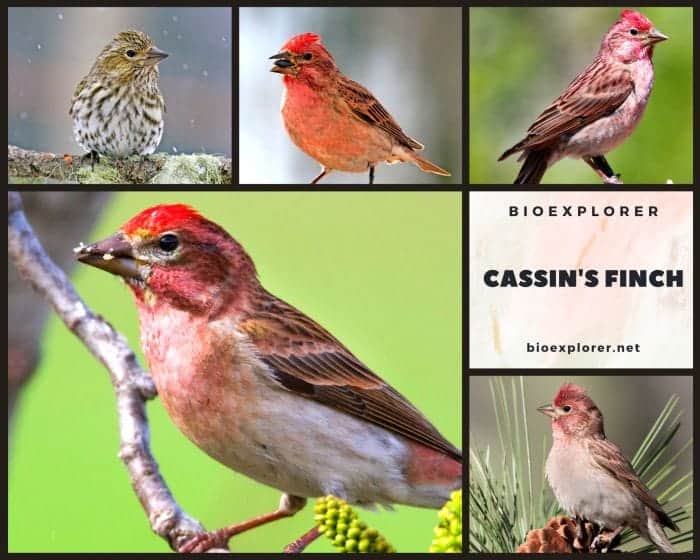
    Learn about the Cassin’s Finch, a unique songbird of western North American mountain forests. This adaptable finch has complex songs, nomadic habits, and thrives across diverse coniferous habitats. Gain insights into this little-known species’ ecology and importance.

  • Yellow-winged Blackbird

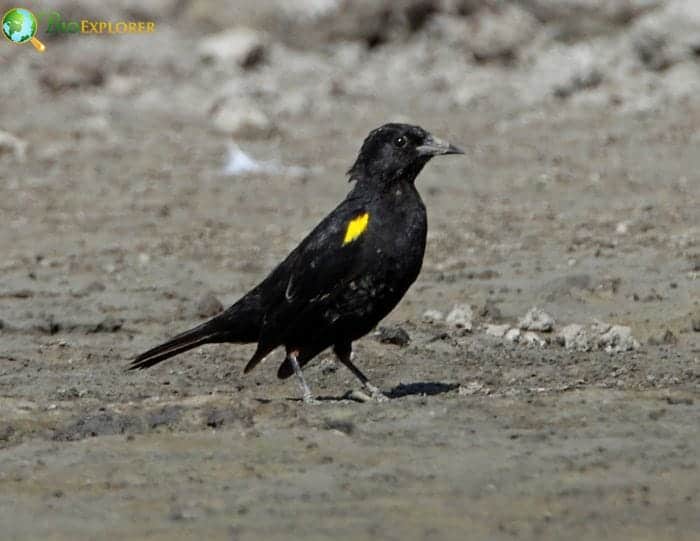
    The Yellow-winged Blackbird is a striking, stocky bird found in wetlands and reed beds across South America. Males are glossy black with bold yellow shoulder patches that are most visible in flight, while females are brown and streaked with a pale eyebrow. These blackbirds are rarely far from water, often forming small flocks and breeding colonially in reeds. They forage mainly on the ground for seeds, fruits, and insects, sometimes following livestock or farm machinery to catch disturbed prey. Fun fact: males perform acrobatic display flights and flocks will mob predators to drive them away.

  • Order Ericales / Heathers and Primrose Flowers

    Ericales is comprised many economically important flowering plants like Brazil nuts, kiwifruit, and primrose. Ericales is very diverse, involving chiefly trees and terrestrial shrubs that are cosmopolitan in distribution. Some families of Ericales possess the ability for aluminum accumulation. Hardy kiwi, Orange jewelweed, wand plant, lama tree, and Octotillo flowers are some examples of Ericales.

  • Beach Rose

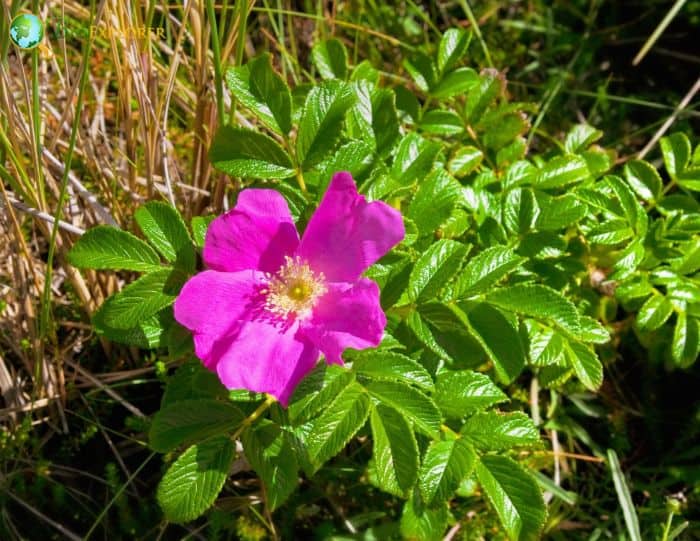
    The beach rose is a deciduous Japanese shrub with a multi-stem. It is native to Japan and is widely used as an ornamental plant. The beautiful beach rose is pollinated by insects and birds. Rosa rugosa is a strong symbol of Love and adoration.

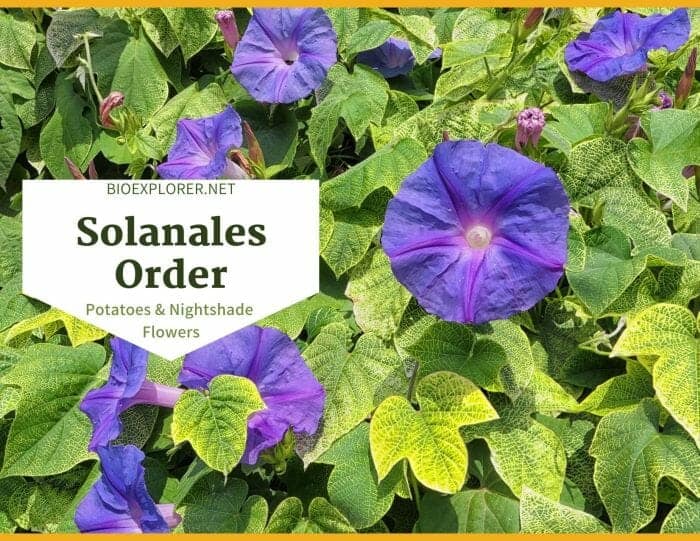
  • Order Solanales / Potatoes & Nightshade Flowers

    Solanales or the potato/nightshade order of the flowers belong to the core asterid clade, manifesting a global distribution. The plants of Solanales possess root stalks or tubers, simple, alternate, and exstipulate leaves, showy flowers, and typically 5-merous floral parts. The Solanales plants are monoecious, andromonoecious, or dioecious. Example species under Solanales order involve the highly cultivated flora of morning glory, potato, eggplant, and tomato.

  • August Birth Flowers

    Delve into the rich history and symbolism of August birth flowers – Gladiolus and Poppy. Find out why they’re perfect for birthdays this month!

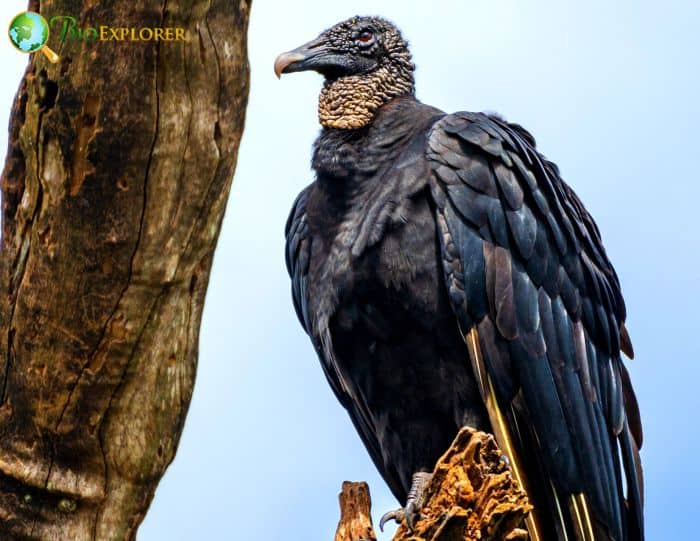
  • Black Vulture

    The Black Vulture is a large, stocky bird with sooty black plumage, a bare black head, and striking white patches near the wingtips. Found year-round in the eastern and southern U.S. through Central and South America, it thrives in open areas, woodlands, and even around towns. Black Vultures are highly social, often roosting and foraging in large flocks. They feed mainly on carrion, using keen eyesight to locate food, and sometimes follow Turkey Vultures to carcasses. Black Vultures mate for life, care for their young for months, and help clean the environment by consuming dead animals.

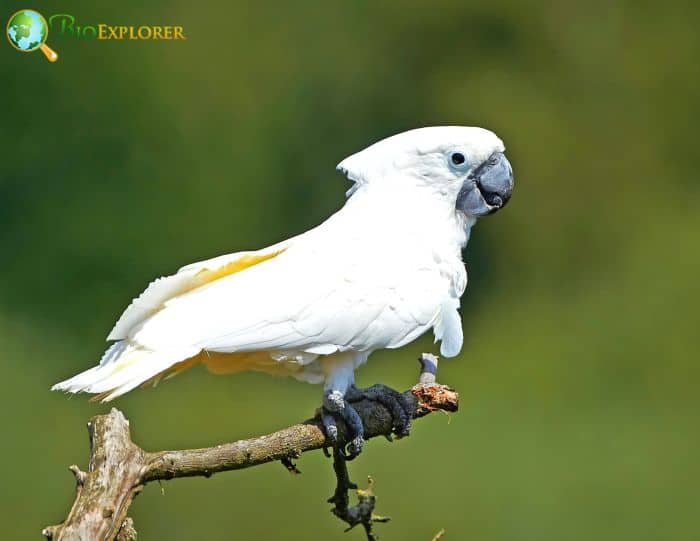
  • White Cockatoo

    Discover the breathtaking beauty of the White Cockatoo (Cacatua Alba), their characteristics, diet and several interesting fun facts about them here.

  • What Do Marine Biologists Do?

    Discover how marine biologists unlock the mysteries of aquatic life and protect our oceans’ delicate ecosystems. Immerse yourself in this captivating field today!

  • Order Gentianales / Gentian Flowers

    The Gentianales (Gentians) is an order of flowering plants involving herbs, shrubs, undershrubs, lianas, and small trees primarily distributed worldwide. Plants of Gentianales mostly have opposite leaves, interpetiolar stipules, bisexual flowers, mostly fused sepals and petals, 4-5 stamens, and 2 carpels. Important species under Gentianales are coffee, periwinkle, oleander, and gentian.

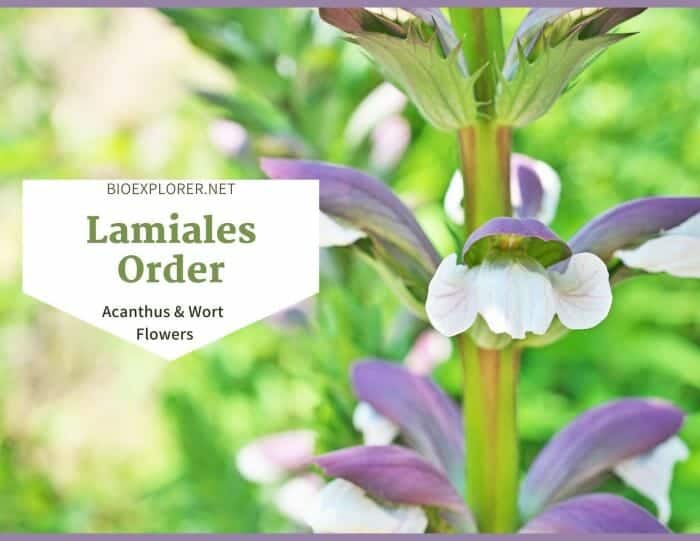
  • Order Lamiales / Acanthus & Mint Flowers

    Lamiales is an ordering of flowering plants with most members found worldwide. The species of the Lamiales usually have opposite leaves, bilaterally symmetrical and often bilabiate corolla, five petals fused into a tube, four or fewer fertile stamens, and a superior ovary with fused carpels. The mints, olive, bladderworts, and plantain are plants under the Lamiales order.

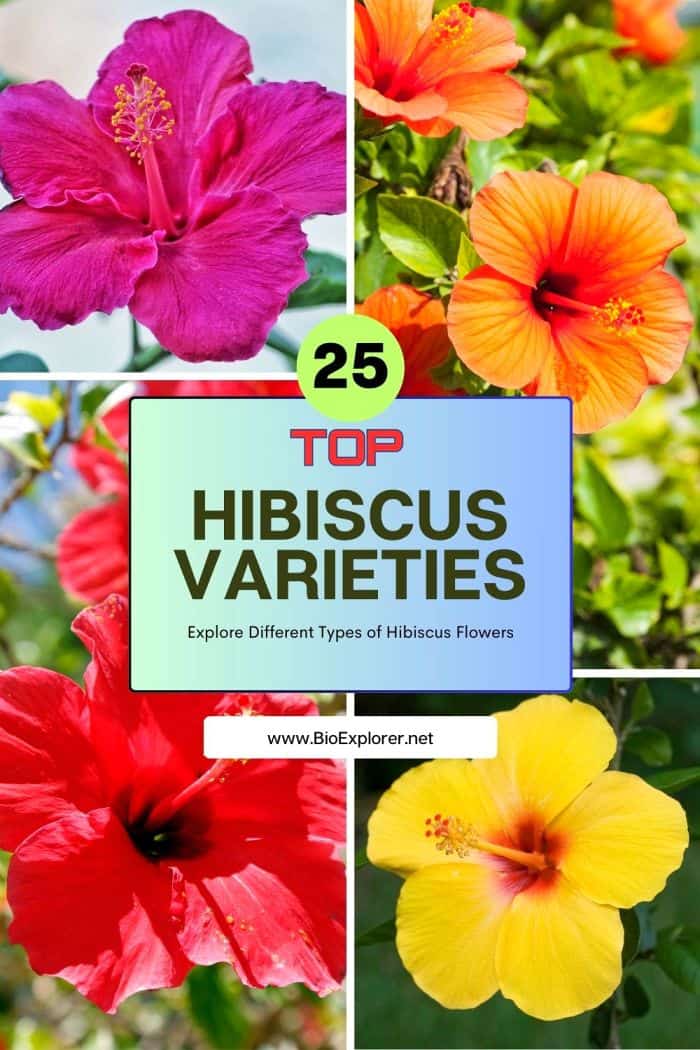
  • Hibiscus Varieties

    Dive into the vibrant world of hibiscus! Explore 25+ stunning varieties, from rare native species to popular garden favorites. Learn about their unique characteristics, care tips, and fascinating facts. Perfect for gardeners and flower enthusiasts alike. Discover the beauty and diversity of these tropical treasures!

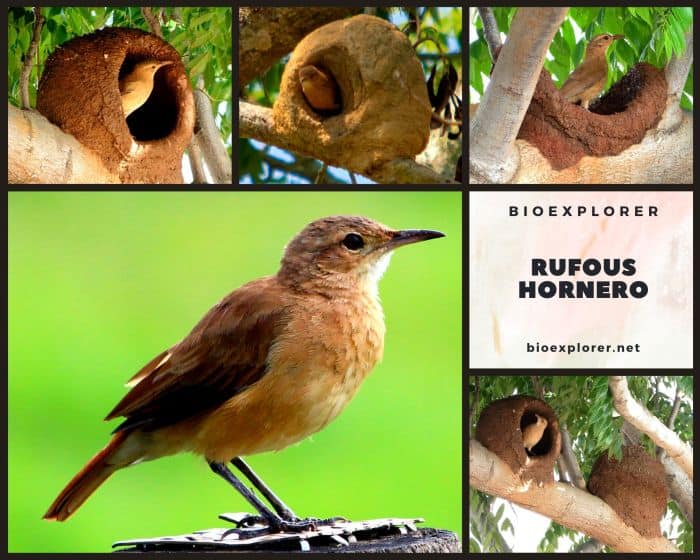
  • Rufous Hornero

    Explore the Rufous Hornero, South America’s avian marvel. Dive into its unique habits, cultural significance, and conservation efforts. A birdwatcher’s delight!

  • Types of Trees

    Discover the diverse types of trees, from deciduous to evergreen. Enjoy vivid pictures, and learn their roles in ecosystems and their conservation efforts.

  • Great Eared Nightjar

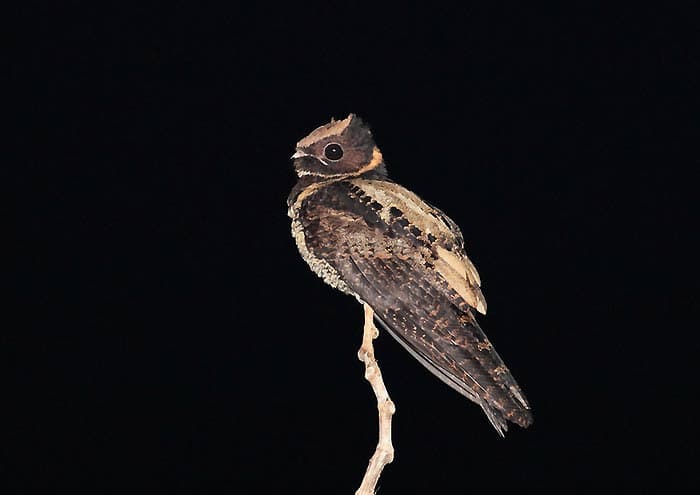
    In the heart of the night, when the world seems to hold its breath, the Great Eared Nightjar takes flight. This nocturnal bird, known scientifically as Lyncornis macrotis, is a captivating creature that has long intrigued ornithologists and nature enthusiasts.

  • Yellow-billed Magpie

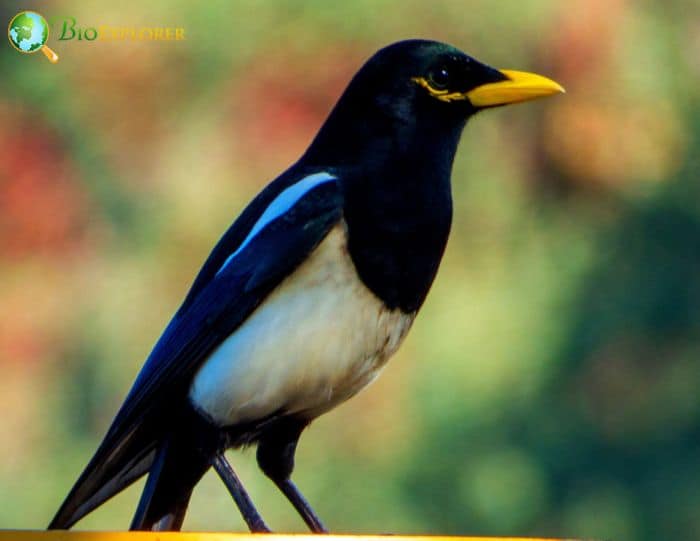
    The Yellow-billed Magpie is a striking, large black-and-white bird with shimmering blue-green wings and tail, and a distinctive bright yellow bill and eye ring. Endemic to California’s Central Valley and nearby foothills, it thrives in open oak woodlands, farmlands, and orchards.

  • Northwestern Crow

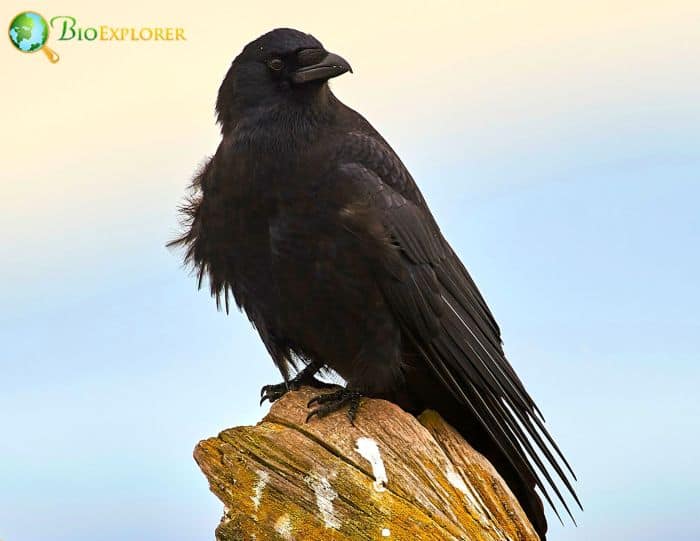
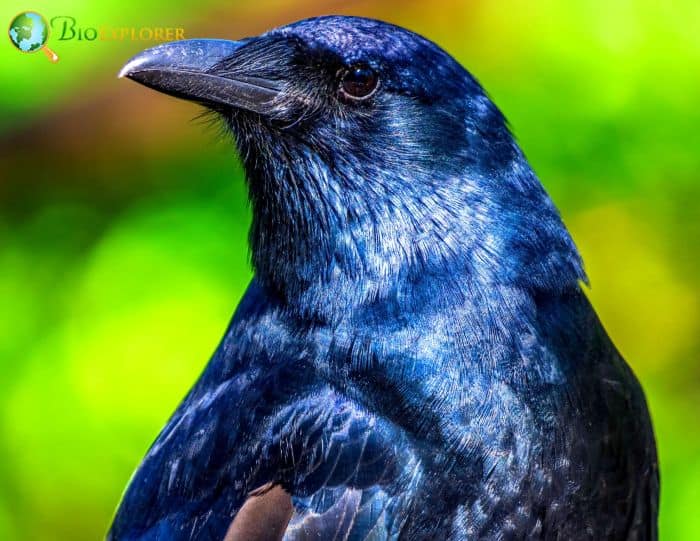
    The Northwestern Crow is a mid-sized, all-black bird native to the Pacific coast from southern Alaska to northern Washington. It thrives in coastal habitats, intertidal zones, forest edges, and even urban areas, often foraging on beaches for clams, invertebrates, eggs, and carrion. Known for their intelligence, these crows use tools-dropping clams on rocks to break them open-and perform aerial acrobatics. They are highly social, forming large flocks in winter and engaging in noisy mobbing of predators. Northwestern Crows mate for life, nest in trees or shrubs, and young remain dependent on parents for several weeks.

  • Hooded Crow

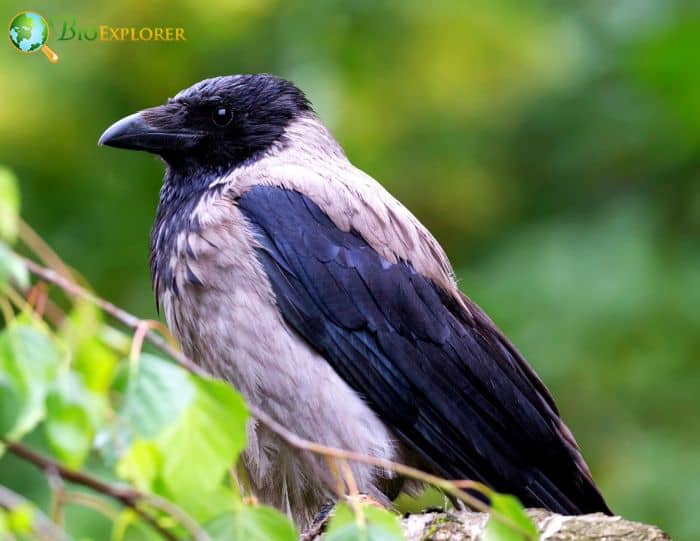
    The Hooded Crow is a medium-sized, two-toned corvid with a pale grey body and contrasting black head, wings, tail, and thigh feathers. Found across northern and eastern Europe and parts of the Middle East, it adapts well to woodlands, farmland, coasts, and cities. Hooded Crows are highly intelligent, known for using tools and dropping shells or nuts from heights to crack them open. Their omnivorous diet includes insects, small animals, grains, carrion, and human scraps. Hooded Crows often pair for life, and their harsh “kraa” call is a familiar sound in their range.

  • Fish Crow

    The Fish Crow is a medium-sized, all-black bird with a subtle green-purple sheen, nearly identical in appearance to the American Crow but best distinguished by its nasal “uh-uh” call. Native to the eastern United States, Fish Crows are most often found near water-coasts, rivers, lakes, and marshes-but have expanded inland along river systems. Highly adaptable, they thrive in urban, suburban, and agricultural areas. Omnivorous and opportunistic,
    Fish Crows eat everything from carrion and garbage to bird eggs, fruit, and small animals. These black birds often cache surplus food and are known for mobbing predators in groups.

  • Sooty Tern

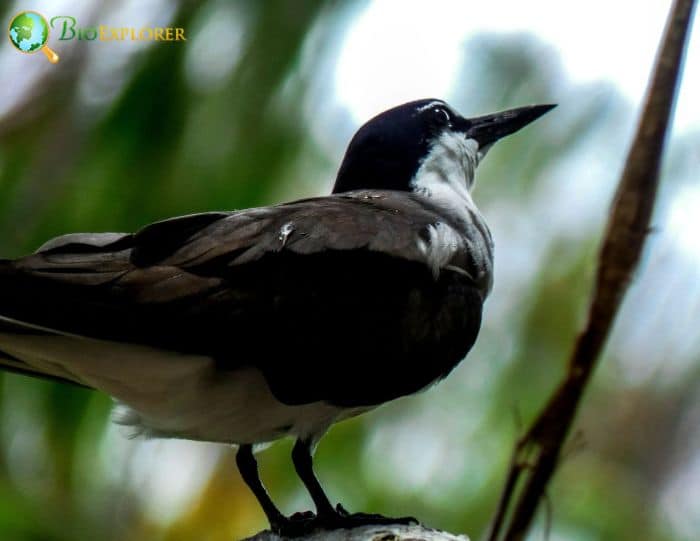
    The Sooty Tern is a large, striking seabird with black upperparts, white underparts, a white forehead, and a deeply forked tail. Found across tropical oceans worldwide, it spends most of its life at sea, sometimes remaining airborne for 3 to 10 years without landing, as it cannot float due to a lack of waterproofing oil in its feathers. Sooty Terns feed by skimming fish and squid from the ocean’s surface and rarely come to land except to breed in dense colonies on remote islands. Their loud, piercing calls and aerial courtship displays are characteristic of their nesting grounds.

  • Carrion Crow

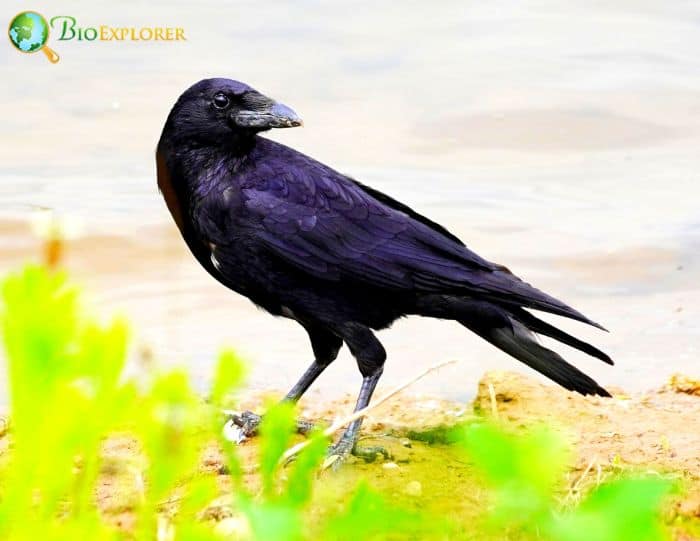
    The Carrion Crow is a medium-sized, glossy black bird native to Europe and Asia, recognized for its deep, guttural “kraa” call and solitary habits. Adaptable to a wide range of habitats-including woodlands, farmland, moors, coastal cliffs, and urban areas-it often perches in high places to survey its surroundings. Highly intelligent, Carrion Crows use tools, recognize human faces, and even cooperate with each other to hunt or defend territory. Their diet is varied, consisting of carrion, insects, seeds, fruit, and small animals. Offspring from previous years sometimes help parents feed new chicks.

  • Black Scoter

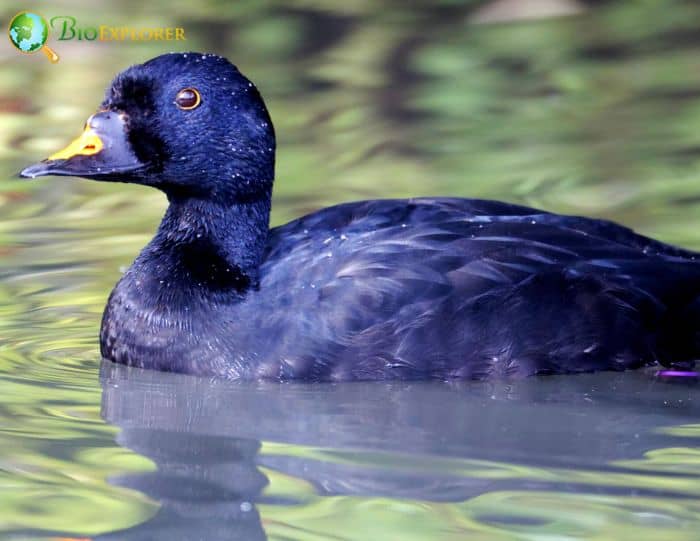
    The Black Scoter is a chunky sea duck, with males easily recognized by their all-black plumage and a distinctive swollen yellow knob at the base of the bill. Females are dark brown with pale cheeks and throat. They breed in remote northern lakes and wetlands, mostly in Alaska and northern Canada, and winter along both Atlantic and Pacific coasts of North America. Black Scoters dive for food, feeding mainly on aquatic insects in freshwater and mollusks like clams and mussels in marine habitats. Black Scoters are monogamous, and their winter flocks can number in the thousands.

  • Anhinga

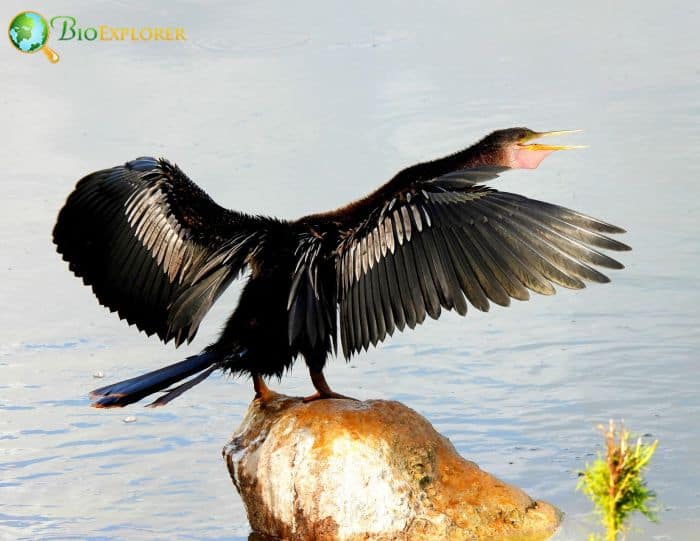
    The Anhinga, also called the “snake bird” for its long, slender neck, is a large, mostly black water bird with a pointed yellow bill and silvery wing patches. Males have darker, glossy plumage, while females show a paler head and neck. Found in freshwater swamps, lakes, marshes, and slow-moving rivers from the southeastern U.S. to South America, Anhingas are expert divers, swimming underwater with only their head and neck exposed. Unlike most birds, they lack waterproofing oils, so they must spread their wings to dry after diving. Anhingas spear fish with their sharp bills and swallow them headfirst.

  • Little Cormorant

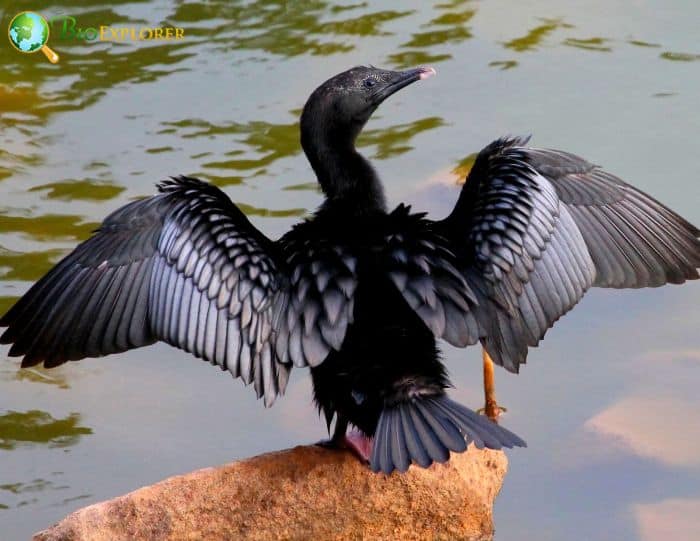
    The Little Cormorant is a compact, all-black waterbird, typically 50–55 cm long, found across the Indian subcontinent and Southeast Asia. In breeding season, adults have glossy black plumage, sometimes with white facial spots and a small crest; in non-breeding season, plumage is browner with a white throat patch. This species thrives in wetlands, lakes, rivers, and estuaries, where it’s often seen diving for fish-its main food. Little Cormorants are highly social, roosting and nesting in colonies, sometimes alongside herons and egrets. After diving, Little Cormorants often perch with wings spread to dry.