
What Do Seals Eat?

What Do Seals Eat? Seals are classified as semi-aquatic mammals, meaning they spend their times in water and on land. Studies indicate that these organisms spend only 20% of their time on the ground.
Seals are fin-footed and are thus classified in the same group as sea lions, and walruses. Though closely related, these three organisms hail from different taxonomic families.
Seals are carnivorous meaning their diet is composed of meat. Their diet includes mainly fish. They also eat penguins, octopuses, lobsters, salmons, eels, mackerel, and squids.
What Do Seals Eat? — Complete Guide
What Do Seals Eat?
| Type of Seal | Diet |
|---|---|
| Elephant Seal | Rays, Ratfish, Octopus, Squids, fish, and small sharks. |
| Weddell Seal | Silverfish, squids, codfish, octopuses, small crustaceans, prawns, and other marine water creatures such as Salmons. |
| Ross Seal | Squid, fish, mollusks, and other small marine invertebrates. |
| Crabeater Seal | Mainly Krills. |
| Brown Fur Seal | Mackerel, crustaceans, African penguins, sardines, anchovies, and gobies. |
| Leopard Seal | Krills, Squids, small marine creatures, Adélie Penguins, Emperor penguins, gentoo penguins, Chinstrap penguins, Weddell seals, Crabeater seals, and Elephant seal pups. |
Seals Diet by Types
Naturally, two groups of seals exist. One group is dubbed as true seals, which are also earless. The next group is referred to as fur seals. Examples of the true seals and the fur seals will be tackled in this section as well as their preferred habitats.
What Do Elephant Seals Eat?
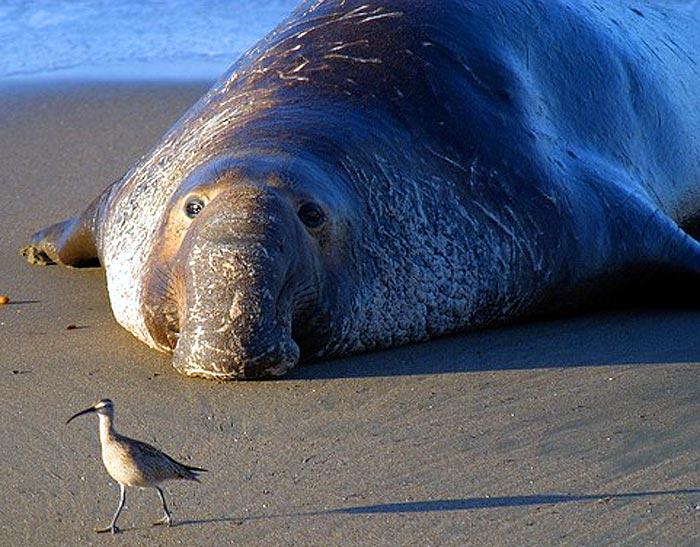
| Kingdom | Order | Family | Genus | Species |
|---|---|---|---|---|
| Animalia | Carnivora | Phocidae | Mirounga | Mirounga angustirostris |
Elephant seals are large, deep-diving marine mammals that feed mainly on squid and fish. Diet varies seasonally and spatially southern elephant seals tend toward squid-dominated diets during summer pelagic foraging, and shift to more fish-heavy diets during winter when foraging along the Antarctic continental shelf. Their diet can also include octopus, rays, eels, and occasionally small sharks.
- There are two living species of elephant seals: the northern elephant seal (Mirounga angustirostris) and the southern elephant seal (Mirounga leonina). Their common names reflect where they live, not just their appearance.
- In northern elephant seals, squid can make up as much as 80% of the diet, including deep-sea cephalopods hunted at depths of up to 1,500 meters.
- Southern elephant seals favor specific squid species such as glacial squid and smooth hooked squid, alongside various fish species.
- Elephant seals can fast for up to three months, typically during breeding season when they are ashore and not feeding at all.
What Do Weddell Seals Eat?
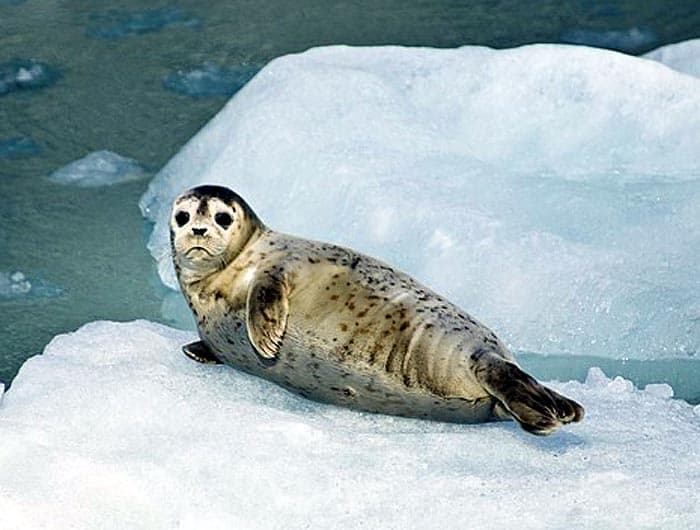
| Kingdom | Order | Family | Genus | Species |
|---|---|---|---|---|
| Animalia | Carnivora | Phocidae | Leptonychotes | Leptonychotes weddellii |
Weddell seals are Antarctic marine mammals that feed mainly on fish, especially Antarctic silverfish and other nototheniid species, along with squid, octopus, and some crustaceans. Squid and marine invertebrates such as Antarctic krill make up a smaller portion of their diet.
- Weddell seals have been observed using a unique hunting trick: blowing air into crevices in the sea ice ceiling to flush out hiding fish.
- When hunting under the ice, they may dive beneath their prey so the fish above are backlit against the ice ceiling, making them easy to spot in silhouette.
- They are extraordinarily deep and long divers, capable of reaching 600 meters and remaining submerged for up to 73 minutes. sometimes traveling 3 km from their breathing hole and back.
- They have even been recorded attacking Antarctic toothfish as large as 54 kg in weight.
- Weddell seals can live up to 30 years in the wild, and are the most southerly breeding mammal on Earth.
- Weddell seals are named for James Weddell, the British sealer and explorer. They have a relatively small, broad head and a short snout compared with many other seals. Adults can look bulky and rounded, but they are agile swimmers and skilled underwater hunters.
What Do Crabeater Seals Eat?
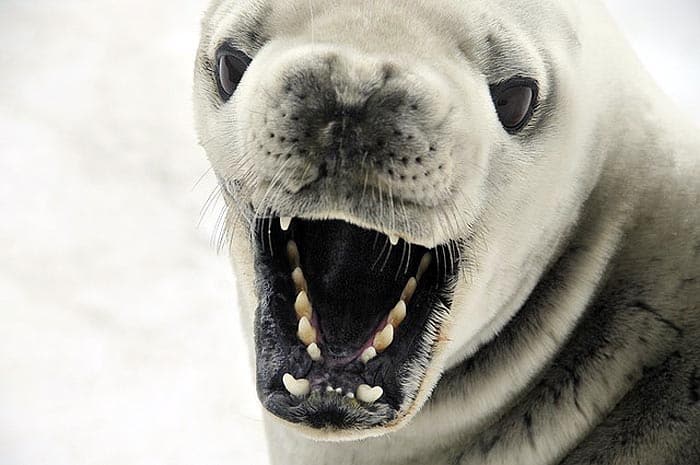
| Kingdom | Order | Family | Genus | Species |
|---|---|---|---|---|
| Animalia | Chordata | Phocidae | Lobodon | Lobodon carcinophaga |
Crabeater seals are Antarctic seals that feed almost exclusively on krill, despite their misleading name. Antarctic krill (Euphausia superba) accounts for over 90% of their diet, with the remainder made up of fish and squid. The name likely stems from a linguistic misunderstanding, as the German word “Krebs” can refer to various crustaceans, including krill.
- Crabeater seals are filter-feeders, much like baleen whales; they swim into swarms of krill with their mouths open, scooping up a mix of krill and water, then push the water out through their specialized teeth while trapping the krill inside.
- Each seal can consume up to 44 pounds (20 kg) of krill per day, and they typically feed at night.
- When krill availability drops, crabeater seals show dietary flexibility and can shift to incorporate more fish, sometimes over 25% of their diet.
- Crabeater seals are thought to be possibly the most numerous large wild mammals on Earth, with an estimated population of 11–12 million, a population size made possible by the sheer abundance of krill in the Southern Ocean.
What Do Brown Fur Seals Eat?
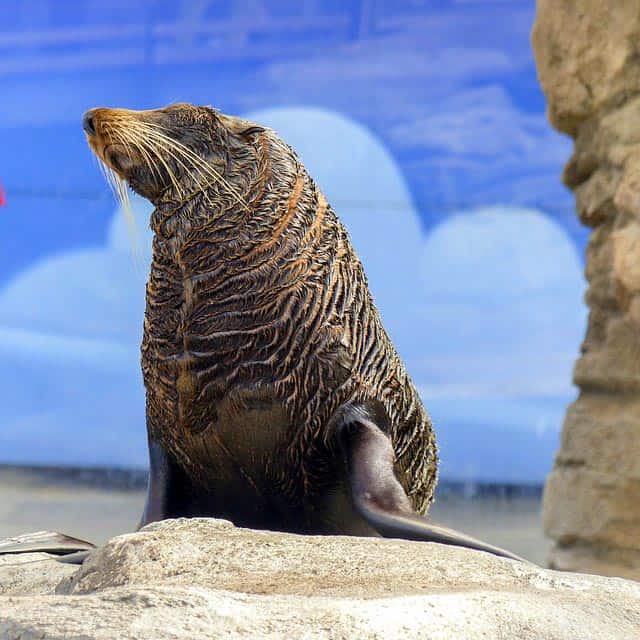
| Kingdom | Order | Family | Genus | Species |
|---|---|---|---|---|
| Animalia | Carnivora | Otariidae | Arctocephalus | Arctocephalus pusillus |
Brown Fur Seal’s diet is carnivorous and highly varied. Fish make up roughly 70% of their diet, squid accounts for about 20%, and crabs make up around 2%, with the remainder consisting of other crustaceans and cephalopods. They are opportunistic feeders, meaning they eat whatever is most available in their environment, and will occasionally eat seabirds.
- Brown fur seals can dive to depths of around 200 meters and stay submerged for up to about 7.5 minutes to hunt their prey.
- The Australian subspecies commonly eats squid, octopus, fish, and lobsters, along with other crustaceans and cephalopods, a somewhat different diet from their African cousins.
- In rare instances, brown fur seals have even been documented attacking and eating sharks; likely targeting the fish-rich stomach contents and energy-dense livers.
- They are skilled, active hunters rather than passive scavengers, using their agility underwater to chase down prey.
What Do Leopard Seals Eat?
| Kingdom | Order | Family | Genus | Species |
|---|---|---|---|---|
| Animalia | Carnivora | Phocidae | Hydrurga | Hydrurga leptonyx |
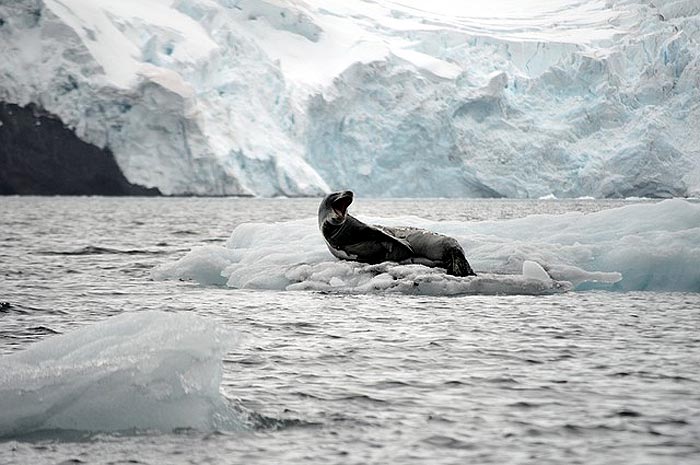
Leopard seals are top-order predators with a wide-ranging diet that includes krill, fish, cephalopods (squid and octopus), other pinnipeds, and birds particularly different types of penguins. Their only natural predator is the orca.
Despite their fearsome reputation, nearly half of a leopard seal’s diet consists of krill, linking the tiniest Antarctic prey to higher predators in the food chain.
- During the austral summer, Adélie penguins are a primary prey item, supplemented by crabeater seals, fish, amphipods, and krill. Emperor, gentoo, and chinstrap penguins are also taken.
- The leopard seal is responsible for more predation on warm-blooded prey than any other pinniped.
- Leopard seals have unique dual-function teeth that allow them to prey on large-bodied animals and also filter-feed on small prey like krill.
- At South Georgia, leopard seals are known to prey on Antarctic fur seals and seabirds in addition to penguins.
How Do Seals Hunt?
Their environment helps seals find their prey.
- For instance, when feeding below the ice, one tactic seals use is diving beneath their prey and then ambushing it from below. As the seal rises, fish above it are backlit by the ice and easily spotted in silhouette.
- Weddell seals have also been known to blow air into cracks in the ice; the surprise tactic puts small fish to flight, which the seal then devours.
- Another hunting strategy crabeater seals employ is swimming through dense swarms of krill with their mouths open. They take in large volumes of water and krill, then strain the krill out through their specialized, sieve-like teeth; a method known as filter-feeding.
When Do Seals Eat?
Seals can display nocturnal or diurnal activity. As a result, their foraging and eating behavior can be evident both during the day or at night, depending on individual species. Weddell seals, for example, exhibit a diel dive pattern; diving deeper and longer during the day than at night.
How Often Do Seals Eat?
How often seals eat depends on numerous factors, one aspect being molting.
- During this process, some seals eat less food while others opt to fast completely. Gray seals, for instance, do not eat at all during the mating, pupping, or molting seasons.
- On regular occasions, adult seals consume about 4–6% of their body weight every day. However, this varies by species; larger species like elephant seals may eat significantly more, with some seals consuming up to 10% of their body weight daily.
What Eats Seals?
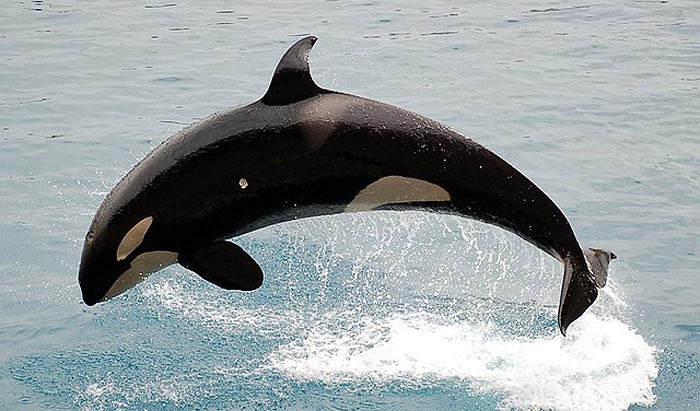
Whales, sharks, and even other seals are the primary non-human predators of seals. Orcas (killer whales) are highly intelligent, group-hunting apex predators that target both adult seals and younger individuals, particularly less experienced pups.
Great white sharks are also a major threat, often ambushing seals from below near coastal haul-out sites. In the Arctic, polar bears and Arctic wolves are additional natural predators of seals.
Where Do Seals Fit in the Animal Food Chain?
Seals occupy a complex position in marine ecosystems, most operate as meso-predators, sitting at trophic level four or higher, consuming smaller carnivores like fish and squid. However, some larger species, such as the male southern elephant seal or the leopard seal, function as apex predators in their specific habitats.
- As top predators, seals regulate prey populations and lower trophic levels, helping keep the food web in balance. They also increase primary productivity in feeding areas by recycling nutrients through excrement, feeding plankton and other consumers up the food chain.
- As prey, seals in turn support populations of apex predators like orcas, sharks, and polar bears, underpinning energy flow in marine food chains. Seal carcasses also provide nourishment to scavengers both in the ocean and on land.
Cite this page
BioExplorer. (2026, August 26). What Do Seals Eat?. https://www.bioexplorer.net/what-do-seals-eat.html/




One Comment