
Biennial Flowers: Nature’s Two-Year Spectacle
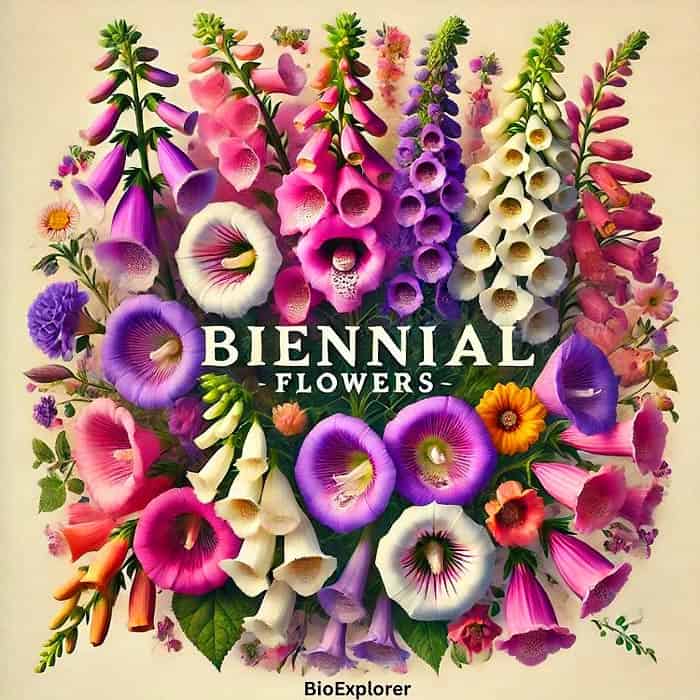
Biennial Flowers: Gardening enthusiasts and nature lovers alike are often captivated by the diverse array of flowers that grace our landscapes. Among these botanical wonders, biennial flowers hold a special place, offering a unique blend of patience and reward. Let’s dive into the fascinating realm of these two-year bloomers and uncover the secrets to their successful cultivation.
What Are Biennial Flowers?
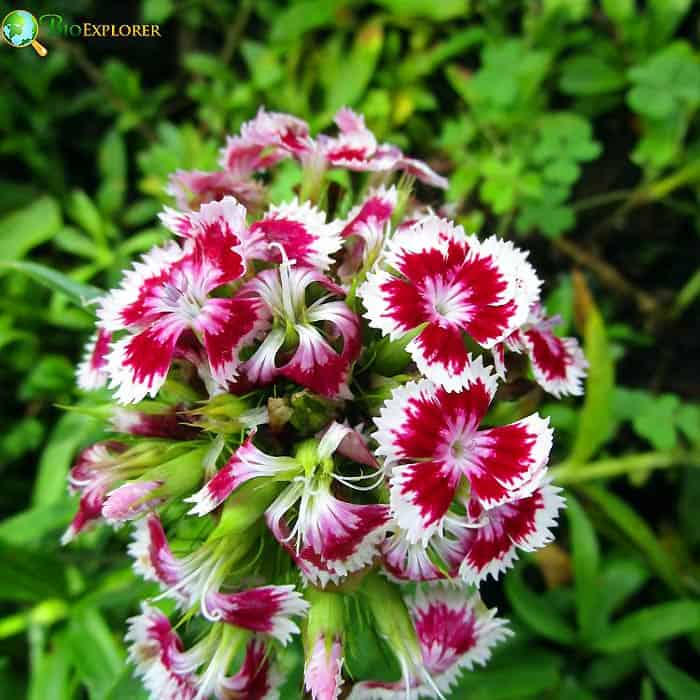
Biennial flowers are nature’s patient performers, taking two growing seasons to complete their life cycle. Unlike their annual and perennial cousins, biennials spend their first year focusing on root development and foliage growth. It’s during the second year that they truly shine, bursting into bloom before setting seed and completing their cycle.
Common misconceptions about biennials often lead gardeners to mistake them for short-lived perennials or under-performing annuals. However, understanding their distinct growth pattern is key to appreciating their special role in the garden.

The Two-Year Journey: From Seed to Spectacular Bloom
First Year: Laying the Groundwork
During their inaugural season, biennial plants channel their energy into establishing a strong foundation:
- Root Development: Extensive root systems form, anchoring the plant and absorbing nutrients.
- Leaf Production: Lush foliage emerges, often in the form of a rosette close to the ground.
- Energy Storage: Plants accumulate resources in their roots, preparing for the next season’s growth spurt.
Winter Dormancy: Nature’s Pause Button
As temperatures drop, biennials enter a period of dormancy. This crucial phase allows them to weather harsh conditions and emerge ready for their grand finale.
Second Year: The Grand Finale
With the arrival of spring, biennials burst into action:
- Rapid stem growth: As temperatures rise, biennials channel their stored energy into explosive growth. Stems shoot upward at an impressive rate, sometimes growing several inches in a single day.
- Bud formation: Once the stems reach their full height, the plant’s focus shifts to developing flower buds.
- Spectacular blooming: This is the moment gardeners have been waiting for – the grand unveiling of the biennial’s flowers.
- Seed production: As the flowering stage winds down, biennials enter their final act – seed production. This crucial phase ensures the next generation of plants.
Popular Biennial Varieties: Stars of the Garden
Let’s explore some beloved biennial beauties that have captivated gardeners for generations:
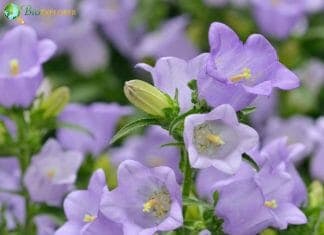
Canterbury Bells
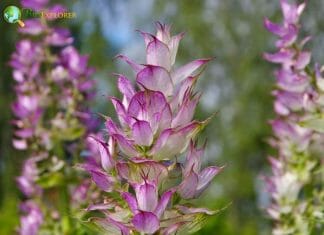
Clary sage
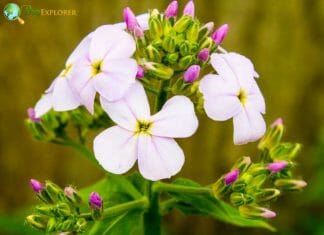
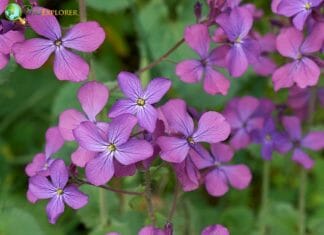
Dame’s Rocket
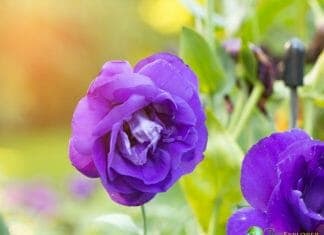
Eustoma grandiflorum
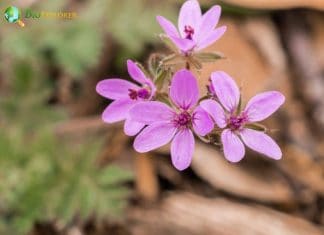
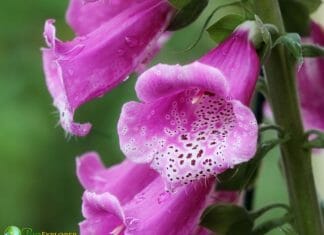
Foxglove
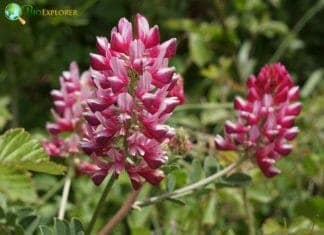
Hedysarum
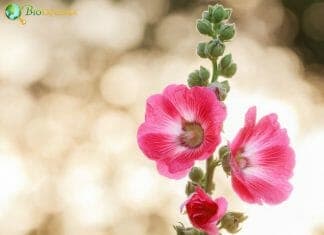
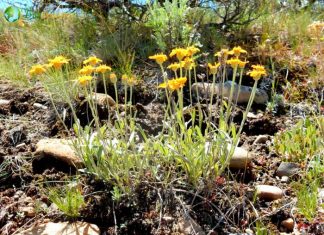
Lemon’s Rubberweed
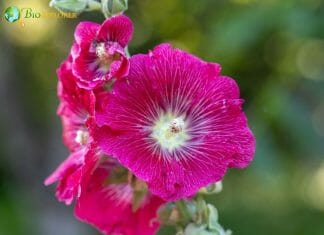
Mallow

Poppy
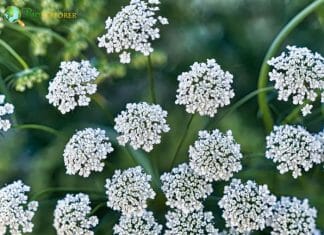
Queen Anne’s Lace
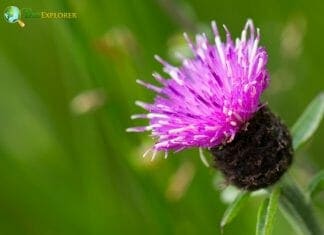
Teasel
Biennial flowers offer gardeners a unique opportunity to experience the full cycle of plant growth, from seed to spectacular bloom. Their patience-rewarding nature and stunning displays make them invaluable additions to any garden. By understanding their specific needs and growth patterns, you can harness the power of these two-year wonders to create dynamic, ever-changing landscapes that captivate year after year.
Cite this page
BioExplorer. (2026, August 26). Biennial Flowers: Nature’s Two-Year Spectacle. https://www.bioexplorer.net/plants/flowers/biennials/