
History of Microbiology
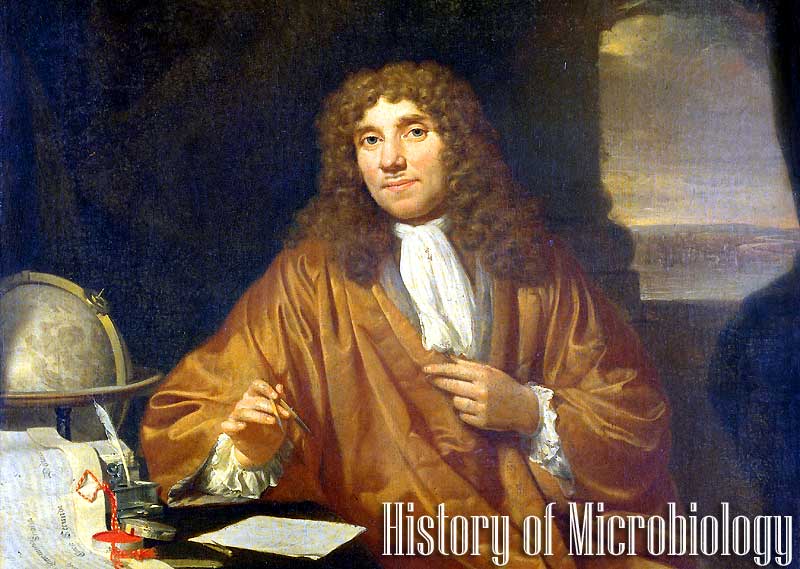
Microbiology is the study of the structure, bodily functions and physiological processes of microorganisms. It deals with the structural diversity and classification of microorganisms and covers the whole range of microbial life. The study of microbiology expands its scope to both prokaryotic (no true nucleus and no membrane-bound organelles) and eukaryotic (have a true nucleus and membrane-bound organelles) organisms[1]. The history of microbiology starts from the 16th century, even before the invention of the microscope.
Jump to:
- History of Microbiology
- DURING THE 16TH CENTURY
- DURING THE 17TH CENTURY
- DURING THE 18TH CENTURY
- DURING THE 19TH CENTURY
- The 20th Century up to the present
- Top 11 Microbiology News In 2017
- Top 15 Latest Microbiology & Virology Discoveries in 2018
- Latest Discoveries In Microbiology 2019
- Top 10 Microbiology News of 2020
- Top 15 Microbiology News of 2021
- Top 15 Microbiology News of 2022
The word microbiology comes from the Greek words micro, which means “small or minute”, and logos, which means “study of”. Hence, broadly, microbiology is the scientific study of microorganisms. Microbiology has numerous sub-fields, and these include phycology (algae), virology (virus), mycology (fungi), bacteriology (bacteria), protozoology (protozoans), and medical microbiology (pathogenic microorganisms)[2].
History of Microbiology
DURING THE 16TH CENTURY
-
1546:
 Before the invention of the microscope, the study of microbiology was pioneered by Girolamo Fracastoro when he proposed the theory of contagious diseases[3].
DURING THE 17TH CENTURY
-
Early 17th century:
The debate of Spontaneous Generation (a theory that believed that life developed from non-living material) began.
-
1660s:
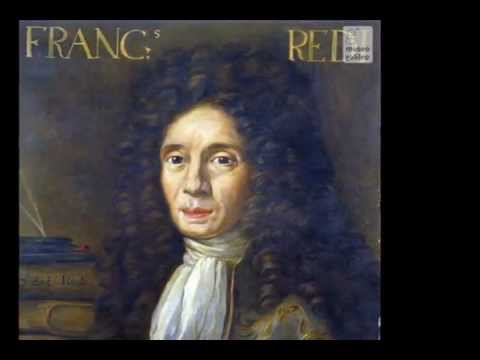
Francesco Redi demonstrated that maggots resulted from flies laying eggs on rotting meat and not by spontaneous generation[3].
-
1665:
The very first microscope was invented by Robert Hooke. Because of this, Robert Hooke was the first one to have a close look at a cell appears to be, and he published his description in his However, Hooke's observations showed no features of the nucleus and other organelles that are usually found in most living cells[4].
-
1674:
Using a microscope, Anton van Leeuwenhoek witnessed a live cell.
DURING THE 18TH CENTURY
-
1740 to 1776:
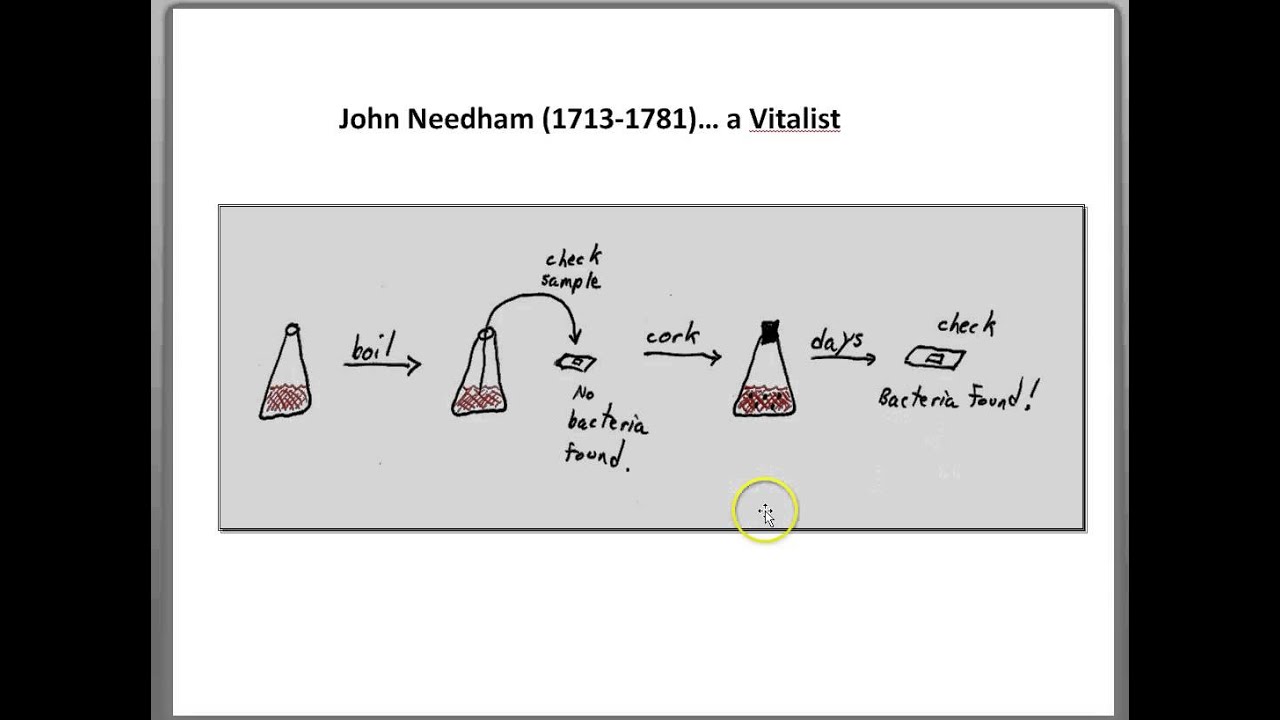
The debate over Spontaneous Generation continued. John Needham and Lazzaro Spallanzani performed experiments involving spontaneous generation.
-
1798:
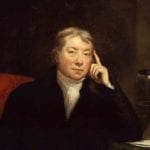 Edward Jenner helped developed a vaccine for smallpox[3]. Learn more about smallpox and vaccination from here.
DURING THE 19TH CENTURY
-
1839:
Theodor Schwann also examined the idea of spontaneous generation, which eventually led to its disproof. In the course of his experiments, he discovered the organic nature of yeast. Louis Pasteur's Germ theory and its antiseptic applications by Joseph Lister can be traced back to Schwann’s influence.
-
1861:
Louis Pasteur introduced the terms “aerobic” and “anaerobic” in describing the growth of yeast at the outlay of sugar in the presence or absence of oxygen. He observed that more alcohol was produced without oxygen when sugar was fermented. The phenomenon was later termed the Pasteur Effect.
The terms “biogenesis” (life comes only from pre-existing life) and “abiogenesis” (life comes from nonliving materials, and what had previously been called spontaneous generation) as used by Huxley in this speech have become the standard terms for the discussion of how life originated[2].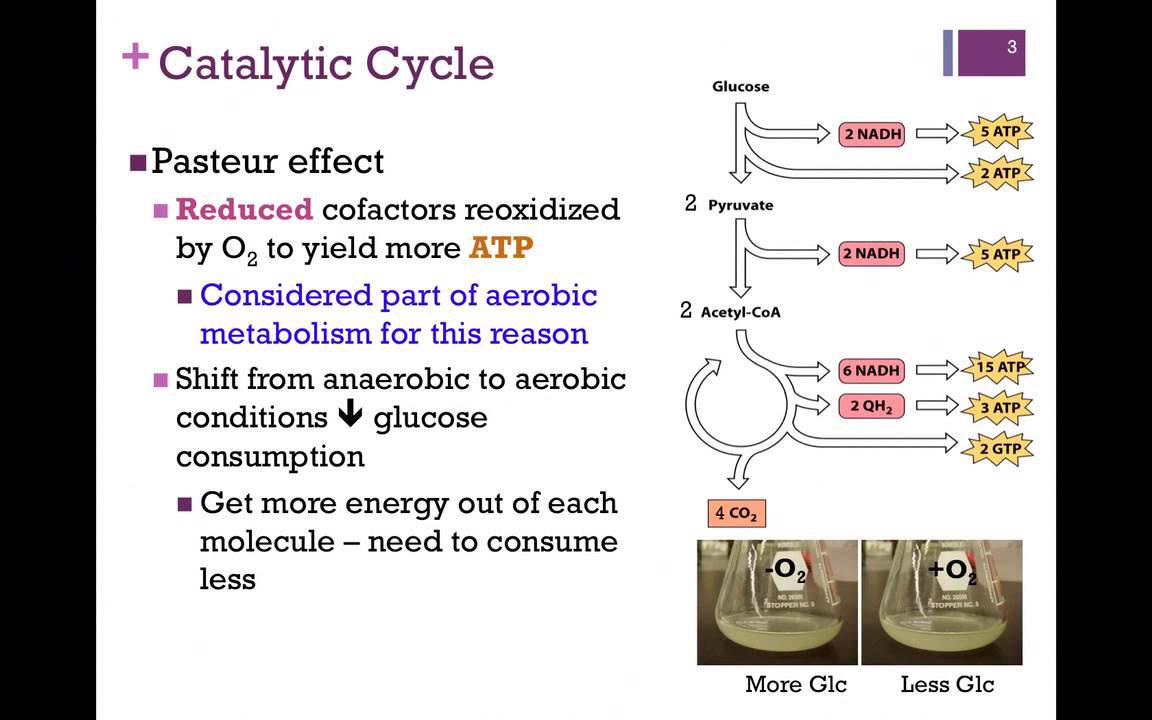
-
1868:
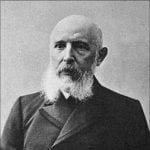 Based on his epidemiological studies, Armauer Hansen demonstrated that certain rods represented the infectious origin of leprosy. This is the first time chronic infectious disease in humans is related to Bacillus.
 -
1875:
In the publication Ueber Bakterien, Ferdinand Cohn discussed the role of microorganisms in the sequencing of elements in nature. In 1875, Cohn published for the first time an early classification of bacteria, using the genus name Bacillus[2].
-
1876:
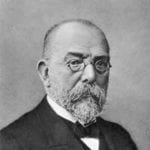 Robert Koch published a paper on his work with anthrax. This pointed to a bacterium as the cause of this disease and validated the germ theory of disease.
 -
1877:
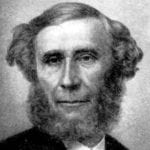 John Tyndall published a method for fractional sterilization and clarified the role of heat resistant factors (spores) in putrefaction. The process of lactic acid fermentation of milk was discovered by Joseph Lister; His research was conducted using the very first method developed for the isolation of a pure culture of a bacterium[5].
 -
1881:
In his book, Methods for the Study of Pathogenic Organisms, Robert Koch described his success with solidified culture media.The dye methylene blue was used in bacteriological staining[2]. The use of agar as a solidifying agent in preparing solid media was done for the first time. Because of its ability to resist digestion by bacterial enzymes and to remain solid at temperatures up to 100 degrees centigrade, it soon replaced gelatin as a solidifying agent for growing bacteria.
-
1882:
Robert Koch isolated Mycobacterium tuberculosis, the bacterium which causes tuberculosis. The search for the tubercule bacillus was more difficult than the search for the cause of anthrax. The concept of phagocytosis was discovered when certain body cells go to the areas where they tend to “eat” or “consume” bacteria and other particles[3]. Hans Christian Gram developed the process of staining bacteria (Gram stain) with relevant dyes to reveal their structures for identification purposes. The distinction is correlated with other structural and biochemical differences not long after. For the first time, the term “virus,” which originally meant “poison” was used by Pasteur. Despite this, he had no idea about the mechanism of infection of the organism. It was discovered that antibodies are responsible for immunity.
-
1885:
This is the breakthrough for the establishment of protection against disease by the inoculation of a weakened strain of the causative agent. Louis Pasteur developed the “attenuation” of a virulent pathogen, the agent of chicken cholera. Pasteur used the word “attenuated” to mean “weakened“. As Pasteur recognized, the concept first came from Jenner’s success with the smallpox vaccination.
-
1892:
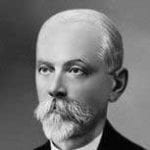 The first evidence of the filterability of a pathogenic agent, the virus of tobacco mosaic disease, was given by Dmitri Ivanowski. His work had launched the emergence of virology[3].
The 20th Century up to the present
-
Early 1900s:
Microbial growth factor, or the requirements for bacterial growth, was discovered. Environmental factors that affect growth and sources of metabolic energy are examples of microbial growth factors [5].
-
1906:
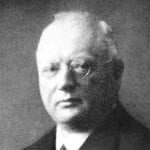 N. L. Sohngen discovered methane-utilizing and methane-producing bacteria. This study supported the claim that methane can be used as a carbon source and energy.
 -
1910:
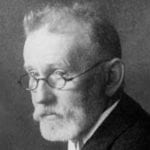 Paul Ehrlich discovered the cure (Salvarsan) for the disease syphilis. In medicine, this was the first specific chemotherapeutic agent for a disease caused by a bacterium.
 -
1915:
Bacteriophage was discovered. The process of analyzing water samples from coliforms with the use of the Most Probable Number and Multiple-tube fermentation test was introduced[1]. The difference between bacteria and viruses was established. This resulted in the emergence of virology as a sub-field of microbiology.
-
1928:
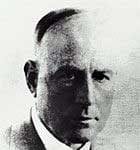 Frederick Griffith discovered bacterial transformation and this established the foundation of molecular genetics.
 -
1929:
Alexander Fleming published the effects of penicillin on Gram-positive organisms[1].
-
1946:
The process of conjugation in bacteria was discovered (see PDF here). The proof is based on the generation of daughter cells able to grow in media that cannot support the growth of either parent cell. This type of transfer, however, requires direct contact between bacteria.
-
1993:
The process of Polymerase Chain Reaction was introduced by Kary Mullis. This technique produces multiple copies of a segment of DNA in just a short period [6]. See the animation here.
Top 11 Microbiology News In 2017
Top 15 Latest Microbiology & Virology Discoveries in 2018
Latest Discoveries In Microbiology 2019
Top 10 Microbiology News of 2020

Top 15 Microbiology News of 2021
Top 15 Microbiology News of 2022
Cite this page
Bio Explorer. (2026, March 21). History of Microbiology. https://www.bioexplorer.net/history_of_biology/microbiology/
Microbiology essentially began with the development of the microscope. Although others may have seen microbes before him, it was Antony Van Leeuwenhoek, a Dutch draper whose hobby was lens grinding and making microscopes, who was the first to provide proper documentation of his observations. Antonie van Leeuwenhoek is considered a father of microbiology as he observed and experimented with microscopic organisms in 1676, using simple microscopes of his own design. Scientific microbiology developed in the 19th century through the work of Louis Pasteur and in medical microbiology Robert Koch.