
Branches of Zoology
Zoology is the study of the animal kingdom, which includes the anatomy, physiology, evolution, characteristic, and classification of all living and extinct animals.
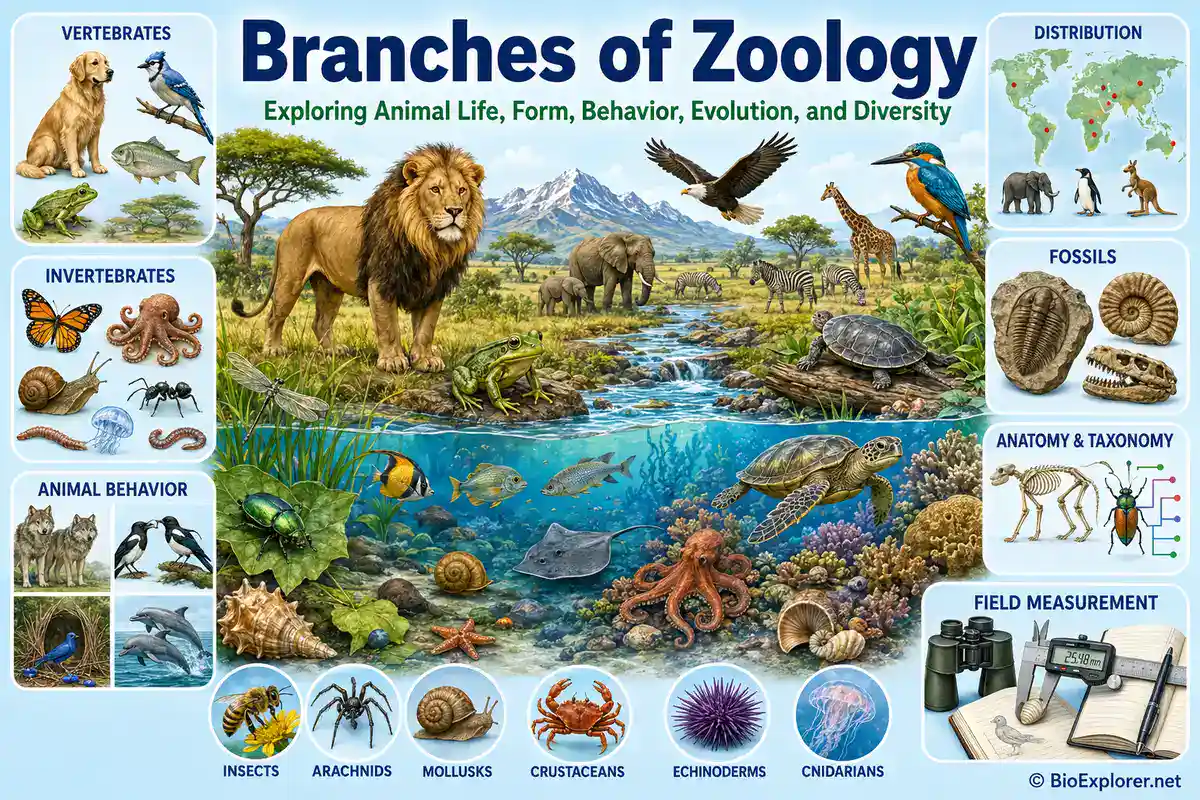
Here are the different branches of zoology and their definitions:
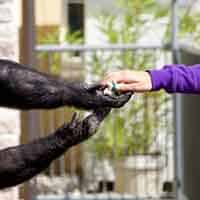
Anthrozoology
Anthrozoology is a study of the interaction between humans and other animals. This sub-discipline of zoology overlaps with anthropology, veterinary medicine, ethnology, and zoology.
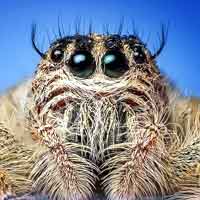
Arachnology
Arachnology is a branch of zoology that deals with the study of spiders and related species known as arachnids such as scorpions and harvestmen.
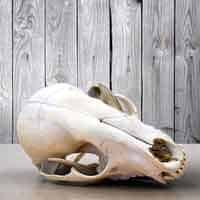
Archaeozoology
Archaeozoology is the study of dead animals or faunal remains including their bones, shells, and other body parts. It is also known as zooarchaeology.

Bionics
Bionics is the study of mechanical systems that function like living organisms or parts of living organisms. It applies biological methods and systems found in nature to the design of engineering systems and modern technology.

Cetology
Cetology is a branch of zoology that deals with the study of marine mammals including whales, dolphins, and porpoises.
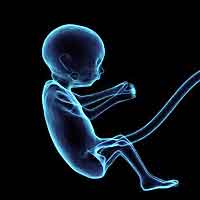
Embryology
Embryology is the branch of zoology that studies the prenatal development of gametes or sex cells, fertilization, and the development of embryos and fetuses.
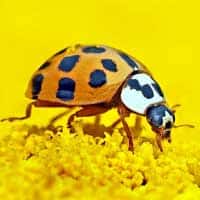
Entomology
Entomology is the study of insects. The following are key Entomology sub-branches that specialize in different groups of insects.
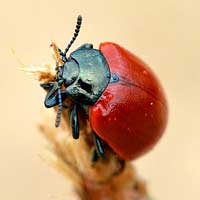
Coleopterology (Beetles)
Coleopterology is the Entomology sub-branch that concerns itself with the study of beetles.
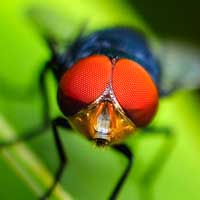
Dipterology (Flies)
Dipterology is the sub-discipline of Entomology that studies all types of flies.
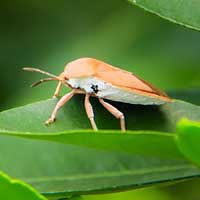
Hemipterology (True Bugs)
Hemipterology is the sub-division of Entomology that studies true bugs or Hemiptera.
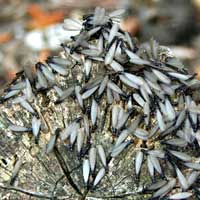
Isopterology (Termites)
Isopterology is the study of termites.
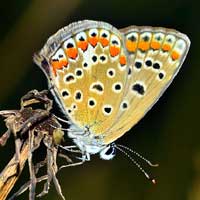
Lepidopterology (Butterflies)
Lepidopterology is a branch of Entomology that covers the study of butterflies and moths.
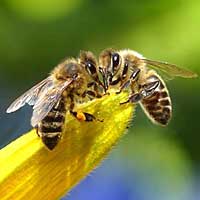
Melittology (Bees)
Melittology is the study of bees. It is also known as Apiology.
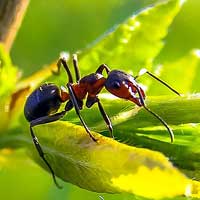
Myrmecology (Ants)
Myrmecology is a sub-discipline of Entomology that focuses on the study of ants.
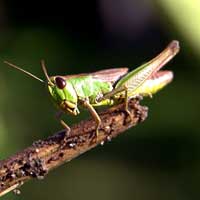
Orthopterology (Grasshoppers)
Orthopterology is a sub-discipline of Entomology which handles the study of grasshoppers, crickets, and related insects.
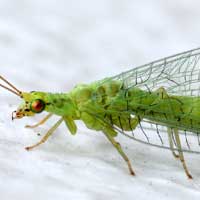
Trichopterology (Caddis Flies)
Trichopterology is a sub-branch of Entomology focusing on the study of caddis flies.
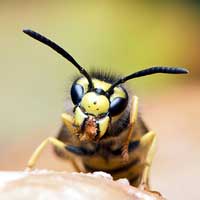
Vespology (Wasps)
Vespology is a sub-discipline of Entomology which specializes in the study of wasps.

Ethology
Ethology is a branch of zoology that deals with animal behavior in their natural habitats and studies that behavior as an adaptive trait in evolution.
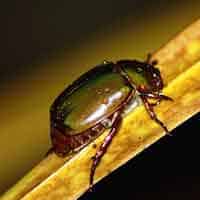
Helminthology
Helminthology is the study of parasitic worms or helminths and deals with their taxonomy and their effects on hosts.
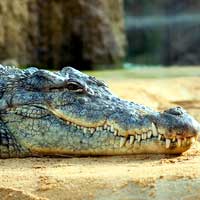
Herpetology
Herpetology is the study of reptiles and amphibians.
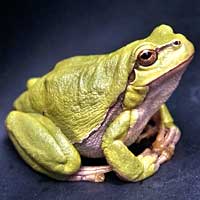
Batrachology (Amphibians)
Batrachology is a branch of Herpetology concerned with the study of amphibians alone.
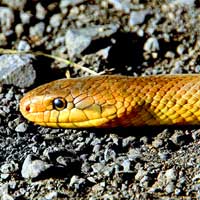
Ophiology (Snakes)
Ophiology or Ophidiology is a sub-division of Herpetology which deals with the study of ophidians or snakes.
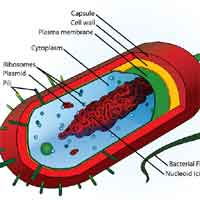
Histology
Histology is the study of the microscopic anatomy of cells and tissues of animals and plants.
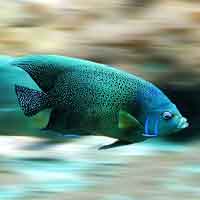
Ichthyology
Ichthyology is a branch of zoology that covers the study of fish, also known as fish science.
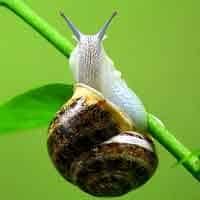
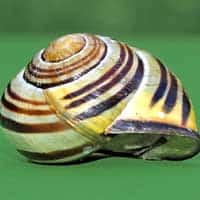
Conchology (Mollusk Shells)
Conchology is a sub-discipline of Malacology that deals with the study of mollusk shells only.

Mammalogy
Mammalogy is the study of mammals and their characteristics. It is also referred to as Mastology, Theriology, or Therology.
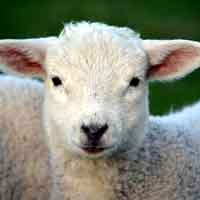
Morphology
Morphology is a branch of zoology dealing with the form and structure of organisms and their specific structural features.
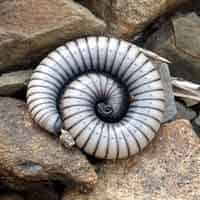
Nematology
Nematology is a sub-discipline of zoology that studies roundworms or nematodes.
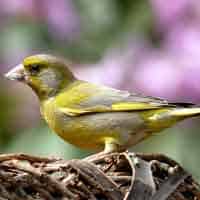
Ornithology
Ornithology is a branch of zoology that deals with the study of birds. Check out the most colorful birds in the world.

Palaeozoology
Palaeozoology is a branch of zoology that deals with the study of fossil animals to identify multicellular animals from a geological perspective and to establish prehistoric environments and ecosystems.
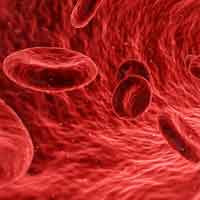
Pathology
Pathology is the study of bodily fluids in the laboratory such as blood, urine, or tissues to diagnose disease. It further narrows to plant pathology for plants and veterinary pathology for animals.
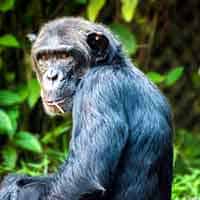
Primatology
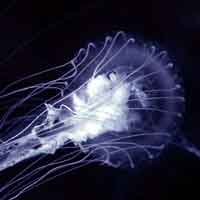
Protozoology
Protozoology is a branch of zoology that deals with the study of Protozoa, unicellular organisms such as amoeba.

Taxonomy
Taxonomy is a study that defines groups of biological organisms based on shared characteristics and gives names to those groups. See more in the article on levels of biological organization.

Zoogeography
Zoogeography is the scientific study of the geographical distribution of animal species, both historical and contemporary, around the world.
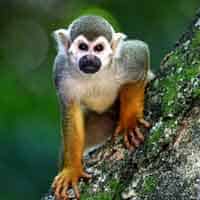
Zoography
Zoography is the study of animals and their habitats and is also known as descriptive zoology.
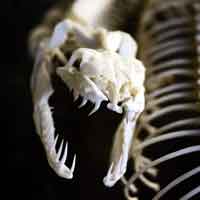
Zoometry
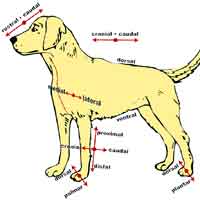
Zoometry is a sub-division of zoology that deals with measurements such as the length or size of animal parts.
Zootomy
Human Anatomy is the study of the structure of humans and their various parts, whereas Zootomy specifically refers to animal anatomy.
2 Comments