A Giant Extinct Megapode Was Hiding in the Hobbit Cave of Flores
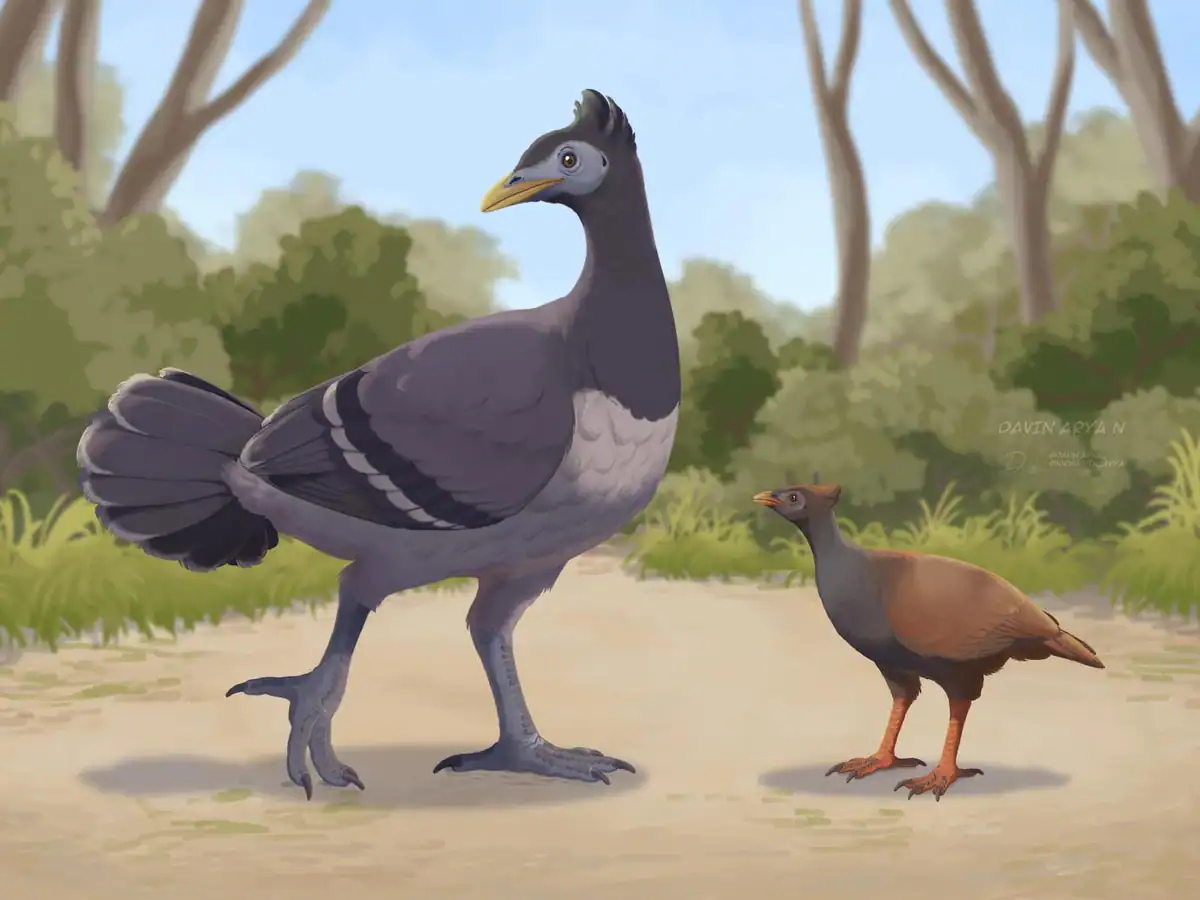
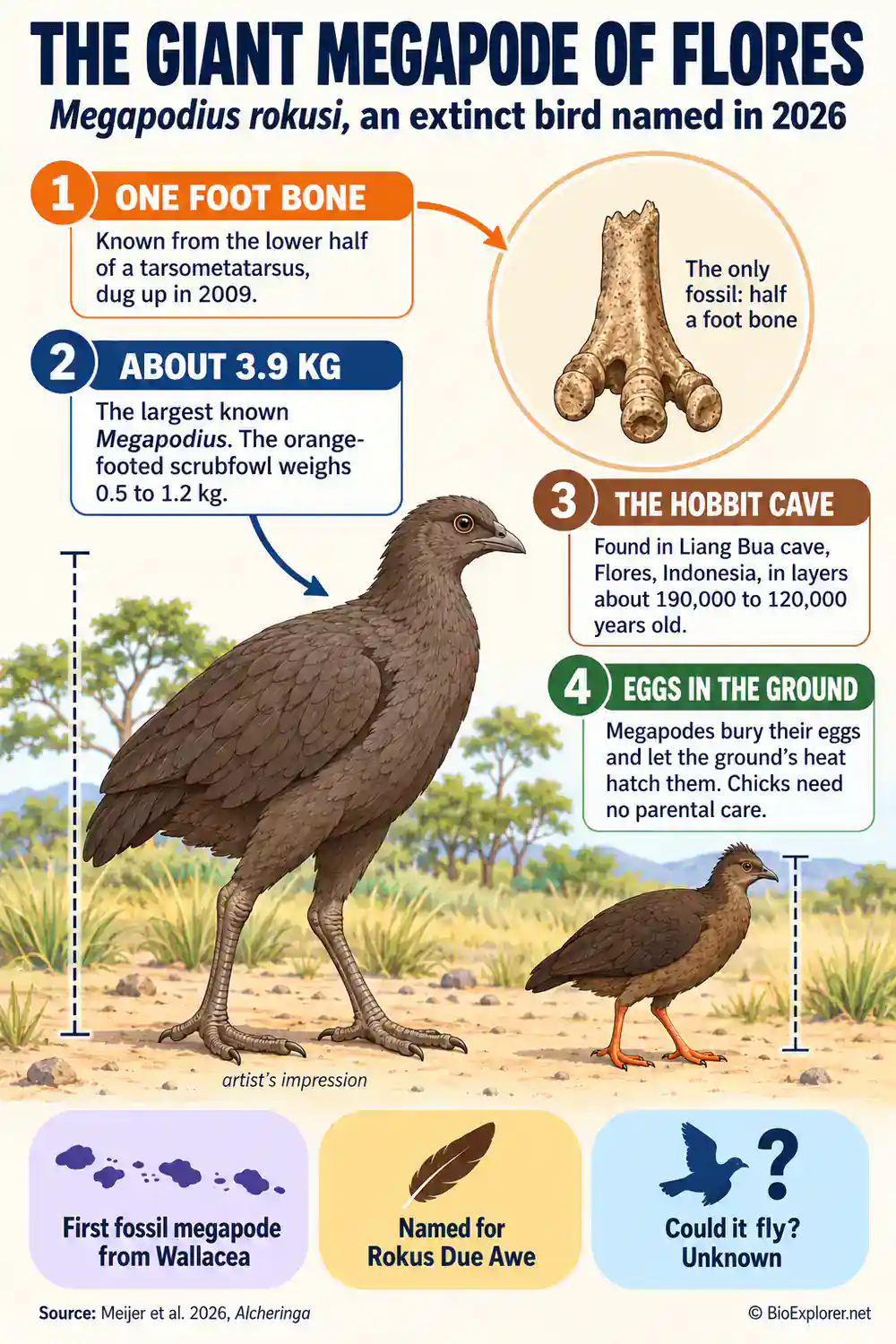
A megapode is a chicken-like bird that buries its eggs and lets the warm ground hatch them. Scientists have now named a giant extinct megapode from Liang Bua, the cave on the Indonesian island of Flores where Homo floresiensis, nicknamed the “Hobbit”, was found. The new species weighed an estimated 3.9 kg (8.7 lb), several times as much as the megapode living on Flores today.
The bird is called Megapodius rokusi. It is known from a single partial foot bone, dug up in 2009 from the oldest layers of the cave. Those layers date to about 190,000 to 120,000 years ago.
Hanneke Meijer, a paleontologist at the University Museum of Bergen in Norway, led the study with colleagues from Indonesia and Canada. It was published on October 22, 2026, in Alcheringa: An Australasian Journal of Palaeontology. Meijer spoke with BioExplorer about the find.
Megapodius rokusi is an extinct megapode described in October 2026 from Liang Bua cave on Flores, Indonesia. It weighed about 3.9 kg, making it the largest known member of its genus. It is the first fossil megapode described from Wallacea, the island region between Asia and Australia.
A Bone Too Big
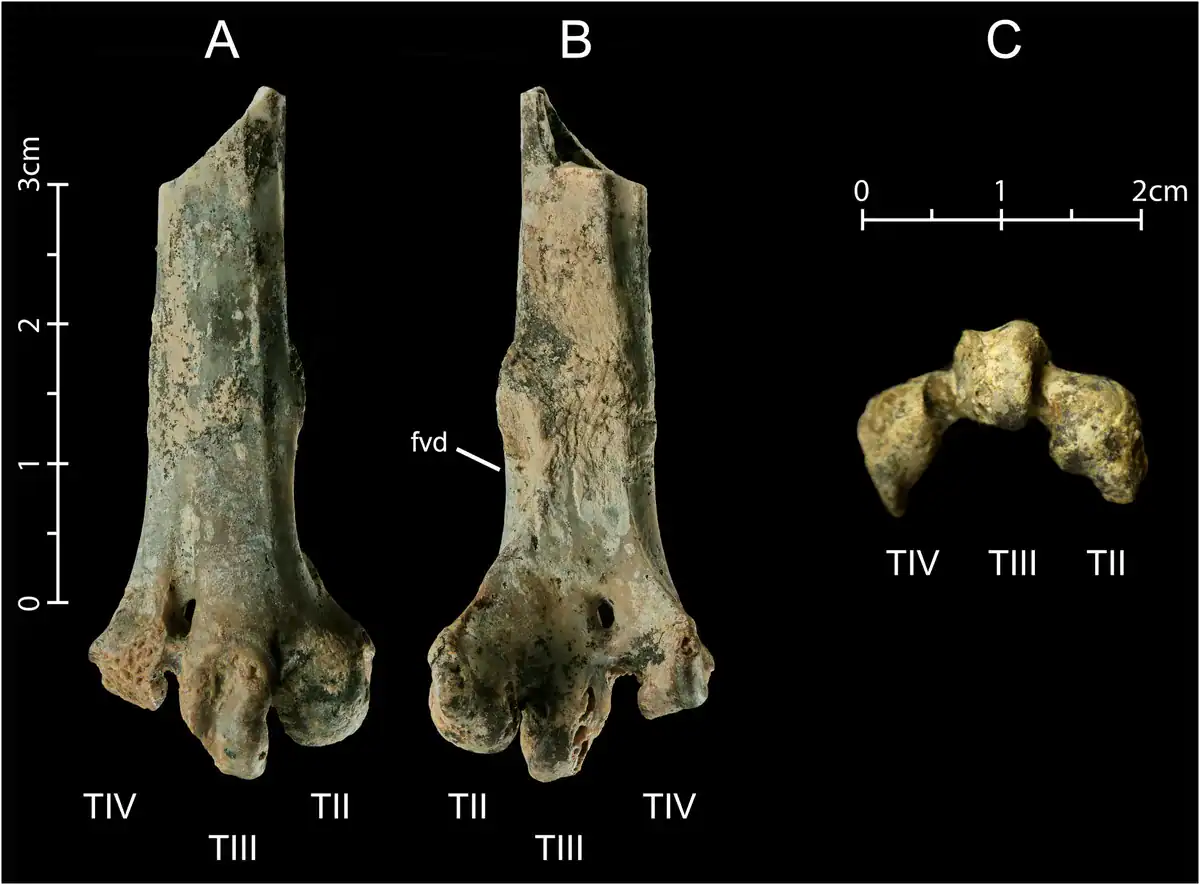
The fossil is the lower half of a right tarsometatarsus. In birds, this is the long bone between the ankle and the toes. Excavators found it in a small trench near the cave’s eastern wall, about 6.8 meters below the cave floor.
The bone was one of 166 bird remains from that trench. Meijer noticed right away that it did not match any living species.
I realized this bone was something different because it was bigger than other species of living megapodes. This told me that it could not be any of the species of megapodes that are still alive today.
Hanneke Meijer, University Museum of Bergen
The team compared it with skeletons of living and extinct megapodes at the Smithsonian’s National Museum of Natural History. Its shape differed from all of them, and its size exceeded every known species in the genus Megapodius.
A Giant Megapode
From the bone’s size, the researchers estimate that Megapodius rokusi weighed about 3,932 grams. The only megapode on Flores today, the orange-footed scrubfowl (Megapodius reinwardt), weighs 0.5 to 1.2 kg.
That puts the new bird in the range of the large extinct megapodes of Australia. It was also bigger than two extinct Megapodius species from Fiji and Tonga, one of which is thought to have been flightless.
Whether Megapodius rokusi could fly is unknown. The paper notes that most megapodes are strong fliers, but no wing or shoulder bones of the new species have been found. Island birds often grow large and lose flight, as seen in many flightless birds, but that cannot be tested with a foot bone alone.
Older Than the Hobbits
Liang Bua is a large limestone cave whose layers cover roughly the past 190,000 years. It is famous for the bones of Homo floresiensis, a small human species about 3.5 feet (1.1 m) tall. According to the Smithsonian, its fossils date to about 100,000 to 60,000 years ago, and its stone tools to about 190,000 to 50,000 years ago.
The megapode bone comes from an older layer than the Hobbit fossils. As a result, the study does not show that the bird and Homo floresiensis met, although their time on Flores may have overlapped.
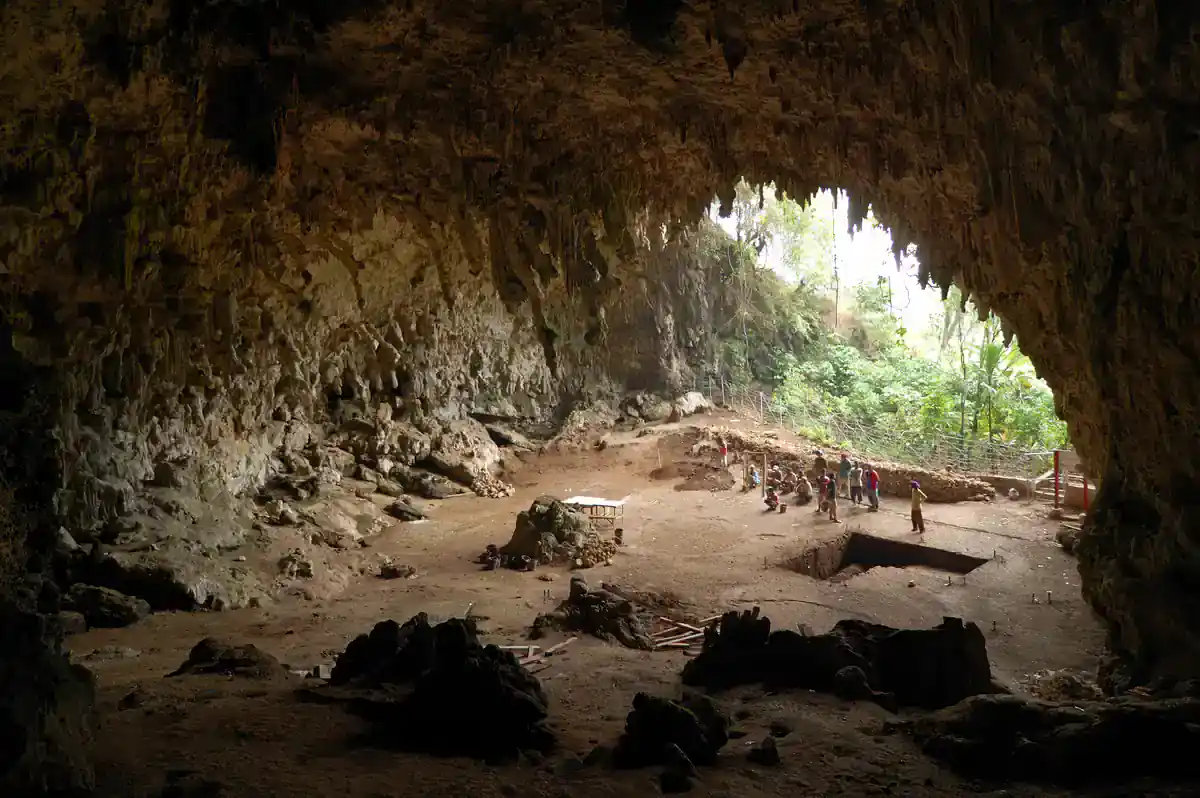
The cave held an unusual cast of animals. It includes a dwarf elephant relative called Stegodon, Komodo dragons, a giant extinct relative of the marabou, one of the largest types of storks alive today, and vultures. Birds make up only about 1% of the animal remains, yet they are the most varied group, with more than 40 kinds described.
This new species of megapode shows us that Pleistocene Flores was home to several extinct species of large birds.
Hanneke Meijer, University Museum of Bergen
During the Pleistocene, the area around the cave was open grassland with patches of closed forest. The authors note that this would have offered good nesting ground for megapodes.
Named for Rokus
The species name honors Rokus Due Awe (1942 to 2015), an Indonesian zooarchaeologist born on Flores. He assisted Dutch priest Theodor Verhoeven on digs across the island in the 1960s and 1970s and later worked at Liang Bua.
Due Awe was the first person to correctly identify the human bones and teeth that became part of Homo floresiensis. He was also the first to identify the bird bones from this trench. According to the paper, Megapodius rokusi is the first megapode named after an Indonesian researcher.
Birds That Bury Eggs
Megapodes do not use body heat to incubate their eggs. Instead, they bury them in mounds of rotting plants, warm sand or volcanic soil, and some species tend the mound to keep it at the right temperature. The chicks hatch more developed than those of any other bird, dig their way out and need no care from their parents.
The orange-footed scrubfowl also lives on nearby Komodo Island. A 2009 study there found that it builds most of its mounds in open monsoon forest with little shade. Komodo dragons prey on megapode nests, and female dragons often lay their own eggs in old megapode mounds.
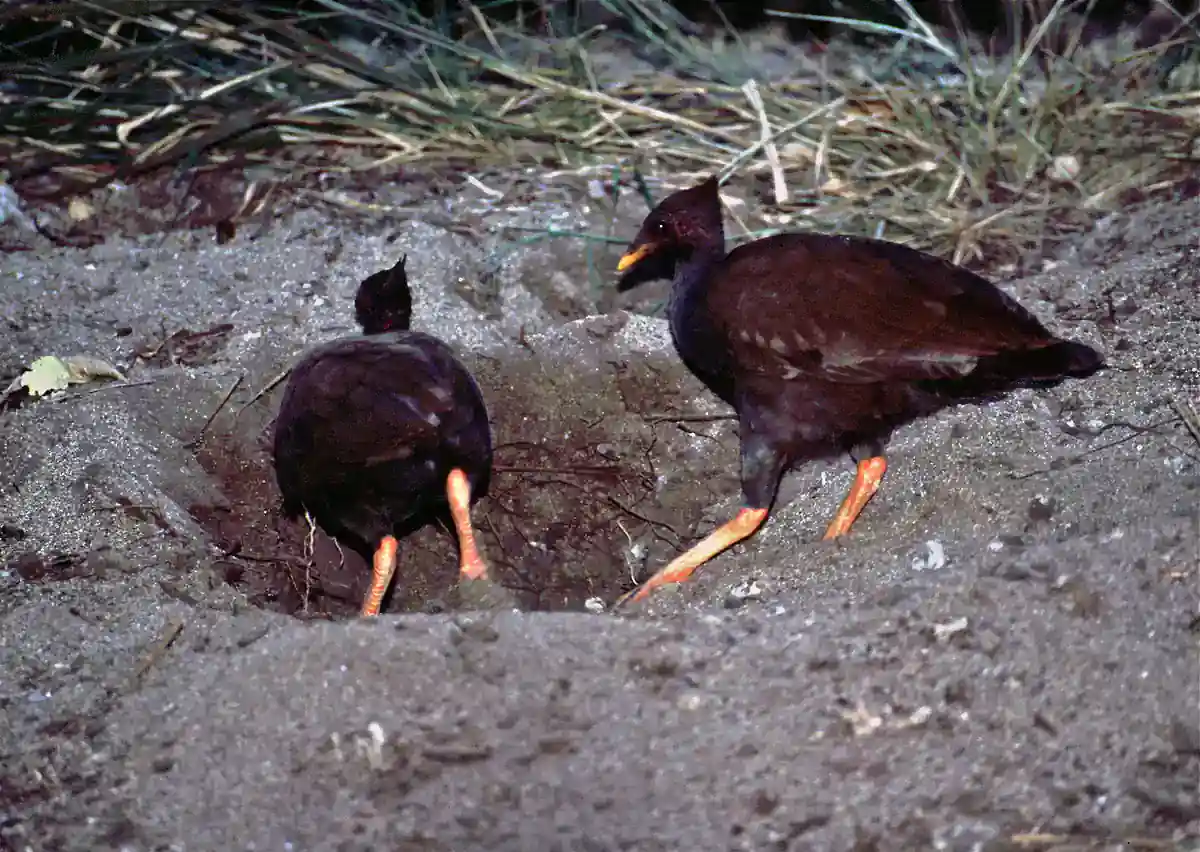
Megapode eggs are large and rich, with yolk making up 50 to 60% of the egg’s weight. In parts of the Moluccas, a traditional system called sasi has long governed who may harvest megapode eggs.
Eggs on the Menu?
The authors point out that megapode eggs would have been an easy source of food for Homo floresiensis. Modern humans, who reached the region around 50,000 years ago, could have collected them too. Whether the giant megapode still lived on Flores by then is unknown.
The eggs of megapodes are very nutritious and it is very possible that Homo floresiensis would have excavated eggs from the megapode nests. Unfortunately we do not have any egg remains from Liang Bua so for now that remains speculation.
Hanneke Meijer, University Museum of Bergen
The bone itself holds no clues about hunting. Meijer told BioExplorer that it shows no cut marks or tooth marks, so there is no sign that hominins ate this bird.
When more bones are found, we can examine them closely to see if any of them show signs of hunting or butchering.
Hanneke Meijer, University Museum of Bergen
A Lost Diversity
In 2006, ornithologist David Steadman estimated that at least as many megapode species have gone extinct as are alive today. Human hunting was the likely cause of several recent megapode extinctions on Pacific islands. The new species adds Wallacea to the list of places where megapodes were once more diverse, joining many other extinct birds known only from bones.
Meijer said large megapodes were more common in Australia in the past. She noted that the arrival of modern humans may have played a role in their disappearance, but there is too little material yet to say what happened to Megapodius rokusi.
It is also unclear whether the giant bird ever lived alongside the smaller orange-footed scrubfowl. The paper raises a speculative idea: the scrubfowl may have reached Flores only after Megapodius rokusi had disappeared.
At a Glance
| Detail | What the paper reports |
|---|---|
| Species | Megapodius rokusi (new, extinct) |
| Fossil | Lower half of a right tarsometatarsus |
| Found | Liang Bua cave, Flores, Indonesia, in 2009 |
| Age | About 190,000 to 120,000 years |
| Estimated weight | About 3.9 kg (8.7 lb) |
| Living relative on Flores | Orange-footed scrubfowl, 0.5 to 1.2 kg |
| Named for | Indonesian zooarchaeologist Rokus Due Awe |
| Significance | First fossil megapode described from Wallacea |
FAQs
A megapode is a chicken-like bird from Australia, New Guinea, eastern Indonesia, the Philippines and Pacific islands that buries its eggs. Heat from rotting plants, the sun or volcanic soil incubates the eggs, and the chicks need no parental care after hatching.
Megapodius rokusi is an extinct megapode named in October 2026 from a foot bone found in Liang Bua cave on Flores, Indonesia. It weighed an estimated 3.9 kg, making it the largest known species in the genus Megapodius.
The new megapode weighed about 3.9 kg (8.7 lb). That is at least three times the weight of the orange-footed scrubfowl, the only megapode living on Flores today, which weighs 0.5 to 1.2 kg.
No one knows yet. The megapode bone has no cut or tooth marks, and no eggshell has been found at Liang Bua. The study’s authors suggest megapode eggs would have been an accessible food, but this remains speculation.
No one knows yet. The bone dates to about 190,000 to 120,000 years ago, older than the Homo floresiensis fossils, which date to about 100,000 to 60,000 years ago. Their time on Flores may have overlapped, but no evidence shows the two met.
The cause is unknown. With only one bone, scientists cannot tell when or why it disappeared.
Cite this page
BioExplorer. (2026, October 28). A Giant Extinct Megapode Was Hiding in the Hobbit Cave of Flores. https://www.bioexplorer.net/new-megapode-species.html/