Seabirds Wore Magnets and Still Found Their Way Home
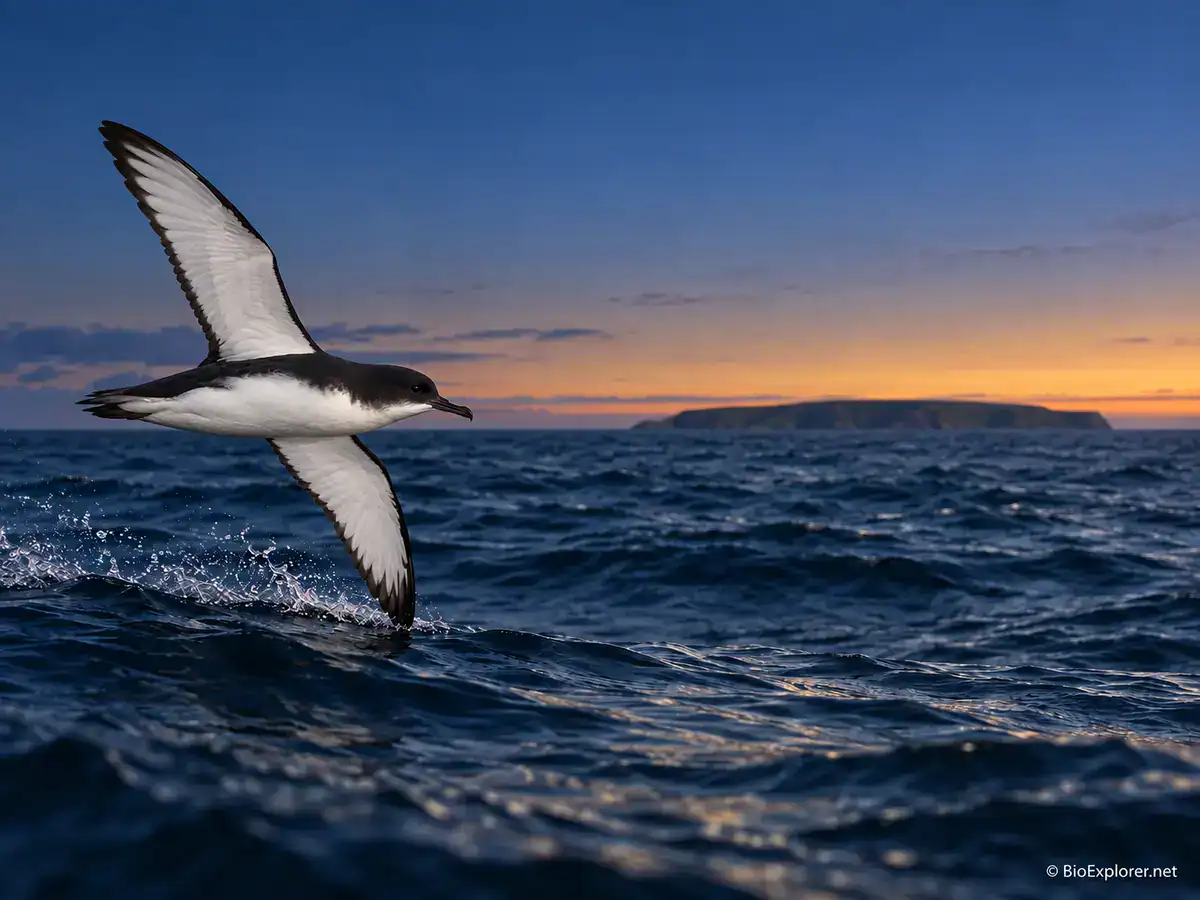
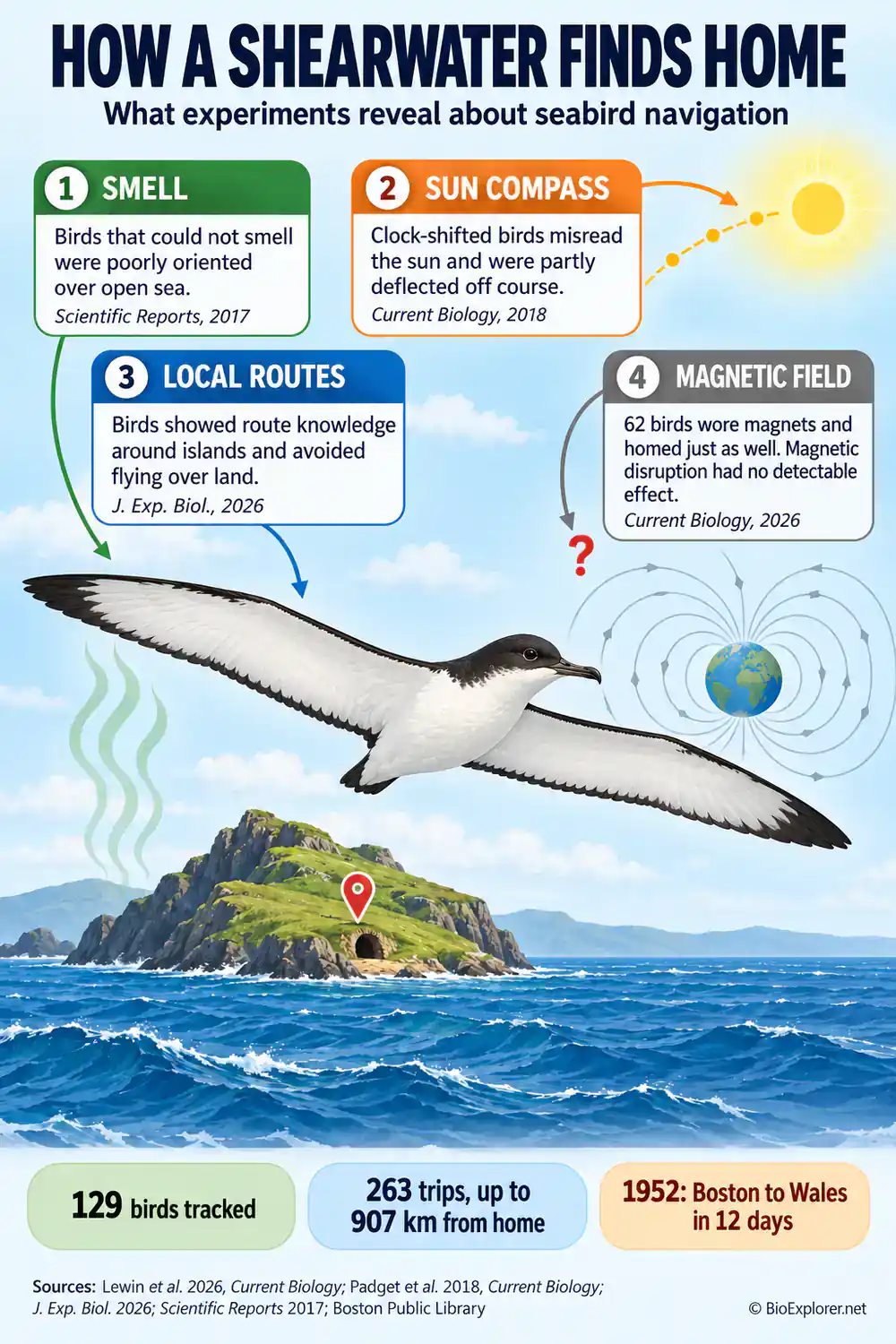
On June 3, 1952, a Manx shearwater was released at Boston’s Logan Airport, more than 3,000 miles from its nest in Wales. The bird, ringed AX6587, was back in its burrow on Skokholm Island 12 days later. At the time, it was the longest homing flight ever recorded, according to the Boston Public Library.
More than 70 years later, scientists are still working out how birds like this one find their way. Earth’s magnetic field is often given as the answer. A new study of Manx shearwaters, published in Current Biology in September 2026, found that these seabirds homed normally even when magnets scrambled that field.
The study’s lead author, Patrick Lewin of the University of Oxford, also answered BioExplorer’s questions about the findings.
Birds combine several cues, including the sun, smell, landmarks and, in some species, Earth’s magnetic field. In a 2026 Oxford-led study, Manx shearwaters carrying magnets homed just as accurately as birds without them. The result suggests the magnetic sense is not essential for every bird on every trip.
How Do Birds Navigate Guide:
The Magnet Experiment
The team, led by Patrick Lewin and Tim Guilford of the University of Oxford, worked at two colonies. One was Skomer Island in Wales, and the other was Lighthouse Island in Northern Ireland. The fieldwork ran in May and June of 2023 and 2024.

For 62 of the 129 adult Manx shearwaters in the study, a small capsule on the upper back held an 8 mm neodymium magnet. The other 67 birds carried a brass bead of the same size and weight instead. Each bird’s devices weighed about 13.4 grams in total, whichever group it was in.
According to the paper, the magnet created a field 1 to 8 times as strong as Earth’s field at the bird’s head. The magnet could also shift inside the capsule. As a result, the false field jostled unpredictably, which was meant to keep the birds from reading Earth’s field reliably.
GPS loggers tracked 263 foraging trips, 104 by magnet birds and 159 by control birds. Trips lasted 1 to 17 days, and some shearwaters flew as far as 907 km (564 miles) from the colony. The authors describe their work as the largest magnetic disruption experiment in wild birds to date.
What They Found
The magnets made no measurable difference. Shearwaters carrying magnets stayed at sea just as long, traveled just as far and gained about as much weight as the control birds.
- Homing efficiency, a measure of how direct the trip home was, did not differ between the two groups.
- Out on the open sea, beyond sight of land, magnet birds strayed no further from the homeward line than control birds.
- Within 30 km (19 miles) of the colony, the two groups again performed the same.
- At night, when the sun compass was unavailable, magnet birds still headed home just as accurately.
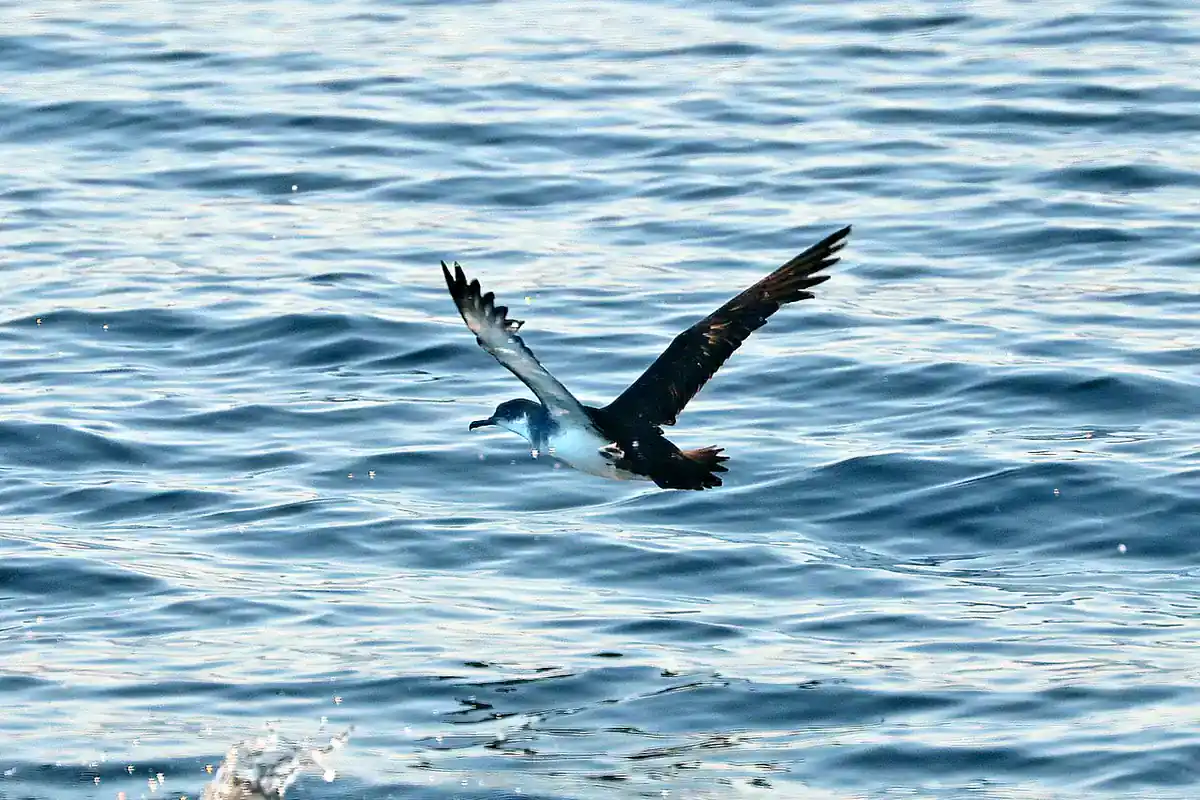
The researchers also checked whether a small effect could be hiding in the data. Nearly all of their effect estimates fell below the usual cutoff for even a small effect. The Oxford team concluded that adult shearwaters do not need magnetic cues to home accurately on these trips.
Lewin told BioExplorer that the lack of even a very small effect is what surprised the team. “We did think there might be some subtler effects (e.g. maybe on distance estimation)“, he said. Because the team already suspected that smell and the sun compass matter far more, he added, “we weren’t completely shocked!“
The 2020 Puzzle
The result stands out because of earlier work by the same Oxford group. In 2020, Joe Wynn and his colleagues studied 80 years of ringing records for Manx shearwaters. They found that young birds seem to learn the magnetic inclination of their birth colony before they fledge.
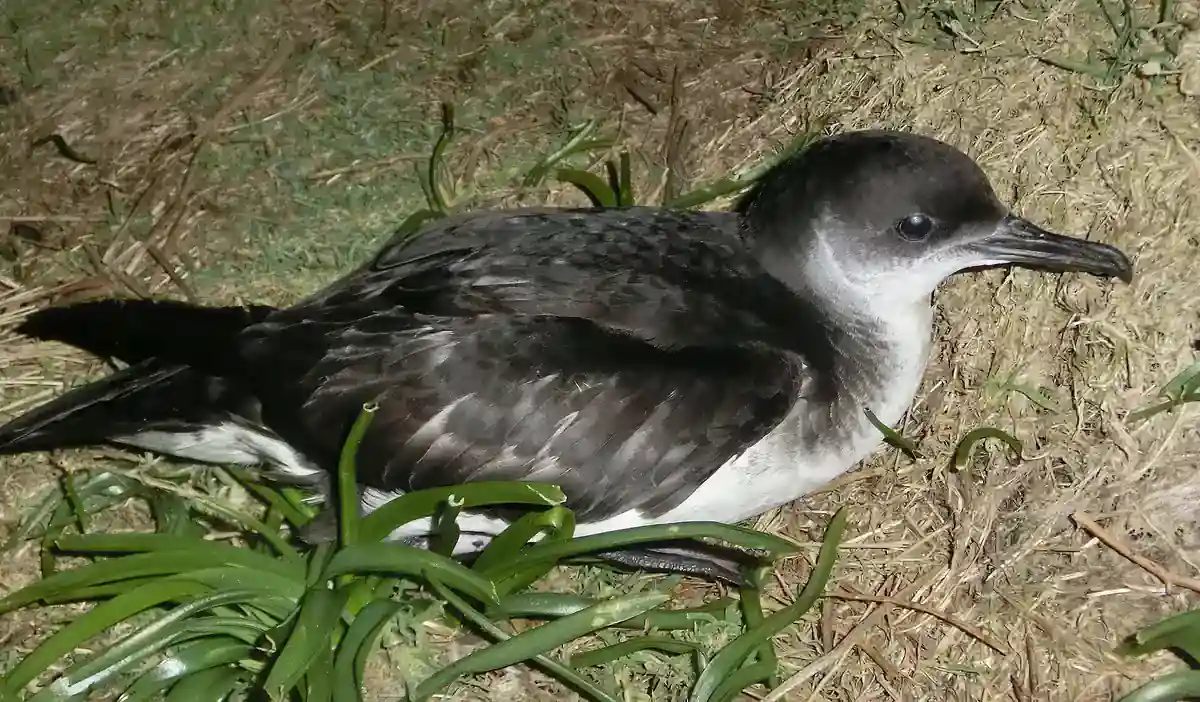
Magnetic inclination is the angle at which Earth’s field lines dip toward the ground, and it changes with latitude. A young shearwater may use that remembered angle to return to roughly the right latitude after its first migration. The 2020 study, also published in Current Biology, pointed to a magnetic sense in a bird that spends most of its life over open ocean.
The two studies do not have to conflict. The 2026 authors suggest the magnetic field may matter most on ocean-wide migrations, or at night in very low light. Adult shearwaters on familiar foraging trips may simply lean on other senses.
How Shearwaters Navigate
Earlier experiments point to smell as a key sense. In a 2017 Scientific Reports study of Scopoli’s shearwaters, a Mediterranean relative, birds that could not smell were poorly oriented toward home over open water. The smell-deprived birds still foraged, gained weight, followed coastlines and made it back to the colony.
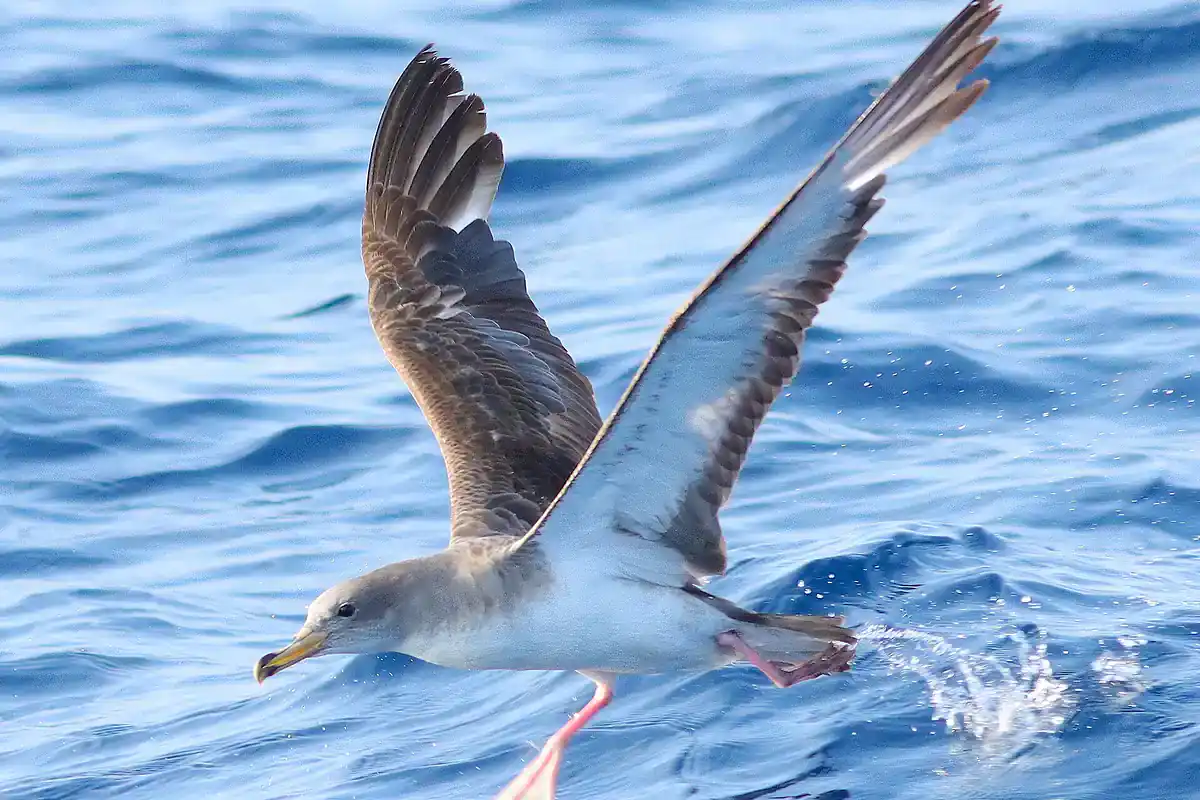
That 2017 study also fitted some Scopoli’s shearwaters with magnets. Most of those birds lost their magnets during the trip, so the authors said they could not draw firm conclusions about magnetism.
Seabirds are thought to follow ocean odors such as dimethyl sulfide, a gas linked to plankton-rich water. Dimethyl sulfide is a leading candidate for a navigational odor, though no experiment has yet shown that birds steer by it. A 2026 paper in Scientific Reports built a daily map of the gas across the North Atlantic so researchers can test that idea against seabird tracks.
Lewin explained that shearwaters are not simply tracking a scent trail back to its source. Different odors rise and fall in strength across the ocean, and a bird can combine those gradients into a kind of map.
It’s not that these birds are following odour plumes, but rather that there are gradients in the concentrations of various odours through space, which can be combined to give a ‘grid map’.
Patrick Lewin, lead author, University of Oxford
Manx shearwaters also steer by the sun, which only works as a compass if the bird knows the time of day. In a 2018 Current Biology experiment, researchers shifted the internal clocks of nesting shearwaters and then moved the birds away from the colony. The clock-shifted birds misjudged the sun’s position, and their homing direction was partly deflected off course.
Lewin described how the two senses likely work together. Shearwaters “probably have an olfactory map that tells them where they are“, he said, and “a sun compass which tells them whether they’re facing in that direction“.
Shearwaters also seem to know their local surroundings, and they avoid flying over land. In a 2026 study in the Journal of Experimental Biology, displaced birds preferred the shorter of two routes around their home island, even when the difference was small. Yet in a 2022 experiment, four birds released on the far side of Ireland flew an extra 900 km (560 miles) around the island instead of crossing it.
The Oxford team calls this pattern asymmetric cue redundancy, meaning the birds’ backup senses are not equally important. Blocking smell measurably harmed orientation over open sea, and shifting the birds’ clocks partly deflected their homing. Magnetic disruption, by contrast, produced no detectable effect.
The Magnetic Sense
Many animals, from moths to sharks, are thought to navigate with Earth’s magnetic field, the 2026 paper notes. A landmark 1972 study in Science showed that European robins have a magnetic compass. Night-migrating songbirds are sensitive to the angle of the field and appear to use it as a compass.
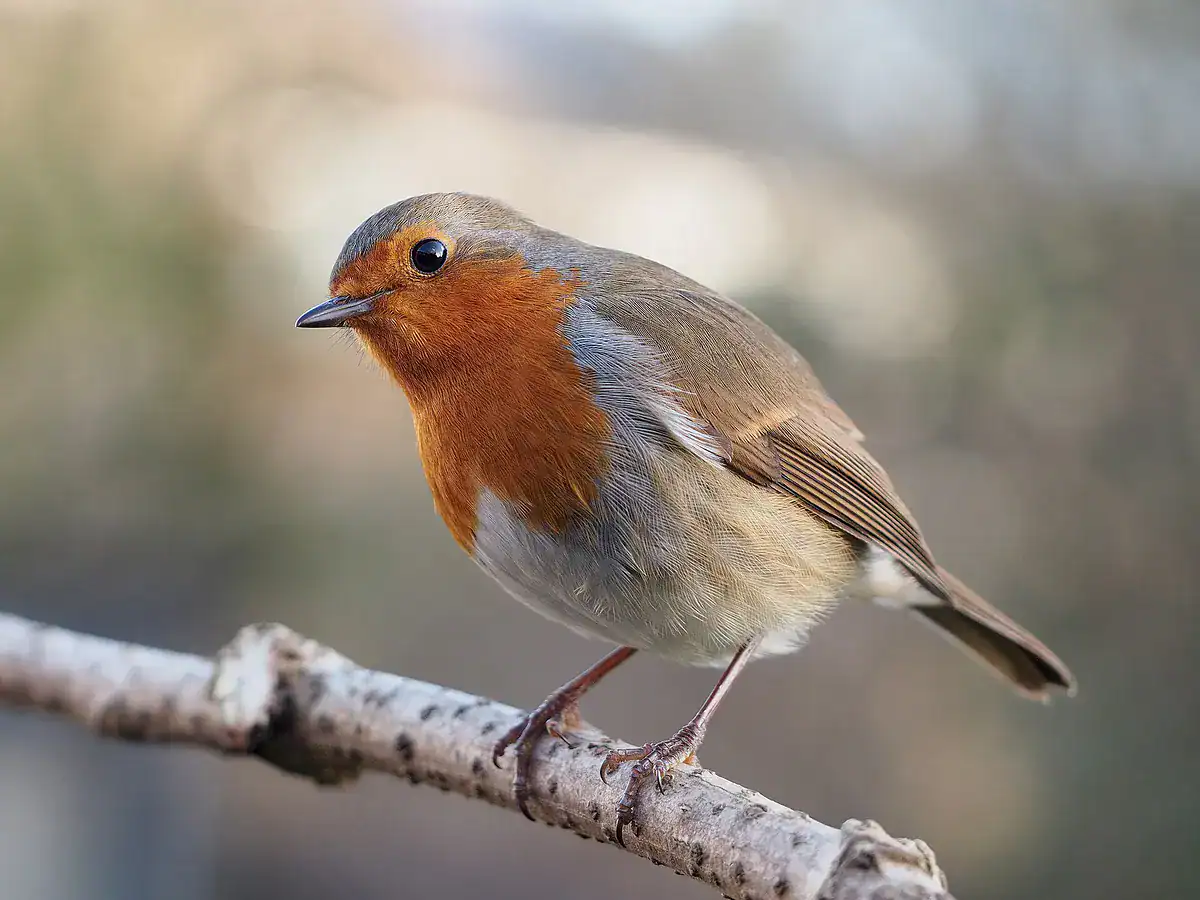
One leading idea for how birds sense the field involves a light-sensitive protein in the eye called cryptochrome 4. In 2021, a team reported in Nature that robin cryptochrome 4 responds to magnetic fields in the lab. The robin protein reacted more strongly than the same protein from chickens or pigeons.
The 2026 paper points out that no magnetic receptor has been definitively identified in birds. Magnet experiments on other birds, including homing pigeons, have also produced mixed results.
Why It Matters
The shearwater study does not show that birds never use magnetism. The findings apply to adult Manx shearwaters on foraging trips, not to their long migrations. The study also cannot rule out that shearwaters sense the field but do not rely on it on these trips.
The authors argue that magnetic cues are important for many animals but are not universal in animal navigation. Daytime seabirds may rely on different senses than night-flying songbirds. The Oxford team suggests the next step is to learn why different groups of birds navigate in different ways.
Lewin would like to test the 2020 magnetic imprinting idea with a direct experiment. He told BioExplorer that this would probably be impossible in shearwaters. Young shearwaters take a long time to return from their first migration, and a big enough sample of returning birds is hard to find.
Songbirds may be better subjects, Lewin said. A 2022 Science study led by Joe Wynn found a similar pattern in Eurasian reed warblers, again from long-term ringing records rather than a direct experiment.
Manx shearwaters from Britain and Ireland cross the equator each year to spend the winter off South America, according to the Oxford Navigation Group. How the shearwaters find their way on those ocean-wide journeys is still an open question. The same is true for many other types of birds that migrate across oceans.
At a Glance
| Cue | Study | Finding |
|---|---|---|
| Smell | Scientific Reports, 2017 | Shearwaters that could not smell were poorly oriented over open sea |
| Sun compass | Current Biology, 2018 | Clock-shifted shearwaters were partly deflected off course |
| Topography and local routes | Biology Letters, 2022; J. Exp. Biol., 2026 | Shearwaters showed route knowledge around islands and avoided crossing land |
| Magnetic field, young birds | Current Biology, 2020 | Birth-colony inclination linked to latitude on return |
| Magnetic field, adults | Current Biology, 2026 | Magnets caused no change in homing |
FAQs
Cite this page
BioExplorer. (2026, October 2). Seabirds Wore Magnets and Still Found Their Way Home. https://www.bioexplorer.net/how-do-birds-navigate.html/
About the author