
Types of Mammals
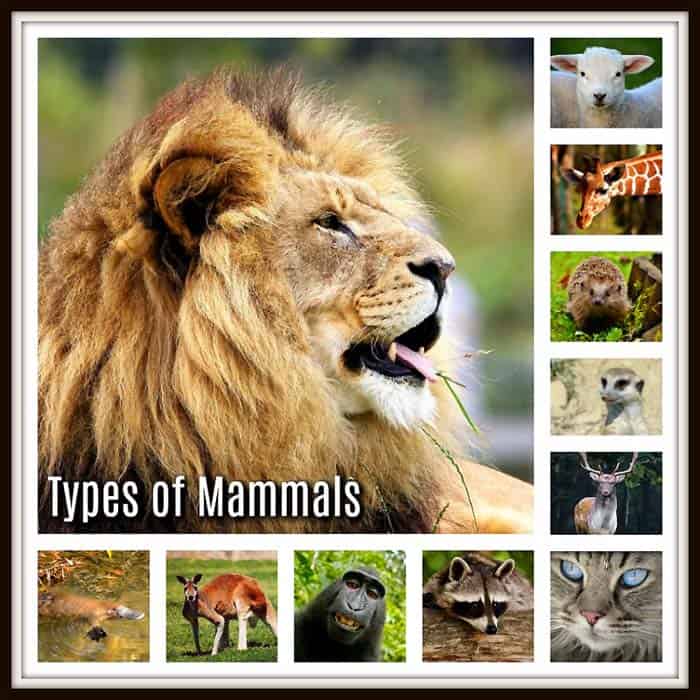
Types of Mammals: According to biological studies, mammals started to appear during the dinosaur era (200+ million years ago). Initially, mammals were small in size, and after the extinction of dinosaurs (end of the Mesozoic era – 66 million years ago), their sizes had started to evolve into more prominent forms.
By nature, mammals are warm-blooded animals covered with furry hairs which make them live anywhere in the world from icy polar regions to tropical forests.
There are many biological classifications and debates on types of mammals amongst the biologists themselves. The mammals are classified under kingdom – Animalia, phylum – Chordata, and class – Mammalia.
However, the commonly accepted types of mammals are grouped into three major categories based on how mammals reproduce their babies:
Jump to:
- Types of Mammals
- 1. Monotremes Mammals
- 2. Marsupial Mammals
- 3. Placental Mammals
- Characteristics of Mammals
- Monotremes Mammal Orders
- Placental Mammal Orders
- Different Species of Mammals
- 334 Types of Monkeys
- Albino Bats
- Albino Deer: A Rare and Fascinating Genetic Mutation
- Albino Ferrets
- Black Leopard
- Elephant
- Explore Panda
- Gray-bellied Night Monkey
- Gray-handed Night Monkey
- Prosimians
- Schneider's Marmoset
- Scimitar Oryx
- Southern Patas Monkey
- Types of Apes
Types of Mammals
1. Monotremes Mammals
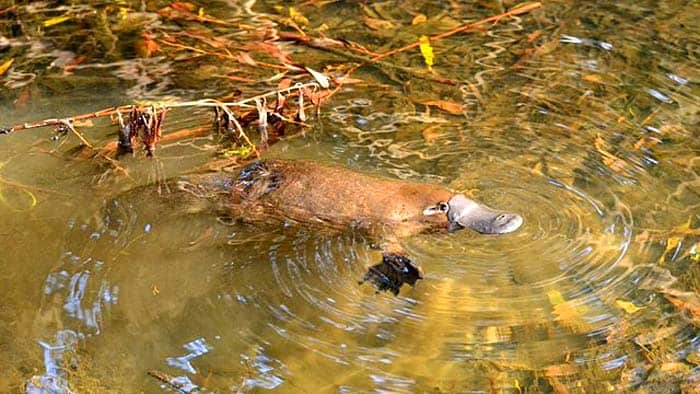
This type of mammals lay eggs, and the offsprings come out from the hatched eggs. These are the ancient form of mammals, and even today, these mammals do exist. The babies feed on their mother’s milk, similar to other mammals. Monotremes mammals belong to the Sub-class Prototheria.
(Example: Platypus from Australia). Check out a post on Platypus featuring on animals with best sensors.
2. Marsupial Mammals
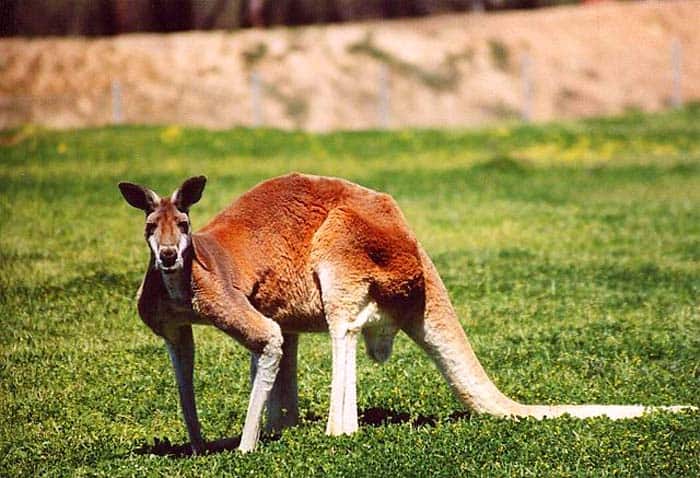
This type of mammal gives birth to the barely formed offspring, and the baby grows on a pouch on the mother’s belly. From there, babies drink their mother’s milk to get all nutrients and become fully evolved babies. Marsupial mammals belong to the Sub-class Metatheria.
(Example: Kangaroo from Australia).
3. Placental Mammals
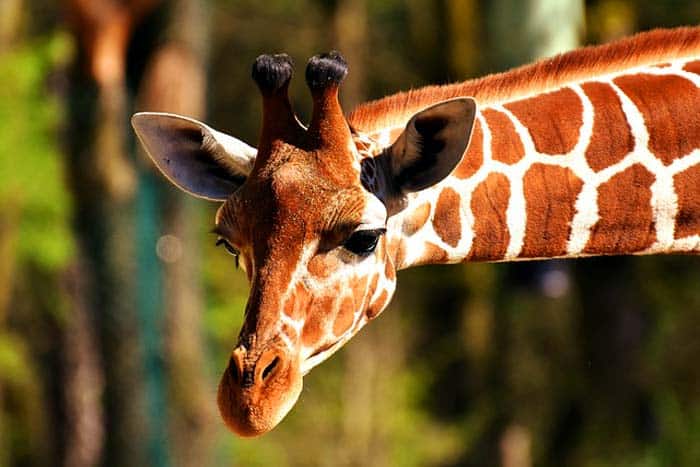
This type of mammal constitutes a more significant chunk of mammals in the animal kingdom. The offsprings grow into a well-formed structure inside the mother’s belly for a long time (time differs between the size and shape of mammals) before the mother gives birth to them when ready. The baby in the womb gets nourishment from the mother’s diet via the umbilical cord (attached to the mother) inside the placenta (an organ where the baby grows). The placental mammals belong to the sub-class Eutheria.
(Examples: Humans, Giraffes, Monkeys, Apes & more).
Suggested Reading:
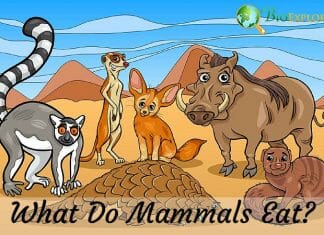
What Do Mammals Eat?
Characteristics of Mammals
Although the mammals can be monotremes, marsupials, or placentals, they all share a list of key features:

1. Warm-blooded
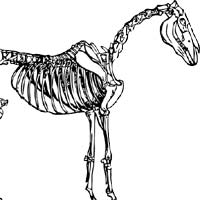
2. Vertebrates
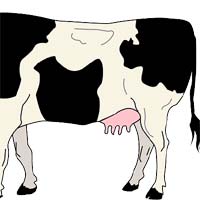
3. Nourish Young on Milk
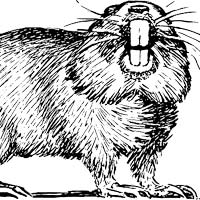
4. Body covered with hair
Blubber: A think layer which insulates the fat. This type of skin is shared among marine mammals. (Example: Dolphins)
Fur: Certain animals have two layers of fur, namely outer guard hair (coat/fur) and the inner woolly underfur. The outer fur sheds the water and keeps the underfur dry. (Example: Tiger)
Spines: The outer hair of some animals are made into stiffer, sharper, and thicker spines that protect from predators. (Example: Porcupine)
Scales: The skin for certain mammals is formed by fusing overlapping scales of modified hairs. Thus, the skin resembles a thick outer shell which provides excellent protection from predators. (Example: Pangolin)
5. Give Birth From Womb
Within the Mammalia class, there are about 5500+ known species of mammals identified and classified under 30 different biological orders. Still, new mammal species are being discovered annually and added to this list.
Monotremes Mammal Orders
Placental Mammal Orders
Order Artiodactyla (Placental)
Order Carnivora (Placental)
Order Cetacea (Placental)
Order Chiroptera (Placental)
Order Cingulata (Placental)
Order Dermoptera (Placental)
Order Erinaceomorpha (Placental)
Order Hyracoidea (Placental)
Order Lagomorpha (Placental)
Order Macroscelidea (Placental)
Order Perissodactyla (Placental)
Order Pholidota (Placental)
Order Pilosa (Placental)
Order Primates (Placental)
Order Proboscidea (Placental)
Order Rodentia (Placental)
Order Scandentia (Placental)
Order Sirenia (Placental)
Order Soricomorpha (Placental)
Order Tubulidentata (Placental)
Order Condylarthra – extinct (Placental)
Order Creodonta – extinct (Placental)
Order Desmostylia – extinct (Placental)
Order Embrithopoda – extinct (Placental)
Different Species of Mammals
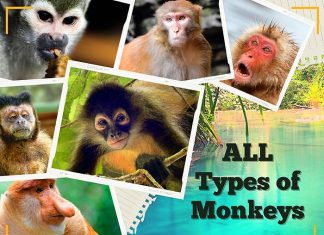
334 Types of Monkeys
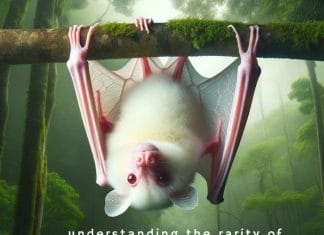
Albino Bats
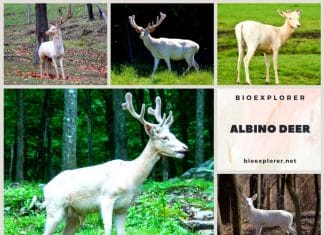
Albino Deer: A Rare and Fascinating Genetic Mutation
Albino Ferrets
Black Leopard
Elephant
Explore Panda
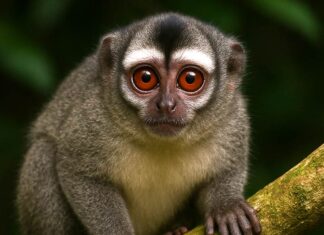
Gray-bellied Night Monkey
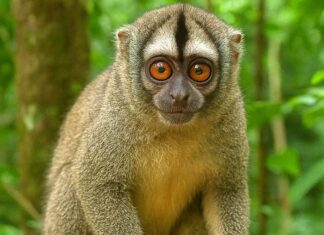
Gray-handed Night Monkey
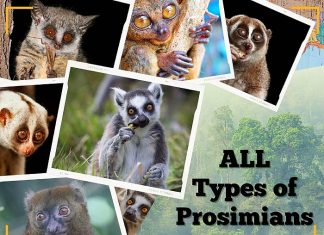
Prosimians
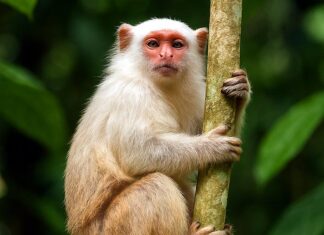
Schneider's Marmoset
Scimitar Oryx
Southern Patas Monkey
Types of Apes
Cite this page
Bio Explorer. (2026, March 21). Types of Mammals. https://www.bioexplorer.net/animals/mammals/
One Comment