
Solomon’s Seal
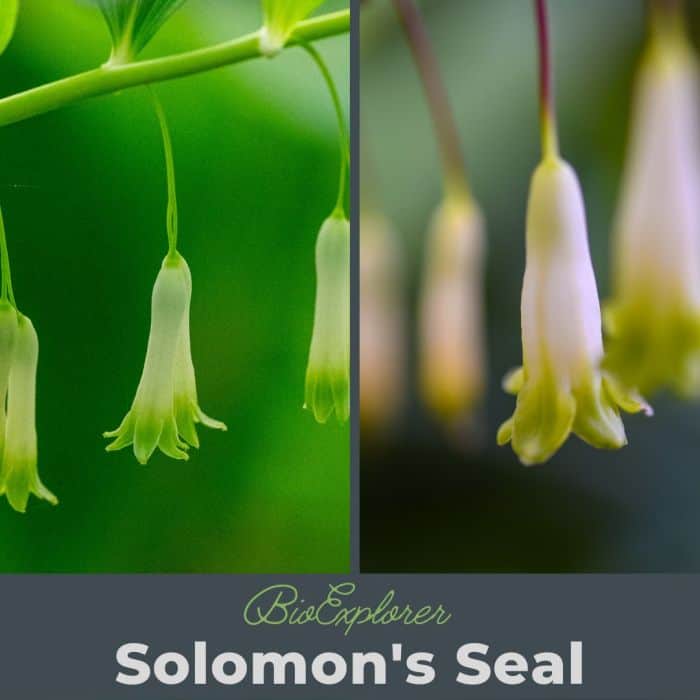
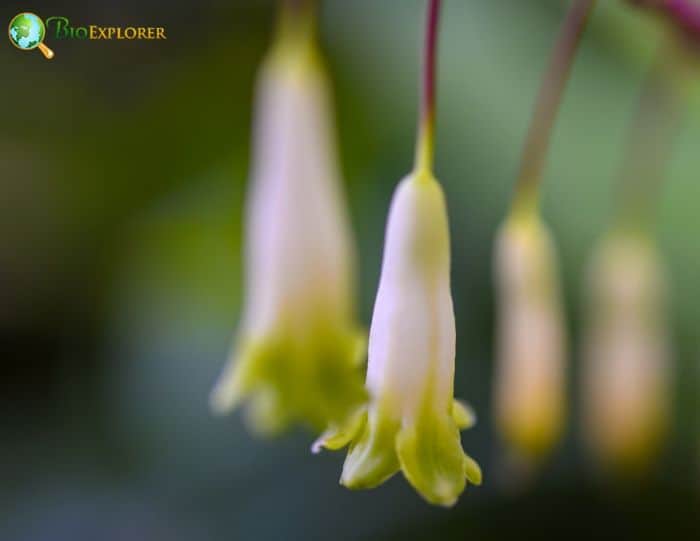
Polygonatum biflorum, commonly known as Solomon’s seal, is a classic garden shade plant that gives garden beds an architectural component thanks to its arched stems. The stems are lined with small white bell-shaped flowers at the bottom in spring.

These flowers then give way to bluish-black berries that are loved by wildlife. In addition, this plant’s spreading, clustered growth makes it an excellent ground cover for shady locations. Solomon’s Seal is a hardy perennial native to North America, Europe, and Asia.
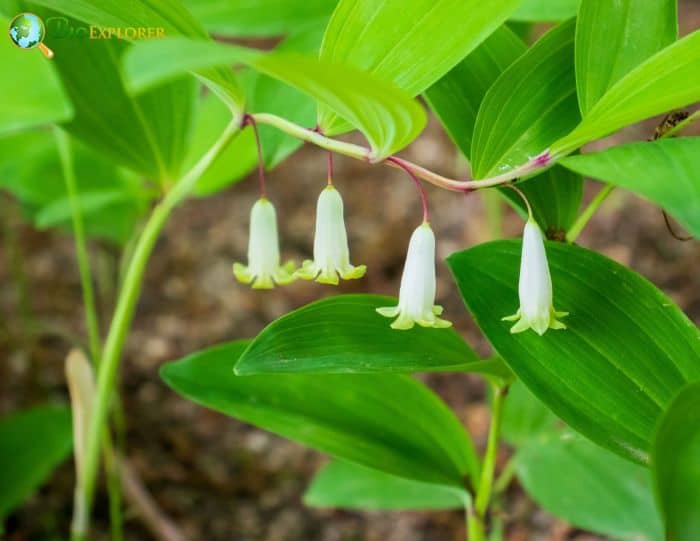
There are around 60 species[1] in this group of perennial grasses in the Asparagaceae (asparagus) family. Solomon’s Seal is an erect, domed that typically grows 1-3 feet tall on unbranched stems.
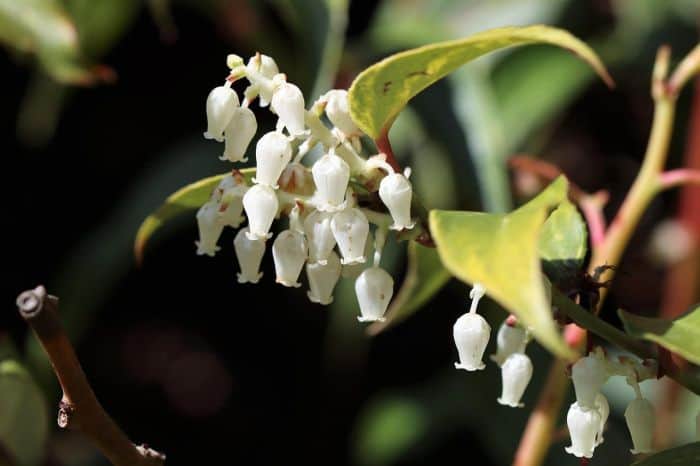
The small, greenish-yellow, bell-shaped flowers (typically in pairs) on short stems hang in spring from the leaf axils and below the arched stems.
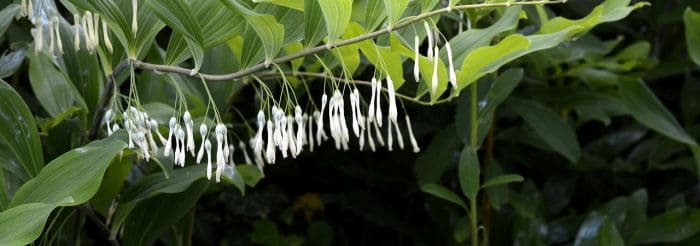
The alternate leaves (up to 4 inches long) with showy parallel veins are smooth on both sides and turn a pretty yellow color in the fall.
Cite this page
Bio Explorer. (2026, March 21). Solomon’s Seal. https://www.bioexplorer.net/plants/flowers/solomons-seal/